Carboxylic Acids
Carboxylic acids are organic molecules characterized by having a carboxyl-type functional group (-COOH). These acids are fundamental in various chemical reactions, including esterification, amidation, and decarboxylation. Carboxylic acids are widely used in the production of pharmaceuticals, polymers, and agrochemicals. In this section, you can find a large number of carboxylic acids ready to be used. At CymitQuimica, we provide a broad range of high-quality carboxylic acids to support your research and industrial applications.
Found 12454 products of "Carboxylic Acids"
Sort by
Purity (%)
0
100
|
0
|
50
|
90
|
95
|
100
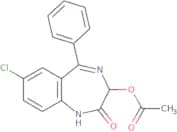
Oxazepam acetate
CAS:Controlled Product<p>Oxazepam acetate is a chiral drug that has enantiomeric forms. Oxazepam acetate is converted to the corresponding lorazepam by hydrolysis of the acetate ester group. This drug is an analytical method for determining the concentration of oxazepam in human serum and rat liver microsomes. It also has a stereoselective effect on nucleophilic attack, which means it only reacts with one of two possible sites in the molecule. Oxazepam acetate can be used to treat insomnia, anxiety, and seizure disorders.</p>Formula:C17H13ClN2O3Purity:Min. 95%Molecular weight:328.75 g/mol3-Bromo-2-methylbenzoic acid methyl ester
CAS:<p>3-Bromo-2-methylbenzoic acid methyl ester is a serotonin transporter and reuptake inhibitor. It has selectivities for serotonin, dopamine and norepinephrine transporters. 3-Bromo-2-methylbenzoic acid methyl ester acts as a linker molecule in the synthesis of complex molecules like neurotransmitters. It is also a bifunctional molecule that can act as an antidepressant or anti-anxiety drug by increasing serotonin levels in the brain. 3-Bromo-2-methylbenzoic acid methyl ester’s function as a ligand is to bind to receptors on cells, which may be linked with its effects on depression and anxiety.</p>Formula:C9H9BrO2Purity:Min. 95%Molecular weight:229.07 g/molPyrimidine-5-carboxylic acid
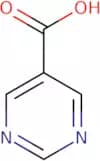
CAS:<p>Pyrimidine-5-carboxylic acid is a synthetic, nucleophilic pyrimidine compound that is used in the laboratory for the synthesis of other compounds. It has been shown to inhibit the growth of Leishmania and Staphylococcus bacteria. Pyrimidine-5-carboxylic acid binds to the malonic acid moiety of phosphoenolpyruvate carboxykinase and inhibits its activity, leading to a reduction in cellular respiration. This drug also has clinical development potential as an analgesic with modulating properties.</p>Formula:C5H4N2O2Purity:Min. 95%Molecular weight:124.1 g/molTrifluoro acetic anhydride
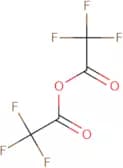
CAS:<p>Trifluoro acetic anhydride is a chemical compound that is used in the laboratory as a model system to study antimicrobial agents and the reaction mechanism of these compounds. It has been shown to have receptor activity against infectious diseases and enzyme activities against bacterial growth. Trifluoroacetic anhydride has also been shown to inhibit plasma mass spectrometry, which may be due to its ability to react with water vapor. The chemical inhibitor can be recovered and reused for other experiments.</p>Formula:C4F6O3Purity:Min. 95%Color and Shape:Colorless Clear LiquidMolecular weight:210.03 g/mol(S)-tert-Butyl 3-(methylamino)pyrrolidine-1-carboxylate
CAS:<p>(S)-tert-Butyl 3-(methylamino)pyrrolidine-1-carboxylate is a research chemical that can be used as a versatile building block for the synthesis of complex compounds. It is also a reaction component in the synthesis of speciality chemicals and useful scaffolds. It has been shown to have high quality, reagent grade and purity.</p>Formula:C10H20N2O2Purity:Min. 95%Color and Shape:PowderMolecular weight:200.28 g/mol5-Hydroxyisophthalic acid
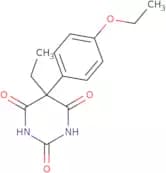
CAS:<p>5-Hydroxyisophthalic acid is a dicarboxylic acid that has one hydroxyl group. It is an odorless, colorless solid that is soluble in water and ether. 5-Hydroxyisophthalic acid has been found to be a good thermal expansion agent for polypropylene and polyethylene, due to its intermolecular hydrogen bonding ability. This compound also has the ability to form diphenyl ethers with carboxylates, which are used as stabilizers in PVC. 5-Hydoxyisophthalic acid is not very reactive and can be used as a neutral pH stabilizer in alkaline solutions. Hydrogen bonds between 5-hydroxyisophthalic acid molecules allow it to form complexes with sodium salts, such as sodium thiosulfate or sodium nitrite. The coordination geometry of the molecule also allows for hydrogen bonding interactions with other neutral molecules, such as p-hydroxybenzoic acid</p>Formula:C8H6O5Purity:Min. 95%Molecular weight:182.13 g/mol5-(4-Ethoxyphenyl)-5-ethylbarbituric acid
CAS:Controlled Product<p>Please enquire for more information about 5-(4-Ethoxyphenyl)-5-ethylbarbituric acid including the price, delivery time and more detailed product information at the technical inquiry form on this page</p>Formula:C14H16N2O4Purity:Min. 95%Molecular weight:276.29 g/mol3-[2-(Ethoxycarbonyl)-1-methyl-1H-indol-3-yl]propanoic acid
CAS:Controlled Product<p>Please enquire for more information about 3-[2-(Ethoxycarbonyl)-1-methyl-1H-indol-3-yl]propanoic acid including the price, delivery time and more detailed product information at the technical inquiry form on this page</p>Formula:C15H17NO4Purity:Min. 95%Molecular weight:275.3 g/mol7-(Difluoromethyl)-5-methyl[1,2,4]triazolo[1,5-a]pyrimidine-2-carboxylic acid
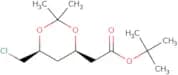
CAS:<p>Please enquire for more information about 7-(Difluoromethyl)-5-methyl[1,2,4]triazolo[1,5-a]pyrimidine-2-carboxylic acid including the price, delivery time and more detailed product information at the technical inquiry form on this page</p>Formula:C8H6F2N4O2Purity:Min. 95%Molecular weight:228.16 g/mol(4R-cis)-6-Chloromethyl-2,2-dimethyl-1,3-dioxane-4-acetic acid tert-butyl ester
CAS:<p>Please enquire for more information about (4R-cis)-6-Chloromethyl-2,2-dimethyl-1,3-dioxane-4-acetic acid tert-butyl ester including the price, delivery time and more detailed product information at the technical inquiry form on this page</p>Formula:C13H23ClO4Purity:Min. 95%Molecular weight:278.77 g/molTaraxeryl acetate
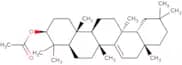
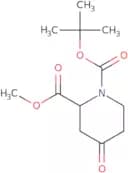
CAS:Controlled Product<p>Taraxeryl acetate is a fatty acid that is found in the extract of Curcuma aromatica (turmeric). It has been shown to inhibit cervical cancer cells in tissue culture. Taraxeryl acetate inhibits the growth of Streptococcus faecalis by binding to its ribosomal RNA and inhibiting protein synthesis. Toxicological studies on rats have shown that this compound does not have any harmful effects on physiological functions. This molecule has also been shown to be an inhibitor for protocatechuic acid, which is a chemical structure involved in the cycle analysis of curcuminoids. In addition, taraxeryl acetate has been used as an active ingredient in Chinese medicine preparations for the treatment of symptoms related to herpes simplex virus infections.</p>Purity:Min. 95%1-tert-Butyl 2-methyl 4-oxopiperidine-1,2-dicarboxylate
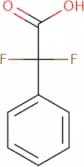
CAS:<p>Please enquire for more information about 1-tert-Butyl 2-methyl 4-oxopiperidine-1,2-dicarboxylate including the price, delivery time and more detailed product information at the technical inquiry form on this page</p>Purity:Min. 95%alpha,alpha-Difluorophenylacetic acid
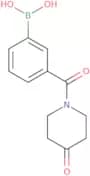
CAS:<p>Please enquire for more information about alpha,alpha-Difluorophenylacetic acid including the price, delivery time and more detailed product information at the technical inquiry form on this page</p>Formula:C8H6F2O2Purity:Min. 95%Molecular weight:172.13 g/mol3-(4-Oxopiperidine-1-carbonyl)phenylboronic acid
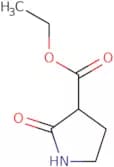
CAS:Controlled Product<p>Please enquire for more information about 3-(4-Oxopiperidine-1-carbonyl)phenylboronic acid including the price, delivery time and more detailed product information at the technical inquiry form on this page</p>Formula:C12H14BNO4Purity:Min. 95%Molecular weight:247.05 g/mol2-Oxopyrrolidine-3-carboxylic acid ethyl ester
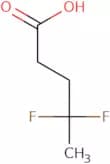
CAS:<p>Please enquire for more information about 2-Oxopyrrolidine-3-carboxylic acid ethyl ester including the price, delivery time and more detailed product information at the technical inquiry form on this page</p>Formula:C7H11NO3Purity:Min. 95%Molecular weight:157.17 g/mol4,4-Difluorpentanoic acid
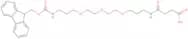
CAS:<p>4,4-Difluorpentanoic acid is an intermediate in the synthesis of amantadine hydrochloride. It is also used as a food additive to inhibit proteolytic enzymes and to produce alkyl esters. 4,4-Difluorpentanoic acid can be used as a competitive inhibitor of serine proteases and cysteine proteases. The compound binds reversibly to the active site of these enzymes and inhibits their activity by competing with the natural substrate for binding. This compound is often used in combination with other protease inhibitors such as phenylmethanesulfonyl fluoride or N-phenylmaleimide.</p>Formula:C5H8F2O2Purity:Min. 95%Molecular weight:138.11 g/molFmoc-1-amino-4,7,10-trioxa-13-tridecanamine succinimic acid
CAS:<p>Fmoc-1-amino-4,7,10-trioxa-13-tridecanamine succinimic acid is a synthetic amide that is used as an intermediate in the synthesis of peptides. It has a conformational structure and can be labeled with dyes to study the structures of proteins or peptides. Fmoc-1-amino-4,7,10-trioxa-13-tridecanamine succinimic acid has been used as an immunogen in the preparation of monoclonal antibodies. It also can be conjugated to drugs or other compounds for use as bioconjugates. This compound has been shown to have enzymatic activity and can be used as a substrate for enzyme linked immunosorbent assays (ELISA). Trifluoroacetic acid is commonly used in the synthesis of this compound.</p>Formula:C29H38N2O8Purity:Min. 98 Area-%Molecular weight:542.62 g/molEthyl 2-chloro-2,2-difluoroacetate
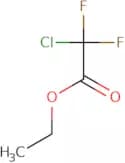
CAS:<p>Ethyl 2-chloro-2,2-difluoroacetate is an organic compound that is used in the synthesis of benzofuran derivatives. It reacts with chlorine to generate a reactive intermediate and then undergoes a nucleophilic substitution reaction to produce the desired compound. The kinetic studies of this reaction have been conducted using isolated yields of the reactants. The active methylene group can undergo a variety of reactions because it has a reactive chlorine atom attached to it. This active substance inhibits the NS5B polymerase, which is responsible for converting RNA into DNA. Ethyl 2-chloro-2,2-difluoroacetate may be used as a potential treatment for inflammatory diseases such as asthma and arthritis because it prevents acetylcholine from binding to its receptor α.</p>Formula:C4H5ClF2O2Purity:Min. 95%Color and Shape:Clear LiquidMolecular weight:158.53 g/mol5-Norbornene-2-carboxylic acid
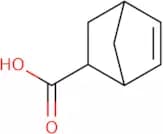
CAS:<p>5-Norbornene-2-carboxylic acid is a reactive, carbonyl compound that has been used in metathesis reactions. In these reactions, the 5-norbornene-2-carboxylic acid reacts with sodium carbonate to form a mixture of hydroxy methyl and fluorine groups. The 5-norbornene-2-carboxylic acid can be prepared by reacting phenol with anhydrous hydrogen fluoride in the presence of sodium carbonate. This reaction produces a mixture of 5-norbornene-2 carboxylic acids, but also includes isomeric mixtures that are not useful as starting materials for synthesis. The 5-norbornene -2 carboxylic acid can also be synthesized from aliphatic hydrocarbons such as propylene or ethylene. It is important to note that the 5 - norborenene 2 carboxylic acid does not have any aromatic rings and is therefore</p>Formula:C8H10O2Purity:Min. 95%Color and Shape:Clear LiquidMolecular weight:138.16 g/molMethyl 3-bromoindole-6-carboxylate
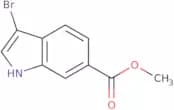
CAS:<p>Please enquire for more information about Methyl 3-bromoindole-6-carboxylate including the price, delivery time and more detailed product information at the technical inquiry form on this page</p>Formula:C10H8BrNO2Purity:Min. 95%Molecular weight:254.08 g/molMethyl 1-aminocyclohexanecarboxylate hydrochloride
CAS:<p>Please enquire for more information about Methyl 1-aminocyclohexanecarboxylate hydrochloride including the price, delivery time and more detailed product information at the technical inquiry form on this page</p>Formula:C8H15NO2Purity:Min. 95%Molecular weight:157.21 g/mol[2-(Difluoromethyl)phenyl]boronic acid
CAS:Please enquire for more information about [2-(Difluoromethyl)phenyl]boronic acid including the price, delivery time and more detailed product information at the technical inquiry form on this pageFormula:C7H7BF2O2Purity:Min. 95%Molecular weight:171.94 g/mol(1R,2R)-Boc-aminocyclopentane carboxylic acid
CAS:<p>(1R,2R)-Boc-aminocyclopentane carboxylic acid (BCPC) is a high quality, reagent, and useful intermediate. It is a versatile building block that can be used as a speciality chemical or research chemical. BCPC has been shown to react with amines to form ureas, with nitriles to form oxazolidines, and with epoxides to form aziridinones.</p>Formula:C11H19NO4Purity:Min. 95%Color and Shape:White PowderMolecular weight:229.27 g/mol4-(4-fluorophenyl)butanoic Acid
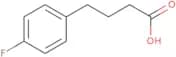
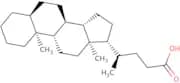
CAS:<p>Please enquire for more information about 4-(4-fluorophenyl)butanoic Acid including the price, delivery time and more detailed product information at the technical inquiry form on this page</p>Formula:C10H11FO2Purity:Min. 95%Molecular weight:182.19 g/mol5β-Cholanic acid
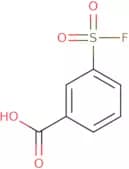
CAS:Controlled Product<p>5beta-Cholanic acid is a fatty acid that is the product of cholesterol metabolism. It has been shown to inhibit tumor growth by binding to ATP-binding cassette transporter and blocking the transport of tumor cells. 5beta-Cholanic acid also inhibits HIV infection by interfering with the virus's ability to bind and enter host cells. 5beta-Cholanic acid may also be used as a treatment for autoimmune diseases such as multiple sclerosis, rheumatoid arthritis, ulcerative colitis and Crohn's disease. This compound has been shown to inhibit mitochondrial membrane potential and induce apoptosis in prostate cancer cells in vitro. The mechanism of action for this compound is not well understood but it may be due to its ability to decrease ATP levels in mitochondria or interfere with the production of bile acids from cholesterol by inhibiting hydroxylation reactions.</p>Formula:C24H40O2Purity:Min. 95%Color and Shape:PowderMolecular weight:360.57 g/mol3-(Fluorosulphonyl)Benzoic Acid
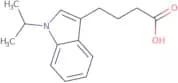
CAS:<p>3-(Fluorosulphonyl)benzoic acid is a potent anti-cancer drug that belongs to the class of natural products. It has been shown to exhibit anti-cancer activity against carcinoma cell lines. 3-(Fluorosulphonyl)benzoic acid inhibits DNA replication, RNA synthesis and protein synthesis by binding to the ribosome. This compound may also have chemopreventive effects on colorectal cancer through its ability to induce apoptosis in cancer cells. 3-(Fluorosulphonyl)benzoic acid is an analog of the natural product alkaloid cytisine, which is found in tobacco plants and has been used for centuries as a smoking cessation aid.</p>Formula:C7H5FO4SPurity:Min. 95%Molecular weight:204.18 g/mol4-(1-Isopropyl-1H-indol-3-yl)butanoic acid
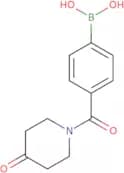
CAS:Controlled Product<p>Please enquire for more information about 4-(1-Isopropyl-1H-indol-3-yl)butanoic acid including the price, delivery time and more detailed product information at the technical inquiry form on this page</p>Formula:C15H19NO2Purity:Min. 95%Molecular weight:245.32 g/mol4-(4-Oxopiperidine-1-carbonyl)phenylboronic acid
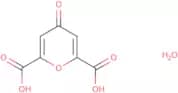
CAS:Controlled ProductPlease enquire for more information about 4-(4-Oxopiperidine-1-carbonyl)phenylboronic acid including the price, delivery time and more detailed product information at the technical inquiry form on this pageFormula:C12H14BNO4Purity:Min. 95%Molecular weight:247.05 g/molChelidonic acid monohydrate
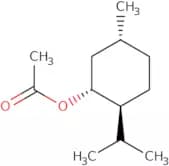
CAS:<p>Chelidonic acid monohydrate is an organometallic compound that can be synthesized by reacting 4-hydroxybenzoic acid with an organometallic reagent. Chelidonic acid monohydrate has antihypertensive activity and is used in the treatment of viral infections. Chelidonic acid monohydrate has a hydroxy group on the skeleton, which is a molecule that contains two or more amino groups. It also has a carboxylic group and alkynyl group, which are both organic functional groups that contain at least one carbon atom bonded to a hydroxyl group. Chelidonic acid monohydrate is a metal complex with calixarenes as ligands, which are heterocycles that have six members in their ring system. Chelidonic acid monohydrate is also cisplatin-resistant and can be used for the treatment of cancers such as breast cancer and leukemia.</p>Purity:Min. 95%(1R)-(-)-Menthyl acetate
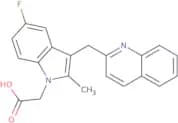
CAS:<p>(1R)-(-)-Menthyl acetate is a lipase that catalyzes the hydrolysis of esters and amides. It has been immobilized to produce a solid-state biocatalyst that is efficient for the hydrolysis of ester bonds. Candida is an unicellular eukaryotic organism belonging to the phylum Ascomycota, class Saccharomycetes. The enzyme has shown excellent activity against Candida albicans, which causes candidiasis.</p>Formula:C12H22O2Purity:Min. 95%Color and Shape:Clear LiquidMolecular weight:198.3 g/molTimapiprant
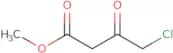
CAS:Controlled ProductTimapiprant is an amide that acts as a selective inhibitor of the prostanoid receptor CRTH2, which is involved in regulating the inflammatory response. Timapiprant inhibits skin eosinophilia, which is associated with inflammatory skin diseases such as atopic dermatitis and psoriasis. It has been shown to be safe in clinical trials and has a good safety profile. The drug's mechanism of action may be due to its ability to inhibit the production of IL-4 and IL-13 by Th2 cells and its ability to inhibit lung function. Timapiprant has shown efficacy in treating allergic rhinitis, asthma, chronic obstructive pulmonary disease, erythema multiforme, pyoderma gangrenosum, and other types of inflammatory skin diseases.Formula:C21H17FN2O2Purity:Min. 95%Molecular weight:348.37 g/molMethyl 4-chloroacetoacetate
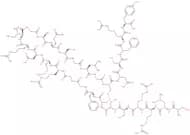
CAS:<p>Methyl 4-chloroacetoacetate is a neutral compound that reacts with hydrochloric acid to produce a salt, chloromethyl acetate. The reaction solution is then heated to evaporate the water and produce an organic solution. This reaction produces a molecular model of the compound, which has potent antibacterial activity against gram-positive and gram-negative bacteria.</p>Formula:C5H7ClO3Purity:Min. 95%Color and Shape:Clear LiquidMolecular weight:150.56 g/molAtrial natriuretic factor (1-28) (human) acetate
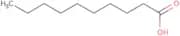
CAS:<p>Please enquire for more information about Atrial natriuretic factor (1-28) (human) acetate including the price, delivery time and more detailed product information at the technical inquiry form on this page</p>Formula:C127H203N45O39S3•C2H4O2Purity:Min. 95%Color and Shape:PowderMolecular weight:3,140.5 g/molDecanoic acid
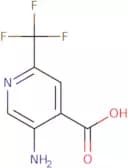
CAS:<p>Decanoic acid is a saturated fatty acid that has been used as a pharmaceutical agent for the treatment of congestive heart failure. Decanoic acid is also used in the production of glycol ethers and as an intermediate in organic synthesis. The melting point of decanoic acid is between 30 and 35 degrees Celsius, which is lower than the melting points of caproic acid (40 degress) or lauric acid (45 degrees Celsius). Decanoic acid has been shown to reduce blood glucose levels in diabetic mice and rats and has also been shown to have antimicrobial activity against c. glabrata, S. aureus, and E. coli. Decanoic acid may be effective as an adjuvant therapy for melanoma by inducing apoptosis through mitochondrial membrane potential disruption.</p>Formula:C10H20O2Purity:Min. 95%Color and Shape:PowderMolecular weight:172.26 g/mol5-Amino-2-(trifluoromethyl)isonicotinic acid
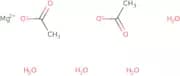
CAS:<p>Please enquire for more information about 5-Amino-2-(trifluoromethyl)isonicotinic acid including the price, delivery time and more detailed product information at the technical inquiry form on this page</p>Formula:C7H5F3N2O2Purity:Min. 95%Molecular weight:206.12 g/molMagnesium acetate tetrahydrate
CAS:<p>Magnesium acetate tetrahydrate is a white crystalline solid that is soluble in water and is used as a nutritional supplement. It is produced by the reaction of magnesium carbonate with an aqueous solution of acetic acid. The particle size varies depending on the synthesis method used. Magnesium acetate tetrahydrate has been shown to be effective for treating diabetes mellitus, as it helps regulate blood sugar levels by promoting insulin release from pancreatic cells and increasing glucose uptake into these cells. This compound also has been found to be effective in reducing hiv infection rates, which may be due to its ability to increase the activity of CD4+ T-cells.</p>Formula:Mg(C2H3O2)2•(H2O)4Purity:Min. 95%Color and Shape:White/Off-White SolidMolecular weight:214.45 g/molTrichloroacetic anhydride
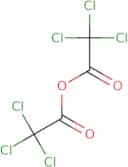
CAS:<p>Trichloroacetic anhydride is a chemical compound that is used in organic synthesis. It is a strong acid that reacts with fatty acids to form trifluoroacetic acid, which can be used as an analytical method for determining the presence of amines in a sample. It also shows inhibitory properties against inflammatory bowel disease and has been shown to have anti-inflammatory activity. Trichloroacetic anhydride is not very soluble in water, but it can be dissolved in alcohols and alkalis. This compound's ability to react with hydroxyl groups makes it useful for the synthesis of esters and ethers. Trichloroacetic anhydride's ability to react with intramolecular hydrogen may lead to metabolic disorders such as diabetes mellitus.</p>Formula:C4Cl6O3Purity:Min. 95%Molecular weight:308.76 g/molHyodeoxycholic acid sodium salt
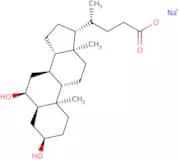
CAS:Controlled Product<p>Hyodeoxycholic acid sodium salt is a nonsteroidal anti-inflammatory drug that belongs to the class of hyodeoxycholic acids. It is an inhibitor of the enzyme activities that are involved in the synthesis of prostaglandins from arachidonic acid. Hyodeoxycholic acid sodium salt has been shown to inhibit the activity of enzymes such as cyclooxygenase, lipoxygenase, and 5-lipoxigenase. This inhibition leads to decreased production of inflammatory prostaglandins, which are responsible for inflammation and pain. Hyodeoxycholic acid sodium salt also has neurotrophic effects that may be due to its ability to stimulate NGF synthesis by neurons in vitro.</p>Formula:C24H39NaO4Purity:Min. 95%Molecular weight:414.55 g/mol(S)-2-Hydroxy-3-methoxy-3,3-diphenylpropionic acid
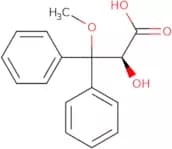
CAS:This is a crystalline form of the pyrimidine derivative (S)-2-Hydroxy-3-methoxy-3,3-diphenylpropionic acid. The compound has been shown to have antiplatelet properties and is currently being developed as an antithrombotic agent. In vitro studies have shown that ambrisentan inhibits platelet aggregation, thromboxane synthesis, and leukocyte adhesion. It also reduces the levels of serum cholesterol and triglycerides in patients with chronic heart failure. Ambrisentan has been studied in clinical trials for the treatment of pulmonary hypertension associated with chronic obstructive pulmonary disease (COPD) and idiopathic pulmonary fibrosis (IPF).Formula:C16H16O4Purity:Min. 95%Molecular weight:272.3 g/mol5-Hexynoic acid
CAS:<p>5-Hexynoic acid is a chemical compound that has been shown to have anticancer properties. The mechanism of action is not fully understood, but it may be due to its ability to inhibit an enzyme called irreversible acetylcholinesterase, which is involved in the production of several pro-inflammatory mediators. 5-Hexynoic acid has also been shown to inhibit the growth of prostate cancer cells and can be used as a therapeutic agent for prostate cancer. It is synthesized by plants and some microorganisms, although it is not found in humans. 5-Hexynoic acid can be produced from conjugates with glutamic acid or oxalyl chloride in an acidic environment.</p>Formula:C6H8O2Purity:Min. 95%Color and Shape:Clear LiquidMolecular weight:112.13 g/mol1-Phenyl-1H-pyrrole-2-carboxylic acid
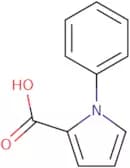
CAS:<p>1-Phenyl-1H-pyrrole-2-carboxylic acid is a heterocyclic compound with a carbonyl group. It is the simplest furan derivative. 1PPC has been shown to react with phosphite and trimethyl phosphite to form an intramolecular cycloaddition product, which is a biomolecular reaction. 1PPC competes with furan for the formation of pyrroles. This study also showed that pyrrole rings can be opened by 1PPC and other carbonyl groups in the presence of base, forming new compounds.</p>Formula:C11H9NO2Purity:Min. 95%Color and Shape:PowderMolecular weight:187.19 g/molL-a-Aminosuberic acid
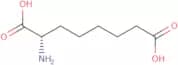
CAS:<p>L-a-aminosuberic acid is a synthetic amino acid that has been used as an analog of L-cysteine. It can be used to induce tumor cell death by inhibiting the uptake of fatty acids in prostate cancer cells. L-a-aminosuberic acid is also able to inhibit the expression of proteins that are involved in prostate cancer, such as monoclonal antibodies and sequences. This compound may be a potential biomarker for the diagnosis of prostate cancer. The low expression levels may be due to the lack of disulfide bond formation, which is necessary for protein activity.</p>Formula:C8H15NO4Purity:Min. 95%Molecular weight:189.21 g/molMethyl 2-fluoroacetate
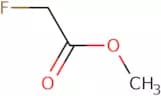
CAS:<p>Methyl 2-fluoroacetate is a nucleophilic drug that has been shown to cause conformational changes in the target protein. It has been shown to be water-soluble, and can be used as a probe for studying biological processes. Methyl 2-fluoroacetate has been shown to be effective against papillary muscle, and is a potential drug for treating cardiac conditions. The mechanism of action of methyl 2-fluoroacetate is not well understood, but it is thought to involve the formation of an alkoxy radical. The molecular structure of methyl 2-fluoroacetate was studied using vibrational spectroscopy and nuclear magnetic resonance (NMR) spectra. This drug was also found to inhibit the growth of tissue culture cells at low concentrations, which may indicate that it can affect cell function.</p>Formula:C3H5FO2Purity:Min. 95%Molecular weight:92.07 g/molChlormadinol acetate
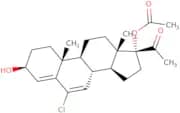
CAS:Controlled Product<p>Chlormadinol acetate is a stable complex of a fatty acid and an antibiotic that is used to treat infections caused by bacteria. It has been shown to have high resistance to antimicrobial agents, including amoxicillin-clavulanic acid, tetracycline, and multidrug efflux pumps. Chlormadinol acetate has also been shown to inhibit the growth of certain cancer cells in vitro and in vivo using gene therapy. This drug also inhibits bacterial protein synthesis by binding to the 30S ribosomal subunit and preventing the formation of a functional 70S ribosome. Chlormadinol acetate has been shown to be clinically relevant in mice when used with amoxicillin-clavulanic acid or tetracycline.</p>Formula:C23H31ClO4Purity:Min. 95%Molecular weight:406.94 g/mol(4-Ethoxyphenyl)boronic acid
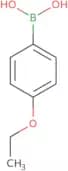
CAS:4-Ethoxyphenylboronic acid is a boron-containing compound that has been shown to have potent antiviral activity. This compound is synthesized from adipose tissue and optical properties of the phenoxazine derivative are studied in order to find an efficient process for solid-phase synthesis. 4-Ethoxyphenylboronic acid has been shown to inhibit triglyceride lipase and fatty acid, which may be an important drug target. It has also been found to have potent antagonistic effects on fatty acids.Formula:C8H11BO3Purity:Min. 95%Molecular weight:165.98 g/mol3,5-di-tert-Butyl-4-hydroxyphenylacetic acid
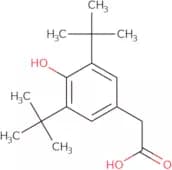
CAS:<p>3,5-Di-tert-butyl-4-hydroxyphenylacetic acid (BHT) is an antiaging agent that has been used in food packaging and cosmetics. BHT is a functionalized triethoxysilane with phenyl groups attached to the silicon atoms. BHT is an antioxidant that protects against lipid peroxidation and prevents the formation of free radicals by reacting with peroxy radicals. It has been shown to have a protective effect on skin cells when applied topically. BHT also has protective effects against environmental stressors such as UV radiation, ozone, and cigarette smoke.</p>Formula:C16H23O3Purity:Min. 95%Molecular weight:263.36 g/mol5-Octanoylsalicylic acid
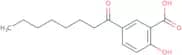
CAS:<p>5-Octanoylsalicylic acid is an anti-inflammatory and antioxidant agent that has been shown to have skin-conditioning properties. It has been found to be effective in the treatment of skin diseases, such as erythema, scaling, and itching, due to its ability to inhibit tyrosinase activity. 5-Octanoylsalicylic acid has also been shown to increase cellular proliferation and lymphocyte transformation in vitro. This compound is a precursor of all-trans-retinoic acid (a form of vitamin A), which is used for the treatment of acne. 5-Octanoylsalicylic acid can be synthesized from methyl ethyl ketone and potassium dichromate by a Friedel-Crafts reaction. It is also found in fruits such as apples, bananas, peaches, and oranges. Animal studies have shown that chronic oral administration may lead to a decrease in dehydroascorbic acid levels and an increased risk</p>Formula:C15H20O4Purity:Min. 95%Molecular weight:264.32 g/mol2-(1-Methyl-5-(4-methylbenzoyl)-1H-pyrrol-2-yl)acetic acid
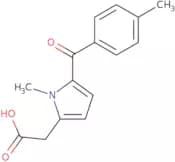
CAS:<p>2-(1-Methyl-5-(4-methylbenzoyl)-1H-pyrrol-2-yl)acetic acid is a nonsteroidal antiinflammatory drug that belongs to the group of drugs called arylpropionic acids. The drug is used to relieve inflammation and pain. 2-(1-Methyl-5-(4-methylbenzoyl)-1H-pyrrol-2-yl)acetic acid has been shown in vitro assays to be toxic to epidermal cells and inhibit the production of inflammatory mediators such as prostaglandins and leukotrienes. The drug also inhibits the production of proinflammatory cytokines such as IL6, IL8, and TNFα by activated human monocytes in vitro. It has been shown to have antiinflammatory activity in experimental models for arthritis, colitis, and asthma.</p>Formula:C15H15NO3Purity:Min. 95%Molecular weight:257.28 g/mol1-[2-(1H-Indol-3-yl)ethyl]-2,5-dimethyl-1H-pyrrole-3-carboxylic acid
CAS:Controlled ProductPlease enquire for more information about 1-[2-(1H-Indol-3-yl)ethyl]-2,5-dimethyl-1H-pyrrole-3-carboxylic acid including the price, delivery time and more detailed product information at the technical inquiry form on this pageFormula:C17H18N2O2Purity:Min. 95%Molecular weight:282.34 g/mol3,7-Dihydroxy-5-cholestenoic acid
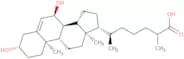
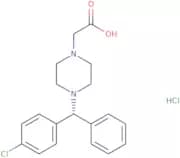
CAS:Controlled Product<p>Please enquire for more information about 3,7-Dihydroxy-5-cholestenoic acid including the price, delivery time and more detailed product information at the technical inquiry form on this page</p>Formula:C27H44O4Purity:Min. 95%Molecular weight:432.64 g/mol(R)-De(carboxymethoxy) cetirizine acetic acid hydrochloride
CAS:Please enquire for more information about (R)-De(carboxymethoxy) cetirizine acetic acid hydrochloride including the price, delivery time and more detailed product information at the technical inquiry form on this pageFormula:C19H22Cl2N2O2Purity:Min. 95%Molecular weight:381.3 g/mol2-[(2S,3S,4S)-3-Formyl-5-Methoxycarbonyl-2-Methyl-3,4-Dihydro-2H-Pyran-4-Yl]Acetic Acid
CAS:<p>2-[(2S,3S,4S)-3-Formyl-5-Methoxycarbonyl-2-Methyl-3,4-Dihydro-2H-Pyran-4-Yl]Acetic Acid (PCA) is a natural phenolic compound that is found in olive oil. PCA has been shown to possess antioxidant and antiinflammatory properties. It also has minimal toxicity, with no adverse effects on the liver or kidney. PCA is metabolized by hydrolysis to form hydroxytyrosol and tyrosol. Hydroxytyrosol can be further metabolized to produce the aglycon 2-[(2S,3S,4S)-3-(acetyloxy)-5-(hydroxymethyl)oxolan-4-yl]acetic acid (OHA). OHA is an intermediate in the biosynthesis of erythromycin and other macrolide antibiotics such as</p>Formula:C11H14O6Purity:90%MinMolecular weight:242.23 g/mol12-Amino-1-dodecanoic acid methyl ester hydrochloride salt
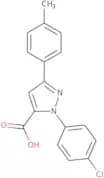
CAS:<p>12-Amino-1-dodecanoic acid methyl ester hydrochloride salt (12ADM) has been shown to have immunomodulatory properties. It has a nanomolar range of activity, which is the optimal for an immunosuppressant. 12ADM inhibits the transcriptional activity of human immunodeficiency virus type 1 (HIV-1) and HIV-2, as well as other retroviruses, through interactions with specific RNA sequences in the viral genome. The amide group in this compound is essential for its antiviral activity, and it also interacts with betulinic acid to enhance its cytotoxicity.</p>Formula:C13H28ClNO2Purity:Min. 95%Color and Shape:PowderMolecular weight:265.82 g/mol1-(4-Chlorophenyl)-3-(4-methylphenyl)-1H-pyrazole-5-carboxylic acid
CAS:Controlled Product<p>Please enquire for more information about 1-(4-Chlorophenyl)-3-(4-methylphenyl)-1H-pyrazole-5-carboxylic acid including the price, delivery time and more detailed product information at the technical inquiry form on this page</p>Formula:C17H13ClN2O2Purity:Min. 95%Molecular weight:312.75 g/molThallium(I) acetate
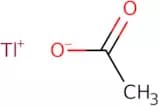
CAS:<p>Used as a selective agent against gram-negative bacteria in selective media</p>Formula:C2H3O2TlPurity:Min. 95%Molecular weight:263.43 g/molAG 1-X2 ion exchange resin 200-400 acetate
<p>AG 1-X2 ion exchange resin 200-400 acetate is a resin for strong anion exchange. Use this chloride-form resin for gravity or low-pressure chromatography.MW limit: ca 2700Wet density : ≤ 0.74 g/mL</p>Purity:Min. 95%Color and Shape:Powder20-Dehydro cholesterol 3-acetate
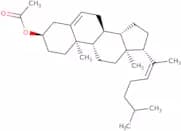
CAS:Controlled Product<p>Please enquire for more information about 20-Dehydro cholesterol 3-acetate including the price, delivery time and more detailed product information at the technical inquiry form on this page</p>Formula:C29H46O2Purity:Min. 95%Molecular weight:426.67 g/mol[2-(4-Aminophenyl)ethyl]carbamic acid tert-butyl ester
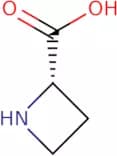
CAS:<p>Please enquire for more information about [2-(4-Aminophenyl)ethyl]carbamic acid tert-butyl ester including the price, delivery time and more detailed product information at the technical inquiry form on this page</p>Formula:C13H20N2O2Purity:Min. 95%Color and Shape:Slightly Yellow PowderMolecular weight:236.31 g/molL-Azetidine-2-carboxylic acid
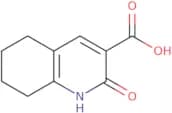
CAS:L-Azetidine-2-carboxylic acid is a natural product that has been shown to have anticancer effects. It has been shown to induce apoptosis in cancer cells by binding to response elements on the DNA, which causes DNA damage and cell death. L-Azetidine-2-carboxylic acid also inhibits protein synthesis by interfering with the uptake of amino acids, which are essential for protein production. This compound is not toxic to healthy cells because it cannot cross the lipid bilayer of the cell membrane. L-Azetidine-2-carboxylic acid also induces autophagy in cancer cells, causing them to destroy their own cellular components. There is evidence that this compound may be effective for other diseases such as diabetes and neurodegenerative disorders due to its ability to regulate intracellular calcium levels and its cytosolic function as a substrate molecule.Formula:C4H7NO2Purity:Min. 95%Color and Shape:White To Light (Or Pale) Yellow SolidMolecular weight:101.1 g/mol2-Oxo-1,2,5,6,7,8-hexahydroquinoline-3-carboxylic acid
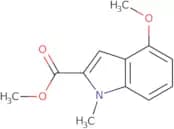
CAS:<p>Please enquire for more information about 2-Oxo-1,2,5,6,7,8-hexahydroquinoline-3-carboxylic acid including the price, delivery time and more detailed product information at the technical inquiry form on this page</p>Formula:C10H11NO3Purity:Min. 95%Molecular weight:193.2 g/molMethyl 4-methoxy-1-methyl-1H-indole-2-carboxylate
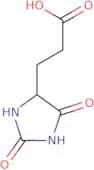
CAS:Controlled Product<p>Please enquire for more information about Methyl 4-methoxy-1-methyl-1H-indole-2-carboxylate including the price, delivery time and more detailed product information at the technical inquiry form on this page</p>Formula:C12H13NO3Purity:Min. 95%Molecular weight:219.24 g/mol3-(2,5-Dioxoimidazolidin-4-yl)propanoic acid
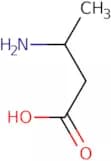
CAS:<p>3-(2,5-Dioxoimidazolidin-4-yl)propanoic acid (3DAP) is a histidine analog that belongs to the group of fatty acid derivatives. It has been shown to be effective in the diagnosis of obesity and provides a new approach for the treatment of obesity. 3DAP binds to organic anion transporters, which are proteins that transport organic anions across cell membranes. This binding inhibits the transport of organic anion substrates and leads to increased concentrations of these substrates in blood plasma. 3DAP is a competitive inhibitor against estrone sulfate, which is one of its major metabolites. 3DAP has shown efficacy in animal models for obesity, diabetes, and hepatic steatosis.</p>Formula:C6H8N2O4Purity:Min. 95%Color and Shape:PowderMolecular weight:172.14 g/molDL-3-Aminobutyric acid
CAS:<p>DL-3-Aminobutyric acid is a natural compound that belongs to the group of amino acids. It is found in human immunoglobulin, enzymes, and proteins. DL-3-Aminobutyric acid has been shown to have an effect on iron homeostasis, signal pathways, and water permeability. It has also been shown to have anti-fungal activity in vitro and can be used as a model system for plant physiology.</p>Formula:C4H9NO2Purity:Min. 95%Molecular weight:103.12 g/mol2-Aminopyrimidine-5-boronic acid pinacol ester
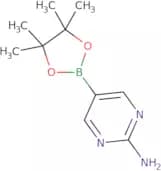
CAS:<p>2-Aminopyrimidine-5-boronic acid pinacol ester is a boronic acid derivative that has been shown to inhibit the activity of protein kinase C. This compound is also an effective linker for cross-coupling reactions and has a low reactivity with nucleophiles, which makes it safer than other boronic acids. 2-Aminopyrimidine-5-boronic acid pinacol ester has been shown to be potent against cancer cells in vitro and in vivo and synthetic cells. 2-Aminopyrimidine-5-boronic acid pinacol ester inhibits the growth of cancer cells by binding to the ATP site on protein kinase C, thereby inhibiting its function.</p>Formula:C10H16BN3O2Purity:Min. 95 Area-%Color and Shape:PowderMolecular weight:221.06 g/molMethylisoxazole-4-carboxylic acid
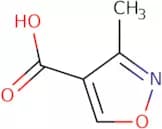
CAS:<p>Methylisoxazole-4-carboxylic acid is an amide that is oxidized to form a hydroxycrotonic acid. It is found in food products, such as milk and eggs, which are rich in amino acids. Methylisoxazole-4-carboxylic acid can be converted to the corresponding hydroxycrotonic acid by deamination of alpha-ketoglutarate or by enamine formation with other amines. These processes are important for the metabolism of amino acids and the synthesis of proteins. Methylisoxazole-4-carboxylic acid has analgesic properties and has been shown to reduce cycloaddition reactions that lead to the formation of free radicals. The methyl group on this compound also allows it to act as a reducing agent, forming nitro compounds with nitrous oxide or nitric oxide and hydroxyl groups with alcohols, phenols, and pyridines.</p>Formula:C5H5NO3Purity:Min. 95%Molecular weight:127.1 g/mol3-(Methylsulfonyl)propanoic acid
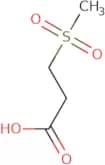
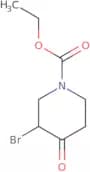
CAS:<p>3-(Methylsulfonyl)propanoic acid is a polynucleotide that is used in sequencing reactions. It has been shown to bind to the protein Smegmatis and increase the rate of the polymer composition. 3-(Methylsulfonyl)propanoic acid has also been shown to have a structural similarity with porins, which are proteins that form pores in cell membranes for ion transport. 3-methylsulfanylpropanoic acid binds to porins by coordinating geometry, allowing it to be transported into cells. The 6-Fluoro-3-indoxyl-beta-D-galactopyranoside is an antituberculosis drug that belongs to the class of rifamycins. Rifapentine inhibits bacterial growth by binding to DNA-dependent RNA polymerase, thereby preventing transcription and replication. The high frequency of human activity has been shown using a patch-clamp technique on human ery</p>Formula:C4H8O4SPurity:Min. 95%Molecular weight:152.17 g/mol3-Bromo-4-oxo-piperidine-1-carboxylic acid ethyl ester
CAS:3-Bromo-4-oxo-piperidine-1-carboxylic acid ethyl ester is a monoclinic crystal of the salt of 3-bromo-4-oxo-piperidine and 1,2-ethanediol. It is used as an intermediate in the synthesis of cisapride, a medication that regulates gastrointestinal motility. 3BOCEP has been shown to hydrolyze in the stomach with a rate constant of 2 x 10 M s. The bromination product is cisapride, which has been shown to regulate gastrointestinal motility by stimulating GI smooth muscle contractions.Formula:C8H12BrNO3Purity:Min. 95%Molecular weight:250.09 g/mol3-Amino-5-methoxybenzoic acid
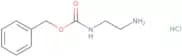
CAS:<p>3-Amino-5-methoxybenzoic acid is a macrocyclist, which means that it can switch between two different forms. When the temperature is below 27 degrees Celsius, it exists as a mesomorphic phase and when the temperature increases above 27 degrees Celsius, it exists as an isotropic phase. 3-Amino-5-methoxybenzoic acid also has homologues that are also mesomorphic or isotropic depending on their temperatures. The chemoenzymatic parameters of the two phases are different and so are their lamellar morphologies. The fluorine atom in 3-amino-5-methoxybenzoic acid makes it act like a Lewis acid, decreasing its melting point and increasing its vapor pressure. There are two isomers of 3-amino-5-methoxybenzoic acid: dodecyl and octadecyl 3--amino--5--methoxyben</p>Formula:C8H9NO3Purity:Min. 95%Color and Shape:White To Yellow To Light Brown SolidMolecular weight:167.16 g/molBenzyl N-(2-aminoethyl)carbamate hydrochloride
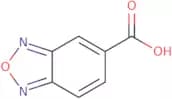
CAS:<p>Please enquire for more information about Benzyl N-(2-aminoethyl)carbamate hydrochloride including the price, delivery time and more detailed product information at the technical inquiry form on this page</p>Formula:C10H15ClN2O2Purity:Min. 95%Molecular weight:230.69 g/mol2,1,3-Benzoxadiazole-5-carboxylic acid
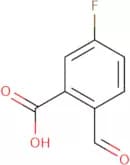
CAS:<p>2,1,3-Benzoxadiazole-5-carboxylic acid is a functional theory that is an agonist of the opioid receptors. It is also a quaternary ammonium salt that has been shown to cause respiratory depression and death in mice. This drug is used as an anion in pentobarbital sodium, which has been linked to overdoses. 2,1,3-Benzoxadiazole-5-carboxylic acid can be activated by membrane proteins and other agents to increase its energy efficiency. It can also enhance the effect of molecules such as coulombic forces and depression.</p>Formula:C7H4N2O3Purity:Min. 95%Molecular weight:164.12 g/mol5-Fluoro-2-formylbenzoic acid
CAS:<p>Please enquire for more information about 5-Fluoro-2-formylbenzoic acid including the price, delivery time and more detailed product information at the technical inquiry form on this page</p>Formula:C8H5FO3Purity:Min. 95%Molecular weight:168.12 g/molMethyl 6-methyl-2-oxo-4-phenyl-1,2,3,4-tetrahydropyrimidine-5-carboxylate
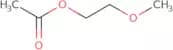
CAS:<p>Please enquire for more information about Methyl 6-methyl-2-oxo-4-phenyl-1,2,3,4-tetrahydropyrimidine-5-carboxylate including the price, delivery time and more detailed product information at the technical inquiry form on this page</p>Formula:C13H14N2O3Purity:Min. 95%Molecular weight:246.26 g/molEthylene glycol monomethyl ether acetate
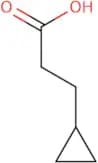
CAS:<p>Ethylene glycol monomethyl ether acetate (EMEA) is a solvent that is used for the extraction of organic compounds in the laboratory. It can be used to extract fatty acids from animal tissue or to isolate DNA from blood samples. EMEA is also used as a solvent in analytical methods such as gas chromatography and high-performance liquid chromatography. This compound is mainly used as an inorganic acid, but it can also be used as a nitrogen source for some chemical reactions. EMEA reacts with light exposure, which makes it a potent inducer of chemical reactions. The hydrolysis reaction of EMEA by hydrochloric acid yields glycol ethers and diethyl succinate.</p>Formula:C5H10O3Purity:Min. 95%Molecular weight:118.13 g/mol3-Cyclopropylpropanoic acid
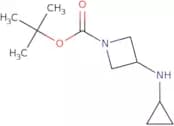
CAS:3-Cyclopropylpropanoic acid is a synthetic derivative of oxalyl chloride. It has been shown to inhibit the growth of viruses, notably influenza A virus and human immunodeficiency virus (HIV), in cell culture. 3-Cyclopropylpropanoic acid also inhibits the g1 phase of the cell cycle. In addition, it has been shown to inhibit skin cancer and cardiovascular diseases in humans.Formula:C6H10O2Purity:95%NmrMolecular weight:114.14 g/moltert-Butyl 3-(cyclopropylamino)azetidine-1-carboxylate
CAS:<p>Please enquire for more information about tert-Butyl 3-(cyclopropylamino)azetidine-1-carboxylate including the price, delivery time and more detailed product information at the technical inquiry form on this page</p>Formula:C11H20N2O2Purity:Min. 95%Molecular weight:212.29 g/molMethyl 2-amino-4,6-dichloropyridine-3-carboxylate
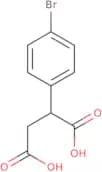
CAS:<p>Please enquire for more information about Methyl 2-amino-4,6-dichloropyridine-3-carboxylate including the price, delivery time and more detailed product information at the technical inquiry form on this page</p>Formula:C7H6Cl2N2O2Purity:Min. 95%Molecular weight:221.04 g/mol2-(4-Bromophenyl)succinic acid
CAS:<p>Please enquire for more information about 2-(4-Bromophenyl)succinic acid including the price, delivery time and more detailed product information at the technical inquiry form on this page</p>Formula:C10H9BrO4Purity:Min. 95%Molecular weight:273.08 g/molHydroxymethanesulfinic acid monosodium salt dihydrate
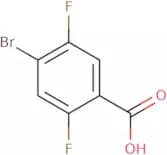
CAS:<p>Hydroxymethanesulfinic acid monosodium salt dihydrate (HMSD) is a chemical that can be used to remove sulfoxylate and formaldehyde in wastewater. It can also be used as a polymerization catalyst, an activator for epoxy resins, and as a stabilizer of glycol ethers. HMSD is formed by the reaction of methyl ethyl sulfoxide with copper chloride. This chemical has been shown to have thermal expansion properties and high chemical stability, making it useful for industrial processes involving polymerization or glycol esters.</p>Formula:CH3NaO3S·2H2OPurity:Min. 95%Color and Shape:White/Off-White SolidMolecular weight:154.12 g/mol4-bromo-2,5-difluorobenzoic Acid
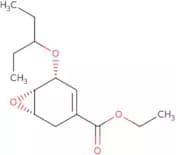
CAS:4-Bromo-2,5-difluorobenzoic acid is a potent inhibitor of isoforms CYP2C9 and CYP2D6. It is an acidic drug with a pKa of 3.8, which makes it ionizable in biological fluids. 4-Bromo-2,5-difluorobenzoic acid inhibits the activity of CYP2C9 and CYP2D6 by binding to the pharmacophore region of these enzymes. 4-Bromo-2,5-difluorobenzoic acid also has an isosteric functionality that increases its selectivity for CYP2C9 and CYP2D6 over other cytochrome P450 isoforms. The functional groups on 4-bromo-2,5-difluorobenzoic acid are part of the inhibitor's nature that make it selective for these two cytochromeFormula:C7H3BrF2O2Purity:Min. 95%Molecular weight:237 g/molEthyl (3R,4S,5S)-4,5-epoxy-3-(1-ethylpropoxy)cyclohex-1-ene-1-carboxylate
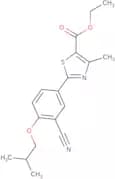
CAS:<p>Please enquire for more information about Ethyl (3R,4S,5S)-4,5-epoxy-3-(1-ethylpropoxy)cyclohex-1-ene-1-carboxylate including the price, delivery time and more detailed product information at the technical inquiry form on this page</p>Formula:C14H22O4Purity:Min. 95%Molecular weight:254.32 g/molEthyl 2-(3-cyano-4-isobutoxyphenyl)-4-methyl-5-thiazolecarboxylate
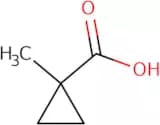
CAS:<p>Ethyl 2-(3-cyano-4-isobutoxyphenyl)-4-methyl-5-thiazolecarboxylate (ECIT) is a derivative of formyl that has been used as a solvent for industrial and laboratory purposes. ECIT is an amorphous substance with the chemical formula CH3COC6H2CH2COCH=N(C=O)C6H4CN. The compound has been quantified in various solvents, such as n-butyl alcohol and acetonitrile. ECIT is a colorless liquid that boils at 140° C. It has a formyl group and an alkynyl group, which are both reactive groups that can be used to synthesize other compounds. ECIT also contains two stereoisomers: the erythro isomer and the threo isomer. The erythro isomer has the structural formula of CH3COC6H2CH</p>Purity:Min. 95%1-Methylcyclopropane-1-carboxylic acid
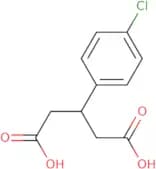
CAS:1-Methylcyclopropane-1-carboxylic acid is a reactive, stereoisomeric amide with an alkaline metal. It can be prepared by the reaction of methoxide and nitrobenzene in the presence of a base such as potassium hydroxide. 1-Methylcyclopropane-1-carboxylic acid has been shown to have potent antitumor activity against solid tumors in vivo. This compound was also shown to inhibit the growth of human prostate cancer cells in vitro. Additionally, 1-methylcyclopropane-1-carboxylic acid has been shown to inhibit the generation of reactive oxygen species (ROS) from xylene and other aromatic hydrocarbons, which may be due to its ability to nitrosylate these compounds and prevent them from reacting with oxygen.Formula:C5H8O2Purity:Min. 95%Molecular weight:100.12 g/mol3-(4-Chlorophenyl)glutaric acid
CAS:<p>3-(4-Chlorophenyl)glutaric acid is a subunit of lanthanide complexes. It has been synthesized from cinchona alkaloids and single-crystal x-ray diffraction data obtained in the absence of ligands. 3-(4-Chlorophenyl)glutaric acid is a desymmetrization reagent and has been shown to be an effective ligand for lanthanide complexes. This compound has the potential to form impurities during the synthesis process, which can lead to morphological changes, luminescence, or high-performance liquid chromatography interference.</p>Formula:C11H11ClO4Purity:Min. 95%Molecular weight:242.66 g/mol5-Oxo-1-(pyridin-3-ylmethyl)pyrrolidine-3-carboxylic acid
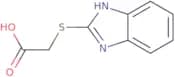
CAS:<p>Please enquire for more information about 5-Oxo-1-(pyridin-3-ylmethyl)pyrrolidine-3-carboxylic acid including the price, delivery time and more detailed product information at the technical inquiry form on this page</p>Formula:C11H12N2O3Purity:Min. 95%Molecular weight:220.22 g/mol2-(Benzimidazolylthio) acetic acid
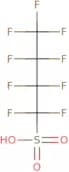
CAS:<p>2-(Benzimidazolylthio) acetic acid is a ligand that can be used as an antihelminthic. It can also be used to produce luminescent substances, inorganic salts and heterocycles. 2-(Benzimidazolylthio) acetic acid reacts with nucleophiles by nucleophilic attack, cleaving the bond and releasing the atom or group. 2-(Benzimidazolylthio) acetic acid has been used to synthesize condensation products with irradiation. This chemical has been shown to have antimicrobial properties against bacteria and fungi.</p>Formula:C9H8N2O2SPurity:Min. 95%Color and Shape:PowderMolecular weight:208.24 g/molNonafluoro-1-butanesulfonic Acid
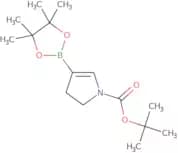
CAS:<p>Nonafluoro-1-butanesulfonic acid (NBS) is a sulfonic acid that is used in the synthesis of sodium salts. NBS has been shown to be toxic to cultured human immunoglobulin cells, with an IC50 of 0.5 mM. It also inhibits the growth of 3T3-L1 preadipocytes and can cause weight gain in animal models. However, NBS has been found to be non-toxic to mice, rats and monkeys after 28 days of continuous dosing with up to 1 g/kg/day. This compound also has been found to have no significant interactions with drugs or other chemicals at concentrations up to 10 times higher than therapeutic doses. A validated analytical method for determining the concentration of NBS in water samples has been developed using liquid chromatography coupled with tandem mass spectrometry (LC/MS/MS).</p>Formula:C4HF9O3SPurity:Min. 95%Color and Shape:Colourless To Pale Yellow LiquidMolecular weight:300.1 g/mol1-BOC-2,3-Dihydropyrrole-4-boronic acid, pinacol ester
CAS:<p>Please enquire for more information about 1-BOC-2,3-Dihydropyrrole-4-boronic acid, pinacol ester including the price, delivery time and more detailed product information at the technical inquiry form on this page</p>Formula:C15H26BNO4Purity:Min. 95%Molecular weight:295.18 g/molBetamethasone 21-acetate-17-propionate
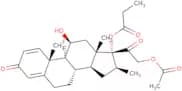
CAS:Controlled Product<p>Betamethasone 21-acetate-17-propionate is a drug product that is a mixture of betamethasone and betamethasone dipropionate. It is used to treat inflammatory skin conditions such as dermatitis, eczema, psoriasis, and other conditions. Betamethasone 21-acetate-17-propionate is one of the most potent corticosteroids available for topical use. The validation process has been completed on the acetonitrile phase and the reversed phase mobile phase. The validation was successful for both the acetonitrile and reversed phases. A validated HPLC method was developed for this drug product in order to monitor its production process.</p>Formula:C27H35FO7Purity:Min. 95%Color and Shape:PowderMolecular weight:490.56 g/mol2-Methoxy-4-amino-5-ethylthiobenzoic acid
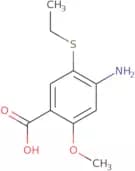
CAS:<p>Please enquire for more information about 2-Methoxy-4-amino-5-ethylthiobenzoic acid including the price, delivery time and more detailed product information at the technical inquiry form on this page</p>Formula:C10H13NO3SPurity:Min. 95%Molecular weight:227.28 g/molR-(3)-Benzyloxy myristic acid
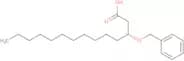
CAS:<p>R-(3)-Benzyloxy myristic acid is an adjuvant that is used in vaccines. It is a synthetic molecule with the ability to activate antigen-specific CD4 and CD8 T-cells. R-(3)-Benzyloxy myristic acid has been shown to be an efficient method of enhancing antigen-specific antibody production by stimulating dendritic cells. This agent is also pH sensitive and can be used as a vaccine adjuvant at acidic pH values, which are found in the stomach. R-(3)-Benzyloxy myristic acid has been shown to stimulate T-cell proliferation and increase the expression of co-stimulatory molecules on these cells, increasing the efficiency of immunization.</p>Formula:C21H34O3Purity:Min. 95%Molecular weight:334.49 g/molTrifluoromethanesulfonic acid-D
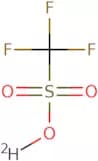
CAS:Controlled Product<p>Triflic acid is a strong acid that reacts with nucleophiles such as water, alcohols, and amines. It is used in organic synthesis for desulfurization reactions, for example to convert thiophene to benzothiophene. Triflic acid is a synthetic chemical that is prepared by the reaction of sulfur trioxide with chlorotrifluoroethanesulfonyl fluoride. The protonation of the triflic acid molecule generates a sulfide anion. This anion then reacts with a nucleophile (e.g., chloride ion) to generate a chloride anion and regenerate the triflic acid molecule, which can then react again with another nucleophile. The reaction mechanism is shown below: HSOClF + NH3 → HSOClF + NH2Cl HSOClF + Cl- → HSO-Cl- + Cl The reaction mechanism for this process is shown below: HSOCl</p>Formula:CDF3O3SPurity:Min. 95%Color and Shape:Clear LiquidMolecular weight:151.08 g/molDimethyl 7,7'-dimethoxy-[4,4'-bibenzo[d][1,3]dioxole]-5,5'-dicarboxylate
CAS:<p>Dimethyl 7,7'-dimethoxy-[4,4'-bibenzo[d][1,3]dioxole]-5,5'-dicarboxylate is a biocompatible polymer that can be used in the treatment of liver injury. It has been shown to have an inhibitory effect on hepatic enzyme activities and synchronous fluorescence. Dimethyl 7,7'-dimethoxy-[4,4'-bibenzo[d][1,3]dioxole]-5,5'-dicarboxylate can be used as a matrix for curcuma aromatica to remove wastewater contaminants. This polymer also has the ability to inhibit monoethyl ether-induced liver injury in low-dose groups and reduce hepatitis B virus replication.</p>Formula:C20H18O10Purity:Min. 95%Molecular weight:418.35 g/molDL-Lactic acid
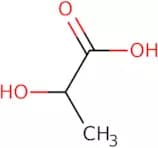
CAS:<p>DL-lactic acid is a metabolic intermediate that is produced in the muscle cells during anaerobic glycolysis. It is used to treat cancer and has been shown to be effective against squamous cell carcinoma. DL-lactic acid also inhibits mitochondrial membrane potential, which may be one of the mechanisms by which it causes cell death. DL-lactic acid has been found to have antibacterial efficacy against a number of bacteria, including Staphylococcus aureus, Enterococcus faecalis, Escherichia coli, Proteus mirabilis, Pseudomonas aeruginosa, and Streptococcus pyogenes. DL-lactic acid also inhibits enzyme activities that are necessary for bacterial growth such as phosphotransferase enzymes and urease. DL-lactic acid is a metabolic intermediate that can be used to inhibit tumor growth and metastasis. DL-lactic acid also inhibits transcriptional regulation in human serum</p>Formula:C3H6O3Color and Shape:Colorless Clear LiquidMolecular weight:90.08 g/mol2-(5-Chloro-1H-indol-2-yl)acetic acid
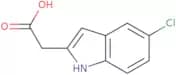
CAS:Please enquire for more information about 2-(5-Chloro-1H-indol-2-yl)acetic acid including the price, delivery time and more detailed product information at the technical inquiry form on this pageFormula:C10H8CINO2Purity:Min. 95%Molecular weight:313.09 g/molBenzyl bromoacetate
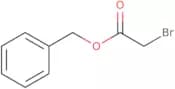
CAS:<p>Benzyl bromoacetate is a bicyclic heterocycle that is metabolized by the enzyme benzyl alcohol dehydrogenase. The resulting metabolites are then converted to methyl benzoate and benzyl alcohol. It has been shown to inhibit prostate cancer cells and basic fibroblasts, which may be due to its ability to inhibit enzymes involved in fatty acid synthesis. Benzyl bromoacetate also has therapeutic effects on autoimmune diseases such as bowel disease, which may be due to its ability to reduce inflammation and suppress the immune system.</p>Formula:C9H9BrO2Purity:Min. 95%Color and Shape:Clear Colourless To Light (Or Pale) Yellow LiquidMolecular weight:229.07 g/mol2-Bromo-3-methylbutenoic acid methyl ester
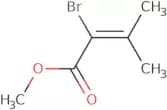
CAS:<p>Please enquire for more information about 2-Bromo-3-methylbutenoic acid methyl ester including the price, delivery time and more detailed product information at the technical inquiry form on this page</p>Formula:C6H9BrO2Purity:Min. 95%Molecular weight:193.04 g/molKisspeptin-54 (human) trifluoroacetate salt
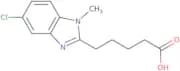
CAS:Kisspeptin-54 is a mammalian peptide hormone that regulates the release of gonadotropin-releasing hormone (GnRH) from the hypothalamus. Kisspeptin-54 has been shown to be potently immunogenic in humans and can be used as an antigen for the production of monoclonal antibodies. It is also a candidate drug for the treatment of obesity and may have neuroprotective effects. Kisspeptin-54 has been shown to reduce body mass index, which may be due to its ability to stimulate the immune system and promote antibody production against tumors. This peptide also has potent on-line binding properties that are useful in polymerase chain reactions.Formula:C258H401N79O78Purity:Min. 95%Molecular weight:5,857.43 g/mol5-(5-Chloro-1-methyl-1H-benzimidazol-2-yl)pentanoic acid
CAS:Controlled Product<p>Please enquire for more information about 5-(5-Chloro-1-methyl-1H-benzimidazol-2-yl)pentanoic acid including the price, delivery time and more detailed product information at the technical inquiry form on this page</p>Formula:C13H15ClN2O2Purity:Min. 95%Molecular weight:266.72 g/mol4-Aminobenzenesulfonic acid
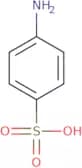
CAS:<p>4-Aminobenzenesulfonic acid is a sulfonic acid that is used in wastewater treatment. It has been shown to be an excellent water permeability agent and can be used as an additive to the process of making sulfonated polymers for use in water filtration. 4-Aminobenzenesulfonic acid has been shown to have enzyme inhibitory effects on metal hydroxide-dependent enzymes, such as sulphanilic and sulfanilic acid. This compound also has been investigated as a potential therapeutic agent for the treatment of cancer, with some success. It has been shown to stimulate the production of picolinic acid, which is an intermediate in the kynurenine pathway leading to production of nicotinamide adenine dinucleotide (NAD+). In humans, 4-aminobenzenesulfonic acid can bind toll-like receptors (TLRs) and activate TLR4 signaling pathways.</p>Formula:C6H7NO3SPurity:Min. 95%Molecular weight:173.19 g/molL-Cysteinesulfinic acid, monohydrate
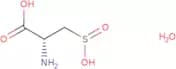
CAS:<p>Please enquire for more information about L-Cysteinesulfinic acid, monohydrate including the price, delivery time and more detailed product information at the technical inquiry form on this page</p>Formula:C3H7NO4S·H2OPurity:Min. 95%Molecular weight:171.17 g/mol




![3-[2-(Ethoxycarbonyl)-1-methyl-1H-indol-3-yl]propanoic acid](/_next/image/?url=https%3A%2Fstatic.cymitquimica.com%2Fproducts%2F3D%2Fthumb-webp%2FFE127998.webp&w=3840&q=75)
![7-(Difluoromethyl)-5-methyl[1,2,4]triazolo[1,5-a]pyrimidine-2-carboxylic acid](/_next/image/?url=https%3A%2Fstatic.cymitquimica.com%2Fproducts%2F3D%2Fthumb-webp%2FFD119953.webp&w=3840&q=75)

![[2-(Difluoromethyl)phenyl]boronic acid](/_next/image/?url=https%3A%2Fstatic.cymitquimica.com%2Fproducts%2F3D%2Fthumb-webp%2FFD84620.webp&w=3840&q=75)


![1-[2-(1H-Indol-3-yl)ethyl]-2,5-dimethyl-1H-pyrrole-3-carboxylic acid](/_next/image/?url=https%3A%2Fstatic.cymitquimica.com%2Fproducts%2F3D%2Fthumb-webp%2FFI117604.webp&w=3840&q=75)
![2-[(2S,3S,4S)-3-Formyl-5-Methoxycarbonyl-2-Methyl-3,4-Dihydro-2H-Pyran-4-Yl]Acetic Acid](/_next/image/?url=https%3A%2Fstatic.cymitquimica.com%2Fproducts%2F3D%2Fthumb-webp%2FFF71925.webp&w=3840&q=75)


![[2-(4-Aminophenyl)ethyl]carbamic acid tert-butyl ester](/_next/image/?url=https%3A%2Fstatic.cymitquimica.com%2Fproducts%2F3D%2Fthumb-webp%2FFA51360.webp&w=3840&q=75)





![Dimethyl 7,7'-dimethoxy-[4,4'-bibenzo[d][1,3]dioxole]-5,5'-dicarboxylate](/_next/image/?url=https%3A%2Fstatic.cymitquimica.com%2Fproducts%2F3D%2Fthumb-webp%2FFD139796.webp&w=3840&q=75)