


Carboxylic Acids
Carboxylic acids are organic molecules characterized by having a carboxyl-type functional group (-COOH). These acids are fundamental in various chemical reactions, including esterification, amidation, and decarboxylation. Carboxylic acids are widely used in the production of pharmaceuticals, polymers, and agrochemicals. In this section, you can find a large number of carboxylic acids ready to be used. At CymitQuimica, we provide a broad range of high-quality carboxylic acids to support your research and industrial applications.
Found 12453 products of "Carboxylic Acids"
Sort by
Purity (%)
0
100
|
0
|
50
|
90
|
95
|
100
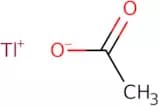
Thallium(I) acetate
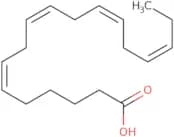
CAS:<p>Used as a selective agent against gram-negative bacteria in selective media</p>Formula:C2H3O2TlPurity:Min. 95%Molecular weight:263.43 g/molall-cis-6,9,12,15-Octadecatetraenoic acid
CAS:<p>All-cis-6,9,12,15-octadecatetraenoic acid is a polyunsaturated fatty acid that has been shown to have anti-inflammatory properties. It is found in the form of stearidonic acid and can be derived from plants such as flaxseed or soybeans. All-cis-6,9,12,15-octadecatetraenoic acid has been shown to inhibit the production of chemoattractant protein (MCP) in 3T3L1 preadipocytes by blocking the synthesis of arachidonic acid. This compound also inhibits the proliferation of MDA-MB 231 breast cancer cells and induces cell death via apoptosis.</p>Formula:C18H28O2Purity:Min. 95%Molecular weight:276.41 g/molγ-Oxo-3-pyridinebutyric acid
CAS:<p>Gamma-oxo-3-pyridinebutyric acid (GOBA) is a non-protein amino acid that has been shown to be involved in the development of cancer. GOBA was found to be present in urine samples from patients with liver cancer and breast cancer, as well as in healthy individuals. GOBA is also present in rat liver microsomes and human liver, where it is converted into gamma-aminobutyric acid (GABA). This conversion may be due to GOBA's hydroxy group that can be oxidized by cytochrome P450 enzymes. The biological activity of GOBA appears to depend on its carboxyl group, which can form a complex with molybdenum. This complex inhibits the activity of the protein polymerase chain reaction, leading to a decrease in transcriptional regulation. In animal experiments, GOBA has been shown to inhibit tumor growth and induce cell cycle arrest by inhibiting the expression of cyclin D1 at the</p>Formula:C9H9NO3Purity:Min. 95%Color and Shape:PowderMolecular weight:179.17 g/molMethyl 6-chloro-2-pyridinecarboxylate
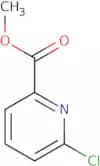
CAS:<p>Methyl 6-chloro-2-pyridinecarboxylate is a reactive, organic compound that belongs to the class of monomers. It is a white crystalline solid with a melting point of approximately 130 degrees Celsius. This chemical can be synthesized by reacting 2-chlorobenzothiazole with sodium carbonate in water at temperatures between 100 and 140 degrees Celsius. The reaction yields methyl 6-chloro-2-pyridinecarboxylate as well as chloride and picolinic acid as side products. This compound has been shown to have neurotoxic effects when administered to rats at high doses.</p>Formula:C7H6ClNO2Purity:Min. 95%Molecular weight:171.58 g/mol4-Bromo-2-methylbenzoic acid
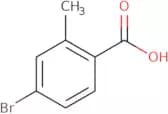
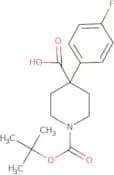
CAS:<p>4-Bromo-2-methylbenzoic acid is a nucleophilic compound that can be used for the synthesis of esters, amides and peptides. It is also an intermediate in the synthesis of 4-bromo-2-methylbenzoic acid methyl ester, which can be used as a cardiac marker. The hydroxylamine group on this molecule reacts with electrophiles such as benzoate to form bromoacetic acid derivatives. This reaction is catalyzed by palladium and other metals. The multidimensional nature of this reaction means it can be used for cross-coupling reactions.</p>Formula:C8H7BrO2Purity:Min. 95%Molecular weight:215.04 g/molBoc-4-(4-fluorophenyl)-piperidine-4-carboxylic acid
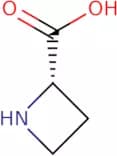
CAS:<p>Please enquire for more information about Boc-4-(4-fluorophenyl)-piperidine-4-carboxylic acid including the price, delivery time and more detailed product information at the technical inquiry form on this page</p>Formula:C17H22FNO4Purity:Min. 95%Molecular weight:323.36 g/molL-Azetidine-2-carboxylic acid
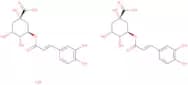
CAS:<p>L-Azetidine-2-carboxylic acid is a natural product that has been shown to have anticancer effects. It has been shown to induce apoptosis in cancer cells by binding to response elements on the DNA, which causes DNA damage and cell death. L-Azetidine-2-carboxylic acid also inhibits protein synthesis by interfering with the uptake of amino acids, which are essential for protein production. This compound is not toxic to healthy cells because it cannot cross the lipid bilayer of the cell membrane. L-Azetidine-2-carboxylic acid also induces autophagy in cancer cells, causing them to destroy their own cellular components. There is evidence that this compound may be effective for other diseases such as diabetes and neurodegenerative disorders due to its ability to regulate intracellular calcium levels and its cytosolic function as a substrate molecule.</p>Formula:C4H7NO2Purity:Min. 95%Color and Shape:White To Light (Or Pale) Yellow SolidMolecular weight:101.1 g/molChlorogenic acid hemihydrate
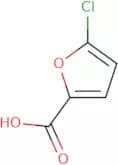
CAS:<p>Chlorogenic acid hemihydrate is a natural phenolic compound that belongs to the family of flavonol glycosides. The molecule has two caffeoylquinic acids and one chlorogenic acid functional groups, which are responsible for its antioxidant properties. Chlorogenic acid hemihydrate is soluble in water and can be used as a solid dispersion. This compound has been shown to have significant interactions with other drugs, including polymeric matrix, protocatechuic acid, and α-amyrin acetate. It also has been shown to have cell culture and in vivo model evidence of efficacy against cancer cells.</p>Purity:Min. 95%5-Chlorofuran-2-carboxylic acid
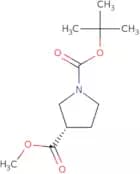
CAS:<p>5-Chlorofuran-2-carboxylic acid is an unlabeled compound that has been found in the chloroacetate fraction of a crude extract of leaves from the plant Garcinia hombroniana. The compound was evaluated for its potential as a bioactive molecule using acetylation, which led to the formation of 5-chlorofuran-2-carboxylic acid methyl ester. This compound was then analysed for its chemical properties, including sequences and parameters. 5-Chlorofuran-2-carboxylic acid methyl ester had no effects on the growth rate of Escherichia coli, but did inhibit the activity of some enzymes involved in DNA replication and repair. Furan, an anion found in 5-chlorofuran-2-carboxylic acid methyl ester, is also present in many other compounds such as 2,4,6 trichlorophenol and 2,5 dichlorophenol</p>Formula:C5H3ClO3Purity:Min. 95%Molecular weight:146.53 g/mol1-N-Boc-pyrrolidine-3-(S)-methylcarboxylate
CAS:<p>Please enquire for more information about 1-N-Boc-pyrrolidine-3-(S)-methylcarboxylate including the price, delivery time and more detailed product information at the technical inquiry form on this page</p>Formula:C11H19NO4Purity:Min. 95%Molecular weight:229.27 g/mol1-Cyclopropyl-7-(2,8-diazabicyclo[4.3.0]non-8-yl)-6-fluoro-8-methoxy-4-oxoquinoline-3-carboxylic acid
CAS:<p>This is a broad-spectrum antibacterial agent that inhibits bacterial DNA gyrase. It is active against atypical bacterial species, such as Chlamydia and Mycoplasma, and has been shown to be effective against certain strains of the methicillin-resistant Staphylococcus aureus (MRSA) bacteria. This drug also inhibits the growth of other bacteria by binding to their DNA. The drug is used in combination with other antibiotics to treat infections caused by Clostridium difficile, Helicobacter pylori, Borrelia burgdorferi, and Salmonella enterica. However, this drug does not work against Pseudomonas aeruginosa or Enterobacteriaceae infections.</p>Formula:C21H24FN3O4Purity:Min. 95%Color and Shape:PowderMolecular weight:401.43 g/molLevetiracetam carboxylic acid
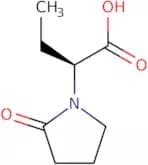
CAS:<p>Synaptic vesicle protein 2A ligand; anti-seizure drug</p>Formula:C8H13NO3Purity:Min. 95%Molecular weight:171.19 g/molMesitylboronic acid
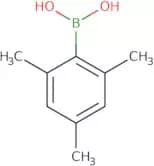
CAS:<p>Mesitylboronic acid is a divalent organoboron compound with the molecular formula CHB(O)OH. It is a white solid that is soluble in organic solvents, but not water. Mesitylboronic acid has been used for the palladium-catalyzed cross-coupling of aryl halides and vinylogous esters, yielding substituted pyridines. Mesitylboronic acid also catalyzes the Suzuki coupling reaction of aryl boronic acids and alkenes, producing substituted indoles. This compound has diagnostic applications due to its ability to form a fluorescent complex with certain metal ions. It also plays an important role in insulin resistance due to its ability to form cross-couplings with unsymmetrical boron compounds.</p>Formula:C9H13BO2Purity:Min. 95%Molecular weight:164.01 g/molMethyl4-aminomethyl-1-boc-piperidine-4-carboxylate
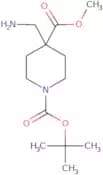
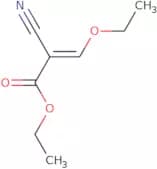
CAS:<p>Please enquire for more information about Methyl4-aminomethyl-1-boc-piperidine-4-carboxylate including the price, delivery time and more detailed product information at the technical inquiry form on this page</p>Formula:C13H24N2O4Purity:Min. 95%Molecular weight:272.34 g/molEthyl (ethoxymethylene) cyanoacetate
CAS:<p>Ethyl (Ethoxymethylene) cyanoacetate is a chemical compound that belongs to the family of aldehyde compounds. It is a colorless liquid at room temperature, with an odor similar to that of acetic acid. The compound has been used in the synthesis of epidermal growth factor and diazonium salts. It has also been used in the production of anti-cancer drugs such as malonic acid, which inhibits tumor growth by inhibiting protein synthesis. Ethyl (Ethoxymethylene) cyanoacetate reacts with quinoline derivatives to form carbon disulphide, which can be used as an antimicrobial agent and insecticide.</p>Formula:C8H11NO3Purity:Min. 95%Color and Shape:PowderMolecular weight:169.18 g/mol6-Chloroindole-2-carboxylic acid
CAS:<p>6-Chloroindole-2-carboxylicacid is a potent inhibitor of β-lactamase enzymes. It has been shown to act as a competitive inhibitor with an affinity for the β-lactamase enzyme in the nanomolar range. 6-Chloroindole-2-carboxylicacid is also a potent compound that can be used in experiments and screening. It has been shown to bind to the β-lactamase enzyme, which inhibits its activity, leading to a decrease in fluorescence. 6-Chloroindole-2-carboxylicacid has also been shown to have an inhibitory effect on bacterial cells by inhibiting protein synthesis, DNA replication, and RNA transcription.</p>Formula:C9H6ClNO2Purity:95%NmrMolecular weight:195.6 g/molChloranilic acid
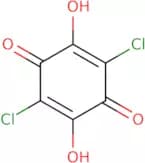
CAS:<p>Chloranilic acid is a thermally unstable compound that undergoes a number of reactions with the addition of heat. It reacts with nitrogen atoms to form amides, nitriles, and nitro compounds. Chloranilic acid also reacts with polymerases to form stable complexes. The proton at the center of the chloranilic acid molecule is lost when it forms an acid complex. This reaction occurs in aqueous solution as well as in biological systems, where it is used for hydrogen bonding interactions. The stable complexes that are formed by chloranilic acid have been shown to have biological properties such as antimicrobial activity, antiviral activity, and antifungal activity.</p>Formula:C6H2Cl2O4Purity:Min. 95%Color and Shape:Orange To Red SolidMolecular weight:208.98 g/mol5-(1H-Indol-3-yl)-1H-pyrazole-3-carboxylic acid
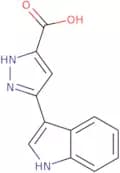
CAS:<p>Please enquire for more information about 5-(1H-Indol-3-yl)-1H-pyrazole-3-carboxylic acid including the price, delivery time and more detailed product information at the technical inquiry form on this page</p>Formula:C12H9N3O2Purity:Min. 95%Molecular weight:227.22 g/molMethyl 2,4-dichloropyrimidine-6-carboxylate
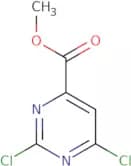
CAS:<p>Please enquire for more information about Methyl 2,4-dichloropyrimidine-6-carboxylate including the price, delivery time and more detailed product information at the technical inquiry form on this page</p>Formula:C6H4Cl2N2O2Purity:Min. 95%Color and Shape:Off-White To Yellow SolidMolecular weight:207.01 g/mol1-(4-Methoxyphenyl)-3-phenyl-1H-pyrazole-5-carboxylic acid
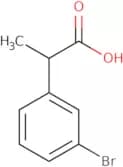
CAS:Controlled Product<p>Please enquire for more information about 1-(4-Methoxyphenyl)-3-phenyl-1H-pyrazole-5-carboxylic acid including the price, delivery time and more detailed product information at the technical inquiry form on this page</p>Formula:C17H14N2O3Purity:Min. 95%Color and Shape:PowderMolecular weight:294.3 g/mol2-(3-Bromophenyl)propanoic acid
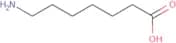
CAS:<p>Please enquire for more information about 2-(3-Bromophenyl)propanoic acid including the price, delivery time and more detailed product information at the technical inquiry form on this page</p>Formula:C9H9BrO2Purity:Min. 95%Molecular weight:229.07 g/mol7-Aminoheptanoic acid
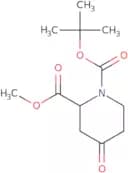
CAS:<p>7-Aminoheptanoic acid is a fatty acid that contains a hydroxyl group on the seventh carbon of its chain. This compound has been shown to bind to and activate the receptor GPR120. It is also used in the synthesis of pharmaceuticals, such as anti-inflammatory agents, and in analytical methods for detecting peptides. 7-Aminoheptanoic acid can be synthesized by reacting hydrochloric acid with an amine or amide, followed by reaction with an ester hydrochloride. The compound can be purified using preparative high performance liquid chromatography (HPLC).</p>Formula:C7H15NO2Purity:Min. 95%Molecular weight:145.2 g/mol1-tert-Butyl 2-methyl 4-oxopiperidine-1,2-dicarboxylate
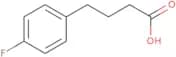
CAS:<p>Please enquire for more information about 1-tert-Butyl 2-methyl 4-oxopiperidine-1,2-dicarboxylate including the price, delivery time and more detailed product information at the technical inquiry form on this page</p>Purity:Min. 95%4-(4-fluorophenyl)butanoic Acid
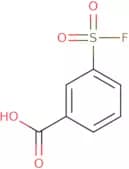
CAS:<p>Please enquire for more information about 4-(4-fluorophenyl)butanoic Acid including the price, delivery time and more detailed product information at the technical inquiry form on this page</p>Formula:C10H11FO2Purity:Min. 95%Molecular weight:182.19 g/mol3-(Fluorosulphonyl)Benzoic Acid
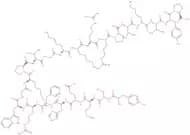
CAS:<p>3-(Fluorosulphonyl)benzoic acid is a potent anti-cancer drug that belongs to the class of natural products. It has been shown to exhibit anti-cancer activity against carcinoma cell lines. 3-(Fluorosulphonyl)benzoic acid inhibits DNA replication, RNA synthesis and protein synthesis by binding to the ribosome. This compound may also have chemopreventive effects on colorectal cancer through its ability to induce apoptosis in cancer cells. 3-(Fluorosulphonyl)benzoic acid is an analog of the natural product alkaloid cytisine, which is found in tobacco plants and has been used for centuries as a smoking cessation aid.</p>Formula:C7H5FO4SPurity:Min. 95%Molecular weight:204.18 g/molAtrial natriuretic factor (1-28) (human) acetate
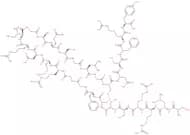
CAS:<p>Please enquire for more information about Atrial natriuretic factor (1-28) (human) acetate including the price, delivery time and more detailed product information at the technical inquiry form on this page</p>Formula:C127H203N45O39S3•C2H4O2Purity:Min. 95%Color and Shape:PowderMolecular weight:3,140.5 g/molMagnesium acetate tetrahydrate
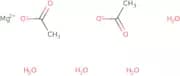
CAS:<p>Magnesium acetate tetrahydrate is a white crystalline solid that is soluble in water and is used as a nutritional supplement. It is produced by the reaction of magnesium carbonate with an aqueous solution of acetic acid. The particle size varies depending on the synthesis method used. Magnesium acetate tetrahydrate has been shown to be effective for treating diabetes mellitus, as it helps regulate blood sugar levels by promoting insulin release from pancreatic cells and increasing glucose uptake into these cells. This compound also has been found to be effective in reducing hiv infection rates, which may be due to its ability to increase the activity of CD4+ T-cells.</p>Formula:Mg(C2H3O2)2•(H2O)4Purity:Min. 95%Color and Shape:White/Off-White SolidMolecular weight:214.45 g/molTrichloroacetic anhydride
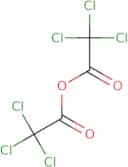
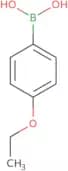
CAS:<p>Trichloroacetic anhydride is a chemical compound that is used in organic synthesis. It is a strong acid that reacts with fatty acids to form trifluoroacetic acid, which can be used as an analytical method for determining the presence of amines in a sample. It also shows inhibitory properties against inflammatory bowel disease and has been shown to have anti-inflammatory activity. Trichloroacetic anhydride is not very soluble in water, but it can be dissolved in alcohols and alkalis. This compound's ability to react with hydroxyl groups makes it useful for the synthesis of esters and ethers. Trichloroacetic anhydride's ability to react with intramolecular hydrogen may lead to metabolic disorders such as diabetes mellitus.</p>Formula:C4Cl6O3Purity:Min. 95%Molecular weight:308.76 g/mol(4-Ethoxyphenyl)boronic acid
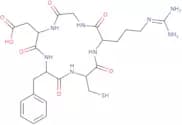
CAS:<p>4-Ethoxyphenylboronic acid is a boron-containing compound that has been shown to have potent antiviral activity. This compound is synthesized from adipose tissue and optical properties of the phenoxazine derivative are studied in order to find an efficient process for solid-phase synthesis. 4-Ethoxyphenylboronic acid has been shown to inhibit triglyceride lipase and fatty acid, which may be an important drug target. It has also been found to have potent antagonistic effects on fatty acids.</p>Formula:C8H11BO3Purity:Min. 95%Molecular weight:165.98 g/molCyclo(-Arg-Gly-Asp-D-Phe-Cys) acetate salt
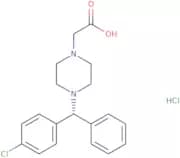
CAS:<p>Cyclo(-Arg-Gly-Asp-D-Phe-Cys) acetate salt is a peptide that has been modified to be an active targeting agent. It is an amphipathic molecule that can be used to deliver therapeutic agents specifically to cancer cells. Cyclo(-Arg-Gly-Asp-D-Phe-Cys) acetate salt is conjugated to a drug and is taken up by cells through the process of endocytosis. Once inside the cell, the drug is released and binds with the cell membrane, which leads to cell death. The uptake of this peptide has been shown to be pH dependent; it is taken up more readily in acidic environments than in neutral or alkaline environments. This peptide has also been shown to have cytotoxic effects on both MFC7 cells and rat liver cells.</p>Formula:C24H34N8O7SPurity:Min. 95%Molecular weight:578.64 g/mol(R)-De(carboxymethoxy) cetirizine acetic acid hydrochloride
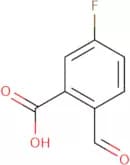
CAS:<p>Please enquire for more information about (R)-De(carboxymethoxy) cetirizine acetic acid hydrochloride including the price, delivery time and more detailed product information at the technical inquiry form on this page</p>Formula:C19H22Cl2N2O2Purity:Min. 95%Molecular weight:381.3 g/mol5-Fluoro-2-formylbenzoic acid
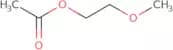
CAS:<p>Please enquire for more information about 5-Fluoro-2-formylbenzoic acid including the price, delivery time and more detailed product information at the technical inquiry form on this page</p>Formula:C8H5FO3Purity:Min. 95%Molecular weight:168.12 g/molEthylene glycol monomethyl ether acetate
CAS:<p>Ethylene glycol monomethyl ether acetate (EMEA) is a solvent that is used for the extraction of organic compounds in the laboratory. It can be used to extract fatty acids from animal tissue or to isolate DNA from blood samples. EMEA is also used as a solvent in analytical methods such as gas chromatography and high-performance liquid chromatography. This compound is mainly used as an inorganic acid, but it can also be used as a nitrogen source for some chemical reactions. EMEA reacts with light exposure, which makes it a potent inducer of chemical reactions. The hydrolysis reaction of EMEA by hydrochloric acid yields glycol ethers and diethyl succinate.</p>Formula:C5H10O3Purity:Min. 95%Molecular weight:118.13 g/molMethyl 2-amino-4,6-dichloropyridine-3-carboxylate
CAS:<p>Please enquire for more information about Methyl 2-amino-4,6-dichloropyridine-3-carboxylate including the price, delivery time and more detailed product information at the technical inquiry form on this page</p>Formula:C7H6Cl2N2O2Purity:Min. 95%Molecular weight:221.04 g/molACTH (2-24) (human, bovine, rat) trifluoroacetate salt
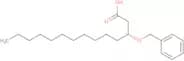
CAS:<p>Please enquire for more information about ACTH (2-24) (human, bovine, rat) trifluoroacetate salt including the price, delivery time and more detailed product information at the technical inquiry form on this page</p>Formula:C133H205N39O29SPurity:Min. 95%Molecular weight:2,846.36 g/molR-(3)-Benzyloxy myristic acid
CAS:<p>R-(3)-Benzyloxy myristic acid is an adjuvant that is used in vaccines. It is a synthetic molecule with the ability to activate antigen-specific CD4 and CD8 T-cells. R-(3)-Benzyloxy myristic acid has been shown to be an efficient method of enhancing antigen-specific antibody production by stimulating dendritic cells. This agent is also pH sensitive and can be used as a vaccine adjuvant at acidic pH values, which are found in the stomach. R-(3)-Benzyloxy myristic acid has been shown to stimulate T-cell proliferation and increase the expression of co-stimulatory molecules on these cells, increasing the efficiency of immunization.</p>Formula:C21H34O3Purity:Min. 95%Molecular weight:334.49 g/mol4-(Methoxycarbonyl)bicyclo[2.1.1]hexane-1-carboxylic acid
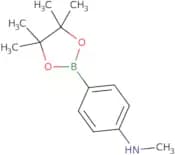
CAS:<p>Please enquire for more information about 4-(Methoxycarbonyl)bicyclo[2.1.1]hexane-1-carboxylic acid including the price, delivery time and more detailed product information at the technical inquiry form on this page</p>Formula:C9H12O4Purity:Min. 95%Molecular weight:184.19 g/mol4-(N-Methylamino)phenylboronic acid pinacol ester
CAS:<p>Please enquire for more information about 4-(N-Methylamino)phenylboronic acid pinacol ester including the price, delivery time and more detailed product information at the technical inquiry form on this page</p>Formula:C13H20BNO2Purity:Min. 95%Molecular weight:233.11 g/mol4-(4-Hydroxymethyl-3-methoxyphenoxy)-butyric acid
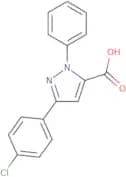
CAS:Controlled Product<p>4-(4-Hydroxymethyl-3-methoxyphenoxy)-butyric acid (HMPA) is a synthetic compound that is used in the production of butyric acid. It is also used as a reagent in the preparation of enzymes and enzyme preparations, such as serine proteases. HMPA has been used as an intermediate in the synthesis of ribulose, which is a sugar molecule found in plants. The structure of this compound can be determined by FTIR spectroscopy and by X-ray crystallography. HMPA has been shown to have hydrogen bonding between its molecules, which may account for its stability. Hydrogen bonding accounts for the solidity of this compound and its resistance to heat and solvents.</p>Formula:C12H16O5Purity:Min. 95%Molecular weight:240.25 g/mol3-(4-Chlorophenyl)-1-phenyl-1H-pyrazole-5-carboxylic acid
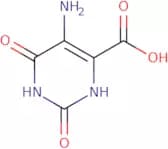
CAS:Controlled Product<p>Please enquire for more information about 3-(4-Chlorophenyl)-1-phenyl-1H-pyrazole-5-carboxylic acid including the price, delivery time and more detailed product information at the technical inquiry form on this page</p>Formula:C16H11ClN2O2Purity:Min. 95%Molecular weight:298.72 g/mol5-Aminoorotic acid
CAS:<p>5-Aminoorotic acid is an antimicrobial agent that has been shown to have anticancer activity. It has a nitrogen atom and two oxygen atoms in the molecule. The chemical structure of 5-aminoorotic acid can be determined using NMR spectroscopy and its biological properties are dependent on hydrogen bonding interactions with other molecules. 5-Aminoorotic acid is a chelate ring, which means it can bind to metal ions such as lanthanum (La3+). 5-Aminoorotic acid has been shown to inhibit the glycol oxidation reaction and may also be able to inhibit other enzymatic reactions. This drug is stable for use in model systems and may also be used for cancer treatment.</p>Formula:C5H5N3O4Purity:Min. 95%Molecular weight:171.11 g/molRibonucleic acid free acid
CAS:<p>Ribonucleic acid free acid (ribo-FAA) is a derivative of the immunosuppressive drug rapamycin. It is an immunosuppressant that inhibits the immune system by binding to a protein called FKBP12, which is involved in the activation of T cells and other immune system cells. Ribo-FAA has been shown to be effective in treating HIV patients undergoing active antiretroviral therapy, as well as for treatment of other infectious diseases such as tuberculosis or leishmaniasis. Ribo-FAA binds to FKBP12 and prevents it from activating T cells or other immune system cells, which leads to suppression of the immune response.</p>Purity:Min. 95%Color and Shape:Yellow Powder(6R,7R)-3-(Acetoxymethyl)-8-oxo-7-(2-(thiophen-2-yl)acetamido)-5-thia-1-azabicyclo[4.2.0]oct-2-ene-2-carboxylic acid
CAS:<p>(6R,7R)-3-(Acetoxymethyl)-8-oxo-7-(2-(thiophen-2-yl)acetamido)-5-thia-1-azabicyclo[4.2.0]oct-2-ene-2-carboxylic acid is an antimicrobial agent that inhibits bacterial growth by binding to the penicillin binding protein (PBP), which prevents the synthesis of peptidoglycan. This drug has shown effectiveness against gram positive bacteria, including aerobacter aerogenes, as well as infectious diseases in wastewater treatment plants. It has also been demonstrated to be effective in experimental models of infection due to high resistance and cell signaling pathways. The reaction solution was analyzed by plasma mass spectrometry.</p>Formula:C16H16N2O6S2Purity:Min. 98%Color and Shape:White PowderMolecular weight:396.44 g/molEltrombopag olamine
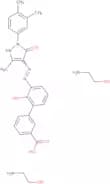
CAS:<p>Eltrombopag olamine is an orally active drug that belongs to the class of thiazolidinones. It has been used for the treatment of thrombocytopenia in patients with chronic liver disease and myelodysplastic syndrome. Eltrombopag olamine inhibits platelet aggregation by binding to glycoprotein IIb/IIIa receptors on the surface of platelets. The drug is a prodrug that is metabolized in vivo to its active form, eltrombopag. This conversion is catalysed by CYP3A4 and CYP2D6 enzymes and can be inhibited by drugs that inhibit these enzymes, such as trifluoroacetic acid and hydroxyl group-containing compounds. Eltrombopag olamine binds to erythrocytes, which may be due to its ability to form intramolecular hydrogen bonds with nitrogen atoms. The synthesis of elt</p>Formula:C25H22N4O4•(C2H7NO)2Purity:Min. 95%Color and Shape:PowderMolecular weight:564.63 g/moltert-Butyl 4-(2-bromophenyl)piperazine-1-carboxylate
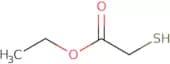
CAS:Controlled Product<p>Please enquire for more information about tert-Butyl 4-(2-bromophenyl)piperazine-1-carboxylate including the price, delivery time and more detailed product information at the technical inquiry form on this page</p>Purity:Min. 95%Ethyl mercaptoacetate
CAS:<p>Ethyl mercaptoacetate (EM) is a metabolite of ethyl diazoacetate (EDA) that reacts with nucleophilic groups such as hydroxyl, amino, and thiol groups. It binds to the receptor binding sites of an enzyme that is involved in inflammatory diseases. EM has been shown to have inhibitory effects on the activity of this enzyme and may be used for the treatment of inflammatory diseases. EM also inhibits the production of epoxides by acting as an alkylating agent on protein cysteine residues. This reaction leads to changes in the nmr spectra which can be used for identification purposes.</p>Formula:C4H8O2SPurity:Min. 95%Molecular weight:120.17 g/mol4-amino[1,1'-biphenyl]-3-carboxylic acid
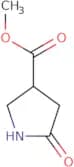
CAS:<p>Please enquire for more information about 4-amino[1,1'-biphenyl]-3-carboxylic acid including the price, delivery time and more detailed product information at the technical inquiry form on this page</p>Formula:C13H11O2NPurity:Min. 95%Molecular weight:213.23 g/molMethyl 5-oxopyrrolidine-3-carboxylate
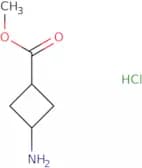
CAS:<p>Methyl 5-oxopyrrolidine-3-carboxylate is a nonsteroidal anti-inflammatory drug that reduces the production of pro-inflammatory cytokines. It binds to COX-2 and prevents the production of prostaglandins, which are involved in the inflammatory process. Methyl 5-oxopyrrolidine-3-carboxylate has been shown to inhibit mouse hippocampal cells and human THP1 cells, which are important in inflammation. This drug also interacts with other proteins and can be localized to mitochondria membrane potentials. Methyl 5-oxopyrrolidine-3-carboxylate has the potential for use as an anti-inflammatory agent for cellular localization in mitochondria membrane potentials.</p>Formula:C6H9NO3Purity:Min. 95%Molecular weight:143.14 g/mol(1S,3S)-Methyl 3-aminocyclobutane carboxylate hydrochloride
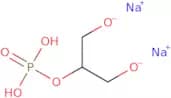
CAS:<p>Please enquire for more information about (1S,3S)-Methyl 3-aminocyclobutane carboxylate hydrochloride including the price, delivery time and more detailed product information at the technical inquiry form on this page</p>Formula:C6H12ClNO2Purity:Min. 95%Molecular weight:165.62 g/molb-Glycerophosphoric acid disodium salt tetrahydrate
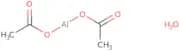
CAS:<p>Glycerolipid metabolism component</p>Formula:C3H7O6P·2Na·4H2OPurity:Min. 95%Molecular weight:288.1 g/molAluminum diacetate hydroxide
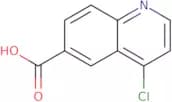
CAS:<p>Aluminum diacetate hydroxide is a white powder that is soluble in water. It is used as a laser ablation material and can be used to seal chemical reactions. Aluminum diacetate hydroxide also functions as a gas sensor, with its sensitivity to aromatic hydrocarbons and fatty acids. This compound has clinical use in detergent compositions, where it prevents the formation of foam.</p>Formula:C4H7AlO5Purity:Min. 28%Color and Shape:PowderMolecular weight:162.08 g/mol4-Chloroquinoline-6-carboxylicacid
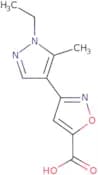
CAS:<p>Please enquire for more information about 4-Chloroquinoline-6-carboxylicacid including the price, delivery time and more detailed product information at the technical inquiry form on this page</p>Formula:C10H6ClNO2Purity:Min. 95%Molecular weight:207.61 g/mol3-(1-Ethyl-5-methyl-1H-pyrazol-4-yl)isoxazole-5-carboxylic acid
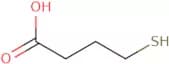
CAS:<p>Please enquire for more information about 3-(1-Ethyl-5-methyl-1H-pyrazol-4-yl)isoxazole-5-carboxylic acid including the price, delivery time and more detailed product information at the technical inquiry form on this page</p>Formula:C10H11N3O3Purity:Min. 95%Molecular weight:221.21 g/mol4-Mercaptobutyric acid
CAS:<p>4-Mercaptobutyric acid is a 3-mercaptopropionic acid, which is an intermediate in the biosynthesis of fatty acids. It is a chemical ligation agent that can be used for the synthesis of polymers and pharmaceuticals. 4-Mercaptobutyric acid can also be used to produce butyrolactone, which has been shown to have anticonvulsant properties. The chemical's photochemical properties make it useful for the production of dyes and fluorescent compounds. 4-Mercaptobutyric acid has been shown to inhibit fatty acid synthesis in Sprague-Dawley rats. The compound also possesses anti-inflammatory properties, which may be due to its ability to inhibit the release of prostaglandin E2 (PGE2) from cells.</p>Formula:C4H8O2SPurity:90%MinColor and Shape:Colorless PowderMolecular weight:120.17 g/molFmoc-(S)-3-amino-3-(2-naphthyl)propionic acid
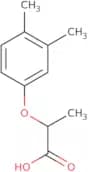
CAS:<p>Please enquire for more information about Fmoc-(S)-3-amino-3-(2-naphthyl)propionic acid including the price, delivery time and more detailed product information at the technical inquiry form on this page</p>Formula:C28H23NO4Purity:Min. 95%Molecular weight:437.49 g/mol2-(3,4-Dimethylphenoxy)propanoic acid
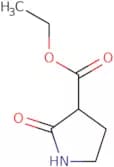
CAS:<p>Please enquire for more information about 2-(3,4-Dimethylphenoxy)propanoic acid including the price, delivery time and more detailed product information at the technical inquiry form on this page</p>Formula:C11H14O3Purity:Min. 95%Molecular weight:194.23 g/mol2-Oxopyrrolidine-3-carboxylic acid ethyl ester
CAS:<p>Please enquire for more information about 2-Oxopyrrolidine-3-carboxylic acid ethyl ester including the price, delivery time and more detailed product information at the technical inquiry form on this page</p>Formula:C7H11NO3Purity:Min. 95%Molecular weight:157.17 g/mol5-Hexynoic acid
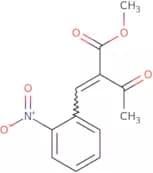
CAS:<p>5-Hexynoic acid is a chemical compound that has been shown to have anticancer properties. The mechanism of action is not fully understood, but it may be due to its ability to inhibit an enzyme called irreversible acetylcholinesterase, which is involved in the production of several pro-inflammatory mediators. 5-Hexynoic acid has also been shown to inhibit the growth of prostate cancer cells and can be used as a therapeutic agent for prostate cancer. It is synthesized by plants and some microorganisms, although it is not found in humans. 5-Hexynoic acid can be produced from conjugates with glutamic acid or oxalyl chloride in an acidic environment.</p>Formula:C6H8O2Purity:Min. 95%Color and Shape:Clear LiquidMolecular weight:112.13 g/mol2-(2-Nitrobenzylidene)-3-oxobutanoic acid, methyl ester
CAS:<p>Please enquire for more information about 2-(2-Nitrobenzylidene)-3-oxobutanoic acid, methyl ester including the price, delivery time and more detailed product information at the technical inquiry form on this page</p>Formula:C12H11NO5Purity:Min. 95%Molecular weight:249.22 g/molEthanesulfonic acid - 70% aqueous solution
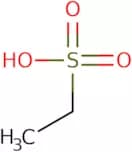
CAS:<p>Ethanesulfonic acid is a highly reactive and readily available chemical that has been investigated for the treatment of cancer. It has shown to be effective as an adjuvant in the treatment of bowel disease and radiation therapy. Ethanesulfonic acid is also used as an antimicrobial agent and disinfectant. This chemical can be used to produce polymers with glycol ethers, coumarin derivatives, and dextran sulfate for use in biological samples such as blood or urine. Ethanesulfonic acid is a potent inhibitor of the polymerase chain reaction (PCR). The inhibition of PCR may be due to its ability to inhibit enzyme activities involved in DNA synthesis, including dinucleotide phosphate enzymes and glycol-ether-sensitive enzymes.</p>Formula:C2H6O3SPurity:Min. 95%Color and Shape:Colourless To Pale Yellow Clear LiquidMolecular weight:110.13 g/mol5-Bromo-1-methyl-1H-indole-3-carboxylic acid
CAS:Controlled Product<p>Please enquire for more information about 5-Bromo-1-methyl-1H-indole-3-carboxylic acid including the price, delivery time and more detailed product information at the technical inquiry form on this page</p>Formula:C10H8BrNO2Purity:Min. 95%Molecular weight:254.08 g/mol1-[2-(5-Methoxy-1H-indol-3-yl)ethyl]-5-oxopyrrolidine-3-carboxylic acid
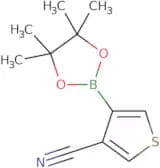
CAS:Controlled Product<p>Please enquire for more information about 1-[2-(5-Methoxy-1H-indol-3-yl)ethyl]-5-oxopyrrolidine-3-carboxylic acid including the price, delivery time and more detailed product information at the technical inquiry form on this page</p>Formula:C16H18N2O4Purity:Min. 95%Molecular weight:302.33 g/mol3-Cyanothiophene-4-boronic acid pinacol ester
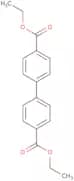
CAS:<p>Please enquire for more information about 3-Cyanothiophene-4-boronic acid pinacol ester including the price, delivery time and more detailed product information at the technical inquiry form on this page</p>Formula:C11H14BNO2SPurity:Min. 95%Molecular weight:235.11 g/molDiethyl 4,4'-Biphenyldicarboxylate
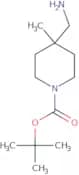
CAS:<p>Diethyl 4,4'-biphenyldicarboxylate is an organic compound that has a chiral center, making it optically active. It is an ester of biphenyl and dicarboxylic acid with the chemical formula CH2=C(CH3)2. The compound has been shown to be a model for other aromatic compounds with similar structures such as phenyl benzoate, which can also form crystals. Diethyl 4,4'-biphenyldicarboxylate is also a mesogen, which means it has liquid crystalline properties and can form thin films. The molecule's conformations are centrosymmetric and its crystal structure is spacer-type centrosymmetric.</p>Formula:C18H18O4Purity:Min. 95%Molecular weight:298.33 g/moltert-Butyl 4-(aminomethyl)-4-methylpiperidine-1-carboxylate
CAS:<p>Please enquire for more information about tert-Butyl 4-(aminomethyl)-4-methylpiperidine-1-carboxylate including the price, delivery time and more detailed product information at the technical inquiry form on this page</p>Formula:C12H24N2O2Purity:Min. 95%Molecular weight:228.33 g/mol1-tert-Butyl 3-methyl 1H-indole-1,3-dicarboxylate
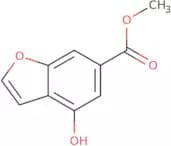
CAS:Controlled Product<p>Please enquire for more information about 1-tert-Butyl 3-methyl 1H-indole-1,3-dicarboxylate including the price, delivery time and more detailed product information at the technical inquiry form on this page</p>Formula:C15H17NO4Purity:Min. 95%Molecular weight:275.3 g/molMethyl 4-hydroxy-1-benzofuran-6-carboxylate
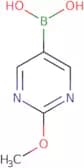
CAS:<p>Please enquire for more information about Methyl 4-hydroxy-1-benzofuran-6-carboxylate including the price, delivery time and more detailed product information at the technical inquiry form on this page</p>Formula:C10H8O4Purity:Min. 95%Molecular weight:192.17 g/mol2-Methoxypyrimidine-5-boronic acid
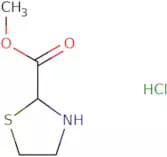
CAS:<p>Please enquire for more information about 2-Methoxypyrimidine-5-boronic acid including the price, delivery time and more detailed product information at the technical inquiry form on this page</p>Formula:C5H7BN2O3Purity:Min. 95%Molecular weight:153.93 g/molMethyl thiazolidine-2-carboxylate hydrochloride
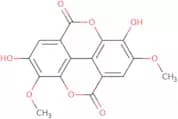
CAS:<p>Please enquire for more information about Methyl thiazolidine-2-carboxylate hydrochloride including the price, delivery time and more detailed product information at the technical inquiry form on this page</p>Formula:C5H9NO2S•HClPurity:Min. 95%Color and Shape:PowderMolecular weight:183.66 g/mol3,4’-O-dimethylellagic acid
CAS:<p>3,4’-O-dimethylellagic acid is a phenolic compound, which is a type of ellagic acid derivative. It is derived from natural sources, typically found in various fruits, nuts, and vegetables, particularly in certain berries and pomegranates. The compound is formed through the methylation of ellagic acid, which amplifies its lipophilicity and enhances its bioavailability.</p>Purity:Min. 95%(R)-(-)-3-Hydroxybutyric acid methyl ester
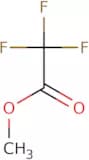
CAS:<p>(R)-(-)-3-Hydroxybutyric acid methyl ester is a monocarboxylic acid that is metabolized by phosphofructokinase and other enzymes to produce the corresponding 3-hydroxybutyrate. This compound is synthesized from tiglic acid, which can be obtained from corynebacterium. The production of (R)-(-)-3-Hydroxybutyric acid methyl ester can be optimized by using a biotransformation process. This process includes enzymatic reactions and chemical transformations, such as hydroxylation, carbonylation, and stereoselective synthesis. The metabolic pathway for this compound has been studied using a DNA microarray analysis.</p>Formula:C5H10O3Purity:Min. 95%Molecular weight:118.13 g/molMethyl 2,2,2-trifluoroacetate
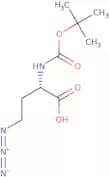
CAS:<p>Methyl 2,2,2-trifluoroacetate is a reactive compound with the chemical formula CHF. It can be used as a glycol ether and reacts with acid to form an alkanoic acid. Methyl 2,2,2-trifluoroacetate also reacts with a hydroxyl group to produce a molecule with two carboxylic acid groups. The kinetic data of this reaction has been determined using gas chromatography. This compound can also be used as a solid catalyst in reactions that require kinetic energy. Methyl 2,2,2-trifluoroacetate is not toxic to humans and has been found to be safe for use in analytical techniques.</p>Formula:C3H3F3O2Purity:Min. 95%Molecular weight:128.05 g/molN-α-Boc-Nγ-Azido-L-2,4-diaminobutyric acid cyclohexylamine salt
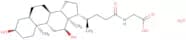
CAS:<p>Please enquire for more information about N-alpha-Boc-Ngamma-Azido-L-2,4-diaminobutyric acid cyclohexylamine salt including the price, delivery time and more detailed product information at the technical inquiry form on this page</p>Formula:C9H16N4O4·C6H13NPurity:Min. 95%Molecular weight:343.42 g/molGlycodeoxycholic Acid monohydrate
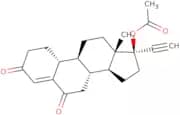
CAS:Controlled Product<p>Glycodeoxycholic acid is a bile acid that has been shown to inhibit bacterial translocation. It is used as an adjuvant therapy in the treatment of primary sclerosing cholangitis and other inflammatory conditions of the liver, such as pancreatitis, and it has also been studied for its effects on iron homeostasis. Glycodeoxycholic acid is produced by the human body and can be found in the serum. The biosynthesis of glycodeoxycholic acid is dependent on microbial metabolism, which may be inhibited by nonsteroidal anti-inflammatory drugs. This compound has been shown to inhibit cell signaling pathways and increase sodium ion uptake into cells through inhibition of sodium-potassium ATPase activity.</p>Purity:Min. 95%6-Oxo norethindrone acetate
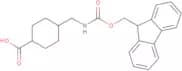
CAS:<p>Please enquire for more information about 6-Oxo norethindrone acetate including the price, delivery time and more detailed product information at the technical inquiry form on this page</p>Formula:C22H26O4Purity:Min. 95%Molecular weight:354.44 g/molFmoc-trans-4-(aminomethyl)cyclohexane-1-carboxylic acid
CAS:<p>Fmoc-trans-4-(aminomethyl)cyclohexane-1-carboxylic acid is a synthetic amino acid that has been shown in vitro to inhibit the growth of prostate cancer cells. It is an analog of butyric acid, a naturally occurring fatty acid. Fmoc-trans-4-(aminomethyl)cyclohexane-1-carboxylic acid has been synthesized by solid phase methods and labeled with radiotracers such as indium 111 or technetium 99m. The use of Fmoc-trans-4-(aminomethyl)cyclohexane-1-carboxylic acid in vivo is limited by its short circulating half life, rapid metabolism, and high toxicity.</p>Formula:C23H25NO4Purity:Min. 95%Color and Shape:White SolidMolecular weight:379.45 g/mol4-[4-(3-Chlorophenyl)piperazin-1-yl]-4-oxobutanoic acid
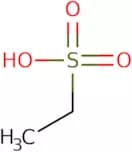
CAS:Controlled Product<p>Please enquire for more information about 4-[4-(3-Chlorophenyl)piperazin-1-yl]-4-oxobutanoic acid including the price, delivery time and more detailed product information at the technical inquiry form on this page</p>Formula:C14H17ClN2O3Purity:Min. 95%Molecular weight:296.75 g/molEthanesulfonic acid
CAS:<p>Ethanesulfonic acid is a free radical scavenger that has been shown to have anti-inflammatory properties. It also has the ability to inhibit lipid peroxidation and prevent the formation of reactive oxygen species in biological samples. Ethanesulfonic acid is used as a solvent for liposomal formulations, which are drugs enclosed in a phospholipid film. Liposomal formulations have been shown to be useful for the treatment of bowel diseases such as inflammatory bowel disease. Ethanesulfonic acid may also be used in treating autoimmune diseases, cancer, influenza virus, and guanine nucleotide-binding proteins.</p>Formula:C2H6O3SPurity:Min. 95%Color and Shape:Colourless To Yellow To Brown LiquidMolecular weight:110.13 g/mol(2S, 3S)-3-(Ethoxycarbonyl)-oxirane-2-carboxylic acid
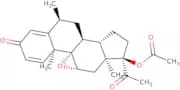
CAS:<p>Please enquire for more information about (2S, 3S)-3-(Ethoxycarbonyl)-oxirane-2-carboxylic acid including the price, delivery time and more detailed product information at the technical inquiry form on this page</p>Formula:C6H8O5Purity:Min. 95%Color and Shape:Clear LiquidMolecular weight:160.12 g/mol(9b,11b)-Epoxy fluorometholone acetate
CAS:<p>Please enquire for more information about (9b,11b)-Epoxy fluorometholone acetate including the price, delivery time and more detailed product information at the technical inquiry form on this page</p>Formula:C24H30O5Purity:Min. 95%Molecular weight:398.49 g/molBehenic acid
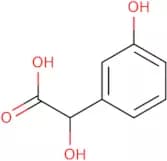
CAS:<p>Behenic acid is a fatty acid that has been used as a fluorescence probe for the detection of water vapor. It has shown to have antibacterial efficacy against bacteria including Acinetobacter baumannii, Staphylococcus aureus, and Pseudomonas aeruginosa. Behenic acid is also known to inhibit the synthesis of fatty acids in rat liver microsomes and to have biological properties such as the ability to induce hepatic steatosis. This fatty acid is found in some lichens and can be purified from them using an analytical method involving constant-pressure liquid chromatography. Behenic acid is also found in behen oil, which is produced by pressing nuts from the seed of the beech tree.</p>Formula:C22H44O2Purity:Min. 83 Area-%Color and Shape:PowderMolecular weight:340.58 g/mol3-Hydroxymandelic acid
CAS:<p>3-Hydroxymandelic acid is a metabolite of mandelic acid and has been found to have cytostatic effects in human cells. The concentration–time curve for 3-hydroxymandelic acid displays a single-dose pharmacokinetics. It has been shown to inhibit the nuclear factor kappa-light-chain enhancer (NFκB) pathway, which is involved in the regulation of cell proliferation, differentiation, and apoptosis. 3-Hydroxymandelic acid also inhibits energy metabolism by reducing mitochondrial respiration. This compound binds to plasma proteins and is excreted through urine as well as being oxidized by hepatic cytochrome P450 enzymes.</p>Formula:C8H8O4Purity:Min. 95%Molecular weight:168.15 g/mol1-(4-Fluorophenyl)pyrazole-4-boronic acid
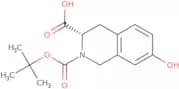
CAS:<p>Please enquire for more information about 1-(4-Fluorophenyl)pyrazole-4-boronic acid including the price, delivery time and more detailed product information at the technical inquiry form on this page</p>Formula:C9H8BFN2O2Purity:Min. 95%Molecular weight:205.98 g/molBoc-(3S)-1,2,3,4-tetrahydroisoquinoline-7-hydroxy-3-carboxylic acid
CAS:<p>Boc-(3S)-1,2,3,4-tetrahydroisoquinoline-7-hydroxy-3-carboxylic acid is a synthetic opioid that is chemically related to morphine. It binds to the δ opioid receptor and has a clinical development in the treatment of pain. The drug has been shown to inhibit the binding of gtpγs, which leads to the suppression of neuronal activity. Boc-(3S)-1,2,3,4-tetrahydroisoquinoline-7-hydroxy-3-carboxylic acid also has low molecular weight and low toxicity.</p>Formula:C15H19NO5Purity:Min. 95%Color and Shape:PowderMolecular weight:293.32 g/molEthyl 7-Methoxy-1H-Indazole-3-Carboxylate
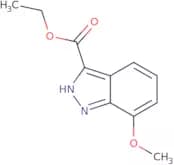
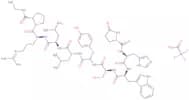
CAS:Controlled Product<p>Please enquire for more information about Ethyl 7-Methoxy-1H-Indazole-3-Carboxylate including the price, delivery time and more detailed product information at the technical inquiry form on this page</p>Formula:C11H12N2O3Purity:Min. 95%Molecular weight:220.22 g/mol(Des-Gly10,D-Leu6,D-Leu7,Pro-NHEt 9)-LHRH trifluoroacetate salt
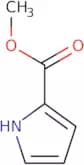
CAS:<p>Please enquire for more information about (Des-Gly10,D-Leu6,D-Leu7,Pro-NHEt 9)-LHRH trifluoroacetate salt including the price, delivery time and more detailed product information at the technical inquiry form on this page</p>Formula:C59H84N16O12Purity:Min. 95%Molecular weight:1,209.4 g/mol1H-Pyrrole-2-carboxylic acid, methyl ester
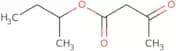
CAS:<p>1H-Pyrrole-2-carboxylic acid, methyl ester is a catalytic asymmetric reagent that can be used to produce chiral derivatives from simple substrates. It has been shown to be effective in the Friedel-Crafts reaction and Wolff-Kishner reduction. The catalyst forms a bond with the carbonyl group of the reactant, which is then cleaved by chloride ions. The reaction time depends on the type of metal halide and solvent used. 1H-Pyrrole-2-carboxylic acid, methyl ester also reacts with acetyl or alkyl groups at low temperatures to form acetate or alkylate products.</p>Formula:C6H7NO2Purity:Min. 95%Molecular weight:125.13 g/molsec-Butyl Acetoacetate
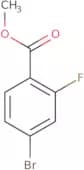
CAS:<p>Please enquire for more information about sec-Butyl Acetoacetate including the price, delivery time and more detailed product information at the technical inquiry form on this page</p>Formula:C8H14O3Purity:Min. 95%Molecular weight:158.19 g/mol4-Bromo-2-fluorobenzoic acid methyl ester
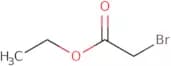
CAS:<p>4-Bromo-2-fluorobenzoic acid methyl ester is a synthetic chemical that is used as a drug substance in the synthesis of pharmaceuticals. It is also a reagent for organic synthesis, specifically cross coupling reactions. 4-Bromo-2-fluorobenzoic acid methyl ester can be used to introduce an alkyl group into a molecule, which can then be used in other synthetic reactions. This chemical has been shown to inhibit prolyl hydroxylase (PHD), which is an enzyme that catalyzes the conversion of proline to hydroxyproline. 4-Bromo-2-fluorobenzoic acid methyl ester also inhibits the Bcl-2 family proteins, including bcl2, bclxl and bax, which are known to play a role in apoptosis. 4-Bromo-2-fluorobenzoic acid methyl ester</p>Formula:C8H6BrFO2Purity:Min. 95%Molecular weight:233.03 g/molEthyl bromoacetate
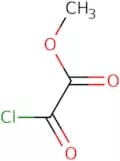
CAS:<p>Ethyl bromoacetate is an ethyl ester of bromoacetic acid. It is a precursor to a number of pharmaceuticals, including the anti-inflammatory drug bromoacetate and the radioprotective agent dibromopropane. Ethyl bromoacetate is used in analytical chemistry as a reagent for the detection and identification of coumarin derivatives, which have been detected in biological samples such as wastewater. The compound has also been shown to be effective against certain strains of bacteria and fungi that are responsible for bowel diseases. Ethyl bromoacetate can act as an antimicrobial agent by disrupting bacterial cell membranes and inhibiting their metabolic pathways.</p>Formula:C4H7BrO2Purity:Min. 95%Molecular weight:167 g/molMethyl chlorooxoacetate
CAS:<p>Methyl chlorooxoacetate is an oxalyl ester that has been used for the synthesis of glycol esters. Methyl chlorooxoacetate has been shown to have a high solubility in water and organic solvents, which is desirable for industrial processes. This molecule also has the ability to be acylated with various organic groups and can act as a process-optimization agent in plant physiology. Methyl chlorooxoacetate binds as a receptor to growth factors and HIV infection, which leads to amide formation and carbonyl group formation.</p>Formula:C3H3ClO3Purity:Min. 95%Color and Shape:Clear LiquidMolecular weight:122.51 g/mol1H-Benzo[d]imidazol-6-ylboronic acid
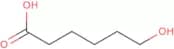
CAS:<p>Please enquire for more information about 1H-Benzo[d]imidazol-6-ylboronic acid including the price, delivery time and more detailed product information at the technical inquiry form on this page</p>Formula:C7H7BN2O2Purity:Min. 95%Molecular weight:161.95 g/mol6-Hydroxyhexanoic acid
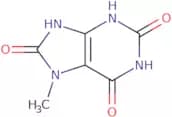
CAS:<p>6-Hydroxyhexanoic acid is an organic acid that is produced by the bacterial metabolism of caproic acid. It can be used to produce inorganic acids such as sulfuric acid, hydrochloric acid and nitric acid. 6-Hydroxyhexanoic acid has been shown to inhibit the growth of bacteria at low concentrations. This inhibition may be due to its ability to form an adduct with DNA, which inhibits DNA replication and transcription. 6-Hydroxyhexanoic acid also inhibits protein synthesis by binding to the 30S ribosomal subunit, inhibiting translocation and peptide bond formation. 6-hydroxyhexanoic acid also causes genotoxic effects in vitro and structural analysis has revealed a hydroxyl group on the methyl group on one side of the molecule.</p>Formula:C6H12O3Purity:(Silylated Gc) Min. 94%Color and Shape:Colorless PowderMolecular weight:132.16 g/mol7-Methyluric acid
CAS:Controlled Product<p>7-Methyluric acid is a purine derivative that is excreted in the urine. This compound can be used to measure the metabolic rate of an individual. 7-Methyluric acid reacts with caffeine to produce methylxanthines and uric acid, which are then measured by chromatographic methods. In order to measure the metabolic rate, a known amount of caffeine is given orally to Sprague-Dawley rats for a period of time, followed by measurement of 7-methyluric acid in their urine samples. The results show that the metabolic rate increases linearly with time.</p>Formula:C6H6N4O3Purity:Min. 95%Color and Shape:PowderMolecular weight:182.14 g/moltert-Butyl 4-hydroxy-1-oxa-9-azaspiro[5.5]undecane-9-carboxylate
CAS:<p>Please enquire for more information about tert-Butyl 4-hydroxy-1-oxa-9-azaspiro[5.5]undecane-9-carboxylate including the price, delivery time and more detailed product information at the technical inquiry form on this page</p>Formula:C14H25NO4Purity:Min. 95%Molecular weight:271.35 g/mol2-[2-(1H-Indol-3-yl)ethyl]-1,3-dioxoisoindoline-5-carboxylic acid
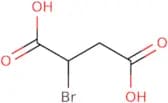
CAS:Controlled Product<p>Please enquire for more information about 2-[2-(1H-Indol-3-yl)ethyl]-1,3-dioxoisoindoline-5-carboxylic acid including the price, delivery time and more detailed product information at the technical inquiry form on this page</p>Formula:C19H14N2O4Purity:Min. 95%Molecular weight:334.33 g/molBromosuccinic acid
CAS:<p>Bromosuccinic acid is a type of organic compound with the chemical formula HOCCH=CHOH. It is an ester that contains a hydroxyl group, a carboxylic acid group, and a bromine atom. Bromosuccinic acid has been shown to have biocompatible properties and can be used as a polymer for biomedical applications. It also has the ability to form covalent bonds with basic proteins due to its hydroxyl group, which is important for protein stability. Bromosuccinic acid has been shown to inhibit trypsin activity in soybean trypsin, which may be due to its disulfide bond or low energy content. This substance also reacts with malonic acid and carbonic acid, producing galacturonic acid and fatty acids respectively. Bromosuccinic acid is produced by bacteria of the genus Enterobacteriaceae and belongs to the family of short-chain fatty acids.</p>Purity:Min. 95%5-[4-(3-Chlorophenyl)piperazin-1-yl]-5-oxopentanoic acid
CAS:Controlled Product<p>Please enquire for more information about 5-[4-(3-Chlorophenyl)piperazin-1-yl]-5-oxopentanoic acid including the price, delivery time and more detailed product information at the technical inquiry form on this page</p>Formula:C15H19ClN2O3Purity:Min. 95%Molecular weight:310.78 g/mol[3-(Trifluoromethyl)-4,5,6,7-tetrahydro-1H-indazol-1-yl]acetic acid
CAS:<p>Please enquire for more information about [3-(Trifluoromethyl)-4,5,6,7-tetrahydro-1H-indazol-1-yl]acetic acid including the price, delivery time and more detailed product information at the technical inquiry form on this page</p>Formula:C10H11F3N2O2Purity:Min. 95%Molecular weight:248.2 g/molMethyl 4H-furo[3,2-b]pyrrole-5-carboxylate
CAS:<p>Please enquire for more information about Methyl 4H-furo[3,2-b]pyrrole-5-carboxylate including the price, delivery time and more detailed product information at the technical inquiry form on this page</p>Formula:C8H7NO3Purity:Min. 95%Molecular weight:165.15 g/mol


![1-Cyclopropyl-7-(2,8-diazabicyclo[4.3.0]non-8-yl)-6-fluoro-8-methoxy-4-oxoquinoline-3-carboxylic a…](/_next/image/?url=https%3A%2Fstatic.cymitquimica.com%2Fproducts%2F3D%2Fthumb-webp%2FFC102529.webp&w=3840&q=75)



![4-(Methoxycarbonyl)bicyclo[2.1.1]hexane-1-carboxylic acid](/_next/image/?url=https%3A%2Fstatic.cymitquimica.com%2Fproducts%2F3D%2Fthumb-webp%2FFM76248.webp&w=3840&q=75)


![(6R,7R)-3-(Acetoxymethyl)-8-oxo-7-(2-(thiophen-2-yl)acetamido)-5-thia-1-azabicyclo[4.2.0]oct-2-ene…](/_next/image/?url=https%3A%2Fstatic.cymitquimica.com%2Fproducts%2F3D%2Fthumb-webp%2FFA32097.webp&w=3840&q=75)

![4-amino[1,1'-biphenyl]-3-carboxylic acid](/_next/image/?url=https%3A%2Fstatic.cymitquimica.com%2Fproducts%2F3D%2Fthumb-webp%2FFA58870.webp&w=3840&q=75)



![1-[2-(5-Methoxy-1H-indol-3-yl)ethyl]-5-oxopyrrolidine-3-carboxylic acid](/_next/image/?url=https%3A%2Fstatic.cymitquimica.com%2Fproducts%2F3D%2Fthumb-webp%2FFM119445.webp&w=3840&q=75)


![4-[4-(3-Chlorophenyl)piperazin-1-yl]-4-oxobutanoic acid](/_next/image/?url=https%3A%2Fstatic.cymitquimica.com%2Fproducts%2F3D%2Fthumb-webp%2FFC124815.webp&w=3840&q=75)



![1H-Benzo[d]imidazol-6-ylboronic acid](/_next/image/?url=https%3A%2Fstatic.cymitquimica.com%2Fproducts%2F3D%2Fthumb-webp%2FFH160014.webp&w=3840&q=75)
![tert-Butyl 4-hydroxy-1-oxa-9-azaspiro[5.5]undecane-9-carboxylate](/_next/image/?url=https%3A%2Fstatic.cymitquimica.com%2Fproducts%2F3D%2Fthumb-webp%2FFB125443.webp&w=3840&q=75)
![2-[2-(1H-Indol-3-yl)ethyl]-1,3-dioxoisoindoline-5-carboxylic acid](/_next/image/?url=https%3A%2Fstatic.cymitquimica.com%2Fproducts%2F3D%2Fthumb-webp%2FFI124769.webp&w=3840&q=75)
![5-[4-(3-Chlorophenyl)piperazin-1-yl]-5-oxopentanoic acid](/_next/image/?url=https%3A%2Fstatic.cymitquimica.com%2Fproducts%2F3D%2Fthumb-webp%2FFC124636.webp&w=3840&q=75)
![[3-(Trifluoromethyl)-4,5,6,7-tetrahydro-1H-indazol-1-yl]acetic acid](/_next/image/?url=https%3A%2Fstatic.cymitquimica.com%2Fproducts%2F3D%2Fthumb-webp%2FFT119888.webp&w=3840&q=75)
![Methyl 4H-furo[3,2-b]pyrrole-5-carboxylate](/_next/image/?url=https%3A%2Fstatic.cymitquimica.com%2Fproducts%2F3D%2Fthumb-webp%2FFM155237.webp&w=3840&q=75)