Carboxylic Acids
Carboxylic acids are organic molecules characterized by having a carboxyl-type functional group (-COOH). These acids are fundamental in various chemical reactions, including esterification, amidation, and decarboxylation. Carboxylic acids are widely used in the production of pharmaceuticals, polymers, and agrochemicals. In this section, you can find a large number of carboxylic acids ready to be used. At CymitQuimica, we provide a broad range of high-quality carboxylic acids to support your research and industrial applications.
Found 12453 products of "Carboxylic Acids"
Sort by
Purity (%)
0
100
|
0
|
50
|
90
|
95
|
100
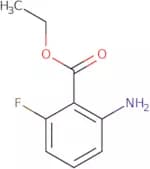
2-Amino-6-fluorobenzoic acid ethyl ester
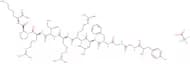
CAS:<p>2-Amino-6-fluorobenzoic acid ethyl ester is a chemical that can be used as a building block in the synthesis of more complex compounds. It is a versatile intermediate and can be used to synthesize other important compounds, such as pharmaceuticals. This compound has been shown to be useful for the preparation of 2-amino-4,6-difluorobenzoic acid ethyl ester and many other derivatives. The colorless solid is soluble in ether and dichloromethane.</p>Formula:C9H10FNO2Purity:Min. 95%Color and Shape:PowderMolecular weight:183.18 g/mol(Des-Gly10,D-Trp3,D-Leu6,Pro-NHEt 9)-LHRH trifluoroacetate salt
<p>Please enquire for more information about (Des-Gly10,D-Trp3,D-Leu6,Pro-NHEt 9)-LHRH trifluoroacetate salt including the price, delivery time and more detailed product information at the technical inquiry form on this page</p>Formula:C59H84N16O12Purity:Min. 95%Molecular weight:1,209.4 g/mol1,3-Dithiane-2-carboxylic acid
CAS:<p>1,3-Dithiane-2-carboxylic acid is an alkylating agent that reacts with electron-deficient substrates. It is a convenient way to access enantiopure carboxylates and unsaturated ketones in the presence of amines. This compound can also be used for the preparation of phthalimides and thioacetals. 1,3-Dithiane-2-carboxylic acid is prepared by ring opening of 1,3 dithianes. This reaction can be catalyzed by acids such as hydrochloric acid or pyridine.</p>Formula:C5H8O2S2Purity:Min. 95%Molecular weight:164.25 g/mol(Tyr1)-TRAP-7 trifluoroacetate salt
CAS:<p>Please enquire for more information about (Tyr1)-TRAP-7 trifluoroacetate salt including the price, delivery time and more detailed product information at the technical inquiry form on this page</p>Formula:C45H67N11O10Purity:Min. 95%Molecular weight:922.08 g/molHomoterephalic acid
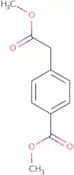
CAS:<p>Homoterephalic acid is a polycarboxylic acid. It has been shown to be effective in the treatment of tumors, and in clinical studies, it has been shown to have anti-cancer activity. Homoterephalic acid inhibits the growth of tumor cells by inhibiting the synthesis of l-glutamic acid. This compound also exhibits anti-inflammatory properties by inhibiting tumor necrosis factor alpha (TNFα) production. Homoterephalic acid is also an inhibitor of human lung diastereomer 1210 cells, as well as erythrocytes infected with L1210 leukemia cells. Homoterephalic acid is a substrate for glycinamide ribonucleotide synthetase and can be used for the biosynthesis of thymidylate. It can be used for the synthesis of polycarboxylic acids that are important for cell metabolism and protein synthesis.</p>Formula:C11H12O4Purity:Min. 95%Molecular weight:208.21 g/molNeuropeptide S (rat) trifluoroacetate salt
CAS:<p>Please enquire for more information about Neuropeptide S (rat) trifluoroacetate salt including the price, delivery time and more detailed product information at the technical inquiry form on this page</p>Formula:C95H160N34O27Purity:Min. 95%Molecular weight:2,210.5 g/molTRAF6 Control Peptide trifluoroacetate salt
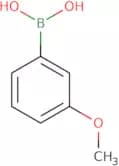
CAS:<p>Please enquire for more information about TRAF6 Control Peptide trifluoroacetate salt including the price, delivery time and more detailed product information at the technical inquiry form on this page</p>Formula:C139H232N34O42Purity:Min. 95%Molecular weight:3,051.53 g/mol3-Methoxyphenylboronic acid
CAS:<p>3-Methoxyphenylboronic acid is a photophysical molecule that can be used as an analytical reagent in plant physiology and analytical chemistry. 3-Methoxyphenylboronic acid reacts reversibly with copper ions to form a complex. The binding constants of the copper complex depend on the pH of the solution, which can be altered by adding a phosphate derivative to the solution. This reaction was investigated using cross-coupling techniques and showed that the binding constants for this complex are dependent on the type of solvent used. 3-Methoxyphenylboronic acid has also been used to measure glucose levels in blood samples.</p>Formula:C7H9BO3Purity:Min. 95%Color and Shape:White PowderMolecular weight:151.96 g/molDynorphin A (1-11) amide trifluoroacetate salt
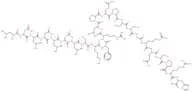
CAS:<p>Dynorphin A (1-11) amide trifluoroacetate salt is a modified form of the opioid peptide dynorphin, which is a natural ligand for kappa-opioid receptors. It has affinity for the surface receptors and can be used to study the modifications that occur in cell function. Dynorphin A (1-11) amide trifluoroacetate salt has been shown to decrease cell function when it interacts with these surface receptors, which are found in brain homogenates and other tissues. Dynorphin A (1-11) amide trifluoroacetate salt also has an effect on brain cells, which may be due to its ability to alter conformational changes in proteins by binding to them. This can lead to alterations in the structure of certain enzymes or receptor proteins.</p>Formula:C63H104N22O12Purity:Min. 95%Molecular weight:1,361.64 g/molOsteoblast Activating Peptide (mouse, rat) trifluoroacetate salt
CAS:<p>Please enquire for more information about Osteoblast Activating Peptide (mouse, rat) trifluoroacetate salt including the price, delivery time and more detailed product information at the technical inquiry form on this page</p>Formula:C120H196N38O37Purity:Min. 95%Molecular weight:2,763.07 g/molSerpinin (mouse, rat) trifluoroacetate salt
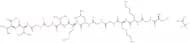
CAS:<p>Please enquire for more information about Serpinin (mouse, rat) trifluoroacetate salt including the price, delivery time and more detailed product information at the technical inquiry form on this page</p>Formula:C123H202N32O46Purity:Min. 95%Molecular weight:2,865.11 g/molCys-Gly-Lys-Lys-Gly-Amyloid b-Protein (33-40) trifluoroacetate salt
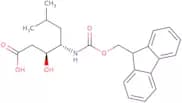
CAS:<p>Please enquire for more information about Cys-Gly-Lys-Lys-Gly-Amyloid b-Protein (33-40) trifluoroacetate salt including the price, delivery time and more detailed product information at the technical inquiry form on this page</p>Formula:C51H93N15O14S2Purity:Min. 95%Molecular weight:1,204.51 g/molFmoc-(3S,4S)-4-amino-3-hydroxy-6-methylheptanoic acid
CAS:<p>Fmoc-(3S,4S)-4-amino-3-hydroxy-6-methylheptanoic acid is a pharmacokinetic drug that is under investigation for prostate cancer. It has been shown to inhibit the growth of prostate carcinoma cells and reduce the expression of prostate specific antigen (PSA) in vivo. Fmoc-(3S,4S)-4-amino-3-hydroxy-6-methylheptanoic acid has also been used in bioconjugate chemistry to produce a prodrug that can be taken orally. This prodrug is activated by viral proteases in the stomach, leading to an increase in cytotoxicity against HIV virus and other retroviruses. Fmoc-(3S,4S)-4-amino-3-hydroxy-6-methylheptanoic acid has also been shown to inhibit the production of human serum erythropoietin (EPO).</p>Formula:C23H27NO5Purity:Min. 95%Color and Shape:White To Off-White SolidMolecular weight:397.46 g/molH-Leu-Trp-Met-Arg-Phe-OH acetate salt
CAS:<p>H-Leu-Trp-Met-Arg-Phe-OH acetate salt is a molecule that transports amino acids across the cell membrane of bacteria, preventing bacterial growth. It is produced by proctolin and functional groups in dental plaque. This compound has been shown to inhibit the growth of bacteria in vitro by binding to hypochlorous acid, which is part of the antimicrobial activity of human neutrophils. H-Leu-Trp-Met-Arg-Phe-OH acetate salt has been used as a tracer for studying amino acid transport in E. coli cells and its uptake into extracellular vesicles. The product can also be used as an antiplaque agent due to its ability to inhibit the acid transport system and uptake of amino acids from the environment.</p>Formula:C37H53N9O6SPurity:Min. 95%Molecular weight:751.94 g/molH-Ile-Ile-Ile-OH acetate salt
CAS:<p>Please enquire for more information about H-Ile-Ile-Ile-OH acetate salt including the price, delivery time and more detailed product information at the technical inquiry form on this page</p>Formula:C18H35N3O4Purity:Min. 95%Molecular weight:357.49 g/molTRAP-14 amide trifluoroacetate salt
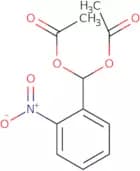
CAS:<p>Please enquire for more information about TRAP-14 amide trifluoroacetate salt including the price, delivery time and more detailed product information at the technical inquiry form on this page</p>Formula:C81H119N21O22Purity:Min. 95%Molecular weight:1,738.94 g/mol2-Nitrobenzaldiacetate
CAS:<p>2-Nitrobenzaldiacetate is a chemical compound that has been used as a reaction component and reagent. It is also useful for the synthesis of other compounds. 2-Nitrobenzaldiacetate is a high quality, versatile building block that can be used to make complex compounds. The CAS number for this chemical is 6345-63-7. This compound has been shown to have many uses in research, such as being a useful intermediate or building block in synthetic organic chemistry.</p>Formula:C11H11NO6Purity:Min. 95%Color and Shape:PowderMolecular weight:253.21 g/molNeuromedin U-8 (porcine) trifluoroacetate salt
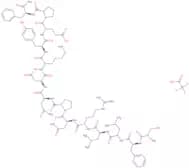
CAS:<p>Neuromedin U-8 (porcine) trifluoroacetate salt H-Tyr-Phe-Leu-Phe-Arg-Pro-Arg-Asn-NH2 trifluoroacetate salt is a molecule that inhibits the action of vasoactive intestinal peptide. It is a peptide hormone that has been shown to be involved in the regulation of bowel function and blood pressure. Neuromedin U-8 (porcine) trifluoroacetate salt H-Tyr-Phe-Leu-Phe-Arg-Pro-Arg-Asn NH2 trifluoroacetate salt has also been shown to inhibit cell proliferation, cancer, and inflammatory bowel disease. Neuromedin U 8 (porcine) trifluoroacetate salt H Tyr Phe Leu Phe Arg Pro Arg Asn NH2 trifluoroacetate salt binds to the receptor for</p>Formula:C54H78N16O10Purity:Min. 95%Molecular weight:1,111.3 g/molH-Arg-Arg-Arg-OH acetate salt
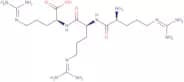
CAS:<p>H-Arg-Arg-Arg-OH acetate salt is a polycarboxylic acid that is found in human immunoglobulins. It has been used as a synthetic substrate for the study of radiation enhancement. H-Arg-Arg-Arg-OH acetate salt is also an allergen and can cause allergic reactions, such as itching and swelling. This compound can be used to study the neutral pH, chemical reactions, protein synthesis, and the hydroxyl group.</p>Formula:C18H38N12O4Purity:Min. 95%Molecular weight:486.57 g/molDihydro-5-furylboronic acid pinacol ester
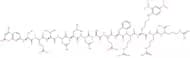
CAS:<p>Please enquire for more information about Dihydro-5-furylboronic acid pinacol ester including the price, delivery time and more detailed product information at the technical inquiry form on this page</p>Formula:C10H17BO3Purity:Min. 95%Molecular weight:196.05 g/molMca-Gly-Lys-Pro-Ile-Leu-Phe-Phe-Arg-Leu-Lys(Dnp)-D-Arg-NH2 trifluoroacetate salt
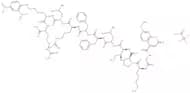
CAS:<p>Please enquire for more information about Mca-Gly-Lys-Pro-Ile-Leu-Phe-Phe-Arg-Leu-Lys(Dnp)-D-Arg-NH2 trifluoroacetate salt including the price, delivery time and more detailed product information at the technical inquiry form on this page</p>Formula:C85H122N22O19Purity:Min. 95%Molecular weight:1,756.02 g/molH-D-Pro-Pro-Glu-NH2 trifluoroacetate salt
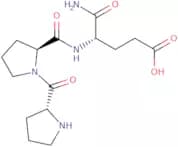
CAS:<p>Please enquire for more information about H-D-Pro-Pro-Glu-NH2 trifluoroacetate salt including the price, delivery time and more detailed product information at the technical inquiry form on this page</p>Formula:C15H24N4O5Purity:Min. 95%Molecular weight:340.38 g/molAmyloid β-Protein (1-24) trifluoroacetate salt
CAS:<p>Please enquire for more information about Amyloid beta-Protein (1-24) trifluoroacetate salt including the price, delivery time and more detailed product information at the technical inquiry form on this page</p>Formula:C130H183N35O40Purity:Min. 95%Molecular weight:2,876.06 g/mol3-(3,5-Dimethoxyphenyl)propionic acid methyl ester
CAS:<p>3-(3,5-Dimethoxyphenyl)propionic acid methyl ester is a reagent that is used as a reactant in organic synthesis. It is also useful as a scaffold for the synthesis of heterocycles and other complex compounds. 3-(3,5-Dimethoxyphenyl)propionic acid methyl ester is used in research chemical synthesis and as a versatile building block for the production of fine chemicals. This chemical can be used to create products such as pharmaceuticals, pesticides, and cosmetics.</p>Formula:C12H16O4Purity:Min. 95%Molecular weight:224.25 g/molMca-(Asn670,Leu671)-Amyloid β/A4 Protein Precursor770 (667-676)-Lys(Dnp)-Arg-Arg amide trifluoroacetate salt
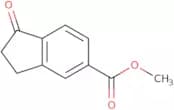
CAS:<p>Please enquire for more information about Mca-(Asn670,Leu671)-Amyloid beta/A4 Protein Precursor770 (667-676)-Lys(Dnp)-Arg-Arg amide trifluoroacetate salt including the price, delivery time and more detailed product information at the technical inquiry form on this page</p>Formula:C86H125N27O29Purity:Min. 95%Molecular weight:2,001.08 g/molMethyl 1-oxo-2,3-dihydro-1H-indene-5-carboxylate
CAS:<p>Methyl 1-oxo-2,3-dihydro-1H-indene-5-carboxylate is a metabotropic glutamate receptor antagonist. It blocks the glutamate receptor and prevents the transmission of nerve impulses in the central nervous system. This drug is used to treat neurological disorders such as anxiety, depression, and schizophrenia. Methyl 1-oxo-2,3-dihydro-1H-indene-5-carboxylate has been shown to have a number of side effects including drowsiness, nausea, dizziness and headache.</p>Formula:C11H10O3Purity:Min. 95%Molecular weight:190.2 g/molCopeptin (rat) trifluoroacetate salt
CAS:<p>Copeptin (rat) trifluoroacetate salt is a peptide that belongs to the group of protein inhibitors. It can inhibit the activity of the acetylcholine receptor, which leads to an increase in muscle tone and rigidity. Copeptin is also used as a research tool for studying protein interactions, antibody-antigen reactions, cell biology, ligand-receptor binding, pharmacology and life sciences. Copeptin has been shown to inhibit ion channels such as nicotinic receptors and potassium channels. The CAS number for copeptin (rat) trifluoroacetate salt is 86280-64-0.</p>Formula:C183H307N57O61Purity:Min. 95%Molecular weight:4,281.74 g/molOxalic acid dihydrate
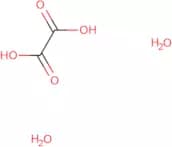
CAS:<p>Oxalic acid dihydrate is an organic compound with the molecular formula of (C2H2O4)2. It has a molecular weight of 226.07 g/mol and a melting point of 173°C. The intermolecular hydrogen bonding between the hydroxyl groups and the fatty acid chains creates an oxalic acid molecule that is able to exist in two different structures, alpha and beta. Alpha oxalic acid molecules have a particle phase transition temperature of -10°C, while beta oxalic acid molecules have a particle phase transition temperature of 30°C. Oxalic acid dihydrate is soluble in n-dimethylformamide (DMF) and hydrochloric acid (HCl). br>br> Oxalic acid dihydrate is used as an additive in metal-working fluids, which are used during machining processes to prevent corrosion. It also acts as a catalyst for transfer reactions between phosphorus pentoxide</p>Formula:C2H2O4•(H2O)2Purity:Min. 95%Molecular weight:126.07 g/molAdrenomedullin (porcine) trifluoroacetate salt
CAS:<p>Please enquire for more information about Adrenomedullin (porcine) trifluoroacetate salt including the price, delivery time and more detailed product information at the technical inquiry form on this page</p>Formula:C262H403N79O76S3Purity:Min. 95%Molecular weight:5,971.69 g/mol4-[(4-chlorophenyl)-2-pyridinylmethoxy]-1-piperidinecarboxylic acid ethylester
CAS:<p>Please enquire for more information about 4-[(4-chlorophenyl)-2-pyridinylmethoxy]-1-piperidinecarboxylic acid ethylester including the price, delivery time and more detailed product information at the technical inquiry form on this page</p>Formula:C20H23ClN2O3Purity:Min. 95%Molecular weight:374.86 g/molEndothelin-1 (11-21) trifluoroacetate salt
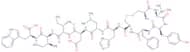
CAS:<p>Endothelin-1 (11-21) trifluoroacetate salt H-Cys-Val-Tyr-Phe-Cys-His-Leu-Asp-Ile-Ile-Trp is a peptide that is derived from endothelin. It has been shown to have an inhibitory effect on insulin stimulated glucose uptake in Sprague Dawley rats. This peptide has also been shown to bind to the endothelin receptor and act as a nonselective agonist. Endothelin 1 (11–21) trifluoroacetate salt H-Cys Val Tyr Phe Cys His Leu Asp Ile Ile Trp, when incubated with cells, had a maximal response at micron concentrations.</p>Formula:C68H92N14O15S2Purity:Min. 95%Molecular weight:1,409.68 g/mol(Leu116)-Prepro-Neuromedin U (104-136) (human) trifluoroacetate salt
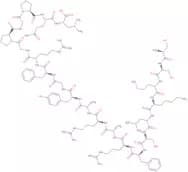
<p>Please enquire for more information about (Leu116)-Prepro-Neuromedin U (104-136) (human) trifluoroacetate salt including the price, delivery time and more detailed product information at the technical inquiry form on this page</p>Formula:C177H276N46O45Purity:Min. 95%Molecular weight:3,768.37 g/molTIP-39 trifluoroacetate salt
CAS:<p>Please enquire for more information about TIP-39 trifluoroacetate salt including the price, delivery time and more detailed product information at the technical inquiry form on this page</p>Formula:C202H325N61O54SPurity:Min. 95%Molecular weight:4,504.19 g/molHel 13-5 trifluoroacetate salt
CAS:Controlled Product<p>Hel 13-5 trifluoroacetate salt H-Lys-Leu-Leu-Lys-Leu-Leu-Leu-Lys-Leu-Trp-Leu-Lys-Leu-Leu-Lys-Leu-Leu<br>Hel 13 is a ternary anionic surfactant consisting of a helix and three head groups. The head groups are Lys, Leu, and Leu. Each of these three head groups have a hydrophilic polar group and two lipophilic chains. It is typically used as a surfactant in the pulmonary system to help maintain lung function. When Hel 13 is used in the pulmonary system, it helps to keep the alveoli open so that air can be exchanged with blood. Hel 13 also has been shown to reduce surface tension at high pressures and temperatures, which could potentially be used for industrial purposes such as oil drilling or nuclear power plants.</p>Formula:C113H204N24O19Purity:Min. 95%Molecular weight:2,202.98 g/molCatestatin (human) trifluoroacetate
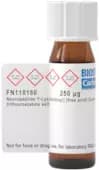
CAS:<p>Please enquire for more information about Catestatin (human) trifluoroacetate including the price, delivery time and more detailed product information at the technical inquiry form on this page</p>Formula:C104H164N32O27SPurity:Min. 95%Molecular weight:2,326.68 g/molNeuropeptide Y-Lys(biotinyl) (free acid) (human, rat) trifluoroacetate salt
<p>Please enquire for more information about Neuropeptide Y-Lys(biotinyl) (free acid) (human, rat) trifluoroacetate salt including the price, delivery time and more detailed product information at the technical inquiry form on this page</p>Formula:C205H310N58O61S2Purity:Min. 95%Molecular weight:4,627.14 g/molH-Gly-Gly-Lys-OH acetate salt
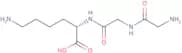
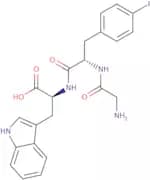
CAS:<p>Please enquire for more information about H-Gly-Gly-Lys-OH acetate salt including the price, delivery time and more detailed product information at the technical inquiry form on this page</p>Formula:C10H20N4O4Purity:Min. 95%Molecular weight:260.29 g/molH-Gly-p-iodo-Phe-Trp-OH trifluoroacetate salt
CAS:<p>Please enquire for more information about H-Gly-p-iodo-Phe-Trp-OH trifluoroacetate salt including the price, delivery time and more detailed product information at the technical inquiry form on this page</p>Formula:C22H23IN4O4Purity:Min. 95%Molecular weight:534.35 g/mol5(6)-TAMRA-HIV-1 tat Protein (47-57) trifluoroacetate salt
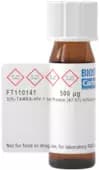
CAS:<p>Please enquire for more information about 5(6)-TAMRA-HIV-1 tat Protein (47-57) trifluoroacetate salt including the price, delivery time and more detailed product information at the technical inquiry form on this page</p>Formula:C89H138N34O18Purity:Min. 95%Molecular weight:1,972.27 g/molVIP (4-28) (human, mouse, rat) trifluoroacetate salt
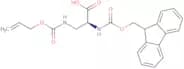
CAS:<p>Please enquire for more information about VIP (4-28) (human, mouse, rat) trifluoroacetate salt including the price, delivery time and more detailed product information at the technical inquiry form on this page</p>Formula:C134H221N39O36SPurity:Min. 95%Molecular weight:2,986.5 g/molN-α-Fmoc-Nβ-allyloxycarbonyl-L-2,3-diaminopropionic acid
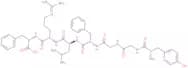
CAS:<p>Please enquire for more information about N-alpha-Fmoc-Nbeta-allyloxycarbonyl-L-2,3-diaminopropionic acid including the price, delivery time and more detailed product information at the technical inquiry form on this page</p>Formula:C22H22N2O6Purity:Min. 95%Molecular weight:410.53 g/mol(Phe7)-Dynorphin A (1-7) acetate salt
CAS:<p>Dynorphin A (1-7) acetate salt is a potent analgesic that has been used to treat pain. It has been shown to be effective in the treatment of laryngitis and other laryngological disorders. Dynorphin A (1-7) acetate salt is a prodrug that is hydrolyzed in vivo to dynorphin A (1-7) by esterases, which can then bind to opioid receptors. This drug has been validated for use as a diagnostic agent in coatings and in algorithms for analysis of polygonal images from laryngoscopy. The dehydrogenase enzymes are added to the coating or algorithm for diagnosis of the presence of vocal cord pathology. Dynorphin A (1-7) acetate salt also shows promising results for analyzing waveforms from laryngoscopy, with the goal of classifying vocal cord pathology.</p>Formula:C43H58N10O9Purity:Min. 95%Molecular weight:858.98 g/molH-Arg-His-NH2 acetate salt
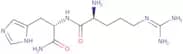
CAS:<p>Please enquire for more information about H-Arg-His-NH2 acetate salt including the price, delivery time and more detailed product information at the technical inquiry form on this page</p>Formula:C12H22N8O2Purity:Min. 95%Molecular weight:310.36 g/molMethyl-N,N-diethyldithiocarbamate
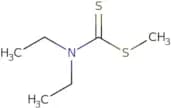
CAS:<p>Methyl-N,N-diethyldithiocarbamate is a copper complex that reacts with nitrogen atoms to form a stable chemical species. It has been shown to have cancer-fighting properties and is used in the treatment of liver cancer. Methyl-N,N-diethyldithiocarbamate also acts as an anti-inflammatory agent. The mechanism of action of methyl-N,N-diethyldithiocarbamate is not fully understood, but it has been suggested that this compound binds to p450 enzymes and inhibits their activity. This drug may also inhibit the production of carbon disulphide (CS2) by the liver microsomes and the elimination rate of methyl-N,N-diethyldithiocarbamate from rat livers.</p>Formula:C6H13NS2Purity:Min. 95%Color and Shape:Colorless PowderMolecular weight:163.31 g/molSpexin trifluoroacetate salt
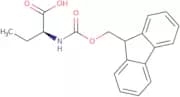
CAS:<p>Please enquire for more information about Spexin trifluoroacetate salt including the price, delivery time and more detailed product information at the technical inquiry form on this page</p>Formula:C74H114N20O19SPurity:Min. 95%Molecular weight:1,619.89 g/molFmoc-L-α-aminobutyric acid
CAS:<p>Fmoc-L-alpha-aminobutyric acid is a synthetic amino acid that is used as a linker in solid-phase peptide synthesis. It is also used to synthesize analogs of the serine protease NS3, which are postulated to inhibit hepatitis C virus replication by preventing the release of viral RNA from infected cells. Fmoc-L-alpha-aminobutyric acid has been shown to have anti-viral activity against the influenza virus and HIV.</p>Formula:C19H19NO4Purity:Min. 98 Area-%Color and Shape:PowderMolecular weight:325.36 g/molTLQP-21 (mouse, rat) trifluoroacetate salt
CAS:<p>Please enquire for more information about TLQP-21 (mouse, rat) trifluoroacetate salt including the price, delivery time and more detailed product information at the technical inquiry form on this page</p>Formula:C107H170N40O26Purity:Min. 95%Molecular weight:2,432.75 g/mol[p-Terphenyl]-4,4''-dicarboxylic acid
CAS:<p>4,4’-Dicarboxy-p-terphenyl is a disulfide amide with the molecular formula C14H10N2O2S. It is a chemical compound that has been shown to have antimicrobial activity. The antibacterial activity of 4,4’-Dicarboxy-p-terphenyl was evaluated by preparing a series of in vitro assays. The results showed that 4,4’-Dicarboxy-p-terphenyl inhibited the growth of bacteria and fungi at concentrations above 10 μg/mL. This drug also has been demonstrated to be effective against trifluoroacetic acid (TFA) induced congestive heart failure in experimental models. 4,4’-Dicarboxy-p-terphenyl has been found to have therapeutic potential for the treatment of metabolic disorders such as diabetes and hypertension. Structural analysis revealed that this drug contains a redox</p>Formula:C20H14O4Purity:Min. 95%Molecular weight:318.32 g/molNFAT Inhibitor trifluoroacetate salt
CAS:<p>NFAT Inhibitor trifluoroacetate salt H-Met-Ala-Gly-Pro-His-Pro-Val-Ile-Val-Ile-Thr-Gly-Pro-His-Glu-Glu (NFAT) is an inhibitor drug that has been shown to inhibit the nuclear factor of activated T cells (NFAT). NFAT is a transcriptional regulator that controls the expression of inflammatory genes in macrophages and other cell types. NFAT inhibitors have been shown to be effective for treating bowel diseases, such as ulcerative colitis and Crohn's disease, by inhibiting the activation of macrophages. NFAT inhibitors are also used in vitro as a tool for studying cellular signaling pathways. The most common type of NFAT inhibitor is fluconazole, which blocks calcineurin activity and prevents the activation of NFAT. However, other types of inhibitors are being developed, including mmp9 activity or</p>Formula:C75H118N20O22SPurity:Min. 95%Molecular weight:1,683.93 g/molRANTES (3-68) (human) trifluoroacetate salt
<p>Please enquire for more information about RANTES (3-68) (human) trifluoroacetate salt including the price, delivery time and more detailed product information at the technical inquiry form on this page</p>Formula:C342H522N94O97S5Purity:Min. 95%Molecular weight:7,662.71 g/molOsteostatin amide trifluoroacetate
CAS:<p>Please enquire for more information about Osteostatin amide trifluoroacetate including the price, delivery time and more detailed product information at the technical inquiry form on this page</p>Formula:C142H229N43O57•(C2HF3O2)xPurity:Min. 95%Molecular weight:3,450.59 g/molAmyloid b-Protein (6-20) trifluoroacetate salt
CAS:<p>Please enquire for more information about Amyloid b-Protein (6-20) trifluoroacetate salt including the price, delivery time and more detailed product information at the technical inquiry form on this page</p>Formula:C86H119N23O23Purity:Min. 95%Molecular weight:1,843.01 g/molH-Nle-Arg-Phe-NH2 acetate salt
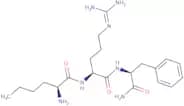
CAS:<p>Please enquire for more information about H-Nle-Arg-Phe-NH2 acetate salt including the price, delivery time and more detailed product information at the technical inquiry form on this page</p>Formula:C21H35N7O3Purity:Min. 95%Molecular weight:433.55 g/molH1-7 acetate salt
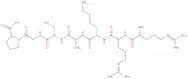
CAS:<p>H1-7 acetate salt H-Arg-Arg-Lys-Ala-Ser-Gly-Pro-OH acetate salt is a synthetic, ternary complex of the amino acid histidine, arginine and lysine. It has been shown to inhibit β lactamase enzymes that are responsible for the hydrolysis of penicillin, cephalosporin, and monobactam antibiotics. The inhibition is due to the hydrophobic nature of the substrate binding site on β lactamase. This binding prevents the enzyme from hydrolyzing its substrate and inactivates it. In addition, H1-7 acetate salt H-Arg-Arg-Lys-Ala-Ser-Gly-Pro-OH acetate salt binds to calcium ions and has been shown to have a kinetic effect on β lactamases.</p>Formula:C31H58N14O9Purity:Min. 95%Molecular weight:770.88 g/molExendin-4 (1-8) trifluoroacetate salt
CAS:<p>Please enquire for more information about Exendin-4 (1-8) trifluoroacetate salt including the price, delivery time and more detailed product information at the technical inquiry form on this page</p>Formula:C35H51N11O13Purity:Min. 95%Molecular weight:833.85 g/molH-Pro-Phe-Lys-OH acetate salt
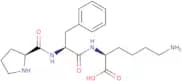
CAS:<p>Please enquire for more information about H-Pro-Phe-Lys-OH acetate salt including the price, delivery time and more detailed product information at the technical inquiry form on this page</p>Formula:C20H30N4O4Purity:Min. 95%Molecular weight:390.48 g/molLHRH (free acid) trifluoroacetate salt
CAS:<p>LHRH (free acid) trifluoroacetate salt Pyr-His-Trp-Ser-Tyr-Gly-Leu-Arg-Pro-Gly-OH trifluoroacetate salt is a decapeptide that is the most potent form of the hormone luteinizing hormone releasing hormone (LHRH). It has been shown to bind to surface receptors and activate a G protein, which activates adenyl cyclase. This leads to increased levels of cyclic adenosine monophosphate (cAMP) in cells. LHRH also binds to blood vessels and causes vasodilation. LHRH also binds to pyroglutamic acid, which is an amino acid found in peptides that have affinity for peptidases. This binding causes the release of peptidases from the cell membrane, uncovers receptor sites, and increases cAMP production. LHRH has also been shown to inhibit kidney function</p>Formula:C55H74N16O14Purity:Min. 95%Molecular weight:1,183.28 g/mol4-(3-(Trifluoromethyl)-3H-diazirin-3-yl)benzoic acid
CAS:<p>4-(3-(Trifluoromethyl)-3H-diazirin-3-yl)benzoic acid is a diazirine that is used to form copper complexes. These complexes are then used as diagnostic agents for the detection of nucleic acids in biological samples, such as wheat germ and human tissue. 4-(3-(Trifluoromethyl)-3H-diazirin-3-yl)benzoic acid may also be used in the production of polymer films. It has been shown to have a dihedral angle (C), which is an important factor in the properties of surfactants. The properties of 4-(3-(Trifluoromethyl)-3H-diazirin-3-yl)benzoic acid depend on its functional groups, fatty acids, and dimethylformamide content.</p>Formula:C9H5F3N2O2Purity:Min. 95%Color and Shape:White/Off-White SolidMolecular weight:230.14 g/molH-D-Phe-Met-Arg-Phe-NH2 trifluoroacetate salt
CAS:<p>Please enquire for more information about H-D-Phe-Met-Arg-Phe-NH2 trifluoroacetate salt including the price, delivery time and more detailed product information at the technical inquiry form on this page</p>Formula:C29H42N8O4SPurity:Min. 95%Molecular weight:598.76 g/mol4-Bromobutyl acetate
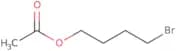
CAS:<p>4-Bromobutyl acetate is a nucleic acid that contains a hydroxyl group, two nitrogen atoms, and four carbon atoms. It is the acetic ester of 4-bromobutyric acid. 4-Bromobutyl acetate can be found in the nucleus of cells and in mitochondria. It has been shown to bind to p2y receptors on the surface of cells and is thought to have tuberculostatic activity in vitro. 4-Bromobutyl acetate has also been shown to inhibit viral replication by binding to template or molecule. This nucleic acid can be used as a sequencing template because it will form complementary base pairs with other molecules that contain complementary sequences of nucleic acids.</p>Formula:C6H11BrO2Purity:Min. 95%Molecular weight:195.05 g/molNeuromedin N trifluoroacetate salt
CAS:<p>Neuromedin N trifluoroacetate salt is a neurotrophin that regulates the growth and differentiation of nerve cells. It has been shown to increase locomotor activity in rats and to activate the receptor for neurotrophins. Neuromedin N trifluoroacetate salt also binds to response elements in DNA and can also modulate camp levels, cytosolic calcium, and protein kinase C levels in cells. This molecule has been shown to have antinociceptive properties by inhibiting the pain-causing action of substance P on sensory neurons. It is possible that this drug may be used as a growth factor or as a messenger RNA (mRNA) in fatty acid synthesis.</p>Formula:C38H63N7O8Purity:Min. 95%Molecular weight:745.95 g/molAcetyl-PACAP-38 (human, mouse, ovine, porcine, rat) trifluoroacetate salt
CAS:<p>Please enquire for more information about Acetyl-PACAP-38 (human, mouse, ovine, porcine, rat) trifluoroacetate salt including the price, delivery time and more detailed product information at the technical inquiry form on this page</p>Formula:C205H333N63O54SPurity:Min. 95%Molecular weight:4,576.3 g/molBoc-15-amino-4,7,10,13-tetraoxapentadecanoic acid
CAS:<p>Boc-15-amino-4,7,10,13-tetraoxapentadecanoic acid is a PEG compound with two different functional groups (also known as heterobifunctional). Unlike homobifunctional PEG compounds (same functional group on both ends), this type of compounds are more versatile as have two different anchor points. Boc-15-amino-4,7,10,13-tetraoxapentadecanoic acid is used as a linker and spacer to add a PEG moiety, via pegylation (a bioconjugation technique) to proteins, peptides, oligonucleotides, small molecules and nanoparticles.</p>Formula:C16H31NO8Purity:Min. 95%Molecular weight:365.42 g/molUrocortin (rat) trifluoroacetate salt
CAS:<p>Trifluoroacetate salt</p>Formula:C206H338N62O64Purity:Min. 95%Molecular weight:4,707.27 g/mol(S)-9,10-Difluoro-2,3-dihydro-3-methyl-7-oxo-7H-pyrido[1,2,3-de]-1,4-benzoxazine-6-carboxylic acid ethyl ester
CAS:<p>(S)-9,10-Difluoro-2,3-dihydro-3-methyl-7-oxo-7H-pyrido[1,2,3-de]-1,4-benzoxazine-6-carboxylic acid ethyl ester is an acidic substance that can be produced by the amination of piperazine with chloroacetic acid. The reaction solution is heated to a temperature of about 120°C for about 30 minutes and then cooled to room temperature. The product precipitates as a white solid. This compound has been shown to have antibacterial activity against methicillin resistant Staphylococcus aureus (MRSA) in plates.</p>Formula:C15H13F2NO4Purity:Min. 95%Molecular weight:309.26 g/mol(Asn7)-Amyloid b-Protein (1-40) trifluoroacetate salt
CAS:<p>(Asn7)-Amyloid b-Protein (1-40) trifluoroacetate salt H-Asp-Ala-Glu-Phe-Arg-His-Asn-Ser-Gly-Tyr-Glu-Val-His-His-Gln-Lys<br>The product is a compound that has been shown to inhibit the formation of beta amyloid peptides in the brain. It binds to the beta amyloid peptide and prevents its aggregation, thereby preventing the formation of plaques and inhibiting neuronal cell death. The product contains no detectable levels of trehalose, which makes it ideal for use in brain imaging studies. This product may also be used as a predictive biomarker for Alzheimer's disease because it can be detected in cerebrospinal fluid and plasma.</p>Formula:C194H296N54O57SPurity:Min. 95%Molecular weight:4,328.82 g/molNeuromedin B trifluoroacetate salt
CAS:<p>Neuromedin B is a peptide hormone that is produced by the hypothalamus and regulates many physiological processes such as energy metabolism, appetite, and sleep. Neuromedin B is a member of the family of guanine nucleotide-binding proteins (G proteins) that bind to G protein-coupled receptors on the surface of cells. It has been shown to stimulate calcium release from intracellular stores in response to an increase in cytosolic Ca2+. Neuromedin B has been shown to have anti-inflammatory effects on infectious diseases such as meningitis, sepsis, and tuberculosis, which may be due to its ability to inhibit neutrophil migration. Neuromedin B also stimulates hippocampal formation activity in rats during the rotarod test, which may be due to its effects on dopamine release.</p>Formula:C52H73N15O12SPurity:Min. 95%Molecular weight:1,132.3 g/molH-Leu-Ser-Lys-Leu-OH trifluoroacetate salt
CAS:<p>Please enquire for more information about H-Leu-Ser-Lys-Leu-OH trifluoroacetate salt including the price, delivery time and more detailed product information at the technical inquiry form on this page</p>Formula:C21H41N5O6Purity:Min. 95%Molecular weight:459.58 g/molGRF (1-29) amide (human) acetate salt
CAS:<p>Growth hormone-releasing factor (GRF) is a peptide fragment of amino acids 1–2 from GHRH (growth hormone-releasing hormone). This 1-29 region is the shortest fully functional fragment of GHRH. GRF is also known as sermorelin. Sermorelin binds to the growth hormone-releasing hormone receptor (GHRH-R), and acts as a surrogate for GHRH, causing growth hormone secretion.human: H-YADAIFTNSYRKVLGQLSARKLLQDIMSR-NH2rat: H-HADAIFTSSYRR I LGQLYARKLLHEIMNR-NH2</p>Formula:C149H246N44O42SPurity:Min. 95%Molecular weight:3,357.88 g/molThr-Ala-Pro-Arg-Atrial Natriuretic Factor (1-28) (human, bovine, porcine) trifluoroacetate salt
CAS:<p>Thr-Ala-Pro-Arg-Atrial Natriuretic Factor (1-28) (human, bovine, porcine) trifluoroacetate salt is a peptide hormone that regulates blood pressure by causing the kidneys to excrete sodium and water. It is used as a model system for studying the physiological effects of urodilatin and has been shown to inhibit the cyclase enzyme. Thr-Ala-Pro-Arg-Atrial Natriuretic Factor (1-28) (human, bovine, porcine) trifluoroacetate salt may also have an antihypertensive effect through its ability to reduce levels of natriuretic peptides in plasma. This drug is also being investigated as a possible treatment for congestive heart failure. The small molecular weight makes it suitable for use as a natriuretic or antihypertensive drug with minimal side effects.</p>Formula:C145H234N52O44S3Purity:Min. 95%Molecular weight:3,505.93 g/molpTH (1-37) (human) trifluoroacetate salt
CAS:<p>Please enquire for more information about pTH (1-37) (human) trifluoroacetate salt including the price, delivery time and more detailed product information at the technical inquiry form on this page</p>Formula:C195H316N58O54S2Purity:Min. 95%Molecular weight:4,401.09 g/mol1-Butanesulfonic acid sodium
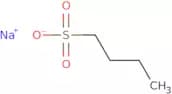
CAS:<p>1-Butanesulfonic acid sodium salt is a perfluorinated compound that inhibits the activity of various enzymes in the body, such as kinases and phosphatases. It has been used to study the effects of these enzymes on chemical reactions. 1-Butanesulfonic acid sodium salt is also used to detect the presence of selenium compounds in urine samples. The inhibition of an enzyme by this compound results in a decreased rate of reaction and a change in kinetic behavior. This can be observed by measuring the time it takes for the reaction to reach half its maximum value. Sodium taurocholate, chloride, and trifluoroacetic acid are all reagents that are commonly used with this compound when performing kinetic studies. 1-Butanesulfonic acid sodium salt has been shown to inhibit cholesterol synthesis in many animal models. In addition, this compound has been shown to bind to and inhibit plasma mass spectrometry by chromatography on silica gel from human plasma</p>Formula:C4H10O3S•NaPurity:Min. 95%Color and Shape:PowderMolecular weight:161.18 g/molPAR-2 (6-1) amide (human) trifluoroacetate salt
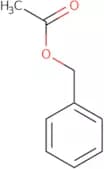
CAS:<p>Please enquire for more information about PAR-2 (6-1) amide (human) trifluoroacetate salt including the price, delivery time and more detailed product information at the technical inquiry form on this page</p>Formula:C28H54N8O7Purity:Min. 95%Molecular weight:614.78 g/molBenzyl acetate
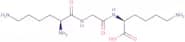
CAS:<p>Benzyl acetate is a colorless liquid that has a pleasant odor. It is used as a flavoring agent in food, beverages and tobacco products. Benzyl acetate is also used as an intermediate in the production of other chemicals. A low-dose group of rats was given benzyl acetate at doses of 0.5, 1, 5 and 10 mg/kg/day for 30 days. The animals were observed for changes in enzyme activities and thermal expansion reactions. Chronic exposure to benzyl acetate may cause carcinogenesis by inducing dimethyl fumarate (DMF) or methyl transferase activity.</p>Formula:C9H10O2Purity:Min. 95%Color and Shape:Colorless Clear LiquidMolecular weight:150.17 g/molH-Lys-Gly-Lys-OH acetate salt
CAS:<p>The solute-solvent interaction is the process in which solutes are dissolved in a solvent. The solute is the substance that is dissolved and the solvent is the liquid that holds the solute. There are two types of interactions between an ionic solute and a polar solvent: electrostatic and hydrophobic. Electrostatic interactions are due to charge differences, while hydrophobic interactions are due to differences in molecular size or shape. In simulations, molecular dynamics was used to study how ligands interact with receptors using a thermodynamic model system. A frequency shift was observed when ligand binding occurred, which indicates that binding can be detected by monitoring changes in frequency.</p>Formula:C14H29N5O4Purity:Min. 95%Molecular weight:331.41 g/molPhylloseptin-L2 trifluoroacetate salt
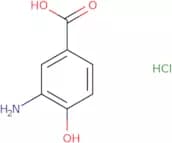
CAS:<p>Please enquire for more information about Phylloseptin-L2 trifluoroacetate salt including the price, delivery time and more detailed product information at the technical inquiry form on this page</p>Formula:C76H126N18O19Purity:Min. 95%Molecular weight:1,595.92 g/mol3-Amino-4-hydroxybenzoic acid hydrochloride
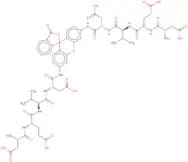
CAS:<p>3-Amino-4-hydroxybenzoic acid hydrochloride (3ABA) is a crystalline compound with a molecular formula of C6H5NO2. It is an acidic compound that is soluble in water and alcohol, but not in ether. 3ABA has been used as the starting material for the synthesis of many other organic compounds. It can be obtained by reacting phenol with chlorobenzoyl chloride to form the chlorobenzoate salt, which on hydrolysis yields 3ABA. This compound has also been used as a reagent for synthesizing carbon nanotubes. The crystal structure of 3ABA was determined using X-ray diffraction data from crystallographic studies, and it was found to have three independent molecules per unit cell. Diffraction indicated that each molecule is composed of two benzene rings joined by a single bond between carbon atoms 1 and 2 and another bond between carbon atoms 2 and 3.</p>Formula:C7H8ClNO3Purity:Min. 95%Molecular weight:189.6 g/mol(H-Asp-Glu-Val-Asp)2-Rhodamine 110 trifluoroacetate salt
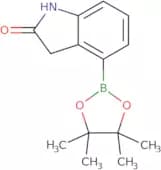
CAS:<p>Please enquire for more information about (H-Asp-Glu-Val-Asp)2-Rhodamine 110 trifluoroacetate salt including the price, delivery time and more detailed product information at the technical inquiry form on this page</p>Formula:C56H66N10O23Purity:Min. 95%Molecular weight:1,247.18 g/molOxindole-4-boronic acid, pinacol ester
CAS:<p>Please enquire for more information about Oxindole-4-boronic acid, pinacol ester including the price, delivery time and more detailed product information at the technical inquiry form on this page</p>Formula:C14H18BNO3Purity:Min. 95%Molecular weight:259.11 g/molAmyloid β-Protein (11-42) trifluoroacetate salt
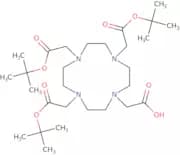
CAS:<p>Please enquire for more information about Amyloid beta-Protein (11-42) trifluoroacetate salt including the price, delivery time and more detailed product information at the technical inquiry form on this page</p>Formula:C152H244N40O42SPurity:Min. 95%Molecular weight:3,335.87 g/molTri-tert-butyl 1,4,7,10-tetraazacyclododecane-1,4,7,10-tetraacetate
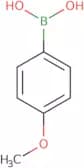
CAS:<p>Tri-tert-butyl 1,4,7,10-tetraazacyclododecane-1,4,7,10-tetraacetate (TBA) is a gadolinium chelate that is used as a contrast agent in magnetic resonance imaging. TBA binds to the malignant cells and shows an increase in uptake of the gadolinium contrast agent. TBA has been shown to be effective in the diagnosis of cancerous brain tissue and is also able to detect cancer cells in animals. TBA has shown some efficacy against bacterial infection by binding to the cell membrane and inhibiting protein synthesis. It is also able to act synergistically with antibiotics such as penicillin or ampicillin to kill bacteria more effectively.</p>Formula:C28H52N4O8Purity:Min. 95%Color and Shape:White PowderMolecular weight:572.73 g/mol4-Methoxyphenyl boronic acid
CAS:<p>4-Methoxyphenyl boronic acid is a molecule with a hydroxyl group and a boronic acid. It is synthesized by reacting biphenyl with trifluoroacetic acid in the presence of sodium carbonate and palladium-catalyzed coupling. 4-Methoxyphenyl boronic acid has shown to bind to the receptor for fatty acids, which may be due to its structural similarity to p-hydroxybenzoic acid. The protonated form of this molecule has been shown to react with an electrophilic carbon atom and an electron-deficient alkyl or vinyl halide, resulting in ring formation. This reaction is known as the Suzuki coupling reaction.</p>Formula:C7H9BO3Purity:Min. 95%Color and Shape:PowderMolecular weight:151.96 g/molSalusin-α (human) trifluoroacetate salt
CAS:<p>Please enquire for more information about Salusin-alpha (human) trifluoroacetate salt including the price, delivery time and more detailed product information at the technical inquiry form on this page</p>Formula:C114H192N40O30Purity:Min. 95%Molecular weight:2,603 g/molBiphalin trifluoroacetate salt (
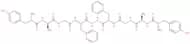
CAS:<p>Biphalin trifluoroacetate salt (H-Tyr-D-Ala-Gly-Phe-NH)2 trifluoroacetate salt is a peptide hormone. It has been shown to be an opioid that binds to the μ and δ opioid receptors and inhibits the production of inflammatory mediators. Biphalin trifluoroacetate salt (H-Tyr-D-Ala-Gly-Phe-NH)2 trifluoroacetate salt has also been shown to have neuroprotective effects. This drug has low potency and can only be used in vivo models. Biphalin trifluoroacetate salt (H-Tyr-D-Ala-Gly-Phe-NH)2 trifluoroacetate salt is not active against skin cancer cells, but does show activity against other types of cancer cells.</p>Formula:C46H56N10O10Purity:Min. 95%Molecular weight:909 g/molPseudin-2 trifluoroacetate salt
CAS:<p>Please enquire for more information about Pseudin-2 trifluoroacetate salt including the price, delivery time and more detailed product information at the technical inquiry form on this page</p>Formula:C122H202N36O32Purity:Min. 95%Molecular weight:2,685.13 g/molOsteocalcin (1-49) (human) acetate salt
CAS:<p>Osteocalcin is a protein that is synthesized by osteoblasts and released into the extracellular matrix. It is involved in the regulation of bone metabolism, including the synthesis and mineralization of bone matrix. Osteocalcin has been shown to be a marker for osteoarthritis, which may be due to its role in cartilage degradation. This protein has also been implicated in prognosis and diagnosis of this condition. Osteocalcin can be used as a marker for monitoring disease-modifying therapies such as chondroitin sulfate or cross-linking agents.</p>Formula:C269H381N67O82S2Purity:Min. 95%Molecular weight:5,929.44 g/molDimethyl benzyl carbinol acetate
CAS:<p>Dimethyl benzyl carbinol acetate is a polymer that forms a film on the skin and prevents water loss. It has been shown to have enzyme-inhibiting properties, which may be due to its ability to prevent geranyl production. Dimethyl benzyl carbinol acetate has also been used as a sealant in microcapsules, which are then broken down by enzymes in order to release the contents of the capsule. Dimethyl benzyl carbinol acetate can also be used as an antimicrobial agent, where it inhibits bacterial cell growth by interfering with fatty acid synthesis.</p>Purity:Min. 95%VEGFR-KDR/Flk-1 Antagonist Peptide trifluoroacetate salt
CAS:<p>Please enquire for more information about VEGFR-KDR/Flk-1 Antagonist Peptide trifluoroacetate salt including the price, delivery time and more detailed product information at the technical inquiry form on this page</p>Formula:C77H99N23O18SPurity:Min. 95%Molecular weight:1,666.82 g/mol3-Acetylphenylboronic acid, pinacol ester
CAS:<p>Please enquire for more information about 3-Acetylphenylboronic acid, pinacol ester including the price, delivery time and more detailed product information at the technical inquiry form on this page</p>Formula:C14H19BO3Purity:Min. 95%Molecular weight:246.11 g/molH-D-Leu-Thr-Arg-pNA acetate salt
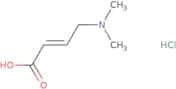
CAS:<p>Please enquire for more information about H-D-Leu-Thr-Arg-pNA acetate salt including the price, delivery time and more detailed product information at the technical inquiry form on this page</p>Formula:C22H36N8O6Purity:Min. 95%Molecular weight:508.57 g/moltrans 4-Dimethylaminocrotonic acid HCl
CAS:<p>Intermediate in the synthesis of afatinib</p>Formula:C6H12ClNO2Purity:Min. 95%Color and Shape:White To Off-White SolidMolecular weight:165.62 g/mol3-Benzoyl acrylic acid
CAS:<p>3-Benzoyl acrylic acid is an organic compound that is the product of a chemical reaction between benzaldehyde and acetic anhydride. It contains a carboxylic acid group, an hydroxyl group, a nitro group, and a particle. 3-Benzoyl acrylic acid has been shown to inhibit the growth factor epidermal growth factor (EGF). This inhibition occurs by binding to the receptor for EGF on the cell membrane and blocking its activation. 3-Benzoyl acrylic acid also inhibits fatty acid synthesis and mitochondrial membrane potential, which may be due to its ability to form ester hydrochloride.</p>Formula:C10H8O3Purity:Min. 95%Color and Shape:PowderMolecular weight:176.17 g/molPyr-Pro-Val-pNA trifluoroacetate salt
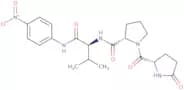
CAS:<p>Pyr-Pro-Val-pNA is a synthetic peptide that is structurally homologous to the proteases serine and chymotrypsin. This peptide has been shown to have proteolytic activity on fibronectin, n-terminal of angiotensin, and epithelium. Pyr-Pro-Val-pNA also causes an inflammatory response in leukocytes and shigella.</p>Formula:C21H27N5O6Purity:Min. 95%Molecular weight:445.47 g/molAPL1b28 trifluoroacetate salt
CAS:<p>Please enquire for more information about APL1b28 trifluoroacetate salt including the price, delivery time and more detailed product information at the technical inquiry form on this page</p>Formula:C109H185N31O39SPurity:Min. 95%Molecular weight:2,585.89 g/mol(4-(Methoxycarbonyl)-3-Methylphenyl)boronic acid
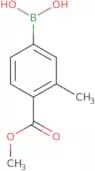
CAS:<p>Please enquire for more information about (4-(Methoxycarbonyl)-3-Methylphenyl)boronic acid including the price, delivery time and more detailed product information at the technical inquiry form on this page</p>Formula:C9H11BO4Purity:Min. 95%Molecular weight:193.99 g/mol(Des-Gly10,Des-Ser4,D-Leu6,Pro-NHEt 9)-LHRH trifluoroacetate salt
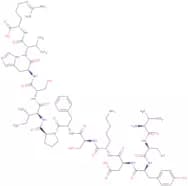
CAS:<p>Please enquire for more information about (Des-Gly10,Des-Ser4,D-Leu6,Pro-NHEt 9)-LHRH trifluoroacetate salt including the price, delivery time and more detailed product information at the technical inquiry form on this page</p>Formula:C56H79N15O10Purity:Min. 95%Molecular weight:1,122.32 g/mol3-Fluoro-2-nitrobenzoic acid
CAS:<p>3-Fluoro-2-nitrobenzoic acid is an anhydrous nitrating agent that reacts with 5-fluoro-2-nitrobenzoic acid to produce 3,5-difluoronitrobenzene. This reaction mixture is introduced into a reaction vessel and heated in the presence of sulfuric acid. 3-Fluoro-2-nitrobenzoic acid is used in the production of dyes and pharmaceuticals.</p>Formula:C7H4FNO4Purity:Min. 95%Color and Shape:PowderMolecular weight:185.11 g/mol(His(3-Me)2)-LHRH trifluoroacetate salt
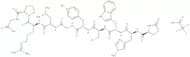
CAS:<p>Please enquire for more information about (His(3-Me)2)-LHRH trifluoroacetate salt including the price, delivery time and more detailed product information at the technical inquiry form on this page</p>Formula:C56H77N17O13·C2HF3O2Purity:Min. 95%Molecular weight:1,310.34 g/molGAP 26 trifluoroacetate salt
CAS:<p>13-mer connexin mimetic peptide, composed of residue numbers 63-75 of the first extracellular loop of connexin 43 (gap junction blocker), containing the SHVR amino acid motif.</p>Formula:C70H107N19O19SPurity:Min. 95%Molecular weight:1,550.78 g/molTyr-α-CGRP (human) trifluoroacetate salt
CAS:<p>Please enquire for more information about Tyr-alpha-CGRP (human) trifluoroacetate salt including the price, delivery time and more detailed product information at the technical inquiry form on this page</p>Formula:C172H276N52O51S2Purity:Min. 95%Molecular weight:3,952.48 g/mol









![4-[(4-chlorophenyl)-2-pyridinylmethoxy]-1-piperidinecarboxylic acid ethylester](/_next/image/?url=https%3A%2Fstatic.cymitquimica.com%2Fproducts%2F3D%2Fthumb-webp%2FFP152183.webp&w=3840&q=75)



![[p-Terphenyl]-4,4''-dicarboxylic acid](/_next/image/?url=https%3A%2Fstatic.cymitquimica.com%2Fproducts%2F3D%2Fthumb-webp%2FFT28045.webp&w=3840&q=75)








![(S)-9,10-Difluoro-2,3-dihydro-3-methyl-7-oxo-7H-pyrido[1,2,3-de]-1,4-benzoxazine-6-carboxylic acid…](/_next/image/?url=https%3A%2Fstatic.cymitquimica.com%2Fproducts%2F3D%2Fthumb-webp%2FFD21854.webp&w=3840&q=75)