Carboxylic Acids
Carboxylic acids are organic molecules characterized by having a carboxyl-type functional group (-COOH). These acids are fundamental in various chemical reactions, including esterification, amidation, and decarboxylation. Carboxylic acids are widely used in the production of pharmaceuticals, polymers, and agrochemicals. In this section, you can find a large number of carboxylic acids ready to be used. At CymitQuimica, we provide a broad range of high-quality carboxylic acids to support your research and industrial applications.
Found 12453 products of "Carboxylic Acids"
Sort by
Purity (%)
0
100
|
0
|
50
|
90
|
95
|
100
Gastric Inhibitory Polypeptide (porcine) trifluoroacetate salt
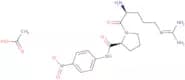
CAS:<p>Please enquire for more information about Gastric Inhibitory Polypeptide (porcine) trifluoroacetate salt including the price, delivery time and more detailed product information at the technical inquiry form on this page</p>Formula:C225H342N60O66SPurity:Min. 95%Molecular weight:4,975.55 g/molH-Arg-Pro-pNA trifluoroacetate salt
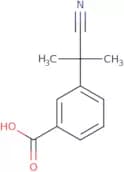
CAS:Controlled Product<p>Please enquire for more information about H-Arg-Pro-pNA trifluoroacetate salt including the price, delivery time and more detailed product information at the technical inquiry form on this page</p>Formula:C17H25N7O4Purity:Min. 95%Molecular weight:391.43 g/mol3-(2-Cyanopropan-2-yl)benzoic acid
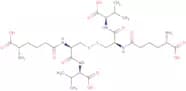
CAS:<p>Please enquire for more information about 3-(2-Cyanopropan-2-yl)benzoic acid including the price, delivery time and more detailed product information at the technical inquiry form on this page</p>Formula:C11H11NO2Purity:Min. 95%Molecular weight:189.21 g/molBis-ACV trifluoroacetate salt
CAS:<p>Bis-ACV trifluoroacetate salt is a regulatory compound that belongs to the class of bis-acids. It is a cytosolic calcium ionophore that binds to the cytosolic calcium ion channel and regulates its activity. Bis-ACV trifluoroacetate salt also has nucleophilic attack on phosphate groups, which are essential for biosynthesis. The enzyme activity of this compound has been studied in various strains of bacteria such as E. coli and S. cerevisiae, and it was found to be involved in the synthesis of oligosaccharides and polysaccharides. This compound can be solubilized by the addition of sodium bicarbonate or urea, which facilitates its use in synthetic reactions. The synthase gene for this compound has been identified from various strains of bacteria such as E. coli and S. cerevisiae, but not from mammalian cells or plants.</p>Formula:C28H48N6O12S2Purity:Min. 95%Molecular weight:724.85 g/molH-D-Leu-Thr-Arg-pNA acetate salt
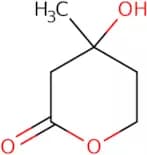
CAS:<p>Please enquire for more information about H-D-Leu-Thr-Arg-pNA acetate salt including the price, delivery time and more detailed product information at the technical inquiry form on this page</p>Formula:C22H36N8O6Purity:Min. 95%Molecular weight:508.57 g/molD,L-Mevalonic acid lactone
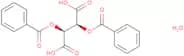
CAS:<p>Mevalonic acid lactone is a natural compound that has been shown to have an effect on mitochondrial membrane potential. It has also been shown to inhibit the drug transporter P-glycoprotein, which is involved in the transport of drugs out of cells. Mevalonic acid lactone has also demonstrated an anti-inflammatory effect, as it inhibits the production of TNF-α and IL-6 in human serum. This compound also possesses antioxidant properties, which may be due to its hydroxyl group and phenoxy groups. Mevalonic acid lactone can be used as a model system for sesquiterpene lactones, and it is able to improve mitochondrial functions by inhibiting pyrazole ring formation.</p>Formula:C6H10O3Purity:Min. 95%Color and Shape:PowderMolecular weight:130.14 g/molDibenzoyl-D-(+)-tartaric acid monohydrate
CAS:<p>Dibenzoyl-D-(+)-tartaric acid monohydrate is a weak organic acid that can be used as a neutralizing agent. It has been shown to react with hydrochloric acid, calcium carbonate, and other inorganic acids to form water soluble salts. This compound is also useful for the separation of enantiomers in chromatography and for the determination of the rate of reaction between an organic molecule and an inorganic acid. Dibenzoyl-D-(+)-tartaric acid monohydrate has been used as a template molecule for determining thermodynamic data on various molecules.</p>Formula:C18H14O8·H2OPurity:Min. 95%Color and Shape:White To Off-White SolidMolecular weight:376.31 g/molBNP-26 (porcine) trifluoroacetate salt
CAS:<p>Please enquire for more information about BNP-26 (porcine) trifluoroacetate salt including the price, delivery time and more detailed product information at the technical inquiry form on this page</p>Formula:C120H198N42O36S2Purity:Min. 95%Molecular weight:2,869.25 g/molTyr-Amyloid P Component (27-38) amide trifluoroacetate salt
CAS:<p>Please enquire for more information about Tyr-Amyloid P Component (27-38) amide trifluoroacetate salt including the price, delivery time and more detailed product information at the technical inquiry form on this page</p>Formula:C77H116N20O19SPurity:Min. 95%Molecular weight:1,657.93 g/molCyclopenten-1-ylboronic acid
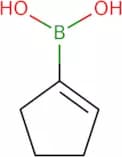
CAS:<p>Cyclopenten-1-ylboronic acid is a chemical compound that is used in the synthesis of pharmaceuticals. It has been shown to be effective against some viruses, including Hepatitis C virus, and also against some infectious diseases such as malaria. Cyclopenten-1-ylboronic acid binds to cannabinoid receptors and may have therapeutic potential for metabolic disorders such as obesity and diabetes. The diastereomer of this chemical compound may be used as an ophthalmic drug because it has been shown to be a potent vasoconstrictor. The ring structure is similar to other drugs that are used for the treatment of Parkinson's disease, Alzheimer's disease, and epilepsy. Cyclopenten-1-ylboronic acid has two enantiomers, which means that they are mirror images of each other. One enantiomer is more potent than the other one and is more likely to bind with cannabinoid receptors and inhibit viral replication.</p>Formula:C5H9BO2Purity:Min. 95%Molecular weight:111.93 g/molAnnexin A1 (1-11) (dephosphorylated) (human, bovine, chicken, porcine) trifluoroacetate salt
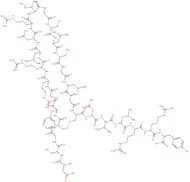
CAS:<p>Annexin A1 (1-11) is a peptide that is part of the annexin family. It is involved in the degranulation of cells and inhibits inflammation by inhibiting the production of pro-inflammatory cytokines. Annexin A1 (1-11) has been shown to be an anti-inflammatory compound as it binds to phospholipids on the surface of neutrophils, leading to inhibition of their chemotaxis and phagocytosis. This peptide also interacts with other annexins and prevents apoptosis by blocking caspase activity. Finally, it has been found that annexin A1 (1-11) can promote the healing of wounds in mice by accelerating reepithelialization and reducing scar formation. The concentration required for these effects are nanomolar concentrations.</p>Formula:C63H94N14O17SPurity:Min. 95%Molecular weight:1,351.57 g/molC-Type Natriuretic Peptide (1-53) (human) acetate salt
CAS:<p>Acetate salt</p>Formula:C251H417N81O71S3Purity:Min. 95%Molecular weight:5,801.7 g/mol12-(Boc-aminooxy)-dodecanoic acid
CAS:<p>Please enquire for more information about 12-(Boc-aminooxy)-dodecanoic acid including the price, delivery time and more detailed product information at the technical inquiry form on this page</p>Formula:C17H33NO5Purity:Min. 95%Molecular weight:331.45 g/mol(Trp3,Arg5)-Ghrelin (1-5) trifluoroacetate salt
CAS:<p>Please enquire for more information about (Trp3,Arg5)-Ghrelin (1-5) trifluoroacetate salt including the price, delivery time and more detailed product information at the technical inquiry form on this page</p>Formula:C31H41N9O7Purity:Min. 95%Molecular weight:651.71 g/molVitamin A acetate - min 2800000 IU/g
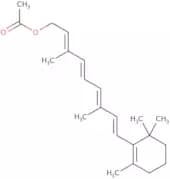
CAS:<p>Vitamin A acetate is a retinoid that can be used to supplement dietary intake of vitamin A. It is a synthetic retinoid and is chemically similar to retinol, the natural form of vitamin A. Vitamin A acetate has been shown to have antioxidant properties in vitro and in vivo, which are likely due to its ability to regenerate endogenous antioxidants. This agent also has pro-apoptotic effects on cells that are exposed to oxidative injury or exhibit redox potentials below -400 mV. In addition, it significantly reduces oxidative injury caused by pharmacological agents such as doxorubicin or bleomycin.</p>Formula:C22H32O2Purity:Min 2800000 Iu/GColor and Shape:PowderMolecular weight:328.49 g/molAQEE-30 (human) trifluoroacetate salt
CAS:<p>Please enquire for more information about AQEE-30 (human) trifluoroacetate salt including the price, delivery time and more detailed product information at the technical inquiry form on this page</p>Formula:C157H252N48O56Purity:Min. 95%Molecular weight:3,707.97 g/molGlucagon (19-29) (human, rat, porcine) trifluoroacetate salt
CAS:<p>Glucagon is a peptide hormone that belongs to the group of vasoactive intestinal peptides. It is produced by the alpha cells of the pancreas and stimulates gluconeogenesis in the liver, thereby increasing blood glucose levels. Glucagon has also been shown to cause membrane hyperpolarization and cell death in cancer cells. Glucagon is a homologous protein that has been shown to have physiological effects similar to those of insulin, such as increased levels of cytosolic Ca2+ ions and camp levels. Glucagon binds to its receptor on the plasma membrane with high affinity, activating adenylate cyclase and phospholipase C, which leads to an increase in intracellular camp levels. This results in activation of protein kinase A (PKA), which phosphorylates proteins involved in glycogenolysis, glycolysis, and lipolysis. Glucagon also activates mitogen-activated protein kinases (MAPK</p>Formula:C61H89N15O18SPurity:Min. 95%Molecular weight:1,352.52 g/mol(4S,5R)-3-Benzoyl-2-(4-methoxyphenyl)-4-phenyl-5-oxazolidinecarboxylic acid
CAS:<p>Please enquire for more information about (4S,5R)-3-Benzoyl-2-(4-methoxyphenyl)-4-phenyl-5-oxazolidinecarboxylic acid including the price, delivery time and more detailed product information at the technical inquiry form on this page</p>Formula:C24H21NO5Purity:Min. 95%Color and Shape:White To Off-White SolidMolecular weight:403.43 g/molPAR-2 (1-6) amide (mouse, rat) trifluoroacetate salt
CAS:<p>PAR-2 agonist is a synthetic peptide that activates PAR-2. It binds to PAR-2 receptors, which are present in the mesenteric vasculature and in various other tissues. Activation of PAR-2 leads to an increase in intracellular calcium concentration, activation of protein kinase C, cytosolic calcium ion release, phosphorylation of myosin light chain, muscle cell proliferation, transcription and translation initiation, and increased production of vasoactive intestinal peptide. This drug also has anti-inflammatory effects and stimulates epidermal growth factor (EGF) and thrombin receptor expression as well as growth factor production.</p>Formula:C29H56N10O7Purity:Min. 95%Molecular weight:656.82 g/molAcetyl-(D-Phe2,Lys15,Arg16,Leu27)-VIP (1-7)-GRF (8-27) trifluoroacetate salt
CAS:<p>Please enquire for more information about Acetyl-(D-Phe2,Lys15,Arg16,Leu27)-VIP (1-7)-GRF (8-27) trifluoroacetate salt including the price, delivery time and more detailed product information at the technical inquiry form on this page</p>Formula:C150H246N44O38Purity:Min. 95%Molecular weight:3,273.83 g/molNeuromedin U-25 (porcine) trifluoroacetate salt
CAS:<p>Please enquire for more information about Neuromedin U-25 (porcine) trifluoroacetate salt including the price, delivery time and more detailed product information at the technical inquiry form on this page</p>Formula:C144H217N43O37Purity:Min. 95%Molecular weight:3,142.53 g/molAmyloid β-Protein (35-25) trifluoroacetate salt
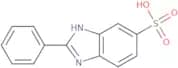
CAS:<p>Please enquire for more information about Amyloid beta-Protein (35-25) trifluoroacetate salt including the price, delivery time and more detailed product information at the technical inquiry form on this page</p>Formula:C45H81N13O14SPurity:Min. 95%Color and Shape:PowderMolecular weight:1,060.27 g/mol2-Phenyl-5-benzimidazolesulfonic acid
CAS:<p>2-Phenyl-5-benzimidazolesulfonic acid is a chemical compound that has been shown to have stability in vitro. It was used as a skin cancer treatment in the past, but is now mainly used as an analytical reagent. It has been shown to be effective against coumarin derivatives and enzyme activities. 2-Phenyl-5-benzimidazolesulfonic acid can be used as a chelating agent for metals and also binds to zirconium oxide, which is one of the materials used in radiation shielding. The compound can also be used for wastewater treatment and polymerase chain reaction (PCR) analysis. This compound can be synthesized using sodium salts, solid phase microextraction (SPME), and sodium citrate in order to form the benzene ring. The synthesis can then be completed by adding two phenyl groups onto the benzene ring with various reactions such as transfer reactions or radiation. Finally,</p>Formula:C13H10N2O3SPurity:Min. 95%Molecular weight:274.3 g/molApelin-36 (1-16) amide (human) trifluoroacetate salt
CAS:<p>Please enquire for more information about Apelin-36 (1-16) amide (human) trifluoroacetate salt including the price, delivery time and more detailed product information at the technical inquiry form on this page</p>Formula:C74H117N27O20Purity:Min. 95%Molecular weight:1,704.89 g/mol(Lys18)-Pseudin-2 trifluoroacetate salt
CAS:<p>Please enquire for more information about (Lys18)-Pseudin-2 trifluoroacetate salt including the price, delivery time and more detailed product information at the technical inquiry form on this page</p>Formula:C122H203N37O32Purity:Min. 95%Molecular weight:2,700.15 g/molGRP (14-27) (human, porcine, canine) trifluoroacetate salt
CAS:<p>GRP (14-27) is a synthetic peptide that has an inhibitory effect on the growth of pancreatic cancer cells. It also inhibits the development of primary tumors in hamsters and inhibits tumor metastasis. GRP (14-27) binds to the cell surface receptor on T cells, which is responsible for mediating immune responses against tumors. GRP (14-27) has been shown to suppress tumor growth through immunoreactivity and has been found to be effective against a variety of cancers when used as an adjuvant therapy.</p>Formula:C75H110N24O16S2Purity:Min. 95%Molecular weight:1,667.96 g/molAmyloid β-Protein (1-16) trifluoroacetate salt
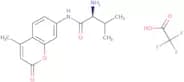
CAS:<p>Amyloid beta-Protein (1-16) trifluoroacetate salt is a modified form of amyloid beta protein. It is synthesized by the modification of amino acids with trifluoroacetic acid and can be used to study the pathogenesis of Alzheimer's disease. Amyloid beta-Protein (1-16) trifluoroacetate salt has been shown to bind to β-amyloid, which is thought to be the main component of plaques in Alzheimer's disease. This binding inhibits the formation of β-amyloid aggregates, which are associated with neurotoxicity and neuronal cell death.</p>Formula:C84H119N27O28Purity:Min. 95%Molecular weight:1,955.01 g/molH-Val-AMC trifluoroacetate salt
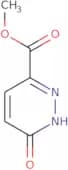
CAS:<p>Please enquire for more information about H-Val-AMC trifluoroacetate salt including the price, delivery time and more detailed product information at the technical inquiry form on this page</p>Formula:C15H18N2O3Purity:Min. 95%Molecular weight:274.32 g/molMethyl 6-oxo-1,6-dihydropyridazine-3-carboxylate
CAS:<p>Please enquire for more information about Methyl 6-oxo-1,6-dihydropyridazine-3-carboxylate including the price, delivery time and more detailed product information at the technical inquiry form on this page</p>Formula:C6H6N2O3Purity:Min. 95%Molecular weight:154.12 g/mol(3R)-3-[(tert-Butoxycarbonyl)amino]-4-(2,4-difluorophenyl)butanoic acid
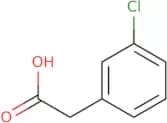
CAS:<p>Please enquire for more information about (3R)-3-[(tert-Butoxycarbonyl)amino]-4-(2,4-difluorophenyl)butanoic acid including the price, delivery time and more detailed product information at the technical inquiry form on this page</p>Formula:C15H19F2NO4Purity:Min. 95%Molecular weight:315.31 g/mol3-Chlorophenyl acetic acid
CAS:<p>3-Chlorophenyl acetic acid is a compound that has resonance mass of 269. The compound reacts with HBr and water to produce 3-chlorobenzene, carbon dioxide and hydrogen chloride. A reaction product of this chemical is covid-19 pandemic (a type of drug). 3-Chlorophenyl acetic acid is an organic acid that can be found in tobacco plants. It has a molecular weight of 111.07 g/mol, and its molecular formula is C6H3ClO2. The compound can exist in two forms: cis-3-chloroacrylic acid and trans-3-chloroacrylic acid. One of the two forms isomers may be more efficient than the other form for a given reaction or application.</p>Formula:C8H7ClO2Purity:Min. 95%Color and Shape:PowderMolecular weight:170.59 g/molBNP-45 (mouse) trifluoroacetate salt
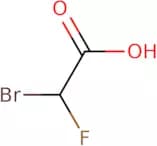
CAS:<p>Please enquire for more information about BNP-45 (mouse) trifluoroacetate salt including the price, delivery time and more detailed product information at the technical inquiry form on this page</p>Formula:C209H354N70O63S2Purity:Min. 95%Molecular weight:4,919.61 g/molBromofluoroacetic Acid
CAS:<p>Bromofluoroacetic acid is a synthetic, chiral molecule with the chemical formula CF3CO2H. It has the molecular weight of 109.07 and a boiling point of 212 °C. Bromofluoroacetic acid is used in industry as an intermediate for fluoroacetic acid. It is also used to manufacture bromofluorocarbons, which are used as propellants in aerosol sprays. Bromofluoroacetic acid has been studied in clinical studies as a treatment for epilepsy and as an antimicrobial agent against bacteria such as Staphylococcus aureus and Enterobacter aerogenes.</p>Formula:C2H2BrFO2Purity:Min. 95%Molecular weight:156.94 g/molH-Gly-His-Arg-Pro-NH2 acetate salt
CAS:<p>Please enquire for more information about H-Gly-His-Arg-Pro-NH2 acetate salt including the price, delivery time and more detailed product information at the technical inquiry form on this page</p>Formula:C19H32N10O4Purity:Min. 95%Molecular weight:464.52 g/molEpinecidin-1 trifluoroacetate salt
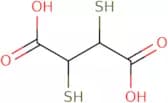
CAS:<p>Please enquire for more information about Epinecidin-1 trifluoroacetate salt including the price, delivery time and more detailed product information at the technical inquiry form on this page</p>Formula:C114H176N30O21SPurity:Min. 95%Molecular weight:2,334.87 g/molDimercaptosuccinic acid
CAS:<p>Dimercaptosuccinic acid is a chemical that belongs to the class of dithiols. It has been used for the treatment of squamous cell carcinoma and urinary tract infections. Dimercaptosuccinic acid has shown long-term toxicity in rats and mice, with increased urinary bladder damage and decreased renal function. Dimercaptosuccinic acid is a fluorescent probe that can be used to diagnose oxidative injury in rats. It also binds to disulfide bonds in proteins, which can be quantified using plasma mass spectrometry.</p>Formula:C4H6O4S2Color and Shape:White PowderMolecular weight:182.22 g/molAQEE-30 (mouse, rat) trifluoroacetate salt
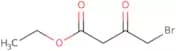
CAS:<p>Please enquire for more information about AQEE-30 (mouse, rat) trifluoroacetate salt including the price, delivery time and more detailed product information at the technical inquiry form on this page</p>Formula:C156H245N47O56Purity:Min. 95%Molecular weight:3,674.9 g/molEthyl 4-bromoacetoacetate
CAS:<p>Ethyl 4-bromoacetoacetate is a chemical compound that is used in the synthesis of quinoline derivatives. It also has antiinflammatory properties and can be used to treat inflammatory diseases such as arthritis. The thermal expansion of this compound is greater than that of water, which can be useful in treating respiratory problems by providing increased oxygen transport. Ethyl 4-bromoacetoacetate is a reactive chemical that reacts with hydrochloric acid to produce hydrogen gas and ethyl bromide gas. It also undergoes nucleophilic substitutions at the carbon atom adjacent to the acetoacetate group. This reaction solution can be analyzed using magnetic resonance spectroscopy, which produces data on the sequences of this compound's atoms and its antiinflammatory activity.</p>Formula:C6H9BrO3Purity:90%NmrMolecular weight:209.04 g/mol(Des-Gly10,D-His(Bzl)6,D-Leu7,Pro-NHEt 9)-LHRH acetate salt
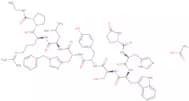
CAS:Controlled Product<p>Please enquire for more information about (Des-Gly10,D-His(Bzl)6,D-Leu7,Pro-NHEt 9)-LHRH acetate salt including the price, delivery time and more detailed product information at the technical inquiry form on this page</p>Formula:C66H86N18O12Purity:Min. 95%Molecular weight:1,323.5 g/mol4-tert-Butylphenylboronic acid
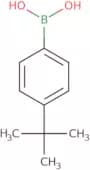
CAS:<p>4-tert-Butylphenylboronic acid is an aromatic hydrocarbon that belongs to the class of phenoxy. It is a molecule with nitrogen atoms and a molecular weight of 144.17 g/mol. 4-tert-Butylphenylboronic acid has been shown to form a copper complex in the presence of sodium trifluoroacetate, which is used for cross-coupling reactions. This compound also reacts with hydrochloric acid to form 4-methoxyphenylboronic acid and trimethyl boronate, which can be used as reaction products in organic synthesis. The stability of this compound has been studied using electrochemical impedance spectroscopy (EIS) on thin films.</p>Formula:C10H15BO2Purity:Min. 95%Color and Shape:White PowderMolecular weight:178.04 g/molCortistatin-29 (human) trifluoroacetate salt
CAS:<p>Please enquire for more information about Cortistatin-29 (human) trifluoroacetate salt including the price, delivery time and more detailed product information at the technical inquiry form on this page</p>Formula:C149H223N47O42S3Purity:Min. 95%Molecular weight:3,440.85 g/molPAR-2 (1-6) (human) trifluoroacetate salt
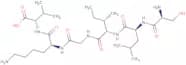
CAS:<p>PAR-2 is a cytosolic protein that is activated by calcium. PAR-2 activation induces the synthesis of prostaglandins and other inflammatory mediators, which stimulate the release of substances from cells such as cytokines and chemokines. PAR-2 also has an important role in cell proliferation, differentiation, apoptosis, and cancer development. PAR-2 activation is induced by proteases such as trypsin or soybean trypsin inhibitor. The trifluoroacetate salt form of PAR-2 (1-6) has been used to inhibit protease activity in colon cancer cells and prostate cancer cells.<br>PAR-2 (1-6) (human) trifluoroacetate salt H-Ser-Leu-Ile-Gly-Lys-Val-OH trifluoroacetate salt is a potent chemical inhibitor of trypsin activity with IC50 values of 0.5 µM for soybean trypsin inhibitor</p>Formula:C28H53N7O8Purity:Min. 95%Molecular weight:615.76 g/molUndecanoic acid
CAS:<p>Undecanoic acid is a fatty acid that belongs to the class of saturated fatty acids. It has been shown to have a number of biological effects, including lowering cholesterol levels, preventing and treating opportunistic fungal infections, and as a contraceptive. Undecanoic acid is also known to increase the body mass index (BMI) in mice and may be useful in the treatment of coronary heart diseases in humans.</p>Formula:C11H22O2Purity:Min. 95%Color and Shape:PowderMolecular weight:186.29 g/molDynorphin A trifluoroacetate salt
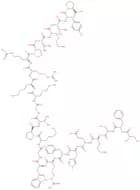
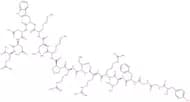
CAS:<p>Dynorphin A is a peptide that belongs to the class of opioid peptides. It acts as a kappa-opioid receptor agonist and is involved in the transmission of pain signals and other information from the central nervous system to the peripheral nervous system. Dynorphin A has been shown to inhibit the release of neurotransmitters, such as acetylcholine, dopamine, serotonin, and norepinephrine. It also blocks the action of transmitters at postsynaptic membranes by binding to their receptors. Dynorphin A binds with high affinity to kappa-opioid receptors and can be used for treatment of heroin addiction and chronic pain.</p>Formula:C99H155N31O23Purity:Min. 95%Molecular weight:2,147.49 g/molOrphan GPCR SP9155 Agonist P518 (human) trifluoroacetate salt
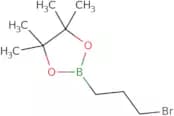
CAS:<p>Please enquire for more information about Orphan GPCR SP9155 Agonist P518 (human) trifluoroacetate salt including the price, delivery time and more detailed product information at the technical inquiry form on this page</p>Formula:C127H195N37O37Purity:Min. 95%Molecular weight:2,832.13 g/mol3-Bromopropylboronic acid pinacol ester
CAS:<p>Please enquire for more information about 3-Bromopropylboronic acid pinacol ester including the price, delivery time and more detailed product information at the technical inquiry form on this page</p>Formula:C9H18BBrO2Purity:Min. 95%Molecular weight:248.95 g/molAdrenomedullin (porcine) trifluoroacetate salt
CAS:<p>Please enquire for more information about Adrenomedullin (porcine) trifluoroacetate salt including the price, delivery time and more detailed product information at the technical inquiry form on this page</p>Formula:C262H403N79O76S3Purity:Min. 95%Molecular weight:5,971.69 g/molGAP 26 trifluoroacetate salt
CAS:<p>13-mer connexin mimetic peptide, composed of residue numbers 63-75 of the first extracellular loop of connexin 43 (gap junction blocker), containing the SHVR amino acid motif.</p>Formula:C70H107N19O19SPurity:Min. 95%Molecular weight:1,550.78 g/mol(S)-9,10-Difluoro-2,3-dihydro-3-methyl-7-oxo-7H-pyrido[1,2,3-de]-1,4-benzoxazine-6-carboxylic acid ethyl ester
CAS:<p>(S)-9,10-Difluoro-2,3-dihydro-3-methyl-7-oxo-7H-pyrido[1,2,3-de]-1,4-benzoxazine-6-carboxylic acid ethyl ester is an acidic substance that can be produced by the amination of piperazine with chloroacetic acid. The reaction solution is heated to a temperature of about 120°C for about 30 minutes and then cooled to room temperature. The product precipitates as a white solid. This compound has been shown to have antibacterial activity against methicillin resistant Staphylococcus aureus (MRSA) in plates.</p>Formula:C15H13F2NO4Purity:Min. 95%Molecular weight:309.26 g/molUrocortin (rat) trifluoroacetate salt
CAS:<p>Trifluoroacetate salt</p>Formula:C206H338N62O64Purity:Min. 95%Molecular weight:4,707.27 g/mol2-Phenylpropionic acid
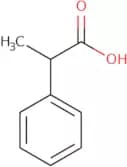
CAS:<p>2-Phenylpropionic acid is a reactive chemical that can be synthesized by an asymmetric process. It has been used in the synthesis of nonsteroidal anti-inflammatory drugs, as it inhibits the activity of cyclooxygenase and lipoxygenase enzymes. This chemical also binds to the hydroxyl group on target proteins, inhibiting their function. 2-Phenylpropionic acid is metabolized by microbial metabolism and can inhibit the activity of drug-metabolizing enzymes such as CYP3A4 and CYP2D6. It may also interact with other drugs that are processed by these enzymes, including warfarin and carbamazepine. 2-Phenylpropionic acid is a competitive inhibitor that binds to the active site of an enzyme and blocks its access to its substrate molecule. The binding of 2-phenylpropionic acid to enzyme's active site prevents the reactant from entering and reacting with the enzyme, thereby preventing a</p>Formula:C9H10O2Purity:Min. 95%Color and Shape:Colorless Clear LiquidMolecular weight:150.17 g/molLys-(Des-Arg9,Leu8)-Bradykinin trifluoroacetate salt
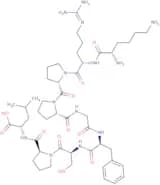
CAS:<p>Bradykinin is a peptide that is released in response to injury and inflammation. It has two receptors, B1 and B2. Bradykinin binds to the B2 receptor which leads to vasodilation, increased vascular permeability, and bronchoconstriction. Lys-(Des-Arg9,Leu8)-Bradykinin trifluoroacetate salt H-Lys-Arg-Pro-Pro-Gly-Phe-Ser-Pro-Leu (LBP) is a synthetic analogue of bradykinin that competes with bradykinin for binding sites on the bradykinin b2 receptor. LBP also inhibits lipoxygenase activity in vitro and in animals. This drug can be used as an antagonist against bradykinin b2 receptor or as an antiplatelet agent.</p>Formula:C47H75N13O11Purity:Min. 95%Molecular weight:998.18 g/mol2,3,6-Trifluorophenylacetic acid
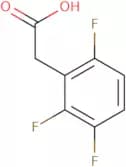
CAS:<p>Please enquire for more information about 2,3,6-Trifluorophenylacetic acid including the price, delivery time and more detailed product information at the technical inquiry form on this page</p>Purity:Min. 95%Enterotoxin STp (E. coli) trifluoroacetate salt
CAS:Controlled Product<p>Please enquire for more information about Enterotoxin STp (E. coli) trifluoroacetate salt including the price, delivery time and more detailed product information at the technical inquiry form on this page</p>Formula:C81H110N20O26S6Purity:Min. 95%Molecular weight:1,972.26 g/molAmyloid β-Protein (1-38) trifluoroacetate salt
CAS:<p>Please enquire for more information about Amyloid beta-Protein (1-38) trifluoroacetate salt including the price, delivery time and more detailed product information at the technical inquiry form on this page</p>Formula:C184H277N51O56SPurity:Min. 95%Molecular weight:4,131.54 g/molH-Ile-Arg-OH acetate salt
CAS:<p>H-Ile-Arg-OH acetate salt is an antioxidant that belongs to the group of amino acids. It has been shown to have antioxidative activity in vitro, as well as interaction with radicals and free radicals. Cryo-electron microscopy was used to show this compound's radical scavenging activity. H-Ile-Arg-OH acetate salt has also been found to have antioxidative properties in eukaryotes. This compound is composed of two isomers: H-Ile and Arg. The hydroxyl group on the H-Ile isomer gives this compound its antioxidative properties, while the Arg isomer possesses hydrolytic properties. The subunits are linked together by a peptide bond between the carboxyl group on Arg and the amine group on H-Ile. In addition, H-Ile has an -OH hydroxyl group that can be scavenged by hydroxyl radicals, which provides antioxidative activity.</p>Formula:C12H25N5O3Purity:Min. 95%Molecular weight:287.36 g/mol(Tyr(Me)21)-Neuropeptide Y (human, rat) trifluoroacetate salt
CAS:<p>Please enquire for more information about (Tyr(Me)21)-Neuropeptide Y (human, rat) trifluoroacetate salt including the price, delivery time and more detailed product information at the technical inquiry form on this page</p>Formula:C190H287N55O57SPurity:Min. 95%Molecular weight:4,285.71 g/molPACAP-38 (28-38) (human, chicken, mouse, ovine, porcine, rat) trifluoroacetate salt
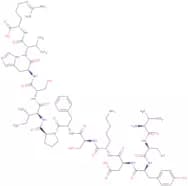
CAS:<p>PACAP-38 (28-38) is a peptide hormone that is produced in the brain and regulates various physiological processes. It has been shown to have effects on intestinal, pancreatic, and lung cells. PACAP-38 (28-38) is a potent antagonist of vasoactive intestinal polypeptide (VIP), which has been implicated in the regulation of gastrointestinal motility and fluid secretion. The peptide also inhibits cancer cell proliferation by activating cell death pathways.</p>Formula:C61H110N24O14Purity:Min. 95%Molecular weight:1,403.68 g/molAc-Gly-Asp-Tyr-Ser-His-Cys-Ser-Pro-Leu-Arg-Tyr-Tyr-Pro-Trp-Trp-Lys-Cys-Thr-Tyr-Pro-Asp-Pro-Glu-Gly-Gly-Gly-NH2 trifluoroacetate salt (Disulfide bond)
CAS:<p>Please enquire for more information about Ac-Gly-Asp-Tyr-Ser-His-Cys-Ser-Pro-Leu-Arg-Tyr-Tyr-Pro-Trp-Trp-Lys-Cys-Thr-Tyr-Pro-Asp-Pro-Glu-Gly-Gly-Gly-NH2 trifluoroacetate salt (Disulfide bond) including the price, delivery time and more detailed product information at the technical inquiry form on this page</p>Formula:C141H185N35O40S2Purity:Min. 95%Molecular weight:3,074.32 g/mol6-Chloro-2-methylbenzoic acid
CAS:<p>6-Chloro-2-methylbenzoic acid is a methyl ester that is used in the synthesis of 2-chloro-6-fluorobenzaldehyde. This chemical reacts with hydrogen peroxide to produce chloride and 2,6-dichlorobenzoic acid. The compound can also be synthesized from 2,6-dichlorobenzaldehyde and methoxyethanol. 6CMB has been shown to react with anions such as Cl-, Br-, NO2-, SO3H, and PO3H2 to form organic carboxylates or sulfoxides. It has also been shown to be a byproduct of the reaction between chloral hydrate and potassium permanganate.</p>Formula:C8H7ClO2Purity:90%Color and Shape:PowderMolecular weight:170.59 g/molHemimellitic acid
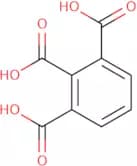
CAS:<p>Hemimellitic acid is a carboxylate that has an intramolecular hydrogen and a reactive hydroxyl group. It can be used as a precursor to the production of polymers and plastics. Hemimellitic acid is an inorganic acid that contains nitrogen atoms. It can exist as particles with a size range between 1 and 100 nanometers. The chemical structure of hemimellitic acid is related to the malonic acid; it is the methyl ethyl ester of malonic acid. Hemimellitic acid has thermodynamic data, including a standard enthalpy change of -3,079 kJ/mol (-8,726 cal/mol) and Gibbs free energy change of -2,837 kJ/mol (-6,927 cal/mol).</p>Formula:C9H6O6Purity:Min. 95%Color and Shape:White To Off-White SolidMolecular weight:210.14 g/molpTH (7-84) (human) trifluoroacetate salt
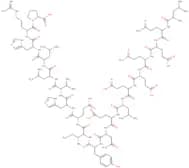
<p>Please enquire for more information about pTH (7-84) (human) trifluoroacetate salt including the price, delivery time and more detailed product information at the technical inquiry form on this page</p>Formula:C381H629N119O115S2Purity:Min. 95%Molecular weight:8,780.94 g/molDynorphin A (1-13) amide trifluoroacetate salt
CAS:<p>Please enquire for more information about Dynorphin A (1-13) amide trifluoroacetate salt including the price, delivery time and more detailed product information at the technical inquiry form on this page</p>Formula:C75H127N25O14Purity:Min. 95%Molecular weight:1,602.97 g/molDnp-Pro-TNF-α (71-82) amide (human) trifluoroacetate salt
CAS:<p>Please enquire for more information about Dnp-Pro-TNF-alpha (71-82) amide (human) trifluoroacetate salt including the price, delivery time and more detailed product information at the technical inquiry form on this page</p>Formula:C57H94N22O21Purity:Min. 95%Molecular weight:1,423.49 g/mol2-Hydroxy-5-[(4-{[(6-methoxypyridazin-3-yl)amino]sulfonyl}phenyl)diazenyl]benzoic acid
CAS:<p>Used in treatment of nonspecific ulcerative colitis</p>Formula:C18H15N5O6SPurity:Min. 95%Color and Shape:PowderMolecular weight:429.41 g/molBoc-Arg-Val-Arg-Arg-AMC acetate salt
CAS:Controlled Product<p>Boc-Arg-Val-Arg-Arg-AMC acetate salt is a protease inhibitor that belongs to the group of basic proteins. It inhibits the action of serine proteases, which are enzymes that break down proteins in cells. Boc-Arg-Val-Arg-Arg-AMC acetate salt has been shown to inhibit leishmania and tumor cell growth. It also inhibits cancer cell proliferation and metastasis. The inhibition of these cancer cell lines by Boc-Arg-Val-Arg-Arg-AMC acetate salt may be due to its ability to inhibit protein synthesis, which is vital for tumor cell growth. Boc Arg Val Arg Arg AMC acetate salt also induces apoptosis (cell death) in some cancer cells through the activation of caspase 3, a cysteine protease that plays an important role in apoptosis signaling pathways.</p>Formula:C38H62N14O8Purity:Min. 95%Molecular weight:842.99 g/mol3-[(2-Aminoethyl)dithio]propionic acid
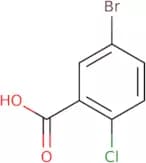
CAS:<p>Dithiobis(3-mercaptopropionate) is an analog of 3-[(2-Aminoethyl)dithio]propionic acid (DTA). It has been used as a cross-linking agent for the synthesis of polymers with acidic pH. Dithiobis(3-mercaptopropionate) is also used for the synthesis of conjugates and bifunctional molecules. Dithiobis(3-mercaptopropionate) can be synthesized by reacting bis(sulfanylmethyl)amine with sodium azide in an acidic solution. The cross-linking reaction will produce a disulfide bond, which is a covalent linkage between two cysteine residues in two different polypeptides or proteins. This crosslink is irreversible, so it cannot be broken down by chemical processes, but can be broken down by enzymatic digestion.</p>Formula:C5H11NO2S2Purity:(%) Min. 95%Color and Shape:PowderMolecular weight:181.28 g/mol5-Bromo-2-chlorobenzoic acid
CAS:<p>Intermediate in the synthesis of dapagliflozin</p>Formula:C7H4BrClO2Purity:Min. 95%Color and Shape:PowderMolecular weight:235.46 g/molH-Arg-Met-OH acetate salt
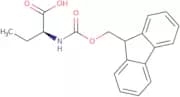
CAS:<p>H-Arg-Met-OH acetate salt is a reactive chemical that is used in the treatment of hepatitis. It has been shown to be effective against virus and heart disease, as well as being active in the prevention of insulin resistance. H-Arg-Met-OH acetate salt is also used to determine if a person has had an allergic reaction by testing for elevated serum levels of this chemical. H-Arg-Met-OH acetate salt can be found in the blood, urine, and liver cells. This chemical is also present in mouse spleen cells and has been shown to react with specific antibodies.</p>Formula:C11H23N5O3SPurity:Min. 95%Molecular weight:305.4 g/molFmoc-L-α-aminobutyric acid
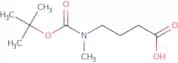
CAS:<p>Fmoc-L-alpha-aminobutyric acid is a synthetic amino acid that is used as a linker in solid-phase peptide synthesis. It is also used to synthesize analogs of the serine protease NS3, which are postulated to inhibit hepatitis C virus replication by preventing the release of viral RNA from infected cells. Fmoc-L-alpha-aminobutyric acid has been shown to have anti-viral activity against the influenza virus and HIV.</p>Formula:C19H19NO4Purity:Min. 98 Area-%Color and Shape:PowderMolecular weight:325.36 g/molBoc-N-Methyl-γ-aMinobutyric acid
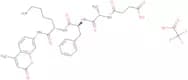
CAS:<p>Please enquire for more information about Boc-N-Methyl-gaMMa-aMinobutyric acid including the price, delivery time and more detailed product information at the technical inquiry form on this page</p>Formula:C10H19NO4Purity:Min. 95%Molecular weight:217.26 g/molSuc-Ala-Phe-Lys-AMC trifluoroacetate salt
CAS:<p>Please enquire for more information about Suc-Ala-Phe-Lys-AMC trifluoroacetate salt including the price, delivery time and more detailed product information at the technical inquiry form on this page</p>Formula:C32H39N5O8·C2HF3O2Purity:Min. 95%Molecular weight:735.7 g/mol12-Doxyl stearic acid
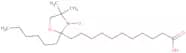
CAS:<p>12-Doxyl stearic acid is a fatty acid that inhibits the vasoactive intestinal peptide (VIP). The inhibitory effect of 12-Doxyl stearic acid on VIP was demonstrated by incubating the cells with this fatty acid and measuring the change in mitochondrial Ca2+ concentration. This inhibition was shown to be due to the inhibition of fatty acids and not an effect on Ca2+ ion channels. Fatty acids are important for normal cellular function, such as maintaining membrane fluidity and aiding in signal transduction. 12-Doxyl stearic acid has been shown to inhibit the production of cardiac fatty acids and may be useful in treating cardiac disorders. 12-Doxyl stearic acid also has a fluorescence probe that can be used to study how cells react to different conditions, such as changes in water vapor or pH levels.</p>Formula:C22H42NO4Purity:Min. 95%Color and Shape:Yellow Clear LiquidMolecular weight:384.57 g/molCART (55-76) (rat) trifluoroacetate salt
CAS:<p>Please enquire for more information about CART (55-76) (rat) trifluoroacetate salt including the price, delivery time and more detailed product information at the technical inquiry form on this page</p>Formula:C107H166N26O33S3Purity:Min. 95%Molecular weight:2,440.82 g/molDocosahexaenoic acid ethyl ester
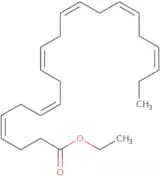
CAS:<p>Docosahexaenoic acid ethyl ester (DHAEE) is a biologically active form of docosahexaenoic acid (DHA), which is an omega-3 polyunsaturated fatty acid. DHAEE is synthesized from DHA through the process of acylation with ethanol. It has been shown to have antioxidant and anti-inflammatory properties in animal studies, as well as improved brain functions. When given to rats, it prevents neuronal death and has been shown to reduce the risk of congestive heart failure.</p>Formula:C24H36O2Purity:Min. 95%Color and Shape:Colorless Yellow Clear LiquidMolecular weight:356.54 g/mol(Leu116)-Prepro-Neuromedin U (104-136) (human) trifluoroacetate salt
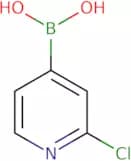
<p>Please enquire for more information about (Leu116)-Prepro-Neuromedin U (104-136) (human) trifluoroacetate salt including the price, delivery time and more detailed product information at the technical inquiry form on this page</p>Formula:C177H276N46O45Purity:Min. 95%Molecular weight:3,768.37 g/mol2-Chloropyridine-4-boronic acid
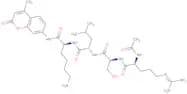
CAS:<p>2-Chloropyridine-4-boronic acid is a nicotinic acetylcholine receptor antagonist that has been shown to be effective against trypanosomiasis. It blocks the binding of acetylcholine to its receptor, which prevents the propagation of an action potential in the postsynaptic cell. 2-Chloropyridine-4-boronic acid inhibits the enzymes cyclooxygenase and prostaglandin synthase, which are involved in inflammation. 2-Chloropyridine-4-boronic acid is potent and selective for nicotinic acetylcholine receptors, but it also binds to other sites on the enzyme. The molecular modeling studies have shown that this compound has a pharmacophore that can be used as a guide for drug design.</p>Formula:C5H5BClNO2Purity:Min. 95%Molecular weight:157.36 g/molAc-Arg-Ser-Leu-Lys-AMC trifluoroacetate salt
CAS:<p>Please enquire for more information about Ac-Arg-Ser-Leu-Lys-AMC trifluoroacetate salt including the price, delivery time and more detailed product information at the technical inquiry form on this page</p>Formula:C33H51N9O8•C2HF3O2Purity:Min. 95 Area-%Color and Shape:PowderMolecular weight:815.83 g/molα-Helical CRF (12-41) trifluoroacetate salt
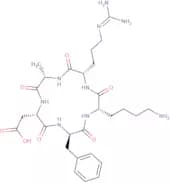
CAS:<p>Please enquire for more information about Alpha-Helical CRF (12-41) trifluoroacetate salt including the price, delivery time and more detailed product information at the technical inquiry form on this page</p>Formula:C152H251N43O47S2Purity:Min. 95%Molecular weight:3,497.01 g/molCyclo(-Arg-Ala-Asp-D-Phe-Lys) trifluoroacetate salt
CAS:<p>Cyclo(-Arg-Ala-Asp-D-Phe-Lys) trifluoroacetate salt is a peptidomimetic that inhibits the growth of tumor cells by inhibiting angiogenesis, which is the formation of new blood vessels. It has been shown to effectively inhibit the proliferation of endothelial cells and decrease tumor vasculature in human ovarian carcinoma. Cyclo(-Arg-Ala-Asp-D-Phe-Lys) trifluoroacetate salt binds to cyclic peptides in the body and prevents them from being broken down by peptidases. This increases their uptake into cancer cells and inhibits angiogenesis, leading to a decrease in tumor size and number.</p>Formula:C28H43N9O7Purity:Min. 95%Molecular weight:617.7 g/molH-Gly-Lys-His-OH acetate salt
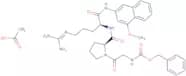
CAS:<p>Please enquire for more information about H-Gly-Lys-His-OH acetate salt including the price, delivery time and more detailed product information at the technical inquiry form on this page</p>Formula:C14H24N6O4Purity:Min. 95%Molecular weight:340.38 g/molZ-Gly-Pro-Arg-4MbNA acetate salt
CAS:Controlled Product<p>Please enquire for more information about Z-Gly-Pro-Arg-4MbNA acetate salt including the price, delivery time and more detailed product information at the technical inquiry form on this page</p>Formula:C32H39N7O6·C2H4O2Purity:Min. 95%Molecular weight:677.75 g/molMethoxycarbonyl-D-Nle-Gly-Arg-pNA acetate salt
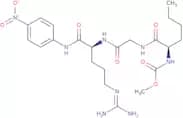
CAS:<p>Please enquire for more information about Methoxycarbonyl-D-Nle-Gly-Arg-pNA acetate salt including the price, delivery time and more detailed product information at the technical inquiry form on this page</p>Formula:C22H34N8O7Purity:Min. 95%Molecular weight:522.56 g/mol(D-Lys(nicotinoyl)1,b-(3-pyridyl)-Ala3,3,4-dichloro-D-Phe5,Asn6,D-Trp7·9, Nle 11)-Substance P trifluoroacetate salt
CAS:<p>Substance P is a tachykinin neuropeptide that belongs to the tachykinin family. It is found in the central and peripheral nervous system and has been shown to have an important role in locomotor activity, protein synthesis, receptor activity, and neurotransmitter release. Substance P is also associated with a number of diseases such as infectious diseases, sciatic nerve pain, and vasoactive intestinal peptide (VIP) production. This substance has been used for the diagnosis of neurogenic bladder dysfunction by measuring its effects on urinary bladder contractility.</p>Formula:C86H104Cl2N18O13Purity:Min. 95%Molecular weight:1,668.76 g/molEthyl 2-(2-chloroethoxy)acetate
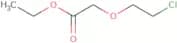
CAS:<p>Please enquire for more information about Ethyl 2-(2-chloroethoxy)acetate including the price, delivery time and more detailed product information at the technical inquiry form on this page</p>Formula:C6H11ClO3Purity:Min. 95%Molecular weight:166.6 g/molAngiotensin I/II (1-7) trifluoroacetate salt
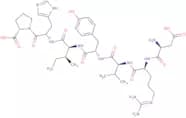
CAS:<p>Angiotensin I/II (1-7) trifluoroacetate salt is a selective inhibitor of angiotensin II. It blocks the activity of angiotensin II, and thereby prevents the activation of growth factor-β1, which leads to a decrease in pulmonary hypertension. The drug has also been shown to be effective in blocking dextran sulfate absorption, as well as preventing bowel disease by inhibiting receptor activity. Angiotensin I/II (1-7) trifluoroacetate salt has been shown to have an anti-inflammatory effect on the cardiovascular system by blocking cell signaling pathways and reducing blood pressure. This drug is used for treatment of metabolic disorders such as atherosclerotic lesion, cardiac diseases such as coronary heart diseases, and bowel disease.</p>Formula:C41H62N12O11Purity:Min. 95%Molecular weight:899.01 g/molH-Gly-Tyr-NH2 acetate salt
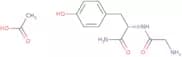
CAS:Controlled Product<p>Please enquire for more information about H-Gly-Tyr-NH2 acetate salt including the price, delivery time and more detailed product information at the technical inquiry form on this page</p>Formula:C13H19N3O5Purity:Min. 95%Molecular weight:297.31 g/molLQEQ-19 (mouse, rat) trifluoroacetate salt
CAS:<p>Please enquire for more information about LQEQ-19 (mouse, rat) trifluoroacetate salt including the price, delivery time and more detailed product information at the technical inquiry form on this page</p>Formula:C106H165N29O34Purity:Min. 95%Molecular weight:2,389.62 g/mol(Phe2, Nle 4)-ACTH (1-24) (human, bovine, rat) trifluoroacetate salt
CAS:<p>Please enquire for more information about (Phe2, Nle 4)-ACTH (1-24) (human, bovine, rat) trifluoroacetate salt including the price, delivery time and more detailed product information at the technical inquiry form on this page</p>Formula:C137H212N40O30Purity:Min. 95%Molecular weight:2,899.4 g/molNeuropeptide F trifluoroacetate salt
CAS:<p>Please enquire for more information about Neuropeptide F trifluoroacetate salt including the price, delivery time and more detailed product information at the technical inquiry form on this page</p>Formula:C210H328N58O58Purity:Min. 95%Molecular weight:4,593.21 g/molH-Phe-AMC trifluoroacetate salt
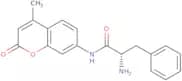
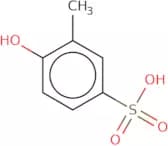
CAS:<p>H-Phe-AMC Trifluoroacetate salt is a synthetic, protease inhibitor that inhibits the activity of serine and cysteine proteases. It binds to the active site of these enzymes and blocks their function. H-Phe-AMC trifluoroacetate salt has been used in food chemistry to hydrolyze proteins, and can be used to measure enzyme activities. This product also has been shown to have biological functions such as the inhibition of molting, physiological function, and the prevention of carcinogenesis.</p>Formula:C19H18N2O3Purity:Min. 95%Molecular weight:322.36 g/molo-Cresol-4-sulphonic acid
CAS:<p>o-Cresol-4-sulphonic acid is a fine chemical with the CAS number 7134-04-5. It is a versatile building block that can be used as a reagent in research, as a speciality chemical and as an intermediate in the production of other compounds. o-Cresol-4-sulphonic acid has been used to synthesize pharmaceuticals, agrochemicals, dyes, perfumes and many more products. This compound has also been used as a reaction component in organic synthesis to form new compounds and scaffolds.</p>Formula:C7H8O4SPurity:Min. 95%Color and Shape:PowderMolecular weight:188.2 g/molCorticostatin I (rabbit) trifluoroacetate salt
CAS:<p>Please enquire for more information about Corticostatin I (rabbit) trifluoroacetate salt including the price, delivery time and more detailed product information at the technical inquiry form on this page</p>Formula:C163H259N63O44S6Purity:Min. 95%Molecular weight:3,997.59 g/molAmyloid β-Protein (1-42) (scrambled) trifluoroacetate salt
CAS:<p>Please enquire for more information about Amyloid beta-Protein (1-42) (scrambled) trifluoroacetate salt including the price, delivery time and more detailed product information at the technical inquiry form on this page</p>Formula:C203H311N55O60SPurity:Min. 95%Molecular weight:4,514.04 g/molMaxadilan trifluoroacetate salt
CAS:<p>Maxadilan trifluoroacetate salt is a low-potency drug that binds to the GABA receptor and affects the central nervous system. Maxadilan trifluoroacetate salt is structurally related to leishmaniasis, an infectious disease caused by protozoa of the genus Leishmania. Maxadilan trifluoroacetate salt has been shown to prevent the development of autoimmune diseases in mice, including systemic lupus erythematosus, experimental autoimmune encephalomyelitis, and collagen-induced arthritis. Maxadilan trifluoroacetate salt has also been shown to be effective against cutaneous lesions in mice infected with Leishmania major. The mechanism of action is not yet known but may be due to its ability to influence mitochondrial membrane potential or fatty acid metabolism.</p>Formula:C291H466N86O94S6Purity:Min. 95%Molecular weight:6,865.73 g/molMyelin Oligodendrocyte Glycoprotein (35-55) (human) trifluoroacetate salt
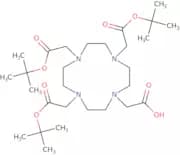
CAS:<p>Please enquire for more information about Myelin Oligodendrocyte Glycoprotein (35-55) (human) trifluoroacetate salt including the price, delivery time and more detailed product information at the technical inquiry form on this page</p>Formula:C120H179N35O28SPurity:Min. 95%Molecular weight:2,591.99 g/molTri-tert-butyl 1,4,7,10-tetraazacyclododecane-1,4,7,10-tetraacetate
CAS:<p>Tri-tert-butyl 1,4,7,10-tetraazacyclododecane-1,4,7,10-tetraacetate (TBA) is a gadolinium chelate that is used as a contrast agent in magnetic resonance imaging. TBA binds to the malignant cells and shows an increase in uptake of the gadolinium contrast agent. TBA has been shown to be effective in the diagnosis of cancerous brain tissue and is also able to detect cancer cells in animals. TBA has shown some efficacy against bacterial infection by binding to the cell membrane and inhibiting protein synthesis. It is also able to act synergistically with antibiotics such as penicillin or ampicillin to kill bacteria more effectively.</p>Formula:C28H52N4O8Purity:Min. 95%Color and Shape:White PowderMolecular weight:572.73 g/molVEGFR-KDR/Flk-1 Antagonist Peptide trifluoroacetate salt
CAS:<p>Please enquire for more information about VEGFR-KDR/Flk-1 Antagonist Peptide trifluoroacetate salt including the price, delivery time and more detailed product information at the technical inquiry form on this page</p>Formula:C77H99N23O18SPurity:Min. 95%Molecular weight:1,666.82 g/molAcetyl-(Asn30,Tyr32)-Calcitonin (8-32) (salmon I) trifluoroacetate salt
CAS:<p>Please enquire for more information about Acetyl-(Asn30,Tyr32)-Calcitonin (8-32) (salmon I) trifluoroacetate salt including the price, delivery time and more detailed product information at the technical inquiry form on this page</p>Formula:C127H205N37O40Purity:Min. 95%Molecular weight:2,890.21 g/molAmyloid Precursor Frameshift Mutant C-Terminal Peptide trifluoroacetate salt
CAS:<p>Please enquire for more information about Amyloid Precursor Frameshift Mutant C-Terminal Peptide trifluoroacetate salt including the price, delivery time and more detailed product information at the technical inquiry form on this page</p>Formula:C44H81N17O16Purity:Min. 95%Molecular weight:1,104.22 g/mol









![(3R)-3-[(tert-Butoxycarbonyl)amino]-4-(2,4-difluorophenyl)butanoic acid](/_next/image/?url=https%3A%2Fstatic.cymitquimica.com%2Fproducts%2F3D%2Fthumb-webp%2FFB99243.webp&w=3840&q=75)






![(S)-9,10-Difluoro-2,3-dihydro-3-methyl-7-oxo-7H-pyrido[1,2,3-de]-1,4-benzoxazine-6-carboxylic acid…](/_next/image/?url=https%3A%2Fstatic.cymitquimica.com%2Fproducts%2F3D%2Fthumb-webp%2FFD21854.webp&w=3840&q=75)







![2-Hydroxy-5-[(4-{[(6-methoxypyridazin-3-yl)amino]sulfonyl}phenyl)diazenyl]benzoic acid](/_next/image/?url=https%3A%2Fstatic.cymitquimica.com%2Fproducts%2F3D%2Fthumb-webp%2FFH134950.webp&w=3840&q=75)
![3-[(2-Aminoethyl)dithio]propionic acid](/_next/image/?url=https%3A%2Fstatic.cymitquimica.com%2Fproducts%2F3D%2Fthumb-webp%2FFA17745.webp&w=3840&q=75)