Carboxylic Acids
Carboxylic acids are organic molecules characterized by having a carboxyl-type functional group (-COOH). These acids are fundamental in various chemical reactions, including esterification, amidation, and decarboxylation. Carboxylic acids are widely used in the production of pharmaceuticals, polymers, and agrochemicals. In this section, you can find a large number of carboxylic acids ready to be used. At CymitQuimica, we provide a broad range of high-quality carboxylic acids to support your research and industrial applications.
Found 12453 products of "Carboxylic Acids"
Sort by
Purity (%)
0
100
|
0
|
50
|
90
|
95
|
100
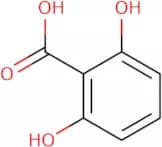
2,6-Dihydroxybenzoic acid
CAS:<p>2,6-Dihydroxybenzoic acid is a chemical compound with the molecular formula CH(COOH)CO. It has been shown to have high values in biological studies and is a naturally occurring metabolite of p-hydroxybenzoic acid. 2,6-Dihydroxybenzoic acid has been used as a model system for energy metabolism, and it's biological properties are being investigated as potential treatments for diabetes and obesity. This compound also exhibits hypoglycemic effects in humans and has high resistance against bacteria. The reaction mechanism of 2,6-dihydroxybenzoic acid is not well understood but may be due to hydrogen bonding interactions.</p>Formula:C7H6O4Purity:Min. 98 Area-%Color and Shape:PowderMolecular weight:154.12 g/mol4-Phenoxycinnamic acid
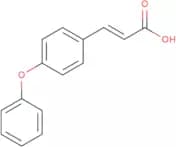
CAS:<p>4-Phenoxycinnamic acid is a useful scaffold and building block in organic chemistry. It is a versatile chemical intermediate with a CAS number of 2215-83-0, often used in the synthesis of other molecules. 4-Phenoxycinnamic acid has recently been shown to be an effective reagent for the conversion of nitrobenzene to benzyl alcohols, which are useful in the production of pharmaceuticals. This compound can also be used as a high-quality research chemical and as a speciality chemical for use in laboratory experimentation.</p>Formula:C15H12O3Purity:Min. 95%Color and Shape:PowderMolecular weight:240.25 g/molMeOSuc-Ala-Phe-Lys-AMC trifluoroacetate salt
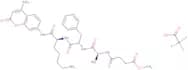
CAS:<p>MeOSuc-Ala-Phe-Lys-AMC is a compound that has a destabilizing effect on the vascular wall, due to its ability to inhibit proteolytic activity. It is also able to reduce the level of angiogenic factors, and thus has an anti-angiogenic effect. MeOSuc-Ala-Phe-Lys-AMC has been shown to have a macroscopic effect on vessels in tissue culture, and this can be observed through leucocyte migration. MeOSuc-Ala-Phe-Lys-AMC has also been shown to cause haemorrhagic changes in microvessels and muscle cells. This compound is also able to inhibit placental growth factor and muscle cell proliferation, as well as reducing the number of microvessels in the placenta.</p>Formula:C33H41N5O8•C2HF3O2Purity:Min. 95 Area-%Color and Shape:PowderMolecular weight:749.73 g/moltrans-1,4-Cyclohexanedicarboxybic acid
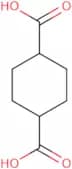
CAS:<p>Trans-1,4-Cyclohexanedicarboxylic acid is a polycarboxylic acid with a cyclohexane ring. It is formed by the reaction of an organic acid and hydrochloric acid in water. Trans-1,4-Cyclohexanedicarboxylic acid has been shown to form an acid when heated at high temperatures. This property is due to its macrocyclic structure and steric interactions with the fatty acids present in the reaction solution. The thermal expansion of trans-1,4-Cyclohexanedicarboxylic acid is sensitive to temperature changes, which can be used for detection purposes. Trans-1,4-Cyclohexanedicarboxylic acid has a hydroxyl group that can be substituted with fluorescence dyes for detection purposes. The cyclohexane ring and dibutyltin oxide are used for the determination of iron content in samples.</p>Formula:C8H12O4Purity:Min. 95%Color and Shape:PowderMolecular weight:172.18 g/mol4-Undecyloxybenzoic acid
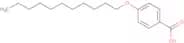
CAS:<p>4-Undecyloxybenzoic Acid is a secretory phospholipase that has been shown to have a phase transition temperature of 17.5°C, which is the lowest among all secretory phospholipases. It is a cytosolic enzyme that belongs to the group of serine hydrolases. The functional theory for 4-undecyloxybenzoic acid is based on the sequence of amino acids and hydrogen bonds between the enzyme and substrates. This enzyme has been shown to be effective in photocatalytic reactions with UV light.</p>Formula:C18H28O3Purity:Min. 95%Color and Shape:PowderMolecular weight:292.41 g/mol4-Methoxybenzoic acid
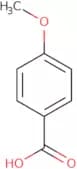
CAS:<p>4-Methoxybenzoic acid is a phenolic compound, which is used in the production of bisphenol A. It can also be found as an intermediate in the synthesis of other compounds, such as protocatechuic acid and pachymic acid. 4-Methoxybenzoic acid can be found naturally in a variety of plants, including cranberries. This compound has been shown to inhibit the growth of bacteria by disrupting their cell walls and inhibiting protein synthesis. 4-Methoxybenzoic acid has also been shown to have anti-inflammatory properties, which may be due to its ability to inhibit prostaglandin synthesis.</p>Formula:C8H8O3Purity:Min. 95%Color and Shape:White PowderMolecular weight:152.15 g/mol3-Bromo-4-hydroxycinnamic acid
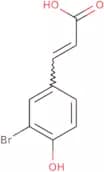
CAS:<p>3-Bromo-4-hydroxycinnamic acid is a useful building block that is obtained from cinnamic acid by substitution of the hydroxyl group with a bromine atom. It has been used in research as a reagent, speciality chemical, and reaction component. 3-Bromo-4-hydroxycinnamic acid is also an important intermediate for the synthesis of various organic compounds. This compound can be used as a scaffold for the synthesis of complex compounds.</p>Formula:C9H7BrO3Color and Shape:PowderMolecular weight:243.05 g/molIsobutylboronic acid
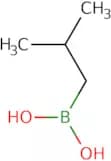
CAS:<p>Isobutylboronic acid is a chemical compound that is used as an antimicrobial treatment for autoimmune diseases. This drug has a polyene structure and inhibits the production of proinflammatory cytokines such as IL-1, TNF-α, and IL-2. Isobutylboronic acid also inhibits the growth of cancer cells in vitro by inhibiting DNA synthesis. Isobutylboronic acid is also used to determine the mechanisms of organometallic compounds. It can be analyzed using liquid chromatography or gas chromatography techniques. The effective dose for this drug is not yet known.</p>Formula:C4H11BO2Purity:Min. 95%Color and Shape:PowderMolecular weight:101.94 g/mol2-Chloroinosine 3',4',6'-triacetate
CAS:<p>2-Chloroinosine 3',4',6'-triacetate is a reagent, useful intermediate, fine chemical, and speciality chemical. It is used as an important building block in organic synthesis. 2-Chloroinosine 3',4',6'-triacetate can be used as a versatile building block for the synthesis of many other compounds. The high quality and usefulness of this compound make it a good choice for research chemicals.</p>Formula:C16H17ClN4O8Purity:Min. 95%Color and Shape:White to pale yellow solid.Molecular weight:428.78 g/mol4-Aminosalicylic acid hydrazide
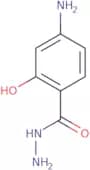
CAS:<p>4-Aminosalicylic acid hydrazide is a reactive functional group that is used as an intermediate in organic synthesis. It has a structural formula of C6H7N3O2 and is a white solid. 4-Aminosalicylic acid hydrazide has been shown to be highly resistant to mycobacterium avium, and can be used for the treatment of tuberculosis. The reactivity of this compound was studied by gravimetric analysis. This reaction is also degradable due to the presence of chloride ions and amido groups.</p>Formula:C7H9N3O2Purity:Min. 95%Color and Shape:PowderMolecular weight:167.17 g/mol4-Amidinobenzoic acid hydrochloride
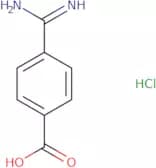
CAS:<p>4-Amidinobenzoic acid hydrochloride is a catalytic molecule that inhibits serine proteases. It has been shown to be an effective inhibitor of the proteolytic activity of trypsin and chymotrypsin when used at concentrations of 3 mM or higher. 4-Amidinobenzoic acid hydrochloride functions by binding to the active site of the enzyme, preventing access to the substrate. This inhibition is reversible, with a half-life of about 10 minutes. The inhibitory constants for 4-amidinobenzoic acid hydrochloride are in the range of 1 μM to 100 μM.</p>Formula:C8H8N2O2•HClPurity:Min. 95%Color and Shape:PowderMolecular weight:200.62 g/mol2,2-Dimethylsuccinic acid
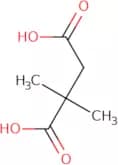
CAS:<p>2,2-Dimethylsuccinic acid is a chiral compound that has two asymmetric carbon atoms. It is an intermediate in the biosynthesis of maleic acid from succinic acid and it can be synthesized by the addition of potassium ion to malonic acid. 2,2-Dimethylsuccinic acid has been shown to inhibit mitochondrial complex I activity in rat kidney cells. Complex I is responsible for oxidative phosphorylation and the generation of ATP, which provides energy for cell growth and function. This inhibition leads to a decrease in metabolites such as malonic acid and ethylmalonic acid. The accumulation of these metabolites causes metabolic changes that are observed in rats fed with 2,2-dimethylsuccinic acid (e.g., increased levels of polycarboxylic acids).</p>Formula:C6H10O4Purity:Min. 95%Color and Shape:White PowderMolecular weight:146.14 g/mol3-Cyanophenylboronic acid
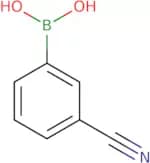
CAS:<p>3-Cyanophenylboronic acid is an organic compound that has been shown to have antimicrobial activity against Pseudomonas aeruginosa. The synthetic pathway of this compound begins with the benzamidine, which reacts with dibutyltin oxide to form 3-cyanophenylboronic acid. This molecule can then be reacted with a cationic polymerization agent such as polyethyleneimine or polyallylamine, producing a polymerized product. When tested in humans, 3-cyanophenylboronic acid showed a high oral bioavailability and low plasma protein binding. It also has a short serum half-life and is metabolized by serine proteases in the liver.</p>Formula:C7H6BNO2Purity:Min. 95%Color and Shape:PowderMolecular weight:146.94 g/mol2-Hydroxyisobutyric acid
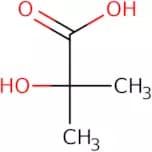
CAS:<p>2-Hydroxyisobutyric acid (2HIB) is an intermediate in the metabolism of benzoic acid and p-hydroxybenzoic acid, which are important for the production of acids in plants. 2HIB has been shown to have a significant effect on metabolic disorders, such as diabetes mellitus and obesity. It is also used as a structural analysis reagent in human serum samples, where it can be used to determine the body mass index of the individual. The chemical formula of 2HIB is C3H6O2. The molecular weight of 2HIB is 92.1g/mol. The melting point of this compound is 69°C and its boiling point is 225°C at 1 atm pressure.</p>Formula:C4H8O3Purity:Min. 98%Color and Shape:White PowderMolecular weight:104.1 g/mol2,2,3,3-Tetrafluoro-3-(trifluoromethoxy)propanoic acid
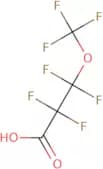
CAS:<p>2,2,3,3-Tetrafluoro-3-(trifluoromethoxy)propanoic acid (TFMP) is a fluorine-containing monomer that can be synthesized in an efficient method. TFMP is a resistant strain and has been shown to react with amines, carbonyls, and carboxylic groups. It can be copolymerized with other monomers to form polymeric materials. TFMP is a fluoride monomer that exhibits properties similar to perfluoroalkyl methacrylate monomers.</p>Formula:C4HF7O3Purity:Min. 95%Color and Shape:Clear LiquidMolecular weight:230.04 g/molTrimethyl phosphonoacetate
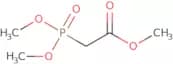
CAS:<p>Trimethyl phosphonoacetate is an organic compound that is used as a reagent in the synthesis of other compounds. It can be prepared by a variety of methods including the reaction of trifluoroacetic acid with sodium carbonate and ammonia, or by the reaction of methyl chloride with trimethyl phosphite. Trimethyl phosphonoacetate is a precursor to many pharmaceuticals, including adenosine receptor antagonists and some anti-cancer drugs. Trimethyl phosphonoacetate has been shown to have beneficial effects on metabolic disorders such as chronic bronchitis and congestive heart failure.</p>Formula:C5H11O5PPurity:Min. 95%Color and Shape:Clear LiquidMolecular weight:182.11 g/mol2-Fluorobenzoic acid
CAS:<p>2-Fluorobenzoic acid is an organic compound that is used as a pharmaceutical intermediate. It has been shown to be effective in treating autoimmune diseases, such as lupus and rheumatoid arthritis, by inhibiting the production of inflammatory cytokines. 2-Fluorobenzoic acid is synthesized from hydrogen fluoride and sodium citrate in the presence of water vapor. X-ray diffraction data have shown that this reaction occurs in a complex with nitrogen atoms and group p2 water molecules. The product formed is an acid complex with benzoate. This compound inhibits wst-1 activity, which can lead to mitochondrial membrane potential loss.</p>Formula:C7H5FO2Purity:Min. 95%Color and Shape:PowderMolecular weight:140.11 g/mol7-Methylindole-3-acetic acid
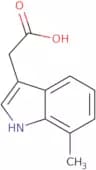
CAS:<p>7-Methylindole-3-acetic acid is a metabolite of indomethacin. It is excreted in the urine and has been found to be present in the tissues of monkeys. 7-Methylindole-3-acetic acid is excreted by the kidneys and it is not known how much of this compound is reabsorbed into the body. 7-Methylindole-3-acetic acid can be metabolized to form other metabolites, including 2,4,5,6 tetrahydropyridine (2,4,5,6 THP), which has been shown to produce DNA damage in rats. The metabolites are then excreted from the body through urination and feces.</p>Formula:C11H11NO2Purity:Min. 95%Molecular weight:189.21 g/molTetraethylammonium acetate tetrahydrate
CAS:<p>Tetraethylammonium acetate tetrahydrate (TEAT) is a trifluoroacetic acid salt that is used as a cyclase inhibitor. TEAT inhibits the activity of cyclases, which are enzymes that catalyze the formation of cyclic AMP (cAMP). This inhibition prevents the activation of protein kinases and subsequent phosphorylation of cytosolic proteins. TEAT has been shown to inhibit human serum albumin binding, transport properties, and fluorescence detector response in vitro. It also binds to DNA as a hydrogen-bond acceptor and can be used in enzymatic assays for DNA polymerase chain reaction.</p>Formula:C10H23NO2·4H2OColor and Shape:PowderMolecular weight:261.36 g/mol4-Pentenoic acid
CAS:<p>4-Pentenoic acid is a fatty acid that is not found in the human body. It has been shown to have acute toxicities including liver lesions and zirconium oxide poisoning in rats. 4-Pentenoic acid has been used as a molecular probe in molecular docking analysis studies to explore protein-ligand interactions. 4-Pentenoic acid also inhibits the energy metabolism of cells by inhibiting ATP production, which can lead to cell death. The inhibition of ATP levels is irreversible due to the kinetic energy that 4-pentenoic acid releases when it binds with ATP, which prevents the binding of adenosine diphosphate (ADP) to ATP synthase. This process is reversible for other fatty acids because they do not release kinetic energy upon binding with ATP and ADP.</p>Formula:C5H8O2Purity:Min. 95%Color and Shape:Clear LiquidMolecular weight:100.12 g/mol3-(Bromomethyl)phenoxyacetic acid
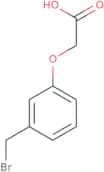
CAS:<p>3-(Bromomethyl)phenoxyacetic acid is a versatile building block that has been used as a reagent for the synthesis of complex compounds. It has also been used in the synthesis of research chemicals, such as 3-bromophenoxyacetic acid, and in the preparation of useful scaffolds. This product is high quality and can be used as an intermediate in the production of pharmaceuticals or other specialty chemicals. The CAS number for this compound is 136645-25-5.</p>Formula:C9H9BrO3Purity:Min. 90%Color and Shape:PowderMolecular weight:245.07 g/mol2,2'-Dithiobisbenzoic acid
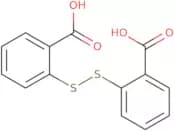
CAS:<p>2,2'-Dithiobisbenzoic acid (DTBA) is a chemical compound that has been used as a cross-linking agent for proteins and nucleic acids. DTBA is an aromatic hydrocarbon that can be synthesized from the reaction of sodium carbonate and hydrogen chloride. DTBA's stability in organic solvents makes it a useful reagent for protein cross-linking studies. It can also be used to measure hydrogen bond strengths between two molecules.</p>Formula:C14H10O4S2Purity:Min. 95%Molecular weight:306.36 g/mol2-Chloromandelic acid
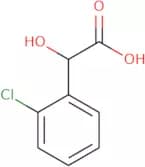
CAS:<p>2-Chloromandelic acid is an organic compound that belongs to the class of compounds called chloroacetic acids. It has been shown to react with hydroxylamine and form a trifluoroacetamide, which is a useful building block in organic synthesis. 2-Chloromandelic acid can be synthesized from mandelic acid by reacting it with phosphorus pentachloride in the presence of carbon tetrachloride. 2-Chloromandelic acid has been shown to inhibit the growth of Pseudomonas aeruginosa, an opportunistic human pathogen in cystic fibrosis patients. 2-Chloromandelic acid crystallizes as one of two possible polymorphs: Form I or Form II. The solubility data for both forms are available, but only Form I is metastable at room temperature and pressure.</p>Formula:C8H7ClO3Purity:Min. 95%Color and Shape:PowderMolecular weight:186.59 g/molMethyl 2-(2-nitrilo-3-fluorophenylthio)acetate
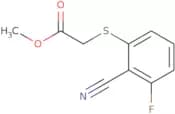
CAS:<p>Please enquire for more information about Methyl 2-(2-nitrilo-3-fluorophenylthio)acetate including the price, delivery time and more detailed product information at the technical inquiry form on this page</p>Formula:C10H8FNO2SPurity:Min. 95%Color and Shape:PowderMolecular weight:225.24 g/molBis(4-Nitrophenyl)phosphoric acid sodium
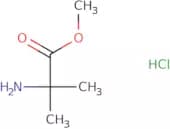
CAS:<p>Bis(4-nitrophenyl)phosphoric acid sodium is a synthetic compound that has been used as an antibiotic. It is a nitro group donor and may be oxidized to p-nitrophenol phosphate. Bis(4-nitrophenyl)phosphoric acid sodium inhibits bacterial growth by binding to the 30S ribosomal subunit, which prevents protein synthesis and cell division. The rate constant of this reaction has been determined using x-ray diffraction data obtained on crystals of the product with signal peptide. Bis(4-nitrophenyl)phosphoric acid sodium also has biochemical properties, such as pyrazinoic acid formation and polymerase chain reactions, which have been reported in recombinant cytochrome P450s from rat liver microsomes. The disulfide bond coordination geometry and mechanism of the reaction are still unknown but it is thought that the reaction proceeds through a single electron transfer mechanism.</p>Formula:C12H9N2O8P·NaPurity:Min. 95%Color and Shape:White PowderMolecular weight:363.17 g/molα-Aminoisobutyric acid methyl ester hydrochloride
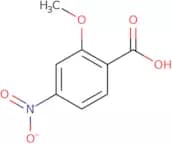
CAS:<p>Alpha-aminoisobutyric acid methyl ester hydrochloride (AABME) is an amino acid that is a metabolite of the neurotransmitter GABA. It has been shown to be transported across the blood-brain barrier by a carrier-mediated transport system and is taken up by neurons via a solute carrier family 38 member 2 transporter. AABME has been observed at physiological levels in maternal blood plasma, urine, cerebrospinal fluid, and brain tissue. It has also been studied in vitro using 3T3-L1 preadipocytes as a model for adipogenesis. In this context, it has been shown to increase cell proliferation and inhibit apoptosis.</p>Formula:C5H11NO2•HClColor and Shape:PowderMolecular weight:153.61 g/mol2-Methoxy-4-nitrobenzoic acid
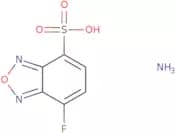
CAS:<p>Please enquire for more information about 2-Methoxy-4-nitrobenzoic acid including the price, delivery time and more detailed product information at the technical inquiry form on this page</p>Formula:C8H7NO5Purity:Min. 95%Molecular weight:197.14 g/mol7-Fluorobenzo-2-oxa-1,3-diazole-4-sulfonic acid ammonium
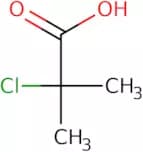
CAS:<p>7-Fluorobenzo-2-oxa-1,3-diazole-4-sulfonic acid ammonium is a fluorescent derivative that is used in clinical pathology to study human metabolism. The compound reacts with blood cells to form a fluorescent derivative that can be detected by use of a fluorescence detector. A sample preparation technique is required to prepare the blood samples before analysis. 7-Fluorobenzo-2-oxa-1,3-diazole-4-sulfonic acid ammonium has been shown to react with disulfide bonds and endogenous substances, such as glutathione, dopamine and serotonin. The detection sensitivity for this compound is approximately 10 pM.</p>Formula:C6H6FN3O4SPurity:Min. 95%Color and Shape:White PowderMolecular weight:235.19 g/mol2-Chloro-2-methylpropionic acid
CAS:<p>2-Chloro-2-methylpropionic acid (MCPA) is a chemical compound that belongs to the group of organic compounds called acyl chlorides. It is used in industry for the production of acrylic acid and polyacrylic acid, as well as in the production of herbicides. MCPA is produced by reacting an alkali metal with 2-chloroethanol and thioacetic acid. This reaction can be catalyzed by a variety of compounds, including palladium chloride, nickel chloride, and titanium tetrachloride. The high yield of this reaction makes it suitable for commercial use. MCPA also has been shown to stimulate cell growth through its inhibition of monomers from polymerization into polymers.</p>Formula:C4H7ClO2Purity:Min. 95%Color and Shape:PowderMolecular weight:122.55 g/mol1,4-Phenylenediacrylic acid
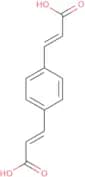
CAS:<p>1,4-Phenylenediacrylic acid is a yellow crystalline solid that has been shown to be carcinogenic in rodents. It is structurally similar to benzene and may have the same carcinogenic properties. 1,4-Phenylenediacrylic acid has been found to cause genetic damage in mammalian cells, which may lead to cancer. There are databases for carcinogenicity, mutagenicity, and toxicology of 1,4-Phenylenediacrylic acid. 1,4-Phenylenediacrylic acid also belongs to the subset of organic chemicals that are classified as carcinogens by IARC or NTP.</p>Formula:C12H10O4Purity:Min. 95%Color and Shape:Slightly Yellow PowderMolecular weight:218.21 g/mol3-Amino-4-carbomethoxybenzoic acid
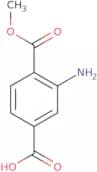
CAS:<p>3-Amino-4-carbomethoxybenzoic acid is a compound that has not yet been labeled with a function. It has been shown to be an intermediate in the synthesis of polymers, such as polyamides and polyesters. 3-Amino-4-carbomethoxybenzoic acid is involved in biological functions related to butyric acid, which is a metabolite of the amino acids phenylalanine and tyrosine, or from the degradation of proteins. It is also used as a precursor for amines and may be an intermediate in the synthesis of glycoconjugates. The compound was found to have anticancer properties when used in combination with other drugs, such as doxorubicin and etoposide. Furthermore, it was found to have anti-inflammatory activities by inhibiting prostaglandin synthesis.</p>Formula:C9H9NO4Purity:Min. 95%Color and Shape:PowderMolecular weight:195.17 g/molO-tert-Butyl-L-threonine tert-butyl ester acetate
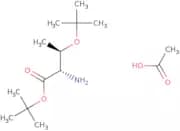
CAS:Controlled Product<p>O-tert-Butyl-L-threonine tert-butyl ester acetate salt is a crystalline solid that can be prepared by reacting threonine with an acid catalyst in the presence of volatile solvents such as isobutylene. It can also be prepared by reacting threonine with an acid catalyst in the presence of organic solvents such as dioxane. The tert-butyl ester acetate salt can be synthesized from O-tert-butyl L-threonine and acetate using superacid catalysts such as sulfuric acid. This process is simplified by using solvents such as dioxane, which are less corrosive than water or ethanol.</p>Formula:C14H29NO5Purity:Min. 95%Color and Shape:PowderMolecular weight:291.38 g/molEtomidate
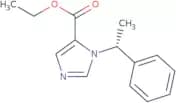
CAS:Controlled Product<p>Etomidate is a potent, non-competitive, centrally acting α-adrenergic receptor agonist that has been used as a diagnostic agent and anesthetic. It is also used in the treatment of diabetic neuropathy. Etomidate binds to the α-adrenergic receptors on the presynaptic membrane and blocks the release of norepinephrine. This prevents nerve impulses from being transmitted to the muscle cells, leading to relaxation of muscles. Etomidate also inhibits locomotor activity by inhibiting postsynaptic neurons in the spinal cord that are responsive to acetylcholine. Etomidate is not active against polymorphonuclear leucocytes or water vapor. The risk group for etomidate includes patients who have had intubations, those with systolic pressures greater than 120 mmHg, and those with heart rates greater than 100 beats per minute. The mechanism of action for etomidate is thought to be through formation of stable complexes with nitrogen atoms.</p>Formula:C14H16N2O2Purity:Min. 95%Color and Shape:PowderMolecular weight:244.29 g/molo-Toluic acid
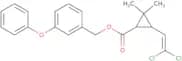
CAS:<p>o-Toluic acid is a chemical compound that can be used in analytical chemistry and coordination geometry. It has been shown to have anti-microbial activity and can be used to synthesize o-toluidine, which is an intermediate in the synthesis of pharmaceuticals. o-Toluic acid reacts with copper chloride and hydrochloric acid to form copper chloride, malonic acid, and hydrogen chloride. The addition of sodium carbonate leads to the formation of hydrogen carbonate, sodium bicarbonate, and water. This reaction mechanism is evidence for coordination geometry as the mechanism for this reaction.</p>Formula:C8H8O2Purity:Min. 95%Color and Shape:PowderMolecular weight:136.15 g/molm-Phenoxybenzyl 3-(2,2-dichlorovinyl)-2,2-dimethylcyclopropanecarboxylate
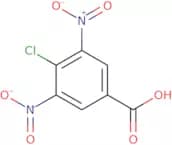
CAS:<p>m-Phenoxybenzyl 3-(2,2-dichlorovinyl)-2,2-dimethylcyclopropanecarboxylate is a chemical pesticide that is used to control pests. It inhibits the enzyme activity of the polymerase chain reaction and prevents production of DNA. m-Phenoxybenzyl 3-(2,2-dichlorovinyl)-2,2-dimethylcyclopropanecarboxylate has been shown to be effective against infectious diseases such as malaria and herpes. This product also acts as a substrate for Pgp and glycol ethers. The phase transition temperature of this product is at -11 °C. Treatment with sodium citrate or anhydrous sodium can also be used to produce m-phenoxybenzyl 3-(2,2-dichlorovinyl)- 2,2-dimethylcyclopropanecarboxylate.</p>Formula:C21H20Cl2O3Purity:Min. 95%Molecular weight:391.29 g/mol4-Chloro-3,5-dinitrobenzoic acid
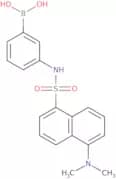
CAS:<p>4-Chloro-3,5-dinitrobenzoic acid is a redox potential chemical that has been shown to be reactive in the presence of nucleophiles. The toxicological studies on this chemical have focused on its hemolytic activity and conformational properties. 4-Chloro-3,5-dinitrobenzoic acid is a molecule with neutral ph and can react with lysine residues in proteins, which may lead to the release of caproic acid and nitrite ions. This chemical also has protease activity and can undergo transfer reactions with other molecules.</p>Formula:C7H3ClN2O6Purity:Min. 90%Color and Shape:PowderMolecular weight:246.56 g/mol3-Dansylaminophenylboronic acid
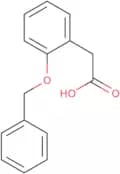
CAS:<p>3-Dansylaminophenylboronic acid is a boronic acid that forms reversible covalent bonds with dopamine. It can be used in the diagnosis of cancer, as it binds to histone lysine and magnetic particles. The fluorescence resonance of 3-Dansylaminophenylboronic acid can also be used in the diagnosis of cancer, as it produces a strong signal. This compound has been shown to have homogeneous assays for the detection of dopamine and lipoprotein lipase in urine samples. 3-Dansylaminophenylboronic acid has also been found to be effective against cancer cells in culture, although it is not active against polysialic-expressing cells.</p>Formula:C18H19BN2O4SPurity:Min. 95%Color and Shape:PowderMolecular weight:370.23 g/mol(2-Benzyloxyphenyl)acetic acid
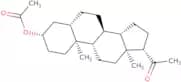
CAS:<p>2-Benzyloxyphenylacetic acid is a phenolic compound that has been shown to be an inhibitor of the enzyme borohydride reductase. The model studies on 2-benzyloxyphenylacetic acid were conducted in acidic and alkaline environments. The presence of buffers and other biomolecules did not affect the inhibition. 2-Benzyloxyphenylacetic acid was also found to be selective for the borohydride reductase enzyme, inhibiting it more than any other tested enzyme. This compound has been shown to inhibit the oxidation of dienones by 2-hydroxyphenylacetic acid, which may have implications in pharmaceutical applications.</p>Formula:C15H14O3Purity:Min. 95%Color and Shape:PowderMolecular weight:242.27 g/mol5α-Pregnan-3β-ol-20-one 3β-acetate
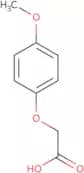
CAS:Controlled Product<p>5α-Pregnan-3β-ol-20-one 3β-acetate is a synthetic steroid that is used to treat various neurological disorders, including dystonias, depression, and dyskinesias. It is an agonist of the GABA receptor and has been shown to have antidepressant effects in hamsters. 5α-Pregnan-3β-ol-20-one 3β-acetate has also been shown to have antiaggressive effects in mice and to decrease hormone levels in animals. The drug has been found to be safe for use in humans and does not affect fertility. 5α-Pregnan-3β-ol-20-one 3βacetate has been shown to be effective only when administered at high doses, which may be due to its poor oral bioavailability.</p>Formula:C23H36O3Purity:Min. 95%Color and Shape:White PowderMolecular weight:360.53 g/mol4-Methoxyphenoxyacetic acid
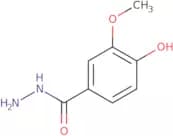
CAS:<p>4-Methoxyphenoxyacetic acid is a chemical compound with molecular formula C10H12O4. It is an alpha-hydroxy acid and is also known as 4-methoxybenzoic acid. 4-Methoxyphenoxyacetic acid has been shown to have reactive properties and can be used as a reagent in organic synthesis. A molecular modeling study of 4-methoxyphenoxyacetic acid has revealed that it could form hydrogen bonding interactions with the hydroxyl group of coumarin derivatives, which may lead to irreversible oxidation reactions. The human serum contains high affinity binding sites for this chemical compound, which is detected by the mefexamide test.</p>Formula:C9H10O4Purity:Min. 95%Color and Shape:PowderMolecular weight:182.17 g/molVanillic acid hydrazide
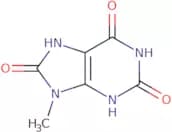
CAS:<p>Vanillic acid hydrazide is a multinuclear compound with condensation products. It has been shown to have antibacterial, anticancer and skeleton-related properties. Vanillic acid hydrazide is able to bind to the 4-hydroxybenzoic acid and introduce it into the cell in order to inhibit the synthesis of fatty acids. This compound also inhibits the growth of cancer cells by preventing their proliferation and proliferation by binding to DNA. Vanillic acid hydrazide may also bind to fatty acids on cell membranes, which would lead to a decrease in membrane fluidity and increase in membrane permeability, leading to cell death.</p>Formula:C8H10N2O3Purity:Min. 95%Color and Shape:PowderMolecular weight:182.18 g/mol9-Methyluric acid
CAS:Controlled Product<p>9-Methyluric acid is a purine derivative that is used as a diagnostic agent in clinical chemistry. The oxidation of methylxanthines by lipid peroxides produces 9-methyluric acid. This reaction can be detected using chromatographic methods, and the amount of 9-methyluric acid present can be quantified electrochemically. It has been shown that flavus bacteria produce methyluric acid when they are grown on agar plates containing methanol. The pH optimum for 9-methyluric acid production is pH 8.5, and it has been shown that the electrochemical method is sensitive to protonation.</p>Formula:C6H6N4O3Purity:Min. 95%Color and Shape:PowderMolecular weight:182.14 g/mol9-cis-Retinol acetate
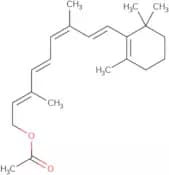
CAS:<p>9-cis-Retinol acetate is a synthetic retinoid that has been shown to have antioxidant properties. It prevents the oxidation of lipids, proteins and DNA by inhibiting the activity of enzymes such as cyclooxygenase and lipoxygenase, which are responsible for generating reactive oxygen species. 9-cis-Retinol acetate also increases glutathione levels, which scavenges reactive oxygen species. 9-cis-Retinol acetate can be used to treat oxidative injury in different tissues such as the skin, liver, bowel, lung and eye. 9-cis-Retinol acetate can be used in low doses to prevent oxidative injury in the human fetus during pregnancy or in high doses to treat oxidant injuries caused by radiation exposure or chemotherapy.</p>Formula:C22H32O2Purity:Min. 95%Color and Shape:Pale yellow oil.Molecular weight:328.49 g/molBenzophenone-3-carboxylic acid
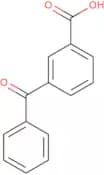
CAS:<p>Benzophenone-3-carboxylic acid is a chemical compound that is used in the production of polymeric photoinitiators. It has been shown to have an absorption maximum at 350 nm and to convert to benzophenone-3-carboxylic acid upon exposure to ultraviolet light. Benzophenone-3-carboxylic acid can also be reduced by trifluoroacetic acid or carbonyl compounds such as hippuric acid, forming benzophenone-3 and fatty acids. The use of benzophenone-3-carboxylic acid in polymeric photoinitiators has been shown to reduce the emission of volatile organic compounds (VOCs) from coatings.</p>Formula:C14H10O3Purity:Min. 95%Molecular weight:226.23 g/mol(2,4,6-Trimethoxyphenyl)acetic acid
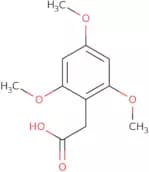
CAS:<p>(2,4,6-Trimethoxyphenyl)acetic acid is a fine chemical that can be used as a versatile building block in the synthesis of other compounds. It is also a useful intermediate for research chemicals and reaction components. (2,4,6-Trimethoxyphenyl)acetic acid is used to synthesize speciality chemicals such as polymers and pharmaceuticals. It is also an important reagent in organic synthesis. This compound has been shown to have high quality and can be used as an additive in paints and coatings.</p>Formula:C11H14O5Purity:Min. 95%Color and Shape:PowderMolecular weight:226.23 g/mol1,4-Dihydro-2,6-dimethyl-4-(3-nitrophenyl)-3,5-pyridinedicarboxylic acid 3-(2-cyanoethyl) 5-methyl ester
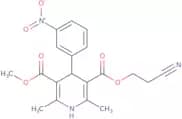
CAS:<p>1,4-Dihydro-2,6-dimethyl-4-(3-nitrophenyl)-3,5-pyridinedicarboxylic acid 3-(2-cyanoethyl) 5-methyl ester is a chemical compound that has the CAS number 75130-24-4. It is a white powder with a melting point of 144°C. This chemical is soluble in acetone, ether and chloroform. It can be used as a building block for organic synthesis due to its versatility and useful scaffold.</p>Formula:C19H19N3O6Purity:Min. 95%Color and Shape:White to yellow solid.Molecular weight:385.37 g/mol5-Ethylindole-2-carboxylic acid
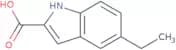
CAS:<p>5-Ethylindole-2-carboxylic acid is an organic compound that is a decarboxylation product of indole. It can be obtained by catalytic dehydrogenation of ethyl ester or 5-ethylindole-2-carboxylic acid. It has been shown to inhibit the growth of bacteria and fungi, as well as to have anti-inflammatory properties.</p>Formula:C11H11NO2Purity:Min. 95%Molecular weight:189.21 g/mol3-Aminophthalic acid hydrochloride
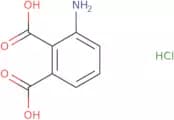
CAS:<p>3-Aminophthalic acid hydrochloride is a diazonium salt that emits light when it reacts with chloride. This compound has been shown to be photophysically active in the presence of human serum, tumor tissue, and micelles. 3-Aminophthalic acid hydrochloride has also been found to be cytotoxic in a number of cancer models. It may also cause death by chemiexcitation of tissues. Furthermore, 3-aminophthalate and acetyl derivatives have shown anticancer activity.</p>Formula:C8H7NO4HClPurity:80%Color and Shape:PowderMolecular weight:217.61 g/molRoburic acid
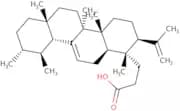
CAS:<p>Roburic acid is a monocarboxylic acid that is found in the Indian spice Curcuma aromatica. It has been shown to inhibit curcuma aromatica-induced inflammation by inhibition of COX-2, as well as other inflammatory diseases. The most common technique used to identify roburic acid is a chromatographic technique with different solvents and detection by UV light. Roburic acid has also been shown to inhibit the synthesis of prostaglandin E2 (PGE2) in cells, which may be due to its ability to cause cell lysis. There are no toxicity profiles for roburic acid because it does not have significant effects on animal models.</p>Formula:C30H48O2Purity:Min. 98 Area-%Color and Shape:PowderMolecular weight:440.7 g/mol3,5-Dimethylpyrrole-2,4-dicarboxylic acid 2-t-butyl ester-4-ethyl ester
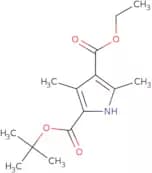
CAS:<p>3,5-Dimethylpyrrole-2,4-dicarboxylic acid 2-t-butyl ester-4-ethyl ester is a fine chemical that is used as a versatile building block and intermediate for the synthesis of complex compounds. 3,5-Dimethylpyrrole-2,4-dicarboxylic acid 2-t-butyl ester-4-ethyl ester reacts with various reagents to form new scaffolds and building blocks. This compound has CAS No. 86770-31 -2.</p>Formula:C14H21NO4Purity:Min. 95%Color and Shape:PowderMolecular weight:267.32 g/molL-Dihydroorotic acid
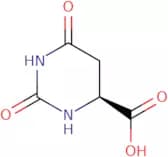
CAS:<p>L-Dihydroorotic acid is a natural compound that can be found in plants, animals and humans. It has been shown to have an important role in mitochondrial functions, as it is involved in the synthesis of NADH and ATP. L-Dihydroorotic acid can also be used as a substrate for enzymatic reactions, such as dehydrogenase or dihydroorotate dehydrogenase. The rate constants for these reactions are high, which makes L-dihydroorotic acid a good model system for studying biochemical properties. L-dihydroorotic acid also inhibits cyclin D2/CDK4 protein kinases.</p>Formula:C5H6N2O4Purity:Min. 95%Color and Shape:White PowderMolecular weight:158.11 g/molOrsellinic acid
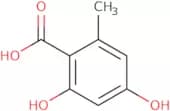
CAS:<p>Orsellinic acid is a polyketide compound that is produced by the fungus Orsella. The thermal expansion of orsellinic acid has been studied by measuring the volume change of a sample with increasing temperature. Gyrophoric acid, cannabigerovarinic acid, and usnic acid are also found in orsellinic acid. Acetate extract is used to isolate and purify orsellinic acid from other components in the fungus. Malonic acid is a chemical precursor used in the synthesis process to produce orsellinic acid. Biological properties of orsellinic acids have been studied using a variety of methods including h3 acetylation, biochemical properties, and pharmacological agents such as model systems and receptor activity. A wild-type strain of yeast was selected for this study because it has an intact ribosome and can produce proteins necessary for cell growth. Kinetic data was obtained using UV-visible spectroscopy to measure the rate at which orsellinic acid reacts with</p>Formula:C8H8O4Purity:Min. 95%Color and Shape:White PowderMolecular weight:168.15 g/molEthyl chloroacetate
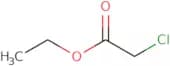
CAS:<p>Used in the preparation of 5-member heterocycles</p>Formula:C4H7ClO2Purity:Min. 95%Color and Shape:Colorless Clear LiquidMolecular weight:122.55 g/molMethyl 4-hydroxyphenylacetate
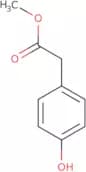
CAS:<p>Methyl 4-hydroxyphenylacetate is a trifluoroacetic acid derivative that can be synthesized from the reaction of acetyl chloride and phenol. The polymerase chain reaction was used to amplify the c. glabrata gene sequence, which led to the identification of two new coumarin derivatives, 3-hydroxycoumarin and 4-hydroxycoumarin. The synthesis of Methyl 4-hydroxyphenylacetate has been shown to induce apoptosis in breast cancer cells by activating a cb2 receptor in T47D cells. This compound also has an acidic nature and is not stable at high temperatures or in basic solutions such as hydrochloric acid.</p>Formula:C9H10O3Purity:Min. 95%Color and Shape:PowderMolecular weight:166.17 g/mol4-Hydroxy-2-methylcinnamic acid
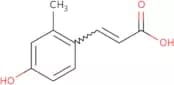
CAS:<p>4-Hydroxy-2-methylcinnamic acid is a chemical intermediate that can be used in organic synthesis as a building block or reagent. It has been shown to have a high quality and purity, and is also an excellent reaction component. This compound is used as a speciality chemical, versatile building block, and complex compound. 4-Hydroxy-2-methylcinnamic acid has been used in the production of drugs such as amiodarone, sotalol, and tacrolimus. It can also be used in the production of other fine chemicals such as benzaldehyde, cinnamyl alcohol, cinnamaldehyde, and hydroxyacetophenone.</p>Formula:C10H10O3Purity:Min. 95%Color and Shape:PowderMolecular weight:178.18 g/mol4-(Acetylamino)-3-chlorobenzoic acid
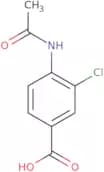
CAS:<p>4-(Acetylamino)-3-chlorobenzoic acid is a fine chemical that can be used as a building block in research, as a reagent in the synthesis of complex compounds, or as an intermediate for the synthesis of versatile scaffolds. This compound has been shown to be an effective starting material for the preparation of 4-aminomethylbenzoic acid derivatives. It is soluble in water and has a melting point of 215°C.</p>Formula:C9H8ClNO3Purity:Min. 95%Color and Shape:Pale brown solid.Molecular weight:213.62 g/molGypsogenic acid
CAS:Controlled Product<p>Gypsogenic acid is a triterpenoid saponin that is found in the leaves of the plant Gypsophila paniculata. It has been shown to have hemolytic activity and protein synthesis inhibition. This compound is membrane permeable, which makes it an effective antibacterial agent. Gypsogenic acid also has anticancer properties, as it inhibits tumor growth and induces apoptosis in cancer cells. The chemical structure of gypsogenic acid consists of a sugar backbone with a fatty acid tail at one end. The glycosidic bond between the sugar and the fatty acid renders this compound soluble in water, which accounts for its hemolytic activity.</p>Formula:C30H46O5Purity:Min. 95%Color and Shape:PowderMolecular weight:486.68 g/mol3,4-Dihydroxybenzoic acid methyl ester
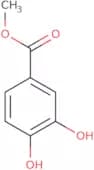
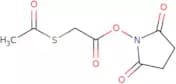
CAS:<p>3,4-Dihydroxybenzoic acid methyl ester is a natural compound that has been isolated from Linteus. This compound has been shown to have antiinflammatory activity and to inhibit the production of pro-inflammatory cytokines, such as tumor necrosis factor-alpha (TNF-α) and interleukin 1β (IL-1β). It also inhibits toll-like receptor 4 (TLR4), which is a protein that can bind to lipopolysaccharides on the surface of bacteria. 3,4-Dihydroxybenzoic acid methyl ester has been found to decrease mitochondrial membrane potential in cells treated with hydrogen fluoride. This agent is used in organic synthesis for the preparation of derivatives with high purity. The extract from Etoac can be used as a model organism for the study of its structure and function.</p>Formula:C8H8O4Purity:Min. 95%Color and Shape:PowderMolecular weight:168.15 g/molN-Succinimidyl-S-acetylthioacetate
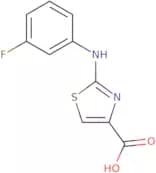
CAS:<p>N-Succinimidyl-S-acetylthioacetate is an acetylating agent that has a reactive group, which is the succinimidyl ester. The chain reaction of this agent with thiols leads to the formation of acetic acid and a thioester. The reactivity of these molecules can be used to introduce functional groups onto proteins, such as polyclonal antibodies, b16 mouse melanoma cells, epidermal growth factor, and blood group antigens. N-Succinimidyl-S-acetylthioacetate reacts with lysine residues on the protein surface and human serum albumin by incorporating acetate groups into their amino acid chains. This agent can also be used in laboratory diagnosis for identifying bacteria and viruses.</p>Formula:C8H9NO5SPurity:Min. 95%Color and Shape:White PowderMolecular weight:231.23 g/mol2-((3-Fluorophenyl)amino)-1,3-thiazole-4-carboxylic acid
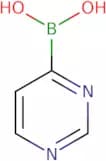
CAS:<p>Please enquire for more information about 2-((3-Fluorophenyl)amino)-1,3-thiazole-4-carboxylic acid including the price, delivery time and more detailed product information at the technical inquiry form on this page</p>Formula:C10H7FN2O2SPurity:Min. 95%Color and Shape:PowderMolecular weight:238.24 g/molPyrimidine-4-boronic acid
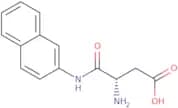
CAS:<p>Pyrimidine-4-boronic acid is a pyrimidine derivative that is used as a building block or intermediate in organic chemistry. It has the CAS number 852362-24-4 and can be found in research chemicals and speciality chemicals. Pyrimidine-4-boronic acid is a versatile chemical with many uses, including as a reaction component or reagent. This compound has many properties that make it useful for synthesis, such as its low toxicity and high quality.</p>Formula:C4H5BN2O2Purity:Min. 95 Area-%Color and Shape:PowderMolecular weight:123.91 g/molL-Aspartic acid β-naphthylamide
CAS:<p>L-Aspartic acid beta-naphthylamide is a dietary amino acid that is metabolized to oxaloacetate in the liver. This metabolite is then converted to aspartate and glutamate, which are both important for brain functions. L-Aspartic acid beta-naphthylamide has been shown to have regulatory effects on peptide hormones, such as inhibiting the synthesis of angiotensin II and vasopressin in rats. L-Aspartic acid beta-naphthylamide also has anti-cancer properties, which may be due to its ability to inhibit the growth of cancer cells by hydrolyzing proteins and enzymes involved in fatty acid synthesis.</p>Formula:C14H14N2O3Purity:Min. 95%Molecular weight:258.27 g/mol3,4-Diethoxybenzoic acid
CAS:<p>3,4-Diethoxybenzoic acid is a phenolic compound that has potent antitumor activity. It inhibits the growth of tumor cells by inhibiting DNA synthesis and protein synthesis in the cell. 3,4-Diethoxybenzoic acid also inhibits the production of enzymes such as pepsin, lipase, and amylase that are important for digestion. It has been shown to be an effective antifungal agent in vitro against Candida albicans and Saccharomyces cerevisiae. 3,4-Diethoxybenzoic acid may also have a role in the prevention of dental caries due to its inhibitory effects on bacterial plaque formation.</p>Formula:C11H14O4Purity:Min. 95%Color and Shape:Clear LiquidMolecular weight:210.23 g/molDL-3,4-Dihydroxymandelic acid
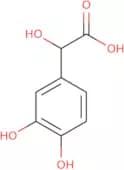
CAS:<p>DL-3,4-Dihydroxymandelic Acid is a biologically active compound that is found in the human body and has been used as a drug for the treatment of cardiac arrhythmias. It is also an intermediate in the biosynthesis of the neurotransmitter dopamine. DL-3,4-Dihydroxymandelic Acid has been shown to decrease enzyme activity in hl-60 cells and was found to be an inhibitor of acetate extract from coli K-12. The reaction mechanism for this compound has not yet been fully elucidated. DL-3,4-Dihydroxymandelic Acid is generally considered to have a physiological function in regulating systolic pressure.</p>Formula:C8H8O5Purity:Min. 95%Color and Shape:White To Yellow SolidMolecular weight:184.15 g/mol(1-Isopropylpiperidin-4-yl)acetic acid
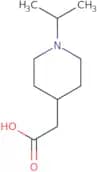
CAS:<p>(1-Isopropylpiperidin-4-yl)acetic acid is a fine chemical that has a versatile scaffold and can be used as a building block in the synthesis of complex compounds. It is also useful as a reaction component or reagent in the synthesis of new speciality chemicals. This chemical is available in high quality and purity grades.</p>Formula:C10H19NO2Purity:Min. 95%Color and Shape:PowderMolecular weight:185.26 g/mol4-tert-Butylcalix[4]arene - contains 12% residual solvent (ethyl acetate and acetonitrile)
CAS:<p>4-tert-Butylcalix[4]arene is a polymorphic compound with transport properties. It has been shown to have an activation energy of ˜30 kcal/mol, and can be characterized by its nmr spectra. The molecule can be found in n-hexane and zirconium. 4-tert-Butylcalix[4]arene is a coordination complex with a transfer mechanism that contains chloride or metal ion. It forms an acid complex with thermally stable molecules.</p>Formula:C44H56O4Purity:Min. 95%Color and Shape:PowderMolecular weight:648.91 g/mol(Des-Gly10,D-Ser4,D-Leu6,Pro-NHEt 9)-LHRH trifluoroacetate
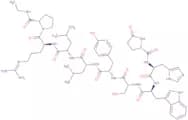
CAS:<p>Please enquire for more information about (Des-Gly10,D-Ser4,D-Leu6,Pro-NHEt 9)-LHRH trifluoroacetate including the price, delivery time and more detailed product information at the technical inquiry form on this page</p>Formula:C59H84N16O12•(C2HF3O2)xPurity:Min. 98 Area-%Color and Shape:PowderMolecular weight:1,209.4 g/mol4-n-Butoxyphenylacetic acid butyl ester
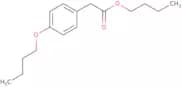
CAS:<p>4-n-Butoxyphenylacetic acid butyl ester is a chemical reagent that has been studied extensively as a useful intermediate in organic synthesis. It is of high purity and quality, and can be used for many applications.</p>Formula:C16H24O3Purity:80%Color and Shape:PowderMolecular weight:264.36 g/molSmac-N7 Peptide trifluoroacetate salt
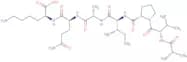
CAS:<p>Smac-N7 is a peptide that binds to the mitochondrial pathway of apoptosis and inhibits the activation of caspase-3. This peptide has been shown to inhibit the death ligand, which would normally trigger the release of cytochrome c from mitochondria and activate other caspases. In addition, Smac-N7 has been shown to induce cleavage activity in cells. It also prevents the protein survivin from binding to cellular receptors, which may be responsible for its ability to inhibit cell proliferation.</p>Formula:C33H59N9O9Purity:Min. 95%Molecular weight:725.88 g/molBenzohydroxamic acid potassium
CAS:<p>Benzohydroxamic acid potassium salt is an organic compound that is soluble in water, but insoluble in organic solvents. It has a molecular weight of 134.2, and its chemical formula is C7H6N4O3K. It can react with acid solutions to form hydroxamic acids (e.g., benzohydroxamic acid). The nmr spectra of these compounds have been shown to be sensitive to the presence of molybdenum or other metal ions. Benzohydroxamic acid potassium salt can be synthesized by reacting hydrochloric acid with zirconium tetrachloride and carbon tetrachloride in the presence of ethyl bromoacetate. This reaction produces insoluble benzohydroxamic acid potassium salt together with ethyl bromoacetate as a byproduct.<br>Molecular weight: 134.2<br>Chemical formula: C7H6N4O3K<br>Soluble</p>Formula:C7H7NO2•KPurity:Min. 95%Color and Shape:PowderMolecular weight:176.23 g/molα-Mating Factor acetate salt
CAS:<p>Alpha-Mating Factor acetate salt is a complex compound that is a useful intermediate, building block, and reaction component. Alpha-Mating Factor acetate salt has been shown to be a useful scaffold for the synthesis of other compounds. It can also be used as a reagent in research or as a speciality chemical. Alpha-Mating Factor acetate salt is soluble in water and most organic solvents, making it versatile in its applications.</p>Formula:C82H114N20O17S·xC2H4O2Purity:Min. 95%Color and Shape:PowderMolecular weight:1,683.97 g/moltrans-2,3,4-Trimethoxycinnamic acid
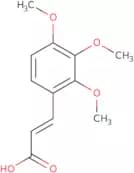
CAS:<p>Trans-2,3,4-trimethoxycinnamic acid is a bioactive chemical that has been shown to have significant antioxidant activity. This compound is a hydrogen peroxide scavenger and can be used in devices to remove hydrogen peroxide from water. Trans-2,3,4-trimethoxycinnamic acid has also been shown to inhibit the production of campesterol and paromomycin in bacteria. Furfural is an inhibitor of trans-2,3,4-trimethoxycinnamic acid and its oxidation products. Trans-2,3,4-trimethoxycinnamic acid can be oxidised by furfural to produce glycerin and formic acid. It also inhibits the formation rate of amides from cinnamyl alcohol.</p>Formula:C12H14O5Purity:Min. 98 Area-%Color and Shape:PowderMolecular weight:238.24 g/molN-Acetyl-L-aspartic acid
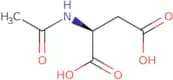
CAS:<p>N-Acetyl-L-aspartic acid is a molecule that has been shown to be a potential biomarker for neuronal death, with activity index levels inversely correlating with the number of granule neurons. The chemical stability of N-acetyl-L-aspartic acid was tested using various in vitro methods and found to be stable at a wide range of pHs and temperatures. This compound has also been shown to have a role in brain function, axonal growth, and metabolic disorders. This compound is found naturally in vivo in humans.</p>Formula:C6H9NO5Color and Shape:White PowderMolecular weight:175.14 g/mol2,3,5-Trichlorobenzoic acid
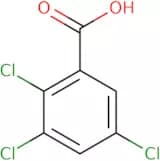
CAS:<p>2,3,5-Trichlorobenzoic acid is a chemical compound that can be synthesized from phenacyl chloride and phthalic anhydride. The synthesis of 2,3,5-trichlorobenzoic acid is accomplished in two steps. First, the phenacyl chloride and ammonium sulfate are mixed together at a temperature of about 100°C for about 12 hours to produce 2-chloro-4-(phenylazo)benzene-1,3-diol (2). This product is then mixed with phthalic anhydride at a temperature of about 150°C for about 6 hours to produce 2,3,5-trichlorobenzoic acid (1). The synthesis of this compound has been shown to be thermophilic and reactive. It has also been shown to have single crystal x-ray diffraction properties.</p>Formula:C7H3Cl3O2Purity:Min. 95%Color and Shape:White PowderMolecular weight:225.46 g/molMethyl(triphenylphosphoranylidene)acetate
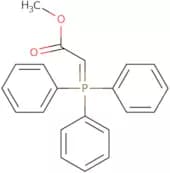
CAS:<p>Methyl(triphenylphosphoranylidene)acetate is a bicyclic heterocycle with an amino acid sequence that has been determined by x-ray diffraction data. This compound has shown to be an inhibitor of the enzyme glutathione reductase, which converts oxidized glutathione (GSSG) back to the reduced form (GSH). Methyl(triphenylphosphoranylidene)acetate also inhibits other enzymes such as cytochrome p450 and mycobacterium tuberculosis esterases. The reaction mechanism for methyl(triphenylphosphoranylidene)acetate is not yet known but it may involve the formation of an intramolecular hydrogen bond between the NH group and the oxygen atom on C3. This compound has been shown to have anticancer properties in hl-60 cells, which is consistent with its ability to inhibit prostaglandin synthesis. It also has antioxidant properties due</p>Formula:C21H19O2PPurity:Min. 98 Area-%Color and Shape:White Off-White PowderMolecular weight:334.35 g/mol3-Bromocinnamic acid
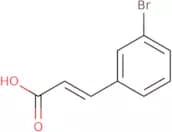
CAS:<p>3-Bromocinnamic acid is a long-term treatment that inhibits the adenosine receptor, which is an important component of the central nervous system. It has been shown to have biological properties such as cell growth inhibition, depressant effect, and inhibitory effects on HIV replication. 3-Bromocinnamic acid also inhibits the action of sodium salts in vitro and in vivo, suggesting that this drug may be useful for the treatment of epilepsy. 3-Bromocinnamic acid can be used to study the mechanisms by which sirt1 inhibitors act as anticancer drugs. In addition, 3-bromocinnamic acid has been shown to have therapeutic potential for treating Alzheimer's disease and Parkinson's disease.</p>Formula:C9H7BrO2Purity:Min. 95%Color and Shape:PowderMolecular weight:227.05 g/molPhenyl acetate
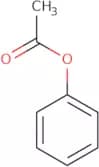
CAS:<p>Phenyl acetate is a phenol compound that has been shown to inhibit the growth of cancer cells in vitro and in vivo. Phenyl acetate was found to be more potent than benzoate at inhibiting the growth of malignant brain cells. It also inhibits prostaglandin synthesis by binding with basic proteins, which prevents the release of prostaglandin J2. This activity suggests that phenyl acetate may be useful in treating cancer, as well as inflammatory disorders such as arthritis and asthma. The structural analysis of phenyl acetate reveals that it has an intermolecular hydrogen bond between two phenyl groups, which is responsible for its antifungal activity.</p>Formula:C8H8O2Purity:Min. 98%Color and Shape:Clear LiquidMolecular weight:136.15 g/mol[(8S,10S,11S,13S,14S,16S)-9-Fluoro-11-Hydroxy-10,13,16-Trimethyl-17-Methylsulfanylcarbonyl-3-Oxo-6,7,8,11,12,14,15,16-Octahydrocyclo penta[a]Phenanthren-17-Yl] Acetate
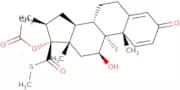
CAS:Controlled Product<p>(8S,10S,11S,13S,14S,16S)-9-Fluoro-11-Hydroxy-10,13,16-Trimethyl-17-Methylsulfanylcarbonyl-3-Oxo-6,7,8,11,12,14,15,16-Octahydrocyclo penta[a]Phenanthren-17-Yl) Acetate is a fatty acid ester that is used as a pharmaceutical preparation. It has been shown to be an effective treatment for the muscle wasting disease myotonic dystrophy and has been approved by the FDA. (8S,10S,11S,13S,14S,, 16 S)-9 - Fluoro - 11 - Hydroxy - 10 , 13 , 16 - Trimethyl - 17 - Methylsulfanylcarbonyl - 3 - Oxo - 6 , 7 , 8 , 11</p>Formula:C24H31FO5SPurity:Min. 95%Molecular weight:450.56 g/molDiethylenetriaminepentaacetic acid dianhydride
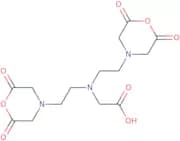
CAS:<p>Diethylenetriaminepentaacetic acid dianhydride (DTPA) is a gadolinium chelate that can be used as a contrast agent. DTPA has been shown to have high affinity for the integrin receptor, which is expressed on the surface of many human cancer cells. This property makes DTPA an effective diagnostic tool for imaging and detecting tumor cells in vivo. DTPA is also useful for diagnosing myeloma cell lines and mouse tumors, due to its ability to bind to metal ions such as iron or copper.</p>Formula:C14H19N3O8Purity:Min. 95%Color and Shape:PowderMolecular weight:357.32 g/molS-Methyl-L-thiocitrulline acetate salt
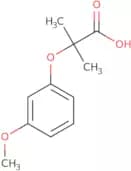
CAS:Controlled Product<p>S-Methyl-L-thiocitrulline acetate salt (SMTSA) is an inhibitor of the enzyme cyclase that inhibits the production of 5-hydroxytryptamine (5-HT) in the gastrointestinal tract. SMTSA has been shown to reduce 5-HT concentrations in mesenteric vessels and inhibit the physiological effects of 5-HT in rats. This drug also inhibits dopamine release from synaptosomes, which may be due to its ability to act as a competitive inhibitor of ester hydrochloride, dinucleotide phosphate, and cyclase. In addition, this drug has been shown to have a cytotoxic effect on cardiac myocytes by causing calcium influx into the cytosol and inhibiting ryanodine receptor channels.</p>Formula:C7H15N3O2SPurity:Min. 95%Color and Shape:PowderMolecular weight:205.28 g/mol2-(3-Methoxyphenoxy)-2-methylpropanoic acid
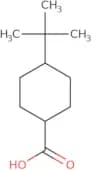
CAS:<p>2-(3-Methoxyphenoxy)-2-methylpropanoic acid is a reagent, useful intermediate and speciality chemical. It is a versatile building block for the synthesis of complex compounds. This product has CAS No. 140239-94-7, which is a fine chemical with high quality. It is an essential reaction component for the preparation of many other valuable chemicals in the laboratory.</p>Formula:C11H14O4Purity:Min. 95%Color and Shape:PowderMolecular weight:210.23 g/mol4-tert-Butylcyclohexanecarboxylic acid
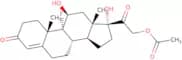
CAS:<p>4-tert-Butylcyclohexanecarboxylic acid is a monocarboxylic acid. It has been used as an analytical chemical for the estimation of naphthenic acids in petroleum oils. 4-tert-Butylcyclohexanecarboxylic acid has been identified as one of the major components of crude oil. The titration method is based on the formation of a complex with cyclopentylmethyl, which can be determined by measuring its UV absorption at 260 nm. This chemical can be used to synthesize 2-phenylbutyric acid, which is a useful carbon source for microorganisms that produce biodegradable plastics and other materials. The synthesis of this chemical starts with a strain of bacteria that converts monoacetic acid into 2-phenylbutyric acid. The mechanistic pathway involves stereoisomers and aldehydes.</p>Formula:C11H20O2Purity:Min. 95%Color and Shape:PowderMolecular weight:184.28 g/molFludrocortisone acetate
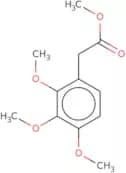
CAS:Controlled Product<p>Fludrocortisone acetate is a corticosteroid hormone used in the treatment of a number of diseases, including infectious diseases. Fludrocortisone acetate can be administered orally or by injection. It is also used to treat bowel disease and as an aid to diagnose subarachnoid hemorrhage. The matrix effect of fludrocortisone acetate has been studied using human serum and polymerase chain reactions (PCR). Fludrocortisone acetate is stable at temperatures below its phase transition temperature, but it undergoes degradation at higher temperatures. This drug is not active against bacteria, fungi, viruses, or parasites.</p>Formula:C23H31FO6Purity:Min. 95%Color and Shape:PowderMolecular weight:422.49 g/molMethyl 2,3,4-trimethoxyphenyl acetate
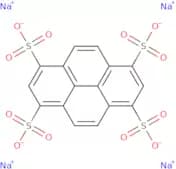
CAS:<p>Methyl 2,3,4-trimethoxyphenyl acetate is a high quality reagent that can be used to synthesize complex compounds. This compound is also useful as an intermediate in the synthesis of fine chemicals and useful scaffolds for chemical research. CAS No. 22480-88-2 Methyl 2,3,4-trimethoxyphenyl acetate is a versatile building block that can be used to synthesize other compounds with a wide range of applications.</p>Formula:C12H16O5Purity:Min. 95%Color and Shape:PowderMolecular weight:240.25 g/mol1,3,6,8-Pyrenetetrasulfonic acid tetrasodium salt - powder
CAS:<p>1,3,6,8-Pyrenetetrasulfonic acid tetrasodium salt is a fluorescent dye that belongs to the group of hydroxide salts. It has been shown to have an absorption maximum at 524 nm and emission maximum at 585 nm. The molecule has a constant pressure of 0.1 mmHg when dissolved in water. 1,3,6,8-Pyrenetetrasulfonic acid tetrasodium salt is soluble in water and hydrochloric acid and has been used as a microcapsule encapsulation agent for copper complexes. This substance also absorbs light due to its dipole moment and can be used as a control experiment for other substances with different optical properties.</p>Formula:C16H6Na4O12S4Purity:Min. 97 Area-%Color and Shape:PowderMolecular weight:610.43 g/molLY2112688 trifluoroacetate
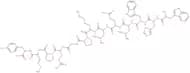
CAS:<p>Please enquire for more information about LY2112688 trifluoroacetate including the price, delivery time and more detailed product information at the technical inquiry form on this page</p>Formula:C51H70N18O11S2•(C2HF3O2)xPurity:Min. 95%Color and Shape:PowderMolecular weight:1,175.35 g/molGanoderic acid B
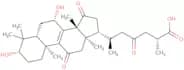
CAS:Controlled Product<p>Ganoderic acid B is a fatty acid that can be extracted from the mushroom Ganoderma lucidum. It has been shown to inhibit acetylcholinesterase and butyrylcholinesterase, which are enzymes involved in neurotransmission. This compound also inhibits the production of nitric oxide, prostaglandins, and leukotrienes by inhibiting the activation of phospholipases A2 and cyclooxygenases. In addition, it has been shown to have anti-inflammatory effects and may be used for the treatment of symptoms such as dry eye syndrome, lacrimal gland inflammation, or chronic asthma. Ganoderic acid B can be found in some dietary supplements or food products as an ingredient.</p>Formula:C30H44O7Purity:Min. 95%Color and Shape:White PowderMolecular weight:516.67 g/molBenzoic acid hydrazide
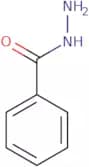
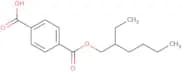
CAS:<p>Benzoic acid hydrazide is an antimicrobial agent that inhibits the growth of bacteria by binding to the active site of benzoyl-coenzyme A reductase, which is an enzyme involved in the biosynthesis of benzoate from benzoate semialdehyde. The optimum concentration for this compound is 1 mM. Benzoic acid hydrazide has been shown to inhibit bacterial growth in biological studies and x-ray crystal structures have been determined for this molecule. It also inhibits the growth of bacteria that are resistant to other types of antibiotics, such as ampicillin, erythromycin, and tetracycline. The mechanism of action for benzoic acid hydrazide appears to be due to its ability to form hydrogen bonding interactions with inhibitor molecules.</p>Formula:C7H8N2OPurity:Min. 95%Color and Shape:PowderMolecular weight:136.15 g/molMono(2-ethylhexyl) terephthalate
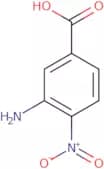
CAS:<p>Please enquire for more information about Mono(2-ethylhexyl) terephthalate including the price, delivery time and more detailed product information at the technical inquiry form on this page</p>Formula:C16H22O4Purity:Min. 95%Color and Shape:PowderMolecular weight:278.34 g/mol3-Amino-4-nitrobenzoic acid
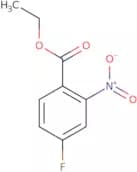
CAS:<p>3-Amino-4-nitrobenzoic acid is a synthetic compound, which has been shown to inhibit the activity of trypanothione reductase. This inhibition of the enzyme causes an increase in the level of intracellular trypanothione, which is then acetylated by ATP sulfurylase and converted to trypanothione. 3-Amino-4-nitrobenzoic acid is also a potent inhibitor of fxa, which is a coagulation factor necessary for blood clotting. The active site of 3-amino-4-nitrobenzoic acid contains two nitroarenes that are responsible for its antithrombotic properties.</p>Formula:C7H6N2O4Purity:Min. 95%Color and Shape:PowderMolecular weight:182.13 g/mol4-Fluoro-2-nitrobenzoic acid ethyl ester
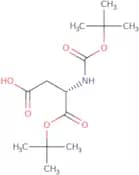
CAS:<p>4-Fluoro-2-nitrobenzoic acid ethyl ester is a fine chemical that can be used as a reagent, intermediate compound, building block, scaffold and building block for speciality chemicals. It has been shown to be an effective chemical in the synthesis of 4-fluoro-2-nitrobenzoic acid, which is a versatile building block with many potential applications. 4-Fluoro-2-nitrobenzoic acid ethyl ester is also useful in reactions involving amines and alcohols as well as metal catalyzed reactions. This product has CAS No. 1072207-10-3.</p>Formula:C9H8FNO4Purity:(%) Min. 85%Color and Shape:Clear LiquidMolecular weight:213.16 g/molN-tert-Boc-L-aspartic acid tert-butyl ester
CAS:<p>N-tert-Boc-L-aspartic acid tert-butyl ester is a chemical compound that is synthesized in the laboratory. It has been shown to have an insulinotropic effect on plasma samples and may be used in the treatment of cancer. The ring opening of N-tert-Boc-L-aspartic acid tert-butyl ester yields L-aspartic acid, which can be used for the synthesis of collagen or glycopeptide. This chemical is also found to stimulate T cells and has been shown to inhibit proliferation of cancer cells in vitro.</p>Formula:C13H23NO6Purity:Min. 95%Color and Shape:White PowderMolecular weight:289.32 g/molS,S'-Bis(a,a'-dimethyl-a''-acetic acid)trithiocarbonate
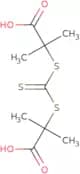
CAS:<p>Bis(trithiocarbonate)s are a group of compounds that are used as reagents, intermediates and building blocks in organic synthesis. They are also used for the preparation of certain pharmaceuticals. Bis(trithiocarbonate)s can be used as a versatile building block for chemical synthesis. It is also an intermediate in the synthesis of various pharmaceuticals, including but not limited to piroxicam and penicillin.</p>Formula:C9H14O4S3Purity:Min. 95 Area-%Color and Shape:Yellow PowderMolecular weight:282.4 g/mol3-Cyclohexylpropiolic acid
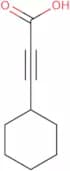
CAS:<p>3-Cyclohexylpropiolic acid is a chemical intermediate that is used in the production of other chemicals. It is a versatile building block with a wide range of reactions and applications. 3-Cyclohexylpropiolic acid has been used as a reagent and as a speciality chemical for research purposes. This compound has also been shown to be useful in the synthesis of complex compounds, such as pharmaceuticals, natural products, pesticides, and dyes. 3-Cyclohexylpropiolic acid can be used as a reaction component or intermediate for the synthesis of many different compounds.</p>Formula:C9H12O2Purity:Min. 95 Area-%Molecular weight:152.19 g/mol3-Acetylphenylboronic acid
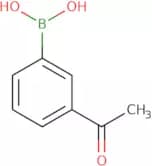
CAS:<p>3-Acetylphenylboronic acid is a functional group with an acetyl group substituted for the hydroxyl group of phenol. 3-Acetylphenylboronic acid has been shown to inhibit cholinesterase through competitive inhibition. It also binds to the endocannabinoid receptor CB1 and competes with anandamide, which is a natural ligand of this receptor. 3-Acetylphenylboronic acid may be used as a replacement for fatty acids in carbon nanotubes because it has the same basic structure but does not react with oxygen or other chemicals. 3-Acetylphenylboronic acid also reacts with metal ions such as copper and zinc, which may be due to its electron withdrawing ability.</p>Formula:C8H9BO3Purity:Min. 98 Area-%Color and Shape:White Slightly Yellow PowderMolecular weight:163.97 g/mol5-Methyltetrahydrofolic acid disodium salt
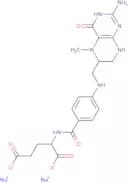
CAS:<p>5-Methyltetrahydrofolic acid disodium salt is a form of vitamin B9 that is produced by the body from 5,10-methylenetetrahydrofolate. It also can be obtained through the diet in foods such as milk, eggs, and leafy vegetables. This vitamin is necessary for many cellular processes, including amino acid metabolism. 5-Methyltetrahydrofolic acid disodium salt has been shown to have a significant effect on neuron cell growth and health. It has been shown to stimulate the enzyme activities of catecholamine-O-methyltransferase and dopamine beta hydroxylase in vitro. The effects were seen with both acidic and neutral pHs. 5-Methyltetrahydrofolic acid disodium salt has been found to be a selective inhibitor of receptor α (rho) uptake in Caco-2 cells at acidic pHs but not at neutral pHs. In addition</p>Formula:C20H23N7Na2O6Color and Shape:PowderMolecular weight:503.42 g/mol4-(N-Butoxy)phenyl acetic acid
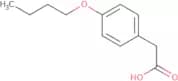
CAS:<p>4-(N-Butoxy)phenyl acetic acid is a hydroxamic acid that has been shown to be mutagenic in Salmonella typhimurium. 4-(N-Butoxy)phenyl acetic acid is a ligand that binds to the metal atom of the enzyme hydroxylamine, preventing it from binding to other compounds. This results in an increase in the production of hydroxylamine, which leads to DNA damage and cell death. 4-(N-Butoxy)phenyl acetic acid also has catalytic properties and can interact with chloride ions, due to its electronegativity.</p>Formula:C12H16O3Purity:Min. 98 Area-%Color and Shape:Off-White PowderMolecular weight:208.25 g/mol3,5-Dimethoxycinnamic acid
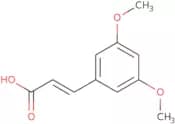
CAS:<p>3,5-Dimethoxycinnamic acid is a compound that belongs to the class of cinnamic acid derivatives. It is a synthetic substance obtained by demethylation of 3,5-dimethoxybenzoic acid. This substance has been shown to have an antifungal activity in vitro against filamentous fungi and many other microorganisms. The antimicrobial effect can be explained by the presence of functional groups such as hydroxyl and methoxyl on the aromatic ring. Hydroxide solution can be used as an analytical reagent for determining the formation rate of this compound.</p>Formula:C11H12O4Purity:Min. 95%Color and Shape:PowderMolecular weight:208.21 g/molDiethylene glycol diacetate
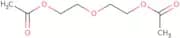
CAS:<p>Diethylene glycol diacetate is a coagulating agent that is used in the production of polyester fibers. It reacts with fatty acids and forms ester compounds, which are then polymerized and cross-linked to form a film. The acetylation of the hydroxyl group on the molecule provides an additional degree of polymerization, thereby increasing the molecular weight of the product. The reaction vessel used for this process is typically heated at a temperature between 180°C and 220°C to promote polymerization. This polymer film can be made into filaments by extruding it through a spinnerette or die head. The filament may be cut into small particles before being placed in a section, which is then processed as desired.</p>Formula:C8H14O5Purity:Min. 95%Color and Shape:Colorless Clear LiquidMolecular weight:190.19 g/molAcrylic acid - stabilised with MEHQ
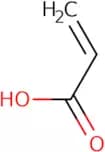
CAS:<p>Acrylic acid is a chemical compound that is naturally found in the environment. It is a colorless liquid with a pungent odor. Acrylic acid has been studied for its antimicrobial properties and has shown high activity against Aerobacter aerogenes. It also has been used as an intermediate in the manufacture of acrylic, acrylate, and methyl ethyl methacrylate. Acrylic acid has been used to produce glycol ethers and other chemicals, such as sodium carbonate and hydrogen bonding interactions. Acrylic acid can be manufactured using the industrial process of neutralization of trifluoroacetic acid with sodium carbonate or sodium hydroxide. The production process is highly dependent on the purity of starting materials, which can cause variations in product quality and chemical stability.</p>Formula:C3H4O2Purity:Min. 95%Color and Shape:PowderMolecular weight:72.06 g/mol








![4-tert-Butylcalix[4]arene - contains 12% residual solvent (ethyl acetate and acetonitrile)](/_next/image/?url=https%3A%2Fstatic.cymitquimica.com%2Fproducts%2F3D%2Fthumb-webp%2FFB59591.webp&w=3840&q=75)