Carboxylic Acids
Carboxylic acids are organic molecules characterized by having a carboxyl-type functional group (-COOH). These acids are fundamental in various chemical reactions, including esterification, amidation, and decarboxylation. Carboxylic acids are widely used in the production of pharmaceuticals, polymers, and agrochemicals. In this section, you can find a large number of carboxylic acids ready to be used. At CymitQuimica, we provide a broad range of high-quality carboxylic acids to support your research and industrial applications.
Found 12453 products of "Carboxylic Acids"
Sort by
Purity (%)
0
100
|
0
|
50
|
90
|
95
|
100
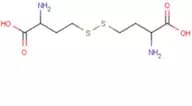
4,4'-Disulfanediylbis(2-aminobutanoic acid)
CAS:<p>4,4'-Disulfanediylbis(2-aminobutanoic acid) (DL-Homocystine) is one of the endogenous metabolites, is the double-bonded form of homocysteine.</p>Formula:C8H16N2O4S2Purity:99.96%Color and Shape:SolidMolecular weight:268.354-Acetamidobutanoic acid
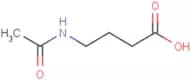
CAS:<p>4-Acetamidobutanoic acid, a GABA derivative in eukaryotes, found in blood, feces, urine, and human prostate.</p>Formula:C6H11NO3Purity:98.51%Color and Shape:SolidMolecular weight:145.16H-D-cis-Hyp-OH
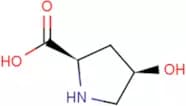
CAS:<p>H-D-cis-Hyp-OH (D-allo-Hydroxyproline) belongs to the class of organic compounds known as proline and derivatives.</p>Formula:C5H9NO3Purity:99.92%Color and Shape:White Crystalline PowderMolecular weight:131.13D-(-)-Lactic acid sodium
CAS:<p>Sodium D-lactate is a chiral organic acid, more common as L-isomer in organisms, and a microbial metabolite.</p>Formula:C3H5NaO3Purity:≥95%Color and Shape:SolidMolecular weight:112.06(S)-2-acetamido-4-amino-4-oxobutanoic acid
CAS:<p>(S)-2-acetamido-4-amino-4-oxobutanoic acid (Nα-Acetyl-L-asparagine), also known as acasn, is an endogenous metabolite.</p>Formula:C6H10N2O4Purity:99.73%Color and Shape:SolidMolecular weight:174.15Ac-Ala-OH
CAS:<p>Ac-Ala-OH is a substrate for multiple proteins, including G protein gamma-2, Myelin protein, Ran, Tropomyosin alpha 4, and others.</p>Formula:C5H9NO3Purity:97.03% - 99.77%Color and Shape:SolidMolecular weight:131.13(R)-5-Oxopyrrolidine-2-carboxylic acid
CAS:<p>(R)-5-Oxopyrrolidine-2-carboxylic acid (D-Pyroglutamic acid) is a cyclic derivative of glutamic acid, physiologically present in mammalian tissues.</p>Formula:C5H7NO3Purity:99.88%Color and Shape:SolidMolecular weight:129.112,6-Diaminoheptanedioic acid
CAS:<p>Diaminopimelic acid or DAPA is a lysine-like amino acid derivative that is a key component of the bacterial cell wall.</p>Formula:C7H14N2O4Purity:99.79% - 99.95%Color and Shape:SolidMolecular weight:190.2(R)-pyrrolidine-2-carboxylic acid
CAS:<p>D-Proline, (R)-pyrrolidine-2-carboxylic acid, is L-Proline's isomer, found in human plasma/saliva, possibly from bacteria or racemase activity.</p>Formula:C5H9NO2Purity:99.88%Color and Shape:Flat Needles From Alcohol + Ether; Prisms From Water SolidMolecular weight:115.13L-Allothreonine
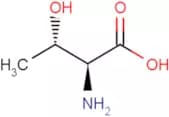
CAS:<p>L-Allothreonine (L-allo-Threonine) is an essential amino acid in humans. L-Allothreonine is abundant in human plasma, particularly in newborns.</p>Formula:C4H9NO3Purity:99.63%Color and Shape:SolidMolecular weight:119.12Methylmalonic acid
CAS:<p>Methylmalonic acid (Isosuccinic acid) is a dicarboxylic acid that can be derived from methylmalonyl-coenzyme A.</p>Formula:C4H6O4Purity:98%Color and Shape:SolidMolecular weight:118.09N-Acetyl-L-glutamic acid
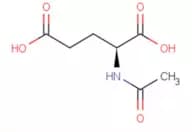
CAS:<p>NAcGlu, made from glutamic acid & acetyl-CoA by NAGS, activates urea cycle enzyme. NAGS deficiency causes Type I hyperammonemia.</p>Formula:C7H11NO5Purity:99.64% - 99.95%Color and Shape:SolidMolecular weight:189.17DL-O-Tyrosine
CAS:<p>DL-o-Tyrosine: metabolite of Phenylalanine, precursor to catecholamines, marker of protein damage in β-thalassemia.</p>Formula:C9H11NO3Purity:97.11% - 99.86%Color and Shape:SolidMolecular weight:181.19(S)-2-Hydroxy-3-phenylpropanoic acid
CAS:<p>(S)-2-Hydroxy-3-phenylpropanoic acid (L-(−)-3-Phenyllactic acid) is a chiral aromatic compound involved in phenylalanine metabolism.</p>Formula:C9H10O3Purity:99.73% - 99.86%Color and Shape:SolidMolecular weight:166.17Selenomethionine
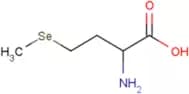
CAS:<p>DL-Selenomethionine (SeMet) is a selenium analog of methionine, substituting sulfur with selenium, and can replace methionine in proteins.</p>Formula:C5H11NO2SePurity:98% - 99.95%Color and Shape:Transparent Hexagonal Sheets Or Plates; Metallic Luster Of Crystals SolidMolecular weight:196.11Ammonium formate
CAS:<p>Ammonium formate disrupts metabolism, causes acidosis, inhibits electron transport and ATP production, leading to cell death and increased ROS.</p>Formula:CH5NO2Purity:≥95%Color and Shape:White Monoclinic Crystals Water (Uscg 1999)Molecular weight:63.06N-Acetyl-L-tyrosine
CAS:<p>N-Acetyl-L-tyrosine (Ac-Tyr-OH) evolves into tyrosine, aiding in catecholamine-based neurotransmitter therapy.</p>Formula:C11H13NO4Purity:99.4%Color and Shape:SolidMolecular weight:223.233,5-Diiodo-L-thyronine
CAS:<p>NSC 90469 (Diiodothyronine) is an iodinated thyronine hormone that regulates gene activity affecting processes such as homeostasis and insulin resistance.</p>Formula:C15H13I2NO4Purity:99.64%Color and Shape:Off-White SolidMolecular weight:525.08N-Acetyl-L-aspartic acid
CAS:<p>N-Acetyl-L-aspartic acid: second to glutamate in brain, from aspartate & acetyl CoA, roles in osmoregulation, lipid synthesis, and energy.</p>Formula:C6H9NO5Purity:99.52% - 99.79%Color and Shape:SolidMolecular weight:175.14Phenylacetylglutamine
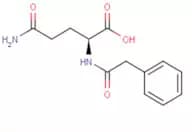
CAS:<p>Phenylacetylglutamine (NSC 203800)is a normal constituent of human urine, but other mammals such as the dog, cat, rat, and horse do not excrete this compound.</p>Formula:C13H16N2O4Purity:96.64% - 99.37%Color and Shape:SolidMolecular weight:264.28Aminoadipic acid
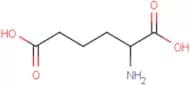
CAS:<p>Aminoadipic acid, a lysine metabolism intermediate, inhibits kynurenic acid production and antagonizes NMDA receptor activity.</p>Formula:C6H11NO4Purity:99.7% - 99.84%Color and Shape:SolidMolecular weight:161.16L-Homocitrulline
CAS:<p>L-Homocitrulline rises in urea cycle disorders, linked to ornithine shortage and carbamyl phosphate buildup.</p>Formula:C7H15N3O3Purity:99.94%Color and Shape:SolidMolecular weight:189.212,2-Dihydroxyacetic acid
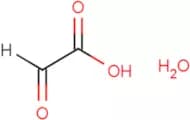
CAS:<p>2,2-Dihydroxyacetic acid (Formylformic acid) is an organic compound that is both an aldehyde and a carboxylic acid, is associated with primary hyperoxaluria.</p>Formula:C2H4O4Purity:99.25%Color and Shape:White To Light Yellow Crystalline PowderMolecular weight:92.05DL-Homocysteine
CAS:<p>DL-Homocysteine (2-Amino-4-mercaptobutyric acid) is a potential marker for tumor cell growth.</p>Formula:C4H9NO2SPurity:99.57% - ≥98%Color and Shape:SolidMolecular weight:135.18D-Isoleucine
CAS:<p>D-Isoleucine ((2R,3R)-2-Amino-3-methylpentanoic acid) is a selective activator of Asc-1 antiporter, which enhances long-term potentiation at the hippocampal CA1</p>Formula:C6H13NO2Purity:99.16%Color and Shape:White To Light Yellow PowderMolecular weight:131.17L-Homoserine
CAS:<p>L-Homoserine is a reactive serine variant with an extra CH2, forms a 5-membered ring, not in proteins, and is made after cyanogen bromide cleavage.</p>Formula:C4H9NO3Purity:99.77%Color and Shape:SolidMolecular weight:119.12Mesoxalate sodium (monohydrate)
CAS:<p>Mesoxalate sodium (monohydrate) is primarily located in the cytoplasm within the cell. Mesoxalic acid can be biosynthesized from malonic acid.</p>Formula:C3HNa2O6Purity:99.85%Color and Shape:SolidMolecular weight:180.02Acetyl-L-lysine
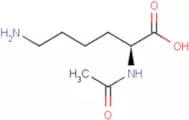
CAS:<p>Acetyl-L-lysine: N-acetylated amino acid, normally found in trace urine amounts, elevated in aminoacylase I deficiency.</p>Formula:C8H16N2O3Purity:99.40% - 99.83%Color and Shape:SolidMolecular weight:188.223-Amino-2-methylpropanoic acid
CAS:<p>3-Amino-2-methylpropanoic acid forms by enzyme EC 3.5.1.6 in pyrimidine breakdown; its deficiency causes neurological issues.</p>Formula:C4H9NO2Purity:99.43%Color and Shape:SolidMolecular weight:103.12L-Alloisoleucine
CAS:<p>L-Alloisoleucine (L-allo-Isoleucine) is a branched chain amino acid and a stereoisomer of L-isoleucine, is produced as a byproduct of isoleucine transamination.</p>Formula:C6H13NO2Purity:99.88% - ≥95%Color and Shape:SolidMolecular weight:131.17Nystose
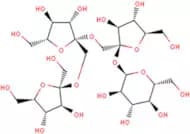
CAS:<p>Nystose (1,1-Kestotetraose) is a tetrasaccharide composed of two fructose molecules linked via beta (1→2) bonds to the fructosyl moiety of sucrose.</p>Formula:C24H42O21Purity:98% - 99.93%Color and Shape:SolidMolecular weight:666.58DL-O-Phosphoserine
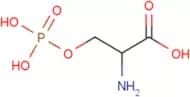
CAS:<p>DL-O-Phosphoserine (DL-SOP), a normal metabolite in human biofluid, is an ester of serine and phosphoric acid.</p>Formula:C3H8NO6PPurity:99.83%Color and Shape:SolidMolecular weight:185.07DL-Pyroglutamic acid
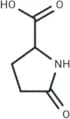
CAS:<p>DL-Pyroglutamic acid exhibited a strong inactivating effect on hepatitis B surface antigen. </p>Formula:C5H7NO3Purity:99.88%Color and Shape:White PowderMolecular weight:129.114-Guanidinobutanoic acid
CAS:<p>4-Guanidinobutanoic acid (4-GBA) is an L-arginine metabolite that has been used in the intestinal transport tranport studies. It has been use to hPAT1.</p>Formula:C5H11N3O2Purity:>99.99%Color and Shape:SolidMolecular weight:145.16Glycocyamine
CAS:<p>Glycocyamine, a creatine precursor and dietary arginine substitute, aids in bird energy balance and indicates renal health.</p>Formula:C3H7N3O2Purity:99.42%Color and Shape:SolidMolecular weight:117.11H-Gly-Pro-OH
CAS:<p>H-Gly-Pro-OH (Glycyl proline) is a dipeptide composed of glycine and proline, and is an end product of collagen metabolism</p>Formula:C7H12N2O3Purity:≥95%Color and Shape:SolidMolecular weight:172.18Malonic acid
CAS:<p>Malonic acid inhibits succinate dehydrogenase; linked to malonyl-CoA decarboxylase deficiency.</p>Formula:C3H4O4Purity:99.53%Color and Shape:SoildMolecular weight:104.062-(2-Phenylacetamido)acetic acid
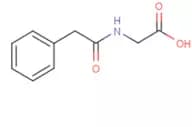
CAS:<p>2-(2-Phenylacetamido)acetic acid (Phenyl-ac-Gly-OH) is an acyl glycine. Acyl glycines are normally minor metabolites of fatty acids.</p>Formula:C10H11NO3Purity:99.43%Color and Shape:SolidMolecular weight:193.2Pyruvic acid
CAS:<p>Pyruvic acid, key in metabolizing carbs, proteins, and fats, builds up in tissue, notably nerves, if thiamine is deficient.</p>Formula:C3H4O3Purity:95.31%Color and Shape:LiquidMolecular weight:88.064-Methyl-2-oxopentanoic acid
CAS:<p>4-Methyl-2-oxopentanoic acid, an abnormal metabolite and neurotoxin, results from improper branched-chain amino acid metabolism.</p>Formula:C6H10O3Purity:99.09%Color and Shape:LiquidMolecular weight:130.14H-Abu-OH
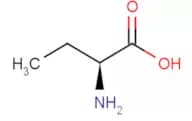
CAS:<p>H-Abu-OH, or (S)-2-aminobutanoic acid, is a non-proteogenic L-alpha-amino acid found in human kidneys, liver, and bodily fluids.</p>Formula:C4H9NO2Purity:99.96%Color and Shape:SolidMolecular weight:103.12DL-Valine
CAS:<p>DL-Valine (H-DL-Val-OH) is 2-amino-3-methylbutanoic acid.It is synthesized in plants via several steps starting from pyruvic acid.</p>Formula:C5H11NO2Purity:99.84%Color and Shape:Leaflets From Water + Alcohol White CrystalsMolecular weight:117.15D-glutamine
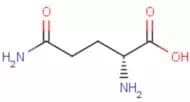
CAS:<p>D-glutamine, an D type stereoisomer of glutamine, is one of the 20 amino acids which is encoded by the standard genetic code.</p>Formula:C5H10N2O3Purity:99.99%Color and Shape:White Or Off-White PowderMolecular weight:146.14Glutaric acid
CAS:<p>Glutaric acid: five-carbon dicarboxylic acid, byproduct of lysine and tryptophan metabolism.</p>Formula:C5H8O4Purity:98.83%Color and Shape:White Solid Solid CrystallineMolecular weight:132.11trans-Vaccenic acid
CAS:<p>Trans-Vaccenic acid, a trans-fat in dairy, may inhibit tumor growth by affecting CD8+ T cell growth via GPCR-CREB.</p>Formula:C18H34O2Purity:99.9%Color and Shape:SolidMolecular weight:282.46N-(5-Aminopentyl)acetamide
CAS:<p>N-Acetylcadaverine, acetylated cadaverine, toxic in large doses, potential cancer/pathophysiology marker.</p>Formula:C7H16N2OPurity:99.87%Color and Shape:SolidMolecular weight:144.21N-Acetyl-L-arginine dihydrate
CAS:<p>N-Acetyl-L-arginine dihydrate (N-Ac-L-arg-OH) is one of the guanidino compounds found elevated in the serum of a hemodialyzed renal insufficient (uremic)</p>Formula:C8H20N4O5Purity:99.95%Color and Shape:SolidMolecular weight:252.27L-Norleucine
CAS:<p>L-Norleucine ((S)-Norleucine) is an isomer of leucine, specifically affects protein synthesis in skeletal muscle, and has antivirus activity.</p>Formula:C6H13NO2Purity:98.35%Color and Shape:SolidMolecular weight:131.172-Ketoglutaric acid Sodium
CAS:2-Ketoglutaric acid Sodium (AKG) is a key molecule in the TCA cycle.Formula:C5H5NaO5Purity:97.77%Color and Shape:SolidMolecular weight:168.08Oxalic acid
CAS:<p>Oxalic acid (Ethanedioic acid) is a strong dicarboxylic acid occurring in many plants and vegetables, produced in the body by metabolism of glyoxylic acid.</p>Formula:C2H2O4Purity:98.51% - 99.39%Color and Shape:White Solid CrystallineMolecular weight:90.03