Carboxylic Acids
Carboxylic acids are organic molecules characterized by having a carboxyl-type functional group (-COOH). These acids are fundamental in various chemical reactions, including esterification, amidation, and decarboxylation. Carboxylic acids are widely used in the production of pharmaceuticals, polymers, and agrochemicals. In this section, you can find a large number of carboxylic acids ready to be used. At CymitQuimica, we provide a broad range of high-quality carboxylic acids to support your research and industrial applications.
Found 12453 products of "Carboxylic Acids"
Sort by
Purity (%)
0
100
|
0
|
50
|
90
|
95
|
100
Pep-1-cysteamide trifluoroacetate salt
CAS:<p>Please enquire for more information about Pep-1-cysteamide trifluoroacetate salt including the price, delivery time and more detailed product information at the technical inquiry form on this page</p>Formula:C140H202N36O33SPurity:Min. 95%Molecular weight:2,949.39 g/molMyristoyl-Phe-Ala-Arg-Lys-Gly-Ala-Leu-Arg-Gln-OH trifluoroacetate salt
CAS:<p>Please enquire for more information about Myristoyl-Phe-Ala-Arg-Lys-Gly-Ala-Leu-Arg-Gln-OH trifluoroacetate salt including the price, delivery time and more detailed product information at the technical inquiry form on this page</p>Formula:C60H105N17O12Purity:Min. 95%Molecular weight:1,256.58 g/molCopeptin (rat) trifluoroacetate salt
CAS:<p>Copeptin (rat) trifluoroacetate salt is a peptide that belongs to the group of protein inhibitors. It can inhibit the activity of the acetylcholine receptor, which leads to an increase in muscle tone and rigidity. Copeptin is also used as a research tool for studying protein interactions, antibody-antigen reactions, cell biology, ligand-receptor binding, pharmacology and life sciences. Copeptin has been shown to inhibit ion channels such as nicotinic receptors and potassium channels. The CAS number for copeptin (rat) trifluoroacetate salt is 86280-64-0.</p>Formula:C183H307N57O61Purity:Min. 95%Molecular weight:4,281.74 g/mol2-Chlorooxazole-4-carboxylicacid
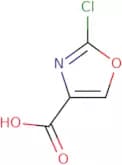
CAS:<p>2-Chlorooxazole-4-carboxylic acid is a synthetic compound belonging to the group of long-chain aliphatic carboxylic acids. It is an ester that can be synthesized by the reaction of toluene with 2,4-dichlorooxazole. The stereochemical configuration of this molecule is unknown. The synthesis of this compound has been reported in marine invertebrates and plants, including Mycalolide from the marine sponge Mycale sp.</p>Formula:C4H2ClNO3Purity:Min. 95%Molecular weight:147.52 g/molDibenzoyl-(-)-p-methoxy-L-tartaric acid
CAS:<p>Dibenzoyl-(-)-p-methoxy-L-tartaric acid is a chiral compound that has been extracted from plants and synthesized. It has a bitter taste and can be used as an enantiomer to treat schistosomiasis, a disease caused by parasitic flatworms. Dibenzoyl-(-)-p-methoxy-L-tartaric acid can be used as an enantiomer to treat schistosomiasis, which is caused by parasitic flatworms. The chemical is an anionic β-cyclodextrin derivative that binds to the parasites in the host's body and prevents them from releasing eggs into the water supply. This chemical also has pharmacological properties, such as antiinflammatory activities.</p>Formula:C20H18O10Purity:Min. 95%Color and Shape:White PowderMolecular weight:418.35 g/molTRAP-6 (2-6) trifluoroacetate salt
CAS:<p>TRAP-6 (2-6) is a monoclonal antibody that binds to the enzyme collagenase, which is an important factor in tumor invasion and metastasis. The antibody binds to the active site of collagenase, thereby inhibiting its activity. TRAP-6 (2-6) has been shown to reduce the growth of cancer cells by inhibiting the production of β-amino acids and zymogens, which are required for tumor cell proliferation. It also inhibits serine proteases, such as thrombin receptor, which play an important role in tumor invasion and metastasis. TRAP-6 (2-6) also has anti-inflammatory properties and can be used for the treatment of basophilic leukemia.</p>Formula:C31H51N9O7Purity:Min. 95%Molecular weight:661.79 g/molH-D-Phe-His-Leu-Leu-Arg-Glu-Val-Leu-Glu-Nle-Ala-Arg-A la-Glu-Gln-Leu-Ala-Gln-Gln-Ala-His-Ser-Asn-Arg-Lys-a-Me-Leu-Nle-Glu-Ile-Ile-NH 2 trifluoroacetate salt
CAS:<p>Please enquire for more information about H-D-Phe-His-Leu-Leu-Arg-Glu-Val-Leu-Glu-Nle-Ala-Arg-A la-Glu-Gln-Leu-Ala-Gln-Gln-Ala-His-Ser-Asn-Arg-Lys-a-Me-Leu-Nle-Glu-Ile-Ile-NH 2 trifluoroacetate salt including the price, delivery time and more detailed product information at the technical inquiry form on this page</p>Formula:C159H267N49O43Purity:Min. 95%Molecular weight:3,553.13 g/molOrphan GPCR SP9155 Agonist P550 (mouse) trifluoroacetate salt
CAS:<p>Please enquire for more information about Orphan GPCR SP9155 Agonist P550 (mouse) trifluoroacetate salt including the price, delivery time and more detailed product information at the technical inquiry form on this page</p>Formula:C126H195N37O37Purity:Min. 95%Molecular weight:2,820.12 g/molUrocortin II (mouse) trifluoroacetate salt
CAS:<p>Please enquire for more information about Urocortin II (mouse) trifluoroacetate salt including the price, delivery time and more detailed product information at the technical inquiry form on this page</p>Formula:C187H320N56O50Purity:Min. 95%Molecular weight:4,152.89 g/molOsteocalcin (1-49) (human) acetate salt
CAS:<p>Osteocalcin is a protein that is synthesized by osteoblasts and released into the extracellular matrix. It is involved in the regulation of bone metabolism, including the synthesis and mineralization of bone matrix. Osteocalcin has been shown to be a marker for osteoarthritis, which may be due to its role in cartilage degradation. This protein has also been implicated in prognosis and diagnosis of this condition. Osteocalcin can be used as a marker for monitoring disease-modifying therapies such as chondroitin sulfate or cross-linking agents.</p>Formula:C269H381N67O82S2Purity:Min. 95%Molecular weight:5,929.44 g/molBiotinyl-Obestatin (rat) trifluoroacetate salt
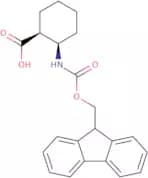
CAS:<p>Please enquire for more information about Biotinyl-Obestatin (rat) trifluoroacetate salt including the price, delivery time and more detailed product information at the technical inquiry form on this page</p>Formula:C124H188N36O33SPurity:Min. 95%Molecular weight:2,743.11 g/mol(1S,2R)-Fmoc-aminocyclohexane carboxylic acid
CAS:<p>Please enquire for more information about (1S,2R)-Fmoc-aminocyclohexane carboxylic acid including the price, delivery time and more detailed product information at the technical inquiry form on this page</p>Formula:C22H23NO4Purity:Min. 95%Molecular weight:365.42 g/molGalnon trifluoroacetate salt
CAS:<p>Galnon trifluoroacetate salt is a pharmacological agent that binds to galanin and inhibits its binding to G protein-coupled receptors. It was shown to have a cancer preventive effect on 3T3-L1 preadipocytes by inhibiting the production of the inflammatory cytokine, tumor necrosis factor-α (TNF-α). Galnon trifluoroacetate salt also has an effect on the immune system and may be used as an anti-inflammatory agent in autoimmune diseases. This drug has been shown to block the effects of galanin on camp levels, leading to a decrease in locomotor activity.</p>Formula:C40H46N4O6Purity:Min. 95%Molecular weight:678.82 g/molNesfatin-1 (30-59) (mouse, rat) trifluoroacetate salt
<p>Please enquire for more information about Nesfatin-1 (30-59) (mouse, rat) trifluoroacetate salt including the price, delivery time and more detailed product information at the technical inquiry form on this page</p>Formula:C167H260N40O54Purity:Min. 95%Molecular weight:3,692.09 g/molKisspeptin-54 (27-54) (human) trifluoroacetate salt
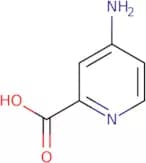
CAS:<p>Please enquire for more information about Kisspeptin-54 (27-54) (human) trifluoroacetate salt including the price, delivery time and more detailed product information at the technical inquiry form on this page</p>Formula:C149H226N42O39Purity:Min. 95%Molecular weight:3,229.65 g/mol4-Aminopicolinic acid
CAS:<p>4-Aminopicolinic acid is a synthetic amine that has been shown to activate plant science. 4-Aminopicolinic acid is a cyclic peptide with two subunits, one of which is 4-amino-3-pyridinecarboxylic acid. This compound has been synthesized from picolinic acid, an agriculturally important compound that is found in plant and animal tissues. The synthesis of 4-aminopicolinic acid involves the reaction of picolinic acid with nitrous oxide, followed by hydrolysis and oxidation to form the desired product. Hplc analyses have confirmed the presence of picolinic acid in extracts from various plants containing this compound.</p>Formula:C6H6N2O2Purity:Min. 95%Color and Shape:White To Beige Or Pink To Light Brown SolidMolecular weight:138.12 g/mol5-FAM-Amylin (mouse, rat) trifluoroacetate salt
CAS:<p>Please enquire for more information about 5-FAM-Amylin (mouse, rat) trifluoroacetate salt including the price, delivery time and more detailed product information at the technical inquiry form on this page</p>Formula:C188H282N52O59S2Purity:Min. 95%Molecular weight:4,278.7 g/molPrepro VIP (81-122) (human) trifluoroacetate salt
CAS:<p>Please enquire for more information about Prepro VIP (81-122) (human) trifluoroacetate salt including the price, delivery time and more detailed product information at the technical inquiry form on this page</p>Formula:C202H325N53O64SPurity:Min. 95%Molecular weight:4,552.13 g/molCortistatin-17 (human) trifluoroacetate salt
CAS:<p>Please enquire for more information about Cortistatin-17 (human) trifluoroacetate salt including the price, delivery time and more detailed product information at the technical inquiry form on this page</p>Formula:C96H139N27O24S3Purity:Min. 95%Molecular weight:2,151.5 g/molEthyl-2-ethoxy-1-[[(2'-cyanobiphenyl-4-yl) methyl] benzimidazole-7-carboxylate
CAS:<p>Candesartan is a selective angiotensin II receptor antagonist that inhibits the binding of angiotensin II to its receptors, which in turn decreases the activity of angiotensin-converting enzyme. Candesartan cilexetil is an ester prodrug that has been shown to be effective in the treatment of high blood pressure. In the crystalline form, candesartan cilexetil is a white powder with a melting point of 130–135 °C and a solubility in water of >1 g/L. The molecular weight of candesartan cilexetil is 393.8 g/mol and it has a molecular formula C17H21NO2S. The chemical structure consists of two benzimidazole rings coupled together through an ethyl-2-ethoxy linker and attached to a carboxylate group on one end and an amide group on the other</p>Formula:C26H23N3O3Purity:Min. 95%Molecular weight:425.48 g/mol(D-Arg6,Asn10)-MCH (6-16) amide (human, mouse, rat) trifluoroacetate salt
CAS:<p>Please enquire for more information about (D-Arg6,Asn10)-MCH (6-16) amide (human, mouse, rat) trifluoroacetate salt including the price, delivery time and more detailed product information at the technical inquiry form on this page</p>Formula:C60H100N22O14S3Purity:Min. 95%Molecular weight:1,449.77 g/mol(β-Asp5)-δ-Sleep Inducing Peptide trifluoroacetate salt
CAS:<p>(Beta-Asp5)-delta-Sleep Inducing Peptide is a synthetic molecule that has been shown to be an atypical compound. It is a fragment of the natural sleep-inducing peptide, which is also called clostridium sporogenes. The fragment was synthesized and found to have similar properties and structures as the natural form. The fragment is labile in neutral or acidic solution, but stable in basic conditions. (Beta-Asp5)-delta-Sleep Inducing Peptide can be used for the detection of methyltransferase activity, by using it as a substrate for methylation reactions and measuring the rate of spontaneous desorption from a matrix. This compound can also be used for proteomic studies by using matrix-assisted laser desorption ionization time-of-flight mass spectrometry (MALDI TOF MS) techniques.</p>Formula:C35H48N10O15Purity:Min. 95%Molecular weight:848.81 g/molPreptin (human) trifluoroacetate salt
CAS:<p>Please enquire for more information about Preptin (human) trifluoroacetate salt including the price, delivery time and more detailed product information at the technical inquiry form on this page</p>Formula:C187H275N47O53Purity:Min. 95%Molecular weight:4,029.47 g/molNeuropeptide Y (13-36) (human, rat) trifluoroacetate salt
CAS:<p>Trifluoroacetate salt</p>Formula:C134H207N41O36SPurity:Min. 95%Molecular weight:3,000.4 g/molAstressin trifluoroacetate salt
CAS:<p>Astressin trifluoroacetate salt H-D-Phe-His-Leu-Leu-Arg-Glu-Val-Leu-Glu-Nle-Ala-Arg-Ala-Glu-Gln is a cyclic peptide that has been shown to have biological properties as an inhibitor of cyclases. Astressin has shown efficacy in treating some types of autoimmune diseases and bowel diseases, although it is not effective against all types of these disorders. Astressin also has receptor activity and can induce locomotor activity. This compound has been shown to be an inhibitor of the Toll like receptor 4 (TLR4). In this role, astressin blocks the inflammatory response by preventing the binding of endotoxin to TLR4 receptors on cells.</p>Formula:C161H269N49O42Purity:Min. 95%Molecular weight:3,563.16 g/molCyclohexylacetyl-Phe-Arg-Ser-Val-Gln-NH2 trifluoroacetate salt
CAS:<p>Cyclohexylacetyl-Phe-Arg-Ser-Val-Gln-NH2 trifluoroacetate salt is a potent inhibitor of the enzyme kallikrein, which is involved in the production of kinins. It has been shown to inhibit bradykinin breakdown by inhibiting kallikrein and thus prolonging the effects of this hormone. Cyclohexylacetyl-Phe-Arg-Ser-Val-Gln-NH2 trifluoroacetate salt also inhibits aldosterone levels in plasma and reduces glucocorticoid levels, which may be due to its ability to inhibit plasma renin concentrations.</p>Formula:C36H58N10O8Purity:Min. 95%Molecular weight:758.91 g/molAmyloid β-Protein (1-37) trifluoroacetate salt
CAS:<p>Please enquire for more information about Amyloid beta-Protein (1-37) trifluoroacetate salt including the price, delivery time and more detailed product information at the technical inquiry form on this page</p>Formula:C182H274N50O55SPurity:Min. 95%Molecular weight:4,074.49 g/mol(Asp28)-Exenatide trifluoroacetate salt
CAS:<p>Please enquire for more information about (Asp28)-Exenatide trifluoroacetate salt including the price, delivery time and more detailed product information at the technical inquiry form on this page</p>Formula:C184H281N49O61SPurity:Min. 95%Molecular weight:4,187.56 g/molBradykinin (2-7) acetate salt
CAS:<p>Please enquire for more information about Bradykinin (2-7) acetate salt including the price, delivery time and more detailed product information at the technical inquiry form on this page</p>Formula:C29H40N6O8Purity:Min. 95%Molecular weight:600.66 g/molAc-Val-Arg-Pro-Arg-AMC trifluoroacetate salt
CAS:<p>Please enquire for more information about Ac-Val-Arg-Pro-Arg-AMC trifluoroacetate salt including the price, delivery time and more detailed product information at the technical inquiry form on this page</p>Formula:C34H51N11O7•C2HF3O2Purity:Min. 98 Area-%Color and Shape:PowderMolecular weight:839.86 g/molMyristoyl-(Lys12·27·28)-VIP-Gly-Gly-Thr (free acid) trifluoroacetate salt
CAS:<p>Please enquire for more information about Myristoyl-(Lys12·27·28)-VIP-Gly-Gly-Thr (free acid) trifluoroacetate salt including the price, delivery time and more detailed product information at the technical inquiry form on this page</p>Formula:C171H283N45O47SPurity:Min. 95%Molecular weight:3,753.42 g/mol2-Bromo-3-methylbenzoic acid
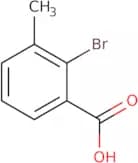
CAS:<p>2-Bromo-3-methylbenzoic acid is an alcohol that has been shown to be selective for the stereoselective synthesis of chiral secondary alcohols. It has been used in the reduction of 2-formylphenylboronic acid, yielding a mixture of the two possible diastereomers, and in the reductive elimination of carboxylic acids, which can be used as an alternative to the Baylis-Hillman reaction. The compound also has inhibitory activity against several bacteria, including methicillin resistant Staphylococcus aureus (MRSA) and Mycobacterium tuberculosis. 2-Bromo-3-methylbenzoic acid is photochromic and changes color from yellow to red when exposed to UV light.</p>Formula:C8H7BrO2Purity:Min. 95%Color and Shape:PowderMolecular weight:215.04 g/mol(Ile5,Trp23,Tyr36)-pTH-Related Protein (1-36) (human, mouse, rat) trifluoroacetate salt
CAS:<p>Please enquire for more information about (Ile5,Trp23,Tyr36)-pTH-Related Protein (1-36) (human, mouse, rat) trifluoroacetate salt including the price, delivery time and more detailed product information at the technical inquiry form on this page</p>Formula:C196H308N58O53Purity:Min. 95%Molecular weight:4,324.9 g/molH-Lys-Leu-Lys-OH triacetate salt
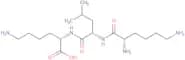
CAS:<p>Please enquire for more information about H-Lys-Leu-Lys-OH triacetate salt including the price, delivery time and more detailed product information at the technical inquiry form on this page</p>Formula:C18H37N5O4•3C2H4O2Purity:Min. 95%Molecular weight:567.67 g/mol(Deamino-Cys3, Nle 4,Arg5,D-2-Nal 7,Cys11)-a-MSH (3-11) amide trifluoroacetate salt
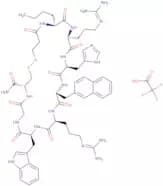
CAS:<p>Please enquire for more information about (Deamino-Cys3, Nle 4,Arg5,D-2-Nal 7,Cys11)-a-MSH (3-11) amide trifluoroacetate salt including the price, delivery time and more detailed product information at the technical inquiry form on this page</p>Formula:C56H76N18O9S2Purity:Min. 95%Molecular weight:1,209.45 g/molBoc-15-amino-4,7,10,13-tetraoxapentadecanoic acid
CAS:<p>Boc-15-amino-4,7,10,13-tetraoxapentadecanoic acid is a PEG compound with two different functional groups (also known as heterobifunctional). Unlike homobifunctional PEG compounds (same functional group on both ends), this type of compounds are more versatile as have two different anchor points. Boc-15-amino-4,7,10,13-tetraoxapentadecanoic acid is used as a linker and spacer to add a PEG moiety, via pegylation (a bioconjugation technique) to proteins, peptides, oligonucleotides, small molecules and nanoparticles.</p>Formula:C16H31NO8Purity:Min. 95%Molecular weight:365.42 g/molD-α-Hydroxyisovaleric acid
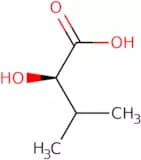
CAS:<p>D-alpha-Hydroxyisovaleric acid is a compound that is used to synthesize stereoisomers. It is also a component of supramolecular chemistry and has been used in the construction of supramolecular polymers. D-alpha-Hydroxyisovaleric acid can be found in some plants, such as valinomycin, isovaleric acid, and metarhizium. This stereoisomer can be synthetized from the hydroxy group and an amino acid or peptide. D-alpha-Hydroxyisovaleric acid has the ability to degrade nonribosomal peptides into smaller molecules through its hydrolytic properties. It also inhibits Verticillium dahliae, which causes wilt disease in plants, by inhibiting the synthesis of hydroxycarboxylates. D-alpha-Hydroxyisovaleric acid is biodegradable and can be used for industrial purposes as well as pharmaceuticals.</p>Formula:C5H10O3Purity:Min. 95%Color and Shape:White PowderMolecular weight:118.13 g/molH-Leu-Ser-Lys-Leu-NH2 trifluoroacetate salt
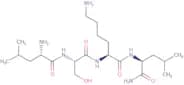
CAS:<p>L-Leu-Ser-Lys-Leu-NH2 is a cyclic peptide with the amino acid sequence H-Leu-Ser-Lys-Leu. It has been shown to have receptor activity and can be used as an experimental model of growth factors. L-Leu-Ser-Lys-Leu was found to stimulate collagen synthesis in a collagen gel, which may be due to its ability to inhibit the release of growth factor β1. L-Leu-Ser Lys Leu also has anti cancer effects by inhibiting the proliferation of malignant brain cells, as well as tubulointerstitial injury and renal cell carcinoma. This compound may also have some use in treating subarachnoid hemorrhage and fetal bovine serum (FBS) for tissue culture.</p>Formula:C21H42N6O5Purity:Min. 95%Molecular weight:458.6 g/mol(Des-Gly10,Des-Ser4,D-Leu6,Pro-NHEt 9)-LHRH trifluoroacetate salt
CAS:<p>Please enquire for more information about (Des-Gly10,Des-Ser4,D-Leu6,Pro-NHEt 9)-LHRH trifluoroacetate salt including the price, delivery time and more detailed product information at the technical inquiry form on this page</p>Formula:C56H79N15O10Purity:Min. 95%Molecular weight:1,122.32 g/mol(D-Trp8)-γ2-MSH trifluoroacetate salt
CAS:<p>Please enquire for more information about (D-Trp8)-gamma2-MSH trifluoroacetate salt including the price, delivery time and more detailed product information at the technical inquiry form on this page</p>Formula:C74H99N21O16SPurity:Min. 95%Molecular weight:1,570.78 g/molAc-Ala-Ala-Ser(PO3H2)-Pro-Arg-pNA trifluoroacetate salt
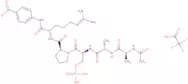
CAS:<p>Please enquire for more information about Ac-Ala-Ala-Ser(PO3H2)-Pro-Arg-pNA trifluoroacetate salt including the price, delivery time and more detailed product information at the technical inquiry form on this page</p>Formula:C28H43N10O12PPurity:Min. 95%Molecular weight:742.67 g/molDiisopropyl azodicarboxylate - 40% toluene solution
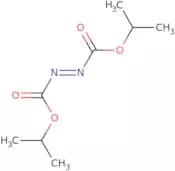
CAS:<p>Diisopropyl azodicarboxylate is a chemical compound that reacts with hydrogen fluoride to form a mixture of diazo and triazole products. The chemical reaction is the first step in the synthesis of many pharmaceuticals, such as penicillin. Diisopropyl azodicarboxylate is used in eye disorders, metabolic disorders, and autoimmune diseases. It has been shown to be effective in treating bowel disease. This drug has been shown to have chemotherapeutic properties, which may be due to its ability to inhibit protein synthesis by binding to the nitrogen atoms on receptor molecules. Diisopropyl azodicarboxylate also reacts with trifluoroacetic acid, forming a disulfide bond that can be analyzed using structural analysis techniques or reaction solution methods.</p>Formula:C8H14N2O4Purity:Min. 95%Color and Shape:Yellow To Yellow Orange LiquidMolecular weight:202.21 g/molChloromethyl acetate
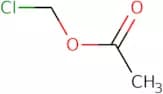
CAS:<p>Chloromethyl acetate is a potent antibacterial agent that inhibits the growth of bacteria by inhibiting the synthesis of fatty acids. It also has an inhibitory effect on adenosine receptors and is used to treat congestive heart failure, inflammatory diseases, metabolic disorders, and other conditions. Chloromethyl acetate has been shown to be effective against a number of bacterial strains, including methicillin-resistant Staphylococcus aureus (MRSA), Streptococcus pneumoniae, and Mycobacterium tuberculosis. Chloromethyl acetate binds to the cyanoformate group in the bacterial cell wall by competitive inhibition. This binding prevents the formation of an antibiotic-inhibitor complex with the enzyme fatty acid synthase that is required for fatty acid biosynthesis, inhibiting protein synthesis and cell division.</p>Formula:C3H5ClO2Purity:Min. 95%Molecular weight:108.52 g/mol1-Pyreneboronic Acid (contains varying amounts of Anhydride)
CAS:<p>1-Pyreneboronic acid is a fluorescent derivative of boronic acid. It has been shown to have synergistic effects with other compounds, such as glucose monitoring. 1-Pyreneboronic acid is used in the preparation of a fluorescent probe for use in dna duplex assays. The fluorescence properties of this compound are affected by the presence of hydroxy groups and benzyl groups, making it useful for protein detection and identification. This compound can be prepared using the suzuki coupling reaction and it has been shown that it has an effect on cell line raw264.7 cells.</p>Formula:C16H11BO2Purity:Min. 95%Molecular weight:246.07 g/mol16-Mercaptohexadecanoic acid
CAS:<p>16-Mercaptohexadecanoic acid (16MHDA) is a fatty acid that has been shown to be an effective inhibitor of the enzyme fatty acid synthase. This enzyme is responsible for the synthesis of long-chain polyunsaturated fatty acids and their derivatives, which are key components of cell membranes and also act as signaling molecules. 16MHDA can be used in the treatment of diseases such as psoriasis, rheumatoid arthritis, and cancer. 16MHDA has been shown to have a high detection sensitivity and activity index when used in electrochemical impedance spectroscopy experiments. The x-ray diffraction data show that 16MHDA forms an acid complex with its substrate, which is thought to be the reaction mechanism. Colloidal gold has been used to study the interaction between 16MHDA and DNA duplexes. This compound was also found to have monoclonal antibody binding properties in human serum samples.</p>Formula:C16H32O2SPurity:Min. 95%Color and Shape:PowderMolecular weight:288.49 g/molCART (61-102) (human, rat) trifluoroacetate salt
CAS:<p>Please enquire for more information about CART (61-102) (human, rat) trifluoroacetate salt including the price, delivery time and more detailed product information at the technical inquiry form on this page</p>Formula:C189H310N58O56S7Purity:Min. 95%Molecular weight:4,515.3 g/mol3-Phenyl-1-adamantane carboxylic acid
CAS:<p>3-Phenyl-1-adamantane carboxylic acid is a thioester that can be used in the synthesis of anti-fungal and antiviral agents. 3-Phenyl-1-adamantane carboxylic acid has been shown to have anti-viral activity against herpes simplex virus type 1 (HSV-1) and type 2 (HSV-2). It also has anthelmintic properties, which may be due to its ability to inhibit the growth of parasitic worms. 3PCA can also be used in the synthesis of cyclic anthelmintics, which are drugs that treat worm infestations.</p>Formula:C17H20O2Purity:Min. 95%Color and Shape:White Off-White PowderMolecular weight:256.34 g/molpTH (2-38) (human) acetate salt
CAS:<p>Please enquire for more information about pTH (2-38) (human) acetate salt including the price, delivery time and more detailed product information at the technical inquiry form on this page</p>Formula:C194H314N58O53S2Purity:Min. 95%Molecular weight:4,371.06 g/molHexanoyl-(Ala19,Lys27·28)-VIP (free acid) trifluoroacetate salt
<p>Please enquire for more information about Hexanoyl-(Ala19,Lys27·28)-VIP (free acid) trifluoroacetate salt including the price, delivery time and more detailed product information at the technical inquiry form on this page</p>Formula:C153H250N44O43SPurity:Min. 95%Molecular weight:3,425.96 g/molVesicular Stomatitis Virus Nucleoprotein (52-59) trifluoroacetate salt
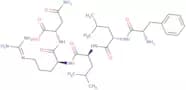
CAS:<p>Please enquire for more information about Vesicular Stomatitis Virus Nucleoprotein (52-59) trifluoroacetate salt including the price, delivery time and more detailed product information at the technical inquiry form on this page</p>Formula:C44H66N12O12Purity:Min. 95%Molecular weight:955.07 g/mol






![Ethyl-2-ethoxy-1-[[(2'-cyanobiphenyl-4-yl) methyl] benzimidazole-7-carboxylate](/_next/image/?url=https%3A%2Fstatic.cymitquimica.com%2Fproducts%2F3D%2Fthumb-webp%2FFE31863.webp&w=3840&q=75)