Carboxylic Acids
Carboxylic acids are organic molecules characterized by having a carboxyl-type functional group (-COOH). These acids are fundamental in various chemical reactions, including esterification, amidation, and decarboxylation. Carboxylic acids are widely used in the production of pharmaceuticals, polymers, and agrochemicals. In this section, you can find a large number of carboxylic acids ready to be used. At CymitQuimica, we provide a broad range of high-quality carboxylic acids to support your research and industrial applications.
Found 12453 products of "Carboxylic Acids"
Sort by
Purity (%)
0
100
|
0
|
50
|
90
|
95
|
100
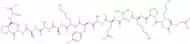
Cys-Gly-Lys-Lys-Gly-Amyloid b-Protein (36-42) trifluoroacetate salt
CAS:<p>Please enquire for more information about Cys-Gly-Lys-Lys-Gly-Amyloid b-Protein (36-42) trifluoroacetate salt including the price, delivery time and more detailed product information at the technical inquiry form on this page</p>Formula:C47H86N14O13SPurity:Min. 95%Molecular weight:1,087.34 g/molEthyl 2,4-dichloropyrimidine-5-carboxylate
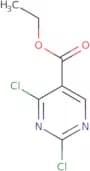
CAS:<p>Please enquire for more information about Ethyl 2,4-dichloropyrimidine-5-carboxylate including the price, delivery time and more detailed product information at the technical inquiry form on this page</p>Formula:C7H6Cl2N2O2Purity:Min. 95%Molecular weight:221.04 g/mol2-Pyridineboronic acid
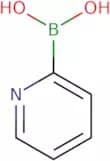
CAS:<p>2-Pyridineboronic acid is a chemical compound that belongs to the group of quinoline derivatives. It is used in pharmaceutical preparations, including as an intermediate for the synthesis of other compounds. 2-Pyridineboronic acid has been shown to have antiproliferative effects on cancer cells and has been found to be active against nicotinic acetylcholine receptors (NAR). The compound also inhibits lipid kinase activity, which is involved in the production of phosphatidylcholine and phosphatidylethanolamine from phosphatidylserine. 2-Pyridineboronic acid can react with hydrochloric acid and electrochemical impedance spectroscopy to produce a solution that has a detection time of about 10 minutes.</p>Formula:C5H6BNO2Purity:Min. 95%Molecular weight:122.92 g/molMethylboronic acid pinacol ester
CAS:<p>Methylboronic acid pinacol ester is an orally administered compound that inhibits the activity of peptidases and imidazole derivatives. It is used as a medicinal preparation for the treatment of cancer and other diseases. Methylboronic acid pinacol ester has been shown to inhibit the growth of bacteria, including Gram-positive bacteria such as methicillin-resistant Staphylococcus aureus (MRSA) and Clostridium perfringens. This compound also has an inhibitory effect on hydroxyl group metabolism, which may be related to its anti-inflammatory properties.</p>Formula:C7H15BO2Purity:Min. 95%Color and Shape:Colourless liquid.Molecular weight:142 g/molEthyl diphenylacetate
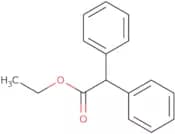
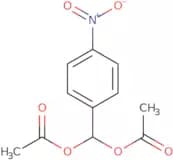
CAS:<p>Ethyl diphenylacetate is a trifluoromethyl group that has the potential for use as a fungicide. The hydrochloride salt of this compound exhibits high activity against various fungi, such as Rhizoctonia solani, Sclerotium rolfsii, and Botrytis cinerea. Ethyl diphenylacetate has also been shown to be an effective herbicide in plants, as it inhibits the enzyme acetolactate synthase and prevents the formation of branched-chain amino acids. It can also inhibit germination of seeds.</p>Formula:C16H16O2Purity:Min. 95%Molecular weight:240.3 g/mol4-Nitrobenzaldiacetate
CAS:<p>4-Nitrobenzaldiacetate is a crystalline solid that can be obtained by two-dimensional experimental methods. It has been shown to have high reactivity in the presence of ozone and sulfuric acid. The reaction product is the corresponding sulfate salt. The filtration technique is used to separate the desired product from the reaction mixture. This product can also be crystallized with catalytic amounts of sulfuric acid and 4-nitrobenzoic acid. The catalytic oxidation of 4-nitrobenzoic acid to form 4-nitrobenzaldaicetic acid, as well as its subsequent conversion to 4-nitrobenzaldiacetate, are both feasible reactions for this compound.</p>Formula:C11H11NO6Purity:Min. 95%Color and Shape:PowderMolecular weight:253.21 g/molDABCYL-Tyr-Val-Ala-Asp-Ala-Pro-Val-EDANS trifluoroacetate salt
CAS:<p>DABCYL-Tyr-Val-Ala-Asp-Ala-Pro-Val-EDANS trifluoroacetate salt is a reactive dye that has been shown to bind to the granule neurons of the cerebellum in HL60 cells. It is used as an indicator of protease activity, as it undergoes hydrolysis by serine proteases. DABCYL-Tyr-Val-Ala-Asp-Ala-Pro-Val-EDANS trifluoroacetate salt has also been shown to activate caspase 1 and cause neuronal death in a number of experimental models. This molecule is used for fluorescent labeling and detection of protein synthesis, as well as for visualization of the termini of proteins and other molecules. DABCYL Tyr Val Ala Asp Ala Pro Val EDANS trifluoroacetate salt is also known to be an antiinflammatory agent that may be effective against infectious diseases such as HIV,</p>Formula:C61H76N12O14SPurity:Min. 95%Molecular weight:1,233.39 g/molNeuropeptide AF (human) trifluoroacetate salt
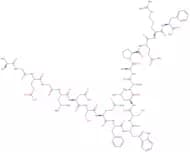
CAS:<p>Neuropeptide AF is a peptide that is synthesized in the brain and has been shown to have a wide range of biological activities. It has been shown to block growth factor-β1, activate the ryanodine receptor, and cause neuronal death. Neuropeptide AF also activates the polymerase chain reaction (PCR) and can be used as a potential biomarker for Alzheimer's disease. Neuropeptide AF has been shown to decrease body mass index and improve long-term efficacy in patients with chronic heart disease. There is also evidence that Neuropeptide AF binds calcium ions, which may play a role in structural heart disease or cardiac function.</p>Formula:C90H132N26O25Purity:Min. 95%Molecular weight:1,978.17 g/molAc-Gly-Ala-Lys-AMC trifluoroacetate salt
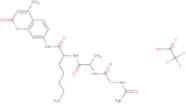
<p>Please enquire for more information about Ac-Gly-Ala-Lys-AMC trifluoroacetate salt including the price, delivery time and more detailed product information at the technical inquiry form on this page</p>Formula:C23H31N5O6Purity:Min. 95%Molecular weight:473.52 g/molMonocyte Chemotactic Protein-1 (human) acetate salt
CAS:<p>Please enquire for more information about Monocyte Chemotactic Protein-1 (human) acetate salt including the price, delivery time and more detailed product information at the technical inquiry form on this page</p>Formula:C379H610N108O114S5Purity:Min. 95%Molecular weight:8,663.89 g/molMyelin Basic Protein (85-99) Peptide Antagonist trifluoroacetate salt
CAS:<p>Please enquire for more information about Myelin Basic Protein (85-99) Peptide Antagonist trifluoroacetate salt including the price, delivery time and more detailed product information at the technical inquiry form on this page</p>Formula:C70H114N18O21Purity:Min. 95%Molecular weight:1,543.76 g/mol4-Chlorophenylboronic acid
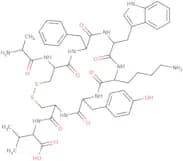
CAS:<p>4-Chlorophenylboronic acid is a chemical compound that is used in the industrial preparation of biphenyl. It is produced by the Friedel-Crafts reaction between chlorine and 4-methoxyphenylboronic acid. This reaction can be carried out using a variety of solvents, such as chloroform or carbon tetrachloride. The optimal reaction conditions are acidic pH values, which are achieved by adding sodium carbonate to the solution. The product can be purified by distillation or crystallization. 4-Chlorophenylboronic acid can also be used for the synthesis of organic compounds through cross-coupling reactions with organometallic reagents, such as palladium chloride and triphenylphosphine, or through asymmetric synthesis with chiral ligands like (S)-proline and 2-(diphenylphosphino)ferrocene.</p>Formula:C6H6BClO2Purity:Min. 95%Color and Shape:PowderMolecular weight:156.37 g/molUrotensin II-Related Peptide (human, mouse, rat) trifluoroacetate salt
CAS:<p>Urotensin II is a peptide that is expressed in the brain and has hypotensive effects. It is an endogenous ligand for the urotensin II receptor, which is found in various tissues including the heart, vascular system, and lungs. Urotensin II-Related Peptide (URP) was identified from cDNA sequences of human, mouse, and rat tissues. The URP consists of a sequence of amino acids with a molecular weight of 1219. This peptide has been shown to have diagnostic use in tissues and animals as well as being immunoreactive in monoclonal antibodies. The gene encoding URP has been cloned and its protein product has been characterized by mass spectroscopy.</p>Formula:C49H64N10O10S2Purity:Min. 95%Molecular weight:1,017.23 g/molH-Gly-Gly-Arg-anilide acetate salt
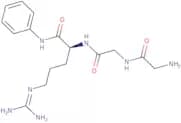
CAS:<p>Please enquire for more information about H-Gly-Gly-Arg-anilide acetate salt including the price, delivery time and more detailed product information at the technical inquiry form on this page</p>Formula:C16H25N7O3Purity:Min. 95%Molecular weight:363.42 g/molpTH (1-37) (human) trifluoroacetate salt
CAS:<p>Please enquire for more information about pTH (1-37) (human) trifluoroacetate salt including the price, delivery time and more detailed product information at the technical inquiry form on this page</p>Formula:C195H316N58O54S2Purity:Min. 95%Molecular weight:4,401.09 g/molEledoisin acetate salt
CAS:<p>Eledoisin acetate salt is a cell-lysing agent that belongs to the group of potent antagonists. It is an inhibitor of neurokinin-1 receptor which regulates the release of substance P and other inflammatory mediators from nerve terminals. Eledoisin acetate salt has shown to inhibit locomotor activity in rats, as well as nucleotide levels in cells. This drug also has been shown to have carcinoid syndrome-like effects, such as weight loss and diarrhea. These symptoms are caused by the inhibition of substance P at its receptors. The tumor necrosis factor (TNF) may be responsible for these effects, since it causes increased production of substance P in cells.</p>Formula:C54H85N13O15S·xC2H4O2Purity:Min. 95%Molecular weight:1,188.4 g/molMercaptoacetic acid sodium salt
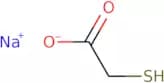
CAS:<p>Mercaptoacetic acid sodium salt (MAS) is an oxidation catalyst that is used to convert ethyl alcohol into acetic acid. It has been shown to be a good catalyst for the oxidation of hydroxyl groups in the presence of metal hydroxides or inorganic acids, such as sodium carbonate. MAS has also been shown to be toxic to human serum and is not recommended for use in humans. The toxicity of MAS may be due to its ability to react with fatty acids and form mercaptans, which are volatile compounds that can cause irritation. Mercaptoacetic acid sodium salt reacts with potassium dichromate and forms mercaptans and other products, which may contribute to its toxicity.</p>Formula:C2H3NaO2SPurity:(Titration) Min. 90%Color and Shape:PowderMolecular weight:114.1 g/molH-Cys(NPys)-Arg-Arg-Arg-Arg-Arg-Arg-Arg-Arg-Arg-NH2 trifluoroacetate salt
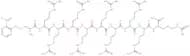
CAS:<p>Please enquire for more information about H-Cys(NPys)-Arg-Arg-Arg-Arg-Arg-Arg-Arg-Arg-Arg-NH2 trifluoroacetate salt including the price, delivery time and more detailed product information at the technical inquiry form on this page</p>Formula:C62H118N40O12S2Purity:Min. 95%Molecular weight:1,679.99 g/molD-Lactic acid benzyl ester
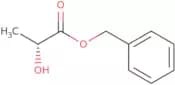
CAS:<p>D-Lactic acid benzyl ester is a chiral molecule that can be used as a feedstock for the production of D-lactic acid. It has been shown to catalyze hydrogenation reactions with an enhanced reaction rate and high selectivity when compared to other methods. The catalytic activity of D-lactic acid benzyl ester can be increased by using zeolites or iron catalyst, which are more expensive than the ligand used in this study. In addition, D-lactic acid benzyl ester was found to be more effective at catalysing the reaction between alkenes and hydrogen gas than other known catalysts. These findings indicate that it may be possible to use D-lactic acid benzyl ester as a cost-effective alternative to other catalysts in industrial processes.</p>Formula:C10H12O3Purity:Min. 95%Molecular weight:180.2 g/molZ-Phe-Lys-2,4,6-trimethylbenzoyloxy-methylketone trifluoroacetate salt
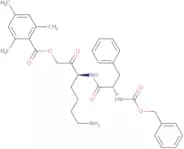
CAS:<p>Z-Phe-Lys-2,4,6-trimethylbenzoyloxy-methylketone trifluoroacetate salt is a proteolytic enzyme that has been shown to have bone resorption and tissue destructive properties. It is active against porphyromonas and bactericidal against fibrinogen. Z-Phe-Lys-2,4,6-trimethylbenzoyloxy-methylketone trifluoroacetate salt also inhibits the formation of osteoclasts by inhibiting the uptake and protease activity of extracellular matrix proteins such as fibrinogen. This drug is currently being researched for possible use in the treatment of Alzheimer's Disease.</p>Formula:C34H41N3O6Purity:Min. 95%Molecular weight:587.71 g/mol3-Methylsalicylic acid
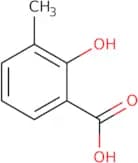
CAS:<p>3-Methylsalicylic acid is a naturally occurring carboxylate that has been shown to be an inhibitor of the hydrogenation of polyunsaturated fatty acids. 3-Methylsalicylic acid inhibits the binding of benzyl groups to intramolecular hydrogen and hydroxyl groups, which are required for the formation of a covalent bond. The antiproliferative effect of 3-methylsalicylic acid on cancer cells is due to its ability to inhibit protein synthesis by blocking the enzyme carboxylase. 3-Methylsalicylic acid also has anti-inflammatory properties and can be used as an antiseptic and analgesic.</p>Formula:C8H8O3Purity:Min. 95%Color and Shape:White PowderMolecular weight:152.15 g/molHemokinin 1 (human) trifluoroacetate salt
CAS:<p>Hemokinin-1 is a hematopoietic cell growth factor that belongs to the group of neuropeptides. This protein has been shown to stimulate the production of white blood cells and is used as an adjuvant in vaccines. Hemokinin-1 stimulates the production of inflammatory cytokines and other proinflammatory substances. It also has been found to be involved in autoimmune diseases, cancer, and infectious diseases. The antigen binding site on Hemokinin-1 is located at residues Thr-Gly-Lys-Ala-Ser-Gln-Phe-Phe-Gly-Leu (TGLKSGPFGL) and the receptor binding site at residues Met-NH2. The receptor for Hemokinin 1 is the neurokinin 1 receptor (NK1R).</p>Formula:C54H84N14O14SPurity:Min. 95%Molecular weight:1,185.4 g/molH-Phe-Met-D-Arg-Phe-NH2 acetate salt
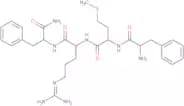
CAS:<p>Please enquire for more information about H-Phe-Met-D-Arg-Phe-NH2 acetate salt including the price, delivery time and more detailed product information at the technical inquiry form on this page</p>Formula:C29H42N8O4SPurity:Min. 95%Molecular weight:598.76 g/mol(Cys(Acm)2·7)-a-CGRP (human) trifluoroacetate salt
CAS:<p>Please enquire for more information about (Cys(Acm)2·7)-a-CGRP (human) trifluoroacetate salt including the price, delivery time and more detailed product information at the technical inquiry form on this page</p>Formula:C169H279N53O51S2Purity:Min. 95%Molecular weight:3,933.48 g/mol(β-Asp3)-VIP (human, mouse, rat) trifluoroacetate salt
CAS:<p>Please enquire for more information about (Beta-Asp3)-VIP (human, mouse, rat) trifluoroacetate salt including the price, delivery time and more detailed product information at the technical inquiry form on this page</p>Formula:C147H238N44O42SPurity:Min. 95%Molecular weight:3,325.8 g/molH-Pro-Lys-OH acetate salt
CAS:<p>H-Pro-Lys-OH acetate salt is a synthetic compound that is specific for histidine residues. It catalyzes the hydrolysis of fibrinogen to form fibrin, which can be used in the formation of blood clots. This molecule has been shown to have a number of sequences and acid analysis. H-Pro-Lys-OH acetate salt can be used as an additive in food products. The incubation process should be done at pH 4.5 and the reaction should be stopped by adding tripeptides followed by using ion-exchange chromatography or SDS polyacrylamide gel electrophoresis to analyze the amino acids present in the product.</p>Formula:C11H21N3O3Purity:Min. 95%Molecular weight:243.3 g/mol2-Methylpyridine-4-boronic acid
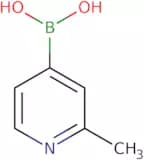
CAS:<p>2-Methylpyridine-4-boronic acid is a reactive molecule that has been used in post-column derivatization and vivo studies. It has been shown to be reactive with mass spectrometric analysis, cancer assays, proteomics, and tumorigenic sample preparation. It also has been shown to have a molecular target of the cytochrome P450 reductase (CPR), which is involved in the metabolism of drugs and other xenobiotics. 2-Methylpyridine-4-boronic acid binds to CPR and inhibits its enzymatic activity, thereby affecting the metabolism of xenobiotics.</p>Formula:C6H8BNO2Purity:Min. 95%Color and Shape:White PowderMolecular weight:136.94 g/molCaloxin 2A1 trifluoroacetate salt
CAS:<p>Please enquire for more information about Caloxin 2A1 trifluoroacetate salt including the price, delivery time and more detailed product information at the technical inquiry form on this page</p>Formula:C64H91N19O22Purity:Min. 95%Molecular weight:1,478.52 g/molSarafotoxin B trifluoroacetate salt
CAS:<p>Component of snake venom; part of a family of vasoconstrictor isopeptides</p>Formula:C110H159N27O34S5Purity:Min. 95%Molecular weight:2,563.93 g/mol4-Acetamidophenyl boronic acid
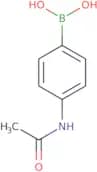
CAS:<p>4-Acetamidophenyl boronic acid is a cross-coupling reagent that has been used in the synthesis of a variety of organic molecules. The reaction is stereoselective and proceeds with high yield. 4-Acetamidophenyl boronic acid has also been used to synthesize amides and azobenzenes, which can be substituted with chloride or uv irradiation to give chloroazobenzene or benzotriazole respectively. 4-Acetamidophenyl boronic acid has shown potent inhibition against the enzyme cyclooxygenase 2 (COX2) and acidic hydrolysis.</p>Purity:Min. 95%(Val671)-Amyloid b/A4 Protein Precursor770 (667-676) trifluoroacetate salt
CAS:<p>Please enquire for more information about (Val671)-Amyloid b/A4 Protein Precursor770 (667-676) trifluoroacetate salt including the price, delivery time and more detailed product information at the technical inquiry form on this page</p>Formula:C51H82N14O18Purity:Min. 95%Molecular weight:1,179.28 g/molH-Trp-Phe-Tyr-Ser(PO3H2)-Pro-Arg-pNA trifluoroacetate salt
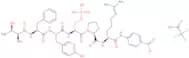
CAS:<p>Please enquire for more information about H-Trp-Phe-Tyr-Ser(PO3H2)-Pro-Arg-pNA trifluoroacetate salt including the price, delivery time and more detailed product information at the technical inquiry form on this page</p>Formula:C49H59N12O13PPurity:Min. 95%Molecular weight:1,055.04 g/mol2-(4-Chlorophenyl-acetyl)benzoic acid
CAS:<p>2-(4-Chlorophenyl-acetyl)benzoic acid is a fine chemical that is a versatile building block and useful intermediate. 2-(4-Chlorophenyl-acetyl)benzoic acid is used in the manufacture of other chemicals, such as pharmaceuticals, pesticides, dyes, or perfumes. It is also used for research purposes and as a reagent. It has a CAS number of 53242-76-5.</p>Formula:C15H11ClO3Purity:Min. 95%Color and Shape:PowderMolecular weight:274.7 g/molPAR-1 (1-6) (mouse, rat) trifluoroacetate salt
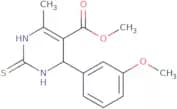
CAS:<p>Please enquire for more information about PAR-1 (1-6) (mouse, rat) trifluoroacetate salt including the price, delivery time and more detailed product information at the technical inquiry form on this page</p>Formula:C37H54N10O9Purity:Min. 95%Molecular weight:782.89 g/molMethyl 4-(3-methoxyphenyl)-6-methyl-2-thioxo-1,2,3,4-tetrahydropyrimidine-5-carboxylate
CAS:<p>Please enquire for more information about Methyl 4-(3-methoxyphenyl)-6-methyl-2-thioxo-1,2,3,4-tetrahydropyrimidine-5-carboxylate including the price, delivery time and more detailed product information at the technical inquiry form on this page</p>Formula:C14H16N2O3SPurity:85%MinMolecular weight:292.35 g/mol(Trp11,D-Phe15·16)-SDF-1 (7-16) (Dimer) (human, cat, mouse) trifluoroacetate salt
<p>Please enquire for more information about (Trp11,D-Phe15·16)-SDF-1 (7-16) (Dimer) (human, cat, mouse) trifluoroacetate salt including the price, delivery time and more detailed product information at the technical inquiry form on this page</p>Formula:C134H180N34O26S2Purity:Min. 95%Molecular weight:2,747.21 g/molBz-Val-Gly-Arg-AMC trifluoroacetate salt
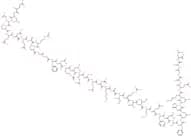
CAS:<p>Bz-Val-Gly-Arg-AMC is a growth factor that activates the extracellular signal-regulated protein kinase (ERK) pathway. The activation of this pathway results in an increase in cellular proliferation and inhibition of tumor growth. Bz-Val-Gly-Arg-AMC has been shown to activate ERK by interacting with VSMCs, which are cells that act as a structural component of blood vessels and play a role in regulating blood flow. This compound also induces phosphorylation of glycogen synthase kinase 3β and inhibits its activity, leading to increased protein synthesis through glycolysis. Bz-Val-Gly-Arg-AMC can be used as an inhibitor to bortezomib, a proteolytic enzyme that is used to treat cancer.</p>Formula:C30H37N7O6Purity:Min. 95%Molecular weight:591.66 g/molGalanin Message Associated Peptide (1-41) amide trifluoroacetate salt
CAS:<p>Please enquire for more information about Galanin Message Associated Peptide (1-41) amide trifluoroacetate salt including the price, delivery time and more detailed product information at the technical inquiry form on this page</p>Formula:C206H326N56O64SPurity:Min. 95%Molecular weight:4,643.2 g/molPACAP-38 (6-38) (human, chicken, mouse, ovine, porcine, rat) trifluoroacetate salt
CAS:<p>Please enquire for more information about PACAP-38 (6-38) (human, chicken, mouse, ovine, porcine, rat) trifluoroacetate salt including the price, delivery time and more detailed product information at the technical inquiry form on this page</p>Formula:C182H300N56O45SPurity:Min. 95%Molecular weight:4,024.75 g/molGalnon trifluoroacetate salt
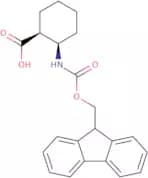
CAS:<p>Galnon trifluoroacetate salt is a pharmacological agent that binds to galanin and inhibits its binding to G protein-coupled receptors. It was shown to have a cancer preventive effect on 3T3-L1 preadipocytes by inhibiting the production of the inflammatory cytokine, tumor necrosis factor-α (TNF-α). Galnon trifluoroacetate salt also has an effect on the immune system and may be used as an anti-inflammatory agent in autoimmune diseases. This drug has been shown to block the effects of galanin on camp levels, leading to a decrease in locomotor activity.</p>Formula:C40H46N4O6Purity:Min. 95%Molecular weight:678.82 g/mol(1S,2R)-Fmoc-aminocyclohexane carboxylic acid
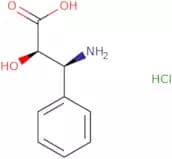
CAS:<p>Please enquire for more information about (1S,2R)-Fmoc-aminocyclohexane carboxylic acid including the price, delivery time and more detailed product information at the technical inquiry form on this page</p>Formula:C22H23NO4Purity:Min. 95%Molecular weight:365.42 g/mol(2R,3S)-3-Amino-2-hydroxy-3-phenylpropanoic acid hydrochloride
CAS:<p>(2R,3S)-3-Amino-2-hydroxy-3-phenylpropanoic acid hydrochloride is an organic compound that is used in the manufacture of taxol, an anticancer drug. It is synthesized by reacting chloroacetic acid with a metal hydroxide, such as sodium hydroxide or potassium hydroxide. The reaction proceeds spontaneously to form the enantiomerically pure (2R,3S) form and unreacted (2S,3R) form. The (2R,3S) enantiomer has been found to be more reactive than the (2S,3R) form. Quaternary ammonium salts are formed when the (2R,3S) enantiomer reacts with quaternary ammonium compounds such as benzyltrimethylammonium chloride. This compound can also be used in catalytic reactions to produce drugs such as carbapenems and pen</p>Formula:C9H12ClNO3Purity:Min. 95%Molecular weight:217.65 g/molPAR-2 (1-6) amide (human) (scrambled) trifluoroacetate salt
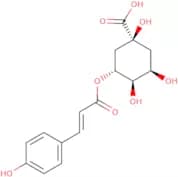
CAS:<p>Please enquire for more information about PAR-2 (1-6) amide (human) (scrambled) trifluoroacetate salt including the price, delivery time and more detailed product information at the technical inquiry form on this page</p>Formula:C28H54N8O7Purity:Min. 95%Molecular weight:614.78 g/mol3-p-Coumaroylquinic acid
CAS:<p>3-p-Coumaroylquinic acid is a natural compound found in plants. It has been shown to have antibacterial properties and can be used as an alternative to antibiotics for the treatment of opportunistic fungal infections. 3-p-Coumaroylquinic acid exhibits hypoglycemic activity, which may be due to its ability to inhibit glucose absorption by the gut. This compound can also be analyzed using a surface methodology that involves analyzing the surface of an object with a chemical reagent.</p>Formula:C16H18O8Purity:Min. 95%Color and Shape:PowderMolecular weight:338.31 g/molFurin Inhibitor II trifluoroacetate salt
CAS:<p>Furin inhibitor II is a small molecule that inhibits the activity of furin, which is an enzyme used in the processing of growth factor-β1. Furin inhibitor II binds to human receptors and blocks their binding to the surface glycoprotein on cancer cells. Furin inhibitor II also has physiological activities, such as reducing inflammation, inhibiting viral replication, and inhibiting the growth of bacteria. Furin inhibitor II may be useful for treating cancer or infectious diseases.</p>Formula:C36H75N25O6Purity:Min. 95%Molecular weight:954.15 g/molOsteoblast Activating Peptide (mouse, rat) trifluoroacetate salt
CAS:<p>Please enquire for more information about Osteoblast Activating Peptide (mouse, rat) trifluoroacetate salt including the price, delivery time and more detailed product information at the technical inquiry form on this page</p>Formula:C120H196N38O37Purity:Min. 95%Molecular weight:2,763.07 g/molDehydroacetic acid sodium salt
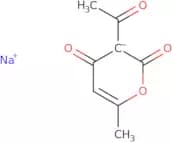
CAS:<p>Dehydroacetic acid sodium salt is a chemical compound with the formula CH3COOCH2NaO2. It is an ionic liquid that can be used as a preservative or stabilizer in foods and other products. Dehydroacetic acid sodium salt has been shown to inhibit the growth of bacteria and fungi in biological studies. The analytical method for dehydroacetic acid sodium salt is based on x-ray diffraction data, which is used to identify its purity and concentration. The reaction solution includes dehydroacetic acid, water vapor, sodium salts, phosphorus pentoxide, and control analysis.</p>Formula:C8H7O4NaPurity:Min. 95%Color and Shape:PowderMolecular weight:190.13 g/mol5,7-Dimethyl-[1,2,4]triazolo[1,5-a]pyrimidine-2-carboxylic acid
CAS:<p>Please enquire for more information about 5,7-Dimethyl-[1,2,4]triazolo[1,5-a]pyrimidine-2-carboxylic acid including the price, delivery time and more detailed product information at the technical inquiry form on this page</p>Formula:C8H8N4O2Purity:Min. 95%Molecular weight:192.17 g/molMethyl diethylphosphonoacetate
CAS:<p>Methyl diethylphosphonoacetate is a chemical compound that contains a hydroxy group, an alkynyl group and a disulfide bond. It is used as a control agent in the production of polyurethane foams, and has also been shown to inhibit the growth of bladder cancer cells. The UV absorption peak at 220 nm can be used to identify this chemical compound. Methyl diethylphosphonoacetate reacts with proton to form diethylphosphonoacetate, which then undergoes an elimination reaction with fatty acids to form aliphatic hydrocarbons. This reaction mechanism was first proposed by Stork and co-workers in 1960. Methyl diethylphosphonoacetate also binds to thrombin receptor, which may lead to anti-inflammatory effects.</p>Formula:C7H15O5PPurity:Min. 95%Molecular weight:210.16 g/molUrocortin II (mouse) trifluoroacetate salt
CAS:<p>Please enquire for more information about Urocortin II (mouse) trifluoroacetate salt including the price, delivery time and more detailed product information at the technical inquiry form on this page</p>Formula:C187H320N56O50Purity:Min. 95%Molecular weight:4,152.89 g/mol















![5,7-Dimethyl-[1,2,4]triazolo[1,5-a]pyrimidine-2-carboxylic acid](/_next/image/?url=https%3A%2Fstatic.cymitquimica.com%2Fproducts%2F3D%2Fthumb-webp%2FFD12883.webp&w=3840&q=75)