Carboxylic Acids
Carboxylic acids are organic molecules characterized by having a carboxyl-type functional group (-COOH). These acids are fundamental in various chemical reactions, including esterification, amidation, and decarboxylation. Carboxylic acids are widely used in the production of pharmaceuticals, polymers, and agrochemicals. In this section, you can find a large number of carboxylic acids ready to be used. At CymitQuimica, we provide a broad range of high-quality carboxylic acids to support your research and industrial applications.
Found 12453 products of "Carboxylic Acids"
Sort by
Purity (%)
0
100
|
0
|
50
|
90
|
95
|
100
H-Lys-Gly-Gly-Lys-OH acetate salt
CAS:<p>Please enquire for more information about H-Lys-Gly-Gly-Lys-OH acetate salt including the price, delivery time and more detailed product information at the technical inquiry form on this page</p>Formula:C16H32N6O5Purity:Min. 95%Molecular weight:388.46 g/molMethyl 6-oxo-1,6-dihydropyridazine-3-carboxylate
CAS:<p>Please enquire for more information about Methyl 6-oxo-1,6-dihydropyridazine-3-carboxylate including the price, delivery time and more detailed product information at the technical inquiry form on this page</p>Formula:C6H6N2O3Purity:Min. 95%Molecular weight:154.12 g/molPYX-1 trifluoroacetate salt
CAS:<p>Please enquire for more information about PYX-1 trifluoroacetate salt including the price, delivery time and more detailed product information at the technical inquiry form on this page</p>Formula:C70H105Cl2N19O16Purity:Min. 95%Molecular weight:1,539.61 g/molAmyloid β-Protein (25-35) amide trifluoroacetate salt
CAS:<p>Please enquire for more information about Amyloid beta-Protein (25-35) amide trifluoroacetate salt including the price, delivery time and more detailed product information at the technical inquiry form on this page</p>Formula:C45H82N14O13SPurity:Min. 95%Molecular weight:1,059.29 g/molH-Gly-His-Arg-Pro-OH acetate salt
CAS:<p>H-Gly-His-Arg-Pro-OH acetate salt is a synthetic monoclonal antibody that binds to fibrinogen. It has been used in the production of a model protein and as an anticoagulant. H-Gly-His-Arg-Pro-OH acetate salt has been shown to inhibit the growth of tissue plasminogen activator, which is a growth factor for cells involved in blood clotting. This drug also inhibits the release of acetylcholine from nerve cells, which may be due to its ability to bind to plasma proteins.</p>Formula:C19H31N9O5Purity:Min. 95%Molecular weight:465.51 g/molAnnexin A1 (1-11) (dephosphorylated) (human, bovine, chicken, porcine) trifluoroacetate salt
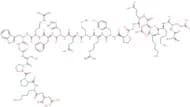
CAS:<p>Annexin A1 (1-11) is a peptide that is part of the annexin family. It is involved in the degranulation of cells and inhibits inflammation by inhibiting the production of pro-inflammatory cytokines. Annexin A1 (1-11) has been shown to be an anti-inflammatory compound as it binds to phospholipids on the surface of neutrophils, leading to inhibition of their chemotaxis and phagocytosis. This peptide also interacts with other annexins and prevents apoptosis by blocking caspase activity. Finally, it has been found that annexin A1 (1-11) can promote the healing of wounds in mice by accelerating reepithelialization and reducing scar formation. The concentration required for these effects are nanomolar concentrations.</p>Formula:C63H94N14O17SPurity:Min. 95%Molecular weight:1,351.57 g/molH-D-Pro-Phe-Arg-chloromethylketone trifluoroacetate salt
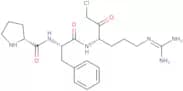
CAS:<p>H-D-Pro-Phe-Arg-chloromethylketone trifluoroacetate salt is a polyvalent antivenom that is used in the treatment of snakebites and insect stings. It has been shown to be effective in the treatment of life-threatening envenomations, including bites from cobras and other rattlesnakes. This drug is not active against nonactivated venom, such as those from bees or spiders. H-D-Pro-Phe-Arg-chloromethylketone trifluoroacetate salt binds to the cytolysin, which prevents its activity by inactivating it. The drug also has a vasoconstrictive effect, which limits blood flow to tissues and may reduce tissue damage caused by venom toxins.</p>Formula:C21H31ClN6O3Purity:Min. 95%Molecular weight:450.96 g/molβ-Bag Cell Peptide (Aplysia californica) trifluoroacetate salt
CAS:<p>Aplysia californica is a species of sea slug that produces a peptide, beta-Bag Cell Peptide (BACP), which has been shown to have depolarizing effects on neurons. BACP can be synthesized from the amino acid sequence of the Aplysia californica cell membrane protein, and this synthetic peptide has been shown to have maximal depolarizing effects at high concentrations. The depolarizing effect of BACP can be seen in populations of neurons as well as individual neurons. This peptide also desensitizes autoreceptors for acetylcholine and serotonin, which may play a role in its electrophysiological effects.</p>Formula:C33H53N13O6Purity:Min. 95%Molecular weight:727.86 g/mol3-p-Coumaroylquinic acid
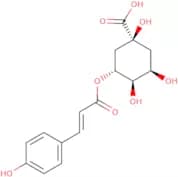
CAS:<p>3-p-Coumaroylquinic acid is a natural compound found in plants. It has been shown to have antibacterial properties and can be used as an alternative to antibiotics for the treatment of opportunistic fungal infections. 3-p-Coumaroylquinic acid exhibits hypoglycemic activity, which may be due to its ability to inhibit glucose absorption by the gut. This compound can also be analyzed using a surface methodology that involves analyzing the surface of an object with a chemical reagent.</p>Formula:C16H18O8Purity:Min. 95%Color and Shape:PowderMolecular weight:338.31 g/molDynorphin A (1-8) acetate salt
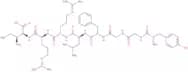
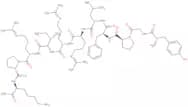
CAS:<p>Dynorphin A (1-8) acetate salt H-Tyr-Gly-Gly-Phe-Leu-Arg-Arg-Ile-OH acetate salt is a synthetic, nonpeptide opioid agonist. It binds to the delta receptor and inhibits nociception in the central nervous system. This compound has been shown to produce acute phase and subchronic toxicity in rats and has been shown to possess antinociceptive effects in mice. Dynorphin A (1-8) acetate salt H-Tyr-Gly-Gly-Phe-Leu-Arg-Arg-Ile-OH acetate salt has also been shown to antagonize the enzyme inhibitors of phospholipase A2, cyclooxygenase, and lipoxygenase.<br>MECHANISM OF ACTION: Dynorphin A (1–8) is an endogenous peptide that modulates neurotransmission at the</p>Formula:C46H72N14O10Purity:Min. 95%Molecular weight:981.15 g/mol(Pro3)-Dynorphin A (1-11) amide trifluoroacetate salt
CAS:<p>Please enquire for more information about (Pro3)-Dynorphin A (1-11) amide trifluoroacetate salt including the price, delivery time and more detailed product information at the technical inquiry form on this page</p>Formula:C66H108N22O12Purity:Min. 95%Molecular weight:1,401.7 g/mol(Cys(Et)2·7)-a-CGRP (human) trifluoroacetate salt
CAS:<p>Please enquire for more information about (Cys(Et)2·7)-a-CGRP (human) trifluoroacetate salt including the price, delivery time and more detailed product information at the technical inquiry form on this page</p>Formula:C167H277N51O49S2Purity:Min. 95%Molecular weight:3,847.43 g/molAngiotensin A trifluoroacetate salt
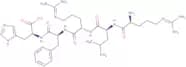
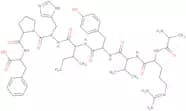
CAS:<p>Angiotensin A trifluoroacetate salt H-Ala-Arg-Val-Tyr-Ile-His-Pro-Phe-OH is a drug that has been shown to be effective in treating chronic kidney disease and heart failure. It is a synthetic peptide that mimics the activity of angiotensin II, an important regulator of blood pressure. Angiotensin A trifluoroacetate salt H-Ala-Arg-Val-Tyr-Ile-His-Pro-Phe-OH binds to the angiotensin receptor, which causes vasoconstriction and increases the release of soluble guanylate cyclase. This drug also inhibits the production of matrix metalloproteinases, which break down collagen and other extracellular proteins.</p>Formula:C49H71N13O10Purity:Min. 95%Molecular weight:1,002.17 g/mol2-[(3,5,6-Trichloro-2-pyridinyl)oxy]acetic acid
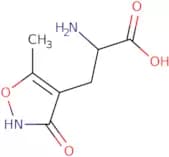
CAS:<p>Carbaryl is a broad-spectrum insecticide that has been used to control pests in homes, gardens, and agricultural fields. It can be found in many products for use around the home, including flea collars and ant traps. Carbaryl is absorbed by plants through their leaves and roots and can affect photosynthetic activity. Carbaryl also affects plant metabolism by inhibiting proximal tubule function, which leads to an increase in urea nitrogen and urine production. Carbaryl can be toxic to humans when ingested or inhaled. The toxicity of carbaryl depends on its route of exposure (oral, inhalation, or skin). Carbaryl is metabolized through a number of metabolic reactions that include oxidation by cytochrome P450 enzymes, reduction by glutathione reductase, or conjugation with glucuronic acid.</p>Formula:C7H4Cl3NO3Purity:Min. 95%Color and Shape:PowderMolecular weight:256.47 g/mol(R,S)-α-Amino-3-hydroxy-5-methyl-4-isoxazolepropionic acid hydrobromide
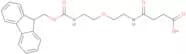
CAS:<p>(R,S)-AMPA is a synthetic analog of the excitatory neurotransmitter glutamate, specifically designed to activate AMPA receptors, a subtype of ionotropic glutamate receptors. These receptors are pivotal in mediating fast synaptic transmission in the central nervous system. (R,S)-AMPA serves as a prototypical agonist for AMPA receptors, facilitating the study of receptor function and synaptic plasticity.</p>Formula:C7H10N2O4•HBrPurity:Min. 95%Molecular weight:267.08 g/molN-(Fmoc-5-amino-3-oxa-pentyl)succinamic acid
CAS:<p>N-(Fmoc-5-amino-3-oxa-pentyl)succinamic acid is a high quality chemical that is used as an intermediate in the production of pharmaceuticals and other fine chemicals. It is also a reagent for use in peptide synthesis. N-(Fmoc-5-amino-3-oxa-pentyl)succinamic acid has a CAS No. 669073-62-5 and can be used as a useful scaffold for the production of complex compounds. This compound is also useful for research purposes, due to its versatility as a building block with speciality chemical applications.</p>Formula:C23H26N2O6Purity:Min. 95%Molecular weight:426.46 g/mol(N-Me-Phe7)-Neurokinin B trifluoroacetate salt
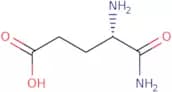
CAS:<p>Please enquire for more information about (N-Me-Phe7)-Neurokinin B trifluoroacetate salt including the price, delivery time and more detailed product information at the technical inquiry form on this page</p>Formula:C60H81N13O14S2Purity:Min. 95%Molecular weight:1,272.5 g/molL-Glutamic acid α-amide
CAS:<p>L-Glutamic acid alpha-amide is an ester hydrochloride that is a tissue culture amide. It is a cyclic peptide analog and a hydroxyl group. L-glutamic acid alpha-amide has been shown to inhibit the inflammatory response in the bowel disease, Crohn's disease, by blocking the toll-like receptor 4 and 5. This drug also inhibits protein synthesis, which may be due to its ability to bind to fatty acids, thereby inhibiting the production of proteins vital for cell division.</p>Formula:C5H10N2O3Purity:Min. 95%Color and Shape:White PowderMolecular weight:146.14 g/mol2-Hydroxysuccinic acid methyl ester
CAS:<p>2-Hydroxysuccinic acid methyl ester is an organic compound that has a carbonyl group, a hydroxyl group, and two carboxylic esters. It is a colorless liquid with a sweet taste. 2-Hydroxysuccinic acid methyl ester is classified as a dicarboxylic acid. It can be found in nature as malic acid, which is found in apples and other fruits. 2-Hydroxysuccinic acid methyl ester can also be synthesized from citric acid and formaldehyde.</p>Formula:C5H8O5Purity:90% MinMolecular weight:148.11 g/mol(Des-Lys38)-M65 trifluoroacetate salt
CAS:<p>Please enquire for more information about (Des-Lys38)-M65 trifluoroacetate salt including the price, delivery time and more detailed product information at the technical inquiry form on this page</p>Formula:C199H314N62O60S5Purity:Min. 95%Molecular weight:4,695.33 g/molBombesin (8-14) acetate salt
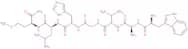
CAS:<p>Bombesin (8-14) acetate salt H-Trp-Ala-Val-Gly-His-Leu-Met-NH2 acetate salt is a bifunctional peptide that has been shown to inhibit the growth of prostate cancer cells. Bombesin (8-14) acetate salt H-Trp-Ala-Val-Gly-His-Leu-Met-NH2 acetate salt also has antiinflammatory properties and is used in treating inflammatory diseases. It inhibits collagen synthesis and fibrinogen activation, which may be important in the treatment of autoimmune diseases such as rheumatoid arthritis. Bombesin (8 14) acetate salt H Trp Ala Val Gly His Leu Met NH2 Acetate Salt has been shown to have no effect on healthy tissues when administered systemically.</p>Formula:C38H57N11O7SPurity:Min. 95%Molecular weight:812 g/molH-Gly-Gly-Lys-Arg-OH acetate salt
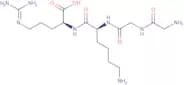
CAS:<p>The H-Gly-Gly-Lys-Arg-OH acetate salt is a diagnostic agent that belongs to the group of active analogues. It is an analogue of sialin, a compound that has been shown to be involved in the molecular pathogenesis of cancer tissues. Sialic acid is an important component of many glycoproteins and glycolipids found in the human body. This compound is metabolized by sialidase enzymes, which are present in various tissues and organs such as the brain, kidney, liver, and plasma. The H-Gly-Gly-Lys-Arg-OH acetate salt inhibits these enzymes by binding to them and preventing their action. This drug also inhibits ATP dependent transport systems for neuronal cells.</p>Formula:C16H32N8O5Purity:Min. 95%Molecular weight:416.48 g/mol4-Aminopicolinic acid
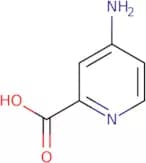
CAS:<p>4-Aminopicolinic acid is a synthetic amine that has been shown to activate plant science. 4-Aminopicolinic acid is a cyclic peptide with two subunits, one of which is 4-amino-3-pyridinecarboxylic acid. This compound has been synthesized from picolinic acid, an agriculturally important compound that is found in plant and animal tissues. The synthesis of 4-aminopicolinic acid involves the reaction of picolinic acid with nitrous oxide, followed by hydrolysis and oxidation to form the desired product. Hplc analyses have confirmed the presence of picolinic acid in extracts from various plants containing this compound.</p>Formula:C6H6N2O2Purity:Min. 95%Color and Shape:White To Beige Or Pink To Light Brown SolidMolecular weight:138.12 g/mol4,4',4''-Nitrilotribenzoic acid
CAS:<p>4,4',4''-Nitrilotribenzoic acid is a low molecular weight activated compound with a hexane molecule and luminescence properties. This compound has been used in the detection of human pathogens, for example, Salmonella enterica serovar Typhimurium. The uptake of 4,4',4''-nitrilotribenzoic acid by these bacteria has been shown to be due to its peroxidase-like activity. 4,4',4''-Nitrilotribenzoic acid has also been used for the activation of polybenzimidazole and for polymerization reactions in polybenzimidazole films. The time required for polymerization depends on the concentration of 4,4',4''-nitrilotribenzoic acid used.</p>Formula:C21H15NO6Purity:Min. 95%Molecular weight:377.35 g/molCecropin B (free acid) trifluoroacetate salt
CAS:<p>Please enquire for more information about Cecropin B (free acid) trifluoroacetate salt including the price, delivery time and more detailed product information at the technical inquiry form on this page</p>Formula:C176H301N51O42SPurity:Min. 95%Molecular weight:3,835.66 g/molAc-Trp-Glu-His-Asp-AFC trifluoroacetate salt
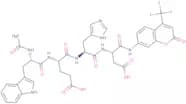
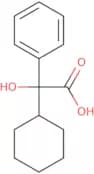
CAS:<p>Please enquire for more information about Ac-Trp-Glu-His-Asp-AFC trifluoroacetate salt including the price, delivery time and more detailed product information at the technical inquiry form on this page</p>Formula:C38H37F3N8O11Purity:Min. 95%Molecular weight:838.74 g/mol2-Cyclohexyl-2-hydroxy-phenylacetic acid
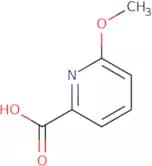
CAS:<p>2-Cyclohexyl-2-hydroxy-phenylacetic acid is a potent inhibitor of the cholinergic muscarinic receptors. It has been used as an anticholinergic drug and in pharmaceutical preparations for the treatment of inflammatory diseases. 2-Cyclohexyl-2-hydroxy-phenylacetic acid is used to treat urinary incontinence, although it can also cause constipation. Side effects of 2-cyclohexyl-2-hydroxy phenylacetic acid include headache, drowsiness, dry mouth, and blurred vision. 2 CPHPA is an inorganic acid that reacts with phosphorus pentachloride to form an organic phosphate ester called pentachlorophosphoric acid (PCPA). This reaction can be reversed by adding hydrochloric acid. The PCPA salt of 2 CPHPA is called diethylamine salt.</p>Formula:C14H18O3Purity:Min. 95%Molecular weight:234.29 g/mol2-Methoxy-6-picolinic acid
CAS:<p>2-Methoxy-6-picolinic acid (2MPA) is a picolinate that has been shown to be an effective catalyst for the conversion of alcohols into allylic alcohols. 2MPA is able to catalyze the reaction by abstracting hydrogen from the carbonyl group, and then adding it to the adjacent carbon. This reaction can produce peroxide as a byproduct, which is subsequently hydrolyzed to form water and alcohol. The β-unsaturated carbonyl group of 2MPA provides additional stability for this catalytic process.<br>2MPA can also be used as a catalyst in other reactions, such as the oxidation of benzylic alcohols with hydrogen peroxide to form benzylic carbonyl compounds.</p>Formula:C7H7NO3Purity:Min. 95%Color and Shape:PowderMolecular weight:153.14 g/mol2-(4-Chlorophenyl-acetyl)benzoic acid
CAS:<p>2-(4-Chlorophenyl-acetyl)benzoic acid is a fine chemical that is a versatile building block and useful intermediate. 2-(4-Chlorophenyl-acetyl)benzoic acid is used in the manufacture of other chemicals, such as pharmaceuticals, pesticides, dyes, or perfumes. It is also used for research purposes and as a reagent. It has a CAS number of 53242-76-5.</p>Formula:C15H11ClO3Purity:Min. 95%Color and Shape:PowderMolecular weight:274.7 g/mol5-Acenaphthenecarboxylic acid
CAS:<p>5-Acenaphthenecarboxylic acid is a xylene derivative that has been characterized as an organometallic compound. The cyclopentane ring is the central feature of this molecule and it can be used in the synthesis of other organic compounds. 5-Acenaphthenecarboxylic acid is toxic to humans and animals and has been shown to induce liver tumors in rats. It also has been shown to inhibit the growth of some bacteria, including Mycobacterium tuberculosis, which causes tuberculosis. 5-Acenaphthenecarboxylic acid inhibits protein synthesis by binding to ribosomes and interfering with the biosynthesis of proteins. This binding prevents formation of a complex with the enzyme cell wall synthesis that is required for cell wall biosynthesis, inhibiting protein synthesis and cell division.</p>Formula:C13H10O2Purity:Min. 95%Color and Shape:PowderMolecular weight:198.22 g/mol(Trp11,D-Phe15·16)-SDF-1 (7-16) (Dimer) (human, cat, mouse) trifluoroacetate salt
<p>Please enquire for more information about (Trp11,D-Phe15·16)-SDF-1 (7-16) (Dimer) (human, cat, mouse) trifluoroacetate salt including the price, delivery time and more detailed product information at the technical inquiry form on this page</p>Formula:C134H180N34O26S2Purity:Min. 95%Molecular weight:2,747.21 g/mol4-(Trimethylsilyl)pheNylboroNic acid
CAS:<p>4-(Trimethylsilyl)phenylboronic acid is a molecule that can be used as an acceptor in fluorescence. It has been shown to have acceptor properties, which means it is able to absorb light energy and transfer it to other molecules. This chemical can be used in microscopy and cross-coupling reactions. 4-(Trimethylsilyl)phenylboronic acid has been shown to undergo thermally activated transport properties and to be isomeric. The molecule also has cross-coupling reactions with anilines, which are important for the production of pharmaceuticals and other organic compounds. 4-(Trimethylsilyl)phenylboronic acid has a high affinity for chloride ions, making it a good candidate for use in solar cells.</p>Formula:C9H15BO2SiPurity:Min. 95%Molecular weight:194.11 g/molFmoc-ε-aminocaproic acid-Wang resin (200-400 mesh)
<p>Please enquire for more information about Fmoc-epsilon-aminocaproic acid-Wang resin (200-400 mesh) including the price, delivery time and more detailed product information at the technical inquiry form on this page</p>Purity:Min. 95%β-MSH (human) trifluoroacetate salt
CAS:<p>Beta-MSH is a hormone that belongs to the peptide hormones group. It is synthesized in the pituitary gland and released in response to stress, trauma or injury. Beta-MSH has been shown to regulate many physiological functions, including adrenocorticotrophic hormone (ACTH) secretion, skin pigmentation and regulation of body temperature. Beta-MSH also has diagnostic applications as it can be used to measure levels of this hormone in cerebrospinal fluid (CSF). The n-terminal prohormone fragment of beta-MSH can be measured by radioimmunoassay (RIA) or enzyme immunoassay (EIA), while the c-terminal prohormone fragment can be measured by RIA.</p>Formula:C118H174N34O35SPurity:Min. 95%Molecular weight:2,660.92 g/molGRF (bovine) trifluoroacetate salt
CAS:<p>Growth hormone-releasing factor (GRF) or GHRH (growth hormone-releasing hormone).Binds to the growth hormone-releasing hormone receptor (GHRH-R), causing growth hormone secretion.porcine: H-YADAIFTNSYRKVLGQLSARKLLQDIMSRQQGERNQEQGARVRL-NH2bovine: H-YADAIFTNSYRKVLGQLSARKLLQDIMNRQQGERNQEQGAKVRL-NH2ovine: H-YADAIFTNSYRKILGQLSARKLLQDIMNRQQGERNQEQGAKVRL-NH2human: H-YADAIFTNSYRKVLGQLSARKLLQDIMSRQQGESNQERGARARL-NH2</p>Formula:C220H366N72O66SPurity:Min. 95%Molecular weight:5,107.77 g/molH-Gly-Gly-Arg-OH acetate salt
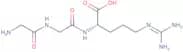
CAS:<p>Please enquire for more information about H-Gly-Gly-Arg-OH acetate salt including the price, delivery time and more detailed product information at the technical inquiry form on this page</p>Formula:C10H20N6O4Purity:Min. 95%Molecular weight:288.3 g/molGalnon trifluoroacetate salt
CAS:<p>Galnon trifluoroacetate salt is a pharmacological agent that binds to galanin and inhibits its binding to G protein-coupled receptors. It was shown to have a cancer preventive effect on 3T3-L1 preadipocytes by inhibiting the production of the inflammatory cytokine, tumor necrosis factor-α (TNF-α). Galnon trifluoroacetate salt also has an effect on the immune system and may be used as an anti-inflammatory agent in autoimmune diseases. This drug has been shown to block the effects of galanin on camp levels, leading to a decrease in locomotor activity.</p>Formula:C40H46N4O6Purity:Min. 95%Molecular weight:678.82 g/molCys(NPys)-Antennapedia Homeobox (43-58) amide trifluoroacetate salt
CAS:<p>Please enquire for more information about Cys(NPys)-Antennapedia Homeobox (43-58) amide trifluoroacetate salt including the price, delivery time and more detailed product information at the technical inquiry form on this page</p>Formula:C112H176N38O22S3Purity:Min. 95%Molecular weight:2,503.04 g/mol3-Cyanopropanoic acid
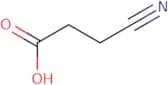
CAS:<p>3-Cyanopropanoic acid is a reactive compound that forms a complex with palladium. It is produced by the reaction of acrylonitrile and chloride in the presence of a base such as sodium hydroxide. The reaction mechanism is shown below:</p>Formula:C4H5NO2Purity:Min. 95%Color and Shape:PowderMolecular weight:99.09 g/molOsteocalcin (1-49) (human) acetate salt
CAS:<p>Osteocalcin is a protein that is synthesized by osteoblasts and released into the extracellular matrix. It is involved in the regulation of bone metabolism, including the synthesis and mineralization of bone matrix. Osteocalcin has been shown to be a marker for osteoarthritis, which may be due to its role in cartilage degradation. This protein has also been implicated in prognosis and diagnosis of this condition. Osteocalcin can be used as a marker for monitoring disease-modifying therapies such as chondroitin sulfate or cross-linking agents.</p>Formula:C269H381N67O82S2Purity:Min. 95%Molecular weight:5,929.44 g/molTIP-39 trifluoroacetate salt
CAS:<p>Please enquire for more information about TIP-39 trifluoroacetate salt including the price, delivery time and more detailed product information at the technical inquiry form on this page</p>Formula:C202H325N61O54SPurity:Min. 95%Molecular weight:4,504.19 g/mol(Des-Bromo)-Neuropeptide B (1-23) (human) trifluoroacetate salt
CAS:<p>Please enquire for more information about (Des-Bromo)-Neuropeptide B (1-23) (human) trifluoroacetate salt including the price, delivery time and more detailed product information at the technical inquiry form on this page</p>Formula:C107H162N30O30Purity:Min. 95%Molecular weight:2,348.62 g/molOrphan GPCR SP9155 Agonist P550 (mouse) trifluoroacetate salt
CAS:<p>Please enquire for more information about Orphan GPCR SP9155 Agonist P550 (mouse) trifluoroacetate salt including the price, delivery time and more detailed product information at the technical inquiry form on this page</p>Formula:C126H195N37O37Purity:Min. 95%Molecular weight:2,820.12 g/molNesfatin-1 (30-59) (mouse, rat) trifluoroacetate salt
<p>Please enquire for more information about Nesfatin-1 (30-59) (mouse, rat) trifluoroacetate salt including the price, delivery time and more detailed product information at the technical inquiry form on this page</p>Formula:C167H260N40O54Purity:Min. 95%Molecular weight:3,692.09 g/molω-Agatoxin IVa trifluoroacetate
CAS:<p>Omega-agatoxin IVa trifluoroacetate is a neurotoxin that inhibits voltage-dependent calcium channels. It blocks the opening of these channels, leading to an increase in cytosolic calcium. This toxin has been shown to be effective in treating autoimmune diseases and also has shown antimicrobial effects against bacteria. Omega-agatoxin IVa trifluoroacetate has a pathogenic mechanism that involves the inhibition of neuronal death by glutamate through its ability to block the release of glutamate from the presynaptic neuron. This toxin also binds to cerebellar Purkinje neurons and prevents them from firing, which leads to paralysis. Omega-agatoxin IVa trifluoroacetate is a glycosylated peptide with a disulfide bond that can be isolated using preparative high performance liquid chromatography (HPLC).</p>Formula:C217H360N68O60S10Purity:Min. 95%Molecular weight:5,202.26 g/molPreptin (human) trifluoroacetate salt
CAS:<p>Please enquire for more information about Preptin (human) trifluoroacetate salt including the price, delivery time and more detailed product information at the technical inquiry form on this page</p>Formula:C187H275N47O53Purity:Min. 95%Molecular weight:4,029.47 g/molOsteostatin (human) trifluoroacetate salt
CAS:<p>Osteostatin is a recombinant human protein that inhibits bone growth by binding to and neutralizing the effect of forskolin. Osteostatin also has an inhibitory effect on cancer cells, as it inhibits mitochondrial pathways and prevents the activation of factor receptors. Osteostatin blocks the synthesis of cAMP, which is necessary for cell proliferation in cancer cells. The inhibition of cAMP levels leads to a decrease in the production of proteins that stimulate bone growth, such as runx2.</p>Formula:C142H228N42O58Purity:Min. 95%Molecular weight:3,451.58 g/molLQEQ-19 (mouse, rat) trifluoroacetate salt
CAS:<p>Please enquire for more information about LQEQ-19 (mouse, rat) trifluoroacetate salt including the price, delivery time and more detailed product information at the technical inquiry form on this page</p>Formula:C106H165N29O34Purity:Min. 95%Molecular weight:2,389.62 g/mol(Phe2, Nle 4)-ACTH (1-24) (human, bovine, rat) trifluoroacetate salt
CAS:<p>Please enquire for more information about (Phe2, Nle 4)-ACTH (1-24) (human, bovine, rat) trifluoroacetate salt including the price, delivery time and more detailed product information at the technical inquiry form on this page</p>Formula:C137H212N40O30Purity:Min. 95%Molecular weight:2,899.4 g/molMyelin Oligodendrocyte Glycoprotein (35-55) (human) trifluoroacetate salt
CAS:<p>Please enquire for more information about Myelin Oligodendrocyte Glycoprotein (35-55) (human) trifluoroacetate salt including the price, delivery time and more detailed product information at the technical inquiry form on this page</p>Formula:C120H179N35O28SPurity:Min. 95%Molecular weight:2,591.99 g/mol





![2-[(3,5,6-Trichloro-2-pyridinyl)oxy]acetic acid](/_next/image/?url=https%3A%2Fstatic.cymitquimica.com%2Fproducts%2F3D%2Fthumb-webp%2FFT28420.webp&w=3840&q=75)