Aldehydes
Aldehydes are organic compounds containing a carbonyl group (C=O) bonded to at least one hydrogen atom. These versatile compounds are fundamental in various chemical reactions, including oxidation, reduction, and nucleophilic addition. Aldehydes are essential building blocks in the synthesis of pharmaceuticals, fragrances, and polymers. At CymitQuimica, we provide a diverse selection of high-quality aldehydes to support your research and industrial applications.
Found 8551 products of "Aldehydes"
Sort by
Purity (%)
0
100
|
0
|
50
|
90
|
95
|
100
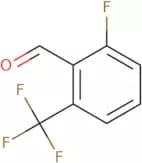
2-Fluoro-6-(trifluoromethyl)benzaldehyde
CAS:<p>2-Fluoro-6-(trifluoromethyl)benzaldehyde is a chemical compound that is used in the synthesis of other organic compounds. It can be synthesized by reacting benzaldehyde with sodium trifluoromethanesulfinate in liquid ammonia solution at a temperature of -78°C. The reaction produces 2-fluoro-6-(trifluoromethyl)benzaldehyde, which is isolated by evaporating the reaction liquid and recrystallizing the product from methanol. The yield of this reaction is high and there are no major byproducts.</p>Formula:C8H4F4OPurity:Min. 95%Color and Shape:Clear LiquidMolecular weight:192.11 g/mol3-Chloro-4-hydroxybenzaldehyde
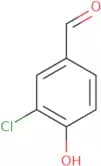
CAS:<p>3-Chloro-4-hydroxybenzaldehyde is a molecule that belongs to the class of aldehydes. It is a monocarboxylic acid and an important precursor in the production of coumarin derivatives. 3-Chloro-4-hydroxybenzaldehyde has been shown to have pharmacokinetic properties, such as vibrational, chemical, and optical properties. It is also a fluorophore with strong fluorescence emission. The hydroxymethyl group can be programmed by adding an amine or thiol group at the 4 position on the ring of 3-chloro-4-hydroxybenzaldehyde. The addition of these groups will change the optical properties of 3-chloro-4-hydroxybenzaldehyde to make it more useful for biotechnology applications.</p>Formula:C7H5ClO2Purity:Min. 95%Color and Shape:PowderMolecular weight:156.57 g/mol4-Benzyloxyindole-3-carboxaldehyde
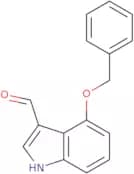
CAS:<p>4-Benzyloxyindole-3-carboxaldehyde is an analog of psilocin that is synthesized by the condensation of formylbenzene with indole-3-carboxaldehyde. It has been shown to act as a formylating agent, which can be used in the synthesis of other compounds. 4-Benzyloxyindole-3-carboxaldehyde may also be converted to n-dimethyltryptamine (DMT) by oxidation and decarboxylation.</p>Formula:C16H13NO2Purity:Min. 95%Color and Shape:PowderMolecular weight:251.28 g/mol3-Chloro-2,6-dihydroxy-4-methylbenzaldehyde
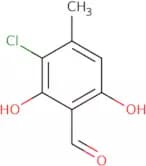
CAS:<p>3-Chloro-2,6-dihydroxy-4-methylbenzaldehyde is a hydroxylated compound that is used in wastewater treatment. It can be found in many products including plastics and pesticides. 3-Chloro-2,6-dihydroxy-4-methylbenzaldehyde has been shown to inhibit the growth of bacteria such as Usnic Acid through its ability to react with hydrogen atoms on the bacterial cell wall and replace them with chlorine. This replacement halts the production of benzoate, which is essential for bacterial growth. The reaction mechanism has been detected using an electrochemical detector, chloroatranol.</p>Formula:C8H7ClO3Purity:Min. 95%Color and Shape:Off-White PowderMolecular weight:186.59 g/mol2,4,5-Trimethylbenzaldehyde
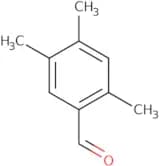
CAS:<p>2,4,5-Trimethylbenzaldehyde is a cell line that can be used to study the oxidation of α-pinene. It is a chemical compound that belongs to the group of aromatic compounds and has been shown to have high cytotoxicity. It has been found to oxidize other molecules in the body with an electron acceptor such as oxygen or another molecule. 2,4,5-Trimethylbenzaldehyde has also been shown to have biological properties. This product is being researched for its ability to inhibit fatty acid synthesis and reduce cholesterol production in the liver.</p>Formula:C10H12OPurity:Min. 95%Molecular weight:148.2 g/molZ-Phe-Tyr-aldehyde
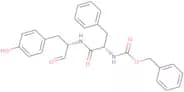
CAS:<p>Z-Phe-Tyr-aldehyde is a natural compound that inhibits the activity of cathepsin, an enzyme associated with cancer and bowel disease. The compound also inhibits the expression of covid-19, which is a protein that regulates cell death. Z-Phe-Tyr-aldehyde has been shown to cause caspase-independent cell death in human leukemia cells. This compound also blocks the TLR4 receptor, which is thought to play a role in infectious diseases such as SARS and Covid-2. It has been found to inhibit protein synthesis in bacteria, which may be due to its ability to inhibit ribosomal function.</p>Formula:C26H26N2O5Purity:Min. 95%Molecular weight:446.5 g/mol2-Hydroxy-5-methoxybenzaldehyde
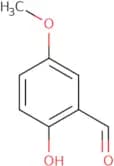
CAS:<p>2-Hydroxy-5-methoxybenzaldehyde is a colorless, water-soluble liquid that has been used as a chemical intermediate in the synthesis of pharmaceuticals. It is also an antiinflammatory agent that inhibits acetylcholinesterase. 2-Hydroxy-5-methoxybenzaldehyde binds to copper ions by means of hydrogen bonding interactions and forms stable complexes with nitrogen atoms such as amides, nitriles, and hydrazones. 2HMB has been shown to have antiinflammatory activity in animal studies. This compound has a redox potential of -0.8 V, which indicates it can be oxidized by strong oxidizing agents or reduced by strong reducing agents.</p>Formula:C8H8O3Purity:Min. 95%Color and Shape:Colorless Clear LiquidMolecular weight:152.15 g/mol3-Chlorobenzaldehyde
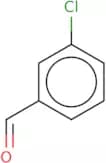
CAS:<p>3-Chlorobenzaldehyde is a chemical that is used as a diagnostic agent for mitochondrial diseases. 3-Chlorobenzaldehyde can be used to detect mutations in the mtDNA and diagnose deficiencies of enzymes involved in energy metabolism. It has been shown to inhibit the activity of dehydrogenase enzymes and the synthesis of acyl-coa from zirconium oxide, which is an important component in polymerase chain reactions. This chemical also inhibits mitochondrial functions and enzyme activities, making it useful for screening for drugs that affect these processes. 3-Chlorobenzaldehyde has also been shown to inhibit hydrogen fluoride, which is often found in industrial environments.</p>Formula:C7H5ClOColor and Shape:Colorless Clear LiquidMolecular weight:140.57 g/mol4-Cyano-2-hydroxybenzaldehyde
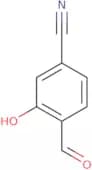
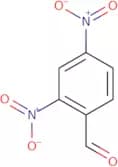
CAS:<p>4-Cyano-2-hydroxybenzaldehyde is a high quality chemical that can be used as a reagent and intermediate in the synthesis of complex compounds. It is also an important building block in the synthesis of fine chemicals. 4-Cyano-2-hydroxybenzaldehyde has been used as a versatile building block in the synthesis of organic compounds, useful scaffolds in medicinal chemistry, and reactive intermediates. It has also been shown to have anti-inflammatory properties and may be a potential treatment for inflammatory bowel disease.</p>Formula:C8H5NO2Purity:Min. 95%Molecular weight:147.13 g/mol2,4-Dinitrobenzaldehyde
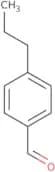
CAS:<p>2,4-Dinitrobenzaldehyde is a chemical compound that contains a hydroxyl group and an amine. It is reactive and can form cationic surfactants with other compounds. 2,4-Dinitrobenzaldehyde has been shown to react with dimethyl fumarate in the presence of ethyl esters to form ethyl 2,4-dinitrophenolate. This reaction is catalyzed by dinucleotide phosphate and requires salinity or a base such as sodium methoxide. 2,4-Dinitrobenzaldehyde reacts with 2-aminoethanol in the presence of water or alcohols to produce 2,4-diaminobenzoic acid. The reaction mechanism for this process is not known but it may involve hydrogen bonding between the hydroxyl group and amine groups.<br>2,4-Dinitrobenzaldehyde has been used as a reagent for staining DNA in gel elect</p>Formula:C7H4N2O5Purity:Min. 95%Color and Shape:PowderMolecular weight:196.12 g/mol4-n-Propylbenzaldehyde
CAS:<p>4-n-Propylbenzaldehyde is a chemical compound that belongs to the group of aromatic aldehydes. It is used in the production of other chemicals, such as pharmaceuticals and fragrances. 4-n-Propylbenzaldehyde has been shown to be genotoxic, causing DNA damage and mutating genes. This chemical also has an inhibitory effect on cancer cells, which may be due to its ability to interfere with histone deacetylase activity. The genotoxic potential of this substance is considered low based on its lack of genotoxicity in vitro and in vivo. This compound does not have any structural formula for the corresponding metal complex.</p>Formula:C10H12OPurity:Min. 98 Area-%Color and Shape:Colorless Clear LiquidMolecular weight:148.2 g/mol2-fluoro-4-(trifluoromethyl)benzaldehyde
CAS:<p>2-fluoro-4-(trifluoromethyl)benzaldehyde is a chemical compound that can be synthesized by the reaction of peroxide with fluorine. It is used as a solvent in coatings and in the production of organic chemicals. 2-fluoro-4-(trifluoromethyl)benzaldehyde has been shown to be toxic to cancer cells at high concentrations, but not normal cells. The waveguide effect can be observed at temperatures below -60°C and it has three functional groups that are hydrolyzed by HCl.</p>Formula:C8H4F4OPurity:Min. 95%Color and Shape:Clear LiquidMolecular weight:192.11 g/moltrans-Cinnamaldehyde
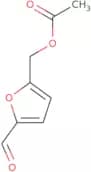
CAS:<p>Cinnamaldehyde is a natural compound that has shown to have antiviral and antimicrobial properties. It has been shown to inhibit the toll-like receptor, which is a protein on the surface of cells that detects bacteria and other microorganisms. Cinnamaldehyde is also able to inhibit c. glabrata growth in vitro at concentrations between 10 and 100 μM, as well as copper-mediated cell death in hl-60 cells. Cinnamaldehyde has been shown to cause neuronal death by interfering with cellular physiology. This compound can be used in the treatment of infectious diseases because it inhibits bacterial dna gyrase, dna topoisomerase, and rna synthesis.</p>Formula:C9H8OPurity:Min. 95%Color and Shape:PowderMolecular weight:132.16 g/mol5-Acetoxymethyl-2-furaldehyde
CAS:<p>5-Acetoxymethyl-2-furaldehyde is a furanic acid that is found in the plant Triticum aestivum. This compound has been shown to have antifungal and anticancer properties. 5-Acetoxymethyl-2-furaldehyde inhibits the growth of bacteria by forming a complex with p-hydroxybenzoic acid, which prevents the formation of amines. The toxicity of this compound may also be due to its ability to cause DNA damage, leading to cell death. 5-Acetoxymethyl-2-furaldehyde can be used as an oxidation catalyst for reactions involving amines. It can also be produced by oxidizing 2,5 furanone with hydrogen peroxide and hydrochloric acid at high temperatures. The reaction mechanism is not well understood but it is believed that 5 acetoxymethyl - 2 furaldehyde is formed from the dehydration of furfuraldehyde.</p>Formula:C8H8O4Purity:Min. 95%Color and Shape:PowderMolecular weight:168.15 g/mol3-Cyclohexene-1-carboxaldehyde
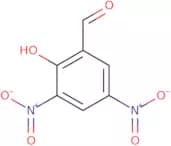
CAS:<p>3-Cyclohexene-1-carboxaldehyde is a carbonyl reduction agent that converts primary alcohols to aldehydes. 3-Cyclohexene-1-carboxaldehyde is an effective catalyst for the reduction of alpha, beta unsaturated carbonyls. The mechanism of this reaction involves the elimination of hydrogen chloride, which forms hydrochloric acid. The reaction can be controlled by adding either alkali metal or chloride ions to the reaction mixture. This process produces 2 products: aldehyde and alkyl chlorides. 3-Cyclohexene-1-carboxaldehyde is primarily used in the production of polyethylene terephthalate (PET) and nylon 6,6 from ethylene glycol.</p>Formula:C7H10OPurity:Min. 95%Molecular weight:110.15 g/mol3,5-Dinitrosalicylaldehyde
CAS:<p>3,5-Dinitrosalicylaldehyde is an oxidizing agent that is used in organic chemistry to produce aldehydes or carboxylic acids. It reacts with the amino groups of lysine residues and converts them to nitro groups. 3,5-Dinitrosalicylaldehyde is also used as a reagent in the determination of the number of lysine residues in proteins by titration with hydrochloric acid. The reaction mechanism of 3,5-dinitrosalicylaldehyde involves formation of an electron deficient intermediate that oxidizes chloride ions to form water molecules and chloride radicals. These intermediates react with nitro groups on lysine residues, resulting in nitro compounds. Crystallography studies have shown that the molecular structure of 3,5-dinitrosalicylaldehyde has two nitro groups and one hydroxyl group.</p>Formula:C7H4N2O6Purity:Min. 95%Color and Shape:Yellow PowderMolecular weight:212.12 g/mol2,4,6-Trimethoxybenzaldehyde
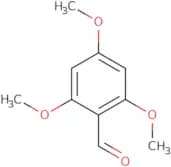
CAS:<p>2,4,6-Trimethoxybenzaldehyde is a chemical compound that is used as an intermediate in organic chemistry. It has been shown to have antiviral effects on influenza A virus by inhibiting the enzyme neuraminidase. This inhibition prevents the release of viruses from infected cells and thus prevents viral replication. 2,4,6-Trimethoxybenzaldehyde also inhibits the growth of cancer cells in vitro and has minimal toxicity to normal cells. This chemical has been shown to inhibit the reaction mechanism of proton pumps in mammalian cells, which may be due to its ability to inhibit p2y receptors or nitrogen atoms. 2,4,6-Trimethoxybenzaldehyde can also be used as a solvent for pharmaceutical preparations and as a reagent in x-ray diffraction data analysis.</p>Formula:C10H12O4Purity:Min. 95%Color and Shape:PowderMolecular weight:196.2 g/mol3-Hydroxy-2,2-dimethylpropanal
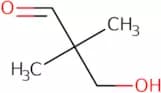
CAS:<p>3-Hydroxy-2,2-dimethylpropanal is a condensation product of formaldehyde and glycol. It is the simplest of the three aldehydes that are produced by this reaction. The catalyst for this reaction is usually dibutyltin oxide, which can be replaced with calcium chloride or sodium carbonate. 3-Hydroxy-2,2-dimethylpropanal reacts with neopentyl glycol to form a dimer and glycol ester. This reaction mechanism has been studied extensively using solution kinetics.</p>Formula:C5H10O2Purity:(%) Min. 95%Color and Shape:White PowderMolecular weight:102.13 g/molPhthalaldehyde
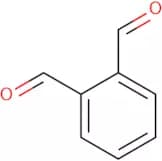
CAS:<p>Phthalaldehyde is a disinfectant that is used for the prevention of microbial contamination in the manufacturing process of pharmaceuticals, cosmetics, and many other products. It has been shown to inhibit the growth of bacteria by inhibiting protein synthesis. The mechanism of action is thought to be due to its reaction with amino acids, which are important for protein synthesis. Phthalaldehyde also reacts with benzalkonium chloride to form a fluorescent derivative, which can be detected using fluorescence detectors or LC-MS/MS methods. The use of this compound as a fluorescence probe allows for the detection of probiotic bacteria in nutrient solutions without the need for expensive equipment or complicated analytical methods.</p>Formula:C8H6O2Purity:Min. 98%Color and Shape:PowderMolecular weight:134.13 g/mol2,5-Dichlorobenzaldehyde
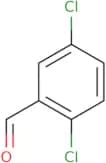
CAS:<p>2,5-Dichlorobenzaldehyde is a molecule that is used as a building block for the synthesis of etoposide. Etoposide is an anticancer drug that has been shown to be effective against many types of cancer cells. 2,5-Dichlorobenzaldehyde has been proposed as an optical probe for detecting methyltransferase activity in vivo and in vitro. It has also been shown to inhibit the proliferation of cancer cells by binding to survivin, which plays a role in regulating apoptosis. 2,5-Dichlorobenzaldehyde can be synthesized from commercially available chemicals with asymmetric synthesis methods. The molecule can also be used for functional studies on metal ions and dipole interactions.</p>Formula:C7H4Cl2OPurity:Min. 95%Molecular weight:175.01 g/mol2-Carbomethoxybenzaldehyde
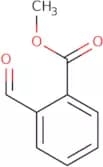
CAS:<p>2-Carbomethoxybenzaldehyde (2CMB) is a synthetic chemical compound that has been used as an efficient method for the synthesis of amines. The carbonyl group in 2CMB reacts with nucleophiles, such as amines, to form a tetrahydroisoquinoline derivative. This nucleophilic attack leads to the formation of an unstable intermediate that can be isolated and purified by trifluoroacetic acid (TFA). 2CMB is also used in the synthesis of quinoline derivatives and naphthalene derivatives. The acidic properties of 2CMB allow it to react with carboxylic acids, leading to the formation of esters.</p>Formula:C9H8O3Purity:Min. 95%Color and Shape:Colorless PowderMolecular weight:164.16 g/mol4-Biphenylcarboxaldehyde
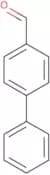
CAS:<p>4-Biphenylcarboxaldehyde is a chemical compound that belongs to the group of hydrocarbons. It is a colorless liquid with an unpleasant odor, soluble in ether and benzene, and has a boiling point of 210 °C. 4-Biphenylcarboxaldehyde can be used as a raw material for the production of pharmaceuticals and agrochemicals. The molecular structure of this compound is unsymmetrical due to its biphenyl backbone and two carbonyl groups. Hydrochloric acid reacts with 4-biphenylcarboxaldehyde to form 2-bromoethylbenzene and hydrogen gas:</p>Formula:C13H10OPurity:Min. 95%Color and Shape:White PowderMolecular weight:182.22 g/molGlycolaldehyde dimer
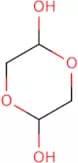
CAS:<p>Glycolaldehyde dimer is a molecule that is the product of an intramolecular hydrogenation reaction. It has been shown to have estrogen receptor modulator activity, which may be due to its ability to bind to estrogen receptors and inhibit the production of inflammatory cytokines. Glycolaldehyde dimer also has the potential to be used as a therapeutic agent for inflammatory bowel disease. Glycolaldehyde dimer binds to crystalline cellulose and undergoes a series of chemical reactions, including hydrolysis by hydroxyl group, hydrochloric acid, and hydrogen bond. The logistic regression analysis shows that the molecule is more potent in rats with bowel disease than those without.</p>Formula:C4H8O4Purity:Min. 95%Color and Shape:White PowderMolecular weight:120.1 g/mol2-Nitro-4-(trifluoromethyl)benzaldehyde
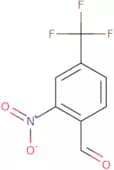
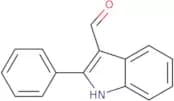
CAS:<p>2-Nitro-4-(trifluoromethyl)benzaldehyde is an immunosuppressive agent that binds to the active site of the enzyme nitric oxide synthase, inhibiting its activity. This drug has been shown to be active against human immunocompromised patients and those with a history of melamine exposure. It also inhibits the production of nitric oxide, which is associated with inflammation. 2-Nitro-4-(trifluoromethyl)benzaldehyde has been shown to bind to vinylic positions on proteins, leading to immunosuppression.</p>Formula:C8H4F3NO3Purity:Min. 95%Color and Shape:PowderMolecular weight:219.12 g/mol2-Phenylindole-3-carboxaldehyde
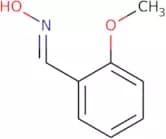
CAS:<p>2-Phenylindole-3-carboxaldehyde is an organic compound that belongs to the class of bioactive molecules. It is a nitrogen heterocycle that has been shown to inhibit the growth of cancer cells in culture. 2-Phenylindole-3-carboxaldehyde has also been shown to have anti-inflammatory and antimicrobial properties. This molecule can be used in the treatment of cancer, as it inhibits the growth of tumor cells by inhibiting DNA synthesis, which leads to cell death. The molecular structure can be altered by allylation or replacement with other functional groups. The 2-phenylindole moiety can be modified at its C2 position, altering its pharmacological properties and may lead to new anticancer drugs.</p>Formula:C15H11NOPurity:Min. 95%Color and Shape:PowderMolecular weight:221.25 g/mol2-Methoxybenzaldehyde oxime
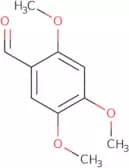
CAS:<p>2-Methoxybenzaldehyde oxime is a synthetic amine that is used in the synthesis of peroxides. The reaction rate and nature depend on the type of peroxide being synthesized, but typically, it is used with acetonitrile as a solvent and an acid catalyst. 2-Methoxybenzaldehyde oxime reacts with peracid to create an aldoxime and nitrite. This product can also be made by reacting benzaldehyde with nitrous acid, which will produce dioxane as an intermediate. The reaction time for this process takes about four hours at room temperature.</p>Formula:C8H9NO2Purity:Min. 95%Color and Shape:PowderMolecular weight:151.16 g/mol2,4,5-Trimethoxybenzaldehyde
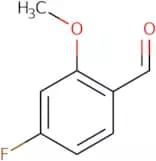
CAS:<p>2,4,5-Trimethoxybenzaldehyde is a natural compound that belongs to the group of sephadex g-100. It is used as an absorbent and has been shown to react with human immunoglobulin in the presence of tiglic acid. The reaction mechanism for this chemical is not well understood but it is believed that intermolecular hydrogen bonding may be occurring. 2,4,5-Trimethoxybenzaldehyde has been shown to have anti-inflammatory effects when tested on rats in a laboratory setting. This chemical has also been used as an analytical reagent for biological samples and biological studies as well as a preparative hplc column. Optical sensors have also been used to detect this chemical in various types of optical sensing experiments. X-ray crystal structures have also been obtained for this compound using synchrotron radiation.</p>Formula:C10H12O4Purity:Min. 98 Area-%Color and Shape:PowderMolecular weight:196.2 g/mol4-Fluoro-2-methoxybenzaldehyde
CAS:<p>4-Fluoro-2-methoxybenzaldehyde (4FMBA) is a potential PET radioligand that binds to the serotonin 5-HT2A receptor. 4FMBA has been shown to be an efficient and selective 5-HT2A antagonist with low molecular weight and high affinity. The binding of 4FMBA to the serotonin 5-HT2A receptor can be inhibited by ketanserin, which is a nonselective 5-HT2A antagonist. This drug may be used for cancer diagnosis, as it has a low detection limit and can detect endogenous serotonin in the brain. It also shows anti-depressant properties, which may be due to its ability to bind to the orthosteric site of the serotonin 5-HT2A receptor.</p>Formula:C8H7FO2Purity:Min. 95%Color and Shape:Off-White PowderMolecular weight:154.14 g/mol2-(Benzyloxy)acetaldehyde
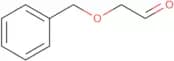
CAS:<p>2-(Benzyloxy)acetaldehyde (BA) is an aldol that is used as an oxidation catalyst for chemical stability. It can be synthesized with the use of asymmetric synthesis and coordination geometry. 2-(Benzyloxy)acetaldehyde has been shown to bind to the enzyme aldehyde dehydrogenase and inhibit its activity, which may lead to the treatment of infectious diseases. This compound also has receptor activity in coli K-12 cells, which can be used to detect BA in urine samples. The reaction mechanism of BA is similar to that of benzimidazole compounds, hydroxyl group, and trifluoroacetic acid.</p>Formula:C9H10O2Purity:Min. 95%Color and Shape:Slightly Yellow Clear LiquidMolecular weight:150.17 g/moltrans-4-(Diethylamino)cinnamaldehyde
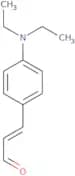
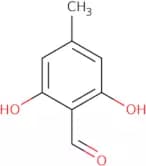
CAS:<p>Trans-4-(Diethylamino)cinnamaldehyde is a molecule that has been systematically studied with several techniques, such as x-ray crystallography. It has been shown to be a fluorophore and can be used as a fluorescent probe. Trans-4-(Diethylamino)cinnamaldehyde can be used in the fluorescence method in which it reacts with other molecules and emits light. This reaction scheme is based on the principle of irradiation by UV light or visible light to produce an excited state. Fluorescence is detected at various wavelengths depending on the dye used. Trans-4-(Diethylamino)cinnamaldehyde also emits fluorescence when irradiated with ultraviolet light, which is often referred to as "violet" fluorescence. The wavelength of this emission is 365 nm and it can be detected using high yield techniques, such as fluorometers.</p>Formula:C13H17NOPurity:Min. 95%Color and Shape:PowderMolecular weight:203.28 g/mol2,4,6-Trihydroxybenzaldehyde
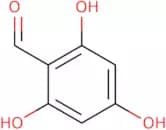
CAS:<p>2,4,6-Trihydroxybenzaldehyde is a polymerase chain inhibitor that blocks the synthesis of DNA and RNA. It has been shown to have significant cytotoxicity in vitro and has been used as an antimicrobial agent to inhibit the growth of bacteria. 2,4,6-Trihydroxybenzaldehyde also inhibits tetracycline resistance in Mycobacterium tuberculosis (Mtb) by inhibiting the production of proteins vital for bacterial cell division. This compound is structurally related to naturally occurring compounds such as anthocyanins and it has been shown to have inhibitory properties on mitochondrial membrane potential, which may be due to its ability to inhibit protein synthesis and induce apoptosis. The analytical methods used for this compound are thin layer chromatography and high performance liquid chromatography.</p>Formula:C7H6O4Purity:Min. 98 Area-%Color and Shape:PowderMolecular weight:154.12 g/mol3,5-Dichloro-4-hydroxybenzaldehyde
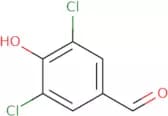
CAS:<p>3,5-Dichloro-4-hydroxybenzaldehyde is a triiodomethane derivative that reacts with chlorine to form a chlorinated aldehyde. It is used as an intermediate in the production of 4-hydroxybenzoic acid from phenylacetic acid and 4,4'-dichlorodiphenyl sulfone. 3,5-Dichloro-4-hydroxybenzaldehyde can be decarboxylated at elevated temperatures to produce formic acid. This compound has been used in wastewater treatment as it can remove chlorine byproducts and other pollutants such as nitrates, nitrites, and iron ions. The reaction kinetics of 3,5-dichloro-4-hydroxybenzaldehyde have been studied using hydroxymethyl groups and formyl groups to determine the rate of demethylation. The rates were found to be dependent on temperature.</p>Formula:C7H4Cl2O2Purity:Min. 95%Color and Shape:White PowderMolecular weight:191.01 g/mol3-Methylbenzaldehyde
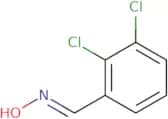
CAS:<p>3-Methylbenzaldehyde is a diphenolase that is found in a Chinese medicinal plant, Acalypha wilkesiana. 3-Methylbenzaldehyde has been shown to have anti-inflammatory properties and can be used as a complementary therapy for inflammatory diseases. The chemical ionization technique was used to measure the production rate of 3-methylbenzaldehyde from the acetate extract of A. wilkesiana. The linear regression analysis showed that there was an increase in the production rate with increased concentration of hydrogen bonding interactions with 3-methylbenzaldehyde. Hydrogen bonding interactions are due to the presence of hydroxyl groups on the benzene ring and methyl group on the side chain. This chemical reaction forms glyoxal, which is then metabolized through p450 isozymes in order to produce 3-methylbenzaldehyde or other metabolites.</p>Formula:C8H8OPurity:Min. 98 Area-%Color and Shape:Colorless Clear LiquidMolecular weight:120.15 g/mol2,3-Dichlorobenzaldehyde oxime
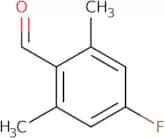
CAS:<p>2,3-Dichlorobenzaldehyde oxime is a versatile building block and reagent in the synthesis of complex compounds. It is mainly used as a research chemical and speciality chemical. 2,3-Dichlorobenzaldehyde oxime has been widely used for the preparation of fine chemicals, pharmaceuticals, agrochemicals, and other organic compounds. This compound can be reacted with various reagents to produce useful scaffolds or reaction components.</p>Formula:C7H5Cl2NOPurity:Min. 95%Color and Shape:PowderMolecular weight:190.03 g/mol2,6-Dimethyl-4-fluorobenzaldehyde
CAS:<p>2,6-Dimethyl-4-fluorobenzaldehyde is a fine chemical that is used as a building block in the synthesis of other chemicals. It can be used as a reagent and as a speciality chemical. This product has high purity and quality and is versatile in its use as both an intermediate or scaffold molecule. It can be used in reactions to create complex compounds with useful properties.</p>Formula:C9H9FOPurity:Min. 95%Color and Shape:PowderMolecular weight:152.17 g/molAtranol
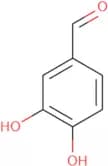
CAS:<p>Atranol is a phenolic compound that is found in plants such as the leaves of the white willow tree. It has been shown to have anti-inflammatory properties and is being researched for its potential use in treatment of inflammatory bowel disease. Atranol has been shown to inhibit the production of inflammatory cytokines such as tumor necrosis factor-α (TNF-α) and interleukin-1β (IL-1β), which are key mediators of inflammation, by inhibiting NFκB activation. The reaction mechanism for atranol's inhibition of IL-1β production involves atranol binding with the cystein residue on IκB kinase β, which prevents phosphorylation and thus activation.</p>Formula:C8H8O3Purity:Min. 95%Color and Shape:Brown Yellow PowderMolecular weight:152.15 g/mol3,4-Dihydroxybenzaldehyde
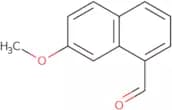
CAS:<p>3,4-Dihydroxybenzaldehyde is an active compound that is a protocatechuic aldehyde. It has been shown to inhibit protein oxidation and kidney injury. 3,4-Dihydroxybenzaldehyde also inhibits the production of bcl-2 protein and growth factor-β in rat urine. This compound has been used in Chinese medicinal preparations as well as in control methods for oxidizing agents.</p>Formula:C7H6O3Color and Shape:Brown White PowderMolecular weight:138.12 g/mol7-Methoxy-1-naphthaldehyde
CAS:<p>7-Methoxy-1-naphthaldehyde is an aldehyde that is synthesized from acetaldehyde and 7-methoxy-1-naphthol. It has been shown to inhibit the cytosolic aldehyde dehydrogenase, which converts acetaldehyde to acetate. This reaction is one of the major routes for the metabolism of alcohol in humans. 7-Methoxy-1-naphthaldehyde can be used as a substrate in immunochemical assays, and its synthetic scheme has been published. 7MNA was also found to have cytotoxic effects on human liver cells in vitro.</p>Formula:C12H10O2Purity:Min. 95%Molecular weight:186.21 g/mol4-N-Octylbenzaldehyde
CAS:<p>4-N-Octylbenzaldehyde is a nitro compound which is used as an immunosuppressive agent. It has been shown to inhibit the activity of diphenolase, which plays an important role in the metabolism of fatty acids. 4-N-Octylbenzaldehyde also has an oil extractant that can be used to extract and separate different types of organic compounds from oils, fats, or greases. In addition, 4-N-octylbenzaldehyde inhibits the synthesis of prostaglandin E2 and thromboxane A2 by inhibiting cyclooxygenase enzymes. It has been shown to possess anti-inflammatory properties and has been found to be useful in treating rheumatoid arthritis.</p>Formula:C15H22OPurity:Min. 95%Color and Shape:Clear LiquidMolecular weight:218.33 g/mol3-Methylbenzaldehyde oxime
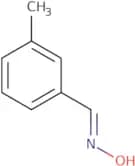
CAS:<p>3-Methylbenzaldehyde oxime is a fine chemical that can be used as a versatile building block. It has the CAS No. 41977-54-2 and is also known as benzoic acid, 3-methyl-, oxime. 3-Methylbenzaldehyde oxime is a complex compound that can be used in research chemicals and reagents. The chemical has been found to have high quality and is useful for making speciality chemicals and useful intermediates. The compound is also a reaction component for use in synthesis of other compounds. 3-Methylbenzaldehyde oxime can be used as a scaffold for drug design and development.</p>Formula:C8H9NOPurity:Min. 95%Color and Shape:Off-White PowderMolecular weight:135.16 g/mol2,4,6-Trimethoxy-3-methylbenzaldehyde
CAS:<p>2,4,6-Trimethoxy-3-methylbenzaldehyde is a flavanone that is structurally related to the drug ciprofloxacin. The two molecules share a common molecular framework with the addition of a hydroxyl group on the 2 position of the benzene ring. In molecular docking studies, 2,4,6-Trimethoxy-3-methylbenzaldehyde has shown antitubercular activity against Mycobacterium tuberculosis and Mycobacterium avium complex. It is also an inhibitor of protein tyrosine phosphatase and has been shown to have antibacterial activity against various strains of bacteria.</p>Formula:C11H14O4Purity:Min. 95%Color and Shape:PowderMolecular weight:210.23 g/mol3-Carboxybenzaldehyde
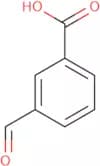
CAS:<p>3-Carboxybenzaldehyde is a hydroxy aromatic compound with a molecular formula of C8H6O2. It is a synthetic chemical that can be used as an intermediate in the synthesis of other compounds, such as polycarboxylic acids. 3-Carboxybenzaldehyde has been shown to be an effective substrate for binding to polycarboxylic acid enzymes and activating them. This reaction generates the corresponding carboxylate product and releases CO2. 3-Carboxybenzaldehyde has also been used as a reactant in asymmetric synthesis reactions and shown to have some structural similarities with benzene ring structures.</p>Formula:C8H6O3Purity:Min. 95%Color and Shape:PowderMolecular weight:150.13 g/mol2,6-Dihydroxybenzaldehyde
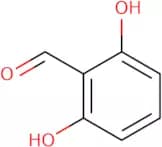
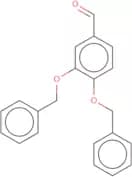
CAS:<p>2,6-Dihydroxybenzaldehyde is a chemical compound that has been used as an intermediate in the synthesis of other chemicals. It is also used as a precursor for benzaldehyde and benzoic acid. 2,6-Dihydroxybenzaldehyde can be synthesized by reacting sodium carbonate with pluronic F127 in the presence of cationic surfactant. The surface methodology used in this process involves the use of hydrophobic molecules to form micelles and liposomes on the surface of the electrode. The interaction between these micelles and liposomes is pH dependent. This reaction causes an increase in hydrogen ions, which leads to an increase in conductivity at acidic pH values. Electrochemical impedance spectroscopy (EIS) results show that 2,6-dihydroxybenzaldehyde reacts with high concentrations of salt and water vapor. FTIR spectroscopy shows that it has two hydroxyl groups and one double</p>Formula:C7H6O3Purity:Min. 95%Color and Shape:PowderMolecular weight:138.12 g/mol3,4-Dibenzyloxybenzaldehyde
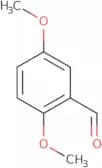
CAS:<p>3,4-Dibenzyloxybenzaldehyde is a chemical compound with the formula ClCH=C(O)CHO. This compound is an intermediate in the synthesis of the cancer drug daunorubicin. 3,4-Dibenzyloxybenzaldehyde has been shown to induce apoptosis in human ovary cells and has been detected in urine samples from patients undergoing chemotherapy for ovarian cancer. 3,4-Dibenzyloxybenzaldehyde also inhibits the production of flavonoids and has been shown to inhibit rat striatal membranes and rat atria.</p>Formula:C21H18O3Purity:Min. 95%Color and Shape:PowderMolecular weight:318.37 g/mol2,5-Dimethoxybenzaldehyde
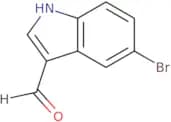
CAS:<p>Intermediate in organic synthesis</p>Formula:C9H10O3Purity:Min. 98 Area-%Color and Shape:Off-White PowderMolecular weight:166.17 g/mol5-Bromoindole-3-carboxaldehyde
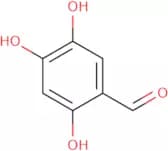
CAS:<p>5-Bromoindole-3-carboxaldehyde is a water molecule that has been crystallized in the form of an amide. It is a chemical substance with asymmetric synthesis and significant antifungal activity. 5-Bromoindole-3-carboxaldehyde is active against some strains of the fungus Candida albicans and has been shown to inhibit the growth of kidney cells. This molecule also binds to the neurokinin 1 receptor and is used as a probe for fluorescence studies. The efficient method for synthesizing 5-Bromoindole-3-carboxaldehyde includes using silico analysis to confirm the structure on a computer, then performing an asymmetric synthesis with an acid catalyst to produce this compound.</p>Formula:C9H6BrNOPurity:Min. 98 Area-%Color and Shape:PowderMolecular weight:224.05 g/mol2,4,5-Trihydroxybenzaldehyde
CAS:<p>2,4,5-Trihydroxybenzaldehyde is a natural compound that has been shown to have significant cytotoxicity. It induces apoptosis by activating the caspase-mediated apoptotic pathway. 2,4,5-Trihydroxybenzaldehyde also modulates the cellular redox balance by increasing mitochondrial membrane potential and decreasing intracellular ATP levels. This compound has been shown to be effective against human leukemia HL-60 cells and colon cancer Caco-2 cells. 2,4,5-Trihydroxybenzaldehyde can be found in dietary sources such as ganoderma lucidum and may act as a chelate ligand for some growth factors.</p>Formula:C7H6O4Purity:80%Color and Shape:Yellow PowderMolecular weight:154.12 g/mol2-Chloro-6-fluorobenzaldehyde
CAS:<p>2-Chloro-6-fluorobenzaldehyde is an impurity that can be found in wastewater. It has been shown to be a reactive intermediate for the synthesis of streptochlorin, which is a natural product with potential antibiotic activity. 2-Chloro-6-fluorobenzaldehyde is produced by the reaction of chlorine and anhydrous sodium, with acid as catalyst. The molecule has two fluorine atoms and one chloride atom. This compound can also be used in the treatment of waste water due to its ability to react with hydroxyl ions and chloride ions in the presence of hydrogen chloride or hydrochloric acid. The pain model was evaluated using nmr spectra and optical properties.</p>Formula:C7H4ClFOPurity:Min. 95%Color and Shape:White PowderMolecular weight:158.56 g/mol3,5-Dibromobenzaldehyde
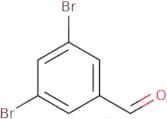
CAS:<p>3,5-Dibromobenzaldehyde is an analytical reagent that has been used as a chemosensor. The compound was synthesized by the reaction of benzaldehyde with bromine and potassium hydroxide (KOH). 3,5-Dibromobenzaldehyde has a skeleton consisting of three phenyl groups and two aldehyde groups. The compound also contains two active methylene groups and two vinylene groups. 3,5-Dibromobenzaldehyde can be detected by fluorescence probe or low energy electron diffraction. This chemical is an effective antibacterial agent with an LD50 value of 1.6 milligrams per kilogram in rats.</p>Formula:C7H4Br2OPurity:Min. 95%Color and Shape:White PowderMolecular weight:263.91 g/mol2-Chlorobenzaldehyde oxime
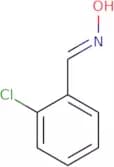
CAS:<p>2-Chlorobenzaldehyde oxime is a compound that inhibits the growth of mycobacterium tuberculosis. It reacts with chloride in the environment to form 2-chlorobenzaldehyde, which reacts with an isoxazole to produce a quinone. Quinones are toxic to mammals and are thought to be responsible for the antimycobacterial activity of this compound. The reaction mechanism of 2-chlorobenzaldehyde oxime has been studied using various techniques and its toxicity has been evaluated in both culture and animal studies. This compound has shown no significant effects on mice at up to 100 mg/kg body weight, but it was found to cause death in rats at doses as low as 0.1 mg/kg body weight.<br>2-Chlorobenzaldehyde oxime was synthesised by reacting 2-chlorobenzaldehyde with oxalyl chloride under conditions suitable for safety, and the product was purified by recrystallisation from acetone. The synthesis</p>Formula:C7H6ClNOPurity:Min. 95%Color and Shape:PowderMolecular weight:155.58 g/molHexoprenaline sulphate
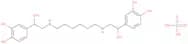
CAS:<p>β-adrenoreceptor agonist; betamimetic agent</p>Formula:C22H34N2O10SPurity:Min. 95%Color and Shape:White PowderMolecular weight:518.58 g/mol4-Methoxy-2-methylbenzaldehyde
CAS:<p>4-Methoxy-2-methylbenzaldehyde (4MMBA) is a synthetic chemical that is used as an antifungal agent. It interacts with the cellular membranes of fungi and disrupts their ability to maintain homeostasis. 4MMBA inhibits the growth of invasive aspergillosis by inhibiting protein synthesis, which leads to cell death. The mechanism of action for 4MMBA is not well understood, but it has been shown to inhibit the growth of fungi in a model system. It also inhibits the production of pyrylium, which may be responsible for its activity against fungi.</p>Formula:C9H10O2Purity:90%Molecular weight:150.17 g/mol2-Nitro-4,5-methylenedioxybenzaldehyde
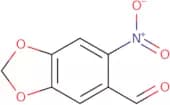
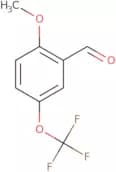
CAS:<p>2-Nitro-4,5-methylenedioxybenzaldehyde (2NMB) is a molecule with a molecular weight of 188.24, an empirical formula of C8H8NO2 and a chemical structure consisting of a benzene ring attached to two nitro groups. 2NMB has been shown to bind to the dopamine β-hydroxylase enzyme in human serum and inhibit the production of dopa, which leads to a decrease in dopamine levels. It also inhibits the growth of staphylococcus, cryptococcus neoformans, and typhimurium. 2NMB also has been used as radiotracers for gyrase activity and can be used for asymmetric synthesis due to its piperonal group. The uptake of 2NMB by cells is dependent on its nucleophilic properties.</p>Formula:C8H5NO5Purity:Min. 98%Color and Shape:PowderMolecular weight:195.13 g/mol2-Methoxy-5-(trifluoromethoxy)benzaldehyde
CAS:<p>2-Methoxy-5-(trifluoromethoxy)benzaldehyde is a tachykinin antagonist that inhibits the binding of neurokinin to its receptor with high affinity. This compound has shown potential as a drug for the treatment of pain and other conditions such as asthma, allergies, and depression. The efficacy of 2-methoxy-5-(trifluoromethoxy)benzaldehyde has been demonstrated in high-throughput screening for the detection of nk1 receptor antagonists. Further studies have shown that modification of this molecule may increase its potency and reduce side effects.</p>Formula:C9H7F3O3Purity:Min. 95%Color and Shape:Clear LiquidMolecular weight:220.15 g/mol4-Bromo-3-hydroxybenzaldehyde
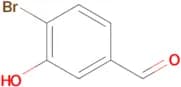
CAS:Formula:C7H5BrO2Purity:95%Color and Shape:SolidMolecular weight:201.0192-Formylbenzeneboronic acid
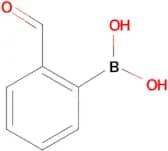
CAS:Formula:C7H7BO3Purity:97%Color and Shape:Solid, Powder or Crystalline Powder or SolidMolecular weight:149.94Benzo[c][1,2,5]thiadiazole-4,7-dicarbaldehyde
CAS:Purity:97%Color and Shape:SolidMolecular weight:192.19000242-Amino-5-bromonicotinaldehyde
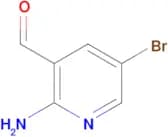
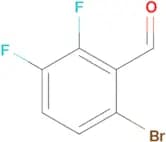
CAS:Formula:C6H5BrN2OPurity:95%Color and Shape:SolidMolecular weight:201.0236-Bromo-2,3-difluorobenzaldehyde
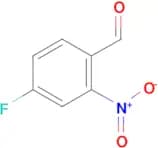
CAS:Formula:C7H3BrF2OPurity:96%Color and Shape:SolidMolecular weight:221.0014-Fluoro-2-nitrobenzaldehyde
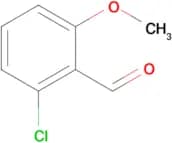
CAS:Formula:C7H4FNO3Purity:98%Color and Shape:SolidMolecular weight:169.1112-Chloro-6-methoxybenzaldehyde
CAS:Formula:C8H7ClO2Purity:95%Color and Shape:SolidMolecular weight:170.593-Bromo-2-fluorobenzaldehyde
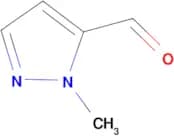
CAS:Formula:C7H4BrFOPurity:97%Color and Shape:Solid, Crystalline Powder or PowderMolecular weight:203.011-Methyl-1H-pyrazole-5-carbaldehyde
CAS:Formula:C5H6N2OPurity:95%Color and Shape:LiquidMolecular weight:110.1165-Chloro-2-methylnicotinaldehyde
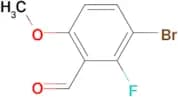
CAS:Formula:C7H6ClNOPurity:97%Color and Shape:SolidMolecular weight:155.583-Bromo-2-fluoro-6-methoxybenzaldehyde
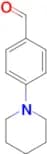
CAS:Formula:C8H6BrFO2Purity:98%Color and Shape:SolidMolecular weight:233.0364-Piperidin-1-yl-benzaldehyde
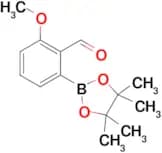
CAS:Formula:C12H15NOPurity:95%Color and Shape:SolidMolecular weight:189.2582-Methoxy-6-(4,4,5,5-tetramethyl-1,3,2-dioxaborolan-2-yl)benzaldehyde
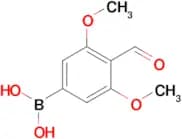
CAS:Purity:97%Molecular weight:262.1099854(4-Formyl-3,5-dimethoxyphenyl)boronic acid
CAS:Formula:C9H11BO5Purity:96%Color and Shape:Liquid, No data available.Molecular weight:209.994-Fluoro-2-methylbenzaldehyde
CAS:Formula:C8H7FOPurity:95%Color and Shape:Liquid, ClearMolecular weight:138.1414-Hydroxy-2,6-dimethoxybenzaldehyde
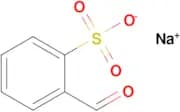
CAS:Formula:C9H10O4Purity:96%Color and Shape:Solid, Crystalline PowderMolecular weight:182.175Sodium 2-formylbenzenesulfonate
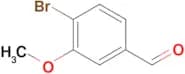
CAS:Formula:C7H5NaO4SPurity:95%Color and Shape:SolidMolecular weight:208.164-Bromo-3-methoxybenzaldehyde
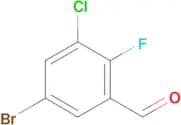
CAS:Formula:C8H7BrO2Purity:95%Color and Shape:SolidMolecular weight:215.0463-Bromo-5-chloro-2-fluorobenzaldehyde
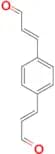
CAS:Formula:C7H3BrClFOPurity:98%Color and Shape:SolidMolecular weight:237.45(2E,2’E)-3,3′-(1,4-Phenylene)diacrylaldehyde
CAS:Purity:98%Color and Shape:SolidMolecular weight:186.213-Bromo-2-hydroxybenzaldehyde
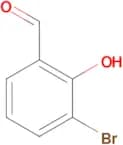
CAS:Formula:C7H5BrO2Purity:95%Color and Shape:SolidMolecular weight:201.0194-Chloro-3-fluorobenzaldehyde
CAS:Formula:C7H4ClFOPurity:98%Color and Shape:SolidMolecular weight:158.562-Bromo-4-formylbenzonitrile
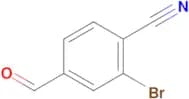
CAS:Formula:C8H4BrNOPurity:96%Color and Shape:SolidMolecular weight:210.03Imidazo[1,2-a]pyridine-3-carbaldehyde
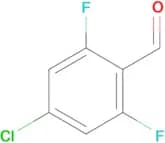
CAS:Formula:C8H6N2OPurity:95%Color and Shape:SolidMolecular weight:146.1494-Chloro-2,6-difluorobenzaldehyde
CAS:Formula:C7H3ClF2OPurity:97%Color and Shape:SolidMolecular weight:176.55











![Benzo[c][1,2,5]thiadiazole-4,7-dicarbaldehyde](/_next/image/?url=https%3A%2Fstatic.cymitquimica.com%2Fproducts%2F10%2Fthumb-webp%2FF691041.webp&w=3840&q=75)











![Imidazo[1,2-a]pyrimidine-2-carbaldehyde](/_next/image/?url=https%3A%2Fstatic.cymitquimica.com%2Fproducts%2F10%2Fthumb-webp%2FF219721.webp&w=3840&q=75)
![Imidazo[1,2-a]pyridine-3-carbaldehyde](/_next/image/?url=https%3A%2Fstatic.cymitquimica.com%2Fproducts%2F10%2Fthumb-webp%2FF065349.webp&w=3840&q=75)