Aldehydes
Aldehydes are organic compounds containing a carbonyl group (C=O) bonded to at least one hydrogen atom. These versatile compounds are fundamental in various chemical reactions, including oxidation, reduction, and nucleophilic addition. Aldehydes are essential building blocks in the synthesis of pharmaceuticals, fragrances, and polymers. At CymitQuimica, we provide a diverse selection of high-quality aldehydes to support your research and industrial applications.
Found 8540 products of "Aldehydes"
Sort by
Purity (%)
0
100
|
0
|
50
|
90
|
95
|
100
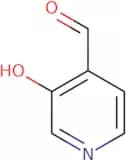
3-Hydroxyisonicotinaldehyde
CAS:<p>3-Hydroxyisonicotinaldehyde is a disulfide bond that plays an important role in enzyme catalysis. The active site of the enzyme, which contains a nucleophilic attack on the electrophilic carbon atom, is composed of two cysteine residues with their sulfhydryl group (-SH) bonded to each other through a disulfide bond. This bond can be broken by either an acidic environment or protonation. In the absence of these conditions, the -SH groups are coordinated to metal ions and form a complex. The hydroxyl group (-OH) on one cysteine residue can coordinate to the nitrogen atom on the other cysteine residue and form tautomers. These tautomers correspond to two different configurations of the molecule: one where both sulfur atoms are in a trans configuration (tautomer A), and one where they are in a cis configuration (tautomer B). The biological properties of 3-hydroxyison</p>Formula:C6H5NO2Purity:Min. 95%Molecular weight:123.11 g/mol3-(3-Chlorophenyl)propionaldehyde
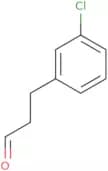
CAS:<p>Please enquire for more information about 3-(3-Chlorophenyl)propionaldehyde including the price, delivery time and more detailed product information at the technical inquiry form on this page</p>Formula:C9H9ClOPurity:Min. 95%Molecular weight:168.62 g/mol3,5-Dibenzyloxybenzaldehyde
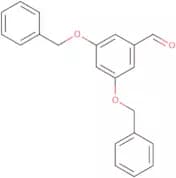
CAS:<p>3,5-Dibenzyloxybenzaldehyde is a molecule that has been shown to induce apoptosis in prostate cancer cells. It binds to the survivin protein and prevents its function. 3,5-Dibenzyloxybenzaldehyde also has anti-cancer properties due to its ability to inhibit the growth of cultured prostate cancer cells in vitro. This compound can be used as a photophysical probe for radiation studies or as a fatty acid monomer for metathesis reactions. The molecule is also active against cox-2 inhibitory activity and has been shown to have clinical efficacy in diazepine synthesis.</p>Formula:C21H18O3Purity:Min. 95%Molecular weight:318.37 g/molZ-Leu-Leu-Nle-aldehyde
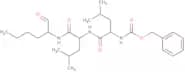
CAS:<p>Z-Leu-Leu-Nle (ZLL) is a small molecule that selectively inhibits the activity of the aspartyl protease, BACE1, which is an enzyme that cleaves amyloid precursor protein (APP) to produce amyloid beta peptides. The inhibition of this enzyme has been shown to be effective in preventing or delaying the onset of Alzheimer's disease. ZLL also inhibits estrogen receptor alpha and has antiestrogenic effects in breast cancer cells. This compound induces apoptosis by binding to apoptotic proteins, such as tumor necrosis factor receptor 1, Fas ligand, and TRAIL receptors. It also inhibits cell growth and induces chemoresistance in breast cancer cells.</p>Formula:C26H41N3O5Purity:Min. 95%Molecular weight:475.62 g/molPhenylpropargylaldehyde
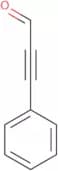
CAS:<p>Phenylpropargylaldehyde is an organic compound that is a chiral molecule, which means it has two enantiomers. It was first synthesized in 1964 by R.B. Woodward and T.W. Rittenberg at the University of Chicago, and is used as a chemical intermediate in the synthesis of other compounds with biological activity such as matrix metalloproteinase inhibitors, for example marimastat. Phenylpropargylaldehyde can be prepared from malonic acid and phenylboronic acid in a reaction mechanism that involves nucleophilic substitutions, carbonyl group activation and hydrogen bonding to lysine residues on proteins. The asymmetric synthesis of this compound has been shown to suppress genes associated with metabolic disorders such as diabetes mellitus type 2, fatty acid metabolism disorders and endocrine disorders (e.g., thyroid). It also has adjuvant therapeutic properties in cancer treatment, especially when combined with synthetic fatty acids such as oleic acid or ar</p>Purity:Min. 95%Z-Ile-Leu-aldehyde
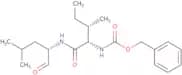
CAS:<p>Please enquire for more information about Z-Ile-Leu-aldehyde including the price, delivery time and more detailed product information at the technical inquiry form on this page</p>Formula:C20H30N2O4Purity:Min. 95%Molecular weight:362.46 g/molAc-Tyr-Val-Ala-Asp-aldehyde (pseudo acid)
CAS:<p>Ac-Tyr-Val-Ala-Asp-aldehyde is a sesquiterpene lactone that has been shown to have anti-inflammatory properties. It inhibits the inflammatory response by inhibiting the production of pro-inflammatory cytokines and chemokines, such as IL1β, IL6, and TNFα. Ac-Tyr-Val-Ala-Asp-aldehyde also inhibits the activity of cyclooxygenase 2 (COX2) and lipoxygenase (LOX), which are enzymes that produce prostaglandins from arachidonic acid. Acetylsalicylic acid is an example of a drug with similar properties. Acetylsalicylic acid has been shown to inhibit the growth of cancer cells in tissue culture studies and in animal models. This compound may also be used to treat bowel disease, congestive heart failure, or other diseases that are characterized by increased apoptosis.</p>Formula:C23H32N4O8Purity:Min. 95%Molecular weight:492.52 g/mol1-Methyl-1H-indazole-7-carbaldehyde
CAS:<p>1-Methyl-1H-indazole-7-carbaldehyde is a 1,3,5-substituted indazole derivative that can be used as a building block for the synthesis of complex compounds. It is an intermediate in the synthesis of various pharmaceuticals and it has been shown to have potential applications in research chemicals. 1-Methyl-1H-indazole-7-carbaldehyde can be used as a versatile building block after conversion to other derivatives. This chemical is also being investigated as a possible treatment for Parkinson's disease and Alzheimer's disease.</p>Formula:C9H8N2OPurity:Min. 95%Color and Shape:Yellow PowderMolecular weight:160.17 g/molCell-permeable Caspase-3 Inhibitor I trifluoroacetate salt
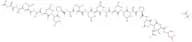
CAS:<p>Please enquire for more information about Cell-permeable Caspase-3 Inhibitor I trifluoroacetate salt including the price, delivery time and more detailed product information at the technical inquiry form on this page</p>Formula:C94H158N20O27Purity:Min. 95%Molecular weight:2,000.38 g/molN-Boc-2-aminoacetaldehyde
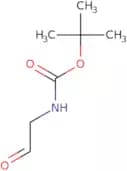
CAS:<p>N-Boc-2-aminoacetaldehyde is an aliphatic aldehyde that has been used in the synthesis of a number of bioactive molecules. It is synthesized by reacting an N-Boc amino acid with chloroform and hydrochloric acid. The reaction time is typically 2 hours at room temperature, although it can be decreased to 20 minutes if the temperature is increased to 60°C. The product can be purified using extraction or recrystallization methods. N-Boc-2-aminoacetaldehyde reacts with chloride ions to form phosphoranes, which are useful in clinical development as antimicrobial peptides. This compound also reacts with fluorine to form hydrogenated derivatives that have been shown to have neurokinin activity in animal models.</p>Formula:C7H13NO3Purity:Min. 95%Color and Shape:Colorless PowderMolecular weight:159.18 g/mol2-Thiophenecarboxaldehyde
CAS:<p>2-Thiophenecarboxaldehyde is a synthetic compound that has been shown to have in vitro antifungal activity. It has also been shown to inhibit the growth of bacteria and fungi, such as Candida albicans. The antimicrobial activity of 2-thiophenecarboxaldehyde has been demonstrated by in vitro studies using human serum, metal carbonyl complexes, and sodium salts. In addition, this compound inhibits the synthesis of proteins in animal cells infected with viruses or bacteria. It also has amoebicidal activity against Entamoeba histolytica and Leishmania donovani. This compound is used for the treatment of autoimmune diseases such as rheumatoid arthritis and multiple sclerosis.</p>Formula:C5H4OSPurity:Min. 95%Color and Shape:Clear LiquidMolecular weight:112.15 g/molAc-Tyr-Val-Lys-Asp-aldehyde (pseudo acid)
CAS:<p>Ac-Tyr-Val-Lys-Asp-aldehyde is a synthetic compound that can be used to study the apoptotic process. It is an aldehyde and has been found to activate caspases, aspartyl proteases, at high concentrations. This pseudo acid also has a significant activation of n-terminal protein kinase (SB203580) when irradiated with UV light. Ac-Tyr-Val-Lys-Asp-aldehyde can be used as a marker for the apoptotic process because it is synthesized by cells during this process. In addition, it has been shown to produce a red color during staining and can be detected using immunohistochemical techniques.</p>Formula:C26H39N5O8Purity:Min. 95%Molecular weight:549.62 g/mol4-Bromo-2-pyrrolecarboxaldehyde
CAS:<p>4-Bromo-2-pyrrolecarboxaldehyde is a synthetic chemical that is used as an antifungal agent. It inhibits the growth of filamentous fungi by binding to their pyrrole rings and inhibiting the synthesis of proteins. 4-Bromo-2-pyrrolecarboxaldehyde has shown in vitro antifungal activity against isolates of Candida albicans, Aspergillus niger, and Fusarium oxysporum. This compound also has substitutions at positions 1 and 2 of the pyrrole ring, which are thought to be responsible for its inhibitory properties. 4-Bromo-2-pyrrolecarboxaldehyde is soluble in organic solvents such as acetone and chloroform.</p>Formula:C5H4BrNOPurity:Min. 95%Color and Shape:PowderMolecular weight:174 g/mol4-Fluorobenzaldehyde oxime
CAS:<p>4-Fluorobenzaldehyde oxime is a phenylhydrazine derivative that reacts with an aromatic amine to form a ternary complex. The reaction time for this process is short, and the yield of the product is high. 4-Fluorobenzaldehyde oxime also reacts with an aromatic amine to form an ion-pair. It can react with acidic hydrogen donors such as peracids and it also has high hydrogen bonding interactions. 4-Fluorobenzaldehyde oxime is used in pharmacological agents as well as other chemical reactions, including halogenation.</p>Formula:C7H6FNOPurity:Min. 95%Color and Shape:White PowderMolecular weight:139.13 g/mol3-Acetoxybenzaldehyde
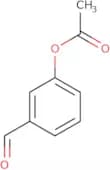
CAS:<p>3-Acetoxybenzaldehyde is a chemical compound that has been used as a photosensitiser for the production of hydrogen peroxide. When irradiated with light, it undergoes a series of reactions, including the removal of an electron from the molecule and the formation of a reactive oxygen species (ROS). This ROS then reacts with chloride ions to form chlorine radicals. These chlorine radicals can react with acetyl groups to form 3-acetoxybenzoic acid. 3-Acetoxybenzaldehyde is also used in organic synthesis to produce ketones and aldehydes. The functional groups on this compound are an acetyl group and a carbonyl group. 3-Acetoxybenzaldehyde is produced by the dehydrogenation of trimethyl acetate, which is catalyzed by palladium on charcoal or platinum oxide.</p>Formula:C9H8O3Purity:Min. 95%Color and Shape:Clear LiquidMolecular weight:164.16 g/mol3,5-Bis(trifluoromethyl)benzaldehyde
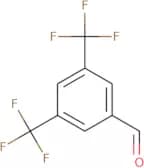
CAS:<p>3,5-Bis(trifluoromethyl)benzaldehyde is a synthetic compound that has been shown to inhibit cancer cell growth. It is a chromatographic reagent and an intermediate in the production of pharmaceuticals. 3,5-Bis(trifluoromethyl)benzaldehyde was shown to bind to the amino group of proteins and inhibit the synthesis of protein inhibitors. This compound also binds to cholesterol esters and causes lipid peroxidation, leading to cell death in cancer cells.</p>Formula:C9H4F6OPurity:Min. 95%Color and Shape:PowderMolecular weight:242.12 g/mol3-Nitroisonicotinaldehyde
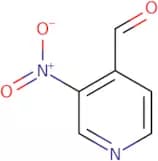
CAS:<p>3-Nitroisonicotinaldehyde is a kinase inhibitor that binds to the ATP binding site of receptor tyrosine kinases. It inhibits the activation of these receptors and prevents the phosphorylation of tyrosine residues on the receptor. 3-Nitroisonicotinaldehyde has been shown to inhibit VEGFR-2, ABCG2, and efflux in human cancer cells. This drug has been shown to inhibit tumor growth in mice by inhibiting angiogenesis, which is a process that involves the formation of new blood vessels from pre-existing ones. 3-Nitroisonicotinaldehyde also inhibits tumor growth by blocking the production of vascular endothelial growth factor (VEGF) from angiogenic cells.</p>Formula:C6H4N2O3Purity:Min. 95%Molecular weight:152.11 g/mol(+/-)-Perillaldehyde
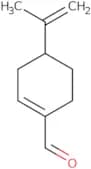
CAS:<p>Perillaldehyde is a natural compound that has been used in food and medicine for centuries. It is an antimicrobial agent with dextran sulfate, which is a sugar polymer that inhibits the growth of fungi and bacteria. Perillaldehyde also has been shown to inhibit the energy metabolism of microorganisms by decreasing ATP production. Perillaldehyde has also been shown to have genotoxic activity, as it can cause DNA strand breaks. This compound also causes oxidative stress in cells by reducing mitochondrial membrane potential and inducing reactive oxygen species (ROS). Perillaldehyde has acute toxicities, as it causes electrochemical impedance spectroscopy changes that indicate cell death.</p>Formula:C10H14OPurity:Min. 95%Color and Shape:PowderMolecular weight:150.22 g/mol2,3,5-Trichlorobenzaldehyde
CAS:<p>2,3,5-Trichlorobenzaldehyde is a chemical compound that has been shown to have anticancer and apoptotic effects. It inhibits the growth of bacteria by chelating iron ions and inhibiting bacterial dna synthesis. 2,3,5-Trichlorobenzaldehyde has also been shown to inhibit the growth of cancer cells in culture in an experimental study. This chemical has been used as a substrate for nmr spectroscopy to study its functional groups and radical scavenging activities. 2,3,5-Trichlorobenzaldehyde can be synthesized from phenacyl chloride and benzaldehyde in the presence of hydrogen chloride gas. The carbonyl group in 2,3,5-trichlorobenzaldehyde may cause metabolic disorders such as diabetes mellitus or hyperglycemia.</p>Formula:C7H3Cl3OPurity:Min. 95%Color and Shape:PowderMolecular weight:209.46 g/moltrans,cis-2,6-Nonadienal
CAS:<p>Trans,cis-2,6-Nonadienal is a fatty acid derivative with an unsaturated 2,6-nonadiene structure. It is an inhibitor of the enzyme fatty acid synthase, which catalyzes the formation of long-chain polyunsaturated fatty acids. Trans,cis-2,6-Nonadienal has been shown to inhibit v79 cells and ester compounds that are used in analytical methods for measuring fatty acids. It is also able to inhibit lysine residues and it can be used as a reactive antioxidant system in mammalian cells. Trans,cis-2,6-Nonadienal has shown a profile of activities that includes inhibition at multiple endpoints involving noncompetitive inhibition as well as antioxidant activity.</p>Formula:C9H14OPurity:Min. 95%Color and Shape:Clear LiquidMolecular weight:138.21 g/molPoly[(phenyl glycidyl ether)-co-formaldehyde] - Average MW 570
CAS:<p>Please enquire for more information about Poly[(phenyl glycidyl ether)-co-formaldehyde] - Average MW 570 including the price, delivery time and more detailed product information at the technical inquiry form on this page</p>Formula:(C6H6O•CH2O)xPurity:Min. 95%Color and Shape:Clear LiquidBenzaldehyde semicarbazone
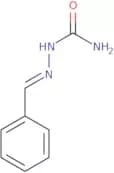
CAS:<p>Benzaldehyde semicarbazone is a hydrogen bond acceptor and donor, which can be used for the synthesis of pharmaceuticals. It is also known to have significant biological activity, including anticonvulsant activity. Benzaldehyde semicarbazone has been shown to be an inhibitor of pyrazole ring formation in the reaction between 4-chlorobenzaldehyde oxime and hydrochloric acid. This inhibition may be due to its ability to act as a hydrogen bond acceptor, forming hydrogen bonds with both the carbonyl group of 4-chlorobenzaldehyde oxime and the protonated chloride ion. The mechanism is supported by kinetic studies which show that benzaldehyde semicarbazone has a much lower activation energy than the other reactants involved in the reaction.</p>Formula:C8H9N3OPurity:Min. 95%Color and Shape:PowderMolecular weight:163.18 g/mol2-Propyl valeraldehyde
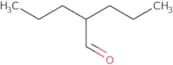
CAS:<p>2-Propyl valeraldehyde is a solvent that is used in pharmaceutical preparations and has been shown to inhibit the activity of aldehyde dehydrogenase, an enzyme that catalyzes the oxidation of alcohols and aldehydes. 2-Propyl valeraldehyde also inhibits the formation of carboxylic acids by competitive inhibition with metal ions such as zinc. The deuterium isotope effect has been used to show that 2-propyl valeraldehyde is metabolized by deuterium exchange. Mass spectrometric detection has shown that this compound contains a carbonyl group (C=O). This compound can be used as an intermediate in organic synthesis reactions, but it also has convulsant effects.</p>Formula:C8H16OPurity:Min. 95%Molecular weight:128.21 g/mol2-Hydroxyisophthalaldehyde
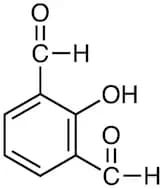
CAS:Formula:C8H6O3Purity:>98.0%(GC)(T)Color and Shape:White to Light yellow to Light orange powder to crystalMolecular weight:150.134-(2-Hydroxyethoxy)benzaldehyde
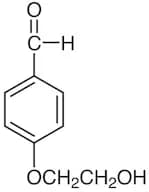
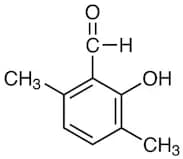
CAS:Formula:C9H10O3Purity:>98.0%(GC)Color and Shape:White to Light yellow to Light orange powder to crystalMolecular weight:166.183,6-Dimethylsalicylaldehyde
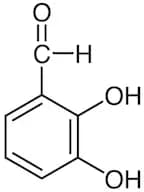
CAS:Formula:C9H10O2Purity:>98.0%(GC)(T)Color and Shape:White to Light orange to Pale yellow green powder to crystalMolecular weight:150.182,3-Dihydroxybenzaldehyde
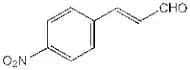
CAS:Formula:C7H6O3Purity:>98.0%(GC)(T)Color and Shape:Light yellow to Yellow to Green powder to crystalMolecular weight:138.124-Nitrocinnamaldehyde, predominantly trans, 98%
CAS:<p>Doebner-Miller reaction the 4- nitrocinnamaldehyde and 2-methylaniline in concentrated HC1 give the corresponding 8-methyl-2-phenylquinoline (3: R = 4'-N02) directly. The asymmetric Friedel-Crafts-type alkylation in aqueous media reaction of 4-Nitrocinnamaldehydr with N-methyl indole using trifluoro</p>Formula:C9H7NO3Purity:98%Color and Shape:White to yellow to orange, PowderMolecular weight:177.165-Nitrovanillin
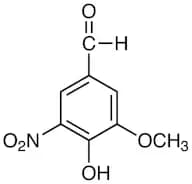
CAS:Formula:C8H7NO5Purity:>98.0%(T)Color and Shape:Yellow to Brown to Dark green powder to crystalMolecular weight:197.154-Piperidinylphenylglyoxal hydrate
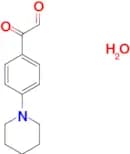
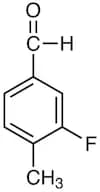
CAS:Purity:95.0%Color and Shape:SolidMolecular weight:235.28300476074223-Fluoro-4-methylbenzaldehyde
CAS:Formula:C8H7FOPurity:>95.0%(GC)Color and Shape:Light yellow to Yellow to Orange clear liquidMolecular weight:138.148-Nonenal
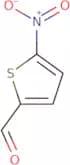
CAS:Controlled Product<p>Applications 8-Nonenal is used as a reactant in the preparation of macrocyclic Z-enoates and (E,Z)- or (Z,E)-dienoates through catalytic stereoselective ring-closing metathesis.<br>References Zhang, H., et al.: JACS., 136, 16493 (2014)<br></p>Formula:C9H16OColor and Shape:NeatMolecular weight:140.225-Nitrothiophene-2-carboxaldehyde
CAS:<p>5-Nitrothiophene-2-carboxaldehyde (5NT) is a chemical compound that belongs to the class of dihedral molecules. It is commonly used as an antimicrobial agent and has been shown to have amoebicidal activity in tissue culture. 5NT also inhibits cell growth and proliferation in certain bacteria, such as Staphylococcus aureus strains, by interfering with DNA replication and protein synthesis. Although 5NT is not active against other types of bacteria, it has been shown to be effective against MRSA in laboratory studies. The biological properties of 5NT are still being studied.</p>Formula:C5H3NO3SPurity:Min. 95%Molecular weight:157.15 g/molRef: 3D-FN33032
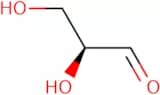
Discontinued productL-(-)-Glyceraldehyde - Technical grade aqueous solution
CAS:<p>Please enquire for more information about L-(-)-Glyceraldehyde - Technical grade aqueous solution including the price, delivery time and more detailed product information at the technical inquiry form on this page</p>Formula:C3H6O3Purity:Min. 95%Color and Shape:Clear Viscous LiquidMolecular weight:90.08 g/molRef: 3D-FG12041
Discontinued product







![Poly[(phenyl glycidyl ether)-co-formaldehyde] - Average MW 570](/_next/image/?url=https%3A%2Fstatic.cymitquimica.com%2Fproducts%2F3D%2Fthumb-webp%2FFP158268.webp&w=3840&q=75)