Aldehydes
Found 8576 products of "Aldehydes"
N-Ethylcarbazole-3-carboxaldehyde
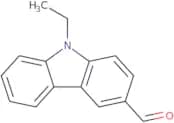
CAS:N-Ethylcarbazole-3-carboxaldehyde is an organic compound that has been shown to have anti-cancer properties. It activates the enzyme dioxygenase, which in turn generates reactive oxygen species (ROS) that induce DNA damage and apoptosis in mammalian cells. The photophysical and fluorescence spectrometry of N-ethylcarbazole-3-carboxaldehyde were studied as a function of pH and found to be sensitive to acidic environments. N-Ethylcarbazole-3-carboxaldehyde is also able to form covalent bonds with DNA bases, leading to irreversible oxidation.Formula:C15H13NOPurity:Min. 95%Molecular weight:223.27 g/mol2-(Dimethylamino)acetaldehyde sulfite
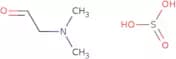
CAS:2-(Dimethylamino)acetaldehyde sulfite is a white crystalline solid with a melting point of around 100°C. It is soluble in water and slightly soluble in organic solvents. 2-(Dimethylamino)acetaldehyde sulfite can be used as a reagent to prepare alkali solutions and acid hydrochlorides. It can also be used as an intermediate for the synthesis of methacrylic acid, methyl acetate, and other organic compounds. 2-(Dimethylamino)acetaldehyde sulfite can be synthesized using a high-yield synthetic method involving lithium, acidification, and an organic solvent.
Purity:Min. 95%1H-Pyrazole-4-carbaldehyde
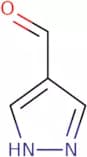
CAS:1H-Pyrazole-4-carbaldehyde is a chemical compound that inhibits the growth of bacteria by binding to the enzyme ribonucleotide reductase. It has been shown to have significant antifungal activity against Candida albicans and Saccharomyces cerevisiae, as well as in vitro antifungal activity against other fungi. The 1H-pyrazole-4-carbaldehyde has also been found to inhibit xanthine oxidase and nitric oxide synthase (NOS) in vitro and in vivo, which may be due to its ability to reduce oxidative stress. This chemical compound is a coumarin derivative and contains a pyrazole ring.
Formula:C4H4N2OPurity:Min. 95%Color and Shape:White PowderMolecular weight:96.09 g/mol3-Thien-2-yl-1H-pyrazole-4-carbaldehyde
CAS:3-Thien-2-yl-1H-pyrazole-4-carbaldehyde is a ligand that can be used to inhibit the activity of nicotine in the human liver. It has been shown to reduce chemical inhibitor activity globally and systematically, and it may have therapeutic potential for preventing death from tobacco use. 3-Thien-2-yl-1H-pyrazole-4-carbaldehyde binds to nicotine receptors by forming hydrogen bonds with the receptor's nicotinic acetylcholine binding sites. This prevents nicotine from binding to those sites, resulting in a reduction of the addictive properties of tobacco. 3TPCA is being developed as a drug candidate for treating tobacco use disorders.Formula:C8H6N2OSPurity:Min. 95%Color and Shape:PowderMolecular weight:178.21 g/molFormaldehyde-13C solution
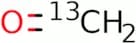
CAS:20% by weight in water. 98 atom % 13CFormula:H13CHOPurity:Min. 95%Molecular weight:42.12 g/mol4-Fluorobenzaldehyde oxime
CAS:4-Fluorobenzaldehyde oxime is a phenylhydrazine derivative that reacts with an aromatic amine to form a ternary complex. The reaction time for this process is short, and the yield of the product is high. 4-Fluorobenzaldehyde oxime also reacts with an aromatic amine to form an ion-pair. It can react with acidic hydrogen donors such as peracids and it also has high hydrogen bonding interactions. 4-Fluorobenzaldehyde oxime is used in pharmacological agents as well as other chemical reactions, including halogenation.
Formula:C7H6FNOPurity:Min. 95%Color and Shape:White PowderMolecular weight:139.13 g/mol1H-Indole-2-carbaldehyde
CAS:1H-Indole-2-carbaldehyde is a solvent that has been used in the protein data and molecular modeling study. The 1H NMR spectrum of this compound showed an intense signal at δ 4.8 ppm, corresponding to the hydroxyl proton. This solvent also has fluorescence properties, as shown by its photophysical and structural analysis. The 1H-indole-2-carbaldehyde molecule has an active methylene group and an oxindole ring with amine substituents.
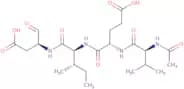
Formula:C9H7NOPurity:Min. 98%Color and Shape:PowderMolecular weight:145.16 g/molAc-Val-Glu-Ile-Asp-aldehyde (pseudo acid)
CAS:Ac-Val-Glu-Ile-Asp-aldehyde is a pseudo acid that has been shown to induce apoptotic cell death in cultured cells. It is localized in the cerebellar granule and mitochondria of HL-60 cells and HK-2 cells. Ac-Val-Glu-Ile-Asp-aldehyde induces necrotic cell death when it binds to the serine protease zymogen, which is localized in the mitochondrial membrane. It also induces apoptosis by disrupting the mitochondrial membrane potential, leading to a release of cytochrome c into the cytosol. Ac-Val-Glu-Ile-Asp-aldehyde can bind to annexin and tubule cells, which are important for β cell function.Formula:C22H36N4O9Purity:Min. 95%Molecular weight:500.54 g/mol4,6-Dimethoxysalicylaldehyde
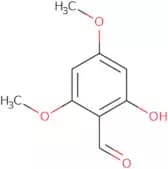
CAS:4,6-Dimethoxysalicylaldehyde is a protonated molecule with a cyclohexane ring and 4 hydroxyl groups. Its chemical formula is C6H8O3. The compound has low bioavailability due to the presence of an intramolecular hydrogen bond that causes high redox potential. There are two amines on the aromatic ring which can coordinate with metal ions to form a complex. This compound's structural analysis has been conducted using X-ray crystallography, NMR spectroscopy, and IR spectroscopy. The structure of 4,6-dimethoxysalicylaldehyde is unsymmetrical due to the presence of two asymmetric carbon atoms in the molecule. It forms hydrogen bonds with other molecules due to its hydroxyl group and intramolecular hydrogen bond. Hydrogen bonding interactions occur between this compound and other molecules including water, alcohols, ammonia, amines, and carboxylic acids.Formula:C9H10O4Purity:Min. 95%Color and Shape:Off-White PowderMolecular weight:182.17 g/mol5-Bromo-2-hydroxybenzaldehyde
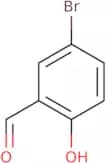
CAS:5-Bromo-2-hydroxybenzaldehyde (5BHB) is an organic compound that has been shown to have a coordination geometry of group p2. This compound binds to DNA and RNA, inhibiting the transcription process. 5BHB also has the ability to form a copper complex with malonic acid. This redox potential is reduced by one electron when copper is added in order to form the copper complex, which allows for the reactivity of 5BHB to be increased. 5BHB binds to nucleic acids through hydrogen bonding interactions with nitrogen atoms and lone pairs on oxygen atoms. The reaction mechanism for 5BHB involves intramolecular hydrogen transfer from one molecule of 5BHB to another, forming an intermediate that then reacts with nucleic acid.
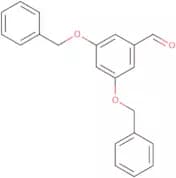
Formula:C7H5BrO2Purity:Min. 95%Color and Shape:White PowderMolecular weight:201.02 g/mol3,5-Dibenzyloxybenzaldehyde
CAS:3,5-Dibenzyloxybenzaldehyde is a molecule that has been shown to induce apoptosis in prostate cancer cells. It binds to the survivin protein and prevents its function. 3,5-Dibenzyloxybenzaldehyde also has anti-cancer properties due to its ability to inhibit the growth of cultured prostate cancer cells in vitro. This compound can be used as a photophysical probe for radiation studies or as a fatty acid monomer for metathesis reactions. The molecule is also active against cox-2 inhibitory activity and has been shown to have clinical efficacy in diazepine synthesis.Formula:C21H18O3Purity:Min. 95%Molecular weight:318.37 g/mol4-Acetoxybenzaldehyde
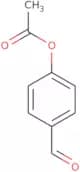
CAS:4-Acetoxybenzaldehyde is a compound with an acetyl group attached to the benzene ring. It is potentially toxic to cells and has been shown to produce reactive oxygen species (ROS) in v79 cells, which can lead to cell death. The biological properties of 4-acetoxybenzaldehyde are not well understood, but it has been shown to have antioxidant properties in other studies. This compound also reacts with amines, forming acetamides and amides. 4-Acetoxybenzaldehyde is found in environmental pollution as a result of its presence in the atmosphere and its use as a solvent. It was first synthesized by the reaction of coumaric acid and acetyl chloride with formaldehyde at reflux temperature. The compound can be purified by chromatographic methods or mass spectrometric analysis.
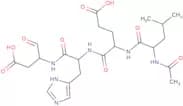
Formula:C9H8O3Purity:Min. 95%Color and Shape:LiquidMolecular weight:164.16 g/molAc-Leu-Glu-His-Asp-aldehyde (pseudo acid) trifluoroacetate salt
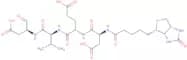
CAS:Ac-Leu-Glu-His-Asp-aldehyde (pseudo acid) trifluoroacetate salt is a chemical compound that belongs to the group of apoptosis proteins. It has been shown to have anti-inflammatory and neuroprotective effects in primary cells, as well as to induce apoptosis in HL60 cells. Ac-Leu-Glu-His-Asp-aldehyde (pseudo acid) trifluoroacetate salt is also able to inhibit the activation of the caspase pathway by preventing the release of cytochrome c from mitochondria and decreasing the mitochondrial membrane potential. The protein may be used as an agent for skin cancer treatment.Formula:C23H34N6O9Purity:Min. 95%Molecular weight:538.55 g/molBiotinyl-Asp-Glu-Val-Asp-aldehyde (pseudo acid)
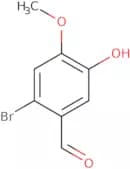
CAS:Biotinyl-Asp-Glu-Val-Asp-aldehyde (pseudo acid) is a biotinylated amino acid, which can be used to study the affinity of caspases and other proteases. Biotin binds to the peptide through an amide bond and the amino group on the biotin molecule reacts with reactive groups on proteins, such as lysine, cysteine, histidine, or arginine. This reaction leads to the formation of a stable link between biotin and the target protein. The biotinylated peptide can then be purified from a sample by using an affinity chromatography column that has been pre-coated with streptavidin. Biotin is not toxic because it does not bind to DNA.Formula:C28H42N6O12SPurity:Min. 95%Molecular weight:686.73 g/mol2-Bromo-5-hydroxy-4-methoxybenzaldehyde
CAS:2-Bromo-5-hydroxy-4-methoxybenzaldehyde is a death pathway inhibitor that has been shown to have radiosensitizing effects in vitro. It has also been found to inhibit the expression of matrix metalloproteinase (MMP) in human glioma cells and in a rat model of cerebral ischemia. This compound may be used as a potential chemotherapeutic agent for the treatment of cancer. 2-Bromo-5-hydroxy-4-methoxybenzaldehyde inhibits cell proliferation by inducing apoptosis, or programmed cell death, which may be due to its ability to suppress MMP activity.Formula:C8H7BrO3Purity:Min. 95%Color and Shape:PowderMolecular weight:231.04 g/molAc-Leu-Val-Lys-aldehyde
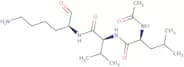
CAS:Please enquire for more information about Ac-Leu-Val-Lys-aldehyde including the price, delivery time and more detailed product information at the technical inquiry form on this pageFormula:C19H36N4O4Purity:Min. 95%Molecular weight:384.51 g/molcis-3-Hexenal - stabilised: 50% in triacetin
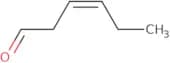
CAS:Cis-3-hexenal is a fatty acid that is found in various foods, including soybean and corn oils. It can be used as a chemical substrate to measure the activity of lipoxygenases, enzymes that catalyze the formation of hydroperoxides from polyunsaturated fatty acids. Cis-3-hexenal is also an insect attractant and has been shown to have antifungal properties against plant pathogens such as Phytophthora infestans. This chemical compound has also been shown to inhibit protein synthesis in cells and to be able to react with DNA. Cis-3-hexenal - stabilised: 50% in triacetinFormula:C6H10OPurity:Min. 95%Color and Shape:PowderMolecular weight:98.14 g/moltrans,cis-2,6-Nonadienal
CAS:Trans,cis-2,6-Nonadienal is a fatty acid derivative with an unsaturated 2,6-nonadiene structure. It is an inhibitor of the enzyme fatty acid synthase, which catalyzes the formation of long-chain polyunsaturated fatty acids. Trans,cis-2,6-Nonadienal has been shown to inhibit v79 cells and ester compounds that are used in analytical methods for measuring fatty acids. It is also able to inhibit lysine residues and it can be used as a reactive antioxidant system in mammalian cells. Trans,cis-2,6-Nonadienal has shown a profile of activities that includes inhibition at multiple endpoints involving noncompetitive inhibition as well as antioxidant activity.Formula:C9H14OPurity:Min. 95%Color and Shape:Clear LiquidMolecular weight:138.21 g/molPoly[(phenyl glycidyl ether)-co-formaldehyde] - Average MW 570
CAS:Please enquire for more information about Poly[(phenyl glycidyl ether)-co-formaldehyde] - Average MW 570 including the price, delivery time and more detailed product information at the technical inquiry form on this pageFormula:(C6H6O•CH2O)xPurity:Min. 95%Color and Shape:Clear LiquidBenzaldehyde semicarbazone
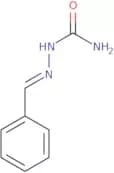
CAS:Benzaldehyde semicarbazone is a hydrogen bond acceptor and donor, which can be used for the synthesis of pharmaceuticals. It is also known to have significant biological activity, including anticonvulsant activity. Benzaldehyde semicarbazone has been shown to be an inhibitor of pyrazole ring formation in the reaction between 4-chlorobenzaldehyde oxime and hydrochloric acid. This inhibition may be due to its ability to act as a hydrogen bond acceptor, forming hydrogen bonds with both the carbonyl group of 4-chlorobenzaldehyde oxime and the protonated chloride ion. The mechanism is supported by kinetic studies which show that benzaldehyde semicarbazone has a much lower activation energy than the other reactants involved in the reaction.Formula:C8H9N3OPurity:Min. 95%Color and Shape:PowderMolecular weight:163.18 g/mol





![Poly[(phenyl glycidyl ether)-co-formaldehyde] - Average MW 570](/_next/image/?url=https%3A%2Fstatic.cymitquimica.com%2Fproducts%2F3D%2Fthumb-webp%2FFP158268.webp&w=3840&q=75)