Aldehydes
Aldehydes are organic compounds containing a carbonyl group (C=O) bonded to at least one hydrogen atom. These versatile compounds are fundamental in various chemical reactions, including oxidation, reduction, and nucleophilic addition. Aldehydes are essential building blocks in the synthesis of pharmaceuticals, fragrances, and polymers. At CymitQuimica, we provide a diverse selection of high-quality aldehydes to support your research and industrial applications.
Found 8540 products of "Aldehydes"
Sort by
Purity (%)
0
100
|
0
|
50
|
90
|
95
|
100
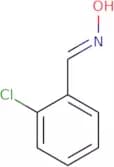
2-Chlorobenzaldehyde oxime
CAS:<p>2-Chlorobenzaldehyde oxime is a compound that inhibits the growth of mycobacterium tuberculosis. It reacts with chloride in the environment to form 2-chlorobenzaldehyde, which reacts with an isoxazole to produce a quinone. Quinones are toxic to mammals and are thought to be responsible for the antimycobacterial activity of this compound. The reaction mechanism of 2-chlorobenzaldehyde oxime has been studied using various techniques and its toxicity has been evaluated in both culture and animal studies. This compound has shown no significant effects on mice at up to 100 mg/kg body weight, but it was found to cause death in rats at doses as low as 0.1 mg/kg body weight.<br>2-Chlorobenzaldehyde oxime was synthesised by reacting 2-chlorobenzaldehyde with oxalyl chloride under conditions suitable for safety, and the product was purified by recrystallisation from acetone. The synthesis</p>Formula:C7H6ClNOPurity:Min. 95%Color and Shape:PowderMolecular weight:155.58 g/mol1-Methyl-1H-imidazole-4-carbaldehyde
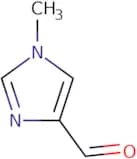
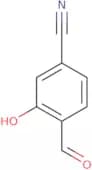
CAS:<p>1-Methyl-1H-imidazole-4-carbaldehyde is an Imidazole derivative. Imidazoles are the most prominent heterocyclic scaffolds found in medical molecules and natural products. Due to the peculiar structural characteristics of imidazole, it is advantageous for imidazole groups to combine with various receptors and enzymes in biological systems, through diverse weak interactions. 1-Methyl-1H-imidazole-4-carbaldehyde is one of many imidazole derivatives that are used as building blocks for a wide variety of target compounds.</p>Formula:C5H6N2OPurity:Min. 95%Color and Shape:Slightly Yellow PowderMolecular weight:110.11 g/mol4-Cyano-2-hydroxybenzaldehyde
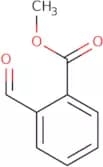
CAS:<p>4-Cyano-2-hydroxybenzaldehyde is a high quality chemical that can be used as a reagent and intermediate in the synthesis of complex compounds. It is also an important building block in the synthesis of fine chemicals. 4-Cyano-2-hydroxybenzaldehyde has been used as a versatile building block in the synthesis of organic compounds, useful scaffolds in medicinal chemistry, and reactive intermediates. It has also been shown to have anti-inflammatory properties and may be a potential treatment for inflammatory bowel disease.</p>Formula:C8H5NO2Purity:Min. 95%Molecular weight:147.13 g/mol2-Carbomethoxybenzaldehyde
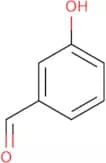
CAS:<p>2-Carbomethoxybenzaldehyde (2CMB) is a synthetic chemical compound that has been used as an efficient method for the synthesis of amines. The carbonyl group in 2CMB reacts with nucleophiles, such as amines, to form a tetrahydroisoquinoline derivative. This nucleophilic attack leads to the formation of an unstable intermediate that can be isolated and purified by trifluoroacetic acid (TFA). 2CMB is also used in the synthesis of quinoline derivatives and naphthalene derivatives. The acidic properties of 2CMB allow it to react with carboxylic acids, leading to the formation of esters.</p>Formula:C9H8O3Purity:Min. 95%Color and Shape:Colorless PowderMolecular weight:164.16 g/mol3-Hydroxybenzaldehyde
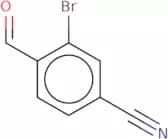
CAS:<p>3-Hydroxybenzaldehyde (3HBA) is an organic molecule that belongs to the group of substituted benzaldehydes. It has been shown to induce muscle cell proliferation in vitro and in vivo, as well as increased levels of activated caspase-3 in vitro. 3HBA also has a high resistance to hydrochloric acid, hydrogen bond, and chemical structures. It also shows properties of intramolecular hydrogen bonding and aldehyde groups. 3HBA has been shown to be active against malonic acid-induced pulmonary edema in rats, which may be due to its ability to inhibit the release of erythrocytes from the bone marrow into the circulation.</p>Formula:C7H6O2Purity:Min. 96 Area-%Color and Shape:Off-White PowderMolecular weight:122.12 g/mol2-Bromo-4-cyanobenzaldehyde
CAS:<p>2-Bromo-4-cyanobenzaldehyde is a potent protease inhibitor and can be used as an antiviral agent. It inhibits the NS3 protease of hepatitis C virus (HCV) with IC50 of 0.2 μM. 2-Bromo-4-cyanobenzaldehyde has been evaluated for its ability to inhibit replicons from HCV genotypes 1, 2, 3, 4 and 5 with varying degrees of potency. In vitro studies have shown that 2-bromo-4-cyanobenzaldehyde is a potent inhibitor of HCV NS3 protease, demonstrating activity against all major HCV genotypes in cell culture. This molecule has also been shown to inhibit the replication of HIV, herpes simplex virus type 1 and human rhinovirus type 2 in cell culture.</p>Formula:C8H4BrNOPurity:Min. 95%Color and Shape:PowderMolecular weight:210.03 g/mol2-Phenoxybenzaldehyde
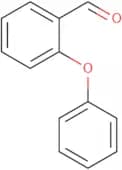
CAS:<p>2-Phenoxybenzaldehyde is an organic compound that belongs to the heterocyclic aldehyde family. It is a white solid with a strong, pleasant odor. 2-Phenoxybenzaldehyde is used as an intermediate in organic synthesis, and has been shown to inhibit the receptor activity of human leukocyte antigen (HLA) class II molecules. The reaction mechanism for this inhibition is not known. The reaction of 2-phenoxybenzaldehyde with hydrochloric acid produces phenylhydroxylamine, which can be oxidized by inorganic acids to form phenyloxalic acid. This compound also inhibits the production of inflammatory cytokines such as TNFα and IL-1β in vitro and in vivo.</p>Formula:C13H10O2Purity:Min. 95%Color and Shape:Clear LiquidMolecular weight:198.22 g/mol3-Carboxybenzaldehyde
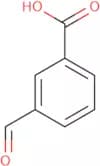
CAS:<p>3-Carboxybenzaldehyde is a hydroxy aromatic compound with a molecular formula of C8H6O2. It is a synthetic chemical that can be used as an intermediate in the synthesis of other compounds, such as polycarboxylic acids. 3-Carboxybenzaldehyde has been shown to be an effective substrate for binding to polycarboxylic acid enzymes and activating them. This reaction generates the corresponding carboxylate product and releases CO2. 3-Carboxybenzaldehyde has also been used as a reactant in asymmetric synthesis reactions and shown to have some structural similarities with benzene ring structures.</p>Formula:C8H6O3Purity:Min. 95%Color and Shape:PowderMolecular weight:150.13 g/mol2-Hydroxy-4-[3-(trifluoromethyl)-3H-diazirin-3-yl]benzaldehyde
CAS:<p>2-Hydroxy-4-[3-(trifluoromethyl)-3H-diazirin-3-yl]benzaldehyde is a reaction component that is used in the synthesis of organic compounds. It has been shown to be an effective reagent and can be used in the synthesis of high quality compounds. CAS No. 308085-25-8, it is a research chemical that can be used as a useful scaffold or building block for other compounds. 2-Hydroxy-4-[3-(trifluoromethyl)-3H-diazirin-3-yl]benzaldehyde may also be useful as an intermediate or building block in complex synthesis reactions.</p>Formula:C9H5F3N2O2Purity:Min. 95%Color and Shape:PowderMolecular weight:230.14 g/mol2,4-Dimethylbenzaldehyde
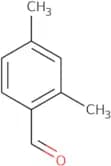
CAS:<p>2,4-Dimethylbenzaldehyde is used in the diagnosis of cancer. It reacts with acetaldehyde to form a compound that binds to hemoglobin and is excreted in the urine, leading to a diagnostic test for cancer. 2,4-Dimethylbenzaldehyde has been shown to be genotoxic in both in vitro and in vivo studies. This aromatic hydrocarbon has been shown to cause DNA strand breaks in the target cells through a reaction mechanism involving radical formation from acetaldehyde. In addition, 2,4-Dimethylbenzaldehyde has been shown to have genotoxic effects on mice exposed by inhalation or injection.</p>Formula:C9H10OPurity:Min. 90 Area-%Color and Shape:Colorless Clear LiquidMolecular weight:134.18 g/mol2-Carboxy-3,4-dimethoxybenzaldehyde
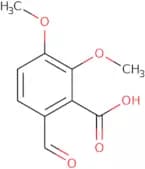
CAS:<p>2-Carboxy-3,4-dimethoxybenzaldehyde is a chemical that belongs to the class of compounds known as butyric acid derivatives. It is a colorless liquid with a pungent odor and can be used in pharmaceutical preparations as an antispasmodic or a sedative. 2-Carboxy-3,4-dimethoxybenzaldehyde has been shown to have radical scavenging activities in tissue culture systems and dry weight reaction products in the presence of hydrochloric acid and chloride ion. This compound can also act as an acid complexing agent for hydrogen chloride and depressant activity on animal behavior.</p>Formula:C10H10O5Purity:Min. 95%Color and Shape:White Yellow PowderMolecular weight:210.18 g/mol2-Benzyloxybenzaldehyde
CAS:<p>2-Benzyloxybenzaldehyde is an analog of benzaldehyde and can be used as a precursor for the synthesis of other molecules. It has been shown to inhibit the growth of HL-60 cells and xenograft tumor in mice. This compound also inhibits the production of cyclase, which is required to produce prostaglandin E2, a key regulator of inflammation in the body. This inhibition leads to an increase in mitochondrial membrane potential, leading to cell death by apoptosis. 2-Benzyloxybenzaldehyde also inhibits DNA binding activity and has been shown to induce fetal bovine serum levels and colony stimulating factor (CSF) levels in leukemic mice.</p>Formula:C14H12O2Purity:Min. 95%Color and Shape:PowderMolecular weight:212.24 g/mol2-Benzyloxy-3-methoxybenzaldehyde
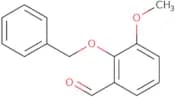
CAS:<p>2-Benzyloxy-3-methoxybenzaldehyde is an enantiopure compound that has been shown to have antiproliferative effects on cancer cells. It was also found to have a strong binding affinity for DNA and protein. The antiproliferative effects of 2-Benzyloxy-3-methoxybenzaldehyde were found to be due to its ability to bind to dna and inhibit the enzyme activity of pyrazine-2-carboxylic acid, leading to a decrease in the production of proteins vital for cell division. 2-Benzyloxy-3-methoxybenzaldehyde has been shown to have anticancer activity against colorectal cancer cells and may serve as a lead compound for future drug development.</p>Formula:C15H14O3Purity:Min. 95%Molecular weight:242.27 g/mol3-Chloro-4-nitrobenzaldehyde
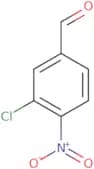
CAS:<p>3-Chloro-4-nitrobenzaldehyde is an aldehyde that is produced by the oxidation of 2-chloro-4-nitrobenzaldehyde. This chemical has been shown to have antitubercular activity in human erythrocytes, and it can be recycled from its reaction product with sodium hypochlorite. 3-Chloro-4-nitrobenzaldehyde has been shown to interact with acidic heterocycles such as oxadiazoles and triazoles. 3-Chloro-4-nitrobenzaldehyde has also been shown to alter the morphology of bacteria, such as subtilis, when exposed to ionic liquids. It is also known to inhibit the growth of Gram positive bacteria and show cytotoxic effects on mammalian cells.</p>Formula:C7H4ClNO3Purity:Min. 95%Molecular weight:185.56 g/molBenzaldehyde dimethyl acetal
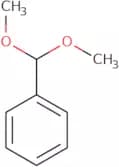
CAS:<p>Vegetable, nutty and floral flavour/fragrance</p>Formula:C9H12O2Purity:Min. 95%Color and Shape:Clear LiquidMolecular weight:152.19 g/mol4-Bromo-3-methylbenzaldehyde
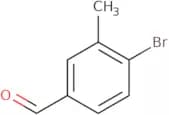
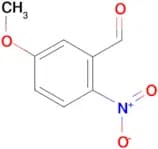
CAS:<p>4-Bromo-3-methylbenzaldehyde is a versatile building block that is used in the synthesis of many complex compounds. It can be used as a reactant, reagent, or speciality chemical. 4-Bromo-3-methylbenzaldehyde is an intermediate for the production of other chemicals and has been shown to be useful in the synthesis of various scaffolds. This product has been shown to have high purity and quality.</p>Formula:C8H7BrOPurity:Min. 95%Color and Shape:Yellow PowderMolecular weight:199.04 g/mol5-Methoxy-2-nitrobenzaldehyde
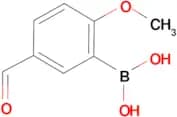
CAS:Formula:C8H7NO4Purity:97%Color and Shape:SolidMolecular weight:181.1472-Methoxy-5-formylphenylboronic acid
CAS:Formula:C8H9BO4Purity:97%Color and Shape:Crystalline Powder,PowderMolecular weight:179.974-(4,4,5,5-Tetramethyl-1,3,2-dioxaborolan-2-yl)furan-2-carbaldehyde
CAS:Formula:C11H15BO4Purity:97%Molecular weight:222.05Methyl 3-bromo-5-formylbenzoate
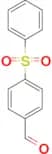
CAS:Formula:C9H7BrO3Purity:95%Color and Shape:SolidMolecular weight:243.0564-(Benzenesulfonyl)benzaldehyde
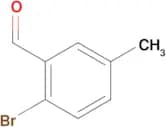
CAS:Formula:C13H10O3SPurity:98%Color and Shape:SolidMolecular weight:246.282-Bromo-5-methylbenzaldehyde
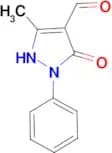
CAS:Formula:C8H7BrOPurity:95%Color and Shape:SolidMolecular weight:199.0475-hydroxy-3-methyl-1-phenyl-1H-pyrazole-4-carbaldehyde
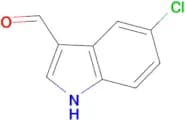
CAS:Formula:C11H10N2O2Purity:97%Molecular weight:202.2135-Chloroindole-3-carboxaldehyde
CAS:Formula:C9H6ClNOPurity:96%Color and Shape:SolidMolecular weight:179.61-Methyl-1H-pyrrolo[2,3-b]pyridine-3-carboxaldehyde
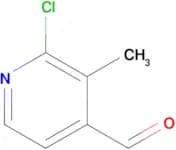
CAS:Formula:C9H8N2OPurity:95%Color and Shape:SolidMolecular weight:160.1762-chloro-3-methylisonicotinaldehyde
CAS:Formula:C7H6ClNOPurity:95%Color and Shape:SolidMolecular weight:155.582-Fluoro-3-methylbenzaldehyde
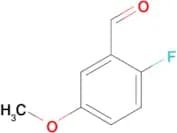
CAS:Formula:C8H7FOPurity:95%Color and Shape:LiquidMolecular weight:138.1412-Fluoro-5-methoxybenzaldehyde
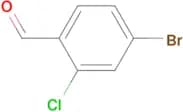
CAS:Formula:C8H7FO2Purity:98%Color and Shape:Solid, No data available.Molecular weight:154.142-Chloro-4-bromobenzaldehyde
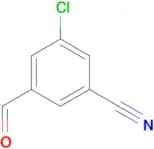
CAS:Formula:C7H4BrClOPurity:95%Color and Shape:Solid, Very pale yellow to pale yellow powderMolecular weight:219.463-Cyano-5-chlorobenzaldehyde
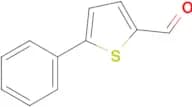
CAS:Formula:C8H4ClNOPurity:96%Color and Shape:SolidMolecular weight:165.585-Phenylthiophene-2-carbaldehyde
CAS:Formula:C11H8OSPurity:97%Color and Shape:SolidMolecular weight:188.243-Bromo-2-fluoro-5-methylbenzaldehyde
CAS:Formula:C8H6BrFOPurity:98%Color and Shape:SolidMolecular weight:217.0372-Bromo-4-fluorobenzaldehyde
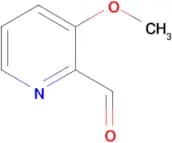
CAS:Formula:C7H4BrFOPurity:98%Color and Shape:SolidMolecular weight:203.013-Methoxypyridine-2-carbaldehyde
CAS:Formula:C7H7NO2Purity:95%Color and Shape:SolidMolecular weight:137.138

![2-Hydroxy-4-[3-(trifluoromethyl)-3H-diazirin-3-yl]benzaldehyde](/_next/image/?url=https%3A%2Fstatic.cymitquimica.com%2Fproducts%2F3D%2Fthumb-webp%2FFH97014.webp&w=3840&q=75)





![1-Methyl-1H-pyrrolo[2,3-b]pyridine-3-carboxaldehyde](/_next/image/?url=https%3A%2Fstatic.cymitquimica.com%2Fproducts%2F10%2Fthumb-webp%2FF225523.webp&w=3840&q=75)