Lactones
Found 491 products of "Lactones"
Fraxetin
CAS:Fraxetin is a chemical compound known as a coumarin derivative, which is a natural product primarily sourced from various plant species. As a member of the coumarin family, fraxetin is often extracted from the roots, bark, and leaves of plant sources like Fraxinus species and other related flora. The compound operates through an array of biochemical pathways, prominently exhibiting antioxidant and anti-inflammatory properties. It acts by scavenging free radicals and modulating oxidative stress-related pathways, while also influencing the expression of various inflammatory cytokines.
Formula:C10H8O5Molecular weight:208.17 g/molRef: 3D-Q-100662
1gTo inquire5gTo inquire10gTo inquire500mgTo inquire2500mgTo inquire-Unit-ggTo inquireDaphnetin-8-methyl ether
CAS:Daphnetin-8-methyl ether is a naturally derived coumarin compound, which is predominantly sourced from the Daphne genus of plants, among other botanical species known for their therapeutic potential. This compound is recognized for its biochemical interaction with key cellular pathways, particularly through the modulation of enzymes and receptors associated with inflammatory and oxidative stress responses.
Formula:C10H8O4Purity:Min. 95%Molecular weight:192.17 g/molAnomelin
Anomelin is a synthetic anticancer compound, which is derived from complex organic synthesis methodologies. This compound is typically produced through careful laboratory processes due to its intricate chemical structure, which is crafted to target specific molecular pathways involved in cancer cell proliferation.
Purity:Min. 95%3-(α-Acetonylbenzyl)-4-hydroxycoumarin sodium
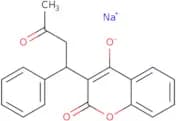
CAS:3-(α-Acetonylbenzyl)-4-hydroxycoumarin sodium is an anticoagulant compound, which is a synthetic derivative of coumarin. It is primarily sourced via chemical synthesis in laboratory settings. Its mode of action involves inhibiting the synthesis of vitamin K-dependent clotting factors, specifically factors II, VII, IX, and X. This inhibition impairs blood coagulation, leading to uncontrolled bleeding.Formula:C19H15NaO4Purity:Min. 95%Color and Shape:White PowderMolecular weight:330.31 g/molFraxinol
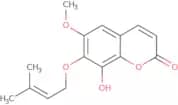
CAS:Fraxinol is a natural lignan, which is a small class of polyphenols, derived from the inner bark of the Ash tree (Fraxinus species). Its primary action is believed to involve antioxidant and anti-inflammatory pathways, where it scavenages reactive oxygen species and modulates cytokine production. This activity suggests potential modulation of cellular oxidative stress responses, contributing to its therapeutic interest.
Purity:Min. 95%Capensin
CAS:Capensin is an alkaloid-based compound, which is a naturally occurring chemical derived from specific plant sources known for producing bioactive molecules. Its mode of action involves interacting with cellular pathways to produce pharmacological effects, making it of particular interest in biochemical and medical research.Formula:C15H16O5Purity:Min. 95%Molecular weight:276.28 g/mol4',5'-Dihydrobergapten
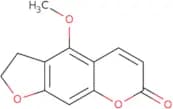
CAS:4',5'-Dihydrobergapten is a naturally occurring furanocoumarin, which is sourced primarily from various plant species, including members of the Rutaceae family. This compound is a derivative of psoralen and structurally categorized as a linear furanocoumarin. Its mode of action primarily involves intercalation into DNA, leading to photoactivation upon UVA exposure, which induces DNA cross-linking and inhibition of nucleic acid synthesis. Such mechanisms are pivotal for its biological properties.Formula:C12H10O4Purity:Min. 95%Molecular weight:218.21 g/mol7-Ethoxy-4-methylcoumarin
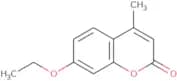
CAS:7-Ethoxy-4-methylcoumarin is a fluorescent probe, which is a synthetic compound commonly sourced from organic chemical synthesis. With its distinct chromophore, this compound becomes highly fluorescent upon enzymatic cleavage, offering a reliable mechanism for the detection of specific enzymatic activities. The mode of action involves the enzymatic cleavage of the ethoxy group, leading to the release of 4-methylumbelliferone, a fluorescent product. This conversion provides a measurable signal that correlates with enzyme activity, making it an invaluable tool in studying enzyme kinetics.
Formula:C12H12O3Purity:Min. 95%Color and Shape:PowderMolecular weight:204.22 g/molPangelin
CAS:Pangelin is a novel biochemical agent, which is meticulously derived from a unique microbial source with advanced bioconversion techniques. This product functions primarily through a targeted enzymatic mechanism that modulates specific biochemical pathways, ensuring high specificity and efficacy in its action. The enzymatic process engages with targeted substrates to yield predictable and controlled outcomes, making it a potentially valuable tool in biochemical research and applications.
Formula:C16H14O5Purity:Min. 95%Molecular weight:286.28 g/molOstruthin
CAS:Ostruthin is a naturally occurring coumarin derivative, which is isolated from plants such as *Peucedanum ostruthium* and other species within the Apiaceae family. It functions as an enzyme inhibitor, acting primarily through its interference with various cellular processes, including the inhibition of specific enzyme pathways that contribute to its bioactivity. Ostruthin exhibits a range of biological activities, making it of significant interest in pharmacological research.Formula:C19H22O3Purity:Min. 95%Molecular weight:298.38 g/molCichoriin
CAS:Cichoriin is a coumarin glycoside, which is a type of phytochemical compound found in certain plants. It is primarily sourced from plants of the Asteraceae family, particularly chicory (Cichorium intybus). The compound exhibits its biochemical effects by interacting with various cellular pathways, including acting as an antioxidant and displaying potential anti-inflammatory and antimicrobial properties.Formula:C15H16O9Purity:Min. 95%Molecular weight:340.28 g/molMoluccanin
CAS:Please enquire for more information about Moluccanin including the price, delivery time and more detailed product information at the technical inquiry form on this pagePurity:Min. 95%Heratomol
CAS:Please enquire for more information about Heratomol including the price, delivery time and more detailed product information at the technical inquiry form on this page
Formula:C11H6O4Purity:Min. 95%Molecular weight:202.16 g/molMurrangetin
Murrangetin is a flavonoid compound, which is a natural phytochemical sourced from the peels of various citrus fruits. Its mode of action primarily involves the modulation of inflammatory pathways, potentially through the inhibition of specific enzymes like cyclooxygenases and lipoxygenases. This flavonoid is also known for its antioxidative properties, which contribute to its ability to scavenge free radicals, thereby reducing oxidative stress in biological systems.
Purity:Min. 95%Anhydrobyankangelicin
CAS:Anhydrobyankangelicin is a coumarin derivative, which is a specialized type of organic compound commonly found in the plant family Apiaceae. This compound is biosynthetically sourced from the roots of plants such as Angelica species, where it is observed in varying concentrations. Anhydrobyankangelicin operates through interactions with several biological pathways, including modulating calcium channels and inhibiting certain enzymes involved in oxidative stress. This mechanism of action contributes to its efficacy in providing neuroprotective effects.Formula:C17H16O6Purity:Min. 95%Molecular weight:316.31 g/molGraveolone
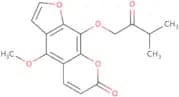
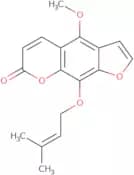
CAS:Graveolone is a bioactive compound that functions as a plant defense enhancer, which is derived from certain plant species known for their antimicrobial properties. Its mode of action involves the activation of multiple signaling pathways that bolster the plant's innate immune response. By enhancing the synthesis of defensive proteins and secondary metabolites, Graveolone effectively fortifies plants against pathogenic challenges and abiotic stresses.Formula:C21H22O7Purity:Min. 95%Molecular weight:386.4 g/molPhellopterin
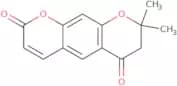
CAS:Phellopterin is a bioactive compound belonging to the class of furanocoumarins. It is extracted from various plants within the Apiaceae family, notably Angelica and Peucedanum species. These plants are found in diverse geographical regions and have been used in traditional medicine for centuries.Purity:Min. 95%cis-Isokhellactone
CAS:cis-Isokhellactone is a bioactive compound that belongs to the class of sesquiterpene lactones, which is isolated from plants in the genus Khella. With a well-characterized molecular structure, this compound exhibits significant binding affinity for cellular targets that are crucial in the regulation of cell proliferation and apoptosis. The mode of action involves the modulation of signaling pathways involved in cell cycle regulation and the induction of apoptosis in neoplastic cells.Formula:C14H14O5Purity:Min. 95%Molecular weight:262.26 g/mol5,7-Dihydroxycoumarin
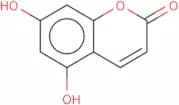
CAS:5,7-Dihydroxycoumarin is a natural product isolated from the dichloromethane extract of the inflorescences of Macaranga triloba.Formula:C9H6O4Purity:98.76%Color and Shape:SolidMolecular weight:178.143-Hydroxycoumarin
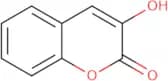
CAS:3-Hydroxycoumarin is a coumarin derivative, which is a type of organic compound with significant pharmacological interest. It is derived from the parent structure of coumarin, naturally found in various plant sources such as tonka beans and sweet clover. Its molecular structure includes a hydroxyl group added at the third position of the coumarin backbone, conferring distinct chemical properties.Formula:C9H6O3Purity:Min. 95%Color and Shape:PowderMolecular weight:162.14 g/mol