6-membered Rings
6-membered rings are compounds containing a six-membered ring in their structure. This category includes a wide variety of compounds such as benzenes, cyclohexanes, anilines, anisoles, toluenes, quinones, and six-membered heterocycles. These compounds are crucial in many chemical syntheses and applications. At CymitQuimica, we provide a comprehensive range of 6-membered ring compounds to support your research and industrial applications.
Subcategories of "6-membered Rings"
- 6-membered Heterocycles(61,179 products)
- Anilines(104 products)
- Anisoles(29 products)
- Benzenes(48,574 products)
- Ciclohexanes(3,054 products)
- Quinones(252 products)
- Toluenes(189 products)
Found 10217 products of "6-membered Rings"
Sort by
Purity (%)
0
100
|
0
|
50
|
90
|
95
|
100
N-Benzoyl Isothiocyanate
CAS:Controlled Product<p>Applications N-Benzoyl Isothiocyanate (cas# 532-55-8) is a compound useful in organic synthesis.<br></p>Formula:C8H5NOSColor and Shape:NeatMolecular weight:163.2trans-4-Phenyl-3-buten-2-one
CAS:Controlled Product<p>Applications trans-4-Phenyl-3-buten-2-one is used in various synthetic preparations.<br>References Shao, Y.D., et al.: Euro. J. Org. Chem., 2012, 1590 (2012);<br></p>Formula:C10H10OColor and Shape:Light YellowMolecular weight:146.19Dodecylbenzenesulfonic Acid (mixture of isomers) (Technical Grade)
CAS:Controlled Product<p>Applications 4-Dodecylbenzenesulfonic acid<br> Not a dangerous good if item is equal to or less than 1g/ml and there is less than 100g/ml in the package<br></p>Formula:C18H30O3SColor and Shape:NeatMolecular weight:326.49a-(Chloromethyl)-2,4-dichlorobenzyl Alcohol
CAS:Controlled Product<p>Impurity Isoconazole Impurity 6<br>Applications α-(Chloromethyl)-2,4-dichlorobenzyl alcohol is used in the synthesis of monocyclic nitroimidazole analogs of econazole. Isoconazole Impurity 6.<br>References Lee, S., et al.: Bioorg. Med. Chem. Lett., 21, 1515 (2011);<br></p>Formula:C8H7Cl3OColor and Shape:NeatMolecular weight:225.54-Sulfamoylbenzoic Acid
CAS:Controlled Product<p>Applications 4-Sulfamoylbenzoic Acid is used as a reagent in the synthesis of carbonic anhydrase inhibitors anticonvulsant agents.<br>References Singh, S. et al.: J. Enz. Inhib. Med. Chem., 31, 417 (2016);<br></p>Formula:C7H7NO4SColor and Shape:NeatMolecular weight:201.2Dibenzyl Phosphite
CAS:Controlled Product<p>Applications Dibenzyl Phosphite is used in the preparation of phenylalkylphosphonamidates which are then used as probes for a hydrophobic binding register in prostate-specific membrane antigen.<br>References Maung, J. et al.: Bioorg. Med. Chem., 12, 4969 (2004);<br></p>Formula:C14H15O3PColor and Shape:NeatMolecular weight:262.24Benzyltrimethylammonium Hydroxide (40% aq)
CAS:Controlled Product<p>Applications Benzyltrimethylammonium Hydroxide is a reagent used in the preparation of dithiocabamates.<br> Not a dangerous good if item is equal to or less than 1g/ml and there is less than 100g/ml in the package<br>References Zaidi, S. et al.: Chem. Biol. Interface., 7, 166 (2017);<br></p>Formula:C10H17NOColor and Shape:NeatMolecular weight:167.251,3,5-Trimethyl-2,4,6-tris(3,5-di-tert-butyl-4-hydroxybenzyl)benzene
CAS:Controlled Product<p>Applications 1,3,5-Trimethyl-2,4,6-tris(3,5-di-tert-butyl-4-hydroxybenzyl)benzene is a phenolic antioxidant that is used as a polymer additive found in polyethylene, polypropylene, and polyvinyl chloride packaging materials.<br>References Carrott, M., Davidson, G.: Analyst, 123, 1827 (1998); Dopico-Garcia, S., et al.: J. Agric. Food Chem., 55, 3225 (2007);<br></p>Formula:C54H78O3Color and Shape:WhiteMolecular weight:775.201,3-Dinitrobenzene
CAS:Controlled Product<p>Applications 1,3-Dinitrobenzene is used as an analyte to detect explosive environments (1), including those containing picric acid (2). Neurotoxic agent (3). Drinking water contaminant candidate (CCL3) as per United States Environmental Protection Agency (EPA). Environmental contaminants; Food contaminants.<br> Not a dangerous good if item is equal to or less than 1g/ml and there is less than 100g/ml in the package<br>References 1. ÄŒapka, L. et al.: J. Chromatogr. A. 2015 Apr 3;1388:167-73.2. Sanda, S. et al.: Chem. Commun. (Camb) 2015 Apr 18;51(30):6576-93. Maurer, L. et al.: Neurotoxicology. 2016 Mar;53:74-84<br></p>Formula:C6H4N2O4Color and Shape:Light YellowMolecular weight:168.11N-4-Benzyloxyphenyl Isobutyrylacetamide
CAS:Controlled Product<p>Applications N-4-Benzyloxyphenyl Isobutyrylacetamide (cas# 265989-30-8) is a compound useful in organic synthesis.<br></p>Formula:C19H21NO3Color and Shape:NeatMolecular weight:311.374-Benzyloxyphenyl 4-Hydroxyphenyl Sulfone
CAS:<p>Applications 4-Benzyloxyphenyl 4-Hydroxyphenyl Sulfone is used in the synthesis of Bis(4-hydroxyphenyl) Sulfone O-β-D-Glucuronide (B447395), which is a compound that is commonly used as a reactant in epoxy reactions. It is also used as a latent thermal catalyst for epoxy resin.<br>References Fu, J.W., et al.: Adv. Mat. Rsch., 266, 1022 (2011); Li, J.X., et al.: Polymers. Adv. Tech., 23, 803 (2012)<br></p>Formula:C19H16O4SColor and Shape:NeatMolecular weight:340.391-(2H-1,3-benzodioxol-5-yl)propan-2-ol
CAS:Controlled Product<p>Applications 1-(2H-1,3-benzodioxol-5-yl)propan-2-ol (cas# 6974-61-4) is a useful research chemical.<br></p>Formula:C10H12O3Color and Shape:NeatMolecular weight:180.2Benzyltrimethylammonium Chloride
CAS:Controlled Product<p>Stability Hygroscopic<br>Applications Benzyltrimethylammonium chloride (cas# 56-93-9) is a useful research chemical.<br></p>Formula:C10H16ClNColor and Shape:Off-WhiteMolecular weight:185.7(4-Vinylphenyl)methanol (~0.1% TBC stabilizer)
CAS:Controlled Product<p>Applications (4-Vinylphenyl)methanol (cas# 1074-61-9) is a useful research chemical.<br></p>Formula:C9H10OColor and Shape:NeatMolecular weight:134.182-Hydroxy-α,α,4-trimethylcyclohexanemethanol
CAS:Controlled Product<p>Applications 2-Hydroxy-α,α,4-trimethylcyclohexanemethanol is used in protection measures in the prevention of tick-born diseases. Acaricide.<br>References Cisak, E. et al.: Annals Agri. Env. Med., 19, 625 (2012); Gbenou, J. et al.: Mol. Biol. Rep., 40, 1127 (2013);<br></p>Formula:C10H20O2Color and Shape:Off-WhiteMolecular weight:172.26(S)-2-Hydroxy-2-(3-phenoxyphenyl)acetonitrile
CAS:<p>Stability Light Sensitive, Moisture Sensitive<br>Applications (S)-2-Hydroxy-2-(3-phenoxyphenyl)acetonitrile is used as a reagent in the synthesis of Fluvalinate (F601100) and its related analogs which exhibit insecticidal activity.<br> Not a dangerous good if item is equal to or less than 1g/ml and there is less than 100g/ml in the package<br>References Anderson, R.J., et al.: J. Agr. Food Chem., 33, 508 (1985)<br></p>Formula:C14H11NO2Color and Shape:Light YellowMolecular weight:225.24N-[2-(4-Hydroxyphenyl)ethyl]acetamide
CAS:Controlled ProductFormula:C10H13NO2Color and Shape:NeatMolecular weight:179.2162-Azidobenzoic Acid
CAS:Controlled Product<p>Applications 2-Azidobenzoic Acid (cas# 31162-13-7) is a useful research chemical.<br></p>Formula:C7H5N3O2Color and Shape:NeatMolecular weight:163.131,3,5-Trimethoxybenzene
CAS:<p>Applications 1,3,5-Trimethoxybenzene is a major scent component of the Chinese rose odour. 1,3,5-Trimethoxybenzene is also a useful synthetic intermediate and is used to synthesize triaryl- and triheteroarylmethanes.<br>References Scalliet, G., et al.: FEBS Lett., 523, 113 (2002); Nair, V., et al.: Org. Lett., 7, 5857 (2005)<br></p>Formula:C9H12O3Color and Shape:NeatMolecular weight:168.195-(3,4-dihydroxyphenyl)pentanoic Acid
CAS:Controlled Product<p>Applications 5-(3,4-dihydroxyphenyl)pentanoic Acid (cas# 31129-94-9) is a useful research chemical.<br></p>Formula:C11H14O4Color and Shape:NeatMolecular weight:210.23Diethyltoluenediamine
CAS:Controlled Product<p>Applications Diethyltoluenediamine is used in preparation of hydroxyl and amino-modified anti-explosion composite materials.<br>References Wei, M., et al.: Faming Zhuanli Shenqing, (2021);<br></p>Formula:C11H18N2Color and Shape:NeatMolecular weight:178.274Pyribenzoxim
CAS:Controlled Product<p>Applications Pyribenzoxim can be used in biological study of production of acetolactate synthase inhibitor herbicide tolerant Brassica napus mutants.<br>References Ruiter, R., et al.: U.S. Pat. Appl. Publ., US 20150089682 A1 20150326 (2015)<br></p>Formula:C32H27N5O8Color and Shape:NeatMolecular weight:609.59Phenylglyoxylic Acid
CAS:<p>Applications Phenylglyoxylic Acid (cas# 611-73-4) is a compound useful in organic synthesis.<br></p>Formula:C8H6O3Color and Shape:NeatMolecular weight:150.1319,9-Bis (4-Hydroxyphenyl) Fluorene
CAS:Controlled Product<p>Applications 9,9-Bis (4-Hydroxyphenyl) Fluorene is used in the production of polyarylene ethers and extensively used in the study of polymer electrolyte membranes with the potential for fuel cell application.<br> Not a dangerous good if item is equal to or less than 1g/ml and there is less than 100g/ml in the package<br>References Miyatake, K. et al.: J. Am. Chem. Soc., 129, 3879 (2007); Chikashige, Y. et al.: Macromolecules, 38, 7121 (2005);<br></p>Formula:C25H18O2Color and Shape:NeatMolecular weight:350.411,3-Divinylbenzene (Stabilized with TBC)
CAS:Controlled Product<p>Applications 1,3-Divinylbenzene is a useful research chemical, a metabolites of diethenylbenzene in rat.<br>References Linhart, I., et al.: Xenobiotica, 22, 335 (1992)<br></p>Formula:C10H10Color and Shape:NeatMolecular weight:130.192-Benzoyl-5-ethylthiophene
CAS:Controlled ProductFormula:C13H12OSColor and Shape:NeatMolecular weight:216.2992,3-dihydroxypropyl 4-hydroxybenzoate
CAS:Controlled Product<p>Applications 2,3-dihydroxypropyl 4-hydroxybenzoate (cas# 93778-15-5) is a useful research chemical.<br></p>Formula:C10H12O5Color and Shape:Off-WhiteMolecular weight:212.2Methyl 2-Nitro-4-(trifluoromethyl)benzoate
CAS:Controlled Product<p>Applications Methyl 2-Nitro-4-(trifluoromethyl)benzoate has been used in the synthesis of isoxazolinone antibacterial agents, using nitrogen as a replacement for the stereogenic center of the molecule. Also used in the preparation of benzo[b]azepines as inhibitors of cholesterol ester transfer.n<br>References Snyder, L. et al.: Bioorg. Med. Chem. Lett., 14, 4735 (2004);<br></p>Formula:C9H6F3NO4Color and Shape:Colourless To Light YellowMolecular weight:249.15α-Bromo-2,3,4,5,6-pentafluorotoluene
CAS:Controlled Product<p>Applications α-Bromo-2,3,4,5,6-pentafluorotoluene, can be used as an organic fluorinated building blocks for chemical synthesis.<br> Not a dangerous good if item is equal to or less than 1g/ml and there is less than 100g/ml in the package<br></p>Formula:C7H2BrF5Color and Shape:ColourlessMolecular weight:260.994-Ethyl-3-nitrobenzoic Acid
CAS:Controlled Product<p>Applications 4-ETHYL-3-NITROBENZOIC ACID (cas# 103440-95-5) is a useful research chemical.<br></p>Formula:C9H9NO4Color and Shape:White To Off-WhiteMolecular weight:195.172Chlorotriphenylstannane
CAS:Controlled Product<p>Stability Very Moisture Sensitive<br>Applications Chlorotriphenylstannane is used in the synthesis of nanoparticles which bear triamide ligands.<br> Not a dangerous good if item is equal to or less than 1g/ml and there is less than 100g/ml in the package<br>References Shariatinia, Z. et al.: Beil. J. Nanotech., 4, 94 (2013);<br></p>Formula:C18H15ClSnColor and Shape:WhiteMolecular weight:385.474-Hydroxy-2-nitrobenzoic Acid
CAS:Controlled Product<p>Applications 4-hydroxy-2-nitrobenzoic acid (cas# 74230-08-3) is a useful research chemical.<br></p>Formula:C7H5NO5Color and Shape:Dark Red To Dark BrownMolecular weight:183.1183-(4-tert-Butylbenzene)propionic Acid
CAS:Controlled Product<p>Applications 3-(4-tert-Butylbenzene)propionic Acid (cas# 1208-64-6) is a compound useful in organic synthesis.<br></p>Formula:C13H18O2Color and Shape:NeatMolecular weight:206.28Dibenzyl Terephthalate
CAS:Controlled Product<p>Applications Dibenzyl terephthalate is used in the synthesis of Pharacine (P294550), which is a natural p-cyclophane from the bacterial strain Cytophaga sp. AM13.1. Pharacine is a poly(butylene terephthalate) dimer.<br>References Shaaban, M. et al.: J. Nat. Prod., 65, 1660 (2002); East, G.C. et al.: Polymer, 23, 323 (1982);<br></p>Formula:C22H18O4Color and Shape:NeatMolecular weight:346.384-(Methylsulfonyl)phenylacetic Acid
CAS:Controlled Product<p>Applications 4-(Methylsulfonyl)phenylacetic Acid is an intermediate used to prepare heterocyclic diaryl compounds as selective COX-2 inhibitors. It is also used to synthesize hydroxyfuranones as antioxidants and antiinflammatory agents.<br>References Eren, G., et al.: Bioorg. Med. Chem., 18, 6467 (2010); Weber, V., et al.: Bioorg. Med. Chem., 13, 4552 (2005)<br></p>Formula:C9H10O4SColor and Shape:NeatMolecular weight:214.243-Amino-4-(carboxymethyl)benzoic Acid
CAS:Controlled Product<p>Applications 3-Amino-4-(carboxymethyl)benzoic acid<br></p>Formula:C9H9NO4Color and Shape:NeatMolecular weight:195.172Dichlorotriphenylphosphorane
CAS:Controlled Product<p>Stability Very Very Moisture Sensitive<br>Applications Dichlorotriphenylphosphorane is a reagent used in the synthetic preparation of sulfonamides. Also used to prepare O-alkylated benzamides.<br> Not a dangerous good if item is equal to or less than 1g/ml and there is less than 100g/ml in the package<br>References Chen, Y. et al.: RSC. Adv., 5, 4171 (2015); Prabhakaran, P. et al.: Tetrahedron, 68, 4485 (2012);<br></p>Formula:C18H15Cl2PColor and Shape:NeatMolecular weight:333.19Triethylene glycol Bis(3-tert-butyl-4-hydroxy-5-methylphenyl)propionate
CAS:Controlled Product<p>Applications Triethylene Glycol Bis(3-tert-butyl-4-hydroxy-5-methylphenyl)propionate is used as a polymer antioxidant stabilizer in adhesives and polymers for food contact. Generally functions as an antioxidant in the chemistry of plastics.<br>References United States Food and Drug Administration.: Federal Register, 50, 63 (1985); Liang, H., et al.: Acta Endocrinol., 128, 451 (1993);<br></p>Formula:C34H50O8Color and Shape:White To Off-WhiteMolecular weight:586.76Bis(4-tert-butylphenyl)amine
CAS:Controlled Product<p>Applications Bis(4-tert-butylphenyl)amine could be a useful reagent for synthesizing efficient luminogens with AIE features that permit imaging the brain through an intact skull.<br>References Qin, W., et al.: Adv. Mater. (Weinheim, Germany), 32, 2000364 (2020)<br></p>Formula:C20H27NColor and Shape:BeigeMolecular weight:281.44(1R,2R)-1,2-Cyclohexanedimethanol 1,2-Dimethanesulfonate
CAS:Controlled Product<p>Applications (1R,2R)-1,2-Cyclohexanedimethanol 1,2-Dimethanesulfonate (cas# 186204-35-3) is a compound useful in organic synthesis.<br></p>Formula:C10H20O6S2Color and Shape:NeatMolecular weight:300.394-Acetamidobenzenesulfonic Acid
CAS:Controlled Product<p>Impurity Sulfadimethoxine EP Impurity C<br>Stability Hygroscopic<br>Applications 4-Acetamidobenzenesulfonic Acid (Sulfadimethoxine EP Impurity C) is a metabolite of Sulfanilic acid.<br>References Saab, N., et al.: Eur. J. Med. Chem., 34, 745 (1999), Kim, H., et al.: J. Pharm. Biomed. Anal., 27, 51 (2002), Santelli-Rouvier, C., et al.: Eur. J. Med. Chem., 39, 735 (2004),<br></p>Formula:C8H9NO4SColor and Shape:NeatMolecular weight:215.23Tris(4-tert-butyl-3-hydroxy-2,6-dimethylbenzyl) Isocyanurate
CAS:<p>Applications Tris(4-tert-butyl-3-hydroxy-2,6-dimethylbenzyl) Isocyanurate as an antioxidant and/or stabilizer in polystyrene and rubber-modified polystyrene intended for use in contact with food at room temperature or below. Tris(4-tert-butyl-3-hydroxy-2,6-dimethylbenzyl) Isocyanurate is also used as a stabilizer in polyethelene and poloypropylene.<br>References Kawamura, Y. et al.: Shok. Eiseig. Zas., 37, 272 (1996); United States Food and Drug Administration: Fed. Reg., 45, 57711 (1980);<br></p>Formula:C42H57N3O6Color and Shape:NeatMolecular weight:699.923-Phenyl-1-propanol
CAS:Controlled Product<p>Impurity Alverine EP Impurity B<br>Applications 3-Phenyl-1-propanol is used as a reagent in the synthesis of Dihydrocinnamyl Cilnidipine (D448605) and is a potent aroma biotransformation product.<br>References Bosse, A.K., et al.: Food Chem., 141, 2952 (2013)<br></p>Formula:C9H12OColor and Shape:ColourlessMolecular weight:136.192-Benzoylbenzoic Acid
CAS:<p>Applications 2-Benzoylbenzoic Acid is a reagent that is used in the synthesis of BzATP Triethylammonium Salt, which is a selective P2X purinergic agonist. It is more potent than ATP at homodimeric P2X7 receptors.<br>References Abou-Seri, S. M., et al.: Eur. J. Med. Chem., 107, 165 (2016);<br></p>Formula:C14H10O3Color and Shape:NeatMolecular weight:226.23N-(Benzyloxycarbonyl)ethanolamine
CAS:Controlled Product<p>Applications N-(Benzyloxycarbonyl)ethanolamine is an intermediate used to prepare alkynylaryladenines as A2A adenosine receptor agonists and effects on hepatic glucose production. It is also used in the synthesis of functionalized N-arylaminoethyl amides as noncovalent inhibitors of cathepsin S.<br>References Harada, H., et al.: Bioorg. Med. Chem., 9, 2709 (2001); Tully, D., et al.: Bioorg. Med. Chem. Lett., 16, 5112 (2006)<br></p>Formula:C10H13NO3Color and Shape:NeatMolecular weight:195.215N-[(4-Chlorophenyl)methyl]cyclopentanamine
CAS:Controlled Product<p>Applications N-[(4-chlorophenyl)methyl]cyclopentanamine is a useful reagent for the preparation of γ-lactams.<br>References Fujii, T., et al.: Tetrahedron Letters, 61, 152276 (2020)<br></p>Formula:C12H16ClNColor and Shape:ColourlessMolecular weight:209.721,3-Diphenylacetone
CAS:Controlled Product<p>Applications 1,3-Diphenylacetone (cas# 102-04-5) is a useful research chemical.<br></p>Formula:C15H14OColor and Shape:NeatMolecular weight:210.2711-Cyclohexenyl phenyl ketone
CAS:Controlled Product<p>Applications 1-Cyclohexenyl phenyl ketone is a useful reactant for the synthesis of cyclopentanone enol ethers.<br>References Huang, X., et al.: J. Am. Chem. Soc., 129, 6398-99 (2007);<br></p>Formula:C13H14OColor and Shape:NeatMolecular weight:186.25tert-Butylbenzene
CAS:Controlled Product<p>Applications tert-Butylbenzene is a component of the model diesel fuel.<br> Not a dangerous good if item is equal to or less than 1g/ml and there is less than 100g/ml in the package<br>References Xiao, Jing, et al.: Indus. & Eng. Chem. Res., 51(8), 3436-3443 (2012)<br></p>Formula:C10H14Color and Shape:ColourlessMolecular weight:134.22N-Phenoxyisopropyl-N-benzylaziridinium Perchlorate
CAS:Controlled Product<p>Applications N-Phenoxyisopropyl-N-benzylaziridinium Perchlorate is a useful intermediate in the synthesis of aziridinium ions and analogs that functions as α-adrenergic blockades.<br>References Henkel, J. G., et al.: J. Med. Chem., 19, 6 (1976)<br></p>Formula:C18H22NO·ClO4Color and Shape:NeatMolecular weight:367.824-tert-Butyl-N-phenylaniline
CAS:Controlled Product<p>Applications 4-tert-Butyl-N-phenylaniline may be useful in the synthetic preparation of amines via Buchwald-Hartwig amination reaction of aryl thioethers.<br>References Bismuto, A., et al.: ACS Catal., 10, 4630 (2020)<br></p>Formula:C16H19NColor and Shape:Light YellowMolecular weight:225.32Carboxyphosphamide Benzyl Ester
CAS:Controlled Product<p>Applications Intermediate in the production of Cyclophosphamide metabolites.<br>References Takamizawa, A., et al.: Chem. Pharm. Bull., 20, 1612 (1972),<br></p>Formula:C14H21Cl2N2O4PColor and Shape:NeatMolecular weight:383.21N-(4-(4-Acetamido-2-hydroxyphenoxy)phenyl)acetamide
CAS:Controlled ProductFormula:C16H16N2O4Color and Shape:NeatMolecular weight:300.312-Amino-2-phenylbutyric Acid
CAS:Controlled Product<p>Applications 2-Amino-2-phenylbutyric acid 96% (cas# 5438-07-3) is a useful research chemical.<br></p>Formula:C10H13NO2Color and Shape:NeatMolecular weight:179.224,4'-Oxydibenzenesulfonyl Hydrazide
CAS:Controlled Product<p>Applications 4,4'-Oxydibenzenesulfonyl hydrazide (cas# 80-51-3) is a useful research chemical.<br></p>Formula:C12H14N4O5S2Color and Shape:NeatMolecular weight:358.392,2-Diphenylcyclopropanecarbonitrile
CAS:Controlled Product<p>Applications 2,2-Diphenylcyclopropanecarbonitrile is used in the synthetic preparation of cyclopropanation or metathesis products by reactions of diazo compds. with alkenes catalyzed by [RuCl(cod)(Cp)].<br>References Basatro, M., et al.: Eur. J. Chem., 15, 1516, (2009);<br></p>Formula:C31H24N2Color and Shape:NeatMolecular weight:424.542-Benzylacrylic Acid
CAS:Controlled Product<p>Stability Light Sensitive<br>Applications 2-Benzylacrylic Acid (cas# 5669-19-2) is a compound useful in organic synthesis.<br></p>Formula:C10H10O2Color and Shape:NeatMolecular weight:162.192-(Acetylamino)-3-(phenylthio)propanoic Acid
CAS:Controlled Product<p>Applications 2-(Acetylamino)-3-(phenylthio)propanoic acid is a useful chemical in research.<br></p>Formula:C11H13NO3SColor and Shape:NeatMolecular weight:239.293-Phenoxyphenylacetonitrile
CAS:Controlled Product<p>Applications 3-PHENOXYPHENYLACETONITRILE (cas# 51632-29-2) is a useful research chemical.<br></p>Formula:C14H11NOColor and Shape:NeatMolecular weight:209.24rac Norphenylephrine Hydrochloride(Phenylephrine Impurity A)
CAS:Controlled Product<p>Impurity Phenylephrine EP Impurity A<br>Applications rac Norphenylephrine Hydrochloride is an Impurity A of phenylephrine. A phenylephrine derivative as leukotriene D4 antagonists.<br>References Musser, J.H., et al.: J. Med. Chem., 30, 2087 (1987),<br></p>Formula:C8H11NO2·ClHColor and Shape:White Crystalline PowderMolecular weight:189.641-Benzyl-1,4-dihydronicotinamide
CAS:Controlled Product<p>Stability Light Sensitive<br>Applications 1-Benzyl-1,4-dihydronicotinamide (cas# 952-92-1) is a compound useful in organic synthesis.<br>References Mailliet, F., et al.: Biochem. Pharmacol., 71, 74 (2005), Sandanayaka, A., et al.: J. Material. Chemis., 17, 2540 (2007),<br></p>Formula:C13H14N2OColor and Shape:NeatMolecular weight:214.262-(4-Diethylamino-2-hydroxybenzoyl)benzoic Acid
CAS:Controlled Product<p>Applications 2-(4-Diethylamino-2-hydroxybenzoyl)benzoic Acid<br></p>Formula:C18H19NO4Color and Shape:NeatMolecular weight:313.352-(2-Carbamoylphenyl)acetic Acid
CAS:Controlled Product<p>Applications 2-(2-carbamoylphenyl)acetic acid (cas# 23362-56-3) is a useful research chemical.<br></p>Formula:C9H9NO3Color and Shape:BeigeMolecular weight:179.1731-Cyclohexenylcarboxylic acid
CAS:Controlled Product<p>Applications 1-Cyclohexenylcarboxylic Acid is a reagent used in the synthesis and optimization of small-molecule HIV-1 entry inhibitors. Also used in the stereoselective synthesis of diazabicyclic β-lactams for antimicrobial activity.<br> Not a dangerous good if item is equal to or less than 1g/ml and there is less than 100g/ml in the package<br>References Tuyishime, M. et al.: Bioorg. Med. Chem. Lett., 24, 5439 (2014); Zhang, S. et al.: J. Org. Chem., 81, 956 (2016);<br></p>Formula:C7H10O2Color and Shape:NeatMolecular weight:126.153,4'-Diaminodiphenyl Ether
CAS:Controlled Product<p>Applications 3,4'-Diaminodiphenyl Ether, can be used for the synthesis of asymmetric soluble polyimides. It can also be used as a spacer in the preparation of glycine-based molecular tongs as inhibitors of β-amyloid peptide Aβ1-40 aggregation in vitro.<br>References Zhao, T., et al.: Suliao Gongye, 39, 20 (2011); Cellamare, S., et al.: Bioorg. Med. Chem., 16, 4810 (2008);<br></p>Formula:C12H12N2OColor and Shape:NeatMolecular weight:200.241,1-Cyclohexanediacetic Acid Monoamide
CAS:Controlled Product<p>Applications 1,1-Cyclohexanediacetic acid monoamide is an impurity of Gabapentin (G117250), an amino acid structurally related to γ-Aminobutyric Acid (GABA), designed to cross the blood brain barrier. Gabapentin is used as an anticonvulsant.<br>References Vollmer, K.-O. et al.: Arzneimittel-Forshc., 36, 830 (1986), Saletu, B., et al.: Int. J. Clin. Pharmacol. Ther. Toxicol., 24, 362 (1986)<br></p>Formula:C10H17NO3Color and Shape:White To Off-WhiteMolecular weight:199.2474-(Ethoxycarbonyl)benzoic Acid
CAS:Controlled Product<p>Applications 4-(ETHOXYCARBONYL)BENZOIC ACID (cas# 713-57-5) is a useful research chemical.<br></p>Formula:C10H10O4Color and Shape:NeatMolecular weight:194.181,2,3-Trimethylbenzene (>90%)
CAS:Controlled Product<p>Applications 1,2,3-Trimethylbenzene is one of the three isomers of trimethylbenzene. It is a useful synthetic intermediate. It shows nuerotoxic effects in rats after acute and subchronic inhalation exposure.<br> Not a dangerous good if item is equal to or less than 1g/ml and there is less than 100g/ml in the package<br>References Korsak, Z., et al.: Int J Occup Environ Med., 9, 341 (1996); Tomas, T., et al.: Int J Occup Environ Med., 12, 73 (1999)<br></p>Formula:C9H12Purity:>90%Color and Shape:NeatMolecular weight:120.192,6-Diaminotoluene
CAS:<p>Applications Aromatic amines likely to have high carcinogenic potency. QSARs of aromatic amines.<br> Not a dangerous good if item is equal to or less than 1g/ml and there is less than 100g/ml in the package<br>References Franke, R., et al.: Carcinogenesis, 22, 1561 (2001), Benigni, R., et al.: Chem. Rev., 105, 1767 (2005), Benigni, R., et al.: Environ. Mol. Mutagen., 50, 152 (2009),<br></p>Formula:C7H10N2Color and Shape:GreyMolecular weight:122.17N-desmethyl Octylonium Bromide
CAS:Controlled Product<p>Applications N-Diethylaminoethyl-p-[2-(-n-octyloxy)-benzoyl]aminobenzoate (cas# 26090-29-9) is a compound useful in organic synthesis.<br></p>Formula:C28H40N2O4Color and Shape:NeatMolecular weight:468.634-Acetyl-3-nitrobenzoic Acid
CAS:Controlled ProductFormula:C9H7NO5Color and Shape:NeatMolecular weight:209.1562-(Hydroxyimino)-3-phenylpropanoic Acid
CAS:Controlled Product<p>Applications 2-(Hydroxyimino)-3-phenylpropanoic acid (cas# 3682-17-5) is a useful research chemical.<br></p>Formula:C9H9NO3Color and Shape:NeatMolecular weight:179.173Dibenzo[b,f][1,4]thiazepine-11-[10H]one
CAS:<p>Impurity Quetiapine EP Impurity G; Quetiapine Impurity G; Quetiapine USP-G<br>Applications Dibenzo[b,f][1,4]thiazepine-11-[10H]one (Quetiapine EP Impurity G; Quetiapine Impurity G; Quetiapine USP-G) is an intermediate in the synthesis of quetiapine (Q510000).<br></p>Formula:C13H9NOSColor and Shape:WhiteMolecular weight:227.284-Hydroxybenzylideneacetone
CAS:<p>Applications 4-Hydroxybenzylideneacetone is a reagent in the synthesis of anti-proliferative agents with 2-nitrophenylacetonitrile moieties.<br>References Zhang, X. et al.: Org. Biomol. Chem., 12, 355 (2014);<br></p>Formula:C10H10O2Color and Shape:NeatMolecular weight:162.19p,p'-Dimethoxytriphenylcarbinol
CAS:Controlled Product<p>Applications p,p'-Dimethoxytriphenylcarbinol, can be used in Amberlyst-15 catalyzed regioselective tritylation of sugar-based diols.<br>References Valeru, A., et al.: J. Carbohydrate Chem., 37, 318-326 (2018);<br></p>Formula:C21H20O3Color and Shape:Colourless To Light YellowMolecular weight:320.392-(4-Hydroxycyclohexyl)acetic Acid
CAS:Controlled Product<p>Applications 2-(4-Hydroxycyclohexyl)acetic acid (cas# 99799-09-4) is a useful research chemical.<br></p>Formula:C8H14O3Color and Shape:Off-WhiteMolecular weight:158.2Xylene
CAS:<p>Stability Volatile<br>Applications Xylene, is the precursor for Terephthalic Acid and Dimethyl Terephthalate, both monomers used in the production of polyethylene terephthalate (PET) plastic bottles and polyester clothing. It can also be used as a solvent.<br> Not a dangerous good if item is equal to or less than 1g/ml and there is less than 100g/ml in the package<br>References Tremblay, J. F., et al.: Chem. Eng. News, 89 (38), 18 (2011); Clark, J. E., et al.: Ind. End. Chem., 47 (2), 250 (1955);<br></p>Formula:C8H10Color and Shape:ColourlessMolecular weight:106.16[Di(benzyloxy)methyl]benzene
CAS:Controlled Product<p>Applications [Di(benzyloxy)methyl]benzene is a reagent in organic chemical synthesis such as the synthesis of O-benzyl protected anti aldols<br>References Cosp, A. et al.: Synlett., 8, 1109 (2003); Shenbagam, K. et al.: Orient. J. Chem., 29, 747 (2013);<br></p>Formula:C21H20O2Color and Shape:ColourlessMolecular weight:304.384-Benzoquinone Monoxime
CAS:Controlled Product<p>Applications Reagent used to prepare poly-substituted benzenes.<br>References Grady, R., et al.: J. Cell. Biochem., 25, 15 (1984), Powis, G., et al.: Cancer Res., 47, 2363 (1987), Zeiger, E., et al.: Environ. Mol. Mut., 11, 1 (1988),<br></p>Formula:C6H5NO2Color and Shape:NeatMolecular weight:123.11Methylhexahydroisobenzofuran-1,3-Dione
CAS:Controlled Product<p>Stability Moisture Sensitive<br>Applications 3A-METHYLHEXAHYDROISOBENZOFURAN-1,3-DIONE (cas# 25550-51-0) is a useful research chemical.<br></p>Formula:C9H12O3Color and Shape:NeatMolecular weight:168.184-((4-(Allyloxy)phenyl)sulfonyl)phenol
CAS:Controlled Product<p>Applications 4-((4-(Allyloxy)phenyl)sulfonyl)phenol is an additive to enhance the flame-retardation of unsaturated polyester resin (FR-UPR).<br>References Dai, K., et. al.: Ind. Eng. Chem. Res., 51, 15918 (2012)<br></p>Formula:C15H14O4SColor and Shape:White To Off-WhiteMolecular weight:290.33N,N-Dicyclohexylmethylamine
CAS:Controlled Product<p>Applications N,N-Dicyclohexylmethylamine is used as a reagent in the base preparation of 13C2- and 2H phenethylamines as internal standards for IDMS by Pd-catalyzed double carbonylation of aryl iodides in the presence of amine nucleophiles followed by deoxygenation.<br> Not a dangerous good if item is equal to or less than 1g/ml and there is less than 100g/ml in the package<br>References Nielsen, D., J. Org. Chem., 74, 6155 (2012)<br></p>Formula:C13H25NColor and Shape:NeatMolecular weight:195.3443-Cyclohexenylcarboxylic Acid
CAS:Controlled Product<p>Applications 3-Cyclohexenylcarboxylic Acid has been found to be an oxidizable, nongrowth substrate and induces the metabolism of cyclohexanecarboxylic acid and benzoic acid in a strain of Pseudomonas putida. 3-Cyclohexenylcarboxylic Acid has been used as food for cultures of Streptomyces sp. KCTC 11604BP fkbO deletion mutant to make 32-dehydroxy-FK506, a FK506 analogue containing a non-natural starter unit.<br> Not a dangerous good if item is equal to or less than 1g/ml and there is less than 100g/ml in the package<br>References Blakley, E.R., Papish, B.: Can. J. Microbiol., 28, 1324 (1982); Ban, Y.H., et. al.: Mol. bioSystems, 9, 944 (2013)<br></p>Formula:C7H10O2Color and Shape:NeatMolecular weight:126.15Phenyl 4-Hydroxybenzoate
CAS:Controlled Product<p>Applications Phenyl 4-Hydroxybenzoate is a substance for the production of stable exenatide preparations for treating diabetes and obesity. Investigation of drug partition property in artificial sebum for the targeted delivery of therapeutic agent into the hair and sebaceous follicles. In vitro and molecular docking studies on the side chains of parabens as modulators of antiandrogenic activities.<br>References Valiveti, S., et al.: Int. J. Pharm.; Zhong, H., et al.: From Faming Zhuanli Shenqing (2009), CN 101366692 A 20090218; Ding, K., et al.: Env. Sci. Technol., 51, 6452 (2017)<br></p>Formula:C13H10O3Color and Shape:NeatMolecular weight:214.222,4-Dioxo-4-phenylbutanoic acid
CAS:Controlled Product<p>Applications 2,4-Dioxo-4-phenylbutanoic acid<br></p>Formula:C10H8O4Color and Shape:NeatMolecular weight:192.171-Phenyl-2-butanamine
CAS:Controlled Product<p>Applications 1-Phenyl-2-butanamine (cas# 30543-88-5) is a useful research chemical.<br></p>Formula:C10H15NColor and Shape:ColourlessMolecular weight:149.233Propylbenzene
CAS:Controlled Product<p>Applications Propylbenzene is used as a solvent and an intermediate in various organic synthesis, such as tetrahydronaphthoyl- and tetrahydronaphthylethenylbenzoic acids. It can also be used as an additive in fuels.<br> Not a dangerous good if item is equal to or less than 1g/ml and there is less than 100g/ml in the package<br>References Dagaut, P. and Gail, S.: J Phys Chem A. 111, 3992 (2007); Boehm, M. F., et al.: J. Med. Chem. 37, 2930 (1994)<br></p>Formula:C9H12Color and Shape:NeatMolecular weight:120.19Cyclohexanemethanol
CAS:<p>Applications Cyclohexanemethanol is a chemicl reagent used in the synthesis of potent inhibitors of cyclin-dependent kinases 1 & 2.<br>References Hardcastle, I. et al.: J. med. Chem., 47, 15, 3710 (2004); Sayle, K. et al.: Bioorg. Med. Chrm. Lett., 13, 3079 (2003);<br></p>Formula:C7H14OColor and Shape:ColourlessMolecular weight:114.192,4,6-Trihydroxytoluene
CAS:<p>2,4,6-Trihydroxytoluene is a phenolic compound with an intense yellow color. It is used for the preparation of dryopteris and as a fabric dye. 2,4,6-Trihydroxytoluene is also used in the production of pharmaceuticals and as a chemical intermediate. 2,4,6-Trihydroxytoluene has been shown to inhibit the growth of bacteria by binding to one or more hydroxyl groups on the bacterial cell wall. This binding prevents the formation of an antibiotic-inhibitor complex with the enzyme cell wall synthesis that is required for cell wall biosynthesis, inhibiting protein synthesis and cell division.</p>Formula:C7H8O3Purity:Min. 95%Color and Shape:Red PowderMolecular weight:140.14 g/mol2,4,6-Trimethylbromobenzene
CAS:<p>2,4,6-Trimethylbromobenzene is a chemical compound with the molecular formula C7H8Br3. It is synthesized by the reaction of 2,4,6-trimethylaniline and bromine in the presence of a base such as potassium carbonate or sodium hydroxide. The synthesis can be carried out with or without solvent. When heated at reflux in toluene, it undergoes an electrophilic substitution reaction with chloroform to form 2-chloro-6-methylbenzene. 2,4,6-Trimethylbromobenzene can also be synthesized by reacting 1,3-dibromopropane with hydroquinone and dibutyltin dichloride in the presence of a strong acid catalyst. The light emission from this compound appears as a yellow color in solution. The molecule has three asymmetric centers: two on the benz</p>Formula:C9H11BrPurity:80%Color and Shape:Clear LiquidMolecular weight:199.09 g/mol4-Methoxybenzenediazonium tetrafluoroborate
CAS:<p>4-Methoxybenzenediazonium tetrafluoroborate (MBD) is a synthetic molecule that can be prepared by the reaction of sodium hydrogen with UV irradiation. MBD has been shown to have a pharmacokinetic profile similar to methyl cinnamate and is used in the treatment of hyperpigmentation, such as melasma and post-inflammatory hyperpigmentation. MBD interacts with the amino acid tyrosine at its 4-hydroxyl group, cleaving the C-O bond and forming an intramolecular hydrogen bond with the oxygen atom. This results in the formation of diazonium salt which reacts with tyrosinase and inhibits its activity.</p>Formula:C7H7BF4N2OPurity:Min. 98 Area-%Color and Shape:PowderMolecular weight:221.95 g/mol1,3-Dimethoxybenzene
CAS:<p>1,3-Dimethoxybenzene is a carbonyl compound with the chemical formula C6H4(OCH2)2. It is soluble in water and has a boiling point of 176 °C. This compound reacts with hydrochloric acid to produce an intermediate acid chloride and hydrogen chloride gas. 1,3-Dimethoxybenzene also reacts with trifluoromethanesulfonic acid to produce an intermediate sulfonium salt and hydrogen fluoride gas. 1,3-Dimethoxybenzene can be used as a reagent for analytical methods such as IR spectroscopy, NMR spectroscopy, or mass spectrometry. When 1,3-dimethoxybenzene is combined with sodium hydroxide and acetic acid it forms an isothiouronium salt that can be used to study the effects of fatty acids on physiological activity.<br>1,3-Dimethoxybenzene has conformational</p>Formula:C8H10O2Purity:Min. 95%Color and Shape:Clear LiquidMolecular weight:138.16 g/mol4-Methoxybenzenediazonium tetrafluoroborate
CAS:<p>4-Methoxybenzenediazonium tetrafluoroborate is a reactive chemical that is used as a component of a number of reagents, including those used in organic chemistry. This compound has been used as an intermediate for the synthesis of other chemicals, such as 4-methoxybenzenediazonium chloride and 4-methoxybenzenediazonium bromide. 4-Methoxybenzenediazonium tetrafluoroborate is also an excellent building block for complex compounds and fine chemicals. The CAS No. for this chemical is 459-64-3.</p>Formula:C6H16N2Molecular weight:116.2 g/mol1-Bromo-2,4,6-trimethoxybenzene
CAS:<p>1-Bromo-2,4,6-trimethoxybenzene is a reactive chemical that has shown to have toxic properties in model studies. It reacts with metals such as Iridium and can be used to remove halogens from solutions. It is also able to react with a variety of other molecules, including peroxides, chlorine gas and bromine gas. 1-Bromo-2,4,6-trimethoxybenzene can form free radicals when exposed to UV radiation and may be used as a ligand for metal ions. 1-Bromo-2,4,6-trimethoxybenzene is also soluble in n-dimethylformamide and carbon tetrachloride.</p>Formula:C9H11BrO3Purity:Min. 95%Color and Shape:White PowderMolecular weight:247.09 g/mol2-Nitrobenzenesulfonyl chloride
CAS:<p>2-Nitrobenzenesulfonyl chloride is a cyclic peptide that has been shown to be effective in the synthesis of a variety of biologically active compounds. It is used in the preparation of hydrochloric acid, hydroxyl group, lysine residues, and methyl ketones. It also has been used in analytical methods for the determination of cancer. 2-Nitrobenzenesulfonyl chloride is an aziridine with a Michaelis-Menten kinetics. This chemical structure allows hydrogen bonding with proteins, which is important for conformational changes and biological activity. 2-Nitrobenzenesulfonyl chloride has also been shown to inhibit cancer cells as well as human serum through hydrogen bond interactions.</p>Formula:C6H4ClNO4SPurity:Min. 95%Color and Shape:Slightly Yellow PowderMolecular weight:221.62 g/molDiethyltoluenediamine (2,4 and 2,6 diamine regioisomers)
CAS:<p>Chain extender for elastomeric polyurethane; curing agent for epoxy resin</p>Formula:C11H18N2Purity:Min. 95%Color and Shape:Clear LiquidMolecular weight:178.27 g/molStyrene-divinylbenzene sulfonated copolymer
CAS:<p>Styrene-divinylbenzene sulfonated copolymer also called Dowex 50W 8X hydrogen form, strongly acidic resin, is a fine mesh spherical ion exchange resin made from a microporous styrene / divinylbenzene (DVB) co-polymer with a sulfonic acid group. Styrene-divinylbenzene sulfonated copolymers are used in fine chemical and pharmaceutical column separations.</p>Color and Shape:Powder2-Methoxybenzene-1,4-diamine sulfate
CAS:<p>2-Methoxybenzene-1,4-diamine sulfate (2MBDS) is a chemical that inhibits the synthesis of quinolines and dyes. 2MBDS is used as a control in animal experiments to maintain the level of sulfate in the blood. It is injected into animals and then measured using assays to measure the concentration of sulfate in the blood. 2MBDS has been shown to cause genetic damage and death in animals, as well as brittleness of muscle cells. The effects of 2MBDS on DNA replication and cell division have been studied by observing its effect on meiosis in mice. This chemical also simplifies chromosome structure and reduces chromosome number during meiosis, which may lead to chromosomal aberrations.</p>Formula:C7H10N2O·H2O4SPurity:Min. 95%Color and Shape:Off-White PowderMolecular weight:236.25 g/mol1-Nitro-2,4,6-trimethoxybenzene
CAS:<p>1-Nitro-2,4,6-trimethoxybenzene is a chemical compound that belongs to the nitro group. It has been found to be an electron donor in bacterial cells, and has been shown to be effective against the growth of bacteria by catalytic reduction. This reaction is highly specific for nitro compounds and does not occur with other classes of compounds. Mass spectrometric analysis of the reaction solution revealed that significant amounts of hydrogen gas were generated during this process. The use of aminoguanidine as a reducing agent resulted in a decrease in the production of hydrogen gas. 1-Nitro-2,4,6-trimethoxybenzene also has been shown to inhibit cytochrome p450 enzymes in rats and humans.</p>Formula:C9H11NO5Purity:Min. 95%Color and Shape:PowderMolecular weight:213.19 g/mol1,3,5-Triaminobenzene trihydrochloride
CAS:<p>1,3,5-Triaminobenzene trihydrochloride (TAT) is a low detection fluorescent probe that can be used as an introducing agent to introduce a triazine skeleton into a variety of heterocyclic amines. TAT has been shown to have the ability to bind with many different functional groups, such as amines and hydroxyls. The fluorescence of TAT is proportional to the amount of hydrogen bonding interactions between the probe and other molecules. TAT can be detected by means of energy-dispersive x-ray spectroscopy.</p>Formula:C6H12Cl3N3Purity:Min. 95%Color and Shape:White PowderMolecular weight:232.54 g/mol[Bis(trifluoroacetoxy)iodo]benzene
CAS:<p>Bis(trifluoroacetoxy)iodobenzene is a reactive, radiating, profile, planar molecule with a frequency of low energy. It has been shown to react in acid analysis and the carbonyl group. The reaction mechanism involves the generation of an intermediate that reacts with oxygen to produce the desired product. The impedance is high at resonance frequencies.</p>Formula:C10H5F6IO4Purity:Min. 95%Color and Shape:White PowderMolecular weight:430.04 g/mol1,4-Diacetylbenzene
CAS:<p>1,4-Diacetylbenzene (1,4-DAB) is a tetradentate ligand that binds to metal ions. It has been used to model the active site of acetylcholinesterase, as well as for supramolecular chemistry. 1,4-DAB has been shown to have anticholinesterase activity and is used in crosslinkers. 1,4-DAB forms hydrogen bonds with the nitrogen atom of the carbonyl group and also stabilizes molecules through its dipole interactions. The kinetic properties of 1,4-DAB have been studied by modelling studies and by Nuclear Magnetic Resonance spectroscopy. Metformin hydrochloride (MET) is a biguanide antihyperglycemic agent that inhibits glucose production in the liver and promotes insulin sensitivity in peripheral tissues.</p>Formula:C10H10O2Purity:Min. 99.0 Area-%Color and Shape:White PowderMolecular weight:162.19 g/mol1-Bromo-2-chloro-3-fluorobenzene
CAS:<p>1-Bromo-2-chloro-3-fluorobenzene is a halide of fluorine and chlorine. It is used in the production of biphenyls and fluoroarenes. 1-Bromo-2-chloro-3-fluorobenzene has anticarcinogenic properties in animal studies, but it can be toxic to humans. Exposure to 1-bromo-2,3 difluorobenzene may lead to neurological, respiratory, hepatic, ocular, and gastrointestinal toxicity. This compound also has been shown to affect the liver enzymes as an enzyme inducer and is believed to be carcinogenic in animals.</p>Formula:C6H3BrClFPurity:Min. 95%Color and Shape:PowderMolecular weight:209.44 g/mol4-Diazobenzenesulfonic acid - moistened with water (H2O~50%)
CAS:<p>4-Diazobenzenesulfonic acid is a reagent used for the determination of phenols, amines and, bilirubin. It also has extensive usage as a protein-modifying reagent. This is because it reacts with a wide variety of functional groups in proteins including: tyrosine, histidine, amino, and thiol residues. It is known to react with proteins located on the exterior of erythrocytes; additionally, it has been used to study chloroplast and mitochondrial membranes.</p>Formula:C6H4N2O3SPurity:Min. 95%Color and Shape:PowderMolecular weight:184.17 g/mol1-Bromo-2-iodobenzene
CAS:<p>1-Bromo-2-iodobenzene is an aryl halide that is used in analytical chemistry as a model system for copper chloride. It is also used to study the interaction of 5-HT1A receptors with aromatic hydrocarbons and has been shown to be effective in treating cervical cancer. The light emission from 1-Bromo-2-iodobenzene can be used as a probe for asymmetric synthesis, and it can also be used in metathesis reactions to isolate yield. 1-Bromo-2-iodobenzene binds to lysine residues on proteins and blocks the activity of enzymes by forming covalent bonds with amino acid residues in the active site.</p>Formula:C6H4BrIPurity:Min. 98%Color and Shape:Yellow Clear LiquidMolecular weight:282.9 g/mol4-(Dimethylamino)phenol
CAS:<p>4-(Dimethylamino)phenol is a reactive molecule that can react with sodium carbonate to form a fluorescent product. The reaction mechanism has been elucidated by fluorescence spectroscopy and linear calibration curves. 4-DMA(OH)P reacts with sodium carbonate in water at physiological levels, producing p-hydroxybenzoic acid and 4-dimethylaminobenzoic acid. These compounds are also found in the matrix of bacterial cells and may serve as markers for the identification of bacterial metabolism. The reaction between 4DMA(OH)P and sodium carbonate was examined by X-ray crystal structures, which revealed that the reactive site is located on the phenolic hydroxyl group of 4DMA(OH)P. This study showed that the reactive site is localized on the phenolic hydroxy group of 4DMA(OH)P, which makes this molecule useful for identification of bacterial metabolism by means of matrix effect.</p>Formula:C8H11NOPurity:Min. 95%Molecular weight:137.18 g/mol1,2,4,5-Tetrabromobenzene
CAS:<p>1,2,4,5-Tetrabromobenzene is a brominated organic compound that forms a palladium complex. It has been studied by chemical ionization with an atmospheric pressure photoionization detector (APPI) and molecular modeling. The debromination reaction of 1,2,4,5-tetrabromobenzene was observed to take place in the liquid phase at room temperature. The detection limit for this reaction was found to be between 0.1 and 5 ppm. The most common form of 1,2,4,5-tetrabromobenzene is the monoclinic polymorph; however it can also exist as a trigonal system or as a hexagonal system when heated above its phase transition temperature. This compound is soluble in water and mercury chloride solutions but insoluble in ethers or chloroform.</p>Formula:C6H2Br4Purity:Min. 95%Color and Shape:White PowderMolecular weight:393.7 g/molMethyl benzenesulfinate
CAS:<p>Methyl benzenesulfinate (MS) is a selenium compound that inhibits the replication of DNA and RNA. MS has been shown to be effective against cancer, HIV infection, and cachexia. It has also been used as an immunosuppressant in patients with autoimmune diseases or nervous system diseases. MS binds to the phosphate group of the nucleotide thymidine monophosphate, preventing formation of ATP and leading to cell death by inhibiting protein synthesis. This drug may cause symptoms such as nausea, vomiting, headache, dizziness, and skin rash. Methyl benzenesulfinate has also been shown to inhibit kinases in women with breast cancer.br>br><br>Methyl benzenesulfinate belongs to the class of inhibitors that target β-unsaturated ketones. It is used for treatment of various cancers like leukemia because it inhibits polymerase activity and prevents replication in cells. Methyl benzenesulfinate is a structural formula made up</p>Formula:C7H8O2SPurity:Min. 98%Color and Shape:Clear LiquidMolecular weight:156.2 g/molAzobenzene
CAS:<p>Azobenzene is an azobenzene that binds to the actin filaments and inhibits their polymerization. It has been shown to inhibit the polymerization of actin filaments in human serum, which may be due to its ability to react with the nitrogen atoms in actin. Azobenzene has also been shown to have a thermal expansion coefficient of 0.015x10⁻⁵/°C, which is much larger than that of most other compounds. The molecular geometry of azobenzene is planar and symmetrical, with two hydrogen atoms on each nitrogen atom on both sides of the molecule. This symmetry leads to a low intramolecular hydrogen bonding energy. The molecule’s photochemical properties are also interesting because it has a long lifetime and can be excited by wavelengths between 400-500 nm.</p>Formula:C12H10N2Purity:Min. 97.5 Area-%Color and Shape:PowderMolecular weight:182.22 g/mol3,5-Dihydroxytoluene
CAS:<p>3,5-Dihydroxytoluene is a natural compound that is structurally related to p-hydroxybenzoic acid. It has been shown to be an efficient fluorescent probe for the detection of quillaja saponaria in wastewater treatment plants. 3,5-Dihydroxytoluene also reacts with orcinol to produce a disulfide bond and can undergo polymerization reactions with nucleophiles such as amines and thiols. It is not active against aerobacter aerogenes, but has been shown to have high values against carcinoma cell lines.</p>Formula:C7H8O2Purity:Min. 97.5 Area-%Color and Shape:White Off-White PowderMolecular weight:124.14 g/molOrcinol monohydrate
CAS:<p>Orcinol monohydrate is a high quality chemical that can be used as a reagent, complex compound, or useful intermediate in the synthesis of fine chemicals. It is also an important building block in the synthesis of other compounds. This product has CAS No. 6153-39-5 and is classified as a speciality chemical. It is also a versatile building block that can be used as a reaction component in organic syntheses.</p>Formula:C7H10O3Molecular weight:142.16 g/mol3,4-Dimethoxytoluene
CAS:<p>3,4-Dimethoxytoluene is a methoxylated aromatic hydrocarbon. It has the chemical formula CH3OCH2C6H4CH3. 3,4-Dimethoxytoluene is used as an intermediate in the synthesis of a variety of organic compounds including olefins, polymers, and pharmaceuticals. It can also be used to extract fatty acids from plant oils and animal fats. The extraction yield increases when using this compound as an extraction solvent. 3,4-Dimethoxytoluene is synthesized by reacting benzene with formaldehyde in the presence of a Friedel-Crafts catalyst such as aluminum chloride or zinc chloride.<br>END>></p>Formula:C9H12O2Purity:Min. 95%Color and Shape:PowderMolecular weight:152.19 g/mol2,4-Dichloronitrobenzene
CAS:<p>2,4-Dichloronitrobenzene is a chemical compound that is used in the production of dyes, drugs, and pesticides. It has been shown to be effective against alopecia areata in vitro. This chemical also exhibits detoxification enzymes activity. 2,4-Dichloronitrobenzene is activated by benzalkonium chloride and then undergoes microbial metabolism. The chlorine atom on this molecule can be substituted with another kind of halogen in order to modify its properties. In vitro studies have shown that 2,4-dichloronitrobenzene is metabolized by human serum as well as wastewater treatment systems.<br>2,4-Dichloronitrobenzene</p>Formula:C6H3Cl2NO2Purity:Min. 95%Color and Shape:Solidified MassMolecular weight:192 g/mol1-Bromo-2,4-dinitrobenzene
CAS:<p>1-Bromo-2,4-dinitrobenzene, also known as DNB, is a molecule that belongs to the group p2. It has been shown to be a substrate for catalysis in vitro assays. 1-Bromo-2,4-dinitrobenzene is used in cancer research and can inhibit the growth of skin cells. 1-Bromo-2,4-dinitrobenzene does not show any cytotoxic effects on untreated control cells and it has been shown to have limited solubility in water (less than 0.1 g/L). This molecule also shows low reactivity with nucleophilic compounds and has been found to be less reactive than nitro compounds.</p>Formula:C6H3BrN2O4Purity:Min. 95%Color and Shape:Off-White PowderMolecular weight:247 g/mol2,6-Diaminotoluene
CAS:<p>2,6-Diaminotoluene (2,6-TDA), also known as o-tolidine, is a colorless to yellowish crystalline solid that is soluble in organic solvents. This compound has been shown to be genotoxic and carcinogenic in laboratory animals. 2,6-TDA binds to the receptor molecule of DNA and inhibits the repair of DNA strand breaks, leading to mutations and cancerous cells. 2,6-TDA has been shown to have toxic effects on fetal bovine kidney cells at low doses. The toxicity studies showed that 2,6-TDA inhibits cell growth and induces apoptosis in a dose dependent manner. This study also shows that 2,6-TDA inhibits protein synthesis by binding to ribosomes in the cytoplasm.</p>Formula:C7H10N2Purity:Min. 95%Color and Shape:PowderMolecular weight:122.17 g/mol4-Nitrobenzenesulfonyl chloride
CAS:<p>4-Nitrobenzenesulfonyl chloride is a versatile chemical compound. As a reagent in organic synthesis, it plays a crucial role in the preparation of pharmaceuticals, iminosugars, and oligosaccharides. Its ability to facilitate alpha-glucosylation makes it an essential component in the synthesis of complex carbohydrates. 4-Nitrobenzenesulfonyl chloride is also utilized in the preparation of N-nosyl-alpha-amino acids, which are essential building blocks in peptide synthesis. Additionally, it is widely used in the production of dyes and pigments.</p>Formula:C6H4ClNO4SPurity:Min. 98 Area-%Color and Shape:PowderMolecular weight:221.62 g/mol1,2-Diamino-4,5-methylenedioxybenzene dihydrochloride
CAS:<p>1,2-Diamino-4,5-methylenedioxybenzene dihydrochloride, also known as DMB dihydrochloride, is a building block used in organic chemistry. DMB dihydrochloride is the bis HCl salt of a 1,3-benzodioxole ring with amino groups in the 4 and 5 positions.</p>Formula:C7H10Cl2N2O2Purity:Min. 90 Area-%Color and Shape:Beige PowderMolecular weight:225.07 g/mol3,4,5-Trihydroxytoluene
CAS:<p>Substrate for peroxidase</p>Formula:C7H8O3Purity:Min. 95%Color and Shape:PowderMolecular weight:140.14 g/mol2,4,6-Trinitrobenzenesulfonic acid - 5% Aqueous solution
CAS:<p>2,4,6-Trinitrobenzenesulfonic acid (also known as TNBS, TNSBA or picrylsulfonic acid) is a strongly oxidising organic acid that has long been used as a reagent to determine the presence of free primary amine groups. TNBS reacts rapidly with primary amines to form highly coloured N-trinitrophenyl acid products which can then be analysed by colorimetry. The amine can be regenerated by treatment with hydrazine. This analytical technique can also be applied to thiols and hydrazides.<br>As is common with nitrated aromatic compounds, there is a risk of explosion and TNBS is typically commercially available as a solution. We also supply the 1% solution in DMF.</p>Formula:C6H3N3O9SColor and Shape:Colorless Yellow Clear LiquidMolecular weight:293.17 g/molRef: 3D-FT73268
2g334.00€5g453.00€10g607.00€25g955.00€50g1,642.00€200g5,345.00€250g4,404.00€38.69g1,412.00€(2-Bromoethyl)benzene
CAS:<p>2-Bromoethylbenzene is a nucleophilic substitutive agent that can be used in organic synthesis. It reacts with an electron-rich compound to form a covalent bond and release bromine. 2-Bromoethylbenzene has been shown to have therapeutic effects on autoimmune diseases such as arthritis and lupus erythematosus. It also has the ability to inhibit protease activity, which may be due to its hydroxy derivative. The reaction mechanism of 2-bromoethylbenzene is not fully understood, but it is known that halides can increase the rate of the substitution reaction. This chemical also has pharmaceutical applications, including as a precursor in amphetamine synthesis and as a reagent in kinetic studies of enzymes.</p>Formula:C8H9BrPurity:Min. 95%Color and Shape:Colorless Clear LiquidMolecular weight:185.06 g/mol2-Bromo-5-methoxytoluene
CAS:<p>2-Bromo-5-methoxytoluene is a synthetic organic compound that is used as a chemical intermediate for cellulose derivatives. It is generated by the Friedel-Crafts reaction of bromine with toluene in the presence of aluminum chloride. 2-Bromo-5-methoxytoluene has been shown to react with cellulose derivatives and other hydrogen bond acceptors. This reaction is followed by protonation, which yields a chromophore that changes color from yellow to orange. The mechanism of this reaction can be explained by an acid catalysis mechanism, which begins with protonation of the carbonyl group (C=O) and formyl group (HC=O) groups. This causes the formation of an enolate ion, which reacts with a protonated carbonyl group to yield a formyl cation and an enolate ion. The formyl cation then reacts with another proton</p>Formula:C8H9OBrPurity:Min. 95%Color and Shape:PowderMolecular weight:201.06 g/molPyrene
CAS:<p>Pyrene is a chemical compound that has been found to bind to DNA and inhibit the transcription of genetic information. It has been used as a fluorescence probe in biochemical research, wastewater treatment, and surface methodology. As a redox probe, pyrene can be used to measure the redox potential of reaction solutions. Pyrene has also been used as an analytical method for measuring transfer reactions in biological studies.</p>Formula:C16H10Purity:Min. 98 Area-%Color and Shape:PowderMolecular weight:202.25 g/mol2-Bromo-5-iodotoluene
CAS:<p>2-Bromo-5-iodotoluene (2BIOT) is a synthetic compound that has been used as an immunosorbent in immunoassays. It is also a fluorescing radical and can be used to detect other radicals, making it useful for many different types of assays. The compound was first synthesized by the reaction of sodium periodate with 2-bromotoluene; the reaction was catalyzed by radical mechanism. This synthesis is an advance in organic chemistry because it provides a new method for synthesizing brominated compounds.</p>Formula:C7H6BrIPurity:Min. 95%Color and Shape:Slightly Yellow PowderMolecular weight:296.93 g/mol2-Bromo-6-nitrotoluene
CAS:<p>2-Bromo-6-nitrotoluene is a chemical compound that has been shown to bind to the 5-HT7 receptor of the human protein. It has been shown to have affinity for this receptor and functional assays have found it to be selective for this receptor. The hydrogen bonding interactions between 2-bromo-6-nitrotoluene and the 5-HT7 receptor are stronger than those between 2-bromo-6-nitrotoluene and other receptors, such as the 5-HT1A and 5HT1D receptors. Additionally, molecular modeling studies have shown that 2-bromo-6-nitrotoluene has a higher binding affinity for the 5HT7 receptor than other serotonin receptors. This molecule has been synthesized by researchers in a scalable synthesis process with high yields. The intramolecular hydrogen bonds may also help stabilize this molecule in vivo, as they would not be expected to break down</p>Formula:C7H6BrNO2Purity:Min. 95%Color and Shape:PowderMolecular weight:216.03 g/mol1,3,5-Trimethoxybenzene
CAS:<p>1,3,5-Trimethoxybenzene is used for the analysis of drugs in human serum and as a precursor to pharmaceuticals. It is also used as a reagent in organic synthesis. Trimethyl 1,3,5-trimethoxybenzene reacts with nitrite ion to produce an unstable intermediate that undergoes hydrolysis to form trifluoroacetic acid and hydrogen gas. The reaction mechanism involves an intramolecular hydrogen transfer from the hydroxyl group of the methoxy benzene ring to the methyl group on carbon 3. This leads to formation of a highly reactive trimethyl cation that abstracts hydrogen from water or hydroxyl groups on nearby molecules and eventually undergoes hydrolysis to produce trifluoroacetic acid and hydrogen gas.</p>Formula:C9H12O3Purity:Min. 98.5%Color and Shape:White PowderMolecular weight:168.19 g/mol4-Formyl-N-methylbenzenesulfonamide
CAS:<p>4-Formyl-N-methylbenzenesulfonamide is a fine chemical that is used as a versatile building block in the synthesis of complex compounds, research chemicals, and reagents. It is highly useful as a reagent or speciality chemical in laboratory experiments involving many different reactions. 4-Formyl-N-methylbenzenesulfonamide has been shown to be an excellent intermediate for the synthesis of high quality products. This product can also be used as a scaffold in complex organic syntheses.</p>Formula:C8H9NO3SPurity:Min. 95%Color and Shape:PowderMolecular weight:199.23 g/mol(E)-5-(-But-1-en-1-yl)benzene-1,3-diol
CAS:<p>(E)-5-(-But-1-en-1-yl)benzene-1,3-diol is a chemical building block that reacts readily with a variety of reagents. It is also a versatile intermediate and has been used as a building block in the synthesis of complex compounds. (E)-5-(-But-1-en-1-yl)benzene-1,3-diol has been shown to be an important component in the synthesis of peptides, amines, and other organic compounds. This compound is also useful for research purposes and as a speciality chemical or fine chemical.</p>Formula:C10H12O2Purity:Min. 95%Color and Shape:PowderMolecular weight:164.2 g/mol1,4-Dimethoxy-2-fluorobenzene
CAS:<p>1,4-Dimethoxy-2-fluorobenzene is a synthetic molecule that belongs to the class of halides. It is used as a ligand in X-ray crystallography and has been shown to have anti-cancer properties. 1,4-Dimethoxy-2-fluorobenzene can be prepared by reacting primary amines with chloroformates in the presence of bases at temperatures between -20 °C and 100 °C. This method is efficient and produces high yields. The synthesis of 1,4-dimethoxy 2-fluorobenzene can be optimized by using strategies such as preparative scale techniques or temperature changes.</p>Formula:C8H9FO2Purity:Min. 95%Color and Shape:PowderMolecular weight:156.15 g/molIodobenzene 1,1-diacetate
CAS:<p>Iodobenzene 1,1-diacetate (PIDA) is a compound containing a hypervalent iodine. This unusual valence of the iodine makes iodobenzene 1,1-diacetate an ideal oxidizing agent in organic synthesis. Furthermore, it is common practice to use iodobenzene 1,1-diacetate to prepare similar reagents by substituting the acetate groups for the desired functional group (Yusubov, 2019). Due to its low toxicity compared to other iodine derivatives, iodobenzene 1,1-diacetate (PIDA) is a common reagent used in total synthesis in the pharmaceutical and agrochemical industry, to produce sugars, alkaloids, antibiotics, etc (Tohma, 2002).</p>Formula:C10H11IO4Purity:Min. 98 Area-%Color and Shape:White PowderMolecular weight:322.1 g/mol1-Bromo-2-methoxy-3-nitrobenzene
CAS:<p>1-Bromo-2-methoxy-3-nitrobenzene is a high quality chemical that is used as a reagent and building block in organic synthesis. It is also a versatile intermediate and can be used in the synthesis of complex compounds. This chemical has been shown to have anti-inflammatory properties, which may be due to its inhibition of prostaglandin synthesis.</p>Formula:C7H6BrNO3Purity:Min. 95%Color and Shape:PowderMolecular weight:232.03 g/mol2-Bromo-1,3-diethylbenzene
CAS:<p>2-Bromo-1,3-diethylbenzene is a reactive intermediate that can be used for the synthesis of styrene derivatives. It is also used as an anesthetic agent and has been shown to have cognition-enhancing properties. This compound reacts with electrophiles to form monoadducts, which are useful for protein targetting. The pharmacophore of 2-bromo-1,3-diethylbenzene consists of vinyl groups and halides. Radiation induces substitution reactions on the vinyl groups. Pharmacophores are important in drug design because they help identify specific chemical features that are necessary for binding to a particular protein target or protein targets.</p>Formula:C10H13BrPurity:Min. 95%Color and Shape:Clear LiquidMolecular weight:213.11 g/mol1,3-Diacetylbenzene
CAS:<p>Methyl ketones are organic compounds that contain a carbonyl group and an alkyl group. They are reactive, meaning they readily react with other substances. Methyl ketones can be found in many natural compounds such as the essential oils of lavender and rosemary, which have been shown to possess anti-diabetic properties. 1,3-Diacetylbenzene is a methyl ketone that has been used as an experimental model for the study of mitochondrial membrane potential and sciatic nerve injury. This chemical also has conformational properties that mimic those of kinesin and enolate, which are molecules involved in DNA replication.</p>Formula:C10H10O2Purity:Min. 95%Color and Shape:PowderMolecular weight:162.19 g/mol2-Methoxybenzene sulphonamide
CAS:<p>2-Methoxybenzene sulphonamide is an anti-cancer drug that belongs to the class of hydroxylated aromatic compounds. It has been shown to inhibit the growth of cancer cells in culture and in animals, and to prevent the formation of metastases. 2-Methoxybenzene sulphonamide is also a vasodilator drug used for the treatment of congestive heart failure. This drug binds to dopamine receptors in humans and may inhibit phosphatase activity. It has been shown to act as an antihypertensive by inhibiting angiotensin II mediated hypertrophy of cardiac tissue.</p>Formula:C7H9NO3SPurity:Min. 95%Color and Shape:White PowderMolecular weight:187.22 g/mol1-Pyrenebutyric acid
CAS:<p>1-Pyrenebutyric acid is a sodium salt that belongs to the group of polymerase chain reaction (PCR) reagents. It is used in PCR as a fluorescent probe for detecting the presence of dinucleotide phosphate and covalent linkages. 1-Pyrenebutyric acid has been shown to be a potential biomarker for electrochemical impedance spectroscopy and can be used as an optical sensor for optimal concentration. This compound has also been used in biological studies to detect the presence of human immunoglobulin, which binds to it with high affinity. 1-Pyrenebutyric acid undergoes a phase transition at a temperature between -190 and -195 degrees Celsius, which makes it useful as a fluorescence dye.</p>Formula:C20H16O2Purity:Min. 95%Color and Shape:Off-White PowderMolecular weight:288.34 g/mol1,4-Diiodobenzene
CAS:<p>1,4-Diiodobenzene is an anti-retroviral drug that is used in the treatment of HIV infection. It has a molecular weight of 208.2 and a melting point of -68°C. 1,4-Diiodobenzene binds to intracellular targets, such as reverse transcriptase, proteases and integrase in HIV-1. This drug also has immunomodulatory effects on T cells and B cells. 1,4-Diiodobenzene has been shown to be effective against bacterial vaginosis and may have beneficial effects on body mass index and fatty acid metabolism.</p>Formula:C6H4I2Purity:Min. 98 Area-%Color and Shape:White PowderMolecular weight:329.9 g/mol4-Nitrobenzeneethanol
CAS:<p>4-Nitrobenzeneethanol is a primary amine that is synthesized from the amino acid L-glutamic acid and the alcohol 4-nitrobenzyl alcohol. It is activated by reaction with sodium hydroxide solution, which releases hydrogen ions. The conjugates of this compound are isomers. 4-Nitrobenzeneethanol can be used to synthesize compounds that have different functional groups, such as monoclonal antibodies for the treatment of parasitic diseases.</p>Formula:C8H9NO3Purity:Min. 95%Color and Shape:PowderMolecular weight:167.16 g/mol4-Toluenesulfonyl chloride
CAS:<p>4-Toluenesulfonyl chloride is a tosylate that reacts with amines and n-oxide groups to form sulfonamides. It is used as an antimicrobial agent and as an irreversible enzyme inhibitor. 4-Toluenesulfonyl chloride inhibits enzymes in the bowel, which may be due to its ability to form a disulfide bond with cysteine residues. This compound has been shown to have anti-cancer properties in vitro, where it inhibited the growth of carcinoma cells by inhibiting DNA synthesis. 4-Toluenesulfonyl chloride also has inhibitory properties against nitrogen atoms, which are found in the active site of many enzymes.</p>Formula:C7H7ClO2SPurity:Min. 95%Color and Shape:White Clear LiquidMolecular weight:190.65 g/molNitrobenzene
CAS:<p>Nitrobenzene is a chemical that is used in wastewater treatment. It reacts with sodium carbonate to form sodium nitrite and hydrogen fluoride. The reaction mechanism is not well understood, but it is thought that the hydrogen fluoride acts as a catalyst for the reaction. Nitrobenzene has been shown to have transport properties in natural water systems. It can be found in the environment from industrial waste or from the combustion of fossil fuels. Nitrobenzene has been shown to cause chronic exposure when ingested by humans and animals, as well as structural changes in DNA, which may lead to cancer. Nitrobenzene can also react with an inorganic acid to form an organic compound called a nitrosamine. These compounds are carcinogenic and mutagenic, and have been linked to various cancers such as bladder cancer, stomach cancer, pancreatic cancer, lung cancer, breast cancer, esophageal cancer and liver cancer. The most common nitrosamines are N-nit</p>Formula:C6H5NO2Purity:Min. 98 Area-%Color and Shape:Colorless Clear LiquidMolecular weight:123.11 g/mol1,4-Diisopropenylbenzene
CAS:<p>1,4-Diisopropenylbenzene is a hydrocarbon solvent that is used as a reagent in organic synthesis. It is reactive and can react with an inorganic acid such as hydrochloric acid to form an ester. The reaction time of 1,4-diisopropenylbenzene with an alkali metal hydroxide such as magnesium hydroxide is about one hour at room temperature. The product of this reaction is the magnesium salt of the corresponding carboxylic acid. 1,4-Diisopropenylbenzene has been shown to be toxic to mouse melanoma cells and has been used for cationic polymerization reactions. It has also been shown to be reactive with vinylene and other monomers, forming gels that are useful in making rubber products.</p>Formula:C12H14Purity:Min. 95%Color and Shape:PowderMolecular weight:158.24 g/mol1,4-Dibromo-2,5-difluorobenzene
CAS:<p>1,4-Dibromo-2,5-difluorobenzene is a synthetic compound that is used as a building block for the synthesis of polymers. It is also a natural product that can be isolated from plant material and has been shown to have antimicrobial properties. 1,4-Dibromo-2,5-difluorobenzene has been shown to have an acceptor group and it polymerizes in the presence of free radicals. This compound has been studied using gel permeation chromatography, x-ray structures, and microscopy studies. It is a nonpolar solvent at room temperature and its fluoro group makes it reactive with other polar solvents such as water.</p>Formula:C6H2Br2F2Purity:Min. 95%Color and Shape:PowderMolecular weight:271.88 g/mol1,3,5-Tribromobenzene
CAS:<p>1,3,5-Tribromobenzene is a chemical compound that belongs to the class of aromatic hydrocarbons. It is used as a solvent in the synthesis of pharmaceuticals and as a precursor for other organic compounds. 1,3,5-Tribromobenzene has been shown to bind to specific receptors on the surface of cells and affect their function. It also binds to hydrochloric acid and forms a matrix with it that can be used for analytical purposes. 1,3,5-Tribromobenzene has been found to have uv absorption properties, making it useful for analytical purposes. The molecule is stable in nonpolar solvents such as n-dimethyl formamide (DMF) and methyl tert-butyl ether (MTBE). 1,3,5-Tribromobenzene can be synthesized by coupling three molecules of benzene with one molecule of bromine using the Suzuki reaction.</p>Formula:C6H3Br3Purity:Min. 97.5%Color and Shape:White PowderMolecular weight:314.8 g/mol3,5-Dihydroxytoluene monohydrate
CAS:<p>3,5-Dihydroxytoluene monohydrate (3,5-DHMT) is a glycan that is extracted from soybean. It has been shown to have antimicrobial properties and can be used in the treatment of hypoxic tumors. 3,5-DHMT binds to fatty acids on the surface of bacteria and prevents them from attaching to the cell wall. This prevents the bacteria from multiplying and causes their death. 3,5-DHMT has been shown to inhibit bacterial growth by binding to the molecule at an activation energy that is lower than other glycosidic bonds such as those found in glucose or ribose. The molecule also inhibits gland cells in humans which produce surfactant proteins, inhibiting mucus production and potentially reducing asthma symptoms.</p>Formula:C7H8O2·H2OPurity:(%) Min. 98%Color and Shape:White Clear LiquidMolecular weight:142.15 g/mol2,3-Dimethoxytoluene
CAS:<p>2,3-Dimethoxytoluene is a chemical used in food chemistry and analytical methods. It is the product of the reaction between 2-methoxybenzaldehyde and formaldehyde. 2,3-Dimethoxytoluene is used as an intermediate for the synthesis of papaverine, a drug that has analgesic properties. This chemical also reacts with an acid to produce dimethoxytoluene, a chemical that contains two methoxy groups on opposite sides of the benzene ring.</p>Formula:C9H12O2Purity:Min. 95%Color and Shape:PowderMolecular weight:152.19 g/mol2,4,6-Triisopropylbenzenesulfonyl chloride
CAS:<p>2,4,6-Triisopropylbenzenesulfonyl chloride is a molecule that belongs to the class of ethylene diamine. It has been shown to inhibit the replication of herpes simplex virus in cell culture. This compound has an intramolecular hydrogen and steric interactions with a hydroxyl group. The analog of this molecule is 2,4,6-triisopropylbenzenesulfonic acid.<br>2,4,6-Triisopropylbenzenesulfonyl chloride can be used as a sulfonation agent and is known for its ability to react with nitrogen nucleophiles such as amines or ammonia.</p>Formula:C15H23SO2ClPurity:Min. 95%Molecular weight:302.86 g/mol4-Octylbenzenesulfonic acid sodium salt
CAS:<p>4-Octylbenzenesulfonic acid sodium salt is a versatile building block that is used in the synthesis of pharmaceuticals, agrochemicals, and specialty chemicals. The compound is soluble in water and can be used as an intermediate in organic synthesis. 4-Octylbenzenesulfonic acid sodium salt has been used as a reagent for research purposes and as a starting material for the synthesis of other compounds. It is also used as a building block for complex molecules. CAS No. 6149-03-7</p>Formula:C14H21NaO3SPurity:Min. 97 Area-%Color and Shape:PowderMolecular weight:292.37 g/mol4-(Bromomethyl)-2-iodo-1-nitrobenzene
CAS:<p>4-(Bromomethyl)-2-iodo-1-nitrobenzene is a fine chemical that can be used as an intermediate for the synthesis of target molecules. It is a versatile building block with many different reactions and applications, such as research chemicals, reaction components, and speciality chemicals. This compound is also a useful building block for the synthesis of complex molecules. It has high quality and can be used as a reagent in lab experiments.</p>Formula:C7H5BrINO2Purity:Min. 95%Color and Shape:PowderMolecular weight:341.93 g/mol1,3-Benzenedialdehyde
CAS:<p>1,3-Benzenedialdehyde (1,3-BD) is a compound that is formed from the oxidation of benzene by copper chloride in a model system. It can be used as a substrate film to study covalent linkages. The electrochemical impedance spectroscopy (EIS) technique has been used to determine the stability of 1,3-BD in reaction solution. The EIS results show that 1,3-BD is stable and its complexes are relatively stable. This compound also reacts with malonic acid to form 1,2-benzenediol and 2-methylmalonic acid. The molecular structure of 1,3-BD has been determined using X-ray crystallography and it was found that nitrogen atoms are present on the molecule. Chemical reactions have not been observed with 1,3-BD when subjected to heat or light.</p>Formula:C8H6O2Purity:Min. 95%Color and Shape:PowderMolecular weight:134.13 g/mol5-(1,1-Dimethylethyl)-3,3-dimethyl-6-nitro-2(3H)-benzofuranone
CAS:Controlled Product<p>Applications 5-(1,1-Dimethylethyl)-3,3-dimethyl-6-nitro-2(3H)-benzofuranone is an intermediate in synthesizing Ivacaftor Carboxylic Acid (I940605). It is an impurity of Ivacaftor (I940600); a drug used in the treatment of cystic fibrosis.<br>References Clancy, J. et al.: Am. J. Resp. Crit. Care. Med., 186, 593 (2012)<br></p>Formula:C14H17NO4Color and Shape:NeatMolecular weight:263.29p-Toluenesulfonyl Isocyanate
CAS:Controlled Product<p>Applications p-Toluenesulfonyl Isocyanate has been used to react with a prepolymer with the OH-functionality.<br> Not a dangerous good if item is equal to or less than 1g/ml and there is less than 100g/ml in the package<br>References Muenker, A.H., Hudson, B.E.: J. Macromol. Sci. Chem., 3, 1465 (1969)<br></p>Formula:C8H7NO3SColor and Shape:NeatMolecular weight:197.211,4-Bis(diphenylphosphino)butane
CAS:Controlled Product<p>Applications 1,4-Bis(diphenylphosphino)butane is a catalyst precursor used in organic synthesis such as the preparation of phenanthrothiazoles.<br>References Shi, X. et al.: J. Org. Chem., 82, 3886 (2017);<br></p>Formula:C23H34N6O5Color and Shape:NeatMolecular weight:474.5532-Nitrotoluene
CAS:<p>Applications 1-Methyl-2-nitrobenzene is a toxic pollutant of the environment because of its large scale use in the production of explosives. It is a useful synthetic intermediate. It shows carcinogenic activity in rats.<br> Not a dangerous good if item is equal to or less than 1g/ml and there is less than 100g/ml in the package<br>References Sikandar, M., et al.: Chemosphere, 90, 1920 (2013); Jones, C., et al.: Carcinogen., 24, 779 (2003)<br></p>Formula:C7H7NO2Color and Shape:NeatMolecular weight:137.14Triphenylsilane
CAS:Controlled Product<p>Applications TRIPHENYLSILANE (cas# 789-25-3) is a useful research chemical.<br></p>Formula:C18H16SiColor and Shape:NeatMolecular weight:260.411,4-Cyclohexanedione Mono(2,2-dimethyltrimethylene Ketal)
CAS:Controlled Product<p>Applications Reagent used in the preparation of carbazole derivatives<br>References Dong, Y., et al.: J. Med. Chem., 48, 4953 (2005),<br></p>Formula:C11H18O3Color and Shape:NeatMolecular weight:198.263-(3-(3-(Benzyloxy)propoxy)propoxy)propan-1-ol
Controlled Product<p>Applications 3-(3-(3-(Benzyloxy)propoxy)propoxy)propan-1-ol is an intermediate in the synthesis of 3,3'-[Oxybis(3,1-propanediyloxy)]bis[1-propanol] (O870290). 3,3'-[Oxybis(3,1-propanediyloxy)]bis[1-propanol] is derived from 3-(Benzyloxy)propyl 4-Toluenesulfonate (B288830), which is used as a reagent in the synthesis of Silodosin (S465000); an antidysuria drug. 3-(Benzyloxy)propyl 4-Toluenesulfonate is also used as a reagent in the preparation of aryloxyalkyl derivatives of adenine which have antiviral activity.<br>References Calogero, F., et al.: Eur. J. Org. Chem., 2015, 6011 (2015); Petrov, V.I., et al.: Chem. Heterocyc. Compd., 39, 1218 (2003)<br></p>Formula:C16H26O4Color and Shape:NeatMolecular weight:282.3754-(Benzyloxy)-2-hydroxy-5-(sulfooxy)benzoic Acid
Controlled Product<p>Applications 4-(Benzyloxy)-2-hydroxy-5-(sulfooxy)benzoic Acid is an intermediate used in the synthesis of 4-Hydroxy Flecainide (H942485), which is an analogue of Flecainide (F390000).<br>References Blom, Y., et al.: J. Chromatogr., 653, 138 (1993),<br></p>Formula:C14H12O8SColor and Shape:NeatMolecular weight:340.305rac-1-(3-Benzyloxyphenyl)-1-propanol
CAS:Controlled Product<p>Applications An intermediate used in the production of various ectoparasiticides, drug metabolites and analgesic agents.<br>References Rastogi, S., et al.: J. Med. Chem., 16, 797 (1973), Maguire, J., et al.: Drug Metab. Disposition, 9, 393 (1981),<br></p>Formula:C16H18O2Color and Shape:NeatMolecular weight:242.31N-(β-Cyanoethyl)-N-(ethoxycarbonylethyl)benzylamine
CAS:Controlled Product<p>Applications N-(β-Cyanoethyl)-N-(ethoxycarbonylethyl)benzylamine is a compound useful in organic synthesis.<br> Not a dangerous good if item is equal to or less than 1g/ml and there is less than 100g/ml in the package<br></p>Formula:C15H20N2O2Color and Shape:NeatMolecular weight:260.33N-tert-Butoxycarbonyl-3,4-dibenzyloxyphenylethylamine
CAS:Controlled Product<p>Applications N-tert-Butoxycarbonyl-3,4-dibenzyloxyphenylethylamine is an intermediate used in the synthesis of S-(-)-Tretoquinol Hydrochloride (T798100), which belongs to the class of adrenergic inhalants, selective β-2-adrenoreceptor agonists. S-(-)-Tretoquinol is used in the treatment of obstructive airway diseases. S-(-)-Tretoquinol is a bronchodilator.<br>References Meshi, et al.: Biochem. Pharmacol., 19, 2937 (1970), Satoh, et al.: Chem. Pharm. Bull., 19, 667 (1971),<br></p>Formula:C27H31NO4Color and Shape:NeatMolecular weight:433.54Diphenylphosphorazidate
CAS:Controlled Product<p>Stability Light Sensitive<br>Applications Diphenylphosphorazide is used in many reactions such as peptide coupling and 1,3-dipolar cycloaddition. Diphenylphosphorazidate has also been used in the preparation of amino acid copolymers<br> Not a dangerous good if item is equal to or less than 1g/ml and there is less than 100g/ml in the package<br>References Wolff, O., Waldvogel, S.R.: Synthesis, 8, 1303 (2004); Yang, J. Z., Wang, M., Ottenbrite, R.M.: J. Bioact. Compat. Pol., 8, 69 (1993)<br></p>Formula:C12H10N3O3PColor and Shape:NeatMolecular weight:275.2Methyl 4-Nitrobenzoate
CAS:Controlled Product<p>Applications Methyl 4-nitrobenzoate (cas# 619-50-1) is a useful research chemical.<br></p>Formula:C8H7NO4Color and Shape:NeatMolecular weight:181.152-((3-Hydroxy(phenyl)methyl)benzyl)(methyl)amino)ethanol
Controlled Product<p>Applications (3-(((2-Hydroxyethyl)(methyl)amino)methyl)phenyl)(phenyl)methanone-d3 is an intermediate in the synthesis of Nefopam-d3 (N389402), a cyclized labelled analog of orphenadrine and diphenhydramine; representative of a new class of centrally acting skeletal muscle relaxants.<br>References Bassett, et al.: Br. J. Pharmacol., 37, 69 (1969), Klohs, et al.: Arzneim.-Forsch., 22, 132 (1972), Hell, et al.: Drugs, 19, 249 (1980),<br></p>Formula:C17D3H18NO2Color and Shape:NeatMolecular weight:274.373rac-cis-[3-Hydroxycyclohexyl]benzamide
CAS:Controlled Product<p>Applications rac-cis-[3-Hydroxycyclohexyl]benzamide (cas# 177366-89-1) is a compound useful in organic synthesis.<br></p>Formula:C13H17NO2Color and Shape:NeatMolecular weight:219.28n-Butyltriphenylphosphonium Bromide
CAS:Controlled Product<p>Applications n-Butyltriphenylphosphonium Bromide is used in the synthesis of inhibitors of tubulin polymerization thus expressing antimitotic and antitubulin properties. Also used in the synthesis of 3-phenylpropanoic acids as peroxisome proliferator-activated receptor dual agonists affecting the mitochondrial carnitine system.<br>References Cushman, M. et al.: J. Med. Chem., 38, 2041 (1995); Laghezza, A. et al.: J. Med. Chem., 56, 60 (2013);<br></p>Formula:C22H24BrPColor and Shape:NeatMolecular weight:399.32-(Cyclopropylmethoxy)-acetic Acid 1,1-Dimethyl-2-[4-(methylsulfonyl)phenyl]-2-oxoethyl Ester
CAS:Controlled Product<p>Applications 2-(Cyclopropylmethoxy)-acetic Acid 1,1-Dimethyl-2-[4-(methylsulfonyl)phenyl]-2-oxoethyl Ester is a useful research chemical for organic synthesis and other chemical processes.<br>References Leblanc, Y., et al.: Bioorg. Med. Chem. Lett., 9, 2207 (1999)<br></p>Formula:C17H22O6SColor and Shape:NeatMolecular weight:354.421,5-Dibenzyl Glutarate
CAS:Controlled Product<p>Applications 1,5-Dibenzyl Glutarate (cas# 56977-08-3) is a compound useful in organic synthesis.<br></p>Formula:C19H20O4Color and Shape:NeatMolecular weight:312.36Diphenyliodonium Chloride
CAS:Controlled Product<p>Applications Diphenyliodonium chloride >=98.0% (AT) (cas# 1483-72-3) is a useful research chemical.<br></p>Formula:C12H10ClIColor and Shape:NeatMolecular weight:316.573-nitrotoluene
CAS:<p>Applications (cas# 1999-08-01) is a useful research chemical.<br></p>Formula:C7H7NO2Color and Shape:YellowMolecular weight:137.14N-[2-[3,4-Bis(phenylmethoxy)phenyl]ethyl]-3,4,5-trimethoxybenzeneacetamide
CAS:Controlled Product<p>Applications N-[2-[3,4-Bis(phenylmethoxy)phenyl]ethyl]-3,4,5-trimethoxybenzeneacetamide is an intermediate used in the synthesis of S-(-)-Tretoquinol Hydrochloride (T798100), which belongs to the class of adrenergic inhalants, selective β-2-adrenoreceptor agonists. S-(-)-Tretoquinol is used in the treatment of obstructive airway diseases. S-(-)-Tretoquinol is a bronchodilator.<br>References Meshi, et al.: Biochem. Pharmacol., 19, 2937 (1970), Satoh, et al.: Chem. Pharm. Bull., 19, 667 (1971),<br></p>Formula:C33H35NO6Color and Shape:NeatMolecular weight:541.634-Benzoylbiphenyl
CAS:<p>Applications 4-Benzoylbiphenyl is a reagent used in the synthesis of multicolored mechanochromic luminogen molecules.<br>References Zhao, Z. et al.: J. Mat. Chem. C. Mat. Opt. Elec. Dev., 4, 4800 (2016);<br></p>Formula:C19H14OColor and Shape:NeatMolecular weight:258.31Tris(p-nitrobenzyl) Phosphate
CAS:Controlled Product<p>Applications Phosphorylating reagent<br></p>Formula:C21H18N3O10PColor and Shape:NeatMolecular weight:503.363-[[(1,1-Dimethylethyl)diphenylsilyl]oxy]-1,2-propanediol
CAS:Controlled Product<p>Applications 3-[[(1,1-Dimethylethyl)diphenylsilyl]oxy]-1,2-propanediol is an intermediate in the synthesis of 1,2-Dioleoyl-rac-glycerol (D482175), which is an analog of 1,3-Dioleoylglycerol (D484210) which is used in the synthesis of amphiphilic gadolinium complexes as MRI contrast agents.<br>References Accardo, A., et. al.: J. Mater. Chem. B., 1, 617 (2013)<br></p>Formula:C19H26O3SiColor and Shape:NeatMolecular weight:330.495,6-Dihydro-6-ethenyl-4-hydroxy-2H-pyran-2-one
CAS:Controlled Product<p>Applications 5,6-Dihydro-6-ethenyl-4-hydroxy-2H-pyran-2-one is an intermediate in the synthesis of 4’-Hydroxy rac-Kavain (H944520), which is a metabolite of Kavain (K145490), shown in recent research to exhibit protective properties on anaerobic glycolysis, ATP content and intracellular calcium and sodium of anoxic brain vesicles.<br>References Gleitz, J., et al: Neuropharmacol., 35, 1743 (1997); Hashimoto, T., et al.: Phytomedicine, 10, 309 (2003); Mulholland, P.J., et al.: Brain. Res., 945, 106 (2002);<br></p>Formula:C7H8O3Color and Shape:NeatMolecular weight:140.14E-3-(4-Benzyloxy)-1-(2.4-bisbenzyloxy-6-hydroxy)phenyl)propenone
CAS:Controlled Product<p>Applications E-3-(4-Benzyloxy)-1-(2.4-bisbenzyloxy-6-hydroxy)phenyl)propenone (cas# 88607-79-8) is a compound useful in organic synthesis.<br></p>Formula:C36H30O5Color and Shape:NeatMolecular weight:542.624-Benzyloxybenzoic Acid
CAS:Controlled Product<p>Applications 4-Benzyloxybenzoic Acid is a chemical reagent in the preparation of anticancer leads such as quinolin-4-one derivatives.<br>References Cheng, Y. et al.: Bioorg. Med. Chem. Lett., 23, 5223 (2013);<br></p>Formula:C14H12O3Color and Shape:NeatMolecular weight:228.243,3,5,5-Tetramethylcyclohexanone
CAS:Controlled Product<p>Applications 3,3,5,5-Tetramethylcyclohexanone (cas# 14376-79-5) is a useful research chemical and a pharmaceutical intermediate.<br>References Ebrahimi, H. P., et al.: Spectrochim. Acta A: Mol. Biomol. Spectrosc., 137, 1067 (2015); Bishop, A. C., et al.: Bioorg. Med. Chem. Lett., 16, 4002 (2006)<br></p>Formula:C10H18OColor and Shape:NeatMolecular weight:154.244,4'-(1,4-Phenylenebis(ethene-2,1-diyl))dibenzonitrile
CAS:Controlled Product<p>Stability Light Sensitive<br>Applications 4,4'-(1,4-Phenylenebis(ethene-2,1-diyl))dibenzonitrile (cas# 13001-40-6) is a useful research chemical.<br></p>Formula:C24H16N2Color and Shape:NeatMolecular weight:332.4Phenyl 2-Chloroethyl Ether
CAS:Controlled Product<p>Applications Phenyl 2-Chloroethyl Ether (cas# 622-86-6) is a compound useful in organic synthesis.<br></p>Formula:C8H9ClOColor and Shape:NeatMolecular weight:156.619-[2-[[[10-(4,5-Dimethyl-3,6-dioxo-1,4-cyclohexadien-1-yl)decyl]oxy]carbonyl]phenyl]-3,6-bis(ethylamino)-2,7-dimethyl-Xanthylium
CAS:Controlled Product<p>Applications 9-[2-[[[10-(4,5-Dimethyl-3,6-dioxo-1,4-cyclohexadien-1-yl)decyl]oxy]carbonyl]phenyl]-3,6-bis(ethylamino)-2,7-dimethyl-Xanthylium is an intermediate in the synthesis of SkQR1 (S555050), a mitochondria-targeted plastoquinone antioxidant that exhibits neuroprotective effect.<br>References Isaev, N.K.: Biochem. 77, 996 (2012)<br></p>Formula:C44H53N2O5Color and Shape:NeatMolecular weight:689.92,3-O-Cyclohexylidene-β-D-ribofuranose
CAS:Controlled Product<p>Applications Used in the preparation of D-xylofuranose derivatives.<br></p>Formula:C11H18O5Color and Shape:NeatMolecular weight:230.26tert-Butyl (Triphenylphosphoranylidene)carbamate
CAS:Controlled Product<p>Applications tert-Butyl (Triphenylphosphoranylidene)carbamate is used in the preparation of ketimines.<br>References Yan, W., et. al.: Organic Lett., 14, 2512 (2012)<br></p>Formula:C23H24NO2PColor and Shape:NeatMolecular weight:377.429-(Benzyloxy)-3,7-dimethylnona-1,7-dien-4-ol
Controlled Product<p>Applications 9-(Benzyloxy)-3,7-dimethylnona-1,7-dien-4-ol is an intermediate in the synthesis of Menaquinone 6 (M218590). Menaquinones are isoprenoid quinones of the naphthalene series and belongs to the K2 Vitamin homologs. Menaquinones were originally discovered as the anti-hemorrhagic factor and now encompasses a variety of physiological processes. Menaquinone-6 were the major isoprenoid quinones found in membrane preparations of Campylobacter jejuni and Campylobacter fetus.<br>References Kiesel, B., et al.: Biodegradation, 19, 435 (2008), Suhara, Y., et al.: Bioorg. Med. Chem., 16, 3108 (2008), Gast, G., et al.: Nut., Metab., Cardiovas., Diseases, 19, 504 (2009); Carlone G.M., et al.: J. Gen. Microbiol., 129, 3385 (1983);<br></p>Formula:C18H26O2Color and Shape:NeatMolecular weight:274.44-(3-Acetoxypropyl)phenyl Acetate
CAS:Controlled Product<p>Applications 4-(3-Acetoxypropyl)phenyl Acetate is an intermediate used in biological studies for biodistribution and elimination of xenoestrogen nonylphenol in Wistar rats.<br>References Oriyama, T., et al.: Synlett., 6, 701 (1997);<br></p>Formula:C13H16O4Color and Shape:NeatMolecular weight:236.26N-Depropyl N-Benzyl Propafenone
CAS:Controlled Product<p>Applications N-Depropyl N-Benzyl Propafenone is used in the preparation of Propafenone analogues as antimalarial agents.<br>References Lowes, D. et al.: J. Med. Chem., 54, 7477 (2011); Ecker, G. et al.: J. Med. Chem., 39, 4767 (1996)<br></p>Formula:C25H27NO3Color and Shape:NeatMolecular weight:389.493-(p-Carboxyphenyl)propionic Acid Dimethyl Ester
CAS:Controlled Product<p>Applications A benzoic acid derivative used in the preparation of potent, selective, orally bioavailable matrix metalloproteinase inhibitors.<br>References Wada, C. et al.: J. Med. Chem., 45, 219 (2002)<br></p>Formula:C12H14O4Color and Shape:NeatMolecular weight:222.24N-Benzylethanolamine
CAS:Controlled Product<p>Applications N-Benzylethanolamine is used in the synthesis of imidazoles as potent calcitonin (CGRP) antagonists. Also it aids in the preparation of benzofused hydroxamix acids, as useful fragments for the synthesis of histone deacetylase inhibitors.<br>References Tora, G. et al.: Bioorg. Med. Chem. Lett., 23, 5684 (2013); Marastoni, E. et al.: Bioorg. Med. Chem. Lett., 23, 4091 (2013);<br></p>Formula:C9H13NOColor and Shape:NeatMolecular weight:151.21(2-Cyclobuten-1-yldimethylsilyl)benzene
CAS:Controlled Product<p>Applications (2-Cyclobuten-1-yldimethylsilyl)benzene is an intermediate used in synthesizing 2-Cyclobutenyl-3-trifluoromethyl-5-chloro-1H-indole-1-carboxylic Acid Ethyl Ester, which is synthesized from 5-chloro-2-oxindole (C375030), that is used in the preparation of novel GSK-3β inhibitors as anticancer agents.<br>References Choi, M.J., et al.: Bull. Korean. Chem. Soc., 32, 2015 (2011); Otani, M., et al.: Bioorg. Med. Chem. Lett.. 20, 4259 (2010); Jhan, Y.H., et al.: Tetrahedron. Lett., 54, 1155 (2013); Hsieh, J.C., et al.: Org. Biomolec. Chem., 10, 6404 (2012);<br></p>Formula:C12H16SiColor and Shape:NeatMolecular weight:188.34(R)-2-(Benzyloxy)-5-((5-oxotetrahydrofuran-2-yl)methyl)phenyl Neopentyl Sulfate
Controlled Product<p>Applications (R)-2-(Benzyloxy)-5-((5-oxotetrahydrofuran-2-yl)methyl)phenyl Neopentyl Sulfate is an intermediate in the synthesis of metabolite of (-)-Epicatechin (E582260).<br></p>Formula:C23H28O7SColor and Shape:NeatMolecular weight:448.529Benzyl 6-Oxohexanoate
CAS:Controlled Product<p>Applications Benzyl 6-Oxohexanoate is an intermediate in the synthesis of N-5-Carboxypentyl-1-deoxynojirimycin (C181200), which is a ligand used for the preparation of an affinity resin highly specific for glucosidase I purification. Glucosidase I is involved in the post-translational processing of N-linked glycoproteins.<br>References HettKamp, H., et al.: Eur. J. Biochem., 142, 85 (1984); Shailubhai, K., et al.: Biochem. J., 247, 555 (1987); Bause, E., et al.: FEBS, 278, 167 (1991)<br></p>Formula:C36H38O7SColor and Shape:NeatMolecular weight:614.748N-Ethylbenzylamine
CAS:Controlled Product<p>Applications N-Ethylbenzylamine is a reactant or reagent used in various organic syntheses. It is used in the preparation of CXCR4 injhibitors which are used to treat cancer metastasis and inflammation.<br> Not a dangerous good if item is equal to or less than 1g/ml and there is less than 100g/ml in the package<br>References Bai, R. et al.: Eur. J. Med. Chem., 118, 340 (2016);<br></p>Formula:C9H13NColor and Shape:NeatMolecular weight:135.21Methyl 3-(4-Hydroxy-benzyl)-3-oxopropanoate
CAS:Controlled Product<p>Applications Methyl 3-(4-Hydroxy-benzyl)-3-oxopropanoate (cas# 1391053-46-5) is a compound useful in organic synthesis.<br></p>Formula:C11H12O4Color and Shape:NeatMolecular weight:208.21(AlphaS)-α-Amino-4-nitrobenzenepropanamide
CAS:Controlled Product<p>Applications (αS)-α-Amino-4-nitrobenzenepropanamide (cas# 81677-61-4) is a compound useful in organic synthesis.<br></p>Formula:C9H11N3O3Color and Shape:NeatMolecular weight:209.2Methyl 1,4-Benzodioxan-2-carboxylate
CAS:<p>Applications Methyl 1,4-Benzodioxan-2-carboxylate is an intermediate used to prepare 2,3-dihydrobenzo[b|[1,4|dioxin- and indolealkylamine derivatives as potential antidepressants.<br>References Wang, S., et al.: Archiv der Pharmazie (Weinheim, Germany), 347, 32 (2014); Wang, S., et al.: Bioorg. Med. Chem. Lettt., 24, 1766 (2014)<br></p>Formula:C10H10O4Color and Shape:Colourless To Off-WhiteMolecular weight:194.18rac-6-Benzyloxy-8-(oxiran-2-yl)-4H-benzo[1,4]oxazin-3-one
CAS:Controlled Product<p>Applications rac-6-Benzyloxy-8-(oxiran-2-yl)-4H-benzo[1,4]oxazin-3-one is an racemic intermediate in the synthesis of Olodaterol (O262000), a novel inhaled β2-adrenoceptor agonist with a 24h bronchodilatory efficacy.<br>References Bouyssou, T., et al.: Bioorg. Med. Chem. Lett., 20, 1410 (2010);<br></p>Formula:C17H15NO4Color and Shape:NeatMolecular weight:297.31N-(2,4-Dichloro-5-hydroxyphenyl)acetamide
CAS:Controlled ProductFormula:C8H7Cl2NO2Color and Shape:NeatMolecular weight:220.0532-Aminobenzyl Alcohol
CAS:Controlled Product<p>Applications 2-Aminobenzyl alcohol (cas# 5344-90-1) is a useful research chemical.<br></p>Formula:C7H9NOColor and Shape:NeatMolecular weight:123.15Phenylselenyl Bromide
CAS:Controlled Product<p>Applications Phenylselenyl Bromide is used as a reagent in the synthesis of the antihyperglycemic agent, (+)-Antroquinonol. Phenylselenyl Bromide is also used in the preparation of 9-epi-Artemisinin (A777505); the chiral isomer of Artemisinin (A777500) which is an antimalarial.<br> Not a dangerous good if item is equal to or less than 1g/ml and there is less than 100g/ml in the package<br>References Sulake, R.S., et al.: J. Org. Chem., 80, 6044 (2015); Orabi, K.Y. et al.: Phytochem., 51, 257 (1999); Jefford, C.W. et al.: Helv. Chim. Acta, 83, 1239 (2000); Klayman, D.L., et al.: Science, 228, 1049 (1985)<br></p>Formula:C6H6BrSeColor and Shape:NeatMolecular weight:236.976Pentadecyltriphenylphosphonium Bromide
CAS:Controlled Product<p>Applications Pentadecyltriphenylphosphonium Bromide is an intermediate used in the synthesis of (Z)-12-Heptacosene (H635230), which is an unsaturated lipid and a component of sex pheromones of queen bees (Bobus terrestris) and species of orchids.<br>References Xu, S.; et al.: Evolution, 65, 2606 (2011); Krieger, G. M.; et al.: L J. Chem. Ecol., 32, 453 (2006).<br></p>Formula:C33H46BrPColor and Shape:NeatMolecular weight:553.6a-Hydroxy-4-(2-oxiranylmethoxy)-benzeneacetamide
CAS:Controlled Product<p>Applications α-Hydroxy-4-(2-oxiranylmethoxy)-benzeneacetamide is an intermediate in the synthesis of hydroxyatenolol (H802480), which is a metabolite of Atenolol (A790075); a cardioselective β-adrenergic blocker, antihypertensive, antianginal, and antiarrhythmic (class II).<br>References Escher, B., et al.: Environ. Sci. Technol., 40, 7402 (2006); Caplar, V., et al.: Anal. Profiles Drug Subs., 13, 1 (1984)<br></p>Formula:C11H13NO4Color and Shape:Off-WhiteMolecular weight:223.23Methyl a-Bromophenylacetate
CAS:Controlled Product<p>Applications Methyl α-bromophenylacetate is used in synthetic chemistry as an initiator for polymerization reactions (such as the polymerization of methyl methacrylate). Methyl α-bromophenylacetate is also used as a reagent to synthesize compounds that act as selective Serotonin (HCl: S274980) reuptake inhibitors (SSRI). SSRIs are used to modulate symptoms in autistic patients.<br> Not a dangerous good if item is equal to or less than 1g/ml and there is less than 100g/ml in the package<br>References Fors, B. & Hawker, C.: Angew. Chem. Int. Edit., 51, 8850 (2012); Ghoneim, O., et al.: Bioorgan. Med. Chem. Lett., 21, 6714 (2011); O’Reilly, R., et al.: Macromolecules, 40, 7441 (2007)<br></p>Formula:C9H9BrO2Color and Shape:NeatMolecular weight:229.07Methyl 3-(4_Chlorophenyl)-3-oxopropanoate
CAS:Controlled Product<p>Applications Methyl 3-(4-chlorophenyl)-3-oxopropanoate (cas# 22027-53-8) is a useful research chemical.<br></p>Formula:C10H9O3ClColor and Shape:NeatMolecular weight:212.62
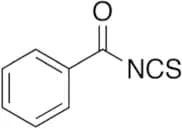

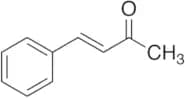
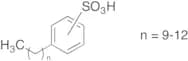
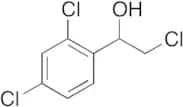
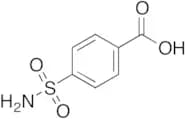
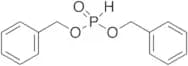
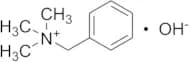


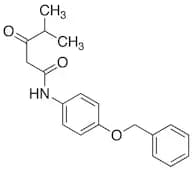
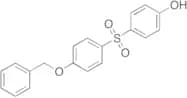
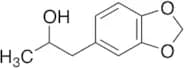
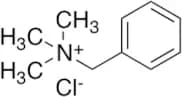

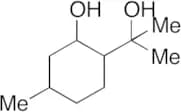
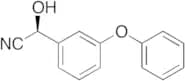
![N-[2-(4-Hydroxyphenyl)ethyl]acetamide](/_next/image/?url=https%3A%2Fstatic.cymitquimica.com%2Fproducts%2FTR%2Fthumb-webp%2FH949215.webp&w=3840&q=75)
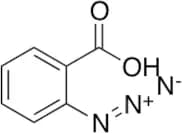
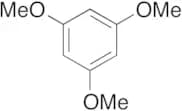
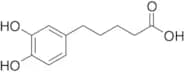
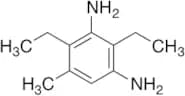
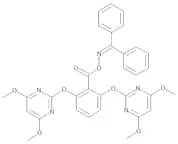

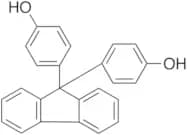
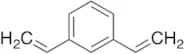
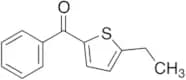
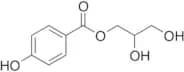
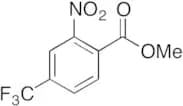
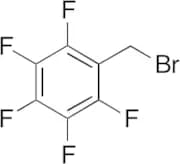
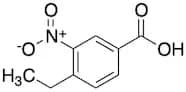
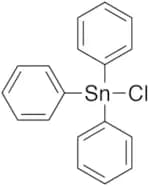
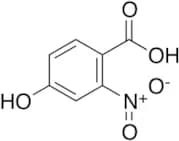
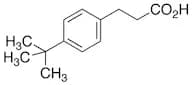
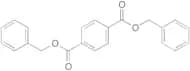
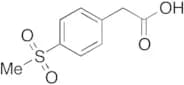

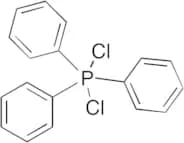
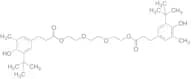
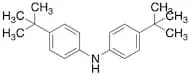
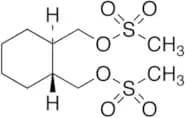
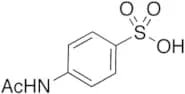
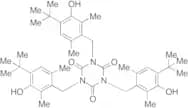
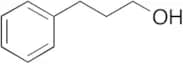
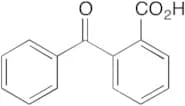
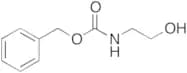
![N-[(4-Chlorophenyl)methyl]cyclopentanamine](/_next/image/?url=https%3A%2Fstatic.cymitquimica.com%2Fproducts%2FTR%2Fthumb-webp%2FN300096.webp&w=3840&q=75)
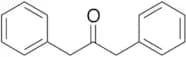


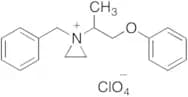
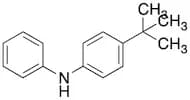
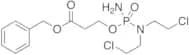
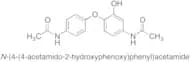
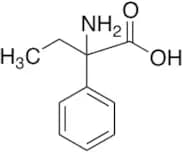
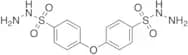
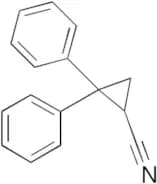
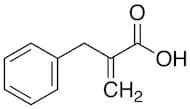
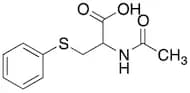

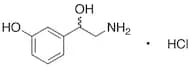

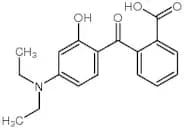
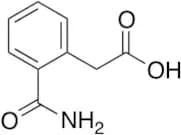
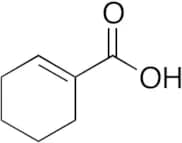
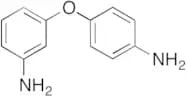
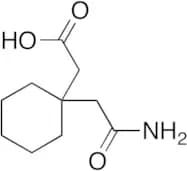

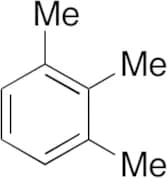
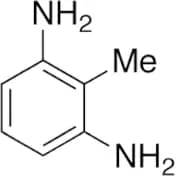
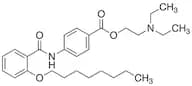
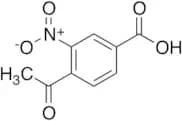
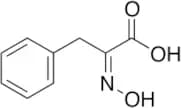
![Dibenzo[b,f][1,4]thiazepine-11-[10H]one](/_next/image/?url=https%3A%2Fstatic.cymitquimica.com%2Fproducts%2FTR%2Fthumb-webp%2FD416953.webp&w=3840&q=75)
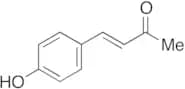
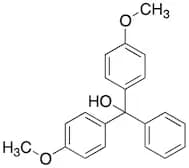
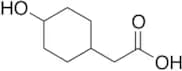
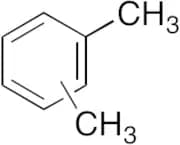
![[Di(benzyloxy)methyl]benzene](/_next/image/?url=https%3A%2Fstatic.cymitquimica.com%2Fproducts%2FTR%2Fthumb-webp%2FD417965.webp&w=3840&q=75)
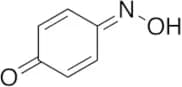
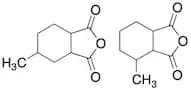
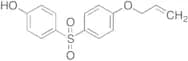
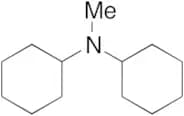
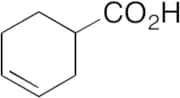
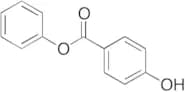
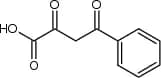
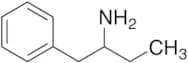
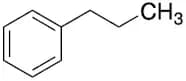
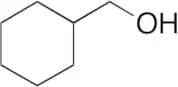
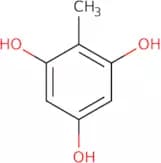


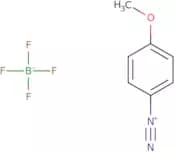
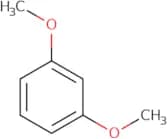

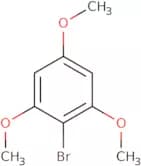

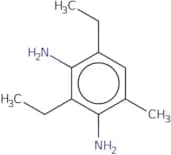

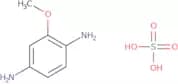
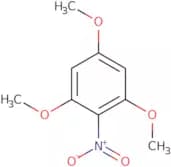
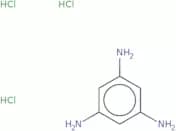
![[Bis(trifluoroacetoxy)iodo]benzene](/_next/image/?url=https%3A%2Fstatic.cymitquimica.com%2Fproducts%2F3D%2Fthumb-webp%2FFB49107.webp&w=3840&q=75)


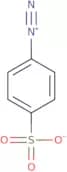
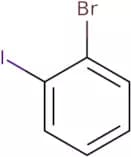


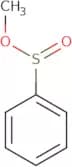
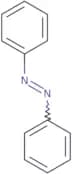


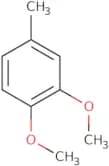

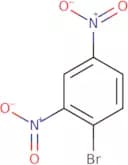
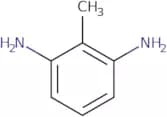

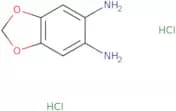

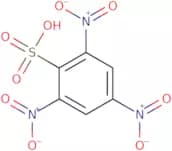
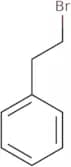

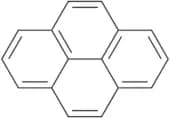


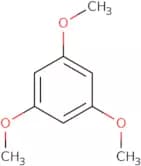
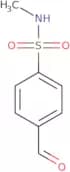

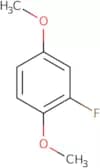
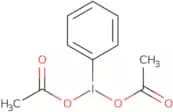


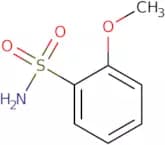
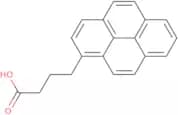
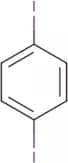
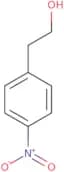

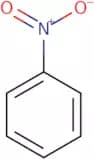
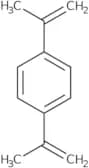
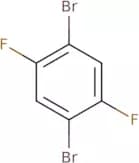
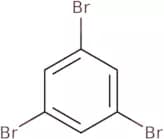
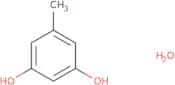
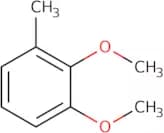
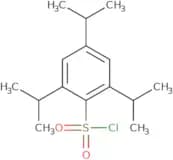

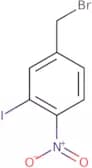
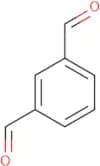
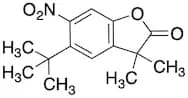
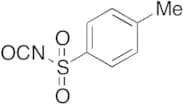
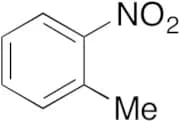
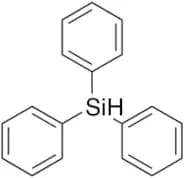
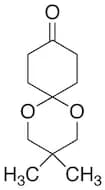

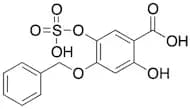
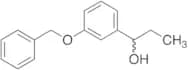
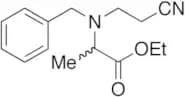
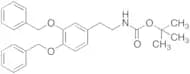
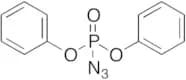
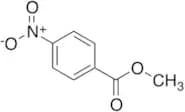
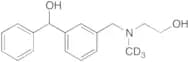
![rac-cis-[3-Hydroxycyclohexyl]benzamide](/_next/image/?url=https%3A%2Fstatic.cymitquimica.com%2Fproducts%2FTR%2Fthumb-webp%2FH827000.webp&w=3840&q=75)
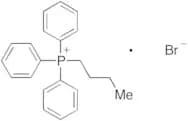
![2-(Cyclopropylmethoxy)-acetic Acid 1,1-Dimethyl-2-[4-(methylsulfonyl)phenyl]-2-oxoethyl Ester](/_next/image/?url=https%3A%2Fstatic.cymitquimica.com%2Fproducts%2FTR%2Fthumb-webp%2FC988675.webp&w=3840&q=75)
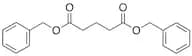
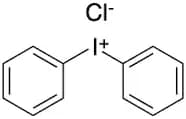
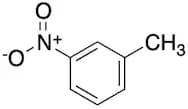
![N-[2-[3,4-Bis(phenylmethoxy)phenyl]ethyl]-3,4,5-trimethoxybenzeneacetamide](/_next/image/?url=https%3A%2Fstatic.cymitquimica.com%2Fproducts%2FTR%2Fthumb-webp%2FB521325.webp&w=3840&q=75)
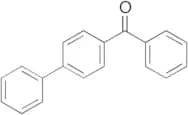
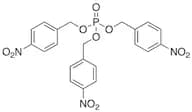
![3-[[(1,1-Dimethylethyl)diphenylsilyl]oxy]-1,2-propanediol](/_next/image/?url=https%3A%2Fstatic.cymitquimica.com%2Fproducts%2FTR%2Fthumb-webp%2FD182005.webp&w=3840&q=75)
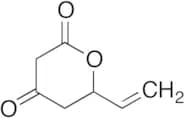
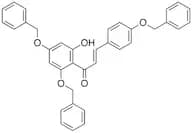
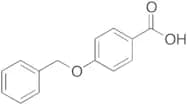
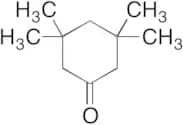
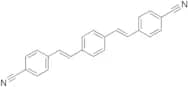
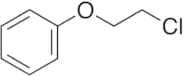
![9-[2-[[[10-(4,5-Dimethyl-3,6-dioxo-1,4-cyclohexadien-1-yl)decyl]oxy]carbonyl]phenyl]-3,6-bis(ethyl…](/_next/image/?url=https%3A%2Fstatic.cymitquimica.com%2Fproducts%2FTR%2Fthumb-webp%2FD469485.webp&w=3840&q=75)
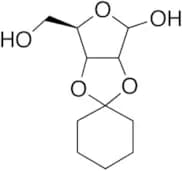
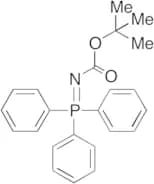
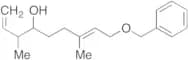
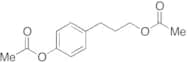
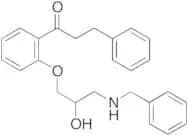
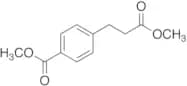

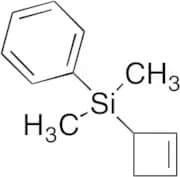

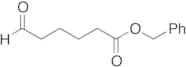
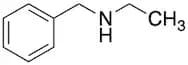
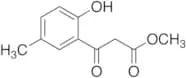

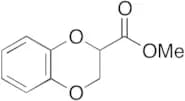
![rac-6-Benzyloxy-8-(oxiran-2-yl)-4H-benzo[1,4]oxazin-3-one](/_next/image/?url=https%3A%2Fstatic.cymitquimica.com%2Fproducts%2FTR%2Fthumb-webp%2FB287540.webp&w=3840&q=75)