Benzenes
Benzenes are simple aromatic hydrocarbons consisting of a six-membered carbon ring with alternating double bonds. This fundamental structure is a building block for numerous chemical compounds, including pharmaceuticals, polymers, and dyes. Benzenes are used extensively in organic synthesis due to their stability and versatility. At CymitQuimica, we provide a broad range of high-quality benzenes to support your research and industrial applications.
Subcategories of "Benzenes"
- Benzamides(62 products)
- Benzoic Acids(5,434 products)
- Benzyl alcohols(1,453 products)
- Halogenated Benzenes(33,773 products)
- Phenols(2,648 products)
Found 11835 products of "Benzenes"
Sort by
Purity (%)
0
100
|
0
|
50
|
90
|
95
|
100
4-Cyanophenol
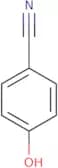
CAS:<p>4-Cyclohexyphenol is a natural compound that belongs to the class of compounds known as phenols. It has a hydroxyl group and an intramolecular hydrogen bond. The thermal expansion of 4-cyanophenol is approximately 6.6 × 10⁻⁶/°C, which is greater than the thermal expansion of p-hydroxybenzoic acid (approximately 1.8 × 10⁻⁶/°C). The reaction mechanism for 4-cyanophenol involves intramolecular hydrogen bonding, which leads to its rapid degradation. 4-Cyanophenol reacts with trifluoroacetic acid in the presence of sodium carbonate to form p-hydroxybenzoic acid, which can be determined by measuring its absorbance at 290 nm. Hydrogen bonding interactions with the surface are responsible for the high sensitivity and selectivity of this analytical method.<br>4-Cyanophenol may also be detected using plasma mass spect</p>Formula:C7H5NOPurity:Min. 95%Color and Shape:PowderMolecular weight:119.12 g/mol4-Formyl-3-hydroxybenzoic acid
CAS:<p>4-Formyl-3-hydroxybenzoic acid (4FHB) is a member of the phenylacetic acid family. It has been shown to have potential as a substrate for creatine kinase and amines, as well as an inhibitor of the enzyme. 4FHB binds to the surface of silica particles in order to enhance Raman scattering in a solid-phase synthesis. The molecular weight of 4FHB is 148 g/mol, with optical properties that can be described by fluorescence spectroscopy. 4FHB has been shown to be homochiral and tetradentate, with a magnetic resonance spectrum that can be characterized by hydroxyl group and salicylaldehyde groups.</p>Formula:C8H6O4Purity:Min. 96.5 Area-%Color and Shape:PowderMolecular weight:166.13 g/mol2-Hydroxy-3-methylbenzonitrile
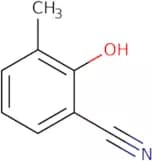
CAS:<p>2-Hydroxy-3-methylbenzonitrile is a high quality chemical that is used as an intermediate in the synthesis of complex compounds. It can be used as a reagent in organic chemistry, and has been shown to be useful for the production of fine chemicals, such as antibiotics. 2-Hydroxy-3-methylbenzonitrile is also a versatile building block for the production of pharmaceuticals and research chemicals. It can be used as a reaction component for the synthesis of speciality chemicals and various building blocks.</p>Formula:C8H7NOPurity:Min. 95%Color and Shape:PowderMolecular weight:133.15 g/mol2,5-Difluoro-3-methylbenzoic acid methyl ester
CAS:<p>2,5-Difluoro-3-methylbenzoic acid methyl ester is a high quality, complex compound that can be used as a versatile building block in synthesis. It acts as a reagent and can be used as a research chemical. 2,5-Difluoro-3-methylbenzoic acid methyl ester is an intermediate in the production of other chemicals and can also be used as a reaction component or useful scaffold.</p>Formula:C9H8F2O2Purity:Min. 95%Color and Shape:PowderMolecular weight:186.16 g/mol3-tert-Butyl-4-hydroxybenzoic acid
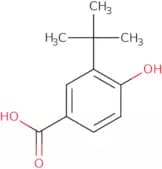
CAS:<p>3-tert-Butyl-4-hydroxybenzoic acid is a phenolic compound that is found in the plant species of "Solanum xanthocarpum". It has antioxidant properties and has been shown to have anticancer activity in vitro. 3-tert-Butyl-4-hydroxybenzoic acid also inhibits the growth of human colon carcinoma cells. It is soluble in organic solvents and homopolymers at high temperatures, but insoluble at lower temperatures.</p>Formula:C11H14O3Purity:Min. 95%Color and Shape:PowderMolecular weight:194.23 g/mol4-Cyanobenzylamine HCl
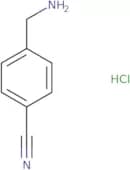
CAS:<p>4-Cyanobenzylamine HCl is a degradable polymer that has been shown to inhibit colonic adenocarcinoma in mice. This compound was synthesized by the reaction of 4-cyanobenzylamine with 3-mercaptopropionic acid and was characterized using IR, 1H NMR, and 13C NMR spectroscopy. It also showed an inhibitory effect on the proliferation of human colon cancer cells. The polymer was found to gel when mixed with different concentrations of acrylamide and methylene bisacrylamide. Gelation occurred at a lower concentration of acrylamide than the amount used in previous studies. This may be due to its functional groups and morphology, which could have contributed to the inhibition of cell growth.</p>Formula:C8H8N2·HClPurity:Min. 95%Color and Shape:PowderMolecular weight:168.62 g/molProbenecid
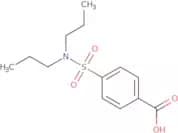
CAS:Controlled Product<p>Organic anion transporter inhibitor; pannexin 1 channel inhibitor</p>Formula:C13H19NO4SPurity:Min. 97.5 Area-%Color and Shape:White PowderMolecular weight:285.36 g/mol5-Fluoro-2-hydroxybenzaldehyde
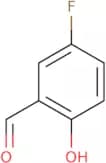
CAS:<p>5-Fluoro-2-hydroxy benzaldehyde is a hydrogen bonding compound that has been shown to be an acid complex. It reacts with copper to form a copper complex that can be detected by x-ray diffraction data. 5-Fluoro-2-hydroxybenzaldehyde also has the ability to react with hydroxyl groups, which allow for its use as a fluorescence probe. The presence of this compound in urine has been used to detect kidney disease and urinary tract infections. 5-Fluoro-2-hydroxybenzaldehyde is also thought to have antiinflammatory properties because it can inhibit kinase activity and may inhibit the production of inflammatory cytokines such as IL1β, IL6, and TNFα.</p>Formula:C7H5FO2Purity:Min. 95%Color and Shape:PowderMolecular weight:140.11 g/mol3-Iodobenzaldehyde
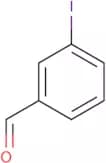
CAS:<p>3-Iodobenzaldehyde is an atypical, isomeric, low energy, functional group. It has a fluorine atom in the 3-position and three different types of functional groups: alcohol, aldehyde and carboxylic acid. This compound has been studied for its ability to bind to receptors. 3-Iodobenzaldehyde can be synthesized by reacting benzalchohde with iodine and hydrochloric acid. The technique used to produce this compound is called Grignard reaction. 3-Iodobenzaldehyde can also be prepared by heating the corresponding nitrobenzene with sodium iodide in dry ether or under refluxing conditions. This compound has a low boiling point and melts at about 170 degrees Celsius. The frequency of this molecule ranges from 98 to 102 megahertz</p>Formula:C7H5IOPurity:Min. 95%Color and Shape:PowderMolecular weight:232.02 g/molMethyl 4-fluorobenzoate
CAS:<p>Methyl 4-fluorobenzoate is a potent inhibitor of human cancer cells. It inhibits tyrosine kinases by binding to an imidazole group and forms a ruthenium complex in the presence of sodium carbonate. Methyl 4-fluorobenzoate has shown inhibitory activity against the amination reaction catalyzed by sulfoxide reductase, which is important for the synthesis of nucleic acids. This inhibition may be due to its ability to reduce oxidized species of thiols, sulfoxides, and disulfides. Further studies are needed to elucidate the mechanism by which methyl 4-fluorobenzoate interacts with redox potentials and functional theory.</p>Formula:C8H7FO2Purity:Min. 95%Color and Shape:Colorless Clear LiquidMolecular weight:154.14 g/mol4-Bromo-2-(trifluoromethyl)benzoic acid methyl ester
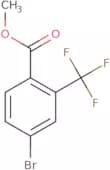
CAS:<p>4-Bromo-2-(trifluoromethyl)benzoic acid methyl ester is a versatile building block that can be used to produce complex compounds. It is also an intermediate and a useful scaffold in organic synthesis. This chemical has been used as a research chemical and as a reagent for the production of other chemicals. The compound has CAS number 957207-58-8 and can be obtained from our supplier in high quality, with purity of 99%.</p>Formula:C9H6BrF3O2Purity:Min. 95%Color and Shape:Colorless PowderMolecular weight:283.04 g/molEthyl 4-ethoxybenzoate
CAS:<p>Ethyl 4-ethoxybenzoate is an antimicrobial agent that inhibits bacterial growth by interfering with the synthesis of DNA. It also has a genotoxic potential and can induce mutations in cells. Ethyl 4-ethoxybenzoate is used as an impurity in pharmaceutical drug production, such as solanum tuberosum extract, to prevent microbial contamination. It also has been shown to inhibit the growth of bacteria in cell cultures by binding to DNA and inhibiting DNA replication. Ethyl 4-ethoxybenzoate is used as a control agent for the detection of antibiotics in natural products, such as ethanol extracts from plants.</p>Formula:C11H14O3Purity:Min. 97.5 Area-%Color and Shape:Colorless Clear LiquidMolecular weight:194.23 g/mol2-Methyl-4-nitrobenzoic acid
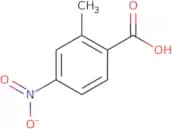
CAS:<p>2-Methyl-4-nitrobenzoic acid is a synthetic drug substance. The crystalline structure of 2-methyl-4-nitrobenzoic acid is polymorphic and it can be obtained in two different forms: anhydrous form and monohydrate form. The reaction yield for this compound is low, which may be due to the presence of additives or deionized water. This drug substance has a high solubility in hydroxide solutions and methylbenzene. It reacts slowly with hydrochloric acid and sodium hydroxide solution to produce 2-methyl-4-nitrobenzoic acid hydrochloride and sodium benzoate, respectively. 2-Methyl-4-nitrobenzoic acid has low bioavailability due to its poor absorption from the gastrointestinal tract into the bloodstream.</p>Formula:C8H7NO4Purity:Min. 95%Color and Shape:PowderMolecular weight:181.15 g/molEthyl homovanillate
CAS:<p>Inhibitor of monoamine oxidase A</p>Formula:C11H14O4Purity:Min. 95%Color and Shape:Colorless PowderMolecular weight:210.23 g/mol4-Ethoxy-3-hydroxybenzaldehyde
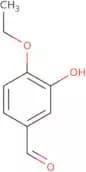
CAS:<p>4-Ethoxy-3-hydroxybenzaldehyde (4EHB) is a thioacetal that has been shown to be an effective precursor for the synthesis of many other molecules, such as combretastatin a-4. It is prepared by reaction of ethylmagnesium bromide and acetone. 4EHB has been shown to have antifungal properties in vitro, and can be used in the treatment of cancer cells. This compound is volatile and can be easily detected with headspace techniques. The functional group of this molecule is an alcohol group, which is found on the ring structure. Spectroscopic analysis shows that it has a carbonyl group with an OH group attached to it.</p>Formula:C9H10O3Purity:Min. 95%Color and Shape:Colorless PowderMolecular weight:166.17 g/molBenzylamine
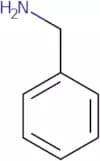
CAS:<p>Substrate of benzylamine oxidase and monoamine oxidase B</p>Formula:C7H9NPurity:Min. 98.0 Area-%Color and Shape:Colorless Slightly Yellow Clear LiquidMolecular weight:107.15 g/mol3-Iodo-4-methylbenzoic acid
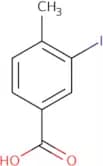
CAS:<p>3-Iodo-4-methylbenzoic acid is a synthetic growth factor that is used in the production of monoclonal antibodies. It is synthesized by reacting 3-iodo-4-methylbenzoic acid with trifluoroacetic acid, then purified by dispersive solid-phase extraction. The synthesis of 3-Iodo-4-methylbenzoic acid requires a labeling agent to be added to the reaction mixture for detection purposes. The labeled compound can be detected using assays such as radioimmunoassay or ELISA. In order to synthesize 3-Iodo-4-methylbenzoic acid, methyl esterification of 3-(2′,2′,2′,-trichloroethoxy)phenylacetic acid is required. This process involves an organic solvent and bromine as a catalyst. This compound has been shown to inhibit the BCR/ABL tyrosine kinase receptor</p>Formula:C8H7IO2Purity:Min. 95%Color and Shape:PowderMolecular weight:262.04 g/molBenzaldehyde dimethyl acetal
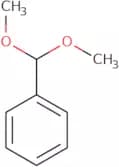
CAS:<p>Vegetable, nutty and floral flavour/fragrance</p>Formula:C9H12O2Purity:Min. 95%Color and Shape:Clear LiquidMolecular weight:152.19 g/mol2,4,6-Trimethylbenzoic acid
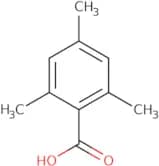
CAS:<p>2,4,6-Trimethylbenzoic acid is a molecule that belongs to the class of carboxylates. It has been shown to exhibit anticarcinogenic properties in patients with cervical cancer. 2,4,6-Trimethylbenzoic acid inhibits the growth of cervical cancer cells by blocking the activation of ferrocenecarboxylic acid (FCCA). This compound also blocks the activity of hydrogen bond and nitrogen atoms that are essential for cell division and development. 2,4,6-Trimethylbenzoic acid is used as an intermediate in the production of ferrocene derivatives. It can be used for acylation reactions with aromatic or aliphatic amines under acidic conditions.</p>Formula:C10H12O2Purity:Min. 95%Color and Shape:PowderMolecular weight:164.2 g/mol3-Hydroxybenzoic acid
CAS:3-Hydroxybenzoic acid is a ferroelectric compound that can be found in water vapor, plants, and bacteria. It has been shown to have structural properties that are very similar to those of p-hydroxybenzoic acid. The redox potential of 3-hydroxybenzoic acid is around -0.8 volts versus the standard hydrogen electrode (p-hydroxybenzoic acid is -1.2 volts). 3-Hydroxybenzoic acid has been shown to inhibit some bacterial enzymes such as esterase and transaminase, but not others such as dehydrogenase or oxidoreductase. It also shows activity against fungal enzymes such as aminopeptidases and serine proteases. The compound can exist in two forms: the metastable form or a stable form. The metastable form can be obtained by crystallizing the compound from a solution containing copper chloride or x-ray diffraction data from wild type strainsFormula:C7H6O3Color and Shape:PowderMolecular weight:138.12 g/mol4,5-Dimethoxy-2-nitrobenzoic acid - Technical
CAS:<p>4,5-Dimethoxy-2-nitrobenzoic acid is a versatile building block and reagent that can be used in research and development as well as for the production of fine chemicals. This compound has been shown to react with amines using the nitration reaction to produce a variety of useful compounds. The synthesis of this compound is not difficult, but requires care and some speciality chemicals. 4,5-Dimethoxy-2-nitrobenzoic acid is also a useful scaffold for complex compounds. It reacts readily with other building blocks to form nitrogen heterocycles and is used in the production of pharmaceuticals and pesticides.</p>Formula:C9H9NO6Purity:Min. 95%Molecular weight:227.17 g/mol3-Ethoxy-4-methoxybenzaldehyde
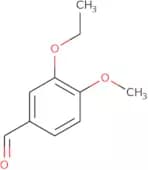
CAS:<p>3-Ethoxy-4-methoxybenzaldehyde is a metabolite of the benzoquinone and 3-hydroxypropanoic acid pathway. It is an electron donor that serves as a substrate for fatty acid synthesis. This compound has been shown to have antiviral properties, as it inhibits the replication of influenza virus in vitro by interfering with viral RNA polymerase. It may also act as a regulatory molecule for uptake, although its precise role in this process is not yet known. 3-Ethoxy-4-methoxybenzaldehyde has been shown to be an optimal reactant with signal sequences from proteins, including biochemical pathways such as glycolysis and pentose phosphate shunt.</p>Formula:C10H12O3Purity:Min. 95%Color and Shape:White PowderMolecular weight:180.2 g/molMethyl 4-acetylbenzoate
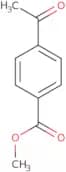
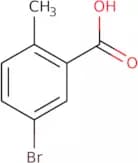
CAS:<p>Methyl 4-acetylbenzoate is a synthetic compound that can be used for the synthesis of imatinib and other pharmaceuticals. It is an effective method for the synthesis of butyric acid with high enantiomeric purity. The cross-coupling reaction was first reported by Suzuki in 1979, which has been widely applied to organic synthesis because it is efficient and produces simple byproducts. This reaction has also been used in the synthesis of model compounds and natural products, as well as in environmental pollution studies.</p>Formula:C10H10O3Purity:Min. 95%Color and Shape:PowderMolecular weight:178.18 g/mol5-Bromo-2-methylbenzoic acid
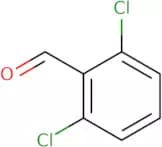
CAS:<p>Intermediate in the synthesis of canagliflozin</p>Formula:C8H7BrO2Purity:Min. 95%Color and Shape:White PowderMolecular weight:215.04 g/mol2,6-Dichlorobenzaldehyde
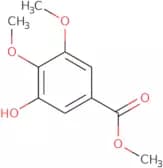
CAS:<p>2,6-Dichlorobenzaldehyde is a nucleophilic compound that has the ability to form hydrogen bonds. It reacts with phosphorus pentachloride to produce 2-chloro-4,6-dichlorobenzene. 2,6-Dichlorobenzaldehyde can be used in the synthesis of β-unsaturated ketones and anticancer drugs such as aziridines. It is also used as a precursor for coordination complexes. This compound is an efficient method for making nitrogen nucleophiles, which are important in chain reactions and the production of polymers. The 2,6-dichlorobenzaldehyde molecule contains two chiral centers that give rise to four stereoisomers. X-ray diffraction data shows that this molecule exists as a mixture of these four isomers.</p>Formula:C7H4Cl2OPurity:Min. 97.5%Color and Shape:PowderMolecular weight:175.01 g/molMethyl 4,5-dimethoxy-3-hydroxybenzoate
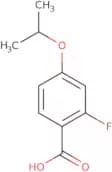
CAS:<p>Methyl 4,5-dimethoxy-3-hydroxybenzoate is a synthetic chemical that inhibits the enzyme tectorigenin reductase. Tectorigenin reductase is responsible for the production of tectorigenin, a phytoestrogen found in plants such as china. Methyl 4,5-dimethoxy-3-hydroxybenzoate was shown to inhibit the activity of platelets from human blood and has been studied for its pharmacological properties. The thermodynamic and kinetic parameters of methyl 4,5-dimethoxy-3-hydroxybenzoate have been determined using gas chromatography - mass spectrometry (GC–MS) and nuclear magnetic resonance (NMR) spectroscopy. It exists as both an enantiomeric mixture and racemic mixture.</p>Formula:C10H12O5Purity:Min. 95%Color and Shape:PowderMolecular weight:212.2 g/mol2-Fluoro-4-isopropyloxybenzoic acid
CAS:<p>2-Fluoro-4-isopropyloxybenzoic acid is a fluorescent reagent with a high quality and purity. It is a complex compound that can be used as an intermediate in the synthesis of fine chemicals, pharmaceuticals, pesticides, herbicides, and other useful compounds. 2-Fluoro-4-isopropyloxybenzoic acid is also used as a starting material for the synthesis of speciality chemicals such as reaction components and versatile building blocks. It is soluble in organic solvents and has been shown to react with various functional groups.</p>Formula:C10H11FO3Purity:Min. 95%Color and Shape:White PowderMolecular weight:198.19 g/mol3-Formyl-4-hydroxybenzoic acid
CAS:<p>3-Formyl-4-hydroxybenzoic acid is a synthetic compound with anticancer activity. It is an azobenzene that has been shown to have photocatalytic activity. 3-Formyl-4-hydroxybenzoic acid has a carboxylate functional group and the ethyl ester functional group. The anticancer activity of this compound may be due to hydrogen bonding interactions, as well as its ability to cause DNA damage in cells by photolysis and its antiviral potency.</p>Formula:C8H6O4Purity:90%Color and Shape:White PowderMolecular weight:166.13 g/mol2-Amino-5-nitrobenzoic acid
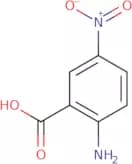
CAS:<p>2-Amino-5-nitrobenzoic acid is a plant metabolite that contains a nitro group. It has been found to be an effective inhibitor of glutamate dehydrogenase, one of the enzymes involved in the metabolism of amino acids. 2-Amino-5-nitrobenzoic acid has also been shown to have no effect on other enzyme activities such as amines and nitrosamines. This natural product has been shown to be useful as a model system for understanding how hydrochloric acid interacts with plants, by inhibiting their growth.</p>Formula:C7H6N2O4Purity:Min. 97.5%Color and Shape:Yellow PowderMolecular weight:182.13 g/mol3,5-Dinitrosalicylaldehyde
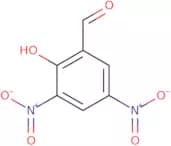
CAS:<p>3,5-Dinitrosalicylaldehyde is an oxidizing agent that is used in organic chemistry to produce aldehydes or carboxylic acids. It reacts with the amino groups of lysine residues and converts them to nitro groups. 3,5-Dinitrosalicylaldehyde is also used as a reagent in the determination of the number of lysine residues in proteins by titration with hydrochloric acid. The reaction mechanism of 3,5-dinitrosalicylaldehyde involves formation of an electron deficient intermediate that oxidizes chloride ions to form water molecules and chloride radicals. These intermediates react with nitro groups on lysine residues, resulting in nitro compounds. Crystallography studies have shown that the molecular structure of 3,5-dinitrosalicylaldehyde has two nitro groups and one hydroxyl group.</p>Formula:C7H4N2O6Purity:Min. 95%Color and Shape:Yellow PowderMolecular weight:212.12 g/mol3-Amino-2-hydroxybenzoic acid
CAS:<p>3-Amino-2-hydroxybenzoic acid (AAHB) is a nonsteroidal anti-inflammatory drug that belongs to the group of pharmaceutical preparations. It inhibits the enzyme dehydroascorbate reductase, which is involved in the production of hydrogen peroxide and other reactive oxygen species by phagocytes. Hydrogen peroxide and other reactive oxygen species can cause DNA damage and lead to cancer development. AAHB may also have antimicrobial effects, as it has been shown to inhibit bacterial growth and cell adhesion. AAHB interacts with fatty acids in a similar manner as aspirin does, but with a lower potency. It has been shown to inhibit prostaglandin synthesis by inhibiting lipoxygenase activity. The binding of AAHB at these sites prevents the formation of arachidonic acid from linoleic acid and blocks the conversion of arachidonic acid into prostaglandin H2 (PGH2).</p>Formula:C7H7NO3Purity:Min. 98 Area-%Color and Shape:Off-White PowderMolecular weight:153.14 g/molEthyl 4-bromobenzoate
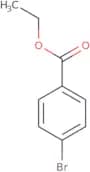
CAS:<p>Ethyl 4-bromobenzoate is a halide that can be synthesized by the cross-coupling reaction with an aryl halide and a boronic acid. This synthesis has been used successfully to prepare benzoates, which are generally more difficult to synthesize than boronic acids. The coupling reaction of ethyl 4-bromobenzoate with an aryl halide and a boronic acid in the presence of copper as catalyst yields ethyl 4-bromobenzoate in high yield. A synergistic interaction occurs between the two reagents, leading to significant cytotoxicity in vitro. This property may be due to the light emission from this compound when it is exposed to ultraviolet light. Ethyl 4-bromobenzoate is also able to inhibit aerobic glycolysis and cancer cell growth in vitro through its ability to inhibit the activity of phosphofructokinase 1 (PFK1</p>Formula:C9H9BrO2Purity:Min. 97.5 Area-%Color and Shape:Clear LiquidMolecular weight:229.07 g/mol4-Amino-3-hydroxybenzoic acid
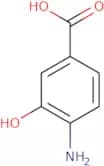
CAS:<p>4-Amino-3-hydroxybenzoic acid is a small molecule that has been shown to inhibit the activity of epidermal growth factor receptor (EGFR) and human epidermal growth factor (HER2). It is also an inhibitor of cytochrome P450 enzymes, which are involved in the metabolism of drugs. 4-Amino-3-hydroxybenzoic acid is used in vitro as an antifungal agent for Candida albicans and other pathogenic fungi. This drug inhibits the growth of cancer cells by binding to specific cell surface receptors, causing them to detach from their surroundings and die. 4-Amino-3-hydroxybenzoic acid may have potential as a drug for treating metastatic colorectal cancer. The mechanism of action is not yet fully understood but it may be related to the inhibition of intermolecular hydrogen bonding and water permeability.</p>Formula:C7H7NO3Purity:Min. 97.5 Area-%Color and Shape:Off-White PowderMolecular weight:153.14 g/mol4-Iodobenzaldehyde
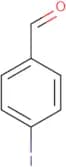
CAS:<p>4-Iodobenzaldehyde is a chemical compound with the molecular formula C6H5IO. It is an aromatic compound that can be used in cancer therapy. 4-Iodobenzaldehyde reacts with trifluoroacetic acid to form an intramolecular hydrogen, which is detected using a low-energy monomer and high detection sensitivity. 4-Iodobenzaldehyde has two phenyl substituents and a serine protease functional group, which are required for its interaction with other molecules. The presence of these functional groups allows analytical methods to be used to identify 4-iodobenzaldehyde in various samples. Using analytical methods, it can be determined that 4-iodobenzaldehyde interacts with an acceptor molecule at the reaction vessel thermally or by irradiation.</p>Formula:C7H5IOPurity:Min. 95%Color and Shape:Yellow PowderMolecular weight:232.02 g/mol4-iso-Propoxybenzoic acid
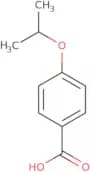
CAS:<p>4-iso-Propoxybenzoic acid is a synthetic compound with antimycobacterial activity. It is an active form of 4-iso-propoxybenzoic acid that has been shown to potently inhibit the growth of Mycobacterium tuberculosis and other mycobacteria. The formyl group in the structure of this compound enables it to bind to DNA, RNA, and proteins and disrupts their synthesis. This chemical also has the ability to cross cell membranes, which may contribute to its potent activity. This drug has been industrially produced by solid phase synthesis techniques.</p>Formula:C10H12O3Purity:Min. 95%Color and Shape:PowderMolecular weight:180.2 g/mol2,4-Dinitrobenzaldehyde
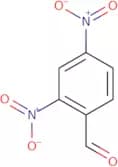
CAS:<p>2,4-Dinitrobenzaldehyde is a chemical compound that contains a hydroxyl group and an amine. It is reactive and can form cationic surfactants with other compounds. 2,4-Dinitrobenzaldehyde has been shown to react with dimethyl fumarate in the presence of ethyl esters to form ethyl 2,4-dinitrophenolate. This reaction is catalyzed by dinucleotide phosphate and requires salinity or a base such as sodium methoxide. 2,4-Dinitrobenzaldehyde reacts with 2-aminoethanol in the presence of water or alcohols to produce 2,4-diaminobenzoic acid. The reaction mechanism for this process is not known but it may involve hydrogen bonding between the hydroxyl group and amine groups.<br>2,4-Dinitrobenzaldehyde has been used as a reagent for staining DNA in gel elect</p>Formula:C7H4N2O5Purity:Min. 95%Color and Shape:PowderMolecular weight:196.12 g/molMethyl 3-amino-4-chlorobenzoate
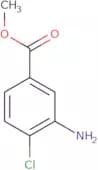
CAS:<p>Methyl 3-amino-4-chlorobenzoate is an analog of 3-amino-4-chlorobenzoic acid. It is a multidrug that can cross the blood brain barrier and has been shown to have cytotoxic activity in vitro. Methyl 3-amino-4-chlorobenzoate has been postulated as a possible organometallic compound and may be synthesized through a chemical diversity approach. The chloride ion, which is present in methyl 3-amino-4-chlorobenzoate, has been shown to decrease the toxicity of nitrobenzoic acid, making this compound resistant to nitrosation reactions.</p>Formula:C8H8ClNO2Purity:Min. 95%Color and Shape:PowderMolecular weight:185.61 g/mol2-(4'-Chlorobenzoyl)benzoic acid
CAS:<p>2-(4'-Chlorobenzoyl)benzoic acid (2-CBA) is a sulfa drug that inhibits bacterial growth by blocking the synthesis of folic acid. It is also known to be luminescent and can be used in techniques such as luminescent probes. 2-CBA has antibacterial activity and can inhibit bacterial growth in a chromatographic method. 2-CBA is chemically stable and has been shown to have antibacterial properties against gram-positive bacteria, including Bacillus subtilis and Staphylococcus aureus. 2-CBA also has the ability to react with phthalazinone, an inhibitor of glutamine synthetase, which is involved in the production of ATP from ADP. This reaction results in the formation of an unstable intermediate which decomposes into CO2 and benzoic acid.</p>Formula:C14H9ClO3Purity:Min. 95%Color and Shape:White PowderMolecular weight:260.67 g/mol3,4-Difluoro-5-nitrobenzonitrile
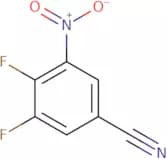
CAS:<p>3,4-Difluoro-5-nitrobenzonitrile is a hepatotoxic compound that is found in the environment. It has been shown to cause cirrhosis and overgrowth of the liver. 3,4-Difluoro-5-nitrobenzonitrile also inhibits hepatic encephalopathy and may be used to treat liver disease. This toxicant has been detected in the bowel and duodenum of humans with nonalcoholic steatohepatitis, as well as in the jejunum and duodenum of mice with spontaneous steatohepatitis. It also causes nonalcoholic steatohepatitis when given orally to rats.</p>Formula:C7H2F2N2O2Purity:Min. 95%Color and Shape:Yellow PowderMolecular weight:184.1 g/mol4-Hydroxy-3,5-dimethylbenzoic acid
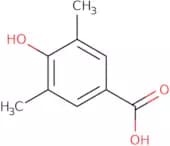
CAS:<p>4-Hydroxy-3,5-dimethylbenzoic acid (4HDMBA) is an antimicrobial agent that inhibits bacterial cell growth by binding to the GyrA subunit of DNA gyrase. It is a potent inhibitor of the GyrA subunit, with activity against both mutant and wild type strains. 4HDMBA also has anticancer activity in vitro and in vivo studies have shown that it can inhibit the growth of cells from human cancer cell lines. 4HDMBA is synthesized by reacting amide with chloroacetyl chloride. The carboxylate group on 4HDMBA can be transformed into a hydroxyl group by reaction with sodium hydroxide. The chemical structure of 4HDMBA includes a hydroxy group, a chlorine atom, and a hydroxyl group.</p>Formula:C9H10O3Purity:Min. 95%Color and Shape:PowderMolecular weight:166.17 g/molMesitaldehyde - 97%
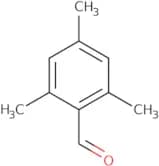
CAS:<p>Mesitaldehyde is a diazonium salt that is synthesized by the reaction of nitrosyl chloride and sodium carbonate in an acidic solution. This chemical has been studied for its potential use as a therapeutic drug due to its ability to inhibit the enzyme dpp-iv, which is involved in the development of diabetic neuropathy. Mesitaldehyde has also been shown to be an inhibitor of malonic acid, ethylmalonic acid and other organic acids. The analytical method for mesitaldehyde involves hydrolyzing the product with hydrochloric acid in order to produce ethylmalonic acid, which can then be quantified using spectrophotometry.</p>Formula:C10H12OPurity:Min. 95%Color and Shape:PowderMolecular weight:148.2 g/mol5-Amino-2-methoxy-benzoic acid methyl ester
CAS:<p>5-Amino-2-methoxy-benzoic acid methyl ester is a synthetic compound that has been shown to have potential as an antibacterial. It has been found to inhibit the growth of bacteria by binding to DNA and preventing transcription. The selectivity for bacterial cells is due to its ability to penetrate the cell membrane, which does not occur in mammalian cells. 5-Amino-2-methoxy-benzoic acid methyl ester is synthesized from 2-(4′-aminophenyl)acetic acid and methoxymethyl chloride in two steps, with a yield of 60%.</p>Formula:C9H11NO3Purity:Min. 95%Color and Shape:Red PowderMolecular weight:181.19 g/mol2,4-Dinitrobenzoic acid
CAS:<p>2,4-Dinitrobenzoic acid (2,4-DNBA) is a chemical reagent that has been used as a positive control for the detection of hydrogen bonding interactions. It is also used in analytical methods to detect protonation, carboxylate, and hydroxyl groups. This compound can be prepared from picric acid by nitration with nitric acid and then reacting with aniline. The 2,4-DNBA molecule contains two intramolecular hydrogen bonds and four intermolecular hydrogen bonds. 2,4-DNBA is classified as a trifluoroacetic acid derivative.</p>Formula:C7H4N2O6Purity:Min. 96 Area-%Color and Shape:Slightly Yellow PowderMolecular weight:212.12 g/mol2,5-Dimethyl-3-nitrobenzoic acid
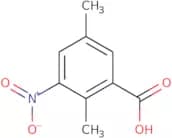
CAS:<p>2,5-Dimethyl-3-nitrobenzoic acid is a versatile building block that can be used in the synthesis of a wide range of compounds. It is also an important intermediate for the synthesis of pharmaceuticals and other speciality chemicals. 2,5-Dimethyl-3-nitrobenzoic acid has been shown to be useful in the preparation of high quality fine chemicals and research chemicals. This compound has been found to be an excellent reagent for various chemical reactions.</p>Formula:C9H9NO4Purity:Min. 95%Color and Shape:PowderMolecular weight:195.17 g/mol3,4-Dinitrobenzoic acid
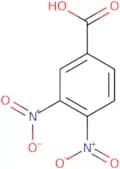
CAS:<p>3,4-Dinitrobenzoic acid is a nitrobenzoic acid that has a hydrogen bond. 3,4-Dinitrobenzoic acid is activated by the loss of a proton and it reacts with amines to form diazonium salts. It can be found in plants and animals as an intermediate in the metabolism of tyrosine and tryptophan. 3,4-Dinitrobenzoic acid is used in analytical chemistry to detect the presence of amines. The functional groups on 3,4-dinitrobenzoic acid are carboxylic acid and nitro. Ribulose is an example of a molecule containing these functional groups.</p>Formula:C7H4N2O6Purity:Min. 98.0%Color and Shape:Yellow PowderMolecular weight:212.12 g/mol2-Hydroxy-3-methoxybenzaldehyde
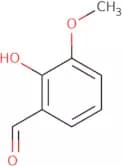
CAS:<p>2-Hydroxy-3-methoxybenzaldehyde is a model compound that is used to study the reaction mechanism of hydrogen bonding. It has been shown to have antioxidative properties and amoebicidal activity. The biological properties of 2-hydroxy-3-methoxybenzaldehyde are still being studied. There are also no reports on its toxicity or carcinogenicity in humans. This compound is a member of the group P2, which includes compounds with two aromatic rings connected by one carbon atom. The molecular geometry around this carbon atom is pyramidal and the molecule can exist in either an axial or equatorial orientation. Synchronous fluorescence experiments have shown that 2-hydroxymethoxybenzaldehyde reacts with Toll-like receptor 4 (TLR4).</p>Formula:C8H8O3Purity:Min. 95%Color and Shape:Yellow PowderMolecular weight:152.15 g/mol4-Fluoro-2-methoxybenzaldehyde
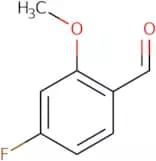
CAS:<p>4-Fluoro-2-methoxybenzaldehyde (4FMBA) is a potential PET radioligand that binds to the serotonin 5-HT2A receptor. 4FMBA has been shown to be an efficient and selective 5-HT2A antagonist with low molecular weight and high affinity. The binding of 4FMBA to the serotonin 5-HT2A receptor can be inhibited by ketanserin, which is a nonselective 5-HT2A antagonist. This drug may be used for cancer diagnosis, as it has a low detection limit and can detect endogenous serotonin in the brain. It also shows anti-depressant properties, which may be due to its ability to bind to the orthosteric site of the serotonin 5-HT2A receptor.</p>Formula:C8H7FO2Purity:Min. 95%Color and Shape:Off-White PowderMolecular weight:154.14 g/molGentisic acid sodium salt hydrate
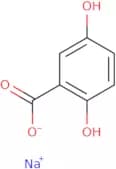
CAS:<p>Gentisic acid sodium salt hydrate is a benzoate that is used as a diagnostic agent in the study of inflammatory bowel disease. Gentisic acid sodium salt hydrate is a sodium salt of gentisic acid and has been shown to have anti-inflammatory properties. It is used as a stabilizer for solid dispersions, such as capsules, tablets, and granules. Gentisic acid sodium salt hydrate also has the ability to prevent degradation of certain drugs by hydrolysis or oxidation. Gentisic acid sodium salt hydrate can be synthesized from 2,6-dihydroxybenzoic acid (2,6-DHB) and hippuric acid.</p>Formula:C7H5NaO4·xH2OPurity:Min. 98 Area-%Color and Shape:White PowderMolecular weight:176.1 g/mol2-Chloro-4-methoxybenzoic acid
CAS:<p>2-Chloro-4-methoxybenzoic acid is a model compound for the screening of acridones, which are a class of compounds with anticancer activity. 2-Chloro-4-methoxybenzoic acid has been shown to inhibit potassium t-butoxide efflux in cancer cells and induce multidrug resistance in cancer cells. Furthermore, it has been shown that 2-Chloro-4-methoxybenzoic acid inhibits mitoxantrone efflux in cancer cells, leading to an increase in mitoxantrone cytotoxicity. This compound is also able to induce a phenotype change from cancerous to normal and can be used as a chemotherapeutic agent against cancers.</p>Formula:C8H7ClO3Purity:Min. 95%Color and Shape:PowderMolecular weight:186.59 g/mol2-Bromo-4-nitrobenzonitrile
CAS:<p>2-Bromo-4-nitrobenzonitrile is a chemical compound that can be used to study the relationship between genetic polymorphism and chromosome structure. This compound has been found to induce polyploidy in Brassica plants, which may have implications for the evolution of these species. 2-Bromo-4-nitrobenzonitrile also has been shown to be a useful marker for phylogenetic and ecological studies of Lepidium species. The compound is diploid in nature, but can be used as a matrix in tetraploid plants.</p>Formula:C7H3BrN2O2Purity:Min. 95%Color and Shape:PowderMolecular weight:227.02 g/mol