Pharmaceutical Standards
Pharmaceutical standards are a comprehensive set of reference materials essential for ensuring the safety, efficacy, and quality of pharmaceutical products. This category includes standards for active pharmaceutical ingredients (APIs), which are the core components responsible for therapeutic effects. Additionally, it covers compounds and metabolites relevant to both the pharmaceutical and veterinary industries, providing benchmarks for the accurate measurement and analysis of these substances. Nitrosamine control standards are crucial for detecting and mitigating potentially harmful nitrosamines in drug formulations. Toxicology standards help assess the safety and potential adverse effects of pharmaceutical compounds. Furthermore, enzyme activators and inhibitors standards are vital for research and development, enabling precise studies of biochemical pathways and drug mechanisms. These pharmaceutical standards are indispensable tools for regulatory compliance, quality control, and research, ensuring that pharmaceutical products meet stringent safety and effectiveness criteria.
Subcategories of "Pharmaceutical Standards"
- APIs for research and impurities(273,300 products)
- Enzyme Activators and Inhibitors(2,827 products)
- Nitrosamines(2,606 products)
- Pharmaceutical and Veterinary Compounds and Metabolites(2,577 products)
- Toxicology(13,652 products)
Found 7836 products of "Pharmaceutical Standards"
Sort by
Purity (%)
0
100
|
0
|
50
|
90
|
95
|
100
Zolmitriptan Related Compound F
CAS:<p>Please enquire for more information about Zolmitriptan Related Compound F including the price, delivery time and more detailed product information at the technical inquiry form on this page</p>Purity:Min. 95%Neuronostatin-13 (human, canine, porcine) trifluoroacetate salt
CAS:<p>Please enquire for more information about Neuronostatin-13 (human, canine, porcine) trifluoroacetate salt including the price, delivery time and more detailed product information at the technical inquiry form on this page</p>Formula:C64H110N20O16Purity:Min. 95%Molecular weight:1,415.68 g/moltert-Butyl sarcosinate
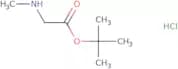
CAS:<p>Tert-butyl sarcosinate hydrochloride is a synthetic alkene that has been shown to have potential as a treatment for Parkinson's disease. It binds to the phosphate group of ATP and inhibits creatine kinase, which is an enzyme involved in the production of energy in cells. Tert-butyl sarcosinate hydrochloride can also be used for the pharmacological treatment of other diseases such as diabetes, Alzheimer's disease, and cancer. This molecule has been shown to be effective when combined with recombinant proteins and enzymatic methods for guanylating DNA.</p>Formula:C7H15NO2Purity:Min. 95%Molecular weight:145.20 g/mol5'-Bromo-2'-hydroxypropiophenone
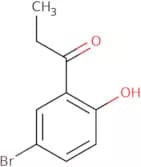
CAS:<p>5'-Bromo-2'-hydroxypropiophenone is a synthetic compound that inhibits the dimerization of survivin, which is a protein involved in cancer pathways. This compound has been shown to inhibit the growth of cells in culture and can be used as an inhibitor for assays. 5'-Bromo-2'-hydroxypropiophenone has also been shown to integrate into DNA, which may lead to chromosomal rearrangements and mutations. It also binds with high affinity to the family of modifications borealin, which are implicated in cellular processes such as cell differentiation and proliferation.</p>Formula:C9H9BrO2Purity:Min. 95%Color and Shape:SolidMolecular weight:229.07 g/mol4-Nitrophenethylamine
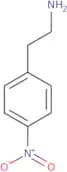
CAS:Controlled Product<p>4-Nitrophenethylamine is a synthetic chemical that is used as an antigen to raise antibodies. It is used in the detection of chemical substances that are associated with the production of histamine and acetylcholine. This chemical has been shown to inhibit the reaction between nitro and acylation, which can lead to the formation of carcinogenic nitrosamines. 4-Nitrophenethylamine also has an inhibitory effect on oxidases and amines, which are enzymes found in cells. This chemical binds to amide groups in proteins and inhibits their activity.</p>Formula:C8H10N2O2Purity:Min. 95%Color and Shape:LiquidMolecular weight:166.18 g/molo-Cresol-4-sulphonic acid
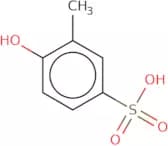
CAS:<p>o-Cresol-4-sulphonic acid is a fine chemical with the CAS number 7134-04-5. It is a versatile building block that can be used as a reagent in research, as a speciality chemical and as an intermediate in the production of other compounds. o-Cresol-4-sulphonic acid has been used to synthesize pharmaceuticals, agrochemicals, dyes, perfumes and many more products. This compound has also been used as a reaction component in organic synthesis to form new compounds and scaffolds.</p>Formula:C7H8O4SPurity:Min. 95%Color and Shape:PowderMolecular weight:188.2 g/mol1-(2-Hydroxyphenyl)-2-nitropropene
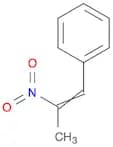
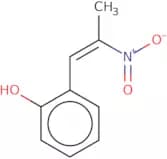
CAS:<p>Please enquire for more information about 1-(2-Hydroxyphenyl)-2-nitropropene including the price, delivery time and more detailed product information at the technical inquiry form on this page</p>Formula:C9H9NO3Purity:Min. 95%Color and Shape:PowderMolecular weight:179.17 g/molLinustatin
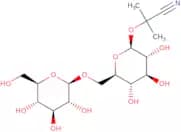
CAS:<p>Please enquire for more information about Linustatin including the price, delivery time and more detailed product information at the technical inquiry form on this page</p>Formula:C16H27NO11Purity:Min. 95 Area-%Molecular weight:409.39 g/mol5-Nitropseudocumene
CAS:<p>5-Nitropseudocumene (5NPC) is a molecule that belongs to the group of methylbenzenes. It is a precursor to dyes such as nitrobenzene, which are used in the production of nylon. 5NPC is also an intermediate in the synthesis of trifluoroacetic acid, which is used as an industrial solvent and chemical reagent. The acetoxylation of 5NPC with acetic acid yields methylbenzoate. This reaction requires two molecules of acetic acid for each molecule of 5NPC. Desorption from the catalyst can be achieved by treatment with methyl groups or nitrous acid. Naphthalene reacts with 5NPC to form biphenyl and nitric oxide gas, which are released into the atmosphere. The inorganic residue can be removed by filtration.</p>Formula:C9H11NO2Purity:Min. 95%Color and Shape:PowderMolecular weight:165.19 g/mol(+)-3-Bromo-10-camphorsulfonic acid monohydate
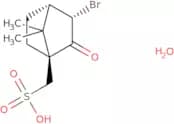
CAS:<p>Please enquire for more information about (+)-3-Bromo-10-camphorsulfonic acid monohydate including the price, delivery time and more detailed product information at the technical inquiry form on this page</p>Formula:C10H15BrO4S•H2OPurity:Min. 95%Color and Shape:PowderMolecular weight:329.21 g/molChorionic Gonadotropin-b (109-145) (human)
CAS:<p>Please enquire for more information about Chorionic Gonadotropin-b (109-145) (human) including the price, delivery time and more detailed product information at the technical inquiry form on this page</p>Formula:C167H264N46O58SPurity:Min. 95%Molecular weight:3,876.22 g/molDolastatin 15 (5S)-1-[(2S)-O-(N,N-Dimethyl-Val-Val-N-Me-Val-Pro-Pro)-2-hydroxyisovaleryl]-2-oxo-4-methoxy-5-benzyl-3-pyrroline
CAS:<p>Dolastatin 15 (5S)-1-[(2S)-O-(N,N-Dimethyl-Val-Val-N-Me-Val-Pro-Pro)-2-hydroxyisovaleryl]-2-oxo-4-methoxy-5-benzylpyrrolidinium is a natural compound that has been isolated from the Indian Ocean sea hare Dolabella auricularia. It has shown significant cytotoxicity against cancer cells as well as significant immunosuppressive activities in animals. Dolastatin 15 is an analog of dolastatin 10 and has been shown to be active against hepatitis B and C virus. It also has antiinflammatory properties and may be effective in combating autoimmune diseases. The synthesis of this compound is an asymmetric synthesis with a hydroxyl group on one side of the molecule and an amide on the other side.</p>Formula:C45H68N6O9Purity:Min. 95%Molecular weight:837.06 g/mol3-Amino-2-nitropyridine
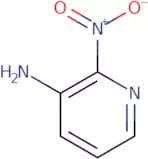
CAS:<p>3-Amino-2-nitropyridine is a heterocyclic compound that is an oxidation product of 2,4,6-trinitrotoluene. 3-Amino-2-nitropyridine is a potent inhibitor of the d4 receptor and has been shown to be active in animal models of cancer and autoimmune diseases. The mechanism of action of this drug is not well understood, but it has been found to inhibit cell proliferation in vitro by binding to nucleophilic sites on the receptor. Nitrobenzoic acid may also contribute to its activity. 3-Amino-2-nitropyridine inhibits inflammatory responses by inhibiting cell proliferation and migration.</p>Formula:C5H5N3O2Purity:Min. 95%Molecular weight:139.11 g/molD-α-Hydroxyisovaleric acid
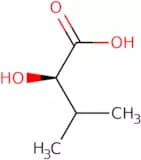
CAS:<p>D-alpha-Hydroxyisovaleric acid is a compound that is used to synthesize stereoisomers. It is also a component of supramolecular chemistry and has been used in the construction of supramolecular polymers. D-alpha-Hydroxyisovaleric acid can be found in some plants, such as valinomycin, isovaleric acid, and metarhizium. This stereoisomer can be synthetized from the hydroxy group and an amino acid or peptide. D-alpha-Hydroxyisovaleric acid has the ability to degrade nonribosomal peptides into smaller molecules through its hydrolytic properties. It also inhibits Verticillium dahliae, which causes wilt disease in plants, by inhibiting the synthesis of hydroxycarboxylates. D-alpha-Hydroxyisovaleric acid is biodegradable and can be used for industrial purposes as well as pharmaceuticals.</p>Formula:C5H10O3Purity:Min. 95%Color and Shape:White PowderMolecular weight:118.13 g/mol2,7-Naphthalenedisulfonic acid disodium salt
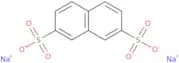
CAS:<p>2,7-Naphthalenedisulfonic acid disodium salt is a heteronuclear molecule that is synthesized by the reaction of 2,7-naphthalenedisulfonyl chloride with sodium sulfite in water. It has been used in the manufacture of dyes and pigments, as a corrosion inhibitor for steel and aluminum, and as an intermediate in the synthesis of pharmaceuticals. The compound has been detected in groundwater samples at concentrations up to 10 mg/L. The compound is also found in geothermal waters at concentrations up to 0.6 mg/L.</p>Formula:C10H6Na2O6S2Purity:Min. 95%Molecular weight:332.26 g/mol7b-Hydroxy cholesterol
CAS:Controlled Product<p>7b-Hydroxycholesterol is a cholesterol metabolite that is formed from 7-alpha-hydroxylase by cytochrome P450. It has been shown to induce apoptosis in a number of carcinoma cell lines, including HL-60 cells and human prostate cancer cells. 7b-hydroxycholesterol was also shown to be an effective inducer of the formation of body structures by cultured cells. It has been found to be potent inducers of the synthesis of oxysterols, which are natural compounds that have been shown to inhibit viral replication. The effects on body formation and viral inhibition may be due to its ability to bind to the mitochondrial membrane potential, inhibiting ATP binding cassette transporter and enzyme activities.</p>Formula:C27H46O2Purity:Min. 95%Color and Shape:PowderMolecular weight:402.65 g/mol(Val438)-Tyrosinase (432-444) (human) acetate salt
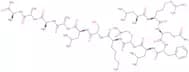
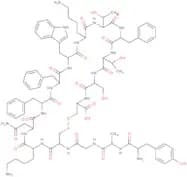
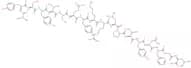
CAS:<p>H-SYLQDSVPDSFQD-OH peptide, corresponding to amino acids 432-444 of human Tyrosinase. The peptide is supplied as an acetate salt.</p>Formula:C65H93N15O26Purity:Min. 95%Molecular weight:1,500.52 g/molTyr-Somatostatin-14
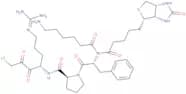
CAS:<p>Please enquire for more information about Tyr-Somatostatin-14 including the price, delivery time and more detailed product information at the technical inquiry form on this page</p>Formula:C85H113N19O21S2Purity:Min. 95%Molecular weight:1,801.05 g/molBiotinyl-ε-aminocaproyl-D-Phe-Pro-Arg-chloromethylketone
CAS:<p>Please enquire for more information about Biotinyl-epsilon-aminocaproyl-D-Phe-Pro-Arg-chloromethylketone including the price, delivery time and more detailed product information at the technical inquiry form on this page</p>Formula:C37H56ClN9O6SPurity:Min. 95%Molecular weight:790.42 g/molAcetyl-(D-Lys2, Sar 3)-Melanotropin-Potentiating Factor acetate salt
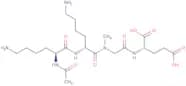
CAS:<p>Acetyl-(D-Lys2, Sar 3)-Melanotropin-Potentiating Factor acetate salt Ac-Lys-D-Lys-Sar-Glu-OH acetate salt is synthesized from a tetrapeptide. It has been shown to be neurotrophic and to stimulate the uptake of dopamine. Acetyl-(D-Lys2, Sar 3)-Melanotropin-Potentiating Factor acetate salt Ac-Lys-D-Lys-Sar-Glu-OH acetate salt has also been shown to be an analog of the growth factor nerve growth factor (NGF) and have similar effects on muscle tissue.</p>Formula:C22H40N6O8Purity:Min. 95%Molecular weight:516.59 g/mol2-Methylacetophenone
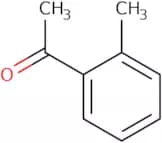
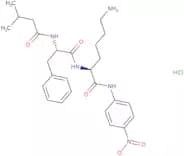
CAS:<p>2-Methylacetophenone is an organic compound that has a molecular weight of 100.12 g/mol, and a chemical formula of C10H14O2. The compound is a colorless liquid at room temperature and pressure, with a sweet odor. It is soluble in nonpolar solvents such as hexane, ether, benzene, and toluene. 2-Methylacetophenone has been used as a solvent for the chemical study of benzyl groups, hydroxyl group activation energies, hydrogen bond, carbonyl group proton and intramolecular hydrogen bonding. It has also been used to study the reaction mechanism of fatty acid with benzyl groups in cryogenic conditions.</p>Formula:C9H10OPurity:Min. 95%Color and Shape:Colorless Clear LiquidMolecular weight:134.18 g/molIsovaleryl-Phe-Lys-pNA·HCl
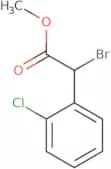
CAS:<p>Please enquire for more information about Isovaleryl-Phe-Lys-pNA·HCl including the price, delivery time and more detailed product information at the technical inquiry form on this page</p>Formula:C26H35N5O5·HClPurity:Min. 95%Molecular weight:534.05 g/mol2-Bromo-2'-chlorophenyl acetic acid methyl ester
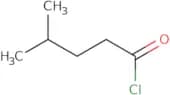
CAS:<p>2-Bromo-2'-chlorophenyl acetic acid methyl ester is a synthetic chemical that can be used as a pharmaceutical intermediate. It is prepared by the reaction of bromine with 2-chloroacetic acid and magnesium, which yields the desired product. The catalytic effect of this chemical is due to its ability to act as a catalyst for many reactions, such as the synthesis of clopidogrel. This chemical also has an industrial application in the production of other medicines, such as aspirin.</p>Formula:C9H8BrClO2Purity:Min. 95%Molecular weight:263.52 g/mol4-Methylvaleryl chloride
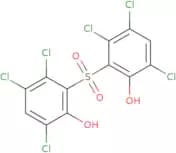
CAS:<p>4-Methylvaleryl chloride (4MVC) is a thionyl chloride that reacts with 2-pentenoic acid to produce 4-methylvaleric acid. It has been used as a pharmaceutical intermediate and as a potent inhibitor of side-chain cleavage reactions. The reaction time required for the formation of 4MVC depends on the reaction temperature. At room temperature, it takes approximately one hour to form; at 60 degrees Celsius, it takes approximately five minutes to form.</p>Formula:C6H11ClOPurity:Min. 95%Color and Shape:Colorless Clear LiquidMolecular weight:134.6 g/molP38 MAP Kinase Inhibitor IV
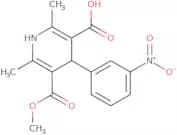
CAS:<p>Phenol,2,2'-sulfonylbis[3,4,6-trichloro] is a sulfate-containing compound that has been shown to stimulate the immune system and activate mitogen-activated protein kinases (MAPKs) in mosquitoes. The inclusion of this substance in vaccines may lead to increased immunity against various diseases. Phenol,2,2'-sulfonylbis[3,4,6-trichloro] has also been shown to reduce cancer cell proliferation by modulating antigen-presenting cells and inducing apoptosis in ovarian cancer cells. This substance can be used as a cost-effective alternative to dextran sulfate for generating pluripotent stem cells from adult cells and can also be used as a scalable process for generating pluripotent cells from human amniotic fluid.</p>Formula:C12H4Cl6O4SPurity:Min. 95%Molecular weight:456.94 g/mol1,4-Dihydro-2,6-dimethyl-4-(3-nitrophenyl)-3,5-pyridinedicarboxylic acid 3-methyl ester
CAS:<p>Lercanidipine is a calcium antagonist that binds to the calcium channels in the membranes of cells, preventing the entry of calcium ions. Lercanidipine is water soluble and can be synthesized using techniques such as elemental analysis and pharmacological techniques. It is also an ionizable drug, which means that its affinity for chloride varies with pH. Lercanidipine has been shown to have strong affinity for erythrocyte membranes and thus has a high selectivity for vascular smooth muscle cells. This drug also has a low toxicity profile and does not affect tissues other than vascular smooth muscle cells.</p>Formula:C16H16N2O6Purity:Min. 95%Color and Shape:White PowderMolecular weight:332.31 g/mol(Leu8,D-Trp22,Tyr25)-Somatostatin-28
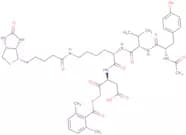
CAS:<p>Please enquire for more information about (Leu8,D-Trp22,Tyr25)-Somatostatin-28 including the price, delivery time and more detailed product information at the technical inquiry form on this page</p>Formula:C138H209N41O40S2Purity:Min. 95%Molecular weight:3,146.52 g/molAc-Tyr-Val-Lys(biotinyl)-Asp-2,6-dimethylbenzoyloxymethylketone
CAS:<p>Ac-Tyr-Val-Lys(biotinyl)-Asp-2,6-dimethylbenzoyloxymethylketone belongs to a group of active compounds and is a cleavage product of the caspase family. It has been shown to induce apoptosis in kidney cells by cleaving the polymeric form of the protein caspase 3, which is induced by viral infection or bacterial infection. This compound is used for coinfection with HIV and HCV. Ac-Tyr-Val-Lys(biotinyl)-Asp-2,6-dimethylbenzoyloxymethylketone can also be used for detecting apoptosis in other types of cells such as erythrocytes and neutrophils.</p>Formula:C46H63N7O12SPurity:Min. 95%Molecular weight:938.1 g/molOsteostatin (1-5) (human, bovine, dog, horse, mouse, rabbit, rat) trifluoroacetate salt
CAS:<p>Please enquire for more information about Osteostatin (1-5) (human, bovine, dog, horse, mouse, rabbit, rat) trifluoroacetate salt including the price, delivery time and more detailed product information at the technical inquiry form on this page</p>Formula:C27H41N9O8Purity:Min. 95%Molecular weight:619.67 g/molType B Allatostatin
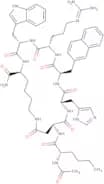
CAS:<p>Allatostatin is a type of allatotropin. Allatotropins are a family of neuropeptides that inhibit the release of other hormones, such as vitellogenin, which is a hormone that stimulates vitellogenesis in insect ovaries. Allatostatin inhibits the release of vitellogenin by binding to the receptor on the egg follicle cells and blocking its action. This drug has been shown to be effective at inhibiting mevalonate production in rat ganglia and is also found in high concentrations in holometabolous insects. It is synthesized from an amide precursor by a series of enzymatic reactions and can be desorbed from its storage site with mild acidification.</p>Formula:C104H150N24O27Purity:Min. 95%Molecular weight:2,168.45 g/molN-Acetyl-L-norleucyl-L-a-aspartyl-L-histidyl-3-(2-naphthalenyl)-D-alanyl-L-arginyl-L-tryptophyl-L-lysinamide-(2,7) -lactam
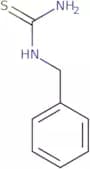
CAS:<p>Please enquire for more information about N-Acetyl-L-norleucyl-L-a-aspartyl-L-histidyl-3-(2-naphthalenyl)-D-alanyl-L-arginyl-L-tryptophyl-L-lysinamide-(2,7) -lactam including the price, delivery time and more detailed product information at the technical inquiry form on this page</p>Formula:C54H71N15O9Purity:Min. 95%Molecular weight:1,074.24 g/molBenzylthiourea
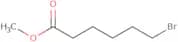
CAS:<p>Benzylthiourea is a molecule that binds to integrin receptors, which are protein molecules on the surface of cells. It has shown efficacy in the treatment of bowel disease, autoimmune diseases, and diabetic neuropathy. Benzylthiourea inhibits protease activity and may be used to treat inflammatory bowel disease. It also inhibits cyclase activity, which may be useful for treating cancer. Benzylthiourea has been shown to have anti-inflammatory properties, due to its ability to inhibit hydrochloric acid production in the stomach. This drug also has an effect on energy metabolism by inhibiting hydrogen bonds between hydroxide ions and carbonyl groups in acetaldehyde and methylglyoxal.</p>Formula:C8H10N2SPurity:Min. 95%Color and Shape:PowderMolecular weight:166.24 g/mol6-Bromohexanoic acid methyl ester
CAS:<p>6-Bromohexanoic acid methyl ester is a linker that can be used in the synthesis of amides. This compound is synthesized by reaction between 2-bromobutyric acid and malonic acid, followed by hydrolysis with sodium hydroxide. 6-Bromohexanoic acid methyl ester is an efficient method for the preparation of amides. It is biologically active and has been shown to have anti-inflammatory properties in biological studies.</p>Formula:C7H13BrO2Purity:Min. 95%Color and Shape:Clear LiquidMolecular weight:209.08 g/molSodium 1-naphthalenesulfonate
CAS:<p>Sodium 1-naphthalenesulfonate is a zirconium oxide that is used to remove particles from water. It has been shown that the adsorption mechanism of this compound is based on its crystalline polymorphs. Sodium 1-naphthalenesulfonate has been used in the treatment of fatty acid and hydrochloric acid in urine samples, with sodium carbonate as a buffer. This compound also has film-forming properties, which are beneficial for wastewater treatment and can be used in the formation of polymer films. Sodium 1-naphthalenesulfonate also shows toxicity at high concentrations, but does not cause any toxic effects at low concentrations.</p>Formula:C10H7NaO3SPurity:Min. 95%Color and Shape:White Off-White PowderMolecular weight:230.22 g/molBiotinyl-LL-37 amide trifluoroacetate salt
CAS:<p>Please enquire for more information about Biotinyl-LL-37 amide trifluoroacetate salt including the price, delivery time and more detailed product information at the technical inquiry form on this page</p>Formula:C215H355N63O54SPurity:Min. 95%Molecular weight:4,718.58 g/molBiotinyl-5-aminopentanoyl-Antennapedia Homeobox (43-58) amide trifluoroacetate salt
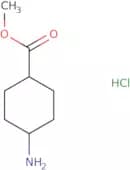
CAS:<p>Please enquire for more information about Biotinyl-5-aminopentanoyl-Antennapedia Homeobox (43-58) amide trifluoroacetate salt including the price, delivery time and more detailed product information at the technical inquiry form on this page</p>Formula:C119H192N38O22S2Purity:Min. 95%Molecular weight:2,571.17 g/molcis-4-Aminocyclohexanecarboxylic acid methyl ester hcl
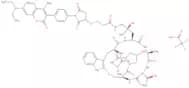
CAS:<p>cis-4-Aminocyclohexanecarboxylic acid methyl ester hcl is a chemical compound that is used in research and industry. It is an efficient isomer of 4-aminocyclohexanecarboxylic acid methyl ester hydrochloride. cis-4-Aminocyclohexanecarboxylic acid methyl ester hcl has been used as a model for the study of glimepiride, an insulin secretagogue, and has been shown to be active against Toxoplasma gondii.</p>Formula:C8H15NO2·HClPurity:Min. 95%Color and Shape:SolidMolecular weight:193.67 g/molCoumarin-Phalloidin
CAS:<p>Fluorescently labeled phalloidin</p>Formula:C62H75N11O15S2Purity:Min. 95%Molecular weight:1,278.46 g/mol9-Formylanthracene
CAS:<p>9-Formylanthracene is a hydroxylated derivative of anthracene. This molecule has significant cytotoxicity and shows high resistance to cancer cells. It is also capable of inducing apoptosis in carcinoma cell lines. 9-Formylanthracene binds to DNA polymerase, inhibiting the enzyme activity and blocking synthesis of DNA. It also inhibits other enzymes that are necessary for cellular metabolism, such as the ribonucleotide reductase enzyme. 9-Formylanthracene is a potential anticancer drug candidate due to its ability to inhibit DNA polymerase and induce apoptosis in cancer cells, but it does not show any effect on normal liver cells.</p>Purity:Min. 95%GLP-1 (7-36)-Lys(biotinyl) amide (human, bovine, guinea pig, mouse, rat) trifluoroacetate
CAS:<p>Please enquire for more information about GLP-1 (7-36)-Lys(biotinyl) amide (human, bovine, guinea pig, mouse, rat) trifluoroacetate including the price, delivery time and more detailed product information at the technical inquiry form on this page</p>Formula:C165H252N44O48S•(C2HF3O2)xPurity:Min. 95%Molecular weight:3,652.1 g/molEndotrophin (mouse) trifluoroacetate salt
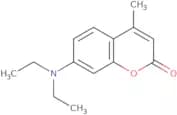
CAS:<p>A carboxyl-terminal cleavage product of collagen 6 alpha-3 chain which is produced and released by adipocytes and massively upregulated in malignant tumors of breast, liver colon and pancreas. Endotrophin provides a link between obesity and aggressive tumor growth and may serve as sensitive diagnostic marker and valid therapeutic target for designing better strategies to treat cancer and ameliorate obesity-induced insulin resistance.</p>Formula:C345H520N92O106S7Purity:Min. 95%Molecular weight:7,876.84 g/mol7-Diethylamino-4-methylcoumarin
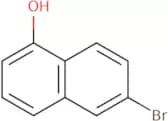
CAS:<p>7-Diethylamino-4-methylcoumarin is a fluorescence probe that can be used in applications such as the study of hydrogen bonding interactions. It is excited by laser light and emits a red-shifted fluorescent light. 7-Diethylamino-4-methylcoumarin is a hydroxyl group analogue of coumarin, which has been shown to have physiological effects on the liver cells. The absorption spectrum of 7-Diethylamino-4-methylcoumarin is sensitive to changes in pH and chemical stability. A decrease in pH increases the intensity of the emission while an increase in pH decreases the intensity of the emission. This compound can also be used to label nucleic acids during polymerase chain reactions (PCR) or for sample preparation before analysis using nuclear magnetic resonance spectroscopy (NMR).</p>Formula:C14H17NO2Purity:Min. 98 Area-%Color and Shape:PowderMolecular weight:231.29 g/mol6-Bromonaphthalen-1-ol
CAS:<p>6-Bromonaphthalen-1-ol is a compound that has shown antimicrobial and antifungal activity. It is the most potent of the naphthoxazines tested to date, with an MIC of 0.04 µg/ml against Escherichia coli. 6-Bromonaphthalen-1-ol was synthesized by reacting 1,2,4-trihydroxybenzene with bromine gas in the presence of mercuric chloride catalyst. The compound was hydrolyzed for elemental analysis and found to be C7H4BrO. Elemental analysis yielded a weight percentage of 71% carbon, 13% hydrogen, 3% bromine, and 12% oxygen. The x-ray diffraction pattern showed peaks at 2θ values of 22.3° (100), 26.5° (101), 33.7° (102), 40° (104), 44° (105) and 62°</p>Formula:C10H7BrOPurity:Min. 95%Molecular weight:223.07 g/mol2-[3-(S)-[3-(2-(7-Chloro-2-quinolinyl)ethenyl)phenyl]-3-hydroxypropyl]benzoic acid methyl ester
CAS:<p>2-[3-(S)-[3-(2-(7-Chloro-2-quinolinyl)ethenyl)phenyl]-3-hydroxypropyl]benzoic acid methyl ester is a synthetic compound that can be used as a reagent in the synthesis of polynucleotides and polypeptides. It can also be used as an inhibitor of ketoreductase, which is an enzyme involved in the synthesis of fatty acids and ketones. 2-[3-(S)-[3-(2-(7-Chloro-2-quinolinyl)ethenyl)phenyl]-3-hydroxypropyl]benzoic acid methyl ester has been shown to inhibit the growth of wild type and mutant strains of E. coli. The molecular weight of this compound is 439.</p>Formula:C28H24ClNO3Purity:Min. 95%Molecular weight:457.95 g/molBiotinyl-Neuropeptide W-23 (human) trifluoroacetate salt
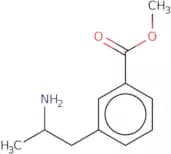
CAS:<p>Please enquire for more information about Biotinyl-Neuropeptide W-23 (human) trifluoroacetate salt including the price, delivery time and more detailed product information at the technical inquiry form on this page</p>Formula:C129H197N37O30S2Purity:Min. 95%Molecular weight:2,810.31 g/mol3'-(2-Propylamine)benzoic acid methyl ester
CAS:<p>3'-(2-Propylamine)benzoic acid methyl ester is a high quality, complex compound that can be used as a reagent, speciality chemical, or reaction component. It has a wide range of applications in the synthesis of pharmaceuticals, agrochemicals, and other biologically active compounds. 3'-(2-Propylamine)benzoic acid methyl ester is also a versatile building block and useful intermediate in organic synthesis.</p>Formula:C11H15NO2Purity:Min. 95%Molecular weight:193.24 g/molBiotinyl-AEEAc-AEEAc-OH
CAS:<p>Please enquire for more information about Biotinyl-AEEAc-AEEAc-OH including the price, delivery time and more detailed product information at the technical inquiry form on this page</p>Formula:C22H38N4O9SPurity:Min. 95%Molecular weight:534.62 g/mol2,2'-Biphenyldicarboxylic acid anhydride - 70%
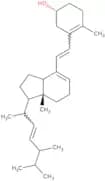
CAS:<p>2,2'-Biphenyldicarboxylic acid anhydride is a diphenic anhydride that has a carboxylate group on one end and a phenyl group on the other. The nitrogen atoms in this molecule are part of the intramolecular hydrogen bonds that stabilize the molecule. 2,2'-Biphenyldicarboxylic acid anhydride is used in wastewater treatment as it reacts with amines to form ammonium salts. This process also releases hydrogen, which can be used for fuel cells or light emission. It is also used to produce other compounds such as malonic acid and phenylacetic acid.</p>Formula:C14H8O3Purity:(%) Min. 70%Color and Shape:Brown Beige PowderMolecular weight:224.21 g/molPrevitamin D2
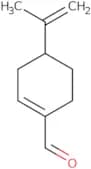
CAS:<p>Previtamin D2 is a chemical compound that is the natural form of vitamin D. It is found in human skin and can be converted to vitamin D3 by exposure to sunlight or artificial ultraviolet light. Previtamin D2 has been shown to have anti-cancer properties and may have potential as a dietary supplement. Previtamin D2 has been used for the treatment of dry skin, although it has not been approved for this use. The most common use of previtamin D2 is in wastewater treatment, where it is added to water as an anticancer agent. This process involves exposing the water to ultraviolet radiation and then adding previtamin D2. The previtamin D2 reacts with chlorine bleach, which releases hydrogen peroxide and creates disinfectant byproducts that are less toxic than those created by chlorine alone. Previtamin D2 can also be used in analytical chemistry as an intermediate in the production of vitamin D3 from cholesterol. It can be used as a sample preparation reagent when chromatographic science</p>Formula:C28H44OPurity:90%MinColor and Shape:White PowderMolecular weight:396.65 g/mol(+/-)-Perillaldehyde
CAS:<p>Perillaldehyde is a natural compound that has been used in food and medicine for centuries. It is an antimicrobial agent with dextran sulfate, which is a sugar polymer that inhibits the growth of fungi and bacteria. Perillaldehyde also has been shown to inhibit the energy metabolism of microorganisms by decreasing ATP production. Perillaldehyde has also been shown to have genotoxic activity, as it can cause DNA strand breaks. This compound also causes oxidative stress in cells by reducing mitochondrial membrane potential and inducing reactive oxygen species (ROS). Perillaldehyde has acute toxicities, as it causes electrochemical impedance spectroscopy changes that indicate cell death.</p>Formula:C10H14OPurity:Min. 95%Color and Shape:PowderMolecular weight:150.22 g/molCamphorquinone
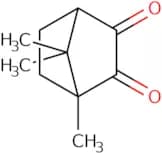
CAS:<p>Camphorquinone is an inorganic acid that is a component of the topical anaesthetic hydrochloride, which is used for the treatment of pain. Camphorquinone has a hydroxyl group, which can be replaced with other groups to produce different compounds. It has been shown to have a kinetic data for the polymerase chain reaction and to inhibit the activity of 4-dimethylaminobenzoic acid. Camphorquinone has also been shown to be effective against dental plaque and rat liver microsomes. The clinical relevance of camphorquinone has not yet been determined, but it may have an effect on hydrochloric acid production by zirconium oxide light emission.</p>Formula:C10H14O2Purity:Min. 95%Color and Shape:PowderMolecular weight:166.22 g/mol1,7-Dimethylnaphthalene
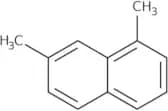
CAS:<p>1,7-Dimethylnaphthalene is a molecule that can be found in various aromatic hydrocarbons. It has been shown to have an inhibitory effect on the growth of cancer cells. 1,7-Dimethylnaphthalene is also used as a biological treatment in industrial chemicals. It is known to increase the rate of fatty acid biosynthesis and inhibits the production of certain enzymes that are involved in cancer development.</p>Formula:C12H12Purity:Min. 95%Molecular weight:156.22 g/mol3'-[2- Cyanoethyl N, N- bis(1- methylethyl) phosphoramidite]-5'- O- [bis(4- methoxyphenyl) phenylmethyl] - 2'- O- methyl- N- [2- [4- (1- methylethyl) phenoxy] acetyl] -guanosine
CAS:<p>Please enquire for more information about 3'-[2- Cyanoethyl N, N- bis(1- methylethyl) phosphoramidite]-5'- O- [bis(4- methoxyphenyl) phenylmethyl] - 2'- O- methyl- N- [2- [4- (1- methylethyl) phenoxy] acetyl] -guanosine including the price, delivery time and more detailed product information at the technical inquiry form on this page</p>Formula:C52H62N7O10PPurity:Min. 95%Molecular weight:976.06 g/molTerflavin B
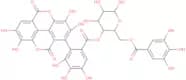
CAS:Controlled Product<p>Terflavin B is a natural product that has been shown to have autophagy-inducing properties. Terflavin B induces autophagy by increasing the metabolic rate and inhibiting the synthesis of proteins. This product has been shown to increase the cancer cell's sensitivity to chemotherapy, which may be due to its ability to induce reactive oxygen species. In addition, terflavin B can protect against drug interactions by inhibiting the activity of cytochrome P450 enzymes. It also inhibits the growth of resistant microorganisms such as chronic kidney and bladder infections. Terflavin B contains tannins and ellagitannins, which have antimicrobial activities that are effective against bacteria, yeast, and fungi.</p>Formula:C34H24O22Purity:Min 90%Color and Shape:PowderMolecular weight:784.54 g/mol6-(Bromomethyl)-1,1,4,4-tetramethyl-1,2,3,4-tetrahydronaphthalene
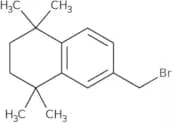
CAS:<p>Please enquire for more information about 6-(Bromomethyl)-1,1,4,4-tetramethyl-1,2,3,4-tetrahydronaphthalene including the price, delivery time and more detailed product information at the technical inquiry form on this page</p>Formula:C15H21BrPurity:Min. 80 Area-%Color and Shape:Clear LiquidMolecular weight:281.23 g/molDesmethylene paroxetine hydrochloride salt
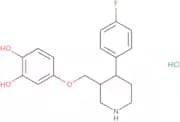
CAS:<p>Please enquire for more information about Desmethylene paroxetine hydrochloride salt including the price, delivery time and more detailed product information at the technical inquiry form on this page</p>Formula:C18H21ClFNO3Purity:Min. 95%Molecular weight:353.82 g/molTriglycerol monolaurate
CAS:<p>Triglycerol monolaurate (GLA) is a fatty acid that can be synthesized by reacting glycerol with lauric acid. It has been shown to have antimicrobial properties, inhibiting the growth of fungi such as flavus and staphylococcus. GLA also inhibits the production of lipase and protease, enzymes that are required for the digestion of dietary fats. GLA has been used in infant formulas to inhibit the growth of bacteria, such as p. aeruginosa, which may cause infantile diarrhea. Triglycerol monolaurate is also used as dietary supplement to treat eczema due to its inhibitory effect on inflammatory cytokines such as tumor necrosis factor-α (TNF-α).</p>Formula:C21H42O8Purity:Min. 95%Molecular weight:422.55 g/mol3'-O-Benzyl-2'-Deoxy-5-Trifluoromethyluridine
CAS:<p>3'-O-Benzyl-2'-Deoxy-5-Trifluoromethyluridine (BDBMU) is a pyrimidine derivative that can be used as an antiviral drug. It inhibits the synthesis of DNA and RNA by inhibiting viral polymerase. BDBMU is a prodrug of uracil, which is converted to the active compound in tissues. The benzoylation reaction produces a fluorine atom at C5, which increases its potency. This drug has been shown to have minimal toxicity in tumor cells and has been used for the treatment of leukemia and other cancers.</p>Formula:C17H17F3N2O5Purity:Min. 95%Molecular weight:386.32 g/moltrans,cis-2,6-Nonadienal
CAS:<p>Trans,cis-2,6-Nonadienal is a fatty acid derivative with an unsaturated 2,6-nonadiene structure. It is an inhibitor of the enzyme fatty acid synthase, which catalyzes the formation of long-chain polyunsaturated fatty acids. Trans,cis-2,6-Nonadienal has been shown to inhibit v79 cells and ester compounds that are used in analytical methods for measuring fatty acids. It is also able to inhibit lysine residues and it can be used as a reactive antioxidant system in mammalian cells. Trans,cis-2,6-Nonadienal has shown a profile of activities that includes inhibition at multiple endpoints involving noncompetitive inhibition as well as antioxidant activity.</p>Formula:C9H14OPurity:Min. 95%Color and Shape:Clear LiquidMolecular weight:138.21 g/mol2-(2-Naphthyloxy)propanoic acid
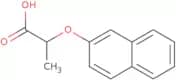
CAS:<p>2-(2-Naphthyloxy)propanoic acid is a naphthalene derivative that is found in the plant species Carthamus tinctorius. It has been shown to have potent antagonist activity against the NMDA receptor, as well as antinociceptive and analgesic properties in vivo. 2-(2-Naphthyloxy)propanoic acid also shows potent anti-inflammatory and cardioprotective effects in vitro and in vivo. 2-(2-Naphthyloxy)propanoic acid can be used for the treatment of bone cancer, congestive heart failure, diabetic neuropathy, or other disorders of the peripheral nervous system.</p>Formula:C13H12O3Purity:Min. 95%Molecular weight:216.23 g/mol4-Methyl-3-nitrophenyl isocyanate
CAS:<p>4-Methyl-3-nitrophenyl isocyanate (4MPN) is a chiral diisocyanate that can be used as an activated diisocyanate. 4MPN is prepared by the carbonylation of 3-nitrobenzaldehyde and xylene with hydrogen chloride in the presence of a catalyst. Impurities, such as chlorides or sulfurs, can be detected using surface methodology techniques. The feedstock for this compound is usually xylene, which has a high boiling point. This product contains reactive functional groups that can be used to modify surfaces and create polyurethane products.</p>Formula:C8H6N2O3Purity:Min. 95%Color and Shape:PowderMolecular weight:178.14 g/molcis-Vitamin K1
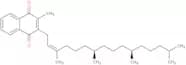
CAS:<p>Vitamin K is a fat-soluble vitamin that is required for blood coagulation. The major form of vitamin K in the body is the chemically similar menaquinone. Vitamin K1, also known as phylloquinone, is synthesized by plants and bacteria and can be found in green leafy vegetables, broccoli, cabbage, Brussels sprouts, kale, spinach, soybean oil and margarine. It has been shown to be an effective supplement for treating hypoprothrombinemia (low levels of prothrombin) in infants and tissues. The terminal half-life of vitamin K1 is about 20 days.</p>Formula:C31H46O2Purity:Min. 95%Molecular weight:450.7 g/mol5-Hydroxy-2,3-dihydronaphthalene-1,4-dione
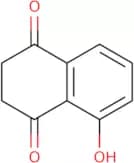
CAS:<p>Please enquire for more information about 5-Hydroxy-2,3-dihydronaphthalene-1,4-dione including the price, delivery time and more detailed product information at the technical inquiry form on this page</p>Formula:C10H8O3Purity:Min. 95%Molecular weight:176.17 g/molL-Isoleucine β-naphthylamide
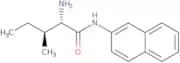
CAS:<p>L-Isoleucine beta-naphthylamide is an amide derivative of L-isoleucine and 2-naphthylamine, which are carboxylic acid derivatives. The condensation of these two substances leads to the formation of a new compound with a carboxy group and an amino group.</p>Formula:C16H20N2OPurity:Min. 95%Molecular weight:256.34 g/mol4'-Demethyl homoharringtonine
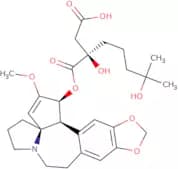
CAS:<p>Homoharringtonine is a natural drug that has been used for the treatment of cancer and other diseases. It is an antitumor agent that inhibits cell growth by affecting DNA synthesis, RNA synthesis, protein synthesis, and the activity of enzymes. Homoharringtonine also has antineoplastic effects and can be used to treat leukemia. Homoharringtonine binds to DNA in a ring-opening reaction with yields of up to 20%. This compound can be synthesized from phenylalanine and substituted with a trisubstituted benzene ring. It also catalyzes the conversion of an enamine into an iminium ion, which reacts with a second molecule of enamine to form a keto-enamine.</p>Formula:C28H37NO9Purity:Min. 95%Molecular weight:531.59 g/mol1,1-Diethylurea
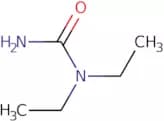
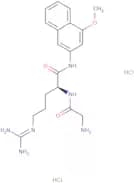
CAS:<p>1,1-Diethylurea is a 5-nitrosalicylic acid amide derivative. It is used as a reagent to synthesize other chemicals, such as 3,5-dinitrosalicylic acid and N-acetyl-2,6-diaminopurine. The reaction intermediates of this compound are chloride and liquid chromatograph with azides and quinoline derivatives. The molecular modeling and reaction products of 1,1-diethylurea are organic solution and pharmaceutical preparations. Fatty acids can be used to manufacture this product.</p>Formula:C5H12N2OPurity:Min. 95%Molecular weight:116.16 g/molGly-arg-4-methoxy-β-naphthylamide dihydrochloride
CAS:<p>Please enquire for more information about Gly-arg-4-methoxy-beta-naphthylamide dihydrochloride including the price, delivery time and more detailed product information at the technical inquiry form on this page</p>Formula:C19H26N6O3·2ClHPurity:Min. 95%Molecular weight:459.37 g/mol1-Vinylnaphthalene, stab. with 4-tert-butylcatechol
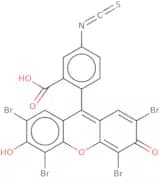
CAS:<p>1-Vinylnaphthalene is a monomer that has been shown to polymerize through cationic polymerization. It is reported to have high resistance, as well as fluorescence properties. The magnetic resonance spectroscopy of 1-vinylnaphthalene showed the presence of a hydroxyl group and a fatty acid side chain. The kinetic data for 1-vinylnaphthalene shows an increase in the dry weight with increasing concentration, which can be attributed to the hydroxyl group and the fatty acid side chain. Patterning experiments have also been conducted on 1-vinylnaphthalene films using hydrogen fluoride, showing that it can be used for patterning purposes.</p>Formula:C12H10Purity:Min. 95%Color and Shape:Clear Colourless To Yellow LiquidMolecular weight:154.21 g/molEosine-5-isothiocyanate
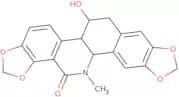
CAS:<p>Eosine-5-isothiocyanate is a fluorescent probe that has affinity for the interstitium of the kidney. This compound inhibits the transport of organic compounds across the renal tubular epithelium, and it is used as a marker for renal function. Eosine-5-isothiocyanate binds to molybdate with high affinity and can be used to measure its concentration in blood plasma. The inhibitory potency of eosine-5-isothiocyanate on carboxylates was tested by perfusing phenolphthalein through a rat's kidneys. Phenoxy dicarboxylates were found to be more potent inhibitors than phenoxy monocarboxylates, but not as potent as eosine-5-isothiocyanate itself. The spectrum of eosine-5-isothiocyanate is in the visible range, so this compound can be detected using</p>Formula:C21H7Br4NO5SPurity:85% MinColor and Shape:PowderMolecular weight:704.97 g/molOxychelidonine
CAS:<p>Oxychelidonine is a chemical compound that is extracted from the leaves of the Oxycoccus vernus plant. Studies have shown that oxychelidonine has significant cytotoxicity against various cancer cells, including those of the breast, prostate, and colon. It is believed to induce apoptotic cell death by inhibiting DNA synthesis and by blocking protein synthesis in cancer cells. Oxychelidonine also inhibits bacterial growth. The extract shows significant cytotoxicity against gram-negative bacteria such as Escherichia coli and Salmonella typhimurium. It has been shown to inhibit the growth of Aspergillus fumigatus, which is a fungus that causes aspergillosis, a type of lung infection. Oxychelidonine can be used in moxibustion treatments for certain conditions such as bronchitis or asthma. Moxibustion involves burning an herb called mugwort (Artemisia vulgaris) on or</p>Formula:C20H17NO6Purity:Min. 95%Color and Shape:PowderMolecular weight:367.35 g/molDL-α-Methyl-m-tyrosine
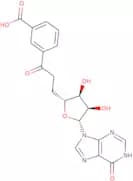
CAS:<p>DL-alpha-Methyl-m-tyrosine (AMT) is a drug that is used to treat Parkinson's disease. It is an inhibitor of the uptake of dopamine and norepinephrine, which are neurotransmitters in the central nervous system. AMT blocks the action of a specific enzyme called aromatic L-amino acid decarboxylase, preventing the conversion of these neurotransmitters into their inactive metabolites. AMT also has been shown to be an antidepressant drug with stimulant properties. This may be due to its ability to inhibit uptake and release of monoamines in brain tissue.</p>Formula:C10H13NO3Purity:Min. 95%Color and Shape:PowderMolecular weight:195.22 g/molFutalosine
CAS:<p>Futalosine is a fatty acid that inhibits the reaction mechanism of certain enzymes. It binds to the enzyme and prevents its activity by binding to an allosteric site on the enzyme, thereby blocking the active site. This inhibition can be reversed by adding an activator molecule, such as chorismate. Futalosine has been shown to inhibit papilloma virus and human pathogens but not bacterial species. It is also a natural compound that is found in plants and other organisms. The type species for futalosine is Choristoma mexicanum.END></p>Formula:C19H18N4O7Purity:Min. 95%Molecular weight:414.37 g/mol4-(2,4-Dinitrophenyl)butanoicacid
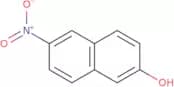
CAS:<p>Please enquire for more information about 4-(2,4-Dinitrophenyl)butanoicacid including the price, delivery time and more detailed product information at the technical inquiry form on this page</p>Formula:C10H10N2O6Purity:Min. 95%Molecular weight:254.2 g/mol2-Hydroxy-6-nitronaphthalene
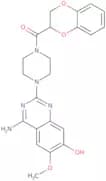
CAS:<p>2-Hydroxy-6-nitronaphthalene is a colourless, crystalline solid that is soluble in water and polar organic solvents. It has been used as a coupling agent for chromium compounds, such as dichromates and chromates. 2-Hydroxy-6-nitronaphthalene can be diazotised to form an orange compound. This reaction occurs under acidic conditions, but the product is stable at alkaline pH levels. The product of this reaction is an asymmetric monoazo dye that has trivalent chromium atoms covalently bonded to it. Hydrogen atoms are present on the nitrogen atoms of the molecule. 2-Hydoxy-6-nitronaphthalene can also be used to produce sulfate esters, which are typically used in organic synthesis reactions involving sulfuric acid or hydrogen sulfate ion donors.</p>Formula:C10H7NO3Purity:Min. 95%Molecular weight:189.17 g/mol6-Hydroxy doxazosin
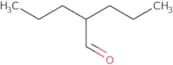
CAS:<p>Please enquire for more information about 6-Hydroxy doxazosin including the price, delivery time and more detailed product information at the technical inquiry form on this page</p>Formula:C22H23N5O5Purity:Min. 95%Molecular weight:437.45 g/mol2-Propyl valeraldehyde
CAS:<p>2-Propyl valeraldehyde is a solvent that is used in pharmaceutical preparations and has been shown to inhibit the activity of aldehyde dehydrogenase, an enzyme that catalyzes the oxidation of alcohols and aldehydes. 2-Propyl valeraldehyde also inhibits the formation of carboxylic acids by competitive inhibition with metal ions such as zinc. The deuterium isotope effect has been used to show that 2-propyl valeraldehyde is metabolized by deuterium exchange. Mass spectrometric detection has shown that this compound contains a carbonyl group (C=O). This compound can be used as an intermediate in organic synthesis reactions, but it also has convulsant effects.</p>Formula:C8H16OPurity:Min. 95%Molecular weight:128.21 g/molN-(5-Aminopentyl) methotrexate amide-LC-biotin
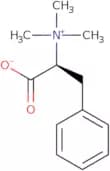
<p>N-(5-Aminopentyl) methotrexate amide-LC-biotin is a specialized bioconjugate, derived through the conjugation of methotrexate, an established antifolate drug, with an LC-biotin moiety. This product is synthesized by covalently linking methotrexate, which is known for its role in cancer therapy through the inhibition of dihydrofolate reductase (DHFR), to a biotin moiety via a long-chain spacer. The resultant bioconjugate retains the therapeutic effects of methotrexate, particularly in its ability to interrupt nucleotide synthesis, thereby affecting cell division in rapidly proliferating cancer cells.The inclusion of biotin in the structure allows for facile attachment to avidin or streptavidin-labeled systems, facilitating targeted delivery and enhanced detection in molecular and cellular studies. The primary application of N-(5-Aminopentyl) methotrexate amide-LC-biotin lies in the realm of targeted drug delivery and advanced research into methotrexate metabolism. By leveraging the high affinity of biotin-streptavidin interactions, researchers can effectively study the biodistribution and cellular uptake of methotrexate, advancing cancer therapeutic strategies and providing insights into antifolate drug mechanisms at the molecular level.</p>Formula:C41H59N13O7SPurity:Min. 95%Color and Shape:PowderMolecular weight:878.06 g/molPhenylalanine betaine
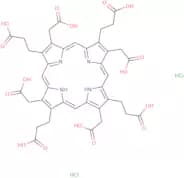
CAS:<p>Phenylalanine betaine is a naturally occurring amino acid that is found in food. Phenylalanine betaines are used as a model system for studying the effects of hydroxyl groups on protein structures and functions. It can be found in urine samples, which indicates its presence in the body. The molecular modeling of phenylalanine betaine has shown that it can function both as an amino acid and a beta-hydroxy acid. Its inhibition constant is 3.5 µM, which indicates that it may have an antibacterial activity.</p>Formula:C12H17NO2Purity:Min. 95%Color and Shape:PowderMolecular weight:207.27 g/molUroporphyrin I dihydrochloride
CAS:<p>Uroporphyrin I dihydrochloride is a facilitator of carbohydrate metabolism. It is a cofactor for the enzyme dehydrogenase and changes the optical properties of certain compounds. Uroporphyrin I dihydrochloride has been shown to modulate the redox potential in lung cells and inhibit human immunodeficiency virus (HIV) replication by inhibiting coproporphyrin production. This drug has also been shown to have an anticancer effect against both leukemia and colon cancer cell lines. Uroporphyrin I dihydrochloride reacts with oxygen, giving it a luminescent property that can be used to assay for its presence in biological systems.</p>Formula:C40H38N4O16•(HCl)2Purity:Min. 95%Molecular weight:903.67 g/molMethyl 6-nitropyrido[1,2-a]benzimidazole-8-carboxylate
CAS:<p>Please enquire for more information about Methyl 6-nitropyrido[1,2-a]benzimidazole-8-carboxylate including the price, delivery time and more detailed product information at the technical inquiry form on this page</p>Formula:C13H9N3O4Purity:Min. 95%Molecular weight:271.23 g/mol6'-Hydroxy doxazosin
CAS:<p>6'-Hydroxy doxazosin is a drug that belongs to the group of alpha-blockers. It is a potent inhibitor of lipoprotein oxidation, which may contribute to its antiplatelet and hypotensive activities. The effects of 6'-hydroxy doxazosin on cholesterol metabolism are not yet known. Although the drug has been shown to be effective in vivo, it has not been studied in humans.</p>Formula:C23H25N5O6Purity:Min. 95%Molecular weight:467.47 g/mol7-Hydroxy doxazosin
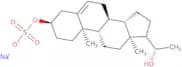
CAS:<p>Please enquire for more information about 7-Hydroxy doxazosin including the price, delivery time and more detailed product information at the technical inquiry form on this page</p>Formula:C22H23N5O5Purity:Min. 95%Molecular weight:437.45 g/mol20a-Dihydro pregnenolone 3-sulfate sodium salt
CAS:<p>Please enquire for more information about 20a-Dihydro pregnenolone 3-sulfate sodium salt including the price, delivery time and more detailed product information at the technical inquiry form on this page</p>Formula:C21H33NaO5SPurity:Min. 95%Molecular weight:420.54 g/molCodeine Impurity D
CAS:Controlled Product<p>Please enquire for more information about Codeine Impurity D including the price, delivery time and more detailed product information at the technical inquiry form on this page</p>Formula:C35H38N2O6Purity:Min. 95%Propanoic acid, 3,3'-(1,3-dioxo-1,3-digermoxanediyl)bis-
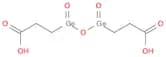
CAS:Formula:C6H10Ge2O7Purity:99.95%Color and Shape:SolidMolecular weight:339.4194ACETOPHENONE-2',3',4',5',6'-D5
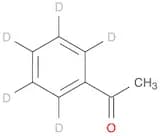
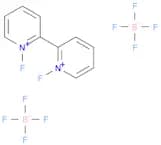
CAS:Formula:C8H3D5OPurity:99%Color and Shape:LiquidMolecular weight:125.17932,2'-Bipyridinium, 1,1'-difluoro-, tetrafluoroborate(1-) (1:2)
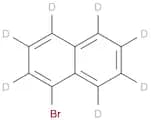
CAS:Formula:C10H8B2F10N2Purity:95%Color and Shape:SolidMolecular weight:367.7900Naphthalene-1,2,3,4,5,6,7,8-d8
CAS:Formula:C10D8Purity:%Color and Shape:SolidMolecular weight:136.2198Ref: IN-DA00BD30
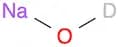
Discontinued productSodium hydroxide (Na(OD)) (6CI,7CI,8CI,9CI)
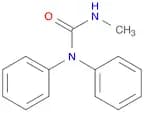
CAS:Formula:DNaOPurity:99.5%Color and Shape:LiquidMolecular weight:41.0033Urea, N'-methyl-N,N-diphenyl-
CAS:Formula:C14H14N2OPurity:99%Color and Shape:SolidMolecular weight:226.27382,2,3,3,4,4,5,5,6,6,7,7,8,8,8-Pentadecafluorooctanoic acid
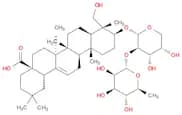
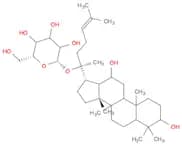
CAS:Formula:C8HF15O2Purity:96%Color and Shape:SolidMolecular weight:414.0684(20S)-20-(β-D-Glucopyranosyloxy)dammara-24-ene-3β,12β-diol
CAS:Formula:C36H62O8Purity:96%Color and Shape:SolidMolecular weight:622.87279-(2'-Bromo-4-biphenylyl)carbazole
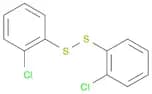
CAS:Formula:C24H16BrNPurity:98%Color and Shape:SolidMolecular weight:398.2945Disulfide, bis(2-chlorophenyl)
CAS:Formula:C12H8Cl2S2Purity:98%Color and Shape:SolidMolecular weight:287.2279



![Dolastatin 15 (5S)-1-[(2S)-O-(N,N-Dimethyl-Val-Val-N-Me-Val-Pro-Pro)-2-hydroxyisovaleryl]-2-oxo-4-…](/_next/image/?url=https%3A%2Fstatic.cymitquimica.com%2Fproducts%2F3D%2Fthumb-webp%2FFD110329.webp&w=3840&q=75)






![2-[3-(S)-[3-(2-(7-Chloro-2-quinolinyl)ethenyl)phenyl]-3-hydroxypropyl]benzoic acid methyl ester](/_next/image/?url=https%3A%2Fstatic.cymitquimica.com%2Fproducts%2F3D%2Fthumb-webp%2FFC20038.webp&w=3840&q=75)


![3'-[2- Cyanoethyl N, N- bis(1- methylethyl) phosphoramidite]-5'- O- [bis(4- methoxyphenyl) phenylm…](/_next/image/?url=https%3A%2Fstatic.cymitquimica.com%2Fproducts%2F3D%2Fthumb-webp%2FFC165570.webp&w=3840&q=75)








![Methyl 6-nitropyrido[1,2-a]benzimidazole-8-carboxylate](/_next/image/?url=https%3A%2Fstatic.cymitquimica.com%2Fproducts%2F3D%2Fthumb-webp%2FFM132139.webp&w=3840&q=75)