Pharmaceutical Standards
Pharmaceutical standards are a comprehensive set of reference materials essential for ensuring the safety, efficacy, and quality of pharmaceutical products. This category includes standards for active pharmaceutical ingredients (APIs), which are the core components responsible for therapeutic effects. Additionally, it covers compounds and metabolites relevant to both the pharmaceutical and veterinary industries, providing benchmarks for the accurate measurement and analysis of these substances. Nitrosamine control standards are crucial for detecting and mitigating potentially harmful nitrosamines in drug formulations. Toxicology standards help assess the safety and potential adverse effects of pharmaceutical compounds. Furthermore, enzyme activators and inhibitors standards are vital for research and development, enabling precise studies of biochemical pathways and drug mechanisms. These pharmaceutical standards are indispensable tools for regulatory compliance, quality control, and research, ensuring that pharmaceutical products meet stringent safety and effectiveness criteria.
Subcategories of "Pharmaceutical Standards"
- APIs for research and impurities(273,774 products)
- Enzyme Activators and Inhibitors(2,827 products)
- Nitrosamines(2,606 products)
- Pharmaceutical and Veterinary Compounds and Metabolites(2,613 products)
- Toxicology(13,652 products)
Found 7836 products of "Pharmaceutical Standards"
Sort by
Purity (%)
0
100
|
0
|
50
|
90
|
95
|
100
2,6-Dibromoanthracene
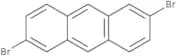
CAS:<p>2,6-Dibromoanthracene is an aromatic hydrocarbon that can be synthesized in a cross-coupling reaction. It has been shown to have a high electron mobility and good thermal stability. The compound was prepared by the Suzuki coupling reaction of 2,6-dibromobenzene with phenylboronic acid. This product has no commercial use but has been tested for its transport properties and has been found to be activated by heat.</p>Purity:Min. 95%2'-[(1H-Tetrazol-5-yl)biphenyl-4-yl]methanol
CAS:<p>Please enquire for more information about 2'-[(1H-Tetrazol-5-yl)biphenyl-4-yl]methanol including the price, delivery time and more detailed product information at the technical inquiry form on this page</p>Formula:C14H12N4OPurity:Min. 95%Molecular weight:252.27 g/mol2,4,6-Trichloro-5-nitropyrimidine
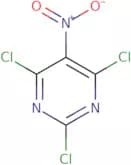
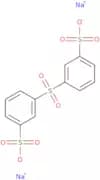
CAS:<p>2,4,6-Trichloro-5-nitropyrimidine is a purine derivative that inhibits the cell proliferation of cancer cells. It has been shown to inhibit the activity of kinases and to induce apoptosis in human cancer cells in vitro. This drug also has antiproliferative potential against erythrocytes and is being investigated as a treatment for renal disease. 2,4,6-Trichloro-5-nitropyrimidine shows inhibitory effects on the phosphorylation of roscovitine by ATP and may be used to treat patients with glomerulonephritis. 2,4,6-Trichloro-5-nitropyrimidine can be synthesized from 2,4,6-trichloropyrimidinethiol and nitric acid according to the following equation: CClNO + HNO → CClNOH + NO 2 Cl + 3 HNO</p>Formula:C4Cl3N3O2Purity:Min. 97 Area-%Molecular weight:228.42 g/molDiphenylsulfone-3,3'-disulfonic Acid Disodium Salt
CAS:<p>Please enquire for more information about Diphenylsulfone-3,3'-disulfonic Acid Disodium Salt including the price, delivery time and more detailed product information at the technical inquiry form on this page</p>Purity:Min. 95%4,5-Dihydro-19-nortestosterone-17b-decanoate
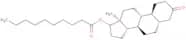
CAS:Controlled Product<p>Please enquire for more information about 4,5-Dihydro-19-nortestosterone-17b-decanoate including the price, delivery time and more detailed product information at the technical inquiry form on this page</p>Formula:C28H46O3Purity:Min. 95%Molecular weight:430.66 g/mol2-Bromo-3'-hydroxyacetophenone
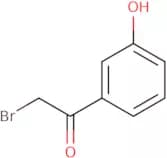
CAS:<p>2-Bromo-3'-hydroxyacetophenone is a molecule that has been shown to be cytotoxic and effective in inhibiting the growth of cancer cells. 2-Bromo-3'-hydroxyacetophenone inhibits the production of kynurenine, an amino acid that is used in the production of proteins, by competitively binding to the enzyme IDO1. This binding prevents the conversion of tryptophan into kynurenine, leading to cell death. The cytotoxicity of 2-bromo-3'-hydroxyacetophenone was also confirmed by testing its ability to inhibit cellular interaction with human erythrocytes (blood cells) and by measuring its effects on crystallography efficiency.</p>Formula:C8H7BrO2Purity:Min. 95%Color and Shape:Slightly Yellow PowderMolecular weight:215.04 g/molTetramethylurea
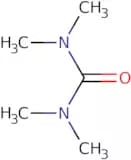
CAS:<p>Tetramethylurea is a versatile compound that has various applications in different fields. It is commonly used as a monophosphate donor in biochemical reactions and as a reagent for the synthesis of L-sorbose and histidine. In addition, tetramethylurea is employed in the production of herbicides, as well as in the synthesis of zirconium oxide nanoparticles.</p>Formula:C5H12N2OPurity:Min. 95%Molecular weight:116.16 g/molzeta-Carotene
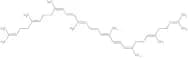
CAS:<p>Zeta-carotene is a carotenoid pigment found in plants. It is a precursor to vitamin A and can be converted by the body into retinol, which can then be used in the eye. Zeta-carotene has been shown to inhibit the growth of cancer cells through transcriptional regulation of genes involved in lipid metabolism and cell proliferation. This carotenoid also has antioxidant properties that may help protect against cardiovascular diseases. In addition, zeta-carotene has been shown to have a positive effect on plant physiology because it is an important intermediate for photosynthesis.</p>Formula:C40H60Purity:Min. 95%Color and Shape:Yellow PowderMolecular weight:540.9 g/molNonafluorovaleric acid
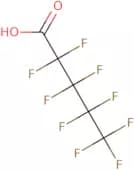
CAS:<p>Nonafluorovaleric acid is a glycol ether that is used as a solvent and in the manufacture of fluoropolymers. Nonafluorovaleric acid is considered to be a potential biomarker for perfluoroalkyl substances, which are toxic chemicals found in many household products. It has been shown to inhibit matrix metalloproteinase activity and can be used to study autoimmune diseases. Nonafluorovaleric acid can also be used as a synchronous fluorescent probe for enzyme-linked immunosorbent assays. The toxicity of this chemical has been studied extensively and it is well known that nonafluorovaleric acid can induce enzyme induction, leading to increased production of enzymes such as cytochrome P450.</p>Formula:C5HF9O2Purity:Min. 95%Color and Shape:Clear LiquidMolecular weight:264.05 g/molCholesterol Heptyl Carbonate
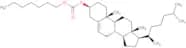
CAS:Controlled Product<p>Cholesterol heptyl carbonate is a cholesteric liquid crystal with a high melting point, which can be used as a coating for pharmaceutical tablets and other products. Cholesteric liquid crystals are composed of molecules that have different shapes in the solid phase and in the liquid phase, forming an ordered structure. The conformational state of the molecule determines the optical properties of cholesteric liquid crystals. This product has an average particle diameter of around 200 nm and is made from organic solvent. The treatment method for this product is not specified, but it may be treated by heating with thermal energy or using optical energy to create a cross-linked polymer network.</p>Purity:Min. 95%Acetyl-D-methionine
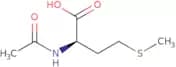
CAS:<p>Acetyl-D-methionine is a type strain that belongs to the class of amino acids. It is necessary for protein synthesis and can be found in dietary concentrations. Acetyl-D-methionine has been shown to have enzyme activities, such as malonic acid formation and racemase activity, which are dependent on the bacterial strain. Acetyl-D-methionine has been demonstrated to be able to form a chelate with copper ions, which may contribute to its antimicrobial properties. Acetyl-D-methionine has been shown to inhibit the growth of Stenotrophomonas maltophilia in vitro and in vivo. Acetyl-D-methionine also inhibits the growth of Sprague Dawley rats infected with S. maltophilia when administered intravenously or orally.</p>Formula:C7H13NO3SPurity:Min. 95%Molecular weight:191.25 g/mol2-Amino-4-chloro-3-nitropyridine
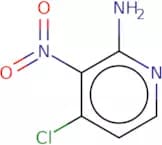
CAS:<p>2-Amino-4-chloro-3-nitropyridine is a potent inhibitory molecule that inhibits the activity of the enzyme acetylcholinesterase. It has been used in the treatment of chronic pain, and has been shown to be effective for inhibiting malonate esters and amino acid esters. This drug is an ethyl ester that can be synthesized from chlorobenzene and malonic acid by chlorinating it with chlorine gas. 2-Amino-4-chloro-3-nitropyridine has also been shown to have a high affinity for malonic acid diethyl esters.</p>Formula:C5H4ClN3O2Purity:Min. 98 Area-%Color and Shape:PowderMolecular weight:173.56 g/molErythrosine
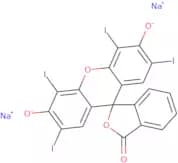
CAS:<p>Erythrosine is a fluorescent dye that is used in the detection of synchronous fluorescence and adsorption. It has been shown to be more sensitive than other methods, such as matrix effect or electrochemical impedance spectroscopy. Erythrosine has been shown to have genotoxic activity in hl-60 cells, as well as long-term toxicity. It also has analytical applications due to its ability to be used as a fluorescence probe for biological samples.</p>Formula:C20H8I4O5·2NaPurity:Min. 95%Color and Shape:Red PowderMolecular weight:881.87 g/molN-(6-Phenylhexyl)-5-chloro-1-naphthalenesulfonamide
CAS:<p>N-(6-Phenylhexyl)-5-chloro-1-naphthalenesulfonamide is a dibutyryl camp analog that has been shown to inhibit the L-type calcium channel in a dose-dependent manner. It has an effect on both spermatozoa and glioma cells, with its most significant effect being inhibition of the intracellular calcium ion. This drug inhibits the growth rate of these cells, which may be due to its ability to activate adrenergic receptors and cause increased intracellular calcium ion levels. N-(6-Phenylhexyl)-5-chloro-1-naphthalenesulfonamide also slows the cycle of the cell, which may be due to a kinetic effect.</p>Formula:C22H24ClNO2SPurity:Min. 95%Molecular weight:401.95 g/mol2,2'-Methylenebis(6-tert-butyl-p-cresol)
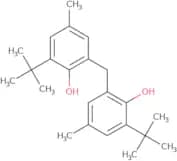
CAS:<p>2,2'-Methylenebis(6-tert-butyl-p-cresol) is a phenolic compound that is used as a chemical stabilizer in the production of polyvinyl chloride and polystyrene. It has also been shown to be an effective antioxidant for polypropylene. 2,2'-Methylenebis(6-tert-butyl-p-cresol) has been shown to inhibit skin cancer, bladder cancer, and hemolytic activity in vitro. This product can cause mild skin irritation, but it does not appear to be toxic when ingested orally or applied topically.</p>Formula:C23H32O2Purity:Min. 95%Molecular weight:340.5 g/molClarithromycin impurity F
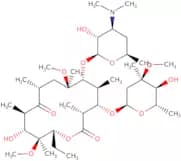
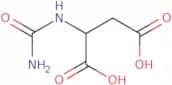
CAS:<p>Please enquire for more information about Clarithromycin impurity F including the price, delivery time and more detailed product information at the technical inquiry form on this page</p>Formula:C39H71NO13Purity:Min. 90 Area-%Color and Shape:PowderMolecular weight:761.98 g/molN-(Aminocarbonyl)aspartic acid
CAS:<p>N-Aminocarbonyl-L-aspartic acid (NACD) is a molecule that is found in urine samples. It can be used as a biomarker to detect cancer, HIV infection, and many other diseases. The presence of NACD has been correlated with the development of acidosis, which is characterized by an increase in the pH of body fluids. The following are a few examples of how this product might be described on an eCommerce site: Rifapentine is an anti-tuberculosis drug that belongs to the class of rifamycins. It is the most active of the rifamycins for the treatment of tuberculosis. Rifapentine inhibits bacterial growth by binding to DNA-dependent RNA polymerase, thereby preventing transcription and replication. The high frequency of human activity has been shown using a patch-clamp technique on human erythrocytes. This active form is metabolized through</p>Formula:C5H8N2O5Purity:Min. 95%Color and Shape:PowderMolecular weight:176.13 g/mol(aR)-a-[[[2-(4-Nitrophenyl)ethyl]amino]methyl]benzenemethanol
CAS:<p>(aR)-a-[[[2-(4-Nitrophenyl)ethyl]amino]methyl]benzenemethanol is a chiral, carbonyl compound that has been used in the synthesis of mirabegron. It is synthesized by reacting an amide with a hydrochloric acid salt. The product yield of (aR)-a-[[[2-(4-Nitrophenyl)ethyl]amino]methyl]benzenemethanol is high and it does not react with aluminium or amide impurities. This compound can be used for the industrial synthesis of mirabegron, which is a drug for the treatment of urinary incontinence. The reduction reaction and hydrolysis reactions are both important to this process.</p>Purity:Min. 95%Isoamyl cinnamate
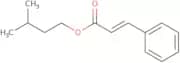
CAS:<p>Isoamyl cinnamate is a synthetic compound that is used as an intermediate for the production of detergents. It has been shown to inhibit the growth of yeast and fungi, such as Cryptococcus neoformans and Candida glabrata. Isoamyl cinnamate also has anti-microbial properties that may be related to its ability to produce propionate, which can kill bacteria in urine samples. This compound is not known to bioaccumulate or cause toxicity in humans at normal doses.</p>Formula:C14H18O2Purity:Min. 95%Color and Shape:Clear LiquidMolecular weight:218.29 g/molCholesterol Nonyl Carbonate
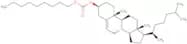
CAS:Controlled Product<p>Cholesterol Nonyl Carbonate is a fatty acid with a carbon chain of 12-18 carbons. It is a section, which enhances the microcapsules’ ability to adhere to surfaces and prevents them from being washed away by water. This compound can be used as a coating for inorganic materials, such as metals and polymers, and organic solvents, such as polypropylene. Cholesterol Nonyl Carbonate has functional groups that are polar, which allow it to dissolve in organic solvents and create coatings on objects. The molecule is comprised of an average particle diameter of 1 micrometer with a particle size distribution ranging from 0.5-10 micrometers. The treatment method for this compound involves thermal energy and conformational changes.END></p>Purity:Min. 95%

![2'-[(1H-Tetrazol-5-yl)biphenyl-4-yl]methanol](/_next/image/?url=https%3A%2Fstatic.cymitquimica.com%2Fproducts%2F3D%2Fthumb-webp%2FFT28188.webp&w=3840&q=75)

![(aR)-a-[[[2-(4-Nitrophenyl)ethyl]amino]methyl]benzenemethanol](/_next/image/?url=https%3A%2Fstatic.cymitquimica.com%2Fproducts%2F3D%2Fthumb-webp%2FFN75044.webp&w=3840&q=75)