Pharmaceutical Standards
Pharmaceutical standards are a comprehensive set of reference materials essential for ensuring the safety, efficacy, and quality of pharmaceutical products. This category includes standards for active pharmaceutical ingredients (APIs), which are the core components responsible for therapeutic effects. Additionally, it covers compounds and metabolites relevant to both the pharmaceutical and veterinary industries, providing benchmarks for the accurate measurement and analysis of these substances. Nitrosamine control standards are crucial for detecting and mitigating potentially harmful nitrosamines in drug formulations. Toxicology standards help assess the safety and potential adverse effects of pharmaceutical compounds. Furthermore, enzyme activators and inhibitors standards are vital for research and development, enabling precise studies of biochemical pathways and drug mechanisms. These pharmaceutical standards are indispensable tools for regulatory compliance, quality control, and research, ensuring that pharmaceutical products meet stringent safety and effectiveness criteria.
Subcategories of "Pharmaceutical Standards"
- APIs for research and impurities(273,766 products)
- Enzyme Activators and Inhibitors(2,827 products)
- Nitrosamines(2,605 products)
- Pharmaceutical and Veterinary Compounds and Metabolites(2,608 products)
- Toxicology(13,652 products)
Found 7836 products of "Pharmaceutical Standards"
Sort by
Purity (%)
0
100
|
0
|
50
|
90
|
95
|
100
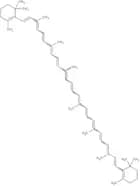
Decapreno-b-carotene
CAS:<p>Decapreno-b-carotene is a carotenoid extracted from the oil of the seeds of the plant, Schizochytrium limacinum. This product has been shown to be an effective antioxidant that can protect cells against oxidative damage. The high-performance liquid chromatography technique was used for quantification and separation. The extract was then injected onto a high performance liquid chromatograph, which separates it according to its chemical properties. Decapreno-b-carotene is found in almost all organisms and is a precursor for vitamin A production in animals.</p>Formula:C50H68Purity:Min. 95%Color and Shape:SolidMolecular weight:669.07 g/molN-(6-Phenylhexyl)-5-chloro-1-naphthalenesulfonamide
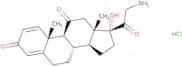
CAS:<p>N-(6-Phenylhexyl)-5-chloro-1-naphthalenesulfonamide is a dibutyryl camp analog that has been shown to inhibit the L-type calcium channel in a dose-dependent manner. It has an effect on both spermatozoa and glioma cells, with its most significant effect being inhibition of the intracellular calcium ion. This drug inhibits the growth rate of these cells, which may be due to its ability to activate adrenergic receptors and cause increased intracellular calcium ion levels. N-(6-Phenylhexyl)-5-chloro-1-naphthalenesulfonamide also slows the cycle of the cell, which may be due to a kinetic effect.</p>Formula:C22H24ClNO2SPurity:Min. 95%Molecular weight:401.95 g/mol21-Amino-17-hydroxypregna-1,4-diene-3,11,20-trioneHydrochloride
CAS:Controlled Product<p>Please enquire for more information about 21-Amino-17-hydroxypregna-1,4-diene-3,11,20-trioneHydrochloride including the price, delivery time and more detailed product information at the technical inquiry form on this page</p>Formula:C21H28ClNO4Purity:Min. 95%Molecular weight:393.9 g/molδ-Hexalactone
CAS:<p>Delta hexalactone is a fatty acid that has been shown to have antagonistic properties against bacterial growth. It has been tested for its antibacterial activity and shown to be active against human pathogens, including mycobacterium. Delta hexalactone is also used as an analytical method in order to detect the presence of glycol ethers.</p>Formula:C6H10O2Purity:Min. 95%Color and Shape:Clear LiquidMolecular weight:114.14 g/molO-tert-Butyl-D-tyrosine
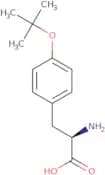
CAS:<p>O-tert-Butyl-D-tyrosine is an organogelator. It is a low molecular weight organic liquid that can form a gel when mixed with a solvent. O-tert-Butyl-D-tyrosine is soluble in hydrophobic solvents such as butanol, and insoluble in water. The gelation properties of this substance are due to its ability to interact with the surface of the solvent droplet and form a network that holds other solute molecules in place. This interaction is called physisorption, which means that it does not need any chemical bonds to form the gel. Gels formed by O-tert-Butyl-D-tyrosine are stable at room temperature, but will melt when heated or exposed to pH extremes.</p>Formula:C13H19NO3Purity:Min. 95%Molecular weight:237.29 g/mol6-O-Methyl codeine
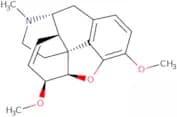
CAS:Controlled Product<p>6-O-Methyl codeine is a drug that belongs to the class of opioid analgesics. It is used to treat severe pain and coughing in patients with infectious diseases, such as pneumonia or bronchitis. 6-O-Methyl codeine may be administered by mouth, intravenously, or intramuscularly. The mechanism of action of this drug is not fully understood, but it has been shown to decrease respiratory rate in some animal studies. 6-O-Methyl codeine also has an effect on the central nervous system and may cause dizziness, drowsiness, nausea, vomiting and constipation. This drug is metabolized through oxidative reactions with oxygenated molecules like fluorine or hydrogenated aromatic hydrocarbons. 6-O-Methyl codeine is a prodrug that can be converted into morphine following cleavage by liver enzymes.</p>Formula:C19H23NO3Purity:Min. 95%Molecular weight:313.39 g/mol2-Amino-3,4-dihydro-7-methoxy-2H-1-naphthalenone, hydrochloride
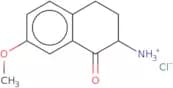
CAS:Controlled Product<p>Please enquire for more information about 2-Amino-3,4-dihydro-7-methoxy-2H-1-naphthalenone, hydrochloride including the price, delivery time and more detailed product information at the technical inquiry form on this page</p>Formula:C11H14ClNO2Purity:Min. 95%Molecular weight:227.69 g/mol9-Chloro-11β,17,21-trihydroxy-16β-methylpregna-1,4-diene-3,20-dione 17-valerate
CAS:Controlled Product<p>Prednisolone is a synthetic corticosteroid that is used in the treatment of a number of lung diseases, including asthma. Prednisolone is used to decrease the inflammation and swelling around the airways and lungs. Prednisolone is used to treat certain skin conditions, such as eczema and dermatitis. This drug also decreases the activity of the immune system by inhibiting production of substances that cause inflammation. The onset of action for prednisolone is typically one day with a duration of up to two weeks. It has been shown to be more effective when taken orally than when applied topically. It may be taken with or without food and can be given as an oral or an intravenous dose. Prednisolone tablets must be dissolved in water before they are placed under the tongue (sublingual). The tablets will dissolve quickly under the tongue, releasing prednisolone into your bloodstream. Enteric-coated tablets should not be crushed or chewed</p>Formula:C27H37ClO6Purity:Min. 95%Molecular weight:493.03 g/molDL-Aspartic acid dimethyl ester hydrochloride
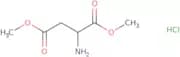
CAS:<p>Please enquire for more information about DL-Aspartic acid dimethyl ester hydrochloride including the price, delivery time and more detailed product information at the technical inquiry form on this page</p>Formula:C6H11NO4·HClPurity:Min. 95%Color and Shape:White PowderMolecular weight:197.62 g/molNaphthalen-2-ethanol
CAS:<p>Naphthalen-2-ethanol is a primary alcohol that has been synthesized and immobilized onto boron nitride. It can be used as a synthetic reaction rate indicator. Naphthalen-2-ethanol is soluble in organic solvents such as methanol, which can be used to determine the concentration of methanol in solution by observing the change in absorbance at 230 nm. This compound has functional groups such as carbinols, which are characterized by their high reactivity and ability to form esters, ethers, amides, or nitriles. Naphthalen-2-ethanol also reacts with lipases to produce polyamines and with chromatography to produce substitutive nomenclature.</p>Formula:C12H12OPurity:Min. 95%Molecular weight:172.22 g/molErythrosin B
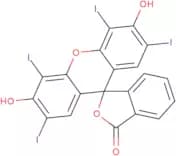
CAS:<p>Erythrosin B is a fluorescent dye that is used in biological research. It has been shown to have cytotoxic effects on human leukemia cells (HL-60) and cytotoxic effects on human lymphocytes. The toxicities of this compound are dependent on the concentration and the duration of exposure, as well as the type of biological sample. Erythrosin B can be used to detect DNA damage in cells by using an analytical method called matrix effect synchronous fluorescence. This dye appears to be genotoxic in vitro and in vivo, but its long-term toxicity is unknown. Erythrosin B has antimicrobial properties against gram-positive bacteria and fungi, but it does not have any activity against Gram negative bacteria or viruses.</p>Formula:C20H8I4O5Purity:Min. 95%Color and Shape:PowderMolecular weight:835.89 g/mol5,6-Epoxy-13-cis retinoic acid
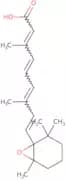
CAS:<p>5,6-Epoxy-13-cis retinoic acid (5,6-ER) is the most active metabolite of all-trans-retinoic acid. 5,6-ER binds to the nuclear receptor and acts as a transcription factor. It has been shown to inhibit the growth of several cancer cell lines in vitro, including T47D cells. 5,6-ER also has antacid properties and can be used for the treatment of inflammatory bowel disease. 5,6-ER is found in low concentrations in plasma and tissues and accumulates in high concentrations in rat liver microsomes. The major metabolic pathway includes hydrolysis by trifluoroacetic acid which produces 5,6 epoxyretinoyl coenzyme A (5,6 epoxyretinoyl CoA). This compound is then converted to 5,6 epoxyretinol by an unknown mechanism.</p>Formula:C20H28O3Purity:Min. 95%Molecular weight:316.43 g/molDomperidone impurity E
CAS:<p>Please enquire for more information about Domperidone impurity E including the price, delivery time and more detailed product information at the technical inquiry form on this page</p>Formula:C32H34ClN7O3Purity:Min. 95%Molecular weight:600.11 g/molIsomethadone hydrochloride
CAS:Controlled Product<p>Isomethadone hydrochloride is the drug substance in a solid oral dosage form. It is an active substance that can be used to treat inflammatory diseases and target tissue. Isomethadone hydrochloride is a type of natural polymer with a metal ion as its active ingredient. The absorption mechanism for this drug is not known, but it appears to work by causing dysfunction in the membranes of cells. Isomethadone hydrochloride has been shown to cause addiction in animals and humans, and may have potential toxic effects on liver function. Symptoms of Isomethadone hydrochloride overdose include: <br>-Nausea and vomiting<br>-Constipation<br>-Loss of appetite<br>-Headache<br>-Drowsiness <br>-Confusion <br>-Muscle spasms <br>-Tremors and seizures</p>Formula:C21H28ClNOPurity:Min. 95%Molecular weight:345.91 g/molVedaprofen
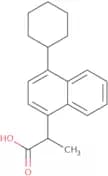
CAS:<p>Vedaprofen is a nonsteroidal anti-inflammatory drug that belongs to the class of drugs known as NSAIDs. It inhibits the activity of the enzyme cyclooxygenase (COX), which causes inflammation and pain. Vedaprofen has been shown to be effective in treating bowel disease, inflammatory bowel disease, and autoimmune diseases, such as arthritis. Vedaprofen also has antimicrobial properties, inhibiting bacterial growth by binding to the COX enzyme in the cell membrane. The α subunit is one of the effector proteins for COX-1 and COX-2, and vedaprofen binds to this protein preventing its activation. This inhibitory effect on COX-1 and COX-2 leads to a reduction in production of prostaglandins (PGs) that are responsible for inflammatory responses. Vedaprofen may be administered orally or intravenously depending on the severity of symptoms. The oral route is preferred because it does not require</p>Formula:C19H22O2Purity:Min. 95%Molecular weight:282.38 g/molOxazepam Related Compound A
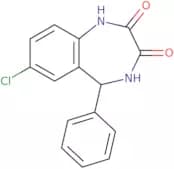
CAS:Controlled Product<p>Please enquire for more information about Oxazepam Related Compound A including the price, delivery time and more detailed product information at the technical inquiry form on this page</p>Formula:C15H11ClN2O2Purity:Min. 95%Molecular weight:286.71 g/mol2-Naphthol
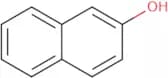
CAS:<p>2-Naphthol is an organic compound with the chemical formula C10H7O. It is a derivative of naphthalene, and is produced by the condensation of two molecules of malonic acid in the presence of a reducing agent such as sodium borohydride. 2-Naphthol is used as a pesticide and as a chemical intermediate in the production of other chemicals. 2-Naphthol has been shown to be toxic to humans and animals; it may cause liver damage, kidney damage, and skin irritation. The acute oral LD50 for rats is 690 mg/kg body weight. 2-Naphthol binds to cell receptors that are involved in a variety of physiological processes including heme transport, phagocytosis, oxidative burst, chemotaxis, and respiratory burst. This binding inhibits these functions leading to cell death.</p>Formula:C10H8OPurity:Min. 95%Color and Shape:White To Yellow To Pink To Light Brown SolidMolecular weight:144.17 g/molGuanylurea
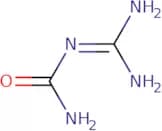
CAS:<p>Guanylurea is a compound that contains nitrogen and intramolecular hydrogen. It has been shown to be effective in the treatment of tissue culture for pharmacological purposes. Guanylurea has also been shown to be an efficient catalyst for the process optimization of sodium salts. It can also be used as a reactant in analytical methods such as vitro assays and activated carbon adsorption.</p>Formula:C2H6N4OPurity:Min. 95%Molecular weight:102.1 g/mol1-(2-Hydroxyethyl)-3,3-dimethylindolino-6'-nitrobenzopyrylospiran
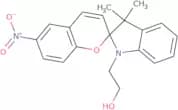
CAS:<p>Please enquire for more information about 1-(2-Hydroxyethyl)-3,3-dimethylindolino-6'-nitrobenzopyrylospiran including the price, delivery time and more detailed product information at the technical inquiry form on this page</p>Purity:Min. 95%(S)-3',5'-Bis(trifluoromethyl)-1-phenethanol
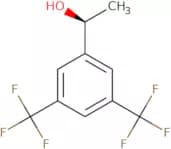
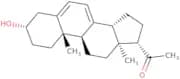
CAS:<p>(S)-3',5'-Bis(trifluoromethyl)-1-phenethanol is a choline derivative that is used in the treatment of liver cancer. It has been shown to increase the permeability of cell membranes and to suppress the growth of tumor cells by inhibiting protein synthesis. (S)-3',5'-Bis(trifluoromethyl)-1-phenethanol can be used as a surfactant and a hydrophobic solvent for optimization of reaction parameters. This chemical also has been shown to be active against Gram-positive bacteria such as Staphylococcus aureus and Enterococcus faecalis, but not against Gram-negative bacteria such as Escherichia coli or Pseudomonas aeruginosa. The mechanism of this effect is mediated by chloride ions that act as bioreductive agents on cellular membranes, leading to increased permeability and cell death.</p>Formula:C10H8F6OPurity:Min. 95%Molecular weight:258.16 g/mol(3b,9b,10a)-3-Hydroxy-pregna-5,7-dien-20-one
CAS:Controlled Product<p>Please enquire for more information about (3b,9b,10a)-3-Hydroxy-pregna-5,7-dien-20-one including the price, delivery time and more detailed product information at the technical inquiry form on this page</p>Formula:C21H30O2Purity:Min. 95%Molecular weight:314.46 g/mol[3-(1-Naphthyl)propyl]amine
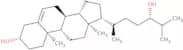
CAS:<p>3-(1-Naphthyl)propyl]amine is an organic compound that is a colorless solid with a melting point of -118°C. It is soluble in water, methanol, and acetone. 3-(1-Naphthyl)propyl]amine forms acid when heated with concentrated hydrochloric acid. The reaction produces hydrogen chloride gas and benzoic acid as a byproduct. 3-(1-Naphthyl)propyl]amine also reacts with pyridine to produce carbamic acid and ammonia gas as a byproduct. This can be rationalized systematically by the loss of the amine group from the nitrogen atom of the amine molecule. Carbamic acid has two acidic protons on it which are stabilized by the carbonyl group on the other side of the molecule. 3-(1-Naphthyl)propyl]amine can also react with anions such as carbonate ions to form carbamate salts,</p>Formula:C13H15NPurity:Min. 95%Color and Shape:Clear LiquidMolecular weight:185.26 g/mol24(S)-Hydroxycholesterol
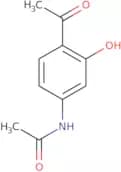
CAS:Controlled Product<p>24(S)-Hydroxycholesterol is a cholesterol metabolite that is synthesized by the liver and can be found in human serum. It has been shown to be an important inducer of transcriptional regulation, as it regulates the expression of genes involved in lipid metabolism and inflammatory response. 24(S)-Hydoxycholesterol is also an activator of the peroxisome proliferator-activated receptor (PPAR) and may cause hepatic steatosis. This molecule has potent activity in inducing polymerase chain reaction (PCR) and protein synthesis in neuronal cells, leading to neuronal death. The molecule also induces apoptosis by caspase-independent cell death, which is mediated by mitochondrial membrane potential. 24(S)-Hydoxycholesterol may serve as a biomarker for nonsteroidal anti-inflammatory drugs (NSAIDs), with low potency against these drugs.br></p>Formula:C27H46O2Purity:Min. 95%Color and Shape:PowderMolecular weight:402.65 g/mol4'-Acetamido-2'-hydroxyacetophenone
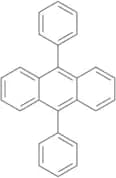
CAS:<p>An acetophenone analogue</p>Formula:C10H11NO3Purity:Min. 95%Molecular weight:193.2 g/mol9,10-Diphenylanthracene - 95%
CAS:<p>9,10-Diphenylanthracene is a fluorescent aromatic hydrocarbon that belongs to the class of carbonyl compounds. It has high values and maximal response with analytical methods such as fluorescence techniques and gel pores. 9,10-Diphenylanthracene can be used as a probe for the transfer mechanism of nucleic acids and proteins. 9,10-Diphenylanthracene is also used in analytical chemistry to determine the structure of dihydro derivatives of unsaturated alkyl chains. This compound's chemical properties make it an excellent fluorescent marker for use in gamma-aminobutyric acid (GABA) research.</p>Formula:C26H18Purity:Min. 95%Color and Shape:PowderMolecular weight:330.42 g/mol3-O-Methyl norbuprenorphine
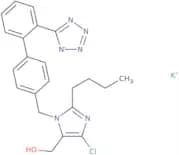
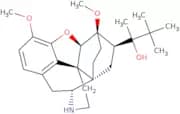
CAS:Controlled Product<p>Please enquire for more information about 3-O-Methyl norbuprenorphine including the price, delivery time and more detailed product information at the technical inquiry form on this page</p>Formula:C26H37NO4Purity:Min. 95%Molecular weight:427.58 g/mol2'-[(1H-Tetrazol-5-yl)biphenyl-4-yl]methanol
CAS:<p>Please enquire for more information about 2'-[(1H-Tetrazol-5-yl)biphenyl-4-yl]methanol including the price, delivery time and more detailed product information at the technical inquiry form on this page</p>Formula:C14H12N4OPurity:Min. 95%Molecular weight:252.27 g/mol3-Caffeoyl-1,5-quinolactone(3-Caffeoyl-γ-quinide)
CAS:<p>3-Caffeoyl-1,5-quinolactone (3-Caffeoyl-gamma-quinide) is a coffee-derived compound, identified as a phytochemical present in roasted coffee beans. It is primarily formed during the roasting process through the complex transformation of caffeoylquinic acids, which are abundant in green coffee beans. This compound is gaining attention for its notable biological properties, particularly its antioxidant and enzyme inhibitory activities.</p>Formula:C16H16O8Purity:Min. 95%Color and Shape:PowderMolecular weight:336.29 g/mol(16a)-21-(Acetyloxy)-16-methyl-pregna-1,4,9(11)-triene-3,20-dione
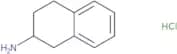
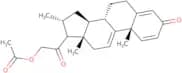
CAS:Controlled Product<p>Please enquire for more information about (16a)-21-(Acetyloxy)-16-methyl-pregna-1,4,9(11)-triene-3,20-dione including the price, delivery time and more detailed product information at the technical inquiry form on this page</p>Formula:C24H30O4Purity:Min. 95%Molecular weight:382.49 g/mol1,2,3,4-Tetrahydronaphthalen-2-amine hydrobromide
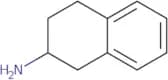
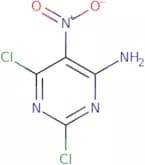
CAS:Controlled Product<p>1,2,3,4-Tetrahydronaphthalen-2-amine hydrobromide (THNA) is an amine that inhibits the enzyme tyrosine hydroxylase. This inhibition leads to a decrease in the synthesis of dopamine and norepinephrine. THNA has been shown to have inhibitory properties on locomotor activity, acid complex formation, and aminotransferases. It also exhibits receptor binding and agonist binding site activity. One study found that THNA had no effect on rat striatal tissue. The drug has been shown to be effective in metabolic disorders such as obesity.</p>Formula:C10H13NPurity:Min. 95%Molecular weight:147.22 g/mol2,6-Dichloro-5-nitropyrimidin-4-amine
CAS:<p>2,6-Dichloro-5-nitropyrimidin-4-amine is a chlorinating agent that reacts with aliphatic and aromatic amines to form substituted pyrimidines. The substitution pattern of the product depends on the regioselectivity of the reaction. 2,6-Dichloro-5-nitropyrimidin-4-amine is one of the few chlorinating agents that react with propylamine. Substitution at position 2 of the purine ring has been found to be more selective than substitution at position 6. The 2,6-dichloropyrimidine can also be used as a nitro group source in chemical synthesis or as an intermediate in production of other compounds.</p>Formula:C4H2Cl2N4O2Purity:Min. 95%Color and Shape:SolidMolecular weight:208.99 g/molChloro[2-(di-tert-butylphosphino)-2',4',6'-triisopropyl-1,1'-biphenyl][2-(2-aminoethyl)phenyl)]palladium(II)
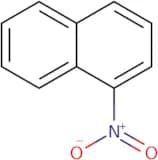
CAS:Controlled Product<p>Chloro[2-(di-tert-butylphosphino)-2',4',6'-triisopropyl-1,1'-biphenyl][2-(2-aminoethyl)phenyl)]palladium(II) is a molecule that inhibits the adenosine receptor in autoimmune diseases and cancer. It also has an inhibitory effect on the membrane transport of glucose, glucosan, and aziridine. This drug can be used to treat inflammatory diseases such as diabetes, asthma, and inflammatory bowel disease. The geometric isomers of this molecule are not identical in shape or size and can have different effects on the body.</p>Formula:C37H55ClNPPdPurity:Min. 95%Molecular weight:686.69 g/mol1-Nitronaphthalene
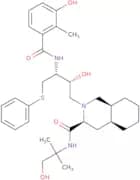
CAS:<p>1-Nitronaphthalene is a nitrobenzene derivative that has been used as an intermediate in the synthesis of pharmaceuticals, dyes, and other organic compounds. 1-Nitronaphthalene is classified as a hazardous substance due to its carcinogenicity and toxicity. In particular, it can cause irritation and burns on skin contact and may be fatal if swallowed. The toxicity profile of 1-nitronaphthalene has been studied in rats, mice, guinea pigs, rabbits, hamsters, and dogs. It was found to have moderate acute oral toxicity in rats but no significant acute toxicity in mice or dogs. 1-Nitronaphthalene also had little effect on p450 activity or enzyme activities in rats.</p>Formula:C10H7NO2Purity:Min. 95%Color and Shape:Yellow Clear LiquidMolecular weight:173.17 g/molNelfinavir hydroxy-tert-butylamide
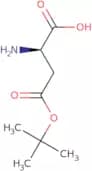
CAS:<p>Nelfinavir is an antiviral agent that is used to treat HIV/AIDS. It is a protease inhibitor that inhibits the action of the virus in cells by binding to specific enzymes, thus preventing the destruction of human cells by the virus. Nelfinavir also prevents cancer cell growth and has shown anticancer activity in animal models and humans. This drug binds to fatty acids, making it more difficult for the body to eliminate this substance. The half-life of nelfinavir is prolonged in patients with hepatic failure or renal failure. Nelfinavir can be used as a chemotherapeutic agent in infants because it does not cross the blood-brain barrier.</p>Formula:C32H45N3O5SPurity:Min. 95%Molecular weight:583.78 g/molD-Aspartic acid b tert-butyl ester
CAS:<p>D-Aspartic acid b tert-butyl ester (DATB) is an antimicrobial agent that has been shown to inhibit the growth of drug-resistant bacteria. DATB has been shown to be active against both gram-positive and gram-negative bacteria, with a selectivity for those with a peptidoglycan cell wall. DATB inhibits the synthesis of amide and peptide bonds and has been shown to have a wide range of uses in the production of antibiotics, such as carbamates and natural products.</p>Formula:C8H15NO4Purity:Min. 95%Color and Shape:PowderMolecular weight:189.21 g/mol(11b,16a)-16,17-[Butylidenebis(oxy)]-11-hydroxy-3,20-dioxopregna-1,4-dien-21-al
CAS:Controlled Product<p>Please enquire for more information about (11b,16a)-16,17-[Butylidenebis(oxy)]-11-hydroxy-3,20-dioxopregna-1,4-dien-21-al including the price, delivery time and more detailed product information at the technical inquiry form on this page</p>Formula:C25H34O6Purity:Min. 95%Color and Shape:PowderMolecular weight:430.53 g/molThymosin beta10 (human, rat)
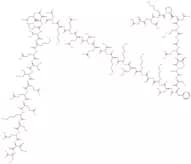
CAS:<p>Please enquire for more information about Thymosin beta10 (human, rat) including the price, delivery time and more detailed product information at the technical inquiry form on this page</p>Formula:C211H353N57O76SPurity:Min. 95%Molecular weight:4,936.47 g/molCholesterol Butyl Carbonate
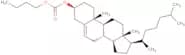
CAS:Controlled Product<p>Cholesterol butyl carbonate is a high-melting organic solvent. It has a particle diameter of 3.2 micrometers, an average particle size of 4.5 micrometers, and a section of 1.4. This product is used to form microcapsules with various coatings for the treatment of bacteria and fungi. It is also used as a molecule for the production of functional groups such as polyethylene glycol ethers or polyurethanes. The structural formula contains three functional groups: one ester group and two sterol groups (cholesterol). This product has enhanced properties due to its inorganic components that are added during processing.</p>Purity:Min. 95%N,N-Diethylaminoethyl 2,2-diphenylvalerate hydrochloride
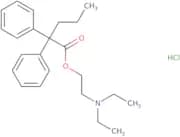
CAS:Controlled Product<p>N,N-Diethylaminoethyl 2,2-diphenylvalerate hydrochloride is a depressant drug that inhibits the growth of bacteria by inhibiting fatty acid synthesis. It has been shown to inhibit group P2 enzymes that are involved in the production of fatty acids. In this way, it inhibits the formation and release of ATP, which is essential for bacterial growth. N,N-Diethylaminoethyl 2,2-diphenylvalerate hydrochloride also has inhibitory properties against bacteria that cause infectious diseases. This drug is effective against Hl-60 cells and can be used as a diagnostic tool for detection sensitivity and detection time.</p>Formula:C23H32ClNO2Purity:Min. 95%Molecular weight:389.96 g/mol1,3-Dihydroxy-2-naphthoic acid
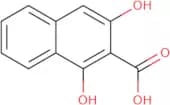
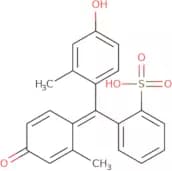
CAS:<p>1,3-Dihydroxy-2-naphthoic acid is an organic compound that belongs to the binaphthyls. It is a white solid that can be obtained by reacting naphthalene with inorganic phosphite in the presence of acidic potassium carbonate. This reaction system produces 1,3-dihydroxy-2-naphthoic acid and potassium biphosphite as byproducts. The reaction time depends on the concentration of reactants. 1,3-Dihydroxy-2-naphthoic acid has acidic properties and can be used as a catalyst for chemical reactions involving carboxylic compounds. This compound has been shown to be effective at treating abdominal pain caused by intestinal inflammation or infection with a carbon source such as carbohydrates (e.g., glucose) or fats (e.g., oleic acid).</p>Formula:C11H8O4Purity:Min. 95%Molecular weight:204.18 g/molmeta-Cresol Purple
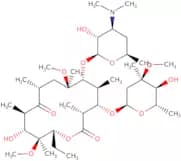
CAS:<p>Meta-Cresol Purple (MCP) is a fluorescent dye that is used to detect DNA polymerase chain reaction products. It is a cationic dye with an absorption maximum of 590 nm in the visible spectrum. MCP has been shown to bind to nucleic acids and therefore can be used as a probe for detecting DNA polymerase chain reaction products. The detection time for MCP can be up to 10 minutes. The biological studies show that MCP binds to the 3' hydroxyl group of the ribose sugar backbone of nucleic acids, which prevents the interaction of MCP with other biomolecules such as proteins. MCP has also been used in urine samples as an antimicrobial agent against bacterial strains like Escherichia coli and Pseudomonas aeruginosa and yeast strains like Candida albicans and Saccharomyces cerevisiae. MCP is soluble in sodium carbonate at neutral pH, but insoluble in water or</p>Formula:C21H18O5SPurity:Min. 95%Molecular weight:382.43 g/molClarithromycin impurity F
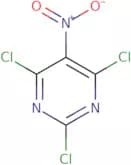
CAS:<p>Please enquire for more information about Clarithromycin impurity F including the price, delivery time and more detailed product information at the technical inquiry form on this page</p>Formula:C39H71NO13Purity:Min. 90 Area-%Color and Shape:PowderMolecular weight:761.98 g/mol2,4,6-Trichloro-5-nitropyrimidine
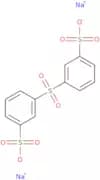
CAS:<p>2,4,6-Trichloro-5-nitropyrimidine is a purine derivative that inhibits the cell proliferation of cancer cells. It has been shown to inhibit the activity of kinases and to induce apoptosis in human cancer cells in vitro. This drug also has antiproliferative potential against erythrocytes and is being investigated as a treatment for renal disease. 2,4,6-Trichloro-5-nitropyrimidine shows inhibitory effects on the phosphorylation of roscovitine by ATP and may be used to treat patients with glomerulonephritis. 2,4,6-Trichloro-5-nitropyrimidine can be synthesized from 2,4,6-trichloropyrimidinethiol and nitric acid according to the following equation: CClNO + HNO → CClNOH + NO 2 Cl + 3 HNO</p>Formula:C4Cl3N3O2Purity:Min. 97 Area-%Molecular weight:228.42 g/molDiphenylsulfone-3,3'-disulfonic Acid Disodium Salt
CAS:<p>Please enquire for more information about Diphenylsulfone-3,3'-disulfonic Acid Disodium Salt including the price, delivery time and more detailed product information at the technical inquiry form on this page</p>Purity:Min. 95%(R)-(+)-(2,2-Bis(Diphenylphosphino)-1,1-binaphthyl)palladium(II)chloride
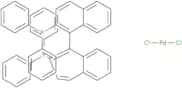
CAS:Controlled Product<p>(R)-(+)-(2,2-Bis(Diphenylphosphino)-1,1-binaphthyl)palladium(II)chloride is a colorless solid that can be made into a crystalline form. It has a molecular weight of 518.8 g/mol and the chemical formula C12H14P4Cl2. The compound has four asymmetric carbon atoms and two stereocenters in the molecule. This compound is used as a catalyst for organic reactions and in the synthesis of other compounds. (R)-(+)-(2,2-Bis(Diphenylphosphino)-1,1-binaphthyl)palladium(II)chloride is soluble in ethanol and ether but insoluble in water. It reacts with oxygen to produce phosphorous acid and hydrogen chloride gas. This compound has been shown to have nuclear magnetic resonance spectra at room temperature with chemical shifts (</p>Formula:C44H33Cl2P2PdPurity:Min. 95%Molecular weight:801.01 g/molTetramethylurea
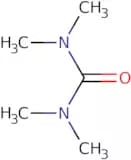
CAS:<p>Tetramethylurea is a versatile compound that has various applications in different fields. It is commonly used as a monophosphate donor in biochemical reactions and as a reagent for the synthesis of L-sorbose and histidine. In addition, tetramethylurea is employed in the production of herbicides, as well as in the synthesis of zirconium oxide nanoparticles.</p>Formula:C5H12N2OPurity:Min. 95%Molecular weight:116.16 g/mol7-Azaindole-5-carboxylic acid methyl ester
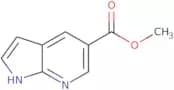
CAS:<p>7-Azaindole-5-carboxylic acid methyl ester is an ester derivative that can be synthesized from the reaction of acetyl chloride and diazotization. 7-Azaindole-5-carboxylic acid methyl ester has been used in research for its biological activity, specifically as a cytotoxic agent. It has also been shown to inhibit the growth of cancer cells by alkylation reactions and cyclization reactions. 7-Azaindole-5-carboxylic acid methyl ester has been shown to have antitumor properties with a mechanism that is not yet fully understood.</p>Formula:C9H8N2O2Purity:Min. 95%Molecular weight:176.17 g/mol1-[(4-Nitrophenyl)methyl]-1H-1,2,4-triazole
CAS:<p>1-[(4-Nitrophenyl)methyl]-1H-1,2,4-triazole (NPT) is a drug that is used to treat migraine. It is an effective and fast acting drug that has been shown to be more efficient than other triptans. NPT inhibits the uptake of serotonin by binding to its receptors in the brain and causing vasoconstriction. The compound has been found to be safe for use in humans. However, it may cause impurities such as genotoxic nitro groups which are harmful to cells if present at high concentrations. There are various techniques that can be used to measure the kinetics of NPT and determine whether it has been hydrogenated during synthesis or not. These include calibration curves, HPLC, and GC methods.</p>Formula:C9H8N4O2Purity:Min. 95%Molecular weight:204.19 g/molErythropoietin - lyophilized powder
CAS:<p>Erythropoietin is a hormone that stimulates the production of red blood cells, and is used for patients with anemia. It is a recombinant human erythropoietin (rhEPO) that has been produced by genetic engineering. Erythropoietin binds to receptors on the surface of many types of cells, including those in the bone marrow. This binding stimulates the production of red blood cells from precursor cells in the bone marrow, and increases oxygen-carrying capacity in blood. The half-life of erythropoietin is approximately 36 hours. This drug also can be used to reduce high blood pressure and improve responsiveness to other drugs that are given intravenously. Erythropoietin can cause an increase in asialoglycoprotein levels in serum, which may be due to its effects on hepatocytes or erythrocytes.</p>Purity:(Capillary Zone Electrophoresis) Min. 98.0%1,2,3,4-Tetrahydronaphthalen-2-ylamine hydrochloride
CAS:Controlled Product<p>1,2,3,4-Tetrahydronaphthalen-2-ylamine hydrochloride (THN) is a prodrug that is converted to the active form in the gastrointestinal tract by beta-lactamases. It inhibits bacterial growth and crosslinks bacterial cell walls. THN has been shown to be effective against colitis and ulcerative colitis in animals. It also has anticancer activity, which may be due to its ability to inhibit colon cancer cells from proliferating by interfering with protein synthesis. THN also inhibits the growth of colorectal cancer cells in a dose-dependent manner.</p>Formula:C10H13N·HClPurity:Min. 95%Molecular weight:183.68 g/mol







![[3-(1-Naphthyl)propyl]amine](/_next/image/?url=https%3A%2Fstatic.cymitquimica.com%2Fproducts%2F3D%2Fthumb-webp%2FFN134365.webp&w=3840&q=75)
![2'-[(1H-Tetrazol-5-yl)biphenyl-4-yl]methanol](/_next/image/?url=https%3A%2Fstatic.cymitquimica.com%2Fproducts%2F3D%2Fthumb-webp%2FFT28188.webp&w=3840&q=75)
![Chloro[2-(di-tert-butylphosphino)-2',4',6'-triisopropyl-1,1'-biphenyl][2-(2-aminoethyl)phenyl)]pal…](/_next/image/?url=https%3A%2Fstatic.cymitquimica.com%2Fproducts%2F3D%2Fthumb-webp%2FFC156938.webp&w=3840&q=75)
![(11b,16a)-16,17-[Butylidenebis(oxy)]-11-hydroxy-3,20-dioxopregna-1,4-dien-21-al](/_next/image/?url=https%3A%2Fstatic.cymitquimica.com%2Fproducts%2F3D%2Fthumb-webp%2FFB146157.webp&w=3840&q=75)
![1-[(4-Nitrophenyl)methyl]-1H-1,2,4-triazole](/_next/image/?url=https%3A%2Fstatic.cymitquimica.com%2Fproducts%2F3D%2Fthumb-webp%2FFN149526.webp&w=3840&q=75)