Pharmaceutical Standards
Pharmaceutical standards are a comprehensive set of reference materials essential for ensuring the safety, efficacy, and quality of pharmaceutical products. This category includes standards for active pharmaceutical ingredients (APIs), which are the core components responsible for therapeutic effects. Additionally, it covers compounds and metabolites relevant to both the pharmaceutical and veterinary industries, providing benchmarks for the accurate measurement and analysis of these substances. Nitrosamine control standards are crucial for detecting and mitigating potentially harmful nitrosamines in drug formulations. Toxicology standards help assess the safety and potential adverse effects of pharmaceutical compounds. Furthermore, enzyme activators and inhibitors standards are vital for research and development, enabling precise studies of biochemical pathways and drug mechanisms. These pharmaceutical standards are indispensable tools for regulatory compliance, quality control, and research, ensuring that pharmaceutical products meet stringent safety and effectiveness criteria.
Subcategories of "Pharmaceutical Standards"
- APIs for research and impurities(273,300 products)
- Enzyme Activators and Inhibitors(2,827 products)
- Nitrosamines(2,606 products)
- Pharmaceutical and Veterinary Compounds and Metabolites(2,577 products)
- Toxicology(13,652 products)
Found 7836 products of "Pharmaceutical Standards"
Sort by
Purity (%)
0
100
|
0
|
50
|
90
|
95
|
100
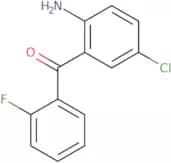
2-Amino-5-chloro-2'-fluorobenzophenone
CAS:<p>2-Amino-5-chloro-2'-fluorobenzophenone is a phenoxazine that has been used as an analytical reagent. It is also a fluorescent compound and an anxiolytic drug. 2-Amino-5-chloro-2'-fluorobenzophenone can be found in urine samples, where it may be the result of biotransformation by bacteria in the intestine or chemical reactions with nicotine or hydrochloric acid. The molecular electrostatic potentials for 2-amino-5-chloro-2'-fluorobenzophenone are calculated from vibrational spectra and the crystal x-ray diffraction pattern of its crystals. The chromatographic conditions for 2-amino-5-chloro-2'-fluorobenzophenone are determined by clinical chemistry and biodegradability, which is assessed using nmr spectra.</p>Formula:C13H9ClFNOPurity:Min. 95%Color and Shape:PowderMolecular weight:249.67 g/molDL/meso-Lanthionine
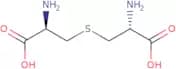
CAS:<p>DL/meso-Lanthionine is a mixture of two amino acids, L-Lysine and L-Methionine. It has been shown to be effective in the treatment of bowel disease caused by Clostridium difficile and other bacteria that produce toxins. This drug also has a protective effect on neuronal cells by inhibiting their death. DL/meso-Lanthionine binds to penicillin-binding proteins in the bacterial cell wall, preventing them from binding with the enzyme cell wall synthesis that is required for cell wall biosynthesis, inhibiting protein synthesis and cell division. DL/meso-Lanthionine also inhibits ATPase activity and the expression of atp-binding cassette transporters. These effects are similar to those observed with penicillin, methicillin, erythromycin, vancomycin, clindamycin, and bacitracin.</p>Formula:C6H12N2O4SPurity:Min. 95%Color and Shape:White PowderMolecular weight:208.24 g/molClopidogrel related compound B
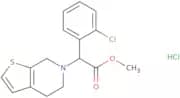
CAS:<p>Clopidogrel related compound B is a sweetener that is used in the pharmaceutical industry. It has shown to have bacteriophage activity and is stable to duplication. This compound also has a genetic code that can be altered by duplications. Clopidogrel related compound B is an orally active molecule and it can be administered as an osmotic or chiral agent. This compound also functions as a surfactant, which contributes to its ability to act as a platelet-aggregating agent. The drug has been shown to be transducible in vitro with high efficiency, making it a good candidate for transduction therapy.</p>Formula:C16H17Cl2NO2SPurity:Min. 95%Color and Shape:PowderMolecular weight:358.28 g/mol2-Chloro-4-hydroxybenzoic acid methyl ester
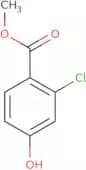
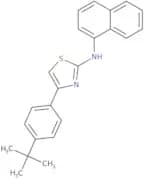
CAS:<p>2-Chloro-4-hydroxybenzoic acid methyl ester is a white crystalline solid at room temperature. It is soluble in water and ethanol and has a melting point of 137°C. 2-Chloro-4-hydroxybenzoic acid methyl ester can be used as a versatile building block for the synthesis of fine chemicals, useful intermediates, research chemicals, reaction components, specialty chemicals, and complex compounds. It can also be used as a reagent to prepare other compounds.</p>Formula:C8H7ClO3Purity:Min. 95%Color and Shape:PowderMolecular weight:186.59 g/mol(4-(4-(tert-butyl)phenyl)(2,5-thiazolyl))-1-naphthylamine
CAS:<p>Please enquire for more information about (4-(4-(tert-butyl)phenyl)(2,5-thiazolyl))-1-naphthylamine including the price, delivery time and more detailed product information at the technical inquiry form on this page</p>Purity:Min. 95%2-Bromo-6-nicotinic acid methyl ester
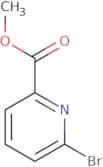
CAS:<p>2-Bromo-6-nicotinic acid methyl ester is a monomer that is used in vivo as a reactive probe. It undergoes a thermally induced reaction with sodium carbonate to form picolinic acid and 2,6-dibromonicotinic acid. The picolinic acid can be converted to its fluorescent analog, which has been shown to be useful for the detection of tumors in mice. This compound also reacts with metal ions such as copper and zinc, which allows it to act as a ligand for metal complexes.</p>Formula:C7H6BrNO2Purity:Min. 95%Color and Shape:PowderMolecular weight:216.03 g/mol6-Bromovanillin
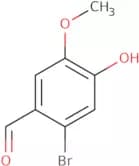
CAS:<p>6-Bromovanillin is a hydroxymethyl derivative of vanillin that has been shown to react with a number of aldehydes in organic reactions. 6-Bromovanillin can be used as a precursor for the synthesis of piperonal and haplophyllum. In addition, 6-bromovanillin can be decarboxylated to form 4-hydroxybenzoic acid.</p>Formula:C8H7BrO3Purity:Min. 95%Molecular weight:231.04 g/mol9'-cis-Neoxanthin - solution in ethanol (sold by weight of solution)
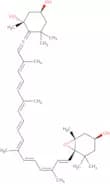
CAS:<p>9'-cis-Neoxanthin is a carotenoid that belongs to the class of xanthophylls. It is found in high concentrations in the seeds of peas, spinach, and corn. 9'-cis-Neoxanthin has been shown to inhibit prostate cancer cells by targeting their transcriptional regulation. 9'-cis-Neoxanthin is a precursor for violaxanthin, which is a powerful antioxidant that can scavenge free radicals. This molecule also binds to DNA polymerase and inhibits its activity. The structural analysis of 9'-cis-Neoxanthin has revealed that it contains two chromophores: one with an oxygenated end (the neoxanthin side chain) and one with an unsaturated end (the other side chain).</p>Formula:C40H56O4Purity:Min. 97 Area-%Color and Shape:Clear LiquidMolecular weight:600.87 g/mol2-Nitrophenylhydrazine
CAS:<p>2-Nitrophenylhydrazine is a drug that is used as an anti-inflammatory agent. It is a nonsteroidal anti-inflammatory drug (NSAID) that acts by blocking the production of prostaglandins in the body, preventing inflammation and pain. 2-Nitrophenylhydrazine can be used to treat conditions such as arthritis, gout, and rheumatoid arthritis. This drug also has the ability to remove organic contaminants from water. 2-Nitrophenylhydrazine binds with fatty acids in wastewater treatment plants, forming an insoluble complex that precipitates out of solution. The compound inhibits the activity of hydrogen bond and methyl ethyl groups, which are needed for the biosynthesis of polyunsaturated fatty acids like phytanic acid and diphenyl ether.</p>Formula:C6H7N3O2Purity:Min. 95%Color and Shape:PowderMolecular weight:153.14 g/mol2-Hydroxy-5-nitroacetophenone
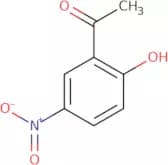
CAS:<p>2-Hydroxy-5-nitroacetophenone is a synthetic molecule that has two functional groups. It is synthesized by reacting morpholine with malonic acid. 2-Hydroxy-5-nitroacetophenone is an electron donor, which means it can accept electrons from other molecules. This compound can be used as a diagnostic tool for cancer cells because it reacts with oxygen to form polyhedra, which are indicative of cancer senescence. In addition, this compound can be used to measure the concentration of plasma mass spectrometers by using electron spin resonance (ESR) and magnetic resonance imaging (MRI). The unpaired electrons on the nitro group of the molecule react with oxygen in the air to form polyhedra and give off characteristic signals in ESR and MRI. These signals are proportional to the concentration of unpaired electrons and therefore provide a quantitative measurement of 2-hydroxy-5 nitroacetophenone in solution.</p>Formula:C8H7NO4Purity:Min. 95%Color and Shape:PowderMolecular weight:181.15 g/molLovastatin
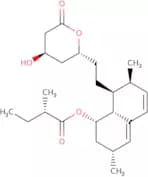
CAS:<p>HMG-CoA reductase inhibitor; mevalonic acid synthesis inhibitor</p>Formula:C24H36O5Purity:Min. 98 Area-%Color and Shape:White PowderMolecular weight:404.54 g/mol2,4-Dichlorocinnamic acid
CAS:<p>2,4-Dichlorocinnamic acid is a diphenolase inhibitor that is used in the treatment of lactic acidosis. It inhibits the glyoxylate cycle enzyme, muscle monophenolase activity, and tyrosinase activity. 2,4-Dichlorocinnamic acid also binds to tyrosinase and inhibits the reaction scheme. The binding of this drug to tyrosinase causes irreversible inhibition of the enzyme's catalytic site. 2,4-Dichlorocinnamic acid has been shown to have a low degree of cell toxicity and has a kinetic effect on adsorption kinetics.</p>Formula:C9H6Cl2O2Purity:Min. 95%Color and Shape:White PowderMolecular weight:217.05 g/molBiotinyl-Gly-Gly-OH
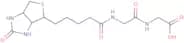
CAS:<p>Please enquire for more information about Biotinyl-Gly-Gly-OH including the price, delivery time and more detailed product information at the technical inquiry form on this page</p>Formula:C14H22N4O5SPurity:Min. 95%Molecular weight:358.41 g/molTimosaponin B II
CAS:<p>Timosaponin B II is a natural compound that inhibits the activity of cytochrome P450 enzymes. It has been shown to induce autophagy in a dopamine-dependent manner, which may be due to its ability to decrease mitochondrial membrane potential and increase phase transition temperature. Timosaponin B II also induces neurotrophic factors and matrix effects, which are beneficial for the treatment of inflammatory conditions, neurodegenerative diseases, and metabolic disorders. The drug has been shown to have pharmacokinetic properties that are similar to those of timosaponin I. The molecular weight of the molecule was determined by LC-MS/MS analysis as 527.2 amu. Timosaponin B II is not metabolized by cytochrome P450 enzymes or glucuronidases, but it is hydrolyzed by esterases or glutathione reductase.</p>Formula:C45H76O19Purity:Min. 95%Color and Shape:White PowderMolecular weight:921.07 g/molNaphthol AS-LC
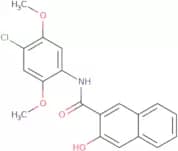
CAS:<p>Naphthol AS-LC is a reactive ester compound that has been used as a histological stain for cells and tissues. It can be used to detect the presence of propionate in homogenates. Naphthol AS-LC stains are also commonly used to determine the location of proteins and esters in cells, as well as to identify acid phosphatase activity in submandibular gland tissue. The reaction time for this reagent is short, so it can be used on samples that require rapid staining. Naphthol AS-LC is sensitive to light, which may cause it to lose its color or react with other compounds.</p>Formula:C19H16ClNO4Purity:Min. 95%Color and Shape:PowderMolecular weight:357.79 g/mol2,2'-Biphenol
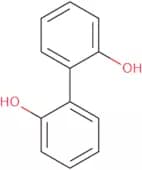
CAS:<p>2,2'-Biphenol is a phenolic compound that is used in the synthesis of polymers. The thermal expansion coefficient of 2,2'-biphenol can be measured by DSC and found to be ˜6.5 × 10⁻⁴/°C. The UV absorption spectrum of 2,2'-biphenol shows three bands at wavelengths of 290 nm, 320 nm, and 370 nm. 2,2'-Biphenol has been shown to adsorb onto biological surfaces through an adsorption mechanism. It has been observed that this adsorption occurs via x-ray crystal structures and kinetic measurements have shown that the adsorption process is rate-limited by intramolecular hydrogen bonding between the protonated phenolic hydroxyl group and the aromatic ring. The activation energies for protonation and desorption have been determined to be ˜30 kJ/mol and ˜30 kJ/mol respectively. Ac</p>Formula:C12H10O2Purity:Min. 98 Area-%Color and Shape:White PowderMolecular weight:186.21 g/molEthyl 4-methoxycinnamate
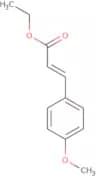
CAS:<p>Ethyl 4-methoxycinnamate is a white crystalline solid that is soluble in water. It is used as a food additive, and has been shown to have anti-bacterial, analgesic, and antioxidant properties. The compound interacts with the β-cyclodextrin molecule when it is dissolved in water. This interaction leads to a decrease in its solubility in water.</p>Formula:C12H14O3Purity:Min. 95%Color and Shape:PowderMolecular weight:206.24 g/mol3,3',5,5'-Tetraiodo-L-thyronine sodium hydrate
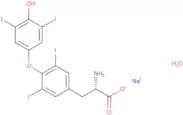
CAS:<p>3,3',5,5'-Tetraiodo-L-thyronine sodium hydrate is a synthetic thyroid hormone that is used to treat hypothyroidism and myxedema coma. It is also used as an ingredient in pharmaceuticals. 3,3',5,5'-Tetraiodo-L-thyronine sodium hydrate has been shown to be effective in the treatment of hypothyroidism and myxedema coma. The drug exhibits a high degree of bioequivalence with levothyroxine sodium tablets.<br>MRP2/ABCG2 transport proteins are expressed at high levels in the liver and gut epithelium and play a role in the absorption of 3,3',5,5'-tetraiodo-L-thyronine sodium hydrate from the small intestine into blood circulation. This drug binds to sorbitol and d-mannitol through hydrogen bonding interactions. These interactions may be responsible for</p>Formula:C15H10I4NNaO4•(H2O)xPurity:Min. 97 Area-%Color and Shape:PowderMolecular weight:798.853-Fluoro-2-hydroxybenzoic acid methyl ester
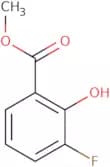
CAS:<p>3-Fluoro-2-hydroxybenzoic acid methyl ester (3-FHBA) is a high quality chemical compound that is used as an intermediate to produce other compounds. It has been shown to be a useful scaffold for the synthesis of complex compounds with various functional groups. 3-FHBA is also a reagent in the production of fine chemicals, research chemicals, and speciality chemicals. This compound has many uses, including being a versatile building block for reactions in organic synthesis and being a reaction component in the production of many types of products.</p>Formula:C8H7FO3Purity:Min. 95%Color and Shape:White PowderMolecular weight:170.14 g/molGrape seed extract - Technical
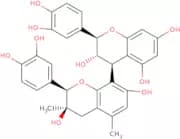
CAS:<p>Grape seed extract is a natural compound that is extracted from the seeds of grape plants. It contains growth factors, such as growth factor-β1 and dinucleotide phosphate (NADP). Grape seed extract also has enzyme activities including natural compounds, biocompatible polymers, and antimicrobial agents. The extract can be used to prevent bacterial growth on surfaces by inhibiting the enzymatic activity of cell walls. The extract has been shown to have antibacterial effects against human serum and mitochondria membrane potential in a model system.</p>Formula:C30H12O6Purity:Min. 95%Color and Shape:Red PowderMolecular weight:468.41 g/molChromotropic acid disodium dihydrate
CAS:<p>Chromotropic acid dihydrate is a chromogenic compound that has an adsorption mechanism and is used as an analytical reagent. Chromotropic acid disodium dihydrate (CDA) is used in the determination of hydrochloric acid, natural gas and other liquids. It also can be used to measure the concentration of tyramine hydrochloride. CDA has been shown to be effective in the measurement of molecular orbitals and kinetic constants. The optical sensor is sensitive to wavelengths ranging from 200-900 nm, with a peak absorption at around 500 nm. This sensor can be used for many types of chemical reactions, such as organic synthesis, hydrogenation, and oxidation.</p>Formula:C10H6O8S2Na2·2H2OPurity:Min. 95%Color and Shape:Off-White PowderMolecular weight:400.29 g/mol2,2-Dimethoxy-2-phenylacetophenone
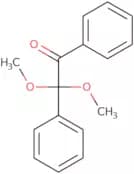
CAS:<p>2,2-Dimethoxy-2-phenylacetophenone is a glycol ether substrate film that can be used to study the reaction mechanism of glycol ethers. It has been found that this substrate film reacts with oxygen in the air to form an organic peroxide and hydrogen peroxide. The product of the reaction is then identified by measuring the rate of thermal expansion. This method has been shown to be a useful tool for determining the kinetic constants of glycol ethers. The 2,2-dimethoxy-2-phenylacetophenone substrate film can also be used as a fluorescence probe for detecting radiation and wastewater treatment. The hydroxyl group on this substrate film is susceptible to degradation by acids, which may lead to its chemical instability.</p>Formula:C16H16O3Purity:Min. 95%Color and Shape:White To Off-White SolidMolecular weight:256.3 g/molN-Dihydrocinnamoylaminocaproic acid
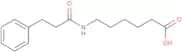
CAS:<p>Please enquire for more information about N-Dihydrocinnamoylaminocaproic acid including the price, delivery time and more detailed product information at the technical inquiry form on this page</p>Formula:C15H21NO3Purity:Min. 95%Molecular weight:263.33 g/mol(-)-Biotin sulfoxide
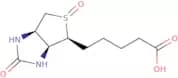
CAS:<p>(-)-Biotin sulfoxide is a metabolite of biotin that is produced by the oxidation of sulfhydryl groups in vivo. It is also a substrate for enzymes such as sulfoxide reductase and molybdenum cofactor biosynthesis protein A, which are involved in the metabolism of sulfur-containing amino acids. (-)-Biotin sulfoxide has been shown to be an effective inhibitor of human pathogens such as Escherichia coli, Klebsiella pneumoniae, Salmonella typhi, and Shigella flexneri. This compound is structurally similar to biotin, but has a different light signal when exposed to light.</p>Formula:C10H16N2O4SPurity:Min. 95%Color and Shape:White PowderMolecular weight:260.31 g/molN-D-Biotinyl-7-amino-4-methylcoumarin
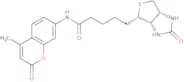
CAS:<p>N-D-Biotinyl-7-amino-4-methylcoumarin is a fluorescent substrate that is used to measure the activity of biotinidase, an enzyme that catalyzes the hydrolysis of biotin. It is detectable by measuring fluorescence with a spectrophotometer. Biotinidase deficiency can be diagnosed by measuring the activity of this enzyme in biological fluids. This assay has been shown to be useful for diagnosing patients with deficient biotinidase activity.</p>Formula:C20H23N3O4SPurity:Min. 98 Area-%Color and Shape:PowderMolecular weight:401.48 g/molPhloroacetophenone trimethyl ether
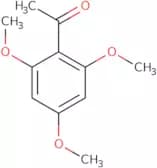
CAS:<p>Phloroacetophenone trimethyl ether is a reactive and inhibitory chemical that has been shown to have anti-inflammatory activity in animal models. It also inhibits the reaction of chloroacetophenone with chloride ions, which results in the formation of an intermediate that is reactive enough to attack the a-ring of phenylhydrazone. This mechanism is similar to the reaction of ochratoxin A, a mycotoxin that can cause cancer and metabolic disorders. Phloroacetophenone trimethyl ether has been shown to have significant cytotoxicity against cancer cells and can be used as a precursor for other compounds. The x-ray diffraction data shows that it forms a dimer when dissolved in water. The nmr spectra show two methyl groups and one hydrogen atom on each molecule.</p>Formula:C11H14O4Purity:Min. 95%Color and Shape:PowderMolecular weight:210.23 g/mol2-Naphthylhydrazine
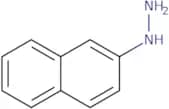
CAS:<p>2-Naphthylhydrazine is a synthetic chemical that has an affinity for substrate binding sites. It is used as an inhibitor of monoamine oxidase (MAO) and can be used to study the function of MAO. 2-Naphthylhydrazine binds to the enzyme MAO, preventing it from breaking down amines, an important class of neurotransmitters. 2-Naphthylhydrazine also inhibits the activity of cytochrome P450 reductase, which is involved in drug metabolism. This chemical can be used in the synthesis of indocyanine green and methylbenzene. The reactivity of hydrazines with carbonyl groups in amines and anhydrous sodium phosphate leads to bond cleavage and release of ammonia gas.</p>Formula:C10H10N2Purity:Min. 95%Color and Shape:PowderMolecular weight:158.20 g/molAcenaphthenequinone
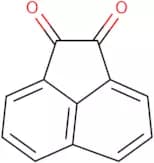
CAS:<p>Acenaphthenequinone is a reactive chemical compound. This compound has been found to have strong biological properties, such as inhibiting the mitochondrial membrane potential in human cells and inducing apoptosis in mammalian cells. Acenaphthenequinone also has been shown to be effective against infectious diseases, including malaria. Acenaphthenequinone binds to the heme group of the parasite's electron transport protein cytochrome b, which leads to disruption of energy production and cellular death. Acenaphthenequinone is also able to inhibit the synthesis of DNA in bacteria.</p>Formula:C12H6O2Purity:Min. 95%Color and Shape:Yellow PowderMolecular weight:182.17 g/mol7-Methoxycoumarin-4-acetic acid N-succinimidyl ester
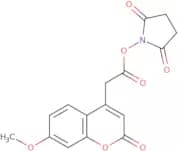
CAS:<p>7-Methoxycoumarin-4-acetic acid N-succinimidyl ester is a fluorescent probe for the detection of metalloproteinases. It has been used in assays to measure matrix metalloproteinase activity and to study the kinetics of these enzymes. This compound can be used as a fluorescence focus for the study of extracellular matrix regulation. 7-Methoxycoumarin-4-acetic acid N-succinimidyl ester inhibits matrix metalloproteinases by binding to their active site and blocking access to substrates, preventing the breakdown of extracellular matrix proteins.</p>Formula:C16H13NO7Purity:Min. 97 Area-%Color and Shape:Off-White PowderMolecular weight:331.28 g/mol(-)-Cholesterol NHS succinate
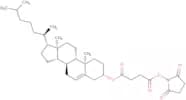
CAS:<p>(-)-Cholesterol NHS succinate is a high-quality, complex chemical that can be used as a building block in the synthesis of other chemicals. It has been shown to be a useful intermediate in the production of drugs, such as lovastatin, and has been used as a reaction component in the synthesis of many compounds. (-)-Cholesterol NHS succinate is also versatile and can be used as an efficient scaffold for the synthesis of new compounds.</p>Formula:C35H53NO6Purity:Min. 95%Color and Shape:PowderMolecular weight:583.8 g/mol(R)-(+)-3,3'-Dibromo-5,5',6,6',7,7',8,8'-octahydro-1,1'-bi-2,2'-naphthalenediol
CAS:<p>(R)-(+)-3,3'-Dibromo-5,5',6,6',7,7',8,8'-octahydro-1,1'-bi-2,2'-naphthalenediol is a synthetic compound that is used as a ligand for asymmetric catalysis. It is an optically active compound and can be used in catalytic reactions to produce compounds that are not available through other methods. (R)-(+)-3,3'-Dibromo-5,5',6,6',7,7',8,8'-octahydro-1,1'-bi-2,2'-naphthalenediol is a reactive compound and can be used as a ligand in Diels-Alder reactions. The synthesis of this product can be achieved with high yield by using the synthetic method described.</p>Formula:C20H20Br2O2Purity:Min. 98 Area-%Color and Shape:White PowderMolecular weight:452.18 g/mol3,5-Di-tert-Butyl-4-hydroxybenzoic acid methyl ester
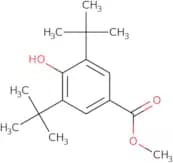
CAS:<p>3,5-Di-tert-Butyl-4-hydroxybenzoic acid methyl ester is a chemical that belongs to the group of low molecular weight solvents. It is used as an intermediate in organic synthesis and as a solvent for paints, lacquers, and varnishes. 3,5-Di-tert-Butyl-4-hydroxybenzoic acid methyl ester has been found to be resistant to radiation and ultraviolet light. This chemical has also been shown to have no mutagenic effects on calf thymus DNA.</p>Formula:C16H24O3Purity:Min. 95%Color and Shape:PowderMolecular weight:264.36 g/molCrustacean Erythrophore Concentrating Hormone Pyr-Leu-Asn-Phe-Ser-Pro-Gly-Trp-NH2
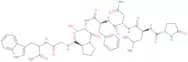
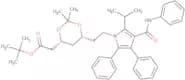
CAS:<p>Crustacean Erythrophore Concentrating Hormone Pyr-Leu-Asn-Phe-Ser-Pro-Gly-Trp-NH2 is a polypeptide hormone that belongs to the family of peptide hormones. It is a type of neurohormone that has been found in crustaceans. Crustacean Erythrophore Concentrating Hormone Pyr-Leu-Asn-Phe-Ser-Pro-Gly-Trp-NH2 shows high affinity for cardiac tissue and blocks the uptake of calcium ions into cells by binding to intracellular receptors. This peptide has been shown to have neurotrophic effects, which may be due to its ability to stimulate the production of nerve growth factor (NGF).</p>Formula:C45H59N11O11Purity:Min. 95%Molecular weight:930.02 g/molDefluoro atorvastatin acetonide tert-butyl ester
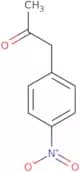
CAS:<p>Please enquire for more information about Defluoro atorvastatin acetonide tert-butyl ester including the price, delivery time and more detailed product information at the technical inquiry form on this page</p>Formula:C40H48N2O5Purity:Min. 95%Color and Shape:PowderMolecular weight:636.82 g/mol(4-Nitrophenyl)acetone
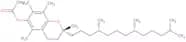
CAS:<p>4-Nitrophenylacetone is a hypoglycemic agent that is used for the treatment of diabetes mellitus. It has been shown to be effective in vivo and in vitro studies at low concentrations. The mechanism of action is not well understood, but it may have effects on insulin sensitivity and the release of insulin from pancreatic beta cells, as well as an effect on the liver. 4-Nitrophenylacetone has been shown to have organocatalytic properties that allow it to catalyze acylation reactions with acetanilides or amides. This reaction produces iminium ion intermediates that can be hydrolyzed by water to form a variety of products, including carboxylic acids, amides, and nitriles.</p>Formula:C9H9NO3Purity:Min. 95%Color and Shape:PowderMolecular weight:179.17 g/molDL-a-Tocopherol acetate - powder
CAS:<p>DL-a-Tocopherol acetate is a synthetic vitamin E compound that is used in the treatment of eye disorders and other conditions. It is an antioxidant that inhibits lipid peroxidation by scavenging free radicals. DL-a-Tocopherol acetate has been shown to inhibit the activity of protein kinase C, which plays a role in cancer, inflammation and apoptosis. This compound also inhibits the activity of toll-like receptor 4, which may be useful in treating infectious diseases, and scavenges anion radicals.</p>Formula:C31H52O3Purity:Min. 50 Area-%Color and Shape:Clear LiquidMolecular weight:472.74 g/molNorbornylmethylpentafluorocinnamate
<p>Norbornylmethylpentafluorocinnamate is a versatile building block in organic synthesis. It is used as a reagent for the production of amines and other organic compounds, as well as for the synthesis of novel heterocycles. Norbornylmethylpentafluorocinnamate is also used as an intermediate in chemical reactions. This compound has been shown to react with ethylene glycol to form ethylene carbonate and pentafluoroethane, which may be useful for the production of polyurethane foam. Norbornylmethylpentafluorocinnamate can be used as a scaffold for synthesizing new drug candidates or to produce novel pharmaceuticals.</p>Formula:C17H15F5O2Purity:Min. 95%Molecular weight:346.29 g/mol4'-Hydroxyacetophenone
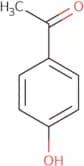
CAS:<p>4'-Hydroxyacetophenone is a natural compound that belongs to the group of p-hydroxybenzaldehyde esters. The biological properties of 4'-hydroxyacetophenone are not well understood. It has been shown to have insecticidal properties in vivo, and it is also known to function as an inhibitor of hydrogen fluoride. 4'-Hydroxyacetophenone has been shown to have anti-obesity effects in animal studies, which may be due to its ability to inhibit fatty acid synthase activity. This compound also has a number of glycoside derivatives that exhibit antibiotic or anticancer activities.</p>Formula:C8H8O2Purity:Min. 95%Color and Shape:PowderMolecular weight:136.15 g/molBiotin-PEG12-NHS
CAS:<p>Biotin-PEG12-NHS is a PEG compound with two different functional groups (also known as heterobifunctional). Unlike homobifunctional PEG compounds (same functional group on both ends), this type of compounds are more versatile as have two different anchor points. Biotin-PEG12-NHS is used as a linker and spacer to add a PEG moiety, via pegylation (a bioconjugation technique) to proteins, peptides, oligonucleotides, small molecules and nanoparticles.</p>Formula:C41H72N4O18SPurity:Min. 95%Color and Shape:White To Off-White SolidMolecular weight:941.09 g/mol3'-Iodo-4'-methoxyacetophenone
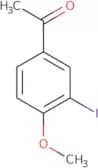
CAS:<p>3'-Iodo-4'-methoxyacetophenone is a chemical compound that is used in the synthesis of other organic compounds. It is a byproduct of the reaction between acetophenone and iodomethane. 3'-Iodo-4'-methoxyacetophenone is soluble in most solvents, such as ethanol, ether, chloroform, and acetone. The compound has a CAS number of 79324-77-9.</p>Formula:C9H9IO2Purity:Min. 95%Color and Shape:PowderMolecular weight:276.07 g/molb-Propiolactone
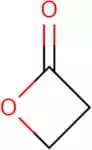
CAS:Controlled Product<p>b-Propiolactone is a plant extract that is found in soybeans. It has been shown to have antiviral properties and can inhibit the growth of certain viruses. b-Propiolactone binds to the active site of an enzyme called RNA polymerase, which blocks RNA synthesis and inhibits viral replication. This compound has also been shown to inhibit virus replication in vitro assays as well as antibody response against hepatitis B. The biological effects of b-propiolactone are thought to be due to its ability to bind with group p2 protein monoclonal antibodies, which may have implications for the prevention of pandemic influenza.</p>Formula:C3H4O2Purity:Min. 95%Color and Shape:Clear LiquidMolecular weight:72.06 g/mol4,4'-Diaminostilbene-2,2'-disulfonic acid
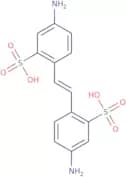
CAS:<p>4,4'-Diaminostilbene-2,2'-disulfonic acid (DAIDS) is a fluorescent dye that can be used to measure the activity of mitochondrial enzymes. It is a substrate for polymerase chain reaction and can be used as a cell viability assay. DAIDS has been shown to cause mitochondrial membrane depolarization and cytosolic calcium release in prostate cancer cells. This compound also inhibits the proliferation of human liver cells and has been proposed as a potential analytical method for wastewater samples. The anhydrous sodium form of DAIDS has been shown to increase the rate of metabolism by up to 30% in rats with body mass index greater than 25 kg/m^2.</p>Formula:C14H14N2O6S2Purity:Min. 95%Color and Shape:SolidMolecular weight:370.4 g/molBiotin-PEG4-NHS-propionate
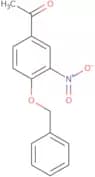
CAS:<p>Biotin-PEG4-NHS-propionate is a PEG compound with two different functional groups (also known as heterobifunctional). Unlike homobifunctional PEG compounds (same functional group on both ends), this type of compounds are more versatile as have two different anchor points. Biotin-PEG4-NHS-propionate is used as a linker and spacer to add a PEG moiety, via pegylation (a bioconjugation technique) to proteins, peptides, oligonucleotides, small molecules and nanoparticles.</p>Formula:C25H40N4SO10Purity:Min. 95%Color and Shape:PowderMolecular weight:588.67 g/mol4'-Benzyloxy-3'-nitroacetophenone
CAS:<p>4'-Benzyloxy-3'-nitroacetophenone is a nitro-substituted aromatic compound that has been studied as an inhibitor of xanthine oxidase. It is also known to inhibit cytochrome P450 and nitric oxide synthase. The molecular modeling study showed that 4'-benzyloxy-3'-nitroacetophenone binds to the active site of xanthine oxidase and blocks the binding site for xanthine, which stops the conversion of xanthine to uric acid. This inhibition leads to a decrease in urate production, which can help prevent gout attacks.</p>Formula:C15H13NO4Purity:Min. 95%Molecular weight:271.27 g/mol2-Chloro-N-(2-nitrophenyl)acetamide
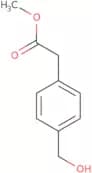
CAS:<p>2-Chloro-N-(2-nitrophenyl)acetamide is an antimicrobial agent that is a ligand for thionyl chloride. It has efficient methods of production and can be used as a bioactive molecule in the synthesis of aminosulfonyl chlorides, amide chlorides, or transfer chlorides. This compound reacts with gram-negative bacteria by hydrolyzing chloride ions to produce nitrosyl chloride and releasing hydrogen gas. The reaction time and functional groups are determined by the parameters chosen for the reaction. 2-Chloro-N-(2-nitrophenyl)acetamide has luminescence properties that can be exploited to detect the presence of chloride ions at low concentrations.</p>Formula:C8H7ClN2O3Purity:Min. 95%Molecular weight:214.61 g/mol(4-Hydroxymethylphenyl)acetic acid methyl ester
CAS:<p>(4-Hydroxymethylphenyl)acetic acid methyl ester is a fine chemical, useful building block, research chemicals and reagent. It is also a speciality chemical with CAS No. 155380-11-3. This compound can be used as a versatile building block for chemical synthesis, or as a reaction component for the synthesis of complex compounds. The high quality of this compound makes it suitable for use as an intermediate in the synthesis of other chemical compounds. (4-Hydroxymethylphenyl)acetic acid methyl ester is also a useful scaffold for the formation of new molecules or materials such as polymers.</p>Formula:C10H12O3Purity:Min. 95%Molecular weight:180.2 g/mol5-Bromo-2-methoxycinnamic acid
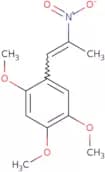
CAS:<p>5-Bromo-2-methoxycinnamic acid is a fine chemical that is used as a scaffold, versatile building block, and useful intermediate. It has been shown to be a useful reaction component in the preparation of complex compounds. 5-Bromo-2-methoxycinnamic acid can also be used as a speciality chemical or reagent. This compound has high quality and is an important research chemical.</p>Formula:C10H9BrO3Purity:Min. 95%Color and Shape:PowderMolecular weight:257.08 g/mol1-(2,4,5-Trimethoxyphenyl)-2-nitropropene
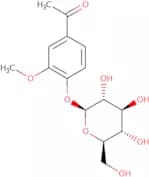
CAS:<p>1-(2,4,5-Trimethoxyphenyl)-2-nitropropene is a fine chemical that can be used as a building block in organic synthesis. It is also an intermediate or scaffold for the preparation of other compounds. 1-(2,4,5-Trimethoxyphenyl)-2-nitropropene has been used in the synthesis of many pharmaceuticals and natural products. The compound has high purity and quality.</p>Formula:C12H15NO5Purity:Min. 95%Color and Shape:PowderMolecular weight:253.25 g/molAndrosin
CAS:<p>Androsin is a natural product that has been isolated from the bark of the Andropogon muricatus plant. It is used to treat chronic bronchitis, inflammatory diseases, and degenerative diseases. Androsin inhibits the growth of cancer cells in vitro by binding to human polymorphonuclear leukocytes (PMNLs) and inhibiting their ability to produce superoxide radicals. This compound also inhibits the production of p-hydroxybenzoic acid (PHBA) in PMNLs, leading to suppression of inflammation. Androsin is an inhibitor that binds to enzyme molecules and prevents them from functioning properly. It does not have any direct effect on the structure or function of DNA or RNA, but it does inhibit protein synthesis at the ribosomes.</p>Formula:C15H20O8Purity:Min. 95%Color and Shape:White PowderMolecular weight:328.31 g/mol(4-N-Propoxyphenyl)-2-nitropropene
CAS:<p>4-N-Propoxyphenyl)-2-nitropropene is a high quality chemical that is a versatile building block in organic synthesis. It can be used as a reagent, reaction component, or useful intermediate. 4-N-Propoxyphenyl)-2-nitropropene is an excellent choice for research and development of new compounds because it has high purity and versatility. This chemical is also a fine chemical with CAS No. 1251483-63-2.</p>Formula:C12H15NO3Purity:Min. 95%Color and Shape:PowderMolecular weight:221.25 g/mol