Pharmaceutical Standards
Subcategories of "Pharmaceutical Standards"
- APIs for research and impurities(277,270 products)
- Enzyme Activators and Inhibitors(2,829 products)
- Nitrosamines(2,661 products)
- Pharmaceutical and Veterinary Compounds and Metabolites(2,891 products)
- Toxicology(13,367 products)
Found 8131 products of "Pharmaceutical Standards"
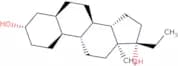
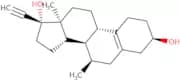
3a-Hydroxy tibolone
CAS:Controlled ProductTibolone is a synthetic hormone that is used in the treatment of menopausal symptoms and breast cancer. Tibolone has been shown to be an effective treatment for menopausal symptoms, such as hot flashes and vaginal dryness, by providing relief from these symptoms. Tibolone has also been shown to have anti-cancer effects. This drug may be useful for treating breast cancer because it can inhibit the growth of cancer cells by binding to estrogen receptors and blocking estrogen-induced cell proliferation. Tibolone also stimulates angiogenesis, which is the formation of new blood vessels in order to provide nutrients and oxygen to growing tissue. It has been shown that this drug inhibits the synthesis of hepg2 cells in vitro, which are involved in the production of angiogenic factors. Tibolone may also have clinical relevance as a chemopreventive agent against prostate cancer.BR> Tibolone has also been shown to stimulate sulphatase activity in vitro, which may contribute to
Formula:C21H30O2Purity:Min. 95%Molecular weight:314.46 g/molRef: 3D-FH24140
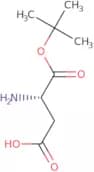
Discontinued productL-Aspartic acid alpha-tert-butyl ester
CAS:L-Aspartic acid alpha-tert-butyl ester is a synthetic amino acid that can be used as a substrate for the synthesis of L-cysteine in the presence of selenomethionine. This compound is an auxotroph and cannot be synthesized by the body, so it must be obtained through diet or supplementation. It has been shown to have anti-cancer properties, which may be due to its role in regulating cell proliferation, apoptosis, and angiogenesis. L-Aspartic acid alpha-tert-butyl ester may also inhibit colon cancer cells by preventing them from recycling proteins. This compound was shown to inhibit HCT116 human colon cancer cells in both experimentally and computationally studies. Additionally, this molecule was seen to induce tumor regression in mice with colitis by inhibiting eukaryotic protein synthesis. This inhibition was found to be mediated through a trifluoromethyl group on the molecule's
Formula:C8H15NO4Purity:Min. 95%Color and Shape:PowderMolecular weight:189.21 g/molRef: 3D-FA47669
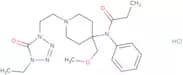
Discontinued productAlfentanil hydrochloride
CAS:Controlled ProductAlfentanil is an opioid analgesic that is used for the treatment of severe or acute pain. It is a potent synthetic analog of fentanyl, which is an opioid analgesic that is used for the treatment of short-term (acute) and long-term (chronic) pain. Alfentanil has been shown to have a high affinity for α1-acid glycoprotein, which has been associated with drug interactions and blood sampling. Alfentanil also has chemical stability in experimental models and does not interact with nonsteroidal anti-inflammatory drugs. This drug may have a matrix effect on the concentration of cortisol in the blood.
Formula:C21H33ClN6O3Purity:Min. 95%Molecular weight:452.98 g/molRef: 3D-FA17276
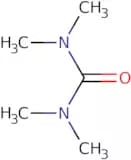
Discontinued productTetramethylurea
CAS:Tetramethylurea is a versatile compound that has various applications in different fields. It is commonly used as a monophosphate donor in biochemical reactions and as a reagent for the synthesis of L-sorbose and histidine. In addition, tetramethylurea is employed in the production of herbicides, as well as in the synthesis of zirconium oxide nanoparticles.
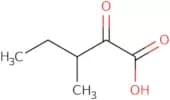
Formula:C5H12N2OPurity:Min. 95%Molecular weight:116.16 g/mol(±)-3-Methyl-2-oxovaleric acid
CAS:(±)-3-Methyl-2-oxovaleric acid is a fatty acid that is found in the mitochondria of liver cells and other tissues. It is an intermediate in the citric acid cycle and can be converted into acetyl-CoA, which is used for energy production. (±)-3-Methyl-2-oxovaleric acid has been shown to cause necrotic cell death when it binds to the mitochondrial membrane potential and causes a loss of ATP production. This results in a lack of energy for the cell, leading to cell death. (±)-3-Methyl-2-oxovaleric acid has also been shown to inhibit protein synthesis by decreasing uptake and increasing creatine kinase activity. This inhibition leads to decreased body formation and tissue culture growth in vitro. In vivo, (±)-3-Methyl-2-oxovaleric acid causes primary sclerosing cholangitis, a disease characterized by inflammation of bile ducts that
Formula:C6H10O3Purity:Min. 95%Color and Shape:White PowderMolecular weight:130.14 g/molrec Human Growth Hormone (expressed in E.coli)
Please enquire for more information about rec Human Growth Hormone (expressed in E.coli) including the price, delivery time and more detailed product information at the technical inquiry form on this page
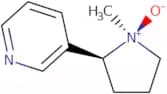
Purity:Min. 95%(1'S,2'S)-Nicotine 1'-oxide
CAS:Nicotine 1'-oxide is a metabolite of nicotine which is a naturally occurring alkaloid. Nicotine 1'-oxide is produced by the oxidation of nicotine and can be found in tobacco smoke, as well as in the urine of humans. Nicotine 1'-oxide has been shown to have enzyme inhibiting properties, and has been shown to decrease insulin-stimulated glucose transport rate in human liver cells. This product also has potential use as a stabilizer for pharmaceuticals or other organic substances, and can inhibit demethylation reactions that may lead to carcinogenesis. Nicotine 1'-oxide may also play a role in the transport of chemicals across membranes.
Formula:C10H14N2OPurity:Min. 95%Color and Shape:PowderMolecular weight:178.23 g/molRef: 3D-FN26201
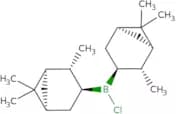
Discontinued product(+)-B-Chlorodiisopinocampheylborane - 60-65% in Hexane
CAS:(+)-B-Chlorodiisopinocampheylborane is a chiral organoboron reagent that can be used for the enantioselective synthesis of amines. It is prepared from the reaction of chlorodiphenyl borane with (+)-diaminobenzene in hexane. The product can be purified by column chromatography or recrystallization. (+)-B-Chlorodiisopinocampheylborane can also be used in the synthesis of other compounds, such as pyrroles and pantolactones. It is an excellent catalyst for the dehydration of primary amines to give unsymmetrical ketones. This reagent has been shown to be effective in asymmetric hydrogenation reactions, such as the reduction of chiral secondary alcohols, and is also capable of catalyzing aldol reactions.Formula:C20H34BClPurity:Min. 95%Color and Shape:Clear LiquidMolecular weight:320.75 g/molNaphthalene
CAS:Naphthalene is a chemical that is used for wastewater treatment and as a pesticide. It is also used in the manufacturing of polymers, resins, and plastics. Naphthalene has antimicrobial properties due to its hydrophobic effect. Naphthalene's antimicrobial activity is based on its ability to react with the skeleton of bacterial cells and disrupt the integrity of their outer membrane. Naphthalene also interacts with proteins and DNA, causing cell death. The molecular mechanisms of naphthalene's antibacterial activity are not well understood but have been studied using Hl-60 cells, which are immortalized human monocytic leukemia cells. This study showed that naphthalene affects the cell cycle by inhibiting protein synthesis in bacteria through binding to ribosomes or by disrupting the dna replication process.
Formula:C10H8Purity:Min. 95%Molecular weight:128.17 g/molRef: 3D-FN10260
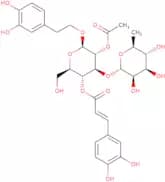
Discontinued product2'-Acetylacteoside
CAS:2'-Acetylacteoside is a naturally occurring phenylethanoid glycoside, which is derived from various plant sources. It exhibits antioxidant properties by scavenging reactive oxygen species and inhibiting oxidative stress. This mode of action supports cellular health by protecting cells from oxidative damage and maintaining redox balance.
Purity:Min. 95%Ref: 3D-FA74397
Discontinued product(NZ)-4-chloro-N-[1-[2-(4-nitrophenyl)ethyl]piperidin-2-ylidene]benzenesulfonamide
CAS:Controlled ProductPlease enquire for more information about (NZ)-4-chloro-N-[1-[2-(4-nitrophenyl)ethyl]piperidin-2-ylidene]benzenesulfonamide including the price, delivery time and more detailed product information at the technical inquiry form on this page
Formula:C19H20ClN3O4SPurity:Min. 95%Molecular weight:421.9 g/molRef: 3D-FN154024
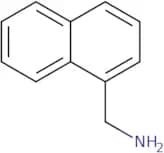
Discontinued product1-(Aminomethyl)naphthalene
CAS:1-(Aminomethyl)naphthalene is a hydrogen bond-forming molecule that has high values of hydrochloric acid. This compound reacts with sodium carbonate to form glycoside derivatives, which have been shown to display light emission. 1-(Aminomethyl)naphthalene can be used in the synthesis of oxytocin and toll-like receptor ligands, as well as other chemical reactions. The carbonyl group found in this molecule is responsible for the reactivity and stability of this compound.
Formula:C10H7CH2NH2Purity:Min. 95%Color and Shape:Clear Colourless To Yellow LiquidMolecular weight:157.21 g/molRef: 3D-FA12539
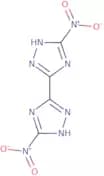
Discontinued product5,5'-Dinitro-2H,2'H-3,3'-bi-1,2,4-triazole
CAS:Controlled ProductPlease enquire for more information about 5,5'-Dinitro-2H,2'H-3,3'-bi-1,2,4-triazole including the price, delivery time and more detailed product information at the technical inquiry form on this page
Formula:C4H2N8O4Purity:Min. 95%Molecular weight:226.11 g/molRef: 3D-FD118856
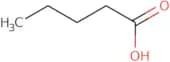
Discontinued productValeric acid
CAS:Valeric acid is a fatty acid that is used in the manufacture of polymers. Valeric acid can be synthesized from caproic acid, which is found in palm oil and coconut oil. Valeric acid has been shown to inhibit the activity of nicotinic acetylcholine receptors at low concentrations and to have an inhibitory effect on the ryanodine receptor at high concentrations. Valeric acid also has a matrix effect on analytical methods such as gas-liquid chromatography, which has been modeled using polymer compositions.
Formula:C5H10O2Purity:Min. 95%Molecular weight:102.13 g/molRef: 3D-FV34914
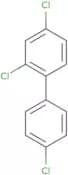
Discontinued product2,4,4’-Trichlorobiphenyl
CAS:Controlled Product2,4,4’-Trichlorobiphenyl is a polychlorinated biphenyl congener. It has been shown to have an adverse effect on the central nervous system, causing neurotoxicity. 2,4,4’-Trichlorobiphenyl has been used as a model system for the study of the effects of environmental toxins on mitochondrial membrane potential and lipid peroxidation. 2,4,4’-Trichlorobiphenyl binds to fatty acids in mitochondria and inhibits fatty acid β-oxidation. The inhibition of fatty acid oxidation leads to increased levels of protocatechuic acid in the serum and liver tissue. 2,4,4’-Trichlorobiphenyl has also been found to be toxic to aquatic organisms such as fish and shrimp at low concentrations.
Formula:C12H7Cl3Purity:Min. 95%Molecular weight:257.54 g/molRef: 3D-FT170755
Discontinued product(3β,5β,17α)-19-Norpregnane-3,17-diol
CAS:Controlled ProductPlease enquire for more information about (3β,5β,17α)-19-Norpregnane-3,17-diol including the price, delivery time and more detailed product information at the technical inquiry form on this page
Formula:C20H34O2Purity:Min. 95%Color and Shape:PowderMolecular weight:306.48 g/molRef: 3D-FN26473
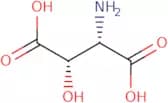
Discontinued productD,L-Threo-b-hydroxy aspartic acid
CAS:D,L-Threo-b-hydroxy aspartic acid is a stereoselective synthetic amino acid that has been used to study the uptake and hydrolysis of D,L-threo-b-hydroxy aspartic acid by rat brain synaptosomes. It has also been used in the synthesis of an L-alanine analogue with the same stereochemistry at the chiral center. The stereoselective synthesis of this compound is achieved by epimerization reaction using d-alanine as a starting material. Threo bhda has been shown to inhibit glutamate release from neurons and stimulate GABA release in synaptosomes, which may be due to its ability to bind to ion channels. Threo bhda has also been found to inhibit the binding of radioactive thymidine to calf thymus DNA with a high degree of stereoselectivity.
Formula:C4H7NO5Purity:Min. 95%Molecular weight:149.1 g/molRef: 3D-FT28259
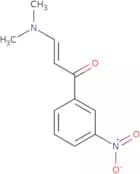
Discontinued product(2E)-3-(Dimethylamino)-1-(3-nitrophenyl)prop-2-en-1-one
CAS:Please enquire for more information about (2E)-3-(Dimethylamino)-1-(3-nitrophenyl)prop-2-en-1-one including the price, delivery time and more detailed product information at the technical inquiry form on this page
Formula:C11H12N2O3Purity:Min. 95%Molecular weight:220.22 g/molRef: 3D-FD137190
Discontinued product3,4'-Dihexyl-2,2'-bithiophene
CAS:Please enquire for more information about 3,4'-Dihexyl-2,2'-bithiophene including the price, delivery time and more detailed product information at the technical inquiry form on this page
Purity:Min. 95%Ref: 3D-FD44193
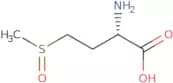
Discontinued productL-Methionine sulfoxide
CAS:Methionine sulfoxide is a methionine that has been oxidized to methionine sulfoxide. Methionine sulfoxides are produced through protein oxidation, which is the chemical process of reacting with oxygen in the air or other compounds to form an organic peroxide and superoxide radical. Methionine sulfoxides are found in proteins and are formed as a result of oxidative stress on cells and tissues. The rate constant for the conversion of methionine to methionine sulfoxide is 0.01983 min-1 at pH 7, 25°C. There are two methods of detection: chemiluminescence method and chromatographic analysis. In addition, methionine sulfoxides have natural antioxidant properties that can be used to treat diseases such as Alzheimer's disease and Parkinson's disease, as well as cancer treatments. Methionine sulfoxides have been shown to have a significant effect on wild-type strains of bacteria, reducing their growth rates
Formula:C5H11NO3SPurity:Min. 98 Area-%Color and Shape:White PowderMolecular weight:165.21 g/mol



![(NZ)-4-chloro-N-[1-[2-(4-nitrophenyl)ethyl]piperidin-2-ylidene]benzenesulfonamide](/_next/image/?url=https%3A%2Fstatic.cymitquimica.com%2Fproducts%2F3D%2Fthumb-webp%2FFN154024.webp&w=3840&q=75)