Pharmaceutical Standards
Subcategories of "Pharmaceutical Standards"
- APIs for research and impurities(277,372 products)
- Enzyme Activators and Inhibitors(2,829 products)
- Nitrosamines(2,663 products)
- Pharmaceutical and Veterinary Compounds and Metabolites(2,891 products)
- Toxicology(13,353 products)
Found 8146 products of "Pharmaceutical Standards"
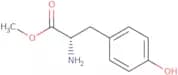
Methyl L-tyrosinate
CAS:Methyl-L-tyrosinate is a drug that has been shown to increase the activity of tyrosinase, an enzyme involved in the production of melanin. It also prevents the oxidation of tyrosine and phenylalanine, which are precursors to melanin. Methyl L-tyrosinate has been studied for its potential effects on hepatitis and Parkinson's disease. This drug binds to the hydroxyl group of tyrosinase and inhibits its activity. The inhibition of this enzyme leads to a decrease in melanin synthesis, which may be beneficial for those with vitiligo or other skin disorders where pigment loss is desired. This drug also prevents oxidative carbonylation and functional assays have shown that it has an affinity for potassium ion coordination chemistry.
Formula:C10H13NO3Purity:Min. 95%Molecular weight:195.22 g/molRef: 3D-FM25520
Discontinued productPolycaprolactone
CAS:Polycaprolactone is a biodegradable synthetic polymer that has been shown to have antimicrobial properties. Polycaprolactone has been used in wastewater treatment and has shown to inhibit the growth of histological analysis, vivo model, vitro assays, polyvinyl, collagen, carcinoma cell lines, tissue culture, ethylene diamine, water vapor, cell culture and hydrogen bond. In studies with wild-type strains of bacteria such as Escherichia coli and Staphylococcus aureus, it showed activity against both Gram-positive and Gram-negative bacteria. It also showed activity against the bacterium that causes tuberculosis (M. tuberculosis).
Formula:(C6H10O2)nPurity:Min. 95%Ref: 3D-FP158055
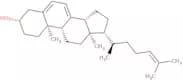
Discontinued product7-Dehydro desmosterol
CAS:Controlled Product7-Dehydro Desmosterol is a hydroxylated sterol found in the liver. It is an intermediate in cholesterol synthesis and participates in the regulation of glucose metabolism. The enzyme responsible for its synthesis (7-dehydrocholesterol reductase) is inhibited by radiation, which leads to its accumulation in the liver. 7-Dehydro desmosterol has been shown to have beneficial effects on experimental models of diabetes and metabolic disorders. In these studies, it was found that 7-dehydro desmosterol can inhibit glucose absorption from the intestine and stimulate insulin secretion from pancreatic beta cells.
Formula:C27H42OPurity:Min. 95%Color and Shape:PowderMolecular weight:382.62 g/molRef: 3D-FD20903
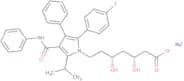
Discontinued productAtorvastatin sodium
CAS:HMG-CoA reductase antagonist
Formula:C33H35FN2O5•NaPurity:Min. 95%Color and Shape:PowderMolecular weight:581.63 g/mol([ring-D5]Phe6)-Somatostatin-14
Please enquire for more information about ([ring-D5]Phe6)-Somatostatin-14 including the price, delivery time and more detailed product information at the technical inquiry form on this pageFormula:C76H99D5N18O19S2Purity:Min. 95%Molecular weight:1,642.91 g/molRef: 3D-FR110019
Discontinued product5-Deazariboflavin
CAS:5-Deazariboflavin is a proton carrier that is found in the mitochondrial cytochrome b. It has been shown to bind covalently to the protein, forming 5-deazariboflavin-protein adducts. These adducts are formed by reacting with amines and other amino acids present in the protein. In vitro studies have shown that 5-deazariboflavin inhibits Mycobacterium avium growth and acid production by binding to the enzyme pyruvate kinase, which is involved in glycolysis. 5-Deazariboflavin can also be used as an indicator of pH because it is reduced at low pH levels and oxidized at high pH levels. The second order rate constant for this reaction can be determined using kinetic data, such as absorbance or fluorescence properties.
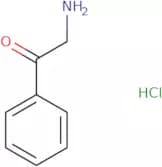
Formula:C18H21N3O6Purity:Min. 95%Color and Shape:Yellow PowderMolecular weight:375.38 g/mol2-Aminoacetophenone hydrochloride
CAS:Controlled Product2-Aminoacetophenone hydrochloride is a chemical compound that is used in analytical chemistry as a reagent for the determination of protein and amino acid concentrations. This reagent can be prepared in various forms, depending on the type of analysis being performed. 2-Aminoacetophenone hydrochloride is used to determine the concentration of free amino acids in a sample by binding to it. It can also be used for determining the concentration of bound amino acids by reacting with them with hydrochloric acid. 2-Aminoacetophenone hydrochloride is an excellent substrate for matrix effect, which may cause errors in measurement due to interference from other substances present in the sample. The use of light exposure reduces this problem by removing interfering substances from the sample.
Formula:C8H9NO·HClPurity:Min. 95%Color and Shape:PowderMolecular weight:171.62 g/molRef: 3D-FA158319
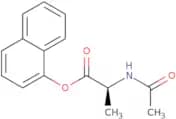
Discontinued productAc-Ala-alpha-naphthyl ester
CAS:Ac-Ala-alpha-naphthyl ester is a chemical compound that belongs to the class of aromatic esters. It is used as a research and benchmarking agent in the measurement of skin penetration potential. Ac-Ala-alpha-naphthyl ester has been shown to have good skin penetration properties, with no adverse effects on the skin.
Formula:C15H15NO3Purity:Min. 95%Molecular weight:257.28 g/molRef: 3D-FA110825
Discontinued productNecrostatin-1 5-(1
CAS:Necrostatin-1 is a small molecule inhibitor that blocks the NF-κB signaling pathway. Necrostatin-1 is a potent inducer of apoptosis and has been shown to inhibit necroptosis in cell culture. It also blocks the Toll-like receptor 4 (TLR4), which is an important death receptor that causes inflammation. Necrostatin-1 has been found to be effective in reducing injury and death in low doses, but has not been tested for long periods of time or at high doses.
Formula:C13H13N3OSPurity:Min. 95%Molecular weight:259.33 g/molRef: 3D-FN111188
Discontinued productOsteostatin (1-5) (human, bovine, dog, horse, mouse, rabbit, rat) trifluoroacetate salt
CAS:Please enquire for more information about Osteostatin (1-5) (human, bovine, dog, horse, mouse, rabbit, rat) trifluoroacetate salt including the price, delivery time and more detailed product information at the technical inquiry form on this page
Formula:C27H41N9O8Purity:Min. 95%Molecular weight:619.67 g/molRef: 3D-FO110332
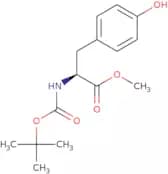
Discontinued productBoc-L-tyrosine methyl ester
CAS:Boc-L-tyrosine methyl ester is a synthetic amino acid that can be used in the production of peptides and proteins. It has been shown to have a high uptake and hydroxyl group, which allows for the synthesis of dopamine. The kinetic study of Boc-L-tyrosine methyl ester in agarose gels has shown that it has a high affinity for dopamine. Boc-L-tyrosine methyl ester has also been used as an intermediate for the synthesis of peptides and proteins. It is not active against cancer cells but has been used to induce matrix metalloproteinase (MMP) activity in Mcf-7 cells.
Formula:C15H21NO5Purity:Min. 95%Color and Shape:White PowderMolecular weight:295.33 g/mol4-Aminoacetophenone
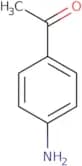
CAS:4-Aminoacetophenone is an inhibitor of the enzyme acetylcholinesterase and it is used as an insecticide. It inhibits the enzyme by forming hydrogen bonding interactions with the active site. The inhibition of this enzyme leads to paralysis and death in insects. 4-Aminoacetophenone has been shown to have anti-cancer effects in vitro, which may be due to its ability to inhibit glycoside hydrolases and amine oxidases that are involved in cancer development. The compound also has a thermal expansion coefficient that is comparable to other polymers used in drug delivery systems.
Formula:C8H9NOColor and Shape:Slightly Yellow PowderMolecular weight:135.16 g/molRef: 3D-FA17680
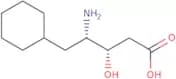
Discontinued productCyclohexylstatine
CAS:Cyclohexylstatine is a glycopeptide antibiotic that inhibits the synthesis of collagen in animals and humans. It also has been shown to have anticancer activity. Cyclohexylstatine works by inhibiting the biosynthesis of collagen, which is an important component of skin, ligaments, and tendons. The molecule was synthesized in 1975 and has been used as a pharmaceutical agent since 1980. Cyclohexylstatine is the first anti-collagen drug to be developed for use in humans. It has been shown to be effective against autoimmune diseases such as rheumatoid arthritis but not against cancer cells or bacteria. Cyclohexylstatine binds to the zymogen form of collagenase and inhibits its activity. This inhibition leads to an accumulation of polysaccharides in the extracellular matrix that are converted into oligosaccharides by glycosidases present in tissue fluids. These oligosaccharides inhibit collagen synthesis by binding to
Formula:C11H21NO3Purity:Min. 95%Molecular weight:215.29 g/molRef: 3D-FC107902
Discontinued productBiotin-PEG8-NHS ester
CAS:Biotin-PEG8-NHS ester is a PEG compound with two different functional groups (also known as heterobifunctional). Unlike homobifunctional PEG compounds (same functional group on both ends), this type of compounds are more versatile as have two different anchor points. Biotin-PEG8-NHS ester is used as a linker and spacer to add a PEG moiety, via pegylation (a bioconjugation technique) to proteins, peptides, oligonucleotides, small molecules and nanoparticles.Formula:C33H56N4O14SPurity:Min. 95%Color and Shape:PowderMolecular weight:764.88 g/molRef: 3D-FB72908
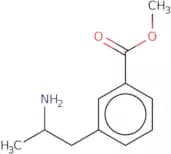
Discontinued product3'-(2-Propylamine)benzoic acid methyl ester
CAS:3'-(2-Propylamine)benzoic acid methyl ester is a high quality, complex compound that can be used as a reagent, speciality chemical, or reaction component. It has a wide range of applications in the synthesis of pharmaceuticals, agrochemicals, and other biologically active compounds. 3'-(2-Propylamine)benzoic acid methyl ester is also a versatile building block and useful intermediate in organic synthesis.
Formula:C11H15NO2Purity:Min. 95%Molecular weight:193.24 g/molBiotinyl-Amylin (mouse, rat) trifluoroacetate salt
CAS:Please enquire for more information about Biotinyl-Amylin (mouse, rat) trifluoroacetate salt including the price, delivery time and more detailed product information at the technical inquiry form on this pageFormula:C177H286N54O55S3Purity:Min. 95%Molecular weight:4,146.69 g/molRef: 3D-FB110085
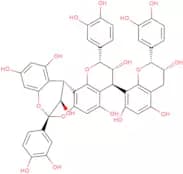
Discontinued productCinnamtannin B-1
CAS:Cinnamtannin B-1 is a cytosolic Ca2+ modulator that binds to and inhibits the activity of ATPases, which are enzymes that hydrolyze ATP. This causes an increase in intracellular Ca2+ levels, which leads to altered cell physiology. Cinnamtannin B-1 also inhibits mitochondrial membrane potential and enzyme activities. Cinnamtannin B-1 is a bioactive phytochemical found in cinnamon extract, which has been shown to have anti-obesity effects due to its ability to reduce the number of fat cells. Cinnamtannin B-1 has been shown to inhibit 3T3-L1 preadipocyte differentiation by targeting proteins such as procyanidins.
Formula:C45H36O18Purity:Min. 95%Color and Shape:PowderMolecular weight:864.76 g/molRef: 3D-FC09482
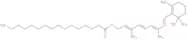
Discontinued productVitamin A palmitate
CAS:Vitamin A palmitate is a fat-soluble vitamin that has antioxidant properties. It is available as a supplement in the form of retinol and retinyl palmitate. Vitamin A palmitate is an inactive form of vitamin A that can be converted to retinol in vivo by esterases and other enzymes. The conversion of vitamin A palmitate to retinol may be inhibited by various substances, such as estradiol benzoate. This conversion leads to the formation of free radicals, which cause oxidative injury to cells. Studies have shown that vitamin A palmitate can be toxic for humans because it interferes with the synthesis of mucin, an important constituent of human lungs and airways. Vitamin A palmitate also alters gene expression in some experimental models, leading to changes in cell growth or death.
Formula:C36H60O2Color and Shape:Yellow PowderMolecular weight:524.86 g/molBiotinyl-Obestatin (human) trifluoroacetate salt
CAS:Please enquire for more information about Biotinyl-Obestatin (human) trifluoroacetate salt including the price, delivery time and more detailed product information at the technical inquiry form on this page
Formula:C126H190N34O35SPurity:Min. 95%Molecular weight:2,773.13 g/molRef: 3D-FB109810
Discontinued product3-Hydroxy-3-methylglutaric acid
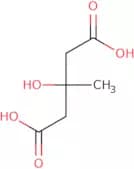
CAS:3-Hydroxy-3-methylglutaric acid is an organic acid that is a valuable intermediate in the chemical production of epidermal growth factor. 3-Hydroxy-3-methylglutaric acid also has been shown to be useful as a reagent for the detection of bacterial strains, including E. coli, Salmonella enterica, and Pseudomonas aeruginosa. The enzyme activities of 3-hydroxy-3-methylglutaric acid are not well understood, but it has been shown to have effects on congestive heart failure and bowel disease. 3-Hydroxy-3-methylglutaric acid may be used in the treatment of inflammatory bowel disease due to its ability to inhibit certain enzymes responsible for inflammation and pain. The long term toxicity and symptoms associated with 3-hydroxy-3-methylglutaric acid have not yet been studied, but it has been shown to have no effect on cardiac function
Formula:C6H10O5Purity:Min. 95%Molecular weight:162.14 g/mol


![([ring-D5]Phe6)-Somatostatin-14](/_next/image/?url=https%3A%2Fstatic.cymitquimica.com%2Fproducts%2F3D%2Fthumb-webp%2FFR110019.webp&w=3840&q=75)