


Pharmaceutical Standards
Subcategories of "Pharmaceutical Standards"
- APIs for research and impurities(277,042 products)
- Enzyme Activators and Inhibitors(2,829 products)
- Nitrosamines(2,647 products)
- Pharmaceutical and Veterinary Compounds and Metabolites(2,894 products)
- Toxicology(13,406 products)
Found 8078 products of "Pharmaceutical Standards"
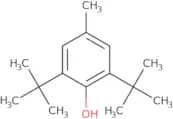
2,6-Di-tert-butyl-p-cresol
CAS:2,6-Di-tert-butyl-p-cresol (BPC) is a phenolic compound that has been shown to scavenge anion radicals. It has also been shown to be nontoxic in acute toxicity studies using rats and mice. BPC is used as a model system for the study of polymerase chain reactions, as well as for the study of other biological processes. The rate constant for the reaction between BPC and squamous cell carcinoma cells is 0.0029 min−1, which is much higher than the rate constant for hydrogen peroxide (0.0004 min−1).
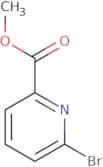
Formula:C15H24OPurity:Min. 95%Color and Shape:White PowderMolecular weight:220.35 g/mol2-Bromo-6-nicotinic acid methyl ester
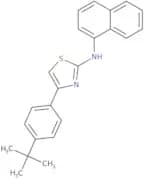
CAS:2-Bromo-6-nicotinic acid methyl ester is a monomer that is used in vivo as a reactive probe. It undergoes a thermally induced reaction with sodium carbonate to form picolinic acid and 2,6-dibromonicotinic acid. The picolinic acid can be converted to its fluorescent analog, which has been shown to be useful for the detection of tumors in mice. This compound also reacts with metal ions such as copper and zinc, which allows it to act as a ligand for metal complexes.Formula:C7H6BrNO2Purity:Min. 95%Color and Shape:PowderMolecular weight:216.03 g/mol(4-(4-(tert-butyl)phenyl)(2,5-thiazolyl))-1-naphthylamine
CAS:Please enquire for more information about (4-(4-(tert-butyl)phenyl)(2,5-thiazolyl))-1-naphthylamine including the price, delivery time and more detailed product information at the technical inquiry form on this page
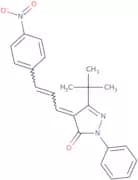
Purity:Min. 95%3-(tert-butyl)-4-(3-(4-nitrophenyl)prop-2-enylidene)-1-phenyl-2-pyrazolin-5-one
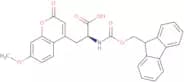
CAS:Please enquire for more information about 3-(tert-butyl)-4-(3-(4-nitrophenyl)prop-2-enylidene)-1-phenyl-2-pyrazolin-5-one including the price, delivery time and more detailed product information at the technical inquiry form on this pagePurity:Min. 95%Fmoc-β-(7-methoxy-coumarin-4-yl)-Ala-OH
CAS:Fmoc-b-(7-methoxy-coumarin-4-yl)-Ala-OH is a reagent with the CAS No. 524698-40-6, which is used in organic synthesis. It is a versatile building block and useful intermediate that can be used to synthesize other organic compounds. Fmoc-b-(7-methoxy-coumarin-4-yl)-Ala-OH is also used as a reaction component in the synthesis of peptides and proteins, as well as in the preparation of polymers. It has been shown to be an effective building block for complex compounds.Formula:C28H23NO7Purity:Min. 95%Color and Shape:PowderMolecular weight:485.48 g/molFlutropium bromide
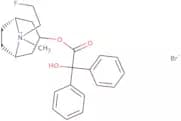
CAS:Flutropium bromide is an analog of the drug pergolide mesylate. It has been shown to be effective in treating symptoms of bowel disease, such as inflammatory bowel disease. Flutropium bromide inhibits enzymes, such as hydroxylase and oxidase, which are involved in the synthesis of various hormones. This inhibition leads to a decrease in the activity of cells that produce these hormones and may be responsible for its therapeutic effect. Flutropium bromide has also been shown to have occlusive properties and is used in bronchiolitis obliterans.Formula:C24H29BrFNO3Purity:Min. 95%Molecular weight:478.39 g/molRosuvastatin sodium
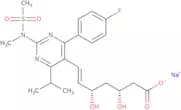
CAS:Rosuvastatin sodium salt is a statin drug that inhibits the enzyme HMG-CoA reductase. It is used to lower cholesterol and triglyceride levels in the blood, and to prevent heart attacks and strokes. Rosuvastatin sodium salt has been shown to have anti-inflammatory activity in human liver cells, which may be due to its ability to suppress the release of proinflammatory cytokines. Rosuvastatin sodium salt has also been shown to have synergistic effects with other drugs such as desipramine hydrochloride in primary cells, which may be due to its ability to inhibit the activity of cytochrome P450 enzymes. This drug is metabolized by alkali hydrolysis into rosuvastatin acid, which is then converted into an active form by polymorphic esterases in the liver. The active form can then be hydrolyzed by plasma esterases into inactive metabolites. Rosuvastatin sodium salt is a crystalline powderFormula:C22H28FN3O6S•NaPurity:Min. 96 Area-%Color and Shape:White PowderMolecular weight:504.53 g/mol2-Fluoro-3-methylbenzoic acid methyl ester
CAS:2-Fluoro-3-methylbenzoic acid methyl ester is a small molecule that has been shown to possess 5-HT3 receptor antagonist activity in the range of nanomolar potencies. This drug has also been shown to be orally active in mice. The physicochemical properties of 2-fluoro-3-methylbenzoic acid methyl ester include a melting point of 155.5° C, solubility in methanol and acetone, and a molecular weight of 168.2 g/mol. 2-Fluoro-3-methylbenzoic acid methyl ester is being developed as a targeted agent for the treatment of bowel syndrome, which is characterized by abdominal pain, nausea and diarrhea.Formula:C9H9FO2Purity:Min. 95%Color and Shape:Clear LiquidMolecular weight:168.16 g/mol(4-Bromophenyl)thiourea
CAS:(4-Bromophenyl)thiourea is an oxidant that has been used in the commercialization of photographic films and perovskites. It can be used as a biological stain to detect proteins, and contains both UV-A and UV-B spectra. This chemical is also able to convert ammonium nitrate into nitric acid, which has been shown to be synergistic with thiourea. (4-Bromophenyl)thiourea can exist as two isomers, cis and trans, which have different properties. The cis isomer reacts faster than the trans isomer with ammonia, but the trans form has greater solubility in water. The techniques for separating these two forms are chromatography and crystallization.
Formula:C7H7BrN2SPurity:Min. 95%Molecular weight:231.11 g/molβ-Pinene
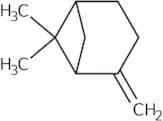
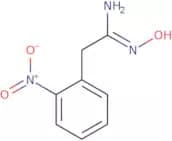
CAS:β-Pinene is a monoterpene that is found in many essential oils and has a variety of uses. It can be isolated from the acetate extract of pine needles or synthesized from pinene oxide. β-Pinene can also be synthesized by reacting caproic acid with sodium carbonate and phosphotungstic acid in the presence of cationic polymerization initiators, such as polyethylenimine, to form polymers. β-Pinene is used in the production of various chemical substances including particle boards, adhesives, varnishes, paints, lacquers, and resins. It has also been shown to have antiviral properties against herpes simplex virus.Formula:C10H16Purity:Min. 95%Color and Shape:Clear LiquidMolecular weight:136.23 g/mol1-(Hydroxyimino)-2-(2-nitrophenyl)ethylamine
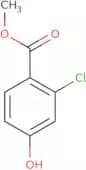
CAS:Please enquire for more information about 1-(Hydroxyimino)-2-(2-nitrophenyl)ethylamine including the price, delivery time and more detailed product information at the technical inquiry form on this pageFormula:C8H9N3O3Purity:Min. 95%Color and Shape:PowderMolecular weight:196.18 g/mol2-Chloro-4-hydroxybenzoic acid methyl ester
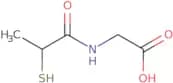
CAS:2-Chloro-4-hydroxybenzoic acid methyl ester is a white crystalline solid at room temperature. It is soluble in water and ethanol and has a melting point of 137°C. 2-Chloro-4-hydroxybenzoic acid methyl ester can be used as a versatile building block for the synthesis of fine chemicals, useful intermediates, research chemicals, reaction components, specialty chemicals, and complex compounds. It can also be used as a reagent to prepare other compounds.Formula:C8H7ClO3Purity:Min. 95%Color and Shape:PowderMolecular weight:186.59 g/molTiopronin
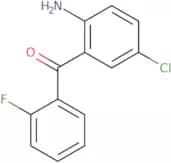
CAS:Tiopronin is a drug that binds to the GSH-Px enzyme, which is responsible for breaking down hydrogen peroxide and lipid hydroperoxides. It also inhibits the ATP-binding cassette transporter, which is an important protein in the cell membrane that regulates the passage of substances into and out of cells. Tiopronin has been shown to inhibit chemiluminescence reactions in bacteria, such as infectious diseases. This drug has also been shown to be effective against hepatic steatosis by reducing fatty acid synthesis and increasing fatty acid oxidation in rats. Tiopronin has been used for the treatment of patients with Wilson's disease, because it facilitates copper excretion from liver cells by inhibiting metal chelate formation.Formula:C5H9NO3SPurity:Min. 95%Color and Shape:PowderMolecular weight:163.2 g/mol2-Amino-5-chloro-2'-fluorobenzophenone
CAS:2-Amino-5-chloro-2'-fluorobenzophenone is a phenoxazine that has been used as an analytical reagent. It is also a fluorescent compound and an anxiolytic drug. 2-Amino-5-chloro-2'-fluorobenzophenone can be found in urine samples, where it may be the result of biotransformation by bacteria in the intestine or chemical reactions with nicotine or hydrochloric acid. The molecular electrostatic potentials for 2-amino-5-chloro-2'-fluorobenzophenone are calculated from vibrational spectra and the crystal x-ray diffraction pattern of its crystals. The chromatographic conditions for 2-amino-5-chloro-2'-fluorobenzophenone are determined by clinical chemistry and biodegradability, which is assessed using nmr spectra.
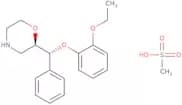
Formula:C13H9ClFNOPurity:Min. 95%Color and Shape:PowderMolecular weight:249.67 g/molReboxetine mesylate
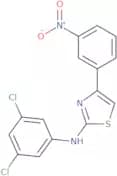
CAS:Controlled ProductReboxetine mesylate is a drug that belongs to the class of tricyclic antidepressants. It is a selective and potent inhibitor of neuronal reuptake of norepinephrine (noradrenaline). Reboxetine also interacts with neurokinin-1 receptor, which may affect locomotor activity and hippocampal formation, resulting in effects to memory and learning. It has been shown to be effective in the treatment of symptoms related to depression and Parkinson's disease.Formula:C20H27NO6SPurity:Min. 98 Area-%Color and Shape:PowderMolecular weight:409.5 g/mol(3,5-dichlorophenyl)(4-(3-nitrophenyl)(2,5-thiazolyl))amine
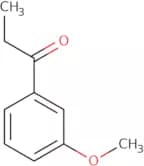
CAS:Please enquire for more information about (3,5-dichlorophenyl)(4-(3-nitrophenyl)(2,5-thiazolyl))amine including the price, delivery time and more detailed product information at the technical inquiry form on this pagePurity:Min. 95%3'-Methoxypropiophenone
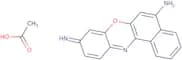
CAS:3'-Methoxypropiophenone is an acylating agent that is used in the synthesis of racemic and optically active phenylacetic acids. It can be prepared by the reaction of ketones with methoxypropiolic acid, which is catalyzed by a base such as sodium ethoxide. 3'-Methoxypropiophenone also has been shown to undergo transformation reactions with hydrogenolysis and salt formation. The deprotection step involves removal of a protective group such as dimethylamine or diastereomer.Formula:C10H12O2Purity:Min. 95%Color and Shape:PowderMolecular weight:164.2 g/molCresyl Violet acetate
CAS:Controlled ProductCresyl violet acetate is a dye that is used in histology to stain tissue sections. It binds to basic proteins, such as those found in the cytoplasm and nucleus, and has a strong affinity for nucleic acids. Cresyl violet acetate can be used to identify inflammatory lesions and other biological samples. The dye has been shown to induce neuronal death by reducing the redox potentials of neurons through the activation of Toll-like receptors (TLRs). Basic proteins are also involved in oral hypoglycaemic activity.
Formula:C18H15N3O3Purity:Limit? 65.%Color and Shape:PowderMolecular weight:321.33 g/molL-Asparagine monohydrate
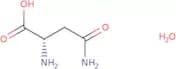
CAS:L-Asparagine monohydrate (LAM) is a water-soluble amino acid that is used in the treatment of metabolic disorders such as diabetes. LAM has been shown to be effective in cell culture and tissue culture experiments, where it was found to increase the production of growth factors, such as insulin and keratinocyte growth factor. This amino acid also has a high degree of kinetic stability and can be used for magnetic resonance spectroscopy studies. LAM is soluble in water, but not in organic solvents. It forms hydrogen bonds with other molecules and is able to form dehydrated crystals. The experimental solubility data for LAM can be found in table 1 below.Formula:C4H10N2O4Purity:(Titration) Min. 99%Color and Shape:White Clear LiquidMolecular weight:150.13 g/mol(6S)-5,6,7,8-Tetrahydro-6-[propyl[2-(2-thienyl)ethyl]amino]-1-naphthalenol
CAS:Controlled Product(6S)-5,6,7,8-Tetrahydro-6-[propyl[2-(2-thienyl)ethyl]amino]-1-naphthalenol is a potent and selective dopamine receptor agonist. It acts by binding to the dopamine receptors in the brain. This binding stimulates the release of dopamine and prevents it from being reabsorbed into the neurons, which in turn increases levels of extracellular dopamine in the synapse. (6S)-5,6,7,8-Tetrahydro-6-[propyl[2-(2-thienyl)ethyl]amino]-1-naphthalenol has been shown to have antidepressant effects in animal models of depression. It also has a long half life and can be administered as a transdermal patch for prolonged relief from depression symptoms.Formula:C19H25NOSPurity:Min. 95%Color and Shape:White Off-White PowderMolecular weight:315.47 g/mol



![(6S)-5,6,7,8-Tetrahydro-6-[propyl[2-(2-thienyl)ethyl]amino]-1-naphthalenol](/_next/image/?url=https%3A%2Fstatic.cymitquimica.com%2Fproducts%2F3D%2Fthumb-webp%2FFT76640.webp&w=3840&q=75)