Pharmaceutical Standards
Subcategories of "Pharmaceutical Standards"
- APIs for research and impurities(276,499 products)
- Enzyme Activators and Inhibitors(2,829 products)
- Nitrosamines(2,627 products)
- Pharmaceutical and Veterinary Compounds and Metabolites(2,900 products)
- Toxicology(13,513 products)
Found 7977 products of "Pharmaceutical Standards"
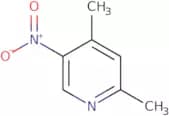
2,4-Dimethyl-5-nitropyridine
CAS:2,4-Dimethyl-5-nitropyridine is a hydroxyurea analog that inhibits the synthesis of ribonucleotides by competitively binding to the enzyme ribonucleotide reductase. This inhibition leads to the accumulation of diphosphate and deoxyribonucleotides, which are necessary for DNA synthesis. 2,4-Dimethyl-5-nitropyridine was found to be more potent than hydroxyurea as an inhibitor of cellular growth in vitro and cancer cell lines in vivo. The potency of 2,4-dimethyl-5-nitropyridine can be attributed to its ability to bind very tightly with ribonucleotide reductase and form a stable complex.
Formula:C7H8N2O2Purity:Min. 95%Color and Shape:Yellow Clear LiquidMolecular weight:152.15 g/mol5-Formylsalicylic acid
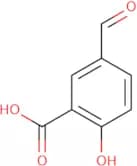
CAS:5-Formylsalicylic acid is a molecule that has the chemical formula HOOC-(CH2)4-COOH. It is an organic acid that is derived from 5-nitrosalicylic acid, which is prepared by reacting sodium carbonate with hydroxybenzoic acid in the presence of ethylene diamine. This compound has been shown to have the ability to form hydrogen bonds with other molecules and itself. 5-Formylsalicylic acid can be synthesized by reacting sodium hydroxide with hydrogen chloride gas in a neutral pH environment. The surface methodology for this compound was determined to be gravimetric analysis, while it exhibits intermolecular hydrogen bonding interactions and matrix effects. Hydrogen bonding interactions are formed through nitrogen atoms and carboxylate groups on the surface of the molecule.Formula:C8H6O4Purity:Min. 95%Color and Shape:PowderMolecular weight:166.13 g/mol4-Phenylbenzoic acid methyl ester
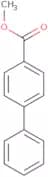
CAS:4-Phenylbenzoic acid methyl ester is a bifunctional molecule that has been shown to be an effective antibacterial agent. It contains two oxadiazole moieties, which are structurally similar to sulfonamides and can form a stable amide bond with an amino group. The pharmacophore of 4-phenylbenzoic acid methyl ester is a four-member ring with two nitrogens and two carbons. This compound has been shown to have antibacterial properties by cleaving the magnesium bond in the enzyme methionine synthase, which catalyzes the formation of methionine from homocysteine and ATP. 4-Phenylbenzoic acid methyl ester is also able to cleave bonds in nonpolar solvents such as benzene, chloroform, and dichloromethane.Formula:C14H12O2Purity:Min. 95%Color and Shape:PowderMolecular weight:212.24 g/molFmoc-L-aspartic acid beta-2-phenylisopropyl ester
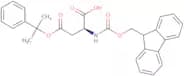
CAS:Fmoc-L-aspartic acid beta-2-phenylisopropyl ester is a macrocyclic amino acid with conformational and anti-inflammatory properties. It has been shown to inhibit the proliferation of cancer cells in vitro, as well as the osteolytic, lymphoproliferative, and inflammatory activities in vivo. Fmoc-L-aspartic acid beta-2-phenylisopropyl ester also has antiarrhythmic effects on cardiac tissue that are caused by its ability to bind to chloride channels. This compound also inhibits the production of inflammatory cytokines such as tumor necrosis factor alpha (TNFα) and interleukin 6 (IL6).
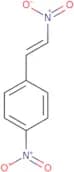
Formula:C28H27NO6Purity:Min. 95%Color and Shape:PowderMolecular weight:473.52 g/mol4-Nitrophenylnitroethene
CAS:4-Nitrophenylnitroethene is an organic compound that is synthesized through a nitroaldol reaction. This process involves the condensation of nitric acid and phenylethyl alcohol. The product is then catalyzed with potassium carbonate to produce 4-nitrophenylnitroethene. Nitroaldol reactions are used to produce many different types of compounds, including pharmaceuticals, dyes, and fragrances. The synthesis of this compound was analyzed by high-resolution mass spectrometry and gas chromatography–mass spectrometry techniques. It was found that the mesoporous structure of the 4-nitrophenylnitroethene particles play a role in its chemical properties.Formula:C8H6N2O4Purity:Min. 95%Color and Shape:PowderMolecular weight:194.14 g/mol17alpha-Methyl-19-nortestosterone
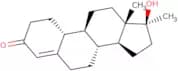
CAS:Controlled Product17alpha-Methyl-19-nortestosterone (17MT) is an anti-cancer agent that has been used as a contraceptive. It inhibits the conversion of testosterone to dihydrotestosterone by competitive inhibition of the enzyme 3beta-hydroxysteroid dehydrogenase, which is responsible for the first step in the biosynthesis of androgens. 17MT has also been shown to inhibit angiotensin II formation, thereby reducing blood pressure. This drug acts as a structural analogue of progesterone and binds to progesterone receptors, as well as other steroid receptors, with high affinity. 17MT also inhibits fatty acid synthesis in cancer cells, leading to decreased tumor growth.
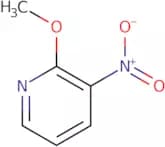
Formula:C19H28O2Purity:Min. 95%Color and Shape:PowderMolecular weight:288.42 g/mol2-Methoxy-3-nitropyridine
CAS:2-Methoxy-3-nitropyridine is a chemical compound with the molecular formula CHNO. It is classified as an amine and has a molecular weight of 140.24 g/mol. 2-Methoxy-3-nitropyridine is a colorless liquid that can be used to make other compounds, such as nitroarenes, boronic acids, and dyes. The molecule consists of a central carbon atom with four nitrogen atoms at the corners of a tetrahedron. The electron configuration for this molecule is 1s22s22p4. This means that the outer shell electrons are in orbitals with principal quantum numbers s=1 and p=2. These orbitals are located near the middle of the molecule rather than on the periphery as in ethane (CH3CH2). This orientation provides more space for other atoms to attach to the central carbon atom, which increases its affinity for nucleophilic attack. 2-MFormula:C6H6N2O3Purity:Min. 95%Color and Shape:PowderMolecular weight:154.12 g/mol1,3-Bis(4-fluorophenyl)urea
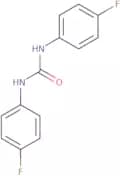
CAS:1,3-Bis(4-fluorophenyl)urea is a crystalline solid that is soluble in organic solvents. It has been used as an intermediate in the synthesis of other compounds. 1,3-Bis(4-fluorophenyl)urea is an electron acceptor and can be used to produce diphenyl ethers. This compound has been synthesized using ethyl acetoacetate and anilines. It can be used to treat infectious diseases such as tuberculosis, where it inhibits protein synthesis and cell growth by disrupting the formation of bacterial DNA.
Formula:C13H10F2N2OPurity:Min. 98 Area-%Color and Shape:White Off-White PowderMolecular weight:248.23 g/molDeltonin
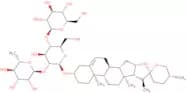
CAS:Deltonin is a natural product with anti-cancer properties. Deltonin induces autophagy in K562 cells and HL-60 cells. It also inhibits the growth of squamous carcinoma cells in mice. Deltonin can induce apoptosis by reducing mitochondrial membrane potential, which leads to the activation of caspase-9, -8, and -3. In addition to inducing autophagy, deltonin can inhibit cell proliferation and migration by attenuating the signal pathways that are responsible for these processes. The mechanism of action for deltonin is not well understood but it may be due to its reactive or activated nature as a chemical structure.Formula:C45H72O17Purity:Min. 95%Color and Shape:White PowderMolecular weight:885.04 g/mol1-[[5-(p-Nitrophenyl)furfurylidene]amino]-hydantoin sodium
CAS:Dantrolene sodium is a muscle relaxant that belongs to the group of pharmacological agents. It is used to treat muscle spasms and hyperactivity in patients with neuromuscular disorders. Dantrolene sodium inhibits calcium release by blocking the activity of the enzyme ryanodine receptor in skeletal muscle cells. This inhibition prevents uncontrolled contraction of muscles and reduces their energy consumption. The drug also has an effect on malignant hyperthermia, which is caused by an increase in the production of adenosine triphosphate (ATP) due to increased cellular metabolism. Dantrolene sodium can inhibit ATP synthesis, thus reducing energy production and stabilizing cell membranes, thereby preventing cell death in neurons and other tissues.
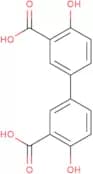
Formula:C14H10N4O5•NaPurity:Min. 95%Color and Shape:Yellow PowderMolecular weight:337.24 g/mol4,4' -Dihydroxy-3,3'-biphenyldicarboxylic acid
CAS:4,4'-Dihydroxy-3,3'-biphenyldicarboxylic acid is a fine chemical that is used as a building block in the synthesis of pharmaceuticals and other organic compounds. It has been shown to be an effective reagent for the synthesis of 4-hydroxypyridine derivatives. 4,4'-Dihydroxy-3,3'-biphenyldicarboxylic acid can also be used as a reaction component for the preparation of complex compounds such as 2-aminopyridines and 2-aminopyrimidines. This compound is also useful as an intermediate in the synthesis of polymers and other versatile scaffolds. The CAS number for this compound is 13987-45-6.Formula:C14H10O6Purity:Min. 96 Area-%Color and Shape:PowderMolecular weight:274.23 g/molL-Threonine
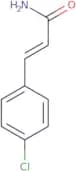
CAS:L-Threonine is an amino acid that is classified as a non-essential amino acid. It is a precursor for the synthesis of proteins and other important compounds in the body, such as neurotransmitters. L-Threonine has been shown to be necessary for the function of enzymes that catalyze reactions in cells. This amino acid also plays a role in protein synthesis and can help regulate transcriptional regulation of genes. L-Threonine has been shown to have antioxidant properties, which may be due to its ability to scavenge anion radicals and inhibit lipid peroxidation.Formula:C4H9NO3Purity:(Titration)Color and Shape:White PowderMolecular weight:119.12 g/mol4-Chlorocinnamide
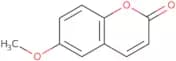
CAS:4-Chlorocinnamide is an organochlorine compound that has been found to have antibacterial properties. It inhibits the shikimate pathway in bacteria, which is essential for bacterial growth. This molecule has been shown to bind with the cation channel of the nerve cells in the trigeminal nerve and inhibit their function. The inhibition of this channel leads to reduced sensitivity to pain. 4-Chlorocinnamide is also a precursor in the synthesis of stilbene derivatives, which are used as anticancer drugs.Formula:C9H8ClNOPurity:Min. 95%Color and Shape:PowderMolecular weight:181.62 g/mol6-Methoxycoumarin
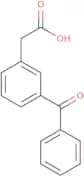
CAS:6-Methoxycoumarin is a potent inhibitor drug that inhibits the activity of monoamine oxidase (MAO). It has been shown to have anti-feedant properties in laboratory experiments and is used as an antifeedant. 6-Methoxycoumarin also fluoresces under ultraviolet light, which can be used to identify its presence in a solution. 6-Methoxycoumarin is a derivative of coumarin and has the same skeleton with two methoxy groups attached. The compound can be identified by its chemical structure and predictable fluorescence properties. 6-Methoxycoumarin has been shown to bind to amines, which are organic compounds containing nitrogen, on the chromatographic column, allowing for easy detection.Formula:C10H8O3Purity:Min. 95%Color and Shape:PowderMolecular weight:176.17 g/molDesmethyl ketoprofen
CAS:Desmethyl ketoprofen is a nonsteroidal anti-inflammatory drug that belongs to the group of amides. It is an acidic agent and is used to relieve pain and inflammation in the body. Desmethyl ketoprofen has been shown to be effective at relieving pain in humans, with a potential dose range of 10 mg to 100 mg. This compound has also been shown to be a potential biomarker for cancer, as it has been found in high concentrations in urine samples from patients with large cell lung cancer. Desmethyl ketoprofen is rapidly absorbed after oral administration, reaching peak plasma levels within 2 hours. The drug undergoes extensive metabolism in the liver by microsomal enzymes, primarily CYP2C9 and CYP3A4. It is eliminated primarily through biliary excretion (as metabolites) and renal excretion (as unchanged drug).Formula:C15H12O3Purity:Min. 95%Color and Shape:Off-White To Beige SolidMolecular weight:240.25 g/molHydroquinone-2,2'-diacetic acid
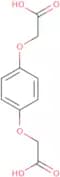
CAS:Hydroquinone-2,2'-diacetic acid is a labile and water soluble ester with activating properties. It is used in bioconjugate chemistry for the modification of proteins and peptides. Hydroquinone-2,2'-diacetic acid can be reused and has been shown to react with a wide range of synthons or linkers. This compound has been shown to induce apoptosis in cancer cells. Hydroquinone-2,2'-diacetic acid also has fluorescence properties that are sensitive to copper ions, making it useful for analytical applications such as protein quantification and detection of metal ions.Formula:C10H10O6Purity:Min. 98 Area-%Color and Shape:PowderMolecular weight:226.18 g/mol5-Bromothiophene-2-carboxylic acid methyl ester
CAS:5-Bromothiophene-2-carboxylic acid methyl ester is an alkene that is used in the synthesis of molybdenum trioxide and other polyhalogenated compounds. It can be prepared by alkylation of 5-bromothiophene with ethyl bromoacetate in the presence of carbon tetrachloride and a halide, such as bromine. The use of photophysical optimization has been shown to significantly improve the yield of this reaction. The reactive nature of 5-bromothiophene-2-carboxylic acid methyl ester makes it suitable for use in organic synthesis. This compound has been shown to have a positive effect on bone mass, which may be due to its ability to inhibit osteoclasts, reducing the activity of these cells that break down bone tissue.Formula:C6H5BrO2SPurity:Min. 95%Color and Shape:PowderMolecular weight:221.07 g/molCholesterol Laurate
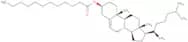
CAS:Controlled ProductCholesterol laurate is a natural substance found in plants and animals. It is an ester of cholesterol and lauric acid. Cholesterol laurate is a monolayer lipid with a transition temperature of about −30°C, making it liquid at room temperature. The molecule has been shown to form desmosterol, which is the precursor for cholesterol synthesis in humans. It has also been shown that cholesterol laurate can be used to produce campesterol and ketosteroids.Formula:C39H68O2Purity:Min. 95%Color and Shape:PowderMolecular weight:568.96 g/mol4-Dimethylamino-4'-methylchalcone
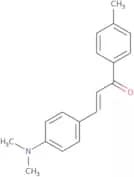
CAS:4-Dimethylamino-4'-methylchalcone is a versatile building block that can be used in synthesis of fine chemicals, research chemicals, and reagents. It can also be used as a speciality chemical or useful intermediate for the preparation of other compounds. 4-Dimethylamino-4'-methylchalcone has been shown to react with many different functional groups and is useful as a scaffold for the synthesis of complex molecules. It has been shown to have high quality, making it an excellent choice for use in reactions.Formula:C18H19NOPurity:Min. 95%Color and Shape:PowderMolecular weight:265.35 g/molClobetasol Propionate - Impurity B
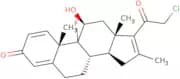
CAS:Controlled Product(11β)-21-Chloro-9-fluoro-11-hydroxy-16-methylpregna-1,4,16-triene-3,20-dione is a chemical compound that can be used as a building block in the synthesis of other chemicals. It is structurally related to progesterone and has been found to have antiandrogenic properties. This product can also be used as a reagent or speciality chemical in research. It is high quality and versatile. (11β)-21-Chloro-9-fluoro-11-hydroxy-16-methylpregna 1,4,16 triene 3,20 dione has been shown to have an effect on the body's reproductive system by binding to the androgen receptor.Formula:C22H26ClFO3Purity:Min. 95%Color and Shape:PowderMolecular weight:392.89 g/mol

![1-[[5-(p-Nitrophenyl)furfurylidene]amino]-hydantoin sodium](/_next/image/?url=https%3A%2Fstatic.cymitquimica.com%2Fproducts%2F3D%2Fthumb-webp%2FFN44999.webp&w=3840&q=75)