Pharmaceutical Standards
Subcategories of "Pharmaceutical Standards"
- APIs for research and impurities(276,112 products)
- Enzyme Activators and Inhibitors(2,829 products)
- Nitrosamines(2,617 products)
- Pharmaceutical and Veterinary Compounds and Metabolites(2,919 products)
- Toxicology(13,573 products)
Found 7922 products of "Pharmaceutical Standards"
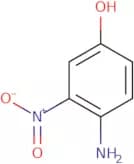
4-Amino-3-nitrophenol
CAS:4-Amino-3-nitrophenol is a reactive aminophenol that can be synthesized from hydrogen sulfate and diethyl ester. It is used in the synthesis of amines and other chemicals, as well as in analytical methods for determining the concentration of nitrates, nitrites, and aminophenols. 4-Amino-3-nitrophenol has been shown to have photocatalytic activity.
Formula:C6H6N2O3Purity:Min. 95%Color and Shape:PowderMolecular weight:154.12 g/mol(+)-Biotin-(PEO)4-amine
CAS:Nucleophilic biotinylation reagent. Attaches cell surface glycosides to ELISA-type surfaces, mediated by a hydrophilic spacer/linker.Formula:C18H34N4O5SPurity:Min. 95%Color and Shape:White PowderMolecular weight:418.55 g/molWST-1
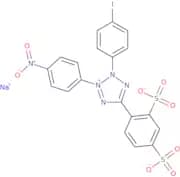
CAS:WST-1 is a water soluble cell permeable dye. Upon NADH-dependent enzymatic cleavage by cellular mitochondrial dehydrogenases, formazan is released, which can be quantified by colorimetric detection at 450 nm.
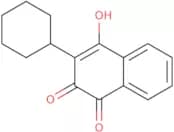
Formula:C19H11IN5NaO8S2Purity:Min. 95 Area-%Color and Shape:PowderMolecular weight:651.35 g/mol2-Hydroxy-3-cyclohexyl-1,4-naphthoquinone
CAS:Parvaquone is a drug used in the diagnosis and treatment of rheumatoid arthritis. It is a synthetic naphthoquinone that inhibits the production of prostaglandins by inhibiting cyclooxygenase enzymes, which are involved in the biosynthesis of these compounds. Parvaquone also has antimicrobial effects against some bacteria, fungi, and viruses. The bioavailability of parvaquone is low due to its high lipophilicity and poor aqueous solubility. When it does enter the bloodstream, it binds to plasma proteins such as albumin or alpha-1-acid glycoprotein. Parvaquone binds to collagen and other macromolecules in tissues, where it inhibits the synthesis of DNA by binding to the polymerase chain reaction (PCR). This binding leads to inhibition of transcription factors that regulate cell growth, leading to decreased cell division and tissue proliferation. Parvaquone also has some anti-inflammatory properties dueFormula:C16H16O3Purity:Min. 95%Color and Shape:Yellow PowderMolecular weight:256.3 g/molGrape seed extract - Technical
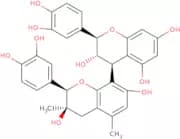
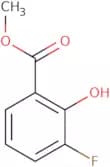
CAS:Grape seed extract is a natural compound that is extracted from the seeds of grape plants. It contains growth factors, such as growth factor-β1 and dinucleotide phosphate (NADP). Grape seed extract also has enzyme activities including natural compounds, biocompatible polymers, and antimicrobial agents. The extract can be used to prevent bacterial growth on surfaces by inhibiting the enzymatic activity of cell walls. The extract has been shown to have antibacterial effects against human serum and mitochondria membrane potential in a model system.Formula:C30H12O6Purity:Min. 95%Color and Shape:Red PowderMolecular weight:468.41 g/mol3-Fluoro-2-hydroxybenzoic acid methyl ester
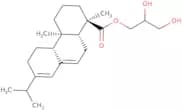
CAS:3-Fluoro-2-hydroxybenzoic acid methyl ester (3-FHBA) is a high quality chemical compound that is used as an intermediate to produce other compounds. It has been shown to be a useful scaffold for the synthesis of complex compounds with various functional groups. 3-FHBA is also a reagent in the production of fine chemicals, research chemicals, and speciality chemicals. This compound has many uses, including being a versatile building block for reactions in organic synthesis and being a reaction component in the production of many types of products.Formula:C8H7FO3Purity:Min. 95%Color and Shape:White PowderMolecular weight:170.14 g/molGlycerin rosin ester
CAS:Glycerin rosin ester is a polyunsaturated, hydrogenated, fatty acid that is used as a cross-linking agent. It is a mixture of glycerin and calcium stearate with traces of choroidal neovascularization. Glycerin rosin ester is used in the production of pharmaceutical preparations to increase the viscosity and stability of the formulation. Glycerin rosin ester has been shown to have a low thermal expansion coefficient, which allows it to be used as a hydrogen bond. This product also has an allergic effect on skin and can cause irritation if touched or inhaled. The transport rate for this product is 0.5 kilometers per hour at 20 degrees Celsius.
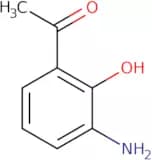
Formula:C3H8O3Color and Shape:Off-White PowderMolecular weight:92.093'-Amino-2'-hydroxyacetophenone
CAS:3'-Amino-2'-hydroxyacetophenone is a synthetic compound that reacts with salicylaldehyde and hydrochloric acid to form an aromatic hydrocarbon. The reaction vessel used is made of glass and contains potassium dichromate, copper complex, and nitro. This product can be produced in acidic conditions with the addition of phosphotungstic acid and chloride. 3'-Amino-2'-hydroxyacetophenone can also be produced by reacting mercuric chloride, which is an oxidizing agent, with an aromatic hydrocarbon. This product has a rotator.
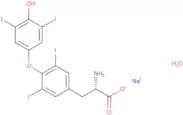
Formula:C8H9NO2Purity:Min. 95%Color and Shape:PowderMolecular weight:151.16 g/mol3,3',5,5'-Tetraiodo-L-thyronine sodium hydrate
CAS:3,3',5,5'-Tetraiodo-L-thyronine sodium hydrate is a synthetic thyroid hormone that is used to treat hypothyroidism and myxedema coma. It is also used as an ingredient in pharmaceuticals. 3,3',5,5'-Tetraiodo-L-thyronine sodium hydrate has been shown to be effective in the treatment of hypothyroidism and myxedema coma. The drug exhibits a high degree of bioequivalence with levothyroxine sodium tablets.
MRP2/ABCG2 transport proteins are expressed at high levels in the liver and gut epithelium and play a role in the absorption of 3,3',5,5'-tetraiodo-L-thyronine sodium hydrate from the small intestine into blood circulation. This drug binds to sorbitol and d-mannitol through hydrogen bonding interactions. These interactions may be responsible forFormula:C15H10I4NNaO4•(H2O)xPurity:Min. 97 Area-%Color and Shape:PowderMolecular weight:798.85Folic acid impurity F
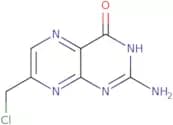
CAS:Folic acid impurity F is a byproduct of the condensation reaction between folic acid and formaldehyde. This impurity is found in synthetic folic acid and is also present in small amounts in natural folates. It has been shown to be an antioxidant that can prevent the oxidation of vitamin B12, which can lead to cell damage. Folic acid impurity F can be isolated from a chromatographic column using acidic conditions, then hydrolyzed with dilute hydrochloric acid or sodium hydroxide to produce the desired product.Formula:C7H6ClN5OPurity:Min. 95%Molecular weight:211.61 g/molPhytosterols
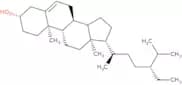
CAS:Controlled ProductPhytosterols are a group of plant-derived sterols that have been shown to have cholesterol-lowering activity in humans. The cholesterol-lowering effect is due to the ability of phytosterols to bind with cholesterol receptors and inhibit the absorption of dietary cholesterol. Phytosterols are absorbed from the small intestine into the blood, where they are converted into bile acids and eliminated in stool. Phytosterols also have anti-inflammatory properties, which is thought to be due to their ability to inhibit prostaglandin synthesis. Phytosterols may also protect against atherosclerosis by inhibiting LDL oxidation and reducing inflammatory cell recruitment. The following products are designed for use as pharmaceuticals:
Formula:C29H50OPurity:Min. 95 Area-%Color and Shape:White PowderMolecular weight:414.71(R)-N-Methyl-3-(1-naphthoxy)-3-(2-thienyl)propylamine hydrochloride
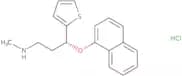
CAS:Controlled Product(R)-N-Methyl-3-(1-naphthoxy)-3-(2-thienyl)propylamine hydrochloride is a nonsteroidal anti-inflammatory drug that has been shown to be effective for the treatment of osteoarthritis, rheumatoid arthritis, ankylosing spondylitis, and chronic low back pain. This drug can also be used for other inflammatory conditions such as psoriasis and Crohn's disease. The mechanism of action of (R)-N-Methyl-3-(1-naphthoxy)-3-(2-thienyl)propylamine hydrochloride is not fully understood. It may work by blocking the synthesis of prostaglandins in the body. This drug is metabolized in the liver to its active form, which binds to cyclooxygenase 1 and 2 enzymes to inhibit the production of prostaglandins. It also inhibits human serum x-rayFormula:C18H19NOS•HClPurity:Min. 95%Color and Shape:White To Off-White SolidMolecular weight:333.88 g/molN-Acetyl-L-carnosine
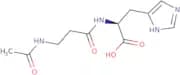
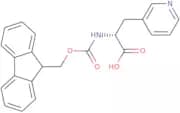
CAS:N-Acetyl-L-carnosine is a reactive compound that has been shown to be effective in the treatment of metabolic disorders. It inhibits carcinine, an enzyme involved in lipid metabolism, and has been shown to increase carnosine levels in vivo and in human serum. N-Acetyl-L-carnosine also inhibits acetylcholinesterase activity, which may be beneficial for eye disorders such as glaucoma. This compound also possesses antioxidative properties and has been shown to have a high resistance against many enzymes. N-Acetyl-L-carnosine has been studied extensively for its biological effects, including its antioxidant and antiaging properties.Formula:C11H16N4O4Purity:Min. 98 Area-%Color and Shape:PowderMolecular weight:268.27 g/molFmoc-3-(3'-pyridyl)-D-alanine
CAS:Fmoc-3-(3'-pyridyl)-D-alanine is a building block for the synthesis of a wide variety of compounds. This compound has been shown to be an excellent and versatile starting material for the synthesis of complex compounds. Fmoc-3-(3'-pyridyl)-D-alanine is also a useful intermediate in organic synthesis and can be used as a reagent or in research. It has CAS number 142994-45-4.Formula:C23H20N2O4Purity:Min. 95%Color and Shape:PowderMolecular weight:388.42 g/mol2,6-Difluoro-4-hydroxybenzoic acid methyl ester
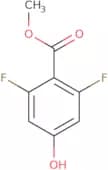
CAS:2,6-Difluoro-4-hydroxybenzoic acid methyl ester is an inhibitor of monoamine oxidase (MAO). It inhibits the oxidation of monoamines such as norepinephrine and serotonin. The inhibition of MAO leads to increase in norepinephrine levels and decrease in serotonin levels. 2,6-Difluoro-4-hydroxybenzoic acid methyl ester has been shown to have antidepressant effects. This drug has also been shown to be effective for treating intraocular hypertension, by inhibiting the formation rate of aqueous humor and lowering intraocular pressure.Formula:C8H6F2O3Purity:Min. 95%Color and Shape:PowderMolecular weight:188.13 g/mol2-(Di-tert-butylphosphino)-2',4',6'- triisopropyl-3,6-dimethoxy-1,1'-biphenyl
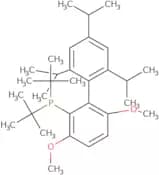
CAS:2-(Di-tert-butylphosphino)-2',4',6'-triisopropyl-3,6-dimethoxy-1,1'-biphenyl is a nucleophilic compound that can be used in amination reactions. It has been used to synthesize fluorinated compounds by reacting with various halides under palladium catalysis. This reaction is an efficient method for the synthesis of 5-membered heteroaryl compounds and pyrazole rings. 2-(Di-tert-butylphosphino)-2',4',6'-triisopropyl-3,6-dimethoxy-1,1'-biphenyl has also been shown to inhibit the growth of carcinoma cell lines and profiles in aminoimidazoles.Formula:C31H49O2PPurity:Min. 97 Area-%Color and Shape:White Off-White PowderMolecular weight:484.69 g/mol(-)-Borneol
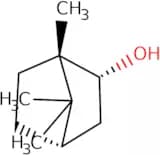
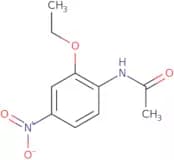
CAS:Controlled Product(-)-Borneol is a monoterpenoid that is found in plants such as Angelica Dahurica, Salvia Miltiorrhiza, and Rhizoma Gastrodiae. (-)-Borneol has been shown to inhibit the activity of complex enzymes such as fructosyltransferase, which is involved in the synthesis of fructose-1,6-bisphosphate. This compound also displays significant cytotoxicity against cancer cells and induces apoptosis by inhibiting DNA binding activity. (-)-Borneol also has anti-inflammatory properties and can be used for the treatment of inflammatory diseases such as asthma. It inhibits prostaglandin synthesis by blocking cyclooxygenases (COX). Experimental studies have shown that borneol can inhibit the growth of Mycobacterium tuberculosis and Mycobacterium avium complex.Formula:C10H18OPurity:Min. 95%Color and Shape:PowderMolecular weight:154.25 g/mol2'-Ethoxy-4'-nitroacetanilide
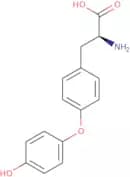
CAS:2'-Ethoxy-4'-nitroacetanilide is a chemical compound that is used as a building block in the synthesis of other chemicals. It is a versatile building block and can be used to synthesize many different types of compounds, including drugs, pesticides, and dyes. 2'-Ethoxy-4'-nitroacetanilide has been classified as a speciality chemical and is not for human consumption.Formula:C10H12N2O4Purity:Min. 95%Color and Shape:PowderMolecular weight:224.21 g/molL-Thyronine
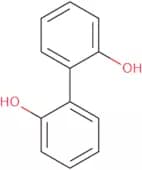
CAS:L-Thyronine is a hormone that is synthesized in the thyroid gland and has a variety of biological functions. It is used to treat congestive heart failure, atherosclerosis, and other types of heart disease. L-Thyronine binds to receptors on cells and activates them, which stimulates production of energy for the cell. L-Thyronine also increases the number of mitochondria in cells and regulates the production of nitric oxide, which plays an important role in vascular relaxation. L-Thyronine can be administered orally or intravenously as a solution. The clinical response to treatment is evaluated by measurement of serum thyroxin levels before and after administration of L-Thyronine.Formula:C15H15NO4Purity:Min. 95%Color and Shape:PowderMolecular weight:273.28 g/mol2,2'-Biphenol
CAS:2,2'-Biphenol is a phenolic compound that is used in the synthesis of polymers. The thermal expansion coefficient of 2,2'-biphenol can be measured by DSC and found to be ˜6.5 × 10⁻⁴/°C. The UV absorption spectrum of 2,2'-biphenol shows three bands at wavelengths of 290 nm, 320 nm, and 370 nm. 2,2'-Biphenol has been shown to adsorb onto biological surfaces through an adsorption mechanism. It has been observed that this adsorption occurs via x-ray crystal structures and kinetic measurements have shown that the adsorption process is rate-limited by intramolecular hydrogen bonding between the protonated phenolic hydroxyl group and the aromatic ring. The activation energies for protonation and desorption have been determined to be ˜30 kJ/mol and ˜30 kJ/mol respectively. Ac
Formula:C12H10O2Purity:Min. 98 Area-%Color and Shape:White PowderMolecular weight:186.21 g/mol