Pharmaceutical Standards
Pharmaceutical standards are a comprehensive set of reference materials essential for ensuring the safety, efficacy, and quality of pharmaceutical products. This category includes standards for active pharmaceutical ingredients (APIs), which are the core components responsible for therapeutic effects. Additionally, it covers compounds and metabolites relevant to both the pharmaceutical and veterinary industries, providing benchmarks for the accurate measurement and analysis of these substances. Nitrosamine control standards are crucial for detecting and mitigating potentially harmful nitrosamines in drug formulations. Toxicology standards help assess the safety and potential adverse effects of pharmaceutical compounds. Furthermore, enzyme activators and inhibitors standards are vital for research and development, enabling precise studies of biochemical pathways and drug mechanisms. These pharmaceutical standards are indispensable tools for regulatory compliance, quality control, and research, ensuring that pharmaceutical products meet stringent safety and effectiveness criteria.
Subcategories of "Pharmaceutical Standards"
- APIs for research and impurities(274,920 products)
- Enzyme Activators and Inhibitors(2,827 products)
- Nitrosamines(2,606 products)
- Pharmaceutical and Veterinary Compounds and Metabolites(2,871 products)
- Toxicology(13,652 products)
Found 7836 products of "Pharmaceutical Standards"
Sort by
Purity (%)
0
100
|
0
|
50
|
90
|
95
|
100
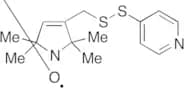
1-Oxyl-2,2,5,5-tetramethyl-∆3-pyrrolinyl-4-pyridine Disulfide
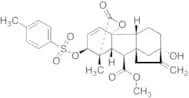
Controlled Product<p>Applications A highly reactive thiol-specific spin-label. A specific conformational probe of thiol site structure by virtue of its minimal rotational freedom and distance from the covalent disulfide linkage to the macromolecule under study.<br></p>Formula:C14H19N2OS2Color and Shape:NeatMolecular weight:295.443Gibberellic Acid Methyl Ester 2-p-Toluenesulfonate
CAS:Controlled Product<p>Applications Gibberellic Acid Methyl Ester 2-p-Toluenesulfonate is an intermediate in the synthesis of Gibberellin A5 (G377465). Gibberellin A5 is a plant hormone which promotes floral development but have little effect on stem elongation.<br>References Cross, B.E., et al.: Tetrahedron., 8, 451 (1962); Meijon, M., et al.: J. Plant. Growth. Regulat., 30, 74 (2011); Ward, D.A., et al.: Phytochem., 71, 2010 (2010)<br></p>Formula:C27H30O8SColor and Shape:NeatMolecular weight:514.593-Cyanomethylbenzoic acid methyl ester
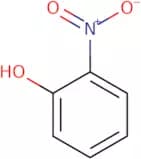
CAS:3-Cyanomethylbenzoic acid methyl ester is a synthetic chemical compound that is used as an intermediate in the production of other chemicals. It is a chlorination agent that reacts with toluene and methanol in the presence of chlorine to produce 3-chloromethylbenzoic acid methyl ester. This reaction also produces a byproduct called sulphone, which can be converted into acylation reagents for use in organic synthesis. The chloride ion can be used for cyanation reactions, which are useful for producing dyes or pharmaceuticals.Formula:C10H9NO2Purity:Min. 95%Color and Shape:SolidMolecular weight:175.18 g/mol2-Nitrophenol
CAS:2-Nitrophenol has been used as an antimicrobial agent. 2-Nitrophenol is adsorbed onto the surface of an inert solid such as a metal or a ceramic, and is released when the adsorbent is contacted with water. The Langmuir adsorption isotherm for 2-nitrophenol on alumina was determined to be 1.4x10⁻³ mol/cm2. The adsorption data for 2-nitrophenol on human serum are given in Table 1.Formula:O2NC6H4OHPurity:Min. 95%Color and Shape:PowderMolecular weight:139.11 g/mol(1S)-(+)-10-Camphorsulfonic acid
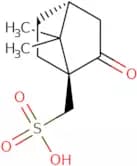
CAS:(1S)-(+)-10-Camphorsulfonic acid is an organolithium compound that is used as a reagent in organic synthesis. It has been shown to have antimicrobial activity against Gram-positive and Gram-negative bacteria, including methicillin-resistant Staphylococcus aureus (MRSA). The bathochromic shift observed in the infrared spectrum of camphorsulfonic acid at 860 nm is due to the hydrogen bonding between sulfonic acid groups. Camphorsulfonic acid has also been shown to inhibit dipeptidyl peptidase-IV, which results in increased levels of butyric acid, a short chain fatty acid. This inhibition may be responsible for its use as an adjuvant for vaccines.Formula:C10H16O4SPurity:Min. 95%Color and Shape:PowderMolecular weight:232.3 g/molγ-L-glutamyl-b-naphthylamide
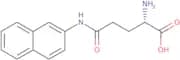
CAS:Gamma-L-glutamyl-b-naphthylamide is a high quality, reagent, complex compound that is used as an intermediate in the production of fine chemicals such as speciality chemicals and research chemicals. Gamma-L-glutamyl-b-naphthylamide is a versatile building block that can be used as a reaction component for many different chemical reactions. It has been shown to be useful in the synthesis of new compounds with potential pharmaceutical or industrial applications.Formula:C15H16N2O3Purity:Min. 95%Molecular weight:272.3 g/mol2,2'-Dimethylazoxybenzene
CAS:2,2'-Dimethylazoxybenzene is the active chemical in this product. It has been shown to be a reactive molecule that can undergo electron reduction. It is also an acidic compound that reacts with amines and carbon nanotubes to form azobenzene and nitrotoluene respectively. The mechanism of the reaction is not well understood but it is thought that a molecule with a double bond adjacent to the azoxy group may react with one of the hydrogen atoms on the double bond causing elimination of nitrogen gas and formation of azobenzene or nitrotoluene.Formula:C14H14N2OPurity:Min. 95%Color and Shape:PowderMolecular weight:226.27 g/mol4'-Bromo-3'-methylacetophenone, 75%
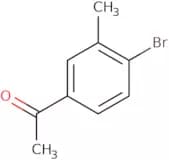
CAS:<p>4'-Bromo-3'-methylacetophenone, 75% is a high quality reagent that is a useful intermediate for the synthesis of complex compounds. It has CAS No. 37074-40-1 and can be used as a fine chemical or speciality chemical in research. This product is also a versatile building block that can be used as an intermediate in reactions and as a reaction component.</p>Formula:C9H9BrOPurity:Min. 95%Molecular weight:213.07 g/mol1-Biotinylamino-3,6,9-trioxaundecane-11-bromide
CAS:1-Biotinylamino-3,6,9-trioxaundecane-11-bromide is a high quality reagent that is used in research and development. It has a CAS number of 1041766-91-9. 1-Biotinylamino-3,6,9-trioxaundecane-11-bromide is a versatile building block that can be used as an intermediate or scaffold in chemical reactions. It is also a useful reaction component for the synthesis of fine chemicals.Formula:C18H32BrN3O5SPurity:Min. 95%Color and Shape:PowderMolecular weight:482.43 g/mol3,3'-Iminodipropionitrile
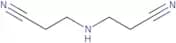
CAS:<p>3,3'-Iminodipropionitrile (IDPN) is a chiral molecule that has been studied as an experimental model for copper chloride toxicity. IDPN has been shown to inhibit the production of stem cell factor and atp levels in a mouse model. IDPN also reduces locomotor activity and alters histological analysis of the mouse hippocampus. 3,3'-Iminodipropionitrile is a toxic compound that can be used in tissue culture studies to study the effects of amines on cells.</p>Formula:C6H9N3Purity:Min. 95%Molecular weight:123.16 g/mol3,3'-Diheptyloxacarbocyanine iodide
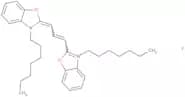
CAS:<p>3,3'-Diheptyloxacarbocyanineiodide (DHCI) is a fluorescent probe that is used in the treatment of solid tumours. It is taken up by tumor cells and causes them to fluoresce, which can be seen under a microscope. DHCI has been shown to be effective against hypoxic tumours and tumors with low oxygen levels due to its ability to penetrate tumor cells and deliver oxygen. The uptake of DHCI by cancer cells is also dependent on the permeability of the blood vessels present in the tumor. This drug has been shown to have a large therapeutic window for treatment of solid tumours.</p>Formula:C31H41N2O2•IPurity:Min. 95%Color and Shape:PowderMolecular weight:600.57 g/molN-(Ketocaproyl)-L-homoserine lactone
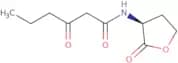
CAS:<p>N-(Ketocaproyl)-L-homoserine lactone is a fatty acid analog of the bacterial signaling molecule homoserine lactone and a potent inducer of cell lysis. The synthesis of this analog has been demonstrated in vitro with Escherichia coli, Bacillus subtilis, and Streptococcus pneumoniae. It is active against human pathogens including Helicobacter pylori and Staphylococcus aureus as well as mammalian tissue. N-(Ketocaproyl)-L-homoserine lactone induces cell lysis by binding to the DNA polymerase to inhibit its activity and terminate DNA synthesis. This inhibition leads to an accumulation of unprocessed RNA, which induces apoptosis in bacterial cells.</p>Formula:C10H15NO4Purity:Min. 98 Area-%Color and Shape:White PowderMolecular weight:213.23 g/mol2,2'-Dihydroxybenzophenone
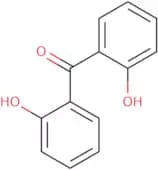
CAS:<p>2,2'-Dihydroxybenzophenone is a light-absorbing compound that belongs to the class of dibenzophenones. It has been shown to have cancer-cell inhibitory effects and its anti-tumor effects are due to its ability to inhibit DNA synthesis in tumor cells. 2,2'-Dihydroxybenzophenone has been shown to bind with proteins through hydrogen bonding interactions at the carbonyl group and the hydroxy group. It also has a strong absorption band in the UV region, which makes it useful for UV curing of polymers. This compound can be used as an antioxidant in food products because it does not react with other molecules.</p>Formula:C13H10O3Purity:Min. 95%Color and Shape:SolidMolecular weight:214.22 g/mol(S)-2-Azido isovaleric acid cyclohexylammonium
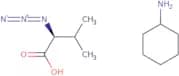
CAS:<p>Please enquire for more information about (S)-2-Azido isovaleric acid cyclohexylammonium including the price, delivery time and more detailed product information at the technical inquiry form on this page</p>Formula:C6H13N•C5H9N3O2Purity:Min. 95%Color and Shape:PowderMolecular weight:242.32 g/mol3,3'-Dihydroxybenzidine
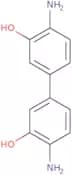
CAS:<p>3,3'-Dihydroxybenzidine (DHB) is a proton-containing heterocyclic compound that is structurally related to benzidine. It is an aromatic compound with two methoxy groups and one hydroxy group. DHB is used as a reagent in the determination of phenols by measuring the formation of a yellow-colored product. The thermal stability of DHB has been shown to be greater than 80°C, which makes it useful for high temperature applications such as thermally induced DNA cleavage. When exposed to chlorine gas, DHB reacts to form chloride and hydroxy groups, which are also present in other aromatic compounds. The chemical structures of DHB can be determined using magnetic resonance spectroscopy.</p>Formula:C12H12N2O2Purity:Min. 98 Area-%Color and Shape:Off-White To Brown SolidMolecular weight:216.24 g/mol4-Amino-pyridine-2-carboxylic acid methyl ester
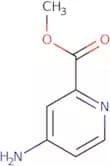
CAS:4-Amino-pyridine-2-carboxylic acid methyl ester is a compound that is used as a reactant, reagent, and building block in organic synthesis. It is also useful for the preparation of complex compounds. 4-Amino-pyridine-2-carboxylic acid methyl ester is soluble in water and has a melting point of 183°C. The CAS number for this chemical is 71469-93-7.Formula:C7H8N2O2Purity:Min. 95%Color and Shape:White PowderMolecular weight:152.15 g/mol3,3'-Diiodoazoxybenzene
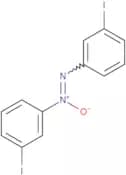
CAS:Please enquire for more information about 3,3'-Diiodoazoxybenzene including the price, delivery time and more detailed product information at the technical inquiry form on this pageFormula:C12H8I2N2OPurity:Min. 95%Molecular weight:450.01 g/mol2,7-Dihydroxynaphthalene
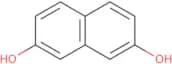
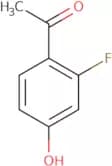
CAS:<p>2,7-Dihydroxynaphthalene is a chemical compound that contains a naphthalene ring with two hydroxyl groups. It is an aromatic compound and its molecular formula is C 10 H 8 O 2 . The chemical structure of 2,7-dihydroxynaphthalene consists of a benzene ring with two hydroxyl groups and a double bond. The reactivity of the hydroxyl group in 2,7-dihydroxynaphthalene makes it useful in analytical chemistry as an indicator for detecting time. The hydrogen bond between the hydroxyl groups can be broken by adding potassium dichromate to form p-hydroxybenzoic acid (pHBA). This reaction mechanism is used for other reactions such as those catalyzed by enzymes.<br>2,7-Dihydroxynaphthalene has been synthesized by using trifluoroacetic acid and hydrogen gas in the presence of catalysts</p>Formula:C10H8O2Purity:Min. 95%Color and Shape:Grey White To Grey SolidMolecular weight:160.17 g/mol2'-Fluoro-4'-hydroxyacetophenone
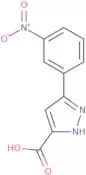
CAS:<p>2'-Fluoro-4'-hydroxyacetophenone is a glycosylated molecule that is used in phase transfer catalysis. It is a glycoside that can undergo the glycosylation reaction and can be used as a phase transfer reagent. 2'-Fluoro-4'-hydroxyacetophenone has been studied for its potential use in the synthesis of xylosides and selenadiazoles. In addition, it has shown anti-inflammatory properties, which may be due to its inhibition of prostaglandin synthesis.</p>Formula:C8H7FO2Purity:Min. 95%Molecular weight:154.14 g/mol5-(3-Nitrophenyl)-1H-pyrazole-3-carboxylic acid
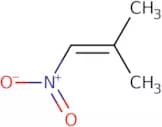
CAS:5-(3-Nitrophenyl)-1H-pyrazole-3-carboxylic acid is a molecule that inhibits the proliferation of cancer cells in vitro. This compound has been shown to inhibit the growth of human breast cancer cells in culture, with IC50 values of 7.8 µM for MCF-7 and 5.6 µM for A549 cells. It also inhibits cell growth in MDA-MB231 cells, which are human breast carcinoma cells, with IC50 values of 4.5 µM for MCF-7 and 2.4 µM for A549 cells. The mechanism by which this drug inhibits cancer cell proliferation is not clear but may be due to its ability to interfere with DNA synthesis or protein synthesis.Formula:C10H7N3O4Purity:Min. 95%Color and Shape:PowderMolecular weight:233.18 g/mol2-Methyl-1-nitroprop-1-ene
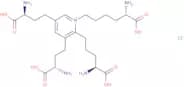
CAS:<p>2-Methyl-1-nitroprop-1-ene is a labile molecule that can be readily synthesized from 2-methyl propanal and nitrous acid. The postulated reaction mechanism for the formation of 2-methyl-1-nitroprop-1-ene begins with the nucleophilic attack of the azide anion on the carbonyl group of 2 methyl propanal, forming a tetrahedral intermediate. This intermediate undergoes a stepwise reaction to form 2 methyl 1 nitropropane. Nitro groups have been observed in both the product and starting material, which could indicate a transfer mechanism.</p>Formula:C4H7NO2Purity:Min. 95%Color and Shape:Clear LiquidMolecular weight:101.1 g/molIsodesmosine chloride
CAS:<p>Isodesmosine chloride is an amino acid derivative, which is a naturally occurring component found in the elastin protein. This organic compound is originally sourced from the structural protein elastin, prevalent in connective tissues such as skin, lungs, and blood vessels. It plays a critical role in the cross-linking and stabilization of elastin fibers, contributing to the elastic properties of these tissues.</p>Formula:C24H40ClN5O8Purity:Min. 95%Molecular weight:562.06 g/molCaffeidine
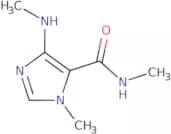
CAS:Caffeine is a stimulant that is found in coffee, tea, and some soft drinks. It can also be used to treat certain medical conditions. Caffeine is a reactive molecule that binds to human serum proteins and has been shown to have chronic oral toxicity in rats. The methylation of caffeine leads to the formation of 1-methylxanthine, which has been shown to cause cancer in animal models when given chronically. Caffeine's carcinogenic effects are due to its ability to induce DNA mutations by reacting with oxygen radicals and oxidizing DNA bases as well as inhibiting DNA repair enzymes. Caffeine's chemical diversity makes it difficult for researchers to study its carcinogenicity.Formula:C7H12N4OPurity:Min. 95%Color and Shape:White PowderMolecular weight:168.2 g/mol3,5-Dimethoxy-4-methylbenzoic acid methyl ester
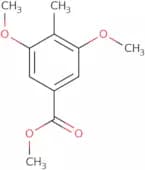
CAS:<p>3,5-Dimethoxy-4-methylbenzoic acid methyl ester (DMMBME) is a synthetic compound that is used as an immunogen to generate antibodies against fungal proteins. DMMBME is specifically used to identify the presence of bryoria and australian fungi in plants. The chemical structure of DMMBME can be oxidized by depsidones, which leads to the production of reactive oxygen species that are believed to be responsible for the oxidative coupling of target proteins. This reaction can be catalyzed by a number of enzymes such as nidulin, which is found in plant roots.</p>Formula:C11H14O4Purity:Min. 95%Color and Shape:PowderMolecular weight:210.23 g/molNaphthol AS-MX
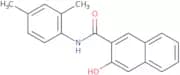
CAS:Naphthol AS-MX is a dye that binds to the polyanionic sites of collagen in the basement membrane of blood capillaries. It is used as a histological stain for collagen in tissue sections and can be used as a model system for studying infectious diseases. The monoclonal antibody (MAb) reacts with the epitope on the surface of the bacteria, which is then detected by an enzyme-labeled MAb. This reaction results in a colored precipitate that indicates the presence of antibodies against the bacterial antigen.Formula:C19H17NO2Purity:Min. 95%Molecular weight:291.34 g/mol3-(Trimethylsilyl)-2-naphthyl trifluoromethanesulfonate
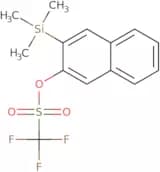
CAS:<p>3-(Trimethylsilyl)-2-naphthyl trifluoromethanesulfonate is a synthetic molecule that is used to synthesize benzofurans. 3-(Trimethylsilyl)-2-naphthyl trifluoromethanesulfonate is activated by reaction with N-bromosuccinimide, which creates an electrophilic carbon center. This electrophilic center reacts with nucleophiles such as alcohols, amines, and thiols to form a new bond. The product of this reaction is benzoylated, which can then undergo further reactions to form other compounds. X-ray crystallography has been used to characterize the structure of 3-(trimethylsilyl)-2-naphthyl trifluoromethanesulfonate.</p>Formula:C14H15F3O3SSiPurity:Min. 95%Color and Shape:Colorless Clear LiquidMolecular weight:348.41 g/molSodium N-lauroylsarcosinate
CAS:<p>Sodium N-lauroylsarcosinate is a surfactant that is used in water treatment, wastewater treatment, and as a detergent. It is also used as an analytical tool for the titration calorimetry of sodium salts. Sodium N-lauroylsarcosinate is a sodium salt that belongs to the group of sodium salts. It has been shown to have biological properties such as permeability through human serum and biodegradability. The salt form of this compound has an electrochemical impedance spectrum which can be used to identify it.</p>Formula:C15H28NNaO3Purity:Min. 94%Color and Shape:White Off-White PowderMolecular weight:293.38 g/mol3'-(Trimethoxyphenyl)acetone
<p>3'-(Trimethoxyphenyl)acetone is a reagent and useful scaffold for the synthesis of complex compounds. It is also used as a reaction component in the preparation of valuable research chemicals, specialty chemicals, and fine chemicals. 3'-(Trimethoxyphenyl)acetone has been shown to be an effective building block for synthesizing complex compounds, such as heterocycles. This chemical has a CAS number of 689-52-3.</p>Purity:Min. 95%1-(2-Chloro-4-fluorophenyl)-2-nitropropene
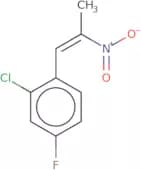
CAS:<p>1-(2-Chloro-4-fluorophenyl)-2-nitropropene is a versatile building block that can be used to produce a variety of compounds with various properties. It is a high quality, reagent grade chemical that is useful for research and development purposes. This compound has been shown to be an effective intermediate in the synthesis of complex compounds, such as pharmaceuticals and pesticides.</p>Formula:C9H7ClFNO2Purity:Min. 95%Molecular weight:215.61 g/molNortropine
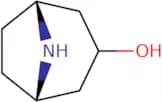
CAS:Nortropine is an alkanoic acid with the molecular formula CHNO. It has been synthesized from 3-aminophenylacetic acid and can be used in pharmaceutical preparations as an aminopyrine derivative. Nortropine is a respiratory stimulant that is used for the treatment of chronic obstructive pulmonary disease (COPD) and asthma. It has also been shown to have anti-inflammatory properties, which may be due to its ability to inhibit prostaglandin synthesis.Formula:C7H13NOPurity:Min. 95 Area-%Color and Shape:PowderMolecular weight:127.18 g/mol(11bS)-N,N-Dimethyl-8,9,10,11,12,13,14,15-octahydrodinaphtho[2,1-d:1',2'-f][1,3,2]dioxaphosphepin-4-amine
CAS:(11bS)-N,N-Dimethyl-8,9,10,11,12,13,14,15-octahydrodinaphtho[2,1-d:1',2'-f][1,3,2]dioxaphosphepin-4-amine is a chiral compound that can be used as an immobilizer in catalytic asymmetric reactions. This molecule has shown to be effective in hydrogenation reactions and insulating electrodes. It also has bifunctional properties and can be recycled with the use of a gelation process. (11bS)-N,N-Dimethyl-8,9,10,11,12,13,14,15-octahydrodinaphtho[2.1d:1',2'-f][1.3.2]dioxaphosphepin-4-amine has been synthesized from a recyclable material and its interactions haveFormula:C22H26NO2PPurity:Min. 95%Color and Shape:White PowderMolecular weight:367.42 g/molHoechst 33342
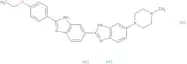
CAS:<p>2'-(4-Ethoxyphenyl)-5-(4-methyl-1-piperazinyl)-2,5'-bi-1H-benzimidazole trihydrochloride (EPMB) is a DNA binding agent that is used in tumor detection and research into apoptosis. It has been shown to inhibit the activity of p-glycoprotein, which is an efflux pump protein, and Bcl-2 protein. EPMB has also been shown to cause apoptosis in human squamous cell carcinoma cells in a concentration dependent manner. This compound has shown potential as a treatment for cancer because it inhibits the ability of cancer cells to proliferate by binding to the NMDA receptor.</p>Formula:C27H28N6O·3HCl·xH2OPurity:Min. 95%Color and Shape:Yellow PowderMolecular weight:561.93 g/mol(R)-(-)-1,1'-Binaphthyl-2,2'-diyl hydrogen phosphate
CAS:<p>Intermediate in the synthesis of bedaquiline</p>Formula:C20H13O4PPurity:Min. 95%Color and Shape:PowderMolecular weight:348.29 g/mol3,3'-Dimethoxyazoxybenzene
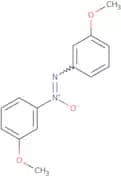
CAS:<p>3,3'-Dimethoxyazoxybenzene is a nitroarene that has electron-donating properties. It reacts with primary amines to form azoxy groups in the presence of alkoxide. 3,3'-Dimethoxyazoxybenzene can be used for the synthesis of nitrophenyl and aniline derivatives by reaction with nitroarenes, alcohols, or amines. It can also serve as a photoreduced molecule in mechanistic studies.</p>Formula:C14H14N2O3Purity:Min. 95%Molecular weight:258.27 g/mol4-Methoxy-3-nitropyridine
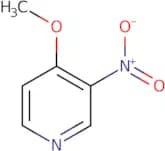
CAS:4-Methoxy-3-nitropyridine (4MNOP) is an organic compound that is a white solid at room temperature. 4MNOP has been shown to interact with alkali metals and can be used in the preparation of emulsifying agents. It also has been found to have pharmacokinetic properties, including a low molecular weight, good solubility in water, and a high degree of absorption. The imidazopyridine ring system is susceptible to reductive amination reactions, which may lead to the formation of amine or surfactant residues.Formula:C6H6N2O3Purity:Min. 95%Color and Shape:PowderMolecular weight:154.13 g/mol(R)-3,3'-Bis(triphenylsilyl)-1,1'-binaphthalene-2,2'-diol
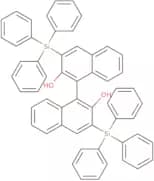
CAS:(R)-3,3'-Bis(triphenylsilyl)-1,1'-binaphthalene-2,2'-diol is a high quality chemical and useful scaffold that can be used as a reagent for the synthesis of complex compounds. This compound has CAS No. 111822-69-6 and is an intermediate for the preparation of fine chemicals and speciality chemicals. It is also a versatile building block that can be used in research or as a reaction component to produce useful scaffolds.Formula:C56H42O2Si2Purity:Min. 95%Color and Shape:White PowderMolecular weight:803.1 g/molα-Naphthoylhydrazine
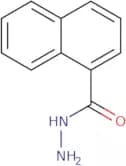
CAS:Alpha-naphthoylhydrazine is a nitrogen-containing heterocyclic compound with a carbonyl group at the alpha position. It has been shown to be an effective enhancer of 5-HT1A and 5-HT2C receptors, as well as having other pharmacological effects (e.g., bone cancer). Alpha-Naphthoylhydrazine is acidic, which means it has a low pH. It can also form hydrogen bonds with water molecules. Alpha-Naphthoylhydrazine is rapidly absorbed and metabolized in humans, with very little excreted unchanged in the urine. The half life of alpha-Naphthoylhydrazine is 4 hours, meaning that after 4 hours 50% of the drug will have been eliminated from the body. Alpha-Naphthoylhydrazine also has protonated carbonyls and aromatic rings which are susceptible to photophysical processes such as electron transferFormula:C11H10N2OPurity:Min. 95%Color and Shape:PowderMolecular weight:186.21 g/mol5-Chloro-2-nitrocinnamic acid
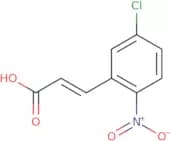
CAS:<p>5-Chloro-2-nitrocinnamic acid is a fine chemical with a CAS number of 20357-28-2. It is a versatile building block that can be used as a reaction component or intermediate in the synthesis of more complex compounds. The high purity and quality of 5-Chloro-2-nitrocinnamic acid makes it an ideal reagent for research purposes, and it can be used as a building block for the synthesis of useful scaffolds.</p>Formula:C9H6ClNO4Purity:Min. 95%Molecular weight:227.6 g/mol5-Methyl salicylic acid
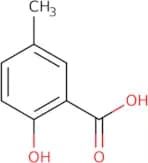
CAS:5-Methyl salicylic acid is a molecule that is used in analytical chemistry to identify the presence of p-hydroxybenzoic acid in urine samples. It has a phase transition temperature of around 198 degrees Celsius, and reacts with hydroxyl groups. 5-Methyl salicylic acid has been shown to have protocatechuic acid, hydrochloric acid, and cationic surfactant properties. It also has diphenolase activity and can be used as an antioxidant. 5-Methyl salicylic acid is synthesized from phenolic acids such as nepeta cataria or protocatechuic acid and is a metabolite of benzoic acid. 5-Methyl salicylic acid can be found in plants such as nepeta cataria or sephadex g-100.Formula:C8H8O3Purity:Min. 95%Color and Shape:PowderMolecular weight:152.15 g/mol2,2'-Diiodobiphenyl
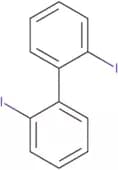
CAS:<p>2,2'-Diiodobiphenyl is a preparative reagent that can be used to prepare diazonium salts. It is prepared by reacting an alkynyl group with an activatable probe. The product of this reaction has the same reactivity as the parent compound, but with a different spatial orientation and chemical properties. The 2,2'-diiodophenyl can be used for the preparation of carbazoles and transfer reactions. The following are some examples of 2,2'-diiodophenyl compounds:<br>-Ethane-1,1'-dibromo-2,2'-diiodobiphenyl<br>-Carbazole-4-carboxaldehyde<br>-Naphthalene-1,5-dicarboxaldehyde</p>Formula:C12H8I2Purity:Min. 95%Color and Shape:PowderMolecular weight:406 g/mol3,3'-Diaminobenzidine tetrahydrochloride
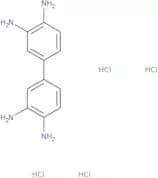
CAS:<p>3,3'-Diaminobenzidine tetrahydrochloride or DAB hydrochloride is the hydrochloride salt of biphenyl tetra-aniline. DAB hydrochloride is a water-soluble formulation of DAB and is used in immunohistochemical staining of nucleic acids and proteins. DAB hydrochloride is used in Alzheimer's disease research, Aβ protein amyloid plaques are targeted by a primary antibody, and subsequently by a secondary antibody, which is conjugated with a peroxidase enzyme. This will bind DAB as a substrate and oxidize causing a colour change. 3,3’-Diaminobenzidine tetrahydrochloride is also available as the tetrahydrochloride hydrate and as the free base.</p>Formula:C12H14N4•4HClPurity:Min. 95%Color and Shape:Off-White PowderMolecular weight:360.12 g/molBiotin-PEG2-NHS
CAS:<p>Biotin-PEG2-NHS is a PEG compound with two different functional groups (also known as heterobifunctional). Unlike homobifunctional PEG compounds (same functional group on both ends), this type of compounds are more versatile as have two different anchor points. Biotin-PEG2-NHS is used as a linker and spacer to add a PEG moiety, via pegylation (a bioconjugation technique) to proteins, peptides, oligonucleotides, small molecules and nanoparticles.</p>Formula:C21H32N4O8SPurity:Min. 95%Color and Shape:PowderMolecular weight:500.57 g/mol4-(4-Methylpiperazino)acetophenone
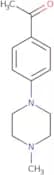
CAS:<p>4-(4-Methylpiperazino)acetophenone is a chemical compound that can be used as a building block in the synthesis of more complex compounds. It is a versatile intermediate and can be used to synthesize other compounds. 4-(4-Methylpiperazino)acetophenone has been shown to act as a reaction component in the synthesis of pharmaceuticals, pesticides, and agrochemicals. This compound has high purity and quality.</p>Formula:C13H18N2OPurity:Min. 95%Color and Shape:PowderMolecular weight:218.30 g/molN-Boc-endo-3-aminotropane
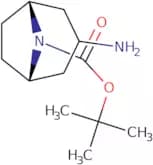
CAS:<p>N-Boc-endo-3-aminotropane is a useful building block for the synthesis of a variety of chemical compounds. It is a versatile intermediate for the synthesis of diverse chemical compounds and is also used in research as a reagent. N-Boc-endo-3-aminotropane has been shown to be highly reactive and to undergo many reactions, including nucleophilic substitution and addition reactions. The compound can be reacted with alkyl halides to form amines, or with nitroalkanes to form oximes. N-Boc-endo-3-aminotropane can also react with anhydrides or acid chlorides to form carboxylic acids, or with sulfonyl chlorides to form sulfonamides. This compound also reacts with thiols or alcohols to form thioethers and ethers respectively.</p>Formula:C12H22N2O2Purity:Min. 95%Color and Shape:White PowderMolecular weight:226.32 g/molN,N'-Di-(tert-Butoxycarbonyl)thiourea
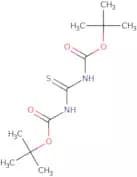
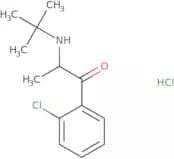
CAS:<p>N,N'-Di-(tert-Butoxycarbonyl)thiourea is a sterically bulky anion that has been synthesized to interact with amines and amido groups. It has been shown to be a good substrate for p-nitrophenyl phosphate, which is an important molecule in the metabolism of melanoma tumor cells. N,N'-Di-(tert-Butoxycarbonyl)thiourea has also been used as a synthetic building block for conjugates with other molecules. This molecule is able to form supramolecular complexes and may be useful in kinetic studies. The most interesting application of this molecule is its use in the efficient method of removing mercury from water, which is accomplished by oxidation of mercuric chloride by N,N'-Di-(tert-Butoxycarbonyl)thiourea.</p>Formula:C11H20N2O4SPurity:Min. 95%Color and Shape:PowderMolecular weight:276.35 g/mol2-(tert-Butylamino)-2'-chloropropiophenone hydrochloride
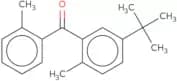
CAS:Controlled Product2-(tert-Butylamino)-2'-chloropropiophenone hydrochloride (BAPCH) is a fine chemical that is used as a building block in the synthesis of other compounds. It can be used as a reagent or speciality chemical in research, and is also an intermediate for the synthesis of other chemicals. BAPCH has a CAS number of 1049718-57-1, and is a versatile building block with many reactions. BAPCH has been shown to be useful in complex syntheses that require reactive groups and scaffolds.Formula:C13H19Cl2NOPurity:Min. 95%Color and Shape:White To Off-White SolidMolecular weight:276.2 g/mol2,2'-Dimethyl-5-tert-butylbenzophenone
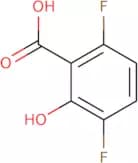
CAS:2,2'-Dimethyl-5-tert-butylbenzophenone is a versatile building block that can be used for the synthesis of complex compounds. It is also a reagent and speciality chemical that has many applications in research. 2,2'-Dimethyl-5-tert-butylbenzophenone is a high quality compound with many uses as a reaction component or scaffold for organic synthesis. It is available from Sigma Aldrich in both powder and liquid form. The CAS number of this compound is 50460-53-2.Formula:C19H22OPurity:Min. 95%Molecular weight:266.38 g/mol3,6-Difluoro-2-hydroxybenzoic acid methyl ester
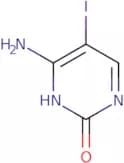
CAS:<p>3,6-Difluoro-2-hydroxybenzoic acid methyl ester is a combination of two substances that are used as deodorants and antiperspirants. They work by blocking the pores in the skin, which prevents perspiration and reduces body odor. 3,6-Difluoro-2-hydroxybenzoic acid methyl ester is not an anti-inflammatory drug.</p>Formula:C7H4F2O3Purity:Min. 95%Molecular weight:174.1 g/mol5-Iodocytosine
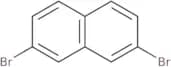
CAS:<p>5-Iodocytosine (5-IC) is an analog of cytosine that can be used as a precursor for the synthesis of thymine. 5-IC has been shown to cross-couple with DNA, which may contribute to its antiviral potency. 5-IC is also a potent inhibitor of dna replication and herpes simplex virus. The biochemical properties of 5-IC have been extensively studied, including its ability to react with hydrochloric acid to form the corresponding tautomers. The hydrolysis rate increases at higher pH values and decreases at lower pH values. Bioconjugate chemistry has been applied to synthesize a bioconjugated prodrug of 5-IC for cancer treatment.</p>Formula:C4H4IN3OPurity:Min. 95%Color and Shape:PowderMolecular weight:237 g/mol2,7-Dibromonaphthalene
CAS:2,7-Dibromonaphthalene is a chemosensor that is used to sense the presence of halides in water. It reacts with anion radicals in the atmosphere to produce a fluorescent compound with a long wavelength emission. This reaction can be observed using ultraviolet spectroscopy and amination reactions. 2,7-Dibromonaphthalene has been shown to react with copper oxide to form a blue-green compound. This property has been used as an indicator of copper contamination in water and soil samples. 2,7-Dibromonaphthalene also reacts with metal ions to form metal cations, which can be detected using cyclen or other organic compounds.Formula:C10H6Br2Purity:Min. 95%Color and Shape:PowderMolecular weight:285.96 g/mol






![(11bS)-N,N-Dimethyl-8,9,10,11,12,13,14,15-octahydrodinaphtho[2,1-d:1',2'-f][1,3,2]dioxaphosphepin-…](/_next/image/?url=https%3A%2Fstatic.cymitquimica.com%2Fproducts%2F3D%2Fthumb-webp%2FFD163891.webp&w=3840&q=75)