Pharmaceutical Standards
Pharmaceutical standards are a comprehensive set of reference materials essential for ensuring the safety, efficacy, and quality of pharmaceutical products. This category includes standards for active pharmaceutical ingredients (APIs), which are the core components responsible for therapeutic effects. Additionally, it covers compounds and metabolites relevant to both the pharmaceutical and veterinary industries, providing benchmarks for the accurate measurement and analysis of these substances. Nitrosamine control standards are crucial for detecting and mitigating potentially harmful nitrosamines in drug formulations. Toxicology standards help assess the safety and potential adverse effects of pharmaceutical compounds. Furthermore, enzyme activators and inhibitors standards are vital for research and development, enabling precise studies of biochemical pathways and drug mechanisms. These pharmaceutical standards are indispensable tools for regulatory compliance, quality control, and research, ensuring that pharmaceutical products meet stringent safety and effectiveness criteria.
Subcategories of "Pharmaceutical Standards"
- APIs for research and impurities(274,920 products)
- Enzyme Activators and Inhibitors(2,827 products)
- Nitrosamines(2,606 products)
- Pharmaceutical and Veterinary Compounds and Metabolites(2,871 products)
- Toxicology(13,652 products)
Found 7836 products of "Pharmaceutical Standards"
Sort by
Purity (%)
0
100
|
0
|
50
|
90
|
95
|
100
2'-Hydroxy-5'-methoxyacetophenone
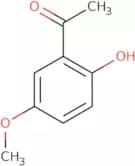
CAS:<p>2'-Hydroxy-5'-methoxyacetophenone is a molecule that has been shown to have anticancer activity. It inhibits the production of molecules in cancer cells, such as carbonic anhydrase and nitric oxide synthase. This molecule also binds to DNA and prevents the transcription of genes involved in cell proliferation, including NF-κB DNA. 2'-Hydroxy-5'-methoxyacetophenone also has inhibitory properties on the growth of cancer cells, including MCF-7 cells.</p>Formula:C9H10O3Purity:Min. 95%Color and Shape:Off-White PowderMolecular weight:166.17 g/mol1,4-Naphthoquinone
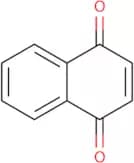
CAS:1,4-Naphthoquinone is a phenolic compound that has been shown to have antimicrobial activity. It has been used in vitro as an antifungal agent for the treatment of dermatophyte infections and has also shown significant cytotoxicity against certain cancer cell lines. 1,4-Naphthoquinone is a redox active compound with a redox potential of -0.6 V vs NHE. This redox potential may be responsible for its potent antimicrobial activity. 1,4-Naphthoquinone also exhibits significant transfer reactions that may contribute to its biological properties. It is classified as group P2 and reacts with sodium salts to form naphthoquinones and sodium salts. This reaction may be responsible for its antimicrobial properties, as these compounds are known to inhibit microbial growth by binding to bacterial DNA gyrase or topoisomerases I and II.Formula:C10H6O2Purity:Min. 95%Color and Shape:Yellow PowderMolecular weight:158.15 g/molGly-pro-4-methoxy-β-naphthylamide
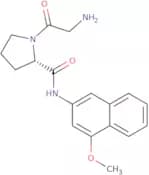
CAS:Gly-pro-4-methoxy-beta-naphthylamide is a synthetic substrate that is used to measure the activity of human plasma phosphatases. Gly-pro-4-methoxy-beta-naphthylamide is synthesized in an organic solvent and then reacted with diazonium salt to form a glycosylated aminophosphonic acid. The product is purified by chromatography and identified by mass spectrometry. Gly-pro-4-methoxy beta naphthylamide has been shown to inhibit the growth of cancer cells in vitro, as well as having antiinflammatory properties. This drug also has been shown to be effective in treating patients with severe hyperbilirubinemia who are undergoing hematopoietic stem cell transplantation.Formula:C18H21N3O3Purity:Min. 95%Molecular weight:327.38 g/mol2,2'-Dimethyl-5-tert-butylbenzophenone
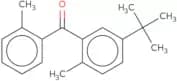
CAS:2,2'-Dimethyl-5-tert-butylbenzophenone is a versatile building block that can be used for the synthesis of complex compounds. It is also a reagent and speciality chemical that has many applications in research. 2,2'-Dimethyl-5-tert-butylbenzophenone is a high quality compound with many uses as a reaction component or scaffold for organic synthesis. It is available from Sigma Aldrich in both powder and liquid form. The CAS number of this compound is 50460-53-2.Formula:C19H22OPurity:Min. 95%Molecular weight:266.38 g/mol2,7-Dihydroxynaphthalene
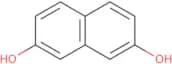
CAS:<p>2,7-Dihydroxynaphthalene is a chemical compound that contains a naphthalene ring with two hydroxyl groups. It is an aromatic compound and its molecular formula is C 10 H 8 O 2 . The chemical structure of 2,7-dihydroxynaphthalene consists of a benzene ring with two hydroxyl groups and a double bond. The reactivity of the hydroxyl group in 2,7-dihydroxynaphthalene makes it useful in analytical chemistry as an indicator for detecting time. The hydrogen bond between the hydroxyl groups can be broken by adding potassium dichromate to form p-hydroxybenzoic acid (pHBA). This reaction mechanism is used for other reactions such as those catalyzed by enzymes.<br>2,7-Dihydroxynaphthalene has been synthesized by using trifluoroacetic acid and hydrogen gas in the presence of catalysts</p>Formula:C10H8O2Purity:Min. 95%Color and Shape:Grey White To Grey SolidMolecular weight:160.17 g/molBiphenyl-2,2'-diamine
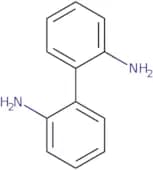
CAS:Biphenyl-2,2'-diamine is a hydrogen bond donor. It is an organic compound with a molecular formula of C6H5NH that has two amine groups. The compound is gaseous at room temperature and it has a boiling point below 400 degrees Celsius. It reacts with ethanolic solutions to form colorless crystals that are soluble in water. Biphenyl-2,2'-diamine has been shown to have antiinflammatory activity in rats. This activity may be due to biphenyl-2,2'-diamine's ability to inhibit the production of prostaglandins by inhibiting cyclooxygenase (COX).Formula:C12H12N2Purity:Min. 95%Color and Shape:Off-White Clear LiquidMolecular weight:184.24 g/mol2-(tert-Butylamino)-2'-chloropropiophenone hydrochloride
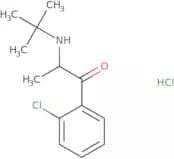
CAS:Controlled Product2-(tert-Butylamino)-2'-chloropropiophenone hydrochloride (BAPCH) is a fine chemical that is used as a building block in the synthesis of other compounds. It can be used as a reagent or speciality chemical in research, and is also an intermediate for the synthesis of other chemicals. BAPCH has a CAS number of 1049718-57-1, and is a versatile building block with many reactions. BAPCH has been shown to be useful in complex syntheses that require reactive groups and scaffolds.Formula:C13H19Cl2NOPurity:Min. 95%Color and Shape:White To Off-White SolidMolecular weight:276.2 g/mol3,3'-Diaminobenzidine tetrahydrochloride
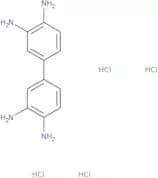
CAS:<p>3,3'-Diaminobenzidine tetrahydrochloride or DAB hydrochloride is the hydrochloride salt of biphenyl tetra-aniline. DAB hydrochloride is a water-soluble formulation of DAB and is used in immunohistochemical staining of nucleic acids and proteins. DAB hydrochloride is used in Alzheimer's disease research, Aβ protein amyloid plaques are targeted by a primary antibody, and subsequently by a secondary antibody, which is conjugated with a peroxidase enzyme. This will bind DAB as a substrate and oxidize causing a colour change. 3,3’-Diaminobenzidine tetrahydrochloride is also available as the tetrahydrochloride hydrate and as the free base.</p>Formula:C12H14N4•4HClPurity:Min. 95%Color and Shape:Off-White PowderMolecular weight:360.12 g/molIsodesmosine chloride
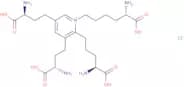
CAS:<p>Isodesmosine chloride is an amino acid derivative, which is a naturally occurring component found in the elastin protein. This organic compound is originally sourced from the structural protein elastin, prevalent in connective tissues such as skin, lungs, and blood vessels. It plays a critical role in the cross-linking and stabilization of elastin fibers, contributing to the elastic properties of these tissues.</p>Formula:C24H40ClN5O8Purity:Min. 95%Molecular weight:562.06 g/mol2,2'-Diiodobiphenyl
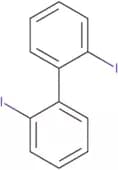
CAS:<p>2,2'-Diiodobiphenyl is a preparative reagent that can be used to prepare diazonium salts. It is prepared by reacting an alkynyl group with an activatable probe. The product of this reaction has the same reactivity as the parent compound, but with a different spatial orientation and chemical properties. The 2,2'-diiodophenyl can be used for the preparation of carbazoles and transfer reactions. The following are some examples of 2,2'-diiodophenyl compounds:<br>-Ethane-1,1'-dibromo-2,2'-diiodobiphenyl<br>-Carbazole-4-carboxaldehyde<br>-Naphthalene-1,5-dicarboxaldehyde</p>Formula:C12H8I2Purity:Min. 95%Color and Shape:PowderMolecular weight:406 g/mol5-Chloro-2-nitrocinnamic acid
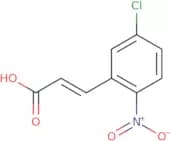
CAS:<p>5-Chloro-2-nitrocinnamic acid is a fine chemical with a CAS number of 20357-28-2. It is a versatile building block that can be used as a reaction component or intermediate in the synthesis of more complex compounds. The high purity and quality of 5-Chloro-2-nitrocinnamic acid makes it an ideal reagent for research purposes, and it can be used as a building block for the synthesis of useful scaffolds.</p>Formula:C9H6ClNO4Purity:Min. 95%Molecular weight:227.6 g/molN-Methyl-DL-aspartic acid
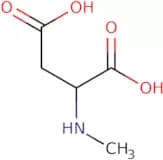
CAS:N-Methyl-DL-aspartic acid (NMDA) is a pharmacological agent that binds to the glutamate receptor and increases the intracellular calcium concentration in cells. NMDA has been shown to cause neuronal death in mouse hippocampal cells, as well as rat striatal cells. It can also act as a messenger molecule and enhance growth factor production. NMDA binds to the N-methyl-D-aspartate receptor, which is located on the surface of neurons in the brain. This binding causes an influx of sodium ions into the cell, resulting in an increase in the intracellular calcium concentration. This increase leads to changes in cellular function, including increased growth factor production and neuronal death.Formula:C5H9NO4Purity:Min. 95%Color and Shape:PowderMolecular weight:147.13 g/molSerotonin hydrogen acetate
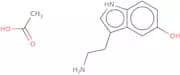
CAS:Controlled Product<p>Serotonin hydrogen acetate is a fine chemical with CAS No. 103360-13-0. It is a useful building block for research chemicals, such as serotonin hydrochloride, and speciality chemicals, such as serotonin phosphate. Serotonin hydrogen acetate has been used in the synthesis of a number of important compounds, including fluoxetine hydrochloride (Prozac), alpha-methylserotonin hydrochloride (PMS), and 5-hydroxytryptophan (5HTP). This compound is also an important reaction component for complex organic syntheses that require a versatile building block or scaffold.</p>Formula:C10H12N2O·C2H4O2Purity:Min. 95%Molecular weight:236.27 g/molBiotin-PEG2-NHS
CAS:<p>Biotin-PEG2-NHS is a PEG compound with two different functional groups (also known as heterobifunctional). Unlike homobifunctional PEG compounds (same functional group on both ends), this type of compounds are more versatile as have two different anchor points. Biotin-PEG2-NHS is used as a linker and spacer to add a PEG moiety, via pegylation (a bioconjugation technique) to proteins, peptides, oligonucleotides, small molecules and nanoparticles.</p>Formula:C21H32N4O8SPurity:Min. 95%Color and Shape:PowderMolecular weight:500.57 g/molPhenylazosalicylic acid
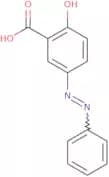
CAS:<p>Phenylazosalicylic acid is a crystalline solid that belongs to the group of phenylacetic acids. It is synthesized by the reaction of nitric acid with salicylic acid, which is produced from the distillation of wood. Phenylazosalicylic acid has a molecular weight of 150.09 g/mol and a melting point of 123°C. The molecule is unionized in water and can be found in wastewater effluent at concentrations as high as 3 ppm. This compound has acidic properties and reacts with picric acid to form phenylazosalicylic picrate, which is used for the treatment of anthrax. Phenylazosalicylic acid also shows proton-pumping activity, which may be due to its ability to bind to anionic sites on proteins such as carbonic anhydrase II and H+/K+ ATPase.</p>Formula:C13H10N2O3Purity:Min. 95%Color and Shape:Orange PowderMolecular weight:242.23 g/mol3,5-Dimethoxycinnamide
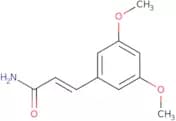
CAS:<p>3,5-Dimethoxycinnamide is a compound that has been shown to inhibit the C1-4 alkoxy and C1-4 alkyl esterase activity of the enzyme secretase. This enzyme is involved in the production of amyloid beta peptides and is thought to be an important contributor to Alzheimer's Disease. 3,5-Dimethoxycinnamide also inhibits the aspartyl protease activity of aspartyl proteases, which are enzymes that may play a role in Alzheimer's disease. 3,5-Dimethoxycinnamide binds to the hydrophobic region of these enzymes and prevents them from binding to their substrates. The affinity of this compound for these enzymes precludes its ability to bind with other proteins in the brain, thereby reducing its potential toxicity. 3,5-Dimethoxycinnamide can be labeled with halogeno groups or other chemical moieties for profiling purposes.</p>Formula:C11H13NO3Purity:Min. 95%Molecular weight:207.23 g/mol3-(Trimethylsilyl)-2-naphthyl trifluoromethanesulfonate
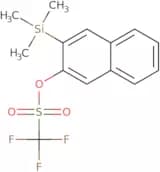
CAS:<p>3-(Trimethylsilyl)-2-naphthyl trifluoromethanesulfonate is a synthetic molecule that is used to synthesize benzofurans. 3-(Trimethylsilyl)-2-naphthyl trifluoromethanesulfonate is activated by reaction with N-bromosuccinimide, which creates an electrophilic carbon center. This electrophilic center reacts with nucleophiles such as alcohols, amines, and thiols to form a new bond. The product of this reaction is benzoylated, which can then undergo further reactions to form other compounds. X-ray crystallography has been used to characterize the structure of 3-(trimethylsilyl)-2-naphthyl trifluoromethanesulfonate.</p>Formula:C14H15F3O3SSiPurity:Min. 95%Color and Shape:Colorless Clear LiquidMolecular weight:348.41 g/mol2-Methyl-1-nitroprop-1-ene
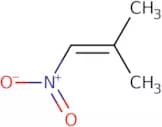
CAS:<p>2-Methyl-1-nitroprop-1-ene is a labile molecule that can be readily synthesized from 2-methyl propanal and nitrous acid. The postulated reaction mechanism for the formation of 2-methyl-1-nitroprop-1-ene begins with the nucleophilic attack of the azide anion on the carbonyl group of 2 methyl propanal, forming a tetrahedral intermediate. This intermediate undergoes a stepwise reaction to form 2 methyl 1 nitropropane. Nitro groups have been observed in both the product and starting material, which could indicate a transfer mechanism.</p>Formula:C4H7NO2Purity:Min. 95%Color and Shape:Clear LiquidMolecular weight:101.1 g/mol5-Iodocytosine
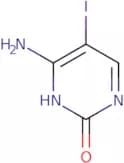
CAS:<p>5-Iodocytosine (5-IC) is an analog of cytosine that can be used as a precursor for the synthesis of thymine. 5-IC has been shown to cross-couple with DNA, which may contribute to its antiviral potency. 5-IC is also a potent inhibitor of dna replication and herpes simplex virus. The biochemical properties of 5-IC have been extensively studied, including its ability to react with hydrochloric acid to form the corresponding tautomers. The hydrolysis rate increases at higher pH values and decreases at lower pH values. Bioconjugate chemistry has been applied to synthesize a bioconjugated prodrug of 5-IC for cancer treatment.</p>Formula:C4H4IN3OPurity:Min. 95%Color and Shape:PowderMolecular weight:237 g/molCresol Red Sodium Salt
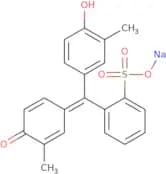
CAS:<p>Cresol Red Sodium Salt is a reagent, complex compound, and useful intermediate. It is CAS No. 62625-29-0 and has the molecular formula C10H8O4Na2S. It can be used as a building block for the synthesis of speciality chemicals, research chemicals, and versatile building blocks. This chemical can be used as a reaction component in organic syntheses.</p>Formula:C21H17NaO5SColor and Shape:PowderMolecular weight:404.41 g/mol1-(Trimethylsilyl)-2-naphthyl Trifluoromethanesulfonate
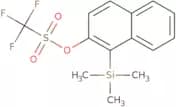
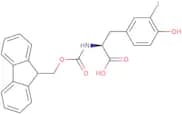
CAS:<p>1-(Trimethylsilyl)-2-naphthyl Trifluoromethanesulfonate is a solvent that has been used for the synthesis of oxygen heterocycles. It is also used as a reagent to cleave bonds in organic molecules, such as alkene, solvents, aldehydes and activated esters. This compound is an unsymmetrical nucleophile that reacts with electron-poor alkenes to generate an unsaturated bond between two carbons. Mechanistic studies have shown that the reaction proceeds through a concerted mechanism involving the formation of a covalent phosphine intermediate.</p>Formula:C14H15F3O3SSiPurity:Min. 95%Color and Shape:PowderMolecular weight:348.41 g/molFmoc-3-iodo-L-tyrosine
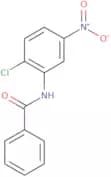
CAS:<p>Fmoc-3-iodo-L-tyrosine is a fine chemical that belongs to the category of versatile building blocks. It can be used as a reagent, speciality chemical, and useful scaffold in the synthesis of complex compounds. Fmoc-3-iodo-L-tyrosine is a high quality material with a purity of 98%. It has been used as an intermediate for research chemicals and useful building blocks.</p>Formula:C24H20NO5IPurity:Min. 97.5 Area-%Color and Shape:PowderMolecular weight:529.32 g/molN-(2-Chloro-5-Nitrophenyl)Benzamide
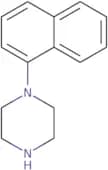
CAS:<p>Please enquire for more information about N-(2-Chloro-5-Nitrophenyl)Benzamide including the price, delivery time and more detailed product information at the technical inquiry form on this page</p>Formula:C13H9ClN2O3Purity:Min. 95%Color and Shape:PowderMolecular weight:276.67 g/mol1-(1-Naphthyl)piperazine hydrochloride
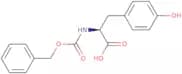
CAS:<p>1-(1-Naphthyl)piperazine hydrochloride is a 5-HT3 receptor antagonist that has been shown to act as a potent serotonergic agent in the central nervous system of mammals. It is believed to inhibit the presynaptic serotonin uptake, resulting in an increase of serotonin concentration at the postsynaptic 5-HT1A receptor cells. 1-(1-Naphthyl)piperazine hydrochloride has also been shown to be a potent 5-HT1A receptor agonist and has antinociceptive effects following administration. This drug has been found to be more selective for the peripheral nervous system than other drugs of this type. It does not cross the blood-brain barrier and therefore does not interfere with mental function or behavior.</p>Formula:C14H16N2·HClPurity:Min. 95%Molecular weight:248.75 g/molN-Cbz-L-tyrosine
CAS:N-Cbz-L-tyrosine is a covalently modified amino acid that has been shown to be an effective protease inhibitor. The compound binds to the active site of enzymes, blocking their ability to hydrolyze proteins. In addition, N-Cbz-L-tyrosine has been shown to inhibit aminopeptidases and carboxypeptidases with IC50 values of 0.5 mM and 1 mM, respectively. This protein stabilizer has been shown to have a solubility data of 0.4 g/100 mL in water and 0.3 g/100 mL in methanol. It also has a molecular weight of 184.2 g/mol and a pH optimum of 7.0 (±0.2).Formula:C17H17NO5Purity:Min. 95%Color and Shape:White PowderMolecular weight:315.32 g/mol3,3'-Dihydroxybenzidine
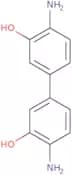
CAS:<p>3,3'-Dihydroxybenzidine (DHB) is a proton-containing heterocyclic compound that is structurally related to benzidine. It is an aromatic compound with two methoxy groups and one hydroxy group. DHB is used as a reagent in the determination of phenols by measuring the formation of a yellow-colored product. The thermal stability of DHB has been shown to be greater than 80°C, which makes it useful for high temperature applications such as thermally induced DNA cleavage. When exposed to chlorine gas, DHB reacts to form chloride and hydroxy groups, which are also present in other aromatic compounds. The chemical structures of DHB can be determined using magnetic resonance spectroscopy.</p>Formula:C12H12N2O2Purity:Min. 98 Area-%Color and Shape:Off-White To Brown SolidMolecular weight:216.24 g/mol2,2'-Dihydroxybenzophenone
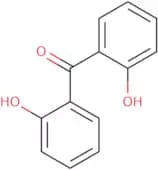
CAS:<p>2,2'-Dihydroxybenzophenone is a light-absorbing compound that belongs to the class of dibenzophenones. It has been shown to have cancer-cell inhibitory effects and its anti-tumor effects are due to its ability to inhibit DNA synthesis in tumor cells. 2,2'-Dihydroxybenzophenone has been shown to bind with proteins through hydrogen bonding interactions at the carbonyl group and the hydroxy group. It also has a strong absorption band in the UV region, which makes it useful for UV curing of polymers. This compound can be used as an antioxidant in food products because it does not react with other molecules.</p>Formula:C13H10O3Purity:Min. 95%Color and Shape:SolidMolecular weight:214.22 g/mol4,6-Bis(octylthiomethyl)-o-cresol
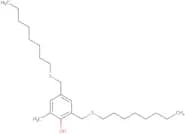
CAS:4,6-Bis(octylthiomethyl)-o-cresol is a synthetic, long-acting, and developable plasticizer. It is used to make polystyrene more flexible and improve its impact resistance. This chemical has been shown to be compatible with a wide range of polymers, including polycarbonate and polyethylene. 4,6-Bis(octylthiomethyl)-o-cresol is used in the manufacture of plastics that are exposed to organic acids and phosphites for extended periods of time in order to optimize their properties. The use of this chemical can lead to improved processability and reduced costs.Formula:C25H44OS2Purity:Min. 98 Area-%Color and Shape:White Solidified MassMolecular weight:424.75 g/molN-(Ketocaproyl)-L-homoserine lactone
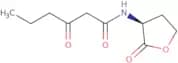
CAS:<p>N-(Ketocaproyl)-L-homoserine lactone is a fatty acid analog of the bacterial signaling molecule homoserine lactone and a potent inducer of cell lysis. The synthesis of this analog has been demonstrated in vitro with Escherichia coli, Bacillus subtilis, and Streptococcus pneumoniae. It is active against human pathogens including Helicobacter pylori and Staphylococcus aureus as well as mammalian tissue. N-(Ketocaproyl)-L-homoserine lactone induces cell lysis by binding to the DNA polymerase to inhibit its activity and terminate DNA synthesis. This inhibition leads to an accumulation of unprocessed RNA, which induces apoptosis in bacterial cells.</p>Formula:C10H15NO4Purity:Min. 98 Area-%Color and Shape:White PowderMolecular weight:213.23 g/mol1-(3-Fluorophenyl)-2-nitropropene
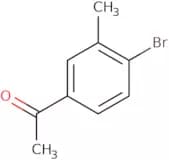
CAS:<p>1-(3-Fluorophenyl)-2-nitropropene is a versatile building block that can be used as a reagent, speciality chemical, or a reaction component. This compound is also useful for the synthesis of complex compounds. 1-(3-Fluorophenyl)-2-nitropropene has been shown to react with various electrophiles, including carbonyl compounds and nitro compounds, to give substituted products. This chemical is classified as a high quality compound and can be used in the synthesis of pharmaceuticals and other fine chemicals.</p>Formula:C9H8FNO2Purity:Min. 95%Molecular weight:181.16 g/mol4'-Bromo-3'-methylacetophenone, 75%
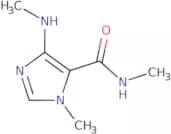
CAS:<p>4'-Bromo-3'-methylacetophenone, 75% is a high quality reagent that is a useful intermediate for the synthesis of complex compounds. It has CAS No. 37074-40-1 and can be used as a fine chemical or speciality chemical in research. This product is also a versatile building block that can be used as an intermediate in reactions and as a reaction component.</p>Formula:C9H9BrOPurity:Min. 95%Molecular weight:213.07 g/molCaffeidine
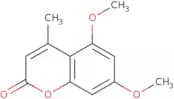
CAS:Caffeine is a stimulant that is found in coffee, tea, and some soft drinks. It can also be used to treat certain medical conditions. Caffeine is a reactive molecule that binds to human serum proteins and has been shown to have chronic oral toxicity in rats. The methylation of caffeine leads to the formation of 1-methylxanthine, which has been shown to cause cancer in animal models when given chronically. Caffeine's carcinogenic effects are due to its ability to induce DNA mutations by reacting with oxygen radicals and oxidizing DNA bases as well as inhibiting DNA repair enzymes. Caffeine's chemical diversity makes it difficult for researchers to study its carcinogenicity.Formula:C7H12N4OPurity:Min. 95%Color and Shape:White PowderMolecular weight:168.2 g/mol4-Methyl-5,7-dimethoxycoumarin
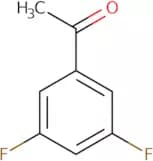
CAS:<p>4-Methyl-5,7-dimethoxycoumarin is a coumarin derivative that has been synthesized from acetonitrile and aluminium. It is used as an antiplatelet drug in the treatment of cardiovascular diseases such as unstable angina, myocardial infarction, and transient ischemic attack. 4-Methyl-5,7-dimethoxycoumarin reversibly inhibits platelet aggregation by blocking the platelet receptor P2Y12 on the surface of platelets. This drug also has antioxidant effects and can be used to identify markers associated with cardiovascular disease.</p>Formula:C12H12O4Purity:Min. 95%Molecular weight:220.22 g/mol3',5'-Difluoroacetophenone
CAS:<p>3',5'-Difluoroacetophenone is a synthetic compound that belongs to the tetradentate class of ligands. It is used as a fluorescent probe for metal ions and has been shown to have thermodynamic, systematic, and biomolecular enhancement properties. 3',5'-Difluoroacetophenone has also been used as a fluorescent probe in fluorescence resonance energy transfer (FRET) experiments. 3',5'-Difluoroacetophenone binds to metal cations, such as copper(II) ions. When this compound is protonated, it emits a strong fluorescence signal that can be detected by fluorophore-acceptor probes. This chemical can be orally taken and excreted in urine after metabolism by the liver and kidneys.</p>Formula:C8H6F2OPurity:Min. 95%Color and Shape:PowderMolecular weight:156.13 g/mol2,4,6-Trimethoxybenzoic acid methyl ester
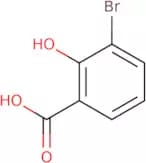
CAS:<p>2,4,6-Trimethoxybenzoic acid methyl ester is a yellow crystalline solid that can be dissolved in acetone, chloroform, ether, and benzene. It has a molecular weight of 164.3 g/mol and its chemical name is 2,4,6-trimethoxybenzoic acid methyl ester. It has a melting point of 144 °C and can be found in the hexanones group. This product is manufactured in Australia and its registry number is 135949-06-8.</p>Formula:C11H14O5Purity:Min. 95%Molecular weight:226.23 g/mol3-Bromosalicylic acid
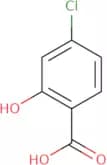
CAS:<p>3-Bromosalicylic acid is a metabolite of salicylic acid and has shown clinical use in the treatment of cancer. 3-Bromosalicylic acid is synthesized from cyclohexanol and chlorine. It is a toxic compound that has been shown to inhibit protein synthesis in bacteria, including soil bacteria, but not in mammalian cells. This is due to its interaction with organic ligands that are present in the bacterial cell wall and not in mammalian cells. 3-Bromosalicylic acid also has been found to be a ligand for the receptor, PI3Kδ inhibitor, which inhibits tumor growth and metastasis by inhibiting phosphatidylinositol 3-kinase (PI3K) delta activity.</p>Formula:C7H5BrO3Purity:Min. 95%Color and Shape:PowderMolecular weight:217.02 g/mol4-Chlorosalicylic acid
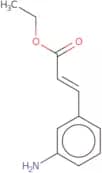
CAS:4-Chlorosalicylic acid is an inhibitor of bacterial growth that belongs to the group of phenolic compounds. It has been shown to inhibit the growth of bacteria in cell culture and be effective against a wide range of species, including Escherichia coli and Staphylococcus aureus. 4-Chlorosalicylic acid inhibits bacterial enzyme activities, such as 5-nitrosalicylic acid hydroxylase and diphenolase activities. This compound has also been shown to have anti-inflammatory properties, which may be due to its ability to inhibit prostaglandin synthesis. 4-Chlorosalicylic acid is an active intermediate in the production of other drugs such as 2,4-dichloroacetophenone and 2,5-dichlorobenzonitrile.Formula:C7H5ClO3Purity:Min. 95%Color and Shape:PowderMolecular weight:172.57 g/molEthyl 3-aminocinnamate
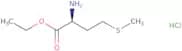
CAS:Ethyl 3-aminocinnamate is a versatile building block for the synthesis of complex compounds. It is also a useful intermediate for the synthesis of reaction components, such as antihistamines and antigens. Ethyl 3-aminocinnamate can be used to synthesize speciality chemicals, such as research chemicals and reagents. This compound has high purity and is a useful scaffold for the preparation of related compounds.Formula:C11H13NO2Purity:Min. 95%Molecular weight:191.23 g/molL-Methionine ethyl ester HCl
CAS:L-Methionine ethyl ester HCl is a chiral compound that is an amino acid. It is not used in the synthesis of proteins, but instead for use as a nutritional supplement. L-Methionine ethyl ester HCl has been shown to have regenerative properties in tissue culture and tumor cell lines. It may also be useful for the synthesis of peptides or other products using enzymatic methods.Formula:C7H15NO2S·HClPurity:Min. 95%Color and Shape:White To Off-White SolidMolecular weight:213.73 g/molChromotropic acid disodium salt dihydrate - ACS reagent
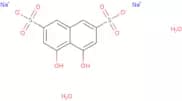
CAS:<p>Chromotropic acid is a reactive compound that has been shown to be adsorbed on the surface of activated carbon. The adsorption mechanism and the kinetic constants for this reaction have been studied in detail. Chromotropic acid decomposes at high temperatures, releasing hydrogen chloride gas and water vapor. This chemical is also used in pharmaceutical preparations as an additive to inhibit oxidation reactions. It may also serve as a photoreceptor, reacting with tyramine hydrochloride and other compounds to produce a color change.</p>Formula:C10H6O8S2Na2·2H2OColor and Shape:PowderMolecular weight:400.29 g/mol2-Amino-4,5-diethoxy-benzoic acid methyl ester
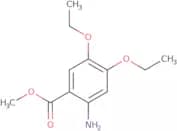
CAS:2-Amino-4,5-diethoxy-benzoic acid methyl ester is a fine chemical that is used as a building block in the synthesis of complex compounds. It is a versatile building block with many possible reactions and can be used as a reagent or speciality chemical. 2-Amino-4,5-diethoxy-benzoic acid methyl ester can be used in the synthesis of diverse scaffolds for use in research chemicals, pharmaceuticals and agrochemicals.Formula:C12H17NO4Purity:Min. 95%Molecular weight:239.27 g/molN-Benzyl-N-methyl-L-methionine methyl ester hydrochloride
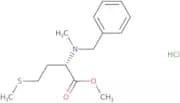
CAS:N-Benzyl-N-methyl-L-methionine methyl ester hydrochloride is a chemical substance that has been used as a reaction component in organic synthesis. It has also been used as a reagent for the quantitative determination of N,N'-dimethylbenzidine by measuring its absorption at 450 nm. It is soluble in water and ethanol and is stable up to 100 °C. The CAS Registry Number for this compound is 1272754-99-0.Formula:C14H21NO2S·HClPurity:Min. 95%Color and Shape:PowderMolecular weight:303.85 g/mol4-Iodo-3-methylbenzoic acid methyl ester
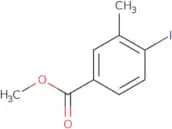
CAS:4-Iodo-3-methylbenzoic acid methyl ester is a chemical that is structurally analogous to 4-iodo-2,5-dimethoxybenzoic acid methyl ester. It is synthesized by the reaction of 3-methylbenzoic acid with ethyl chloroformate and iodomethane. 4-Iodo-3-methylbenzoic acid methyl ester has been shown to inhibit o6 alkylguanine DNA alkyltransferase (AGT) and o6 alkylguanine dna glycosylase (AGG). AGT and AGG are enzymes that repair DNA damage caused by reactive oxygen species. This inhibition leads to the accumulation of DNA damage in cells and induces apoptosis.Formula:C9H9IO2Purity:90%Color and Shape:PowderMolecular weight:276.07 g/mol3,6-Difluoro-2-hydroxybenzoic acid methyl ester
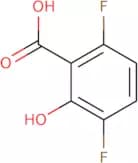
CAS:<p>3,6-Difluoro-2-hydroxybenzoic acid methyl ester is a combination of two substances that are used as deodorants and antiperspirants. They work by blocking the pores in the skin, which prevents perspiration and reduces body odor. 3,6-Difluoro-2-hydroxybenzoic acid methyl ester is not an anti-inflammatory drug.</p>Formula:C7H4F2O3Purity:Min. 95%Molecular weight:174.1 g/mol2,7-Dichloronaphthalene
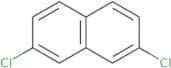
CAS:2,7-Dichloronaphthalene is a chlorinated organic chemical that has been used as an insecticide and acaricide. It is metabolized by cytochrome P-450 to form 2,7-dichloronaphthalene oxide, which is then converted to 2,7-dichloronaphthoic acid. This chemical can accumulate in adipose tissue and the liver of animals exposed to it. It also bioconcentrates in aquatic organisms and biomagnifies in food chains. 2,7-Dichloronaphthalene is not acutely toxic because it does not readily penetrate the skin or respiratory tract. Chronic exposure by ingestion or inhalation can cause adverse effects on the central nervous system, cardiac system, and blood cells. The most toxic effect of 2,7-dichloronaphthalene is its carcinogenic potential for humans and animals.Formula:C10H6Cl2Purity:Min. 95%Color and Shape:White PowderMolecular weight:197.06 g/mol3-(4-Methylbenzylidene)camphor
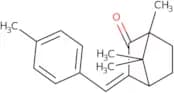
CAS:<p>3-(4-Methylbenzylidene)camphor is a chemical compound that has two isomers, alpha and beta. It can be found in biological samples, such as human urine or wastewater, and can be used for the treatment of skin cancer. 3-(4-Methylbenzylidene)camphor is prepared by extraction from a dry sample with an organic solvent. The extraction process requires a hydroxyl group to react with the dry sample and create a liquid. The resulting liquid is then evaporated to leave behind the extract. The kinetic data of 3-(4-Methylbenzylidene)camphor was determined by measuring its rate of reaction with an analytical method. The rate of reaction increased as the concentration increased to a constant value at high concentrations, which suggests that it may have some occlusive properties in humans due to its tendency to bind to plasma proteins.</p>Formula:C18H22OPurity:Min. 95%Color and Shape:White PowderMolecular weight:254.37 g/mol3,3'-Dipropylthiadicarbocyanine iodide
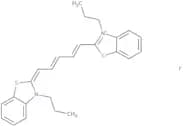
CAS:<p>3,3'-Dipropylthiadicarbocyanine iodide (3DTI) is a proton-carrying compound that has been used extensively as a probe for measuring the cytosolic calcium concentration ([Ca2+]c). This agent binds to the cyclic lipopeptide cation channel in the bacterial cell membrane, inhibiting the uptake of organic anions. 3DTI can also be used to measure mitochondrial membrane potential by monitoring changes in its fluorescence intensity. The antimicrobial activity of 3DTI is due to its ability to inhibit bacteria that are resistant to antibiotics and other antimicrobial peptides. 3DTI binds to DNA at specific sites in the genome and targets intracellular targets such as mitochondria.</p>Formula:C25H27IN2S2Purity:Min. 97 Area-%Color and Shape:PowderMolecular weight:546.53 g/mol3,5-Dinitrosalicylic acid sodium
CAS:<p>3,5-Dinitrosalicylic acid sodium is an inorganic compound that is used as a biochemical reagent. It can be used to measure the phosphatase activity of muscle and liver samples, as well as to determine the level of autophagy in cells. 3,5-Dinitrosalicylic acid sodium has been shown to inhibit the activity of a number of enzymes, including acid phosphatase and thiourea. When combined with chloroplast or mitochondria, it can be used to determine the rate of electron transport chain. 3,5-Dinitrosalicylic acid sodium binds to sulfhydryl groups on proteins and prevents them from being used for other purposes. This process optimization leads to engulfment followed by lysosomal degradation.</p>Formula:C7H3N2NaO7Purity:Min. 95%Color and Shape:PowderMolecular weight:250.1 g/mol2,2'-Dichloro diphenyl disulfide
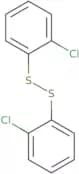
CAS:<p>2,2'-Dichloro diphenyl disulfide is a high quality chemical that is widely used as a reagent. It belongs to the category of complex compounds and has been extensively studied as an intermediate for the synthesis of pharmaceuticals. 2,2'-Dichloro diphenyl disulfide is also useful as a building block or scaffold for the preparation of a wide range of useful chemicals. This product can be used in research laboratories and by industry as a versatile building block in organic synthesis, with applications including use as a reaction component in the production of pharmaceuticals and agrochemicals.</p>Formula:C12H8Cl2S2Purity:Min. 95%Color and Shape:PowderMolecular weight:287.23 g/mol2'-Hydroxy-5'-nitrohexadecanamide sodium
CAS:2'-Hydroxy-5'-nitrohexadecanamide sodium is a reagent that can be used for a variety of laboratory reactions. It is a versatile building block, useful intermediate, and useful building block for complex compounds. This compound has also been shown to be useful in the synthesis of pharmaceuticals and other fine chemicals.Formula:C22H36N2O4NaPurity:Min. 95%Molecular weight:415.52 g/mol