Pharmaceutical Standards
Pharmaceutical standards are a comprehensive set of reference materials essential for ensuring the safety, efficacy, and quality of pharmaceutical products. This category includes standards for active pharmaceutical ingredients (APIs), which are the core components responsible for therapeutic effects. Additionally, it covers compounds and metabolites relevant to both the pharmaceutical and veterinary industries, providing benchmarks for the accurate measurement and analysis of these substances. Nitrosamine control standards are crucial for detecting and mitigating potentially harmful nitrosamines in drug formulations. Toxicology standards help assess the safety and potential adverse effects of pharmaceutical compounds. Furthermore, enzyme activators and inhibitors standards are vital for research and development, enabling precise studies of biochemical pathways and drug mechanisms. These pharmaceutical standards are indispensable tools for regulatory compliance, quality control, and research, ensuring that pharmaceutical products meet stringent safety and effectiveness criteria.
Subcategories of "Pharmaceutical Standards"
- APIs for research and impurities(275,014 products)
- Enzyme Activators and Inhibitors(2,827 products)
- Nitrosamines(2,605 products)
- Pharmaceutical and Veterinary Compounds and Metabolites(2,884 products)
- Toxicology(13,652 products)
Found 7836 products of "Pharmaceutical Standards"
Sort by
Purity (%)
0
100
|
0
|
50
|
90
|
95
|
100
3,3'-Dimethyl-2,2'-bithiophenyl
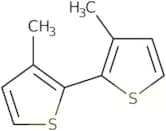
CAS:<p>3,3'-Dimethyl-2,2'-bithiophenyl is a thermochromic polymeric compound that has been used as a colorant in polymers. The compound has a linear structure consisting of two thiophene rings with methyl groups at the 3 and 2 positions. The 3,3'-dimethyl group is attached to the second carbon atom of the thiophene ring and the 2,2'-bithiophenyl group is attached to the first carbon atom of the thiophene ring. The color changes from yellow to orange when heated to above 200 °C. This color change is due to conformational changes in the molecule that occur with thermal energy input.</p>Formula:C10H10S2Purity:Min. 95%Color and Shape:Yellow PowderMolecular weight:194.32 g/molZ-L-pyroglutamic acid 4-nitrophenyl ester
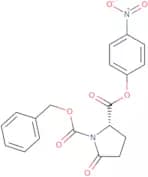
CAS:Please enquire for more information about Z-L-pyroglutamic acid 4-nitrophenyl ester including the price, delivery time and more detailed product information at the technical inquiry form on this pageFormula:C19H16N2O7Purity:Min. 95%Molecular weight:384.34 g/mol4'-Chloro-3'-methylacetophenone, 95%
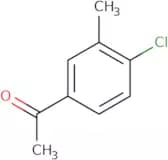
CAS:<p>4'-Chloro-3'-methylacetophenone, 95% is a white crystalline solid that is soluble in alcohols and ethers. It has been used as a reagent for the synthesis of acetophenones. The compound exhibits moderate solubility in water and reacts with aqueous alkalis to form salts. 4'-Chloro-3'-methylacetophenone, 95% also reacts with strong oxidizing agents to form peroxides and with acid chlorides to form esters.</p>Formula:C9H9ClOPurity:Min. 95%Molecular weight:168.62 g/mol4',6'-Dimethoxy-2'-hydroxy-3-methylacetophenone
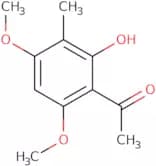
CAS:<p>4,6-Dimethoxy-2-hydroxy-3-methylacetophenone belongs to the group of natural products. It is a phenolic compound that has been isolated from the leaves of plants in the genus Eucalyptus. 4,6-Dimethoxy-2-hydroxy-3-methylacetophenone has shown cytotoxic activity against cancer cells in an animal bioassay and inhibits tumor growth by inhibiting protein synthesis. This compound also exhibits chemosystematic properties and may be useful for research on natural products.</p>Formula:C11H14O4Purity:Min. 95%Color and Shape:White PowderMolecular weight:210.23 g/molN-(Ketocaproyl)-L-homoserine lactone
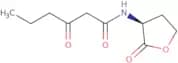
CAS:<p>N-(Ketocaproyl)-L-homoserine lactone is a fatty acid analog of the bacterial signaling molecule homoserine lactone and a potent inducer of cell lysis. The synthesis of this analog has been demonstrated in vitro with Escherichia coli, Bacillus subtilis, and Streptococcus pneumoniae. It is active against human pathogens including Helicobacter pylori and Staphylococcus aureus as well as mammalian tissue. N-(Ketocaproyl)-L-homoserine lactone induces cell lysis by binding to the DNA polymerase to inhibit its activity and terminate DNA synthesis. This inhibition leads to an accumulation of unprocessed RNA, which induces apoptosis in bacterial cells.</p>Formula:C10H15NO4Purity:Min. 98 Area-%Color and Shape:White PowderMolecular weight:213.23 g/mol3'-(Trimethoxyphenyl)acetone
<p>3'-(Trimethoxyphenyl)acetone is a reagent and useful scaffold for the synthesis of complex compounds. It is also used as a reaction component in the preparation of valuable research chemicals, specialty chemicals, and fine chemicals. 3'-(Trimethoxyphenyl)acetone has been shown to be an effective building block for synthesizing complex compounds, such as heterocycles. This chemical has a CAS number of 689-52-3.</p>Purity:Min. 95%3,6-Difluoro-2-hydroxybenzoic acid methyl ester
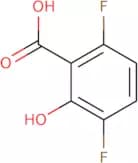
CAS:3,6-Difluoro-2-hydroxybenzoic acid methyl ester is a combination of two substances that are used as deodorants and antiperspirants. They work by blocking the pores in the skin, which prevents perspiration and reduces body odor. 3,6-Difluoro-2-hydroxybenzoic acid methyl ester is not an anti-inflammatory drug.Formula:C7H4F2O3Purity:Min. 95%Molecular weight:174.1 g/molFmoc-O-tert-butyl-L-threoninol
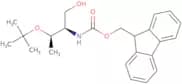
CAS:<p>Fmoc-O-tert-butyl-L-threoninol is an aminoacyl chloroformate ester that is used in the synthesis of peptides. It has a conjugate acid chloride and a disulfide bond. The chloroformate group reacts with the carboxylic acid moiety of L-threonine to form an ester, which can then be cleaved by hydrolysis to yield L-threonine. This product is also used for the synthesis of peptides in which the threonine residue is conjugated to another amino acid such as cysteine or glutamic acid.<br>Fmoc-O-tert-butyl-L-threoninol is synthesized from l-threonine and isobutene via a phase chromatography process. The synthetic intermediate Fmoc-(S)-OH is reacted with trifluoroacetic acid (TFA)</p>Formula:C23H29NO4Purity:Min. 98 Area-%Color and Shape:White PowderMolecular weight:383.48 g/mol1,2-Dimethylnaphthalene
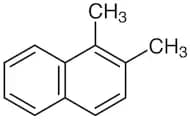
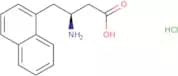
CAS:Formula:C12H12Purity:>95.0%(GC)Color and Shape:Colorless to Light orange to Yellow clear liquidMolecular weight:156.23(S)-3-Amino-4-(1-naphthyl)butanoic acid hydrochloride
CAS:(S)-3-Amino-4-(1-naphthyl)butanoic acid hydrochloride is a high quality chemical that is used as a reaction component for the synthesis of complex organic compounds. It may also be used to produce fine chemicals, pharmaceuticals, and other useful compounds. This product has a wide variety of uses including as an intermediate in the production of speciality chemicals, as a building block for synthesizing more complex compounds, or as a precursor to producing other useful chemicals.Formula:C14H16ClNO2Purity:Min. 95%Color and Shape:White PowderMolecular weight:265.74 g/mol3,3'-Dipropylthiadicarbocyanine iodide
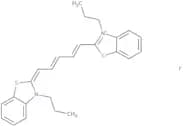
CAS:<p>3,3'-Dipropylthiadicarbocyanine iodide (3DTI) is a proton-carrying compound that has been used extensively as a probe for measuring the cytosolic calcium concentration ([Ca2+]c). This agent binds to the cyclic lipopeptide cation channel in the bacterial cell membrane, inhibiting the uptake of organic anions. 3DTI can also be used to measure mitochondrial membrane potential by monitoring changes in its fluorescence intensity. The antimicrobial activity of 3DTI is due to its ability to inhibit bacteria that are resistant to antibiotics and other antimicrobial peptides. 3DTI binds to DNA at specific sites in the genome and targets intracellular targets such as mitochondria.</p>Formula:C25H27IN2S2Purity:Min. 97 Area-%Color and Shape:PowderMolecular weight:546.53 g/mol2,2'-Dichloro-1,1'-biphenyl-4,4'-diamine
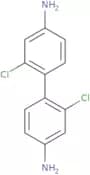
CAS:2,2'-Dichloro-1,1'-biphenyl-4,4'-diamine is a chemical that belongs to the class of organic compounds known as amines. It is insoluble in water and has a molecular weight of 190.8 g/mol. 2,2'-Dichloro-1,1'-biphenyl-4,4'-diamine has been shown to be carcinogenic in animals and can cause coagulation problems in humans. The compound also shows anti-inflammatory properties by inhibiting the production of prostaglandins.Formula:C12H10Cl2N2Purity:Min. 95%Color and Shape:White/Off-White SolidMolecular weight:253.13 g/mol2-Nitrophenol
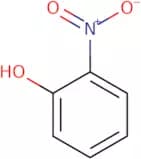
CAS:2-Nitrophenol has been used as an antimicrobial agent. 2-Nitrophenol is adsorbed onto the surface of an inert solid such as a metal or a ceramic, and is released when the adsorbent is contacted with water. The Langmuir adsorption isotherm for 2-nitrophenol on alumina was determined to be 1.4x10⁻³ mol/cm2. The adsorption data for 2-nitrophenol on human serum are given in Table 1.Formula:O2NC6H4OHPurity:Min. 95%Color and Shape:PowderMolecular weight:139.11 g/mol2,2'-Dithiobisbenzanilide
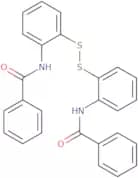
CAS:<p>2,2'-Dithiobisbenzanilide is a dithiobenzoic acid derivative which can be used as a reagent in analytical chemistry. It has been shown to cleave the fatty acids of boron nitride and to provide valuable information on their structure. 2,2'-Dithiobisbenzanilide reacts with boron nitride at elevated temperatures to form crystalline products that are soluble in organic solvents such as chloroform. The mononuclear complex formed by this reaction has been characterized by X-ray diffraction studies.</p>Formula:C26H20N2O2S2Purity:Min. 95%Color and Shape:PowderMolecular weight:456.58 g/mol(11bS)-N,N-Dimethyl-8,9,10,11,12,13,14,15-octahydrodinaphtho[2,1-d:1',2'-f][1,3,2]dioxaphosphepin-4-amine
CAS:(11bS)-N,N-Dimethyl-8,9,10,11,12,13,14,15-octahydrodinaphtho[2,1-d:1',2'-f][1,3,2]dioxaphosphepin-4-amine is a chiral compound that can be used as an immobilizer in catalytic asymmetric reactions. This molecule has shown to be effective in hydrogenation reactions and insulating electrodes. It also has bifunctional properties and can be recycled with the use of a gelation process. (11bS)-N,N-Dimethyl-8,9,10,11,12,13,14,15-octahydrodinaphtho[2.1d:1',2'-f][1.3.2]dioxaphosphepin-4-amine has been synthesized from a recyclable material and its interactions haveFormula:C22H26NO2PPurity:Min. 95%Color and Shape:White PowderMolecular weight:367.42 g/molbeta-2'-Methoxynaphthoflavone
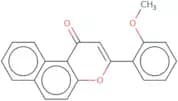
CAS:<p>beta-2'-Methoxynaphthoflavone is a fine chemical that is useful as a scaffold for complex compounds, as a building block for speciality chemicals, and as an intermediate in the synthesis of research chemicals. It can be used in pharmaceuticals, agrochemicals, and other industries. beta-2'-Methoxynaphthoflavone has been found to be a versatile building block with high quality that can be used to synthesize a variety of compounds. This compound also has the ability to react with other chemicals such as ammonia or amines.</p>Formula:C20H14O3Purity:Min. 95%Molecular weight:302.32 g/mol3-Nitrophenylacetic acid
CAS:3-Nitrophenylaceticacid (3NPAA) is a nitro compound that is used as an intermediate in the synthesis of other organic compounds. It can be synthesized by reacting phenylacetic acid with nitric acid, which is then oxidized to 3-nitrophenol with potassium permanganate. The product is then reacted with acetic anhydride to produce 3-nitrophenylacetic acid. This chemical has been shown to inhibit plant physiology and chlorophyll production by binding reversibly to the protein photosystem II in plants. 3-Nitrophenylaceticacid reacts with chloride ions to form a reversible covalent bond, which may be hydrolyzed by water or alkali.Formula:C8H7NO4Purity:Min. 95%Color and Shape:PowderMolecular weight:181.15 g/molBestatin hydrochloride
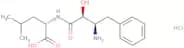
CAS:Aminopeptidase inhibitor; analgesicFormula:C16H24N2O4•HClPurity:Min. 95%Color and Shape:PowderMolecular weight:344.83 g/molVanillin - synthetic
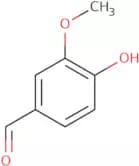
CAS:Vanillin is an inhibitor molecule that has been shown to have antimicrobial activity against a bacterial strain. Vanillin binds to the surface of bacteria and prevents them from adhering to surfaces, which may be due to its high values for biological properties. This compound is also an inhibitor molecule in the polymerase chain reaction (PCR). It binds to the DNA polymerase enzyme, preventing it from synthesizing DNA. Vanillin inhibits bacterial growth by binding to DNA-dependent RNA polymerase, thereby preventing transcription and replication. The high frequency of human activity has been shown using a patch-clamp technique on human erythrocytes.Formula:C8H8O3Purity:Min. 95%Color and Shape:White Clear LiquidMolecular weight:152.15 g/molCimetropium bromide
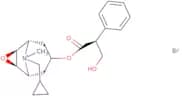
CAS:<p>Cimetropium bromide is a pharmacological agent that binds to muscarinic receptors, inhibiting the release of acetylcholine. It is used in the treatment of bowel disease, such as constipation and irritable bowel syndrome. Cimetropium bromide has been shown to be effective in treating symptoms of these diseases, including decreased intestinal motility, increased stool consistency, and relief from abdominal pain. Cimetropium bromide has also been found to be effective in reducing symptoms of inflammatory bowel disease. This drug inhibits the release of acetylcholine by binding with muscarinic receptors on the smooth muscle cells lining the intestine and bladder. Cimetropium bromide is a potent antimuscarinic agent that can cause dry mouth and blurred vision.</p>Formula:C21H28BrNO4Purity:Min. 95%Color and Shape:White PowderMolecular weight:438.36 g/molγ-L-glutamyl-b-naphthylamide
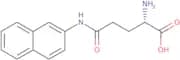
CAS:Gamma-L-glutamyl-b-naphthylamide is a high quality, reagent, complex compound that is used as an intermediate in the production of fine chemicals such as speciality chemicals and research chemicals. Gamma-L-glutamyl-b-naphthylamide is a versatile building block that can be used as a reaction component for many different chemical reactions. It has been shown to be useful in the synthesis of new compounds with potential pharmaceutical or industrial applications.Formula:C15H16N2O3Purity:Min. 95%Molecular weight:272.3 g/molVanillylacetone
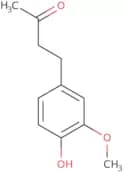
CAS:<p>Vanillylacetone is a natural compound that belongs to the group of phenolic compounds. It is an inhibitor of the enzyme cyclase, which is involved in the biosynthesis of fatty acids and sterols. Vanillylacetone has been shown to have anti-tumor effects in mice with induced tumors. It also inhibits the growth of bacteria, fungi, and protozoa by inhibiting DNA synthesis. Vanillylacetone has been shown to inhibit nuclear DNA replication and toll-like receptor signaling pathways.</p>Formula:C11H14O3Purity:Min. 95%Color and Shape:White To Yellow SolidMolecular weight:194.23 g/molL-Threonine tert-butyl ester hydrochloride
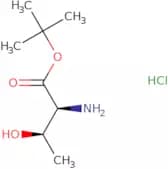
CAS:<p>L-Threonine tert-butyl ester hydrochloride is a fine chemical that is used as a building block for complex compounds. It is also a reagent and speciality chemical with many uses in research, including the synthesis of pharmaceuticals. L-Threonine tert-butyl ester hydrochloride can be used as an intermediate in the synthesis of high quality pharmaceuticals, such as antibiotics and antifungals. This product is also useful as a scaffold for new drug development.</p>Formula:C8H17NO3·HClPurity:Min. 95%Color and Shape:White PowderMolecular weight:211.69 g/mol5-Bromo-2-nitrophenol
CAS:5-Bromo-2-nitrophenol is an organic compound that is used in the industrial production of drugs and dyes. It is soluble in ethanol, but insoluble in water. 5-Bromo-2-nitrophenol can be obtained by extracting it from the filtrate of a solution of potassium tert-butyl ether with aqueous ethanol. The extraction process involves adding morpholine to the solution, which is then heated and refluxed. This process yields high yields of 5-bromo-2-nitrophenol.Formula:C6H4BrNO3Purity:Min. 95%Color and Shape:Yellow solid.Molecular weight:218 g/mol4'-Bromo-3'-methylacetophenone, 98%
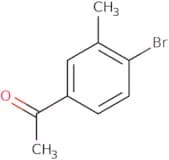
CAS:4'-Bromo-3'-methylacetophenone is a brominated derivative of acetophenone. It is a fine chemical that is used as a building block in the synthesis of organic compounds and research chemicals. 4'-Bromo-3'-methylacetophenone is also used as an intermediate in the production of pharmaceuticals, dyes, and pesticides. This compound reacts with amines to form N-substituted ureas. It is also used as a speciality chemical in high-quality paint manufacture, as a versatile building block for industrial applications, and as an intermediate for the production of other chemicals.Formula:C9H9BrOPurity:Min. 95%Color and Shape:Clear LiquidMolecular weight:213.1 g/mol6-Hydroxy-2-naphthaldehyde
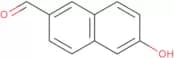
CAS:6-Hydroxy-2-naphthaldehyde is a reactive compound that is used to measure the fluorescence resonance of mitochondria. It is a fluorophore that has been used as a probe for the measurement of membrane permeability, and as a hydroxyl group it can be converted into 6-hydroxy-2-naphthalenecarboxylic acid which is used in the production of dyes. 6-Hydroxy-2-naphthaldehyde has been shown to have congestive heart effects in mice, but this effect may be due to its ability to induce naphthalene and formamide.Formula:C11H8O2Purity:Min. 95%Molecular weight:172.18 g/mol1-Biotinylamino-3,6,9-trioxaundecane-11-bromide
CAS:1-Biotinylamino-3,6,9-trioxaundecane-11-bromide is a high quality reagent that is used in research and development. It has a CAS number of 1041766-91-9. 1-Biotinylamino-3,6,9-trioxaundecane-11-bromide is a versatile building block that can be used as an intermediate or scaffold in chemical reactions. It is also a useful reaction component for the synthesis of fine chemicals.Formula:C18H32BrN3O5SPurity:Min. 95%Color and Shape:PowderMolecular weight:482.43 g/mol2-Nitro-1,8-naphthalic anhydride
CAS:2-Nitro-1,8-naphthalic anhydride is a chemical compound that is used as a photochemical reagent. It reacts with amines to produce nitrosoamines, which are useful in the detection of dna duplexes and nucleophiles. 2-Nitro-1,8-naphthalic anhydride has fluorescence properties and is used as a photoacceptor in photophysical studies. This molecule has been shown to be stable when exposed to light and can be used for optical measurements. 2-Nitro-1,8-naphthalic anhydride is soluble in organic solvents such as chloroform or ether and insoluble in water.Formula:C12H5NO5Purity:90%Color and Shape:PowderMolecular weight:243.17 g/molDL-Erythro-dihydrosphingosine synthetic
CAS:DL-Erythro-dihydrosphingosine synthetic is a nonsteroidal anti-inflammatory drug that blocks the activity of Bcl-2, a protein involved in apoptosis. This compound has been shown to have anti-cancer effects in hl-60 cells and squamous cell carcinomas. DL-Erythro-dihydrosphingosine synthetic also inhibits the matrix metalloproteinase activity of MMPs, which are enzymes that degrade the extracellular matrix and can cause cancer cell invasion and metastasis. The optimum concentration for this compound is 1 µM.Formula:C18H39NO2Purity:Min. 95%Color and Shape:White PowderMolecular weight:301.51 g/mol4,6-Bis(octylthiomethyl)-o-cresol
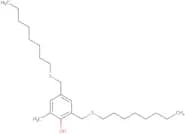
CAS:4,6-Bis(octylthiomethyl)-o-cresol is a synthetic, long-acting, and developable plasticizer. It is used to make polystyrene more flexible and improve its impact resistance. This chemical has been shown to be compatible with a wide range of polymers, including polycarbonate and polyethylene. 4,6-Bis(octylthiomethyl)-o-cresol is used in the manufacture of plastics that are exposed to organic acids and phosphites for extended periods of time in order to optimize their properties. The use of this chemical can lead to improved processability and reduced costs.Formula:C25H44OS2Purity:Min. 98 Area-%Color and Shape:White Solidified MassMolecular weight:424.75 g/molBenzoyl-L-tyrosine ethyl ester
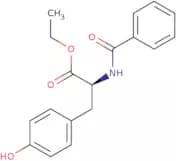
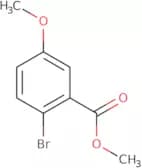
CAS:<p>Benzoyl-L-tyrosine ethyl ester is a copolymer of benzoyl-L-tyrosine and polyethylene glycol. It is a mesoporous material that has an ability to bind with DNA and inhibit the activity of enzymes such as proteases, trypsin, and chymotrypsin. Benzoyl-L-tyrosine ethyl ester inhibits the enzymatic activity of these enzymes by binding to the active site on their surface; it also inhibits the production of inflammatory mediators. This product has been shown to have potent inhibitor properties in vitro, but its efficacy in vivo has not been evaluated.</p>Formula:C18H19NO4Purity:Min. 95%Color and Shape:PowderMolecular weight:313.35 g/mol2-Bromo-5-methoxybenzoic acid methyl ester
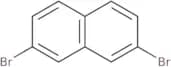
CAS:2-Bromo-5-methoxybenzoic acid methyl ester is an antibiotic with a broad spectrum of activity against bacteria, including Staphylococcus aureus and Pseudomonas aeruginosa. 2-Bromo-5-methoxybenzoic acid methyl ester is an inhibitor of the enzyme benzohydrazide, which is involved in the production of prostaglandins. This drug also has antioxidant activity and can inhibit the growth of Escherichia coli and Cereus. 2-Bromo-5-methoxybenzoic acid methyl ester has analgesic properties and was shown to have analgesic activities in animal tests.Formula:C9H9BrO3Purity:Min. 95%Color and Shape:Clear LiquidMolecular weight:245.07 g/mol2,7-Dibromonaphthalene
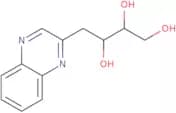
CAS:2,7-Dibromonaphthalene is a chemosensor that is used to sense the presence of halides in water. It reacts with anion radicals in the atmosphere to produce a fluorescent compound with a long wavelength emission. This reaction can be observed using ultraviolet spectroscopy and amination reactions. 2,7-Dibromonaphthalene has been shown to react with copper oxide to form a blue-green compound. This property has been used as an indicator of copper contamination in water and soil samples. 2,7-Dibromonaphthalene also reacts with metal ions to form metal cations, which can be detected using cyclen or other organic compounds.Formula:C10H6Br2Purity:Min. 95%Color and Shape:PowderMolecular weight:285.96 g/mol2-(2',3',4'-Trihydroxybutyl)quinoxaline
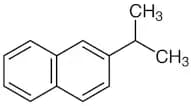
CAS:<p>2-(2',3',4'-Trihydroxybutyl)quinoxaline is a model system for the glyoxal-glycolaldehyde reaction. This reaction is important in the formation of organic acids and hydroxycarbonyl compounds. The kinetic of this reaction has been studied using glyoxal, glycolaldehyde, and hydroxycarboxylic acid as substrates. Reaction intermediates were identified by multiresponse techniques. Kinetic parameters were determined by modelling and kinetic experiments at different temperatures and concentrations.</p>Formula:C12H14N2O3Purity:Min. 95%Color and Shape:Off-White PowderMolecular weight:234.25 g/mol2-Isopropylnaphthalene
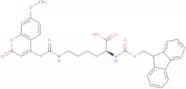
CAS:Formula:C13H14Purity:>95.0%(GC)Color and Shape:Colorless to Light yellow clear liquidMolecular weight:170.26N-α-Fmoc-Nε-7-methoxycoumarin-4-acetyl-L-lysine
CAS:N-alpha-Fmoc-Nepsilon-7-methoxycoumarin-4-acetyl-L-lysine is a fluorogenic molecule that is synthesized by the solid phase method. It is an analog of lysine, which is a bioactive amino acid. This compound binds to copper and exhibits fluorescence emission at 585 nm when excited at 488 nm. N-alpha-Fmoc-Nepsilon-7-methoxycoumarin-4-acetyl-L-lysine can be used as a substrate for bone growth in vitro and in vivo. It can also be used as a labeling reagent for bone tissue, such as bone sections or cells. It has been shown to produce osteogenic activity in vitro and in vivo.Formula:C33H32N2O8Purity:Min. 97 Area-%Color and Shape:PowderMolecular weight:584.62 g/mol1-{{[5-(4-Nitrophenyl)-2-furanyl]methylene}amino}-2,4-imidazolidinedione
CAS:Dantrolene is an experimental model for malignant hyperthermia, a rare genetic condition that can cause muscle rigidity and death. Dantrolene has been shown to inhibit the activity of the dinucleotide phosphate (NADH) dehydrogenase enzyme in muscle cells. In addition, it inhibits calcium release from the sarcoplasmic reticulum and activates ryanodine receptors. Dantrolene also inhibits muscle contractions and prevents neuronal death by inhibiting the release of glutamate.Formula:C14H10N4O5Purity:Min. 95%Color and Shape:SolidMolecular weight:314.25 g/mol5-(6-Methoxynaphthalen-2-yl)-1H-pyrazole-3-carboxylic acid
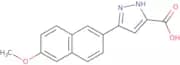
CAS:5-(6-Methoxynaphthalen-2-yl)-1H-pyrazole-3-carboxylic acid is a fine chemical that is used as an intermediate in research, development and production of pharmaceuticals. It can be also used as a reagent and speciality chemical, as well as a reaction component and useful scaffold when combined with other molecules. This compound has been found to be stable in air and water, which makes it easy to handle. 5-(6-Methoxynaphthalen-2-yl)-1H-pyrazole-3-carboxylic acid has CAS No. 1257877-12-5.Formula:C15H12N2O3Purity:Min. 95%Color and Shape:Off-White PowderMolecular weight:268.27 g/molDipyrone
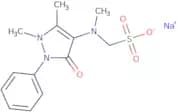
CAS:<p>Dipyrone is an anti-inflammatory and analgesic drug that belongs to the group of non-steroidal anti-inflammatory drugs. It has been shown to inhibit the production of prostaglandins, which are involved in inflammation, by inhibiting cyclooxygenase. The polymerase chain reaction (PCR) method is a biochemical technique used to amplify a segment of DNA, typically for use as a genetic marker or for cloning a particular gene. A PCR assay can be used to detect the presence of bacterial DNA in a sample. Dipyrone has been shown to possess chemiluminescence activity, which is indicative of its ability to bind with DNA. This binding inhibits transcription and replication and may be responsible for the toxic effects on epidermal cells observed in animal studies. Dipyrone also has been shown to have anti-inflammatory activities through its inhibition of cyclooxygenase and its ability to inhibit neutrophil migration and function.</p>Formula:C13H16N3NaO4SPurity:Min. 95%Color and Shape:White SolidMolecular weight:333.34 g/mol2,2'-Dimethylazoxybenzene
CAS:2,2'-Dimethylazoxybenzene is the active chemical in this product. It has been shown to be a reactive molecule that can undergo electron reduction. It is also an acidic compound that reacts with amines and carbon nanotubes to form azobenzene and nitrotoluene respectively. The mechanism of the reaction is not well understood but it is thought that a molecule with a double bond adjacent to the azoxy group may react with one of the hydrogen atoms on the double bond causing elimination of nitrogen gas and formation of azobenzene or nitrotoluene.Formula:C14H14N2OPurity:Min. 95%Color and Shape:PowderMolecular weight:226.27 g/molSodium N-lauroylsarcosinate
CAS:<p>Sodium N-lauroylsarcosinate is a surfactant that is used in water treatment, wastewater treatment, and as a detergent. It is also used as an analytical tool for the titration calorimetry of sodium salts. Sodium N-lauroylsarcosinate is a sodium salt that belongs to the group of sodium salts. It has been shown to have biological properties such as permeability through human serum and biodegradability. The salt form of this compound has an electrochemical impedance spectrum which can be used to identify it.</p>Formula:C15H28NNaO3Purity:Min. 94%Color and Shape:White Off-White PowderMolecular weight:293.38 g/mol3,5-Dimethoxycinnamide
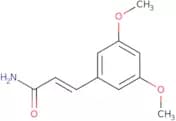
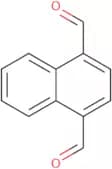
CAS:3,5-Dimethoxycinnamide is a compound that has been shown to inhibit the C1-4 alkoxy and C1-4 alkyl esterase activity of the enzyme secretase. This enzyme is involved in the production of amyloid beta peptides and is thought to be an important contributor to Alzheimer's Disease. 3,5-Dimethoxycinnamide also inhibits the aspartyl protease activity of aspartyl proteases, which are enzymes that may play a role in Alzheimer's disease. 3,5-Dimethoxycinnamide binds to the hydrophobic region of these enzymes and prevents them from binding to their substrates. The affinity of this compound for these enzymes precludes its ability to bind with other proteins in the brain, thereby reducing its potential toxicity. 3,5-Dimethoxycinnamide can be labeled with halogeno groups or other chemical moieties for profiling purposes.Formula:C11H13NO3Purity:Min. 95%Molecular weight:207.23 g/molNaphthalene 1,4-dicarboxaldehyde
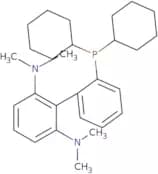
CAS:<p>Naphthalene 1,4-dicarboxaldehyde is a low energy focusing molecule that is used in macrocyclic compounds. It can be oxidized to form naphthalene 1,4-diacid and naphthalene 1,4-diketone. This compound has been used to synthesize the triarylmethane dye viologen by Wittig reaction. Naphthalene 1,4-dicarboxaldehyde has also been shown to have fluorescence properties and can be useful for chemiluminescence. Naphthalene 1,4-dicarboxaldehyde reacts with sulfide or amine groups to form sulfides or amines respectively.</p>Formula:C12H8O2Purity:Min. 95%Color and Shape:PowderMolecular weight:184.19 g/mol2-Dicyclohexylphosphino-2',6'-bis(N,N-dimethylamino)biphenyl
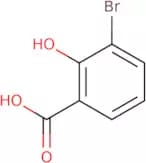
CAS:2-Dicyclohexylphosphino-2',6'-bis(N,N-dimethylamino)biphenyl (PCP-DMAP) is a phosphorus compound that is used for the synthesis of aryl chlorides. It has been validated as an effective reagent for the conversion of aryl chlorides to aryl halides. PCP-DMAP can be used in peptidomimetic synthesis and profiling. It is also useful in the synthesis of natural products where activation with N,N-dimethylchloramine (DMC) is required. PCP-DMAP can be used as an efficient alternative to other methods for activation with DMC, using less time and producing less waste. This compound has been shown to be stable against hydrolysis and oxidation in both acidic and basic media, making it a good reagent for use under these conditions. PCP-DMAP can also be used in the synthesisFormula:C28H41N2PPurity:Min. 95%Color and Shape:PowderMolecular weight:436.61 g/mol3-Bromosalicylic acid
CAS:<p>3-Bromosalicylic acid is a metabolite of salicylic acid and has shown clinical use in the treatment of cancer. 3-Bromosalicylic acid is synthesized from cyclohexanol and chlorine. It is a toxic compound that has been shown to inhibit protein synthesis in bacteria, including soil bacteria, but not in mammalian cells. This is due to its interaction with organic ligands that are present in the bacterial cell wall and not in mammalian cells. 3-Bromosalicylic acid also has been found to be a ligand for the receptor, PI3Kδ inhibitor, which inhibits tumor growth and metastasis by inhibiting phosphatidylinositol 3-kinase (PI3K) delta activity.</p>Formula:C7H5BrO3Purity:Min. 95%Color and Shape:PowderMolecular weight:217.02 g/mol1-(Chloromethyl)-4-fluoronaphthalene
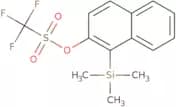
CAS:1-(Chloromethyl)-4-fluoronaphthalene is a halogenated, organic compound with two different forms, a trans and cis form. The trans form is the more stable, inactive form. The cis form is more reactive and can be converted to the trans form by heating or light. It has been studied for use in polymer synthesis and as an insecticide. 1-(Chloromethyl)-4-fluoronaphthalene has not been observed in the gas phase because it does not have any dipole moments in this state. However, it does show infrared and vibrational spectra that are explainable when it is in the gaseous phase. 1-(Chloromethyl)-4-fluoronaphthalene also emits Raman spectra when it is heated or exposed to light. These spectra help to characterize the molecule quantitatively by observing its transitions at different frequencies.Formula:C11H8ClFPurity:Min. 95%Color and Shape:White To Beige SolidMolecular weight:194.63 g/mol1-(Trimethylsilyl)-2-naphthyl Trifluoromethanesulfonate
CAS:<p>1-(Trimethylsilyl)-2-naphthyl Trifluoromethanesulfonate is a solvent that has been used for the synthesis of oxygen heterocycles. It is also used as a reagent to cleave bonds in organic molecules, such as alkene, solvents, aldehydes and activated esters. This compound is an unsymmetrical nucleophile that reacts with electron-poor alkenes to generate an unsaturated bond between two carbons. Mechanistic studies have shown that the reaction proceeds through a concerted mechanism involving the formation of a covalent phosphine intermediate.</p>Formula:C14H15F3O3SSiPurity:Min. 95%Color and Shape:PowderMolecular weight:348.41 g/molCresol Red Sodium Salt
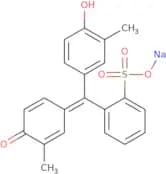
CAS:<p>Cresol Red Sodium Salt is a reagent, complex compound, and useful intermediate. It is CAS No. 62625-29-0 and has the molecular formula C10H8O4Na2S. It can be used as a building block for the synthesis of speciality chemicals, research chemicals, and versatile building blocks. This chemical can be used as a reaction component in organic syntheses.</p>Formula:C21H17NaO5SColor and Shape:PowderMolecular weight:404.41 g/molrec Neurotrophin-3 (human)
<p>Please enquire for more information about rec Neurotrophin-3 (human) including the price, delivery time and more detailed product information at the technical inquiry form on this page</p>Purity:Min. 95%Vitamin E
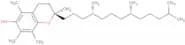
CAS:<p>Vitamin E is a fat-soluble vitamin that has antioxidant properties.</p>Formula:C29H50O2Purity:Min. 96 Area-%Color and Shape:Brown Yellow Clear LiquidMolecular weight:430.71 g/mol


![(11bS)-N,N-Dimethyl-8,9,10,11,12,13,14,15-octahydrodinaphtho[2,1-d:1',2'-f][1,3,2]dioxaphosphepin-…](/_next/image/?url=https%3A%2Fstatic.cymitquimica.com%2Fproducts%2F3D%2Fthumb-webp%2FFD163891.webp&w=3840&q=75)





![1-{{[5-(4-Nitrophenyl)-2-furanyl]methylene}amino}-2,4-imidazolidinedione](/_next/image/?url=https%3A%2Fstatic.cymitquimica.com%2Fproducts%2F3D%2Fthumb-webp%2FFN138588.webp&w=3840&q=75)