Pharmaceutical Standards
Subcategories of "Pharmaceutical Standards"
- APIs for research and impurities(277,261 products)
- Enzyme Activators and Inhibitors(2,829 products)
- Nitrosamines(2,661 products)
- Pharmaceutical and Veterinary Compounds and Metabolites(2,891 products)
- Toxicology(13,367 products)
Found 8131 products of "Pharmaceutical Standards"
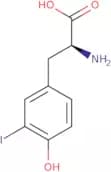
3-Iodo-L-tyrosine
CAS:Please enquire for more information about 3-Iodo-L-tyrosine including the price, delivery time and more detailed product information at the technical inquiry form on this page
Formula:C9H10INO3Purity:Min. 96.0 Area-%Color and Shape:PowderMolecular weight:307.09 g/molRef: 3D-FI12110
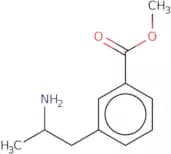
Discontinued product3'-(2-Propylamine)benzoic acid methyl ester
CAS:3'-(2-Propylamine)benzoic acid methyl ester is a high quality, complex compound that can be used as a reagent, speciality chemical, or reaction component. It has a wide range of applications in the synthesis of pharmaceuticals, agrochemicals, and other biologically active compounds. 3'-(2-Propylamine)benzoic acid methyl ester is also a versatile building block and useful intermediate in organic synthesis.
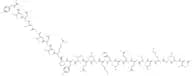
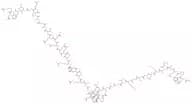
Formula:C11H15NO2Purity:Min. 95%Molecular weight:193.24 g/molAcetyl-(Asn30,Tyr32)-Calcitonin (8-32) (salmon I) trifluoroacetate salt
CAS:Please enquire for more information about Acetyl-(Asn30,Tyr32)-Calcitonin (8-32) (salmon I) trifluoroacetate salt including the price, delivery time and more detailed product information at the technical inquiry form on this pageFormula:C127H205N37O40Purity:Min. 95%Molecular weight:2,890.21 g/molRef: 3D-FA109403
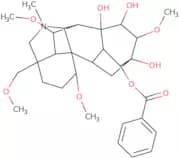
Discontinued productBenzoylhypaconine
CAS:Benzoylhypaconine is an alkaloid compound, which is a secondary metabolite typically found in certain plant species. It is primarily derived from Aconitum species, a group of plants known for their complex alkaloidal chemistry. The mode of action of benzoylhypaconine involves interactions with various receptors and enzymes in biological systems, reflecting its potential to influence neurotransmission and enzymatic activity.
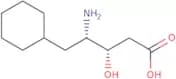
Formula:C31H43NO9Purity:Min. 98 Area-%Color and Shape:Orange PowderMolecular weight:573.67 g/molCyclohexylstatine
CAS:Cyclohexylstatine is a glycopeptide antibiotic that inhibits the synthesis of collagen in animals and humans. It also has been shown to have anticancer activity. Cyclohexylstatine works by inhibiting the biosynthesis of collagen, which is an important component of skin, ligaments, and tendons. The molecule was synthesized in 1975 and has been used as a pharmaceutical agent since 1980. Cyclohexylstatine is the first anti-collagen drug to be developed for use in humans. It has been shown to be effective against autoimmune diseases such as rheumatoid arthritis but not against cancer cells or bacteria. Cyclohexylstatine binds to the zymogen form of collagenase and inhibits its activity. This inhibition leads to an accumulation of polysaccharides in the extracellular matrix that are converted into oligosaccharides by glycosidases present in tissue fluids. These oligosaccharides inhibit collagen synthesis by binding to
Formula:C11H21NO3Purity:Min. 95%Molecular weight:215.29 g/molRef: 3D-FC107902
Discontinued productPancreastatin (dephosphorylated) (porcine) trifluoroacetate salt
CAS:Pancreastatin is a cytosolic protein that inhibits the production of peptide hormones such as glucagon, insulin, and gastrin. It is used to treat bowel disease, including carcinoid syndrome and inflammatory bowel disease. Pancreastatin has been shown to inhibit the activity of cyclase enzymes that are responsible for the production of these hormones. Pancreatic beta-cells produce pancreatic polypeptide (PP), which is converted by pancreastatin into inactive PP2. Pancreatic alpha-cells produce somatostatin (SS), which is converted by pancreastatin into inactive SS2. Pancreatic delta cells produce pancreatic polypeptide (PP), which is not affected by pancreastatin. Pancreatic somatostatinomas secrete SS, which is not affected by pancreastatin.
Formula:C214H330N68O76SPurity:Min. 95%Molecular weight:5,103.39 g/molRef: 3D-FP109742
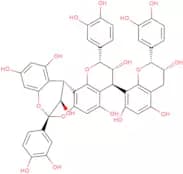
Discontinued productCinnamtannin B-1
CAS:Cinnamtannin B-1 is a cytosolic Ca2+ modulator that binds to and inhibits the activity of ATPases, which are enzymes that hydrolyze ATP. This causes an increase in intracellular Ca2+ levels, which leads to altered cell physiology. Cinnamtannin B-1 also inhibits mitochondrial membrane potential and enzyme activities. Cinnamtannin B-1 is a bioactive phytochemical found in cinnamon extract, which has been shown to have anti-obesity effects due to its ability to reduce the number of fat cells. Cinnamtannin B-1 has been shown to inhibit 3T3-L1 preadipocyte differentiation by targeting proteins such as procyanidins.
Formula:C45H36O18Purity:Min. 95%Color and Shape:PowderMolecular weight:864.76 g/molRef: 3D-FC09482
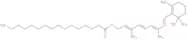
Discontinued productVitamin A palmitate
CAS:Vitamin A palmitate is a fat-soluble vitamin that has antioxidant properties. It is available as a supplement in the form of retinol and retinyl palmitate. Vitamin A palmitate is an inactive form of vitamin A that can be converted to retinol in vivo by esterases and other enzymes. The conversion of vitamin A palmitate to retinol may be inhibited by various substances, such as estradiol benzoate. This conversion leads to the formation of free radicals, which cause oxidative injury to cells. Studies have shown that vitamin A palmitate can be toxic for humans because it interferes with the synthesis of mucin, an important constituent of human lungs and airways. Vitamin A palmitate also alters gene expression in some experimental models, leading to changes in cell growth or death.
Formula:C36H60O2Color and Shape:Yellow PowderMolecular weight:524.86 g/molOctreotide trifluoroacetate salt (Dimer, Parallel) (
Please enquire for more information about Octreotide trifluoroacetate salt (Dimer, Parallel) ( including the price, delivery time and more detailed product information at the technical inquiry form on this page
Formula:C98H132N20O20S4Purity:Min. 95%Molecular weight:2,038.48 g/molRef: 3D-FO110074
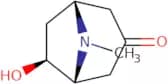
Discontinued product6-Hydroxytropinone
CAS:6-Hydroxytropinone is a synthetic compound that is used in the synthesis of anisodamine and nicotinic acetylcholine. It has been shown to have a high activation energy, and can be synthesized from camphor and sodium carbonate. 6-Hydroxytropinone reacts with hydrochloric acid and gel chromatography to produce tropone, which is then reacted with chloride to produce the desired product. This chemical has been studied clinically for its effects on nicotinic acetylcholine, but it has not been fully studied for toxicity.
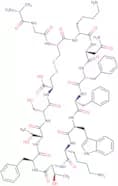
Formula:C8H13NO2Purity:Min. 95%Molecular weight:155.19 g/mol(D-Trp8)-Somatostatin-14 trifluoroacetate salt
CAS:Please enquire for more information about (D-Trp8)-Somatostatin-14 trifluoroacetate salt including the price, delivery time and more detailed product information at the technical inquiry form on this page
Formula:C76H104N18O19S2Purity:Min. 95%Molecular weight:1,637.88 g/molRef: 3D-FT108921
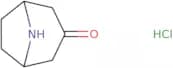
Discontinued productNortropinone hydrochloride
CAS:Nortropinone hydrochloride is a molecule with a pyridinium moiety. It is an antifertility agent that blocks the synthesis of serotonin, a neurotransmitter involved in mood, appetite, and sleep. Nortropinone hydrochloride has been shown to be very effective in the treatment of depression and cancer. Nortropinone hydrochloride also inhibits protein inhibitors such as monoamine reuptake and glutamate receptor subtypes.
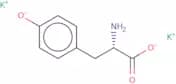
Formula:C7H12ClNOPurity:Min. 95%Molecular weight:161.63 g/molL-Tyrosine dipotassium
CAS:L-Tyrosine dipotassium salt is a high quality, reagent, complex compound, useful intermediate and fine chemical. It is a useful scaffold that can be used in the synthesis of various important natural products. L-Tyrosine dipotassium salt is a versatile building block that has been widely applied in research on the development of new drugs, such as antiviral agents and antibiotics. L-Tyrosine dipotassium salt can act as a reaction component for many organic reactions. It also has applications in many areas such as medicine, food production, and environmental protection.
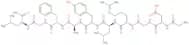
Formula:C9H11NO3•K2Purity:Min. 95%Molecular weight:259.39 g/molType A Allatostatin II
CAS:Allatostatin II is a fatty acid that has been shown to have receptor activity. It is an analog of the glycopeptide antibiotic gramicidin S and has been shown to inhibit the growth of bacteria and fungi. Allatostatin II also has diagnostic properties, which are used in biochemical tests for inflammatory diseases. The molecule is conjugated with various agents to form diagnostic agents or antibiotics, such as stenotrophomonas maltophilia and erythromycin. Allatostatin II is found in the human plasma, but its function is unknown.Formula:C49H74N14O13Purity:Min. 95%Molecular weight:1,067.2 g/molRef: 3D-FT110276
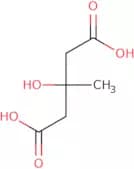
Discontinued product3-Hydroxy-3-methylglutaric acid
CAS:3-Hydroxy-3-methylglutaric acid is an organic acid that is a valuable intermediate in the chemical production of epidermal growth factor. 3-Hydroxy-3-methylglutaric acid also has been shown to be useful as a reagent for the detection of bacterial strains, including E. coli, Salmonella enterica, and Pseudomonas aeruginosa. The enzyme activities of 3-hydroxy-3-methylglutaric acid are not well understood, but it has been shown to have effects on congestive heart failure and bowel disease. 3-Hydroxy-3-methylglutaric acid may be used in the treatment of inflammatory bowel disease due to its ability to inhibit certain enzymes responsible for inflammation and pain. The long term toxicity and symptoms associated with 3-hydroxy-3-methylglutaric acid have not yet been studied, but it has been shown to have no effect on cardiac function
Formula:C6H10O5Purity:Min. 95%Molecular weight:162.14 g/mol9,11-Anhydrobudesonide
CAS:Controlled ProductPlease enquire for more information about 9,11-Anhydrobudesonide including the price, delivery time and more detailed product information at the technical inquiry form on this page
Formula:C25H32O5Purity:Min. 95%Color and Shape:PowderMolecular weight:412.52 g/molRef: 3D-FA146159
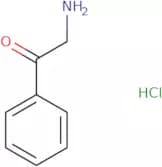
Discontinued product2-Aminoacetophenone hydrochloride
CAS:Controlled Product2-Aminoacetophenone hydrochloride is a chemical compound that is used in analytical chemistry as a reagent for the determination of protein and amino acid concentrations. This reagent can be prepared in various forms, depending on the type of analysis being performed. 2-Aminoacetophenone hydrochloride is used to determine the concentration of free amino acids in a sample by binding to it. It can also be used for determining the concentration of bound amino acids by reacting with them with hydrochloric acid. 2-Aminoacetophenone hydrochloride is an excellent substrate for matrix effect, which may cause errors in measurement due to interference from other substances present in the sample. The use of light exposure reduces this problem by removing interfering substances from the sample.
Formula:C8H9NO·HClPurity:Min. 95%Color and Shape:PowderMolecular weight:171.62 g/molRef: 3D-FA158319
Discontinued productBiotinyl-Atrial Natriuretic Factor (1-28) (human) trifluoroacetate salt
CAS:Please enquire for more information about Biotinyl-Atrial Natriuretic Factor (1-28) (human) trifluoroacetate salt including the price, delivery time and more detailed product information at the technical inquiry form on this pageFormula:C137H217N47O41S4Purity:Min. 95%Molecular weight:3,306.75 g/molRef: 3D-FB110153
Discontinued product9-Formylanthracene
CAS:9-Formylanthracene is a hydroxylated derivative of anthracene. This molecule has significant cytotoxicity and shows high resistance to cancer cells. It is also capable of inducing apoptosis in carcinoma cell lines. 9-Formylanthracene binds to DNA polymerase, inhibiting the enzyme activity and blocking synthesis of DNA. It also inhibits other enzymes that are necessary for cellular metabolism, such as the ribonucleotide reductase enzyme. 9-Formylanthracene is a potential anticancer drug candidate due to its ability to inhibit DNA polymerase and induce apoptosis in cancer cells, but it does not show any effect on normal liver cells.
Purity:Min. 95%Ref: 3D-FF03705
Discontinued productBiotinyl-Pancreatic Polypeptide (human) trifluoroacetate salt
CAS:Please enquire for more information about Biotinyl-Pancreatic Polypeptide (human) trifluoroacetate salt including the price, delivery time and more detailed product information at the technical inquiry form on this page
Formula:C195H301N55O56S3Purity:Min. 95%Molecular weight:4,408.01 g/molRef: 3D-FB110183
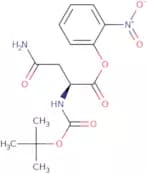
Discontinued productBoc-Asn-o-nitrophenyl ester
CAS:Please enquire for more information about Boc-Asn-o-nitrophenyl ester including the price, delivery time and more detailed product information at the technical inquiry form on this page
Formula:C15H19N3O7Purity:Min. 95%Molecular weight:353.33 g/molRef: 3D-FB111259
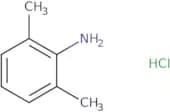
Discontinued product2,6-Dimethylaniline hydrochloride
CAS:Ropivacaine Related Compound A is a chemical compound that has not been fully characterized. It is an inhibitor of the enzyme P-hydroxybenzoic acid, which is involved in the synthesis of tyrosine and phenylalanine. Ropivacaine Related Compound A has shown to be potent inducers of the enzyme polymerase chain reaction (PCR) when combined with other chemicals such as potassium peroxydisulfate. The optimum concentration for this chemical compound to inhibit PCR reactions is 50 mM. Ropivacaine Related Compound A may have carcinogenic potential due to its ability to form p-hydroxybenzoic acid and other carcinogenic compounds. This chemical compound has been found to be a good candidate for wastewater treatment due to its low potency and high solubility in water.
Formula:C8H12ClNPurity:Min. 95%Color and Shape:PowderMolecular weight:157.64 g/molAdipokinetic Hormone G (Gryllus bimaculatus)
CAS:Adipokinetic hormone G is a peptide found in the hemolymph of Gryllus bimaculatus, a species of cricket. It has been shown to have anti-lipemic and antilipaemic effects in animal models. Adipokinetic hormone G can be detected by bioassay and matrix-assisted laser desorption/ionization (MALDI) mass spectrometry.Formula:C43H57N11O12Purity:Min. 95%Molecular weight:919.98 g/molRef: 3D-FA110403
Discontinued productOsteostatin (1-5) (human, bovine, dog, horse, mouse, rabbit, rat) trifluoroacetate salt
CAS:Please enquire for more information about Osteostatin (1-5) (human, bovine, dog, horse, mouse, rabbit, rat) trifluoroacetate salt including the price, delivery time and more detailed product information at the technical inquiry form on this page
Formula:C27H41N9O8Purity:Min. 95%Molecular weight:619.67 g/molRef: 3D-FO110332
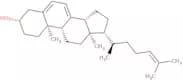
Discontinued product7-Dehydro desmosterol
CAS:Controlled Product7-Dehydro Desmosterol is a hydroxylated sterol found in the liver. It is an intermediate in cholesterol synthesis and participates in the regulation of glucose metabolism. The enzyme responsible for its synthesis (7-dehydrocholesterol reductase) is inhibited by radiation, which leads to its accumulation in the liver. 7-Dehydro desmosterol has been shown to have beneficial effects on experimental models of diabetes and metabolic disorders. In these studies, it was found that 7-dehydro desmosterol can inhibit glucose absorption from the intestine and stimulate insulin secretion from pancreatic beta cells.
Formula:C27H42OPurity:Min. 95%Color and Shape:PowderMolecular weight:382.62 g/molRef: 3D-FD20903
Discontinued productPalmitoleic acid methyl ester
CAS:Palmitoleic acid methyl ester is a bio-based chemical that can be used in wastewater treatment. It has been shown to inhibit the activity of lipase, an enzyme that catalyzes the hydrolysis of triglycerides, and may be useful for the removal of fatty acids from wastewater. Palmitoleic acid methyl ester has a phase transition temperature of about 120°C and a thermal expansion coefficient similar to polyethylene. This product was found to be a good solid catalyst for the production of nitric oxide from nitrogen atoms. The antioxidant vitamins C and E were found to have synergistic effects with palmitoleic acid methyl ester. This product also has antimicrobial properties against infectious diseases such as tuberculosis, which may be due to its ability to inhibit protein synthesis by disrupting ribosomal function.
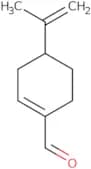
Formula:C17H32O2Purity:Min. 95%Molecular weight:268.43 g/mol(+/-)-Perillaldehyde
CAS:Perillaldehyde is a natural compound that has been used in food and medicine for centuries. It is an antimicrobial agent with dextran sulfate, which is a sugar polymer that inhibits the growth of fungi and bacteria. Perillaldehyde also has been shown to inhibit the energy metabolism of microorganisms by decreasing ATP production. Perillaldehyde has also been shown to have genotoxic activity, as it can cause DNA strand breaks. This compound also causes oxidative stress in cells by reducing mitochondrial membrane potential and inducing reactive oxygen species (ROS). Perillaldehyde has acute toxicities, as it causes electrochemical impedance spectroscopy changes that indicate cell death.
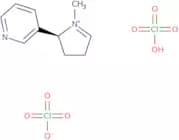
Formula:C10H14OPurity:Min. 95%Color and Shape:PowderMolecular weight:150.22 g/molS-(-)-Nicotine-delta1’-(5’)-iminium diperchlorate salt
CAS:Please enquire for more information about S-(-)-Nicotine-delta1’-(5’)-iminium diperchlorate salt including the price, delivery time and more detailed product information at the technical inquiry form on this page
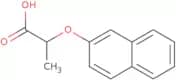
Formula:C10H14Cl2N2O8Purity:Min. 95%Molecular weight:361.13 g/mol2-(2-Naphthyloxy)propanoic acid
CAS:2-(2-Naphthyloxy)propanoic acid is a naphthalene derivative that is found in the plant species Carthamus tinctorius. It has been shown to have potent antagonist activity against the NMDA receptor, as well as antinociceptive and analgesic properties in vivo. 2-(2-Naphthyloxy)propanoic acid also shows potent anti-inflammatory and cardioprotective effects in vitro and in vivo. 2-(2-Naphthyloxy)propanoic acid can be used for the treatment of bone cancer, congestive heart failure, diabetic neuropathy, or other disorders of the peripheral nervous system.
Formula:C13H12O3Purity:Min. 95%Molecular weight:216.23 g/molRef: 3D-FN112710
Discontinued product4-(2,4-Dinitrophenyl)butanoicacid
CAS:Please enquire for more information about 4-(2,4-Dinitrophenyl)butanoicacid including the price, delivery time and more detailed product information at the technical inquiry form on this page
Formula:C10H10N2O6Purity:Min. 95%Molecular weight:254.2 g/molRef: 3D-FD149753
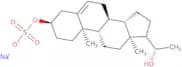
Discontinued product20a-Dihydro pregnenolone 3-sulfate sodium salt
CAS:Please enquire for more information about 20a-Dihydro pregnenolone 3-sulfate sodium salt including the price, delivery time and more detailed product information at the technical inquiry form on this page
Formula:C21H33NaO5SPurity:Min. 95%Molecular weight:420.54 g/molRef: 3D-FD21937
Discontinued product