Pharmaceutical Standards
Subcategories of "Pharmaceutical Standards"
- APIs for research and impurities(296,733 products)
- Enzyme Activators and Inhibitors(2,829 products)
- Nitrosamines(3,123 products)
- Pharmaceutical and Veterinary Compounds and Metabolites(4,733 products)
- Toxicology(22,948 products)
Found 16693 products of "Pharmaceutical Standards"
Deltonin
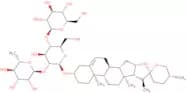
CAS:Deltonin is a natural product with anti-cancer properties. Deltonin induces autophagy in K562 cells and HL-60 cells. It also inhibits the growth of squamous carcinoma cells in mice. Deltonin can induce apoptosis by reducing mitochondrial membrane potential, which leads to the activation of caspase-9, -8, and -3. In addition to inducing autophagy, deltonin can inhibit cell proliferation and migration by attenuating the signal pathways that are responsible for these processes. The mechanism of action for deltonin is not well understood but it may be due to its reactive or activated nature as a chemical structure.Formula:C45H72O17Purity:Min. 95%Color and Shape:White PowderMolecular weight:885.04 g/mol1-[[5-(p-Nitrophenyl)furfurylidene]amino]-hydantoin sodium
CAS:Dantrolene sodium is a muscle relaxant that belongs to the group of pharmacological agents. It is used to treat muscle spasms and hyperactivity in patients with neuromuscular disorders. Dantrolene sodium inhibits calcium release by blocking the activity of the enzyme ryanodine receptor in skeletal muscle cells. This inhibition prevents uncontrolled contraction of muscles and reduces their energy consumption. The drug also has an effect on malignant hyperthermia, which is caused by an increase in the production of adenosine triphosphate (ATP) due to increased cellular metabolism. Dantrolene sodium can inhibit ATP synthesis, thus reducing energy production and stabilizing cell membranes, thereby preventing cell death in neurons and other tissues.
Formula:C14H10N4O5•NaPurity:Min. 95%Color and Shape:Yellow PowderMolecular weight:337.24 g/mol3-Fluoro-2-hydroxybenzoic acid methyl ester
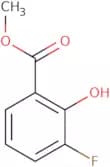
CAS:3-Fluoro-2-hydroxybenzoic acid methyl ester (3-FHBA) is a high quality chemical compound that is used as an intermediate to produce other compounds. It has been shown to be a useful scaffold for the synthesis of complex compounds with various functional groups. 3-FHBA is also a reagent in the production of fine chemicals, research chemicals, and speciality chemicals. This compound has many uses, including being a versatile building block for reactions in organic synthesis and being a reaction component in the production of many types of products.Formula:C8H7FO3Purity:Min. 95%Color and Shape:White PowderMolecular weight:170.14 g/mol(E)-3-[3'-(4''-fluorophenyl)-1'-(1''-methylethyl)-1H-indol-2''-yl]-2-propnal
CAS:(E)-3-[3'-(4''-Fluorophenyl)-1'-(1''-methylethyl)-1H-indol-2''-yl]-2-propnal is an amoebicidal agent that belongs to the class of indole derivatives. It has been shown to inhibit tumor growth in animal models, and thus may be a potential anti-cancer drug. The activity index of (E)-3-[3'-(4''-fluorophenyl)-1'-(1''-methylethyl)-1H-indol-2''-yl]-2-propnal was significantly lower than those of fenoldopam, a well known antihypertensive agent, for the treatment of liver cancer. The compound also inhibits the growth of bacteria by inhibiting protein synthesis in organisms such as amoeba.Formula:C20H18FNOPurity:Min. 95%Color and Shape:Yellow PowderMolecular weight:307.36 g/mol11-Keto budesonide (mixture of diastereomers)
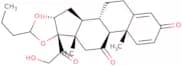
CAS:Controlled Product11-Keto budesonide is a high quality, reagent, complex compound, useful intermediate and fine chemical. It is a versatile building block that can be used in the synthesis of other compounds. 11-Keto budesonide is used as a reaction component and as a research chemical. 11-Keto budesonide has been shown to be effective as an anti-inflammatory agent and has been studied for its use in treating asthma.Formula:C25H32O6Purity:Min. 90 Area-%Color and Shape:White PowderMolecular weight:428.52 g/molCitronellyl nitrile
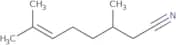
CAS:Synthetic aroma providing fresh citrus fragranceFormula:C10H17NPurity:Min. 95%Color and Shape:Colorless Clear LiquidMolecular weight:151.25 g/mol2-Bromocinnamic acid
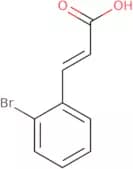
CAS:2-Bromocinnamic acid is a synthetic compound that inhibits the reactions of arylating agents with tissues. It has cytotoxic activity and can be used in the treatment of alzheimer's disease. The synthesis of 2-bromocinnamic acid begins with anhydrous acetonitrile, which is heated to form an anhydrous salt. This salt is then dissolved in water and treated with potassium iodide and sodium nitrite. The resultant mixture undergoes a series of reactions to produce 2-bromocinnamic acid, including the addition of molybdenum as a catalyst. The reaction also produces byproducts that are removed by extraction or distillation. Finally, it undergoes a chromophore change from yellow to red in the presence of air due to oxidation by atmospheric oxygen.
Formula:C9H7BrO2Purity:Min. 95%Molecular weight:227.05 g/mol4-Nitrophenylnitroethene
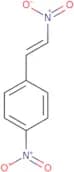
CAS:4-Nitrophenylnitroethene is an organic compound that is synthesized through a nitroaldol reaction. This process involves the condensation of nitric acid and phenylethyl alcohol. The product is then catalyzed with potassium carbonate to produce 4-nitrophenylnitroethene. Nitroaldol reactions are used to produce many different types of compounds, including pharmaceuticals, dyes, and fragrances. The synthesis of this compound was analyzed by high-resolution mass spectrometry and gas chromatography–mass spectrometry techniques. It was found that the mesoporous structure of the 4-nitrophenylnitroethene particles play a role in its chemical properties.Formula:C8H6N2O4Purity:Min. 95%Color and Shape:PowderMolecular weight:194.14 g/molPolycaprolactone diol - MW 525-575
CAS:Biodegradable polymer
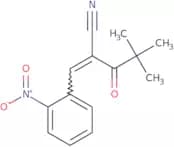
Formula:C4H8O3(C6H10O2)nColor and Shape:Clear Liquid2-(2,2-dimethylpropanoyl)-3-(2-nitrophenyl)prop-2-enenitrile
CAS:Please enquire for more information about 2-(2,2-dimethylpropanoyl)-3-(2-nitrophenyl)prop-2-enenitrile including the price, delivery time and more detailed product information at the technical inquiry form on this pagePurity:Min. 90%2,2'-(Methylimino)diquinolin-8-ol
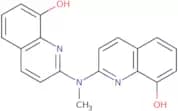
CAS:Please enquire for more information about 2,2'-(Methylimino)diquinolin-8-ol including the price, delivery time and more detailed product information at the technical inquiry form on this pageFormula:C19H15N3O2Purity:Min. 95%Molecular weight:317.34 g/mol3-Methoxy-4-nitrobenzoic acid methyl ester
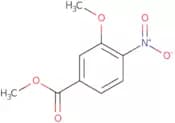
CAS:3-Methoxy-4-nitrobenzoic acid methyl ester is a dianellidin, a type of natural product. It is an ionizing acid that catalyzes the reaction between carboxylic acids and hydroxyl compounds. This compound is used to produce some drugs, such as methyldopate, which is an antiarrhythmic drug that slows heart rate. The catalytic rate of 3-methoxy-4-nitrobenzoic acid methyl ester can be increased by buffers and solvents (e.g., methanol). These compounds increase the concentration of the reactants in solution and reduce the activation energy required for the reaction to take place. Uncatalyzed reactions are slow because there are no molecules to act as intermediates in the process.
Formula:C9H9NO5Purity:95%NmrColor and Shape:PowderMolecular weight:211.17 g/mol4'-(2-Chloroethyl)acetophenone
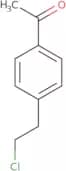
CAS:4'-(2-Chloroethyl)acetophenone is a reagent that is used in organic synthesis. It is an essential building block for the synthesis of many other compounds and has been used to synthesize a variety of useful compounds, such as the pharmaceuticals erythromycin and penicillin. 4'-(2-Chloroethyl)acetophenone can be obtained from various suppliers, with high quality guaranteed. This chemical has been classified by CAS No. 69614-95-5 and has a molecular weight of 166.3 g/mol.
Formula:C10H11ClOPurity:Min. 95%Molecular weight:182.65 g/mol7,12-Dimethylbenz[a]anthracene
CAS:Controlled Product7,12-Dimethylbenz[a]anthracene is a potent carcinogen that can cause skin tumor formation and cancer in various organs. It is a powerful inhibitor of protein synthesis. 7,12-Dimethylbenz[a]anthracene binds to the DNA polymerase enzyme and blocks the incorporation of nucleotides into the growing DNA strand. This prevents the synthesis of proteins from DNA templates, inhibiting protein synthesis and cell division. The compound also inhibits inflammation by blocking the production of prostaglandins.Formula:C20H16Purity:Min. 98 Area-%Color and Shape:PowderMolecular weight:256.34 g/molL-Threonine benzyl ester hydrochloride
CAS:L-Threonine benzyl ester hydrochloride is a glycopeptide that is used as a precursor to L-threonine. It is synthesized from cycloserine, which contains a phenyl group, and D-serine, which contains an amino acid with two threonine molecules. The synthesis starts with the activation of the benzyl ester by treatment with hydrazoic acid. This activated compound reacts with D-serine in the presence of an organic base to form the benzyl ester of D-serine. The reaction can be carried out in one pot without isolation steps. The final step is an oxidative cleavage of the benzyl group by irradiation with ultraviolet light or exposure to hydrogen peroxide, yielding L-threonine benzyl ester hydrochloride as a white solid.
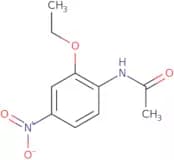
Formula:C11H15NO3•HClPurity:Min. 95%Color and Shape:White To Off-White SolidMolecular weight:245.7 g/mol2'-Ethoxy-4'-nitroacetanilide
CAS:2'-Ethoxy-4'-nitroacetanilide is a chemical compound that is used as a building block in the synthesis of other chemicals. It is a versatile building block and can be used to synthesize many different types of compounds, including drugs, pesticides, and dyes. 2'-Ethoxy-4'-nitroacetanilide has been classified as a speciality chemical and is not for human consumption.Formula:C10H12N2O4Purity:Min. 95%Color and Shape:PowderMolecular weight:224.21 g/molL-Alanosine
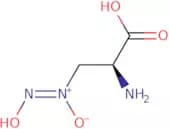
CAS:L-Alanosine is a nucleotide that is synthesized from adenosine and alanine. It is the first substrate in the synthetic pathway of l-alanosine. L-Alanosine has been shown to have antibiotic properties against gram negative bacteria, such as Escherichia coli and Klebsiella pneumoniae. L-Alanosine inhibits synthesis of bacterial cell walls by interfering with the enzymatic activity of bacterial ribonucleotide reductase, which converts ribonucleotides to deoxyribonucleotides. The molecule also inhibits protein synthesis by binding to the 30S subunit of bacterial ribosomes, preventing elongation of polypeptide chains. In vivo treatment with L-alanosine significantly reduced tumor size and increased levels of ATP in colorectal adenocarcinoma cells.
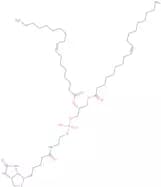
br>br>Formula:C3H7N3O4Purity:Min. 95%Color and Shape:Off-White PowderMolecular weight:149.11 g/mol1,2-Dioleoyl-sn-glycero-3-phosphatidylethanolamino (+)-biotin
CAS:This is a speciality chemical and is not intended for use in food, drug, or cosmetic applications. This fine chemical is a useful building block, which can be used to synthesize complex compounds. It has been shown to have high reactivity with a variety of reagents, making it an excellent research component.Formula:C51H92N3O10PSPurity:Min. 95%Color and Shape:PowderMolecular weight:970.33 g/mol(4-Bromophenyl)thiourea
CAS:(4-Bromophenyl)thiourea is an oxidant that has been used in the commercialization of photographic films and perovskites. It can be used as a biological stain to detect proteins, and contains both UV-A and UV-B spectra. This chemical is also able to convert ammonium nitrate into nitric acid, which has been shown to be synergistic with thiourea. (4-Bromophenyl)thiourea can exist as two isomers, cis and trans, which have different properties. The cis isomer reacts faster than the trans isomer with ammonia, but the trans form has greater solubility in water. The techniques for separating these two forms are chromatography and crystallization.
Formula:C7H7BrN2SPurity:Min. 95%Molecular weight:231.11 g/mol(R)-BoroLeu-(+)-pinanediol-trifluoroacetate
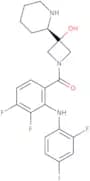
CAS:(R)-BoroLeu-(+)-pinanediol-trifluoroacetate is a complex compound with CAS No. 179324-87-9 and can be used as a reagent, useful intermediate, or fine chemical. It is a versatile building block that can be used in the synthesis of speciality chemicals, research chemicals, and reaction components. This compound has been reported to be a useful scaffold for the synthesis of novel compounds that could have applications in medicine, such as anti-cancer drugs and antibiotics.Formula:C17H29BF3NO4Color and Shape:White Off-White PowderMolecular weight:379.22 g/mol(R)-Cobimetinib
CAS:Cobimetinib is a ferroelectric compound that has been shown to be expressed in the transducer of a liquid crystal oscilloscope. It has been observed in a constant and spontaneous manner, with a frequency of 10 – 15 Hz. Cobimetinib is an acid group with an ionic transition. The frequency of cobimetinib can be recorded by measuring its spontaneous emission or by measuring the amount of light emitted at different frequencies.Formula:C21H21F3IN3O2Purity:Min. 95%Color and Shape:White to off-white solid.Molecular weight:531.31 g/mol3,5-Difluoro-4-(trifluoromethyl)acetophenone
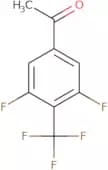
CAS:3,5-Difluoro-4-(trifluoromethyl)acetophenone is a high quality chemical that is used as a reagent in organic synthesis and as a building block for the synthesis of other compounds. It has been shown to be an effective intermediate in the production of fine chemicals and speciality chemicals. This compound can also be used as a building block for the synthesis of useful scaffolds or useful building blocks. 3,5-Difluoro-4-(trifluoromethyl)acetophenone is versatile and can react with various functional groups.Formula:C9H5F5OPurity:Min. 95%Molecular weight:224.13 g/molEthyl hydrocaffeate
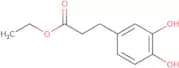
CAS:Ethyl hydrocaffeate is a phenolic compound and an ester of hydroxycinnamic acid. Ethyl hydrocaffeate is naturally found in many plants, such as, Bidens pilosa. In in vitro cell studies, ethyl hydrocaffeate inhibited the production of nitric oxide (NO) with an IC50 of 5.5âÎŒgâmlâ1in LPS-treated RAW 264.7 macrophages (Chiang, 2005). In food, ethyl hydrocaffeate has been tested as an antioxidant at a 0.004% concentration to prevent the generation of off-flavor in ice cream (Gelpi, 1955).
Formula:C11H14O4Purity:Min. 95%Color and Shape:Brown PowderMolecular weight:210.23 g/mol3'-Fluoro-4'-methoxyacetophenone
CAS:3'-Fluoro-4'-methoxyacetophenone is a chalcone that has been shown to have vibrational frequencies of 3.1, 3.2, and 3.3 cm-1. The conformation of this molecule is in the cis form with a 2,6-diisopropylphenyl group on the cyclohexane ring. This molecule has two functional groups: a hydroxyl and a methoxy group. These molecules are soluble in organic solvents such as benzene and chloroform, but not in water or ethanol due to their high polarity. The crystal structure of this molecule was determined by x-ray diffraction experiments at room temperature and found to be monoclinic with space group C2/c with lattice constants a = 5.853 Å, b = 12.638 Å, c = 6.225 Å and β = 120° ± 10° at 25 °CFormula:C9H9FO2Purity:Min. 95%Color and Shape:PowderMolecular weight:168.16 g/mol3,5-Diethoxyacetophenone
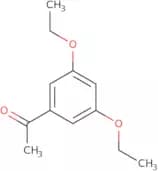
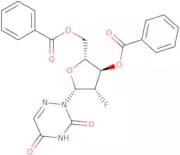
CAS:3,5-Diethoxyacetophenone is a high quality chemical that can be used as a reagent or a useful intermediate. It is also a fine chemical that can be used to produce speciality chemicals with various properties, such as research chemicals and versatile building blocks. 3,5-Diethoxyacetophenone has the CAS number 103604-53-1 and can react with other chemicals to form reaction components.Formula:C12H16O3Purity:Min. 95%Color and Shape:PowderMolecular weight:208.25 g/mol3’,5’-Bis-O-benzoyl-2’-deoxy-2’-fluoro-β-D-arabino-6-azidouridine
CAS:Please enquire for more information about 3’,5’-Bis-O-benzoyl-2’-deoxy-2’-fluoro-beta-D-arabino-6-azidouridine including the price, delivery time and more detailed product information at the technical inquiry form on this pagePurity:Min. 95%2'-Ethoxyacetophenone
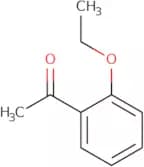
CAS:2'-Ethoxyacetophenone is a Friedel-Crafts acylation agent. It reacts with nucleophilic groups, such as alcohols and amines, to form an acylated product. 2'-Ethoxyacetophenone has been shown to be a useful tool for the synthesis of chiral compounds with high yields and good enantiomeric excesses. This compound can also be used as a precursor in the synthesis of polyaromatic molecules containing a chiral center. The reaction requires low substrate concentrations and short reaction times, making it advantageous for some reactions that are sensitive to these parameters.
Formula:C10H12O2Purity:Min. 95%Color and Shape:PowderMolecular weight:164.2 g/mol4-(1-Adamantyl)-2-nitrophenol
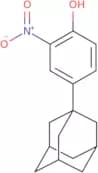
CAS:4-(1-Adamantyl)-2-nitrophenol is a versatile building block that can be used to construct complex compounds. It is a research chemical that can be used as a reagent, as well as in the synthesis of pharmaceuticals and other chemicals. 4-(1-Adamantyl)-2-nitrophenol is soluble in water and ethanol, and has an odorless and colorless appearance. This chemical can be found under the CAS number 32599-84-1.
Formula:C16H19NO3Purity:Min. 95%Molecular weight:273.33 g/mol2,6-Dichlorocinnamic acid
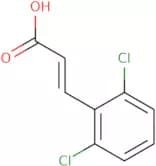
CAS:2,6-Dichlorocinnamic acid is an organic compound that is used as a reagent in the synthesis of other chemicals. 2,6-Dichlorocinnamic acid has been used as a component in the synthesis of various kinds of fine chemicals and useful building blocks. This chemical is also used as a speciality chemical and research chemical. 2,6-Dichlorocinnamic acid can be used as a versatile building block for the preparation of various compounds. It can be synthesized by heating cinnamic acid with chlorine gas and then reacting it with sodium hydroxide.
Formula:C9H6Cl2O2Purity:Min. 95%Color and Shape:PowderMolecular weight:217.05 g/mol2-Hydroxychalcone
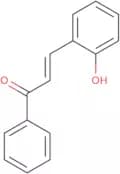
CAS:2-Hydroxychalcone is a chemical compound that has been shown to have hypoglycemic effects in mice and rats. It also inhibits the efflux pump of cancer cells, which prevents the drug from being pumped out of the cell, and thus increases its concentration inside the cell. 2-Hydroxychalcone is structurally similar to epidermal growth factor (EGF). The nitrogen atoms are important for its activity as they can form hydrogen bonds with water molecules and help stabilize the protein's conformation. 2-Hydroxychalcone has been shown to have anti-cancer properties in vitro and in vivo, with a particular effect on prostate cancer cells. It also inhibits tumor growth by reducing the production of insulin-like growth factor 1 (IGF1) levels.
Formula:C15H12O2Purity:Min. 95%Color and Shape:PowderMolecular weight:224.25 g/molGlutaric anhydride
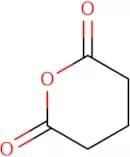
CAS:Glutaric anhydride is a reactive anhydride that can be used to synthesize esters. It is chemically stable and has good thermal stability, so it can be used at elevated temperatures. Glutaric anhydride reacts with the carboxylic acid group of organic compounds to form an ester linkage. This reaction has been shown to take place in biological systems, such as glutaric acid in the human body. Glutaric anhydride is also used for the synthesis of pharmaceuticals and other organic compounds, as well as eye drops for treating eye disorders. The reaction mechanism of glutaric anhydride is not fully understood, but it is believed that it takes place through a radical-based mechanism.
Formula:C5H6O3Purity:Min. 98 Area-%Color and Shape:White PowderMolecular weight:114.1 g/mol3'-Hydroxyquinophthalone
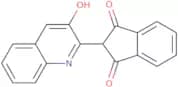
CAS:3'-Hydroxyquinophthalone is a fatty acid that is found in the seed oil of the African tree Acokanthera schimperi. It has shown to be reactive with alcohols and other organic chemicals and has been found to be an antimicrobial agent. 3'-Hydroxyquinophthalone is also a photosynthetic pigment, which means it will absorb light and use it to produce energy. This compound was observed to have a constant pressure of 0.5 atm (5 psi) when exposed to sunlight. The chemical structure of 3'-hydroxyquinophthalone consists of two long chains of alkanoic acid molecules that are linked together by polymeric matrixes. When this compound reacts with water, it forms hydrogen ions and hydroxide ions, which are absorbed by the alkanoic acid chains in the chemical structure, resulting in adsorption onto the surface of water droplets or onto other surfaces such as soil particles or clothing fibers.Formula:C18H11NO3Purity:90%Color and Shape:Brown SolidMolecular weight:289.29 g/molCholesterol oleate
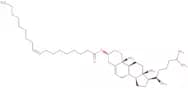
CAS:Controlled ProductCholesterol oleate is a mixture of cholesterol and the fatty acid oleic acid. It is used as a pharmaceutical ingredient in the production of tablets for hyperproliferative diseases. Cholesterol oleate is enzymatically inactivated by esterase enzymes, which convert it to cholesteryl erucate. This product has been shown to be effective at inhibiting lipolysis and reducing body weight gain in rats with induced hyperlipidemia. Cholesterol oleate has been shown to have a neutral pH, making it suitable for use as an excipient with acidic or basic drugs. The phase transition temperature of cholesterol oleate is -30 °C, making it suitable for storage at room temperature. Cholesterol oleate has been used as a phase transfer agent in the manufacture of pharmaceutical preparations with high lipid content such as biologicals and vaccines.
Formula:C45H78O2Purity:Min. 85%Color and Shape:PowderMolecular weight:651.1 g/mol1-Naphthylacetic acid
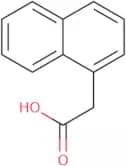
CAS:1-Naphthylacetic acid is a fluorescent compound that can be used as a chemical marker for the identification of sodium salts. It has an optimum concentration of 0.1 mg/L and a maximum concentration of 1 mg/L in water. The fluorescence detector is set to measure the synchronous fluorescence at a wavelength of 515 nm. 1-Naphthylacetic acid is soluble in water and organic solvents, but insoluble in nonpolar solvents such as ether, chloroform, or benzene. This compound can be used for the detection of pesticides with a chemical structure similar to that of 1-naphthylacetic acid, such as 2-chloro-4-(trifluoromethoxy)phenol and 2-chloro-5-(trifluoromethoxy)phenol, using dispersive solid phase extraction (DSPE). The product description should include:Formula:C12H10O2Purity:Min. 98 Area-%Color and Shape:White PowderMolecular weight:186.21 g/molDL-Homocysteine thiolactone hydrochloride
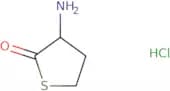
CAS:DL-Homocysteine thiolactone hydrochloride is a compound that has been found in human serum and urine. It is used to measure the concentration of homocysteine in the blood, which may be an indicator of coronary heart disease. DL-Homocysteine thiolactone hydrochloride is used to synthesize the amino acid cysteine, which is vital for cell growth and protein synthesis. DL-Homocysteine thiolactone hydrochloride also has optical properties that make it suitable as a photochromic material. The compound has been shown to be a hydrogen bond donor, which makes it useful for stabilizing proteins in mammalian cells.Formula:C4H8ClNOSPurity:Min. 95%Color and Shape:White PowderMolecular weight:153.63 g/mol4-Carboxycinnamic acid
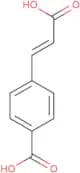
CAS:4-Carboxycinnamic acid is an organic compound that is a derivative of cinnamic acid. It is a colorless solid that is soluble in organic solvents and has high resistance to environmental pollution. 4-Carboxycinnamic acid has been shown to have photocatalytic activity in the presence of UV radiation, with a quantum yield of 0.2% at 365 nm. It also exhibits fluorescence properties, but these are not as strong as the parent compound, cinnamic acid. 4-Carboxycinnamic acid has functional groups that can be activated by hydrogen bonding interactions and uptake into cells. This compound also reacts with sulfonic acids to form sulfinic acids and hydrochloric acid to form chlorocinnamic acids. Chronic pulmonary effects were observed in animals after inhalation of this substance for 30 minutes per day for 10 days. X-ray crystal structures have been determined for 4-carboxycinnamic acid and its
Formula:C10H8O4Purity:Min. 95%Color and Shape:PowderMolecular weight:192.17 g/molR-(3)-Hydroxydecanoic acid methyl ester
CAS:R-(3)-Hydroxydecanoic acid methyl ester is a natural antibiotic that has been found to have cytotoxic and immunosuppressive properties. It also inhibits the growth of aerobic bacteria, such as Aeruginosa, and has been shown to be effective against autoimmune diseases such as rheumatoid arthritis. This antibiotic binds to the lectin receptors on the cell surface of bacteria and causes an increase in lectin binding. The interactions between this antibiotic and lectins are the biological basis for its cytotoxicity.Formula:C11H22O3Purity:Min. 98 Area-%Color and Shape:Colorless Clear LiquidMolecular weight:202.29 g/mol3-Methyl-2-nitrophenol
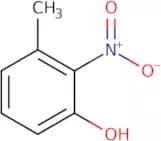
CAS:3-Methyl-2-nitrophenol is a hydroxy group that contains a reactive methylene group. It has been shown to be formed by the reaction of nitric acid with alcohols or amines. The rate of formation is influenced by the steric interactions and intramolecular hydrogen bonds present in the reactants. 3-Methyl-2-nitrophenol can react with other molecules to form various reaction products, such as 2-methylphenol, nitrobenzene, and picric acid. 3-Methyl-2-nitrophenol also has phytotoxic properties, which may be due to its ability to inhibit root growth and chlorophyll production in plants.Formula:C7H7NO3Purity:Min. 95%Molecular weight:153.14 g/molSn(IV) mesoporphyrin IX dichloride
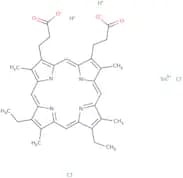
CAS:Sn(IV) mesoporphyrin IX dichloride is a synthetic porphyrin derivative, which is a metalloporphyrin complex formed by the incorporation of tin into the porphyrin structure. This compound originates from the modification of mesoporphyrin IX, a naturally occurring tetrapyrrole, and is further functionalized with chloride ligands. The mode of action of Sn(IV) mesoporphyrin IX dichloride primarily involves the inhibition of heme oxygenase, an enzyme responsible for the catabolism of heme into biliverdin, carbon monoxide, and free iron. This inhibition results in the modulation of heme metabolism, which can have broad implications in various physiological and pathological processes.Formula:C34H36Cl2N4O4SnPurity:Min. 95%Color and Shape:PowderMolecular weight:754.29 g/mol(6S)-5,6,7,8-Tetrahydro-6-[propyl[2-(2-thienyl)ethyl]amino]-1-naphthalenol hydrochloride
CAS:Controlled Product(6S)-5,6,7,8-Tetrahydro-6-[propyl[2-(2-thienyl)ethyl]amino]-1-naphthalenol hydrochloride is a reagent that can be used as an intermediate for the synthesis of many complex compounds. It is a useful building block for the synthesis of pharmaceuticals with speciality chemicals and research chemicals. This compound has been shown to be a versatile building block in the synthesis of natural products, pharmaceuticals and other organic molecules. (6S)-5,6,7,8-Tetrahydro-6-[propyl[2-(2-thienyl)ethyl]amino]-1-naphthalenol hydrochloride is also a reaction component that can be used to synthesize many chemical substances with different functional groups.Formula:C19H26ClNOSPurity:Min. 95%Color and Shape:White PowderMolecular weight:351.93 g/molDL-Ethionine
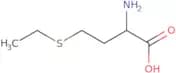
CAS:DL-Ethionine is a compound that is formed when the amino acid methionine is converted to ethionine. It has been shown to induce the formation of acid in the liver and pancreas, which can lead to pancreatitis. Experimental models have shown that DL-ethionine causes liver injury by inhibiting tissue repair mechanisms, such as the polymerase chain reaction. This inhibition prevents DNA synthesis, leading to cell death. The mechanism of DL-ethionine induced toxicity is currently being investigated.Formula:C6H13NO2SColor and Shape:PowderMolecular weight:163.24 g/molL-Threonine
CAS:L-Threonine is an amino acid that is classified as a non-essential amino acid. It is a precursor for the synthesis of proteins and other important compounds in the body, such as neurotransmitters. L-Threonine has been shown to be necessary for the function of enzymes that catalyze reactions in cells. This amino acid also plays a role in protein synthesis and can help regulate transcriptional regulation of genes. L-Threonine has been shown to have antioxidant properties, which may be due to its ability to scavenge anion radicals and inhibit lipid peroxidation.Formula:C4H9NO3Purity:(Titration)Color and Shape:White PowderMolecular weight:119.12 g/mol2-(2,2-dimethyl(3-oxaindan-4-yloxy))-5-nitropyridine
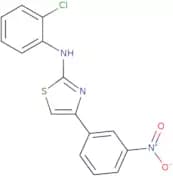
CAS:Please enquire for more information about 2-(2,2-dimethyl(3-oxaindan-4-yloxy))-5-nitropyridine including the price, delivery time and more detailed product information at the technical inquiry form on this pagePurity:Min. 95%(2-Chlorophenyl)(4-(3-nitrophenyl)(2,5-thiazolyl))amine
CAS:Please enquire for more information about (2-Chlorophenyl)(4-(3-nitrophenyl)(2,5-thiazolyl))amine including the price, delivery time and more detailed product information at the technical inquiry form on this pagePurity:Min. 95%Fast red TR salt 1,5-naphthalenedisulfonate
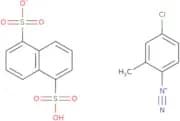
CAS:Fast red TR salt 1,5-naphthalenedisulfonate salt is a reactive, multidrug molecule that binds to DNA and inhibits the synthesis of viral RNA. It also has an antiviral effect on hepatitis and some types of cancer. Fast red TR salt 1,5-naphthalenedisulfonate salt is used in conjunction with other compounds to treat cancerous tumors. The drug is activated by light when it's injected intravenously into the bloodstream, where it can be taken up by cells in the kidney or liver. Fast red TR salt 1,5-naphthalenedisulfonate salt prevents the production of acetylcholine at nerve endings and blocks the transmission of nerve impulses. This drug also prevents the binding of doxorubicin to DNA in tumor cells and blocks tumor cell growth through a process called hybridization. Fast red TR salt 1,5-naphthalenedisulfonate salt is used to create tissue
Formula:C10H7O6S2•C7H6ClN2Purity:Min. 95%Color and Shape:PowderMolecular weight:440.88 g/mol2,2'-Dimethylbenzophenone
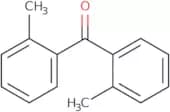
CAS:2,2'-Dimethylbenzophenone (DMBP) is an organic compound that is used as a photoresist for semiconductor manufacturing. DMBP is soluble in many organic solvents and reacts with sodium hydroxide to form the sodium salt of 2,2'-dimethylbenzophenone. It has been shown that DMBP readily undergoes metathesis reactions with a variety of olefins. The metathesis reaction is an acid-catalyzed reaction that involves the transfer of two hydrogen atoms from the olefin to the double bond carbon atom of DMBP. The mechanism by which this occurs is not fully understood, but it may involve a one-step mechanism where the olefin binds to the carbonyl group and then reacts with one of the other groups on DMBP.Formula:C15H14OPurity:Min. 95%Molecular weight:210.27 g/molN-[2-(p-Cinnamylamino)ethyl]-5-isoquinolone sulfonamide
CAS:N-[2-(p-Cinnamylamino)ethyl]-5-isoquinolone sulfonamide is a high quality chemical that can be used as a reagent, complex compound, and useful intermediate. N-[2-(p-Cinnamylamino)ethyl]-5-isoquinolone sulfonamide is a fine chemical that is useful in the production of speciality chemicals. It can be used as a versatile building block and reaction component to produce various compounds.Formula:C20H21N3O2SPurity:Min. 95%Color and Shape:SolidMolecular weight:367.47 g/molNaloxone hydrochloride dihydrate
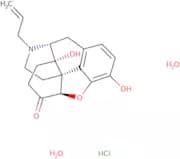
CAS:Controlled ProductNaloxone hydrochloride dihydrate is a drug that blocks the effects of opioids. It is administered by injection and has a short half-life. Naloxone hydrochloride dihydrate binds to opioid receptors in the central nervous system, which prevents binding by other opioids. This results in an increased metabolic rate, which can be used as a marker for effectiveness of treatment. Naloxone hydrochloride dihydrate has been shown to have an inhibitory effect on monoamine neurotransmitters, including dopamine, serotonin and norepinephrine. The use of this drug should be limited to outpatients because it produces less physical dependence than other opioids. Naloxone hydrochloride dihydrate can also be used as a sample preparation agent for urine samples or as an effective dose for pharmaceutical preparations.END>Formula:C19H26NO6ClPurity:98 To 100%Color and Shape:White Off-White PowderMolecular weight:399.87 g/molPropionic acid 2-naphthyl ester
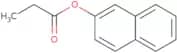
CAS:Propionic acid 2-naphthyl ester is an antibiotic that is produced by Rhodobacter sphaeroides and belongs to the class of carboxylate phosphatase inhibitors. It is a potent inhibitor of acid phosphatases, which are enzymes found in many bacteria, fungi, and plants. It has been shown to inhibit the growth of various types of cancer cells, including melanoma and lung cancer cells. Propionic acid 2-naphthyl ester also binds to antigen-presenting cells and induces the production of cytokines such as IL-6, IL-8, IL-10, and TNF-α. This compound also inhibits cholinesterases in the blood plasma and brain tissue.Formula:C13H12O2Purity:Min. 90%Color and Shape:PowderMolecular weight:200.23 g/mol(±)-a-Tocopherol phosphate disodium salt
CAS:(±)-a-Tocopherol phosphate disodium salt is a synthetic form of vitamin E and is used in skin care products and supplements. Like vitamin E it has antioxidant properties.Formula:C29H49Na2O5PPurity:Min 97%Color and Shape:PowderMolecular weight:554.66 g/mol

![1-[[5-(p-Nitrophenyl)furfurylidene]amino]-hydantoin sodium](/_next/image/?url=https%3A%2Fstatic.cymitquimica.com%2Fproducts%2F3D%2Fthumb-webp%2FFN44999.webp&w=3840&q=75)
![(E)-3-[3'-(4''-fluorophenyl)-1'-(1''-methylethyl)-1H-indol-2''-yl]-2-propnal](/_next/image/?url=https%3A%2Fstatic.cymitquimica.com%2Fproducts%2F3D%2Fthumb-webp%2FFF37514.webp&w=3840&q=75)

![7,12-Dimethylbenz[a]anthracene](/_next/image/?url=https%3A%2Fstatic.cymitquimica.com%2Fproducts%2F3D%2Fthumb-webp%2FFD22356.webp&w=3840&q=75)





![(6S)-5,6,7,8-Tetrahydro-6-[propyl[2-(2-thienyl)ethyl]amino]-1-naphthalenol hydrochloride](/_next/image/?url=https%3A%2Fstatic.cymitquimica.com%2Fproducts%2F3D%2Fthumb-webp%2FFT27763.webp&w=3840&q=75)


![N-[2-(p-Cinnamylamino)ethyl]-5-isoquinolone sulfonamide](/_next/image/?url=https%3A%2Fstatic.cymitquimica.com%2Fproducts%2F3D%2Fthumb-webp%2FFC20451.webp&w=3840&q=75)