Pharmaceutical Standards
Subcategories of "Pharmaceutical Standards"
- APIs for research and impurities(296,808 products)
- Enzyme Activators and Inhibitors(2,829 products)
- Nitrosamines(3,124 products)
- Pharmaceutical and Veterinary Compounds and Metabolites(4,733 products)
- Toxicology(22,950 products)
Found 16682 products of "Pharmaceutical Standards"
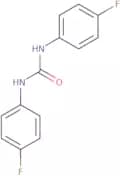
1,3-Bis(4-fluorophenyl)urea
CAS:1,3-Bis(4-fluorophenyl)urea is a crystalline solid that is soluble in organic solvents. It has been used as an intermediate in the synthesis of other compounds. 1,3-Bis(4-fluorophenyl)urea is an electron acceptor and can be used to produce diphenyl ethers. This compound has been synthesized using ethyl acetoacetate and anilines. It can be used to treat infectious diseases such as tuberculosis, where it inhibits protein synthesis and cell growth by disrupting the formation of bacterial DNA.
Formula:C13H10F2N2OPurity:Min. 98 Area-%Color and Shape:White Off-White PowderMolecular weight:248.23 g/molBiotin-PEG3-propionic acid
CAS:Biotin-PEG3-propionic acid is a PEG compound with two different functional groups (also known as heterobifunctional). Unlike homobifunctional PEG compounds (same functional group on both ends), this type of compounds are more versatile as have two different anchor points. Biotin-PEG3-propionic acid is used as a linker and spacer to add a PEG moiety, via pegylation (a bioconjugation technique) to proteins, peptides, oligonucleotides, small molecules and nanoparticles.Formula:C19H33N3O7SPurity:Min. 95%Color and Shape:PowderMolecular weight:447.55 g/molFluvastatin sodium
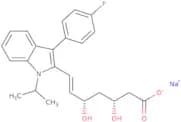
CAS:Fluvastatin is a statin that lowers blood cholesterol and triglycerides by inhibiting HMG-CoA reductase, an enzyme that plays a critical role in the synthesis of cholesterol. Fluvastatin has also been shown to reduce the incidence of myocardial infarction, and to reduce atherosclerotic lesions in animal models, reducing the incidence of cardiovascular disease. Fluvastatin also has been shown to inhibit the activation of toll-like receptor 4 (TLR4) by lipopolysaccharide (LPS), which may be related to its anti-inflammatory effects. Furthermore, through lowering blood cholesterol, Fluvastatin also inhibits tubulointerstitial injury and prevents renal damage caused by high concentrations of the lipid.
Formula:C24H25FNNaO4Purity:Min. 98%Color and Shape:Off-White PowderMolecular weight:433.45 g/molChromotropic acid disodium dihydrate
CAS:Chromotropic acid dihydrate is a chromogenic compound that has an adsorption mechanism and is used as an analytical reagent. Chromotropic acid disodium dihydrate (CDA) is used in the determination of hydrochloric acid, natural gas and other liquids. It also can be used to measure the concentration of tyramine hydrochloride. CDA has been shown to be effective in the measurement of molecular orbitals and kinetic constants. The optical sensor is sensitive to wavelengths ranging from 200-900 nm, with a peak absorption at around 500 nm. This sensor can be used for many types of chemical reactions, such as organic synthesis, hydrogenation, and oxidation.Formula:C10H6O8S2Na2·2H2OPurity:Min. 95%Color and Shape:Off-White PowderMolecular weight:400.29 g/mol5-Aminovaleric acid
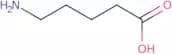
CAS:5-Aminovaleric acid is a cyclic peptide that is an antagonist of the enzyme 5-aminovaleric acid hydrolase that catalyzes the conversion of 5-aminovaleric acid to succinic semialdehyde. The physiological function of 5-aminovaleric acid hydrolase is not known, but it has been implicated in a number of neurological disorders, such as Alzheimer's disease, Parkinson's disease, and amyotrophic lateral sclerosis. The reaction solution contains 5-aminovaleric acid (5AVA), hydrogen fluoride (HF), and l-lysine (Lys). Upon addition of HF to the solution, it reacts with Lys to form a dinucleotide phosphate intermediate. This intermediate then reacts with 5AVA to form an intramolecular hydrogen bond with the amino group of Lys and release hydrogen gas. The detection sensitivity for this reaction can be increased by using a cyclic peptide inhibitor.
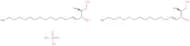
Formula:C5H11NO2Purity:Min. 95%Color and Shape:Off-White PowderMolecular weight:117.15 g/molD-erythro-Sphingosine (sulfate)
CAS:Protein kinase C inhibitor in platelets
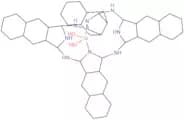
Formula:C18H37NO2H2SO4Purity:Min. 95%Color and Shape:White To Off-White SolidMolecular weight:348.53 g/molSilicon 2,3-naphthalocyanine dihydroxide
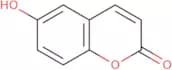
CAS:Silicon 2,3-naphthalocyanine dihydroxide is a fine chemical that can be used as a building block for research and development in the field of organic chemistry. It is also used as a reagent or specialty chemical. Silicon 2,3-naphthalocyanine dihydroxide is a complex compound that reacts with other chemicals to form new substances. It can be used as a reaction component to synthesize other substances, and it has been found to be an excellent scaffold for drug design. The high quality and versatility make it an excellent intermediate for synthesis of many different types of products.Formula:C48H26N8O2SiPurity:Min. 95%Color and Shape:Green PowderMolecular weight:774.86 g/mol6-Hydroxycoumarin
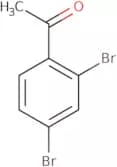
CAS:6-Hydroxymethylcoumarin is a reactive, hydroxyl-containing molecule that has been shown to have inhibitory properties against the bacteria Pseudomonas aeruginosa. It is an inhibitor of nucleophilic substitutions, which are necessary for the synthesis of DNA and RNA. 6-Hydroxycoumarin has been shown to be effective in vitro against p. aeruginosa and other bacteria with similar mechanisms of action. Coumarins have also been found to be cytotoxic and cancerous in nature, as well as inhibiting growth factor activity. They are also used as pharmaceutical preparations for treating gastric ulcers due to their ability to inhibit the production of hydrochloric acid by parietal cells in the stomach lining.Formula:C9H6O3Purity:Min. 95 Area-%Color and Shape:PowderMolecular weight:162.14 g/mol2',4'-Dibromoacetophenone
CAS:2',4'-Dibromoacetophenone is a 3',5'-cyclic monophosphate (cAMP) analogue that inhibits protein kinase and phospholipase C. It has been shown to inhibit the production of adenosine in endothelial cells by acting as an antagonist at the adenosine receptor. 2',4'-Dibromoacetophenone also has a strong inhibitory effect on human endothelial cells, which may be due to its ability to inhibit DNA synthesis and protein synthesis. This compound binds to the endothelial cell membrane and blocks the activation of phospholipase A2, preventing the release of arachidonic acid from phospholipids. Arachidonic acid is required for prostaglandin synthesis, which leads to inflammation.
Formula:C8H6Br2OPurity:Min. 95%Color and Shape:Slightly Yellow PowderMolecular weight:277.94 g/molRivastigmine N-Oxide
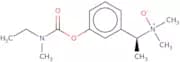
CAS:Please enquire for more information about Rivastigmine N-Oxide including the price, delivery time and more detailed product information at the technical inquiry form on this page
Formula:C14H22N2O3Color and Shape:PowderMolecular weight:266.34 g/molPerylene
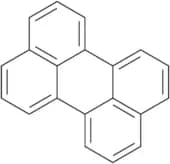
CAS:Perylene is a polycyclic aromatic hydrocarbon that is used in the synthesis of cationic polymers. It has excellent photochemical properties and a high value for the phase transition temperature (150 °C). Perylene is also chemically stable, with a polymerization chain length of at least 12. The molecule is composed of an acyl chain and an unsaturated group. It reacts with nucleophiles to form adducts and it can be cross-linked by intermolecular hydrogen bonding. Perylene can be synthesized from acetylene, benzene, and formaldehyde in the presence of nitric acid or peroxide. The molecule absorbs light at wavelengths below 300 nm and undergoes transfer reactions to release electrons when exposed to light.
Formula:C20H12Color and Shape:Yellow PowderMolecular weight:252.31 g/molTylvalosin
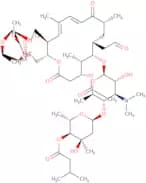
CAS:Tylvalosin is a polymerase chain inhibitor that inhibits the activity of the bacterial DNA polymerase. It is used in antimicrobial treatment to prevent microbial infection due to its immunomodulatory effects. Tylvalosin is active against a wide range of microorganisms and has been shown to be effective against infections caused by bacteria such as Haemophilus influenzae, Streptococcus pyogenes, and Staphylococcus aureus. The drug also has anti-inflammatory properties and can be used for the treatment of synovitis, an inflammation of the synovium. Tylvalosin is not active against Mycobacterium tuberculosis or Mycobacterium avium complex.Formula:C53H87NO19Purity:(%) Min. 90%Color and Shape:PowderMolecular weight:1,042.25 g/mol2-Dicyclohexylphosphino-2',6'-dimethoxybiphenyl
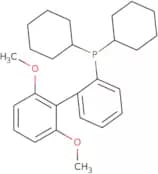
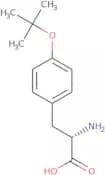
CAS:2-Dicyclohexylphosphino-2',6'-dimethoxybiphenyl is a fluorescent chemical that has been used to study interactions of fatty acids and halides. It is also used in the synthesis of palladium complexes, which have been shown to be effective for hydrogenation reactions. 2-Dicyclohexylphosphino-2',6'-dimethoxybiphenyl can be synthesized from 2,6-dichlorobenzaldehyde and dicyclohexylphosphine by the addition of trifluoroacetic acid. The synthesis proceeds via a substitution reaction with methoxy groups on the aromatic ring. This product fluoresces under ultraviolet light at 351 nm.Formula:C26H35O2PPurity:Min. 95%Color and Shape:PowderMolecular weight:410.53 g/molO-tert-Butyl-L-tyrosine
CAS:O-tert-Butyl-L-tyrosine is a biostable, low molecular weight, hydrophobic, and diffraction active compound. It can be used as a solvent for chiral and non-chiral compounds. O-tert-Butyl-L-tyrosine has been shown to have biological function in the synthesis of peptides, proteins, and amides. This compound also has an effect on gelation and is often used in organic solvents.
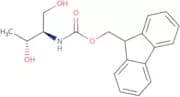
Formula:C13H19NO3Purity:Min. 95%Color and Shape:SolidMolecular weight:237.29 g/molFmoc-L-threoninol
CAS:Fmoc-L-threoninol is a conjugate of L-threoninol with a protecting group, Fmoc. It is synthesized by the solid-phase method on an activated resin and then cleaved from the resin to give the desired product. The linker used in this synthesis is succinic acid diacetate. This compound has been shown to have anti-inflammatory effects in human serum, which may be due to its ability to inhibit prostaglandin synthesis.Formula:C19H21NO4Purity:Min. 95%Color and Shape:PowderMolecular weight:327.37 g/mol4-Nitrocinnamyl alcohol
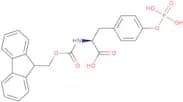
CAS:4-Nitrocinnamyl alcohol is an antiarrhythmic agent that is structurally related to the nitro group. It is produced by a synthetic process, and it has been shown to be mediated by piperidine. This compound is prepared by catalytic chlorinating of primary alcohols in the presence of hydrotalcite or catalysis with tosylates.Formula:C9H9NO3Purity:Min. 95%Color and Shape:PowderMolecular weight:179.17 g/molFmoc-O-phospho-L-tyrosine
CAS:Fmoc-O-phospho-L-tyrosine is a synthetic compound that belongs to the class of phosphatase inhibitors. It is a potent inhibitor of tyrosine phosphatases, which are enzymes that regulate cellular signaling. Fmoc-O-phospho-L-tyrosine has been shown to inhibit phosphorylation of the insulin receptor and may have an inhibitory effect on other tyrosine kinases. Inhibition of these enzymes results in increased levels of intracellular tyrosine, which can lead to inhibition of protein synthesis and cell proliferation. Fmoc-O-phospho-L-tyrosine has been shown to be effective against growth in cell culture, although more research is needed.Formula:C24H22NO8PPurity:Min. 95%Color and Shape:White PowderMolecular weight:483.41 g/mol3-Methylnaphth[2,1-d]isoxazole
CAS:Naphth[4,5-A]isoxazole is a chemical compound that has been shown to react with other organic compounds and is used as a reagent in organic synthesis. Naphth[4,5-A]isoxazole can be used as a building block for the synthesis of complex compounds, such as heterocycles. This chemical is also useful for the production of fine chemicals and pharmaceuticals.
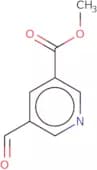
Formula:C12H9NOPurity:Min. 95%Color and Shape:PowderMolecular weight:183.21 g/mol5-Formyl nicotinic acid methyl ester
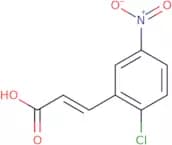
CAS:5-Formyl nicotinic acid methyl ester (5-FNA) is a derivative of nicotinic acid that is used in research to measure the level of nicotine in urine. The affinity of 5-FNA for nicotine is much stronger than the affinity of acetone. 5-FNA is detectable in urine samples from humans and animals, and it can be used to study the health effects of tobacco use. It has also been used for toxicology research on animals and detection methods for tobacco use among humans. 5-FNA binds to nicotine receptors on cells and antibodies are produced against these receptors. The antibodies can be detected by an immunosorbant assay or radioimmunoassay, which are two techniques that are often used in 5-FNA studies.Formula:C8H7NO3Purity:(%) Min. 98%Color and Shape:PowderMolecular weight:165.15 g/mol2-Chloro-5-nitrocinnamic acid
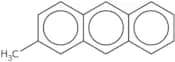
CAS:2-Chloro-5-nitrocinnamic acid is a plant growth regulator that inhibits the root development of plants by interfering with the synthesis of 3-chlorocinnamic acid, which is a precursor in the biosynthesis of lignin. 2-Chloro-5-nitrocinnamic acid inhibits the enzyme cinnamoyl CoA reductase, which catalyzes the first step in this biosynthetic pathway. This compound also has shown to be a strong inhibitor of ester derivatives and pesticides, such as carbaryl and dichlorvos.Formula:C9H6ClNO4Purity:Min. 95%Color and Shape:PowderMolecular weight:227.6 g/mol2-Methylanthracene
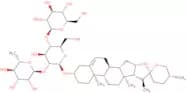
CAS:2-Methylanthracene is a diazonium salt that inhibits the growth of bacteria by binding to DNA, thereby preventing transcription and replication. 2-Methylanthracene has an inhibitory effect at pH 6.0 but no inhibitory effect at pH 8.0 due to its solubility data. The aromatic hydrocarbon is soluble in water and has a solute concentration of 1.5 g/L at pH 6.0 and 5 g/L at pH 8.0. 2-Methylanthracene binds to the DNA of bacteria in cell culture through steric interactions with the hydrophobic aromatic rings, inhibiting bacterial growth and causing cell death by interfering with protein synthesis and DNA replication.Formula:C15H12Purity:Min. 95%Color and Shape:Off-White PowderMolecular weight:192.26 g/molDeltonin
CAS:Deltonin is a natural product with anti-cancer properties. Deltonin induces autophagy in K562 cells and HL-60 cells. It also inhibits the growth of squamous carcinoma cells in mice. Deltonin can induce apoptosis by reducing mitochondrial membrane potential, which leads to the activation of caspase-9, -8, and -3. In addition to inducing autophagy, deltonin can inhibit cell proliferation and migration by attenuating the signal pathways that are responsible for these processes. The mechanism of action for deltonin is not well understood but it may be due to its reactive or activated nature as a chemical structure.Formula:C45H72O17Purity:Min. 95%Color and Shape:White PowderMolecular weight:885.04 g/mol1-[[5-(p-Nitrophenyl)furfurylidene]amino]-hydantoin sodium
CAS:Dantrolene sodium is a muscle relaxant that belongs to the group of pharmacological agents. It is used to treat muscle spasms and hyperactivity in patients with neuromuscular disorders. Dantrolene sodium inhibits calcium release by blocking the activity of the enzyme ryanodine receptor in skeletal muscle cells. This inhibition prevents uncontrolled contraction of muscles and reduces their energy consumption. The drug also has an effect on malignant hyperthermia, which is caused by an increase in the production of adenosine triphosphate (ATP) due to increased cellular metabolism. Dantrolene sodium can inhibit ATP synthesis, thus reducing energy production and stabilizing cell membranes, thereby preventing cell death in neurons and other tissues.
Formula:C14H10N4O5•NaPurity:Min. 95%Color and Shape:Yellow PowderMolecular weight:337.24 g/mol3-Amino-3'-nitrobiphenyl hydrochloride
CAS:3-Amino-3'-nitrobiphenyl hydrochloride is a versatile intermediate that can be used in the synthesis of complex compounds. It is a white crystalline solid with a melting point of 178 °C. This product is soluble in water, methanol, ethanol, acetone and chloroform. 3-Amino-3'-nitrobiphenyl hydrochloride has many applications including research chemicals and speciality chemicals.Formula:C12H10N2O2·HClPurity:Min. 95%Color and Shape:PowderMolecular weight:250.68 g/molFenofibric acid methyl ester
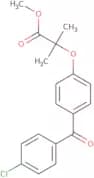
CAS:Fenofibric acid methyl ester is a chemical that has been used as a reference standard for the calibration of HPLC. It is an acidic compound that can be used to measure the flow rate of liquids. Fenofibric acid methyl ester has a particle size between 2 and 4 micrometers in diameter, which has been shown to be consistent with the use of dihedrals and diameters. This product has been found to be suitable for chromatographic methods such as calibration and validation. The purity of this chemical has been validated by regression analysis using chromatograms.
Formula:C18H17ClO4Purity:Min. 95%Color and Shape:PowderMolecular weight:332.78 g/molBiotin-PEG12-NHS
CAS:Biotin-PEG12-NHS is a PEG compound with two different functional groups (also known as heterobifunctional). Unlike homobifunctional PEG compounds (same functional group on both ends), this type of compounds are more versatile as have two different anchor points. Biotin-PEG12-NHS is used as a linker and spacer to add a PEG moiety, via pegylation (a bioconjugation technique) to proteins, peptides, oligonucleotides, small molecules and nanoparticles.
Formula:C41H72N4O18SPurity:Min. 95%Color and Shape:White To Off-White SolidMolecular weight:941.09 g/mol2-Chloro-2',5'-difluoroacetophenone - 90%
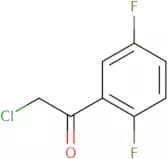
CAS:2-Chloro-2',5'-difluoroacetophenone is a fine chemical, useful building block, and research chemical with CAS No. 60468-36-2. It is a versatile building block that can be used in reactions as a reagent or intermediate. 2-Chloro-2',5'-difluoroacetophenone has been used as a reactant in the synthesis of complex compounds and is also an excellent scaffold for organic synthesis. This compound is soluble in most common organic solvents and has high quality.Formula:C8H5ClF2OPurity:Min. 95%Color and Shape:SolidMolecular weight:190.57 g/molFmoc-3-(3'-pyridyl)-D-alanine
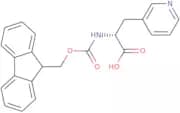
CAS:Fmoc-3-(3'-pyridyl)-D-alanine is a building block for the synthesis of a wide variety of compounds. This compound has been shown to be an excellent and versatile starting material for the synthesis of complex compounds. Fmoc-3-(3'-pyridyl)-D-alanine is also a useful intermediate in organic synthesis and can be used as a reagent or in research. It has CAS number 142994-45-4.Formula:C23H20N2O4Purity:Min. 95%Color and Shape:PowderMolecular weight:388.42 g/mol(R)-(+)-Limonene
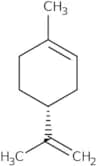
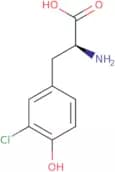
CAS:Limonene is a natural compound that has shown to have anti-inflammatory properties in mice. The optimum concentration of limonene was found to be 0.5% in the diet of CD-1 mice, which showed reduced locomotor activity and pain model scores. Limonene has also been shown to inhibit the enzyme arachidonic acid 15-lipoxygenase, thereby reducing production of leukotrienes and prostaglandins, which are inflammatory mediators. Limonene has been shown to have clinical relevance for the treatment of inflammation in humans and rats. This compound is metabolized by cytochrome P450 enzymes, but not by human liver microsomes or rat liver microsomes. It is oxidized by trifluoroacetic acid (TFA) into carboxylic acids such as limonene oxide, perillic acid, and decanoic acid, which are less reactive than limonene.Formula:C10H16Purity:Min. 95%Color and Shape:Clear LiquidMolecular weight:136.23 g/mol3-Chloro-L-tyrosine
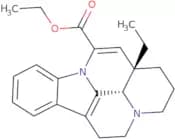
CAS:3-Chloro-L-tyrosine (3CT) is a reactive, nitrogen containing molecule that has been used as a model system to study oxidative injury in the heart. The molecule reacts with the air and oxygen in the environment, producing reactive oxygen species (ROS) that can cause oxidative injury. 3CT has been shown to inhibit ATP binding cassette transporter A1 (ABCA1), which is involved in cholesterol efflux from macrophages. 3CT also promotes the release of eosinophil peroxidase from eosinophils and induces tumor necrosis factor alpha (TNF-α). The analytical method for 3CT includes liquid chromatography-mass spectrometry/mass spectrometry (LC-MS/MS).Formula:C9H10NO3ClPurity:Min. 95%Color and Shape:PowderMolecular weight:215.63 g/molVinpocetin
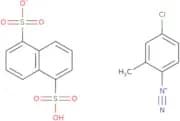
CAS:Sodium channel blockerFormula:C22H26N2O2Purity:Min. 95%Color and Shape:White PowderMolecular weight:350.45 g/molFast red TR salt 1,5-naphthalenedisulfonate
CAS:Fast red TR salt 1,5-naphthalenedisulfonate salt is a reactive, multidrug molecule that binds to DNA and inhibits the synthesis of viral RNA. It also has an antiviral effect on hepatitis and some types of cancer. Fast red TR salt 1,5-naphthalenedisulfonate salt is used in conjunction with other compounds to treat cancerous tumors. The drug is activated by light when it's injected intravenously into the bloodstream, where it can be taken up by cells in the kidney or liver. Fast red TR salt 1,5-naphthalenedisulfonate salt prevents the production of acetylcholine at nerve endings and blocks the transmission of nerve impulses. This drug also prevents the binding of doxorubicin to DNA in tumor cells and blocks tumor cell growth through a process called hybridization. Fast red TR salt 1,5-naphthalenedisulfonate salt is used to create tissue
Formula:C10H7O6S2•C7H6ClN2Purity:Min. 95%Color and Shape:PowderMolecular weight:440.88 g/mol5-Bromo-2-methoxycinnamic acid
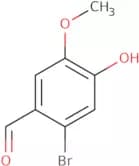
CAS:5-Bromo-2-methoxycinnamic acid is a fine chemical that is used as a scaffold, versatile building block, and useful intermediate. It has been shown to be a useful reaction component in the preparation of complex compounds. 5-Bromo-2-methoxycinnamic acid can also be used as a speciality chemical or reagent. This compound has high quality and is an important research chemical.Formula:C10H9BrO3Purity:Min. 95%Color and Shape:PowderMolecular weight:257.08 g/mol6-Bromovanillin
CAS:6-Bromovanillin is a hydroxymethyl derivative of vanillin that has been shown to react with a number of aldehydes in organic reactions. 6-Bromovanillin can be used as a precursor for the synthesis of piperonal and haplophyllum. In addition, 6-bromovanillin can be decarboxylated to form 4-hydroxybenzoic acid.Formula:C8H7BrO3Purity:Min. 95%Molecular weight:231.04 g/molFmoc-3-chloro-L-tyrosine
CAS:Fmoc-3-chloro-L-tyrosine is a fine chemical that belongs to the class of versatile building blocks. It is a reagent and speciality chemical that is used in the synthesis of complex compounds. Fmoc-3-chloro-L-tyrosine can be used as a useful scaffold to produce high quality and versatile building blocks, which are useful for research purposes. Fmoc-3-chloro-L-tyrosine has CAS No. 478183-58-3, which shows its high quality and usefulness.
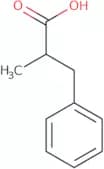
Formula:C24H20ClNO5Purity:Min. 95%Color and Shape:White PowderMolecular weight:437.87 g/molα-Methylhydrocinnamic acid
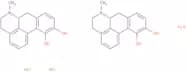
CAS:Alpha-methylhydrocinnamic acid (AMHA) is a synthetic enantiomer of 2-phenylbutyric acid, which has been shown to inhibit the growth of k562 cells. It is also a substrate for fatty acid synthase and may play an important role in fatty acid metabolism. AMHA has been shown to inhibit the production of reactive oxygen species by phagocytic cells exposed to ionizing radiation, which may be due to its ability to scavenge hydroxyl radicals. The effect of AMHA on hematopoietic cells, including neutrophils and bone marrow cells, has not yet been determined.Formula:C10H12O2Purity:Min. 95%Color and Shape:White Clear LiquidMolecular weight:164.2 g/mol(R)-Apomorphine hydrochloride hemihydrate
CAS:Apomorphine hydrochloride is the salt form of apomorphine, a morphine derivative D2 dopamine agonist. The high selectivity for D2, D3, D4 and D5 receptors makes apomorphine hydrochloride a possible drug candidate and it is in clinical trials for diagnosis and treatment of Parkinsons disease. Moreover, apomorphine and apomorphine hydrochloride have been investigated in diverse studies for treating movement disorders.
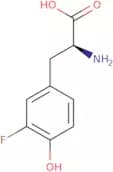
Formula:C17H17NO2•HCl•(H2O)0Purity:Min. 95%Color and Shape:White PowderMolecular weight:312.79 g/mol3-Fluoro-L-tyrosine
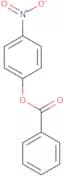
CAS:3-Fluoro-L-tyrosine is a hydroxylated amino acid that is used as a pharmacological agent. 3-Fluoro-L-tyrosine has been shown to be a substrate for the enzyme tyrosinase, which catalyzes the conversion of L-tyrosine into 3,4 dihydroxyphenylalanine (DOPA). 3-Fluoro-L-tyrosine also reacts with bacterial enzymes and may have antibacterial properties.Formula:C9H10FNO3Purity:Min. 95%Color and Shape:PowderMolecular weight:199.18 g/mol4-Nitrophenyl benzoate
CAS:4-Nitrophenyl benzoate is a reactive molecule that can react with oxygen nucleophiles and hydroxyl groups. 4-Nitrophenyl benzoate is formed by the acylation reaction between an amine and a phenol, which is catalyzed by acid, base, or heat. This reaction mechanism can be explained by the formation of a hydrogen bond between the amine and the phenol. The kinetic data for this reaction have been measured using fluorescence measurements, and it has been shown that the reaction rate increases as temperature increases.
Formula:C13H9NO4Purity:Min. 96 Area-%Color and Shape:PowderMolecular weight:243.21 g/molCholesterol oleyl carbonate
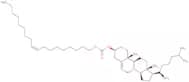
CAS:Controlled ProductCholesterol oleyl carbonate is a triazine compound with an asymmetric carbon atom. It has been shown to be effective in inhibiting the proliferation of human osteosarcoma cells and myeloid leukemia cells, as well as other cell lines. Cholesterol oleyl carbonate also has anti-inflammatory properties, which may be due to its inhibition of prostaglandin synthesis.
Formula:C46H80O3Purity:Min. 95%Color and Shape:PowderMolecular weight:681.13 g/mol2,3-Difluoro-6-methoxybenzoic acid methyl ester
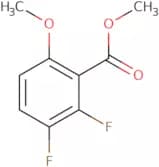
CAS:2,3-Difluoro-6-methoxybenzoic acid methyl ester is a versatile building block that can be used in the production of fine chemicals and research chemicals. It is an intermediate for the synthesis of complex compounds and can be used as a reagent or speciality chemical in research. 2,3-Difluoro-6-methoxybenzoic acid methyl ester is also a useful building block for the synthesis of drugs.Formula:C9H8F2O3Purity:Min. 95%Molecular weight:202.15 g/mol2,2'-Methylenebis(4,6-di-tert-butylphenyl)phosphatesodiumsalt
CAS:This product is a polymer that is used in the production of plastics, paper, and paints. It is also used as a thickening agent, emulsifier, or stabilizer in foods. Hydroxypropyl cellulose is produced by condensation of dimethoxybenzoic acid and sodium bis(2-hydroxypropyl)sulfate. This product has a molecular weight of about 10,000 to 1 million Daltons. It can be quantified using gas chromatography/mass spectroscopy. Hydroxypropyl cellulose has been shown to have an inhibiting effect on nucleation and growth of ice crystals during freezing and thawing cycles in polyolefin products. The polymer does not dissolve in water but readily absorbs moisture from the air and swells significantly when wetted with water. In addition to its use as a food additive, hydroxypropyl cellulose can be used as a component in the manufacture of polymers such as polyolefinsFormula:C29H42NaO4PPurity:Min. 95%Color and Shape:White PowderMolecular weight:508.6 g/molDeoxyshikonin
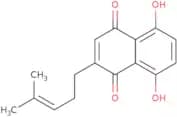
CAS:Deoxyshikonin is an analytical method for determining the amount of shikonin in a sample. It is used in vitro to determine the biological properties of shikonin. Deoxyshikonin has been shown to have synergic effects with other drugs, such as basic structure, skin cancer, and natural compounds. Deoxyshikonin also has in vitro antifungal activity against Candida glabrata.
Formula:C16H16O4Purity:Min. 98 Area-%Color and Shape:PowderMolecular weight:272.3 g/mol2-(4-Nitrophenoxy)acetohydrazide
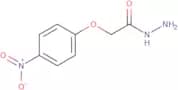
CAS:2-(4-Nitrophenoxy)acetohydrazide is a crystalline compound that can be used as a ligand for protein-ligand binding studies. It has also been shown to have anticancer activity in vitro against the human breast cancer cell line MCF-7. The bioassay results showed antiproliferative and proapoptotic effects on MCF-7 cells, and single crystal X-ray diffraction studies revealed that 2-(4-Nitrophenoxy)acetohydrazide is an inhibitor of the pyrazole derivatives x-ray structures, which are involved in cancer cell proliferation.
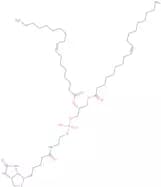
Formula:C8H9N3O4Purity:Min. 95%Molecular weight:211.17 g/mol1,2-Dioleoyl-sn-glycero-3-phosphatidylethanolamino (+)-biotin
CAS:This is a speciality chemical and is not intended for use in food, drug, or cosmetic applications. This fine chemical is a useful building block, which can be used to synthesize complex compounds. It has been shown to have high reactivity with a variety of reagents, making it an excellent research component.Formula:C51H92N3O10PSPurity:Min. 95%Color and Shape:PowderMolecular weight:970.33 g/mol3,4-Methylenedioxy-5-methoxycinnamic acid
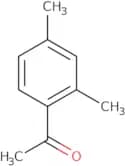
CAS:3,4-Methylenedioxy-5-methoxycinnamic acid is a fine chemical that can be used as a versatile building block in the synthesis of many organic compounds. It is a useful intermediate for research chemicals, reaction components, and specialty chemicals. This compound can be used as a reagent for the synthesis of complex compounds. It has high purity and quality.Formula:C11H10O5Purity:Min. 95%Color and Shape:PowderMolecular weight:222.19 g/mol2',4'-Dimethylacetophenone
CAS:2',4'-Dimethylacetophenone is an acetylating agent that can be used in organic synthesis. It is a chiral compound, which means it has two enantiomers with different properties. The racemic mixture of 2',4'-dimethylacetophenone degrades to form 2-chloro-2',4'-dimethoxybenzene and 2,4-dimethoxybenzoic acid. The reaction time for the formation of these products depends on the concentration of the reactants as well as the acid catalyst used. The Friedel-Crafts acylation occurs when an acetylated phenol reacts with an alkyl halide in the presence of an acid catalyst. This reaction produces a diketone and an alkyl halide, which can then undergo a second Friedel-Crafts acylation with another acetylated phenol. Acetylation also methylates ketones to produce methyl ketones.refFormula:C10H12OPurity:Min. 95%Color and Shape:Colorless Clear LiquidMolecular weight:148.2 g/mol(-)-Biotin sulfoxide
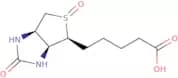
CAS:(-)-Biotin sulfoxide is a metabolite of biotin that is produced by the oxidation of sulfhydryl groups in vivo. It is also a substrate for enzymes such as sulfoxide reductase and molybdenum cofactor biosynthesis protein A, which are involved in the metabolism of sulfur-containing amino acids. (-)-Biotin sulfoxide has been shown to be an effective inhibitor of human pathogens such as Escherichia coli, Klebsiella pneumoniae, Salmonella typhi, and Shigella flexneri. This compound is structurally similar to biotin, but has a different light signal when exposed to light.
Formula:C10H16N2O4SPurity:Min. 95%Color and Shape:White PowderMolecular weight:260.31 g/molH-D-allo-Threonine methyl ester hydrochloride
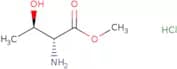
CAS:H-D-allo-Threonine methyl ester hydrochloride is a speciality chemical that is used in research and development. It is an intermediate for the synthesis of other compounds, such as pharmaceuticals, pesticides, and fragrances. H-D-allo-Threonine methyl ester hydrochloride has been shown to be useful in the production of methanol and ethanol. This compound also has high quality and can be used as a reagent for other reactions.
Formula:C5H11NO3•HClPurity:Min. 95%Color and Shape:PowderMolecular weight:169.61 g/molL-Methionine (R)-sulfoximine
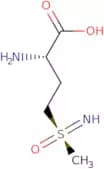
CAS:L-Methionine [R]-sulfoximine is a molecule that has been isolated from the environment. It is an electron-deconvolution and paramagnetic resonance study of the molecule. The spectrum was obtained in the frequency range from 10 to 500 MHz, with a resolution of 0.03 ppm, and a sensitivity of 20 μT. L-Methionine [R]-sulfoximine is an imine nitrogen that can be coordinated by metal ions to form an iminium ion. This compound has two enantiomers, which are both shown in this study. L-Methionine [R]-sulfoximine is a synthetase that catalyzes the formation of the methylamino group and its amino nitrogen.Formula:C5H12N2O3SPurity:Min. 95%Color and Shape:White to pale yellow solid.Molecular weight:180.23 g/mol




![3-Methylnaphth[2,1-d]isoxazole](/_next/image/?url=https%3A%2Fstatic.cymitquimica.com%2Fproducts%2F3D%2Fthumb-webp%2FFN66641.webp&w=3840&q=75)
![1-[[5-(p-Nitrophenyl)furfurylidene]amino]-hydantoin sodium](/_next/image/?url=https%3A%2Fstatic.cymitquimica.com%2Fproducts%2F3D%2Fthumb-webp%2FFN44999.webp&w=3840&q=75)