Pharmaceutical Standards
Subcategories of "Pharmaceutical Standards"
- APIs for research and impurities(277,261 products)
- Enzyme Activators and Inhibitors(2,829 products)
- Nitrosamines(2,661 products)
- Pharmaceutical and Veterinary Compounds and Metabolites(2,891 products)
- Toxicology(13,367 products)
Found 8131 products of "Pharmaceutical Standards"
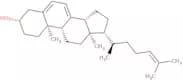
7-Dehydro desmosterol
CAS:Controlled Product7-Dehydro Desmosterol is a hydroxylated sterol found in the liver. It is an intermediate in cholesterol synthesis and participates in the regulation of glucose metabolism. The enzyme responsible for its synthesis (7-dehydrocholesterol reductase) is inhibited by radiation, which leads to its accumulation in the liver. 7-Dehydro desmosterol has been shown to have beneficial effects on experimental models of diabetes and metabolic disorders. In these studies, it was found that 7-dehydro desmosterol can inhibit glucose absorption from the intestine and stimulate insulin secretion from pancreatic beta cells.
Formula:C27H42OPurity:Min. 95%Color and Shape:PowderMolecular weight:382.62 g/molRef: 3D-FD20903
Discontinued productPolycaprolactone
CAS:Polycaprolactone is a biodegradable synthetic polymer that has been shown to have antimicrobial properties. Polycaprolactone has been used in wastewater treatment and has shown to inhibit the growth of histological analysis, vivo model, vitro assays, polyvinyl, collagen, carcinoma cell lines, tissue culture, ethylene diamine, water vapor, cell culture and hydrogen bond. In studies with wild-type strains of bacteria such as Escherichia coli and Staphylococcus aureus, it showed activity against both Gram-positive and Gram-negative bacteria. It also showed activity against the bacterium that causes tuberculosis (M. tuberculosis).
Formula:(C6H10O2)nPurity:Min. 95%Ref: 3D-FP158055
Discontinued productBiotinyl-Atrial Natriuretic Factor (1-28) (human) trifluoroacetate salt
CAS:Please enquire for more information about Biotinyl-Atrial Natriuretic Factor (1-28) (human) trifluoroacetate salt including the price, delivery time and more detailed product information at the technical inquiry form on this pageFormula:C137H217N47O41S4Purity:Min. 95%Molecular weight:3,306.75 g/molRef: 3D-FB110153
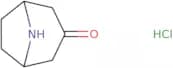
Discontinued productNortropinone hydrochloride
CAS:Nortropinone hydrochloride is a molecule with a pyridinium moiety. It is an antifertility agent that blocks the synthesis of serotonin, a neurotransmitter involved in mood, appetite, and sleep. Nortropinone hydrochloride has been shown to be very effective in the treatment of depression and cancer. Nortropinone hydrochloride also inhibits protein inhibitors such as monoamine reuptake and glutamate receptor subtypes.
Formula:C7H12ClNOPurity:Min. 95%Molecular weight:161.63 g/molBiotinyl-Amylin (mouse, rat) trifluoroacetate salt
CAS:Please enquire for more information about Biotinyl-Amylin (mouse, rat) trifluoroacetate salt including the price, delivery time and more detailed product information at the technical inquiry form on this pageFormula:C177H286N54O55S3Purity:Min. 95%Molecular weight:4,146.69 g/molRef: 3D-FB110085
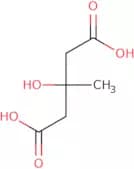
Discontinued product3-Hydroxy-3-methylglutaric acid
CAS:3-Hydroxy-3-methylglutaric acid is an organic acid that is a valuable intermediate in the chemical production of epidermal growth factor. 3-Hydroxy-3-methylglutaric acid also has been shown to be useful as a reagent for the detection of bacterial strains, including E. coli, Salmonella enterica, and Pseudomonas aeruginosa. The enzyme activities of 3-hydroxy-3-methylglutaric acid are not well understood, but it has been shown to have effects on congestive heart failure and bowel disease. 3-Hydroxy-3-methylglutaric acid may be used in the treatment of inflammatory bowel disease due to its ability to inhibit certain enzymes responsible for inflammation and pain. The long term toxicity and symptoms associated with 3-hydroxy-3-methylglutaric acid have not yet been studied, but it has been shown to have no effect on cardiac function
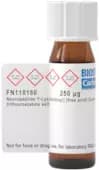
Formula:C6H10O5Purity:Min. 95%Molecular weight:162.14 g/molNeuropeptide Y-Lys(biotinyl) (free acid) (human, rat) trifluoroacetate salt
Please enquire for more information about Neuropeptide Y-Lys(biotinyl) (free acid) (human, rat) trifluoroacetate salt including the price, delivery time and more detailed product information at the technical inquiry form on this page
Formula:C205H310N58O61S2Purity:Min. 95%Molecular weight:4,627.14 g/molRef: 3D-FN110180
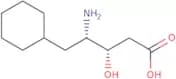
Discontinued productCyclohexylstatine
CAS:Cyclohexylstatine is a glycopeptide antibiotic that inhibits the synthesis of collagen in animals and humans. It also has been shown to have anticancer activity. Cyclohexylstatine works by inhibiting the biosynthesis of collagen, which is an important component of skin, ligaments, and tendons. The molecule was synthesized in 1975 and has been used as a pharmaceutical agent since 1980. Cyclohexylstatine is the first anti-collagen drug to be developed for use in humans. It has been shown to be effective against autoimmune diseases such as rheumatoid arthritis but not against cancer cells or bacteria. Cyclohexylstatine binds to the zymogen form of collagenase and inhibits its activity. This inhibition leads to an accumulation of polysaccharides in the extracellular matrix that are converted into oligosaccharides by glycosidases present in tissue fluids. These oligosaccharides inhibit collagen synthesis by binding to
Formula:C11H21NO3Purity:Min. 95%Molecular weight:215.29 g/molRef: 3D-FC107902
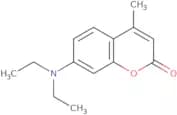
Discontinued product7-Diethylamino-4-methylcoumarin
CAS:7-Diethylamino-4-methylcoumarin is a fluorescence probe that can be used in applications such as the study of hydrogen bonding interactions. It is excited by laser light and emits a red-shifted fluorescent light. 7-Diethylamino-4-methylcoumarin is a hydroxyl group analogue of coumarin, which has been shown to have physiological effects on the liver cells. The absorption spectrum of 7-Diethylamino-4-methylcoumarin is sensitive to changes in pH and chemical stability. A decrease in pH increases the intensity of the emission while an increase in pH decreases the intensity of the emission. This compound can also be used to label nucleic acids during polymerase chain reactions (PCR) or for sample preparation before analysis using nuclear magnetic resonance spectroscopy (NMR).
Formula:C14H17NO2Purity:Min. 98 Area-%Color and Shape:PowderMolecular weight:231.29 g/molRef: 3D-FD54872
Discontinued productType A Allatostatin III
CAS:Please enquire for more information about Type A Allatostatin III including the price, delivery time and more detailed product information at the technical inquiry form on this pageFormula:C42H62N10O12Purity:Min. 95%Molecular weight:899 g/molRef: 3D-FT110277
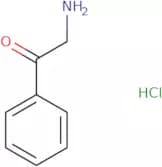
Discontinued product2-Aminoacetophenone hydrochloride
CAS:Controlled Product2-Aminoacetophenone hydrochloride is a chemical compound that is used in analytical chemistry as a reagent for the determination of protein and amino acid concentrations. This reagent can be prepared in various forms, depending on the type of analysis being performed. 2-Aminoacetophenone hydrochloride is used to determine the concentration of free amino acids in a sample by binding to it. It can also be used for determining the concentration of bound amino acids by reacting with them with hydrochloric acid. 2-Aminoacetophenone hydrochloride is an excellent substrate for matrix effect, which may cause errors in measurement due to interference from other substances present in the sample. The use of light exposure reduces this problem by removing interfering substances from the sample.
Formula:C8H9NO·HClPurity:Min. 95%Color and Shape:PowderMolecular weight:171.62 g/molRef: 3D-FA158319
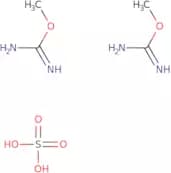
Discontinued productO-Methylisourea hemisulfate
CAS:O-Methylisourea hemisulfate is a chemical compound that has been used for wastewater treatment and as an anticancer agent. It is known to have multiple-reaction monitoring (MRM) techniques which are based on the detection of the reaction products with multiple wavelengths. O-Methylisourea hemisulfate has been shown to have anticancer activity in mammalian cells, and it enhances the antibacterial effect of ethyl formate. This chemical is also used as a sample preparation reagent in human serum protein analysis.
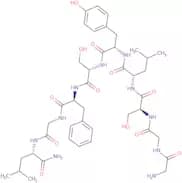
Formula:C2H6N2O·H2O4SMolecular weight:246.24 g/molAdipokinetic Hormone G (Gryllus bimaculatus)
CAS:Adipokinetic hormone G is a peptide found in the hemolymph of Gryllus bimaculatus, a species of cricket. It has been shown to have anti-lipemic and antilipaemic effects in animal models. Adipokinetic hormone G can be detected by bioassay and matrix-assisted laser desorption/ionization (MALDI) mass spectrometry.Formula:C43H57N11O12Purity:Min. 95%Molecular weight:919.98 g/molRef: 3D-FA110403
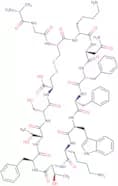
Discontinued product(D-Trp8)-Somatostatin-14 trifluoroacetate salt
CAS:Please enquire for more information about (D-Trp8)-Somatostatin-14 trifluoroacetate salt including the price, delivery time and more detailed product information at the technical inquiry form on this page
Formula:C76H104N18O19S2Purity:Min. 95%Molecular weight:1,637.88 g/molRef: 3D-FT108921
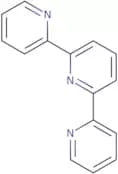
Discontinued product2,2', 2'' -Terpyridine
CAS:2,2', 2'' -Terpyridine is a chelate ligand that is used in wastewater treatment. It can be synthesized by reacting 2-aminopyridine with ethylene diamine and 2,4-dichloro-1,3-dithiolane. The x-ray crystal structures of the ligand show that it has a coordination geometry of octahedral and its reaction mechanism is an oxidation. The chelate ligand binds to the metal ion in the same way as other ligands and stabilizes it by forming hydrogen bonds. This compound has significant cytotoxicity against carcinoma cell lines and also inhibits the mitochondrial membrane potential (MMP). 2,2', 2'' -Terpyridine is classified as group p2 due to its redox potentials and cytotoxicity.
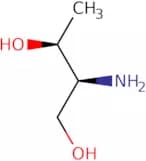
Formula:C15H11N3Purity:Min. 95%Molecular weight:233.27 g/molD-Threoninol
CAS:Please enquire for more information about D-Threoninol including the price, delivery time and more detailed product information at the technical inquiry form on this page
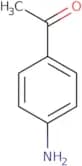
Formula:C4H11NO2Purity:Min. 95%Molecular weight:105.14 g/mol4-Aminoacetophenone
CAS:4-Aminoacetophenone is an inhibitor of the enzyme acetylcholinesterase and it is used as an insecticide. It inhibits the enzyme by forming hydrogen bonding interactions with the active site. The inhibition of this enzyme leads to paralysis and death in insects. 4-Aminoacetophenone has been shown to have anti-cancer effects in vitro, which may be due to its ability to inhibit glycoside hydrolases and amine oxidases that are involved in cancer development. The compound also has a thermal expansion coefficient that is comparable to other polymers used in drug delivery systems.
Formula:C8H9NOColor and Shape:Slightly Yellow PowderMolecular weight:135.16 g/molRef: 3D-FA17680
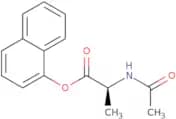
Discontinued productAc-Ala-alpha-naphthyl ester
CAS:Ac-Ala-alpha-naphthyl ester is a chemical compound that belongs to the class of aromatic esters. It is used as a research and benchmarking agent in the measurement of skin penetration potential. Ac-Ala-alpha-naphthyl ester has been shown to have good skin penetration properties, with no adverse effects on the skin.
Formula:C15H15NO3Purity:Min. 95%Molecular weight:257.28 g/molRef: 3D-FA110825
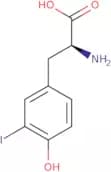
Discontinued product3-Iodo-L-tyrosine
CAS:Please enquire for more information about 3-Iodo-L-tyrosine including the price, delivery time and more detailed product information at the technical inquiry form on this page
Formula:C9H10INO3Purity:Min. 96.0 Area-%Color and Shape:PowderMolecular weight:307.09 g/molRef: 3D-FI12110
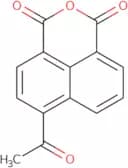
Discontinued product4-Acetyl-1,8-naphthalic anhydride
CAS:4-Acetyl-1,8-naphthalic anhydride is a naphthoquinone that has been shown to have apoptosis-inducing properties. It inhibits mitochondrial electron transport and the generation of ATP, leading to cell death. 4-Acetyl-1,8-naphthalic anhydride also binds to DNA, which prevents transcription and replication. This compound can be used in vivo assays to evaluate the efficacy of anticancer drugs by determining tumor growth inhibition or the induction of apoptosis in cancer cells. The binding affinity of 4-acetyl-1,8-naphthalic anhydride for DNA is approximately two orders of magnitude higher than its affinity for other cellular components such as proteins or lipids.
Formula:C14H8O4Purity:Min. 90%Color and Shape:PowderMolecular weight:240.21 g/molRef: 3D-FA65871
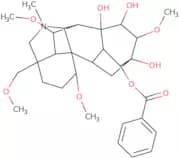
Discontinued productBenzoylhypaconine
CAS:Benzoylhypaconine is an alkaloid compound, which is a secondary metabolite typically found in certain plant species. It is primarily derived from Aconitum species, a group of plants known for their complex alkaloidal chemistry. The mode of action of benzoylhypaconine involves interactions with various receptors and enzymes in biological systems, reflecting its potential to influence neurotransmission and enzymatic activity.
Formula:C31H43NO9Purity:Min. 98 Area-%Color and Shape:Orange PowderMolecular weight:573.67 g/mol3'-methoxy apiin;Chrysoeiol-7-(2-O-apiosylglucoside)
CAS:Please enquire for more information about 3'-methoxy apiin;Chrysoeiol-7-(2-O-apiosylglucoside) including the price, delivery time and more detailed product information at the technical inquiry form on this page
Purity:Min. 95%Ref: 3D-FM74352
Discontinued productOctreotide trifluoroacetate salt (Dimer, Parallel) (
Please enquire for more information about Octreotide trifluoroacetate salt (Dimer, Parallel) ( including the price, delivery time and more detailed product information at the technical inquiry form on this page
Formula:C98H132N20O20S4Purity:Min. 95%Molecular weight:2,038.48 g/molRef: 3D-FO110074
Discontinued product9,11-Anhydrobudesonide
CAS:Controlled ProductPlease enquire for more information about 9,11-Anhydrobudesonide including the price, delivery time and more detailed product information at the technical inquiry form on this page
Formula:C25H32O5Purity:Min. 95%Color and Shape:PowderMolecular weight:412.52 g/molRef: 3D-FA146159
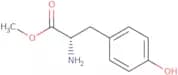
Discontinued productMethyl L-tyrosinate
CAS:Methyl-L-tyrosinate is a drug that has been shown to increase the activity of tyrosinase, an enzyme involved in the production of melanin. It also prevents the oxidation of tyrosine and phenylalanine, which are precursors to melanin. Methyl L-tyrosinate has been studied for its potential effects on hepatitis and Parkinson's disease. This drug binds to the hydroxyl group of tyrosinase and inhibits its activity. The inhibition of this enzyme leads to a decrease in melanin synthesis, which may be beneficial for those with vitiligo or other skin disorders where pigment loss is desired. This drug also prevents oxidative carbonylation and functional assays have shown that it has an affinity for potassium ion coordination chemistry.
Formula:C10H13NO3Purity:Min. 95%Molecular weight:195.22 g/molRef: 3D-FM25520
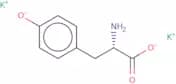
Discontinued productL-Tyrosine dipotassium
CAS:L-Tyrosine dipotassium salt is a high quality, reagent, complex compound, useful intermediate and fine chemical. It is a useful scaffold that can be used in the synthesis of various important natural products. L-Tyrosine dipotassium salt is a versatile building block that has been widely applied in research on the development of new drugs, such as antiviral agents and antibiotics. L-Tyrosine dipotassium salt can act as a reaction component for many organic reactions. It also has applications in many areas such as medicine, food production, and environmental protection.
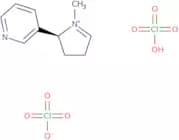
Formula:C9H11NO3•K2Purity:Min. 95%Molecular weight:259.39 g/molS-(-)-Nicotine-delta1’-(5’)-iminium diperchlorate salt
CAS:Please enquire for more information about S-(-)-Nicotine-delta1’-(5’)-iminium diperchlorate salt including the price, delivery time and more detailed product information at the technical inquiry form on this page
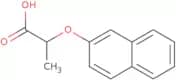
Formula:C10H14Cl2N2O8Purity:Min. 95%Molecular weight:361.13 g/mol2-(2-Naphthyloxy)propanoic acid
CAS:2-(2-Naphthyloxy)propanoic acid is a naphthalene derivative that is found in the plant species Carthamus tinctorius. It has been shown to have potent antagonist activity against the NMDA receptor, as well as antinociceptive and analgesic properties in vivo. 2-(2-Naphthyloxy)propanoic acid also shows potent anti-inflammatory and cardioprotective effects in vitro and in vivo. 2-(2-Naphthyloxy)propanoic acid can be used for the treatment of bone cancer, congestive heart failure, diabetic neuropathy, or other disorders of the peripheral nervous system.
Formula:C13H12O3Purity:Min. 95%Molecular weight:216.23 g/molRef: 3D-FN112710
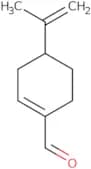
Discontinued product(+/-)-Perillaldehyde
CAS:Perillaldehyde is a natural compound that has been used in food and medicine for centuries. It is an antimicrobial agent with dextran sulfate, which is a sugar polymer that inhibits the growth of fungi and bacteria. Perillaldehyde also has been shown to inhibit the energy metabolism of microorganisms by decreasing ATP production. Perillaldehyde has also been shown to have genotoxic activity, as it can cause DNA strand breaks. This compound also causes oxidative stress in cells by reducing mitochondrial membrane potential and inducing reactive oxygen species (ROS). Perillaldehyde has acute toxicities, as it causes electrochemical impedance spectroscopy changes that indicate cell death.
Formula:C10H14OPurity:Min. 95%Color and Shape:PowderMolecular weight:150.22 g/mol4-(2,4-Dinitrophenyl)butanoicacid
CAS:Please enquire for more information about 4-(2,4-Dinitrophenyl)butanoicacid including the price, delivery time and more detailed product information at the technical inquiry form on this page
Formula:C10H10N2O6Purity:Min. 95%Molecular weight:254.2 g/molRef: 3D-FD149753
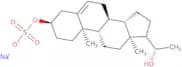
Discontinued product20a-Dihydro pregnenolone 3-sulfate sodium salt
CAS:Please enquire for more information about 20a-Dihydro pregnenolone 3-sulfate sodium salt including the price, delivery time and more detailed product information at the technical inquiry form on this page
Formula:C21H33NaO5SPurity:Min. 95%Molecular weight:420.54 g/molRef: 3D-FD21937
Discontinued product