


Pharmaceutical Standards
Pharmaceutical standards are a comprehensive set of reference materials essential for ensuring the safety, efficacy, and quality of pharmaceutical products. This category includes standards for active pharmaceutical ingredients (APIs), which are the core components responsible for therapeutic effects. Additionally, it covers compounds and metabolites relevant to both the pharmaceutical and veterinary industries, providing benchmarks for the accurate measurement and analysis of these substances. Nitrosamine control standards are crucial for detecting and mitigating potentially harmful nitrosamines in drug formulations. Toxicology standards help assess the safety and potential adverse effects of pharmaceutical compounds. Furthermore, enzyme activators and inhibitors standards are vital for research and development, enabling precise studies of biochemical pathways and drug mechanisms. These pharmaceutical standards are indispensable tools for regulatory compliance, quality control, and research, ensuring that pharmaceutical products meet stringent safety and effectiveness criteria.
Subcategories of "Pharmaceutical Standards"
- APIs for research and impurities(274,782 products)
- Enzyme Activators and Inhibitors(2,827 products)
- Nitrosamines(2,606 products)
- Pharmaceutical and Veterinary Compounds and Metabolites(2,849 products)
- Toxicology(13,652 products)
Found 7836 products of "Pharmaceutical Standards"
Sort by
Purity (%)
0
100
|
0
|
50
|
90
|
95
|
100
Naphthol Green B
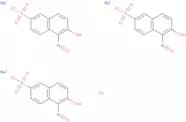
CAS:<p>Naphthol Green B is a highly fluorescent dye that is used in organic light-emitting diodes. It can be synthesized to form nanosheets that are stable and of high quality. The sodium salt of Naphthol Green B has been shown to stabilize the structure of liposomes and increase their stability. This product is also able to cross-link collagen, which may have bifunctional properties. Naphthol Green B can be used as a surfactant or a membrane stabilizer, as well as for its coordination chemistry.</p>Formula:C30H15FeN3O15S3·3NaPurity:Min. 95%Color and Shape:Dark Green To Black SolidMolecular weight:878.47 g/mol1-(2,4,6-Trimethylphenyl)-2-nitropropene
CAS:<p>1-(2,4,6-Trimethylphenyl)-2-nitropropene is a high quality chemical intermediate that can be used as a reagent in the synthesis of complex compounds. It has been shown to react with alcohols to form nitroalkenes and with amines to form nitroamines. This chemical also has application as a building block for pharmaceuticals, speciality chemicals, research chemicals, and versatile building blocks for organic synthesis. The compound is available in bulk amounts and can be used as a reaction component in many organic syntheses.</p>Formula:C12H15NO2Purity:Min. 95%Molecular weight:205.25 g/mol2-Nitrophenylacetic acid
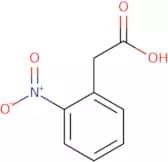
CAS:<p>2-Nitrophenylacetic acid is a synthetic product that has been studied by electrochemical techniques. It is soluble in human serum and can be detected by a chromatographic method. The cationic surfactant, oxindole, chloride, and optimal reaction conditions are known for the solute. 2-Nitrophenylacetic acid is a pharmaceutical drug that can be cleaved into nitro and carboxylate products with hydrochloric acid and β-unsaturated ketone as cleavage products.</p>Formula:C8H7NO4Purity:Min. 98 Area-%Color and Shape:PowderMolecular weight:181.15 g/mol3'-β-Dimethyl-β-nitrostyrene
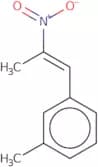
CAS:<p>3'-beta-Dimethyl-beta-nitrostyrene is a versatile building block that can be used in organic synthesis. It is a high quality, useful intermediate and reaction component for use in the pharmaceutical industry. 3'-beta-Dimethyl-beta-nitrostyrene has been employed as a building block in the synthesis of complex compounds. This compound is an excellent reagent, which makes it useful as a speciality chemical. 3'-beta-Dimethyl-beta-nitrostyrene is an important scaffold for research chemicals and can be used to synthesize new compounds.</p>Formula:C10H11NO2Purity:Min. 95%Molecular weight:177.2 g/mol4,4'-Bis(diethylmethylphosphonate)-2,2'-bipyridine
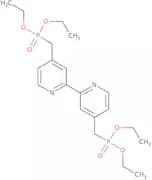
CAS:<p>4,4'-Bis(diethylmethylphosphonate)-2,2'-bipyridine is a molecule that is covalently tethered to the copper oxide surface. The coordination of the 4,4'-bis(diethylmethylphosphonate)-2,2'-bipyridine ligand with the copper oxide surface is catalytic and bifunctional. This molecule has been shown to be able to coordinate with two different metal ions as well as act as a ligand for other metal ions. It can also be functionalized in order to create new molecules with different properties.</p>Formula:C20H30N2O6P2Purity:Min. 96 Area-%Color and Shape:White PowderMolecular weight:456.41 g/mol2,6-Dichloro-1,5-dinitronaphthalene
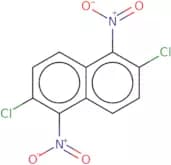
CAS:<p>2,6-Dichloro-1,5-dinitronaphthalene is an organic compound that is used as a reagent for the synthesis of other compounds. It can also be used in research for the synthesis of 2,6-dichloro-1,5-dinitronaphthalene derivatives. The CAS number for this compound is 320600-07-5. This compound is a versatile building block and has many uses as a fine chemical.</p>Formula:C10H4Cl2N2O4Purity:Min. 95%Color and Shape:PowderMolecular weight:287.06 g/mol(S)-(+)-1,1'-Binaphthyl-2,2'-diyl hydrogen phosphate
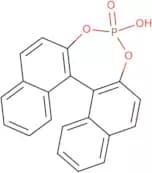
CAS:<p>(S)-(+)-1,1'-Binaphthyl-2,2'-diyl hydrogen phosphate is an organic compound that is used as an analytical reagent. It is a covalent linker with a phosphate group on one end and a binaphthyl group on the other end. The phosphate group can be used to bind solutes for analysis in analytical chemistry. (S)-(+)-1,1'-Binaphthyl-2,2'-diyl hydrogen phosphate has been shown to have inhibition of sulfonic acid groups from environmental pollution. This compound also has chiral properties and can be separated into its two enantiomers using titration calorimetry at constant temperature.</p>Formula:C20H13O4PPurity:Min. 95%Color and Shape:White Off-White PowderMolecular weight:348.29 g/mol1,6-Dihydroxy-naphthalene
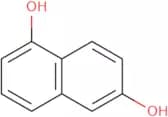
CAS:<p>1,6-Dihydroxy-naphthalene is a fluorescent compound that has been used as a cross-linking agent for proteins and as an analytical method for determining the concentration of naphthalene. It has been shown to inhibit protein synthesis by acting as an enzyme inhibitor, preventing the formation of peptide bonds in the ribosome. 1,6-Dihydroxy-naphthalene also has cationic surfactant properties and inhibits the growth of bacteria by binding to bacterial 16S ribosomal RNA, inhibiting protein synthesis. The chemical diversity of this molecule is due to intramolecular hydrogen bonding between its two hydroxyl groups. This bond can be broken by amines such as amino acids or ammonia, which are found in proteins.</p>Formula:C10H8O2Purity:Min. 98 Area-%Color and Shape:White Green PowderMolecular weight:160.17 g/mol3,5-Diiodo-L-thyronine
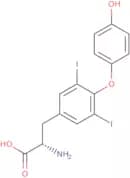
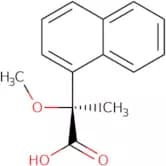
CAS:<p>3,5-Diiodo-L-thyronine (3,5DIT) is a thyroid hormone that has been shown to have a number of physiological effects. It is capable of altering the activity of target enzymes, such as growth factor β1 and 3,5-diiodo-L-thyronine 5'-deiodinase (DID). 3,5DIT can stimulate cardiac effects by binding to the nuclear receptor TRβ1. It also stimulates weight loss by regulating fat metabolism through its effect on adipose tissue. 3,5DIT has been shown to alter mitochondrial functions and mitochondrial energy metabolism. This hormone may be used as an analytical tool for measuring mitochondrial functions in living cells.</p>Formula:C15H13I2NO4Purity:Min. 98 Area-%Color and Shape:White Off-White PowderMolecular weight:525.08 g/mol(S)-2-Methoxy-2-(1-naphthyl)propanoic acid
CAS:(S)-2-Methoxy-2-(1-naphthyl)propanoic acid is a chiral molecule that can exist in two different forms, each of which has the same physical and chemical properties. The two enantiomers are not optically active, meaning they have the same degree of rotation when passed through a polarizing filter. It is an organic compound that is used as a flavoring agent in food chemistry and as a bioactive compound. (S)-2-Methoxy-2-(1-naphthyl)propanoic acid also has been shown to function as an attractant for hemipteran insects such as mosquitoes, although it is not clear if this property is due to its aromatic or enantiomeric structure.Formula:C14H14O3Purity:Min. 95%Color and Shape:PowderMolecular weight:230.26 g/mol5,5'-Dehydrodivanillate
CAS:5,5'-Dehydrodivanillate is an intermediate in the biosynthesis of vanillin from 5-carboxyvanillic acid. It is produced by the enzyme dehydrodivanillate synthase and converted to vanillin by the enzyme dehydrodivanillate reductase. The conversion of 5,5'-dehydrodivanillate to vanillin is an example of a radical coupling reaction. In plant cells, this intermediate is found in the cytoplasm and vacuoles. The uptake of 5,5'-dehydrodivanillate into plant cells has been shown to be facilitated by a transporter gene that is regulated by the presence of biphenyl or fatty acids. This function may be related to its role as an alternative substrate for olefin biosynthesis in plants. The dry weight of plant cells grown on 5,5'-dehydrodivanillate was shown to be greater than cells grown on other carbon sourcesFormula:C16H14O8Purity:Min. 95%Color and Shape:PowderMolecular weight:334.28 g/mol(+)-Biotin-(PEO)3-amine
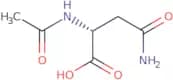
CAS:<p>(+)-Biotin-(PEO)3-amine is a PEG compound with two different functional groups (also known as heterobifunctional). Unlike homobifunctional PEG compounds (same functional group on both ends), this type of compounds are more versatile as have two different anchor points. (+)-Biotin-(PEO)3-amine is used as a linker and spacer to add a PEG moiety, via pegylation (a bioconjugation technique) to proteins, peptides, oligonucleotides, small molecules and nanoparticles.</p>Formula:C16H30N4SO4Purity:Min. 95 Area-%Color and Shape:White Off-White PowderMolecular weight:374.5 g/molNalpha-Acetyl-D-asparagine
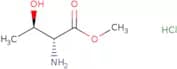
CAS:<p>Nalpha-Acetyl-D-asparagine is a chiral amino acid that has been used to study the synthesis of peptides. It is soluble in water and can be used as a substrate for the enzymatic reaction of glyoxylate with ammonium sulfate. The Nalpha-acetyl group increases the affinity of this amino acid for sephadex g-100, a chromatographic material. This product can be prepared using a preparative column packed with silica gel and an eluent containing ammonium sulfate. It also has optical properties that make it useful for determining concentration and purity.</p>Formula:C6H10N2O4Purity:Min. 95%Molecular weight:174.15 g/molH-D-allo-Threonine methyl ester hydrochloride
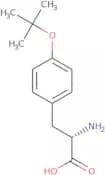
CAS:<p>H-D-allo-Threonine methyl ester hydrochloride is a speciality chemical that is used in research and development. It is an intermediate for the synthesis of other compounds, such as pharmaceuticals, pesticides, and fragrances. H-D-allo-Threonine methyl ester hydrochloride has been shown to be useful in the production of methanol and ethanol. This compound also has high quality and can be used as a reagent for other reactions.</p>Formula:C5H11NO3•HClPurity:Min. 95%Color and Shape:PowderMolecular weight:169.61 g/molO-tert-Butyl-L-tyrosine
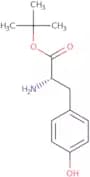
CAS:<p>O-tert-Butyl-L-tyrosine is a biostable, low molecular weight, hydrophobic, and diffraction active compound. It can be used as a solvent for chiral and non-chiral compounds. O-tert-Butyl-L-tyrosine has been shown to have biological function in the synthesis of peptides, proteins, and amides. This compound also has an effect on gelation and is often used in organic solvents.</p>Formula:C13H19NO3Purity:Min. 95%Color and Shape:SolidMolecular weight:237.29 g/molPerylene
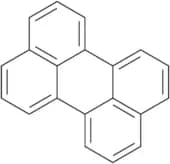
CAS:<p>Perylene is a polycyclic aromatic hydrocarbon that is used in the synthesis of cationic polymers. It has excellent photochemical properties and a high value for the phase transition temperature (150 °C). Perylene is also chemically stable, with a polymerization chain length of at least 12. The molecule is composed of an acyl chain and an unsaturated group. It reacts with nucleophiles to form adducts and it can be cross-linked by intermolecular hydrogen bonding. Perylene can be synthesized from acetylene, benzene, and formaldehyde in the presence of nitric acid or peroxide. The molecule absorbs light at wavelengths below 300 nm and undergoes transfer reactions to release electrons when exposed to light.</p>Formula:C20H12Color and Shape:Yellow PowderMolecular weight:252.31 g/molHederasaponin B
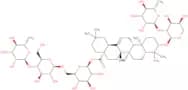
CAS:Hederasaponin B is a triterpenoid saponin found in Chinese herbs, such as Radix Astragali. The compound has been shown to have anti-inflammatory and anti-leishmanial activities in vitro and in vivo. Hederasaponin B also has neuroprotective properties, which may be due to its ability to inhibit the production of proinflammatory cytokines such as tumor necrosis factor-α (TNF-α) and nitric oxide (NO). Hederasaponin B has low bioavailability and must be administered orally for maximum effect.Formula:C59H96O25Purity:Min. 95%Color and Shape:White PowderMolecular weight:1,205.38 g/molTimosaponin B II
CAS:<p>Timosaponin B II is a natural compound that inhibits the activity of cytochrome P450 enzymes. It has been shown to induce autophagy in a dopamine-dependent manner, which may be due to its ability to decrease mitochondrial membrane potential and increase phase transition temperature. Timosaponin B II also induces neurotrophic factors and matrix effects, which are beneficial for the treatment of inflammatory conditions, neurodegenerative diseases, and metabolic disorders. The drug has been shown to have pharmacokinetic properties that are similar to those of timosaponin I. The molecular weight of the molecule was determined by LC-MS/MS analysis as 527.2 amu. Timosaponin B II is not metabolized by cytochrome P450 enzymes or glucuronidases, but it is hydrolyzed by esterases or glutathione reductase.</p>Formula:C45H76O19Purity:Min. 95%Color and Shape:White PowderMolecular weight:921.07 g/mola-Ketoglutaric acid
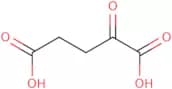
CAS:<p>a-Ketoglutaric acid is a naturally occurring organic compound that is found in the body as well as in plants. It belongs to the group of organic acids and is produced from the breakdown of amino acids, such as leucine and valine. a-Ketoglutaric acid has been shown to have physiological effects on cells and tissues by inhibiting enzymes involved in energy metabolism. In vitro assays have shown that a-ketoglutaric acid has inhibitory properties against plant metabolism. This drug also inhibits the transcriptional regulation of genes for fatty acid synthesis in human erythrocytes.<br>A-ketoglutaric acid has also been shown to inhibit glucose production in rat liver cells, which may be due to its ability to bind covalently with proteins or lipids, changing their structures and functions.</p>Formula:C5H6O5Color and Shape:White Off-White PowderMolecular weight:146.1 g/mol3',5'-Dichloro-2'-hydroxyacetophenone
CAS:3',5'-Dichloro-2'-hydroxyacetophenone is a hydrogen bond donor and has a crystal system of orthorhombic. It is soluble in water and insoluble in organic solvents. 3',5'-Dichloro-2'-hydroxyacetophenone binds to the progesterone receptor, which is a nuclear hormone receptor that regulates gene transcription by binding to specific DNA sequences called hormone response elements. There are two cleavage products of progesterone receptor, Malondialdehyde (MDA) and estradiol (E2). 3',5'-Dichloro-2'-hydroxyacetophenone also binds to estrogen receptors, which are proteins located inside or on the surface of cells that bind to hormones and regulate the activity of certain genes. The biochemical function of 3',5'-dichloro-2' hydroxyacetophenone is not well understood but it has been shown to have antioxidant properties.Formula:C8H6Cl2O2Purity:Min. 95%Molecular weight:205.04 g/mol4-Isobutylcinnamic acid
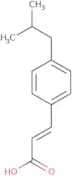
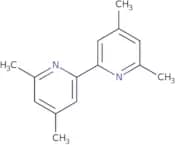
CAS:<p>4-Isobutylcinnamic acid is an organic compound that is a derivative of the organic compound acrylic acid. It is an organic ester, which means it is formed by the reaction of an alcohol and an acid. Acrylic acid can be reacted with either ethyl alcohol or isobutyl alcohol to produce 4-isobutylcinnamic acid. The resulting product can be used in the production of polymers and plastics.</p>Formula:C13H16O2Purity:Min. 95%Color and Shape:PowderMolecular weight:204.26 g/mol4,4',6,6'-Tetramethyl-2,2'-bipyridine
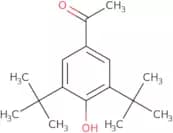
CAS:<p>4,4',6,6'-Tetramethyl-2,2'-bipyridine (TMTB) is a small molecule that can be used as an efficient and cost-effective catalyst for the production of hydrogen from water. TMTB is able to transform solar energy into chemical energy by converting light absorbed in a semiconductor material to an electric current. TMTB has been shown to improve the efficiency of solar cells by boosting the performance of the catalysts that drive chemical reactions in the devices. This effect was found to be synergistic with other materials such as graphene oxide and tungsten disulfide. In addition, TMTB nanoparticles were shown to have a normalizing effect on the charge density in photoelectrochemical cells, which may lead to improved stability and durability.</p>Formula:C14H16N2Purity:Min. 95 Area-%Color and Shape:PowderMolecular weight:212.30 g/mol3,5-Di-tert-butyl-4'-hydroxyacetophenone
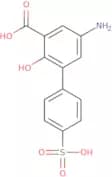
CAS:<p>3,5-Di-tert-butyl-4'-hydroxyacetophenone is a phenol that is used in the synthesis of pharmaceuticals and other compounds. It has been shown to promote angiogenesis by stimulating vascular endothelial cells. The stereoisomers of 3,5-Di-tert-butyl-4'-hydroxyphenylacetic acid have been shown to inhibit tumour growth and induce apoptosis. This compound also has antiangiogenic effects, which may be due to its ability to inhibit vascular endothelial cell proliferation and migration. 3,5-Di-tert-butyl-4'-hydroxyacetophenone is metabolized through a number of metabolic transformations including tautomerization and hydration reactions.</p>Formula:C16H24O2Purity:Min. 95%Color and Shape:White PowderMolecular weight:248.36 g/molMesalamine impurity P
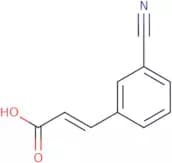
CAS:<p>Please enquire for more information about Mesalamine impurity P including the price, delivery time and more detailed product information at the technical inquiry form on this page</p>Formula:C13H11NO6SPurity:Min. 95%Color and Shape:Yellow SolidMolecular weight:309.3 g/mol3-Cyanocinnamic acid
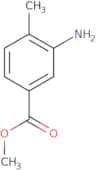
CAS:<p>3-Cyanocinnamic acid is a reactive, unreactive, and stepwise cycloaddition compound. It can participate in photochemical reactions with other compounds to form photodimers. 3-Cyanocinnamic acid has an optimal reaction temperature of 100°C and a reaction time of 5 minutes. The diradical nature of 3-cyanocinnamic acid makes it sensitive to UV light, and the photochemical reactions are simulated by quantum mechanics calculations. Photodimerisation simulations show that 3-cyanocinnamic acid is capable of forming photodimers with 2-cyanocinnamic acid or 4-cyanocinnamic acid at room temperature.</p>Formula:C10H7NO2Purity:Min. 95%Color and Shape:PowderMolecular weight:173.17 g/mol3-Amino-4-methylbenzoic acid methyl ester
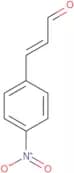
CAS:<p>3-Amino-4-methylbenzoic acid methyl ester (3AMB) is an organic compound that is used as a reagent in the synthesis of amides. It can also be used to synthesize various heterocycles by reacting with aldehydes and ketones. 3AMB has been used as a substrate in assays for amines, yielding high yields. The compound's unsymmetrical structure can be attributed to the presence of different substituents on either side of the central carbon atom. 3AMB has been shown to inhibit metal ion enzymes such as dioxygenases and nitric oxide synthases, which are involved in the metabolism of nitric oxide and oxygen respectively. In addition, 3AMB has been shown to have anti-inflammatory properties and may be a potential candidate for use as an anticoagulant or antiplatelet drug.br>br><br>br>br><br>3AMB is</p>Formula:C9H11NO2Purity:Min. 95%Color and Shape:PowderMolecular weight:165.19 g/mol4-Nitrocinnamaldehyde
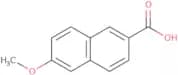
CAS:<p>4-Nitrocinnamaldehyde is a diazonium salt that is used as an efficient method for the synthesis of nitro compounds. Nitro compounds are used in the production of explosives, insecticides, and herbicides. 4-Nitrocinnamaldehyde reacts with hydrochloric acid to produce trifluoroacetic acid, which is then reacted with an organic compound to produce a nitro compound. This reaction has been shown to be irreversible and not sensitive to functional groups. 4-Nitrocinnamaldehyde binds to the enzyme cytochrome P450 reductase, inhibiting its function. The binding of 4-nitrocinnamaldehyde to enzymes such as pyruvate kinase and acetylcholinesterase has also been observed in binding experiments.</p>Formula:C9H7NO3Purity:Min. 95%Color and Shape:PowderMolecular weight:177.16 g/mol6-Methoxy-2-naphthoic acid
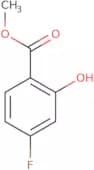
CAS:<p>6-Methoxy-2-naphthoic acid (MN) is a cavity amide that has been shown to have an inhibitory effect on the growth of cancer cells. MN has been found to be more effective in inhibiting β-amyrin than caffeine, which may be due to its increased lipophilicity. It also has a higher affinity for adriamycin and enhances its anticancer effects. MN has been shown to be beneficial in treating diabetic patients, as it can reduce blood glucose levels by stimulating insulin release. The pharmacokinetic properties of MN are similar to those of other cavity amides, with rapid absorption and distribution throughout the body. This compound is metabolized in the liver by CYP2C8, CYP2C9, CYP3A4 and CYP3A5 enzymes. Molecular docking analysis of MN with β-amyrin showed that there was a strong interaction between them due to their complementary shapes and charge distributions</p>Formula:C12H10O3Purity:Min. 98 Area-%Color and Shape:PowderMolecular weight:202.21 g/mol4-Fluoro-2-hydroxybenzoic acid methyl ester
CAS:<p>4-Fluoro-2-hydroxybenzoic acid methyl ester is a chemical compound that is used as a synthetic intermediate in the synthesis of drugs. 4-Fluoro-2-hydroxybenzoic acid methyl ester can be prepared by reductive amination of an acyl chloride with an amine, followed by reaction with methanol. This chemical intermediate is used in the synthesis of the BCL-2 inhibitor venetoclax, which inhibits cell growth and induces apoptosis in lymphoma cells. 4-Fluoro-2-hydroxybenzoic acid methyl ester also has been shown to inhibit the activity of amidating enzymes and transferases, suggesting it may have potential as an anti-inflammatory drug.</p>Formula:C8H7FO3Purity:Min. 95%Color and Shape:PowderMolecular weight:170.14 g/mol1,1'-Azonaphthalene - 80%
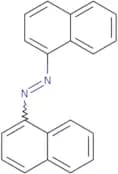
CAS:<p>1,1'-Azonaphthalene is a quinoid that produces an azobenzene with a 1,3-dipolar cycloaddition reaction. This azobenzene is used as a model system for the study of enzyme inducers. It acts as an inhibitor of vascular endothelial growth factor (VEGF) and has been shown to inhibit tumor growth in murine hepatoma models. 1,1'-Azonaphthalene also reacts with dimethyl fumarate to form the dichroic compound with high optical activity. The asymmetric synthesis of 1,1'-azonaphthalene is achieved by using catalytic asymmetric hydrogenation with rhodium on carbon as a catalyst. Reaction mechanism studies have revealed that 1,1'-azonaphthalene can be converted into aromatic hydrocarbons by reacting with aliphatic hydrocarbons.</p>Formula:C20H14N2Purity:Min. 80%Color and Shape:PowderMolecular weight:282.34 g/mol4-Amino-3-methoxybenzoic acid methyl ester
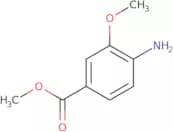
CAS:<p>4-Amino-3-methoxybenzoic acid methyl ester is a reactive molecule that has been used as a radiotracer for positron emission tomography (PET). It is also used in the synthesis of oligodeoxynucleotides and hybridization probes. 4-Amino-3-methoxybenzoic acid methyl ester is not soluble in water, but it can be dissolved in organic solvents such as acetone or methanol. This compound has shown to have anticancer activity and may be useful for treating cancers of the brain, breast, colon, lung, prostate, and stomach.</p>Formula:C9H11NO3Purity:Min. 95%Color and Shape:PowderMolecular weight:181.19 g/molL-Methionine sulfone
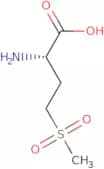
CAS:<p>L-Methionine sulfone is an enzyme substrate that is a potent antagonist of glutamate, the α subunit of aspartate aminotransferase, and proteolytic enzymes. L-Methionine sulfone inhibits protein synthesis by competitively inhibiting uptake of methionine into the cell. This compound has been shown to have inhibitory properties in tissue culture assays and also has potent antagonistic effects on glutamate, the α subunit of aspartate aminotransferase, and proteolytic enzymes. L-Methionine sulfone inhibits protein synthesis by competitively inhibiting uptake of methionine into the cell. This compound has been shown to have inhibitory properties in tissue culture assays and also has potent antagonistic effects on glutamate, the α subunit of aspartate aminotransferase, and proteolytic enzymes.</p>Formula:C5H11NO4SPurity:Min. 95%Molecular weight:181.21 g/molD-a-Tocopherol
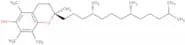
CAS:<p>D-alpha-tocopherol, most commonly known as vitamin E, is a natural compound with antioxidant properties. It protects the API against oxidation and side reactions with oxidative species. Moreover, when used as excipient, vitamin E is a good solubilizing agent that greatly improves the solubility of poorly water-soluble drugs.</p>Formula:C29H50O2Purity:Min. 97 Area-%Color and Shape:Clear LiquidMolecular weight:430.71 g/molCresol red
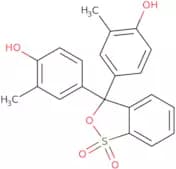
CAS:<p>Cresol red is a weak diacidic molecule and an anionic dye largely used in genetic and biochemical studies. Cresol red is commonly used to measure the pH of aqueous solutions also from environmental samples, e.g. seawater (Byrne, 1989). Cresol red shows an increased protonation in acidic water-based solutions at low temperatures (Heger, 2006). Cresol red can be used to introduce pH-sensing features to sensing materials, such as, optical fibres or nanoparticles (Islam, 2021).</p>Formula:C21H18O5SColor and Shape:Brown Red PowderMolecular weight:382.43 g/mol2,3,5-Trimethyl-4-nitropyridine 1-oxide
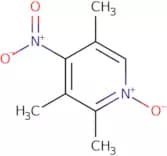
CAS:<p>The reaction of 2,3,5-trimethyl-4-nitropyridine 1-oxide with hydrogen peroxide is an example of a peroxide reaction. The HOOH molecule is a nucleophilic and attacks the CNO group. This leads to the formation of a new bond between the oxygen and carbon atoms in the molecule. The oxygen atom then becomes an oxidizing agent, which can react with other molecules in order to form more products. In this reaction, hydrogen peroxide is used as an oxidizing agent to produce chlorine gas, water vapor, and nitric oxide gas. The reaction can be summarized as follows: 2CNO + 3HOOH → 4CO + 2O + 3N2O + 3HO2</p>Formula:C8H10N2O3Purity:Min. 95%Color and Shape:PowderMolecular weight:182.18 g/mol3’,5’-Di-O-benzoyl-2’-deoxy-2’-fluoro-5-trifluoromethyl-arabinouridine
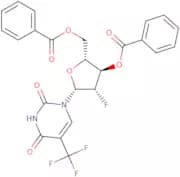
CAS:<p>Please enquire for more information about 3’,5’-Di-O-benzoyl-2’-deoxy-2’-fluoro-5-trifluoromethyl-arabinouridine including the price, delivery time and more detailed product information at the technical inquiry form on this page</p>Purity:Min. 95%2'-Methoxypropiophenone
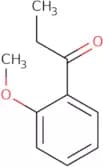
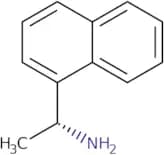
CAS:<p>2'-Methoxypropiophenone is a carbonyl compound that is used as a starting material in the synthesis of other compounds. It can be synthesized by reacting sodium hydroxide with diazirinyl chloride, which reacts with benzyl alcohol to produce the desired product. This chemical has been shown to bind to the DNA of bacteria and show antibacterial activity. 2'-Methoxypropiophenone has also been used to label acetophenone and other carbonyl-containing molecules for their identification.</p>Formula:C10H12O2Purity:Min. 95%Color and Shape:Clear LiquidMolecular weight:164.2 g/mol(R)-(+)-1,1-Naphthyl ethylamine
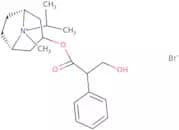
CAS:<p>(R)-(+)-1,1-Naphthyl ethylamine is a molecule that belongs to the class of chromatographic compounds. It has a carbonyl group, which is a substrate for amine modifiers and other chemical reactions. (R)-(+)-1,1-Naphthyl ethylamine can be used as a model system for epidermal growth factor (EGF) and chelate rings. The molecule has been shown to have growth factor activity, which may be due to its ability to bind to EGF receptors on cells.</p>Formula:C12H13NPurity:Min. 95%Color and Shape:PowderMolecular weight:171.24 g/molIpratropium bromide
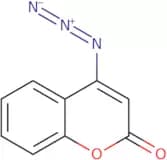
CAS:<p>Muscarinic antagonist</p>Formula:C20H30BrNO3Purity:Min. 95%Color and Shape:PowderMolecular weight:412.36 g/mol4-Azidocoumarin
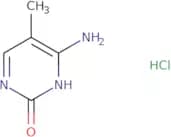
CAS:<p>4-Azidocoumarin is a fluorescent molecule that binds to human serum albumin with a high affinity. The binding constants for the 4-azidocoumarin-albumin complexes are dependent on the pH and the concentration of the protein. It is also used as a fluorophore in research to study biomolecular interactions. 4-Azidocoumarin has an enhancement effect on other molecules, such as benzophenone, which fluoresces at a longer wavelength than it would without the presence of 4-azidocoumarin. The hydroxyl group of 4-azidocoumarin acts as an acceptor for electrons from other molecules, while the dipole constant determines how easily electrons can be transferred between molecules. The microenvironment around 4-azidocoumarin affects its fluorescence properties by influencing its electron transfer rate, which in turn depends on the distance between the donor and acceptor molecules and their relative orientation to</p>Formula:C9H5N3O2Purity:Min. 97 Area-%Color and Shape:Yellow PowderMolecular weight:187.16 g/mol5-Methylcytosine hydrochloride salt
CAS:<p>5-Methylcytosine hydrochloride salt is a metabolite of cytosine that occurs naturally in the body. It is used as an inhibitor of DNA methylation to study the effect of this process on gene expression. 5-Methylcytosine hydrochloride salt has been shown to inhibit the production of growth factors, such as insulin-like growth factor 1, and radiation energy. It also causes oxidative damage to DNA and inhibits the oxidation of urea nitrogen in lettuce. The matrix effect may interfere with the analysis of 5-methylcytosine hydrochloride salt by spectrometry.</p>Formula:C5H7N3O·HClPurity:Min. 95%Color and Shape:PowderMolecular weight:161.59 g/mol11-Keto budesonide (mixture of diastereomers)
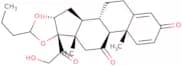
CAS:Controlled Product<p>11-Keto budesonide is a high quality, reagent, complex compound, useful intermediate and fine chemical. It is a versatile building block that can be used in the synthesis of other compounds. 11-Keto budesonide is used as a reaction component and as a research chemical. 11-Keto budesonide has been shown to be effective as an anti-inflammatory agent and has been studied for its use in treating asthma.</p>Formula:C25H32O6Purity:Min. 90 Area-%Color and Shape:White PowderMolecular weight:428.52 g/mol3-Nitro-o-cresol
CAS:<p>3-Nitro-o-cresol is a chlorinated aromatic compound that has been shown to be an inhibitor of the enzyme catalase. Catalase is an enzyme that catalyzes the decomposition of hydrogen peroxide into water and oxygen. 3-Nitro-o-cresol inhibits this reaction by binding to the heme group in the enzyme, which prevents it from binding with molecular oxygen. This chemical also has a vibrational frequency of 1225 cm−1 and a molecular weight of 171.2 g/mol. 3-Nitro-o-cresol can be used as an antimicrobial agent against organisms such as Streptococcus pneumoniae, Escherichia coli, and Pseudomonas aeruginosa in liquid phase systems.</p>Formula:C7H7NO3Purity:Min. 95%Color and Shape:PowderMolecular weight:153.14 g/mol2,2-Dimethylglutaric acid
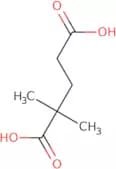
CAS:<p>2,2-Dimethylglutaric acid is a reactive, aliphatic hydrocarbon with a carbonyl group. It is an intermediate in the metabolism of fatty acids and may be formed by the hydrogenation of 2,2-dimethylsuccinic acid. This compound has been used as a film-forming polymer in detergent compositions and may also be used in biological samples to detect light emission. 2,2-Dimethylglutaric acid reacts with ethylene diamine to form malonic acid and x-ray crystal structures have been obtained for this compound. Pyrimidine compounds are formed when 2,2-dimethylglutaric acid reacts with ammonia or amines.</p>Formula:C7H12O4Color and Shape:White Off-White PowderMolecular weight:160.17 g/mol4-Hydroxy-7-methylamino-2-naphthalenesulfonicacid
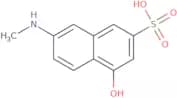
CAS:4-Hydroxy-7-methylamino-2-naphthalenesulfonic acid is used as a diazo dye in the textile industry. This compound is used to produce diazotization and then cyanuric chloride by the reaction of 4-hydroxy-7-methylamino-2-naphthalenesulfonic acid with sodium nitrite and hydrochloric acid. The condensate from this reaction is dissolved in an alkaline solution, which reacts with sodium bicarbonate to produce a reactive physicochemical substance that can be used for dyeing fabrics.Formula:C11H11NO4SPurity:Min. 96 Area-%Color and Shape:Slightly Brown PowderMolecular weight:253.28 g/mol(1R,2R,3S,5R)-Pinanediol pyrrolidine-2S-boronate hydrochloride
CAS:<p>(1R,2R,3S,5R)-Pinanediol pyrrolidine-2S-boronate hydrochloride is a reagent that can be used in the synthesis of complex compounds. It is a fine chemical with CAS No. 149716-73-4. (1R,2R,3S,5R)-Pinanediol pyrrolidine-2S-boronate hydrochloride has a number of uses including as an intermediate for the preparation of speciality chemicals and as a building block for reactions in research. This compound is also useful as a versatile building block for many reactions.</p>Formula:C14H25BClNO2Purity:Min. 95%Color and Shape:PowderMolecular weight:285.62 g/molL-Tyrosine tert-butyl ester
CAS:<p>L-Tyrosine tert-butyl ester is a hydrophobic analog of L-tyrosine. It is a competitive inhibitor of ATP, which slows down the second order rate constant. It also has the ability to reduce lipid hydroperoxides and maintain atp levels in cells that have been irradiated with ultraviolet light. The crystal x-ray diffraction pattern of this molecule suggests that it might be an octameric molecule, which would explain its hydrophobic properties. Its structure may be rationalized by intramolecular hydrogen bonds between the tyrosine and tert-butyl esters.</p>Formula:C13H19NO3Purity:Min. 95%Color and Shape:White PowderMolecular weight:237.29 g/mol4-Ethoxy-3-methoxycinnamic acid
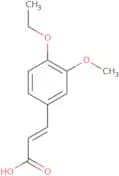
CAS:<p>4-Ethoxy-3-methoxycinnamic acid (4EMC) is a metabolite of propionic acid. It is produced by the fungus Phanerochaete chrysosporium when it is grown on lignocellulose. 4EMC can be cleaved from its ester bond with benzyl alcohol and vanillyl alcohol to produce vanillyl, benzyl, and ethanol. These products are then further metabolized to produce other compounds such as acetaldehyde, acetic acid, and butanol. 4EMC also inhibits the enzyme catalysed that converts propanol to butanol in cultures of P. chrysosporium</p>Formula:C12H14O4Purity:Min. 95%Color and Shape:PowderMolecular weight:222.24 g/mol3,5-Diethoxyacetophenone
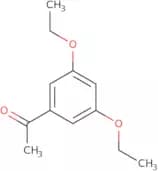
CAS:<p>3,5-Diethoxyacetophenone is a high quality chemical that can be used as a reagent or a useful intermediate. It is also a fine chemical that can be used to produce speciality chemicals with various properties, such as research chemicals and versatile building blocks. 3,5-Diethoxyacetophenone has the CAS number 103604-53-1 and can react with other chemicals to form reaction components.</p>Formula:C12H16O3Purity:Min. 95%Color and Shape:PowderMolecular weight:208.25 g/mol(1S)-3,3'-Bis(1,1-dimethylethyl)-5,5',6,6'-tetramethyl-[1,1'-biphenyl]-2,2'-diol
CAS:<p>(1S)-3,3'-Bis(1,1-dimethylethyl)-5,5',6,6'-tetramethyl-[1,1'-biphenyl]-2,2'-diol is a reaction component that is used in the synthesis of complex compounds. It has been shown to be useful as a reagent and as a scaffold for high quality research chemicals. This compound is also used in the synthesis of versatile building blocks and fine chemicals.</p>Formula:C24H34O2Purity:Min. 95%Color and Shape:White PowderMolecular weight:354.53 g/mol








![(1S)-3,3'-Bis(1,1-dimethylethyl)-5,5',6,6'-tetramethyl-[1,1'-biphenyl]-2,2'-diol](/_next/image/?url=https%3A%2Fstatic.cymitquimica.com%2Fproducts%2F3D%2Fthumb-webp%2FFB167175.webp&w=3840&q=75)