Pharmaceutical Standards
Pharmaceutical standards are a comprehensive set of reference materials essential for ensuring the safety, efficacy, and quality of pharmaceutical products. This category includes standards for active pharmaceutical ingredients (APIs), which are the core components responsible for therapeutic effects. Additionally, it covers compounds and metabolites relevant to both the pharmaceutical and veterinary industries, providing benchmarks for the accurate measurement and analysis of these substances. Nitrosamine control standards are crucial for detecting and mitigating potentially harmful nitrosamines in drug formulations. Toxicology standards help assess the safety and potential adverse effects of pharmaceutical compounds. Furthermore, enzyme activators and inhibitors standards are vital for research and development, enabling precise studies of biochemical pathways and drug mechanisms. These pharmaceutical standards are indispensable tools for regulatory compliance, quality control, and research, ensuring that pharmaceutical products meet stringent safety and effectiveness criteria.
Subcategories of "Pharmaceutical Standards"
- APIs for research and impurities(274,823 products)
- Enzyme Activators and Inhibitors(2,827 products)
- Nitrosamines(2,605 products)
- Pharmaceutical and Veterinary Compounds and Metabolites(2,867 products)
- Toxicology(13,652 products)
Found 7836 products of "Pharmaceutical Standards"
Sort by
Purity (%)
0
100
|
0
|
50
|
90
|
95
|
100
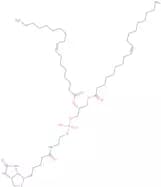
1,2-Dioleoyl-sn-glycero-3-phosphatidylethanolamino (+)-biotin
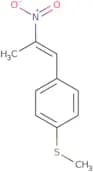
CAS:This is a speciality chemical and is not intended for use in food, drug, or cosmetic applications. This fine chemical is a useful building block, which can be used to synthesize complex compounds. It has been shown to have high reactivity with a variety of reagents, making it an excellent research component.Formula:C51H92N3O10PSPurity:Min. 95%Color and Shape:PowderMolecular weight:970.33 g/mol1-(4-(Methylthio)phenyl)-2-nitropropene
CAS:<p>Please enquire for more information about 1-(4-(Methylthio)phenyl)-2-nitropropene including the price, delivery time and more detailed product information at the technical inquiry form on this page</p>Formula:C10H11NO2SPurity:Min. 95%Color and Shape:PowderMolecular weight:209.27 g/mol6-Fluorovitamin D3
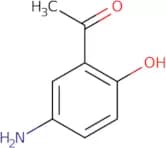
CAS:6-Fluorovitamin D3 is a synthetic analog of vitamin D3, which is a modified form of the naturally occurring hormone known as cholecalciferol. This molecule is typically derived through chemical synthesis, incorporating a fluorine atom at a specific position on the vitamin D3 structure. The introduction of the fluorine atom is designed to enhance the stability of the compound and potentially alter its biological activity.Formula:C27H43FOPurity:Min. 95%Molecular weight:402.63 g/mol5-Amino-2-hydroxyacetophenone
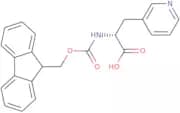
CAS:<p>5-Amino-2-hydroxyacetophenone is a chemical compound that belongs to the class of active substances. It is an intermediate in Friedel-Crafts acylation reactions, which are used to form alkyl esters by reaction with chloroformates. In these reactions, 5-Amino-2-hydroxyacetophenone is converted into a chloroformate in the presence of an acid catalyst. The reactions proceed rapidly, with the acetone or ester as the solvent. The frequency of 5-amino-2-hydroxyacetophenone can be correlated to its deformation energy and various chemical parameters such as electron density and force constants. 5-Amino-2-hydroxyacetophenone is uniquely characterized by intramolecularly hydrogen bonding organic solvents such as acetone and nitrobenzene.</p>Formula:C8H9NO2Purity:Min. 95%Molecular weight:151.16 g/molFmoc-3-(3'-pyridyl)-D-alanine
CAS:<p>Fmoc-3-(3'-pyridyl)-D-alanine is a building block for the synthesis of a wide variety of compounds. This compound has been shown to be an excellent and versatile starting material for the synthesis of complex compounds. Fmoc-3-(3'-pyridyl)-D-alanine is also a useful intermediate in organic synthesis and can be used as a reagent or in research. It has CAS number 142994-45-4.</p>Formula:C23H20N2O4Purity:Min. 95%Color and Shape:PowderMolecular weight:388.42 g/molPenicillin G benzathine anhydrous
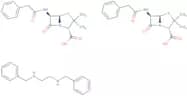
CAS:<p>Penicillin G benzathine anhydrous is a penicillin antibiotic. It is used to treat bacterial infections, including syphilis, streptococcal pharyngitis, and other infectious diseases. Penicillin G benzathine anhydrous is administered intramuscularly or intravenously. The drug can be detected in the blood after administration, which makes it useful for diagnosis of infectious diseases. Penicillin G benzathine anhydrous has shown statistically significant efficacy in treatment trials that were conducted on patients with infectious diseases. However, there have been increasing reports of high resistance to this drug in recent years. Interferon alfa-2b may be used as adjunctive therapy for resistant cases.</p>Formula:C16H20N2•(C16H18N2O4S)2Purity:Min. 95%Color and Shape:White PowderMolecular weight:909.13 g/mol3-Methylnaphth[2,1-d]isoxazole
CAS:<p>Naphth[4,5-A]isoxazole is a chemical compound that has been shown to react with other organic compounds and is used as a reagent in organic synthesis. Naphth[4,5-A]isoxazole can be used as a building block for the synthesis of complex compounds, such as heterocycles. This chemical is also useful for the production of fine chemicals and pharmaceuticals.</p>Formula:C12H9NOPurity:Min. 95%Color and Shape:PowderMolecular weight:183.21 g/mol4-Cyanocinnamic acid
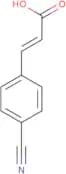
CAS:<p>4-Cyanocinnamic acid is a fatty acid that has been shown to be a substrate for the bacterial enzyme cinnamate 4-hydroxylase. The molecular weight of this compound is 136.16 g/mol, and it has a constant boiling point of 206°C. It can be synthesized from phenylacetic acid and p-coumaric acid using a transesterification reaction. This compound is reactive with carbonyl groups, which makes it useful in the detection of gram-positive bacteria by fluorescent probes or fluorescent dyes. 4-Cyanocinnamic acid is unreactive with esters of carboxylic acids, such as methyl esters, making it useful for the determination of fatty acids in isolates.</p>Formula:C10H7NO2Purity:Min. 95%Color and Shape:PowderMolecular weight:173.17 g/mol4-Bromo-3,5-dimethoxybenzoic acid methyl ester
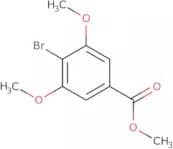
CAS:<p>4-Bromo-3,5-dimethoxybenzoic acid methyl ester is a crystalline solid that can be obtained from the reaction of 4-bromo-3,5-dimethoxybenzoic acid and methyl iodide. It has been shown to undergo an intramolecular cyclization when irradiated with ultraviolet light. This transformation is characterized by an increase in the length of the C=C bond and the appearance of a new C=O bond. The skeleton of 4-bromo-3,5-dimethoxybenzoic acid methyl ester consists of four five membered rings and two six membered rings. The molecule interacts with ligands such as styrene, mesitylene, vinylated benzyl halides, or halides.</p>Formula:C10H11BrO4Purity:Min. 95%Color and Shape:PowderMolecular weight:275.1 g/molPerylene
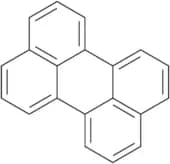
CAS:<p>Perylene is a polycyclic aromatic hydrocarbon that is used in the synthesis of cationic polymers. It has excellent photochemical properties and a high value for the phase transition temperature (150 °C). Perylene is also chemically stable, with a polymerization chain length of at least 12. The molecule is composed of an acyl chain and an unsaturated group. It reacts with nucleophiles to form adducts and it can be cross-linked by intermolecular hydrogen bonding. Perylene can be synthesized from acetylene, benzene, and formaldehyde in the presence of nitric acid or peroxide. The molecule absorbs light at wavelengths below 300 nm and undergoes transfer reactions to release electrons when exposed to light.</p>Formula:C20H12Color and Shape:Yellow PowderMolecular weight:252.31 g/mol4'-tert-Butyl-2',6'-dimethyl-3',5'-dinitroacetophenone
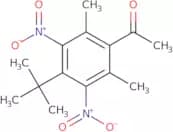
CAS:4'-tert-Butyl-2',6'-dimethyl-3',5'-dinitroacetophenone is a ketone that is used in the synthesis of new chemical substances. It has been shown to have toxicological properties and can be used for the treatment of bacterial infections. 4'-tert-Butyl-2',6'-dimethyl-3',5'-dinitroacetophenone has been shown to produce a high degree of solubility in water, which is an advantageous property for wastewater treatment because it allows for easy removal of this compound from contaminated water.Formula:C14H18N2O5Purity:Min. 95%Color and Shape:PowderMolecular weight:294.3 g/molDiosmetinidin chloride
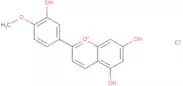
CAS:<p>Diosmetinidin chloride is a fine chemical that can be used as a versatile building block for the synthesis of complex compounds. Diosmetinidin chloride has been shown to have useful scaffolding properties and is useful as a reaction component in research chemicals and speciality chemicals. It reacts with alcohols, phenols, amines, thiols, sulfides, and carboxylic acid derivatives to form new compounds. This compound is also used as a reagent in organic synthesis.</p>Formula:C16H13ClO5Purity:Min. 95%Color and Shape:PowderMolecular weight:320.72 g/mol2,2-Bis(hydroxymethyl)-2,2',2''-nitrilotriethanol
CAS:<p>Bis-Tris is a Bis(2-hydroxyethyl) amine buffer that forms metal chelates and can be used with proteins and nucleic acids. This buffering agent has an optimal pH range of 5.8-7.2 and a pKa of 6.46.</p>Formula:C8H19NO5Purity:Min. 98%Color and Shape:PowderMolecular weight:209.24 g/molLopinavir metabolite M-3/M-4
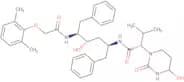
CAS:<p>Lopinavir is an antiviral drug that inhibits HIV protease, an enzyme involved in the replication of the virus. It is metabolized to form M-3 and M-4, which are active against HIV protease. Lopinavir has been shown to have antiviral activities against HIV-1 and HIV-2. The activity of lopinavir against HIV protease may be due to its ability to bind to the active site of this enzyme and inhibit its catalytic activity.</p>Formula:C37H48N4O6Purity:Min. 95%Molecular weight:644.8 g/mol6-amino-3-methyl-4-(3-nitrophenyl)-4H-pyrano[3,2-d]pyrazole-5-carbonitrile
CAS:<p>Please enquire for more information about 6-amino-3-methyl-4-(3-nitrophenyl)-4H-pyrano[3,2-d]pyrazole-5-carbonitrile including the price, delivery time and more detailed product information at the technical inquiry form on this page</p>Formula:C14H11N5O3Purity:Min. 95%Color and Shape:PowderMolecular weight:297.27 g/molalpha-Naphthyl butyrate
CAS:<p>Alpha-naphthyl butyrate is a monomer of polybutyrate and is used as an intermediate in the production of polybutylene terephthalate. This product is also used for biological studies and has been shown to have acute toxicities. Alpha-naphthyl butyrate has been shown to inhibit esterase and enzyme activities, and it is more toxic than butyric acid. Alpha-naphthyl butyrate can be used for the diagnosis of certain types of chronic viral hepatitis, such as hepatitis B virus or hepatitis C virus, by detecting human immunoglobulin G (IgG) antibodies against this compound.</p>Formula:C14H14O2Purity:Min. 95%Color and Shape:Clear LiquidMolecular weight:214.26 g/molL-Methionine 4-nitroanilide
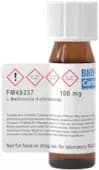
CAS:<p>L-Methionine 4-nitroanilide is a polymerase chain reaction (PCR) substrate. It has been shown to bind to DNA with calcium and to have protease activity. L-Methionine 4-nitroanilide is a synthetic substrate used in the biochemical study of serine proteases. L-Methionine 4-nitroanilide has been found to be active against P. aeruginosa and thermococcus, but not against mosquitoes. The optimum pH for this compound is 7 and it can be found at a concentration of 10mM in the range of pH 5 - 8.</p>Formula:C11H15N3O3SPurity:Min. 95%Color and Shape:White To Light (Or Pale) Yellow SolidMolecular weight:269.32 g/mol5-Chlorosalicylic acid
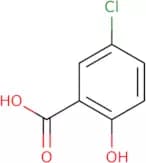
CAS:<p>5-Chlorosalicylic acid is an inhibitor of the enzyme carbonic anhydrase. It is used for the treatment of gout, rheumatoid arthritis, and osteoarthritis. This compound has been shown to be a genotoxic agent, which may result in mutagenic or carcinogenic effects. 5-Chlorosalicylic acid inhibits the growth of probiotic bacteria. It also has anti-inflammatory properties and can be used as a proton donor in organic synthesis reactions.<br>5-Chlorosalicylic acid is a metabolite of acetylsalicylic acid (ASA) that forms when ASA undergoes oxidative deamination in the liver. 5-Chlorosalicylic acid is also formed during metabolism of nonsteroidal anti-inflammatory drugs (NSAIDs).</p>Formula:C7H5ClO3Purity:Min. 95%Color and Shape:White Off-White PowderMolecular weight:172.57 g/mol(R)-(-)-3,3′-Bis(triphenylsilyl)-1,1′-binaphthyl-2,2′-diyl hydrogenphosphate
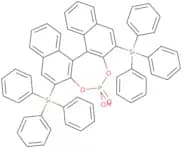
CAS:(R)-(-)-3,3′-Bis(triphenylsilyl)-1,1′-binaphthyl-2,2′-diyl hydrogenphosphate is a fine chemical that is a useful reagent and building block. It can be used as an intermediate in the synthesis of complex compounds. This chemical has a CAS number of 791616-55-2 and is classified as a speciality chemical. (R)-(-)-3,3′-Bis(triphenylsilyl)-1,1′-binaphthyl-2,2′-diyl hydrogenphosphate is also a versatile building block for the synthesis of reaction components with high quality.Formula:C56H41O4PSi2Purity:Min. 94.5 Area-%Color and Shape:PowderMolecular weight:865.07 g/molDL-a-Tocopherol acetate - oil
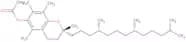
CAS:<p>Stable form of Vitamin E used in cosmetic formulations; antioxidant</p>Formula:C31H52O3Purity:Min. 98%Color and Shape:Clear LiquidMolecular weight:472.74 g/molCalcitonin (8-32) (salmon I) trifluoroacetate salt
CAS:Please enquire for more information about Calcitonin (8-32) (salmon I) trifluoroacetate salt including the price, delivery time and more detailed product information at the technical inquiry form on this pageFormula:C119H198N36O37·C2HF3O2Purity:Min. 98 Area-%Color and Shape:PowderMolecular weight:2,725.07 g/molPyronin Y
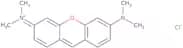
CAS:<p>Pyronin Y is a fluorescent dye that binds to DNA in the presence of a polymerase chain reaction. It is used as a model system for studying the effects of drugs on cells and their response to chemotherapy. Pyronin Y has been shown to be an efflux pump inhibitor and has demonstrated multidrug resistance in cancer cells. It can be used to study drug resistance mechanisms, such as the efflux pumps, by using optical sensors or chemiluminescent reaction. Pyronin Y is also used in biological samples such as blood and tissue cultures for research purposes.</p>Formula:C17H19N2OClPurity:Min. 95%Color and Shape:Green PowderMolecular weight:302.8 g/mol5-Methoxysalicylic acid sodium
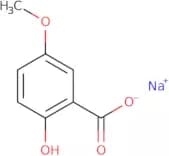
CAS:<p>5-Methoxysalicylic acid sodium (MSAS) is a drug that is used to treat intestinal ulcers. It is also used to reduce the viscosity of blood and as an adjuvant in the treatment of rheumatoid arthritis. The bioavailability of MSAS is increased when it is administered with cefmetazole, which enhances the absorption of this drug in the small intestine. MSAS has a hypoglycemic effect and can be used to treat high blood sugar levels. This drug binds to muscle cells and prevents their contraction, which can lead to relief from muscle pain or spasms. MSAS may also have a pharmacological effect on ligation, which occurs when tissue is cut off from its blood supply.</p>Formula:C8H7O4·NaPurity:Min. 95%Color and Shape:PowderMolecular weight:190.13 g/mol2,2'-Dianisoyl-diphenyl
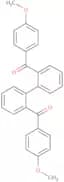
CAS:<p>2,2'-Dianisoyl-diphenyl is a chemical compound with the molecular formula C6H5C6H5. It has been used as a reagent in organic synthesis, and is useful in the preparation of various complexes. 2,2'-Dianisoyl-diphenyl is highly reactive and can be used as a scaffold for other reactions. This material can be used to make fine chemicals like dyes, pharmaceuticals, fragrances, and polymers. The CAS number for this compound is 20837-34-7.</p>Formula:C28H22O4Purity:Min. 95%Molecular weight:422.47 g/molN-(1-Naphthyl)phthalamic acid
CAS:N-(1-Naphthyl)phthalamic acid (NPA) is a plant growth regulator that is used to increase the yield and quality of crops. It inhibits the production of ethylene, which is a plant hormone responsible for fruit ripening and senescence. NPA also has been shown to affect the levels of fatty acids in plants. The effects of NPA on mitochondrial cytochrome P450 enzymes have been studied using electrochemical impedance spectroscopy (EIS). This study showed that NPA can inhibit the activity of these enzymes, which may be due to its ability to bind to them or alter their structure.Formula:C18H13NO3Purity:Min. 95%Color and Shape:Light (Or Pale) Purple To Purple SolidMolecular weight:291.3 g/molω-Benzoyloxy resacetophenone
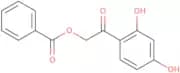
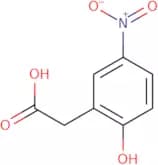
CAS:<p>Omega-benzoyloxy resacetophenone (OBOP) is a high quality reagent that is used as a building block for the synthesis of complex compounds. OBOP can be used as an intermediate for the production of fine chemicals and research chemicals. It is also a versatile building block that can be used in reactions to produce speciality chemicals. OBOP is soluble in most organic solvents and has a melting point of 140-142 degrees Celsius. The chemical formula for OBOP is C14H14O3.</p>Formula:C15H12O5Purity:Min. 95%Color and Shape:PowderMolecular weight:272.25 g/mol2-Hydroxy-5-nitrophenylacetic acid
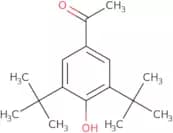
CAS:<p>2-Hydroxy-5-nitrophenylacetic acid is a versatile building block that can be used as a reagent, speciality chemical, or research chemical. It has been synthesized and characterized from the nitrobenzene derivative 2-hydroxyacetophenone. The compound has been shown to inhibit the growth of bacteria by binding to bacterial DNA gyrase and topoisomerase IV. This inhibits bacterial growth by preventing DNA replication and transcription. As an intermediate, 2-hydroxy-5-nitrophenylacetic acid is useful in organic synthesis as a reaction component or scaffold.</p>Formula:C8H7NO5Purity:Min. 95%Color and Shape:PowderMolecular weight:197.14 g/mol3,5-Di-tert-butyl-4'-hydroxyacetophenone
CAS:<p>3,5-Di-tert-butyl-4'-hydroxyacetophenone is a phenol that is used in the synthesis of pharmaceuticals and other compounds. It has been shown to promote angiogenesis by stimulating vascular endothelial cells. The stereoisomers of 3,5-Di-tert-butyl-4'-hydroxyphenylacetic acid have been shown to inhibit tumour growth and induce apoptosis. This compound also has antiangiogenic effects, which may be due to its ability to inhibit vascular endothelial cell proliferation and migration. 3,5-Di-tert-butyl-4'-hydroxyacetophenone is metabolized through a number of metabolic transformations including tautomerization and hydration reactions.</p>Formula:C16H24O2Purity:Min. 95%Color and Shape:White PowderMolecular weight:248.36 g/mol(6S)-5,6,7,8-Tetrahydro-6-[propyl[2-(2-thienyl)ethyl]amino]-1-naphthalenol
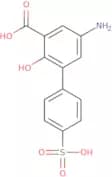
CAS:Controlled Product(6S)-5,6,7,8-Tetrahydro-6-[propyl[2-(2-thienyl)ethyl]amino]-1-naphthalenol is a potent and selective dopamine receptor agonist. It acts by binding to the dopamine receptors in the brain. This binding stimulates the release of dopamine and prevents it from being reabsorbed into the neurons, which in turn increases levels of extracellular dopamine in the synapse. (6S)-5,6,7,8-Tetrahydro-6-[propyl[2-(2-thienyl)ethyl]amino]-1-naphthalenol has been shown to have antidepressant effects in animal models of depression. It also has a long half life and can be administered as a transdermal patch for prolonged relief from depression symptoms.Formula:C19H25NOSPurity:Min. 95%Color and Shape:White Off-White PowderMolecular weight:315.47 g/molMesalamine impurity P
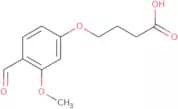
CAS:<p>Please enquire for more information about Mesalamine impurity P including the price, delivery time and more detailed product information at the technical inquiry form on this page</p>Formula:C13H11NO6SPurity:Min. 95%Color and Shape:Yellow SolidMolecular weight:309.3 g/mol4-(4-Formyl-3-methoxyphenoxy)butanoic acid
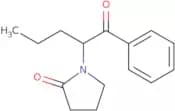
CAS:Controlled Product<p>4-(4'-Formyl-3'-methoxyphenoxy)butanoic acid is a carboxylate that can be used as a preloaded reagent for the synthesis of peptides, proteins, and other organic molecules. 4-(4'-Formyl-3'-methoxyphenoxy)butanoic acid has been shown to be an efficient linker for solid-phase peptide synthesis. 4-(4'-Formyl-3'-methoxyphenoxy)butanoic acid is labile to hydrolysis and so should be stored in an organic solvent such as dimethylsulfoxide. The carboxylate group is readily available in the form of its sodium salt, which can be synthesized by reacting sodium acetate with formaldehyde.</p>Formula:C12H14O5Purity:Min. 95%Color and Shape:PowderMolecular weight:238.24 g/mola-(2-Oxopyrrolidino)valerophenone
CAS:Controlled Product<p>a-2-Oxopyrrolidino)valerophenone is a useful scaffold for the synthesis of complex compounds. It is a versatile building block and can be used as a reaction component or reagent in organic synthesis. This compound is also a high quality research chemical with CAS No. 1220881-04-8.</p>Formula:C15H19NO2Purity:Min. 95%Color and Shape:White SolidMolecular weight:245.32 g/molRitonavir
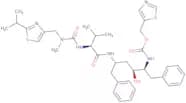
CAS:<p>Ritonavir has an anti-retroviral activity as it inhibits the protease enzymes specific of both HIV-1 and HIV-2. As an added functionality, ritonavir also inactivates significantly the cytochrome P4503A4 (CYP3A4) thus increasing the bioavailability or half-life of other co-administered drugs.</p>Formula:C37H48N6O5S2Purity:Min. 95%Color and Shape:White Off-White PowderMolecular weight:720.95 g/mol(4R,8RS)-Limonene-8,9-epoxide
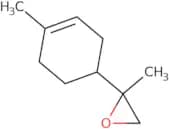
CAS:<p>The compound (4R, 8RS)-limonene-8,9-epoxide is an epoxide of the monoterpene limonene. It has been shown to be an effective insecticide that attacks the cycle at the abietane stage. It can also be used as a precursor for other chemicals such as neoabietic acid. The biosynthesis of this compound is unknown, but it is thought to be generated by a cytochrome P450 monooxygenase and may involve the epoxidation of dendroctonus or cytochromes. This compound is not found in plants and is only found in insects, where it functions as an insecticide.</p>Formula:C10H16OPurity:Min. 95%Color and Shape:Colorless Clear LiquidMolecular weight:152.23 g/molTylvalosin
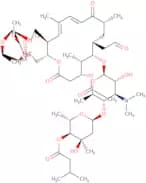
CAS:Tylvalosin is a polymerase chain inhibitor that inhibits the activity of the bacterial DNA polymerase. It is used in antimicrobial treatment to prevent microbial infection due to its immunomodulatory effects. Tylvalosin is active against a wide range of microorganisms and has been shown to be effective against infections caused by bacteria such as Haemophilus influenzae, Streptococcus pyogenes, and Staphylococcus aureus. The drug also has anti-inflammatory properties and can be used for the treatment of synovitis, an inflammation of the synovium. Tylvalosin is not active against Mycobacterium tuberculosis or Mycobacterium avium complex.Formula:C53H87NO19Purity:(%) Min. 90%Color and Shape:PowderMolecular weight:1,042.25 g/molL-Asparagine monohydrate
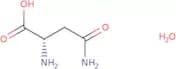
CAS:L-Asparagine monohydrate (LAM) is a water-soluble amino acid that is used in the treatment of metabolic disorders such as diabetes. LAM has been shown to be effective in cell culture and tissue culture experiments, where it was found to increase the production of growth factors, such as insulin and keratinocyte growth factor. This amino acid also has a high degree of kinetic stability and can be used for magnetic resonance spectroscopy studies. LAM is soluble in water, but not in organic solvents. It forms hydrogen bonds with other molecules and is able to form dehydrated crystals. The experimental solubility data for LAM can be found in table 1 below.Formula:C4H10N2O4Purity:(Titration) Min. 99%Color and Shape:White Clear LiquidMolecular weight:150.13 g/mol2-(4-Nitrophenoxy)acetohydrazide
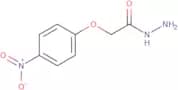
CAS:<p>2-(4-Nitrophenoxy)acetohydrazide is a crystalline compound that can be used as a ligand for protein-ligand binding studies. It has also been shown to have anticancer activity in vitro against the human breast cancer cell line MCF-7. The bioassay results showed antiproliferative and proapoptotic effects on MCF-7 cells, and single crystal X-ray diffraction studies revealed that 2-(4-Nitrophenoxy)acetohydrazide is an inhibitor of the pyrazole derivatives x-ray structures, which are involved in cancer cell proliferation.</p>Formula:C8H9N3O4Purity:Min. 95%Molecular weight:211.17 g/mol3-(tert-butyl)-1-(4-nitrophenyl)indeno[2,3-d]pyrazol-4-one
CAS:Please enquire for more information about 3-(tert-butyl)-1-(4-nitrophenyl)indeno[2,3-d]pyrazol-4-one including the price, delivery time and more detailed product information at the technical inquiry form on this pagePurity:Min. 95%5-Formylsalicylic acid
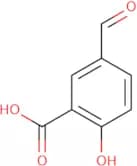
CAS:5-Formylsalicylic acid is a molecule that has the chemical formula HOOC-(CH2)4-COOH. It is an organic acid that is derived from 5-nitrosalicylic acid, which is prepared by reacting sodium carbonate with hydroxybenzoic acid in the presence of ethylene diamine. This compound has been shown to have the ability to form hydrogen bonds with other molecules and itself. 5-Formylsalicylic acid can be synthesized by reacting sodium hydroxide with hydrogen chloride gas in a neutral pH environment. The surface methodology for this compound was determined to be gravimetric analysis, while it exhibits intermolecular hydrogen bonding interactions and matrix effects. Hydrogen bonding interactions are formed through nitrogen atoms and carboxylate groups on the surface of the molecule.Formula:C8H6O4Purity:Min. 95%Color and Shape:PowderMolecular weight:166.13 g/molBromocresol green
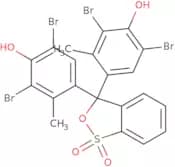
CAS:<p>Bromocresol green is a cationic surfactant that is used as a fluorescent indicator dye. It binds to proteins and can be detected with an optical sensor. Bromocresol green has been shown to react with hydrochloric acid, which may be due to the protonation of the cationic group. This reaction is reversible and depends on pH. The binding of bromocresol green to serum proteins results in a decrease in fluorescence intensity due to quenching by adsorption at the protein-protein interface. The kinetic data for this dye have been found to depend on α1-acid glycoprotein concentration.</p>Formula:C21H14Br4O5SColor and Shape:PowderMolecular weight:698.01 g/molProtoporphyrin IX
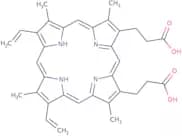
CAS:<p>Protoporphyrin IX is a fluorescent molecule that has been used for diagnosis and treatment of cancers, especially T-cell lymphomas. Protoporphyrin IX is being studied for its potential use as a photosensitizer in photodynamic therapy. The fluorescence emission spectrum of protoporphyrin IX overlaps with the absorption spectrum of hemoglobin, which enables it to be used in diagnosis of diseases such as sickle cell anemia. Protoporphyrin IX also binds to DNA and regulates gene expression. It is involved in mitochondrial functions, energy metabolism, and biochemical research. Protoporphyrin IX has been shown to bind to response elements and activate transcription of genes which are regulated by the proto-oncogene promoter. This molecule's thermodynamic data has been extensively researched and it is currently being evaluated for use in laser ablation technology for cancer treatments.</p>Formula:C34H34N4O4Purity:Min. 95%Color and Shape:Red PowderMolecular weight:562.66 g/mol2,6-Di-tert-butyl-p-cresol
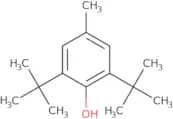
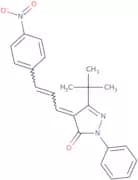
CAS:<p>2,6-Di-tert-butyl-p-cresol (BPC) is a phenolic compound that has been shown to scavenge anion radicals. It has also been shown to be nontoxic in acute toxicity studies using rats and mice. BPC is used as a model system for the study of polymerase chain reactions, as well as for the study of other biological processes. The rate constant for the reaction between BPC and squamous cell carcinoma cells is 0.0029 min−1, which is much higher than the rate constant for hydrogen peroxide (0.0004 min−1).</p>Formula:C15H24OPurity:Min. 95%Color and Shape:White PowderMolecular weight:220.35 g/mol3-(tert-butyl)-4-(3-(4-nitrophenyl)prop-2-enylidene)-1-phenyl-2-pyrazolin-5-one
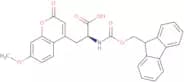
CAS:<p>Please enquire for more information about 3-(tert-butyl)-4-(3-(4-nitrophenyl)prop-2-enylidene)-1-phenyl-2-pyrazolin-5-one including the price, delivery time and more detailed product information at the technical inquiry form on this page</p>Purity:Min. 95%Fmoc-β-(7-methoxy-coumarin-4-yl)-Ala-OH
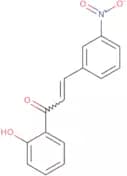
CAS:Fmoc-b-(7-methoxy-coumarin-4-yl)-Ala-OH is a reagent with the CAS No. 524698-40-6, which is used in organic synthesis. It is a versatile building block and useful intermediate that can be used to synthesize other organic compounds. Fmoc-b-(7-methoxy-coumarin-4-yl)-Ala-OH is also used as a reaction component in the synthesis of peptides and proteins, as well as in the preparation of polymers. It has been shown to be an effective building block for complex compounds.Formula:C28H23NO7Purity:Min. 95%Color and Shape:PowderMolecular weight:485.48 g/mol2'-Hydroxy-3-nitrochalcone
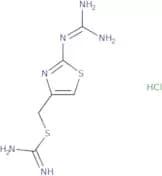
CAS:<p>2'-Hydroxy-3-nitrochalcone is a yellow crystalline solid that has been shown to have an antiviral effect against HIV and herpes simplex virus. The crystal structure of 2'-hydroxy-3-nitrochalcone has been determined using x-ray crystallography. The compound is structurally similar to other antiviral agents, such as acyclovir, valacyclovir, and penciclovir.<br>2'-Hydroxy-3-nitrochalcone inhibits the viral DNA polymerase by competing with the nucleotide cofactor at the enzyme active site. This leads to a reduction in viral DNA synthesis and an inhibition of cell proliferation.</p>Formula:C15H11NO4Purity:Min. 95%Color and Shape:PowderMolecular weight:269.25 g/mol(S)-(2-Guanidino-4-thiazolyl)methylisothiourea dihydrochloride
CAS:<p>(S)-(2-Guanidino-4-thiazolyl)methylisothiourea dihydrochloride is a fine chemical that is useful as a versatile building block and reaction component in research. It has been extensively used as a high quality reagent for the preparation of complex compounds. (S)-(2-Guanidino-4-thiazolyl)methylisothiourea dihydrochloride has also been used as a speciality chemical, which is not commercially available.</p>Formula:C6H12Cl2N6S2Purity:Min. 95%Color and Shape:White PowderMolecular weight:303.24 g/mol4'-Methoxy-5,6-benzoflavone
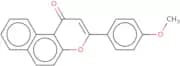
CAS:<p>4'-Methoxy-5,6-benzoflavone is a versatile chemical building block that can be used in the synthesis of complex compounds. It is a high quality reagent for research and has been used as a speciality chemical due to its ability to react with other chemicals. This compound is also useful in the synthesis of pharmaceuticals and agrochemicals. 4'-Methoxy-5,6-benzoflavone can be used as an intermediate for the synthesis of polycyclic aromatic hydrocarbons or it can be used as a scaffold in organic chemistry.</p>Formula:C20H14O3Purity:Min. 95%Color and Shape:White Off-White PowderMolecular weight:302.32 g/mol2-Amino-5-chloro-2'-fluorobenzophenone
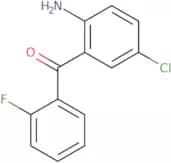
CAS:<p>2-Amino-5-chloro-2'-fluorobenzophenone is a phenoxazine that has been used as an analytical reagent. It is also a fluorescent compound and an anxiolytic drug. 2-Amino-5-chloro-2'-fluorobenzophenone can be found in urine samples, where it may be the result of biotransformation by bacteria in the intestine or chemical reactions with nicotine or hydrochloric acid. The molecular electrostatic potentials for 2-amino-5-chloro-2'-fluorobenzophenone are calculated from vibrational spectra and the crystal x-ray diffraction pattern of its crystals. The chromatographic conditions for 2-amino-5-chloro-2'-fluorobenzophenone are determined by clinical chemistry and biodegradability, which is assessed using nmr spectra.</p>Formula:C13H9ClFNOPurity:Min. 95%Color and Shape:PowderMolecular weight:249.67 g/mol(3,5-dichlorophenyl)(4-(3-nitrophenyl)(2,5-thiazolyl))amine
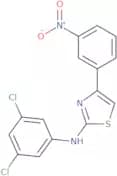
CAS:Please enquire for more information about (3,5-dichlorophenyl)(4-(3-nitrophenyl)(2,5-thiazolyl))amine including the price, delivery time and more detailed product information at the technical inquiry form on this pagePurity:Min. 95%Cresyl Violet acetate
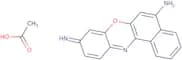
CAS:Controlled Product<p>Cresyl violet acetate is a dye that is used in histology to stain tissue sections. It binds to basic proteins, such as those found in the cytoplasm and nucleus, and has a strong affinity for nucleic acids. Cresyl violet acetate can be used to identify inflammatory lesions and other biological samples. The dye has been shown to induce neuronal death by reducing the redox potentials of neurons through the activation of Toll-like receptors (TLRs). Basic proteins are also involved in oral hypoglycaemic activity.</p>Formula:C18H15N3O3Purity:Limit? 65.%Color and Shape:PowderMolecular weight:321.33 g/mol


![3-Methylnaphth[2,1-d]isoxazole](/_next/image/?url=https%3A%2Fstatic.cymitquimica.com%2Fproducts%2F3D%2Fthumb-webp%2FFN66641.webp&w=3840&q=75)

![6-amino-3-methyl-4-(3-nitrophenyl)-4H-pyrano[3,2-d]pyrazole-5-carbonitrile](/_next/image/?url=https%3A%2Fstatic.cymitquimica.com%2Fproducts%2F3D%2Fthumb-webp%2FFA169032.webp&w=3840&q=75)


![(6S)-5,6,7,8-Tetrahydro-6-[propyl[2-(2-thienyl)ethyl]amino]-1-naphthalenol](/_next/image/?url=https%3A%2Fstatic.cymitquimica.com%2Fproducts%2F3D%2Fthumb-webp%2FFT76640.webp&w=3840&q=75)
![3-(tert-butyl)-1-(4-nitrophenyl)indeno[2,3-d]pyrazol-4-one](/_next/image/?url=https%3A%2Fstatic.cymitquimica.com%2Fproducts%2F3D%2Fthumb-webp%2FFB169695.webp&w=3840&q=75)