Pharmaceutical Standards
Pharmaceutical standards are a comprehensive set of reference materials essential for ensuring the safety, efficacy, and quality of pharmaceutical products. This category includes standards for active pharmaceutical ingredients (APIs), which are the core components responsible for therapeutic effects. Additionally, it covers compounds and metabolites relevant to both the pharmaceutical and veterinary industries, providing benchmarks for the accurate measurement and analysis of these substances. Nitrosamine control standards are crucial for detecting and mitigating potentially harmful nitrosamines in drug formulations. Toxicology standards help assess the safety and potential adverse effects of pharmaceutical compounds. Furthermore, enzyme activators and inhibitors standards are vital for research and development, enabling precise studies of biochemical pathways and drug mechanisms. These pharmaceutical standards are indispensable tools for regulatory compliance, quality control, and research, ensuring that pharmaceutical products meet stringent safety and effectiveness criteria.
Subcategories of "Pharmaceutical Standards"
- APIs for research and impurities(274,914 products)
- Enzyme Activators and Inhibitors(2,827 products)
- Nitrosamines(2,605 products)
- Pharmaceutical and Veterinary Compounds and Metabolites(2,871 products)
- Toxicology(13,652 products)
Found 7836 products of "Pharmaceutical Standards"
Sort by
Purity (%)
0
100
|
0
|
50
|
90
|
95
|
100
Noratropine
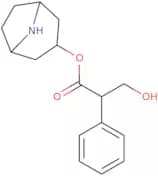
CAS:Noratropine is a drug that belongs to the group of anticholinergic drugs. It is used as a pharmaceutical preparation for the treatment of urinary incontinence and other conditions that are caused by overactivity of the bladder muscles. Noratropine has been shown to have a significant effect on symptoms such as increased urination, urgency, frequency, and nocturia. In addition, it reduces the amount of urine produced at night and during the day. Noratropine can be found in pueraria lobata (Kudzu) and angelicae dahuricae (Angelica). These plants contain natural compounds with anticholinergic properties. Noratropine can also be synthesized from benzalkonium chloride and n-oxide. The synthesis involves two steps: first, benzalkonium chloride reacts with an alcohol to form an acid which then reacts with n-oxide to produce noratropine. This compound can also be obtained from tissueFormula:C16H21NO3Purity:Min. 95%Molecular weight:275.34 g/mol2-Methyl-5-nitropyridin-3-amine
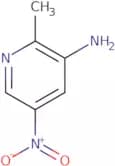
CAS:<p>2-Methyl-5-nitropyridin-3-amine is a heterocyclic compound that is synthesized by the cyclization of 2-methylpyridine with sodium nitrite. The reaction product is hydrolyzed to yield the desired compound, 5-nitropyridine. The synthesis of this compound can be used as a target for organic synthesis.</p>Formula:C6H7N3O2Purity:Min. 95%Molecular weight:153.14 g/mol2-Bromo-3'-hydroxyacetophenone
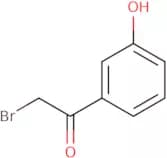
CAS:<p>2-Bromo-3'-hydroxyacetophenone is a molecule that has been shown to be cytotoxic and effective in inhibiting the growth of cancer cells. 2-Bromo-3'-hydroxyacetophenone inhibits the production of kynurenine, an amino acid that is used in the production of proteins, by competitively binding to the enzyme IDO1. This binding prevents the conversion of tryptophan into kynurenine, leading to cell death. The cytotoxicity of 2-bromo-3'-hydroxyacetophenone was also confirmed by testing its ability to inhibit cellular interaction with human erythrocytes (blood cells) and by measuring its effects on crystallography efficiency.</p>Formula:C8H7BrO2Purity:Min. 95%Color and Shape:Slightly Yellow PowderMolecular weight:215.04 g/molCholesterol Heptyl Carbonate
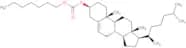
CAS:Controlled ProductCholesterol heptyl carbonate is a cholesteric liquid crystal with a high melting point, which can be used as a coating for pharmaceutical tablets and other products. Cholesteric liquid crystals are composed of molecules that have different shapes in the solid phase and in the liquid phase, forming an ordered structure. The conformational state of the molecule determines the optical properties of cholesteric liquid crystals. This product has an average particle diameter of around 200 nm and is made from organic solvent. The treatment method for this product is not specified, but it may be treated by heating with thermal energy or using optical energy to create a cross-linked polymer network.Purity:Min. 95%(2-Chloro-4-nitrophenyl)methanol
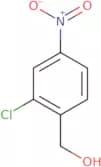
CAS:<p>Please enquire for more information about (2-Chloro-4-nitrophenyl)methanol including the price, delivery time and more detailed product information at the technical inquiry form on this page</p>Formula:C7H6ClNO3Purity:Min. 95%Color and Shape:PowderMolecular weight:187.58 g/mol4-(4-Formyl-3-methoxyphenoxy)butanoic acid
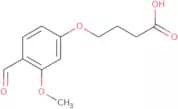
CAS:Controlled Product4-(4'-Formyl-3'-methoxyphenoxy)butanoic acid is a carboxylate that can be used as a preloaded reagent for the synthesis of peptides, proteins, and other organic molecules. 4-(4'-Formyl-3'-methoxyphenoxy)butanoic acid has been shown to be an efficient linker for solid-phase peptide synthesis. 4-(4'-Formyl-3'-methoxyphenoxy)butanoic acid is labile to hydrolysis and so should be stored in an organic solvent such as dimethylsulfoxide. The carboxylate group is readily available in the form of its sodium salt, which can be synthesized by reacting sodium acetate with formaldehyde.Formula:C12H14O5Purity:Min. 95%Color and Shape:PowderMolecular weight:238.24 g/mol4'-Chloroacetophenone
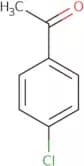
CAS:<p>4'-Chloroacetophenone is a chemical substance that is used in the synthesis of other substances. It has been shown to be an effective tool for cell-specific reactions, such as methyl ketones and benzaldehyde. 4'-Chloroacetophenone reacts with hydrochloric acid and palladium complexes to produce electron reduction, which leads to the activation of methyl ketones. This reaction provides a method for synthesizing molecules with a carbonyl group. The isolated yield of this reaction is dependent on the reaction solution temperature and concentration. The mechanism of this reaction appears to be Suzuki coupling reaction.</p>Formula:C8H7ClOPurity:Min. 95%Color and Shape:Clear Colourless To Pale Yellow LiquidMolecular weight:154.59 g/mol2-Valeryl-17'-estradiol 17-valerate
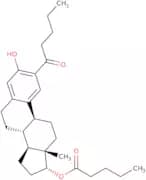
CAS:Controlled Product<p>Please enquire for more information about 2-Valeryl-17'-estradiol 17-valerate including the price, delivery time and more detailed product information at the technical inquiry form on this page</p>Formula:CHOPurity:Min. 95%Cholesterol Hydrocinnamate
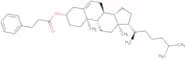
CAS:Controlled ProductCholesterol hydrocinnamate is a non-polar, microcapsule-encapsulated solid that has been shown to be reversibly endothermic. The transition from the solid phase to the liquid phase occurs at approximately 20°C and is accompanied by a change in color from red to yellow. The coating on the surface of the microcapsules are composed of polymers with optical properties such as high refractive index, low absorption, and low scattering. These properties are used to alter light transmission and reflection in order to evaluate the particle size distribution. Cholesterol hydrocinnamate can be prepared by thermal treatment of cholesterol cinnamate with cinnamaldehyde in solvents such as ethanol or acetone. This method produces particles that are not only non-polar but also soluble in nonpolar solvents such as hexane or heptane.Purity:Min. 95%b-Sitosterol - 40%
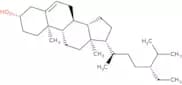
CAS:Controlled Product<p>b-Sitosterol is a sterol that is found in plants and animals. It has been shown to reduce the incidence of skin tumor formation when applied topically. b-Sitosterol also has hypoglycemic effects, which may be due to its ability to bind with p-hydroxybenzoic acid, an inhibitor of glucose absorption. This compound also has a matrix effect on the skin, which may be due to its ability to inhibit the production of collagenase, an enzyme involved in the breakdown of collagen. b-sitosterol also has antiinflammatory properties that have been shown using analytical methods such as metal chelate. Studies have shown that b-sitosterols are natural compounds that are found in high concentrations in beta-sitosterol.</p>Formula:C29H50OPurity:Min. 95%Molecular weight:414.71 g/mol3-Nitropropionic acid
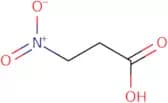
CAS:3-Nitropropionic acid (3NPA) is a mitochondrial toxin that causes neuronal death by inhibiting complex enzyme activities and inducing reactive oxygen species production. 3NPA also alters mitochondrial membrane potential and induces pro-apoptotic protein expression, leading to neuronal cell death. 3NPA has been shown to be effective in the treatment of experimental models of infectious diseases, such as rat sepsis and human HIV infection, by reducing the number of activated T cells and CD4+ T cells. 3NPA also exhibits anti-inflammatory properties by inhibiting the inflammatory responses of monocytes/macrophages and neutrophils.Formula:C3H5NO4Purity:Min. 95%Color and Shape:PowderMolecular weight:119.08 g/mol1-(Aminomethyl)naphthalene
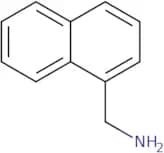
CAS:<p>1-(Aminomethyl)naphthalene is a hydrogen bond-forming molecule that has high values of hydrochloric acid. This compound reacts with sodium carbonate to form glycoside derivatives, which have been shown to display light emission. 1-(Aminomethyl)naphthalene can be used in the synthesis of oxytocin and toll-like receptor ligands, as well as other chemical reactions. The carbonyl group found in this molecule is responsible for the reactivity and stability of this compound.</p>Formula:C10H7CH2NH2Purity:Min. 95%Color and Shape:Clear Colourless To Yellow LiquidMolecular weight:157.21 g/mol1-(2-Aminoethyl)-3-Phenylurea Hydrochloride
CAS:<p>Please enquire for more information about 1-(2-Aminoethyl)-3-Phenylurea Hydrochloride including the price, delivery time and more detailed product information at the technical inquiry form on this page</p>Formula:C9H13N3O·HClPurity:Min. 95%Molecular weight:215.68 g/mol(17a)-3-Ethynyl-19-norpregna-3,5-dien-20-yn-17-ol
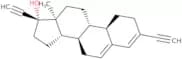
CAS:Controlled Product<p>Please enquire for more information about (17a)-3-Ethynyl-19-norpregna-3,5-dien-20-yn-17-ol including the price, delivery time and more detailed product information at the technical inquiry form on this page</p>Formula:C22H26OPurity:Min. 95%Molecular weight:306.44 g/molAcriflavine neutral
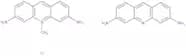
CAS:Acriflavine is a chemical agent that inhibits the growth of bacteria by binding to nuclear DNA and disrupting the synthesis of proteins. Acriflavine has been shown to be effective in treating infections caused by wild-type strains of bacteria, but has little effect on resistant mutants. It also has little effect on bacterial cells that are not actively growing (i.e., in the stationary phase). Acriflavine binds to DNA and acts as a crosslinking agent, which prevents transcription and replication. This drug also inhibits mitochondrial functions. Acriflavine is commonly used in combination with benzalkonium chloride or other antimicrobial agents because it does not have any bactericidal effects when used alone.END>>Purity:Min. 95%Color and Shape:Orange To Red Brown SolidMolecular weight:259.73 g/mol2-(Benzylmethylamino)-3',4'-dihydroxyacetophenone
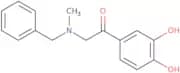
CAS:Controlled ProductPlease enquire for more information about 2-(Benzylmethylamino)-3',4'-dihydroxyacetophenone including the price, delivery time and more detailed product information at the technical inquiry form on this pageFormula:C16H17NO3Purity:Min. 95%Molecular weight:271.31 g/mol1-Naphthoyl chloride
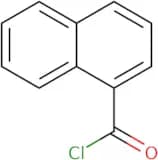
CAS:1-Naphthoyl chloride is a metabolite of 1-naphthol. It has been used in the synthesis of steroidal alkaloids, including the anti-inflammatory drug indomethacin and the anesthetic ketamine. 1-Naphthoyl chloride is also a precursor to synthetic cannabinoids, which are substances that have effects similar to those of cannabis but are not derived from marijuana. It binds to receptors on cells that are sensitive to cannaboids. The binding causes changes in cell function and can lead to psychological effects such as paranoia and hallucinations. The detection sensitivity of 1-naphthoyl chloride can be increased by using fluorescence detectors or gravimetric analysis.Formula:C11H7ClOPurity:Min. 95%Color and Shape:Clear LiquidMolecular weight:190.63 g/molTropinone
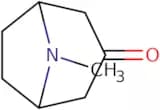
CAS:<p>Tropinone is a polycyclic aromatic hydrocarbon that is found in plant cells. Tropinone exhibits enzyme activities, such as catalase and peroxidase activity, which are important for plant physiology. Tropinone has also been shown to have anti-cancer properties. Platinum-based chemotherapy drugs bind to the tropinone molecule, which inhibits the enzymes that allow cancer cells to grow and multiply. The specific antibody binds to the tropinone molecule by recognizing a carbohydrate group on the molecule's surface, while hydroxyl groups on the tropinones react with trifluoromethanesulfonic acid in water to form ester hydrochloride. This reaction is dependent on pH level and optimum ph is around 7-9.</p>Formula:C8H13NOPurity:Min. 98%Color and Shape:White PowderMolecular weight:139.19 g/molErythrosine
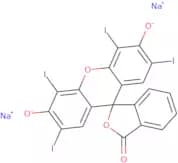
CAS:Erythrosine is a fluorescent dye that is used in the detection of synchronous fluorescence and adsorption. It has been shown to be more sensitive than other methods, such as matrix effect or electrochemical impedance spectroscopy. Erythrosine has been shown to have genotoxic activity in hl-60 cells, as well as long-term toxicity. It also has analytical applications due to its ability to be used as a fluorescence probe for biological samples.Formula:C20H8I4O5·2NaPurity:Min. 95%Color and Shape:Red PowderMolecular weight:881.87 g/molN-(6-Phenylhexyl)-5-chloro-1-naphthalenesulfonamide
CAS:<p>N-(6-Phenylhexyl)-5-chloro-1-naphthalenesulfonamide is a dibutyryl camp analog that has been shown to inhibit the L-type calcium channel in a dose-dependent manner. It has an effect on both spermatozoa and glioma cells, with its most significant effect being inhibition of the intracellular calcium ion. This drug inhibits the growth rate of these cells, which may be due to its ability to activate adrenergic receptors and cause increased intracellular calcium ion levels. N-(6-Phenylhexyl)-5-chloro-1-naphthalenesulfonamide also slows the cycle of the cell, which may be due to a kinetic effect.</p>Formula:C22H24ClNO2SPurity:Min. 95%Molecular weight:401.95 g/mol