Glycoscience
Subcategories of "Glycoscience"
- Aminosugars(108 products)
- Glyco-Related Antibodies(284 products)
- Glycolipids(46 products)
- Glycosaminoglycans (GAGs)(55 products)
- Glycosides(422 products)
- Monosaccharides(6,674 products)
- Oligosaccharides(4,042 products)
- Polysaccharides(517 products)
Found 11404 products of "Glycoscience"
3’-O-Acetyl-1,2,5-tri-O-benzoyl-4-a-C-vinyl-D-ribofuranose
3’-O-Acetyl-1,2,5-tri-O-benzoyl-4-a-C-vinyl-D-ribofuranose is a modified sugar that is synthesized by the click chemistry method. It has been fluorinated and methylated on the 2’ and 3’ positions of the ribose ring. The compound is also glycosylated with a CDP chitosan to increase stability in plasma. This product has high purity and can be custom synthesized to customer specifications.Purity:Min. 95%6-Deoxy-6-fluoro-D-glucose
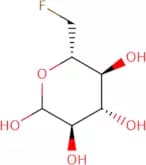
CAS:6-Deoxy-6-fluoro-D-glucose is a molecule that belongs to the group of glucose analogs. It has been shown that 6-deoxy-6-fluoro-D-glucose, or dF6G, induces apoptosis in MCF7 cells through inhibition of glut1, the rate limiting enzyme for glycolysis. The structural analysis of the compound showed that it contains a fluorine atom at C2 and an oxygen atom at C3. The kinetic studies revealed that dF6G reacts with H2O in a 1:1 stoichiometric ratio to form hydrogen fluoride and 6-deoxyhexoate. 6dF6G has been shown to have pharmacokinetic properties similar to glucose and it can be used as an alternative source of energy by many organisms including aerobacter aerogenes.
Formula:C6H11FO5Purity:Min. 95%Color and Shape:White PowderMolecular weight:182.15 g/mol3,5-Dideoxy-3,5-imino-L-arabinopentitol
3,5-Dideoxy-3,5-imino-L-arabinopentitol is a compound that belongs to the group of methylated polysaccharides. It is a custom synthesis with high purity and modification. This product has been fluorinated and saccharide modified. It has been synthesized from an oligosaccharide and polysaccharide by Click chemistry. 3,5-Dideoxy-3,5-imino-L-arabinopentitol is a complex carbohydrate that contains a sugar at its end. The sugar can be either monosaccharide or polysaccharide. This product can be used in the study of protein methylation and glycosylation and as an anti-inflammatory agent.Purity:Min. 95%2’-(N-Hexadecanoylamino)-4’-nitrophenyl-β-D-galactopyranoside
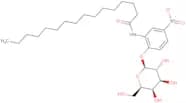
CAS:2’-(N-Hexadecanoylamino)-4’-nitrophenyl-b-D-galactopyranoside is a synthetic substrate that is used to diagnose and monitor brain diseases. It can be used in the diagnosis of Alzheimer's disease by measuring the amount of amniotic fluid that leaks into the brain. The rate of hydrolysis of this substrate has been shown to be higher in patients with Alzheimer's disease than in healthy controls. This synthetic substrate is also useful for monitoring the activity of taurocholate galactohydrolase, which is an enzyme that breaks down bile salts and plays a role in cholesterol metabolism. The rate of hydrolysis has been found to be increased in patients with Parkinson's disease, but not in those with Alzheimer's disease or healthy controls. 2’-(N-Hexadecanoylamino)-4’-nitrophenyl-b-D-galactop
Formula:C28H46N2O9Purity:Min. 95%Color and Shape:PowderMolecular weight:554.67 g/mol3-Deoxy-3-fluoro-D-galactitol
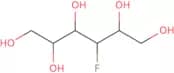
CAS:3-Deoxy-3-fluoro-D-galactitol is a fluorinated sugar that is synthesized through the use of glycosylation and fluorination. This product can be used as a raw material for the production of oligosaccharides, polysaccharides, and other complex carbohydrates. It can also be used in custom synthesis and click modification. The CAS number for this product is 1241800-31-6.Formula:C6H13FO5Purity:Min. 95%Molecular weight:184.16 g/mol5-O-tert-Butyldimethylsilyl-N-cyanomethyl-1,4-dideoxy-1,4-imino-2,3-O-isopropylidene-D-ribitol
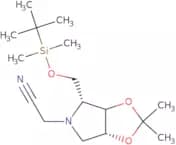
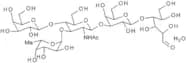
CAS:5-O-tert-Butyldimethylsilyl-N-cyanomethyl-1,4-dideoxy-1,4-imino-2,3-O-isopropylidene--D ribitol is a fluorinated glycosylation product of 5-(O-(tertbutyldimethylsilyl)cyanomethyl)-1,4 dihydroxy imino 2,3 O isopropylidene D ribitol. It is a high purity complex carbohydrate that can be synthesized by click modification of 5-(O-(tertbutyldimethylsilyl)cyanomethyl)-1,4 dihydroxy imino 2,3 O isopropylidene D ribitol with ethynyltrifluoroborate and osmium tetroxide. This compound has CAS No. 577978-59-7.Formula:C16H30N2O3SiPurity:Min. 95%Molecular weight:326.51 g/molN-Acetylneuraminyl-(a2-3)-D-galactopyranosyl-(b1-3)-[N-acetylneuraminyl-(a2-6)]-D-N-acetylgalactosaminyl serine
N-Acetylneuraminyl-(a2-3)-D-galactopyranosyl-(b1-3)-[N-acetylneuraminyl-(a2-6)]-D-N-acetylgalactosaminyl serine is a high purity oligosaccharide that is custom synthesized. It undergoes Click modification and fluorination to give it a specific structure.Formula:C39H64N4O29Purity:Min. 95%Molecular weight:1,052.94 g/molGalacto-N-biose-sp-biotin
Galacto-N-biose-sp-biotin is a carbohydrate that can be custom synthesized. It is a sugar with a biotin moiety at the reducing end of the chain. It can be modified by fluorination, glycosylation, methylation, and other chemical modifications. Galacto-N-biose-sp-biotin has CAS number 55810-06-5.
Formula:C33H57N5O14SPurity:Min. 95%Color and Shape:White/Off-White SolidMolecular weight:779.9 g/molD-Ribose
CAS:D-ribose is a pentose that is used in the metabolism of plants and humans. It has been shown to inhibit binding of inhibitors to ribose and to exhibit significant cytotoxicity against tumor cells. D-Ribose also has an important role in energy metabolism, where it is involved in the synthesis of ATP. D-Ribose has been shown to be beneficial for patients with congestive heart failure, as it improves cardiac function and reduces the size of the heart. D-Ribose may also have a role in the treatment of infectious diseases by inhibiting viral replication, as well as preventing neuronal death.Formula:C5H10O5Purity:Min. 99.0 Area-%Molecular weight:150.13 g/molRef: 3D-R-5500
-Unit-kgkgTo inquire5kgTo inquire10kgTo inquire25gTo inquire25kgTo inquire2500gTo inquireAllyl 2,3-O-isopropylidene-a-L-rhamnopyranoside
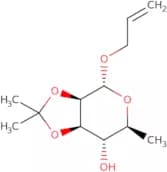
CAS:Allyl 2,3-O-isopropylidene-a-L-rhamnopyranoside is a topical antiperspirant and deodorant that is used to inhibit the production of sweat. It has been shown to be effective in combination with aluminum chloride, aluminum chlorohydrate, and other active ingredients. Allyl 2,3-O-isopropylidene-a-L-rhamnopyranoside has been shown to be more effective than glycerin or propylene glycol alone as an antiperspirant.Formula:C12H20O5Purity:Min. 95%Color and Shape:PowderMolecular weight:244.29 g/mol3-Deoxy-D-glucosone
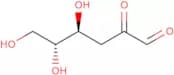
CAS:3-Deoxy-D-glucosone is a compound that belongs to the group of monosaccharides and has a basic structure. It can be found in many types of biological samples, including blood. The x-ray diffraction data for 3-deoxy-D-glucosone shows an asymmetric unit of two molecules with a coordination geometry of 2.3. This compound is known to have high protein oxidation rates, which are caused by dna binding activity. 3-Deoxyglucosone has been shown to be involved in the pathogenic mechanism of many types of cancers.Formula:C6H10O5Purity:Min. 95%Color and Shape:PowderMolecular weight:162.14 g/molD-Melezitose hydrate
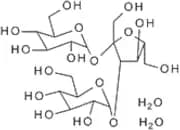
CAS:Melezitose is a non-reducing trisaccharide that is produced by many plant sap-consuming insects, such as aphids (e.g. Cinara pilicornis). Melezitose is a component of honeydew which acts as an attractant for ants and also as food for bees. Partial hydrolysis of melizitose releases glucose and turanose, an isomer of sucrose.
Formula:C18H32O16•(H2O)xPurity:Min. 95%Color and Shape:White PowderMolecular weight:504.44 g/molMethyl a-D-glucopyranoside
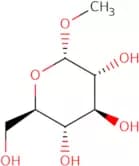
CAS:Methyl α-D- glucopyranoside is a methylated sugar used as an inhibitor of lectin-conjugate binding. Methyl α-D- glucopyranoside is commonly used in protein purification for eluting glycoproteins and other glycoconjugates from affinity chromatography columns of agarose lectin. Methyl α-D- glucopyranoside is also known as Methyl alpha-D-glucoside or alpha-Methyl-glucoside.Formula:C7H14O6Purity:Min. 98 Area-%Color and Shape:PowderMolecular weight:194.18 g/mol2-Acetamido-4-O-{2-acetamido-4-O-[[3-O-[2,4-di-O-(2-acetamido-2-deoxy-β-D-glucopyranosyl)-α-D-mannopyranosyl]-6-O-[2,6-di-O-(2-aceta mido-2-deoxy-β-D-glucopyranosyl)-β-D-mannopyranosyl]-β-D-mannopyranosyl]]-2-deoxy-β-D-glucopyranosyl}-6-O-(α-L-fucopy
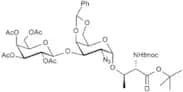
2-Acetamido-4-O-{2-acetamido-4-O-[3-O-[2,4-di-O-(2-acetamido-2,6-dideoxyb -D-glucopyranosyl)-a,D -mannopyranosyl]-6-O-[2,6 -di(2 -acetamido)-b -D -glucopyranosyl]-b D mannopyranosyl]] b D mannopyranosyl} 2,6 dideoxy b D glucopyranosyl} 6 O-(a L fucopyranosyl)}Formula:C72H120N6O49SPurity:Min. 95%Molecular weight:1,885.8 g/mol3-O-(2,3,4,6-Tetra-O-acetyl-b-D-galactopyranosyl)-2-azido-4,6-O-benzylidene-2-deoxy-a-D-galactopyranosyl-Fmoc threonine tert-butyl e ster
CAS:3-O-(2,3,4,6-Tetra-O-acetyl-b-D-galactopyranosyl)-2-azido-4,6-O-benzylidene-2-deoxy-a-D--galactopyranosyl (TBS) is a synthetic carbohydrate that has been modified with fluorine and methyl groups. It is a complex carbohydrate that can be used as an intermediate in the synthesis of oligosaccharides and other saccharides. TBS is a monosaccharide that can be glycosylated or methylated to form many different products. This product can be custom synthesized to meet specific customer needs.Formula:C50H58N4O18Purity:Min. 95%Molecular weight:1,003.01 g/mol6-O-(b-D-Galactopyranosyl)-D-galactopyranose
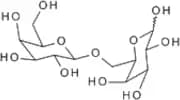
CAS:6-O-(b-D-Galactopyranosyl)-D-galactopyranose is a natural product disaccharide obtained from acid hydrolysis of larch wood.Formula:C12H22O11Purity:Min. 95 Area-%Color and Shape:PowderMolecular weight:342.3 g/mol2,3-Dimethyl-a-cyclodextrin
Alpha-cyclodextrin (α-CD) derivative with a hydrophilic exterior and lipophilic cavity (smaller than β-CDs and γ-CDs) to allocate certain guest molecules. This structural characteristic enables applications in molecular encapsulation, solubility enhancement, and stabilization across multiple industries. In pharmaceuticals, it serves as a drug delivery vehicle, enhancing the bioavailability and stability of active ingredients. The food industry utilizes it as a stabilizer for flavors, colors, and nutrients, as well as a functional ingredient for its effects on lipid metabolism. In cosmetics, it acts as a complex agent for fragrances and active components. Its applications extend to analytical chemistry for chiral separation and to materials science for developing smart materials and nanosystems.Formula:C48H84O30Purity:Min. 95%Molecular weight:1,141.16 g/molN- [(3R, 4R, 5R) - 1- Butyl- 4- hydroxy- 5- (hydroxymethyl) - 3- pyrrolidinyl] -acetamide
Glycosylation, methylation, and fluorination of natural and synthetic saccharides is the basis for a number of chemical modifications. The incorporation of these modifications into glycoproteins has been shown to be important in the modification and stabilization of protein-carbohydrate interactions. This process can be used to modify polysaccharides to form oligosaccharides for use as drugs or as substrates for industrial enzymes.Purity:Min. 95%NGA3B N-Glycan
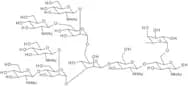
CAS:NGA3B N-Glycan is a high purity, custom synthesis, methylation and fluorination modification of the product. This product is an oligosaccharide that is composed of saccharides and sugars. It has a CAS No. 1620146-04-4.
Formula:C66H110N6O46Purity:Min. 95%Color and Shape:SolidMolecular weight:1,723.59 g/molD-(-)-Threose
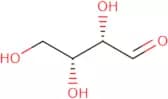
CAS:Popular resource for chiral-pool based organic syntheses Sold as an aqueous solution and by weight of active materialFormula:C4H8O4Purity:Min. 90 Area-%Color and Shape:Colorless Clear LiquidMolecular weight:120.1 g/molGemfibrozil b-D-glucuronide
CAS:Major metabolite of Gemfibrozil; irreversible inhibitor of CYP2C8Formula:C21H30O9Purity:Min. 95%Color and Shape:White PowderMolecular weight:426.47 g/molN-Acetyl-a-D-glucosamine-1-phosphate disodium salt
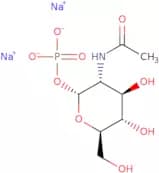
CAS:N-Acetyl-a-D-glucosamine-1-phosphate disodium salt (NACP) is a complex carbohydrate that is used as a synthetic sugar. It can be used to modify saccharide, glycosylations, or methylations. NACP has been shown to be stable at high temperatures and pressures. The compound has been fluorinated and click modified for the synthesis of other sugars. NACP has CAS No. 31281-59-1, which is the molecular formula of C8H14FO6Na2O11P2.Formula:C8H14NO9P·2NaPurity:Min. 95 Area-%Color and Shape:White PowderMolecular weight:345.15 g/molTriisopropylsilyl 2-azido-3-O-(2,3,4,6-tetra-O-benzoyl-b-D-galactopyranosyl)-4,6-O-benzylidene-2-deoxy-a-D-thiogalactopyranoside
Triisopropylsilyl 2-azido-3-O-(2,3,4,6-tetra-O-benzoyl-b-D-galactopyranosyl)-4,6-O-benzylidene-2-deoxy--aDthiogalactopyranoside is an azido glycoside that can be used in the synthesis of oligosaccharides. It has been shown to be a potent inhibitor of bacterial growth. This compound is synthesized by reacting 2-(trimethylsilyl)ethanol with 3-[(2,3,4,6-tetraacetyl bDgalactopyranosyl)oxy]propionic acid and sodium azide in the presence of triethylamine. The reaction produces a mixture of products which are purified by chromatography. This product is then reacted with benzaldehyde to produce the desired product.Formula:C56H61N3O13SSiPurity:Min. 95%Molecular weight:1,044.25 g/molα1,2-Galactobiosyl β-methyl glycoside
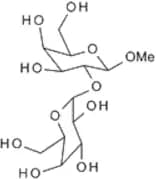
a1,2-Galactobiosyl b-methyl glycoside is a methylated galactose monosaccharide that is covalently bound to the terminal amino group of b-methyl glycosides. The fluorination of the methyl group can be achieved by reacting with hydrogen fluoride in the presence of a palladium catalyst. This modification increases the stability of the compound and reduces its susceptibility to hydrolysis. The synthesis of this product is carried out using custom synthesis by clicking reaction with an azide moiety on a benzyl alcohol derivative. The resulting product has CAS No., Oligosaccharide, Polysaccharide, saccharide, Carbohydrate, Fluorination, complex carbohydrate, High purity, Modification, Monosaccharide, sugar Synthetic properties.Formula:C13H24O11Purity:Min. 95%Color and Shape:White/Off-White SolidMolecular weight:356.32 g/mol1,2,3,4,6-Penta-O-acetyl-a-D-galactopyranose
CAS:1,2,3,4,6-Penta-O-acetyl-a-D-galactopyranose is a pentaacetate of glucose. This compound is transported in the blood and extracellular fluids and has been shown to be a substrate for hexaacetate transport. The transport of this compound by hexaacetate has been shown to bypass the intracellular k+ concentration gradient. It has also been shown to have anti-diabetic effects in animals and humans. 1,2,3,4,6-Penta-O-acetyl-a-D-galactopyranose can also be found in foods that contain beta d glucopyranoside (e.g., bananas). This compound is resistant to digestion and can be found in the stomach or intestines where it postulated to have an inhibitory effect on bacterial growth. 1,2,3,4,6-Penta-O-Formula:C16H22O11Purity:Min. 95%Color and Shape:White PowderMolecular weight:390.34 g/molBlood group A type 3/4 linear trisaccharide
GalNAca1-3Galb1-3GalNAcFormula:C22H38N2O16Purity:Min. 95%Molecular weight:586.54 g/mol3-O-(a-D-Mannopyranosyl)-D-mannopyranose 1-O-propylamine acetate salt
3-O-(a-D-Mannopyranosyl)-D-mannopyranose 1-O-propylamine acetate salt is a methylated saccharide. It is an oligosaccharide that can be synthesized from D-mannose and pyruvic acid, with the addition of a proton donor. This product is used in the synthesis of polysaccharides due to its high purity and low cost. The methyl group on this molecule reacts with the carbonyl group on the sugar to form an ester, which makes it resistant to hydrolysis by enzymes. 3-O-(a-D-Mannopyranosyl)-D-mannopyranose 1-O-propylamine acetate salt is also fluorinated and can be used as a click modification in proteins or carbohydrates.Formula:C17H33O13NPurity:Min. 95%Color and Shape:Colourless To White SolidMolecular weight:459.44 g/molBenzyl 4-O-(b-D-galactopyranosyl)-b-D-xylopyranoside
CAS:Benzyl 4-O-(b-D-galactopyranosyl)-b-D-xylopyranoside is a synthetic monosaccharide that has been modified with fluorine. This compound is used to modify complex carbohydrates like glycosaminoglycans and glycoproteins. It is also used in the synthesis of oligosaccharides and polysaccharides, as well as in click chemistry. Benzyl 4-O-(b-D-galactopyranosyl)-b-D-xylopyranoside is available for custom synthesis, and can be ordered in high purity.Formula:C18H26O10Purity:Min. 95%Color and Shape:PowderMolecular weight:402.39 g/mol1-Deoxy-1-nitro-D-mannitol
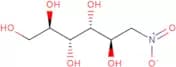
CAS:1-Deoxy-1-nitro-D-mannitol is an inorganic molecule that has a proton and a voltammetry. It is used to monitor the transport of d-arabinose across the blood vessels in the femoral vein. This compound is synthesized by the reaction of sodium nitrite with mannitol in the presence of hydrochloric acid. It can be detected using optical techniques, such as UV/VIS spectroscopy, fluorescence spectroscopy, and absorption spectroscopy. 1-Deoxy-1-nitro-D-mannitol has been shown to have a cotton effect on neurotransmitters in the frontoparietal cortex.Formula:C6H13NO7Purity:Min. 95%Molecular weight:211.17 g/mol(5R, 6R, 7R, 8S) -5, 7-Dihydroxy- 8- (hydroxymethyl) - 1- azabicyclo[4.2.0] octan- 2- one
CAS:This is a custom synthesis of (5R, 6R, 7R, 8S) -5, 7-dihydroxy-8- (hydroxymethyl) -1-azabicyclo[4.2.0]octan-2-one. This compound has been fluorinated and methylated and has a monosaccharide modification.Purity:Min. 95%2-Deoxy-2-fluoro-3,4:5,6-di-O-isopropylidene-L-idonic acid methyl ester
2-Deoxy-2-fluoro-3,4:5,6-di-O-isopropylidene-L-idonic acid methyl ester is a synthetic compound that has been used as an intermediate in the synthesis of saccharides and oligosaccharides. It can also be used to modify carbohydrate structures. 2DFFDLIEME is a white crystalline solid with a melting point of 190°C. This product is soluble in water and ethanol.Purity:Min. 95%2-Amino-2-N-carbobenzoxy-2-deoxy-D-mannose
CAS:2-Amino-2-N-carbobenzoxy-2-deoxy-D-mannose is a custom synthesis product that can be produced with high purity. It has a CAS number of 137157-50-7 and is an oligosaccharide, polysaccharide, and carbohydrate. 2-Amino-2-N-carbobenzoxy-2-deoxy-D-mannose is synthesized by the methylation of 2,3,4,6 tetraaminopyrimidine with formaldehyde to give 1,4 diaminocyclohexane. This compound is then reacted with carbonyl chloride to give carbamoyl chloride. The last step in the synthesis process is reacting this compound with 2,3,4,6 tetraaminopyrimidine to give the final product.
Formula:C14H19NO7Purity:Min. 95%Color and Shape:White PowderMolecular weight:313.3 g/moltrans-β-D-Glucopyranosyl methylacetoacetate
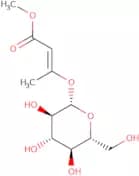
CAS:Trans-beta-D-glucopyranosyl methylacetoacetate is a carbohydrate that belongs to the group of modified sugars. It is a synthetic compound and can be custom synthesized for your specific needs. This product has a high purity and can be used in research or as a starting material for the synthesis of other compounds. Trans-beta-D-glucopyranosyl methylacetoacetate is an oligosaccharide that can be fluorinated, methylated, glycosylated, or click modified. This product is also available in various grades, such as standard and high purity.Formula:C11H18O8Purity:Min. 95%Color and Shape:PowderMolecular weight:278.26 g/molDapagliflozin
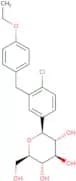
CAS:Dapagliflozin is a sodium-glucose cotransporter subtype 2 (SGLT2) inhibitor that can be used in the treatment of diabetes mellitus type 2. SGLT2 is located in the proximal convoluted tubule and when it is inhibited the reabsorption of glucose into the kidneys is prevented and instead glucose is excreted in the urine. As a result glucose levels are reduced. Dapagliflozin is metabolized into to its inactive metabolite 3-O-glucuronide by the UGT1A9 enzyme present in the liver and the kidneys. In addition, dapagliflozin has been shown to cause weight loss and decrease the risk of cardiovascular events such as congestive heart failure.Formula:C21H25ClO6Purity:Min. 98 Area-%Color and Shape:White Yellow PowderMolecular weight:408.87 g/molMaltopentadecaose
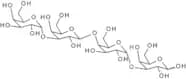
CAS:Produced from starch by transglycosylation-15 a-(1,4) linked glucose residues
Formula:C90H152O76Purity:Min. 85 Area-%Color and Shape:White PowderMolecular weight:2,450.12 g/mol(3S, 5S) -1-Isopropyl-3, 4, 5- piperidinetriol
(3S, 5S) -1-Isopropyl-3, 4, 5- piperidinetriol is a synthetic oligosaccharide that has been modified by fluorination and glycosylation. It is synthesized from a sugar that is then methylated. This compound has a CAS number of 85314-88-5. It is used as an ingredient in food products to provide sweetness and bulk to baked goods.Purity:Min. 95%Glycyl-monosialyllacto-N-neohexose I
Glycyl-monosialyllacto-N-neohexose I is a monosaccharide that is used as a building block in the synthesis of complex carbohydrates. It is custom synthesized and purified to high purity. This product can be fluorinated and methylated, which allows for the attachment of glycosyl groups. Glycyl-monosialyllacto-N-neohexose I is also a sugar with a CAS number. It has an average molecular weight of 137.14 g/mol and is made up of three atoms: carbon, hydrogen, and oxygen.
Formula:C53H89N5O39Purity:Min. 95%Molecular weight:1,420.28 g/molCochineal
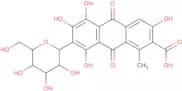
CAS:Cochineal is a natural dye that is extracted from the female cochineal insect. Cochineal is used in food and cosmetics, and as a red colorant in some pharmaceutical products. The carminic acid present in cochineal forms a stable complex with the anionic groups present in wool or silk, so it is not soluble in water. Cochineal has been shown to have genotoxic activity and can cause mutations at both the base-pairing level and at protein level. Cochineal has also been shown to be cytotoxic against human serum cells and disrupt mitochondrial membrane potential. Its optimum concentration for signal peptide detection by electrochemical impedance spectroscopy (EIS) was found to be 0.1 mM.Formula:C22H20O13Purity:Min. 95%Color and Shape:Red PowderMolecular weight:492.392,3,4,6-Tetra-O-benzoyl-1-deoxy-D-arabino-hex-1-enopyranose
CAS:2,3,4,6-Tetra-O-benzoyl-1-deoxy-D-arabino-hex-1-enopyranose is a glycosyl compound that has been synthesized by the elimination of trifluoride and alcohols. It is used as a starting material for the synthesis of other compounds. This compound can react with halides to form etherate or ester derivatives. 2,3,4,6-Tetra-O-benzoyl-1-deoxy-D-arabino hexane can also be reacted with boron trifluoride or boron trifluoride etherate to form eliminations.Formula:C34H26O9Purity:Min. 95%Molecular weight:578.57 g/mol3a,4b,3a-Galactotetraose
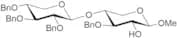
CAS:The acetolysis of carrageenan produces a polymer homologous series of oligosaccharides, [Gal α1,3 Gal, Gal β1,4 Gal], [Gal α1,3 Gal β1,4 Gal, Gal β14, Gal α1,3 Gal], [Gal α1,3 Gal β1,4 Gal α1,3 Gal, Gal β1,4Gal α1,3Gal β1,4Gal] etc. (Lawson, 1968). This is significant as it provides an entry to the α-gal series or Galili antigens due to the fact that the disaccharide Galα1,3 Gal can be isolated in quantity. The distribution of the full α-gal epitope (Galα1-3Galβ1-4GlcNAc-R) is unique in mammals, being abundantly expressed on glycoconjugates of non-primate mammals, prosimians and New World monkeys. In contrast, the α-gal epitope is not expressed on glycoconjugates of Old World monkeys, apes and humans; instead, they produce the natural anti-Gal antibody that specifically binds the α-epitope. Anti-Gal mediates the rejection of pig xenograft organs in humans and monkeys by binding α-gal epitopes on the pig cells, inducing complement mediated destruction and antibody dependent cell mediated destruction. This barrier to xenotransplantation has been eliminated by producing α1,3 glycosyltransferase to knockout pigs. Since anti-Gal is ubiquitous in humans, the α-gal epitope has clinical potential in the production of vaccines expressing α-epitopes that can be targeted to antigen presenting cells (APC), thereby increasing the immunogenicity of viral and other microbial vaccines (Macher, 2008).Formula:C24H42O21Purity:Min. 95 Area-%Color and Shape:White Off-White PowderMolecular weight:666.58 g/molMethyl 3-O-benzyl-4-O-(2,3,4-tri-O-benzyl-β-D-xylopyranosyl)-β-D-xylopyranoside
CAS:A protected xylobiose analogueFormula:C39H44O9Purity:Min. 95%Color and Shape:PowderMolecular weight:656.76 g/molO-(2,3,4,6-Tetra-O-benzyl-a-D-gal)-(1-4)-O-(2,3,6-tri-O-benzyl-b-D-gal)-(1-4)-2,3,6-tri-O-benzyl-D-glc
O-(2,3,4,6-Tetra-O-benzyl-a-D-gal)-(1-4)-O-(2,3,6-tri-O-benzyl-b-D-gal)-(1-4)-2,3,6-tri-O-benzyl D glucal is a modification of the Oligosaccharide carbohydrate. It is synthesized by custom synthesis and is high purity. The CAS number for this product is . The monosaccharide in this product is methylated and glycosylated. This product has fluorination and saccharide properties.Purity:Min. 95%(2-Hydroxyethyl)-β-cyclodextrin
CAS:This beta-cyclodextrin (β-CD) derivative is a functionalized cyclic oligosaccharide composed of seven glucose units, characterized by a hydrophilic exterior and a lipophilic cavity (bigger than α-CD and smaller than γ-CDs), which allows it to encapsulate various guest molecules. This structural feature facilitates its use in multiple applications, including pharmaceuticals, food enhancement, and cosmetics. In the pharmaceutical industry, it enhances the solubility and stability of poorly water-soluble drugs, improving their bioavailability and efficacy while also masking unpleasant tastes. The food sector utilizes it as a stabilizer for flavors, colors, and nutrients, extending shelf life by protecting sensitive ingredients from degradation. In cosmetics, it serves as a complexing agent for fragrances and active components, ensuring their stability and controlled release. Its use expands to many other fields, including nanotechnology for drug delivery systems, environmental remediation for extracting organic pollutants, textiles for slow-release fragrances, and analytical chemistry for chiral separation.
Color and Shape:Powder(4S,9R)-4-Benzyloxy-N-benzyloxycarbonyl-8-oxo-9-methoxy-octahydro-pyrano[4,3-b]pyrrole
The compound is a fluorinated, glycosylated, polysaccharide-linked, custom-synthesized and modified natural product. The compound is of high purity and has been shown to have a range of biological activities including: 1) Antibacterial activity against Gram (+) bacteria such as Staphylococcus aureus and Streptococcus pyogenes. 2) Anti-inflammatory activity in the carrageenan-induced paw edema model of inflammation in rats. 3) Antifungal activity against Candida albicans. 4) Inhibition of bacterial biofilm formation and cellular adhesion to surfaces. 5) Inhibition of HIV replication in vitro and inhibition of HIV integrase function in vitro. 6) Inhibition of TNF-α production by LPS activated macrophages. 7) Protection from phototoxicity induced by UVB irradiation in human skin cells. 8) Protection fromPurity:Min. 95%Galactan, from potato
CAS:A linear β-(1,4)-galactan from potato tubers. Other linear β-(1,4)-galactans have been isolated from lemon peel, potato tubers and Norwegian acacia gum.
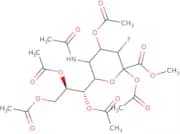
Color and Shape:White Powder2,4,7,8,9-Penta-O-acetyl-N-acetyl-3-fluoro-b-D-neuraminic acid methyl ester
CAS:Inhibitor of sialyltransferases
Formula:C36H54N18O24Purity:Min. 90 Area-%Color and Shape:White PowderMolecular weight:551.47 g/mol(2S,3R,4R,5S)-5-Acetylamino-3,4-dihydroxy-2-formylpiperidine
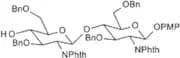
(2S,3R,4R,5S)-5-Acetylamino-3,4-dihydroxy-2-formylpiperidine is a custom synthesis that can be modified to meet your needs. It is a fluorinated complex carbohydrate and has been shown to have high purity. The modification process of this chemical is simple and can be done in either the lab or in the field. (2S,3R,4R,5S)-5-Acetylamino-3,4-dihydroxy-2-formylpiperidine is synthesized by methylation of 5-(acetylamino)piperidinone with diazomethane followed by protection of the amine group with an acetyl group. This chemical also has Oligosaccharide and Polysaccharide properties.Purity:Min. 95%4-Methoxyphenyl 4-O-(3,6-di-O-benzyl-2-deoxy-2-phthalimido-b-D-glucopyranosyl)-3,6-di-O-benzyl-2-deoxy-2-phthalimido-b-D-glucopyrano side
CAS:4-Methoxyphenyl 4-O-(3,6-di-O-benzyl-2-deoxy-2-phthalimido-b-D-glucopyranosyl)-3,6-di-O-benzyl-2-deoxy -2 -phthalimido -b -D -glucopyrano side is a custom synthesis of a complex carbohydrate. It has a CAS number of 140615‑82‑3 and can be found in glycosylations, carbohydrates, methylation, sugar, fluorination. It is high purity with a lot of modifications.Formula:C63H58N2O14Purity:Min. 95%Molecular weight:1,067.14 g/molMethyl 2-O-(a-D-galactopyranosyl)-b-D-galactopyranoside
Methyl 2-O-(a-D-galactopyranosyl)-b-D-galactopyranoside is a custom synthesis that is fluorinated at the 2 position. It is an oligosaccharide, polysaccharide, and carbohydrate. The product has been modified with the Click modification and has high purity. It is also a monosaccharide sugar or synthetic sugar. Methyl 2-O-(a-D-galactopyranosyl)-b-D-galactopyranoside can be used in complex carbohydrates and fluorination reactions.Formula:C13H24O11Purity:Min. 95%Molecular weight:356.32 g/mol(2-Carboxyethyl)-b-cyclodextrin sodium
This beta-cyclodextrin (β-CD) derivative is a functionalized cyclic oligosaccharide composed of seven glucose units, characterized by a hydrophilic exterior and a lipophilic cavity (bigger than α-CD and smaller than γ-CDs), which allows it to encapsulate various guest molecules. This structural feature facilitates its use in multiple applications, including pharmaceuticals, food enhancement, and cosmetics. In the pharmaceutical industry, it enhances the solubility and stability of poorly water-soluble drugs, improving their bioavailability and efficacy while also masking unpleasant tastes. The food sector utilizes it as a stabilizer for flavors, colors, and nutrients, extending shelf life by protecting sensitive ingredients from degradation. In cosmetics, it serves as a complexing agent for fragrances and active components, ensuring their stability and controlled release. Its use expands to many other fields, including nanotechnology for drug delivery systems, environmental remediation for extracting organic pollutants, textiles for slow-release fragrances, and analytical chemistry for chiral separation.
Formula:C42H70nO35•(C3H4O2Na)nPurity:Min. 95%Color and Shape:White to pale yellowsolid.Molecular weight:1,135 g/molN-Acetyl-D-mannosamine - low endotoxin grade
CAS:Please enquire for more information about N-Acetyl-D-mannosamine - low endotoxin grade including the price, delivery time and more detailed product information at the technical inquiry form on this pageFormula:C8H15NO6Molecular weight:221.21 g/molDextran 70 - MW 64,000 to 76,000
CAS:Dextran is α-(1,6)-linked α-D-glucan with α-(1,3)-linked glucose branch points produced by fermentation of Leuconostoc mesenteroides via the action of the enzyme dextransucrase on sucrose. The main use for native dextran is as an extender in blood transfusions and products having a range of sharp cut-off molecular weights are produced commercially for this and other applications. A complex of Iiron with dextran, known as iron dextran, is used as a source of iron for baby piglets which are often anaemic at birth.Color and Shape:White Off-White Powderβ-Cyclodextrin polymer crosslinked with epichlorohydrin
β-Cyclodextrin polymer crosslinked with epichlorohydrin (β-CD-EP) is a high molecular weight, water-insoluble compound that combines the advantageous properties of cyclodextrins and polymers. It is synthesized by crosslinking β-cyclodextrin molecules with epichlorohydrin (either the R- or S-isomer, although is normally a racemic mixture) under strongly alkaline conditions. This material retains the host-guest complex formation ability of cyclodextrins while offering enhanced stability and physicochemical properties. In pharmaceuticals, β-CD-EP serves as an effective drug carrier, improving the solubility and bioavailability of poorly water-soluble drugs, masking unpleasant tastes, and enabling controlled release of active ingredients. Its insoluble nature makes it particularly useful in environmental applications for removing organic pollutants and heavy metals from water. In analytical chemistry, β-CD-EP is employed for the extraction and concentration of target substances, such as mycotoxins from beverages. The polymer's unique structure, featuring a dense, hydrophobic cross-linked core and a more hydrophilic surface, contributes to its dual adsorption mechanism through the inclusion of complex formation and physical adsorption. Recent advancements have led to β-CD-EP variants with ionic functional groups, expanding its potential in water treatment and pharmaceutical formulations.Color and Shape:PowderMannan (ex Saccharomyces cerevisiae)
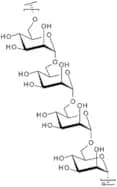
CAS:The main cell-wall components of baker’s yeast (Saccharomyces cerevisiae) as well as β-glucan are mannans with an α-1,6 mannose backbone and α-1,2 and α-1,3 mannose branches.
The image was kindly provided by Dr. Chris Lawson.Color and Shape:White Slightly Brown PowderDermatan sulphate sodium salt,average MW 92000
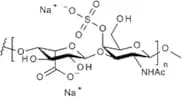
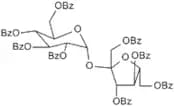
CAS:Dermatan sulphate is a glycosaminoglycan found in skin, blood vessels, heart valves, tendons, aorta, spleen and brain and is usually isolated from pig skin or beef lung tissue. The disaccharide repeat unit is composed of L-iduronic acid and N-acetyl-galactosamine-4-sulphate linked β-(1,3) and β-(1,4). There are also small amounts of D-glucuronic acid.Color and Shape:PowderSucrose octabenzoate - Mixture of benzoylated sucrose isomers
CAS:Sucrose octabenzoate is a practically colorless, odorless, transparent, glass-like material which is compatible with a number of synthetic resins, such as polyvinyl chloride, vinyl chloride-vinyl acetate copolymer, polyvinyl acetate and cellulose acetate. Sucrose octabenzoate improves the hardness and gloss of these products and has also been found to be useful as a component of inks, adhesives, coatings and plastic objects.Formula:C68H54O19Purity:Min. 95%Color and Shape:White PowderMolecular weight:1,175.14 g/mol2,3,6,2',3',6',2'',3'',4'',6''-Deca-O-acetyl-a-D-cellotriosyl bromide
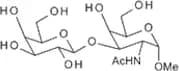
2,3,6,2',3',6',2'',3'',4'',6''-Deca-O-acetyl-a-D-cellotriosyl bromide is a glycosylation reagent that can be used in the synthesis of polysaccharides and oligosaccharides. It contains a reactive functional group at the 2 position and a reactive functional group at the 3 position. This product can be custom synthesized to meet your needs. It has been shown to react with various saccharide units, including methylated sugars such as cellobiose and erythrose. The purity of this compound is >99%.Purity:Min. 95%Methyl 2-acetamido-2-deoxy-3-O-(b-D-galactopyranosyl)-a-D-galactopyranoside
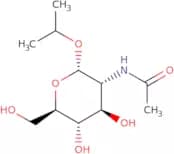
CAS:Methyl 2-acetamido-2-deoxy-3-O-(b-D-galactopyranosyl)-a-D-galactopyranoside is a lectin that binds to the terminal galactose of b-D-galactopyranosides. It has been shown to be a potent inhibitor of cellular death and is able to bind to the surface of cells, preventing their destruction by the immune system or other natural factors. The binding site for MGA is found on cell membranes, and it can also act as an antiinflammatory agent. MGA has also been shown to inhibit interactions between proteins, which may lead to changes in protein synthesis and regulation. Lectins are proteins that bind to specific carbohydrates on the surfaces of cells. They are part of a group called glycoproteins and are often used as probes in techniques such as lectin histochemistry and immunohistochemistry.Formula:C15H27NO11Purity:Min. 98 Area-%Color and Shape:White PowderMolecular weight:397.38 g/molIsopropyl 2-acetamido-2-deoxy-α-D-glucopyranoside
CAS:Isopropyl 2-acetamido-2-deoxy-α-D-glucopyranoside is a modification of an oligosaccharide. It has been synthesized and characterized by NMR spectroscopy. This carbohydrate is custom synthesized as a complex carbohydrate. It is also a synthetic carbohydrate. Isopropyl 2-acetamido-2-deoxy-α-D-glucopyranoside is used as a monosaccharide, in glycosylation, methylation, polysaccharides, and other sugar chemistry reactions. Isopropyl 2-acetamido-2-deoxy-α-D-glucopyranoside can be used for fluorination or saccharides.
Formula:C11H21NO6Purity:Min. 95%Color and Shape:PowderMolecular weight:263.29 g/molCarboxymethyl-gamma-cyclodextrin sodium salt
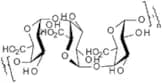
This gamma-cyclodextrin (γ-CD) derivative is a modified cyclic oligosaccharide composed of eight glucose units, featuring a larger cavity size than α- and β-cyclodextrins. This structural characteristic allows γ-CDs to form inclusion complexes with a wider range of guest molecules, making it particularly versatile in various industries. In the food sector, it is used as a carrier and stabilizer for flavors, fat-soluble vitamins, and polyunsaturated fatty acids, protecting volatile compounds from evaporation. In pharmaceuticals, it enhances the solubility and bioavailability of poorly water-soluble drugs and, thanks to its larger ring size, allows for the encapsulation of larger molecules or even entire drug molecules. γ-CDs and derivatives are also used for environmental remediation and, in analytical chemistry, for the extraction and concentration of target substances.Formula:C54H86O46·xNaPurity:Min. 95%Color and Shape:PowderMolecular weight:1,471.23 g/molCarboxymethyl cellulose sodium - Viscosity 1400 - 2000cps
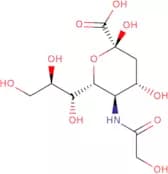
CAS:Food additive; soil suspension polymer in detergents; thickening agentFormula:(C6H7O2(OH)k(OCH2COONa)m)nPurity:Min. 95%Color and Shape:White PowderMolecular weight:PolymerN-Glycolylneuraminic acid
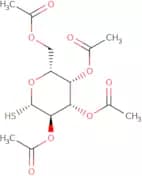
CAS:Regulates N-glycolylneuraminic acid biosynthesis in murine liverFormula:C11H19NO10Purity:Min. 95 Area-%Color and Shape:White Off-White PowderMolecular weight:325.27 g/mol2,3,4,6-Tetra-O-acetyl-b-D-thiogalactopyranose
CAS:2,3,4,6-Tetra-O-acetyl-b-D-thiogalactopyranose is a synthetic sugar that is prepared by the fluorination of D-galactopyranose and subsequent acetylation. This compound can be used for glycosylation reactions and as a substrate for click chemistry. It is an oligosaccharide with four monosaccharides in its backbone. The CAS number of 2,3,4,6-Tetra-O-acetyl-b-D-thiogalactopyranose is 50615-66-2.Formula:C14H20O9SPurity:Min. 95%Color and Shape:PowderMolecular weight:364.37 g/molε-Cyclodextrin
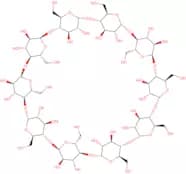
CAS:Epsilon-cyclodextrin (ε-CD) consists of 10 glucose units. Its larger cavity size offers potential for encapsulating larger guest molecules or forming more complex inclusion compounds.
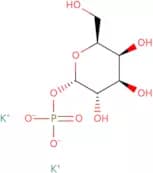
Formula:C60H100O50Purity:Min. 95%Molecular weight:1,621.41 g/mola-L-Galactose-1-phosphate dipotassium salt
CAS:a-L-Galactose-1-phosphate dipotassium salt is an oligosaccharide that can be prepared by the methylation of a galactose molecule. It is a synthetic compound that has been shown to have antiviral properties. The modification of the sugar structure with fluorine atoms increases the stability of the molecule and prevents its degradation. This product is soluble in water and can be used as a pharmaceutical intermediate for other compounds.Formula:C6H11K2O9PPurity:Min. 95%Color and Shape:PowderMolecular weight:336.33 g/mol6-Deoxy-D-psicose
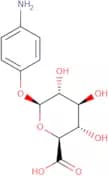
6-Deoxy-D-psicose is a sugar molecule that is made up of six carbon atoms. It is one of the two possible epimers of D-psicose, and it can be used as an alkaline equilibrating agent for the conversion of D-fructose to 1-deoxy-D-fructose. 6-Deoxy-D-psicose can also be used as a substrate in reactions with other sugars to form new compounds. 6DPSC can be transformed into rhamnose by heating it at 100°C in alkaline solution, or into l-rhamnose by heating it at 120°C in alkaline solution. The transformation process converts 6DPSC into its epimer, which is stable at high temperatures without decomposing. 6DPSC has been shown to have efficient properties for use in research and for the production of various substances.Purity:Min. 95%4-Aminophenyl β-D-glucuronide sodium
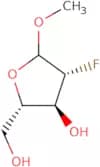
CAS:4-Aminophenyl β-D-Glucuronide can be used to analyse acetaminophen and other metabolites in plasma.Formula:C12H14NO7•NaPurity:Min. 95%Color and Shape:PowderMolecular weight:307.23 g/molMethyl 2-deoxy-2-fluoro-L-arabinofuranoside
CAS:Methyl 2-deoxy-2-fluoro-L-arabinofuranoside is a synthetic monosaccharide that can be used as a building block for the synthesis of oligosaccharides and polysaccharides. It has been shown to have high purity, and it can be custom synthesized. Methyl 2-deoxy-2-fluoro-L-arabinofuranoside is an excellent source of fluorine atoms, which are commonly used in glycosylation reactions. This product is also useful for click chemistry reactions with methyl groups, as well as other modifications such as oxidation, reduction, esterification, and acetylation.Formula:C6H11FO4Purity:Min. 95%Color and Shape:PowderMolecular weight:166.15 g/molD-Allose-6-phosphate disodium
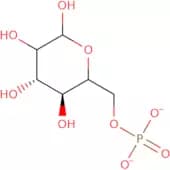
CAS:D-Allose-6-phosphate disodium is a fluorinated sugar that is used in the synthesis of oligosaccharides and polysaccharides. It can be modified by methylation, fluorination, or click chemistry. This product has been custom synthesized to produce high purity and high quality.Formula:C6H11O9PNa2Purity:Min. 95%Color and Shape:White Off-White PowderMolecular weight:304.1 g/mol2,3,4-Tri-O-acetyl-1-O-azido-1-deoxy-b-D-arabinopyranoside
CAS:2,3,4-Tri-O-acetyl-1-O-azido-1-deoxy-b-D-arabinopyranoside is a methylated sugar that can be used to modify oligosaccharides. It has an acetyl functional group on the 2' position of the ribose moiety. This product is a white crystalline powder and it is soluble in water and methanol.Formula:C11H15N3O7Purity:Min. 95%Molecular weight:301.25 g/mol3-O-Benzyl-2-deoxy-D-arabinopyranose
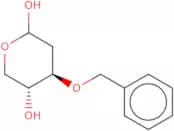
3-O-Benzyl-2-deoxy-D-arabinopyranose is a modified sugar that can be used in the synthesis of oligosaccharides. It is a white powder that has a purity level of more than 99%. The CAS number for 3-O-Benzyl-2-deoxy-D-arabinopyranose is 52397-07-8. This product can be custom synthesized to meet your specific needs. It can also be methylated, glycosylated, or modified with a click chemistry reaction.
Formula:C12H16O4Purity:Min. 95%Molecular weight:224.25 g/mol4-Methoxyphenyl 2,4,6-tri-O-acetyl-b-D-galactopyranoside
CAS:4-Methoxyphenyl 2,4,6-tri-O-acetyl-b-D-galactopyranoside is a synthetic carbohydrate that can be modified to meet your requirements. It is also known as Glycosylation, Oligosaccharide, sugar, Synthetic, Fluorination, Custom synthesis, Methylation, CAS No. 383905-62-2 and Monosaccharide Polysaccharide Saccharide. This product has been Click modification and complex carbohydrate. We offer this product at high purity and with modification.Formula:C19H24O10Purity:Min. 95%Molecular weight:412.39 g/molLacto-N-fucopentaose III
CAS:Neutral pentasaccharide naturally present in human breast milk
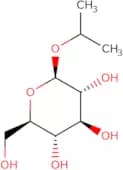
Formula:C32H55NO25Purity:Min. 95%Color and Shape:White PowderMolecular weight:853.77 g/molIsopropyl beta-D-glucopyranoside
CAS:Isopropylbeta-D-glucopyranoside is a chemical compound that has been studied for its antibacterial activity. It has been shown to inhibit the growth of bacteria by reacting with fatty acids in the cell membrane, which leads to the disruption of the cell membrane and death. Isopropylbeta-D-glucopyranoside is a member of the sugar alcohols class, and it can be synthesized from glucose, fatty acid, and hydrochloric acid using an acid catalyst. The reaction system is typically carried out in microcapsules.
Formula:C9H18O6Purity:Min. 95%Color and Shape:PowderMolecular weight:222.24 g/mol(3S, 4R) - 2- [(1S) - 1, 2- Dihydroxyethyl] - 3, 4- pyrrolidinediol
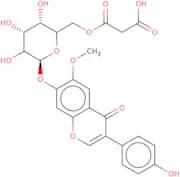
(3S, 4R) - 2- [(1S) - 1, 2- Dihydroxyethyl] - 3, 4- pyrrolidinediol is a Custom synthesis of an Oligosaccharide. It is a Polysaccharide and Modification of a saccharide with Methylation and Glycosylation. This Carbohydrate has been Fluorinated and Synthetically created to be High purity.Purity:Min. 95%6-O-Malonylglycitin
CAS:6-O-Malonylglycitin is a glycosylated flavonoid that belongs to the group of isoflavones. It is found in a variety of plants, including soybeans and fava beans. 6-O-Malonylglycitin has been shown to be an effective inhibitor of β-glucosidase activity at temperatures below 37°C, which overlaps with the range of temperatures where it inhibits glycitein production. This inhibition may be due to its pleiotropic effects on various treatments, such as its ability to inhibit cancer cell growth by inhibiting protein synthesis and inducing apoptosis. 6-O-Malonylglycitin also has synergistic effects when used concomitantly with chromatographic markers, such as high performance liquid chromatography (HPLC), which can be used to analyze the levels of endogenous compounds in human blood samples.Formula:C25H24O13Purity:Min. 95%Color and Shape:PowderMolecular weight:532.45 g/mol(5R, 6R, 7S, 8R) -5, 6, 7, 8-Tetrahydro- 5- methyl- tetrazolo[1, 5- a] pyridine- 6, 7, 8- triol
CAS:Tetrahydro-5-methyl-tetrazolo[1,5-a]pyridine-6,7,8-triol is an organic compound that has been synthesized from a sugar. Tetrahydro-5-methyl-tetrazolo[1,5-a]pyridine-6,7,8-triol is soluble in water and formic acid. It is used as a synthetic intermediate for the production of oligosaccharides and saccharides. Tetrahydro-5-methyl-tetrazolo[1,5-a]pyridine-6,7,8-triol can be used to produce glycosylation or methylation in the laboratory. It is also used as a chemical reagent in complex carbohydrate synthesis.Formula:C6H10N4O3Purity:Min. 95%Molecular weight:186.17 g/mol1-(Piperidine-2,6-dione-4-yl) - 4-([2-nitro] phenyl)-3- buten- 2- one
Piperidine-2,6-dione-4-yl) - 4-[2-nitrophenyl]-3-buten-2-one is a custom synthesis of a high purity, methylated, glycosylated, and click modified carbohydrate. It is an oligosaccharide with a complex structure that includes saccharide units linked by glycosidic bonds. The saccharide units are made up of monosaccharides that are modified with fluorine atoms. This product is available through Custom Synthesis and can be ordered in bulk quantities.Purity:Min. 95%(+)-Lyoniresinol-3a-O-(6''-3-methoxy-4-hydroxybenzoyl)-b-D-glucopyranoside
The compound is a synthetic, complex carbohydrate composed of glucose and methyl-D-glucoside units. It can be custom synthesized to meet your specifications.Purity:Min. 95%(2S, 3S, 4R) -2- ((Diphenylmethyloxy)methyl) -3,4,-O-isopropylidene- 3, 4- pyrrolidinediol
(2S, 3S, 4R) -2- ((Diphenylmethyloxy)methyl) -3,4,-O-isopropylidene- 3, 4- pyrrolidinediol is a custom synthesis at high purity. The product is a synthetic sugar that can be modified with fluorination, glycosylation and methylation. This product has CAS No. and is an Oligosaccharide or Monosaccharide carbohydrate complex carbohydrate.Purity:Min. 95%Xanthan gum
CAS:Xanthan gum is a polysaccharide produced by the Gram negative bacteria Xanthomonas campestris. It has unique rheological and gel forming properties and finds many applications particularly in the food and oil industries. Recently, it has been shown that ternary mixtures of konjac glucomannan, xanthan gum and sodium alginate can form a non-covalently linked complex which exhibits enhanced rheological properties of value in, for example, functional foods. The structure of xanthan is based on a cellulosic backbone of β-(1,4)-linked glucose units which have a trisaccharide side chain of mannose-glucuronic acid-mannose linked to every second glucose unit in the main chain. Some terminal mannose units are pyruvylated and some of the inner mannose units are acetylated.
Purity:Min. 95%Color and Shape:Powder1,2,3,4-Tetra-O-acetyl-6-O-triisopropylsilyl-b-D-glucopyranose
1,2,3,4-Tetra-O-acetyl-6-O-triisopropylsilyl-b-D-glucopyranose is a carbohydrate molecule that can be synthesized to order. It is a synthetic compound that can be fluorinated and glycosylated. This product is a key intermediate for the synthesis of oligosaccharides and monosaccharides. 1,2,3,4-Tetra-O-acetyl-6-O-triisopropylsilyl-b-D glucopyranose has CAS No. 61453–07–5 and molecular weight of 496.07 g/mol.Formula:C23H40O10SiPurity:Min. 95%Molecular weight:504.64 g/molk-Carradiitol sulfate sodium salt
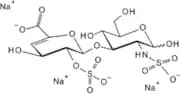
k-carrageenan derived disaccharide alcohol sulfateFormula:C12H21O13S1NaPurity:Min. 95%Molecular weight:428.34 g/molHeparin disaccharide III-S trisodium salt
CAS:Heparin disaccharide III-S trisodium salt is a synthetic and custom-synthesized drug with high purity. It is a complex carbohydrate with a molecular weight of 597.1 g/mol, an Oligosaccharide with a molecular weight of 1,008.3 g/mol, and a Glycosylation with a molecular weight of 1,069.4 g/mol. Heparin disaccharide III-S trisodium salt has been modified by the addition of fluorine atoms to create an active form that is highly reactive to electrophilic groups on proteins or nucleic acids. It can be used for Click modification or methylation reactions to modify proteins or DNA molecules in order to study protein-protein interactions or protein conformational changes in response to external stimuli.Formula:C12H16NO16S2·3NaPurity:Min. 95 Area-%Color and Shape:White Yellow PowderMolecular weight:563.35 g/molErlose
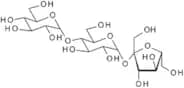
CAS:Erlose is a trisaccharide (b-D-fructofuranosyl-a-D-glucopyranosyl-(1,4)-a-D-glucopyranoside) found in royal jelly and honeys. Erlose has the same sweetening power as sucrose but is less cariogenic.Formula:C18H32O16Purity:Min. 95 Area-%Color and Shape:White PowderMolecular weight:504.44 g/molFluorescein-b-cyclodextrin
This beta-cyclodextrin (β-CD) derivative is a functionalized cyclic oligosaccharide composed of seven glucose units, characterized by a hydrophilic exterior and a lipophilic cavity (bigger than α-CD and smaller than γ-CDs), which allows it to encapsulate various guest molecules. This structural feature facilitates its use in multiple applications, including pharmaceuticals, food enhancement, and cosmetics. In the pharmaceutical industry, it enhances the solubility and stability of poorly water-soluble drugs, improving their bioavailability and efficacy while also masking unpleasant tastes. The food sector utilizes it as a stabilizer for flavors, colors, and nutrients, extending shelf life by protecting sensitive ingredients from degradation. In cosmetics, it serves as a complexing agent for fragrances and active components, ensuring their stability and controlled release. Its use expands to many other fields, including nanotechnology for drug delivery systems, environmental remediation for extracting organic pollutants, textiles for slow-release fragrances, and analytical chemistry for chiral separation.
Formula:C42H71nNO34•(C21N12NO5S)nPurity:Min. 95%Color and Shape:PowderPropranolol D-glucuronide D6
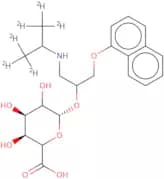
Controlled ProductPropranolol D-glucuronide D6 is a synthetic, fluorinated, saccharide that is a modification of propranolol. It has high purity and can be custom synthesized to meet specific requirements. Propranolol D-glucuronide D6 has been shown to inhibit the growth of bacteria by binding to the 50S ribosomal subunit. It is used in veterinary medicine to treat respiratory infections caused by Clostridium perfringens and other bacteria. The drug also has a toxic effect on respiratory system cells, which may be due to its ability to induce apoptosis.
Formula:C22H23NO8D6Purity:Min. 95%Molecular weight:441.5 g/mol6-Mono-tert-butyldimethylsilyl-a-cyclodextrin
CAS:Alpha-cyclodextrin (α-CD) derivative with a hydrophilic exterior and lipophilic cavity (smaller than β-CDs and γ-CDs) to allocate certain guest molecules. This structural characteristic enables applications in molecular encapsulation, solubility enhancement, and stabilization across multiple industries. In pharmaceuticals, it serves as a drug delivery vehicle, enhancing the bioavailability and stability of active ingredients. The food industry utilizes it as a stabilizer for flavors, colors, and nutrients, as well as a functional ingredient for its effects on lipid metabolism. In cosmetics, it acts as a complex agent for fragrances and active components. Its applications extend to analytical chemistry for chiral separation and to materials science for developing smart materials and nanosystems.Formula:C42H74O30SiPurity:Min. 95%Molecular weight:1,087.1 g/molSialyllacto-N-fucopentaose I
Sialyllacto-N-fucopentaose I is a high purity, custom synthesis, fluorinated carbohydrate that has been modified by methylation and click chemistry. This oligosaccharide is composed of a saccharide with a molecular weight of 908.5 g/mol and an enantiomeric purity of 99%. Sialyllacto-N-fucopentaose I is an Oligosaccharide with a CAS number of 61497-04-8. It is used in the synthesis of polysaccharides or as a monosaccharide or sugar substitute to produce high purity products.
Formula:C43H72N2O33Purity:Min. 95%Molecular weight:1,145.03 g/mol2,3-di-O-methyl-6-O-tert-butyldimethylsilyl-γ-cyclodextrin
This gamma-cyclodextrin (γ-CD) derivative is a modified cyclic oligosaccharide composed of eight glucose units, featuring a larger cavity size than α- and β-cyclodextrins. This structural characteristic allows γ-CDs to form inclusion complexes with a wider range of guest molecules, making it particularly versatile in various industries. In the food sector, it is used as a carrier and stabilizer for flavors, fat-soluble vitamins, and polyunsaturated fatty acids, protecting volatile compounds from evaporation. In pharmaceuticals, it enhances the solubility and bioavailability of poorly water-soluble drugs and, thanks to its larger ring size, allows for the encapsulation of larger molecules or even entire drug molecules. γ-CDs and derivatives are also used for environmental remediation and, in analytical chemistry, for the extraction and concentration of target substances.Formula:C112H224O40SI8Purity:Min. 95%Molecular weight:3,258.25 g/molKifunensine
CAS:Kifunensine is a potent and specific inhibitor of plant and animal α-mannosidase I with IC50 in nanomolar range. It inhibits the enzyme isoforms in Golgi apparatus (GMI) and endoplasmatic reticulum (ERMI). The compound prevents mannose trimming on glycoproteins and shifts the glycoform content from complex to oligomannose type. It's used for the production of recombinant therapeutic glycoproteins with mannose rich N-linked glycans.Formula:C8H12N2O6Purity:Min. 99 Area-%Color and Shape:PowderMolecular weight:232.19 g/molD-Galactose non-animal origin
CAS:D-Galactose is a monosaccharide that is found in the cells of plants and animals. It can be synthesized from D-glucose by adding a D-galactose molecule to the alpha carbon of an existing glucose molecule. The resulting bond is called a glycosidic linkage. This process is called glycosylation. Glycosylation occurs when a sugar molecule reacts with another molecule, such as an amino acid, lipid, or nucleotide, to form what is known as a glycoside linkage. In this case, the sugar is D-galactose and the other molecules are either amino acids or lipids. The reaction between D-galactose and other molecules often results in polysaccharides and complex carbohydrates such as cellulose, chitin, and glycogen.
Methylation of D-galactose can produce methyl galactoside (CAS No. 1881-42-7), whichFormula:C6H12O6Purity:Min. 98 Area-%Molecular weight:180.16 g/mol2-Deoxy-D-glucose
CAS:Glycolytic inhibitor; pro-apoptotic; anti-cancer agent
Formula:C6H12O5Purity:Min. 98 Area-%Color and Shape:White Off-White PowderMolecular weight:164.16 g/mol4-Aminobutyl 6-O-(a-D-mannopyranosyl)-a-D-mannopyranoside
4-Aminobutyl 6-O-(a-D-mannopyranosyl)-a-D-mannopyranoside is a synthetic saccharide that can be used as a substituent in the synthesis of complex carbohydrates. It is an aminobutyric acid methyl ester derivative of D-mannose with a pyranose ring. 4-Aminobutyl 6-O-(a-D-mannopyranosyl)-a-D-mannopyranoside has been shown to react with acetic anhydride and diazomethane to yield methylated derivatives of D-glucal, D-sorbitol, and DMPG. It is also used for the synthesis of oligosaccharides, glycosylations, and fluorinations.Purity:Min. 95%Calcium lactobionate dihydrate
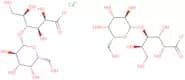
CAS:Food additive; stabilizerFormula:C12H22O12•Ca0•H2OPurity:Min. 96.0%Color and Shape:White PowderMolecular weight:754.66 g/mol6-Deoxy-D-lactosylamine
6-Deoxy-D-lactosylamine (6DLA) is a carbohydrate that belongs to the group of oligosaccharides. It is an N-substituted glycosylated sugar with a methyl ester at the 6 position. The chemical name for 6DLA is 6-deoxy-N,N′,N″-(2,3,4,6-tetra-O-acetyl)-β--galactopyranosyl-(1→4)-β--glucopyranoside and it has CAS number 59225-12-5. This product can be custom synthesized and offers high purity. It can also be modified in different ways to create new products such as fluorination or methylation.Purity:Min. 95%Isosaccharinic acid-1,4-lactone
CAS:Isosaccharinic acid-1,4-lactone is an organic compound that is found in human urine. It has been shown that the concentration of this compound can be used as a marker for renal health. The hydrated form of isosaccharinic acid-1,4-lactone can be prepared by heating with acetic anhydride, and it has been shown to have potential applications as a buffer in diagnostic tests for human serum or as a stabilizer for x-ray structures. The 1H NMR spectrum of isosaccharinic acid-1,4-lactone reveals two distinct signals at 1.6 and 2.0 ppm, which are assigned to the two isomers of this compound. The second order rate constant was measured to be 0.025 s−1 at pH 7 and 22 °C using acetate extract from human urine. This technique was also applied to measure rates constant for other organic acids such as formic acidFormula:C6H10O5Purity:Min. 98 Area-%Color and Shape:White PowderMolecular weight:162.14 g/molGT1b-Oligosaccharide
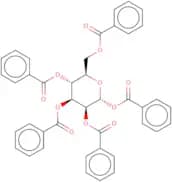
CAS:GT1b oligosaccharide (sodium salt) has a core tetrasaccharide structure (Galβ1,3GalNAcβ1,4Galβ1,4Glc) with two sialic acids (NeuAc) linked α2,3/α2,8 to the inner galactose residue, and sialic acid (NeuAc) linked α2,3 to the terminal galactose residue (Ledeen, 2009). The GT1b ganglioside is one of the major gangliosides in neuronal and glial membranes; it interacts with myelin-associated glycoprotein (MAG) and is essential for long-term axon-myelin stability. GT1b ganglioside also acts as receptor for bacterial toxins, such as, tetanus and botulinum toxins (Nishiki, 1996), as well as for viruses. A few examples of which include: Merkel cell polyomavirus, JC virus, BK virus, norovirus and others (Low, 2006).Formula:C59H96N4O45Purity:(%) Min. 98%Color and Shape:PowderMolecular weight:1,581.39 g/mol1,2,3,4,6-Penta-O-benzoyl-α-D-mannopyranose
CAS:1,2,3,4,6-Penta-O-benzoyl-alpha-D-mannopyranose is a monosaccharide that can be synthesized by modification of the corresponding mannose. This sugar has been shown to form a complex carbohydrate with an oligosaccharide or saccharide. It can also be used in click chemistry as a linker between two amino acids or peptides. The chemical name for 1,2,3,4,6-Penta-O-benzoyl-alpha-D-mannopyranose is 1,2:3,4:6:1′′′′′′′″:5′″:8:1″″″″″″"’5″'8″1 (2R)-2-(3'-chloroacetyl)pentaerythritol 2,4'-diyl dianhydride.Formula:C41H32O11Molecular weight:700.69 g/mol

![N-Acetylneuraminyl-(a2-3)-D-galactopyranosyl-(b1-3)-[N-acetylneuraminyl-(a2-6)]-D-N-acetylgalactos…](/_next/image/?url=https%3A%2Fstatic.cymitquimica.com%2Fproducts%2F3D%2Fthumb-webp%2FOA15250.webp&w=3840&q=75)


![N- [(3R, 4R, 5R) - 1- Butyl- 4- hydroxy- 5- (hydroxymethyl) - 3- pyrrolidinyl] -acetamide](/_next/image/?url=https%3A%2Fstatic.cymitquimica.com%2Fproducts%2F3D%2Fthumb-webp%2FMB163547.webp&w=3840&q=75)






![(5R, 6R, 7R, 8S) -5, 7-Dihydroxy- 8- (hydroxymethyl) - 1- azabicyclo[4.2.0] octan- 2- one](/_next/image/?url=https%3A%2Fstatic.cymitquimica.com%2Fproducts%2F3D%2Fthumb-webp%2FMD163385.webp&w=3840&q=75)








![(4S,9R)-4-Benzyloxy-N-benzyloxycarbonyl-8-oxo-9-methoxy-octahydro-pyrano[4,3-b]pyrrole](/_next/image/?url=https%3A%2Fstatic.cymitquimica.com%2Fproducts%2F3D%2Fthumb-webp%2FMB164009.webp&w=3840&q=75)








![(3S, 4R) - 2- [(1S) - 1, 2- Dihydroxyethyl] - 3, 4- pyrrolidinediol](/_next/image/?url=https%3A%2Fstatic.cymitquimica.com%2Fproducts%2F3D%2Fthumb-webp%2FMD163525.webp&w=3840&q=75)
![(5R, 6R, 7S, 8R) -5, 6, 7, 8-Tetrahydro- 5- methyl- tetrazolo[1, 5- a] pyridine- 6, 7, 8- triol](/_next/image/?url=https%3A%2Fstatic.cymitquimica.com%2Fproducts%2F3D%2Fthumb-webp%2FMT163943.webp&w=3840&q=75)
![1-(Piperidine-2,6-dione-4-yl) - 4-([2-nitro] phenyl)-3- buten- 2- one](/_next/image/?url=https%3A%2Fstatic.cymitquimica.com%2Fproducts%2F3D%2Fthumb-webp%2FMP170734.webp&w=3840&q=75)