


Glycoscience
Glycoscience is the study of carbohydrates and their derivatives, as well as the interactions and biological functions they participate in. This field of research is crucial for understanding a wide variety of biological processes, including cell recognition, signaling, immune response, and disease development. Glycoscience has important applications in biotechnology, medicine, and the development of new drugs and therapies. At CymitQuimica, we offer a wide selection of high-quality, high-purity products for glycoscience research. Our catalog includes monosaccharides, oligosaccharides, polysaccharides, glycoconjugates, and specific reagents, designed to support researchers in their studies on the structure, function, and applications of carbohydrates in biological systems. These resources are intended to facilitate scientific discoveries and practical applications in various areas of bioscience and medicine.
Subcategories of "Glycoscience"
- Aminosugars(108 products)
- Glyco-Related Antibodies(282 products)
- Glycolipids(46 products)
- Glycosaminoglycans (GAGs)(55 products)
- Glycosides(419 products)
- Monosaccharides(6,622 products)
- Oligosaccharides(3,682 products)
- Polysaccharides(503 products)
Found 11041 products of "Glycoscience"
Sort by
Purity (%)
0
100
|
0
|
50
|
90
|
95
|
100
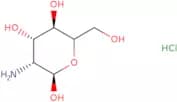
idoBR1 HCl salt
CAS:<p>Important bioactive principle in established anti-inflammatory herbal medicines</p>Formula:C6H11NO5·HClPurity:Min. 95 Area-%Color and Shape:White PowderMolecular weight:213.62 g/molb-D-Thioglucose sodium salt
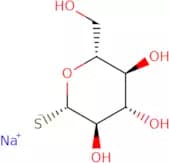
CAS:<p>Keratin-reducing component in cosmetic applications; used in Glc conjugation</p>Formula:C6H11NaO5SPurity:Min. 95%Color and Shape:White PowderMolecular weight:218.2 g/mol3-Amino-3-deoxy-D-mannose HCl
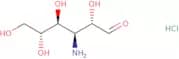
CAS:<p>3-Amino-3-deoxy-D-mannose HCl is a synthetic, fluorinated monosaccharide. It is a complex carbohydrate that can be found in glycosylations and polysaccharides. 3-Amino-3-deoxy-D-mannose HCl is synthesized through the use of Click chemistry and methylation methods. 3-Amino-3-deoxy-D-mannose HCl is used as a sugar modification for glycoconjugates and proteins, which are natural substances made up of sugars. This product has been purified to high purity standards and can be used in a variety of applications, including pharmaceuticals, biotechnology, diagnostics, and cell biology.</p>Formula:C6H13NO5·HClPurity:Min. 95%Color and Shape:PowderMolecular weight:215.63 g/molSalicylic acid-acyl-b-D-glucuronide
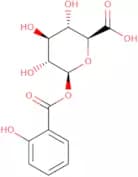
CAS:<p>Salicylic acid-acyl-b-D-glucuronide is an anti-inflammatory compound that is found in the urine of diabetic patients. It has been shown to inhibit the production of a number of proinflammatory compounds, including prostaglandin E2 (PGE2), in human serum. Salicylic acid-acyl-b-D-glucuronide is formed by the reaction of salicylic acid with acetylsalicylic acid. The rate of formation is dependent on the concentration of salicylic acid and pH. The reactive product can form covalent adducts with tyrosinase and other proteins, leading to inhibition of tyrosinase activity and melanin synthesis.</p>Formula:C13H14O9Purity:Min. 95%Color and Shape:White PowderMolecular weight:314.24 g/molBenzyl 4-O-(β-D-galactopyranosyl)-β-D-glucopyranoside
CAS:<p>Benzyl 4-O-(b-D-galactopyranosyl)-b-D-glucopyranoside is a Glycosylation product that is custom synthesized to order. It is an oligosaccharide, which is synthesized by the modification of monosaccharides with other saccharides. This product has been fluorinated and acetylated at its C4 position and methylated at its C6 position. This compound has CAS No. 18404-72-3 and can be used as a sugar in the synthesis of complex carbohydrates or as a component of polysaccharides.</p>Formula:C19H28O11Purity:Min. 95%Color and Shape:PowderMolecular weight:432.42 g/molLewis A trisaccharide methyl glycoside
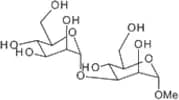
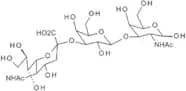
CAS:<p>Lewis A trisaccharide methyl glycoside is a sugar that is synthesized by the chemical modification of an oligosaccharide. The methyl glycoside is then fluorinated and reacted with a complex carbohydrate to produce Lewis A trisaccharide methyl glycoside. It has CAS No. 186315-40-2, which identifies it as a synthetic compound. This product has high purity, and can be custom synthesized to meet your needs. It is also available in both a glycosylated and non-glycosylated form.</p>Formula:C21H37NO15Purity:Min. 95%Color and Shape:PowderMolecular weight:543.52 g/molMethyl 3-O-(a-D-mannopyranosyl)-a-D-mannopyranoside
CAS:<p>Used for structural and conformational studies and as enzyme substrates</p>Formula:C13H24O11Purity:Min. 95%Color and Shape:PowderMolecular weight:356.32 g/molDuloxetine-4-hydroxy-D-glucuronide
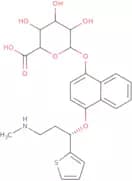
CAS:<p>Duloxetine-4-hydroxy-D-glucuronide is a synthetic, fluorinated derivative of duloxetine. It is an active metabolite of the antidepressant drug duloxetine and has been shown to have similar pharmacological activity. Duloxetine-4-hydroxy-D-glucuronide is prepared by click chemistry from 4-(dihydroxymethyl)benzaldehyde and 2,3,4,6-tetrabromobenzene. The product can be purified by crystallization or recrystallization from methanol. Duloxetine-4-hydroxy-D-glucuronide is a white powder that can be modified with saccharides for glycosylation or with polysaccharides for complex carbohydrate synthesis.</p>Formula:C24H27NO8SPurity:Min. 95%Color and Shape:Off-white to yellow/brown solid.Molecular weight:489.54 g/mol1,2-O-Isopropylidene-5-O-tert-butyldiphenylsilyl-b-D-arabinofuranose
CAS:<p>1,2-O-Isopropylidene-5-O-tert.butyldiphenylsilyl-b-D-arabinofuranose is a modified sugar that can be used in the synthesis of complex carbohydrates. It has been custom synthesized and is available in high purity with a CAS number. It is an oligosaccharide that can be methylated or glycosylated. The chemical name for 1,2-O-Isopropylidene-5-O-tert.butyldiphenylsilyl-b-D-arabinofuranose is 5-(1,1'-Biphenylethyl)-3'-hydroxybenzaldehyde O-(4,4'-dimethoxytrityl)ester. This product also has fluorination and saccharide properties.</p>Formula:C24H32O5SiPurity:Min. 95%Molecular weight:428.59 g/molMethyl 2,3,4-tri-O-acetyl-6-O-tert-butyldimethylsilyl-a-D-glucopyranoside
CAS:<p>Methyl 2,3,4-tri-O-acetyl-6-O-tert-butyldimethylsilyl-a-D-glucopyranoside is a glycosylation reagent and a synthetic monosaccharide that is custom synthesized and available in high purity. It is a saccharide with a molecular weight of 244.24 g/mol and chemical formula C12H21NO8Si. This product is often used as an intermediate for modified oligosaccharides and polysaccharides.<br>Methyl 2,3,4-tri-O-acetyl-6-O-tert-butyldimethylsilyl -a D glucopyranoside can be used for the synthesis of complex carbohydrate, methylation, click modification, fluorination saccharide, modification or other reactions.<br>This product has CAS No. 637341162 and can be found in</p>Formula:C19H34O9SiPurity:Min. 95%Molecular weight:434.56 g/mol2,3:5,6-Di-O-isopropylidene-2-C-(tert.butyldimethylsilyloxy)methyl-D-allono-1,4-lactone
<p>2,3:5,6-Di-O-isopropylidene-2-C-(tert.butyldimethylsilyloxy)methyl-D-allono-1,4-lactone is a sugar molecule. It is composed of two monosaccharides, D and L allose. The D allose is an alpha(1→2)-linked glucose with the terminal hydroxyl group on C2 and the L allose is a beta(1→4)-linked galactose with the terminal hydroxyl group on C4. The chemical formula for 2,3:5,6-Di-O-isopropylidene-2-C-(tert.butyldimethylsilyloxy)methyl-D-allono-1,4-lactone is C12H22O11.</p>Purity:Min. 95%Carboxymethyl-dextran sodium salt - Average MW 20,000
CAS:<p>Sodium carboxymethyl dextran is a white, odourless and tasteless powder, which is freely soluble in water or electrolyte solutions. Applications that have been described for carboxymethyl dextran include carriers of paramagnetic contrast agents, preparation of conjugates of pharmacologically active compounds and carboxymethyl dextrans in biosensors. A number of other uses in cosmetics, agriculture, foods, paints and textiles have been the subject of patent applications.</p>Color and Shape:Powder2-Deoxy-2-fluoro-D-glucose 6-phosphate barium salt
CAS:<p>2-Deoxy-2-fluoro-D-glucose 6-phosphate barium salt is a glucose analogue used in positron emission tomography (PET) imaging of cancer. It is an inhibitor of glycolysis and phosphofructokinase, which are enzymes that catalyze the conversion of glucose to pyruvate. 2-Deoxy-2-fluoro-D-glucose 6-phosphate barium salt is taken up by the cell by active transport, then metabolized into 2 deoxy 2 fluoro D mannose phosphate and finally converted to glucosylceramide. The PET scan detects the accumulation of this molecule in cells with high glycolytic activity, such as cancer cells. This compound has been shown to inhibit hepatocellular carcinoma (HCC) cell growth in vitro and in vivo.</p>Formula:C6H10FO8P·BaPurity:Min. 95%Color and Shape:PowderMolecular weight:397.44 g/mol1,4-Dideoxy-1,4-imino-D-ribitol
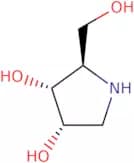
CAS:<p>1,4-Dideoxy-1,4-imino-D-ribitol is a polyhydroxylated pyrrolidine alkaloid isolated from the roots of mulberry trees (Morus alba) and from the bark of leguminous plants (Angylocalyx pynaertii). Due to its structure it has been looked at as enzyme inhibitors that mimic glycoside and nucleoside substrates. It was found to be a potent inhibitor of lysosomal β-mannosidase and eukaryotic DNA polymerases.</p>Formula:C5H11NO3Purity:Min. 95%Molecular weight:133.15 g/mol6-a-D-Maltotriosyl-maltotriose
CAS:<p>Derived from pullulan using pullulanase</p>Formula:C36H62O31Purity:Min. 95%Color and Shape:PowderMolecular weight:990.86 g/mol(3R, 4S, 5R, 6R, 7S) -1- Azabicyclo[4.2.0] octane- 3, 4, 5, 7- tetrol
CAS:<p>Fluorination, Monosaccharide, Synthetic, Oligosaccharide, complex carbohydrate, Custom synthesis, Glycosylation, Polysaccharide, Click modification, Methylation<br>Fluorination is a chemical reaction that introduces fluorine into organic compounds. The reactant is typically an alcohol or phenol and the product is a fluoroalcohol or fluoroether.<br>Monosaccharides are simple sugars that cannot be hydrolyzed to smaller carbohydrates. <br>Oligosaccharides are saccharides composed of two to ten monosaccharides. Complex carbohydrates are polymers of saccharides. <br>Click chemistry is a type of chemical reaction used in organic chemistry to create new molecules and modify existing ones with high selectivity and efficiency. <br>Methylation is the process by which methyl groups are introduced into organic compounds such as fats and oils. It can also refer to the addition of a methyl group at one specific</p>Purity:Min. 95%(2R, 3R) -3- [(3aR, 4R, 6aS) - 2, 2- Diethyltetrahydro- 5- (phenylmethyl) - 4H- 1, 3- dioxolo[4, 5- c] pyrrol- 4- yl] - 3- [[(1, 1- dimethylethyl) dimethylsilyl] oxy] - 1, 2- propanediol
<p>(2R, 3R) -3- [(3aR, 4R, 6aS) - 2, 2- Diethyltetrahydro- 5- (phenylmethyl) - 4H- 1, 3- dioxolo[4, 5- c] pyrrol- 4- yl] - 3-[(1, 1-dimethylethyl) dimethylsilyl]oxy]-1, 2- propanediol is a synthetic carbohydrate that is used as a building block for saccharide synthesis. It can be modified with Click chemistry to introduce reactive groups on its molecules. This compound has been shown to react with oligosaccharides and polysaccharides by glycosylation and methylation reactions. The high purity of this product makes it suitable for use in pharmaceuticals and other chemical applications.</p>Purity:Min. 95%3'-Sialyl-N-acetyllactosamine sodium salt
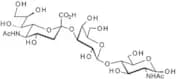
CAS:<p>Component of glycoproteins and glycolipids expressed in antigens and receptors of proteins, bacteria and viruses. Found in the free form in human biofluids, including urine and milk - preventing adhesion of bacteria to urinary epithelium and inhibiting enteric pathogens respectively. An efficient inhibitor of neutrophil-activating protein of H.pylori (HPNAP)-mediated neutrophil activation.</p>Formula:C25H42N2O19·NaPurity:Min. 95%Color and Shape:White Off-White PowderMolecular weight:697.59 g/molN-(Phenyl-2-methyl-1-propenyl)imino-2,3,4,6-tetra-O-pivaloyl-D-glucopyranoside
<p>N-(Phenyl-2-methyl-1-propenyl)imino-2,3,4,6-tetra-O-pivaloyl-D-glucopyranoside is an Oligosaccharide that contains a sugar. It has been custom synthesized for the purpose of fluorination and methylation reactions. The purity of this product is high and it has been assigned the CAS number: 3642.</p>Formula:C36H53NO9Purity:Min. 95%Molecular weight:643.81 g/mol1-Bromo-2,3,4-tri-O-acetyl-a-D-glucuronide methyl ester
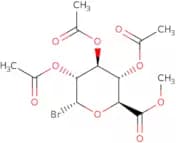
CAS:<p>1-Bromo-2,3,4-tri-O-acetyl-a-D-glucuronide methyl ester is a protected D-glucoronic acid with an alpha bromide at the anomeric position ready to undergo glycosylation reactions with suitable glycoside acceptors. Pharmaceutically active compounds have been used as acceptors to form β-linked D-glucuronide prodrugs which can be used to modify pharmacokinetics, improve solubility and lower the toxicity of the drug.</p>Formula:C13H17BrO9Purity:Min. 80%Molecular weight:397.17 g/mol5-Azepan-1-yl-5-deoxy-1,2-isopropylidene-a-D-xylofuranose
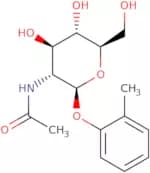
CAS:<p>5-Azepan-1-yl-5-deoxy-1,2-isopropylidene-a-(D)-xylofuranose (ADXF) is a synthetic glycoside that was synthesized in order to explore the potential of ADXF as a drug candidate. ADXF has shown promising antiinflammatory and anticancer activities. The synthesis of ADXF starts with the protection of the hydroxyl group at the anomeric center with acetate and then the glycosylation with azepane and 5-deoxy-1,2 isopropylidene erythronolide B. This synthesis also includes fluorination and methylation steps, which are necessary for modifying the sugar structure.</p>Formula:C14H25NO4Purity:Min. 95%Color and Shape:Brown solid.Molecular weight:271.35 g/mol2-Methylphenyl 2-acetamido-2-deoxy-β-D-glucopyranoside
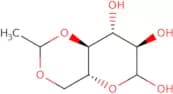
CAS:<p>2-Methylphenyl 2-acetamido-2-deoxy-b-D-glucopyranoside is a fluorinated glycosylation product that is synthesized by custom synthesis. It is a complex carbohydrate with high purity and modification.</p>Formula:C15H21NO6Purity:Min. 95%Color and Shape:PowderMolecular weight:311.33 g/mol4,6-O-Ethylidene-D-glucopyranose
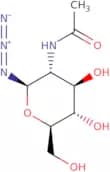
CAS:<p>4, 6-O-Ethylidene-D-glucopyranose is a glucose analogue that inhibits sugar transport. It has been shown to inhibit glucose transport by binding to the hydroxyl group on the red cell membrane. This binding prevents the sugar from entering the cell and as a result, glucose accumulates in the blood. 4, 6-O-Ethylidene-D-glucopyranose also binds to tryptophan fluorescence and inhibits cytochalasin B binding to tryptophans that are located on the plasma membrane of eukaryotic cells.</p>Formula:C8H14O6Purity:Min. 90 Area-%Color and Shape:PowderMolecular weight:206.19 g/mol2-Acetamido-2-deoxy-b-D-glucopyranosyl azide
CAS:<p>2-Acetamido-2-deoxy-b-D-glucopyranosyl azide is a biodegradable, environmentally oriented compound that has been shown to be compatible with polylactic acid. This compound has shown unevenness in the hydroxy group and a functional group sensitive to hydrolysis. The molecular weight of 2-acetamido-2-deoxy-b-D-glucopyranosyl azide is 154.14 g/mol. It is soluble in water and has a natural environment frequency of 0.0005%.</p>Formula:C8H14N4O5Purity:Min. 95 Area-%Color and Shape:White PowderMolecular weight:246.22 g/molIsolichenan
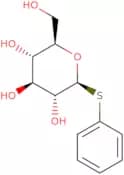
CAS:<p>Isolichenan is a cold-water soluble (1,3)-(1,4)-α-D-glucan isolated from lichen Cetraria islandica to have MW of about 6-8 kDa. Lichens produce isolichenan-type polysaccharides with considerable variation in linkage ratios as well as MW, even within the same species. Occasionally these α-glucans can be branched at O2, O3 or O6. The immunomodulating activity of isolichenan was tested in in vitro phagocytosis and anti-complementary assays, and proved to be active in both cases.<br>The image was kindly provided by Prof Mike Guiry from Cork who runs ‘The Seaweed Site’.</p>Purity:Min. 85%Color and Shape:PowderPhenyl-β-D-thioglucopyranoside
CAS:<p>Phenyl-beta-D-thioglucopyranoside is a heterocycloalkyl compound that contains a phenyl group and a beta-D-thioglucopyranoside. It is used as an intermediate in the production of pharmaceuticals, yellow dye, and cancer drugs. Phenyl-beta-D-thioglucopyranoside binds to the cell membrane of cancer cells and induces apoptosis by inhibiting the synthesis of proteins. This compound also has alkenyl and haloalkyl groups, which may be important for its biological activity. Phenyl-beta-D-thioglucopyranoside can be crystallized in two different forms: one with a crystalline form, which is yellow; the other with a crystalline form, which is colorless.</p>Formula:C12H16SO5Purity:Min. 95%Color and Shape:PowderMolecular weight:272.32 g/molMethyl 2-deoxy-2-sulfamino-a-D-glucopyranoside sodium salt
<p>Methyl 2-deoxy-2-sulfamino-a-D-glucopyranoside sodium salt is a modification of an oligosaccharide. It is a carbohydrate that has not been found in nature, but it can be synthesized by the introduction of methyl groups to the sugar. Methyl 2-deoxy-2-sulfamino-a-D-glucopyranoside sodium salt is used as a synthetic precursor for saccharides.</p>Purity:Min. 95%Methyl 2,3,4-tri-O-benzyl-6-O-trityl-a-D-mannopyranoside
CAS:<p>Methyl 2,3,4-tri-O-benzyl-6-O-trityl-a-D-mannopyranoside is a complex carbohydrate that contains a glycosylation site. This compound has a CAS number of 40653-13-2, and is available for custom synthesis. Methyl 2,3,4-tri-O-benzyl-6-O-trityl-aD mannopyranoside is water soluble and has high purity. The chemical structure of this compound can be modified to include fluorination or Click modification. This compound is also an oligosaccharide containing sugar residues and monosaccharides with a molecular weight of approximately 1000 Da.</p>Formula:C47H46O6Purity:Min. 95%Molecular weight:706.89 g/mol3,4,6-Tri-O-acetyl-2-O-trifluoromethanesulfonyl-b-D-mannopyranosyl azide
CAS:<p>3,4,6-Tri-O-acetyl-2-O-trifluoromethanesulfonyl-b-D-mannopyranosyl azide is a chemically synthesized compound that can be used for methylation reactions. It is an Oligosaccharide with a molecular weight of 597.5 and contains the following structural features: A saccharide composed of three monosaccharides (D-glucose, D-mannose, and D-galactose), which is bonded by alpha 1,6 linkages. The chemical formula is C12H14F3N3O8. The CAS number is 1159265-99-2.</p>Formula:C13H16F3N3O10SPurity:Min. 95%Color and Shape:PowderMolecular weight:463.34 g/mol3,4-Di-O-acetyl-D-fucal
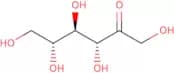
CAS:<p>3,4-Di-O-acetyl-D-fucal is a synthetic carbohydrate with two orientations. It is a synthon for the synthesis of carbohydrates and can be used as a ligand in biomolecular design. The synthetic carbohydrate has been shown to have chemotherapeutic effects, which may be due to its ability to inhibit glycan synthesis. This synthetic carbohydrate also has conformational parameters that are similar to those of natural fucose, which makes it an attractive candidate as a potential drug target.</p>Formula:C10H14O5Purity:Min. 95%Color and Shape:PowderMolecular weight:214.22 g/molD-Tagatose
CAS:<p>D-Tagatose is a sugar that is found naturally in some dairy products such as yogurt. It is a complex carbohydrate that can be modified by methylation, fluorination, and click chemistry. D-Tagatose has been shown to have anti-inflammatory properties in animal studies and can inhibit the growth of bacteria such as Escherichia coli and Helicobacter pylori.<br>D-tagatose is water soluble, stable at high temperatures, and does not react with other compounds; it also has a CAS number of 87-81-0. D-tagatose can be custom synthesized to meet your needs.</p>Formula:C6H12O6Purity:Min. 98.5 Area-%Molecular weight:180.16 g/mol(4αS,6S,7R,8S,8αR)-8-(Benzyloxy)-2-phenyl-6-(phenylthio)hexahydropyrano[3,2-d][1,3]dioxin-7-yl benzoate
CAS:<p>Please enquire for more information about (4αS,6S,7R,8S,8αR)-8-(Benzyloxy)-2-phenyl-6-(phenylthio)hexahydropyrano[3,2-d][1,3]dioxin-7-yl benzoate including the price, delivery time and more detailed product information at the technical inquiry form on this page</p>Formula:C33H30O6SMolecular weight:554.66 g/mol2,3,4,6-Tetra-O-benzoyl-b-D-glucopyranosyl cyanide
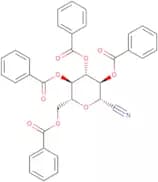
CAS:<p>2,3,4,6-Tetra-O-benzoyl-b-D-glucopyranosyl cyanide is a quaternary ammonium salt that is found in the cenozoic sequence of samples. It has been suggested that this compound may be a new source of radiocarbon.</p>Formula:C35H27NO9Purity:Min. 95%Color and Shape:PowderMolecular weight:605.59 g/mol1,2,3,4-Tetra-O-acetyl-6-deoxy-6,6-difluoro-L-galactose
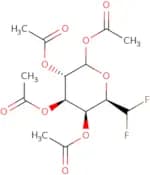
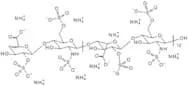
CAS:<p>fucosylation inhibitor</p>Formula:C14H18F2O9Molecular weight:368.28 g/molHeparin derived dp26 saccharide ammonium salt
<p>Heparin derived dp26 saccharide ammonium salt (HDA) is a glycosylation product of heparin. It is a complex carbohydrate polymer with a molecular weight of over 10,000 Da and consists of repeating disaccharides. The first sugar in the repeating disaccharide is N-acetyl-D-glucosamine, which is then methylated on the 6 position. HDA has been modified by fluorination to give it improved stability and prolonged half life. This product has been custom synthesized for use in biotechnology research and has high purity.</p>Formula:C156H207N13O247S39Na52Purity:Min. 95%Molecular weight:8,662.29 g/molGlobopentaose
CAS:<p>Carbohydrate moiety of globopentaosylceramide</p>Formula:C32H55NO26Purity:Min. 95%Color and Shape:White PowderMolecular weight:869.77 g/mol3-O-Benzyl-1,2:5,6-di-O-isopropylidene-D-allofuranose
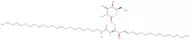
<p>3-O-Benzyl-1,2:5,6-di-O-isopropylidene-D-allofuranose is a modification of the carbohydrate that is produced synthetically. It belongs to the group of modified carbohydrates and can be used as a monosaccharide or an oligosaccharide. 3-O-Benzyl-1,2:5,6-di-O-isopropylidene-D allofuranose has been shown to have high purity and can be methylated and glycosylated for custom synthesis. This compound has CAS number 93343-70-2.</p>Purity:Min. 95%Cerebrosides - Mixture of hydroxy and non-hydroxy fatty acid
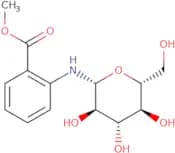
CAS:<p>Cerebrosides are complex carbohydrates that are synthesized by the modification of glycosylations, methylations, or fluorination of sugar molecules. They are used in the synthesis of polysaccharides and as a substitute for natural glycosphingolipids. Cerebrosides are also known to be involved in the synthesis of neuronal lipids, such as myelin and phosphatidylserine.</p>Formula:C48H93NO9Purity:Min. 95%Color and Shape:PowderMolecular weight:828.25 g/molMethylanthranilate glucoside
CAS:<p>Methylanthranilate glucoside is a carbohydrate that is custom synthesized to order. It is a synthetic, high purity, methylated, glycosylated, and click-modified oligosaccharide. This product has CAS No. 1875079-80-3 and can be used in medical research for the identification of saccharides or glycans with a specific modification pattern.</p>Formula:C14H19NO7Purity:Min. 95%Color and Shape:PowderMolecular weight:313.3 g/mol6-O-Tert.butyldimethylsilyl - 2, 3- O- isopropylidene-L- gulonic acid γ-lactone
<p>6-O-Tert.butyldimethylsilyl - 2, 3- O- isopropylidene-L- gulonic acid gamma-lactone is a glycosylate of 6-O-tert.butyl dimesitylglycolic acid. It is a monosaccharide with an α--glycosidic linkage that may be used in the synthesis of complex carbohydrates or as a sugar surrogate for saccharide chemistry applications. This product can be custom synthesized to your specifications and has high purity.</p>Purity:Min. 95%α-L-Rhamnose monohydrate
CAS:<p>a-L-Rhamnose monohydrate is a white crystalline solid that is soluble in water. It has a molecular weight of 296.03, a melting point of 117 °C, and a density of 1.5 g/cm3. The solubility of this compound in water is dependent on the concentration and temperature; it exhibits the highest solubility at 25 °C and concentrations between 0.1% and 2%. The solubility decreases with increasing pH, but increases with increasing ionic strength or proton concentration.</p>Formula:C6H12O5•H2OPurity:Min. 98 Area-%Color and Shape:PowderMolecular weight:182.17 g/molMaltopentaose
CAS:<p>Alpha-1,4-glucopentasaccharide derived from starch by hydrolysis and chromatography</p>Formula:C30H52O26Purity:Min. 90 Area-%Color and Shape:White PowderMolecular weight:828.72 g/mol1,2-O-Isopropylidene-b-L-arabinofuranose
<p>1,2-O-Isopropylidene-b-L-arabinofuranose is a custom synthesis. It is modified by fluorination, methylation, and monosaccharide synthesis. This product can be used in the creation of oligosaccharides and saccharides. 1,2-O-Isopropylidene-b-L-arabinofuranose is a carbohydrate that has been glycosylated and polysaccharided with other sugars to form complex carbohydrates.</p>Purity:Min. 95%4-(4-(2-hydroxyphenyl)-3-(E)-buten-2-one-1-yl)piperidine-2,6-dione
<p>4-(4-(2-hydroxyphenyl)-3-(E)-buten-2-one-1-yl)piperidine-2,6-dione is a custom synthesis that is prepared by reacting the 4-(4-(2-hydroxyphenyl)-3-(E)-buten-2-one with 1,4 piperidine dione. It has a CAS number of 302595. This product is an Oligosaccharide, Modification, saccharide and sugar. It's Methylation and Glycosylation can be modified to order. The purity of this product is high and it has been Fluorinated.</p>Purity:Min. 95%4-Aminobutyl 2-O-(a-D-mannopyranosyl)-a-D-mannopyranoside
<p>4-Aminobutyl 2-O-(a-D-mannopyranosyl)-a-D-mannopyranoside is a custom synthesis that has been fluorinated, methylated, and modified with a click modification. The product is a glycosylation that is an oligosaccharide sugar. It is an Oligosaccharide saccharide CAS No. Carbohydrate complex carbohydrate.</p>Purity:Min. 95%Methyl 3-O-benzyl-b-D-xylopyranoside
<p>Methyl 3-O-benzyl-b-D-xylopyranoside is a modified oligosaccharide that is used in the synthesis of complex carbohydrate structures. It has been shown to be a good substrate for glycosylation. Methyl 3-O-benzyl-b-D-xylopyranoside is also a monosaccharide, and can be fluorinated to produce a saccharide with potential antiholistic properties.</p>Purity:Min. 95%1,2,3,4-Tetra-O-acetyl-b-D-glucuronide
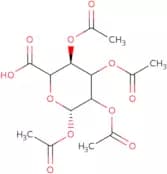
CAS:<p>1,2,3,4-Tetra-O-acetyl-b-D-glucuronide is a chemical compound that is used as an acetylating agent in organic synthesis. It is produced by the reaction of pyridine and acetic anhydride with sodium hydroxide as a catalyst. The acetylation process takes place in two steps: first, the pyridine reacts with the acetic anhydride to form 4-(pyridinium) acetate; second, this intermediate reacts with sodium hydroxide to form 1,2,3,4-tetra-O-acetyl-b-D-glucuronide. Acetylation reactions are important because they can be used to introduce functional groups onto molecules that would not otherwise have them. Acetylated compounds are also often more soluble in water than nonacetylated compounds. This product is used in medicines and other chemical processes.</p>Formula:C14H18O11Purity:Min. 95 Area-%Color and Shape:White Clear LiquidMolecular weight:362.29 g/mol1-Urea-5-O-DMT-2-O-methyl-3-CEP-D-ribofuranose
<p>1-Urea-5-O-DMT-2-O-methyl-3-CEP-D-ribofuranose is a custom synthesis that is a complex carbohydrate. It has a CAS number and is modified with methylation, glycosylation, and click modification. 1-Urea-5-O-DMT-2-O-methyl -3 CEP D ribofuranose is also fluorinated. This product is highly purified and has high purity.</p>Purity:Min. 95%(2S, 3S, 4R) -3- Azido- 4- [[[(1, 1- dimethylethyl) dimethylsilyl] oxy] methyl] - 1- (phenylmethyl) -2- azetidinecarboxylic acid met hyl ester
CAS:<p>(2S, 3S, 4R) -3- Azido-4-[[[(1,1-dimethylethyl) dimethylsilyl]oxy]methyl]-1-(phenylmethyl)-2-azetidinecarboxylic acid methyl ester is a fluorinated monosaccharide that is synthesized by the reaction of an aldehyde and 2-azidoethanol. It is a white crystalline powder that has the molecular formula C14H18N2O6 and molecular weight of 290.38. This compound has been shown to be an efficient glycosylation agent for the synthesis of complex carbohydrates. It has also been shown to be useful as a click modification reagent in the synthesis of oligosaccharides and polysaccharides.</p>Formula:C19H30N4O3SPurity:Min. 95%Molecular weight:394.53 g/mol3'-Sialylgalacto-N-biose sodium salt
CAS:<p>3'-Sialylgalacto-N-biose sodium salt is a high purity synthetic glycosaminoglycan with a single sugar residue. This product has been custom synthesized for research purposes and may be used as a control in experiments. The chemical name of this product is 3'-sialylgalacto-N-biose sodium salt, and it has CAS number 1370359-76-4. It is important to note that this product is not available for sale at this time.</p>Formula:C25H41N2O19NaPurity:Min. 95 Area-%Color and Shape:White Off-White PowderMolecular weight:696.58 g/molN-Acetylneuraminic acid 1-O-propylamine
CAS:<p>N-Acetylneuraminic acid 1-O-propylamine is a methylated derivative of N-acetylneuraminic acid, a saccharide. The CAS number for this molecule is 478285-87-9. This product can be custom synthesized with a variety of modifications and Click chemistry. It has been modified to contain an oligosaccharide chain and glycosylation sites. It is available in high purity, with ˜99% purity. This product can also be made using fluorination chemistry, which will provide a complex carbohydrate with increased stability against hydrolysis or oxidation.</p>Formula:C13H26N2O9Purity:Min. 95%Molecular weight:354.35 g/molLactonamycin
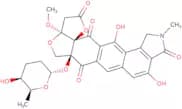
CAS:<p>Lactonamycin is a linker that contains an oxygenated functional group. It can be found in some active natural products and has been synthesized in the laboratory. Lactonamycin is used as a model system for biosynthesis, where it was shown to efficiently produce glycosidic bonds when supplied with carbon sources such as glucose. The biological properties of Lactonamycin include its ability to inhibit microbial infection and inflammation, which may be due to its hydroxy group.</p>Formula:C28H27NO12Purity:Min. 95%Molecular weight:569.51 g/mol(3R, 4R, 5R) -3, 4- Dihydroxy- 5- (hydroxymethyl) - L- proline
CAS:<p>The chemical compound (3R, 4R, 5R) -3, 4- Dihydroxy-5-(hydroxymethyl)-L-proline is a synthetic amino acid that contains a methyl group at the C4 position. It has been shown to have antiinflammatory and analgesic effects in animal models. The synthesis of this compound has been reported in the journal Tetrahedron. This compound is also an intermediate for the synthesis of other compounds that contain fluorine atoms.</p>Purity:Min. 95%3-Deoxy-2-keto-D-gluconate lithium
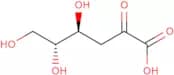
CAS:<p>3-Deoxy-2-keto-D-gluconate lithium salt (3DG) is a molecule that is structurally similar to glucose. It has been shown to be an ATP-binding cassette transporter inhibitor, which prevents the transport of glucose by the glomerular filtration rate. 3DG is also an inhibitor of xylulose 5-phosphate reductase and fructose 1,6-bisphosphatase, leading to decreased synthesis of glycogen. 3DG can also inhibit gluconeogenesis in the liver by inhibiting phosphoenolpyruvate carboxykinase and pyruvate carboxylase activity. This molecule is chemically stable, meaning it will not break down into toxic substances when exposed to air or water. The enzyme activities of 3DG are being tested for their potential therapeutic effects in diabetes mellitus type 2 patients.</p>Formula:C6H10O6•LixPurity:Min. 95%Color and Shape:White PowderMolecular weight:178.14 g/mol1-Deoxy-1-nitro-L-mannitol
CAS:<p>1-Deoxy-1-nitro-L-mannitol is an irreversible inhibitor of the enzyme mannitol dehydrogenase. It also inhibits other enzymes, such as L-arabinose isomerase and L-azide amidohydrolase, which are involved in the biosynthesis of arabinose and azide. The synthesis of 1-deoxy-1 nitro mannitol can be achieved through a one step reaction with hydroxide and l-arabinose (or l-xylose) in the presence of carbonate or sulfate. This product can be used in syntheses of amphoteric compounds.</p>Formula:C6H13NO7Purity:Min. 95%Molecular weight:211.17 g/mol1-Deoxy- 3- C- methyl- 3, 4- O-isopropylidene -D- psicofuranose
<p>1-Deoxy-3-C-methyl-3,4-O-isopropylidene -D-psicofuranose is a synthetic monosaccharide that contains an OCH2CH2O group at the 3 position. It is also known as 3,4-dimethylpyranose. 1-Deoxy -3 C methyl -3, 4 O isopropylidene -D psicofuranose can be used for the synthesis of polysaccharides and glycosides with various sugar donors.</p>Purity:Min. 95%1-Deoxy-3,4-O-isopropylidene-D-allitol(D-altritol)
<p>1-Deoxy-3,4-O-isopropylidene-D-allitol (D-altritol) is a glycosylation product of D-mannitol. It is a methylated, fluorinated, saccharide with a complex carbohydrate structure that has been synthesized to be used as a reagent in Click chemistry. This compound serves as an alternative to the natural product D-mannitol and can be custom synthesized to meet your needs. 1-Deoxy-3,4-O-isopropylidene-D-allitol (D-altritol) has CAS number 225570–83–8.</p>Purity:Min. 95%Phenyl 2,3-di-O-benzoyl-4,6-O-benzylidene-b-D-thioglucopyranoside
<p>Phenyl 2,3-di-O-benzoyl-4,6-O-benzylidene-b-D-thioglucopyranoside is a high purity custom synthesis. It is a sugar with Click modification and fluorination. This product is synthesized from glycosylation, methylation, and modification. Phenyl 2,3-di-O-benzoyl-4,6-O-benzylidene-b-D-thioglucopyranoside has CAS No. and can be used as an oligosaccharide or monosaccharide in complex carbohydrates.</p>Purity:Min. 95%2-Methyl-(3,4,6-tri-O-acetyl-1,2-dideoxy-a-D-glucopyrano)-[2,1-d]-2-oxazoline
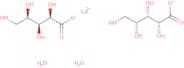
CAS:<p>2-Methyl-(3,4,6-tri-O-acetyl-1,2-dideoxy-a-D-glucopyrano)-[2,1-d]-2-oxazoline (TAO) is a molecule that is produced during the glycosylation of proteins. TAO has been shown to enhance chemotherapy by targeting and inhibiting the growth of cancer cells. TAO binds to the epidermal growth factor receptor (EGFR), which is a protein that regulates cell proliferation. TAO inhibits cancer cell growth by blocking the activation of EGFR and its downstream signaling pathways. This inhibition leads to tumor regression in xenografts in mice. TAO also blocks o-glycosylation, which is a process that enhances cancer therapy resistance.</p>Formula:C14H19NO8Purity:90%Color and Shape:Yellow PowderMolecular weight:329.31 g/molD-Xylonic acid calcium salt hydrate
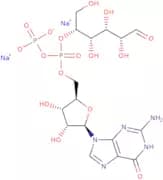
CAS:<p>D-Xylonic acid calcium salt hydrate is a product that is made from the hydrolysis of cellulose. It is a byproduct of the production of d-xylose and can be used as a nutritional supplement or an additive in animal feed. D-Xylonic acid calcium salt hydrate has been shown to have an uptake rate in aerobic conditions that is ten times higher than glucose, which makes it more economical for use in the production of d-xylose. D-Xylonic acid calcium salt hydrate can be catalyzed to produce yields for d-glucose and d-xylose, which are both important monosaccharides. The catalytic process also produces d-gluconic acid and aerobic oxidation produces d-xylose, making it possible to recycle these products.</p>Formula:C10H18O12·Ca·xH2OPurity:Min. 97%Color and Shape:White PowderMolecular weight:370.32 g/molGDP-D-glucose sodium salt
CAS:<p>Substrate for glucosyltransferase</p>Formula:C16H25N5O16P2·2NaPurity:Min. 95 Area-%Color and Shape:White Off-White PowderMolecular weight:651.34 g/mol2-C-Methyl- 2, 3- O-isopropylidene)-D- ribofuranose
<p>2-C-Methyl-2,3-O-isopropylidene)-D-ribofuranose is a custom synthesis modified with fluorine and methyl groups. It is an oligosaccharide that can be used to synthesize saccharides. This compound has shown potential for use in the treatment of cancer. 2-C-Methyl-2,3-O-isopropylidene)-D-ribofuranose is a monosaccharide that is synthesized from D Ribose and Methyl Acetate in the presence of sodium bicarbonate and hydrochloric acid.</p>Purity:Min. 95%1,6:2,3-Dianhydro-4-O-(2,3-di-O-benzyl-b-D-glucopyranosyl)-b-D-mannopyranose
<p>This compound is a sugar molecule that is used in the synthesis of complex carbohydrates. It can be custom synthesized to have a desired purity and monomer content. It is also an intermediate for the synthesis of other saccharides. This compound is fluorinated at the 6-position and glycosylated at the 2-position, which makes it water soluble. The CAS number for this compound is 58427-42-6.</p>Formula:C26H30O9Purity:Min. 95%Molecular weight:486.51 g/molUDP-a-D-apiofuranose
<p>UDP-a-D-apiofuranose is a modification of the sugar UDP-a-D-apiofuranosyl. It is a compound of high purity that can be custom synthesized by our scientists. The CAS number for this product is 56829-08-8 and it's molecular weight is 300.</p>Purity:Min. 95%2-O-(2-O-(a-D-Mannopyranosyl)-a-D-mannopyranosyl)-a-D-mannopyranose
<p>2-O-(2-O-(a-D-Mannopyranosyl)-a-D-mannopyranosyl)-a-D-mannopyranose is an oligosaccharide that is synthesized by the glycosylation of a D-mannose with 2,3,4,6-tetra‑O‑benzoyl‑beta‑D‑glucuronic acid. This product is available in custom synthesis and can be modified to order. It has been shown to be highly pure and can be used for a variety of applications including glycosylation reactions, methylations, fluorinations, click modifications, and complex carbohydrate studies.</p>Purity:Min. 95%Hyacinthacine A2
CAS:<p>Hyacinthacine A2 (HA2) is a diastereomer of hyacinthacine A3. It is a radical coupling compound that has been shown to be stereoselective. HA2 selectively reacts with d-arabinose and other sugar molecules, but not with L-arabinose or other sugar molecules, which makes it useful in the synthesis of polyhydroxylated compounds. HA2 has been found to inhibit the growth of bacteria such as Staphylococcus aureus and Clostridium perfringens, making it an antibacterial agent. HA2 also inhibits protein synthesis and cell division by binding to DNA-dependent RNA polymerase, preventing transcription and replication. This inhibition is due to conformational changes in the molecule as well as radical mechanisms.</p>Formula:C8H15NO3Purity:Min. 95%Molecular weight:173.21 g/molD-Galactopyranosyl-(b1-3)-[N-acetylneuraminyl-(a2-6)]-D-N-acetylgalactosaminyl serine
<p>D-Galactopyranosyl-(b1-3)-[N-acetylneuraminyl-(a2-6)]-D-N-acetylgalactosaminyl serine is a synthetic, fluorinated glycoside that has been modified with methylation and saccharide modifications. It is used in click chemistry to modify proteins and other biomolecules. This compound is available as a custom synthesis, and can be modified with various saccharides or oligosaccharides. D-Galactopyranosyl-(b1-3)-[N-acetylneuraminyl-(a2-6)]-D-N-acetylgalactosaminyl serine is an important carbohydrate in glycosylation reactions as it contains the sugar backbone needed for N-, O-, and S-glycosidic linkages. The CAS number for this compound is 514063-.</p>Formula:C28H47N3O21Purity:Min. 95%Color and Shape:PowderMolecular weight:761.68 g/molMagnesium L-lactate
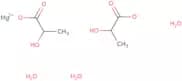
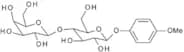
CAS:<p>Magnesium L-lactate is a form of magnesium that is found in the human body, and it is often used to treat women with depressive disorders. This drug works by reducing the synthesis of cholesterol and increasing the level of serotonin in the brain. Magnesium L-lactate is not readily absorbed by the body, so it has low bioavailability. It also has an adverse effect on heart rate and cardiac rhythm, so people who have these conditions should avoid using this drug. The particle size of this drug is high, which can lead to low bioavailability.</p>Formula:C6H10MgO6Purity:Min. 95%Molecular weight:202.45 g/mol4-Methoxyphenyl 4-O-(b-D-galactopyranosyl)-b-D-glucopyranoside
CAS:<p>4-Methoxyphenyl 4-O-(b-D-galactopyranosyl)-b-D-glucopyranoside is a carbohydrate with the CAS number 150412-80-9. It is an Oligosaccharide that is synthesized from monosaccharides and saccharides. This product can be custom synthesized to produce high purity, methylated, glycosylated and fluorinated products. There are many modifications that can be made to this carbohydrate using Click chemistry.</p>Formula:C19H28O12Purity:Min. 95%Color and Shape:PowderMolecular weight:448.42 g/molD-Psicose
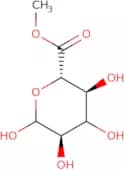
CAS:<p>D-Psicose is a rare ketohexose carbohydrate that is water-soluble and has a sweet taste. It is also known as D-allulose or d-psicose, and is the C3 epimer of L-fructose. D-Psicose can be used as a sweetener in various food and beverage products, providing a low-calorie alternative to traditional sugar. This natural sweetener is derived from corn and has been found to have minimal impact on blood sugar levels, making it suitable for individuals with diabetes or those following a low-carbohydrate diet. Additionally, D-Psicose has been studied for its potential health benefits, including its ability to reduce the risk of hyperuricemia and improve insulin sensitivity. It is also a intestinal beta-glucosidase inhibitor.</p>Formula:C6H12O6Purity:Min. 98 Area-%Color and Shape:White PowderMolecular weight:180.16 g/molD-Glucuronic acid methyl ester
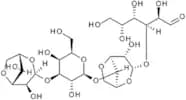
CAS:<p>D-Glucuronic acid methyl ester is an acidic, carbohydrate-binding molecule. It has been shown to bind to sugar residues in proteins and form covalent linkages with ester linkages. D-Glucuronic acid methyl ester has also been shown to be effective for the treatment of pentosan polysulfate sodium (PPS) induced inflammation in animal models. D-Glucuronic acid methyl ester binds to the monoclonal antibodies that are used for structural analysis of glycosidic bonds and oligosaccharides. The hydroxyl group on the molecule can form hydrogen bonds with other molecules, which may explain its usefulness as a magnetic resonance spectroscopy probe.</p>Formula:C7H12O7Purity:Min. 90 Area-%Color and Shape:Yellow PowderMolecular weight:208.17 g/molNeoagarotetraose
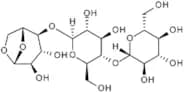
CAS:<p>Agarose is a polysaccharide found in red algae, typically Gelidium and Gracilaria. It is a strictly alternating polysaccharide of α-1,3 linked D-galactose and β-1,4 linked L-3,6 anhydrogalactose with occasional sulfation at position 6 of the anhydrogalactose residue. Agaro-oligosaccharides result from cleavage at galactose residues and neoagaro-oligosaccharides from cleavage at 3,6-anhydro residues. Neoagarotetraose is reported to have potential for novel cosmeceuticals.</p>Formula:C24H38O19Purity:Min. 98 Area-%Color and Shape:White PowderMolecular weight:630.55 g/molDiacetone-D-glucose
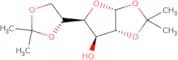
CAS:<p>1,2:5,6-Di-O-isopropylidene-alpha-D-glucofuranose, also known as diacetone-D-glucose (DAG), is a partially protected D-glucose sugar locked in the furanose form with isopropylidene protecting groups on the 1,2 and 5,6 positions. The unprotected 3 position is ready for a variety of chemical manipulations, such as alkylation, acylation or stereo-inversion. An orthogonal protecting group could be added to the 3 position to allow deprotection of an isopropylidene and therefore manipulations of the other hydroxyl groups. Diacetone-D-glucose has been used to make fluorinated hexopyranose glycolysis inhibitors useful in the treatment of brain tumours.</p>Formula:C12H20O6Purity:Min. 98 Area-%Color and Shape:White Off-White PowderMolecular weight:260.28 g/mol2-Acetamido-2-deoxy-4,6-O-isopropylidene-D-glucopyranose
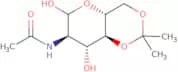
CAS:<p>2-Acetamido-2-deoxy-4,6-O-isopropylidene-D-glucopyranose is a modification of 2,3,4,5,6 tetraacetamido 1,2,3,4,5 pentaoxo 1,2 deoxy D glucose. It is an oligosaccharide that has been synthesized for the first time in 1977. The monosaccharide can be methylated and glycosylated to form polysaccharides such as mannans and galactans. The chemical structure of this product can be modified with fluorination or saccharide substitution.</p>Formula:C11H19NO6Purity:Min. 95%Molecular weight:261.27 g/mol6'-N-Glycolylneuraminyl-D-lactose sodium salt
<p>6'-N-Glycolylneuraminyl-D-lactose sodium salt is a custom synthesis that provides high purity and custom synthesis. It is a complex carbohydrate with a CAS number of 24932-91-0 and an Oligosaccharide, Monosaccharide, saccharide Carbohydrate. This product is Fluorination, Glycosylation, Synthetic, Methylation, Modification.</p>Purity:Min. 95%2,3,4,6-Tetra-O-pivaloyl-b-D-galactopyranosyl isothiocyanate
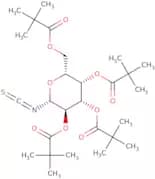
CAS:<p>2,3,4,6-Tetra-O-pivaloyl-b-D-galactopyranosyl isothiocyanate is a custom synthesis that has complex carbohydrate as its main component. It is a modified saccharide with chemical modifications such as methylation, glycosylation, and fluorination. It also contains one or more sugars. The CAS number for this product is 147948-52-5. This product has high purity and can be synthesized according to customer specifications.</p>Formula:C27H43NO9SPurity:Min. 95%Color and Shape:White PowderMolecular weight:557.7 g/molmyo-Inositol 1,2,4,5,6-pentakisphosphate
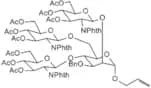
<p>Myo-inositol 1,2,4,5,6-pentakisphosphate (IP) is a phosphate of inositol that is found in the cytosol. It is an important component of polyphosphates and can be used for oxygen transport. It has been shown to inhibit the growth of cancer cells by binding to monoclonal antibodies that are targeted against CD20 and CD22 on cancer cells. IP also inhibits the activity of kinases and phosphatases in mammalian cells. This may be due to the inhibition of cytokine release from macrophages treated with IL-1β. Inositol phosphates are involved in many cellular responses including platelet-derived growth factor activation, cell proliferation, and protein synthesis.</p>Formula:C6H17O21P5Purity:Min. 95%Molecular weight:580.06 g/molAllyl 2,4,6-tri-O-(3,4,6-tri-O-acetyl-2-deoxy-2-phthalimido-b-D-glucopyranosyl)-3-O-benzyl-a-D-mannopyranoside
<p>Allyl 2,4,6-tri-O-(3,4,6-tri-O-acetyl-2-deoxy-2-phthalimido-b-D-glucopyranosyl)-3-O-benzyl a -D -mannopyranoside is a glycosylated oligosaccharide. It is synthesized from 3,4,6 tri O acetyl 2 deoxy 2 phthalimido b D glucopyranosyl chloride and allyl alcohol by the click reaction with sodium azide in the presence of palladium catalysis. This product has been fluorinated at the 6 position of allose. The purity of this product is high and it has been modified on the saccharide chain with methyl groups at the C1 and C2 positions of glucose. Allyl 2,4,6 tri O (3 4 6 tri O acetyl 2 deoxy 2 phthalimido b D gluc</p>Formula:C76H79N3O33Purity:Min. 95%Molecular weight:1,562.44 g/molTri-mannuronic acid sodium salt
CAS:<p>Tri-mannuronic acid sodium salt (b-1,4-linked sodium mannuronotriose) is one of a number of oligosaccharides obtained from alginate which is a polysaccharide in brown seaweeds containing: blocks of repeating mannuronic acid sequences (M-M-M-M etc), repeating guluronic acid sequences (G-G-G-G etc), and alternating M-G-M-G sequences.Oligosaccharides can be released using several methods (Lua, 2015; Yanga, 2004) and claims have been published that mannuronic acid oligosaccharides for example, can be effective in the prophylaxis and treatment of Alzheimer's disease, or for the prophylaxis and treatment of diabetes (USP 8835403B2, 2014).</p>Formula:C18H23O19Na3Purity:Min. 98 Area-%Color and Shape:White PowderMolecular weight:612.33 g/molD-Galactosamine hydrochloride
CAS:<p>D-Galactosamine (GalN) is an aldohexose (2-Amino-2-deoxygalactose) in which the hydroxyl group at position 2 is replaced by an amino group (Collins, 2006). Galactosamine (as the N-Acetyl derivative) forms a key part of both N- and O-linked glycoproteins, glycolipids and glycosaminoglycans. Treatment of experimental animals with D-galactosamine / lipopolysaccharide causes lethal liver injury characterized by apoptosis of the hepatocyte and it is used as a laboratory model to study the effect of therapeutic agents (Hirono, 2001).</p>Formula:C6H14ClNO5Molecular weight:215.63 g/mol1,6-Anhydro-β-D-cellotriose
CAS:<p>Produced by the fast pyrolysis of cellulose</p>Formula:C18H30O15Purity:Min. 95%Color and Shape:PowderMolecular weight:486.42 g/molN- [(3S, 4R, 5S, 6R) - 4, 5- Dihydroxy- 6- (hydroxymethyl) - 3- piperidinyl] -acetamide
<p>N- [(3S, 4R, 5S, 6R) - 4, 5- Dihydroxy- 6- (hydroxymethyl) - 3- piperidinyl] -acetamide is a fluorinated monosaccharide that has been synthesized in the laboratory. The compound is a synthetic oligosaccharide with an acetamide group at position 2. N- [(3S, 4R, 5S, 6R) - 4, 5- Dihydroxy- 6- (hydroxymethyl) - 3- piperidinyl] -acetamide is also a glycosylated polysaccharide that has been modified by methylation and click chemistry.</p>Purity:Min. 95%Tert.Butyl 2-deoxy-4,5-O-isopropylidene-D-gluconate(mannonate)
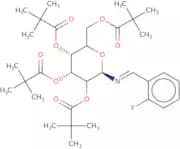
<p>Tert.Butyl 2-deoxy-4,5-O-isopropylidene-D-gluconate(mannonate) is an oligosaccharide that is synthesized from D-mannose and D-glucuronic acid. It has a high purity and is custom synthesized to meet customer requirements. Tert.Butyl 2-deoxy-4,5-O-isopropylidene-D-gluconate(mannonate) has been modified with fluorine, methylation and click chemistry for various purposes.</p>Purity:Min. 95%N-(2-Fluorobenzyliden)imino-2,3,4,6-tetra-O-pivaloyl-b-D-glucopyranoside
<p>N-(2-Fluorobenzyliden)imino-2,3,4,6-tetra-O-pivaloyl-b-D-glucopyranoside is a custom synthesis of a high purity glycosylated oligosaccharide. It is modified with fluorine and has a methyl group on the 2' position of the sugar. The CAS number for this product is 1093457-52-1.</p>Formula:C33H48FNO9Purity:Min. 95%Molecular weight:621.73 g/mol(Ribo) 3,4-O-Isopropylidene-2,4-di-C-methyl-L-ribono-1.5-lactone
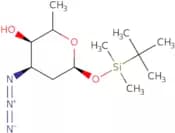
<p>(Ribo) 3,4-O-Isopropylidene-2,4-di-C-methyl-L-ribono-1.5-lactone is a custom synthesis that can be produced in various quantities and with various modifications to meet your needs. It is a high purity compound that is available for both research and industrial use. This compound has been fluorinated and modified to create a complex carbohydrate. It is an oligosaccharide of polysaccharide that can be used as a monosaccharide or sugar in the synthesis of polysaccharides or saccharides. This product is not intended for medical use.</p>Purity:Min. 95%3-Azido-1-O-t-butyldimethylsilyl-2,3,6-trideoxy-b-L-arabino-hexopyranose
<p>3-Azido-1-O-t-butyldimethylsilyl-2,3,6-trideoxy-b-L-arabinohexopyranose is a modified sugar. It is used as a building block in the synthesis of oligosaccharides and polysaccharides. This product is custom synthesized to customer's specifications and is available in high purity.</p>Formula:C12H25N3O3SiPurity:Min. 95%Molecular weight:287.43 g/molCanagliflozin
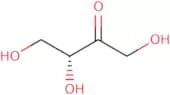
CAS:<p>Canagliflozin is a drug that has been approved for the treatment of type 2 diabetes. It is an inhibitor of sodium glucose transporter 2 (SGLT2) and reduces blood glucose levels by increasing urinary glucose excretion. Canagliflozin has been shown to have cardiac effects, which may be due to its ability to increase serum natriuretic peptide levels and decrease heart rate. This drug has also been shown to reduce cardiovascular disease activity in patients with type 2 diabetes. Canagliflozin is not active against c. glabrata, but it does inhibit SGLT1 in this organism.</p>Formula:C24H25FO5SPurity:Min. 95%Color and Shape:PowderMolecular weight:444.52 g/molD-Erythrulose - 1M Aqueous solution
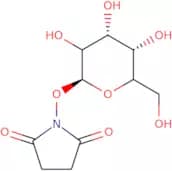
CAS:<p>D-erythrulose is a monosaccharide with the chemical structure of erythrose. It is structurally related to glycolaldehyde, which is a precursor in the biosynthesis of ribose. D-Erythrulose has been used for diagnosis and identification of various bacteria, such as C. glutamicum and Brucella species, by serological tests, as well as for the detection of gene products in E. coli K-12 cells. The determination of ATP levels in Brucella species has also been performed using magnetic resonance spectroscopy (MRS) after incubation with D-erythrulose.</p>Formula:C4H8O4Purity:Min. 90 Area-%Color and Shape:Clear LiquidMolecular weight:120.1 g/molN-(Succinyl)-O-b-D-galactopyranosylhydroxylamine
<p>N-(Succinyl)-O-b-D-galactopyranosylhydroxylamine is a custom synthesis of an oligosaccharide with a modified sugar. The modification includes fluorination and succinylation of the hydroxyl group at the b position on the galactose ring. This sugar is also known as a complex carbohydrate and is found in saccharides, carbohydrates, and sugars. This product is synthesized to provide high purity with a click modification for use in methylation reactions.</p>Formula:C10H15NO8Purity:Min. 95%Molecular weight:277.23 g/mol(1S) -1- [(2S, 3R) - 3- Hydroxy- 1- ((4-methoxyphenyl)methyl) - 2- azetidinyl] -1, 2- ethanediol
<p>(1S) -1- [(2S, 3R) - 3- Hydroxy- 1- ((4-methoxyphenyl)methyl) - 2- azetidinyl] -1, 2- ethanediol is a synthetic monosaccharide. It can be used in the synthesis of oligosaccharides and glycosylations. Click modification, methylation, and fluorination are all possible modifications for this product. The CAS number for this item is 52634-73-0.</p>Purity:Min. 95%Fagomine
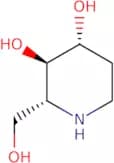
CAS:<p>Fagomine is a hypoglycemic agent with antimicrobial properties. It is an alpha-mannosidase inhibitor, which prevents the release of glucose from glycogen by inhibiting an enzyme in the glycosylation pathway. The molecular docking analysis shows that fagomine binds to the active site of mitochondrial membrane potential complex I and inhibits its catalytic activity. Fagomine also has a risk of causing metabolic disorders, such as hyperglycemia, hyperinsulinemia, and hyperlipidemia. Studies have shown that fagomine can be used to treat hyperglycemia in both type 1 and type 2 diabetes mellitus patients.</p>Formula:C6H13NO3Purity:Min. 98 Area-%Color and Shape:Off-White PowderMolecular weight:147.17 g/mol6-Deoxy-L-allose
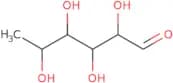
CAS:<p>6-Deoxy-L-allose is a sugar that belongs to the class of carbohydrates. It is synthesized by chemoenzymatic methods and can be used in the synthesis of glycoconjugates. 6-Deoxy-L-allose has been shown to inhibit acid phosphatase, a key enzyme involved in phosphate group metabolism, by competitive inhibition. This synthetic sugar has also been used as an immobilizing agent for enzymes such as glycosidases and phosphatases.</p>Formula:C6H12O5Purity:Min. 95%Color and Shape:SolidMolecular weight:164.16 g/molD-Salicin
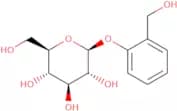
CAS:<p>D-Salicin is a naturally occurring compound, classified as a biologically active glycoside. It is acquired from the bark of willow trees, primarily species within the genus Salix. The primary mode of action of D-Salicin involves its metabolic conversion into salicylic acid within the human body. This conversion occurs in the gastrointestinal tract and bloodstream, ultimately displaying effects similar to non-steroidal anti-inflammatory drugs (NSAIDs).</p>Formula:C13H18O7Purity:Min. 98 Area-%Color and Shape:White Off-White PowderMolecular weight:286.28 g/mol6-O-b-D-Galactosylsucrose
CAS:<p>6-O-b-D-Galactosylsucrose is a methylated, saccharide that can be modified with Click chemistry to produce glycosides. It is a polysaccharide that can be modified with the Modification technique to produce oligosaccharides. 6-O-b-D-Galactosylsucrose is a synthetic, fluorinated, complex carbohydrate with CAS No. 41545-69-1. This product has been shown to have high purity and can be custom synthesized in different lengths and configurations.</p>Formula:C18H32O16Purity:Min. 95%Color and Shape:PowderMolecular weight:504.44 g/mol1,6-Anhydro-b-D-galactopyranose
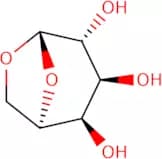
CAS:<p>Used for preparation of biologically active compounds</p>Formula:C6H10O5Purity:Min. 97 Area-%Color and Shape:White Off-White PowderMolecular weight:162.14 g/mol2,3,4,6-Tetra-O-acetyl-β-D-glucopyranosyl trichloroacetimidate
CAS:<p>Gadolinium is a magnetic, paramagnetic metal that is used to enhance the contrast in magnetic resonance imaging (MRI) and has been shown to be effective in ectopic expression of gene products. Gadolinium-enhanced MRI has been shown to be a more sensitive method for detection of pancreatic cancer cells than CT scans. Gadolinium also binds to monoclonal antibodies and can be detected using immunohistochemical staining. Gadolinium is a prohormone that is converted into its active form by cleavage of the glycosidic bond between carbons 2 and 3 in the 6-phosphate position. The gadolinium ion is chemically neutral, which may account for its lack of toxicity in vivo.</p>Formula:C16H20Cl3NO10Purity:Min. 98 Area-%Color and Shape:PowderMolecular weight:492.69 g/mol4-Methylphenyl b-D-thioglucopyranoside
CAS:<p>4-Methylphenyl b-D-thioglucopyranoside is a carbohydrate that has been modified by fluorination, methylation, glycosylation, and click modification. It is an oligosaccharide sugar with CAS No. 1152-39-2 and is custom synthesized for high purity. This compound is synthesized from saccharides or from the combination of monosaccharides using glycosylation and click chemistry. 4-Methylphenyl b-D-thioglucopyranoside can be used as a synthetic intermediate in the synthesis of other compounds.</p>Formula:C13H18O5SPurity:Min. 95%Color and Shape:White PowderMolecular weight:286.35 g/mol4-Methoxyphenyl 4-O-{4-O-[[3-O-[2,4-di-O-(3,4,6-tri-O-acetyl-2-deoxy-2-phthalimido-β-D-glucopyranosyl)-3,6-di-O-benzyl-α-D-mannopyra nosyl]-4,6-O-benzylidene-2-O-levulinoyl-β-D-glucopyranosyl]]-3,6-di-O-benzyl-2-deoxy-2-phthalimido-β-D-glucopyranosyl}
<p>4-Methoxyphenyl 4-O-{4-O-[3,6-di-O-(3,4,6-tri-O-acetyl-2-deoxy-2-phthalimido-bDglucopyranosyl)-2,4,6-trihydroxybenzylidene]-aDmannopyra nosyl} -3,6diO(benzyl) -2deoxy2phthalimido -bDglucopyranoside is a high purity synthetic oligosaccharide. It is a complex carbohydrate with a high degree of polymerization. This product has been synthesized by Click modification and fluorination. The product contains an acetate group at the reducing end of the sugar chain and may be glycosylated. The CAS number for this product is</p>Formula:C161H160N4O48Purity:Min. 95%Molecular weight:2,918.99 g/molNeoandrographolide
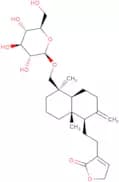
CAS:<p>Neoandrographolide is a diterpene compound that has been shown to have a significant cytotoxic effect on HL-60 cells. It also shows matrix effects in body formation and chemiluminescence. Neoandrographolide is extracted from the plant Andrographis paniculata, which belongs to the family Acanthaceae. This plant has been used historically as a medical herb in China and India for centuries. The extract of this plant has shown anti-inflammatory properties and can be used to treat infectious diseases such as bowel disease.</p>Formula:C26H40O8Purity:Min. 95%Color and Shape:White PowderMolecular weight:480.6 g/molN-[2-Acetamido-2-deoxy-6-O-(a-L-fucopyranosyl)-D-glucopyranosyl]-L-asparagine
CAS:<p>N-[2-Acetamido-2-deoxy-6-O-(a-L-fucopyranosyl)-D-glucopyranosyl]-L-asparagine is a custom synthesis methylated oligosaccharide with a molecular weight of 732.13 Da. It has been fluorinated, modified and saccharide methylated. N-[2-Acetamido-2-deoxy-6-O-(a-L-fucopyranosyl)-D-glucopyranosyl]-L asparagine is soluble in water and has a purity of >98%. The chemical name for this compound is 2-[(5Z,6E)-5,6,7,8,9,10,11,12,13,14,15,16] -octadecahydro--[1H] -indeno[1',3':4',5]pyrrol</p>Formula:C18H31N3O12Purity:Min. 95%Molecular weight:481.45 g/mol







![(3R, 4S, 5R, 6R, 7S) -1- Azabicyclo[4.2.0] octane- 3, 4, 5, 7- tetrol](/_next/image/?url=https%3A%2Fstatic.cymitquimica.com%2Fproducts%2F3D%2Fthumb-webp%2FMA163391.webp&w=3840&q=75)






![(4αS,6S,7R,8S,8αR)-8-(Benzyloxy)-2-phenyl-6-(phenylthio)hexahydropyrano[3,2-d][1,3]dioxin-7-yl ben…](/_next/image/?url=https%3A%2Fstatic.cymitquimica.com%2Fproducts%2F3D%2Fthumb-webp%2FMB184552.webp&w=3840&q=75)




![(2S, 3S, 4R) -3- Azido- 4- [[[(1, 1- dimethylethyl) dimethylsilyl] oxy] methyl] - 1- (phenylmethyl…](/_next/image/?url=https%3A%2Fstatic.cymitquimica.com%2Fproducts%2F3D%2Fthumb-webp%2FMA163461.webp&w=3840&q=75)


![2-Methyl-(3,4,6-tri-O-acetyl-1,2-dideoxy-a-D-glucopyrano)-[2,1-d]-2-oxazoline](/_next/image/?url=https%3A%2Fstatic.cymitquimica.com%2Fproducts%2F3D%2Fthumb-webp%2FMM07263.webp&w=3840&q=75)

![D-Galactopyranosyl-(b1-3)-[N-acetylneuraminyl-(a2-6)]-D-N-acetylgalactosaminyl serine](/_next/image/?url=https%3A%2Fstatic.cymitquimica.com%2Fproducts%2F3D%2Fthumb-webp%2FOG15272.webp&w=3840&q=75)

![N- [(3S, 4R, 5S, 6R) - 4, 5- Dihydroxy- 6- (hydroxymethyl) - 3- piperidinyl] -acetamide](/_next/image/?url=https%3A%2Fstatic.cymitquimica.com%2Fproducts%2F3D%2Fthumb-webp%2FMD163935.webp&w=3840&q=75)


![(1S) -1- [(2S, 3R) - 3- Hydroxy- 1- ((4-methoxyphenyl)methyl) - 2- azetidinyl] -1, 2- ethanediol](/_next/image/?url=https%3A%2Fstatic.cymitquimica.com%2Fproducts%2F3D%2Fthumb-webp%2FMM163533.webp&w=3840&q=75)


![N-[2-Acetamido-2-deoxy-6-O-(a-L-fucopyranosyl)-D-glucopyranosyl]-L-asparagine](/_next/image/?url=https%3A%2Fstatic.cymitquimica.com%2Fproducts%2F3D%2Fthumb-webp%2FOA29849.webp&w=3840&q=75)