Glycoscience
Glycoscience is the study of carbohydrates and their derivatives, as well as the interactions and biological functions they participate in. This field of research is crucial for understanding a wide variety of biological processes, including cell recognition, signaling, immune response, and disease development. Glycoscience has important applications in biotechnology, medicine, and the development of new drugs and therapies. At CymitQuimica, we offer a wide selection of high-quality, high-purity products for glycoscience research. Our catalog includes monosaccharides, oligosaccharides, polysaccharides, glycoconjugates, and specific reagents, designed to support researchers in their studies on the structure, function, and applications of carbohydrates in biological systems. These resources are intended to facilitate scientific discoveries and practical applications in various areas of bioscience and medicine.
Subcategories of "Glycoscience"
- Aminosugars(108 products)
- Glyco-Related Antibodies(282 products)
- Glycolipids(46 products)
- Glycosaminoglycans (GAGs)(55 products)
- Glycosides(419 products)
- Monosaccharides(6,624 products)
- Oligosaccharides(3,682 products)
- Polysaccharides(503 products)
Found 11046 products of "Glycoscience"
Sort by
Purity (%)
0
100
|
0
|
50
|
90
|
95
|
100
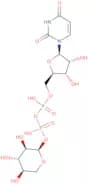
UDP-a-D-Xylose disodium
CAS:<p>UDP-a-D-xylose disodium is a high purity custom synthesis of sugar. It is also a Click modification and has been fluorinated, glycosylated, and methylated. This product contains CAS No. 108320-89-4 and has the following properties: Methylation, Modification, Oligosaccharide, Monosaccharide, saccharide, Carbohydrate, complex carbohydrate.</p>Formula:C14H22N2Na2O16P2Molecular weight:582.26 g/mol3,4,6-Tri-O-(tert-butyldimethylsilyl)-D-glucal
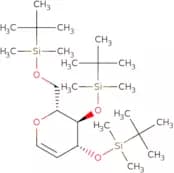
CAS:<p>3,4,6-Tri-O-(tert-butyldimethylsilyl)-D-glucal is a spiroketal that has been synthesized for the first time. It is an antifungal agent that inhibits the growth of fungi by inhibiting the synthesis of glucose in the cell wall. 3,4,6-Tri-O-(tert-butyldimethylsilyl)-D-glucal binds to carbanions and alcohols in the cell membrane by π–π interactions and prevents them from forming new cross links between polysaccharides and proteins. This compound also prevents glucose from being transported into the cell wall. The antifungal properties of 3,4,6-tri-O-(tert-butyldimethylsilyl)-D-glucal are due to its ability to inhibit carbohydrate metabolism in fungi.</p>Formula:C24H52O4Si3Purity:Min. 95%Molecular weight:488.92 g/mol1-Deoxy-1-vinylsulfonamido-b-D-glucuronide
1-Deoxy-1-vinylsulfonamido-b-D-glucuronide is a synthetic sugar. It is a member of the group of compounds called sulfonamides. This drug has high purity, and can be custom synthesized to meet specific requirements. 1-Deoxy-1-vinylsulfonamido-b-D-glucuronide is used in the synthesis of oligosaccharides, monosaccharides, and saccharides.Purity:Min. 95%Sulindac sulfone acyl-b-D-glucuronide
CAS:<p>Sulindac sulfone acyl-b-D-glucuronide is a modification of sulindac sulfone, which is an Oligosaccharide. The complex carbohydrate is synthesized from a custom synthesis and has a high purity. It has the CAS No. 60018-37-3 and Methylation, Glycosylation, Polysaccharide, sugar, Fluorination, saccharide.</p>Formula:C26H25FO10SPurity:Min. 95%Molecular weight:548.54 g/mol6-Deoxy-L-glucose
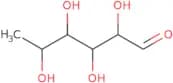
CAS:<p>6-Deoxy-L-glucose (6DG) is a glucose analogue that has been extensively studied for its effect on the metabolism of other sugars. It is an inhibitor of glycolysis and the pentose phosphate pathway in both wild-type and mutant strains of yeast, as well as in mammalian cells. 6DG inhibits the activity of enzymes such as gamma-aminobutyric acid (GABA) transaminase and phosphoglycerate kinase, which are involved in the synthesis of GABA and glycogen respectively. 6DG also inhibits the transport of sugar molecules into cells. The hydrochloric acid (HCl) concentration required to activate 6DG varies with pH, with a pKa near 7.5 at physiological pH. 6DG is activated by HCl when the pH falls below this value. The hydroxyl group on 6DG can react with HCl to form a chlorohydrin intermediate, which reacts further to yield</p>Formula:C6H12O5Purity:Min. 95%Molecular weight:164.16 g/molMirabegron N-glucuronide
CAS:<p>Mirabegron is a drug that is used to treat overactive bladder. Mirabegron N-glucuronide is the major metabolite of mirabegron, which has been shown to be excreted in urine. This metabolite can be detected using a validated assay and can be measured using a mass spectrometer. The concentration of mirabegron N-glucuronide in the blood sample was measured at various timepoints after administration of mirabegron. Pharmacokinetic studies were performed in humans and human liver tissue, giving information on how long it takes for the drug to reach its maximum concentration in the body and how long it stays there before being eliminated.</p>Purity:Min. 95%Sialyl Lewis A (Slea)-BSA
Sialyl Lewis A (Slea)-BSA is a synthetic glycoprotein that is modified with fluorine, methylation and click chemistry. It has the ability to bind to the surface of cells, where it can be used as an antigen for the detection of cancer cells. The protein contains both oligosaccharide and polysaccharide components, which are made up of sugar molecules linked together in different configurations. The carbohydrate component is composed of complex carbohydrates that are glycosylated, meaning they have sugar molecules attached to them.Purity:Min. 95%Deferasirox acyl-b-D-glucuronide
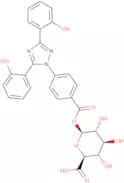
CAS:This compound is a high purity, synthetic, complex carbohydrate. It is made of saccharides and polysaccharides. This product can be used as a methylation reagent for oligosaccharide synthesis or click modification. The molecular weight is about 1140 g/mol. This product has been shown to have an inhibitory effect on bacterial growth and may be effective against Mycobacterium tuberculosis or Mycobacterium avium.Formula:C27H23N3O10Purity:Min. 95%Molecular weight:549.49 g/mol1-(2,3,4,6-Tetra-O-acetyl-b-D-glucopyranosyl)imidazole
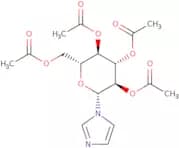
CAS:<p>1-(2,3,4,6-Tetra-O-acetyl-b-D-glucopyranosyl)imidazole (1A2G) is an acidic sugar that is found in plants from the genus Desmodium. It is a component of the biomass and has been shown to have anti-inflammatory properties. 1A2G can be extracted from plants such as Centrosema, Pueraria and Phaseolus edulis, which are commonly grown in tropical regions. This sugar can be used as a nutrient or as a treatment for diseases such as diabetes mellitus or cancer.</p>Purity:Min. 95%4-O-b-D-Galactosyl maltose
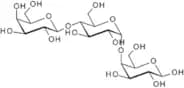
CAS:<p>4-O-b-D-Galactosyl maltose is a Glycosylation, Oligosaccharide, sugar, Synthetic, CAS No. 143444-32-0 that is custom synthesized and fluorinated. It is a complex carbohydrate with high purity and modification. The 4-O-b-D-Galactosyl maltose has the following properties: Methylation, Monosaccharide, Polysaccharide, saccharide, Click modification.</p>Formula:C18H32O16Purity:Min. 95%Molecular weight:504.44 g/molBenzyl 2-acetamido-3,4,6-tri-O-acetyl-2-deoxy-a-D-galactopyranoside
CAS:<p>Benzyl 2-acetamido-3,4,6-tri-O-acetyl-2-deoxy-a-D-galactopyranoside is a custom synthesis of a complex carbohydrate. It reacts with the terminal hydroxyl group of an oligosaccharide to form an ether bond and also has fluorescent properties.</p>Formula:C21H27NO9Purity:Min. 95%Molecular weight:437.44 g/mol5-Azido-5-deoxy-α-D-glucofuranose
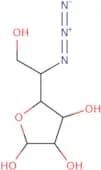
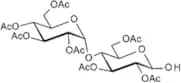
CAS:Please enquire for more information about 5-Azido-5-deoxy-α-D-glucofuranose including the price, delivery time and more detailed product information at the technical inquiry form on this pageFormula:C6H11N3O5Purity:Min. 95%Molecular weight:205.17 g/mol2, 3, 6, 2', 3', 4', 6'-Hepta- O- acetyl- D- maltose
CAS:<p>2, 3, 6, 2', 3', 4', 6'-Hepta-O-acetyl-D-maltose is a fluorinated monosaccharide that is used in the synthesis of glycosides. It has a CAS number of 56285-96-2 and can be custom synthesized. This product is an oligosaccharide that can be modified by glycosylation, methylation, or click modification. It is a complex carbohydrate with a high purity and can be used in the modification of sugars.</p>Formula:C26H36O18Purity:Min. 95%Color and Shape:White to off-white solid.Molecular weight:636.55 g/mol2-Deoxy-N-phenylglucosylamine
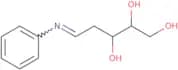
CAS:<p>2-Deoxy-N-phenylglucosylamine is a custom synthesis that can be modified to suit the needs of your project. It is a fluorinated compound with a methyl group on the phenyl ring and an amine at C2. This chemical has been shown to have anti-tumor activity against sarcoma 180 and leukemia L1210 in mice. 2-Deoxy-N-phenylglucosylamine is also known to inhibit the production of monosaccharides, oligosaccharides, and polysaccharides by inhibiting glycosylation. If you are looking for carbohydrate compounds for your next project, this chemical may be just what you need!</p>Formula:C12H17NO4Purity:Min. 95%Molecular weight:239.27 g/mol2,3,4,6-Tetra-O-benzoyl-a-D-glucopyranosyl p-trifluoromethylbenzylthio-N-(trifluoromethylphenyl)formimidate
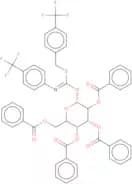
CAS:2,3,4,6-Tetra-O-benzoyl-a-D-glucopyranosyl p-trifluoromethylbenzylthio-N-(trifluoromethylphenyl)formimidate is a carbohydrate that has been synthesized from an oligosaccharide and a monosaccharide. It has been modified by fluorination, methylation, glycosylation and click chemistry. This product has been custom synthesized for use in the synthesis of saccharides.Formula:C50H37F6NO10SPurity:Min. 95%Molecular weight:957.91 g/molD-Xylose-2-C-D
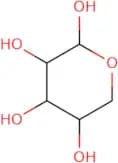
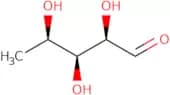
CAS:Please enquire for more information about D-Xylose-2-C-D including the price, delivery time and more detailed product information at the technical inquiry form on this pageFormula:C5H10O5Purity:Min. 95%Molecular weight:151.14 g/mol5-Deoxy-D-xylose
CAS:<p>5-Deoxy-D-xylose is a metabolite that is produced as a byproduct of the metabolism of l-arabinose. It can be found in urine, saliva, and cerebrospinal fluid. 5-Deoxy-D-xylose has been shown to have a role in mediating the effects of nitroacetate and hydrogen fluoride on nitric oxide synthase. This compound also has an anti-inflammatory effect, which may be due to its ability to inhibit the production of neopterin. The isomers form from 5-deoxy-D-xylose are tautomeric with each other and their optical isomers are chemically different from one another. 5-Deoxy-D-xylose can exist as a cyclic form or as an open chain form.</p>Formula:C5H10O4Purity:Min. 95%Molecular weight:134.13 g/mol1-O-Tosyl-2,3:4,5-di-O-isopropylidene-L-arabinitol
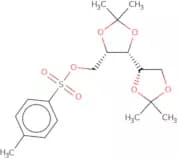
CAS:<p>1-O-Tosyl-2,3:4,5-di-O-isopropylidene-L-arabinitol is a sugar that is used in the synthesis of oligosaccharides and complex carbohydrates. This product can be custom synthesized to meet your needs. It has been shown to react with fluorine at high temperatures and with CH3OH/NaOH at low temperatures. 1-O-Tosyl-2,3:4,5-di-O-isopropylidene arabinitol can also be glycosylated or methylated. The CAS number for this product is 1241674-36-1.</p>Formula:C18H26O7SPurity:Min. 95%Color and Shape:SolidMolecular weight:386.46 g/molNBD-Fructose
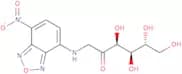
CAS:<p>Fluorescent substrate used to monitor fructose uptake</p>Formula:C12H14N4O8Purity:Min. 95%Molecular weight:342.26 g/molD-Glucose-6-18O
CAS:<p>D-Glucose-6-18O is a modified form of glucose, which is an important monosaccharide. It can be synthesized by the methylation and glycosylation of glucose. This compound has a CAS number of 7978-38-1. D-Glucose-6-18O is used in the synthesis of oligosaccharides and polysaccharides, and can be fluorinated to form 6Fluoro-3-indoxylglucopyranoside or 3Fluoro D Glucopyranoside.</p>Formula:OC6H12O5Purity:Min. 95%Molecular weight:182.16 g/mol3,4,6-Tri-O-benzyl-a-D-galactopyranose 1,2-(methyl orthoacetate)
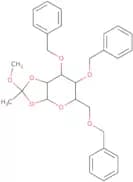
CAS:<p>3,4,6-Tri-O-benzyl-a-D-galactopyranose 1,2-(methyl orthoacetate) is a synthetic glycoside. It is a triaryl ether of D-galactopyranose and a methyl orthoacetate. This product can be used for the modification of saccharides and oligosaccharides. It also has high purity.</p>Formula:C30H34O7Purity:Min. 95%Molecular weight:506.59 g/molDecyl a-L-rhamnopyranoside
<p>Decyl a-L-rhamnopyranoside is a compound that is used as an anti-inflammatory drug. It is an antioxidant and has been shown to inhibit the production of prostaglandins in inflammatory cells. Decyl a-L-rhamnopyranoside also inhibits the production of leukotrienes, which are involved in inflammation. It has been shown to have a radical scavenging effect and may have potential for use as a medicament. Decyl a-L-rhamnopyranoside has been shown to be effective in the treatment of inflammatory disorders such as lupus erythematosus, rheumatoid arthritis, and ulcerative colitis. The mechanism of action for this drug is not fully understood, but it may involve inhibition of enzymes such as cyclooxygenase or lipoxygenase that are responsible for the production of prostaglandins or leukotrienes.</p>Formula:C16H32O5Purity:Min. 95%Color and Shape:PowderMolecular weight:304.42 g/molOctyl 2-acetamido-2-deoxy-b-D-galactopyranoside
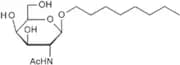
CAS:<p>Octyl 2-acetamido-2-deoxy-b-D-galactopyranoside is a synthetic sugar with a high purity. It is a custom synthesis, which can be fluorinated, monosaccharide, or oligosaccharide. Octyl 2-acetamido-2-deoxy-b-D-galactopyranoside has an Oligosaccharide and Polysaccharide structure that can be modified with methylation and Click modification. This product is CAS No. 383417-49-0 and has an Glycosylation, Carbohydrate structure.</p>Formula:C16H31NO6Purity:Min. 95%Molecular weight:333.42 g/molIsopropyl 2,3,4,6-tetra-O-acetyl-b-D-thioglucopyranoside
CAS:<p>Isopropyl 2,3,4,6-tetra-O-acetyl-b-D-thioglucopyranoside is a custom synthesis of a monosaccharide with four acetates and two fluorines. The molecule is synthesized in the laboratory by modifying the sugar with methyl groups and then fluorinating it. This synthetic product can be used in biochemistry to study glycosylation reactions and complex carbohydrate structures.</p>Formula:C17H26O9SPurity:Min. 95%Molecular weight:406.45 g/molMethyl 4-O-(a-D-galactopyranosyl)-b-D-galactopyranoside
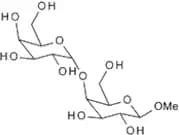
Methyl 4-O-(a-D-galactopyranosyl)-b-D-galactopyranoside is a modification of a sugar molecule. It is an oligosaccharide that is a complex carbohydrate. This product can be custom synthesized to order with high purity and CAS number. The chemical name for this product is methyl 4-O-(a-D-galactopyranosyl)-b-D-galactopyranoside, which is a monosaccharide. Methyl 4-O-(a-D-galactopyranosyl)-b-D-galactopyranoside has glycosylation and polysaccharides. This product can be fluorinated or saccharified with methylation.Formula:C13H24O11Purity:Min. 95%Molecular weight:356.32 g/molD-myo-Inositol-2,3-O-cyclohexylidene
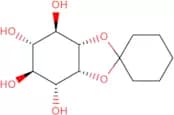
CAS:<p>D-myo-Inositol-2,3-O-cyclohexylidene is a lipase. It hydrolyzes esters and triglycerides, which are found in many natural and synthetic products. D-myo-Inositol-2,3-O-cyclohexylidene is more effective at hydrolyzing fats than porcine pancreatic lipase. This enzyme has been shown to be enantioselective for some solvents, such as vinyl acetate. D-myo-Inositol-2,3-O-cyclohexylidene also has the ability to produce butyrate from fatty acids.</p>Formula:C12H20O6Purity:Min. 95%Molecular weight:260.28 g/molL-Threitol
CAS:L-threitol is a white crystalline powder that is soluble in water and alcohol. It is a natural carbohydrate that is found in many plants and animals. The chemical formula for L-threitol is C4H10O4. This molecule consists of four carbon atoms, ten hydrogen atoms, and four oxygen atoms. L-threitol has been used as a sweetener and an excipient in the pharmaceutical industry. L-threitol can be modified by fluorination or saccharide modification to create other compounds. L-Threitol has been shown to have high purity and is used as a starting material for the synthesis of other carbohydrates such as oligosaccharides and polysaccharides.Purity:Min. 95%2,3,4,6-Tetra-O-acetyl-b-D-glucopyranosyl (1,3-benzylidene)glycerol
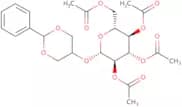
CAS:<p>2,3,4,6-Tetra-O-acetyl-b-D-glucopyranosyl (1,3-benzylidene)glycerol is a complex carbohydrate that was synthesized by modifying the glycosylation of 2,3,4,6-tetra-O-acetylmannitol. The chemical modification and fluorination of this carbohydrate were performed with an aim to introduce the acetal functionality. This modification was achieved by reacting the 1,3-benzylidene moiety with dimethylsulfonium methylide. This product is not known to have any other CAS number for this compound.</p>Formula:C24H30O12Purity:Min. 95%Molecular weight:510.49 g/mol6-Amino-6-deoxy-1,2-O-isopropylidene-a-D-glucofuranose HCl
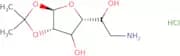
CAS:6-Amino-6-deoxy-1,2-O-isopropylidene-a-D-glucofuranose HCl is a custom synthesis product that can be used in the synthesis of oligosaccharides and polysaccharides. It has a CAS No. of 24384-88-1 and can be used to modify saccharides, carbohydrates, and sugars. This product is also fluorinated and is made from high purity raw materials. The chemical name for this product is 6-(amino)-6-(deoxy)-1,2:5,6:9,10:4′,5′:4′′,5′′′-[3H]isopropylidenea D glucofuranose hydrochloride.Formula:C9H17NO5·HClPurity:Min. 95%Molecular weight:255.7 g/molGT2-Oligosaccharide
GT2 oligosaccharide (free acid) has a core trisaccharide structure (GalNAcβ1,4Galβ1,4Glc) with three sialic acid residues (NeuAc) linked α2,8/α2,8/α2,3 to the inner galactose residue (Ledeen, 2009). GT2 oligosaccharide is the carbohydrate moiety in the GT2 ganglioside. A key role has been reported for gangliosides, such as, GT1b and GT2 as modulators in the interaction between microglia (resident cells of the brain that regulate brain development) and brain tumors. It is possible that they will be important targets for therapeutical intervention in the near future (Daniele, 2020). In addition, C-series gangliosides, such as GT3, GT2, GQ1c, and CP1c are expressed in normal pancreatic tissue but are practically lost in the pancreas of diabetic animals (Saito, 1999).Formula:C53H83N4O40Na3Purity:Min. 95%Molecular weight:1,485.2 g/molNorfluoxetine b-D-glucuronide
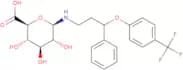
CAS:<p>Norfluoxetine is a selective serotonin reuptake inhibitor (SSRI) that is metabolized to the active metabolite, norfluoxetine b-D-glucuronide. The metabolism of norfluoxetine b-D-glucuronide has been shown to be inhibited by estradiol. Norfluoxetine b-D-glucuronide also exhibits antioxidant activity, which may be related to its ability to modulate expression of genes encoding antioxidant proteins. Norfluoxetine b-D-glucuronide has been found in wastewater and wastewater treatment plant effluents, suggesting this drug may have an environmental impact. The transcriptome of organisms exposed to norfluoxetine b-D-glucuronide has been studied and it was found that there are some genes that are responsive to this drug.</p>Formula:C22H24F3NO7Purity:Min. 95%Color and Shape:White PowderMolecular weight:471.42 g/mol2'-Fucosyllactose-BSA
<p>2'-Fucosyllactose-BSA is a high purity, custom synthesis, synthetic oligosaccharide. It is a glycosylated and methylated monosaccharide that can be used for Click modification with azido-functionalized molecules. 2'-Fucosyllactose-BSA has a CAS number of 113959-06-8 and an Oligosaccharide content of >95%. It is soluble in water and has a Glycosylation content of >95% and a Carbohydrate content of >95%.</p>Purity:Min. 95%2,3,4-Tri-O-acetyl-a-L-rhamnopyranosyl azide
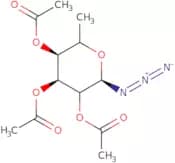
CAS:2,3,4-Tri-O-acetyl-a-L-rhamnopyranosyl azide (AraG) is a triazole glycoside that is synthesized by the reaction of an acetylene glycosyl donor with a glycosyl acceptor. It has been shown to have high purity and custom synthesis. 2,3,4-Tri-O-acetyl-a-L-rhamnopyranosyl azide has been used for click modification and fluorination. It can be used to modify saccharides such as oligosaccharides and monosaccharides.Formula:C12H17N3O7Purity:Min. 95%Molecular weight:315.28 g/molOctyl 2-acetamido-2-deoxy-3-O-(b-D-galactopyranosyl)-b-D-glucopyranoside
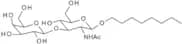
CAS:<p>Octyl 2-acetamido-2-deoxy-3-O-(b-D-galactopyranosyl)-b-D-glucopyranoside is a monosaccharide that is custom synthesized by our company. It is modified with fluorination, methylation, and click modification to generate the desired product. Octyl 2-acetamido-2-deoxy-3-O-(b-D-galactopyranosyl)-b-D-glucopyranoside also has saccharide and polysaccharide groups attached to it. This product can be used as a sugar in the production of complex carbohydrates.</p>Formula:C22H41NO11Purity:Min. 95%Molecular weight:495.56 g/molFucoidan - Alaria
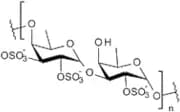
CAS:A fucan sulphate found in brown marine algae (Phaeophyta-typically Fucus serratus, Ascophyllum nodosum, Alaria (illustrated) and Macrocystis pyrifyra and has been shown to have anticoagulant activity. The main constituents are α-1,4 and α-1,2 linked L-fucose sulphates although galactose also occurs and there are many variations of the basic structure found in different species of Phaeophyta. The image was kindly provided by Prof Mike Guiry from Cork who runs ‘The Seaweed Site’.Purity:Min. 95%Color and Shape:Powder1,6:2,3-Dianhydro-4-O-(2',3',4',6'-tetra-O-acetyl-b-D-glucopyranosyl)-b-D-mannopyranose
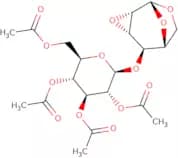
CAS:<p>1,6:2,3-Dianhydro-4-O-(2',3',4',6'-tetra-O-acetyl-b-D-glucopyranosyl)-b-D-mannopyranose is a custom synthesis of an oligosaccharide that contains a saccharide. It belongs to the class of carbohydrates and can be used in research as a fluorinated complex carbohydrate for modification. This product is not intended for human or animal consumption.</p>Formula:C20H26O13Purity:Min. 95%Molecular weight:474.41 g/mol4-O-Benzyl-D-glucal
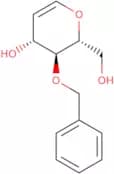
CAS:<p>4-O-Benzyl-D-glucal is an organic solvent and a reactive intermediate, which has been used as a reagent for allylic oxidation. It reacts with halogens, such as chlorine or bromine, to form the corresponding halohydrin or halonium salt in high yield. 4-O-Benzyl-D-glucal is soluble in acetonitrile, benzene, and other solvents and can be used as a solvent for organic synthesis. The compound also reacts with oxygen to form solvents such as acetone or acetic acid.<br>END></p>Formula:C13H16O4Purity:Min. 95%Molecular weight:236.26 g/mol6-O-Triisopropylsilyl-D-glucal
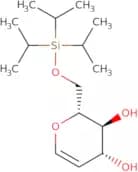
CAS:<p>6-O-Triisopropylsilyl-D-glucal is a silyl ether that can be used as a protecting group for benzyl alcohol. It is an efficient, large-scale synthesis of the benzyl alcohol and d-glucuronolactone. 6-O-Triisopropylsilyl-D-glucal accelerates the reaction by removing water as a byproduct of the reaction, simplifying the synthesis to just two steps. This product is also useful for synthesizing other products with similar structures.</p>Formula:C15H30O4SiPurity:Min. 95%Molecular weight:302.48 g/molVanillic acid 4-β-D-glucoside
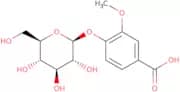
CAS:Vanillic acid 4-beta-D-glucoside is a Custom synthesis that is used as an Oligosaccharide. It is Polysaccharide and Modification of the natural product vanillin. Vanillic acid 4-beta-D-glucoside has CAS No. 32142-31-7, Methylation, Glycosylation, Carbohydrate, Click modification, saccharide, sugar, High purity and Fluorination. It is also Synthetic.Formula:C14H18O9Purity:Min. 95%Molecular weight:330.29 g/molPhenyl N-Benzyl-2-amino-4,6-O-benzylidene-2-N,3-O-carbonyl-2-deoxy-1-thio-b-D-glucopyranoside
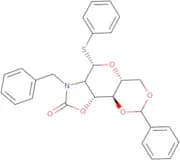
CAS:Phenyl N-Benzyl-2-amino-4,6-O-benzylidene-2-N,3-O-carbonyl-2-deoxy-1-thio-b -D -glucopyranoside is a custom synthesis of a complex carbohydrate with an Oligosaccharide and Polysaccharide. It has been modified in the saccharide moiety by Methylation and Glycosylation. Phenyl N -Benzyl -2 amino 4,6 O benzylidene 2 N 3 O carbonyl 2 deoxy 1 thio b D glucopyranoside has CAS No. 910805 49 1 and is fluorinated at the phenolic hydroxyl group. The sugar is synthesized with a high purity, fluorination and synthetic modification.Formula:C27H25NO5SPurity:Min. 95%Molecular weight:475.56 g/mol2-Amino-2-deoxy-D-xylose
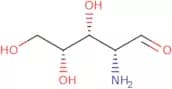
CAS:<p>2-Amino-2-deoxy-D-xylose is a metal chelator that can be used in the treatment of infections caused by bacteria. It has been shown to have synergistic effects with metaperiodate, a compound that inhibits bacterial growth by blocking the synthesis of folic acid. 2-Amino-2-deoxy-D-xylose also chelates and removes heavy metals such as mercury and lead from the bloodstream and other tissues. In addition, this drug is an efficient method for producing amino function pyrimidine nucleosides, which are precursors to DNA and RNA synthesis. The metal chelate ring is formed through dehydration of a furanose molecule with a chloride ion. This leads to an advanced carbohydrate product that contains chlorine.</p>Purity:Min. 95%Fluphenazine b-D-glucuronide
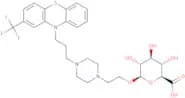
CAS:Controlled Product<p>Fluphenazine is a phenothiazine antipsychotic agent that is metabolized by the liver to form fluphenazine b-D-glucuronide. This compound has been shown to have high yield and an electron affinity. Fluphenazine b-D-glucuronide is a primary alcohol with a phenolic hydroxyl group. It can be synthesized using immobilized enzyme, which is an electron donor, and an aliphatic substrate such as methanol. The reaction product is incubated for six hours before it undergoes glucuronidation.</p>Formula:C28H34F3N3O7SPurity:Min. 95%Molecular weight:613.65 g/mol4'-Hydroxytrazodone b-D-glucuronide
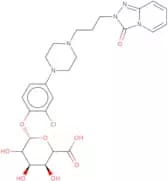
CAS:<p>4'-Hydroxytrazodone b-D-glucuronide is a modification of the drug 4'-hydroxytrazodone, which is used to treat hypertension and depression. The modification prevents the degradation of 4'-hydroxytrazodone by glucuronyl transferase enzymes in the liver, prolonging its half-life. It is synthesized from the glycogen or starch of plants such as corn, wheat, or potatoes. This compound can also be found in natural sources such as honey and fruit juices.</p>Formula:C25H30ClN5O8Purity:Min. 95%Molecular weight:564 g/molSucralose-d6
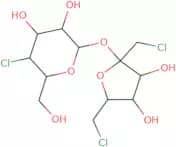
CAS:<p>Sucralose is a non-nutritive artificial sweetener that has no calories and is used in place of sugar. It is made from sucrose by substituting three hydrogen-oxygen groups with three chlorine atoms. The deuterium isotope, D6, was used to prepare this compound for analysis because it only emits positrons that can be detected using a PET scanner. Sucralose-d6 was shown to have high resistance to degradation due to its strong bond between the carbon and oxygen atoms in the molecule. This property makes it more stable than other sugars and carbohydrates which are subject to hydrolysis by enzymes in wastewater treatment plants. Deionized water can be used as a sample preparation solvent for sucralose-d6 because it does not contain any ions that may react with this compound.</p>Formula:C12H19Cl3O8Purity:Min. 95%Molecular weight:403.7 g/mol2-Naphthylmethyl 2-acetamido-2-deoxy-b-D-glucopyranoside
CAS:2-Naphthylmethyl 2-acetamido-2-deoxy-b-D-glucopyranoside is a synthetic, fluorinated monosaccharide. It is a custom synthesis that can be glycosylated and methylated to produce polysaccharides. It has been shown to inhibit cancer cell growth in vitro and in vivo by inhibiting protein synthesis.Formula:C19H23NO6Purity:Min. 95%Molecular weight:361.39 g/molUDP-a-D-Xylose disodium
CAS:<p>UDP-a-D-Xylose disodium is a fluorinated synthetic monosaccharide that has been synthesized to produce an oligosaccharide. It is a complex carbohydrate with glycosylation and polysaccharide modifications, which can be modified by methylation or click chemistry. This product is usually used as a custom synthesis for research purposes.</p>Purity:Min. 95%Methyl b1-4-D-xylobioside
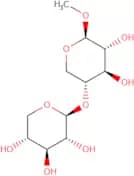
CAS:<p>Methyl b1-4-D-xylobioside is a bioreactor that binds to the carbohydrate binding domain of the enzyme. It has been shown to be reactive with galactose and other glycosides, and is used as a substrate for electrophotographic analysis. This product also has immobilized properties, which make it suitable for use in an acceptor column in order to purify oligosaccharides or gene products with similar sequences. Methyl b1-4-D-xylobioside is used as a selective inhibitor of tuberculosis by binding to the enzyme mycobactin synthase, which is involved in the biosynthesis of mycolic acids.</p>Formula:C11H20O9Purity:Min. 95%Molecular weight:296.27 g/molMethyl 6-O-(b-D-galactopyranosyl)-b-D-galactopyranoside
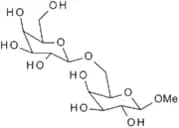
Methyl 6-O-(b-D-galactopyranosyl)-b-D-galactopyranoside is a white crystalline solid that belongs to the category of carbohydrates. It is a synthetic carbohydrate with a molecular weight of 496.06 and a CAS number of 3489-94-3. This product has been custom synthesized for research purposes, and can be purchased in high purity (>98%) from various suppliers. It is an oligosaccharide that contains a single sugar unit, which is galactose. This product has been modified with fluorination and methylation to prevent hydrolysis by esterases and glucuronidases, respectively. It also has glycosylation sites on the terminal glucose residues that allow for further modification with other carbohydrates or proteins. The methyl 6-O-(b-D-galactopyranosyl)-b-D-galactopyranoside can be used as an affinity ligandFormula:C13H24O11Purity:Min. 95%Molecular weight:356.32 g/mol(4-Chlorophenyl)methyl-β-D-glucopyranoside
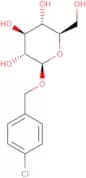
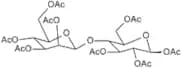
CAS:4-Chlorophenyl)methyl-beta-D-glucopyranoside is a modified saccharide that is used as a synthetic building block in the synthesis of complex carbohydrates. It is also possible to use 4-chlorophenyl)methyl-beta-D-glucopyranoside as an intermediate in the synthesis of oligosaccharides. The compound has been shown to be stable under acidic conditions, making it useful for the modification of polysaccharides.Formula:C13H17ClO6Purity:Min. 95%Molecular weight:304.72 g/mol1,2,3,6-Tetra-O-acetyl-4-O-(2,3,4,6-tetra-O-acetyl-b-D-mannopyranosyl)-D-glucopyranose
CAS:<p>1,2,3,6-Tetra-O-acetyl-4-O-(2,3,4,6-tetra-O-acetyl-b-D-mannopyranosyl)-D-glucopyranose is a synthetic sugar that has been modified by the methylation of the hydroxyl groups at C1 and C6 with acetaldehyde. This sugar is used in glycosylation reactions to modify proteins and other biomolecules. The product is a white crystalline solid that has a CAS number of 132341-46-9. It can be custom synthesized for research purposes or as a high purity material for commercial use.</p>Formula:C28H38O19Purity:Min. 95%Molecular weight:678.59 g/molD-Gluconic acid calcium salt monohydrate
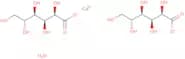
CAS:<p>D-Gluconic acid calcium salt monohydrate (DGC) is a metabolite of the digestion of glucose. It is a calcium salt that is usually formed in the gut due to the neutralization of acids by sodium bicarbonate. DGC has been shown to be effective for treatment of bowel diseases such as ulcerative colitis, but has not been tested for other conditions. DGC has been shown to have antioxidant properties, which may be responsible for its therapeutic effects in treating bowel disease. The structural analysis of DGC show that it can form stable complexes with many drugs and therefore may interfere with their absorption and distribution into tissue cells. It also can increase the risk of drug interactions because it inhibits P-glycoprotein, an efflux pump protein that pumps drugs out of cells. DGC also may cause metabolic disorders due to its ability to inhibit enzymes involved in glycolysis and gluconeogenesis, including pyruvate kinase, phosphofructokin</p>Formula:C12H22CaO14·H2OPurity:Min. 95%Molecular weight:448.39 g/molGlobotriose-GEL
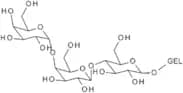
<p>Immobilised on Fractogel with glycosylamine formation of the monosaccharide</p>Purity:Min. 95%Color and Shape:White Liquid3-[(2,3,4,6-Tetra-O-acetyl-b-D-galactopyranosyl)thio]-propanoic acid
CAS:<p>3-[(2,3,4,6-Tetra-O-acetyl-b-D-galactopyranosyl)thio]-propanoic acid is a modified carbohydrate with the chemical formula (C14H12O4S). It is an oligosaccharide composed of a saccharide and a sugar. The saccharide portion of 3-[(2,3,4,6-Tetra-O-acetyl-b-D-galactopyranosyl)thio]-propanoic acid is classified as a carbohydrate and has CAS number 79360-05-7. The sugar portion of 3-[(2,3,4,6-Tetra-O-acetyl-b-D</p>Formula:C17H24O11SPurity:Min. 95%Molecular weight:436.43 g/mol2,3,6,2',3',4',6'-Hepta-O-acetyl-b-D-cellobiosyl azide
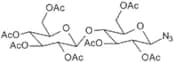
CAS:<p>2,3,6,2',3',4',6'-Hepta-O-acetyl-b-D-cellobiosyl azide is a sugar that belongs to the group of carbohydrates. It is modified with fluorination and glycosylation. The CAS number for this compound is 33012-50-9. 2,3,6,2',3',4',6'-Hepta-O-acetyl-b-D-cellobiosyl azide has been synthesized and its chemical modification has been studied. This compound has an average degree of polymerization (DP) of 10. The molecular weight of 2,3,6,2',3',4',6'-Hepta-O-acetyl-b -D -cellobiosyl azide is 569.27 g/mol.</p>Formula:C26H35N3O17Purity:Min. 95 Area-%Color and Shape:PowderMolecular weight:661.6 g/mol4,6-O-Benzylidene-1,3-di-O-methyl-a-D-mannopyranoside
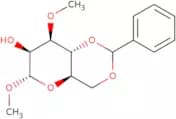
CAS:<p>4,6-O-Benzylidene-1,3-di-O-methyl-a-D-mannopyranoside is an antiviral agent that has been shown to inhibit the replication of a number of RNA and DNA viruses. The compound binds to the active site of the virus and reacts with nucleophilic groups on the sugar ring. This reaction leads to a nitro group being introduced into the sugar ring of the virus. This nitro group is then alkylated by nucleophilic groups in proteins and other cellular components. 4,6-O-Benzylidene-1,3-di-O-methyla D mannopyranoside has been shown to inhibit hepatitis A virus (HAV) infection in vitro and in vivo.</p>Formula:C15H20O6Purity:Min. 95%Molecular weight:296.32 g/mol1-Hydroxypyrene-d9
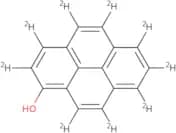
CAS:Controlled Product<p>1-Hydroxypyrene-d9 is a genotoxic aromatic hydrocarbon that can be found in the environment as a byproduct of combustion and cigarette smoke. It has been shown to cause DNA damage through oxidative stress and genotoxicity. This compound can be used for the detection of naphthalene in bile samples and urine samples. 1-Hydroxypyrene-d9 also has potential use in cancer research as it can be used to detect oxidative damage to DNA in cells. It has been shown to have synchronous fluorescence with DNA, which makes it useful for quantification of DNA. 1-Hydroxypyrene-d9 is analysed using analytical methods such as fluorescence spectrometry, synchronous fluorescence, and sample preparation.</p>Formula:C16HD9OPurity:Min. 95%Color and Shape:PowderMolecular weight:227.3 g/mol4-Methoxyphenyl 2-acetamido-4-O-[2-O-acetyl-3,6-di-O-(2,3,4,6-tetra-O-acetyl-a-D-mannopyranosyl)-4-O-benzyl-b-D-mannopyranosyl]-3,6- di-O-benzyl-2-deoxy-b-D-glucopyranoside
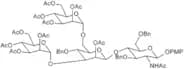
<p>This product is a custom synthesis and modification of a natural product. The chemical name is 4-Methoxyphenyl 2-acetamido-4-O-[2-O-acetyl-3,6-di-O-(2,3,4,6-tetra-O-acetyl-aDmannopyranosyl)-4-ObenzylbDmannopyranosyl]-3,6diOBenzyl2deoxybDglucopyranoside. This molecule has been fluorinated with trifluoromethanesulfonic acid in the presence of polystyrene as an initiator to form the desired compound. The molecular weight of this molecule is 1,895.09 g/mol. This product was synthesized by methylation using methanol and ammonium chloride as reagents in the presence of tetrapropylammonium perruthenate as catalyst for the process.</p>Formula:C72H87NO31Purity:Min. 95 Area-%Color and Shape:PowderMolecular weight:1,462.45 g/mol4-Methylphenyl 3,4,6-tri-O-acetyl-2-O-benzyl-b-D-thiogalactopyranoside
CAS:<p>4-Methylphenyl 3,4,6-tri-O-acetyl-2-O-benzyl-b-D-thiogalactopyranoside is a synthetically produced saccharide typically used as a building block in oligo-saccharide synthesis.</p>Formula:C26H30O8SPurity:Min. 95%Molecular weight:502.58 g/molMethyl 2-deoxy-a-L-ribofuranoside
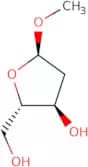
CAS:Methyl 2-deoxy-a-L-ribofuranoside is a modification of a monosaccharide. It is synthesized by reacting 2,3,4,6-tetra-O-methylglucose with sodium nitrite in the presence of hydrochloric acid. Methyl 2-deoxy-a-L-ribofuranoside is used to modify saccharides and polysaccharides.Formula:C6H12O4Purity:Min. 95%Molecular weight:148.16 g/mol(+)-1,4-Di-O-benzyl-D-threitol
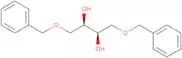
CAS:<p>(+)-1,4-Di-O-benzyl-D-threitol is a carbohydrate which is an enantiomer of D-threitol. It has been used as a model membrane to investigate the interaction of divalent cations with the lipid bilayer. The (+) form of this compound has been shown to be catalytic in the desymmetrization of racemic mixtures of carbohydrates. This enantiomer can be readily chromatographically separated from its mirror image by chiral chromatography techniques.</p>Formula:C18H22O4Purity:Min. 95%Molecular weight:302.36 g/mol2,3,4,6-Tetra-O-acetyl-1-O-(2,3,4-tri-O-benzoyl-a-L-fucopyranosyl)-D-galactopyranoside
<p>2,3,4,6-Tetra-O-acetyl-1-O-(2,3,4-tri-O-benzoyl-a-L-fucopyranosyl)-D-galactopyranoside is a glycosylated polysaccharide that has been modified by methylation and fluorination. It is synthesized from the monosaccharide D galactopyranose with a 2,3,4,6 tetra O acetyl group at the 1 position.</p>Formula:C41H42O17Purity:Min. 95%Molecular weight:806.76 g/molMan-9-Glc N-Glycan
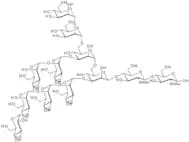
CAS:<p>Man-9-Glc N-Glycan is a synthetic carbohydrate that is a modification of the natural sugar, Man-9-GlcNAc. It can be used as an ingredient in pharmaceutical products, such as vaccines and other therapeutic agents. This product is a custom synthesis that can be produced to order.</p>Formula:C76H128N2O61Purity:Min. 95%Molecular weight:2,045.81 g/mol3-Amino-2,3-dideoxy-D-myo-inositol
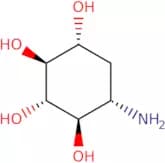
CAS:<p>3-Amino-2,3-dideoxy-D-myo-inositol (3ADMI) is a gene product that belongs to the class of chemical biology. It is an actuator that has been shown to be able to bind and activate enzymes. 3ADMI is used as a substrate in the calibration of enzyme kinetics and as an analog for aminoglycosides. The conjugates of 3ADMI have been shown to prevent viral replication by inhibiting the synthesis of DNA or RNA.</p>Formula:C6H13NO4Purity:Min. 95%Color and Shape:White/Off-White SolidMolecular weight:163.17 g/mol2-O-Benzyl-D-glucose
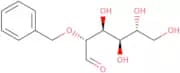
CAS:<p>2-O-Benzyl-D-glucose is a disaccharide that is an intermediate in the synthesis of benzoic acid. It is benzylated with benzaldehyde and then reacted with sodium hydroxide to form 2-O-benzylidene-D-glucose. Spectroscopy has shown that this product has an anomeric proton at δH 7.1 to 7.4 and a pyranoside group at δH 4.2 to 4.6, which are characteristic of 2-O-benzylidene-D-glucose. The sugar's molecular formula is C9H12O5, and its molecular weight is 230. The sugar has been shown to be acylated with acetate or benzoic acid as well as undergo glycosidation reactions in the presence of sulfuric acid or sodium hydroxide.</p>Formula:C13H18O6Purity:Min. 95%Molecular weight:270.28 g/mol3-O-b-D-Galactosylsucrose
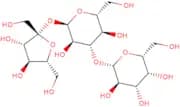
CAS:<p>3-O-b-D-Galactosylsucrose is a synthetic, fluorinated, high purity, oligosaccharide. It is a complex carbohydrate that contains an O-linked glycosylated monosaccharide. This product has been modified with a click modification. The CAS number for this product is 686717-73-7 and it can be synthesized to order.</p>Formula:C18H32O16Purity:Min. 95%Color and Shape:PowderMolecular weight:504.44 g/molD-Glucose-1,6-diphosphate potassium salt
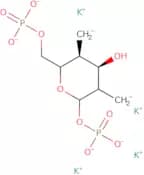
CAS:D-Glucose-1,6-diphosphate potassium salt is a white crystalline powder that has a molecular weight of 594.14 g/mol and a chemical formula of C₁₀H₁₅O₃P. It is used as an intermediate in the synthesis of saccharides. D-Glucose-1,6-diphosphate potassium salt is not known to be toxic to humans or animals.Formula:C6H10K4O12P2Purity:Min. 95%Molecular weight:492.48 g/mol7,7a-Diepialexine
CAS:7,7a-Diepialexine is a molecule that has been shown to inhibit the replication of human immunodeficiency virus (HIV). This drug has been shown to inhibit the growth of bacteria in cell culture. It has been observed that 7,7a-diepialexine inhibits HIV integrase by binding to the enzyme's active site. In addition, this molecule inhibits cellular proliferation and induces apoptosis in animal models. 7,7a-Diepialexine is an enantiomer of 7,7b-diepialexine which is also a potent inhibitor of HIV integrase. The analytical method for separating these two enantiomers is not available at this time.Purity:Min. 95%Sulfamethoxazole b-D-glucuronide
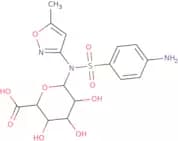
CAS:<p>Sulfamethoxazole b-D-glucuronide is a microbial conjugate that is used to treat bacterial infections. It binds to microbial cell surfaces through covalent bonds, which prevents the synthesis of proteins and DNA, leading to cell death. Sulfamethoxazole b-D-glucuronide has been shown to be activated by the enzyme acetyltransferase in bacteria and may be used as an indicator for the presence of sulfonamide resistance. This antibiotic also has a high affinity for thyroxine and analytes such as acetaminophen and sulfate.</p>Formula:C16H19N3O9SPurity:Min. 95%Molecular weight:429.41 g/molPhenyl 6-deoxy-6-fluoro-a-D-glucopyranoside
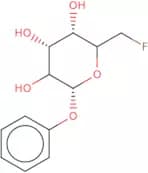
<p>Phenyl 6-deoxy-6-fluoro-a-D-glucopyranoside is a modification of the natural sugar, deoxyglucose. It is an oligosaccharide with a complex carbohydrate structure that has been modified by methylation and glycosylation. This product is synthesized from monosaccharides, and it can be fluorinated or saccharided. Phenyl 6-deoxy-6-fluoro-a-D-glucopyranoside is used in the synthesis of polysaccharides.</p>Formula:C12H15FO5Purity:Min. 95%Molecular weight:258.24 g/molDimethylthexylsilyl 2,3,6-tri-O-benzyl-b-D-galactopyranoside
<p>Dimethylthexylsilyl 2,3,6-tri-O-benzyl-b-D-galactopyranoside is a synthetic oligosaccharide with a fluorinated benzene ring. It is an important intermediate for glycosylation and can be modified with methyl groups or click chemistry. This product is of high purity and has been custom synthesized. Dimethylthexylsilyl 2,3,6-tri-O-benzyl-b-D-galactopyranoside has CAS number 69422-24-2.</p>Purity:Min. 95%2-Bromoethyl a-L-fucopyranoside
<p>This compound is a modification of the 2-bromoethyl a-L-fucopyranoside. It is an oligosaccharide that is a carbohydrate. It is made up of many monosaccharides, which are sugar molecules linked together. This modified carbohydrate has been synthesized from other carbohydrates and then fluorinated to make it more stable.</p>Purity:Min. 95%N-Acetylneuraminic acid trimer disodium salt
<p>N-Acetylneuraminic acid trimer disodium salt is a methylated saccharide that is used in the synthesis of complex carbohydrates. It can be modified by Click chemistry to produce a variety of compounds, including oligosaccharides. N-Acetylneuraminic acid trimer disodium salt can also be fluorinated for use as an organic fluorinating agent in glycosylation reactions to make sugar derivatives. This compound has high purity and is custom synthesized to meet customer needs.</p>Formula:C33H50N3O25Na3Purity:Min. 95%Color and Shape:White PowderMolecular weight:957.72 g/molMan-1 N-Glycan
CAS:<p>Man-1 N-glycan is a synthetic oligosaccharide with a sugar chain that is terminated by an alpha-D-mannose. It is synthesized using the Click reaction and modified with fluorine. This product can be used in glycosylation, or the addition of sugar chains to proteins or lipids. Man-1 N-Glycan has high purity and can be custom synthesized to order.</p>Formula:C22H38N2O16Purity:Min. 95%Color and Shape:White to off-white solid.Molecular weight:586.54 g/molSodium carboxymethyl cellulose, viscosity 50-200 cps
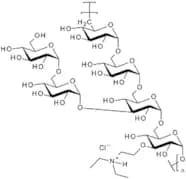
CAS:<p>Please enquire for more information about Sodium carboxymethyl cellulose, viscosity 50-200 cps including the price, delivery time and more detailed product information at the technical inquiry form on this page</p>Diethylaminoethyl-dextran HCl
CAS:<p>DEAE-Dextran hydrochloride (DEAE-D) is a positively-charged dextran derivative that can be used for vaccine production, gene therapy, protein stabilisation, dyslipidemia prevention, as flocculating agent, and many other applications. DEAE-D is also used for transfecting animal cells with foreign DNA. DEAE-Sepharose, DEAE-650 and DEAE-Sephadex are commonly used in chromatography for the separation of biological molecules such as proteins and carbohydrates.</p>Purity:Min. 95%Color and Shape:White Off-White PowderFrucoste-proline
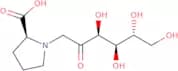
CAS:<p>Frucoste-proline is a l-amino acid that is found in the leaves of tobacco plants. Frucoste-proline is synthesized by dehydration of L-proline, which is catalyzed by the enzyme tabacum l. Frucoste-proline can also be found in maltol and diazepine. The major function of frucoste-proline is to act as a cofactor for enzymes involved in the synthesis of aromatic compounds such as aldehydes and sulfides. This amino acid has been identified as an analytical marker for tobacco leaf, due to its low energy and high specificity.</p>Purity:Min. 95%D-Sorbitol hexahydrate
<p>D-Sorbitol hexahydrate is a sugar that is used in the food industry as a substitute for sucrose. It is also an important component of many pharmaceuticals and other products. Sorbitol hexahydrate can be synthesized from glucose, which is oxidized to sorbitol, and then hydrolyzed by sulfuric acid to produce D-sorbitol hexahydrate. The product is often used as a sweetener for diabetic patients because it does not cause blood glucose levels to rise rapidly. Sorbitol hexahydrate also has anti-inflammatory properties and can be used in the treatment of gastric ulcers.</p>Formula:C6H14O6·6H2OPurity:Min. 95%Molecular weight:290.26 g/mol2,4-Anhydro-3,5-O-[(S)-phenylmethylene]- D-lyxonic acid methyl ester
CAS:2,4-Anhydro-3,5-O-[(S)-phenylmethylene]- D-lyxonic acid methyl ester is a synthetic monosaccharide that has a fluorination modification. It is commonly used as a raw material in the synthesis of oligosaccharides and polysaccharides. This chemical can be synthesized using Click chemistry or methylation reactions. 2,4-Anhydro-3,5-O-[(S)-phenylmethylene]- D-lyxonic acid methyl ester is used in the production of complex carbohydrates with glycosylation and polysaccharide modifications. This chemical exhibits high purity and can be custom synthesized to meet specific needs.Formula:C13H14O5Purity:Min. 95%Molecular weight:250.25 g/mol3,6-Di-O-benzoyl-D-glucal
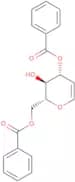
CAS:<p>3,6-Di-O-benzoyl-D-glucal is a glycosylation reagent that can be used to modify proteins with oligosaccharides. It is a naturally occurring sugar that can be synthesized and modified for use in research. 3,6-Di-O-benzoyl-D-glucal has been shown to be effective in Click chemistry, which uses copper ions to produce reactive esters from alcohols and carboxylic acids. This reagent can also be used to fluorinate saccharides and sugars for high purity synthesis.</p>Purity:Min. 95%5-O-Benzoyl-1,2-O-isopropylidene-a-D-xylofuranose
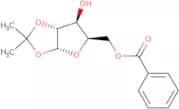
CAS:<p>Ai Product Descriptions 50 Creative</p>Formula:C15H18O6Purity:Min. 95%Molecular weight:294.31 g/molD-myo-Inositol-1,5,6-triphosphate sodium salt
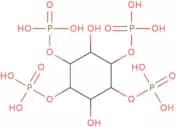
CAS:<p>D-myo-Inositol-1,5,6-triphosphate sodium salt is a synthetic compound that is used in the study of the structure and function of carbohydrates. It is a complex carbohydrate that has been modified with fluorination and methylation. It is also glycosylated and click-modified. D-myo-Inositol-1,5,6-triphosphate sodium salt has CAS number 120965-76-6.</p>Formula:C6H12O15P3·xNaPurity:Min. 95%Molecular weight:417.07 g/mol1,2,3,4,6-Penta-O-pivaloyl-a-D-mannopyranose
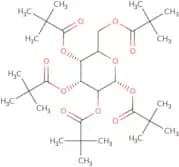
CAS:<p>1,2,3,4,6-Penta-O-pivaloyl-a-D-mannopyranose is a sugar that belongs to the group of complex carbohydrates. It is custom synthesized and can be modified to suit customer requirements. The synthesis process includes glycosylation, fluorination and methylation. 1,2,3,4,6-Penta-O-pivaloyl-a-D-mannopyranose is used as a raw material for saccharide and oligosaccharide production. It also has applications in the food industry as a sweetener or flavor enhancer.</p>Formula:C31H52O11Purity:Min. 95%Molecular weight:600.74 g/mol3-Acetamido-3-deoxy-D-allose
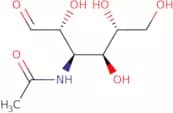
CAS:<p>3-Acetamido-3-deoxy-D-allose is a ringed sugar that is nucleophilic and reacts with hydroxide solution to form a dithioacetal. It has been analyzed using deuterium and cyclic voltammetry. 3-Acetamido-3-deoxy-D-allose can be oxidized by periodate to form an alditol acetal and then reacted with ammonium hydroxide to produce the corresponding amine. This reaction was used to generate the compound in large quantities.</p>Formula:C8H15NO6Purity:Min. 95%Molecular weight:221.21 g/molPhenyl 2-azido-3-O-benzyl-4,6-O-benzylidene-2-deoxy-b-D-thioglucopyranoside
<p>Phenyl 2-azido-3-O-benzyl-4,6-O-benzylidene-2-deoxy-b-D-thioglucopyranoside is a synthetically modified carbohydrate. It is a saccharide with an Oligosaccharide structure and has been fluorinated. The CAS No. for this compound is 104984-61-5. Phenyl 2-azido-3,6,2″′′′′′′′'-O-(benzylidene)-b-[D]thioglucopyranoside is a methylated glycoside which has been click modified.</p>Purity:Min. 95%a-D-Galactopyranose 1,2-(methyl orthoacetate)
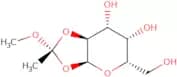
CAS:<p>a-D-Galactopyranose 1,2-(methyl orthoacetate) is an oligosaccharide. It is a white to off-white crystalline solid with a sweet taste. This product can be used as a sugar substitute and is often used in the food industry.</p>Formula:C9H16O7Purity:Min. 95%Molecular weight:236.22 g/mol1,4-Anhydro-2-deoxy-3,5-bis-O-(t-butyldimethylsilyl)-D-erythro-pent-1-enitol
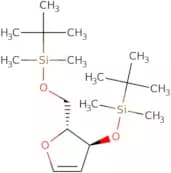
CAS:<p>1,4-Anhydro-2-deoxy-3,5-bis-O-(t-butyldimethylsilyl)-D-erythro-pent-1-enitol is a custom synthesis that has been fluorinated. It is a high purity oligosaccharide with a complex carbohydrate structure. This product was synthesized by click modification and methylation of the saccharide. It is a monosaccharide and sugar with a molecular formula C8H14FNO6S.</p>Formula:C17H36O3Si2Purity:Min. 95%Color and Shape:Clear LiquidMolecular weight:344.64 g/molHyaluronate fluorescein - Molecular Weight - 10kDa
<p>Hyaluronate fluorescein is a custom synthesized molecule that has been modified with fluorination, methylation, and monosaccharide. This product is a synthetic oligosaccharide saccharide that has a molecular weight of 10kDa. It's CAS number is <br>Hyaluronate fluorescein is a complex carbohydrate that is synthesized through the modification of glycosylation. It contains sugar and carbons.</p>Purity:Min. 95%Octyl D-galactofuranoside tetraacetate
CAS:<p>Octyl D-galactofuranoside tetraacetate is a fluorinated monosaccharide that is synthesized from octyl galactopyranoside. It is a synthetic oligosaccharide with a molecular weight of 806. Octyl D-galactofuranoside tetraacetate has been modified for glycosylation, methylation, and click modification. The chemical name is 4-O-(2-deoxy-beta-D-glucopyranosyl)galactopyranose 1,2,3,4,6-pentaacetate and it has CAS No. 223412-29-1. This product can be custom synthesized to order in high purity as per the customer's requirements.</p>Formula:C22H36O10Purity:Min. 95%Molecular weight:460.52 g/molNeocarratetraose-41-O-sulfate sodium salt
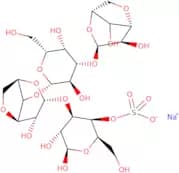
CAS:<p>Neocarratetraose-41-O-sulfate sodium salt is a high purity, synthetic oligosaccharide with a CAS number of 108321-78-4. It is an oligosaccharide that has been modified with methylation, saccharide, and Click modification. Neocarratetraose-41-O-sulfate sodium salt is used in the synthesis of complex carbohydrates and glycosylations. <br>Neocarratetraose-41-O-sulfate sodium salt is synthesized by reacting the sugar neocarratetraose with sulfuryl chloride to form the corresponding sulfonic acid chloride. The resulting compound is then treated with sodium hydroxide to produce its sodium salt form.</p>Formula:C24H37NaO22SPurity:Min. 95%Color and Shape:PowderMolecular weight:732.59 g/molAgar
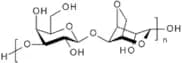
CAS:<p>The major gel forming component in agar, agarose, consists of a linear chain of sequences of 1,3 linked β-D-galactopyranosyl units and 1,4 linkages to 3,6-anhydro-α-L-galactopyranosyl units. Gelation is done via the formation of double helices (Arnott, 1974). Agar's properties are similar to gelatin as it is primarily used as a plating gel for microbial cultures (Lahaye, 1991). However, agar is a good substitute for animal-based gelatin in vegetarian foods and is easy to use in food gels in a similar way to the carrageenans. Common food applications of agar include: puddings, custards, and soft candies. Agar improves the texture of processed cheese and frozen desserts, and is also added to baked goods to inhibit staling. A creative food application uses agar-based gel cubes that are infused with fruit extract or wine to make a vegetable-based aspic (Armisén, 2009).<br>Agar contains two polysaccharides Agarobiose and Agaropectin. Both Gelidium latifolium and Gelidium amansii are sources of both Agar and Agarose. The images were kindly provided by Prof Mike Guiry from Cork who runs ‘The Seaweed Site’.<br>Agaropectin<br>Agaropectin is a sulphated non-gelling galactan comprising about 30% of Agar. Half ester sulphate is present in varying amounts plus D-glucuronic acid and small amounts of pyruvic acid. As with Agarose the main chain has alternating residues of D-galactose and L-galactose heavily modified with acidic side-groups which are usually sulfate, glucuronate, and pyruvate. Pyruvic acid is possibly attached in an acetal form to the D-galactose residues of the agarobiose skeleton. No formal structure of Agaropectin appears to have been published.<br>Agarose<br>Agarose is a linear gelling polysaccharide of (1-3) linked β-D-galactopyranose residues linked to 3,6-anhydro-α-L-galactopyranose via 1-4 bonds. Agar contains about 60% Agarose.</p>Purity:Min. 95%Color and Shape:Powder(R)-Ketoprofen b-D-glucuronide
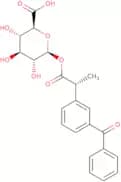
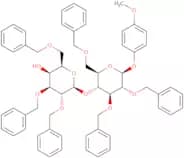
CAS:<p>(R)-Ketoprofen b-D-glucuronide is a synthetic modified sugar that is produced by the glucuronidation of ketoprofen, a nonsteroidal anti-inflammatory drug. The modification of ketoprofen with glucuronic acid can be achieved through an enzymatic process, which is catalyzed by UDP-glucuronyltransferase. This modification increases the solubility of ketoprofen and its ability to penetrate cells. (R)-Ketoprofen b-D-glucuronide has been shown to have antibacterial properties against Gram positive bacteria such as Staphylococcus aureus and Streptococcus pyogenes. It has also shown antiviral activity against HIV-1 due to its inhibition of reverse transcriptase, which is an enzyme important for viral replication.</p>Formula:C22H22O9Purity:Min. 95%Color and Shape:White to off-white solid.Molecular weight:430.4 g/mol4-Methoxyphenyl 4-O-(2,3,6-tri-O-benzyl-b-D-galactopyranosyl)-2,3,6-tri-O-benzyl-b-D-glucopyranoside
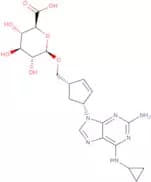
CAS:<p>4-Methoxyphenyl 4-O-(2,3,6-tri-O-benzyl-b-D-galactopyranosyl)-2,3,6-tri-O-benzyl-b-D-glucopyranoside is a sugar that is custom synthesized. It is fluorinated and modified with saccharides. The molecular weight of this compound is 582.06 g/mol and the CAS number for it is 15041281.</p>Formula:C61H64O12Purity:Min. 95%Molecular weight:989.15 g/molAbacavir 5'-β-D-glucuronide
CAS:<p>Main metabolite of antiretroviral drug Abacavir with potent activity against human immunodeficiency virus type 1 (HIV-1). Abacavir is eliminated by hepatic metabolism to two major metabolites: 5’-glucuronide formed by uridine diphosphate glucuronyl transferase and 5’-carboxylate formed by cytosolic alcohol dehydrogenase.</p>Formula:C20H26N6O7Purity:Min. 95%Color and Shape:PowderMolecular weight:462.46 g/molBlood group A type I tetrasaccharide
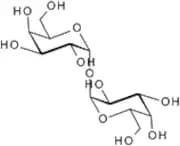
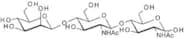
GalNAca1-3(Fuca1-2)Galb1-3GlcNAcFormula:C28H48N2O20Purity:Min. 95%Molecular weight:732.68 g/mola-D-Galactopyranosyl-(1-1)-a-D-galactopyranoside
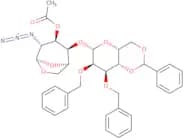
CAS:<p>a-D-Galactopyranosyl-(1-1)-a-D-galactopyranoside is a complex carbohydrate that belongs to the saccharides. It is an oligosaccharide that contains both a monosaccharide and a disaccharide. This compound is synthesized from sugar, which is obtained from sucrose. The sugar molecule has been modified with fluorination, methylation, glycosylation, and click chemistry. This product has high purity and can be custom synthesized for any specific requirements.</p>Formula:C12H22O11Purity:Min. 95%Molecular weight:342.3 g/mol3-O-Acetyl-1,6-anhydro-2-azido-2',3'-di-O-benzyl-4',6'-O-benzylidene-2-deoxy-b-D-cellobiose
CAS:<p>3-O-Acetyl-1,6-anhydro-2-azido-2',3'-di-O-benzyl-4',6'-O-benzylidene-2-deoxy-b,D cellobiose is a fluorinated oligosaccharide that can be customized for a variety of applications. The sugar unit contains an acetyl group on the C1 position and an azido group at the C2 position. This compound has been subjected to click chemistry in order to form a covalent bond with 4,6'-O-benzylidene 2,3'-dideoxy b,D cellobiose.</p>Formula:C35H37N3O10Purity:Min. 95%Molecular weight:659.68 g/molMethyl-O-b-D-glucopyranosyl-(1-3)-S-b-D-glucopyranosyl-(1-4)-O-4-thio-b-D-glucopyranosyl-(1-4)-b-D-glucopyranoside
CAS:<p>Methyl-O-b-D-glucopyranosyl-(1-3)-S-b-D-glucopyranosyl-(1-4)-O-4-thio-b-D-glucopyranosyl-(1,4)-b-D-[2] glucopyranoside is a synthetic saccharide with a single modification of 4'-fluoro substitution on the O6 position. This modification provides an increased stability to acid hydrolysis. Methylation and saccharide synthesis is performed in our lab and custom modifications are available upon request.</p>Formula:C25H44O20SPurity:Min. 95%Molecular weight:696.67 g/mol1,2,3,4,6-Penta-O-benzoyl-α-D-galactopyranose
CAS:<p>1,2,3,4,6-Penta-O-benzoyl-a-D-galactopyranose is a custom synthesis of an oligosaccharide with a glycosylation site that can be modified by the addition of other sugars. It has been fluorinated and methylated at the 6 position. The CAS number for this compound is 41545-55-5.</p>Formula:C41H32O11Purity:Min. 95%Color and Shape:PowderMolecular weight:700.69 g/molTolmetin acyl-b-D-glucuronide
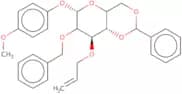
CAS:Tolmetin acyl-b-D-glucuronide is a nonsteroidal anti-inflammatory drug that is metabolized to the active form, tolmetin, in the liver. The major route of elimination is through the kidneys as an inactive conjugate with glucuronic acid and excreted in urine. Tolmetin acyl-b-D-glucuronide has been shown to react with lysines on proteins in biological fluids by forming covalent adducts. This reaction can lead to allergic reactions and other problems.Formula:C21H23NO9Purity:Min. 95%Color and Shape:White to pale yellow solid.Molecular weight:433.41 g/mol4-Methoxyphenyl 3-O-allyl-2-O-benzyl-4,6-O-benzylidene-2-deoxy-b-D-galactopyranoside
CAS:<p>4-Methoxyphenyl 3-O-allyl-2-O-benzyl-4,6-O-benzylidene-2-deoxy-b-D galactopyranoside is a fluorinated monosaccharide that is synthesized from allose. It has been modified with click chemistry to introduce a benzyl group at the C2 position and an allyl group at the C4 position. This compound has been glycosylated with glucose and methylated with methanol to produce a complex carbohydrate that can be used as a control for glycosylation reactions. The compound was purified to high purity using column chromatography.</p>Formula:C30H32O7Purity:Min. 95%Molecular weight:504.59 g/mol







![3-[(2,3,4,6-Tetra-O-acetyl-b-D-galactopyranosyl)thio]-propanoic acid](/_next/image/?url=https%3A%2Fstatic.cymitquimica.com%2Fproducts%2F3D%2Fthumb-webp%2FMT04253.webp&w=3840&q=75)




![2,4-Anhydro-3,5-O-[(S)-phenylmethylene]- D-lyxonic acid methyl ester](/_next/image/?url=https%3A%2Fstatic.cymitquimica.com%2Fproducts%2F3D%2Fthumb-webp%2FFA76878.webp&w=3840&q=75)