Glycoscience
Glycoscience is the study of carbohydrates and their derivatives, as well as the interactions and biological functions they participate in. This field of research is crucial for understanding a wide variety of biological processes, including cell recognition, signaling, immune response, and disease development. Glycoscience has important applications in biotechnology, medicine, and the development of new drugs and therapies. At CymitQuimica, we offer a wide selection of high-quality, high-purity products for glycoscience research. Our catalog includes monosaccharides, oligosaccharides, polysaccharides, glycoconjugates, and specific reagents, designed to support researchers in their studies on the structure, function, and applications of carbohydrates in biological systems. These resources are intended to facilitate scientific discoveries and practical applications in various areas of bioscience and medicine.
Subcategories of "Glycoscience"
- Aminosugars(108 products)
- Glyco-Related Antibodies(282 products)
- Glycolipids(46 products)
- Glycosaminoglycans (GAGs)(55 products)
- Glycosides(419 products)
- Monosaccharides(6,624 products)
- Oligosaccharides(3,682 products)
- Polysaccharides(503 products)
Found 11046 products of "Glycoscience"
Sort by
Purity (%)
0
100
|
0
|
50
|
90
|
95
|
100
b-Glucosylglycerol 2,3,4,6-tetraacetate
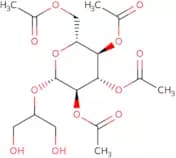
CAS:b-Glucosylglycerol 2,3,4,6-tetraacetate is a fluorinated and modified carbohydrate. It is a complex carbohydrate that is synthesized from monosaccharide glucose. The product can be custom synthesized to meet the requirements of the customer. b-Glucosylglycerol 2,3,4,6-tetraacetate can be methylated to produce b-glucosylglycerol 3-(2H)fluoro-2-methylbutanoate (CAS No. 157024-68-5). This product has been shown to be useful in glycosylation reactions and click chemistry reactions.Formula:C17H26O12Purity:Min. 95%Molecular weight:422.38 g/molGala1-3Gal-HSA
<p>Gala1-3Gal-HSA is a modified glycan with three terminal alpha-galactoside units. It is synthesized by the modification of Gala1-3Gal (saccharide) with HSA. This product is also fluorinated, methylated and click-modified. The chemical name for this product is 3-[(2S,3S)-2,3-bis[(carboxymethyl)amino]propyl]-alpha-D-galactopyranosyl-(1→4)-O-[(carboxymethyl)(hydroxyethyl)]-.</p>Purity:Min. 95%Color and Shape:Powder2,3,4,6-Tetra-O-acetyl-D-galactopyranose
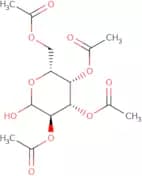
CAS:<p>2,3,4,6-Tetra-O-acetyl-D-galactopyranose is a glycoside that has been used as an antigen in immunological studies and to study the role of fatty acids in cancer. This compound is phosphorylated to form 2,3,4,6-tetra-O-phospho-D-galactopyranose and reacts with primary alcohols to form transglycosylation products. 2,3,4,6-Tetra-O-acetylgalactopyranose also reacts with chloride ions to form disaccharides. As a result of these reactions 2,3,4,6-tetraacetylgalactopyranose has shown anticancer activity.</p>Formula:C14H20O10Purity:Min. 95%Color and Shape:White PowderMolecular weight:348.3 g/mol6-O-tert-Butyldimethylsilyl-D-galactal
CAS:<p>6-O-tert-Butyldimethylsilyl-D-galactal has been used as a methylating agent in the synthesis of complex carbohydrates. It is a synthetic modification of D-galactal, which is an oligosaccharide and polysaccharide consisting of galactose residues. The chemical name for 6-O-tert-Butyldimethylsilyl-D-galactal is 6-(tert-butyldimethylsilyloxy)-1,2,3,4,6,7,-hexahydrobenzo[a]pyrene. This compound is soluble in organic solvents and can be used to modify other carbohydrates. It has a molecular weight of 578.9 g/mol and CAS number 124751-19-5.</p>Purity:Min. 95%Lacto-N-neotetraose-GEL
<p>Lacto-N-neotetraose-GEL is a glycosylation product that is used in the synthesis of complex carbohydrates. It is a methylated, fluorinated, and saccharide-modified oligosaccharide. This product can be custom synthesized in high purity with a CAS number and has a very low endotoxin level. Lacto-N-neotetraose-GEL has been shown to have many uses including as an adjuvant for vaccines and monoclonal antibody production. It has also been shown to suppress inflammation and increase the efficacy of cancer treatments.</p>Purity:Min. 95%3,4-Dideoxyglucosone-3-ene
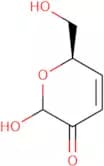
CAS:<p>3,4-di-deoxyglucosone-3-ene is a bioreactive glucose degradation product which can be formed during heat sterilisation of glucose containing peritoneal dialysis solutions. Chemically, 3,4-Dideoxyglucosone-3-ene is an α,β-unsaturated carbonyl compound which increases its reactivity with cellular sulfhydryl, amino groups, proteins, and DNA. 3,4-Dideoxyglucosone-3-ene induces apoptosis in neutrophils, renal cells and peripheral blood mononuclear cells. Such induction leads to impaired peritoneal antibacterial defence.</p>Formula:C6H8O4Purity:Min. 95 Area-%Color and Shape:Colorless PowderMolecular weight:144.13 g/mol4-Aminophenyl b-D-thiomannopyranoside HCl
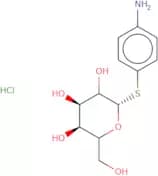
CAS:<p>4-Aminophenyl b-D-thiomannopyranoside HCl is a synthetic glycosylation agent that has been modified with fluorination, saccharide modification, and methylation. It can be used in the synthesis of complex carbohydrates, such as oligosaccharides and polysaccharides. This compound also has applications in click chemistry and fluoroquinolone resistance. 4-Aminophenyl b-D-thiomannopyranoside HCl is soluble in organic solvents such as dichloromethane or chloroform. The purity level of this product is high and the CAS number is 1174234-26-4.</p>Formula:C12H17NO5S·HClPurity:Min. 95%Molecular weight:323.79 g/molscyllo-Inosamine hydrochloride
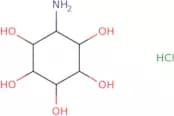
CAS:<p>Scyllo-inosamine is a synthetic compound that is used as an oxime for the treatment of ascites tumors. It is synthesized from benzyl cyanide and cyclohexane. The benzyl groups are removed by catalytic hydrogenation, and the resulting product is hydrolyzed to scyllo-inosamine. Scyllo-inosamine has been shown to have a stereogenic center at C3, which allows it to act as an aminocyclitol, with the nitrogen atom acting as a nucleophile in the ring opening reaction. Scyllo-inosamine has been shown to be active against a number of tumor cells in culture and has been investigated as chemotherapeutic agent for cancer treatment.</p>Formula:C6H13NO4·HClPurity:Min. 95%Molecular weight:199.63 g/molHeparin derived dp24 saccharide ammonium salt
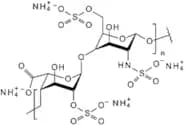
<p>Heparin derived dp24 saccharide ammonium salt is a complex carbohydrate and a saccharide. It is used for the modification of polysaccharides and oligosaccharides. The compound has been shown to reduce blood coagulation by preventing the binding of calcium ions to thrombin, which then blocks the conversion of fibrinogen to fibrin. Heparin derived dp24 saccharide ammonium salt has high purity and can be custom synthesized with high quality. The compound is also methylated, glycosylated, or click-modified.</p>Purity:Min. 95%Color and Shape:White to yellow solid.Molecular weight:Average 6850L-Daunosamine-b-methylglycoside hydrochloride
<p>L-Daunosamine-b-methylglycoside hydrochloride is a high purity, custom synthesis of an oligosaccharide. This product is synthesized from D-mannose and L-daunosamine. The synthetic process begins with the click modification of the carbohydrate to introduce a methyl group onto the sugar. The resulting product is then glycosylated, fluorinated, and methylated to create the final product. L-Daunosamine-b-methylglycoside hydrochloride has been shown to act as a competitive inhibitor of bacterial dna gyrase, which helps maintain the integrity of bacterial DNA by preventing supercoiling. L-Daunosamine-b-methylglycoside hydrochloride has also been shown to inhibit protein synthesis in bacteria by binding to ribosomes, which are responsible for translating mRNA into proteins.</p>Formula:C7H15NO3·HClPurity:Min. 95%Molecular weight:197.66 g/mol1-O-Acetyl-2-deoxy-5-O-p-methoxybenzoyl-3-O-(N,N-diethylthiocarbamoyl)-D-ribofuranose
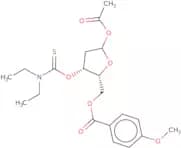
<p>1-O-Acetyl-2-deoxy-5-O-p-methoxybenzoyl-3-O-(N,N-diethylthiocarbamoyl)-Dribofuranose (1) is a fluorinated monosaccharide that is synthesized from 1,2:5,6:7,8:3',4'-hexamethyleneglucopyranosyl bromide and diethylthiocarbamic acid. This product has been shown to be an efficient glycosylation agent for complex carbohydrates and can be used in the synthesis of oligosaccharides and polysaccharides. It has also been modified by methylation and click chemistry.</p>Formula:C20H27NO7SPurity:Min. 95%Molecular weight:425.5 g/mol1,2,3,5-Tetra-O-acetyl-L-arabinofuranose
CAS:<p>1,2,3,5-Tetra-O-acetyl-L-arabinofuranose is an organic compound that belongs to the group of sugars. It is a component of many polysaccharides and glycoproteins. 1,2,3,5-Tetra-O-acetyl-L-arabinofuranose is a useful intermediate in the synthesis of lysine and theophylline. The most common method for deacetylation involves using triphenylphosphine and chlorine in dichloromethane or chloroform as solvent. This reaction yields 1,2,3,5-tetra-O-(chloroacetoxy)-L-arabinofuranose which can be purified by chromatography. The bioassay for 1,2,3,5-tetra-O-[chloroacetoxy]-L arabinofuranose was found to be similar to that for</p>Formula:C13H18O9Purity:Min. 95%Color and Shape:Colorless PowderMolecular weight:318.28 g/mol6-O-Benzyl-2,3:4,5-di-O-cyclohexylidene-L-myo-inositol
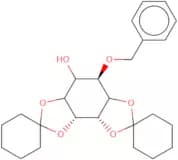
CAS:<p>6-O-Benzyl-2,3:4,5-di-O-cyclohexylidene-L-myo-inositol is a methylated derivative of 2,3:4,5-di--O--cyclohexylidene--L--myo--inositol. It can be used as a building block for glycosylation or modification reactions for the synthesis of oligosaccharides or polysaccharides. 6-O-Benzyl-2,3:4,5-di--O--cyclohexylidene--L--myo--inositol is also an excellent substrate for click chemistry and fluorination reactions.</p>Formula:C25H34O6Purity:Min. 95%Molecular weight:430.53 g/molD-Ribofuranose
CAS:Please enquire for more information about D-Ribofuranose including the price, delivery time and more detailed product information at the technical inquiry form on this pageFormula:C5H10O5Purity:Min. 95%Molecular weight:150.13 g/molGM1-Ganglioside labelled by biotin
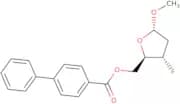
<p>GM1-biotin ganglioside (sodium salt) has a core tetrasaccharide structure (Galβ1,3GalNAcβ1,4Galβ1,4Glc) with sialic acid linked α2,3 to the inner galactose residue, ceramide linked β to position 1 on the reducing terminal glucose residue, and biotin to position 5 on sialic acid (Ledeen, 2009). GM1 ganglioside is abundant in all mammalian brains where it covers 10%-20% of the total ganglioside mixture. It is found in epithelial membranes and is a key element for bacterial toxicity and viral infection as it is the intestinal receptor for the cholera toxin, the B-subunits of heat-labile toxin, rotavirus, and simian virus 40. GM1 ganglioside functions as a neurotrophic and neuroprotective compound, and has been used therapeutically for diabetic and peripheral neuropathies. GM1 ganglioside also has the ability to bind amyloid-β proteins and is involved in Alzheimerâs pathogenesis (Chiricozzi, 2020).</p>Formula:C71H122N6O33SPurity:Min. 95%Molecular weight:1,619.82 g/molMethyl-2,3-dideoxy-3-fluoro-5-O-(4-phenylbenzoyl)-a-D-erythro-pentofuranoside
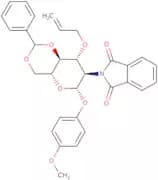
CAS:<p>A mutant is a modified form of a gene that can be either natural or artificial. This gene has been modified by the introduction of an additional chemical group, such as methyl, at a specific position in the DNA sequence. The new compound is not found in nature and may have beneficial effects on the organism. The control system for this experiment is programmable and allows for the introduction of multiple mutations to be introduced simultaneously into a single gene. This technique has been shown to create mutants with neurological disorders, including protein overload, which occurs when there are too many proteins made by one particular gene.</p>Purity:Min. 95%4-Methoxyphenyl 3-O-allyl-4,6-O-benzylidene-2-deoxy-2-phthalimido-b-D-glucopyranoside
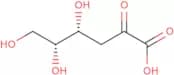
CAS:<p>4-Methoxyphenyl 3-O-allyl-4,6-O-benzylidene-2-deoxy-2-phthalimido-b-D-glucopyranoside (BAP) is a phosphatase inhibitor. It binds to the active site of the enzyme phosphatase and prevents it from hydrolyzing phosphate esters. BAP is used to prevent the release of calcium ions from bone, which can lead to osteitis fibrosa cystica in patients with esophagectomy or those who have undergone abdominal surgery. Thermodynamic studies indicate that BAP binds to phosphatases with a 1:1 stoichiometry and that this binding is irreversible.</p>Formula:C31H29NO8Purity:Min. 95%Molecular weight:543.56 g/mol3-Deoxy-2-keto-D-galactonate lithium salt
CAS:<p>3-Deoxy-2-keto-D-galactonate lithium salt is an enzyme inhibitor that belongs to the group of galacturonosyltransferases. It is a competitive inhibitor that binds to the enzyme active site and inhibits the transfer of galacturonic acid from UDP-galactose to various acceptor molecules, including oligosaccharides, polysaccharides, glycoproteins, and glycolipids. 3-Deoxy-2-keto-D-galactonate lithium salt has been shown to inhibit wild type strains of Escherichia coli and Saccharomyces cerevisiae. This compound also inhibits acid analysis enzymes such as catalase and triosephosphate isomerase in Escherichia coli. 3DGLS also inhibits protein synthesis by inhibiting the activity of enzymes such as ribonucleotide reductase and xanthine oxidase in Escherichia coli. The</p>Formula:C6H10O6·xLiPurity:Min. 95%1,2,3,4-Tetra-O-acetyl-a-D-glucuronide methyl ester
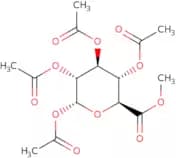
CAS:<p>1,2,3,4-Tetra-O-acetyl-a-D-glucuronide methyl ester is a synthetic molecule that has been modified with the click chemistry technique. This product is a white solid that can be used to modify saccharides and polysaccharides. It can also be used in the synthesis of oligosaccharides or glycosylation reactions. This product is useful for modifying sugars with custom modifications and fluorination. 1,2,3,4-Tetra-O-acetyl-a-D-glucuronide methyl ester has CAS number 5432-32-6 and can be synthesized from glyceraldehyde and acetone.</p>Formula:C15H20O11Purity:Min. 95%Molecular weight:376.31 g/molMethyl a-N-acetyllactosamine
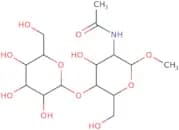
CAS:<p>Methyl a-N-acetyllactosamine is a custom synthesis of Methyl a-N-acetylgalactosamine. This compound has been modified by fluorination, methylation, and click modification to yield the desired product. The monosaccharide structure was synthesized from the corresponding glycosyl halide and protected amino acid. The glycosylation reaction between this monosaccharide and the oligosaccharide containing an unprotected hydroxyl group yields the desired product. The purity of this compound is greater than 99%.</p>Formula:C15H27NO11Purity:Min. 95%Molecular weight:397.38 g/molPhenyl 2,4,6-Tri-O-acetyl-3-O-allyl-b-D-thiogalactopyranoside
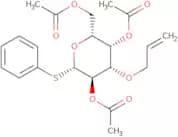
CAS:<p>Phenyl 2,4,6-Tri-O-acetyl-3-O-allyl-b-D-thiogalactopyranoside is a custom synthesis that can be modified to suit your needs. This product is a complex carbohydrate that is used in glycosylation reactions as an Oligosaccharide. It is fluorinated at the hydroxyl group of the sugar and methylated at the C5 position of the sugar. The CAS number for this product is 1820572-28-8.</p>Formula:C21H26O8SPurity:Min. 95%Molecular weight:438.49 g/mol3-O-tert-Butyldimethylsilyl-4,6-O-p-methoxybenzylidene-D-glucal
CAS:<p>3-O-tert-Butyldimethylsilyl-4,6-O-p-methoxybenzylidene-D-glucal is a glycosylation agent that is used to modify complex carbohydrates and polysaccharides. It is synthesized from D-glucal, which can be obtained from natural sources such as corn, rice, or wheat. 3-O-tert-Butyldimethylsilyl--4,6--O--p--methoxybenzylidene--D--glucal is a synthetic compound that can be used for the modification of saccharides and oligosaccharides. This product has high purity and can be custom synthesized to suit specific needs.</p>Purity:Min. 95%Ethynyl estradiol 17-acetate-3-(2',3',4'-tri-O-acetyl-b-D-glucuronide) methyl ester
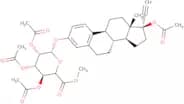
CAS:<p>Ethynyl estradiol 17-acetate-3-(2',3',4'-tri-O-acetyl-b-D-glucuronide) methyl ester is a glycosylated, fluorinated, Oligosaccharide, custom synthesized, high purity product. Ethynyl estradiol is a synthetic hormone used in oral contraceptives and estrogen replacement therapy. It is an estrogen that has been modified to have the chemical structure of a C17β unsaturated A ring. This modification prevents the breakdown of ethynyl estradiol by first pass metabolism and its subsequent transformation into estrone. Ethynyl estradiol 17-acetate 3-(2',3',4'-tri-O-acetyl-b-D-glucuronide) methyl ester is an acetate ester of ethinyl estradiol with a glucuronic acid conjugate at the C3 position.</p>Formula:C35H42O12Purity:Min. 95%Molecular weight:654.7 g/molEthyl 4,6-O-benzylidene-3-O-tert-butyldimethylsilyl-2-O-levulinoyl-b-D-thioglucopyranoside
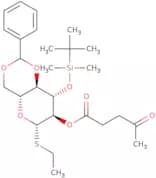
CAS:<p>Ethyl 4,6-O-benzylidene-3-O-tert-butyldimethylsilyl-2-O-levulinoyl-b-D-thioglucopyranoside is a synthetic oligosaccharide that can be used for methylation. It is a fluorinated, complex carbohydrate that has been modified to have a high purity and low toxicity. This product has been custom synthesized for Click modification and oligosaccharides.</p>Formula:C26H40O7SSiPurity:Min. 95%Molecular weight:524.74 g/molMethyl 2-acetamido-3-O-(2,3,4,6-tetra-O-acetyl-b-D-galactopyranosyl)-4,6-O-benzylidene-2-deoxy-b-D-glucopyranoside
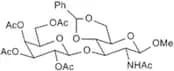
CAS:<p>Methyl 2-acetamido-3-O-(2,3,4,6-tetra-O-acetyl-b-D-galactopyranosyl)-4,6-O-benzylidene-2deoxyb-Dglucopyranoside is a sugar that is used in the preparation of various drugs. It has a pyranose ring and a pyranose form. The IR spectrum displays three distinct peaks at 1730 cm−1, 1590 cm−1 and 1410 cm−1. The axial orientation of the carbon atoms can be determined by looking at the absorption spectra. There are six carbons in the molecule with two axial orientations. The methyl group has an axial orientation and the acetamido group has an equatorial orientation. This compound is not soluble in water but dissolves well in methanol or ethanol. Methyl 2-acetamido 3 O</p>Formula:C30H39NO15Purity:Min. 95%Molecular weight:653.64 g/mol4-Aminophenyl 2-acetamido-2-deoxy-a-D-galactopyranoside HCl
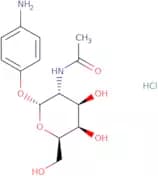
CAS:<p>4-Aminophenyl 2-acetamido-2-deoxy-a-D-galactopyranoside HCl is an oligosaccharide that is composed of glucose, galactose, and two amino acids. It has a molecular weight of 496.34 g/mol and a chemical formula of C14H20N2O8. This compound is synthesized by the click modification of 2,5-diaminopyridine with D -galactopyranosyl chloride. The methylation and glycosylation reactions are also performed to produce this compound.</p>Formula:C14H20N2O6·HClPurity:Min. 95%Molecular weight:348.78 g/molOctyl L-glucopyranoside
CAS:<p>Octyl L-glucopyranoside is a detergent that is used in biochemical research. It is used as a signal peptide to purify proteins by binding to the hydrophobic region of the protein. In addition, it binds to human polymorphonuclear leukocytes and dextran sulfate. Octyl L-glucopyranoside also has a rate constant of 8 × 10 M-1 s-1 and an analytical method for glycol ethers. The octyl glucopyranoside has been shown to inhibit axonal growth, which may be due to its ability to bind toll-like receptor 4 (TLR4) on dendritic cells.</p>Formula:C14H28O6Purity:Min. 95%Molecular weight:292.37 g/molQuinovic acid 3-O-a-L-rhamnopyranoside
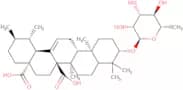
CAS:<p>Quinovic acid 3-O-a-L-rhamnopyranoside is a saponin that belongs to the group of steroid alkaloids and glycosides. It has been used in traditional Chinese medicine for the treatment of menopausal symptoms. The chemical structure of quinovic acid 3-O-a-L-rhamnopyranoside has been identified as fukinolic acid, which is an active chemical constituent. Pharmacological studies have shown that this saponin has antiinflammatory and antidiabetic activities, and inhibits the enzymes related to hormone synthesis.</p>Purity:Min. 95%Benzyl b-D-galactopyranoside
CAS:<p>Benzyl b-D-galactopyranoside is a synthetic compound that can be used in the synthesis of complex carbohydrates. This compound has been modified with fluorination, methylation and click chemistry. The monosaccharide benzyl b-D-galactopyranoside is an important building block for the glycosylation of saccharides and polysaccharides. This compound can also be used as a fluorescent probe for complementary DNA hybridization in microarrays.</p>Purity:Min. 95%Phenyl-α-D-glucopyranoside
CAS:<p>Phenyl-alpha-D-glucopyranoside is a molecule that is found in the β-cell of the pancreas. It is thought to be involved in the biosynthesis of oligosaccharides and interacts with other molecules to form glycosidic bonds. The interaction between phenyl-alpha-D-glucopyranoside and other molecules has been analysed by gas chromatography, which showed that it was hydrophobic, but also interacted with carbohydrates. Phenyl-alpha-D-glucopyranoside has also been shown to inhibit gram negative bacteria, such as Escherichia coli or Salmonella enterica.</p>Formula:C12H16O6Molecular weight:256.25 g/mol2-epi-(-)-emtricitabine
CAS:<p>2-epi-(-)-emtricitabine is an analog of the nucleoside cytidine, which inhibits the phosphorylation and subsequent degradation of deoxycytidine kinase, thereby blocking the production of the viral DNA polymerase. The compound also inhibits tyrosine kinases, which are enzymes that play a vital role in cell signaling. This inhibition may contribute to its antiviral activity. 2-epi-(-)-emtricitabine has been shown to inhibit human immunodeficiency virus (HIV) replication in vitro and in vivo. It is a prodrug that is converted to emtricitabine, its active form, by deoxycytidine kinase and then hydrolyzed by esterases. 2-epi-(-)-emtricitabine has been shown to be effective against hepatitis B virus and cancer cells.</p>Formula:C8H10FN3O3SPurity:Min. 95%Molecular weight:247.25 g/mol1,2,3,4,6-Penta-O-benzoyl-a-D-glucopyranose
CAS:<p>1,2,3,4,6-Penta-O-benzoyl-a-D-glucopyranose is a natural product that has not been fully resolved or characterized. It is a carbohydrate and has a molecular weight of 532. It is found in urine as a metabolite of myo-inositol. 1,2,3,4,6-Penta-O-benzoyl-a-D-glucopyranose has been synthesized from inositol and benzoyl chloride. The compound can be separated into the two stereoisomers by fractional crystallization with chloroform and methanol.</p>Formula:C41H32O11Purity:Min. 95%Molecular weight:700.69 g/mol2,4,7,8,9-Penta-O-acetyl-N-acetylglycolyl-D-neuraminic acid methyl ester
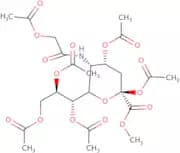
CAS:<p>2,4,7,8,9-Penta-O-acetyl-N-acetylglycolyl-D-neuraminic acid methyl ester is a glycoside that is used as a building block for the synthesis of complex carbohydrates. It can be used as an intermediate for the production of oligosaccharides and polysaccharides. This product has been shown to be highly pure and can be custom synthesized to meet your needs.</p>Formula:C24H33NO16Purity:Min. 95%Molecular weight:591.53 g/mol2-Chloro-2-deoxy-1,3,4,6-tetra-acetyl-D-glucopyranose
<p>2-Chloro-2-deoxy-1,3,4,6-tetra-acetyl-D-glucopyranose is a custom synthesis of a monosaccharide that contains a fluorine atom. It is synthesized by modifying the 2 position with chlorination and then methylation. This monosaccharide can be used for glycosylation and saccharide synthesis.</p>Purity:Min. 95%Decanoyl-N-hydroxyethylglucamide
CAS:<p>Detergent with CMC of ~ 39mM</p>Formula:C18H37NO7Purity:Min. 95%Molecular weight:379.49 g/mol4-Methoxyphenyl 3-O-allyl-4,6-O-benzylidene-2-O-(4-methylbenzoyl)-b-D-galactopyranoside
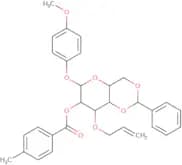
<p>4-Methoxyphenyl 3-O-allyl-4,6-O-benzylidene-2-O-(4-methylbenzoyl)-b-D-galactopyranoside is a custom synthesis of saccharide, CAS No. 90423-62-9. This compound has been modified by fluorination and methylation. It has also been shown to be useful for click modification, oligosaccharides, saccharides, and polysaccharides.</p>Formula:C31H32O8Purity:Min. 95%Molecular weight:532.58 g/molD-Mannitol - EP
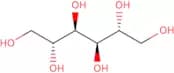
CAS:<p>Mannitol is a sugar alcohol occurring widely in plants and they are exudates, for example, in olive and plane trees (Collins, 2006). It is produced commercially by the catalytic hydrogenation of fructose (Zelin, 2019). Mannitol is used extensively in food and pharmaceutical industries because of its unique functional properties. It is about 50% as sweet as sucrose and has a desirable cooling effect often used to mask bitter tastes. Mannitol is non-cariogenic and has a low caloric content. Mannitol is an osmotic diuretic that is metabolically inert in humans and is used for: the promotion of diuresis before irreversible renal failure becomes established, the promotion of urinary excretion of toxic substances, as an Antiglaucoma agent, and as a renal function diagnostic aid (OâNeil, 2013). Additonally, in 2020, mannitol was approved by the FDA as add-on maintenance therapy for the control of pulmonary symptoms associated with cystic fibrosis in adult patients (McKenna, 2020).</p>Formula:C6H14O6Purity:Min. 97 Area-%Color and Shape:White PowderMolecular weight:182.17 g/molNGA2FB N-Glycan
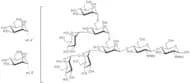
CAS:<p>NGA2FB N-Glycan is a monosaccharide that is synthetically fluorinated on the 2-position of the sugar. It is an oligosaccharide that contains a complex carbohydrate, which is a glycosylation of a polysaccharide with a click modification at the methyl group on the sugar. This product can be custom synthesized to order and offers high purity.</p>Formula:C64H107N5O45Purity:Min. 95%Molecular weight:1,666.54 g/molAllyl 4,6-O-benzylidene-b-L-glucopyranoside
<p>Allyl 4,6-O-benzylidene-b-L-glucopyranoside is a carbohydrate that is synthesized from allyl alcohol and glucose. It is a complex carbohydrate made up of two different saccharides. This product can be custom synthesized to meet your needs. Allyl 4,6-O-benzylidene-b-L-glucopyranoside has been modified by fluorination, methylation and glycosylation. It has the CAS number 133394-02-0 and can be synthesized at high purity levels.</p>Formula:C16H20O6Purity:Min. 95%Molecular weight:308.33 g/mol4-Methoxyphenyl 3-O-benzyl-β-D-glucopyranoside
CAS:4-Methoxyphenyl 3-O-benzyl-b-D-glucopyranoside is a plant extract that is used for its ability to inhibit the activity of phosphatases. It has been shown to activate extracellular phosphatase, an enzyme that plays a role in the regulation of the body's immune system and the activation of phagocytic cells. 4MPBG also inhibits the expression of inflammatory genes and therefore may be useful in treating HIV infection. This compound has also been shown to be effective against cancer by preventing cell proliferation and causing cell death. In addition, it has been shown to have anti-coagulation properties by inhibiting coagulation factor Xa, which prevents blood from clotting.Formula:C20H24O7Purity:Min. 95%Molecular weight:376.4 g/molBromoxynil D-glucuronide methyl ester
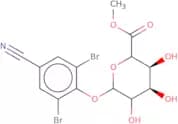
<p>Bromoxynil D-glucuronide methyl ester is a synthetic, high-purity chemical with a CAS number of 2512-06-3. It is an Oligosaccharide and sugar that is Glycosylated and Click modified. This product can be used in Custom synthesis or as a Modification to saccharides.</p>Formula:C14H13Br2NO7Purity:Min. 95%Molecular weight:467.06 g/molMethyl 5-acetamido-4,7,8,9-tetra-O-acetyl-3,5-dideoxy-2-thiophenyl-D-glycero-a-D-galacto-2-nonulopyranosylonate
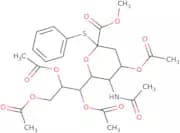
CAS:Methyl 5-acetamido-4,7,8,9-tetra-O-acetyl-3,5-dideoxy-2-thiophenyl-D-glycero-a-D-galacto-2--nonulopyranosylonate is a synthetic monosaccharide with a high purity. It is an oligosaccharide consisting of one methylated acetamido group and four acetyl groups on the nonulopyranosyl ring. Methyl 5 Acetamido 4,7,8,9 Tetra O Acetyl 3 Dideoxy 2 Thiophenyl D Glycero A D Galacto 2 Nonulopyranosylonate is used in glycosylation reactions in the synthesis of complex carbohydrates. The compound has been modified by fluorination to increase its stability in harsh conditions.Formula:C26H33NO12SPurity:Min. 95%Molecular weight:583.61 g/mol8-Methoxycarbonyloctyl-3-O-benzyl-2,2'-dideoxy-2,2'-diphthalimido-3',4',6-tri-O-acetyl-b-cellobiose
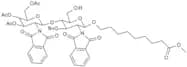
CAS:<p>8-Methoxycarbonyloctyl-3-O-benzyl-2,2'-dideoxy-2,2'-diphthalimido-3',4',6-tri-O-acetyl-b -cellobiose is a cellobiose with an 8 methoxycarbonyl group at the C8 position. It can be used in the synthesis of oligosaccharides and polysaccharides. The compound has been synthesized by methylation, click modification, and fluorination. The CAS number is 106445-30-1. 8MCOBBIOSE has a purity of > 98% and may have a white to off white powder appearance.</p>Formula:C51H58N2O18Purity:Min. 95%Molecular weight:987.01 g/mol1,2,3,4,6-Penta-O-acetyl-a-D-talopyranose
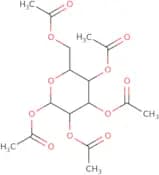
CAS:<p>1,2,3,4,6-Penta-O-acetyl-a-D-talopyranose is a fluorinated monosaccharide that belongs to the class of synthetic oligosaccharides. It can be used in glycosylation and polysaccharide synthesis. The chemical structure of this compound has been modified by methylation and click chemistry. 1,2,3,4,6-Penta-O-acetyl-a-D-talopyranose is available in high purity and custom synthesis.</p>Purity:Min. 95%Glucobrassicin potassium
CAS:Glucobrassicin potassium is a glucosinolate-derived compound, which is a naturally occurring metabolite found in cruciferous vegetables such as broccoli, Brussels sprouts, and cabbage. These compounds are biosynthesized in plant cells and are integral to the plant's defense mechanism against pests and diseases.Formula:C16H20N2O9S2•KPurity:Min. 95%Molecular weight:487.57 g/mol6-O-Acetyl-2-azido-3,4-di-O-benzyl-2-deoxy-D-glucopyranose
CAS:<p>Glucosamine is a hexose sugar that is an amino sugar and a precursor in the biosynthesis of glycoproteins. It also acts as an intermediate for the synthesis of other non-carbohydrate natural products. 6-O-Acetyl-2-azido-3,4-di-O-benzyl-2-deoxyglucopyranose is a glucosamine derivative that has been synthesized from trifluoroacetic acid and piperidine. The acetyl group on this compound makes it soluble in water, which allows for its use in pharmaceuticals and other applications.</p>Purity:Min. 95%Phenyl 2,3,4,6-tetra-O-acetyl-a-L-thioglucopyranoside
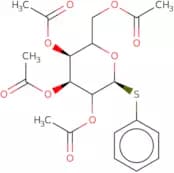
CAS:<p>Please enquire for more information about Phenyl 2,3,4,6-tetra-O-acetyl-a-L-thioglucopyranoside including the price, delivery time and more detailed product information at the technical inquiry form on this page</p>Formula:C20H24O9SPurity:Min. 95%Molecular weight:440.46 g/molN-Nonanoyl-N-methylglucamine
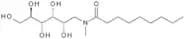
CAS:<p>N-Nonanoyl-N-methylglucamine is a nonionic surfactant that has been shown to be effective in the treatment of some inherited blood disorders. N-Nonanoyl-N-methylglucamine is used as a red cell membrane stabilizer and has been shown to increase the proton concentration in human serum. It also increases the transfer rate of p-nitrophenyl phosphate from erythrocytes to plasma. This drug has been found to have enzyme activity on soybean trypsin, model system, and epoxidase activity. N-Nonanoyl-N-methylglucamine has shown to be an effective protective agent against sodium citrate induced hemolysis and monoclonal antibody mediated cytotoxicity. It also shows kinetic data for protein synthesis and gene expression at different concentrations.</p>Formula:C16H33NO6Purity:Min. 95%Color and Shape:PowderMolecular weight:335.44 g/mola-Spinasterol glucoside
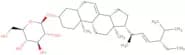
CAS:<p>a-Spinasterol glucoside is a glucopyranoside that belongs to the group of triterpenoid. It has a bitter taste, and its chemical structure was first isolated from the seeds of Trichosanthes bracteata. This compound can be found in other plants such as cucurbitacin and cucumeroides. These two compounds are bitter and are used in Chinese traditional medicine for treating inflammation, pain, or even cancer. The chemical structure of a-spinasterol glucoside is related to vanillic acid, glyceryl palmitate, and vanillic acid.</p>Purity:Min. 95%2,3,5-Tri-O-p-chlorobenzyl-L-fucopyranoside
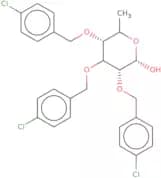
CAS:<p>2,3,5-Tri-O-p-chlorobenzyl-L-fucopyranoside is a modified sugar and an effective inhibitor of the glycosidase enzymes. It has been shown to inhibit the synthesis of glycogen in vitro. 2,3,5-Tri-O-p-chlorobenzyl-L-fucopyranoside is a major component of commercially available agarose gel electrophoresis buffers and is also used for modification of proteins by click chemistry. The compound can be custom synthesised with a high degree of purity and can be fluorinated for use in mass spectrometry.</p>Formula:C27H27Cl3O5Purity:Min. 95%Molecular weight:537.86 g/mol2,3,4,6-Tetra-O-benzoyl-D-glucopyranose
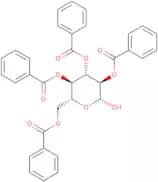
CAS:<p>2,3,4,6-Tetra-O-benzoyl-D-glucopyranose is an aldehyde that has been synthesized by the oxidation of D-glucofuranose with nitric acid. It has been shown to act as a competitive inhibitor of lipase and c-glycosidases. The acetal group in 2,3,4,6-tetra-O-benzoyl-D-glucopyranose is activated with acetyl chloride to form an acetal derivative. This compound can be used as a chemoenzymatic glycosidic bond formation method for the synthesis of various glycosides.</p>Formula:C34H28O10Purity:Min. 95%Molecular weight:596.6 g/mol2,4-O-Ethylidene-D-erythrose
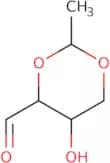
CAS:<p>2,4-O-Ethylidene-D-erythrose is a trimerization product of glyoxal and acetaldehyde. It is an aldehyde that can be used as a precursor to other compounds. The hydrated form of 2,4-O-ethylidene-D-erythrose has been rationalized by the mesoxalic acid and water molecules to form the trimer. This compound can be produced from the glycolaldehyde and sulfoxide in an oxidation reaction with hydrogen peroxide. The acetylation of 2,4-O-ethylidene-D-erythrose produces isoxazolidines which are stereoselective.</p>Formula:C6H10O4Purity:Min. 95%Molecular weight:146.14 g/molMan-8 N-Glycan
CAS:<p>Man-8 N-glycan is a modification of the carbohydrate Man-8. It is a complex carbohydrate that is synthesized from monosaccharides and polysaccharides. This product has been custom synthesized for high purity and high quality. It has been fluorinated to increase its stability, and it can be used in glycosylation reactions.</p>Formula:C64H108N2O51Purity:Min. 90%Color and Shape:PowderMolecular weight:1,721.53 g/molD-Galactose-2-D
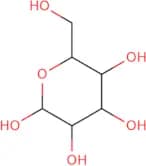
CAS:<p>D-Galactose-2-D is an anticancer agent that has been shown to inhibit the activity of kinases, which are enzymes involved in cell signaling pathways. It is a derivative of D-galactose and has been found in human urine. D-Galactose-2-D has demonstrated potent antitumor effects against various cancer cell lines, including Chinese hamster ovary cells and human colon carcinoma cells. This compound induces apoptosis, or programmed cell death, in cancer cells by inhibiting the activity of key proteins involved in cell survival. Additionally, D-Galactose-2-D has been found to be a potent inhibitor of capsaicin-induced activation of kinase, suggesting its potential as a therapeutic agent for inflammatory conditions.</p>Formula:C6H12O6Purity:Min. 95%Molecular weight:181.16 g/mol4-Isothiocyanatophenyl-b-D-glucopyranoside
CAS:<p>4-Isothiocyanatophenyl-b-D-glucopyranoside is an electrophilic compound that can be used as a reagent in organic synthesis. It reacts with nucleophiles and is used for nitro reduction, sulfoxide formation, and phenoxy formation. The structure of the molecule is characterized by two chiral centers. The reactivity of this molecule depends on the orientation of the substituents on the two chiral centers. 4-Isothiocyanatophenyl-b-D-glucopyranoside can also be used to form esters. The ethoxycarbonyl group (C=O) on one end of the molecule reacts with carboxylic acids to form esters, while at the other end of the molecule, hydroxy groups (OH) react with alcohols to form ethers.</p>Formula:C13H15NO6SPurity:Min. 95%Molecular weight:313.33 g/molBenzyl-6-O-(2,3,4,6-tetra-O-acetyl-a-D-mannopyranosyl)-2,3,4-tri-O-benzyl-a-D-mannopyranoside
<p>A custom synthesis of benzyl-6-O-(2,3,4,6-tetra-O-acetyl-a-D-mannopyranosyl)-2,3,4-tri-O-benzyl-a-D-mannopyranoside was made with the following modifications: fluorination and methylation. The molecular weight is 636.81 g/mol. It is a white crystalline solid. CAS No.:</p>Formula:C48H54O15Purity:Min. 95%Molecular weight:870.93 g/molSucrose 4,6-methyl orthoester
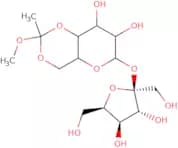
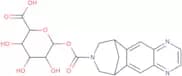
CAS:<p>Sucrose 4,6-methyl orthoester is a sugar derivative that can be synthesized from sucrose. Sucrose 4,6-methyl orthoester is a white solid that is soluble in water, methanol, and acetone. It has been shown to have the same properties as sucrose but with higher stability in acidic conditions and at high temperatures. This compound has been custom synthesized by our laboratory to produce a high purity product.</p>Formula:C15H26O12Purity:Min. 95%Molecular weight:398.36 g/molVarenicline carbamoyl b-D-glucuronide
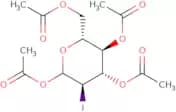
CAS:<p>Varenicline is a glycosylation product with a sugar, which is synthesized by the methylation and fluorination of carbamoyl b-D-glucuronide. This drug is used for the treatment of nicotine dependence in adults. It acts on nicotinic acetylcholine receptors in the brain to reduce cravings and withdrawal symptoms from smoking, as well as increasing the release of dopamine. Varenicline binds to alpha4beta2 nicotinic acetylcholine receptors, which are located in the brain and other organs, such as the stomach and pancreas. The drug has been shown to be effective for smoking cessation when used alone or in combination with nicotine replacement therapy.</p>Formula:C20H21N3O8Purity:Min. 95%Molecular weight:431.4 g/mol1,3,4,6-Tetra-O-acetyl-2-deoxy-2-iodo-a-D-glucopyranose
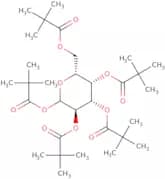
CAS:<p>1,3,4,6-Tetra-O-acetyl-2-deoxy-2-iodo-a-D-glucopyranose is a sugar molecule that is used to measure the efficiency of glycosidases. It has been shown to be an efficient site-specific inhibitor for glycosidases and analogues. This compound has been shown to inhibit the activity of glycoconjugates and glycan synthesis by interfering with the binding sites on enzymes such as endoglycosidase H. 1,3,4,6-Tetra-O-acetyl-2-deoxy-2-iodo-(1→4)-a-[alpha]-D-[beta]-D-[alpha]-glucopyranoside is an analog of this compound that can be used in place of it for specific purposes.</p>Formula:C14H19IO9Purity:Min. 95%Molecular weight:458.2 g/mol1,2,3,4,6-Penta-O-pivaloyl-b-D-galactopyranoside
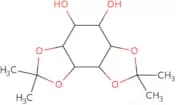
CAS:<p>1,2,3,4,6-Penta-O-pivaloyl-b-D-galactopyranoside is a high purity custom synthesis sugar. It is the product of a click modification, fluorination, glycosylation and carbamylation. This compound is also methylated and modified with an oligosaccharide and monosaccharide. The CAS number for 1,2,3,4,6-Penta-O-pivaloyl-b-D-galactopyranoside is 108342-85-4.</p>Formula:C31H52O11Purity:Min. 95%Molecular weight:600.74 g/mol1,2:5,6-Di-O-isopropylidene-D-chiro-inositol
CAS:<p>1,2:5,6-Di-O-isopropylidene-D-chiro-inositol is a complex carbohydrate that is obtained by methylation of D-chiro-inositol. It is an important component of a number of glycosidic linkages in glycoconjugates and polysaccharides. The compound has been modified with fluorination to increase its stability in organic solvents and to facilitate the attachment of other atoms or molecules. 1,2:5,6-Di-O-isopropylidene-D-chiro-inositol can be used for the synthesis of oligosaccharides and monosaccharides for custom purposes.</p>Formula:C12H20O6Purity:Min. 95%Molecular weight:260.28 g/molD-Raffinose undecaacetate
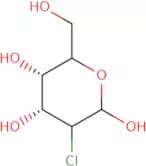
CAS:<p>D-Raffinose undecaacetate is a sweetener that is used in some chewing gum and other foods. It is a sucrose ester with the chemical formula C12H24O11. D-Raffinose undecaacetate has been shown to increase the release of insulin, which may be due to its effects on glucose uptake or modulation of taste receptors on the tongue. It has also been shown to have an anti-inflammatory effect, which may be due to its interactions with the bitter taste receptors present in tissues such as the small intestine and liver.</p>Formula:C40H54O27Purity:Min. 95%Molecular weight:966.84 g/mol2-Chloro-2-deoxy-D-mannose
CAS:<p>2-Chloro-2-deoxy-D-mannose is a synthetic sugar that can be used as a fluoride substrate. It has been shown to bind to the active site of bacterial enzymes and inhibit them. 2-Chloro-2-deoxy-D-mannose is a conformationally constrained analogue of 3-deoxyglucose, which binds to the same active site on bacterial enzymes. This sugar also inhibits nitrate reductase, an enzyme involved in the reductive dehalogenation of nitrates. 2-Chloro-2-deoxy-D-mannose has been shown to inhibit the growth of Mycobacterium tuberculosis and Mycobacterium avium complex by binding with high affinity to the ligand binding site on these bacteria's glycolytic enzymes.</p>Formula:C6H11ClO5Purity:Min. 95%Color and Shape:White PowderMolecular weight:198.6 g/molLotaustralin
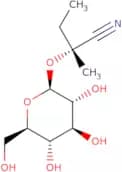
CAS:<p>Lotaustralin is a natural product that is derived from the plant Lotea usitatissima. It belongs to the class of isoflavonoids and has shown activity against infectious diseases. Lotaustralin has been shown to inhibit mycelial growth in vitro by targeting enzymes involved in the biosynthesis of isoflavonoid compounds in plants, such as lc-ms/ms methodology, preparative hplc, and enzymatic assays. It also has been shown to have an effect on locomotor activity in mice. The polymerase chain reaction (PCR) assay was used to detect the presence of lotaustralin in various samples, including blood serum and sputum samples. This product can be used for sample preparation for PCR assay.</p>Formula:C11H19NO6Purity:Min. 97%Molecular weight:261.27 g/molMethyl 2-acetamido-3-O-(2,3,4,6-tetra-O-acetyl-b-D-galactopyranosyl)-2-deoxy-4,6-O-(4-methoxybenzylidene)-a-D-galactopyranoside
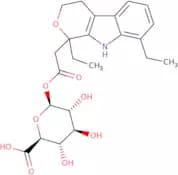
CAS:Methyl 2-acetamido-3-O-(2,3,4,6-tetra-O-acetyl-b-D-galactopyranosyl)-2-deoxy-4,6-O-(4-methoxybenzylidene)-a-D-galactopyranoside is a custom synthesis of an oligosaccharide with a polysaccharide. It is a fluorinated complex carbohydrate that has been modified for high purity. Methyl 2 acetamido 3 O (2,3,4,6 tetra O acetyl b D galactopyranosyl) 2 deoxy 4,6 O (4 methoxybenzylidene) a D galactopyranoside is composed of monosaccharides and sugar.Formula:C31H41NO16Purity:Min. 95%Molecular weight:683.65 g/molrac etodolac acyl-b-D-glucuronide
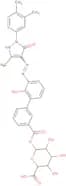
CAS:<p>Rac etodolac acyl-b-D-glucuronide is a synthetic, high purity, complex carbohydrate. It is custom synthesized and modified with fluorination, glycosylation, and acetylation. Rac etodolac acyl-b-D-glucuronide has the following CAS number: 79541-43-8.</p>Formula:C23H29NO9Purity:Min. 95%Molecular weight:463.48 g/molEltrombopag Acyl Glucuronide
CAS:<p>Eltrombopag aryl glucuronide is a modified form of the drug eltrombopag that contains a methyl group at the 2 position and an acetyl group at the 3 position. It has been synthesized using click chemistry to modify the oligosaccharide, which is then fluorinated and reacted with an oligosaccharide-forming reagent. Eltrombopag aryl glucuronide can be used as a monosaccharide or in combination with other saccharides to form complex carbohydrates. This product is fully synthetic and is available in high purity.</p>Formula:C31H30N4O10Purity:Min. 95%Molecular weight:618.19619S-Hydroxy topiramate
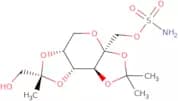
CAS:<p>S-Hydroxy topiramate is a modification of topiramate, which is a sugar. The chemical name for this compound is carbamic acid, N-[(1R,2S)-2-[[(3S)-3-methyl-4-(2,2,2-trifluoroethoxy)piperidin-1-yl]carbonyl]cyclopentyl]-3-[(phenylmethoxy)methyl]-, monosodium salt. It has the following properties: CAS No. 198215-62-2; Carbohydrate; complex carbohydrate; Custom synthesis; Oligosaccharide; High purity; Synthetic; Monosaccharide; Methylation; Glycosylation; Polysaccharide. This product can be used in the following applications: Fluorination, saccharide.</p>Formula:C12H21NO9SPurity:Min. 95%Molecular weight:355.36 g/molN-Formyl varenicline
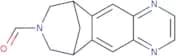
CAS:<p>N-Formyl varenicline is a drug substance that is used as a pharmaceutical preparation. It has the regulatory status of an investigational new drug (IND). N-Formyl varenicline is supplied in the form of a white to off-white powder and is incompatible with iron oxides, so care must be taken when handling this product. This material has been shown to have fluorescence properties and can be detected using a fluorimetric detector. The drug substance has not been evaluated for excipients or diode compatibility.</p>Formula:C14H13N3OPurity:Min. 95%Molecular weight:239.27 g/mol5-Deoxy-1,2-O-isopropylidene-5-(3-phenylpiperizin-1-yl)-a-D-xylofuranose
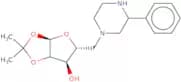
CAS:<p>5-Deoxy-1,2-O-isopropylidene-5-(3-phenylpiperizin-1-yl)-a-D-xylofuranose is a methylated and fluorinated sugar that was synthesized by the click reaction. The synthesis of this compound required the use of an oligosaccharide coupled with a polysaccharide for the attachment of the piperazine moiety. This product has been shown to be stable in water and other solvents. 5DIOXFURANOSE is a white to off white crystalline powder that appears as needle crystals. It is soluble in water, methanol, ethanol, acetonitrile, acetone and chloroform.</p>Formula:C18H26N2O5Purity:Min. 95%Molecular weight:334.32 g/mol1,6-Anhydro-4-O-b-D-galactopyranosyl-b-D-glucopyranose
CAS:<p>N-acetyllactosamine is a monosaccharide that belongs to the group of n-acetyllactosamine. It can be found in the form of an agglutinin, lactose, and lectin. The conformation of this molecule is an equilibrium between its alpha and beta forms. The pyridine can act as an acid catalyst for the alpha conformation. There are two forms of this molecule: one synthesized from D-glucose and one synthesized from D-galactose. 1,6-Anhydro-4-O-b-D-galactopyranosyl-b-D-glucopyranose is synthesized from D-glucose. Oligosaccharides containing this molecule have been expressed in Saccharomyces cerevisiae cells and purified by affinity chromatography on columns that contain immobilized antibody to human serum albumin. This molecule has been shown</p>Formula:C12H20O10Purity:Min. 95%Molecular weight:324.28 g/mol4-Amino-4-deoxy-fructose
<p>4-Amino-4-deoxy-fructose is a catalyzed product of ribulose. Its reaction with an aldehyde produces tagatose, which is a carbohydrate that has been shown to have therapeutic properties in mice. Tagatose can be used to produce dihydroxyacetone phosphate, an intermediate in the glycolytic pathway. 4-Amino-4-deoxy-fructose also accelerates the reaction between the ketoses and acceptors in the presence of an enzyme called enolase. This process is known as enantioselective reduction. The aminosugar 4-amino-4-deoxyglucose was synthesized using this methodology, and it has been shown to inhibit bacterial growth by binding to DNA gyrase, preventing DNA replication and transcription.</p>Purity:Min. 95%Ethyl 4,6-O-(4-methoxybenzylidene)-b-D-thiogalactopyranoside
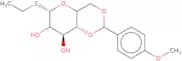
<p>Ethyl 4,6-O-(4-methoxybenzylidene)-b-D-thiogalactopyranoside is a custom synthesis of a carbohydrate. It is a high purity product with a purity of at least 99.0%. It has the following properties: Custom synthesis, sugar, Click modification, Fluorination, Glycosylation, Synthetic, Methylation, Modification.<br>This product is registered under CAS No. 100735-66-8 and has the molecular formula C51H75NO17. The molecular weight is 905.1 g/mol and the structural formula is as follows:</p>Formula:C16H22O6SPurity:Min. 95%Molecular weight:342.41 g/molRaloxifene-4'-D-glucuronide lithium salt
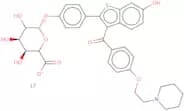
CAS:Raloxifene-4'-D-glucuronide lithium salt is a metabolite of raloxifene, an estrogen receptor modulator. It has been used in the treatment of osteoporosis and breast cancer. Raloxifene-4'-D-glucuronide lithium salt inhibits protein synthesis by inhibiting the activity of ribosomes. Raloxifene-4'-D-glucuronide lithium salt binds to microsomal preparations, which are organelles found in liver cells that synthesize proteins. This binding slows down the rate at which proteins are synthesized, leading to its anti-cancer properties.Formula:C34H34NO10S·LiPurity:Min. 95%Molecular weight:655.64 g/mol1,2:5,6-Di-O-cyclohexylidene-D-mannitol
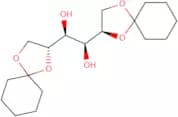
CAS:1,2:5,6-Di-O-cyclohexylidene-D-mannitol is a ligand that binds to metal ions. It forms a complex with nitro groups, which has been shown to have synergistic effects in transfer reactions. The structure of 1,2:5,6-Di-O-cyclohexylidene-D-mannitol was determined by x-ray diffraction and the crystal structure was confirmed by single crystal x-ray diffraction. This ligand can be used for the synthesis of alkenes and it reacts with magnesium chloride to form a grignard reagent. As a ligand, this compound has anticancer activity and can be used as an antiangiogenic agent.Formula:C18H30O6Purity:Min. 95%Molecular weight:342.43 g/molEthyl β-D-xylopyranoside
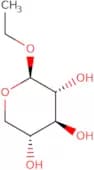
CAS:<p>Ethyl b-D-xylopyranoside is a sugar that is synthesized from the reaction of b-D-xylopyranoside with ethyl bromoacetate. The product of this reaction is a glycoside, which can be modified in many ways. It can be fluorinated, glycosylated, methylated, and/or modified in order to produce desired properties. Ethyl b-D-xylopyranoside has a molecular weight of 294.24 g/mol and a CAS number of 6743-62-0. This compound is used as an intermediate for the synthesis of complex carbohydrates or saccharides and it contains an oligosaccharide chain at its end.</p>Formula:C7H14O5Purity:Min. 95%Color and Shape:White PowderMolecular weight:178.19 g/molLow-Substituted hydroxypropylcellulose
CAS:LH 21 is a low-substituted hydroxypropylcellulose. It is produced by the fluorination of cellulose, followed by substitution with a variety of monosaccharides and oligosaccharides to produce a complex carbohydrate. LH 21 is synthesized for custom needs, glycosylated, methylated, and modified at the sugar level with click chemistry. It has a CAS No. 9004-64-2 and is Carbohydrate in nature. LH 21 has high purity and can be used in many applications including as an excipient or additive in pharmaceutical formulations.Purity:Min. 95%Color and Shape:Powder1,2,3,4-Tetra-O-pivaloyl-b-D-glucuronide methyl ester
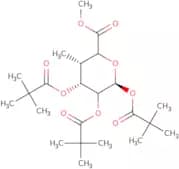
CAS:<p>Protected glucuronide</p>Formula:C27H44O11Purity:Min. 95%Molecular weight:544.63 g/molMan6GlcNAc (I)
CAS:<p>Man6GlcNAc (I) is a synthetic, fluorinated, monosaccharide that can be modified to produce a wide range of products. This product has been shown to have high purity and can be customized for specific applications. It is used in the production of complex carbohydrates with click modification and methylation. Man6GlcNAc (I) is often used as an intermediate in the synthesis of oligosaccharides such as glycosylated proteins or glycans.</p>Formula:C44H75NO36Purity:Min. 95%Color and Shape:PowderMolecular weight:1,194.05 g/mol3-O-tert-Butyldiphenylsilyl-D-galactal
<p>3-O-tert-Butyldiphenylsilyl-D-galactal is a glycosylation agent that can be used in the synthesis of oligosaccharides, sugar derivatives, and polysaccharides. It is synthesized by reacting 3-bromoacetophenone with D-galactal. This product is a white powder that is soluble in methanol and DMF. The CAS number for this product is 53533-71-3.</p>Purity:Min. 95%Hyaluronate fluorescein - Molecular Weight - 250kDa
<p>Hyaluronate fluorescein is a large molecular weight, high-molecular weight, high-purity, highly modified carbohydrate. It is a synthetic oligosaccharide that has been chemically modified with methylation and saccharide. Hyaluronate fluorescein is synthesized using Click chemistry to add a fluorescent tag at the reducing end of the molecule. This product can be used for custom synthesis and glycosylation. Hyaluronate fluorescein is available in various sizes including 250kDa.</p>Purity:Min. 95%Momordicoside I aglycone
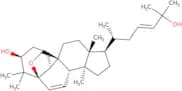
CAS:<p>Momordicoside I aglycone is a compound that has been extracted from the roots of Momordica grosvenori. It is a potent inhibitor of the enzyme cyclooxygenase and has been shown to have analgesic, anti-inflammatory, and antipyretic activities in mice.</p>Purity:Min. 95%Ketoprofen acyl-β-D-glucuronide
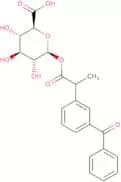
CAS:<p>Ketoprofen acyl-β-D-glucuronide is a nonsteroidal anti-inflammatory drug that inhibits prostaglandin synthesis. It binds to the enzyme cyclooxygenase, which prevents the formation of prostaglandins and thromboxanes. The binding constants have been measured using radiolabeled ketoprofen acyl-β-D-glucuronide in urine samples from patients taking ketoprofen. Ketoprofen acyl-β-D-glucuronide has also been shown to be stereoselective for liver cells and fatty acid metabolism in humans. This drug has not been shown to produce covalent adducts with DNA or RNA.</p>Formula:C22H22O9Purity:Min. 97 Area-%Color and Shape:White Off-White PowderMolecular weight:430.4 g/molNA3 N-Glycan
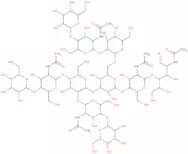
CAS:<p>NA3 N-glycan is a base that forms glycosidic bonds with other molecules. It has been shown to be pharmacologically active in tissues and has a safety profile. NA3 N-glycan is metabolized by the serine protease, which cleaves it from its glycosylated protein. The resulting molecule lacks a reactive group, which prevents it from forming toxic reactions with other molecules. NA3 N-glycan has been used for pharmacokinetic modeling and for mass spectrometric measurements of proteins in human serum and plasma.</p>Formula:C76H127N5O56Purity:Min. 95%Color and Shape:Solid.Molecular weight:2,006.82 g/molGlobo-H-b-N-acetyl propargyl
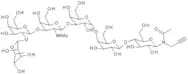
<p>Intermediate in the development of anti-cancer vaccines</p>Formula:C43H70N2O30Purity:Min. 95%Molecular weight:1,095.01 g/mol1,2,3,4-Tetra-O-acetyl-L-lyxopyranose
CAS:<p>1,2,3,4-Tetra-O-acetyl-L-lyxopyranose is a sugar that is modified with a click reaction to create an acetal. The acetal can be used for glycosylation or methylation in order to produce complex carbohydrates. This carbohydrate has been shown to be useful for the synthesis of oligosaccharides and monosaccharides.</p>Formula:C13H18O9Purity:Min. 95%Molecular weight:318.28 g/mol3-Azido-2,3-dideoxy-1-O-(tert-butyldimethylsilyl)-b-D-arabino-hexopyranose
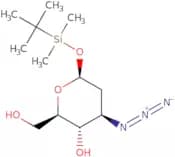
CAS:<p>3-Azido-2,3-dideoxy-1-O-(tert-butyldimethylsilyl)-b-D-arabino-hexopyranose is a synthetic sugar with the chemical formula (C6H11NO5)n. It is a white crystalline solid that is soluble in water and slightly soluble in ethanol. 3-Azido-2,3-dideoxy-1-O-(tert-butyldimethylsilyl)-b-D-arabinohexopyranose has been used as a building block for the synthesis of various carbohydrate derivatives, such as saccharides, oligosaccharides, and polysaccharides. The chemical structure of 3 azido 2,3 dideoxy 1 O tert butyldimethylsilyl b D arabinohexopyranose may be modified using click chemistry to produce new derivatives.</p>Formula:C12H25N3O4SiPurity:Min. 95%Molecular weight:303.43 g/mol3-Desmethylthiocolchicine-3-O-D-glucuronide
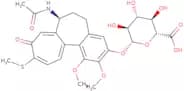
CAS:<p>3-Desmethylthiocolchicine-3-O-D-glucuronide is a compound that has been custom synthesized, with a purity of >95%. The compound is an oligosaccharide and polysaccharide containing saccharides and carbohydrates.</p>Formula:C27H31NO11SPurity:Min. 95%Molecular weight:577.6 g/mol1,2,4,6-Tetra-O-acetyl-3-azido-3-deoxy-D-glucopyranose
<p>1,2,4,6-Tetra-O-acetyl-3-azido-3-deoxy-D-glucopyranose is a custom synthesis that has been fluorinated and modified with methyl groups. It is used to synthesize complex carbohydrates and it can be used as a raw material for the production of oligosaccharides. 1,2,4,6-Tetra-O-acetyl-3-azido-3-deoxy--D--glucopyranose is soluble in water and ethanol and has a CAS number.</p>Formula:C14H19N3O9Purity:Min. 95%Molecular weight:373.32 g/molp-Topolin-9-glucoside
CAS:<p>p-Topolin-9-glucoside is a custom synthesis that has been modified with fluorination, methylation, and click modification. It is a monosaccharide that is synthetically made and has been shown to have antiviral activity against herpes simplex virus type 1 (HSV-1) in vitro. p-Topolin-9-glucoside is also an oligosaccharide that can be glycosylated and contains saccharides. It is a synthetic carbohydrate with CAS No. 1046433-04-8.</p>Formula:C18H21N5O6Purity:Min. 95%Molecular weight:403.39 g/mol5-Deoxy-L-lyxose
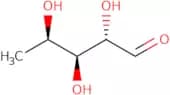
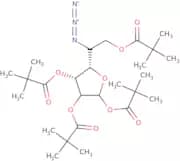
CAS:<p>5-Deoxy-L-lyxose is a marine bioactive molecule that belongs to the group of 5-deoxy sugars. Its ring structure is similar to that of ribulose, and it has been found in marine sponges. This compound has a hydroxyl group in its structure and can be oxidized to produce orange pigments. The compound's nmr spectra show it to be an isomer of benzoate, with the sodium salt being more soluble in water than the sodium salts of other 5-deoxy sugars. 5-Deoxy-L-lyxose is also conjugated with amino acids or peptides.</p>Formula:C5H10O4Purity:Min. 95%Molecular weight:134.13 g/mol5-Azido-1,2,3,6-tetra-O-pivaloyl-2-deoxy-D-galactofuranoside
<p>5-Azido-1,2,3,6-tetra-O-pivaloyl-2-deoxy-D-galactofuranoside is a custom synthesis of a fluorinated sugar. It is an oligosaccharide that is synthesized through a glycosylation reaction with the use of a click modification. 5-Azido-1,2,3,6-tetra-O-pivaloyl-2-deoxy-D -galactofuranoside has been modified with methyl groups to produce high purity.</p>Formula:C26H43N3O9Purity:Min. 95%Molecular weight:541.63 g/mol6-O-[2-Acetamido-2-deoxy-4-O-(b-D-galactopyranosyl)-b-D-glucopyranosyl]-D-galactopyranose
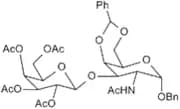
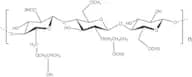
CAS:<p>The 6-O-[2-acetamido-2-deoxy-4-O-(b-D-galactopyranosyl)-b-D-glucopyranosyl]-D-galactopyranose is a disaccharide carbohydrate that can be found in the blood group H. This particular carbohydrate is an example of a sialic acid, which plays an important role in the immune system and other biological processes. Lectins are proteins that bind to carbohydrates and are often used as probes to study glycan structures. Lectin binding assays have been used to characterize this molecule as well as oligosaccharides, glycans, and biohazards.</p>Formula:C20H35NO16Purity:Min. 95%Color and Shape:SolidMolecular weight:545.49 g/molBenzyl 2-acetamido-4,6-O-benzylidene-3-O-(2,3,4,6-tetra-O-acetyl-b-D-galactopyranosyl)-2-deoxy-a-D-glucopyranoside
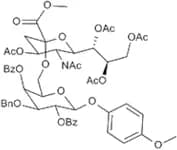
CAS:<p>The compound is a synthetic fluorinated carbohydrate that contains an acetamido group. It has been shown to inhibit the growth of Mycobacterium tuberculosis and Mycobacterium avium complex in vitro. The compound has shown anti-inflammatory properties and immunomodulatory effects, which may be due to its ability to bind to the CD1d receptor on macrophages.</p>Formula:C36H43NO15Purity:Min. 95%Molecular weight:729.72 g/mol4-Methoxyphenyl 2,4-di-O-benzoyl-3-O-benzyl-6-O-(methyl 5-acetamido-4,7,8,9-tetra-O-acetyl-3,5-dideoxy-D-glycero-alpha-D-galacto-2-n onulopyranosylonate)-beta-D-galactopyranoside
<p>4-Methoxyphenyl 2,4-di-O-benzoyl-3-O-benzyl-6-O-(methyl 5-acetamido-4,7,8,9-tetra-O-acetyl)-3,5-dideoxy--D glycero--alpha--D galacto--2 nonulopyranosylonate) -beta D galactopyranoside is a carbohydrate that is custom synthesized for the modification of saccharides. It has a molecular weight of 1066.81 g/mol and is soluble in water. 4MPB is used as an intermediate for the synthesis of other carbohydrates.</p>Formula:C54H59NO21Purity:Min. 95%Molecular weight:1,058.04 g/mol2,3,5-Tri-O-acetyl-b-L-ribofuranosyl chloride
<p>2,3,5-Tri-O-acetyl-b-L-ribofuranosyl chloride is a custom synthesis of an oligosaccharide. It is a complex carbohydrate that has been modified by methylation and glycosylation. This product is a high purity, fluorinated saccharide with a CAS number. It undergoes the Click modification and has been synthesized through the use of carbohydrate chemistry.</p>Purity:Min. 95%2,4-O-Benzylidene-1-O-tosyl-D-threitol
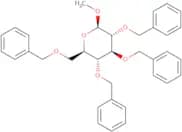
CAS:<p>2,4-O-Benzylidene-1-O-tosyl-D-threitol is a synthetic sugar that has been modified. It can be used in the synthesis of oligosaccharides and monosaccharides as well as complex carbohydrates. 2,4-O-Benzylidene-1-O-tosyl-D-threitol is a high purity product with a purity level of 99%. This product can be custom synthesized to meet your needs.</p>Formula:C18H20O6SPurity:Min. 95%Molecular weight:364.41 g/molMethyl 2,3,4,6-tetra-O-benzyl-b-D-galactopyranoside
CAS:<p>Methyl 2,3,4,6-tetra-O-benzyl-b-D-galactopyranoside is a modification of the sugar galactose. It is a complex carbohydrate and an oligosaccharide that is synthesized from monosaccharides by glycosylation or polysaccharide synthesis. This product has been custom synthesized and can be modified to your specifications. It has high purity and is synthetic. Methyl 2,3,4,6-tetra-O-benzyl-b-D-galactopyranoside is used in various applications such as pharmaceuticals, agrochemicals, cosmetics and food additives.</p>Purity:Min. 95%3-Deoxy-1,2:5,6-di-O-isopropylidene-a-L-gulofuranose
<p>3-Deoxy-1,2:5,6-di-O-isopropylidene-a-L-gulofuranose is a synthetic monosaccharide that is used in the synthesis of oligosaccharides and polysaccharides. The chemical has been modified with fluorination, methylation, and click chemistry to produce a range of products. This product can be custom synthesized to meet the needs of customers. It has a CAS No. and purity of >99%.</p>Formula:C12H20O5Purity:Min. 95%Molecular weight:244.28 g/mol8-Methoxycarbonyloctanoyl 2,3,4,6-tetra-O-acetyl-b-D-galactopyranoside
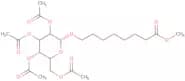
CAS:<p>8-Methoxycarbonyloctanoyl 2,3,4,6-tetra-O-acetyl-b-D-galactopyranoside is a carbohydrate which is synthesized by the reaction of 8-methoxycarbonyloctanoic acid and D-galactose. It is an oligosaccharide that has been modified with fluorine on the C2 position of the sugar ring. This product can be used as an analytical reagent for saccharides and carbohydrates.</p>Formula:C23H36O12Purity:Min. 95%Molecular weight:504.52 g/mol



















![6-O-[2-Acetamido-2-deoxy-4-O-(b-D-galactopyranosyl)-b-D-glucopyranosyl]-D-galactopyranose](/_next/image/?url=https%3A%2Fstatic.cymitquimica.com%2Fproducts%2F3D%2Fthumb-webp%2FOA06816.webp&w=3840&q=75)