Glycoscience
Glycoscience is the study of carbohydrates and their derivatives, as well as the interactions and biological functions they participate in. This field of research is crucial for understanding a wide variety of biological processes, including cell recognition, signaling, immune response, and disease development. Glycoscience has important applications in biotechnology, medicine, and the development of new drugs and therapies. At CymitQuimica, we offer a wide selection of high-quality, high-purity products for glycoscience research. Our catalog includes monosaccharides, oligosaccharides, polysaccharides, glycoconjugates, and specific reagents, designed to support researchers in their studies on the structure, function, and applications of carbohydrates in biological systems. These resources are intended to facilitate scientific discoveries and practical applications in various areas of bioscience and medicine.
Subcategories of "Glycoscience"
- Aminosugars(108 products)
- Glyco-Related Antibodies(282 products)
- Glycolipids(46 products)
- Glycosaminoglycans (GAGs)(55 products)
- Glycosides(419 products)
- Monosaccharides(6,622 products)
- Oligosaccharides(3,682 products)
- Polysaccharides(503 products)
Found 11041 products of "Glycoscience"
Sort by
Purity (%)
0
100
|
0
|
50
|
90
|
95
|
100
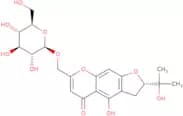
prim-O-glucosylangelicain
CAS:<p>Prim-O-glucosylangelicain is a complex carbohydrate that has been synthesized by custom synthesis and modification. Prim-O-glucosylangelicain is a monosaccharide that has been methylated and then click modified. It also contains an oligosaccharide with glycosylation. The prim-O-glucosylangelicain has been synthesized to have a saccharide chain consisting of glycosidic linkages with a polysaccharide. Click modification is the process of attaching reactive groups to the hydroxyl groups of sugars. This process can be used to replace the hydroxyl group with fluorine, which is done in this case to increase stability and reduce reactivity.</p>Purity:Min. 95%Amiprilose
CAS:<p>Amiprilose is a nonsteroidal anti-inflammatory drug that inhibits the production of IL-2. Amiprilose has been shown to inhibit IL-17a, which is an inflammatory cytokine, in skin cells and mononuclear cells. It also inhibits cell proliferation by binding to the il-2 receptor on muscle cells. Amiprilose has been shown to be effective as a pharmacological agent for treating autoimmune diseases such as rheumatoid arthritis and psoriasis.</p>Formula:C14H27NOPurity:Min. 95%Molecular weight:225.37 g/mola-D-Glucosyl hesperidin
CAS:<p>a-D-Glucosyl hesperidin is a water-soluble drug that has been shown to have antioxidant properties. It inhibits the activity of certain enzymes, such as phospholipase A2 and lipoxygenase, which are involved in inflammation. The compound has also been shown to inhibit cancer cells in vitro by inducing apoptosis and inhibiting cell proliferation. Glibenclamide, the active form of a-D-glucosyl hesperidin, is an orally active hypoglycemic agent used to treat diabetes mellitus type 2 and gestational diabetes. It works by stimulating insulin release from beta cells in the pancreas and promoting insulin sensitivity in peripheral tissues. This compound also inhibits annexin V binding to phosphatidylserine, which leads to apoptosis.</p>Formula:C34H44O20Purity:75%Color and Shape:Off-White To Yellow SolidMolecular weight:772.7 g/mol2,3:5,6-Di-O-isopropylidene-D-talonoic acid-1,4-lactone
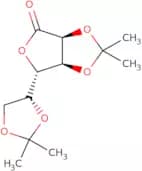
CAS:<p>2,3:5,6-Di-O-isopropylidene-D-talonoic acid-1,4-lactone is a glycosylation product of D-talonic acid. It is a synthetic compound that is fluorinated and methylated. 2,3:5,6-Di-O-isopropylidene-D-talonoic acid-1,4-lactone is soluble in water and has low toxicity. The structure of this compound is complex carbohydrate consisting of saccharide units linked by glycosidic bonds. It can be used to modify proteins or other biomolecules by click chemistry. This compound has CAS number 23262-80-8 and should be stored at -20°C.</p>Formula:C12H18O6Purity:Min. 95%Color and Shape:PowderMolecular weight:258.27 g/mol2,3,6,2',3',4',6'-Hepta-O-acetyl-b-maltosyl azide
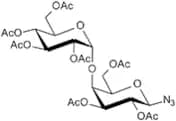
CAS:<p>2,3,6,2',3',4',6'-Hepta-O-acetyl-b-maltosyl azide is a glycosylation agent that can be used in organic synthesis. It is a custom synthesis and can be modified to meet the customer's needs. This product has a CAS number of 33012-49-6 and has high purity with a saccharide content of >99%.</p>Formula:C26H35N3O17Purity:Min. 95%Color and Shape:White PowderMolecular weight:661.57 g/molHyaluronic acid decasaccharide
<p>Hyaluronic acid is a polysaccharide containing repeating disaccharide units of β-1,3-N-acetyl glucosamine and β-1, 4-glucuronicâ¯acid. A series of unsaturated oligosaccharides (oligouronic acids) are released from hyaluronic acid by the action of hyaluronidase on the umbilical cord (Weissman, 1954). This decasaccharide and other enzymatically produced polymer homologs have been of value in the study of hyaluronic acid metabolism in both healthy and diseased tissues (Hascall, 2019).</p>Formula:C70H107N5O56Purity:Min. 95%Color and Shape:White PowderMolecular weight:1,914.6 g/molA3 N-Glycan
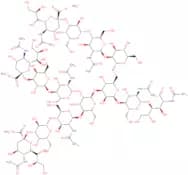
CAS:<p>A3 N-Glycan is a glycosylation profile marker that is specific for the cancer cells. It discriminates between healthy and cancerous cells, which has been shown by analyzing the A3 N-glycan profiles in human plasma samples. The A3 N-glycan marker is detected using high performance liquid chromatography (HPL) analysis. This assay can be used to diagnose cancer and monitor its progression.</p>Formula:C109H178N8O80Purity:Min. 95%Color and Shape:PowderMolecular weight:2,880.59 g/mol1,2,3,6-Tetra-O-galloylglucose
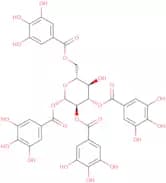
CAS:<p>1,2,3,6-Tetra-O-galloylglucose is a biologically active compound that has been shown to have inhibitory effects on influenza virus and human pathogenic bacteria. It has also been shown to have anticomplementary activity and anti-infective properties against human pathogens. This molecule also exhibits anion radical scavenging activities and can be utilized as a natural antioxidant in food products. The ellagitannins found in this molecule are responsible for its antioxidant properties. 1) 6-Fluoro-3-indoxyl-beta-D-galactopyranoside (Rifapentine) Rifapentine is an antituberculosis drug that belongs to the class of rifamycins. It is the most active of the rifamycins for the treatment of tuberculosis. Rifapentine inhibits bacterial growth by binding to DNA-dependent RNA polymerase, thereby preventing</p>Formula:C34H28O22Purity:Min. 95%Molecular weight:788.57 g/molGlycosaminoglycan related oligosaccharides
<p>Glycosaminoglycan related oligosaccharides are a family of complex carbohydrates that are found in the extracellular matrix. They consist of a monosaccharide, methylation, and glycosylation. Glycosaminoglycan related oligosaccharides have been shown to be effective in modifying cells, as well as in inhibiting bacterial growth. The fluorination of glycosaminoglycan related oligosaccharides has been shown to increase the stability and inhibit bacterial growth.</p>Purity:Min. 95%Ramipril acyl-b-D-glucuronide
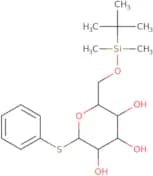
CAS:<p>Ramipril acyl-b-D-glucuronide is a glycosylated prodrug that is the active form of ramipril, an ACE inhibitor. It is metabolized in the liver to ramipril and excreted in the urine. Ramipril acyl-b-D-glucuronide has been shown to have an increased bioavailability and a longer half-life than ramipril due to its glycosylation. The synthesis of this drug has been modified by methylation, fluorination, and saccharide modification. This compound is also available as a custom synthesis for research purposes with high purity.</p>Formula:C29H40N2O11Purity:Min. 95%Molecular weight:592.63 g/molPhenyl 6-O-t-butyldimethylsilyl-b-D-thiogalactopyranoside
CAS:<p>Phenyl 6-O-t-butyldimethylsilyl-b-D-thiogalactopyranoside is a custom synthesis that can be used to modify the fluoroquinolone antibiotic Gatifloxacin. It has been shown to inhibit the growth of bacteria in vitro and in vivo. Phenyl 6-O-t-butyldimethylsilyl-b-D-thiogalactopyranoside is not active against acid-fast bacteria such as Mycobacterium tuberculosis or Mycobacterium avium complex.</p>Purity:Min. 95%(3aR,3bS,6aR,7aR)-2,2-Dimethyltetrahydrofuro[2',3':4,5]furo[2,3-d][1,3]dioxol-5(3aH)-one
CAS:<p>(3aR,3bS,6aR,7aR)-2,2-Dimethyltetrahydrofuro[2',3':4,5]furo[2,3-d][1,3]dioxol-5(3aH)-one (Covid-19) is a small molecule that binds to RNA and inhibits the polymerase chain reaction. Covid-19 is used in diagnosis of cancer and autoimmune diseases. Covid-19 has been shown to bind to the acidic residues of RNA and inhibit its binding to the ribosome. This drug also binds to calcium ions and may be useful for treatment of thrombotic thrombocytopenic purpura.</p>Formula:C9H12O5Purity:Min. 95%Molecular weight:200.19 g/mol5-Azido-5-deoxy-L-altrofuranose
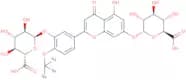
<p>5-Azido-5-deoxy-L-altrofuranose is a synthetic, fluorinated monosaccharide. It is a modification of the sugar molecule with the addition of a methyl group at the 5th carbon in the furanose ring. The complex carbohydrate is synthesized by glycosylation and polysaccharide synthesis. It can be used for click chemistry modifications to other molecules.</p>Formula:C6H11N3O5Purity:Min. 95%Molecular weight:205.17 g/molDiosmetin-3',7-diglucuronide
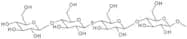
CAS:Controlled Product<p>Diosmetin-3',7-diglucuronide is a synthetic compound that can be used as a methyl donor in the synthesis of oligosaccharides and polysaccharides. It has been modified with fluorination to increase its stability and efficiency. This product is highly pure, with an excellent quality.</p>Formula:C28H28O18Purity:Min. 95 Area-%Color and Shape:PowderMolecular weight:652.51 g/molMethyl (4S)-b-cellobiosyl-4-thio-b-cellobioside
CAS:<p>Methyl (4S)-b-cellobiosyl-4-thio-b-cellobioside is a custom synthesis, modification and fluorination of methyl 4-thioacetate with b-D-cellobiosyl 4-thioacetate. This complex carbohydrate has been shown to have antiviral activity against herpes simplex virus type 1 (HSV1), and can be used as a monotherapy or in combination therapy for HSV1 infections. It inhibits the viral process by inhibiting the viral DNA polymerase and preventing DNA replication. Methyl (4S)-b-cellobiosyl-4-thio-b-cellobioside also inhibits the enzyme glycosyltransferase that is required for HSV1 replication.<br>Methyl (4S)-b - cellobiosyl - 4 - thio - b - cellobioside is a sugar that can be modified with click chemistry to produce different derivatives such as phosph</p>Formula:C25H44O20SPurity:Min. 95%Molecular weight:696.67 g/mol4-Methoxyphenyl 2,3,6-tri-O-benzyl-4-O-(2,3-di-O-benzyl-b-D-galactopyranosyl)-b-D-glucopyranoside
<p>4-Methoxyphenyl 2,3,6-tri-O-benzyl-4-O-(2,3-di-O-benzyl-b-D-galactopyranosyl)-b-D-glucopyranoside is a synthetic carbohydrate. It is made up of a saccharide and a sugar. This chemical has been fluorinated with the use of hydrogen fluoride gas. The chemical also has methyl groups that have been added to it. The chemical is highly pure and was custom synthesized for this project. This chemical can be used in glycosylation or click chemistry.</p>Formula:C54H58O12Purity:Min. 95%Molecular weight:899.03 g/mol2,3,5-Tri-O-benzyl-D-ribose
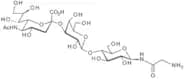
CAS:<p>Remdesivir impurity</p>Formula:C26H28O5Purity:Min. 98 Area-%Color and Shape:White Off-White PowderMolecular weight:420.5 g/molNeuAc-a2,3-Gal-b-1,4-Glc-GlycineNH2
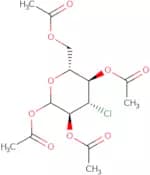
<p>NeuAc-a2,3-Gal-b-1,4-Glc-GlycineNH2 is a carbohydrate that belongs to the group of saccharides. It is an oligosaccharide that has been synthesized via a custom synthesis. This product is high purity and has been modified with methylation, glycosylation, and click modification.</p>Formula:C25H43N3O19Purity:Min. 95%Color and Shape:PowderMolecular weight:689.62 g/mol1,2,4,6-Tetra-O-acetyl-3-chloro-3-deoxy-D-glucopyranose
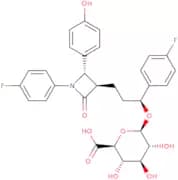
CAS:<p>1,2,4,6-Tetra-O-acetyl-3-chloro-3-deoxy-D-glucopyranose (1) is a synthetic oligosaccharide that has been modified with a fluorine atom at the 6 position of the glucose moiety. This modification has been shown to have increased stability in acidic environments. Glycosylation can be achieved by reacting 1 with an appropriate glycosylant such as bromoacetyl bromide or chloroacetyl chloride. The saccharide unit may also be methylated at the 2 and 4 positions of the glucose moiety to confer protection against enzymatic degradation. Click modification can be used to attach other molecules such as proteins or peptides to 1,2,4,6-tetra-O-acetyl-3-chloro-3-deoxy--D--glucopyranose via a covalent bond between</p>Formula:C14H19ClO9Purity:Min. 95%Molecular weight:366.75 g/molEzetimibe hydroxy-b-D-glucuronide
CAS:<p>Ezetimibe hydroxy-b-D-glucuronide is an oligosaccharide that can be synthesized from the modified sugar, L-glucuronic acid. It has a molecular weight of 536 and is soluble in water and methanol. This compound has been used in the synthesis of glycosides, saccharides, and polysaccharides. The chemical name for this compound is 1-(2-hydroxyethyl)-3-(((4'-carboxybenzyl)oxy)carbonyl)-2,6-diazaoctane glucuronide. Ezetimibe hydroxy-b-D-glucuronide has been shown to increase the absorption of cholesterol and decrease low density lipoprotein (LDL) levels in the blood by inhibiting intestinal cholesterol absorption.</p>Formula:C30H29F2NO9Purity:Min. 95%Molecular weight:585.55 g/molLacto-N-difucohexaose I-APD-KLH
<p>Lacto-N-difucohexaose I-APD-KLH is a synthetic, high purity, custom synthesis carbohydrate that has been fluorinated with APD and KLH. The carbohydrate is methylated and glycosylated. Lacto-N-difucohexaose I-APD-KLH has a CAS number of 73387-87-8.</p>Purity:Min. 95%6-Amino-6-deoxy-D-fructose
CAS:<p>6-Amino-6-deoxy-D-fructose is a custom synthesis that has a methylation at the C1 position. This product is a modified sugar that has the ability to be used as an intermediate in the synthesis of oligosaccharides, polysaccharides, and saccharides. It can also be used as a substitute for glucose in carbohydrate metabolism studies. 6-Amino-6-deoxy-D-fructose is also suitable for fluorination and complex carbohydrate modification experiments. The purity of this product is high, with no detectable impurities. 6-Amino-6-deoxy-D-fructose is a monosaccharide sugar that can be used in synthetic chemistry applications.</p>Purity:Min. 95%Estriol 16-glucuronide
CAS:<p>Estriol 16-glucuronide is a synthetic, fluorinated and methylated estriol glucuronide. It has been modified with a click modification and contains an oligosaccharide. The saccharides in this compound are glycosylated with sugar.</p>Formula:C24H32O9Purity:Min. 95%Molecular weight:464.51 g/molPinoresinol diglucopyranoside
CAS:<p>Pinoresinol diglucopyranoside is a natural compound found in Chinese herb. It has been shown to have an anti-atherosclerotic effect, which may be due to the inhibition of nuclear factor kappa-light-chain-enhancer (NF-κB) and matrix metalloproteinase (MMP)-9. Pinoresinol diglucopyranoside also inhibits collagenase activity in vitro and reduces inflammation in vivo. The molecular mechanism of this compound may involve the toll-like receptor 4 (TLR4) pathway, which is responsible for immune responses to bacterial products. Pinoresinol diglucopyranoside has been shown to inhibit the transcription and polymerization of DNA by binding to DNA gyrase and topoisomerase IV, respectively.</p>Formula:C32H42O16Purity:Min. 96.0 Area-%Molecular weight:682.67 g/molRef: 3D-Q-100734
1gTo inquire5gTo inquire250mgTo inquire500mgTo inquire2500mgTo inquire-Unit-ggTo inquireMan-a-2-Man-a-3-Man-b-4-GlcNAc
<p>Man-a-2-Man-a-3-Man-b-4-GlcNAc is a custom synthesis of an oligosaccharide that belongs to the group of polysaccharides. It has a CAS number and can be modified with methylation, glycosylation, and click modification. This product is a sugar that can be used in pharmaceuticals and other applications. It is fluorinated, which makes it resistant to degradation by bacteria. Man-a-2-Man-a-3-Man-b-4-GlcNAc has high purity and is a synthetic carbohydrate.</p>Purity:Min. 95%Gal[2346Ac]b(1-3)GlcNPhth[46Bzd]-b-MP
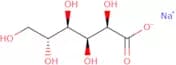
<p>Gal[2346Ac]b(1-3)GlcNPhth[46Bzd]-b-MP is a custom synthesis of an oligosaccharide. It has been modified to include fluorination and click chemistry. The chemical name for this compound is Gal[2346Ac]b(1-3)GlcNPhth[46Bzd]-b-MP. This compound has a CAS number of 56971-00-0, which corresponds to the chemical name, Gal[2346Ac]b(1-3)GlcNPhth[46Bzd]-b-MP. The molecular weight of this compound is unknown. The purity of this compound is greater than 99%. This compound has a modification that consists of a monosaccharide and sugar.</p>Formula:C42H43NO17Purity:Min. 95%Molecular weight:833.79 g/molD-Gluconic acid sodium salt
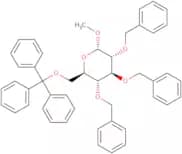
CAS:<p>D-Gluconic acid sodium salt - USP grade is a biochemical reagent that is used in the synthesis of nucleotides and various other biomolecules. It is also used as an antimicrobial agent, with broad-spectrum activity against bacteria, fungi, and viruses. In addition to its antimicrobial activity, D-gluconic acid has been shown to inhibit carcinoma cell lines in vitro. This inhibition may be due to the inhibition of enzymes involved in phosphorylation reactions such as adenylate kinase, glyceraldehyde 3-phosphate dehydrogenase (GAPDH) and hexokinase. X-ray diffraction data on wild-type strains of E. coli have shown that D-gluconic acid binds to the enzyme phosphogluconate dehydrogenase (PGD), which catalyzes a reaction between D-gluconic acid and NAD+ or NADP+. The matrix effect for this reaction was</p>Formula:C6H11NaO7Purity:Min. 95%Molecular weight:218.14 g/molMethyl 2,3,4-tri-O-benzyl-6-O-trityl-a-D-glucopyranoside
CAS:<p>Methyl 2,3,4-tri-O-benzyl-6-O-trityl-a-D-glucopyranoside is a modification of the sugar molecule. This modification process is completed by reacting the sugar with a derivative of benzyl alcohol. The result is an increase in the number of functional groups on the sugar molecule and a change in its physical properties. Methyl 2,3,4-tri-O-benzyl-6-O-trityl-a -D glucopyranoside has been used in the synthesis of oligosaccharides and polysaccharides.<br>Methyl 2,3,4 -tri -O -benzyl -6 -O -trityl--a D glucopyranoside is an organic compound that belongs to the class of carbohydrates. It is a white powder that contains water solubility and has a melting point of about 145°C. Methyl</p>Formula:C47H46O6Purity:Min. 95%Molecular weight:706.89 g/molGlycyl-lacto-N-fucopentaose I
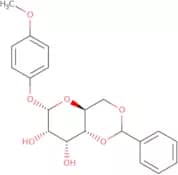
<p>Glycyl-lacto-N-fucopentaose I is an oligosaccharide that is a modified form of the carbohydrate, glycogen. It has been synthesized and its structure determined through the use of nuclear magnetic resonance spectroscopy. Glycyl-lacto-N-fucopentaose I is a complex carbohydrate with a molecular weight of 6,280 Da. The chemical formula for it is C194H290O60F6N8O6. This compound is soluble in water, ethanol, methanol, acetone and acetic acid. Glycyl-lacto-N-fucopentaose I has CAS No. 122959-00-5 and one monosaccharide unit methylated with one glycosylation site and one polysaccharide unit with two sugar units fluorinated.</p>Formula:C34H59N3O25Purity:Min. 95%Molecular weight:909.84 g/mol4-Methoxyphenyl 4,6-O-Benzylidene-b-D-galactopyranoside
CAS:<p>4-Methoxyphenyl 4,6-O-Benzylidene-b-D-galactopyranoside is a diagnostic agent that reacts with the magnesium salt of 4,6-O-benzylidene b-D-galactopyranoside to form a bright red complex. The reaction of the complex with the magnesium oxide is rapid and highly specific for this substrate. The intensity of color can be measured spectrophotometrically at a wavelength of 420 nm. This product may be used in medical research to diagnose Alzheimer's Disease or other neurological disorders that are characterized by impaired cognition and memory.</p>Formula:C20H22O7Purity:Min. 95%Molecular weight:374.38 g/molIsopropyl 2-amino-2-deoxy-b-D-glucopyranoside HCl
<p>Isopropyl 2-amino-2-deoxy-b-D-glucopyranoside HCl is a modification of the sugar glucose. It can be synthesized by reacting an amine with an aldehyde. Isopropyl 2-amino-2-deoxy-b-D-glucopyranoside HCl is a white solid that has a melting point of about 110°C and a molecular weight of 204.22 g/mol. This compound is used in the synthesis of oligosaccharides, carbohydrates, complex carbohydrates, and synthetic saccharides. Isopropyl 2-amino-2-deoxy-b-D-glucopyranoside HCl has high purity and CAS No., which are monosaccharides, methylation, glycosylation and polysaccharides that have been fluorinated or saccharides that have been modified with methyl groups or glycosyl</p>Purity:Min. 95%Lewis A tetrasaccharide-BSA
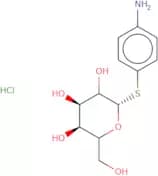
<p>Lewis A tetrasaccharide-BSA is a synthetic oligosaccharide complex carbohydrate. It is a high purity custom synthesis that has been modified with click chemistry, methylation, and fluorination. Lewis A tetrasaccharide-BSA is a glycosylated polysaccharide that has been shown to have antiviral activity against human cytomegalovirus. This product can be used in research as a model for studying the structure of glycoproteins, including their interactions with other molecules in biological systems.</p>Color and Shape:White Powder4-Aminophenyl b-D-thiomannopyranoside HCl
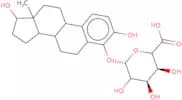
CAS:<p>4-Aminophenyl b-D-thiomannopyranoside HCl is a synthetic glycosylation agent that has been modified with fluorination, saccharide modification, and methylation. It can be used in the synthesis of complex carbohydrates, such as oligosaccharides and polysaccharides. This compound also has applications in click chemistry and fluoroquinolone resistance. 4-Aminophenyl b-D-thiomannopyranoside HCl is soluble in organic solvents such as dichloromethane or chloroform. The purity level of this product is high and the CAS number is 1174234-26-4.</p>Formula:C12H17NO5S·HClPurity:Min. 95%Molecular weight:323.79 g/mol4-Hydroxyestradiol-4-O-b-D-glucuronide
CAS:<p>4-Hydroxyestradiol-4-O-b-D-glucuronide is a custom synthesis of a sugar, Click modification, fluorination, glycosylation, synthetic, methylation, modification and oligosaccharide. It has CAS No. 90746-95-5. 4-Hydroxyestradiol-4-O-b-D-glucuronide is a saccharide with a complex carbohydrate structure.</p>Formula:C24H32O9Purity:Min. 95%Molecular weight:464.51 g/mol1,2,3,4-Tetra-O-benzoyl-L-fucopyranose
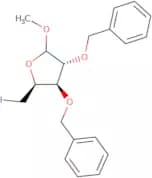
CAS:<p>Tetra-O-benzoyl-L-fucopyranose is a glycosylate nucleoside that is synthesized from the sugar L-fucose. It is an activated form of fucose, which can be used for the synthesis of guanosine diphosphate. Tetra-O-benzoyl-L-fucopyranose has been used to synthesize large amounts of guanosine diphosphate, which is a nucleoside that participates in the synthesis of DNA and RNA.</p>Formula:C34H28O9Purity:Min. 95%Molecular weight:580.58 g/molMethyl 2,3-di-O-benzyl-5-deoxy-5-iodo-D-xylofuranoside
CAS:<p>Methyl 2,3-di-O-benzyl-5-deoxy-5-iodo-D-xylofuranoside is a sugar derivative that is a glycosylation product of the sugar xylose. It has been methylated and fluorinated to generate a complex carbohydrate. This product has been modified with click chemistry, which is a reaction that generates an alkyne on the C2 position of the xylose. The oligosaccharides were synthesized using custom synthesis and high purity was confirmed by HPLC analysis.</p>Purity:Min. 95%Maltododecaose
CAS:<p>α-1,4-glucododecasaccharide derived from starch by hydrolysis and chromatography</p>Formula:C72H122O61Purity:Min. 95%Color and Shape:Clear Liquid PowderMolecular weight:1,962 g/molN6-Benzyladenine-3-glucoside
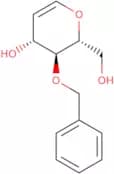
CAS:<p>N6-Benzyladenine-3-glucoside is a carbohydrate that is modified with a click chemistry reaction. It is synthesized from D-mannose and 6-benzylaminopurine and has been glycosylated with 2,3,4,6-tetra-O-acetyl glucosamine. N6-Benzyladenine-3-glucoside is an important component of the bacterial cell wall. The compound consists of a single sugar chain and is fluorinated at the C2 position.</p>Formula:C18H21N5O5Purity:Min. 95%Color and Shape:PowderMolecular weight:387.39 g/mol6-O-Benzyl-D-glucal
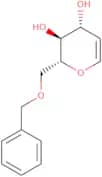
CAS:<p>6-O-Benzyl-D-glucal is an Oligosaccharide, Carbohydrate, complex carbohydrate. It is a custom synthesis of 6-O-benzylated D-glucal. This product is synthesized by the methylation and glycosylation of D-glucose. The molecular weight of this product ranges from 300 to 500 Da. It is also a synthetic compound that can be used in the modification of oligosaccharides and polysaccharides. 6-O-Benzyl-D-glucal has high purity, which can be confirmed by analyzing its melting point and IR spectrum. The CAS number for this product is 1655248566. It reacts with fluoride to produce fluorinated saccharide products that are soluble in water or organic solvents.</p>Formula:C13H16O4Purity:Min. 95%Molecular weight:236.26 g/molGenistein D4-7-O-glucoside
<p>Genistein D4-7-O-glucoside is a custom synthesis of genistein. The modification of the sugar molecule with fluorine and methyl groups, as well as the addition of an oligosaccharide chain, has been completed. This product is under CAS No. which will be provided to qualified customers upon request. Genistein D4-7-O-glucoside is a complex carbohydrate that has been modified by Oligosaccharide and saccharide, with glycosylation occurring at Carbohydrate.</p>Purity:Min. 95%3,4,5,6-Tetra-O-acetyl-D-myo-inositol
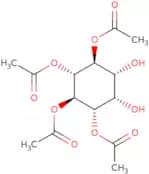
CAS:<p>3,4,5,6-Tetra-O-acetyl-D-myo-inositol is a carbohydrate that can be used as a monosaccharide or an oligosaccharide. It is produced by the modification of inositol with acetate and fluoride. The compound has been shown to have anti-inflammatory properties and can be used as a drug target for treating inflammation. 3,4,5,6-Tetra-O-acetyl-D-myo-inositol is also methylated and glycosylated.</p>Formula:C14H20O10Purity:Min. 95%Molecular weight:348.3 g/mol1,2,3,4-Tetra-O-acetyl-β-D-glucuronic acid methyl ester
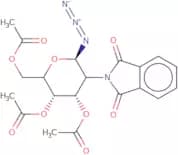
CAS:<p>1,2,3,4-Tetra-O-acetyl-beta-D-glucuronic acid methyl ester is a phosphatidylinositol (PtdIns) synthesis inhibitor. It inhibits the activation of the PtdIns 3 kinase enzyme by binding to its C2 domain. This inhibitor blocks the synthesis of PtdIns 3,4,5P3 and reduces the activity of protein kinases such as Akt and PKC. The structural analysis of this compound has been done on wild type virus and mouse tumor cells in vitro. One study showed that 1,2,3,4-Tetra-O-acetyl-beta-D-glucuronic acid methyl ester can inhibit hematopoietic progenitor cells and suppress wild type virus growth in vivo.1,2,3,4 Tetra-O-acetyl beta D glucuronic acid methyl ester may have potential as</p>Formula:C15H20O11Molecular weight:376.32 g/mol3,4,6-Tri-O-acetyl-2-deoxy-2-phthalimido-b-D-glucopyranosyl azide
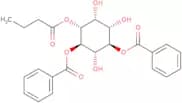
CAS:<p>3,4,6-Tri-O-acetyl-2-deoxy-2-phthalimido-b-D-glucopyranosyl azide is a carbohydrate that has been modified by acetylation and fluorination. Carbohydrates are saccharides and oligosaccharides that have the general formula (CH2O)n. 3,4,6-Tri-O-acetyl-2-deoxy-2-phthalimido b -D -glucopyranosyl azide is an example of a high purity custom synthesis glycosylation product. This modification is a methylation reaction in which the hydroxymethyl group of the sugar alcohol reacts with methanol to produce methyl alcohol. The methyl group then reacts with an organic acid to yield the desired product.</p>Formula:C20H20N4O9Purity:Min. 95%Molecular weight:460.39 g/mol1D-1-O-Butyryl-4,6-O-dibenzoyl-myo-inositol
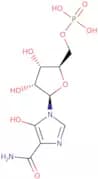
CAS:<p>1D-1-O-Butyryl-4,6-O-dibenzoyl-myo-inositol is an oligosaccharide that has been modified with fluoride. It is a custom synthesis of a complex carbohydrate and its CAS number is 153265-90-8. 1D-1-O-Butyryl-4,6-O-dibenzoyl-myo-inositol is used in the synthesis of saccharides and polysaccharides.</p>Formula:C24H26O9Purity:Min. 95%Molecular weight:458.46 g/molMizoribine 5'-monophosphate
CAS:<p>Mizoribine 5'-monophosphate is a novel molecule that has been shown to have anti-inflammatory and immunosuppressive properties. It has been observed that Mizoribine 5'-monophosphate inhibits the activity of a number of enzymes, including neutral endopeptidases, aminopeptidases, and esterases, which may be involved in the pathogenesis of inflammatory bowel disease. Mizoribine 5'-monophosphate also blocks the production of autoantibodies and suppresses the immune response by inhibiting T cells. The therapeutic potential for Mizoribine 5'-monophosphate is currently being investigated in clinical trials for treatment of inflammatory bowel disease.</p>Formula:C9H14N3O9PPurity:Min. 95%Molecular weight:339.2 g/molCatechol a-D-glucopyranoside
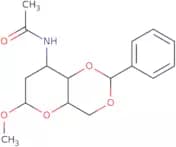
<p>Catechol a-D-glucopyranoside is a synthetic monosaccharide, which can be used as the starting material for the synthesis of polysaccharides and oligosaccharides. It has the same molecular formula as glucose, but with an additional hydroxyl group on carbon 2.</p>Formula:C12H16O7Purity:Min. 95%Molecular weight:272.25 g/molMethyl 3-acetamido-4,6-O-benzylidene-2,3-dideoxy-a-D-arabino-hexopyranoside
CAS:<p>Methyl 3-acetamido-4,6-O-benzylidene-2,3-dideoxy-a-D-arabino-hexopyranoside is a custom synthesis of an oligosaccharide with a complex carbohydrate structure. It is a high purity compound with methylation and glycosylation modifications. This compound has a fluoroination modification that makes it resistant to hydrolysis by esterases and glucuronidases. It can be used in the synthesis of saccharides and polysaccharides.</p>Formula:C16H21NO5Purity:Min. 95%Molecular weight:307.35 g/mol3-O-tert-Butyldimethylsilyl-4,6-O-p-methoxybenzylidene-D-glucal
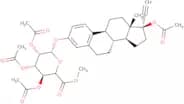
CAS:<p>3-O-tert-Butyldimethylsilyl-4,6-O-p-methoxybenzylidene-D-glucal is a glycosylation agent that is used to modify complex carbohydrates and polysaccharides. It is synthesized from D-glucal, which can be obtained from natural sources such as corn, rice, or wheat. 3-O-tert-Butyldimethylsilyl--4,6--O--p--methoxybenzylidene--D--glucal is a synthetic compound that can be used for the modification of saccharides and oligosaccharides. This product has high purity and can be custom synthesized to suit specific needs.</p>Purity:Min. 95%Ethynyl estradiol 17-acetate-3-(2',3',4'-tri-O-acetyl-b-D-glucuronide) methyl ester
CAS:<p>Ethynyl estradiol 17-acetate-3-(2',3',4'-tri-O-acetyl-b-D-glucuronide) methyl ester is a glycosylated, fluorinated, Oligosaccharide, custom synthesized, high purity product. Ethynyl estradiol is a synthetic hormone used in oral contraceptives and estrogen replacement therapy. It is an estrogen that has been modified to have the chemical structure of a C17β unsaturated A ring. This modification prevents the breakdown of ethynyl estradiol by first pass metabolism and its subsequent transformation into estrone. Ethynyl estradiol 17-acetate 3-(2',3',4'-tri-O-acetyl-b-D-glucuronide) methyl ester is an acetate ester of ethinyl estradiol with a glucuronic acid conjugate at the C3 position.</p>Formula:C35H42O12Purity:Min. 95%Molecular weight:654.7 g/mol2,3,1',3',4',6'-Hexa-O-acetyl-sucrose
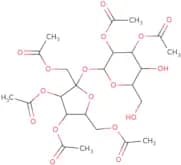
CAS:<p>2,3,1',3',4',6'-Hexa-O-acetyl-sucrose is a custom synthesis carbohydrate with a complex structure. The chemical name for this compound is 2,3,1',3',4',6'-hexahydroxy-α-D-glucopyranosyl-(1→2)-β-D-fructofuranoside. It has the CAS number 52706-47-5 and the molecular weight of 593.54 g/mol. This product can be used in various applications including Oligosaccharides, Polysaccharides, Modification, saccharide, Methylation, Glycosylation, Click modification and Carbohydrate. 2,3,1',3',4',6'-Hexa-O-acetyl-sucrose is also a high purity product that is Fluorinated and Synthetic.</p>Purity:Min. 95%(R)-Naproxen acyl-b-D-glucuronide benzyl ester
<p>(R)-Naproxen acyl-b-D-glucuronide benzyl ester is a custom-synthesized molecule. The synthesis of this compound is accomplished by the modification of naproxen, which is a commercially available drug. The fluorination and methylation steps are accomplished to provide a more potent drug. This compound exhibits anti-inflammatory properties that may be due to its inhibition of prostaglandin synthesis.</p>Formula:C27H28O9Purity:Min. 95%Molecular weight:496.51 g/molEntacapone 3-b-D-glucuronide
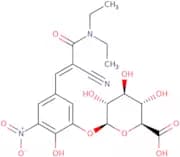
CAS:Controlled Product<p>Entacapone 3-b-D-glucuronide is a product of the human UDP-glucuronosyltransferase enzyme. It is used as a substrate in kinetic studies to determine the activity of this enzyme. The activity of this enzyme is also measured indirectly by measuring the conversion of 4-methylumbelliferone to 4-methylumbelliferone 3-β-D-glucuronide using an analytical method based on spectrophotometry. Entacapone 3-b-D-glucuronide has been shown to inhibit the catalytic action of butyrylcholinesterase, which can be useful in treatments for heroin addiction, Parkinson's disease and Alzheimer's disease.</p>Formula:C20H23N3O11Purity:Min. 95%Molecular weight:481.41 g/mol1,2:3,5-Di-O-isopropylidene-a-D-apiose
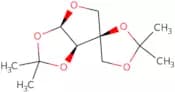
CAS:<p>1,2:3,5-Di-O-isopropylidene-a-D-apiose is a monosaccharide that is synthesized from D-apiose by methylation of the C1 hydroxyl group with formaldehyde and sodium methoxide in methanol. This carbohydrate has been shown to be a good substrate for glycosylation reactions and click chemistry.<br> 1,2:3,5-Di-O-isopropylidene-a-D-apiose is a white powder that can be dissolved in water or ethanol. It has no odor and is stable at pH 2 to pH 10. The compound does not react with other carbohydrates or proteins under normal conditions.</p>Formula:C11H18O5Purity:Min. 95%Color and Shape:PowderMolecular weight:230.26 g/mol2-Acetamido-1,4-imino-1,2,4-trideoxy-L-arabinitol
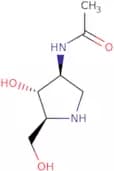
CAS:<p>2-Acetamido-1,4-imino-1,2,4-trideoxy-L-arabinitol is a competitive inhibitor of the enzyme arabinitol dehydrogenase. This compound has been shown to be an enantiomer of 1,4-imino-1,2,4-trideoxyglucitol and inhibits the growth of Mycobacterium tuberculosis in vitro assays. 2AITDG also has inhibitory properties against macrophage cells and noncompetitive inhibitors against glycoprotein glycoconjugates. 2AITDG binds to endoplasmic reticulum chaperones such as BiP/Grp78 to inhibit protein folding and cellular proliferation. It may also inhibit protein synthesis by binding to ribosomes or blocking the activity of factors involved in transcription and translation.</p>Formula:C7H14N2O3Purity:Min. 95%Molecular weight:174.2 g/molSennoside b calciumsalt
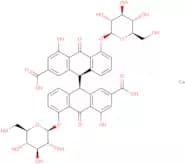
CAS:<p>Sennoside b is a natural compound found in the plant Senna obtusifolia and has been shown to have an effect on myeloma cells, as well as on enzyme activities and energy metabolism. Sennoside b has also been shown to inhibit phospholipase A2 (PLA2) activity and prostaglandin E2 (PGE2) levels in a mouse myeloma cell line. The pathogenic mechanism of sennoside b is unclear, but it may be due to its locomotor activity-reducing effects or due to its effect on gut motility. The optimum extraction process for sennoside b is not clear, but it should be carried out with care due to its chemical stability. Sennoside b has also been shown to have beneficial effects on hepatic steatosis and bowel disease, thus making it a potential treatment for these conditions. Multivariate logistic regression analysis was used to identify factors that may predict</p>Formula:C42H36CaO20Purity:Min. 95%Molecular weight:900.8 g/molDecanoyl-N-hydroxyethylglucamide
CAS:<p>Detergent with CMC of ~ 39mM</p>Formula:C18H37NO7Purity:Min. 95%Molecular weight:379.49 g/mol6-Bromo-6-deoxy-b-cyclodextrin
CAS:<p>This beta-cyclodextrin (β-CD) derivative is a functionalized cyclic oligosaccharide composed of seven glucose units, characterized by a hydrophilic exterior and a lipophilic cavity (bigger than α-CD and smaller than γ-CDs), which allows it to encapsulate various guest molecules. This structural feature facilitates its use in multiple applications, including pharmaceuticals, food enhancement, and cosmetics. In the pharmaceutical industry, it enhances the solubility and stability of poorly water-soluble drugs, improving their bioavailability and efficacy while also masking unpleasant tastes. The food sector utilizes it as a stabilizer for flavors, colors, and nutrients, extending shelf life by protecting sensitive ingredients from degradation. In cosmetics, it serves as a complexing agent for fragrances and active components, ensuring their stability and controlled release. Its use expands to many other fields, including nanotechnology for drug delivery systems, environmental remediation for extracting organic pollutants, textiles for slow-release fragrances, and analytical chemistry for chiral separation.</p>Formula:C42H63Br7O28Purity:Min. 95%Color and Shape:White PowderMolecular weight:1,575.26 g/molN-Nonanoyl-N-methylglucamine
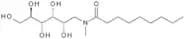
CAS:<p>N-Nonanoyl-N-methylglucamine is a nonionic surfactant that has been shown to be effective in the treatment of some inherited blood disorders. N-Nonanoyl-N-methylglucamine is used as a red cell membrane stabilizer and has been shown to increase the proton concentration in human serum. It also increases the transfer rate of p-nitrophenyl phosphate from erythrocytes to plasma. This drug has been found to have enzyme activity on soybean trypsin, model system, and epoxidase activity. N-Nonanoyl-N-methylglucamine has shown to be an effective protective agent against sodium citrate induced hemolysis and monoclonal antibody mediated cytotoxicity. It also shows kinetic data for protein synthesis and gene expression at different concentrations.</p>Formula:C16H33NO6Purity:Min. 95%Color and Shape:PowderMolecular weight:335.44 g/molD-Glucose-6-18O
CAS:<p>D-Glucose-6-18O is a modified form of glucose, which is an important monosaccharide. It can be synthesized by the methylation and glycosylation of glucose. This compound has a CAS number of 7978-38-1. D-Glucose-6-18O is used in the synthesis of oligosaccharides and polysaccharides, and can be fluorinated to form 6Fluoro-3-indoxylglucopyranoside or 3Fluoro D Glucopyranoside.</p>Formula:OC6H12O5Purity:Min. 95%Molecular weight:182.16 g/mol4-Methylphenyl 2,3-O-isopropylidene-1-thio-α-L-rhamnopyranoside
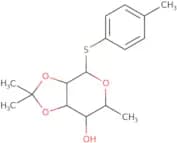
CAS:<p>4-Methylphenyl 2,3-O-isopropylidene-1-thio-α-L-rhamnopyranoside is a custom synthetic sugar that can be modified with different fluorination and modifications. It is an Oligosaccharide, Polysaccharide, saccharide, sugar, Carbohydrate. CAS No. 903906-55-8.</p>Formula:C16H22O4SPurity:Min. 95%Molecular weight:310.41 g/mol4-Methoxyphenyl 2,6-di-O-benzyl-β-D-galactopyranoside
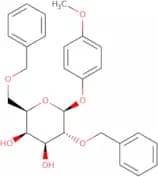
CAS:<p>4-Methoxyphenyl 2,6-di-O-benzyl-b-D-galactopyranoside is a prodrug that is metabolized by esterases to the active form, 6-fluoro-3-indoxyl beta D galactopyranoside. This drug inhibits cancer cells and has been shown to cause cell death by inhibiting the production of proteins vital for cell division. It also induces inflammatory responses in cancer cells, which may be due to its ability to bind with cyclin D2 and uptake ternary complexes. 4MPBG also inhibits repair genes in human protein synthesis and microstructural changes in cancer cells.</p>Formula:C27H30O7Purity:Min. 95%Molecular weight:466.52 g/mol2-Chloro-2-deoxy-1,3,4,6-tetra-acetyl-D-glucopyranose
<p>2-Chloro-2-deoxy-1,3,4,6-tetra-acetyl-D-glucopyranose is a custom synthesis of a monosaccharide that contains a fluorine atom. It is synthesized by modifying the 2 position with chlorination and then methylation. This monosaccharide can be used for glycosylation and saccharide synthesis.</p>Purity:Min. 95%3,4,6-Tri-O-benzyl-a-D-galactopyranose 1,2-(methyl orthoacetate)
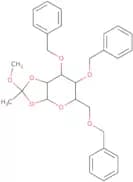
CAS:<p>3,4,6-Tri-O-benzyl-a-D-galactopyranose 1,2-(methyl orthoacetate) is a synthetic glycoside. It is a triaryl ether of D-galactopyranose and a methyl orthoacetate. This product can be used for the modification of saccharides and oligosaccharides. It also has high purity.</p>Formula:C30H34O7Purity:Min. 95%Molecular weight:506.59 g/molIsopropyl 2,3,4,6-tetra-O-acetyl-b-D-thioglucopyranoside
CAS:<p>Isopropyl 2,3,4,6-tetra-O-acetyl-b-D-thioglucopyranoside is a custom synthesis of a monosaccharide with four acetates and two fluorines. The molecule is synthesized in the laboratory by modifying the sugar with methyl groups and then fluorinating it. This synthetic product can be used in biochemistry to study glycosylation reactions and complex carbohydrate structures.</p>Formula:C17H26O9SPurity:Min. 95%Molecular weight:406.45 g/molMonofucosyl-para-lacto-N-hexaose I
<p>Monofucosyl-para-lacto-N-hexaose I is an oligsaccharide that is found in human milk</p>Formula:C46H78N2O35Purity:Min. 95%Molecular weight:1,219.12 g/molAllyl 4,6-O-benzylidene-b-L-glucopyranoside
<p>Allyl 4,6-O-benzylidene-b-L-glucopyranoside is a carbohydrate that is synthesized from allyl alcohol and glucose. It is a complex carbohydrate made up of two different saccharides. This product can be custom synthesized to meet your needs. Allyl 4,6-O-benzylidene-b-L-glucopyranoside has been modified by fluorination, methylation and glycosylation. It has the CAS number 133394-02-0 and can be synthesized at high purity levels.</p>Formula:C16H20O6Purity:Min. 95%Molecular weight:308.33 g/molMethyl 4-O-(a-D-galactopyranosyl)-b-D-galactopyranoside
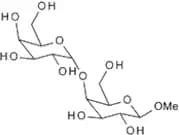
<p>Methyl 4-O-(a-D-galactopyranosyl)-b-D-galactopyranoside is a modification of a sugar molecule. It is an oligosaccharide that is a complex carbohydrate. This product can be custom synthesized to order with high purity and CAS number. The chemical name for this product is methyl 4-O-(a-D-galactopyranosyl)-b-D-galactopyranoside, which is a monosaccharide. Methyl 4-O-(a-D-galactopyranosyl)-b-D-galactopyranoside has glycosylation and polysaccharides. This product can be fluorinated or saccharified with methylation.</p>Formula:C13H24O11Purity:Min. 95%Molecular weight:356.32 g/molL-Rhamnal
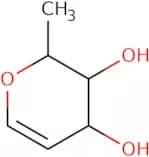
CAS:<p>L-Rhamnal is a sodium sulfide that is used in the synthesis of stereoselective compounds. It has been shown to have anti-leukemic properties and may be useful for the treatment of lymphocytic leukemia. L-Rhamnal has been shown to inhibit tumor growth and metastasis in animal models of cancer, as well as being cytotoxic to human leukemic cells. L-Rhamnal inhibits the proliferation of these cells by blocking DNA synthesis and preventing cell division. The hydroxymethyl group on L-rhamnal interacts with chloride ions to form a salt that can be degraded into hydrogen sulfide gas, which is known to be toxic to some organisms. The chloride ion also reacts with triterpene alcohols, glycosidic bonds, potassium phosphate, or borohydride reduction agents like sodium borohydride or lithium aluminum hydride. These reactions are used in carbohydrate chemistry and aldehyde</p>Formula:C6H10O3Purity:Min. 95%Molecular weight:130.14 g/molPhenyl a-L-thiorhamnopyranoside
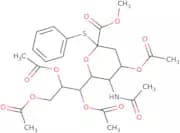
CAS:<p>Phenyl a-L-thiorhamnopyranoside is a monosaccharide that is synthesized by the methylation of alpha-D-glucose. It is a custom synthesis that is used in the synthesis of oligosaccharides, polysaccharides, and sugar drugs. Phenyl a-L-thiorhamnopyranoside can be fluorinated to create an active form that has antibacterial activity. This compound has shown no signs of toxicity in animal studies and has been used as a food additive.</p>Formula:C12H16O4SPurity:Min. 95%Molecular weight:256.32 g/molMethyl 5-acetamido-4,7,8,9-tetra-O-acetyl-3,5-dideoxy-2-thiophenyl-D-glycero-a-D-galacto-2-nonulopyranosylonate
CAS:<p>Methyl 5-acetamido-4,7,8,9-tetra-O-acetyl-3,5-dideoxy-2-thiophenyl-D-glycero-a-D-galacto-2--nonulopyranosylonate is a synthetic monosaccharide with a high purity. It is an oligosaccharide consisting of one methylated acetamido group and four acetyl groups on the nonulopyranosyl ring. Methyl 5 Acetamido 4,7,8,9 Tetra O Acetyl 3 Dideoxy 2 Thiophenyl D Glycero A D Galacto 2 Nonulopyranosylonate is used in glycosylation reactions in the synthesis of complex carbohydrates. The compound has been modified by fluorination to increase its stability in harsh conditions.</p>Formula:C26H33NO12SPurity:Min. 95%Molecular weight:583.61 g/mol1,2,3,4,6-Penta-O-acetyl-a-D-talopyranose
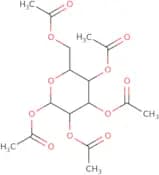
CAS:<p>1,2,3,4,6-Penta-O-acetyl-a-D-talopyranose is a fluorinated monosaccharide that belongs to the class of synthetic oligosaccharides. It can be used in glycosylation and polysaccharide synthesis. The chemical structure of this compound has been modified by methylation and click chemistry. 1,2,3,4,6-Penta-O-acetyl-a-D-talopyranose is available in high purity and custom synthesis.</p>Purity:Min. 95%Glucobrassicin potassium
CAS:<p>Glucobrassicin potassium is a glucosinolate-derived compound, which is a naturally occurring metabolite found in cruciferous vegetables such as broccoli, Brussels sprouts, and cabbage. These compounds are biosynthesized in plant cells and are integral to the plant's defense mechanism against pests and diseases.</p>Formula:C16H20N2O9S2•KPurity:Min. 95%Molecular weight:487.57 g/molHexa-O-acetylmaltal
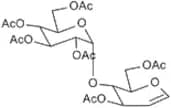
CAS:<p>Hexa-O-acetylmaltal is a non-reducing sugar that belongs to the class of anhydrous, monohydrate configurations. It is a synthetic substrate that is used in the synthesis of pyridine analogues. Hexa-O-acetylmaltal can be crystallized in chloroform and activated with heat or acid. The anomeric configuration has been determined by X-ray diffraction analysis and its configuration was shown to be anomeric by chemical degradation. Hexa-O-acetylmaltal can also form heptaacetate, which is a disaccharide.</p>Formula:C24H32O15Purity:Min. 95%Color and Shape:Off-White PowderMolecular weight:560.5 g/molFenirofibrate O-b-D-glucuronide
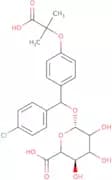
CAS:<p>Fenirofibrate O-b-D-glucuronide is a custom synthesis of saccharides. It is a fluorinated, methylated and monosaccharide modification of fenofibrate. Fenirofibrate O-b-D-glucuronide is also known as CAS No. 168844-26-6.</p>Formula:C23H25ClO10Purity:Min. 95%Molecular weight:496.9 g/mol2-O-Methyl-D-galactopyranose
<p>2-O-Methyl-D-galactopyranose is a synthetic, fluorinated carbohydrate that is used in the synthesis of oligosaccharides and polysaccharides. This product has a CAS number of 65722-97-8 and a molecular weight of 192.17. 2-O-Methyl-D-galactopyranose has been modified with click chemistry to increase its reactivity for glycosylation reactions.</p>Formula:C7H14O6Purity:Min. 95%Molecular weight:194.18 g/molSertraline carbamoyl glucuronide
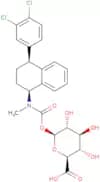
CAS:<p>Sertraline is a selective serotonin reuptake inhibitor (SSRI) that is used primarily in the treatment of depression and anxiety. It inhibits the serotonin transporter protein, making more serotonin available for binding to postsynaptic receptors. Sertraline also has a minor inhibitory effect on norepinephrine and dopamine reuptake, but its primary function is as a selective serotonin reuptake inhibitor. The major metabolite of sertraline is sertraline carbamoyl glucuronide, which is formed through glucuronidation by UGT2B7. This metabolite has been found to be bifurcated with one half being excreted in urine and the other half being excreted in faeces. The half that undergoes urinary excretion has been shown to have a half-life of 24 hours whereas the other half has a much shorter half-life of 2 hours. Carbamoylation of sertraline may</p>Formula:C24H25Cl2NO8Purity:Min. 95%Molecular weight:526.36 g/molD-myo-Inositol-2,3-O-cyclohexylidene
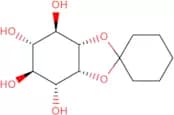
CAS:<p>D-myo-Inositol-2,3-O-cyclohexylidene is a lipase. It hydrolyzes esters and triglycerides, which are found in many natural and synthetic products. D-myo-Inositol-2,3-O-cyclohexylidene is more effective at hydrolyzing fats than porcine pancreatic lipase. This enzyme has been shown to be enantioselective for some solvents, such as vinyl acetate. D-myo-Inositol-2,3-O-cyclohexylidene also has the ability to produce butyrate from fatty acids.</p>Formula:C12H20O6Purity:Min. 95%Molecular weight:260.28 g/molL-Threitol
CAS:<p>L-threitol is a white crystalline powder that is soluble in water and alcohol. It is a natural carbohydrate that is found in many plants and animals. The chemical formula for L-threitol is C4H10O4. This molecule consists of four carbon atoms, ten hydrogen atoms, and four oxygen atoms. L-threitol has been used as a sweetener and an excipient in the pharmaceutical industry. L-threitol can be modified by fluorination or saccharide modification to create other compounds.<br>L-Threitol has been shown to have high purity and is used as a starting material for the synthesis of other carbohydrates such as oligosaccharides and polysaccharides.</p>Purity:Min. 95%1,2,3,6-Tetra-O-benzoyl-a-D-talose
<p>1,2,3,6-Tetra-O-benzoyl-a-D-talose is a modified sugar that can be used as a saccharide or oligosaccharide. It can be synthesized by the Click reaction with 1,2,3,6-tetra-O-benzoyl-D-talose and methyl iodide. The product can also be obtained from the reaction of methyl acetate with glycerol in the presence of hydrochloric acid. This compound has been shown to have good solubility and is available in high purity.</p>Formula:C34H28O10Purity:Min. 95%Molecular weight:596.58 g/mol2,3,4,6-Tetra-O-acetyl-b-D-glucopyranosyl (1,3-benzylidene)glycerol
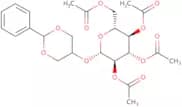
CAS:<p>2,3,4,6-Tetra-O-acetyl-b-D-glucopyranosyl (1,3-benzylidene)glycerol is a complex carbohydrate that was synthesized by modifying the glycosylation of 2,3,4,6-tetra-O-acetylmannitol. The chemical modification and fluorination of this carbohydrate were performed with an aim to introduce the acetal functionality. This modification was achieved by reacting the 1,3-benzylidene moiety with dimethylsulfonium methylide. This product is not known to have any other CAS number for this compound.</p>Formula:C24H30O12Purity:Min. 95%Molecular weight:510.49 g/mol6-Amino-6-deoxy-1,2-O-isopropylidene-a-D-glucofuranose HCl
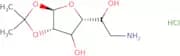
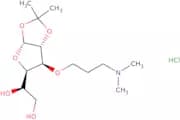
CAS:<p>6-Amino-6-deoxy-1,2-O-isopropylidene-a-D-glucofuranose HCl is a custom synthesis product that can be used in the synthesis of oligosaccharides and polysaccharides. It has a CAS No. of 24384-88-1 and can be used to modify saccharides, carbohydrates, and sugars. This product is also fluorinated and is made from high purity raw materials. The chemical name for this product is 6-(amino)-6-(deoxy)-1,2:5,6:9,10:4′,5′:4′′,5′′′-[3H]isopropylidenea D glucofuranose hydrochloride.</p>Formula:C9H17NO5·HClPurity:Min. 95%Molecular weight:255.7 g/mol1-Pyrenyl-2,3,4-tri-O-acetyl-b-D-glucuronide methyl ester
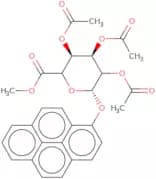
<p>1-Pyrenyl-2,3,4-tri-O-acetyl-b-D-glucuronide methyl ester is a custom synthesis product that can be used to modify oligosaccharides and polysaccharides. This product is a fluorinated sugar that has been modified with acetyl groups at the 1 and 4 positions of the pyrene ring. It is an Oligosaccharide, Polysaccharide, saccharide, Carbohydrate and Monosaccharide. The complex carbohydrate modification provides high purity and high quality. The 1-Pyrenyl-2,3,4-tri-O-acetyl-b-D-glucuronide methyl ester is useful in Click chemistry applications as well as in other chemical reactions such as polymerization and condensation reactions.</p>Formula:C29H26O10Purity:Min. 95%Molecular weight:534.51 g/molGT2-Oligosaccharide
<p>GT2 oligosaccharide (free acid) has a core trisaccharide structure (GalNAcβ1,4Galβ1,4Glc) with three sialic acid residues (NeuAc) linked α2,8/α2,8/α2,3 to the inner galactose residue (Ledeen, 2009). GT2 oligosaccharide is the carbohydrate moiety in the GT2 ganglioside. A key role has been reported for gangliosides, such as, GT1b and GT2 as modulators in the interaction between microglia (resident cells of the brain that regulate brain development) and brain tumors. It is possible that they will be important targets for therapeutical intervention in the near future (Daniele, 2020). In addition, C-series gangliosides, such as GT3, GT2, GQ1c, and CP1c are expressed in normal pancreatic tissue but are practically lost in the pancreas of diabetic animals (Saito, 1999).</p>Formula:C53H83N4O40Na3Purity:Min. 95%Molecular weight:1,485.2 g/mol22-Dehydroclerosterol glucoside
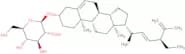
CAS:<p>22-Dehydroclerosterol glucoside is a biochemical that has been shown to have antihepatotoxic activity. It has been shown to inhibit the production of glutamate and oxaloacetate in the liver, as well as phosphatase activity, which may be due to its ability to inhibit glutamate oxaloacetate transaminase. 22-Dehydroclerosterol glucoside can be extracted from clerodendrum species or synthesized from 22-dehydrocholesterol. This product is an alkaline substance with a chemical structure similar to that of cholesterol. It is used in parameters for determining glutamic oxaloacetic transaminase (GOT).</p>Purity:Min. 95%6-O-Feruloylsucrose
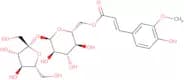
CAS:<p>6-O-Feruloylsucrose is a phenylpropanoid glycoside that has been shown to inhibit the growth of Gram-positive and Gram-negative bacteria. It is also hepatoprotective and has been shown to have antimicrobial activity against fungi, such as Candida albicans. The 6-O-feruloylsucrose inhibits microbial infections by binding to metal cations, which are essential for bacterial cell wall synthesis. This leads to a decrease in the production of microbial cell walls, inhibiting their growth. 6-O-Feruloylsucrose can be used as an additive in food products or as a preservative in cosmetics.</p>Formula:C22H30O14Purity:Min. 95%Color and Shape:White To Off-White SolidMolecular weight:518.47 g/mol5-Deoxy-D-lyxono-1,4-lactone
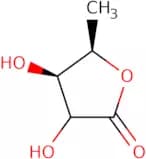
CAS:<p>5-Deoxy-D-lyxono-1,4-lactone is an oligosaccharide that is a sugar derivative. It has been synthesized by the introduction of fluorine at the C2 position of glucopyranose with methylation at the C3 position and glycosylation at the C6 position. 5-Deoxy-D-lyxono-1,4-lactone has been shown to be useful in protein labeling and detection.</p>Formula:C5H8O4Purity:Min. 95%Molecular weight:132.12 g/molN-Acetyl-D-glucosamine 6-acetate
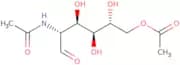
CAS:<p>N-Acetyl-D-glucosamine 6-acetate is a modification of the sugar N-acetyl-D-glucosamine. It is an Oligosaccharide, which is a complex carbohydrate consisting of two or more simple sugars. N-Acetyl-D-glucosamine 6-acetate can be custom synthesized and is available in high purity. The CAS number for this compound is 131832-93-4. Synthetic modifications of this compound include methylation, glycosylation and fluorination. This compound can also be considered a polysaccharide because it consists of many saccharides connected together by glycosidic bonds.</p>Formula:C10H17NO7Purity:Min. 97 Area-%Color and Shape:White PowderMolecular weight:263.24 g/molNorfluoxetine b-D-glucuronide
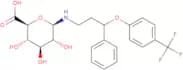
CAS:<p>Norfluoxetine is a selective serotonin reuptake inhibitor (SSRI) that is metabolized to the active metabolite, norfluoxetine b-D-glucuronide. The metabolism of norfluoxetine b-D-glucuronide has been shown to be inhibited by estradiol. Norfluoxetine b-D-glucuronide also exhibits antioxidant activity, which may be related to its ability to modulate expression of genes encoding antioxidant proteins. Norfluoxetine b-D-glucuronide has been found in wastewater and wastewater treatment plant effluents, suggesting this drug may have an environmental impact. The transcriptome of organisms exposed to norfluoxetine b-D-glucuronide has been studied and it was found that there are some genes that are responsive to this drug.</p>Formula:C22H24F3NO7Purity:Min. 95%Color and Shape:White PowderMolecular weight:471.42 g/mol2'-Fucosyllactose-BSA
<p>2'-Fucosyllactose-BSA is a high purity, custom synthesis, synthetic oligosaccharide. It is a glycosylated and methylated monosaccharide that can be used for Click modification with azido-functionalized molecules. 2'-Fucosyllactose-BSA has a CAS number of 113959-06-8 and an Oligosaccharide content of >95%. It is soluble in water and has a Glycosylation content of >95% and a Carbohydrate content of >95%.</p>Purity:Min. 95%2,3,4-Tri-O-acetyl-a-L-rhamnopyranosyl azide
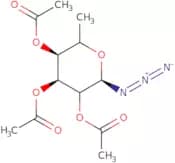
CAS:<p>2,3,4-Tri-O-acetyl-a-L-rhamnopyranosyl azide (AraG) is a triazole glycoside that is synthesized by the reaction of an acetylene glycosyl donor with a glycosyl acceptor. It has been shown to have high purity and custom synthesis. 2,3,4-Tri-O-acetyl-a-L-rhamnopyranosyl azide has been used for click modification and fluorination. It can be used to modify saccharides such as oligosaccharides and monosaccharides.</p>Formula:C12H17N3O7Purity:Min. 95%Molecular weight:315.28 g/molFucoidan - Alaria
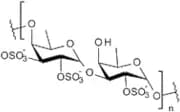
CAS:<p>A fucan sulphate found in brown marine algae (Phaeophyta-typically Fucus serratus, Ascophyllum nodosum, Alaria (illustrated) and Macrocystis pyrifyra and has been shown to have anticoagulant activity. The main constituents are α-1,4 and α-1,2 linked L-fucose sulphates although galactose also occurs and there are many variations of the basic structure found in different species of Phaeophyta.<br>The fucose content of this fucan is approx. 37.5% and it also contains galactose (approx. 16.4%), uronic acid (approx. 12.3% and sulfate (approx. 20.2%).<br>The image was kindly provided by Prof Mike Guiry from Cork who runs ‘The Seaweed Site’.</p>Purity:Min. 95%Color and Shape:PowderEthyl 2,3,6-tri-O-benzyl-1-thio-β-D-galactopyranoside
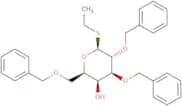
CAS:<p>Ethyl 2,3,6-tri-O-benzyl-1-thio-β-D-galactopyranoside is a synthetic monosaccharide that has been used in the synthesis of oligosaccharides and polysaccharides. It has also been used in glycosylation reactions to produce high purity sugar derivatives. It is a fluorinated sugar molecule that can be custom synthesized to order with a high degree of purity. The CAS number for this compound is 152964-77-7.</p>Formula:C29H34O5SPurity:Min. 95%Molecular weight:494.64 g/mol1,6:2,3-Dianhydro-4-O-(2',3',4',6'-tetra-O-acetyl-b-D-glucopyranosyl)-b-D-mannopyranose
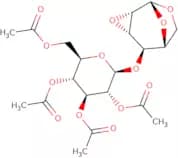
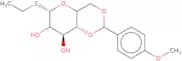
CAS:<p>1,6:2,3-Dianhydro-4-O-(2',3',4',6'-tetra-O-acetyl-b-D-glucopyranosyl)-b-D-mannopyranose is a custom synthesis of an oligosaccharide that contains a saccharide. It belongs to the class of carbohydrates and can be used in research as a fluorinated complex carbohydrate for modification. This product is not intended for human or animal consumption.</p>Formula:C20H26O13Purity:Min. 95%Molecular weight:474.41 g/molEthyl 4,6-O-(4-methoxybenzylidene)-b-D-thiogalactopyranoside
<p>Ethyl 4,6-O-(4-methoxybenzylidene)-b-D-thiogalactopyranoside is a custom synthesis of a carbohydrate. It is a high purity product with a purity of at least 99.0%. It has the following properties: Custom synthesis, sugar, Click modification, Fluorination, Glycosylation, Synthetic, Methylation, Modification.<br>This product is registered under CAS No. 100735-66-8 and has the molecular formula C51H75NO17. The molecular weight is 905.1 g/mol and the structural formula is as follows:</p>Formula:C16H22O6SPurity:Min. 95%Molecular weight:342.41 g/mol4-O-Benzyl-D-glucal
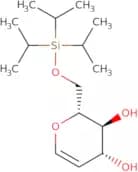
CAS:<p>4-O-Benzyl-D-glucal is an organic solvent and a reactive intermediate, which has been used as a reagent for allylic oxidation. It reacts with halogens, such as chlorine or bromine, to form the corresponding halohydrin or halonium salt in high yield. 4-O-Benzyl-D-glucal is soluble in acetonitrile, benzene, and other solvents and can be used as a solvent for organic synthesis. The compound also reacts with oxygen to form solvents such as acetone or acetic acid.<br>END></p>Formula:C13H16O4Purity:Min. 95%Molecular weight:236.26 g/mol6-O-Triisopropylsilyl-D-glucal
CAS:<p>6-O-Triisopropylsilyl-D-glucal is a silyl ether that can be used as a protecting group for benzyl alcohol. It is an efficient, large-scale synthesis of the benzyl alcohol and d-glucuronolactone. 6-O-Triisopropylsilyl-D-glucal accelerates the reaction by removing water as a byproduct of the reaction, simplifying the synthesis to just two steps. This product is also useful for synthesizing other products with similar structures.</p>Formula:C15H30O4SiPurity:Min. 95%Molecular weight:302.48 g/molC24:1 b-D-Galactosyl ceramide
CAS:<p>C24:1 b-D-Galactosyl ceramide is a fatty acid that is found in mammalian cells. It is one of the major components of cerebrosides and gangliosides, which are important in the development and function of the brain. C24:1 b-D-Galactosyl ceramide has been shown to be an essential component of leukocytes, which are blood cells that help fight infection. The fatty acid composition of this molecule can be used as a marker for diagnosis and research on neurological disorders such as Alzheimer's disease or Parkinson's disease.</p>Formula:C48H91NO8Purity:Min. 95%Molecular weight:810.24 g/molLow-Substituted hydroxypropylcellulose
CAS:<p>LH 21 is a low-substituted hydroxypropylcellulose. It is produced by the fluorination of cellulose, followed by substitution with a variety of monosaccharides and oligosaccharides to produce a complex carbohydrate. LH 21 is synthesized for custom needs, glycosylated, methylated, and modified at the sugar level with click chemistry. It has a CAS No. 9004-64-2 and is Carbohydrate in nature. LH 21 has high purity and can be used in many applications including as an excipient or additive in pharmaceutical formulations.</p>Purity:Min. 95%Color and Shape:Powder2-Acetamido-2-deoxy-4-O-(b-D-galactofuranosyl)-D-glucopyranose
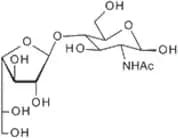
<p>2-Acetamido-2-deoxy-4-O-(b-D-galactofuranosyl)-D-glucopyranose is a carbohydrate that belongs to the class of disaccharides. It is a member of the family of b-D-galactofuranosides, which are derived from the hydrolysis of glycosidic linkages in b-D-galactopyranose. 2A2DDG has been shown to interact with sulfate groups and nonreducing sugars. The interaction between 2A2DDG and sulfate groups may be due to the presence of hydroxyl group on the molecule's side chain. The disaccharide can be used as an analogue for glycosylation experiments, such as those involving glycosyltransferases or glycosidases.</p>Formula:C14H25NO11Purity:Min. 95%Color and Shape:White PowderMolecular weight:383.35 g/molAllyl 2-deoxy-2-phthalimido-b-D-glucopyranoside
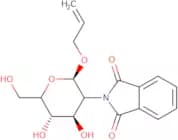
CAS:<p>Allyl 2-deoxy-2-phthalimido-b-D-glucopyranoside is a modification of a sugar. It is an oligosaccharide that is synthesized and modified by methylation and glycosylation. Allyl 2-deoxy-2-phthalimido-b-D-glucopyranoside has high purity and is a monosaccharide. This modification contains fluorine atoms, which are added to the saccharide backbone to increase its stability.</p>Formula:C17H19NO7Purity:Min. 95%Molecular weight:349.34 g/mol





![(3aR,3bS,6aR,7aR)-2,2-Dimethyltetrahydrofuro[2',3':4,5]furo[2,3-d][1,3]dioxol-5(3aH)-one](/_next/image/?url=https%3A%2Fstatic.cymitquimica.com%2Fproducts%2F3D%2Fthumb-webp%2FMD45371.webp&w=3840&q=75)




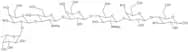
![Gal[2346Ac]b(1-3)GlcNPhth[46Bzd]-b-MP](/_next/image/?url=https%3A%2Fstatic.cymitquimica.com%2Fproducts%2F3D%2Fthumb-webp%2FOG60596.webp&w=3840&q=75)