Glycoscience
Glycoscience is the study of carbohydrates and their derivatives, as well as the interactions and biological functions they participate in. This field of research is crucial for understanding a wide variety of biological processes, including cell recognition, signaling, immune response, and disease development. Glycoscience has important applications in biotechnology, medicine, and the development of new drugs and therapies. At CymitQuimica, we offer a wide selection of high-quality, high-purity products for glycoscience research. Our catalog includes monosaccharides, oligosaccharides, polysaccharides, glycoconjugates, and specific reagents, designed to support researchers in their studies on the structure, function, and applications of carbohydrates in biological systems. These resources are intended to facilitate scientific discoveries and practical applications in various areas of bioscience and medicine.
Subcategories of "Glycoscience"
- Aminosugars(108 products)
- Glyco-Related Antibodies(282 products)
- Glycolipids(46 products)
- Glycosaminoglycans (GAGs)(55 products)
- Glycosides(419 products)
- Monosaccharides(6,622 products)
- Oligosaccharides(3,682 products)
- Polysaccharides(503 products)
Found 11041 products of "Glycoscience"
Sort by
Purity (%)
0
100
|
0
|
50
|
90
|
95
|
100
N-[2-(4'-Methoxyphenyl)-1-cyano-3-butene)-2,3,4,6-tetra-O-pivaloyl-D-glucopyranoside
<p>N-[2-(4'-Methoxyphenyl)-1-cyano-3-butene)-2,3,4,6-tetra-O-pivaloyl-D-glucopyranoside is a modification of a complex carbohydrate. It has a CAS No. and is made synthetically with high purity. It is also a monosaccharide that has been methylated and glycosylated. This product is fluorinated and saccharide.</p>Formula:C37H54N2O10Purity:Min. 95%Molecular weight:686.83 g/molDiacetone-D-glucose
CAS:<p>1,2:5,6-Di-O-isopropylidene-alpha-D-glucofuranose, also known as diacetone-D-glucose (DAG), is a partially protected D-glucose sugar locked in the furanose form with isopropylidene protecting groups on the 1,2 and 5,6 positions. The unprotected 3 position is ready for a variety of chemical manipulations, such as alkylation, acylation or stereo-inversion. An orthogonal protecting group could be added to the 3 position to allow deprotection of an isopropylidene and therefore manipulations of the other hydroxyl groups. Diacetone-D-glucose has been used to make fluorinated hexopyranose glycolysis inhibitors useful in the treatment of brain tumours.</p>Formula:C12H20O6Purity:Min. 98 Area-%Color and Shape:White Off-White PowderMolecular weight:260.28 g/mol2-Deoxy-2-fluoro-D-mannose
CAS:<p>2-Deoxy-2-fluoro-D-mannose is known for its antiviral properties as a sugar analog and glycosylation inhibitor. It works by inhibiting the glycosylation of viral envelope proteins, which can prevent viral replication and reduce viral infectivity. Studies have shown that 2-deoxy-2-fluoro-D-mannose can inhibit the replication of various viruses, including influenza A virus, human immunodeficiency virus (HIV), and hepatitis C virus (HCV). Inhibition of viral glycosylation by 2-Deoxy-2-fluoro-D-mannose can also enhance the effectiveness of some antiviral drugs, making them more potent.</p>Formula:C6H11FO5Purity:Min. 97 Area-%Color and Shape:PowderMolecular weight:182.15 g/molN-(2-Carboxyethyl)-2,5-dideoxy-2,5-imino-D-mannonic acid
<p>N-(2-Carboxyethyl)-2,5-dideoxy-2,5-imino-D-mannonic acid is a hydrogen bonded compound that has a low melting point and crystallizes in the form of a five membered ring. The molecule has an unusual conformation due to the presence of two carboxylic acid moieties and two hydroxy groups. The molecule's zwitterionic nature arises from the presence of two negative charges on one side of the molecule and two positive charges on the other side. It is a weak acceptor for hydrogen bonding with an intermolecular distance of 3.4 Å and an intramolecular distance of 2.3 Å.</p>Purity:Min. 95%GM3-Ganglioside sodium
CAS:<p>Ganglioside GM3 (sodium salt) has a core disaccharide structure (Galβ1,4Glc) with sialic acid linked α2,3 to the galactose residue and ceramide linked β to position 1 on the reducing terminal glucose residue (Ledeen, 2009). Ganglioside GM3 is strongly associated with human tumors, such as: lung, brain and melanomas, where it is over expressed. It is seen as a possible tumor-associated carbohydrate antigen for cancer immunotherapy (Changping, 2019). GM3 ganglioside is implicated in various other diseases involving chronic inflammation, such as: insulin resistance, leptin resistance, T-cell function and immune disorders (e.g., allergic asthma). It has also been shown to play an essential role in murine and human auditory systems, and a common pathological feature of GM3S deficiency is deafness (Inokuchi, 2018).</p>Formula:C64H118N2O21·xNaPurity:Min. 98 Area-%Color and Shape:White PowderMolecular weight:1,252 g/mol6'-N-Glycolylneuraminyl-D-lactose sodium salt
<p>6'-N-Glycolylneuraminyl-D-lactose sodium salt is a custom synthesis that provides high purity and custom synthesis. It is a complex carbohydrate with a CAS number of 24932-91-0 and an Oligosaccharide, Monosaccharide, saccharide Carbohydrate. This product is Fluorination, Glycosylation, Synthetic, Methylation, Modification.</p>Purity:Min. 95%2,3,4,6-Tetra-O-pivaloyl-b-D-galactopyranosyl isothiocyanate
CAS:<p>2,3,4,6-Tetra-O-pivaloyl-b-D-galactopyranosyl isothiocyanate is a custom synthesis that has complex carbohydrate as its main component. It is a modified saccharide with chemical modifications such as methylation, glycosylation, and fluorination. It also contains one or more sugars. The CAS number for this product is 147948-52-5. This product has high purity and can be synthesized according to customer specifications.</p>Formula:C27H43NO9SPurity:Min. 95%Color and Shape:White PowderMolecular weight:557.7 g/molRaffinose-sp-biotin
<p>Raffinose-sp-biotin is a Custom synthesis, Modification, Fluorination, Methylation, Monosaccharide, Synthetic, Click modification, Oligosaccharide, saccharide. It is available in CAS No. and has the molecular formula C6H14O6. Raffinose-sp-biotin is a polysaccharide with a complex carbohydrate structure.</p>Purity:Min. 95%D-Galactosamine hydrochloride
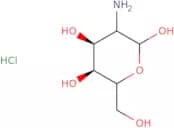
CAS:<p>D-Galactosamine (GalN) is an aldohexose (2-Amino-2-deoxygalactose) in which the hydroxyl group at position 2 is replaced by an amino group (Collins, 2006). Galactosamine (as the N-Acetyl derivative) forms a key part of both N- and O-linked glycoproteins, glycolipids and glycosaminoglycans. Treatment of experimental animals with D-galactosamine / lipopolysaccharide causes lethal liver injury characterized by apoptosis of the hepatocyte and it is used as a laboratory model to study the effect of therapeutic agents (Hirono, 2001).</p>Formula:C6H14ClNO5Molecular weight:215.63 g/mol1,6-Anhydro-β-D-cellotriose
CAS:<p>Produced by the fast pyrolysis of cellulose</p>Formula:C18H30O15Purity:Min. 95%Color and Shape:PowderMolecular weight:486.42 g/molN- [(3S, 4R, 5S, 6R) - 4, 5- Dihydroxy- 6- (hydroxymethyl) - 3- piperidinyl] -acetamide
<p>N- [(3S, 4R, 5S, 6R) - 4, 5- Dihydroxy- 6- (hydroxymethyl) - 3- piperidinyl] -acetamide is a fluorinated monosaccharide that has been synthesized in the laboratory. The compound is a synthetic oligosaccharide with an acetamide group at position 2. N- [(3S, 4R, 5S, 6R) - 4, 5- Dihydroxy- 6- (hydroxymethyl) - 3- piperidinyl] -acetamide is also a glycosylated polysaccharide that has been modified by methylation and click chemistry.</p>Purity:Min. 95%(Ribo) 3,4-O-Isopropylidene-2,4-di-C-methyl-L-ribono-1.5-lactone
<p>(Ribo) 3,4-O-Isopropylidene-2,4-di-C-methyl-L-ribono-1.5-lactone is a custom synthesis that can be produced in various quantities and with various modifications to meet your needs. It is a high purity compound that is available for both research and industrial use. This compound has been fluorinated and modified to create a complex carbohydrate. It is an oligosaccharide of polysaccharide that can be used as a monosaccharide or sugar in the synthesis of polysaccharides or saccharides. This product is not intended for medical use.</p>Purity:Min. 95%[2S- (2a, 3a, 4b, 5b, 6a) ]-2- (Hydroxymethyl) - 6- methyl- 3, 4, 5- piperidinetriol
<p>The compound 2S-[2a,3a,4b,5b,6a] -2- (hydroxymethyl)-6-methyl-3,4,5-piperidinetriol is a saccharide with a piperidine ring. It is a synthetic carbohydrate that belongs to the group of oligosaccharides. The fluorine atom in this compound is substituted with methyl groups at positions 2 and 6 on the piperidine ring. This modification is used to increase the water solubility of this carbohydrate. The CAS number for this compound is 53543-33-8.</p>Purity:Min. 95%4-O-Methyl-α-D-glucurono-β-D-xylan
CAS:<p>4-O-Methyl-alpha-D-glucurono-beta-D-xylan is produced by the hydrolysis of xylan. It can be used in studies to find new soluble chromogenic substrates for the assay of xylanases and glucanases.</p>Color and Shape:Powder3-Azido-1-O-t-butyldimethylsilyl-2,3,6-trideoxy-b-L-arabino-hexopyranose
<p>3-Azido-1-O-t-butyldimethylsilyl-2,3,6-trideoxy-b-L-arabinohexopyranose is a modified sugar. It is used as a building block in the synthesis of oligosaccharides and polysaccharides. This product is custom synthesized to customer's specifications and is available in high purity.</p>Formula:C12H25N3O3SiPurity:Min. 95%Molecular weight:287.43 g/mol1,3,5-Tri-O-benzoyl-2-O-(1H-imidazole-1-sulfonate)-a-D-ribofuranose
CAS:<p>1,3,5-Tri-O-benzoyl-2-O-(1H-imidazole-1-sulfonate)-a-D-ribofuranose (TBIR) is a fatty acid that is synthesized by the condensation of 1,3,5-triacetylbenzene with 2,4,6,-trichlorobenzoyl chloride in the presence of triethylamine and sodium methoxide. TBIR has been shown to be suitable for fabricating polyesters and polyamides. TBIR also has the ability to modify membranes. This modification occurs when TBIR reacts with phospholipids in the membrane bilayer by inserting itself into the membrane bilayer. The mesoporous nature of TBIR allows for diffusional transport through its pores as well as an increased surface area for reactions. It also has a large diameter and branched chains that make it suitable for</p>Formula:C29H24N2O10SPurity:Min. 95%Color and Shape:White PowderMolecular weight:592.57 g/molMethyl 4-O-(2-acetamido-2-deoxy-β-D-galactopyranosyl)-β-D-galactopyranoside
CAS:<p>Methyl 4-O-(2-acetamido-2-deoxy-b-D-galactopyranosyl)-b-D-galactopyranoside is a glycosylated, fluorinated oligosaccharide. The product has been modified with acetamidomethyl and 2,3,4,6'-tetraacetyl bromoacetate to produce the desired structure. This compound is used in synthesis of glycoproteins and carbohydrates for medical purposes. It is synthesized from high purity monosaccharides and custom synthesis for specific applications.</p>Formula:C15H27NO11Purity:Min. 95%Color and Shape:PowderMolecular weight:397.38 g/mol(3-N-Boc-aminopropyl) 4,6-O-benzylidene-3-O-pivaloyl-b-D-galactopyranoside
<p>3-N-Boc-aminopropyl) 4,6-O-benzylidene-3-O-pivaloyl-b-D-galactopyranoside is a sugar that is custom synthesized. It is a fluorinated saccharide with an aminopropyl group at the 3' position and benzylidene group at the 6' position.</p>Formula:C26H39NO9Purity:Min. 95%Molecular weight:509.59 g/mol3,4,6-Tri-O-allyl-D-glucal
CAS:<p>3,4,6-Tri-O-allyl-D-glucal is a custom synthesis of a complex carbohydrate. It is an Oligosaccharide and Polysaccharide that can be modified by methylation and glycosylation. The product is a Modification of saccharides that has been shown to have Methylation, Glycosylation, Carbohydrate and Click modification. 3,4,6-Tri-O-allyl-D-glucal has CAS No. 434327-45-4 and is available in High purity with Fluorination.</p>Formula:C15H22O4Purity:Min. 95%Molecular weight:266.33 g/molN-Acetyl-D-glucosamine-3-O-sulphate sodium
<p>N-Acetyl-D-glucosamine-3-O-sulphate sodium (NADG) is a type of high purity, monosaccharide that is synthesized from D-glucosamine and sulphuric acid. NADG is a synthetic carbohydrate that can be used in the synthesis of complex carbohydrates. It has been modified to contain fluorine atoms at the 3rd and 4th carbon positions. This modification prevents NADG from being hydrolyzed by aminoglycosides such as kanamycin and neomycin, which are used in chemotherapy treatment.</p>Formula:C8H15NO9S•NaPurity:Min. 95%Color and Shape:PowderMolecular weight:324.25 g/mol1-O-tert-Butyldimethylsilyl 2-azido-2-deoxy-b-D-galactopyranoside
CAS:<p>1-O-tert-Butyldimethylsilyl 2-azido-2-deoxy-b-D-galactopyranoside is a complex carbohydrate that can be modified to produce an oligosaccharide or polysaccharide. The modification of this glycosylated sugar can be done using methylation, click chemistry, or fluorination. This carbohydrate has been shown to have high purity and is suitable for use in any synthesis that requires saccharides.</p>Formula:C12H25N3O5SiPurity:Min. 95%Molecular weight:319.43 g/molN-(Succinyl)-O-b-D-galactopyranosylhydroxylamine
<p>N-(Succinyl)-O-b-D-galactopyranosylhydroxylamine is a custom synthesis of an oligosaccharide with a modified sugar. The modification includes fluorination and succinylation of the hydroxyl group at the b position on the galactose ring. This sugar is also known as a complex carbohydrate and is found in saccharides, carbohydrates, and sugars. This product is synthesized to provide high purity with a click modification for use in methylation reactions.</p>Formula:C10H15NO8Purity:Min. 95%Molecular weight:277.23 g/mol1,2,3,4,6-Penta-O-benzoyl-D-mannopyranose
CAS:<p>1,2,3,4,6-Penta-O-benzoyl-D-mannopyranose is a high purity sugar that is custom synthesized to be used in glycosylation reactions. It has been shown to be effective for Click chemistry and can be fluorinated or methylated. 1,2,3,4,6-Penta-O-benzoyl-D-mannopyranose is a synthetic sugar that can be modified by glycosylation reactions. This sugar has the CAS No. 96996-90-6 and is known as Methyl 1-(1'-methylpropyl)-1H-[1',2',3',4',5',6']pentaoxacyclohexane.</p>Formula:C41H32O11Purity:Min. 95%Color and Shape:White PowderMolecular weight:700.69 g/mol5-Azido-5-deoxy-2,3-O-isopropylidene-2-C-([trifluormethanesulfonyloxy]methyl)- D-ribono-1.4-lactone
<p>This is a custom synthesis of 5-azido-5-deoxy-2,3-O-isopropylidene-2-[(trifluoromethanesulfonyloxy)methyl]-D-ribono-1.4 -lactone (5ADL). The compound can be used as a synthetic intermediate and is a glycoside that contains an azido group. It is also known as a sugar and has the CAS number: 6374506-32-8. This compound has been shown to inhibit bacterial growth in vitro by inhibiting protein synthesis, DNA replication, and RNA transcription.</p>Purity:Min. 95%2,6-di-O-methyl-3-O-n-pentyl-γ-cyclodextrin
<p>This gamma-cyclodextrin (γ-CD) derivative is a modified cyclic oligosaccharide composed of eight glucose units, featuring a larger cavity size than α- and β-cyclodextrins. This structural characteristic allows γ-CDs to form inclusion complexes with a wider range of guest molecules, making it particularly versatile in various industries. In the food sector, it is used as a carrier and stabilizer for flavors, fat-soluble vitamins, and polyunsaturated fatty acids, protecting volatile compounds from evaporation. In pharmaceuticals, it enhances the solubility and bioavailability of poorly water-soluble drugs and, thanks to its larger ring size, allows for the encapsulation of larger molecules or even entire drug molecules. γ-CDs and derivatives are also used for environmental remediation and, in analytical chemistry, for the extraction and concentration of target substances.</p>Formula:C104H192O40Purity:Min. 95%Molecular weight:2,082.61 g/mola-D-[UL-13C6]Glucose-1-phosphate dipotassium salt hydrate
CAS:<p>a-D-[UL-13C6]Glucose-1-phosphate dipotassium salt hydrate is a kinetic and structural analysis of the glucose phosphate metabolic pathway. It has been used to study biochemical properties of the glucose phosphate metabolic pathway, and to study the control mechanisms for this process. Specifically, it has been used to determine kinetic parameters that are necessary for understanding glucose metabolism. This compound has also been used to study hydrogen bonding interactions between monoclonal antibodies and ganoderma lucidum and transfer reactions of immobilized enzymes. The pH optimum for this compound is 4.5, and it can be synthesized from solanum tuberosum.</p>Formula:C6H11K2O9P·xH2OPurity:Min. 95%Color and Shape:PowderMolecular weight:342.27 g/mol3,4-Di-O-acetyl-2,6-di-O-(3,4,6-tri-O-acetyl-2-deoxy-2-phthalimido-β-D-glucopyranosyl)-α-D-mannopyranose
<p>3,4-Di-O-acetyl-2,6-di-O-(3,4,6-tri-O-acetyl-2-deoxy-2-phthalimido-b-D-glucopyranosyl)-a-D mannopyranose is a modification of the carbohydrate oligosaccharide. It is a custom synthesis that has high purity and CAS number. The structure of the molecule is an Oligosaccharide with a Carbohydrate. This molecule is an example of a complex carbohydrate. The monosaccharide in this compound is glucose and it has been methylated and glycosylated. This molecule also has a polysaccharide sugar which can be fluorinated or saccharided.</p>Formula:C50H54N2O26Purity:Min. 95%Molecular weight:1,098.96 g/mol2,3:4,5-Di-O-isopropylidene-L-arabitol
CAS:<p>2,3:4,5-Di-O-isopropylidene-L-arabitol is a modification of an oligosaccharide in which the hydroxyl group at position 4 on the D-ribose moiety has been replaced with an isopropylidene group. The synthesis of 2,3:4,5-Di-O-isopropylidene-L-arabitol can be achieved by methylation and fluorination of L-arabinose. This compound is used in glycosylations and polysaccharide syntheses. 2,3:4,5-Di-O-isopropylidene-L--arabitol is also found as a natural constituent of many plants.<br>2,3:4,5--Di--O--isopropylidene--L--arabitol is chemically described as α-(1→6)-D--glucop</p>Formula:C11H20O5Purity:Min. 95%Color and Shape:PowderMolecular weight:232.27 g/mol6-Deoxy-L-allose
CAS:<p>6-Deoxy-L-allose is a sugar that belongs to the class of carbohydrates. It is synthesized by chemoenzymatic methods and can be used in the synthesis of glycoconjugates. 6-Deoxy-L-allose has been shown to inhibit acid phosphatase, a key enzyme involved in phosphate group metabolism, by competitive inhibition. This synthetic sugar has also been used as an immobilizing agent for enzymes such as glycosidases and phosphatases.</p>Formula:C6H12O5Purity:Min. 95%Color and Shape:SolidMolecular weight:164.16 g/mol6-O-b-D-Galactosylsucrose
CAS:<p>6-O-b-D-Galactosylsucrose is a methylated, saccharide that can be modified with Click chemistry to produce glycosides. It is a polysaccharide that can be modified with the Modification technique to produce oligosaccharides. 6-O-b-D-Galactosylsucrose is a synthetic, fluorinated, complex carbohydrate with CAS No. 41545-69-1. This product has been shown to have high purity and can be custom synthesized in different lengths and configurations.</p>Formula:C18H32O16Purity:Min. 95%Color and Shape:PowderMolecular weight:504.44 g/mol1,6-Anhydro-b-D-galactopyranose
CAS:<p>Used for preparation of biologically active compounds</p>Formula:C6H10O5Purity:Min. 97 Area-%Color and Shape:White Off-White PowderMolecular weight:162.14 g/mol3-Deoxy-3-fluoro-D-xylopyranose
<p>3-Deoxy-3-fluoro-D-xylopyranose is a carbohydrate, modification, saccharide and oligosaccharide. It is an Oligosaccharide sugar that has a CAS number of 104863-98-2. 3DFX can be custom synthesized in high purity with methylation and glycosylation. This product can be used for click modification with the desired molecule.</p>Purity:Min. 95%Indole-3-acetyl β-D-glucopyranose
CAS:<p>Indole-3-acetyl b-D-glucopyranose is a synthetic substrate that is used in the enzyme catalysis of indole glucosyl transferase. This enzyme catalyzes the reaction between indole and D-glucose to form an acetylated glucose. The gene product for this enzyme has a low expression in tissues, but high expression in plants. The gene product for this enzyme has been shown to be involved in plant physiology, where it may play a role in population growth.</p>Formula:C16H19NO7Purity:Min. 95%Molecular weight:337.33 g/mol1,2-O-Di-O-acetyl-5-O-benzoyl-3-deoxy-D-ribofuranose
CAS:<p>1,2-O-Di-O-acetyl-5-O-benzoyl-3-deoxy-D-ribofuranose is a carbohydrate that is used as a building block in the synthesis of oligosaccharides and polysaccharides. The compound is also used to modify glycoproteins to increase their stability and to improve their solubility. 1,2-O-Di-O-acetyl-5-O-benzoyl--3 -deoxy--D--ribofuranose has been modified with fluorination, saccharide methylation, glycosylation and polysaccharide synthesis.</p>Formula:C16H18O7Purity:Min. 90%Color and Shape:PowderMolecular weight:322.31 g/molDextran sulfate sodium, MW 50,000
CAS:<p>Dextran sulphate is a dextran derivative whose ulcer (colitis) -causing properties were first reported in hamsters and extrapolated a few years later to mice and rats. The exact mechanisms through which dextran sulphate induces intestinal inflammation are unclear but may be the result of direct damage of the monolayer of epithelial cells in the colon, leading to the crossing of intestinal contents (for e.g. commensal bacteria and their products) into underlying tissue and therefore induction of inflammation. The dextran sulphate sodium induced ulceration model in laboratory animals has some advantages, when compared to other animal models of colitis, due to its simplicity and similarities to human inflammatory bowel disease.</p>Color and Shape:PowderEthyl 2,3,4-tri-O-benzyl-L-thiofucopyranoside
CAS:<p>Ethyl 2,3,4-tri-O-benzyl-L-thiofucopyranoside is a glycosylation agent that is used in the synthesis of complex carbohydrates. It can also be used in the methylation and click modification of saccharides. Ethyl 2,3,4-tri-O-benzyl-L-thiofucopyranoside has been shown to have a high purity and can be custom synthesized to fit the needs of the customer. This product has a CAS number of 169532-17-6 and it is available in both monosaccharides and oligosaccharides.</p>Formula:C29H34O4SPurity:Min. 95%Color and Shape:White Off-White PowderMolecular weight:478.64 g/mol3,4,6-Tri-O-acetyl-1,2-O-(1-isopropoxy-1-alkoxyethylidene)-b-D-mannopyranose
<p>This is a synthetic, high purity, and custom synthesis oligosaccharide that is used in the modification of complex carbohydrates. It is an O-acetylated form of 1,2-O-(1-isopropoxy-1-alkoxyethylidene)-b-D-mannopyranose. The CAS number for this product is 306928-06-3.</p>Purity:Min. 95%D-Ribulose 1,5-bisphosphate sodium hydrate
CAS:<p>D-ribulose 1,5-bisphosphate sodium hydrate (DRBP) is a naturally occurring sugar that is found in plants. It is synthesized by the action of ribulose bisphosphate carboxylase on ribulose 1,5-bisphosphate, with ATP as a cofactor. DRBP has been shown to be an important intermediate in many biochemical pathways and enzymes. DRBP has been shown to inhibit HIV replication in vitro by binding to the enzyme reverse transcriptase and blocking its activity. As an inhibitor of HIV replication, DRBP is activated by a number of factors including p-nitrophenyl phosphate (pNPP), and the presence of hydrogen bond donors such as ATP or NADP+. This chemical also inhibits protease activity and increases the transport rate for D-ribulose 1,5-bisphosphate.</p>Formula:C5H12O11P2•Nax•(H2O)yPurity:Min. 95%Color and Shape:PowderMolecular weight:310.09 g/molBis(p-methylbenzylidene)sorbitol
CAS:<p>Bis(p-methylbenzylidene)sorbitol is an organic solvent that has been used in a variety of applications, including polyolefin production, as an additive for plastics, and as a surface treatment for metals. Bis(p-methylbenzylidene)sorbitol also has been used to reduce the weight of paper and textiles. It is synthesized by the reaction of vinyl alcohol with dibenzylidene sorbitol in the presence of base. Bis(p-methylbenzylidene)sorbitol can be identified by its crystalline structure, which consists of three molecules of glucose linked together. Bis(p-methylbenzylidene)sorbitol is a colorless liquid that has no odor or taste and it has a low viscosity. This chemical is also soluble in organic solvents such as benzene or ethylene glycol ethers.</p>Formula:C22H26O6Purity:Min. 95%Color and Shape:PowderMolecular weight:386.44 g/molMethyl 3,4-di-O-acetyl-2-O-(methyl 2,3-di-O-acetyl-4-O-methyl-α-D-glucopyranosyluronate)-β-D-xylopyranoside
CAS:<p>A protected disaccharide</p>Formula:C22H32O15Purity:Min. 95%Color and Shape:PowderMolecular weight:536.48 g/molHeptadecyl 2-acetamido-3,4,6-tri-O-acetyl-2-deoxy-β-D-glucopyranoside
CAS:<p>Heptadecyl 2-acetamido-3,4,6-tri-O-acetyl-2-deoxy-beta-D-glucopyranoside is a carbohydrate that can be synthesized through the modification of an oligosaccharide. It is a complex carbohydrate and is made up of monosaccharides and polysaccharides. Heptadecyl 2-acetamido-3,4,6-tri-O-acetyl-2-deoxy-beta-D--glucopyranoside has CAS number 262856–89–3 and can be used as a synthetic sugar.</p>Formula:C31H55NO9Molecular weight:585.77 g/mol2,2’-Anhydro-L-lyxo-uridine
<p>2,2’-Anhydro-L-lyxo-uridine is a modified sugar that is synthesized from L-lyxo-uridine. This product is used as a monosaccharide in the synthesis of complex carbohydrate and has been shown to inhibit the growth of bacteria by preventing bacterial DNA transcription. 2,2’-Anhydro-L-lyxo-uridine has also been used to inhibit glycosylation, which is an enzyme that catalyzes the addition of sugars to protein molecules. 2,2’-Anhydro-L-lyxo-uridine can be fluorinated for use in glycoproteins and can be methylated for use in oligosaccharides.</p>Purity:Min. 95%4-N-Trifluoroacetamidophenyl 2-azido-2-deoxy-a-D-galactopyranoside
CAS:<p>4-N-Trifluoroacetamidophenyl 2-azido-2-deoxy-a-D-galactopyranoside is a custom synthesis. It is a complex carbohydrate that can be modified with glycosylation, methylation, and fluorination. The chemical formula for 4-N-Trifluoroacetamidophenyl 2-azido-2-deoxy-a-D-galactopyranoside is C12H22FN3O8. The CAS number for 4Ntrifluoroacetamidophenyl 2azido2deoxyadgalactopyranose is 2104260323. This product has high purity and is synthetic.</p>Formula:C14H15F3N4O6Purity:Min. 95%Molecular weight:392.29 g/molPhenyl-β-D-glucuronic acid monohydrate
CAS:<p>Phenyl-beta-D-glucuronic acid monohydrate is a genotoxic agent that is metabolized to S-phenylmercapturic acid. This metabolite can be detected in urine as an indicator of exposure to the compound. Phenyl-beta-D-glucuronic acid monohydrate has been shown to have toxic effects on humans, such as decreasing the glomerular filtration rate and increasing reactive oxygen species levels. It also decreases antioxidant vitamin levels and causes blood disorders, including hemolytic anemia. Phenyl-beta-D-glucuronic acid monohydrate may also be used for the treatment of autoimmune diseases by inhibiting certain enzymes involved in inflammation and immune response.</p>Formula:C12H16O8Purity:Min. 98 Area-%Color and Shape:White PowderMolecular weight:288.26 g/mol4-Methoxyphenyl 4-O-(3,6-di-O-benzyl-2-deoxy-2-phthalimido-b-D-glucopyranosyl)-3-O-benzyl-2-deoxy-6-O-(4-methoxybenzyl)-2-phthalimid o-b-D-glucopyranoside
<p>4-Methoxyphenyl 4-O-(3,6-di-O-benzyl-2-deoxy-2-phthalimido-b-D-glucopyranosyl)-3-O-benzyl-2-deoxy -6-(4methoxybenzyl)-2 phthalimid (4) is a carbohydrate compound with the molecular formula C27H32N2O9. It is a white to off white powder that has a molecular weight of 565.5 and an empirical formula of C27H32N2O9.</p>Formula:C64H60N2O15Purity:Min. 95%Molecular weight:1,097.17 g/mol2-C-Hydroxymethyl-2,3:5,6-di-O-isopropylidene-D-manno-1.4-lactone
<p>2-C-Hydroxymethyl-2,3:5,6-di-O-isopropylidene-D-manno-1.4-lactone is a synthetic sugar that has been modified by fluorination and methylation. It is a high purity product with custom synthesis. This carbohydrate has been glycosylated and click modified.</p>Purity:Min. 95%Lacto-N-fucopentaose V
CAS:<p>Human milk oligosaccharide; binds cholera toxin TcdA</p>Formula:C32H55NO25Purity:Min. 80%Color and Shape:PowderMolecular weight:853.77 g/mol4-Deoxy-4-fluoro-D-galactose
CAS:<p>4-Deoxy-4-fluoro-D-galactose (FUDG) is a modification of the sugar galactose. It is an inhibitor of glucosyltransferases, and it is used in the synthesis of oligosaccharides. FUDG has been shown to be a substrate for recombinant proteins that bind to 2-deoxy-2-fluoro-d-mannose, which are involved in the regulation of blood group expression. The binding affinity and specificity of FUDG for these proteins was examined using electrophysiology techniques. These results may help to rationalize how FUDG binds to these proteins and its potential as a glucose sensor.</p>Formula:C6H11FO5Purity:Min. 95 Area-%Color and Shape:PowderMolecular weight:182.15 g/molN1-β-D-Galactopyranosylamino-guanidine hydrochloride
CAS:<p>N1-b-D-Galactopyranosylamino-guanidine HCl is a synthetic, fluorinated monosaccharide that contains an amino group on the 1' carbon. It has been modified with methyl groups at the C6 and C7 positions to increase its stability and inhibit enzymatic hydrolysis. This product is also a glycosylation agent for complex carbohydrate synthesis.</p>Formula:C7H16N4O5•HClPurity:Min. 95%Color and Shape:White to off-white solid.Molecular weight:272.69 g/molSucrose
CAS:<p>Consumed in large amounts around the world as a food ingredient. Other applications of sucrose include its use in surfactants (esters), polyurethanes (polyols), plastics (alkyds) to produce dextrans (Leuconostoc mesenteroides fermentation) and ethanol (Saccharomyces cerevisiae fermentation).</p>Formula:C12H22O11Purity:Min. 98 Area-%Color and Shape:White PowderMolecular weight:342.3 g/mol5-Deoxy-1,2-O-ispropylidene-([4-ethoxycarbonyl]-1,2,3-triazol-1-yl)-a-L-galactofuranose
<p>5-Deoxy-1,2-O-ispropylidene-[4-ethoxycarbonyl]-1,2,3-triazol-1-yl)-a-L-galactofuranose is a carbohydrate with the formula C(6)H(8)O(10). It is a modified saccharide with a fluorinated alpha position and an ethoxycarboxylic acid side chain. The compound can be used as a pharmaceutical intermediate or as an analytical reagent. This product is available for custom synthesis and modification.</p>Purity:Min. 95%2-(Piperidine-2,6-dione-4-yl)-acetic acid
<p>2-(Piperidine-2,6-dione-4-yl)-acetic acid is a modification of an oligosaccharide. It is a monosaccharide that has been methylated and glycosylated. 2-(Piperidine-2,6-dione-4-yl)-acetic acid can be used as a building block for the synthesis of complex carbohydrates. This compound has been synthesized by fluorination and saccharide.</p>Purity:Min. 95%(1S) -1- [(2S, 3R) - 3-Hydroxy- 1- nonyl-2- azetidinyl] -1, 2- ethanediol
<p>(1S) -1- [(2S, 3R) - 3-Hydroxy- 1- nonyl-2- azetidinyl] -1, 2- ethanediol is a synthetic compound that is modified with fluorination. It has a CAS Number of 55734-14-8. The molecular formula of this compound is C6H8O4 and its molecular weight is 176.13 g/mol. (1S) -1- [(2S, 3R) - 3-Hydroxy- 1- nonyl-2- azetidinyl] -1, 2- ethanediol is used in the synthesis of oligosaccharides and polysaccharides. It can be used as a raw material for saccharide modification or to synthesize monosaccharides and sugar molecules. This product has been shown to have high purity and good quality by using analytical methods such as HPLC, GCMS, N</p>Purity:Min. 95%(-)-Lentiginosine
CAS:<p>(-)-Lentiginosine is a natural iminosugar that serves as a potent glycosidase inhibitor. This compound is sourced primarily from a variety of plant species, where it occurs naturally as a secondary metabolite. The mode of action of (-)-lentiginosine involves the competitive inhibition of glycosidase enzymes, particularly α-glucosidases. By binding to these enzymes, it prevents the hydrolysis of glycosidic bonds, therefore impeding carbohydrate digestion and absorption processes.</p>Formula:C8H15NO2Purity:Min. 95%Color and Shape:PowderMolecular weight:157.21 g/molIsomalt
CAS:<p>Used as a sugar replacer in sugar-free confectionery and beverages</p>Formula:C12H24O11Purity:Min. 98 Area-%Color and Shape:White PowderMolecular weight:344.31 g/mol4-Methoxyphenyl 2,4,6-tri-O-(3,4,6-tri-O-benzyl-2-deoxy-2-phthalimido-β-D-glucopyranosyl)-3-O-benzyl-α-D-mannopyranoside
<p>4-Methoxyphenyl 2,4,6-tri-O-(3,4,6-tri-O-benzyl-2-deoxy-2-phthalimido-b-D-glucopyranosyl)-3-O-(benzyl)aDmannopyranoside is a custom synthesis of an oligosaccharide. It is an acetal derivative of 4methoxyphenyl 2,4,6tri O-(3,4,6tri Obenzyl 2deoxy2 phthalimido b D glucopyranosyl) 3 O (benzyl) ad mannopyranoside with a methoxymethyl group at the C5 position and a benzyl ether moiety at the C6 position. The molecule contains a methylated sugar as well as fluorine modification on the ring oxygen atom. This molecule has a high purity and is offered in both monos</p>Formula:C125H117N3O25Purity:Min. 95%Molecular weight:2,061.27 g/mol1,2,3,4-Tetra-O-pivaloyl-6-O-(tert-butyldimethylsilyl)-a-D-mannopyranose
<p>1,2,3,4-Tetra-O-pivaloyl-6-O-(tert-butyldimethylsilyl)-a-D-mannopyranose is a synthetic compound that can be used as a fluorinated monosaccharide. It is synthesized from 1,2,3,4-tetra-O-pivaloyl-6-[(tert-butyldimethylsilyl)oxy]-aD mannopyranose. This product is also known as Tetra O Pivalate Mannose (TPM). This product has been shown to be effective in the synthesis of carbohydrates and complex carbohydrates.</p>Formula:C32H58O10SiPurity:Min. 95%Molecular weight:630.88 g/mol2-Acetamido-3,4,6-tri-O-acetyl-2-deoxy-D-glucopyranose
CAS:<p>2-Acétamido-3,4,6-tri-O-acetyl-2-deoxy-D-glucopyranose is a cytotoxic glycoside that can be used as an intermediate in the synthesis of saponins. It has been shown to yield high yields of trifluoromethanesulfonate (TFM) when reacted with glycosyl acceptors such as albizia bark extract. The TFM may then be used for the synthesis of nitromethane and alcohols. This compound also reacts with oleanolic acid to form an anomeric mixture that can be used to yield 2,3,4,6 tetraacetylated 2 deoxyglucose.</p>Formula:C14H21NO9Purity:Min. 95%Color and Shape:PowderMolecular weight:347.32 g/molD-Galactose-6-O-sulphate sodium
CAS:<p>D-Galactose-6-O-sulphate sodium salt is used as a diagnostic agent to measure the level of galactose in blood and tissues. The enzyme that hydrolyzes D-galactose-6-O-sulphate, galactose oxidase, is present in leukocytes and chorionic villi. The enzymatic assay for this chemical is based on the reaction between D-galactose and sulfite to form D-galactosulfonic acid. This reaction is catalysed by a sulphatase enzyme. A fluorimetric method can be used to measure the formation of D-galactosulfonic acid.</p>Formula:C6H11O9SNaPurity:Min. 95%Color and Shape:White PowderMolecular weight:282.2 g/mol1,2,3,4-Tetra-O-pivaloyl-6-O-trityl-b-D-glucopyranose
CAS:<p>1,2,3,4-Tetra-O-pivaloyl-6-O-trityl-b-D-glucopyranose is a trityl derivative of glucose that can be used as a diagnostic agent for the assessment of cancer. When labeled with radioactive iodine, 1,2,3,4-Tetra-O-pivaloyl-6-O-trityl-b-D-glucopyranose has been shown to accumulate in bile and esophageal cancer cells. Magnetic resonance imaging (MRI) was used to evaluate the distribution of 1,2,3,4 tetra O pivaloyl 6 O trityl b D glucopyranose in patients with cirrhosis. The results suggest that this compound can be used as an indicator for the diagnosis of liver disease.</p>Formula:C45H58O10Purity:Min. 95%Molecular weight:758.94 g/mol2-O-Benzyl-1-C-(1-butyl)-3,4-di-O-isopropylidene-2,4-di-C-methyl-L-arabinopyranose
<p>2-O-Benzyl-1-C-(1-butyl)-3,4-di-O-isopropylidene-2,4-di-C-methyl-L-arabinopyranose is a fluorinated monosaccharide that has been synthesized by the glycosylation of 2,3,6,7,8,-pentaoxaheptane with 2,4,6,-triacetoxybenzaldehyde. The molecule is a complex carbohydrate and contains 10 identical units of D-(+)-glycero 1,2:5,6:8--octahydroquinoline. This compound is also known as 1-(2'-carboxyethyl)piperidine. The molecular weight of this compound is 476.11 and the CAS number is 324965-70-0. This compound was modified with methylation and click chemistry reactions to produce an amine group at the C</p>Purity:Min. 95%NGA1 N-Glycan
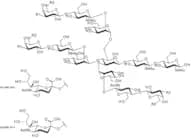
<p>NGA1 N-glycan is a modified oligosaccharide, carbohydrate, and complex carbohydrate. It is custom synthesized, high purity, and has CAS No. This monosaccharide is methylated and glycosylated. It has a sugar that has been fluorinated and saccharides.</p>Purity:Min. 95%Monofucosyl (1-2)-iso-lacto-N-octaose II
<p>Monofucosyl (1-2)-iso-lacto-N-octaose II is an oligosaccharide that is found in human milk</p>Purity:Min. 95%D-Glucose-13C6
CAS:<p>D-Glucose-13C6 is a complex carbohydrate, which is composed of a glucose molecule with one carbon atom labeled as C6. It is used to study the structure of carbohydrates and their interactions with proteins. D-Glucose-13C6 also has applications in the study of diseases such as Alzheimer's disease, Parkinson's disease, diabetes mellitus type 2, and cancer. In addition, this molecule can be used to measure plasma glucose concentrations in humans or animals. D-Glucose-13C6 is not active against bacteria such as Pseudomonas aeruginosa or Escherichia coli. The synthesis of D-glucose-13C6 requires anhydrous dextrose and unlabeled glucose.</p>Formula:C6H12O6Purity:Min. 98 Area-%Color and Shape:White PowderMolecular weight:186.11 g/molLewis A tetrasaccharide
CAS:<p>Lewis A tetrasaccharide is a glycosylated oligosaccharide with the following chemical structure: The Lewis A tetrasaccharide is a carbohydrate that has been modified with fluorination and methylation. This modification has been shown to increase its stability in aqueous environments. The Lewis A tetrasaccharide may be used as a synthetic monosaccharide for custom synthesis. It is also used as an intermediate for the synthesis of glycosylated oligosacscharsides.</p>Formula:C26H45NO20Purity:90%Color and Shape:White PowderMolecular weight:691.64 g/molPropyl 2-acetamido-2-deoxy-β-D-glucopyranoside
CAS:<p>Propyl 2-acetamido-2-deoxy-b-D-glucopyranoside is a synthetic monosaccharide that has been fluorinated and methylated. It is a custom synthesis and can be modified to suit your needs. This compound has been glycosylated and click modified. The purity of this product is high and it's molecular weight is 798 Da.</p>Formula:C11H21NO6Purity:Min. 95%Color and Shape:White to off-white solid.Molecular weight:263.3 g/molMethyl 4-O-methyl-β-D-xylopyranoside
CAS:<p>A useful xylose building block</p>Formula:C7H14O5Purity:Min. 95%Color and Shape:PowderMolecular weight:178.18 g/mol2,3,4,6-Tetra-O-acetyl linamarin
CAS:<p>2,3,4,6-Tetra-O-acetyl linamarin is a carbohydrate that belongs to the group of oligosaccharides. It is a complex carbohydrate that has been modified by fluorination and methylation. This product is custom synthesized and can be produced with high purity. The 2,3,4,6-Tetra-O-acetyl linamarin has been glycosylated and click modified.</p>Formula:C18H25NO10Purity:Min. 95%Color and Shape:White To Off-White SolidMolecular weight:415.39 g/molL-Fucose-1-phosphate disodium
CAS:<p>L-Fucose-1-phosphate disodium salt is a high purity, synthetic, fluorinated carbohydrate that is used to modify saccharides. This modification can be accomplished by methylation or glycosylation. L-Fucose-1-phosphate disodium salt has been shown to be useful for glycosylation reactions with click chemistry. It has been shown to have a wide range of applications including modification of oligosaccharides and polysaccharides in the field of biotechnology.</p>Formula:C6H13O8P•Na2Purity:Min. 95 Area-%Color and Shape:White PowderMolecular weight:290.12 g/molMethyl(methyl 3,4-di-O-methyl-α-D-glucopyranoside)uronate
CAS:<p>A methyl ether protected glucuronide glycoside</p>Formula:C10H18O7Purity:Min. 95%Color and Shape:PowderMolecular weight:250.25 g/mol2,3,4,6-Tetra-O-trimethylsilyl-D-glucono-1,5-lactone
CAS:<p>2,3,4,6-Tetra-O-trimethylsilyl-D-glucono-1,5-lactone is a synthetic building block which has been used to prepare C-glucosides via the nucleophilic addition of a suitably functionalised aryllithium reagent, followed by a triethylsilane reduction. Notable examples of this include the synthesis of C-glycoside intermediates which have been further elaborated to afford canagliflozin, bexagliflozin and dapagliflozin which inhibit sodium-dependant glucose co-transporter 2 (SGLT2) and are of interest as antidiabetic agents.</p>Formula:C18H42O6Si4Purity:Min. 95%Color and Shape:Colorless Clear LiquidMolecular weight:466.86 g/molD-Lactal
CAS:<p>D-Lactal is a dibutyltin oxide that is used in the synthesis of n-acetyllactosamine, disaccharides and trisaccharides. D-Lactal has been shown to have high resistance to chloride ion, which is one of the most common reagents for cleavage. It can also be used as a synthetic precursor for other glycoside derivatives by reacting with triflic acid or trisaccharide. Triflic acid and trisaccharide react with chloride to form a stereoselective glycosidic bond. D-Lactal is also able to bind lectins, carbohydrate chemistry and carbohydrate chemistry reagents.</p>Formula:C12H20O9Purity:Min. 95%Color and Shape:White/Off-White SolidMolecular weight:308.28 g/mol1,3-O-Benzylidene-D-arabitol
CAS:<p>1,3-O-Benzylidene-D-arabitol is a methylated sugar that is used in the synthesis of complex carbohydrates. It is produced by the modification of a 1,3-O-benzylidene-D-ribitol. It has a CAS number of 70831-50-4 and can be custom synthesized to meet your needs. This product is available in high purity with a 99% yield.</p>Formula:C12H16O5Purity:Min. 95%Color and Shape:White/Off-White SolidMolecular weight:240.25 g/mol1,3-O-Benzylidene-4-O-t-butyl-dimethylsilyl-D-threitol
CAS:<p>1,3-O-Benzylidene-4-O-t-butyl-dimethylsilyl-D-threitol is a synthetic carbohydrate that is structurally similar to D-threitol. It has a molecular weight of 323.07 and it has a melting point of 210°C. The CAS number for this compound is 652979-92-5. This compound has been modified with fluorination, methylation, and click chemistry. 1,3-O-Benzylidene-4-O-t -butyl dimethylsilyl D threitol has been used as a substrate for glycosylation reactions with oligosaccharides and polysaccharides in order to produce complex carbohydrates.</p>Formula:C17H28O4SiPurity:Min. 95%Molecular weight:324.49 g/molN-Acetylmuramyl-L-alanyl-D-isoglutamine hydrate
CAS:<p>Muramyl dipeptide is a component of the bacterial cell wall and is found in mycobacteria, mycoplasmas, spirochetes, and gram-positive bacteria. Muramyl dipeptide has been shown to induce the activation of macrophages and other cells by stimulating toll-like receptor 4. It also has significant cytotoxicity against various cancer cells, as well as potent inducers of ubiquitin ligases. The use of muramyl dipeptide in vitro was shown to inhibit replication of HIV-1 virus in human lymphocytes. This agent has also been used for the treatment of bowel disease.</p>Formula:C19H32N4O11·xH2OPurity:Min. 96 Area-%Color and Shape:PowderMolecular weight:492.48 g/molThiocellobiose
CAS:<p>Competitive inhibitor of β-glucosidase from Streptomyces sp. and Paenibacillus polymyxa, occupying enzyme’s aglycone-binding site. The compound is also a potent inducer of cellulase and other lignin-degrading enzymes in Schizophyllum commune.</p>Formula:C12H22O10SPurity:Min. 95%Color and Shape:Off-White PowderMolecular weight:358.36 g/mol2-Acetamido-2-deoxy-4-O-(β-D-[UL-13-C-6]-galactopyranosyl)-D-glucopyranose 6-sulfate
<p>2-Acetamido-2-deoxy-4-O-(beta-D-[UL-13-C-6]-galactopyranosyl)-D-glucopyranose 6-sulfate is an oligosaccharide that has been fluorinated and methylated. This compound has a CAS number and can be custom synthesized, as well as modified with a click reaction. It is a high purity, complex carbohydrate that can be modified with a variety of modifications.</p>Formula:C6C8H25NO14SPurity:Min. 95%Molecular weight:469.37 g/molGM2-Oligosaccharide
<p>GM2-oligosaccharide (sodium salt) is a trisaccharide (GalNAcβ1,4Galβ1,4Glc) with sialic acid linked α2,3 to the central galactose residue (Ledeen, 2009). The parent GM2 ganglioside is present on neuronal cells and plays a key role in the regulation of dendritogenesis in cortical pyramidal neurons. In lysosomal storage disorders, such as, Tay-Sachs and Sandhoff disease, where hexosaminases A and B are deficient, GM2 ganglioside accumulates in the nervous system (Cachon-Gonzalez, 2018). GM2 ganglioside is also overexpressed in melanomas and other tumours of neuro-ecto origin (Yoshida, 2020). Moreover, the sugar moiety of GM2 ganglioside is a receptor allowing viral infection of cells with reovirus and rotavirus (Zhu, 2018).</p>Formula:C31H51N2O24NaPurity:Min. 95%Color and Shape:PowderMolecular weight:858.73 g/mol2'-O-Fucosyllactulose
CAS:<p>2'-O-Fucosyllactulose is a modified carbohydrate that has been synthesized from a natural source. It is an oligosaccharide that contains the monosaccharide, fucose. This product can be used in the synthesis of polysaccharides and glycosylation reactions. 2'-O-Fucosyllactulose has been methylated, fluorinated, and glycosylated, which makes it suitable for use as a sugar in biotechnology applications.</p>Formula:C18H32O15Purity:Min. 90 Area-%Color and Shape:PowderMolecular weight:488.44 g/molMethyl 2,3,4,6-tetra-O-benzyl-b-D-thiogalactopyranoside
CAS:<p>Methyl 2,3,4,6-tetra-O-benzyl-b-D-thiogalactopyranoside is a synthetic monosaccharide that has been modified with fluorination and glycosylation. It is a product of the click reaction, which is a chemical modification that involves the formation of an aziridine and an alkene in one step. This product has been used for the synthesis of oligosaccharides and complex carbohydrates.</p>Formula:C35H38O5SPurity:Min. 95%Color and Shape:PowderMolecular weight:570.74 g/mol2-Deoxystreptamine dihydrobromide
CAS:<p>Streptamine derivative; antibiotic agent</p>Formula:C6H14N2O3·2HBrPurity:Min. 95%Color and Shape:PowderMolecular weight:324.01 g/mol(3S, 4R) -3- (Hydroxymethyl) - 3, 4- pyrrolidinediol
CAS:<p>(3S, 4R) -3- (Hydroxymethyl) - 3, 4- pyrrolidinediol is a synthetic sugar molecule that is used in the synthesis of polysaccharides and oligosaccharides. It can be modified with fluorination, methylation, or glycosylation. This product has a purity of 99% or higher.</p>Formula:C5H11NO3Purity:Min. 95%Molecular weight:133.15 g/molMethyl 2,3,4-tri-O-benzoyl-6-O-trityl-a-D-glucopyranoside
CAS:<p>Methyl 2,3,4-tri-O-benzoyl-6-O-trityl-a-D-glucopyranoside is a synthetic compound that has been modified. This modification includes the addition of fluorine at the 6th carbon on the right side of the molecule. The methylation and tritylation of the molecule have also been performed to create a new product with a better stability. Methyl 2,3,4-tri-O-benzoyl-6-O-trityl-aDglucopyranoside can be used as a monosaccharide or oligosaccharide in glycosylation reactions. It can also be used as an intermediate in the synthesis of complex carbohydrate molecules.</p>Formula:C47H40O9Purity:Min. 95%Molecular weight:748.84 g/mol1-Octen-3-ol glucoside
CAS:<p>1-Octen-3-ol glucoside is a synthetic, fluorinated sugar that is modified with glycosylation, methylation, and click chemistry. It contains a high degree of purity and is custom synthesized to order. This product can be used as a substitute for other sugars in the production of oligosaccharides, saccharides, and polysaccharides.<br>1-Octen-3-ol glucoside has been shown to have various modifications including glycosylation, methylation, and click chemistry. It is often used when there are restrictions on the types of sugars that can be used in the synthesis of complex carbohydrates.</p>Formula:C14H26O6Purity:Min. 95%Color and Shape:PowderMolecular weight:290.35 g/molGalacto-N-biose
CAS:<p>2-Acetamido-2-deoxy-3-O-(b-D-galactopyranosyl)-D-galactopyranose (also known as galacto-N-biose, GNB and T antigen) is a β 1-3’ linked disaccharide which is found in the gastrointestinal tract as a core component of mucin. GNB has been shown to have potential to protect against glutamate excitotoxicity, a process in which nerve cells can be damaged or destroyed. GNB, along with lactose-N-biose, are found in human milk but are not metabolised by gut enzymes and are instead broken down to a digestible form by bifidobacteria found in the intestinal systems of infants in a symbiotic process.</p>Formula:C14H25NO11Purity:Min. 95%Color and Shape:White Off-White PowderMolecular weight:383.35 g/molSucrose octasulfate ammonium
CAS:<p>This comound is generally known as sucralfates and are medications primarily taken to treat active duodenal ulcers. They are also used for the treatment of gastroesophageal reflux disease (GERD) and stress ulcers. Sucralfate is a sucrose sulfate-aluminium complex that binds to the ulcer, creating a physical barrier that protects the gastrointestinal tract from stomach acid and prevents the degradation of mucus. It also promotes bicarbonate production and acts like an acid buffer with cytoprotective properties.</p>Formula:C12H22O35S8•(H3N)8Purity:Min. 98 Area-%Color and Shape:White PowderMolecular weight:1,119.05 g/molGalacturonan DP10-DP15 sodium salt
<p>Mixed DP 10-15 Na galacturonans (α-1,4 10-15 Na galacturonans) are derived from pectin or pectic acid, by enzymatic or partial acid hydrolysis. They are used in galacturonic acid metabolism research as a substrate to identify, differentiate, and characterize endo- and exopolygalacturonase(s) and gluconase(s). In recent studies, it has been shown that long oligogalacturonides (degree of polymerization (DP) from 10â15) help to induce plant defense signaling resulting in enhanced defenses to necrotrophic pathogens.</p>Color and Shape:PowderPhenyl 2-azido-2-deoxy-b-D-selenofucopyranoside
<p>Phenyl 2-azido-2-deoxy-b-D-selenofucopyranoside is a carbohydrate with the CAS number 54519-52-8. It is a custom synthesis that is available in high purity and can be methylated, glycosylated and click modified. Phenyl 2-azido-2-deoxy-b-D-selenofucopyranoside is an oligosaccharide that has been fluorinated, which makes it stable at higher temperatures. This product is used as a synthetic building block for complex carbohydrates and saccharides.</p>Purity:Min. 95%L-Rhamnose monohydrate - high purity
CAS:<p>L-Rhamnose monohydrate is a sugar that is found in plants, animals, and bacteria. It is a component of polysaccharides like cellulose and hemicellulose. L-Rhamnose monohydrate has been shown to stimulate the growth of probiotic bacteria like Lactobacillus acidophilus in vitro. It also has antiviral properties against the herpes simplex virus type 1 (HSV-1). The antiviral activity may be due to its ability to inhibit viral replication by interfering with the synthesis of viral DNA and RNA. L-Rhamnose monohydrate may also have anti-inflammatory effects due to its ability to inhibit prostaglandin synthesis through inhibition of cyclooxygenase enzyme activity. This product has applications as a dietary supplement and ingredient in functional foods or beverages.</p>Formula:C6H12O5•H2OPurity:Min. 98.0 Area-%Color and Shape:PowderMolecular weight:182.17 g/mol3,4,6-Tri-O-benzyl-b-D-galactopyranoside
<p>3,4,6-Tri-O-benzyl-b-D-galactopyranoside is a synthetic glycosylation of a monosaccharide with a polysaccharide. This compound is modified by fluorination as well as other chemical reactions to synthesize an Oligosaccharide. The product is custom synthesized for research purposes and can be ordered in high purity, which can be verified with the CAS number.</p>Purity:Min. 95%(2R, 3R, 3aS, 9aR) -2, 3, 3a, 9a- Tetrahydro- 3- hydroxy- 6- imino- 3a- methyl- 6H- furo[2', 3':4, 5] oxazolo[3, 2- a] pyrimidine- 2 - methanol
<p>(2R, 3R, 3aS, 9aR) -2, 3, 3a, 9a- Tetrahydro- 3- hydroxy- 6- imino- 3a- methyl- 6H- furo[2', 3':4, 5] oxazolo[3, 2- a] pyrimidine- 2 - methanol is a custom synthesized molecule that has been modified to include fluorination and methylation. This compound is an oligosaccharide that contains saccharides and sugar units. It is a polysaccharide with glycosylation on the sugar unit.</p>Purity:Min. 95%4-Acetamido-4-deoxy-D-glucose
CAS:<p>4-Acetamido-4-deoxy-D-glucose is a custom synthesis of a monosaccharide that is modified with fluorine and methyl groups. It is synthesized by the Click modification, which involves the addition of an azide to an alkyne in a copper catalyzed reaction. 4-Acetamido-4-deoxy-D-glucose can be used as a building block for complex carbohydrate synthesis. 4-Acetamido-4-deoxy-D-glucose has shown effectiveness against fluoroquinolone resistance, as well as activity against methicillin resistant Staphylococcus aureus (MRSA) and Clostridium perfringens.</p>Formula:C8H15NO6Purity:Min. 95%Color and Shape:PowderMolecular weight:221.21 g/mol2-Azido-2-deoxy-3,5-O-benzylidene-L-lyxono-1,4-lactone
<p>2-Azido-2-deoxy-3,5-O-benzylidene-L-lyxono-1,4-lactone is a simple carbohydrate that is modified by fluorination. It is synthesized from the saccharide D-(+)-ribose and has the CAS No. 57400-91-5. This molecule can be methylated and glycosylated to produce a variety of structures with different properties. 2A2DLAL can also be modified by click chemistry, which is a reaction that produces covalent bonds between two molecules in a single step without using any catalysts or solvents.</p>Purity:Min. 95%2,3,4,6-Tetra-O-acetyl-a-D-glucopyranosyl azide
CAS:<p>This compound is a custom synthesis. It is used to synthesize complex carbohydrates, such as oligosaccharides and polysaccharides. This product has been modified with methylation and glycosylation. It is a carbohydrate that is classified as a saccharide. The CAS number for this product is 20379-61-7. This product has high purity, with the purity being over 99%. This product has been fluorinated and synthesized using Click chemistry.</p>Formula:C14H19N3O9Purity:Min. 95%Color and Shape:PowderMolecular weight:373.32 g/molAllyl 2,3,4-tri-O-acetyl-b-D-galacturonide methyl ester
CAS:<p>Allyl 2,3,4-tri-O-acetyl-b-D-galacturonide methyl ester is a synthetic monosaccharide that is custom synthesized for use in modifying complex carbohydrates. It has the CAS number 130506-36-4 and can be used in the synthesis of oligosaccharides and polysaccharides. This chemical may be fluorinated to give a fluorinated carbohydrate, which may then be methylated to produce an allyl 2,3,4-tri-O-acetyl-b-D-galacturonide methyl ester. Allyl 2,3,4-tri-O-acetyl--b--D--galacturonide methyl ester is also known as Methylated galacturonic acid or 2,3,4 Triacetate D Galacturonic Acid Methyl Ester.</p>Formula:C16H22O10Purity:Min. 95%Color and Shape:White to off-white solid.Molecular weight:374.34 g/mol2-Acetamido-1,3,4,6-tetra-O-acetyl-2-deoxy-β-D-thioglucopyranose
CAS:<p>2-Acetamido-1,3,4,6-tetra-O-acetyl-2-deoxy-β-D-thioglucopyranose is a synthetic monosaccharide that belongs to the group of complex carbohydrates. It has CAS No. 10043-46-6 and is used in glycosylation reactions. The fluorination of the sugar can be done by using a Click modification or methylation reaction. This product has been custom synthesized and can be ordered with high purity.</p>Formula:C16H23NO9SPurity:Min. 95%Color and Shape:Off-White PowderMolecular weight:405.42 g/mol(2S, 3R, 4R, 5S) -2- (Hydroxymethyl) - 3, 4, 5- piperidinetriol
CAS:<p>(2S, 3R, 4R, 5S) -2- (Hydroxymethyl) - 3, 4, 5- piperidinetriol is a naturally occurring metabolite of the amino acid tryptophan. It is a structural analog of glucosylceramide and has been shown to have inhibitory properties against β-glucosidase. Structural studies have shown that this compound has similar stereoselective properties as the natural product glucosylceramide. This compound was also found to be a competitive inhibitor of amines and a non-competitive inhibitor of β-glucosidase.</p>Formula:C6H13NO4Purity:Min. 95%Molecular weight:163.17 g/molAllyl b-D-glucopyranoside
CAS:<p>Allyl b-D-glucopyranoside is a sweet and stable sugar that is used in the production of food and pharmaceutical products. It is sourced from corn starch or rice starch. Allyl b-D-glucopyranoside has been shown to be more efficient than chloride when added to tandospirone citrate, a herbal medicine, for the prevention of gastric ulcers. This sugar has also been used in clinical use as an additive in medicines such as alginic acid.</p>Formula:C9H16O6Purity:Min. 98 Area-%Color and Shape:White Off-White PowderMolecular weight:220.22 g/mol3b-[(a-L-arabinopyranosyl) oxy]urs-12,19(29)-dien-28-oic acid 28-b-D-glucopyranosyl ester
<p>3b-[(a-L-arabinopyranosyl) oxy]urs-12,19(29)-dien-28-oic acid 28-b-D-glucopyranosyl ester is a Fluorination, Monosaccharide, Synthetic, Oligosaccharide, complex carbohydrate. It is custom synthesized and glycosylated with a polysaccharide chain. The modification of the sugar chain includes methylation and acetylation. This product has high purity and CAS No.</p>Purity:Min. 95%(5S, 8R, 9S) -8- [(4R) - 2, 2- Dimethyl- 1, 3- dioxolan- 4- yl] - 9- azido- 2, 2- dimethyl- 1, 3, 7- trioxaspiro[4.4] nonan- 6- one
<p>This is a custom synthesis of an oligosaccharide. The chemical name is (5S, 8R, 9S) -8- [(4R) - 2, 2- Dimethyl- 1, 3- dioxolan- 4- yl] - 9- azido- 2, 2- dimethyl- 1, 3, 7- trioxaspiro[4.4] nonan- 6- one. It has CAS No., which is 567606-39-2 and Polysaccharide as its Modification. This product can be found in the Carbohydrate section under Sugar and Glycosylation sections under Methylation and Click modification respectively. It's purity level is high and it can be synthesized with fluorination for your desired needs.</p>Purity:Min. 95%L-Allono-1,4-lactone
CAS:<p>L-Allono-1,4-lactone is a molecule with a stereocenter. It has been shown to be a target molecule for glycosidase inhibitors. The inhibition of the enzyme by L-allono-1,4-lactone may be due to its ability to form a hydrogen bond with the oxygen atom in the active site of the enzyme and its hydroxyl group that can form an additional hydrogen bond with water molecules. This inhibition prevents the transfer of glucose from one substrate to another, which leads to inefficient glycosidase activity. The synthesis of L-allono-1,4-lactone has been studied using piperidine as a starting material.</p>Formula:C6H10O6Purity:Min. 95%Color and Shape:PowderMolecular weight:178.14 g/molMethyl 6-O-tert-butyldimethylsilyl-2,3,4-tri-O-pivaloyl-a-D-glucopyranoside
<p>Methyl 6-O-tert-butyldimethylsilyl-2,3,4-tri-O-pivaloyl-a-D-glucopyranoside is a synthetic chemical compound. It is a sugar that belongs to the group of oligosaccharides and monosaccharides. Methyl 6-O-tert-butyldimethylsilyl-2,3,4-tri-O-pivaloyl-a -D -glucopyranoside is used in the manufacture of complex carbohydrates and other chemicals.</p>Formula:C28H52O9SiPurity:Min. 95%Molecular weight:560.81 g/mol2,3,5-Tri-O-benzyl-1-O-(4-nitrobenzoyl)-D-arabinofuranose
CAS:<p>2,3,5-Tri-O-benzyl-1-O-(4-nitrobenzoyl)-D-arabinofuranose is an organic compound that belongs to the group of furan derivatives. The configuration of this molecule was determined to be (2S,3S) by the use of stereoselective synthesis. It can be synthesized from a benzaldehyde and a ribofuranosyl chloride with a yield of about 95%. This compound has been shown to react with azides in a catalytic transfer reaction yielding yields of up to 100%.</p>Formula:C33H31NO8Purity:Min. 95%Color and Shape:PowderMolecular weight:569.6 g/mol6-O-Benzyl-D-mannose
<p>6-O-Benzyl-D-mannose is a methylated monosaccharide. It is an important intermediate in the synthesis of oligosaccharides and polysaccharides. 6-O-Benzyl-D-mannose can be used for modification of saccharides, carbohydrates and sugars. This product has high purity and a custom synthesis.</p>Formula:C13H18O6Purity:Min. 95%Molecular weight:270.28 g/molN-Acyl-neuraminyl lactoses
<p>N-Acyl-neuraminyl lactoses are a class of modified N-glycosides that can be synthesized from monosaccharides, such as glucose and galactose. The modification of the sugar moiety with a fatty acid has been shown to confer resistance to hydrolysis by bacterial enzymes. This is due to the fact that esterases cannot cleave the bond between the fatty acid and the sugar, which prevents hydrolysis.<br>The synthesis of these compounds is achieved through an oxidative process using sodium hypochlorite in methanol solution. The reaction starts with oxidation of glycerol followed by substitution of the hydroxyl group on glycerol with a fatty acid chloride. The final product is then purified by liquid chromatography.</p>Formula:C23H39NO19Purity:Min. 95%Molecular weight:633.55 g/molAlginic acid
CAS:<p>A linear polyuronide obtained from the brown seaweeds (e.g. Laminaria hyperborea, Fucus vesiculosus, Ascophyllum nodosum). In the free acid form, the chemical structure consists of protonated blocks of (1,4) linked-β-D-polymannuronic acid (poly M), (1,4) linked-α-L-polyguluronic acid (poly G) and alternating blocks of the two uronic acids (poly MG).</p>Color and Shape:Powder4-Methoxyphenyl 4-O-[4-O-(4,6-O-benzylidene-3-O-tert-butyldimethylsilyl- 2-O-levulinoyl-β-D-glucopyranosyl)-3,6-di-O-benzyl-2-deoxy-2 -phthalimid o-β-D-glucopyranosyl]-3-O-benzyl-6-O-(tri-O-benzyl-α-L-fucopyranosyl)-2- deoxy-2-phthalimido-β-D-glucopyranos
<p>4-Methoxyphenyl 4-O-[4-O-(4,6-O-benzylidene-3-O-tert-butyldimethylsilyl-2-O -levulinoyl)-b,D,Glucopyranosyl]-3,6,-di-, Obenzyl 2deoxy 2phthalimido bDglucopyranosyl]-2deoxy 2phthalimido bDglucopyrano sugar is a complex carbohydrate that has been synthesized in a custom synthesis. It is composed of a glucose oligosaccharide with a methoxyphenol glycoside at the reducing terminus and an α-(1,6)-linked mannose at the nonreducing terminus. The carbohydrate has been modified by fluorination and methylation. The molecule contains an acetal bond between the carbonyl group of the terminal monosaccharide and the</p>Formula:C107H114N2O25SiPurity:Min. 95%Molecular weight:1,856.13 g/molD-Melezitose, monohydrate
CAS:<p>Used to differentiate microorganisms based on their metabolic properties.</p>Formula:C18H34O17Purity:Min. 98.0 Area-%Molecular weight:522.46 g/molRef: 3D-M-1520
25gTo inquire50gTo inquire100gTo inquire250gTo inquire500gTo inquire-Unit-ggTo inquire2-Iodoethyl α-L-fucopyranoside
<p>2-Iodoethyl a-L-fucopyranoside is an organic compound that belongs to the group of fluorinated saccharides. It is used in the synthesis of oligosaccharides, polysaccharides, and complex carbohydrates. 2-Iodoethyl a-L-fucopyranoside can be modified with click chemistry at the C4 position for the synthesis of monosaccharides or sugar derivatives. This modification leads to high purity and chemical stability.</p>Formula:C8H15IO5Purity:Min. 95%Color and Shape:White to off-white solid.Molecular weight:318.11 g/molN-Propyl β-lactoside
CAS:<p>N-Propyl b-lactoside is a synthetic sugar that belongs to the group of complex carbohydrates. It is a modification on the saccharide that is made by methylation, glycosylation and carbonylation. N-Propyl b-lactoside is synthesized from the monosaccharides glucose, galactose and fructose with the help of click chemistry. This product has high purity, fluorination and synthetic properties.</p>Formula:C15H28O11Purity:Min. 95%Molecular weight:384.38 g/molD-Talono-1,4-lactone
CAS:<p>D-Talono-1,4-lactone is a stereoselective drug that inhibits the synthesis of c-glycosides and is used to study the mechanisms of action of these compounds. It has been shown to have antibacterial activity against gram-negative pathogens such as Escherichia coli, Salmonella typhi, Klebsiella pneumoniae, and Acinetobacter baumannii. D-Talono-1,4-lactone also has inhibitory activities against gram negative bacteria. This compound may be a potential biomarker for the detection of gram negative bacteria in water samples. The mechanism of action of this drug is not known but it is likely due to its ability to inhibit bacterial growth.</p>Formula:C6H10O6Purity:Min. 95%Color and Shape:PowderMolecular weight:178.14 g/molLewis Y tetrasaccharide-BSA
<p>Lewis Y tetrasaccharide-BSA is a synthetic oligosaccharide that contains Lewis Y, a sugar that is naturally found in human blood. It is used in glycoprotein research and can be modified with fluorination, methylation, or click chemistry to suit the needs of the researcher. This product has high purity and can be custom synthesized to meet specific requirements.</p>Color and Shape:Powder2,3,5-Tri-O-p-chlorobenzoyl-a-D-ribofuranosyl chloride
CAS:<p>2,3,5-Tri-O-p-chlorobenzoyl-a-D-ribofuranosyl chloride is a sugar derivatized with chlorine. It is a high purity product that can be custom synthesized to meet your needs. This compound has been used in the synthesis of saccharides and oligosaccharides with click modification, fluorination, glycosylation, methylation, and modification.<br>2,3,5-Tri-O-p-chlorobenzoyl-a-D-ribofuranosyl chloride is an important intermediate for the synthesis of complex carbohydrates. The chemical structure of this molecule consists of three parts: an aromatic ring (benzene), a glycosylation site (glycine), and a carboxylic acid group (carboxylic acid). The aromatic ring allows 2,3,5-Tri-O-p-chlorobenzoyl-a-D</p>Formula:C26H18Cl4O7Purity:Min. 95%Color and Shape:PowderMolecular weight:584.23 g/mol3,4:5,6-Di-O-isopropylidene-L-gulonic acid methyl ester
<p>3,4:5,6-Di-O-isopropylidene-L-gulonic acid methyl ester is a synthetic monosaccharide. It is fluorinated at the hydroxyl group on C2 and also has a methoxy group on C3. The compound is an Oligosaccharide with a sugar unit of D-gulonic acid at the reducing end of the molecule. This product can be custom synthesized for your specific needs. 3,4:5,6-Di-O-isopropylidene-L-gulonic acid methyl ester has been shown to have Click modification and also complex carbohydrate modifications.</p>Purity:Min. 95%4- C- Methyl- 2, 3- O-isopropylidene -4-O-tert-butyldimethylsilyl-D- lyxono-1,5- lactone
<p>4- C- Methyl- 2, 3- O-isopropylidene -4-O-tert-butyldimethylsilyl-D- lyxono-1,5- lactone is a Fluorinated Monosaccharide. It is a Synthetic Monosaccharide. It is an Oligosaccharide. It is a complex carbohydrate. It has been Custom synthesized.<br>It has been Glycosylated and Polysaccharided. It has been Click modified and Methylated.<br>This compound's CAS number is A8BX04A9R1Z6.<br>This compound's sugar type is Carbohydrate. This compound has been Modified for High purity purposes.</p>Purity:Min. 95%N-Acetylallolactosamine
CAS:<p>N-Acetylallolactosamine is a lectin that has been shown to have an acceptor for the oligosaccharide, n-acetylllactosamine. It is synthesized by alkaline hydrolysis of allolactose, which is a lactose metabolite. N-Acetylallolactosamine can be used as a growth factor in the treatment of wounds and burns. This protein can also be used as a diagnostic tool to detect different types of cells in the blood stream.</p>Formula:C14H25NO11Purity:Min. 95%Color and Shape:PowderMolecular weight:383.35 g/mol(2R, 3R, 4R) -2- (Hydroxymethyl) - 2- methyl- 3, 4- pyrrolidinediol
CAS:<p>(2R, 3R, 4R) -2- (Hydroxymethyl) - 2- methyl- 3, 4- pyrrolidinediol is a modification of oligosaccharides. It is synthesized from monosaccharides or disaccharides and can be modified with fluorine or methyl groups. This product has the highest purity available on the market and can be used in a variety of applications such as glycosylation, polysaccharide synthesis, sugar fluorination, saccharide click modification and more.</p>Formula:C6H13NO3Purity:Min. 95%Molecular weight:147.17 g/mol2,3,4-Tri-O-benzyl-5-O-(2-naphthyl)methyl-D-ribitol
<p>2,3,4-Tri-O-benzyl-5-O-(2-naphthyl)methyl-D-ribitol is an organic compound that is an important intermediate in the synthesis of saccharides and oligosaccharides. This compound can be modified with methylation, click modification or fluorination. It is also used for the preparation of complex carbohydrates. 2,3,4-Tri-O-benzyl-5-O-(2-naphthyl)methyl -D-ribitol has a CAS number of 129610–41–8 and a molecular weight of 538.7 g/mol.</p>Formula:C44H44O5Purity:Min. 95%Molecular weight:652.82 g/mol2-Acetamido-4,6-O-benzylidene-2-deoxy-D-glucopyranose
CAS:<p>2-Acetamido-4,6-O-benzylidene-2-deoxy-D-glucopyranose is an ether of d-glucosamine. It is formed by the reaction of benzyl alcohol and acetamidine with sodium methoxide in the presence of a catalyst. The stereoselectivity of this reaction can be tuned by using different alkali metals as catalysts. The nature and reactivity of the metal cation determines whether 2-acetamido-4,6-O-benzylidene-2,3,5,6,-tetraacetate or 2,3,5,6,-tetraacetate will be produced.</p>Formula:C15H19NO6Purity:Min. 95%Color and Shape:White PowderMolecular weight:309.31 g/mol3-Deoxy-1,2-O-isopropylidene-3-trifluoromethyl-a-D-xylofuranose
<p>3-Deoxy-1,2-O-isopropylidene-3-trifluoromethyl-a-D-xylofuranose is a modification of the sugar xylose. It is an Oligosaccharide that belongs to the Carbohydrate group. 3-Deoxy-1,2-O-isopropylidene-3-trifluoromethyl-a -D -xylofuranose is synthesized through the Custom synthesis process and has a high purity. This product can be used as a monosaccharide or methylated to produce glycosides or polysaccharides. 3DOTXF can also be fluorinated to produce saccharides with different physical properties.</p>Formula:C9H13F3O4Purity:Min. 95%Molecular weight:242.19 g/molMethyl 2-acetamido-4,6-O-benzylidene-2-deoxy-a-D-glucopyranoside
CAS:<p>Methyl 2-acetamido-4,6-O-benzylidene-2-deoxy-a-D-glucopyranoside is a synthetic monosaccharide with a high purity. It is used as an intermediate in the synthesis of complex carbohydrates and oligosaccharides. Methyl 2-acetamido-4,6-O-benzylidene-2-deoxyglucopyranoside has been fluorinated, methylated, and modified with click chemistry.</p>Formula:C16H21NO6Purity:Min. 95%Color and Shape:PowderMolecular weight:323.34 g/mol1,2:5,6-Di-O-isopropylidene-a-L-glucofuranose
CAS:<p>1,2:5,6-Di-O-isopropylidene-a-L-glucofuranose is a monosaccharide that is a component of the fatty acid biosynthesis pathway. It has been shown to be important in clinical relevance, because it can inhibit viral replication by binding to the virus as a nucleophile and attacking the glycosidic bond. This monosaccharide also inhibits the growth of liver cells by binding to a receptor on the cell surface. 1,2:5,6-Di-O-isopropylidene-a-L-glucofuranose binds specifically to nucleophilic sites on proteins and has been shown to have antiinflammatory properties through its inhibition of prostaglandin synthesis.</p>Formula:C12H20O6Purity:Min. 95%Color and Shape:White PowderMolecular weight:260.28 g/mol3,7,7a-Triepicasuarine pentaacetate
CAS:<p>3,7,7a-Triepicasuarine pentaacetate (TPA) is a modification of 3,7,7a-triepoxyheptanoic acid and has been synthesized by the addition of an acetate group to the free hydroxyl group. The synthesis was carried out on an automated synthesizer using a fluorous phase. TPA is a complex carbohydrate that is a monosaccharide with methylation and glycosylation. It can be hydrolysed to release 3,7-dihydroxyheptanoic acid (DHHA). This product has CAS number 910535-96-5.</p>Purity:Min. 95%2’-C-Methyl-uridine
<p>2’-C-Methyl-uridine is a modified nucleoside that is synthesized by the fluorination of uracil. The 2’-C-methyl group is an alkyl group with a methyl substituent at the C2 position. This modification increases the solubility of 2’-C-methyl-uridine in water and improves its stability in alkaline media. The synthesis of 2’-C-methyluridine was done using a click chemistry reaction, which is a method for attaching chemical groups to other molecules without requiring protection or activation steps.<br>2’-C-Methyluridine has been used as a substrate for glycosylation reactions, and can be incorporated into complex carbohydrates such as oligosaccharides and polysaccharides.</p>Purity:Min. 95%Trehalose-6-vanadate
<p>Trehalose-6-vanadate is a complex carbohydrate that has been modified by the addition of a fluorine atom to the sugar. It is synthesized from the sugar trehalose and vanadium pentoxide in a one-step reaction. Trehalose-6-vanadate can be used as a methylation reagent for saccharides, polysaccharides, oligosaccharides, and other carbohydrates. It can also be used in click chemistry, modification of proteins with carbohydrates, glycosylation reactions, and as a synthetic sugar. Trehalose-6-vanadate is highly pure and stable in solution.</p>Purity:Min. 95%2-Deoxy-3,4-O-benzylidene-D-ribono-1,5-lactone
<p>2-Deoxy-3,4-O-benzylidene-D-ribono-1,5-lactone is a custom synthesis that has a complex carbohydrate structure. It is an Oligosaccharide with CAS No. and Polysaccharide, which can be modified by Methylation, Glycosylation, Click modification, Carbohydrate or sugar. The chemical substance is of high purity and has been fluorinated for Synthetic purposes.</p>Purity:Min. 95%D-myo-Inositol-2,5,6-triphosphate sodium salt
<p>D-myo-Inositol-2,5,6-triphosphate sodium salt is a glycosylation agent that is used to modify the surface of proteins and polysaccharides. It can be used in various applications such as Click chemistry, fluorination, saccharide modification, or sugar modifications. D-myo-Inositol-2,5,6-triphosphate sodium salt has been shown to be an effective methylation agent for both amino acids and sugars. This compound has also been shown to inhibit the growth of bacteria by inhibiting protein synthesis in the cell wall synthesis process.</p>Formula:C6H12O15P3·xNaPurity:Min. 95%Molecular weight:417.07 g/molUDP-6-deoxy-6-fluoro-D-galactose
CAS:<p>UDP-6-deoxy-6-fluoro-D-galactose is an intermediate in the biosynthesis of galactooligosaccharides. It can be used as a substrate for glycosyltransferases and glycosidases to produce oligosaccharides, which are important components of glycoconjugates. UDP-6-deoxy-6-fluoro-D-galactose has been shown to be an acceptor for acetylation by trifluoroacetate and trifluoride. Kinetic studies show that UDP-6-deoxy-6-fluoro Dgalactose binds to α1 acid glycoprotein, which may be a drug target.</p>Formula:C15H23FN2O16P2Purity:Min. 95%Molecular weight:568.29 g/moli-Carradecaitoldecasulfate decasodium salt
<p>i-carrageenan-derived decasaccharide alcohol decasulfate +(3-6 anhydrogalactose)</p>Formula:C60H84O72S10Na10Purity:Min. 95%Molecular weight:2,507.82 g/molMethyl 3,5-O-isopropylidene-b-D-xylofuranoside
<p>Methyl 3,5-O-isopropylidene-b-D-xylofuranoside is a methylated saccharide. It is an intermediate in the synthesis of glycosides and can be used for modifying proteins and polysaccharides. This compound is also useful for investigating carbohydrate metabolism and for determining the structure of complex carbohydrates.</p>Purity:Min. 95%1-Azido-2,4-O-benzylidene-butane-2,3,4-triol
<p>1-Azido-2,4-O-benzylidene-butane-2,3,4-triol is a synthetic compound that can be used as a methylating agent or to modify saccharides. It is also able to modify polysaccharides and oligosaccharides. 1-Azido-2,4-O-benzylidene-butane-2,3,4-triol is an excellent substrate for glycosylation reactions. This product has been custom synthesized and is of high purity. In addition to the synthesis of carbohydrates and sugars, 1-Azido-2,4-O-benzylidene butane 2,3,4 triol can also be fluorinated.</p>Purity:Min. 95%1-Deoxy-L-sorbito
<p>1-Deoxy-L-sorbito is a Glycosylation, complex carbohydrate, Methylation, Click modification, Polysaccharide, Fluorination, saccharide, Modification, sugar, Oligosaccharide. It is a custom synthesis and it is available in high purity.</p>Purity:Min. 95%k-Carratetraitol disulfate disodium salt
<p>k-carrageenan derived tetrasaccharide alcohol disulfate+(3-6 anhydrogalactose)</p>Formula:C24H38O25S2Na2Purity:Min. 95%Molecular weight:836.66 g/mol2,3,5,6-Tetra-O-acetyl-D-galactono-1,4-lactone
CAS:<p>2,3,5,6-Tetra-O-acetyl-D-galactono-1,4-lactone is a morpholidate that can be synthesized from l-fucose and phosphates. This chemical has been shown to have anti-inflammatory properties due to its ability to inhibit prostaglandin synthesis. The compound also inhibits the production of diphosphorylated guanosine (GDP) from guanosine monophosphate (GMP), which may be important in the regulation of cellular growth. 2,3,5,6-Tetra-O-acetyl-D-galactono-1,4-lactone has also been shown to inhibit the conversion of GMP into GTP by binding to the enzyme GMP synthase.</p>Formula:C14H18O10Purity:Min. 95%Molecular weight:346.29 g/molMaltoeicosaose
<p>Maltoeicosaose is a synthetic oligosaccharide that is synthesized by the glycosylation of maltose with a sugar. Maltoeicosaose can be custom synthesized for different applications, such as complex carbohydrate, glycosylation, polysaccharide, and click modification.</p>Purity:Min. 95%7, 8, 9, 10- Tetradeoxy- 1, 2:5, 6- O-isopropylidene-L- glycero- a- D- gluco- decofuranose
<p>7, 8, 9, 10-Tetradeoxy-1,2:5,6-O-isopropylidene-L-glycero-a-D-gluco--decofuranose is a custom synthesis of a monosaccharide that can be modified with fluorination or methylation. It is synthesized by the click modification of an oligosaccharide and saccharide. This compound has CAS No. 156637-10-3 and is classified as a polysaccharide. 7,8,9,10 Tetradeoxy 1,2:5,6 O Isopropylidene L Glycero A D Glucodecofuranose is a carbohydrate that has glycosylation and sugar modifications.</p>Purity:Min. 95%(2E, 4S) -4-((4R)-2-O-tert-Butyldimethylsilyl-L-erythrono-1.4-lacton-4-yl)-2- butenoic acid methyl ester (or tert.butyl ester)
<p>(2E, 4S) -4-((4R)-2-O-tert-Butyldimethylsilyl-L-erythrono-1.4-lacton-4-yl)-2- butenoic acid methyl ester (or tert.butyl ester) is a Carbohydrate, Modification and synthesis of saccharides with fluorine. It has CAS No., Monosaccharide and Synthetic. This product is Custom synthesis, High purity and Methylation.</p>Purity:Min. 95%2-Acetamido-1,3,4,6-tetra-O-acetyl-2-deoxy-b-D-glucopyranose
CAS:<p>Promotes hyaluronic acid production; synthetic building block</p>Formula:C16H23NO10Purity:Min. 98 Area-%Color and Shape:PowderMolecular weight:389.36 g/molscyllo-Inosamine
CAS:<p>Scyllo-inosamine is a redox potential that belongs to the class of antimicrobial agents. It is derived from the amino acid inosine, which is found in RNA and DNA. Scyllo-inosamine has been shown to inhibit bacterial growth by inhibiting protein synthesis. It also acts as an aminotransferase inhibitor, which may be used for the treatment of certain human pathogens. Scyllo-inosamine has been shown to have beneficial effects on the regulation of benzyl groups and hydroxyl group reactions. It has also been shown to inhibit polymerase chain reaction activity and titration calorimetry activity.</p>Formula:C6H13NO5Purity:Min. 95%Color and Shape:PowderMolecular weight:179.17 g/molMethyl 3-Deoxy-3-fluoro-6-O-triphenylmethyl-b-D-glucopyranoside
<p>Methyl 3-Deoxy-3-fluoro-6-O-triphenylmethyl-b-D-glucopyranoside is a synthetic sugar that belongs to the class of carbohydrates. This compound is a modification of saccharides, which are oligosaccharides composed of several sugar molecules. Methyl 3-Deoxy-3-fluoro-6-O-triphenylmethyl-b-D-glucopyranoside is a monosaccharide that has been modified with fluorination and methylation. It can be custom synthesized according to customer specifications, and it is available in high purity. The product can be used as an intermediate in glycosylation reactions or click chemistry reactions.</p>Purity:Min. 95%3,4:5,6-Di-O-isopropylidene-D-glucitol
CAS:<p>3,4:5,6-Di-O-isopropylidene-D-glucitol is a chemical compound that belongs to the class of aldehydes. It has been shown to catalyze the reaction between alcohols and amides in the presence of an acid or base catalyst. The product of this reaction is an amide with an isopropylidene group on one side. 3,4:5,6-Di-O-isopropylidene-D-glucitol also has two chiral centers and can be used to synthesize stereoselective aldoses, such as D-(+)-gluconic acid and L-(+)-gluconolactone.</p>Formula:C12H22O6Purity:Min. 98 Area-%Color and Shape:PowderMolecular weight:262.3 g/molGangliosides
<p>Sialic acid-containing glycosphingolipids-important component of neuronal cells</p>Purity:Min. 95 Area-%Color and Shape:PowderIsomaltotriose
CAS:<p>Produced from high maltose syrup by treatment with transglucosidase</p>Formula:C18H32O16Purity:Min. 97 Area-%Color and Shape:White Off-White PowderMolecular weight:504.44 g/molN-Benzyl-3,5-dideoxy-3,5-imino-D-lyxofuranose
<p>N-Benzyl-3,5-dideoxy-3,5-imino-D-lyxofuranose is a fluorinated sugar with a complex carbohydrate. It is synthesized by glycosylation of N-benzylglycine and D-lyxofuranose. This compound can be used for the synthesis of glycoproteins, polysaccharides and other complex carbohydrates. It has been modified using methylation and click chemistry to produce a wide range of derivatives. The compound can be used for research purposes in glycobiology, biochemistry, and materials science.</p>Purity:Min. 95%Methyl 2,4-di-O-methyl-α-D-galactopyranoside
CAS:<p>Methyl 2,4-di-O-methyl-α-D-galactopyranoside is a synthetic saccharide that has been modified with methyl groups at the C2 and C4 positions.</p>Formula:C9H18O6Purity:Min. 95%Color and Shape:PowderMolecular weight:222.24 g/molD-Glucuronic acid, sodium salt monohydrate
CAS:<p>Chiral D-Glucuronic acid is the most basic building bloc of hyaluronic acid and chondroitin sulfate and precursor of Vitamin C, the chief detoxifying agent in both plants and animals. Humectant in skin care products.</p>Formula:C6H11NaO8Molecular weight:234.14 g/molMethyl 2,3,4-tri-O-benzoyl-α-D-glucopyranoside
CAS:<p>Methyl 2,3,4-tri-O-benzoyl-α-D-glucopyranoside is a glycosylation agent that is used for the synthesis of complex carbohydrates and monosaccharides. This product is also used in Click chemistry as a reactive group. Methyl 2,3,4-tri-O-benzoyl-α-D-glucopyranoside can be fluorinated or saccharified to produce high purity sugars for use in pharmaceuticals. Methyl 2,3,4-tri-O-benzoyl -αD -glucopyranoside has CAS number 52621–71–3. It is synthesized through the reaction of benzaldehyde with glycerol in the presence of sodium hydroxide and potassium carbonate.</p>Formula:C28H26O9Purity:Min. 95%Color and Shape:PowderMolecular weight:506.5 g/mol2-Deoxy-D-ribose
CAS:<p>Used in synthetic organic chemistry and natural product synthesis. Induces apoptosis by inhibiting the synthesis and increasing the efflux of glutathione. It is used for synthesis of optically active dipyrrolyl alkanols from pyrroles on the surface of montmorillonite KSF clay.</p>Formula:C5H10O4Purity:Min. 98 Area-%Color and Shape:White PowderMolecular weight:134.13 g/molLincosamine
CAS:<p>Lincosamine is a nitrogen nucleophile that reacts with the electrophilic carbon of an activated aromatic ring in a chemical reaction. Lincosamine has been shown to be effective against infectious diseases caused by bacteria, such as Staphylococcus and Streptococcus, but not against viruses. The glycosidic bond between lincosamine and glucose is stereoselective. Lincosamine binds to the hybridoma cell strain through its monoclonal antibody and can be used for pharmacokinetic properties studies. Lincosamine has been used as an antimicrobial agent in biological samples such as urine, blood, and sputum.</p>Formula:C8H17NO6Purity:Min. 95%Molecular weight:223.22 g/molDideoxyrhamnojirimycin
CAS:<p>Dideoxyrhamnojirimycin is a synthetic drug that has been modified to have the same structure as natural dideoxyribonucleosides. It is used in the treatment of myelodysplastic syndrome and thalassemia major. Dideoxyrhamnojirimycin inhibits DNA synthesis by blocking the incorporation of deoxyribonucleotides into DNA, which prevents cell division and stops the spread of cancer cells. Dideoxyrhamnojirimycin also has anti-inflammatory effects by inhibiting prostaglandin synthesis.</p>Purity:Min. 95%2-Azido-2-deoxy-3,5-O-benzylidene-D-lyxono-1,4-lactone
<p>2-Azido-2-deoxy-3,5-O-benzylidene-D-lyxono-1,4-lactone is a custom synthesis that is methylated with an azide group. It has been modified with a click reaction to attach an oligosaccharide or polysaccharide and then fluorinated. The modification of this product is not limited to methylation, but includes many other modifications such as fluoroquinolone resistance. 2-Azido-2-deoxy-3,5-O-benzylidene -D-lyxono--1,4--lactone can be used for the preparation of complex carbohydrates. This product can also be used in the synthesis of monosaccharides and sugars.</p>Purity:Min. 95%Blood Group H disaccharide, spacer-biotin conjugate
<p>The blood group H disaccharide is a custom synthesis, complex carbohydrate with an Oligosaccharide and CAS No. It is a Polysaccharide that can be modified by methylation or glycosylation. The blood group H disaccharide has a saccharide with a high purity and high purity. It is fluorinated at the 2' position of the sugar moiety in the backbone. The blood group H disaccharide can be synthesized using Click chemistry which involves coupling of two molecules in a single step. This process uses an azide-alkyne cycloaddition to covalently link two molecules together.</p>Formula:C31H54N4O13SPurity:Min. 95%Molecular weight:722.85 g/mol2-Deoxy-D-ribose 5-phosphate sodium salt
CAS:<p>2-Deoxy-D-ribose 5-phosphate sodium salt is a mutant of ribose 5-phosphate. It is an intermediate in the pentose phosphate pathway, which generates ribose 5-phosphate and NADPH. The 2nd step of this pathway is catalyzed by deacetylase, which converts acetaldehyde to acetyl CoA. 2-deoxy-D-ribose 5-phosphate sodium salt is also an oxidant that can react with hydrogen peroxide to form hydroxyl radicals. This intermediate has been shown to inhibit the growth of E. coli by causing mutations in the DNA and protein synthesis machinery, as well as by catalase activation.</p>Formula:C5H11O7P·xNaPurity:Min. 95%Color and Shape:PowderMolecular weight:214.11 g/molPolygalacturonic acid
CAS:<p>Polygalacturonic acid is a linear carbohydrate polymer of monomeric galacturonic acid.</p>Formula:(C6H8O6)nMolecular weight:25,000.00 g/molRef: 3D-P-7000
1kgTo inquire5kgTo inquire250gTo inquire500gTo inquire2500gTo inquire-Unit-kgkgTo inquireFucoidan, ecklonia
CAS:<p>A fucan sulphate found in brown marine algae (Phaeophyta-typically Fucus vesiculotus, Ecklonia (illustrated), Alaria and Cladosiphon) and has been shown to have anticoagulant activity. The main constituents are α-1,4 and α-1,2 linked L-fucose sulphates although galactose also occurs and there are many variations of the basic structure found in different species of Phaeophyta.<br>The fucose content of this fucan is approx. 19.0% and it also contains galactose (approx. 12.0%), uronic acid (approx. 25.5%) and sulfate (approx. 19.1%).<br>The image was kindly provided by Prof Mike Guiry from Cork who runs ‘The Seaweed Site’.</p>Purity:Min. 95%Color and Shape:White Powder3,5-Di-O-benzoyl-2-deoxy-2,2-difluoro-1-O-methanesulfonyl-a-D-ribofuranoside - 75% α purity
CAS:<p>3,5-Di-O-benzoyl-2-deoxy-2,2-difluoro-1-O-methanesulfonyl-aDribofuranoside is a glycosylation agent that reacts with the reducing end of glycogen to form a glycosidic linkage. The compound is used in the synthesis of complex carbohydrates and saccharides. 3,5-Di-O-benzoyl-2,2,-difluoro 1,1'-O-(methanesulfonyl) aDribofuranoside is often methylated at the 3' position to obtain 3,5diOBenzoyl 2,2'-difluoro 1,1'-O-(methylsulfonyl)-aDribofuranoside. This compound can be used for click chemistry reactions and modification of polysaccharides. It has been shown to have antiinflammatory effects on</p>Formula:C20H18F2O8SPurity:Min. 95%Color and Shape:PowderMolecular weight:456.41 g/mol(5S)-3-Benzyloxycarbonylamino-5-(hydroxymethyl)-2(5H)-furanone
<p>(5S)-3-Benzyloxycarbonylamino-5-(hydroxymethyl)-2(5H)-furanone, also known as (5S)-3-benzyloxycarbonylamino-5-(hydroxymethyl)furan-2(5H)one or 5′,6′-dihydroxy-3′,4′,5′-trimethoxyacetophenone is a modification of the carbohydrate with an Oligosaccharide. This modification is a custom synthesis that has been synthesized and provided in high purity and CAS number. It is a monosaccharide that can be methylated or glycosylated and has many different uses including in polysaccharides such as sugar. The fluorination of this saccharide provides it with an extra protection against degradation.</p>Purity:Min. 95%UDP-6-amino-6-deoxy-D-glucose
CAS:<p>UDP-6-Amino-6-deoxyglucose is a fluorinated monosaccharide that can be used as a glycosylation or polysaccharide modification reagent. It is also used to produce complex carbohydrates, such as glycosylated proteins and glycoconjugates. The synthesis of this product involves the use of Click chemistry, which allows for the selective attachment of any molecule with an amine group. This product has been shown to have high purity and is ideal for use in pharmaceuticals, agrochemicals, food additives, and other applications.</p>Purity:Min. 95%a-D-Glucose-1,6-diphosphate tetra(cyclohexylammonium) salt hydrate
CAS:<p>a-D-Glucose-1,6-diphosphate tetra(cyclohexylammonium) salt hydrate is a synthetic sugar that can be used as a building block for polymer synthesis. It is an oligosaccharide that is synthesized by the click reaction of methylated glucose and cyclohexane diamine. This compound has been shown to be effective in the synthesis of polysaccharides and glycoproteins.</p>Formula:C6H14O12P2·4C6H13N·H2OPurity:Min. 95%Color and Shape:PowderMolecular weight:754.83 g/molMethyl β-D-maltopyranoside
CAS:<p>Methyl β-D-maltopyranoside is a disaccharide that is an aglycon of maltosides. It has been shown to bind to the active site of alpha-d-glucopyranosidases, which are enzymes that hydrolyze alpha-d-glucopyranosides. Methyl β-D-maltopyranoside has also been shown to interact with dihedral angles and hydroxyl groups in the enzyme binding region, which may be due to conformational changes in the enzyme's active site. The kinetic constants for methyl β-D-maltopyranoside have been calculated by using an algorithm.</p>Formula:C13H24O11Purity:(%) Min. 98%Color and Shape:PowderMolecular weight:356.32 g/molMono(6-mercapto-6-deoxy)-β-cyclodextrin
CAS:<p>This beta-cyclodextrin (β-CD) derivative is a functionalized cyclic oligosaccharide composed of seven glucose units, characterized by a hydrophilic exterior and a lipophilic cavity (bigger than α-CD and smaller than γ-CDs), which allows it to encapsulate various guest molecules. This structural feature facilitates its use in multiple applications, including pharmaceuticals, food enhancement, and cosmetics. In the pharmaceutical industry, it enhances the solubility and stability of poorly water-soluble drugs, improving their bioavailability and efficacy while also masking unpleasant tastes. The food sector utilizes it as a stabilizer for flavors, colors, and nutrients, extending shelf life by protecting sensitive ingredients from degradation. In cosmetics, it serves as a complexing agent for fragrances and active components, ensuring their stability and controlled release. Its use expands to many other fields, including nanotechnology for drug delivery systems, environmental remediation for extracting organic pollutants, textiles for slow-release fragrances, and analytical chemistry for chiral separation.</p>Formula:C42H70O34SPurity:Min. 95%Color and Shape:PowderMolecular weight:1,151.05 g/mol2,6-Di-tert-butyldimethylsilyl-γ-cyclodextrin
<p>This gamma-cyclodextrin (γ-CD) derivative is a modified cyclic oligosaccharide composed of eight glucose units, featuring a larger cavity size than α- and β-cyclodextrins. This structural characteristic allows γ-CDs to form inclusion complexes with a wider range of guest molecules, making it particularly versatile in various industries. In the food sector, it is used as a carrier and stabilizer for flavors, fat-soluble vitamins, and polyunsaturated fatty acids, protecting volatile compounds from evaporation. In pharmaceuticals, it enhances the solubility and bioavailability of poorly water-soluble drugs and, thanks to its larger ring size, allows for the encapsulation of larger molecules or even entire drug molecules. γ-CDs and derivatives are also used for environmental remediation and, in analytical chemistry, for the extraction and concentration of target substances.</p>Formula:C144H304O40Si16Purity:Min. 95%Molecular weight:3,125.3 g/mol(2S, 3S, 4R) -2- [(1S) - 1, 2- Dihydroxyethyl] - 4- (hydroxymethyl) - 3, 4- pyrrolidinediol
<p>2-Keto-3-deoxy-4-O-(1,2-dihydroxyethyl)-D-glycero-D-galactonate is a synthetic intermediate for the production of (2S, 3S, 4R) -2-[(1S)-1,2-dihydroxyethyl]-4-[(hydroxymethyl)]--3,4-pyrrolidinediol. This compound is a carbohydrate with the molecular formula C8H13NO5 and a molecular weight of 201.23 g/mol. The chemical name for 2-keto-3-deoxy--4O-(1,2 dihydroxyethyl)-D glycero D galactonate is 2-[(1R)-1,2 dihydroxyethyl]-3,4 dihydroxypyrrolidine dicarboxylate; its CAS number is 73006–37–0. It has a sugar</p>Purity:Min. 95%Methyl 5-O-Benzoyl-4-C-hydroxymethyl-2,3-O-isopropylidene-b-D-ribofuranoside
CAS:<p>Methyl 5-O-benzoyl-4-C-hydroxymethyl-2,3-O-isopropylidene-β-D-ribofuranoside is a monosaccharide. The methyl group is attached to the 5th carbon atom on the furan ring. This modification can be used in glycosylation reactions to produce complex carbohydrates, such as oligosaccharides and polysaccharides. Methyl 5-O-benzoyl4C hydroxymethyl2,3O isopropylideneb D ribofuranoside has a molecular formula of C6H8O6 and a molecular weight of 180.1 daltons. It is soluble in water and alcohols.</p>Purity:Min. 95%D-Glucosamine HCl - sea shell origin
CAS:<p>D-Glucosamine (GlcN) is an aldohexose (2-Amino-2-deoxyglucose) in which the hydroxyl group at position 2 is replaced by an amino group (Collins, 2006). D-Glucosamine is found in chitosan as the N-Acetylated derivative in chitin (Rudrapatnam, 2003), glycoproteins, glycolipids and the glycosaminoglycan hyaluronic acid (Fallacara, 2018). Glucosamine, as its sulfate salt, often in combination with the polydisaccharide chondroitin, is marketed over-the-counter as a treatment for osteoarthritis inflammation and its accompanying pain. Only the D-enantiomer of glucosamine exists in nature.</p>Formula:C6H13NO5·HClPurity:(Titration) Min. 98%Color and Shape:White PowderMolecular weight:215.63 g/mol(1R,2S,3S,5R)-5-Benzyloxy-3-(tert-butyldimethylsilyloxy)-2-hydroxymethyl cyclohexanol
<p>(1R,2S,3S,5R)-5-Benzyloxy-3-(tert-butyldimethylsilyloxy)-2-hydroxymethyl cyclohexanol is a fluorinated carbohydrate that has been synthesized by a monosaccharide and oligosaccharide. This compound is a complex carbohydrate that has been glycosylated, methylated and modified with click chemistry. This product is available in high purity with CAS number.</p>Purity:Min. 95%L-Iduronic acid sodium salt
CAS:<p>L-iduronic acid (IdoA) (Collins, 2006) is the major uronic acid component of the glycosaminoglycans dermatan sulfate, chondroitin sulfate and heparin. Iduronic acid is also present in heparan sulfate, although in a minor amount relative to glucuronic acid. Glycosaminoglycans represent a physiologically important group of molecules involved in a variety of biological functions, such as, cell proliferation, cell-to-cell communication, wound healing, coagulation, morphogenesis, and pathogenesis. Glycosaminoglycans present an intriguing target for the design of new approaches for diagnostic and therapeutic agents against various infectious diseases (Kamhi, 2013).</p>Formula:C6H9NaO7Purity:Min. 95%Color and Shape:Slightly Yellow PowderMolecular weight:216.12 g/moleta-Cyclodextrins
<p>Eta-cyclodextrin (η-CD) contains 12 glucose units. This cyclodextrin has potential applications in host-guest chemistry, particularly for large molecules or assemblies.</p>Purity:Min. 95%4'-Galactosyllactose
CAS:<p>Galactosyllactose attenuated NF-κB inflammatory signaling in human intestinal epithelial cells and in human immature intestine. Thus, galactosyllactoses are strong anti-inflammatory agents in human colostrum and early milk, contributing to innate immune modulation. The potential clinical utility of galactosyllactose warrants investigation.</p>Formula:C18H32O16Purity:Min. 90%Color and Shape:White PowderMolecular weight:504.44 g/molGDP-L-fucose disodium - low endotoxin grade
CAS:<p>GDP-L-fucose is a natural fucosyl donor and substrate for fucosyltransferases (FUT) that catalyses the fucosylation of, for example, human milk oligosaccharides or glycoproteins. GDP-L-fucose is widely used in (chemo)enzymatic synthesis of glycans. Cymit Quimicaesis of GDP-L-fucose, a nucleotide sugar consisting of an L-fucose that is β-glycosidically linked to the nucleotide guanosine diphosphate (GDP), is achieved either through de novo synthesis via GDP-mannose or through a salvage pathway from free fucose. Fucosylation is catalysed by fucosyltransferases (~ 13 FUT genes have been identified in the human genome to date) to generate α-1,2, α-1,3, α-1-4 and α-1-6 linkages of fucose to other sugars, as well as direct linkages to peptides, with release of GDP (Lairson, 2008).</p>Formula:C16H23N5O15P2Na2Purity:Min. 95%Color and Shape:White PowderMolecular weight:633.31 g/molMonosialyl, monofucosyl-(1-2)-lacto-N-hexaose
<p>Monosialyl, monofucosyl-(1-2)-lacto-N-hexaose is a synthetic, fluorinated monosaccharide that is used to modify complex carbohydrates. It can be used for the synthesis of oligosaccharides and polysaccharides with a variety of sugar modifications. Monosialyl, monofucosyl-(1-2)-lacto-N-hexaose has the CAS Registry Number 111832-43-9.</p>Purity:Min. 95%A3 Glycan, 2-AB labelled
<p>A3 Glycan, 2-AB labelled is a complex carbohydrate. It is synthesized by the methylation and glycosylation of the A3 sugar, which is a monosaccharide. The A3 Glycan, 2-AB labelled has a CAS No. of 711-81-2 and is a synthetic oligosaccharide with high purity. Its chemical formula is C6H8O5N2O2 and its molecular weight is 192.19 g/mol. The A3 Glycan, 2-AB labelled has an MW of 192.19 g/mol and an MW of 643 Da (1). It also contains one saccharide unit that consists of two bonded monosaccharides: fructose and glucose. A3 Glycan, 2-AB labelled CAS No.: 711-81-2 Molecular Formula: C6H8O5N2O2 Mole</p>Purity:Min. 95%Rhodamine B isothiocyanate-dextran - Average MW 70,000
<p>The fluorescence intensity of these Rhodamine B isothiocyanate-dextrans varies much less than with FITC-dextrans.</p>Color and Shape:PowderMolecular weight:7,000 g/mol5,6-O-Isopropylidene-3,5-di-C-methyl-L-galactofuranose
<p>5,6-O-Isopropylidene-3,5-di-C-methyl-L-galactofuranose is a custom synthesis of an oligosaccharide with a CAS number. It is a polysaccharide that has been modified by methylation and glycosylation. The modification of the saccharide includes fluorination and click chemistry. This product is extremely pure and has been synthesized using high purity reagents.</p>Purity:Min. 95%1,2,4-Tri-O-Acetyl-3-deoxy-3-fluoro-D-xylopyranose
<p>1,2,4-Tri-O-acetyl-3-deoxy-3-fluoro-D-xylopyranose (1,2,4) is a glycosylation agent that can be used to modify the molecular weight of polysaccharides and oligosaccharides. It is also used to introduce fluorine atoms into sugar molecules. 1,2,4 has been shown to have a high degree of purity and custom synthesized for research purposes. The CAS number for 1,2,4 is not available.</p>Purity:Min. 95%Phenyl 4,7,8,9-tetra-O-acetyl-2-thio-N-acetyl-D-neuraminic acid methyl ester
CAS:<p>N-Acetyl-2-phenylthioneuraminic acid methyl ester 4,7,8,9-tetraacetate, also called per-O-acetyl-thiophenyl-N-acetylneuraminic acid methyl ester, belongs to the family of sialic acids. This neuraminic acid derivative, as well as other related compounds, such as, N-Acetyl-9-azido-9-deoxy-neuraminic acid, N-Acetyl-2-O-methyl-a-D-neuraminic acid and N-Acetylneuraminic acid dihydrate, act as ligands for the synthesis of many intermediates of sialylated carbohydrates. Sialic acid derivatives present on the surface of vertebrate cells are crucial to advances in biology, as they play a significant role in pathogen-cell interactions and act as mediators of physiological processes.</p>Formula:C26H33NO12SPurity:Min. 95%Color and Shape:PowderMolecular weight:583.61 g/molIsofagomine D-tartrate
CAS:<p>Inhibitor of lysosomal acid β-glucosidase (GlcCerase/glucocerebrosidase) with IC50 in nanomolar range for wildtype and mutant enzyme. It behaves as pharmacological chaperon by binding to instable GlcCerase active site at neutral pH values and facilitating the protein folding. In acidic lysosomes, isofagomine gets release from the enzyme active site. This results in increased levels of functional glucocerebrosidase and brings therapeutic benefits to patients with Gaucher disease.</p>Formula:C10H19NO9Purity:Min. 95%Color and Shape:White PowderMolecular weight:297.26 g/molHyaluronic acid sodium salt - Average MW 0.6-2.5 million Daltons
CAS:<p>Gycosaminoglycan in many organs; joint lubricant and shock absorber</p>Formula:(C14H20NO11Na)nPurity:Min. 95%Color and Shape:PowderSophoricoside
CAS:<p>Sophoricoside is a natural compound present in the fructus of Sophora flavescens and is used as an anti-diabetic medicine. It has been shown to have genotoxic effects, which may be due to its ability to induce reactive oxygen species (ROS) and DNA damage. Sophoricoside also has a matrix effect on radiation. This effect has been shown in rat cardiac cells and human serum. Sophoricoside also exhibits hepatoprotective properties by reducing hepatic steatosis, which may be due to its ability to inhibit lipogenesis and stimulate fat oxidation. In addition, sophoricoside has been shown to have anti-inflammatory activities.</p>Formula:C21H20O10Purity:Min. 95%Color and Shape:PowderMolecular weight:432.38 g/mol3,5-Dideoxy-3,5-imino-1,2-O-isopropylidene-N-(4-methoxyphenyl)methyl-6-O-tert.butyldimethylsilyl-a-D-glucofuranose
<p>3,5-Dideoxy-3,5-imino-1,2-O-isopropylidene-N-(4-methoxyphenyl)methyl-6-O-tert.butyldimethylsilyl-a-D-glucofuranose is a methylation product of 3,5 dihydroxy -3,5 imino -1,2 O isopropylidene -N (4 methoxyphenyl) methyl -6 O tert. butyldimethylsilyl A D glucofuranose which is an oligosaccharide. It has been synthesized for the purpose of Click modification and modified with a fluorine atom on the carbonyl group. This product has high purity and is custom synthesized according to customer specifications.</p>Purity:Min. 95%4,6-O-(4-Methoxybenzylidene)-1,2,3-tri-O-pivaloyl-a-D-mannopyranose
<p>4,6-O-(4-Methoxybenzylidene)-1,2,3-tri-O-pivaloyl-a-D-mannopyranose is a sugar with the following characteristics: Glycosylation, complex carbohydrate, Methylation, Click modification, Polysaccharide, Fluorination and saccharide. The CAS No. of this compound is 44915-12-2. This compound can be synthesized to custom specifications or ordered as a stock chemical.</p>Formula:C29H42O10Purity:Min. 95%Molecular weight:550.65 g/mol(2R, 3S, 4R) -3-Acetyloxy - 4- azido- 1- benzyl -2- pyrrolidinemethanol 2- acetate
<p>(2R, 3S, 4R) -3-Acetyloxy - 4-azido-1-benzyl-2-pyrrolidinemethanol 2-acetate is a fluorinated monosaccharide that exhibits high purity and custom synthesis. It is used in the production of oligosaccharides, polysaccharides, and complex carbohydrates. The CAS number for this product is 53795-42-3.</p>Purity:Min. 95%2- C- (Hydroxymethyl) - 2, 3:5, 6- di- O- isopropylidene-D- mannose
<p>2-C- (Hydroxymethyl) -2, 3:5, 6-di-O-isopropylidene-D-mannose is an Oligosaccharide. It is a water soluble polysaccharide that is found in the cell walls of certain bacteria. The synthesis of this compound can be achieved through Click modification and fluorination. This product has a CAS number and can be custom synthesized to meet your needs.</p>Purity:Min. 95%Methyl 6-O-(a-D-mannopyranosyl)-b-D-mannopyranoside
CAS:<p>Methyl 6-O-(a-D-mannopyranosyl)-b-D-mannopyranoside is a carbohydrate that has been modified with fluorination. It is synthesized by the methylation of glucose and mannose residues, followed by glycosylation. Methyl 6-O-(a-D-mannopyranosyl)-b-D-mannopyranoside is a custom synthesis and can be ordered in high purity.</p>Formula:C13H24O11Purity:Min. 95%Color and Shape:White To Off-White SolidMolecular weight:356.32 g/mol1-Deoxynojirimycin hydrochloride
CAS:<p>Glucose analog and potent inhibitor of α-glucosidases of class I and II. It interferes with N-linked glycosylation and oligosaccharide processing. The compound inhibits intestinal α-glucosidase and has protective effects against obesity-induced hepatic injury as well as mitochondrial dysfunction. It also has neuroprotective effects since it reduces senescence-related cognitive impairment, neuroinflammation and amyloid beta deposition in mice.</p>Formula:C6H13NO4•HClColor and Shape:PowderMolecular weight:199.63 g/molSialyllacto-N-fucopentaose VI
<p>Sialyllacto-N-fucopentaose VI is a synthetic, high-purity, complex carbohydrate that has been modified with methylation and fluorination. It is a glycosylate oligosaccharide with a molecular weight of about 4500. Sialyllacto-N-fucopentaose VI can be custom synthesized to order and is available in both powder and solid forms.</p>Formula:C43H72N2O33Purity:Min. 95%Molecular weight:1,145.03 g/mol1,3,5-Tri-O-benzoyl-2-O-methyl-D-ribofuranose
CAS:<p>1,3,5-Tri-O-benzoyl-2-O-methyl-D-ribofuranose is a modified sugar with three benzoyl groups. It has a molecular weight of 498.18 g/mol and the chemical formula C32H32F6N8O8. The compound is synthesized by the condensation of 2,3,4,5-tetraacetylpyridine with 2,3,4,5-tetraacetylthiophene in the presence of potassium fluoride and sodium hydroxide in aqueous methanol at room temperature. This product is used to study glycosylation reactions and to modify oligosaccharides for research purposes. 1,3,5-Tri-O-benzoyl-2-O-methyl--D--ribofuranose is soluble in water and ethanol but insoluble in ether or chloroform.This product has</p>Formula:C27H24O8Purity:Min. 85 Area-%Color and Shape:White PowderMolecular weight:476.47 g/mol2,3,4-Tri-O-acetyl-a-D-xylopyranosyl bromide - Stabilised with 2.5% CaCO3
CAS:<p>2,3,4-Tri-O-acetyl-a-D-xylopyranosyl bromide - Stabilised with 2.5% CaCO3 is a chiral compound that is a drug for the treatment of estrogen deficiency in postmenopausal women. It is synthesized from D-xylose and acetone by reductive elimination using an organotin catalyst. The resulting product has a nitro group at the 4 position and can be activated as a priming agent for DNA synthesis. This compound has been shown to be effective in treating intestinal disorders such as ulcerative colitis.<br>2,3,4-Tri-O-acetyl-a-D-xylopyranosyl bromide - Stabilised with 2.5% CaCO3 has been used to conjugate estrogens with various drugs to create new compounds that are more potent than free estrogens alone. Bioavailability of these conjugates has</p>Formula:C11H15BrO7Purity:(%) Min. 85%Color and Shape:PowderMolecular weight:339.14 g/molPropargyl a-D-mannopyranoside
CAS:<p>Propargyl a-D-mannopyranoside is a custom synthesis chemical. It is an intermediate in the synthesis of oligosaccharides and polysaccharides. It is also used as an inhibitor of methylation reactions, which are important in DNA replication. The chemical has been modified with fluorine groups at its 3' position to provide high purity. This modification also allows the synthesis of complex carbohydrates that contain multiple saccharide units. Propargyl a-D-mannopyranoside is synthesized by reacting mannose with propargyl bromide under basic conditions, followed by hydrolysis of the ester group to give propargyl a-D-mannopyranoside.</p>Formula:C9H14O6Purity:One SpotColor and Shape:PowderMolecular weight:218.2 g/molb-D-Glucopyranosyl azide
CAS:<p>b-D-Glucopyranosyl azide is a Glycosylation agent that is used in the synthesis of complex carbohydrates and oligosaccharides. It is also used for Click modification, fluorination, and polysaccharide modification. The compound is a white crystalline solid that is soluble in water at low concentrations. It has a molecular weight of 180.18 g/mol and melting point of 220°C.</p>Formula:C6H11N3O5Purity:Min. 95%Color and Shape:White PowderMolecular weight:205.17 g/molPhenyl 3-O-benzyl-b-D-thioglucopyranoside
CAS:<p>Phenyl 3-O-benzyl-b-D-thioglucopyranoside is a synthetic, fluorinated monosaccharide that has been used as a glycosylation and polysaccharide for various applications. It can be used as a reagent in Click chemistry due to its ability to undergo facile and selective methylation. Phenyl 3-O-benzyl-b-D-thioglucopyranoside is also used in the synthesis of complex carbohydrates and sugar modification.</p>Purity:Min. 95%Glycyl-lacto-N-fucopentaose VI
<p>Glycyl-lacto-N-fucopentaose VI is a polysaccharide that is synthesized by the enzymatic activity of glycosylase, methylase, and fluorinase. It can be modified with click chemistry to introduce a fluorine atom at the C4 position of the glucose molecule. This modification can be used for the synthesis of oligosaccharides. Glycyl-lacto-N-fucopentaose VI has CAS number 108897-96-5 and is available in high purity and custom synthesis.</p>Formula:C34H59N3O25Purity:Min. 95%Molecular weight:909.84 g/molFurcellaran
CAS:<p>Furcellaran (Danish agar) is similar to κ-carrageenan but is less sulphated (50%). It has been extracted from Furcellaria lumbricalis, which is mainly harvested off the coast of Denmark. This species, which is common to most parts of Europe, occurs as a loose form and only reproduces vegetatively.<br>The image was kindly provided by Prof Mike Guiry from Cork who runs ‘The Seaweed Site’.</p>Color and Shape:PowderPropargyl a-D-galactopyranoside
CAS:<p>Propargyl a-D-galactopyranoside (PGAL) is a synthetic compound that belongs to the group of oligosaccharides. PGAL can be used in the synthesis of glycosylated saccharides, such as glycoproteins and glycolipids. The modification of PGAL with fluorine atoms is known to increase its stability. It has been shown that PGAL can be modified with methyl groups without affecting its chemical properties. Furthermore, PGAL can be modified with click chemistry reactions, which are chemoselective reactions that are catalyzed by copper(I) ions.</p>Formula:C9H14O6Purity:Min. 95%Color and Shape:White to off-white oily solid.Molecular weight:218.21 g/mol2-O-(a-D-Galactopyranosyl)-a-L-fucopyranosyl propylamine
<p>Please enquire for more information about 2-O-(a-D-Galactopyranosyl)-a-L-fucopyranosyl propylamine including the price, delivery time and more detailed product information at the technical inquiry form on this page</p>Formula:C15H29NO10Purity:Min. 95 Area-%Molecular weight:383.39 g/molPhenyl 2,3,4,6-tetra-O-acetyl-b-D-thiogalactopyranoside
CAS:<p>Phenyl 2,3,4,6-tetra-O-acetyl-b-D-thiogalactopyranoside is a sugar that belongs to the class of glycosides. It is a white crystalline powder and has a molecular weight of 459.8. The chemical formula for this compound is C 12 H 18 O 9 . Phenyl 2,3,4,6-tetra-O-acetyl-b-D-thiogalactopyranoside is used in the synthesis of oligosaccharides and polysaccharides. It can be used to modify the structure of saccharides and sugar molecules by methylation or fluorination. This product also has CAS No. 24404-53-3 and can be custom synthesized according to your specifications.</p>Formula:C20H24O9SPurity:Min. 95%Color and Shape:PowderMolecular weight:440.47 g/molMethyl 7-chloro-7-deoxy-1-thiolincosaminide
CAS:<p>Methyl 7-chloro-7-deoxy-1-thiolincosaminide is a modification of the monosaccharide D-glucose. It has a CAS number of 22965-79-3 and is a white powder. Methyl 7-chloro-7-deoxy-1-thiolincosaminide can be used in the production of various carbohydrates, such as oligosaccharides and polysaccharides. This compound is also useful for the synthesis of sugar related products, including saccharides, glycosylation, and fluorination. Methyl 7-chloro-7-deoxy 1 -thiolincosaminide has been shown to be highly pure and synthetic, making it suitable for use in research or industrial settings.</p>Formula:C9H18ClNO4SPurity:Min. 95%Color and Shape:PowderMolecular weight:271.76 g/mol7-Deoxy-D-glycero-D-gluco-heptitol
CAS:<p>7-Deoxy-D-glycero-D-gluco-heptitol is a synthetic sugar that can be used as a building block for the synthesis of complex carbohydrates. 7DGDG has shown to be a good substrate for glycosylation and has been modified with fluorine, methyl, and click chemistry. This sugar also shows high reactivity towards saccharide and oligosaccharides. 7DGDG may be useful in the production of polysaccharides or glycosylations.</p>Purity:Min. 95%Psyllium seed gum
CAS:<p>Psyllium seed gum comes from plants of the Plantago genus and is cultivated mainly in the Mediterranian and in India. Psyllium has been used for many years medical applications and more recently there has been a resurgency of interest because it has been seen as a soluble dietary fibre. The proposed structure is of a backbone of D-xylopyranosyl units linked (1,4) and (1,3) with the 4-linked units bearing side chains. The side chains consist of α-L-arabinofuranosyl units linked (1,3) and (1,2) and β-D-xylopyranosyl units linked (1,3) and (1,2) and the α-D-GalAρ-(1,2)-α-L-Rhaρ aldobiuronic acid units linked (1,2) to the main chain.</p>Formula:C33H66O2Purity:Min. 95%Color and Shape:PowderMolecular weight:494.90 g/mol2,3,4,6-Tetra-O-acetyl-a-D-mannopyranosyl bromide - stabilised with 2% CaCO3
CAS:<p>Donor for Koenigs-Knorr type mannosylation and other anomeric substitutions</p>Formula:C14H19BrO9Purity:Min. 95%Color and Shape:Yellow PowderMolecular weight:411.2 g/mol
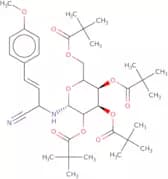

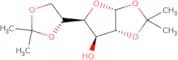

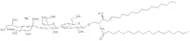
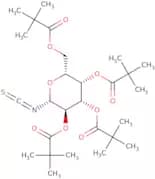
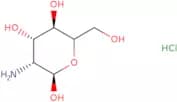
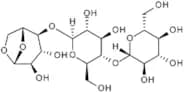
![N- [(3S, 4R, 5S, 6R) - 4, 5- Dihydroxy- 6- (hydroxymethyl) - 3- piperidinyl] -acetamide](/_next/image/?url=https%3A%2Fstatic.cymitquimica.com%2Fproducts%2F3D%2Fthumb-webp%2FMD163935.webp&w=3840&q=75)

![[2S- (2a, 3a, 4b, 5b, 6a) ]-2- (Hydroxymethyl) - 6- methyl- 3, 4, 5- piperidinetriol](/_next/image/?url=https%3A%2Fstatic.cymitquimica.com%2Fproducts%2F3D%2Fthumb-webp%2FMH163934.webp&w=3840&q=75)

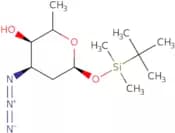
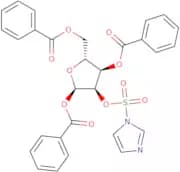
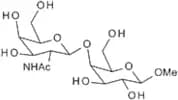
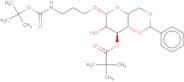
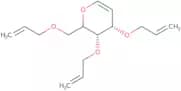

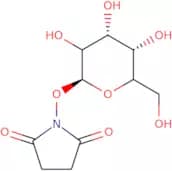
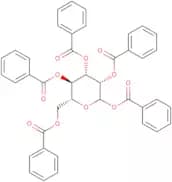
![5-Azido-5-deoxy-2,3-O-isopropylidene-2-C-([trifluormethanesulfonyloxy]methyl)- D-ribono-1.4-lactone](/_next/image/?url=https%3A%2Fstatic.cymitquimica.com%2Fproducts%2F3D%2Fthumb-webp%2FMA163999.webp&w=3840&q=75)
![a-D-[UL-13C6]Glucose-1-phosphate dipotassium salt hydrate](/_next/image/?url=https%3A%2Fstatic.cymitquimica.com%2Fproducts%2F3D%2Fthumb-webp%2FMG64091.webp&w=3840&q=75)

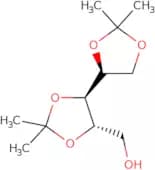
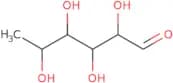
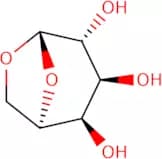

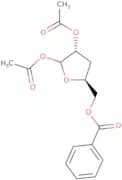


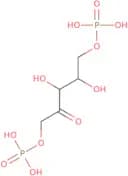
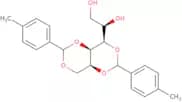
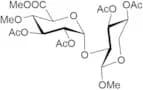

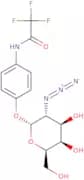
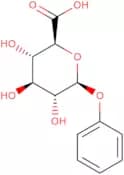


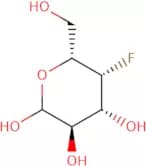
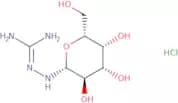

![5-Deoxy-1,2-O-ispropylidene-([4-ethoxycarbonyl]-1,2,3-triazol-1-yl)-a-L-galactofuranose](/_next/image/?url=https%3A%2Fstatic.cymitquimica.com%2Fproducts%2F3D%2Fthumb-webp%2FMD170288.webp&w=3840&q=75)
![(1S) -1- [(2S, 3R) - 3-Hydroxy- 1- nonyl-2- azetidinyl] -1, 2- ethanediol](/_next/image/?url=https%3A%2Fstatic.cymitquimica.com%2Fproducts%2F3D%2Fthumb-webp%2FMH163526.webp&w=3840&q=75)
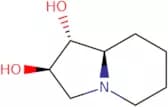
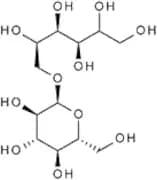
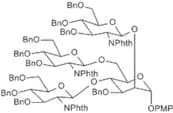
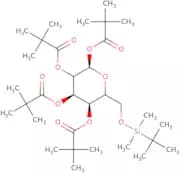
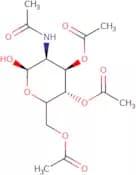
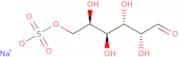
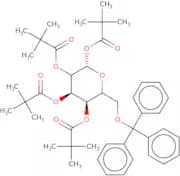



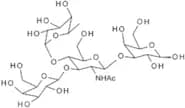
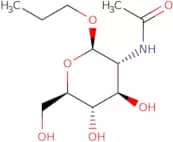
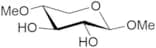
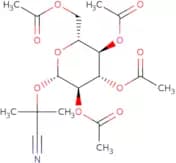
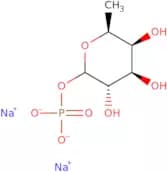
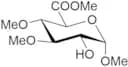
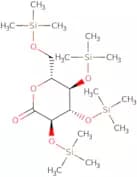
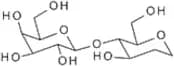


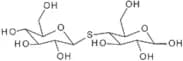
![2-Acetamido-2-deoxy-4-O-(β-D-[UL-13-C-6]-galactopyranosyl)-D-glucopyranose 6-sulfate](/_next/image/?url=https%3A%2Fstatic.cymitquimica.com%2Fproducts%2F3D%2Fthumb-webp%2FOA08512.webp&w=3840&q=75)
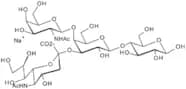
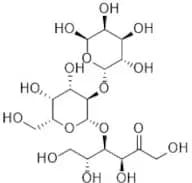
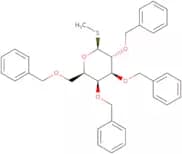

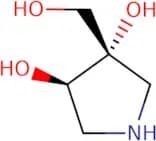
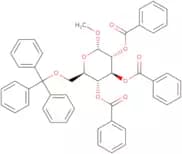
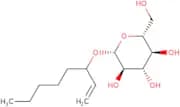
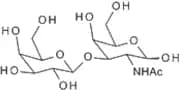
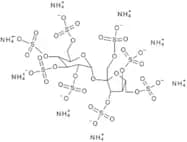
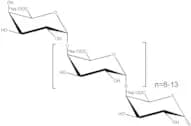



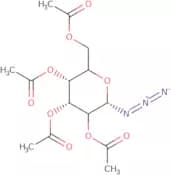
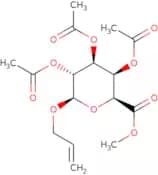
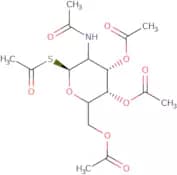
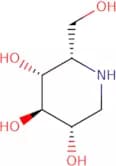

![3b-[(a-L-arabinopyranosyl) oxy]urs-12,19(29)-dien-28-oic acid 28-b-D-glucopyranosyl ester](/_next/image/?url=https%3A%2Fstatic.cymitquimica.com%2Fproducts%2F3D%2Fthumb-webp%2FMA74563.webp&w=3840&q=75)
![(5S, 8R, 9S) -8- [(4R) - 2, 2- Dimethyl- 1, 3- dioxolan- 4- yl] - 9- azido- 2, 2- dimethyl- 1, 3, …](/_next/image/?url=https%3A%2Fstatic.cymitquimica.com%2Fproducts%2F3D%2Fthumb-webp%2FMD170673.webp&w=3840&q=75)
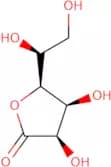
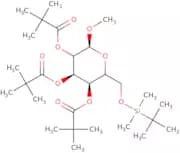
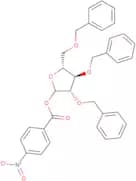

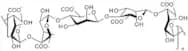
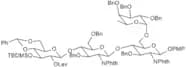

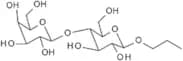
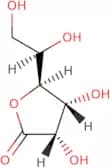

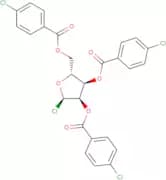
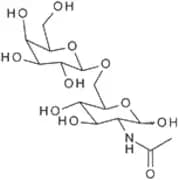


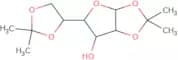



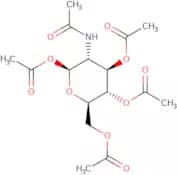
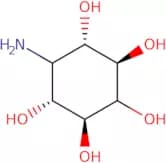


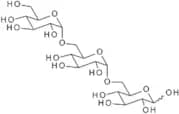


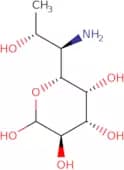
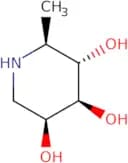


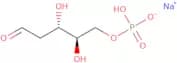

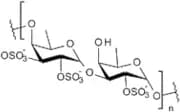


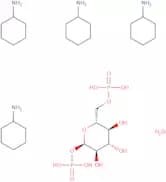

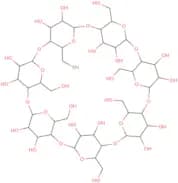

![(2S, 3S, 4R) -2- [(1S) - 1, 2- Dihydroxyethyl] - 4- (hydroxymethyl) - 3, 4- pyrrolidinediol](/_next/image/?url=https%3A%2Fstatic.cymitquimica.com%2Fproducts%2F3D%2Fthumb-webp%2FMD163541.webp&w=3840&q=75)