Glycoscience
Glycoscience is the study of carbohydrates and their derivatives, as well as the interactions and biological functions they participate in. This field of research is crucial for understanding a wide variety of biological processes, including cell recognition, signaling, immune response, and disease development. Glycoscience has important applications in biotechnology, medicine, and the development of new drugs and therapies. At CymitQuimica, we offer a wide selection of high-quality, high-purity products for glycoscience research. Our catalog includes monosaccharides, oligosaccharides, polysaccharides, glycoconjugates, and specific reagents, designed to support researchers in their studies on the structure, function, and applications of carbohydrates in biological systems. These resources are intended to facilitate scientific discoveries and practical applications in various areas of bioscience and medicine.
Subcategories of "Glycoscience"
- Aminosugars(108 products)
- Glyco-Related Antibodies(282 products)
- Glycolipids(46 products)
- Glycosaminoglycans (GAGs)(55 products)
- Glycosides(419 products)
- Monosaccharides(6,622 products)
- Oligosaccharides(3,682 products)
- Polysaccharides(503 products)
Found 11041 products of "Glycoscience"
Sort by
Purity (%)
0
100
|
0
|
50
|
90
|
95
|
100
2-Acetamido-2,6-dideoxy-D-galactose
CAS:<p>2-Acetamido-2,6-dideoxy-D-galactose (2ADG) is a structural analogue of the natural monosaccharide 2,6-dideoxy-D-galactose. It has been shown to have an antimicrobial effect against aerobacter aerogenes in vitro. 2ADG is metabolized by glycosidases and methyl glycosides to form 1,4-anhydro-2,3,4,6 tetraacetamido-2,4,6 dideoxy D galactose. This compound inhibits the growth of bacterial strains that are resistant to polymyxin b., such as Pseudomonas aeruginosa. The inhibition of these bacteria is due to the inhibition of the synthesis of their outer membrane lipopolysaccharides by 2ADG. The antibacterial activity is also attributed to its ability to inhibit the metabolism of glycan molecules in some bacteria</p>Formula:C8H15NO5Purity:Min. 95%Color and Shape:White PowderMolecular weight:205.21 g/mol2-Deoxy-3,4,6-tri-O-pivaloyl-D-glucopyranosyl amine
CAS:<p>2-Deoxy-3,4,6-tri-O-pivaloyl-D-glucopyranosyl amine is a custom synthesis that has been fluorinated and modified. It has been synthesized for use in the production of oligosaccharides and polysaccharides. This compound is a monosaccharide with a CAS number of 1338226-07-5. It can be used to produce complex carbohydrates. 2DGPA can be used as an intermediate in the synthesis of saccharides or sugars.</p>Formula:C21H37NO7Purity:Min. 95%Molecular weight:415.53 g/mol3-O-Methanesulfonyl-D-glucopyranose
CAS:<p>3-O-Methanesulfonyl-D-glucopyranose is a high purity, custom synthesis sugar that can be modified with fluorination, glycosylation, methylation and modification. It is also synthesized from glycoaldehyde and methanesulfonic acid in the presence of sodium hydroxide and sodium acetate. 3-O-Methanesulfonyl-D-glucopyranose can be used to synthesize saccharides and oligosaccharides. This compound is soluble in water and has a boiling point of 218°C at 760 mmHg. It is slightly soluble in methanol, ethanol and acetone. 3-O-Methanesulfonyl-D-glucopyranose has a CAS number of 40631-95-6.</p>Formula:C7H14O8SPurity:Min. 95%Color and Shape:PowderMolecular weight:258.25 g/molNGA2F Glycan, 2-AB labelled
<p>NGA2F Glycan is a complex carbohydrate that is synthesized by the enzymatic transfer of an N-acetylgalactosamine (GalNAc) residue to a serine or threonine residue on protein. It is modified with methylation, Click modification, and fluorination. NGA2F Glycan has two binding sites for 2-AB labelled monosaccharides. The glycosylation site is located at the non-reducing end of the molecule, while the oligosaccharide site is located at the reducing end of the molecule.</p>Purity:Min. 95%1,2:3,4-Di-O-isopropylidene-a-L-galactopyranose
CAS:<p>1,2:3,4-Di-O-isopropylidene-a-L-galactopyranose is a synthetic sugar that is used for the saccharide modification of proteins. It has been shown to be an efficient and cost effective way to synthetically modify proteins with oligosaccharides or polysaccharides. 1,2:3,4-Di-O-isopropylidene-a-L-galactopyranose can be modified with fluorine atoms using a click chemistry reaction. This reaction is catalyzed by copper ions and generates a reactive thiol group on the sugar molecule that can then react with amino groups on protein molecules. The resulting product is a glycosylation site on the protein that can be further modified with other sugars or molecules. The fluorination step eliminates any possibility of adverse reactions being caused by the presence of reactive hydroxyl groups.</p>Formula:C12H20O6Purity:Min. 95%Color and Shape:Colorless Clear LiquidMolecular weight:260.28 g/molNeocarratetraose 4¹, 4³-disulfate disodium salt
CAS:<p>Neocarratetraose 4,4-disulfate disodium salt is a synthetic, fluorinated carbohydrate that is synthesized from neopentyl glycol and 1,2-dichloroethane. It has been used as a substrate for the glycosylation of saccharides. Neocarratetraose 4,4-disulfate disodium salt is a white to off-white powder with a molecular weight of 538.</p>Formula:C24H36Na2O25S2Purity:(%) Min. 95%Color and Shape:White Off-White PowderMolecular weight:834.64 g/molMonosialyl, monofucosyl-(1-3)-lacto-N-hexaose
<p>Monosialyl, monofucosyl-(1-3)-lacto-N-hexaose is a high purity oligosaccharide that is custom synthesized for use in glycosylation studies. It can be modified with methylation, fluorination, or Click chemistry to create a variety of sugar derivatives. Monosialyl, monofucosyl-(1-3)-lacto-N-hexaose has been shown to have complex carbohydrate properties and can be used as an α1→6 glycosidic linker in the synthesis of polysaccharides.</p>Purity:Min. 95%2-C-Azidomethyl-2,3-di-O-benzhydryloxybis(trimethylsilyloxy)silyl-1-O-tert-butyldimethylsilyl-D-erythritol
<p>2-C-Azidomethyl-2,3-di-O-benzhydryloxybis(trimethylsilyloxy)silyl-1-O-tert-butyldimethylsilyl-D-erythritol is a synthetic compound that can be used as a methylating agent and sugar donor in the glycosylation of oligosaccharides. This compound has been shown to methylate saccharides with high purity and can be used for the preparation of complex carbohydrates.</p>Purity:Min. 95%2,5-Anhydro-1-O-trityl-D-mannitol
CAS:<p>2,5-Anhydro-1-O-trityl-D-mannitol is a complex carbohydrate with the molecular formula C6H14O6 that has been modified for use in glycosylation reactions. It is a type of sugar that can be modified to create desired properties and can be used as an alternative to other sugars such as glucose. 2,5-Anhydro-1-O-trityl-D-mannitol can be used in the synthesis of oligosaccharides and monosaccharides. This product is available in high purity and has a CAS number of 68774-48-1.</p>Formula:C25H26O5Purity:Min. 95%Molecular weight:406.48 g/mol5-Deoxy-5-fluoro-1,2-O-isopropylidene-D-iduronic acid-3,6 lactone
<p>5-Deoxy-5-fluoro-1,2-O-isopropylidene-D-iduronic acid is a custom synthesis of oligosaccharide. It is a glycosylation that has been modified with fluorination, methylation, and click modification. This complex carbohydrate has an CAS number. The molecular weight of this polysaccharide is not determined. 5D5FIA3L is a saccharide sugar that has the ability to form glycosidic bonds with other saccharides and proteins in the body. This property makes it an important component in the human diet as well as in biochemistry and structural biology research.</p>Purity:Min. 95%1,2,4,6-Tetra-O-acetyl-β-D-glucopyranose
CAS:<p>1,2,4,6-Tetra-O-acetyl-b-D-glucopyranose is a synthetic sugar that can be used in the synthesis of oligosaccharides and polysaccharides. It is a high purity product with a purity of >99% by weight. This product is also available as a custom synthesis.</p>Formula:C14H20O10Purity:Min. 95%Color and Shape:White PowderMolecular weight:348.3 g/mol2,3,6-Tri-O-acetyl-4-O-[2,3,6-tri-O-acetyl-4-O-(2,3,6-tri-O-acetyl-4-O-(2,3,4,6-tetra-O-acetyl-b-D-galactopyranosyl)-b-D-glucopyrano syl)-b-D-glucopyranosyl]-a-D-glucopyranosyl bromide
<p>2,3,6-Tri-O-acetyl-4-O-[2,3,6-tri-O-acetyl-4-O-(2,3,6-tri-O-acetyl-4-O-(2,3,4,6-tetra-O-acetyl bDgalactopyranosyl)-bDglucopyranosyl]-aDglucopyranosyl bromide (TTA) is an acetylated oligosaccharide with a degree of polymerization of 5. It has a molecular weight of 1312. The compound is a methylated saccharide which is synthesized from 2,3,6 tri O acetyl 4 O methyl 2 3 6 tetra O acetyl b D galactopyranosy 1</p>Formula:C50H67BrO33Purity:Min. 95%Molecular weight:1,275.95 g/mol1,2,3-Tri-O-acetyl-5-deoxy-b-D-ribofuranose
CAS:<p>1,2,3-Tri-O-acetyl-5-deoxy-b-D-ribofuranose is a fluoropyrimidine prodrug. It can be converted to 5-fluorocytosine in vivo and has been shown to have antitumor properties. The positron emission from 1,2,3-triacetyl-5-deoxyribofuranose is used as a radiotracer for colorectal cancer.</p>Formula:C11H16O7Purity:Min. 95%Color and Shape:White PowderMolecular weight:260.24 g/mol1,2,3,4-Tetra-O-benzoyl-6-O-trityl-a-D-mannopyranose
CAS:<p>1,2,3,4-Tetra-O-benzoyl-6-O-trityl-a-D-mannopyranose is a methylated saccharide. It is a synthetic product that can be used for the modification of oligosaccharides and polysaccharides. This product has been fluorinated and can be used in the synthesis of complex carbohydrates. It can also be used for the synthesis of monosaccharides or sugars.</p>Formula:C53H42O10Purity:Min. 95%Molecular weight:838.89 g/molD-Rhamnose
CAS:<p>Chiral-pool sugar used to mirror syntheses based on natural L-Rha</p>Formula:C6H12O5Purity:Min. 97 Area-%Color and Shape:White PowderMolecular weight:164.16 g/molDermatan sulphate sodium
CAS:<p>Dermatan sulphate is a glycosaminoglycan found in skin, blood vessels, heart valves, tendons, aorta, spleen and brain and is usually isolated from pig skin or beef lung tissue. The disaccharide repeat unit is composed of L-iduronic acid and N-acetyl-galactosamine-4-sulphate linked β-(1,3) and β-(1,4). There are also small amounts of D-glucuronic acid.</p>Color and Shape:PowderMolecular weight:1,526.03 g/molMethyl 3-O-(2-acetamido-2-deoxy-b-D-glucopyranosyl)-b-D-galactopyranoside
CAS:<p>Substrate for b-6-GlcNAc-transferase</p>Formula:C15H27NO11Purity:Min. 97 Area-%Color and Shape:White PowderMolecular weight:397.38 g/molGalacturonan DP5 sodium salt
<p>Sodium Pentagalacturonate, (β-1,4 sodium Pentagalacturonate) is derived from pectin or pectic acid, by enzymatic or partial acid hydrolysis (Combo, 2012). It is used inâ¯galacturonic acidâ¯metabolism research as a substrate to identify, differentiate, and characterize endo- and exopolygalacturonase(s), and gluconase(s) (Jayani, 2005). The addition of very short fragments of homogalacturonan, tri-galacturonate, tetra-galacturonate, and penta-galacturonate oligosaccharides, restore development in dark-grown, de-etiolated seedling mutants, suggesting that they are unable to generate de-methylesterified pectin fragments. A model of spatiotemporally separated photoreceptive and signal-responsive cell types has been proposed, that contains overlapping subsets of the regulatory network of light-dependent seedling development (Sinclair, 2017).</p>Purity:(Hpaec-Pad) Min. 65%Color and Shape:Powder4-Methoxyphenyl 2,3,6-tri-O-acetyl-4-O-(2,4,6-tri-O-acetyl-3-O-allyl-β-D-galactopyranosyl)-β-D-glucopyranoside
<p>4-Methoxyphenyl 2,3,6-tri-O-acetyl-4-O-(2,4,6-tri-O-acetyl-3-O-allyl bDgalactopyranosyl)-bDglucopyranoside is a modification of an oligosaccharide. It is a high purity and custom synthesis. This product can be found under CAS No. 807827-28-0.</p>Formula:C34H44O18Purity:Min. 95%Molecular weight:740.7 g/mol2-Deoxy-2-fluoro-D-arabinofuranose
CAS:<p>2-Deoxy-2-fluoro-D-arabinofuranose is a purine nucleoside that is used in the diagnosis and treatment of herpes simplex virus infection. It inhibits viral replication by competitively inhibiting acycloguanosine, an enzyme that catalyzes the conversion of 2’-deoxyguanosine to deoxyadenosine. 2-Deoxy-2-fluoro-D-arabinofuranose has been shown to be active against cancer cells and can be used as chemotherapeutic agent. This drug may also be used for the diagnosis of cancer by detecting the presence of activated T cells in patients with tumor necrosis factor α (TNFα) receptor gene polymorphism.</p>Formula:C5H9FO4Purity:Min. 95%Color and Shape:PowderMolecular weight:152.12 g/mol2,3,6-Tri-O-benzoyl-γ-cyclodextrin
<p>This gamma-cyclodextrin (γ-CD) derivative is a modified cyclic oligosaccharide composed of eight glucose units, featuring a larger cavity size than α- and β-cyclodextrins. This structural characteristic allows γ-CDs to form inclusion complexes with a wider range of guest molecules, making it particularly versatile in various industries. In the food sector, it is used as a carrier and stabilizer for flavors, fat-soluble vitamins, and polyunsaturated fatty acids, protecting volatile compounds from evaporation. In pharmaceuticals, it enhances the solubility and bioavailability of poorly water-soluble drugs and, thanks to its larger ring size, allows for the encapsulation of larger molecules or even entire drug molecules. γ-CDs and derivatives are also used for environmental remediation and, in analytical chemistry, for the extraction and concentration of target substances.</p>Formula:C216H176O64Purity:Min. 95%Molecular weight:3,795.67 g/mol[UL-2H7glc]Lactose monohydrate
<p>Custom synthesis, Modification, Fluorination, Methylation, Monosaccharide, Synthetic, Click modification.<br>Oligosaccharide. Saccharide. CAS No. Polysaccharide. Glycosylation. Sugar. Carbohydrate complex carbohydrate<br>Custom synthesis, Modification, Fluorination, Methylation, Monosaccharide Synthetic Click modification Oligosaccharide saccharide CAS No Polysaccharide Glycosylation sugar Carbohydrate complex carbohydrate</p>Purity:Min. 95%Medicagenic acid 3,28-di-O-glucoside
CAS:<p>Medicagenic acid 3,28-di-O-glucoside is a synthetic compound that is the product of a custom synthesis. It is a sugar with 1,2-linked glucose units. Medicagenic acid 3,28-di-O-glucoside is an intermediate in the synthesis of glycoconjugates. Medicagenic acid 3,28-di-O-glucoside can be modified to produce saccharides with various properties and functions. This compound has been modified by fluorination, methylation and click chemistry to produce medicagenic acid 3,28-di-O-[(2-(4′-[N′-(3′,5′'-dimethoxytrityl)-3H]thiophenyl)carbonyl]-6′-(4′-[N′-(3',5'-dimethoxytrityl)-3H]thiophenyl)methyl] glucopyranoside.</p>Formula:C42H66O16Purity:Min. 95%Molecular weight:826.96 g/mol2-Allyloxycarbonylamino-2-deoxy-D-galactose
<p>2-Allyloxycarbonylamino-2-deoxy-D-galactose is a monosaccharide that is synthetically modified for use as a synthetic building block in the synthesis of complex carbohydrates and saccharides. This compound is fluorinated at the 2 position to increase its water solubility, which makes it useful for chemical modifications. It has been shown to be methylated and glycosylated.</p>Purity:Min. 95%3-O-Methyl-α-D-glucopyranose
CAS:<p>3-O-Methyl-α-D-glucopyranose is a synthetic, fluorinated monosaccharide. This compound is a custom synthesis, and it can be used as an intermediate in glycosylation reactions. 3-O-Methyl-α-D-glucopyranose is typically used for the modification of polysaccharides by methylation or fluorination. It also has potential applications in the production of high purity sugar compounds.</p>Formula:C7H14O6Purity:Min. 95%Molecular weight:194.18 g/molHeparin disaccharide IV-S disodium salt
CAS:<p>Heparin is a complex carbohydrate that has been modified by the addition of a sugar and a sulfate group. It is used in the treatment of thrombosis, deep vein thrombosis, pulmonary embolism, and other blood clots. Heparin disaccharide IV-S disodium salt (HDS) is an intravenous form of heparin that consists of sodium salts of two saccharides: heparin disaccharide and sodium disulfate. HDS has been shown to be more potent than unfractionated heparin in animal models, as well as being more effective in preventing clot formation in humans. This drug also exhibits less frequent side effects such as skin rash, itching, or hives.</p>Formula:C12H17NO13S·2NaPurity:Min. 95%Color and Shape:White PowderMolecular weight:461.31 g/mol1,2,3,4-Tetra-O-acetyl-6-O-(tert-butyldiphenylsilyl)-b-D-glucopyranose
CAS:<p>1,2,3,4-Tetra-O-acetyl-6-O-(tert-butyldiphenylsilyl)-b-D-glucopyranose is a synthetic oligosaccharide that has been modified by fluorination and methylation. It is used as a building block for the synthesis of complex carbohydrates. This product has a CAS number of 224778-57-8 and can be custom synthesized to meet your specifications.</p>Formula:C30H38O10SiPurity:Min. 95%Molecular weight:586.72 g/molPropofol-4-Hydroxy-1-D-glucuronide
<p>Propofol-4-Hydroxy-1-D-glucuronide is a modification of propofol, which is commonly used as an intravenous anesthetic. It is a synthetic compound that can be custom synthesized by adding the sugar group to propofol. Propofol-4-Hydroxy-1-D-glucuronide has been shown to be a high purity and pure oligosaccharide with a CAS number. It also contains methylated and glycosylated saccharides.</p>Formula:C18H26O8Purity:Min. 95%Molecular weight:370.39 g/molMethyl 4,6-O-benzylidene-2-deoxy-a-D-allopyranoside
<p>Methyl 4,6-O-benzylidene-2-deoxy-a-D-allopyranoside is an oligosaccharide that has a complex carbohydrate structure with a fluorination modification. It is synthesized by the methylation of 4,6-O-benzylidene-2,3,4,6 tetra deoxy aldopyranose and the glycosylation with methylated glucose. Methyl 4,6-O-benzylidene-2-deoxy-a -D allopyranoside is used in research to study the synthesis of saccharides and glycoconjugates. Its CAS number is 6891–51–8. This product is available for custom synthesis.</p>Formula:C14H18O5Purity:Min. 95%Molecular weight:266.29 g/mol3-O-(a-L-Fucopyranosyl)-4-O-(3-sialyl-b-D-galactopyranosyl)-D-glucose
<p>3-O-(a-L-Fucopyranosyl)-4-O-(3-sialyl-b-D-galactopyranosyl)-D-glucose is a modification of the complex carbohydrate, oligosaccharide, monosaccharide, and polysaccharide. It is synthesized by methylation of glucose and glycosylation with sialic acid. The product has a CAS number and a high purity level. This product is an example of a synthetic oligosaccharide that has been fluorinated. The product can be used as an additive or preservative in food products.</p>Formula:C29H49NO23Purity:Min. 95%Molecular weight:779.71 g/molGDP-D-galactose
CAS:<p>GDP-D-galactose is a sugar nucleotide that is an intermediate in the synthesis of GDP-D-mannose. It is synthesized from D-galactose by the enzyme galactokinase, which converts D-galactose to D-galacturonate. GDP-D-galactose can then be converted to GDP-D-mannose by the enzyme GDP mannokinase. The incorporation of GDP into macromolecules is a process that can be used as a marker for biosynthesis and has been shown in Gracilaria sp.</p>Formula:C16H25N5O15P2Purity:Min. 95%Molecular weight:589.4 g/mol1L-Epi-2-inosose
CAS:<p>1-L-Epi-2-inosose is a natural compound that has been found to have broad-spectrum antimicrobial activity. This substance is a product of the hemocyte's enzymatic conversion of L-epinephrine into 1,2,3,4,5,6-hexahydroxyisoquinoline (1L-Epi). 1L-Epi is also synthesized in vitro from epinephrine by the enzyme dehydrogenase. In addition to its antimicrobial activity, 1L-Epi has been shown to be a potent proliferation inhibitor for human cells and to be effective against gram negative bacteria.</p>Formula:C6H10O6Purity:Min. 95%Color and Shape:PowderMolecular weight:178.14 g/mol5-Azido-5-deoxy-2,3-O-isopropylidene-D-gulono-1,4-lactone
<p>5-Azido-5-deoxy-2,3-O-isopropylidene-D-gulono-1,4-lactone is a carbohydrate that has been modified by the addition of an azide group. Carbohydrates are complex carbohydrates that consist of monosaccharides linked together to form polysaccharides. They are sugar molecules that act as a source of energy for living organisms. 5-Azido-5-deoxy-2,3-O-isopropylidene -D gulono 1,4 lactone is a monosaccharide which can be methylated and glycosylated with other sugars to form a polysaccharide. It is also fluorinated and saccharide. This compound belongs to CAS No. 144948–71–8 and has the molecular formula C6H8N2O7F9O6.</p>Purity:Min. 95%(2R, 3S, 4S, 5S) -3-O-Benzoyl-4-O-tert.butyl-2- ((tert butylsilyloxy)methyl) - 5- methyl-3, 4- pyrrolidinediol
<p>(2R, 3S, 4S, 5S) -3-O-Benzoyl-4-O-tert.butyl-2- ((tert butylsilyloxy)methyl) - 5- methyl-3, 4- pyrrolidinediol is a synthetic sugar that is used in the modification of saccharide and polysaccharides. It has been used to synthesize oligosaccharides with high purity and good yield. This compound has a CAS number of 179119-92-7 and can be used for fluorination reactions.</p>Purity:Min. 95%N-Propanoyl mannosamine
CAS:<p>N-Propanoyl mannosamine is a biochemical that belongs to the group of glycoconjugates. It is an intracellular messenger that modulates the concentration of intracellular calcium and controls the release of gamma-aminobutyric acid (GABA). N-Propanoyl mannosamine has been shown to stimulate axonal growth in cell culture, which is mediated by the polysialic acid receptor. This molecule also has a role in human osteoblast differentiation and bone formation.<br>N-Propanoyl mannosamine can be synthesized from dopamine and erythrose via a series of reactions involving acidification, oxidation, reduction, and decarboxylation. The synthesis of this molecule requires blood group O as an acceptor.</p>Formula:C9H17NO6Purity:Min. 95%Color and Shape:White To Off-White SolidMolecular weight:235.23 g/mol2, 5- Anhydro- 6- azido- 3, 6- dideoxy- L -arabino- hexonic acid methyl ester
CAS:<p>2,5-Anhydro-6-azido-3,6-dideoxy-L-arabino-hexonic acid methyl ester (ADAEM) is a modified sugar that can be used as a building block for oligosaccharides and polysaccharides. ADAEM is a monosaccharide with six hydroxyl groups. This modification of the sugar molecule prevents it from participating in glycosidic bond formation. ADAEM has been shown to be resistant to enzymatic degradation and has high purity. It is also stable at high temperatures and pH ranges.</p>Formula:C7H11N3O4Purity:Min. 95%Molecular weight:201.18 g/molα-D-Glucose-1-phosphate dipotassium hydrate
CAS:<p>a-D-Glucose-1-phosphate dipotassium salt hydrate (aDG1P) is a glycogen synthesis inhibitor that inhibits the phosphorylases in the breakdown of glycogen. It also inhibits the synthesis of glycogen by inhibiting ATPase activity, which is required for the conversion of glucose to glucose 6-phosphate. The inhibition of phosphorylases and ATPase activity prevents the phosphorylation of glucose and leads to a decrease in glycogen synthesis. aDG1P has been shown to be effective in both animal models and human subjects for treating muscle disease such as Duchenne muscular dystrophy.</p>Formula:C6H13O9P•K2•(H2O)xPurity:(%) Min. 95%Color and Shape:PowderMolecular weight:336.32 g/mol4-Methoxyphenyl β-D-glucopyranoside
CAS:<p>Bearberry has been used for centuries to treat various disorders of the urinary tract and prostate. The active ingredient in bearberry is a flavonol glycoside called arbutin, which is converted to hydroquinone during metabolism. As an antioxidant, hydroquinone inhibits the oxidation of LDL cholesterol and may reduce the risk of atherosclerosis. Hydroquinone has also been shown to have anti-inflammatory properties in rat liver microsomes and tissue culture, inhibiting prostaglandin synthesis by blocking cyclooxygenase activity. In vitro, bearberry extracts have been shown to inhibit bacterial growth on agar plates with pH levels from 4-7 and at concentrations between 0.1-1%. It was found that bearberry extracts were most effective against Pseudomonas aeruginosa strains, with MIC values ranging from 2-4 mg/mL. Bearberry extract was observed to be more effective than ampicillin against these strains in a chromatographic assay.</p>Formula:C13H18O7Purity:Min. 95%Color and Shape:PowderMolecular weight:286.28 g/molDextran 3 - MW 2500 - 4000
CAS:<p>Dextran is α-(1,6)-linked α-D-glucan produced by fermentation of Leuconostoc mesenteroides via the action of the enzyme dextransucrase on sucrose. The main use for native dextran is as a blood plasma extender in blood transfusions. A complex of iron with dextran, known as iron dextran, is used as a source of iron to baby piglets which are often anaemic at birth.</p>Color and Shape:White Off-White Powder2-Methylphenyl 4-O-benzyl-a-L-thiorhamnopyranoside
<p>2-Methylphenyl 4-O-benzyl-a-L-thiorhamnopyranoside is a custom synthesis that can be modified to suit the needs of the customer. It is a fluorinated oligosaccharide with a complex carbohydrate structure. The product has been shown to have high purity and will be synthesized according to customer specifications. 2-Methylphenyl 4-O-benzyl-a-L-thiorhamnopyranoside is an oligosaccharide that contains a saccharide and monosaccharide unit, which are linked together by glycosidic bonds. This product is also known as methylated thioretinamide or MTT.</p>Purity:Min. 95%(2R,3R,4R)-N-Benzyloxycarbonyl-2-hydroxymethyl-3,4-pyrrolidinediol
<p>(2R,3R,4R)-N-Benzyloxycarbonyl-2-hydroxymethyl-3,4-pyrrolidinediol is a custom synthesis of polysaccharide that is modified with methylation and glycosylation. It is a complex carbohydrate that has been synthesized using Click chemistry. The product is fluorinated and has high purity.</p>Purity:Min. 95%6-Deoxy-6-thio-b-cyclodextrin
CAS:<p>This beta-cyclodextrin (β-CD) derivative is a functionalized cyclic oligosaccharide composed of seven glucose units, characterized by a hydrophilic exterior and a lipophilic cavity (bigger than α-CD and smaller than γ-CDs), which allows it to encapsulate various guest molecules. This structural feature facilitates its use in multiple applications, including pharmaceuticals, food enhancement, and cosmetics. In the pharmaceutical industry, it enhances the solubility and stability of poorly water-soluble drugs, improving their bioavailability and efficacy while also masking unpleasant tastes. The food sector utilizes it as a stabilizer for flavors, colors, and nutrients, extending shelf life by protecting sensitive ingredients from degradation. In cosmetics, it serves as a complexing agent for fragrances and active components, ensuring their stability and controlled release. Its use expands to many other fields, including nanotechnology for drug delivery systems, environmental remediation for extracting organic pollutants, textiles for slow-release fragrances, and analytical chemistry for chiral separation.</p>Formula:C42H70O28S7Purity:Min. 95%Color and Shape:PowderMolecular weight:1,247.45 g/molUDP-a-D-galactose ammonium salt
CAS:<p>UDP-a-D-galactose ammonium salt is a nucleotide sugar that is synthesized from uridine and D-galactose. It plays a role in cellular energy metabolism by providing substrate for the synthesis of phospholipids and glycolipids. UDP-a-D-galactose ammonium salt has been shown to be involved in the transcriptional regulation of genes encoding enzymes involved in galactose metabolism. This nucleotide sugar also has been shown to be an exogenous acceptor for various oligosaccharides, including those present on glycoproteins and glycolipids.</p>Formula:C15H30N4O17P2Purity:Min. 95%Molecular weight:600.36 g/molb-D-Glucan-from piptoporus betulinus
CAS:<p>This β-glucan contain D-glucose residues with β-1,3 links and b-1-6 side branches. The frequency, location, and length of the sidechains may play a role in immunomodulation. Differences in molecular weight, shape, and structure of β-glucans can also affect the differences in biological activity. The water-soluble β-D-glucan is extracted from fruiting bodies of Piptoporus betulinus by hot aqueous extraction, followed by freeze-thawing and dialysis. Methylation analysis and NMR spectroscopy, indicated the presence of a β-D-glucan with a main chain (1,3)-linked, substituted at O-6 by single glucose residues.<br>The image was kindly provided by Dr. Chris Lawson.</p>Purity:Min. 95%Color and Shape:White PowderD-myo-Inositol 1,2,3-triphosphate
CAS:<p>D-myo-Inositol 1,2,3-triphosphate is a polyphosphate that is involved in phosphatidylinositol signaling. It has been shown to be involved in the regulation of cellular proliferation and differentiation. The biological function of this molecule is not well understood, but it has been shown to have a high redox potential and can have protonation at high concentrations. D-myo-Inositol 1,2,3-triphosphate binds to metal ions such as iron. This molecule has been found in mammalian cells and is believed to be a structural component of these cells.</p>Formula:C6H15O15P3Purity:Min. 95%Molecular weight:420.1 g/mol2-C-( tert.Butyldimethylsilyloxy)methyl-2,3:5,6-di-O-isopropylidene-L-gulono-1.4-lactone
<p>2-C-(tert-Butyldimethylsilyloxy)methyl-2,3:5,6-di-O-isopropylidene-L-gulono-1.4-lactone is a synthetic monosaccharide that is a modification of L-Gulono Oligosaccharide, which is a polysaccharide. 2C-(tert-Butyldimethylsilyloxy)methyl -2,3:5,6-di--O--isopropylidene--L--gulono 1.4 lactone is also known as 2C-(tert butyldimethylsilyloxy) methyl -2,3:5,6--di--O--isopropylidene--L--gulono 1.4 lactone and is used in the manufacture of saccharides and carbohydrates. It can be found in the</p>Purity:Min. 95%2,3,4,6-Tetra-O-acetyl-β-D-thioglucopyranose
CAS:<p>Inhibits the Maillard reaction between glucose and glycine</p>Formula:C14H20O9SPurity:Min. 95%Color and Shape:PowderMolecular weight:364.37 g/molGypsogenin-3-O-glucuronide
CAS:<p>Gypsogenin-3-O-glucuronide is a saponin found in the roots of Gypsophila paniculata, a plant native to China. It has been shown to have anti-inflammatory and anti-tumor activities. Gypsogenin-3-O-glucuronide has been shown to inhibit tumor growth in mice by inhibiting protein synthesis. The pentasaccharides that make up gypsogenin are present in different proportions, which leads to differences in the biological activity of this compound. This is one of the reasons why saponins have not yet been fully explored for potential use in medicine.</p>Formula:C37H56O10Purity:Min. 95%Color and Shape:PowderMolecular weight:660.83 g/molTetra-guluronic acid sodium
CAS:<p>Tetra-guluronic acid sodium salt (1,4-linked α-L-sodium guluronotetraose) is one of a number of oligosaccharides obtained from alginate, a polysaccharide from brown seaweeds. It contains blocks of: repeating mannuronic acid sequences (M-M-M-M etc), repeating guluronic acid sequences (G-G-G-G etc), and alternating M-G-M-G sequences. This oligosaccharide can be released by acid hydrolysis and a number of biological activities have been discussed in a recent review.</p>Formula:C24H30O25Na4Purity:Min. 98 Area-%Color and Shape:White PowderMolecular weight:810.44 g/molD-Gulose
CAS:<p>D-Gulose is a sugar that has been shown to have inhibitory properties on blood glucose levels. It also has insulin-like effects and can be used as an alternative to insulin injections in patients with Type 1 diabetes. D-Gulose is metabolized by the liver into 5-deoxy-D-gluconic acid and then into glucose, which can then be used for cellular energy production. The rate constant for this process was determined in experiments using rat liver slices. D-Gulose may also have potent angiogenic effects, as it increased the proliferation of pluripotent cells and caused significant increases in growth factor β1 expression. D-Gulose may also have potential anti-cancer effects, as it inhibited nitrate reductase activity in tumor cells and decreased xanthine oxidase activity.</p>Formula:C6H12O6Purity:Min. 99 Area-%Color and Shape:White PowderMolecular weight:180.16 g/molLacto-N-tetraose - mixture with Lacto-N-neotetraose
CAS:<p>Neutral tetrasaccharide naturally present in human breast milk</p>Formula:C26H45NO21Purity:Min. 95 Area-%Color and Shape:White PowderMolecular weight:707.63 g/mol1,2:4,6-Di-O-isopropylidene-L-sorbofuranose
CAS:<p>1,2:4,6-Di-O-isopropylidene-L-sorbofuranose is a synthetic carbohydrate with a fluorinated methyl group at the C6 position. It is a monosaccharide that can be used to produce oligosaccharides and saccharides through glycosylation and methylation. The product is available in high purity and custom synthesis. This product has been modified by the click chemistry reaction.</p>Formula:C12H20O6Purity:Min. 95%Molecular weight:260.28 g/mol2,3-Di-O-benzyl-b-cyclodextrin
<p>This beta-cyclodextrin (β-CD) derivative is a functionalized cyclic oligosaccharide composed of seven glucose units, characterized by a hydrophilic exterior and a lipophilic cavity (bigger than α-CD and smaller than γ-CDs), which allows it to encapsulate various guest molecules. This structural feature facilitates its use in multiple applications, including pharmaceuticals, food enhancement, and cosmetics. In the pharmaceutical industry, it enhances the solubility and stability of poorly water-soluble drugs, improving their bioavailability and efficacy while also masking unpleasant tastes. The food sector utilizes it as a stabilizer for flavors, colors, and nutrients, extending shelf life by protecting sensitive ingredients from degradation. In cosmetics, it serves as a complexing agent for fragrances and active components, ensuring their stability and controlled release. Its use expands to many other fields, including nanotechnology for drug delivery systems, environmental remediation for extracting organic pollutants, textiles for slow-release fragrances, and analytical chemistry for chiral separation.</p>Formula:C140H154O35Purity:Min. 95%Molecular weight:2,396.7 g/molChitobiose octaacetate
CAS:<p>Octacetylated chitobiose derivative</p>Formula:C28H40N2O17Purity:Min. 95%Color and Shape:White PowderMolecular weight:676.62 g/mol(-)-isolariciresinol-2a-O-b-D-xylopyranoside
<p>(-)-isolariciresinol-2a-O-b-D-xylopyranoside is a methylated saccharide that is used in the synthesis of complex carbohydrates. It is synthesized by reacting an aldehyde with an alcohol, and it has been modified using click chemistry. The product is purified to be at least 98% pure, and it can be custom synthesized to order. (-)-isolariciresinol-2a-O-b-D-xylopyranoside can be fluorinated for use as a fluorescent probe for various applications. It has a CAS number of 564964-92-1.</p>Purity:Min. 95%N- [[(2S, 3S, 4R) - 4- [(Acetyloxy) methyl] - 3- (phenylmethoxy) - 1-acetamide
<p>N- [[(2S, 3S, 4R) - 4- [(Acetyloxy) methyl] - 3- (phenylmethoxy) - 1-acetamide is a synthetic glycoside. It has been modified for fluorination and methylation. The complex carbohydrate has been synthesized with high purity and it has a CAS No..</p>Purity:Min. 95%(1R) -1- [(2S, 3R) - N-Benzyl-3- hydroxy- 1- azetidinyl] -1, 2- ethanediol
<p>(1R) -1- [(2S, 3R) - N-Benzyl-3- hydroxy- 1- azetidinyl] -1, 2- ethanediol is a synthetic product that can be custom synthesized. It has been used in glycosylation reactions to produce oligosaccharides and monosaccharides. The chemical composition of the product is: C6H10O5 (CAS No. ).</p>Purity:Min. 95%2-Acetamido-2-deoxy-3-O-(a-D-galactopyranosyl)-D-galactopyranose
CAS:<p>2-Acetamido-2-deoxy-3-O-(a-D-galactopyranosyl)-D-galactopyranose is a high purity, custom synthesis sugar that is modified with fluorination, glycosylation, and methylation. It has the CAS number 60283-31-0 and can be used in the modification of oligosaccharides and monosaccharides. This carbohydrate can be found in complex carbohydrates.</p>Formula:C14H25NO11Purity:Min. 95%Color and Shape:White PowderMolecular weight:383.35 g/mol2,3,4,6-Tetra-O-pivaloyl-D-mannopyranosyl fluoride
CAS:<p>2,3,4,6-Tetra-O-pivaloyl-D-mannopyranosyl fluoride is a carbohydrate that is synthesized by the modification of D-mannose with 4,6-dichlorohexanoic acid. It is a white powder with a melting point of 170°C. 2,3,4,6-Tetra-O-pivaloyl-D-mannopyranosyl fluoride can be used as a monosaccharide for glycosylation reactions or as an intermediate for custom synthesis. This product has been methylated and glycosylated before the final purification process. It has a high purity level and can be used in Click chemistry reactions.</p>Formula:C26H43FO9Purity:Min. 95%Color and Shape:White PowderMolecular weight:518.61 g/mol2-(3,4-Dihydroxyphenyl)ethyl b-D-glucopyranoside
CAS:<p>2-(3,4-Dihydroxyphenyl)ethyl b-D-glucopyranoside (2,3,4-DHPEB) is a naturally occurring phenolic acid. It has been shown to have antidepressant activity in mice and rats. 2,3,4-DHPEB inhibits the growth of Streptococcus faecalis by inhibiting fatty acid biosynthesis. This compound also has anti-inflammatory properties that may be due to its ability to inhibit prostaglandin synthesis. 2,3,4-DHPEB is a ligand for PPAR receptors and activates their transcriptional activity in cells. It has been shown to have chemopreventive effects against colon cancer cell lines and is able to induce apoptosis in tumor cells.</p>Formula:C14H20O8Purity:Min. 95%Color and Shape:PowderMolecular weight:316.3 g/mol5-O-tert-Butyldimethylsilyl-2,3-O-isopropylidene-2-C-methyl-D-ribofuranose
<p>5-O-tert-Butyldimethylsilyl-2,3-O-isopropylidene-2-C-methyl-D-ribofuranose is a 2'C methyl ribose derivative.</p>Formula:C15H30O5SiPurity:Min. 95%Molecular weight:318.49 g/molD-Gluconic acid zinc (II) salt
CAS:<p>D-Gluconic acid zinc salt is an inorganic compound that is used to treat deficiencies of D-gluconate. It is a salt of zinc and D-gluconic acid, which is a natural metabolite found in the human body. This compound can be used to maintain healthy levels of D-gluconate in the tissues and help control symptoms related to deficiencies. The efficiency of this method has been demonstrated by an in vitro test on human femur cells. A profile analysis showed that D-gluconic acid zinc salt was able to minimize the severity of symptoms associated with deficiencies caused by gluconate deficiency, such as tissue sensitivity and bone degradation.</p>Formula:C12H22O14ZnPurity:Min. 95%Color and Shape:White PowderMolecular weight:455.68 g/molMethyl 4,6-O-benzylidene-3-deoxy-α-D-glucopyranoside
CAS:<p>Methyl 4,6-O-benzylidene-3-deoxy-a-D-glucopyranoside is a synthetically modified high purity carbohydrate. It is an oligosaccharide that can be custom synthesized to meet your requirements. This product can be used as a complex carbohydrate in the food industry.</p>Formula:C14H18O5Purity:Min. 95%Color and Shape:PowderMolecular weight:266.29 g/mol1,2,3,4-Tetra-O-pivaloyl-6-O-triisopropylsilyl-b-D-glucopyranose
<p>1,2,3,4-Tetra-O-pivaloyl-6-O-triisopropylsilyl-b-D-glucopyranose is a high purity custom synthesis sugar. It has been modified with fluorination and glycosylation. The CAS number for this product is 8071-79-8. Synthetic modification of the sugar to form an oligosaccharide or monosaccharide can also be performed. This product is a complex carbohydrate that contains saccharides in the form of a sugar molecule linked together by glycosidic bonds.</p>Formula:C35H64O10SiPurity:Min. 95%Molecular weight:672.98 g/molMethyl 3,5-di-O-benzyl-D-xylofuranoside
CAS:<p>Methyl 3,5-di-O-benzyl-D-xylofuranoside can also be used as an intermediate in the synthesis of other xylo or oligo related compounds.</p>Formula:C20H24O5Purity:Min. 95%Color and Shape:PowderMolecular weight:344.4 g/mol2,3,4,6-Tetra-O-benzyl-1-deoxynojirimycin hydrochloric acid salt
CAS:<p>2,3,4,6-Tetra-O-benzyl-1-deoxynojirimycin hydrochloric acid salt is a synthetic monosaccharide. It was originally synthesized by the methylation of a native oligosaccharide before being subjected to click chemistry. The resulting product is a complex carbohydrate with an aromatic ring in place of the sugar alcohol moiety. 2,3,4,6-Tetra-O-benzyl-1-deoxynojirimycin hydrochloric acid salt has CAS number 72983-76-7 and is soluble in water. This product is also available as a custom synthesis service and can be modified to meet your needs.</p>Formula:C34H38ClNO4Purity:Min. 95 Area-%Color and Shape:PowderMolecular weight:560.12 g/molBenzyl-2-acetamido-2-deoxy-3,4,6-tri-O-acetyl-a-D-glucopyranoside
CAS:<p>Benzyl-2-acetamido-2-deoxy-3,4,6-tri-O-acetyl-a-D-glucopyranoside is an acetamido sugar molecule that has been synthesized by the reaction of benzyl alcohol with a glucoside. This compound has been shown to have potential antihistamine and anticancer activities, as well as being a potential building block for the synthesis of nucleosides. The benzyl group in this sugar molecule is vicinal and the hydroxyl groups are anilines. The conformation of this molecule is determined by lysine and arginine residues on the 3' end of the sugar chain. In order to synthesize this compound, anhydrous DMSO was used as a solvent. This chemical's properties were measured using NMR spectroscopy.</p>Purity:Min. 95%N-Acetyl-D-glucosamine-6-phosphate disodium
CAS:<p>Intracellular form of GlcNAc; substrate for GlcNAc-phosphate deacetylase</p>Formula:C8H16NO9P•Na2Purity:Min. 98 Area-%Color and Shape:White Off-White PowderMolecular weight:347.17 g/mol6'-a-Sialyl-N-acetyllactosamine sodium salt
CAS:<p>Sialylated trisaccharide found in human urine</p>Formula:C25H41N2NaO19Purity:Min. 95%Color and Shape:PowderMolecular weight:696.6 g/molMethyl 2,3,4-tri-O-pivaloyl-6-O-triisopropylsilyl-a-D-glucopyranoside
<p>Methyl 2,3,4-tri-O-pivaloyl-6-O-triisopropylsilyl-a-D-glucopyranoside is a synthetic, fluorinated monosaccharide that belongs to the group of oligosaccharides. It is used in the synthesis of complex carbohydrates. Methyl 2,3,4-tri-O-pivaloyl-6-O-triisopropylsilyl-a-D-glucopyranoside is a custom synthesis and can be modified with methylation or click chemistry. Methyl 2,3,4 - tri - O - pivaloyl - 6 - O - triisopropylsilyl - a - D - glucopyranoside has CAS number <br>Methyl 2,3,4 – tri – O – pivaloyl – 6 – O – triisopropylsily</p>Formula:C31H58O9SiPurity:Min. 95%Molecular weight:602.89 g/mol1,3,4,6-Tetra-O-benzyl-b-D-galactopyranoside
CAS:<p>1,3,4,6-Tetra-O-benzyl-b-D-galactopyranoside is a custom synthesis that has been modified with methylation and fluorination. It is an oligosaccharide composed of saccharides linked by glycosidic bonds. Carbohydrates are polymers of monosaccharides, which can be classified as either simple sugars or complex carbohydrates. This product is a high purity, synthetic sugar that is suitable for use in the synthesis of complex carbohydrate polymers.</p>Formula:C34H36O6Purity:Min. 95%Color and Shape:PowderMolecular weight:540.65 g/mol4,6-O-(4-Methoxybenzylidene)-1,2,3-tri-O-pivaloyl-b-D-glucopyranose
<p>4,6-O-(4-Methoxybenzylidene)-1,2,3-tri-O-pivaloyl-b-D-glucopyranose is a Glycosylation compound that has been modified with methyl groups on the 4 and 6 carbons of the sugar. It is a complex carbohydrate that has been fluorinated at the C5 position. This product is available for custom synthesis in quantities of 10g or more. The CAS number for this compound is 13357007.</p>Formula:C29H42O10Purity:Min. 95%Molecular weight:550.65 g/mol1-Amino-1-deoxy-D-arabinitol
CAS:<p>1-Amino-1-deoxy-D-arabinitol is an anhydrous sugar that can be found in the crystalline form. The crystal structure of this compound has been determined by X-ray diffraction and was shown to contain a hydrogen bond between the hydroxyl group on the 1′ carbon and the amino group on C2. This reaction occurs through a nucleophilic attack by the hydroxyl group, which displaces the fluorine atom from C2. The stereospecificity of this reaction is due to the fact that only one enantiomer of 1-amino-1-deoxyarabinitol exists. This sugar can also be found as an intermediate in reactions involving ketoses, such as acetobacter fermentation, or hydrogen fluoride. It has been shown to have anti-inflammatory properties in mice when administered orally.</p>Formula:C5H13NO4Purity:Min. 95%Molecular weight:151.16 g/molMethyl 3-O-Benzyl-N-butyl-2,4-dideoxy-2,4-imino-a-L-ribopyranoside
<p>Methyl 3-O-Benzyl-N-butyl-2,4-dideoxy-2,4-imino-a-L-ribopyranoside is a high purity compound that is custom synthesized to order. It has been fluorinated and modified with methyl groups. Methyl 3-O-Benzyl-N-butyl can be used in glycosylation and click chemistry reactions. This product is a complex carbohydrate that can be used in the synthesis of oligosaccharides and saccharides.</p>Purity:Min. 95%D-Sedoheptulose-7-phosphate barium salt-2,3,4,5,6,7-13C6
<p>D-Sedoheptulose-7-phosphate barium salt-2,3,4,5,6,7-13C6 is a high purity synthetic sugar. It is a custom synthesis that has been modified with fluorination and glycosylation. This product can be used in the production of complex carbohydrates such as oligosaccharides and monosaccharides.</p>Purity:Min. 95%(1R) -1- [(2R, 3S,4S) -4-Hydroxymethyl-3- hydroxy- 1- azetidinyl] -1, 2- ethanediol
<p>1-Azetidinecarboxylic acid, 3-[(2R,3S,4S)-4-hydroxymethyl-3- hydroxy-1-azetidinyl]-, (1R) -1- [(2R, 3S,4S) -4-hydroxymethyl-3- hydroxy-1-azetidinyl] -1, 2-ethanediol is a complex carbohydrate that belongs to the group of polysaccharides. It has been modified by methylation and glycosylation. This product has high purity and is fluorinated for solubility.</p>Purity:Min. 95%Methyl 2,3,4-tri-O-methyl-β-D-xylopyranoside
CAS:<p>Fully protected xylopyranoside</p>Formula:C9H18O5Purity:Min. 95%Color and Shape:PowderMolecular weight:206.24 g/mol1,3,5-Tri-O-benzoyl-2-deoxy-2-bromo-α-L-arabinofuranose
<p>1,3,5-Tri-O-benzoyl-2-deoxy-2-bromo-alpha-L-arabinofuranose is a complex monosaccharide that can be used as a building block in the synthesis of various compounds. It is a derivative of the sugar arabinose, with the addition of benzoyl and bromo groups at specific positions. The compound has potential applications in the fields of organic chemistry and medicinal chemistry and is available for research.</p>Formula:C26H21BrO7Purity:Min. 95%Molecular weight:524.04 g/molChitosan
CAS:<p>Chitosan is the deacetylated form of chitin. The polysaccharide is deacetylated in order to render it soluble, which is then possible at pH values of less than 7 (normally in dilute acid). This then allows the material to be used in a number of industrial applications as a binder and film former.</p>Formula:C56H103N9O39Purity:Min. 95%Color and Shape:White PowderMethyl 2-amino-2-deoxy-β-D-glucopyranoside hydrochloride
CAS:<p>Methyl 2-amino-2-deoxy-β-D-glucopyranoside hydrochloride is a synthetic compound that is a sugar derivative. The methyl group in this molecule can be used for the synthesis of saccharides, oligosaccharides, and other complex carbohydrates. This product has a CAS number of 3867-93-4. It is soluble in water and has a purity of at least 98%.</p>Formula:C7H16ClNO5Purity:Min. 95%Color and Shape:White PowderMolecular weight:229.66 g/molk-Carraoctaitol tetrasulfate tetrasodium salt
<p>k-carrageenan derived octasaccharide alcohol tetrasulfate+(3-6 anhydrogalactose)</p>Formula:C48H72O49S4Na4Purity:Min. 95%Molecular weight:1,653.28 g/molAllyl α-D-galactopyranoside
CAS:<p>Allyl α-D-galactopyranoside is a colorimetric reagent that reacts with the polysaccharides to form a colored product. The reaction is based on the transfer of an allyl group from the reagent to the polysaccharide. This reaction can be performed using atomic force microscopy and microscopy techniques, as well as using light and UV-visible spectroscopy. The reaction can also be used to measure glycopolymer concentrations. A titration procedure has been developed for this purpose, in which an excess of allyl α-D-galactopyranoside is added to a solution containing galactose and ammonium sulfate. Allyl α-D-galactopyranoside reacts with galactose to produce an insoluble precipitate that can be measured by weighing or using optical density measurements at a certain wavelength.</p>Formula:C9H16O6Purity:Min. 97 Area-%Color and Shape:White Off-White PowderMolecular weight:220.22 g/mol6'-(D-[UL-13C6]Galactosyl)lactose
CAS:<p>Galactosyllactose attenuated NF-κB inflammatory signaling in human intestinal epithelial cells and in human immature intestine. Thus, galactosyllactoses are strong anti-inflammatory agents in human colostrum and early milk, contributing to innate immune modulation. This product has a 13C heavy-label and so can be used in applications such as metabolic tracing and quantitative mass spectrometry.</p>Formula:C6C12H32O16Purity:Min. 90 Area-%Molecular weight:510.39 g/mol3'-(D-[UL-13C6]Galactosyl)lactose
CAS:<p>Galactosyllactose attenuated NF-κB inflammatory signaling in human intestinal epithelial cells and in human immature intestine. Thus, galactosyllactoses are strong anti-inflammatory agents in human colostrum and early milk, contributing to innate immune modulation. This product has a 13C heavy-label and so can be used in applications such as metabolic tracing and quantitative mass spectrometry.</p>Formula:C6C12H32O16Purity:Min. 90 Area-%Color and Shape:PowderMolecular weight:510.46 g/mol3,6-Anhydro-D-galactose - 10% aqueous solution
CAS:<p>3,6-Anhydro-D-galactose is a monosaccharide of D-galactose where the 3 and 6 positions are cyclised in an ether link. 3,6-Anhydro-D-galactose is found naturally occurring in Rhodophyta (Red Algae) and is a constituent of the sulphated polysaccharide PLS, which has shown anti-inflammation activity and anti-nociceptive effects. In addition, sulphated polysaccharide is capable of inhibiting the in vitro replication of Herpes simplex virus type 1 (HSV-1) and HIV-1.<br>Our 10% aqueous solution is a 10% wt/wt solution of 3,6-Anhydro-D-galactose in water. 10 mg MA07897 contains 1 mg 3,6-Anhydro-D-galactose.<br>We also offer the same product in a non-aqueous solution, MA05223.</p>Formula:C6H10O5Purity:Min. 95%Color and Shape:Colorless Clear LiquidMolecular weight:162.14 g/mol2,3,4,6-Tetra-O-acetyl-D-galactopyranosyl azide
CAS:<p>2,3,4,6-Tetra-O-acetyl-D-galactopyranosyl azide is a fluorinated sugar that can be used as a synthetic intermediate for the glycosylation of polysaccharides. This compound has been shown to have high purity and does not react with other compounds in the reaction mixture.</p>Formula:C14H19N3O9Purity:Min. 95%Molecular weight:373.32 g/mol3'-Sialyllacto-N-neotetraose sodium
CAS:<p>3'-Sialyllacto-N-neotetraose sodium is a synthetic, fluorinated oligosaccharide with a sialic acid side chain. This compound has been shown to be an inhibitor of lacto-N-neotetraose synthesis in the human gut. It is also used as a raw material for the synthesis of various complex carbohydrates and as a click modification reagent for saccharides and polysaccharides. 3'-Sialyllacto-N-neotetraose sodium can be modified at its methyl group or sugar moiety to produce desired products.</p>Formula:C37H61N2O29NaPurity:Min. 90%Molecular weight:1,020.86 g/molChondroitin sulfate A sodium salt - 90%, from Bovine Cartilage
CAS:<p>Food additive, applied in pharmaceuticals and beauty products.</p>Purity:Min. 90%Color and Shape:White PowderN-Acetyl-D-mannosamine-6-phosphate disodium salt
CAS:<p>Precursor of N-acetylneuraminic acid</p>Formula:C8H14NO9P·2NaPurity:Min. 95%Color and Shape:White PowderMolecular weight:345.15 g/molOctyl b-D-glucuronic acid
CAS:<p>Octyl b-D-glucuronic acid is a custom synthesis of an oligosaccharide with a high purity. It is a modification of a carbohydrate, which is a complex carbohydrate. This product has been synthesized by methylation and glycosylation. Octyl b-D-glucuronic acid has many applications in the chemical industry due to its fluoroquinolone resistance and its high purity. This product is used as an excipient in pharmaceuticals, foods, and cosmetics.</p>Formula:C14H26O7Purity:Min. 95%Color and Shape:PowderMolecular weight:306.36 g/mol1,2-Di-O-acetyl-3,4,6-tri-O-benzyl-b-D-galactopyranoside
CAS:<p>1,2-Di-O-acetyl-3,4,6-tri-O-benzyl-b-D-galactopyranoside is a synthetic glycosylate sugar. It is a high purity material that can be custom synthesized to meet your needs. This product has been modified with a fluorine atom at the 3' position of the sugar. It is an Oligosaccharide that is useful in the synthesis of complex carbohydrates. It is also used in Click chemistry and can be methylated or acetylated.</p>Formula:C31H34O8Purity:Min. 95%Color and Shape:White PowderMolecular weight:534.6 g/mol2-Acetamido-6-O-(2-acetamido-2-deoxy-a-D-galactopyranosyl)-2-deoxy-D-galactopyranose
CAS:<p>2-Acetamido-6-O-(2-acetamido-2-deoxy-a-D-galactopyranosyl)-2-deoxy-D-galactopyranose is an n-acetylated disaccharide (naturally occurring) that is a glycosidic bond between the two sugars, n-acetyl D galactosamine and 2,3,4,6 tetraacetamido 2 deoxy D galactose. This compound has an acetamide residue in place of a hydroxyl group on the second carbon atom of the sugar. The linkage between these two sugars is a glycosidic bond. In its natural form, this molecule can be found in mammalian cells and bacterial cell walls.</p>Formula:C16H28N2O11Purity:Min. 95%Molecular weight:424.4 g/mol1- Deoxy- 2, 3:4, 5:6, 7- Tris- O- (1- methylethylidene) -D- glycero- D- gulo- heptitol
CAS:<p>1-Deoxy-2,3:4,5:6,7-Tris-O-(1-methylethylidene)-D-glycero-D-guloheptitol is a high purity custom synthesis sugar that can be modified with fluorination and glycosylation. This product is synthesized from monosaccharides and saccharides. It has the CAS No. 1801528-80-2 and molecular weight of 354.25 g/mol. 1,2,3,4,5,6,7 -Tris (1 methylethylidene) -D glycero D gulo heptitol is a complex carbohydrate that is used in the synthesis of oligosaccharides and monosaccharides.</p>Purity:Min. 95%GDP-L-fucose disodium salt
CAS:<p>GDP-L-fucose is a natural fucosyl donor and substrate for fucosyltransferases (FUT) that catalyses the fucosylation of, for example, human milk oligosaccharides or glycoproteins. GDP-L-fucose is widely used in (chemo)enzymatic synthesis of glycans. Cymit Quimicaesis of GDP-L-fucose, a nucleotide sugar consisting of an L-fucose that is β-glycosidically linked to the nucleotide guanosine diphosphate (GDP), is achieved either through de novo synthesis via GDP-mannose or through a salvage pathway from free fucose. Fucosylation is catalysed by fucosyltransferases (~ 13 FUT genes have been identified in the human genome to date) to generate α-1,2, α-1,3, α-1-4 and α-1-6 linkages of fucose to other sugars, as well as direct linkages to peptides, with release of GDP (Lairson, 2008).</p>Formula:C16H23N5O15P2Na2Purity:Min. 90 Area-%Color and Shape:White Off-White PowderMolecular weight:633.31 g/molL-Fuculose - aqueous solution
CAS:<p>Fuculose is a monosaccharide that is a constituent of fucose-containing glycoproteins. It is found in the blood and urine, as well as in various tissues, such as liver, lung, kidney, and spleen. The biological properties of L-fuculose are related to its ability to form hydrogen bonds with other molecules. Fuculose has been shown to be an effective activator for cutaneous lesions in mice models. The structural analysis of L-fuculose has revealed that it contains a reactive site for the synthesis of glycosaminoglycans and polysaccharides. Fuculose has also been shown to increase the proliferation of some cells, including corynebacterium glutamicum and human umbilical vein endothelial cells (HUVECs). This property may be due to its ability to activate growth factors or interfere with cell signaling pathways.</p>Formula:C6H12O5Purity:Min. 95%Color and Shape:Clear LiquidMolecular weight:164.16 g/mol2-Acetamido-2-deoxy-6-O-(a-L-fucopyranosyl)-D-glucopyranose
CAS:<p>Adhesion molecule in eukaryotic-bacterial cell interactions</p>Formula:C14H25NO10Purity:Min. 95%Color and Shape:White PowderMolecular weight:367.35 g/mol5-O-Benzyl-D-ribose
CAS:<p>5-O-Benzyl-D-ribose is an enantiomer of D-ribose. It has been used as an antiperspirant, although it does not stop the formation of sweat, but rather reduces the amount of perspiration. 5-O-Benzyl-D-ribose is also used in the synthesis of deodorants and enantiomers for optically active pharmaceuticals. The configurations are determined by the configuration of the substituents on the benzene ring and can be either R or S. The configurations can be separated into two groups:</p>Formula:C12H16O5Purity:Min. 95%Color and Shape:PowderMolecular weight:240.25 g/molN,O-Didesmethyl venlafaxine D-glucuronide
<p>N,O-Didesmethyl venlafaxine D-glucuronide is a custom synthesis, complex carbohydrate. It is an Oligosaccharide with CAS No. that is Polysaccharide and Modification. It has Methylation and Glycosylation. The saccharide in the molecule is a sugar or Carbohydrate and sugar. The high purity of the product makes it Fluorination and Synthetic.</p>Purity:Min. 95%Methyl 2-deoxy-D-ribofuranoside
CAS:<p>Methyl 2-deoxy-D-ribofuranoside is a methylglucoside that is synthesized by the reaction of thiourea with chloroacetic acid. The anomers of this compound are atypical and the product can be obtained in high yield (70%) by the use of chromatographic purification. This chemical has been used to produce a variety of compounds including carbamates, chloroacetamides, sulfonamides and others. Methyl 2-deoxy-D-ribofuranoside is also an intermediate for asymmetric synthesis. It can act as a catalyst for reactions involving alkali metals and nucleophiles such as chloride, hydantoin and dimethylformamide. The structure of this molecule has been determined by nmr spectroscopy and its 1H NMR spectrum is consistent with that predicted from its molecular formula.</p>Formula:C6H12O4Purity:Min. 95%Color and Shape:Slightly Yellow Clear LiquidMolecular weight:148.16 g/mol3-C-Methyl- 5, 6- O- isopropylidene)-D- mannonic acid g- lactone
<p>3-C-Methyl- 5, 6- O- isopropylidene)-D- mannonic acid g- lactone is a modification of the natural sugar D-mannonic acid. It can be used as an intermediate for the synthesis of oligosaccharides and complex carbohydrates. 3-C-Methyl-5,6 -O-isopropylidene)-D -mannonic acid g -lactone is synthesized by methylation and glycosylation. This product is available in high purity and CAS No.</p>Purity:Min. 95%1-O-Aminohexyl 6'-sialyllactose hydrochloride
<p>Key synthetic precursor for the synthesis of lacto-oligosaccharides</p>Formula:C29H52N2O19•HClPurity:Min. 95 Area-%Color and Shape:White PowderMolecular weight:769.23 g/molMethyl 2,3-O-isopropylidene-5-O-p-toluenesulfonyl-β-D-ribofuranoside
CAS:<p>Methyl 2,3-O-isopropylidene-5-O-p-toluenesulfonyl-b-D-ribofuranoside is a nucleoside that is used to synthesize nucleoside derivatives. It is also used as a reagent for the alkylation of thiols, alcohols, and phenols. This compound can be prepared from 5'-methylthioadenosine by treatment with sodium methoxide in methanol. Methyl 2,3-O-isopropylidene-5-O-p-toluenesulfonyl-b-D ribofuranoside is soluble in water and has a melting point of about 165°C.</p>Formula:C16H22O7SPurity:Min. 95%Color and Shape:PowderMolecular weight:358.41 g/molKojitriose
CAS:<p>Kojitriose is a disaccharide composed of two glucose molecules. It has been shown to have insulin-sensitizing effects in animals and humans. Kojitriose binds to the surface of Streptococcus faecalis and prevents the growth of this bacteria. Kojitriose also has an inhibitory effect on mesenteroides, which are a type of bacterium found in the human gut. This disaccharide is enzymatically hydrolyzed to produce hydrogen fluoride, which inhibits the growth of Streptococcus faecalis and mesenteroides. The enzyme trehalase is responsible for this hydrolysis reaction, while hydroxyl groups act as nucleophiles that react with chloride ions to form hydrogen fluoride.</p>Formula:C18H32O16Purity:Min. 95%Color and Shape:PowderMolecular weight:504.44 g/molα-Chloralose
CAS:<p>Anesthetic used in laboratory animal studies; pesticide</p>Formula:C8H11Cl3O6Purity:Min. 95%Color and Shape:PowderMolecular weight:309.53 g/molk-Carrahexaitol trisulfate trisodium salt
<p>k-carrageenan derived hexasaccharide alcohol trisulfate+(3-6 anhydrogalactose)</p>Formula:C36H55O37S3Na3Purity:Min. 95%Molecular weight:1,244.97 g/molUlvan
CAS:<p>Ulvans are structural polysaccharides present in the cell walls of green algae such as Ulva armoricana, Ulva rotondata, Ulva rigida, Ulva lacterca and Ulva pertusa. They are highly sulphated and contain rhamnose 3-sulphate, xylose, xylose 2-sulphate, glucuronic acid and iduronic acid residues. Ulvan has several potentially valuable functionalities such as gel formation for agricultural and food applications and possible anticoagulant, antioxidant, antihyperlipidemic and antitumor activities for pharmaceutical applications.<br>The image was kindly provided by Prof Mike Guiry from Cork who runs ‘The Seaweed Site’.</p>Color and Shape:PowderNeoagarodecaose
CAS:<p>Agarose is a polysaccharide found in red algae, typically Gelidium and Gracilaria. It is a strictly alternating polysaccharide of α-1,3 linked D-galactose and β-1,4 linked L-3,6 anhydrogalactose with occasional sulfation at position 6 of the anhydrogalactose residue. Agaro-oligosaccharides result from cleavage at galactose residues and neoagaro-oligosaccharides from cleavage at 3,6-anhydro residues. Neoagarodecaose is reported to have potential for novel cosmeceuticals.</p>Formula:C60H92O46Purity:Min. 95%Color and Shape:PowderMolecular weight:1,549.34 g/molAllyl 2-O-benzoyl-3-O-benzyl-a-L-rhamnopyranoside
CAS:<p>Allyl 2-O-benzoyl-3-O-benzyl-a-L-rhamnopyranoside is a complex carbohydrate that can be used in the synthesis of saccharides and polysaccharides. It has been modified by methylation, glycosylation, and carbamylation. The CAS number for this product is 940274-21-5.</p>Formula:C23H26O6Purity:Min. 95%Molecular weight:398.46 g/mol5-O-tert-Butyldimethylsilyl-2,3-O-isopropylidene-L-ribono-1,4-lactone
CAS:<p>5-O-tert-Butyldimethylsilyl-2,3-O-isopropylidene-L-ribono-1,4-lactone is a high purity custom synthesis and custom synthesis of complex carbohydrates. 5-O-tert-Butyldimethylsilyl-2,3-O-isopropylidene-L-ribono--1,4--lactone is a fluorination and an oligosaccharide that contains methylated sugar. It is a polysaccharide with a click modification that can be used for glycosylation and methylation. This product has been shown to be effective in the synthesis of oligosaccharides.</p>Formula:C15H28O5SiPurity:Min. 95%Molecular weight:316.47 g/mol1,2,3,4-Tetra-O-acetyl-6-diphenylphosphoryl-b-D-mannopyranose
CAS:<p>This product is custom synthesized. The synthesis of this product was accomplished by modification, fluorination, methylation and monosaccharide synthesis. It is a synthetic oligosaccharide that has been modified with click chemistry. This product is made up of saccharides in a glycosylation configuration. It is a complex carbohydrate that contains sugar units in various configurations. This product has high purity and can be used as an intermediate for the synthesis of other products.</p>Formula:C26H29O13PPurity:Min. 95%Color and Shape:White PowderMolecular weight:580.47 g/mol1,2,3,4,6-Penta-O-acetyl-5-thio-D-galactopyranose
<p>1,2,3,4,6-Penta-O-acetyl-5-thio-D-galactopyranose is an oligosaccharide that is synthesized by the fluorination of a 5-thiogalactopyranosyl fluoride and subsequent glycosylation. It can also be made by methylation of a 3,4,6 pentaacetylgalactosamine with formaldehyde and sodium cyanoborohydride. It is a complex carbohydrate that has been shown to have antiviral activity against HIV.</p>Purity:Min. 95%(2S,3R,4S)-3-O-Benzoyl-2-(Tert.butyldimethylsilyloxy)methyl-5-methyl-4-O-tert.butyldimethylsilyl-pyrrolidine-3,4-diol
<p>Custom synthesis, Modification, Fluorination, Methylation, Monosaccharide, Synthetic, Click modification, Oligosaccharide, saccharide, CAS No., Polysaccharide. Glycosylation. Sugar. Carbohydrate. Complex carbohydrate.</p>Purity:Min. 95%D-Glucosamine-6-O-sulphate
CAS:<p>D-Glucosamine-6-O-sulphate is a disaccharide that is a component of heparin. The molecular docking analysis of this drug with the target proteins, d-glucosamine 6-O-sulphate and l-iduronic acid, has been performed using the protein data sets from proteomics. D-Glucosamine-6-O-sulphate has been found to be related to psoriasis patients in urine samples. The macroscopic and microscopic structure of this drug was also studied and characterized by liquid chromatography.</p>Formula:C6H13NO8SPurity:Min. 95 Area-%Color and Shape:White PowderMolecular weight:259.23 g/mol1,3:4,6-Di-O-benzylidene-D-mannitol
CAS:<p>1,3:4,6-Di-O-benzylidene-D-mannitol is a chiral sugar that is synthesized from d-mannitol. It is used for the preparation of polymers with acrylonitrile and phosphine. 1,3:4,6-Di-O-benzylidene-D-mannitol can be obtained by copolymerizing the monomers d-mannitol and acrylonitrile in an enantioselective manner. The yield of this compound depends on the analytical methods used to determine the composition of the polymer. The product is also used as a ligand in metal hydrides and simplifies the synthesis of chiral methyl esters.</p>Formula:C20H22O6Purity:Min. 95%Color and Shape:PowderMolecular weight:358.39 g/mol2,5-Anhydro-3-O-tert.butyldimethylsilyl-L-ribonic acid 1-isopropyl ester
<p>2,5-Anhydro-3-O-tert.butyldimethylsilyl-L-ribonic acid 1-isopropyl ester is a custom synthesized product containing an oligosaccharide sugar and fluorine atom. This product is available in large quantities with high purity, which is necessary for various applications such as glycosylation, oligosaccharide synthesis, methylation, and monosaccharide synthesis. The CAS number of this product is 6042-09-1.</p>Purity:Min. 95%1,2,3,4-Tetra-O-benzyl-6-O-tert-butyldimethylsilyl-b-D-galactopyranose
<p>1,2,3,4-Tetra-O-benzyl-6-O-tert-butyldimethylsilyl-b-D-galactopyranose is a glycosylation product of 1,2,3,4 tetra O benzyl 6 O tert butyldimethylsilyl b D galactopyranose. It is a member of the class of complex carbohydrates and has a molecular weight of 582. The compound is soluble in methanol and acetone. It has been shown to be effective for methylation, click modification and fluorination reactions as well as other modifications such as polysaccharide synthesis and saccharide modification. This compound is custom synthesized by our company with high purity.</p>Formula:C40H50O6SiPurity:Min. 95%Molecular weight:654.93 g/molAllyl 4,6-O-benzylidene-L-glucopyranoside
<p>Allyl 4,6-O-benzylidene-L-glucopyranoside is a modification of the carbohydrate allyl 4,6-O-benzylidene-D-glucopyranoside. This modification can be synthesized from benzyl alcohol and sodium hydroxide in the presence of sodium borohydride. Allyl 4,6-O-benzylidene-L-glucopyranoside is a monosaccharide with a CAS number of 159430-38-3. It is an important component of many polysaccharides and glycosides. This compound has been fluorinated to produce allyl 4,6-(difluoroacetoxy)-L glucopyranoside (CAS No. 160105). <br>Allyl 4,6 - O - benzyldene - L - glucopyranoside has high purity and is available for custom</p>Formula:C16H20O6Purity:Min. 95%Color and Shape:White to off-white solid.Molecular weight:308.33 g/molMethyl β-D-arabinopyranoside
CAS:<p>Methyl b-D-arabinopyranoside is a fluorine containing molecule that has been shown to be an excellent marker for suberin. It is insoluble in water, and can be detected by resonator diffraction. The chemical composition of methyl b-D-arabinopyranoside was determined using liquid crystal composition and plates. A polymer particle with a macroscopic size was used to determine the fluorescence of methyl b-D-arabinopyranoside. Fluorescence analysis showed that methyl b-D-arabinopyranoside is a green fluorescent material with a maximum emission wavelength of 514 nm. Hydroalcoholic extraction was used to isolate this compound from the plant Ricinus communis L., where it was found in constant proportions.</p>Formula:C6H12O5Purity:Min. 95%Color and Shape:PowderMolecular weight:164.16 g/molHyaluronic acid tetrasaccharide ammonium
CAS:<p>Hyaluronic acid is a polysaccharide containing repeating disaccharide units of β-1,3-N-acetyl glucosamine and β-1, 4-glucuronicâ¯acid. A series of unsaturated oligosaccharides (oligouronic acids) are released from hyaluronic acid by the action of hyaluronidase on the umbilical cord (Weissman, 1954). This tetrasaccharide ammonium salt and other enzymatically produced polymer homologs have been of value in the study of hyaluronic acid metabolism in both healthy and diseased tissues (Hascall, 2019).</p>Formula:C28H42N2O22·xNH3Purity:Min. 95%Color and Shape:PowderMolecular weight:758.63 g/mol(2R, 3R, 4R, 5S) -3, 4, 5- Trihydroxy- 2- (hydroxymethyl) - 1- piperidinepropanoic acid
CAS:<p>Glycosylation, complex carbohydrate, Methylation, Click modification, Polysaccharide, Fluorination, saccharide and Modification of sugars are some of the reactions that can be performed on this compound. It is a synthetic monosaccharide with CAS No. 78013-18-0. This product is available for custom synthesis and has been shown to have high purity.</p>Formula:C9H17NO6Purity:Min. 95%Molecular weight:235.23 g/molXylan - from beechwood
CAS:<p>Xylan is the most abundant noncellulosic polysaccharide present in both hardwoods and annual plants. Xylan is found mainly in the secondary cell wall as part of the hemicellulose fraction and is considered to form an interface between lignin and other polysaccharides. In their simplest forms, xylans are linear homopolymers of β-1,4-xylose residues but can also form complex heterogenous and polydispersed glycans.</p>Color and Shape:Brown Slightly Brown PowderCarboxymethyl-dextran sodium salt - Average MW 40,000
CAS:<p>Sodium carboxymethyl dextran is a white, odourless and tasteless powder, which is freely soluble in water or electrolyte solutions. Applications that have been described for carboxymethyl dextran include carriers of paramagnetic contrast agents, preparation of conjugates of pharmacologically active compounds and carboxymethyl dextrans in biosensors. A number of other uses in cosmetics, agriculture, foods, paints and textiles have been the subject of patent applications.</p>Color and Shape:PowderLewis X trisaccharide
CAS:<p>Milk oligosaccharide; antigen; expressed on gastric mucosa and cancer cells</p>Formula:C20H35NO15Purity:Min. 90 Area-%Color and Shape:PowderMolecular weight:529.49 g/mol1-Deoxy-L-tagatose
<p>1-Deoxy-L-tagatose is a sugar that can be used as a substrate for enzymes in the glycolysis pathway. It can also be converted to d-psicose, which has been shown to have anti-inflammatory properties and may be useful as a therapeutic agent in the treatment of asthma. 1-Deoxy-L-tagatose can be used as an equilibrating agent in reactions with different sugars such as d-fructose and L-rhamnose. 1-Deoxy-L tagatose is not an isomer of L tagatose because it has one less hydroxyl group on carbon 3 on the ring. The conversion of 1 deoxy L tagatose to d psicose, however, does require hydrolysis of the epimeric bond between C1 and C2.</p>Purity:Min. 95%Phenyl 2-O-benzoyl-4,6-O-benzylidene-3-O-(2-naphthylmethyl)-b-D-thioglucopyranoside
CAS:<p>Phenyl 2-O-benzoyl-4,6-O-benzylidene-3-O-(2-naphthylmethyl)-b-D-thioglucopyranoside is a synthetic sugar with a complex carbohydrate structure. It has been modified by methylation, fluorination, and glycogenation. This product is used in the synthesis of saccharides and oligosaccharides for various purposes. Phenyl 2-O-benzoyl-4,6-O-benzylidene-3-- O-(2--naphthylmethyl)-b--D--thioglucopyranoside is CAS No. 1352561--95--5 and can be custom synthesized to meet your specifications.</p>Formula:C37H32O6SPurity:Min. 95%Color and Shape:PowderMolecular weight:604.71 g/mol4-Methoxyphenyl 4-O-(4,6-O-benzylidene-3-O-tert-butyldimethylsilyl-2-O-levulinoyl-β-D-glucopyranosyl)-3,6-di-O-benzyl-2-deoxy-2-phth alimido-β-D-glucopyranoside
<p>4-Methoxyphenyl 4-O-(4,6-O-benzylidene-3-O-tert-butyldimethylsilyl-2-O-levulinoyl-b-D-glucopyranosyl)-3,6-di-O-benzyl -2,6'-dideoxygalactopyranoside is a modification of the natural carbohydrate galactose. The sugar moiety has been methylated and glycosylated with a levulinate ester and then fluorinated. This compound is highly pure and can be synthesized on custom order.</p>Formula:C59H67NO15SiPurity:Min. 95%Molecular weight:1,058.24 g/molL-Mannose
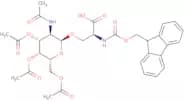
CAS:<p>To assess substrate specificity of galactokinase from S. pneumoniae</p>Formula:C6H12O6Purity:Min. 98 Area-%Color and Shape:White PowderMolecular weight:180.16 g/molN-(Fmoc)-C-b-D-galacturonyl methylamine
<p>Fmoc-C-b-D-galacturonyl methylamine is a custom synthesis that is used in the modification of oligosaccharides and carbohydrates. It is also used as a precursor for the synthesis of glycosylated saccharides by methylation, glycosylation, and fluorination. Fmoc-C-b-D-galacturonyl methylamine has been shown to be an excellent starting material for the production of high purity complex carbohydrates.</p>Purity:Min. 95%2-Acetamido-2,6-dideoxy-L-mannose
<p>2-Acetamido-2,6-dideoxy-L-mannose is a deoxyhexose that is found in lipopolysaccharides from Gram-negative bacteria. 2-Acetamido-2,6-dideoxy-L-mannose is the only hexose that can be used for O antigen synthesis, which makes it an important component of LPS and O antigens. It has been sequenced in many organisms including animals, plants, and bacteria. 2-Acetamido-2,6-dideoxy-L-mannose may be involved in the translocation of bacteria across the gut epithelium into the bloodstream. The monosaccharide also plays a role in serogrouping and serotyping of bacteria.</p>Purity:Min. 95%1,2,3-Tri-O-benzoyl-4,6-O-(4-methoxybenzylidene)-b-D-galactopyranose
<p>1,2,3-Tri-O-benzoyl-4,6-O-(4-methoxybenzylidene)-b-D-galactopyranose is a synthetic glycosylation product of 3,6-dideoxygalactose and 1,2,3,4,6-pentaacetyl bromide. It has been subjected to fluorination and methylation reactions. The compound has been found to be effective in the treatment of tuberculosis.</p>Formula:C35H30O10Purity:Min. 95%Molecular weight:610.61 g/mol5'-O-(2-Amino-2-deoxy-D-galactopyranosyl)-uridine
CAS:<p>5'-O-(2-Amino-2-deoxy-D-galactopyranosyl)-uridine is a fluorinated sugar that is synthesized from uridine. 5'-O-(2-Amino-2-deoxy-D-galactopyranosyl)-uridine is used as a building block in the synthesis of saccharide and oligosaccharide molecules. This product can be custom synthesized for customers. It has high purity, methylation, glycosylation and click modification.</p>Formula:C15H23N3O10Purity:Min. 95%Molecular weight:405.36 g/molMaltotriose monohydrate
CAS:<p>Shortest chain oligosaccharide that can be classified as a maltodextrin. A component of liquid glucose (a commercial sweetener composed of glucose, maltose, maltotriose and maltotetrose).</p>Formula:C18H32O16·H2OPurity:Min. 90 Area-%Color and Shape:White Off-White PowderMolecular weight:522.45 g/molFucosyl-GM1 ganglioside
CAS:<p>Monosialylated glycosphingolipid with an α1,2-fucosylated galactose at the nonreducing end. The moluecule is minimally expressed in healthy tissues but has high prevalence in some tumours such as small cell lung cancer (SCLC). Fucosyl-GM1 ganglioside is a potential tumour marker for SCLC and a potential antigen target for immunotherapy.</p>Formula:C79H141N3O35Purity:Min. 98 Area-%Color and Shape:White Off-White PowderMolecular weight:1691.93456UDP-a-D-xylose
CAS:<p>Substrate for xylosyltransferases</p>Formula:C14H22N2O16P2Purity:Min. 90 Area-%Color and Shape:PowderMolecular weight:536.28 g/molPhenyl 2,4,6-Tri-O-acetyl-3-O-allyl-b-D-thioglucopyranoside
CAS:<p>Phenyl 2,4,6-tri-O-acetyl-3-O-allyl-β-D-thioglucopyranoside is an enantiomer that can be synthesized from the commercially available 2,4,6-triacetylphenyl boronic acid. It has been shown to have a positive effect on insulin sensitivity and uptake in plasma glucose in diabetic patients. Phenyl 2,4,6-tri-O-acetyl-3-O-allyl β D thioglucopyranoside also has a safety profile that is similar to other antidiabetic drugs. This drug has been shown to inhibit influenza virus uptake into cells by competitive inhibition of a transporter type.</p>Formula:C21H26O8SPurity:Min. 98 Area-%Color and Shape:White Off-White PowderMolecular weight:438.49 g/molepi-Inositol
CAS:<p>Epi-inositol, also known as myo-inositol, is a member of the group of molecules known as sugar alcohols. It is a naturally occurring compound that is found in the human body and can be synthesized by the human body from glucose. Epi-inositol has been shown to have a number of biological effects, including inhibition of cell proliferation and energy metabolism in ovarian cancer cells. Epi-inositol has also been used in clinical trials for treatment of mood disorders such as depression.</p>Formula:C6H12O6Purity:Min. 98 Area-%Color and Shape:White PowderMolecular weight:180.16 g/mol3-O-(a-L-Fucopyranosyl)-D-galactopyranose
CAS:<p>3-O-(a-L-fucopyranosyl)-D-galactopyranose is a glycosidic residue that is part of the β-D-Galactoside. It is an amino acid that is used to form carbohydrates. The chemical formula for 3-O-(a-L-fucopyranosyl)-D-galactopyranose is C 12 H 18 O 11 . The molecular weight of 3-O-(a-L-fucopyranosyl)-D-galactopyranose is 308.</p>Formula:C12H22O10Purity:Min. 95 Area-%Color and Shape:PowderMolecular weight:326.3 g/molMonosialyllacto-N-hexaose II
<p>Monosialyllacto-N-hexaose II is a synthetic, fluorinated oligosaccharide that is synthesized by glycosylation of the sugar monosialyllactose. Monosialyllacto-N-hexaose II has a molecular weight of 514.5 Da and is soluble in water. It can be used for applications such as custom synthesis, modification of complex carbohydrates, or click chemistry.</p>Purity:Min. 95%4-Methoxyphenyl 4-O-(3,6-di-O-benzyl-2-deoxy-4-O-levulinoyl-2-phthalimido-β-D-glucopyranosyl)-3-O-benzyl-6-O-(2,3,4-tri-O-benzyl-α-L -fucopyranosyl)-2-deoxy-2-phthalimido-β-D-glucopyranoside
<p>The compound 4-Methoxyphenyl 4-O-(3,6-di-O-benzyl-2-deoxy-4-O-levulinoyl)-2,3,4,6-tetra‑O‑benzyl‑a‑L -fucopyranosyl)-2,3,4,6‑tetra‑O‑benzyl‑a‑L -fucopyranoside is a glycoside of the monosaccharide 2,3,4,6 tetra O benzyl a L fucopyranose. It is prepared by the reaction of methyl 4 methoxyphenol with 2 deoxy 4 levulinoyl 2 phthalimido b D glucopyranoside in the presence of an acid catalyst. The compound has been shown to have anti inflammatory and anti allergic effects.</p>Formula:C88H86N2O20Purity:Min. 95%Molecular weight:1,491.63 g/molMethyl-2,3,4,6-tetra-O-acetyl-α-D-mannopyranoside
CAS:<p>Methyl-2,3,4,6-tetra-O-acetyl-alpha-D-mannopyranoside is a sugar that is synthesized by the methylation of an alpha-D-mannopyranoside. This compound can be customized for any application and is available in high purity. It is used as a building block for polysaccharides and oligosaccharides. Methyl-2,3,4,6-tetra-O-acetyl-alpha-D-mannopyranoside has been shown to have many applications including being used as a click modification substrate. The synthesis of this compound can be done by fluorination or glycosylation.</p>Formula:C15H22O10Purity:Min. 95%Color and Shape:PowderMolecular weight:362.33 g/molMonosialyl, monofucosyllacto-N-neohexaose
<p>Monosialyl, monofucosyllacto-N-neohexaose is a synthetic oligosaccharide. It has a molecular weight of 1205. The compound has been modified with a click modification and fluorination, and has been shown to be stable in the presence of acid, base, and heat. The compound is also high purity and can be synthesized on request. Monosialyl, monofucosyllacto-N-neohexaose is an example of a complex carbohydrate that contains both a sugar and polysaccharide component. The sugar component is composed of one monosaccharide: sialic acid. The polysaccharide component consists of six disaccharides: two lactose molecules linked with one glucose molecule each. Monosialyl, monofucosyllacto-N-neohexaose is used as an artificial sweetener in food products such as cookies or cakes</p>Formula:C57H95N3O43Purity:Min. 95%Color and Shape:PowderMolecular weight:1,510.36 g/mol1,2,3,4,6-Penta-O-acetyl-a-D-glucopyranose
CAS:<p>1,2,3,4,6-Penta-O-acetyl-a-D-glucopyranose is a chemical compound that is an ester of the sugar penta-O-acetyl-a-D-glucopyranose and acetic acid. It has been shown to inhibit the activity of a number of enzymes, including proteins such as phospholipases C and D and fatty acid synthetases. The 1,2,3,4,6-penta-O-acetyl analogues have been shown to be effective in inhibiting model systems for the pathogenesis of inflammatory bowel disease and cancer. The hydroxyl group on the sugar ring may be important for binding to these enzymes.</p>Formula:C16H22O11Purity:Min. 95%Color and Shape:White PowderMolecular weight:390.34 g/mol2-Azido-((R)-3,5-O-benzylidene)-2,6-dideoxy- L-gluco-hexitol
<p>2-Azido-((R)-3,5-O-benzylidene)-2,6-dideoxy-L-gluco-hexitol is a modified sugar that is synthesized from the natural sugar D-glucose. It has been fluorinated at the 2 position of the carbon chain to create an azido group. The chemical modification of this sugar allows for its use in a variety of applications, such as click chemistry, Methylation and Polysaccharide synthesis.</p>Purity:Min. 95%Kojibiose
CAS:<p>A rare sugar, prebiotic fibre and inhibitor of α-glucosidases. It inhibits animal-, plant- and microorganism-derived α-glucosidases I. In rodent models for diabetes, it ameliorates arachidic acid-induced liver injury and reduces hepatic inflammatory markers.</p>Formula:C12H22O11Purity:Min. 99 Area-%Color and Shape:White PowderMolecular weight:342.3 g/mol1-6-Bis- O- Tert.butyldimethylsilyl- 3, 4- O-isopropylidene)-D- mannitol
<p>1-6-Bis-O-tert.butyldimethylsilyl-3,4-O-isopropylidene)-D-mannitol is a glycosylation agent that has been used in the synthesis of complex carbohydrates. This compound is synthesized by the click reaction between 1,6-bis(tert.butyldimethylsilyl)glycerol and aldehyde 3,4-(O)-isopropylidene)-D-mannitol. It is a high purity product with CAS No. 65425-06-7 and can be customized for your needs.</p>Purity:Min. 95%D-Glucuronic acid, free acid
CAS:<p>D-Glucuronic acid (GlcA) is D-glucose with position six oxidised to a carboxyl group (Collins, 2006). It is a common component of a number of gums and mucilages structurally related to pectins, where it is can be present as a terminal non reducing end residue (Renard, 1999). Glucuronic acid is also found in bacterial polysaccharides, such as, xanthan gum produced by Xanthomonas campestris (Faria, 2011), and in glycosaminoglycans, such as, heparan sulfate (Casale, 2020).</p>Formula:C6H10O7Molecular weight:194.14 g/molL-Erythrono-1,4-lactone
CAS:<p>L-Erythrono-1,4-lactone is a dicarboxylic acid that is synthesized from l-threonic acid and d-arabinose. L-Erythrono-1,4-lactone is biosynthesized by the conversion of l-serine to pyruvate and then to erythrose 4-phosphate. This compound is also produced by the oxidation of ascorbic acid and can be used for the synthesis of dermatan sulfates. The accumulation of L-Erythrono-1,4-lactone in high concentrations has been found in patients with dermatan sulfate deficiency.</p>Formula:C4H6O4Purity:Min. 95%Color and Shape:PowderMolecular weight:118.09 g/molPolyguluronic acid
CAS:<p>Polyguluronic acid is produced from alginates by partial hydrolysis and chromatography of brown algae such as Laminaria digitata, Ascophyllum nodosum and Fucus spp.<br>The image was kindly provided by Prof Mike Guiry from Cork who runs ‘The Seaweed Site’.MW is ca 6000 - 8000Da.poly-M levels are ca 3%</p>Purity:(%) Min. 80%Color and Shape:Off-White PowderMolecular weight:194.14Acetyl 2-acetamido-4-O-acetyl-6-O-benzoyl-2-deoxy-3-O-(2,3,4,6-tetra-O-benzoyl-b-D-galactopyranosyl)-a-D-thiogalactopyranoside
CAS:<p>Acetyl 2-acetamido-4-O-acetyl-6-O-benzoyl-2-deoxy-3-O-(2,3,4,6-tetra-O-benzoyl bDgalactopyranosyl)-aDthiogalactopyranoside is a modification of the natural carbohydrate. It is manufactured through a custom synthesis and has high purity with an Oligosaccharide content of 99% by weight. This product is an acetylated glycoside that is made from a monosaccharide and methylated with a fluorine atom. Acetyl 2-acetamido 4 O acetyl 6 O benzoyl 2 deoxy 3 O (2,3,4,6 tetra O benzoyl b D galactopyranosyl) a D thiogalactopyranoside is used in the synthesis of complex carbohydrates.</p>Formula:C53H49NO17SPurity:Min. 95%Molecular weight:1,004.02 g/molD-Glucosamine hydrochloride - non-animal origin
CAS:<p>D-Glucosamine (GlcN) is an aldohexose (2-Amino-2-deoxyglucose) in which the hydroxyl group at position 2 is replaced by an amino group (Collins, 2006). D-Glucosamine is found in chitosan as the N-Acetylated derivative in chitin (Rudrapatnam, 2003), glycoproteins, glycolipids and the glycosaminoglycan hyaluronic acid (Fallacara, 2018). Glucosamine, as its sulfate salt, often in combination with the polydisaccharide chondroitin, is marketed over-the-counter as a treatment for osteoarthritis inflammation and its accompanying pain. Only the D-enantiomer of glucosamine exists in nature.</p>Formula:C6H13NO5·HClPurity:(Hplc) 98.00 To 102.00%Color and Shape:White PowderMolecular weight:215.63 g/mola-Sophorose hydrate
CAS:<p>a-Sophorose monohydrate is a water soluble β 1-2’ diglucoside which can be used to induce cellulase production from fungi. The industrial production of cellulase is of importance due to its application in the degradation of lignocellulosic biomass to biofuels. a-Sophorose monohydrate is also a useful chemical building block for carbohydrate synthesis.</p>Formula:C12H22O11•xH2OPurity:Min. 95 Area-%Color and Shape:White Off-White PowderMolecular weight:342.30 g/molBenzoyl 2,3-O-isopropylidene-L-ribofuranoside
CAS:<p>Benzoyl 2,3-O-isopropylidene-L-ribofuranoside is a custom synthesis that can be modified with fluorination and methylation. It is a monosaccharide that has been synthesized from L-ribose, which are sugar molecules found in the cell walls of bacteria. The chemical structure of benzoyl 2,3-O-isopropylidene-L-ribofuranoside has been shown to be similar to the sugar molecule found on glycoproteins on the surface of staphylococci. This chemical has also been shown to inhibit the production of enzymes that are necessary for the synthesis of glycosaminoglycans.</p>Formula:C15H18O6Purity:Min. 95%Molecular weight:294.3 g/molGalacturonan DP4 sodium salt
<p>Sodium Tetragalacturonate (α-1,4 sodium tetrgalacturonate) is derived from pectin or pectic acid, by enzymatic or partial acid hydrolysis (Combo, 2012). It is used inâ¯galacturonic acidâ¯metabolism research as a substrate to identify, differentiate, and characterize endo- and exopolygalacturonase(s) and gluconase(s) (Jayani, 2005). The addition of very short fragments of homogalacturonan, tri-galacturonate, and tetra-galacturonate oligosaccharides, restore development in dark-grown, de-etiolated seedling mutants, suggesting that they are unable to generate de-methylesterified pectin fragments. A model of spatiotemporally separated photoreceptive and signal-responsive cell types has been proposed, that contains overlapping subsets of the regulatory network of light-dependent seedling development (Sinclair, 2017).</p>Purity:Min. 95%(5R, 8S, 9S) -8- [(4S) - 2, 2- Dimethyl- 1, 3- dioxolan- 4- yl] - 9- hydroxy- 2, 2- dimethyl- 1, 3, 7- trioxaspiro[4.4] nonan- 6- on e
<p>(5R, 8S, 9S) -8- [(4S) - 2, 2- Dimethyl- 1, 3- dioxolan- 4- yl] - 9- hydroxy- 2, 2- dimethyl- 1, 3, 7- trioxaspiro[4.4] nonan- 6- on e is an Oligosaccharide that is synthesized by click chemistry. The product is a synthetic glycosylation that contains fluorine atoms and methyl groups. It has a purity of 99% and a CAS number of 5963872.</p>Purity:Min. 95%1,4-β-D-Xylopentaose
CAS:<p>Xylopentaose is a pentose sugar that belongs to the group of polyols. It has been shown to be a dietary supplement that improves the lipid profile in mice and humans, which may be due to its ability to inhibit diacylglycerol acyltransferase, thereby preventing the synthesis of triglycerides. Xylopentaose is also able to increase serum glucose levels by stimulating insulin secretion through the activation of pancreatic β-cells. Xylopentaose can be used as a sweetener because it has some sweetness but does not cause tooth decay like sugar does.</p>Formula:C25H42O21Purity:Min. 95%Color and Shape:PowderMolecular weight:678.59 g/molMethyl 4,6-O-benzylidene-2-deoxy-a-D-glucopyranoside
<p>Methyl 4,6-O-benzylidene-2-deoxy-a-D-glucopyranoside is a modification of the sugar, glucopyranose. This modified sugar can be used to produce complex carbohydrates or polysaccharides. It is synthesized by reacting methyl groups with the hydroxyl group at position 6 of glucopyranose and then reacting with an aldehyde group at position 2. Methyl 4,6-O-benzylidene-2-deoxy-a-D-glucopyranoside is also known as DMBG for its chemical name. This compound has CAS number 537894 and a molecular weight of 264.24 g/mol. It has a purity of 99% and can be used in various applications such as glycosylation reactions and fluorination reactions.</p>Formula:C14H18O5Purity:Min. 95%Molecular weight:266.3 g/mol1,2,3,4-Tetra-O-acetyl-6-aminobenzoyl-6-deoxy-a-D-glucopyranoside
<p>1,2,3,4-Tetra-O-acetyl-6-aminobenzoyl-6-deoxy-a-D-glucopyranoside is a fluorinated monosaccharide that is synthesized from 6-deoxyglucose through the glycosylation of 1,2,3,4,-tetraaminobenzoyl chloride. It is a white solid with a molecular weight of 242.1 g/mol and a CAS Number of 368737-85-0. This product has been modified with methylation and click chemistry to give it desired properties for use as an intermediate in the synthesis of complex carbohydrates.</p>Formula:C21H25NO10Purity:Min. 95%Molecular weight:451.42 g/molAllyl α-D-Glucopyranoside
CAS:<p>Allyl alpha-D-glucopyranoside is an optical isomer of D-glucose that is used in the synthesis of a number of synthetic trisaccharides, including maltotriose. Allyl alpha-D-glucopyranoside is also a potent antibacterial agent and has been shown to be active against Escherichia coli, Staphylococcus aureus, and Pseudomonas aeruginosa. Allyl alpha-D-glucopyranoside has hydrophilic and hydrophobic properties, which makes it soluble in both water and organic solvents. This compound can also form stable complexes with metal cations such as sodium and potassium, making it useful for tissue culture experiments.</p>Formula:C9H16O6Molecular weight:220.22 g/molRef: 3D-W-203706
10gTo inquire25gTo inquire50gTo inquire100gTo inquire250gTo inquire-Unit-ggTo inquireN-Acetylmuramic acid
CAS:<p>Component of peptidoglycan in bacterial cell walls. Peptidoglycan is a mesh-like polymer, made of a glycan backbone containing alternating subunits of Nâacetylglucosamine (GlcNAc) and Nâacetylmuramic acid (MurNAc). An enzyme substrate that is used to characterize and differentiate MurNAc and GlcNAc kinases.</p>Formula:C11H19NO8Purity:Min. 97 Area-%Color and Shape:White PowderMolecular weight:293.27 g/molEthyl 2,3-di-O-benzoyl-4,6-O-benzylidene-β-D-thiogalactopyranoside
CAS:<p>Ethyl 2,3-di-O-benzoyl-4,6-O-benzylidene-b-D-thiogalactopyranoside is a high purity custom synthesis sugar. This product contains the Click modification, fluorination and glycosylation modifications. It can be used in the synthesis of oligosaccharides, monosaccharides and saccharides. Ethyl 2,3-di-O-benzoyl-4,6-O-benzylidenebDthiogalactopyranoside is used to synthesize complex carbohydrates.</p>Formula:C29H28O7SPurity:Min. 98 Area-%Color and Shape:PowderMolecular weight:520.59 g/molL-Arabinopyranosyl thiosemicarbazide
CAS:<p>L-Arabinopyranosyl thiosemicarbazide is a carbohydrate that belongs to the group of saccharides. It is a synthetic, fluorinated monosaccharide that has been modified with methyl groups and glycosylation. L-Arabinopyranosyl thiosemicarbazide is used in the synthesis of complex carbohydrates and oligosaccharides. This compound can be custom synthesized according to your specifications. L-Arabinopyranosyl thiosemicarbazide is available at high purity and low price.</p>Formula:C6H13N3O4SPurity:Min. 95%Molecular weight:223.25 g/mol2,3,6-Tri-O-acetyl-γ-cyclodextrin
CAS:<p>2,3,6-Tri-O-acetyl-gamma-cyclodextrin is a custom synthesis of a cyclodextrin. This compound is fluorinated with trifluoromethanesulfonic acid to give the desired product. The methylation of the saccharide is accomplished by reacting it with methyl iodide and sodium hydroxide in an alcoholic solution. The sugar molecule is then glycosylated by reacting it with glycosylation reagent, such as cyanuric chloride or thionyl chloride. Click modification is achieved through the reaction of a glycosylated sugar molecule with azides. Polysaccharides are synthesized by combining glycosylated sugars and polymers into one molecule.BR> CAS No: 30786-38-0BR> Modification: Fluorination, Methylation, Monosaccharide, Synthetic, Click modificationBR> Oligosacchar</p>Formula:C96H128O64Purity:Min. 95%Color and Shape:PowderMolecular weight:2,306.01 g/molChitosan - Non-animal origin
CAS:<p>Chitosan from fungal cell walls. It is made by treating cell walls of fungi (agaricus bisporus) with sodium hydroxide.Viscosity typically 20-100 mPa.sMushroom OriginMolecular Weight: 13000Da</p>Color and Shape:PowderLacto-N-difucohexaose II
CAS:<p>Neutral difuco hexasasaccharide naturally present in human breast milk</p>Formula:C38H65NO29Purity:Min. 90%Color and Shape:PowderMolecular weight:999.91 g/molCarboxymethyl cellulose
CAS:<p>Carboxymethyl cellulose is used in food as a viscosity modifier, thickener, to stabilise emulsions and are found in gluten-free and reduced-fat products. It is also a constituent of toothpaste, laxatives, diet pills, water-based paints, detergents, textile sizing, and various paper products. In laundry detergents, it is used as a soil suspension polymer. It is also used in pharmaceuticals as a thickening agent and in the oil-drilling industry as a viscosity modifier and water-retaining agent.</p>Formula:C8H16O8Purity:Min. 95%Color and Shape:White PowderMolecular weight:240.21 g/mol2,3-dimethyl-6-deoxy-γ-cyclodextrin
<p>This gamma-cyclodextrin (γ-CD) derivative is a modified cyclic oligosaccharide composed of eight glucose units, featuring a larger cavity size than α- and β-cyclodextrins. This structural characteristic allows γ-CDs to form inclusion complexes with a wider range of guest molecules, making it particularly versatile in various industries. In the food sector, it is used as a carrier and stabilizer for flavors, fat-soluble vitamins, and polyunsaturated fatty acids, protecting volatile compounds from evaporation. In pharmaceuticals, it enhances the solubility and bioavailability of poorly water-soluble drugs and, thanks to its larger ring size, allows for the encapsulation of larger molecules or even entire drug molecules. γ-CDs and derivatives are also used for environmental remediation and, in analytical chemistry, for the extraction and concentration of target substances.</p>Formula:C64H112O32Purity:Min. 95%Molecular weight:1,393.55 g/mol4-O-Benzyl-D-mannose
<p>4-O-Benzyl-D-mannose is a high purity, custom synthesis sugar with Click modification, fluorination and glycosylation. The CAS No. for this compound is 108611-67-0. 4-O-Benzyl-D-mannose is an oligosaccharide monosaccharide saccharide carbohydrate complex carbohydrate with the chemical formula C5H6O5 that has a molecular weight of 174.11 g/mol. This compound can be used to synthesize polysaccharides, which are carbohydrates that contain more than ten monosaccharides and are found in plant cell walls and other biological polymers such as chitin, cellulose, and glycogen. 4-O-Benzyl-D-mannose is also used in the synthesis of saccharides that are found in glycoproteins or proteoglycans.</p>Formula:C13H18O6Purity:Min. 95%Molecular weight:270.28 g/mol6-Mono-tert-butyldimethylsilyl-γ-cyclodextrin,
<p>This gamma-cyclodextrin (γ-CD) derivative is a modified cyclic oligosaccharide composed of eight glucose units, featuring a larger cavity size than α- and β-cyclodextrins. This structural characteristic allows γ-CDs to form inclusion complexes with a wider range of guest molecules, making it particularly versatile in various industries. In the food sector, it is used as a carrier and stabilizer for flavors, fat-soluble vitamins, and polyunsaturated fatty acids, protecting volatile compounds from evaporation. In pharmaceuticals, it enhances the solubility and bioavailability of poorly water-soluble drugs and, thanks to its larger ring size, allows for the encapsulation of larger molecules or even entire drug molecules. γ-CDs and derivatives are also used for environmental remediation and, in analytical chemistry, for the extraction and concentration of target substances.</p>Formula:C54H94O40SIPurity:Min. 95%Molecular weight:1,542.27 g/mol1,5-Anhydro-D-fructose
CAS:<p>Antioxidant; antibacterial; suppresses LPS-induced inflammatory response</p>Formula:C6H10O5Purity:Min. 95%Color and Shape:PowderMolecular weight:162.14 g/molMethyl 2,6-di-O-p-toluenesulfonyl-D-glucopyranoside
CAS:<p>Fluorination is a process that has been used to synthesize various types of chemical compounds. Fluorination is usually achieved by reacting an organic compound with elemental fluorine gas, or dissolved fluoric acid. Fluorination may also be carried out with silicon tetrachloride, sulfur tetrafluoride, or other fluorinating agents. The term fluorination refers to the substitution of hydrogen atoms in an organic molecule with fluorine atoms. This reaction is most often done on unsaturated carbon-carbon bonds, because these are more reactive than others. Monosaccharides are sugar molecules that consist of one sugar unit and two hydroxyl groups (CAS No. 54497-89-1). They are classified as simple sugars because they can be hydrolyzed into their component parts by hydrolysis or oxidation. Polysaccharides are carbohydrates consisting of long chains of monosaccharides (sugar molecules) bonded together by glycosidic linkages</p>Formula:C21H26O10S2Purity:Min. 95%Molecular weight:502.56 g/molGlucurono-xylomannan polysaccharide from Tremella fuciformis
CAS:<p>The polysaccharide, known as glucuronoxylomannan - produced by fruit bodies and in pure culture conditions - has been shown to consist of a mannan backbone that is glycosylated with xylan and glucuronic acid chains in a regular repeating structure. Laboratory tests have associated a number of biological activities with Cryptococcus neoformans glucuronoxylomannan, including immunostimulatory, antidiabetic, anti-inflammatory, hypocholesterolemic, hepatoprotective, and antiallergic effects.<br>The image was kindly provided by Dr. Chris Lawson.</p>Purity:(%) Min. 60%Color and Shape:White Off-White PowderLewis Y-O-(CH2)8-biotin
<p>Lewis Y-O-(CH2)8-biotin is a carbohydrate with the chemical formula (CHO)(CO)3OH. It is a methylated and glycosylated oligosaccharide that has been custom synthesized for use in biotechnology applications. Lewis Y-O-(CH2)8-biotin has been fluorinated at the C5 position to improve its stability and prevent hydrolysis, which may be due to its high purity. This carbohydrate is not commercially available and must be custom synthesized.</p>Purity:Min. 95%Methyl 2-benzyloxycarbonylamino-2-deoxy-a-D-glucopyranoside
CAS:<p>Methyl 2-benzyloxycarbonylamino-2-deoxy-a-D-glucopyranoside is a monosaccharide that is modified with fluorine. The modification of the sugar molecule can be done by either a click or an oxidative process. In the case of this product, the modification was done by addition of fluorine to the methyl group on the second carbon atom of the benzyloxycarbonyl group. This product belongs to CAS No. 4704-15-8 and has a high purity. It is also a complex carbohydrate and consists of saccharides and sugars. Methyl 2-benzyloxycarbonylamino-2-deoxy-a-D-glucopyranoside can be used in polysaccharides and saccharides, as well as other applications related to carbohydrates such as modifying glycoproteins and glycolipids, as well as being used in pharmaceuticals such</p>Formula:C15H21NO7Purity:Min. 95%Molecular weight:327.33 g/molMaltoheptaose tricosaacetate
CAS:<p>CO2-philic compound; used in pharmaceuticals and CO2-based processes</p>Formula:C88H118O59Purity:Min. 95%Color and Shape:PowderMolecular weight:2,119.92 g/molN-Nonyldeoxynojirimycin
CAS:<p>Inhibitor and pharmacological chaperone of lysosomal β-glucosidase (glucosylceramidase). The compound binds to the unstable glucosidase active site during the folding and post-translational processing in Golgi apparatus and endoplasmatic reticulum. It is effective in stabilising the enzyme and preventing accumulation of glucosylceramides in models for Gaucher disease, especially in the ones carrying N370S mutation. In addition, it has antiviral activity against Hepatitis C virus, which is mediated by misfolding of viral glycoproteins in the presence of the inhibitor.</p>Formula:C15H31NO4Purity:Min. 95%Color and Shape:White PowderMolecular weight:289.41 g/molPhenyl 3,4-di-O-acetyl-2-O-benzyl-a-L-thiofucopyranoside
CAS:<p>This compound is a glycosylation product of the monosaccharide fucose and the disaccharide 2-O-benzyl-a-L-thiofucopyranoside. It is a custom synthesis that has been modified by fluorination, methylation and click chemistry. This product is available in high purity and with a CAS No. 183051-73-2.</p>Purity:Min. 95%1,5-Anhydro-D-glucitol 6-dihydrogenphosphate
CAS:<p>1,5-Anhydro-D-glucitol 6-dihydrogenphosphate is a biochemical analog. It has been shown to have anti-inflammatory effects in rat models of inflammatory bowel disease and metabolic disorders. 1,5-Anhydro-D-glucitol 6-dihydrogenphosphate inhibits the activity of bacterial enzymes that catalyze protein glycosylation. It also blocks the production of inflammatory cytokines and colony stimulating factors. The enzyme inhibition may be due to its ability to inhibit the synthesis of D-glucose from D-galactose by blocking the enzyme DALR (deleted in liver cancer).</p>Formula:C6H13O8PPurity:Min. 95%Color and Shape:PowderMolecular weight:244.14 g/molTri-b-GalNAcAc3-6-aminoheaxanoate TFA
<p>Tri-b-GalNAc-6-aminohexanoate TFA is the peracetylated TFA salt from MT184237. It is a synthetic ligand designed to target the asialoglycoprotein receptor (ASGPR) on hepatocytes. The three terminal beta-N-acetylgalactosamine (GalNAc) sugars provide an efficient ASGPR binding. It serves as a platform for lysosomal targeting chimera (LYTAC) development, allowing for the creation of chimeras that specifically target unwanted proteins for degradation within hepatocytes. In addition, tri-b-GalNAc-6-aminohexanoate facilitates the delivery of therapeutic cargo, such as RNA or Cas9 complexes, directly to hepatocytes via ASGPR-mediated endocytosis. This approach is promising for gene therapy and RNAi applications in the liver due to the specificity of ASGPR targeting and the versatility of the conjugation moiety.</p>Formula:C85H140N11O37C2F3O2Purity:Min. 95 Area-%Molecular weight:2,021.09 g/mol1-Chloro-2-deoxy-3,5-di-O-toluoyl-D-ribofuranose
CAS:<p>Synthetic building block for nucleic acid research</p>Formula:C21H21ClO5Purity:Min. 95%Color and Shape:Off-White PowderMolecular weight:388.84 g/molEthyl 4-amino-b-D-glucuronide
<p>Ethyl 4-amino-b-D-glucuronide is a custom synthesis of an oligosaccharide with a saccharide backbone. The sugar moiety is a monosaccharide that is linked to the saccharide via an amide bond. This compound is fluorinated at the C4 position and methylated at the C2 position, which renders it unreactive to other molecules.</p>Formula:C8H15NO6Purity:Min. 95%Molecular weight:221.21 g/molPhenyl 2,3,4,6-tetra-O-benzyl-b-D-thioglucopyranoside
CAS:<p>Phenyl 2,3,4,6-tetra-O-benzyl-b-D-thioglucopyranoside is a modification. It is an oligosaccharide that belongs to the class of carbohydrates. Phenyl 2,3,4,6-tetra-O-benzyl-b-D-thioglucopyranoside has a high purity and can be synthesized in a custom manner. It is a white to off white powder that has CAS No. 38184-10-0 and can be used for glycosylation or methylation reactions. It also has fluoroquinolone resistance and can be used as a complex carbohydrate in the synthesis of polysaccharides.</p>Formula:C40H41O5SPurity:Min. 95%Color and Shape:White Off-White PowderMolecular weight:632.83 g/mol2,5-Dideoxy-2,5-imino-glycero-D,L-mannoheptitol
<p>2,5-Dideoxy-2,5-imino-glycero-D,L-mannoheptitol is a methylated saccharide that has been modified with a click reaction. It is used in the synthesis of oligosaccharides and glycosylations. This product is an excellent choice for custom synthesis projects due to its high purity, low cost, and short lead time.</p>Purity:Min. 95%N- [(3R, 4R, 5R) - 4- Hydroxy- 5- (hydroxymethyl) - 3- pyrrolidinyl] -acetamide
CAS:<p>N- [(3R, 4R, 5R) - 4- Hydroxy- 5- (hydroxymethyl) - 3- pyrrolidinyl] -acetamide is a synthetic compound that is composed of two molecules of acetamide linked to each other by an ester linkage. The acetamide group is attached to the nitrogen atom of the heterocycle. The N-COOH carbonyl group is attached to the oxygen atom of the heterocycle. N-[(3R,4R,5R)-4-hydroxy-5-(hydroxymethyl)-3-(pyrrolidin-1-yl)pyrrolidinium]acetamide has not been studied in humans or animals.</p>Purity:Min. 95%Dihydrozeatin-O-glucoside riboside
CAS:<p>Dihydrozeatin-O-glucoside riboside is a plant hormone that is found in the roots of Eucomis species. It has been shown to interact with indole-3-acetyl-L-aspartic acid and inhibit the growth of plantlets. The interaction between dihydrozeatin and indole-3-acetyl-L-aspartic acid has been shown to be due to the formation of an intermediate, which is also metabolized by rhizobia. Dihydrozeatin also interacts with ammonium formate and profiles have been obtained for its metabolic products. This molecule also inhibits the production of growth regulators such as abscisic acid, alnifolia, and salicylic acid.</p>Formula:C21H33N5O10Purity:Min. 95 Area-%Color and Shape:PowderMolecular weight:515.51 g/mol1,5-Diepi-adenophorine
<p>1,5-Diepi-adenophorine is a fluorinated monosaccharide. It is synthesized by an asymmetric glycosylation with 1,5-dideoxyadenosine and α-D-mannose as the donors. The synthesis of this compound requires custom synthesis and high purity. 1,5-Diepi-adenophorine can be modified with methyl groups or click chemistry to make it more suitable for use in biochemistry research.</p>Purity:Min. 95%GD2-Oligosaccharide-sp-biotin
<p>The structure of GD2-oligosaccharide-sp-biotin (sodium salt) comprises (GalNAcβ1,4Galβ1,4Glc) with two sialic acids linked (β-2,3/β-2,8) to the central galactose residue and biotin attached to position 1 of the reducing glucose moiety. GD2 ganglioside is expressed at a low concentration in the central nervous system, nerves, skin melanocytes and stem cells in healthy adults. On the other hand, GD2 ganglioside is overexpressed in a number of tumors, including: neuroblastoma, melanoma, small cell lung carcinoma and brain tumors. Recently, it has been found in low concentrations on breast cancer stem cells (CSC) that possess: self-renewal properties (division without disrupting the undifferentiated state) and tumor-initiating capabilities. It has been suggested that GD2 ganglioside may be developed as an effective target antigen for CSC immunotherapy.</p>Formula:C65H104N10O37S·2NaPurity:One SpotColor and Shape:White PowderMolecular weight:1,695.61 g/molL-[1-13C]Fucose
CAS:<p>L-[1-13C]Fucose is a custom synthesis. It is an oligosaccharide that consists of D-fucose, which is a sugar found in the cell wall of bacteria. L-[1-13C]Fucose has been used as a substrate for methylation reactions and click chemistry modifications to study the binding affinity of various proteins. This compound has also been used in saccharide modification studies and glycosylation reactions.</p>Formula:CC5H12O5Purity:Min. 95%Color and Shape:PowderMolecular weight:195.19 g/molPhenyl-6-azido-6-deoxy-2,3,4-tris-O-(phenylmethyl)-1-thio-b-D-galactopyranoside
CAS:<p>Phenyl-6-azido-6-deoxy-2,3,4-tris-O-(phenylmethyl)-1-thio-β-D-galactopyranoside is an oligosaccharide that can be used in the synthesis of complex carbohydrates. This compound has a CAS number of 260976-50-9 and a molecular weight of 536. It can be used as a synthetic intermediate in the production of saccharides and sugar derivatives. Phenyl 6 Azido 6 Deoxy 2,3,4 Tris O (phenylmethyl) 1 Thio β D Galactopyranoside is soluble in water and insoluble in organic solvents. It is also stable under acidic conditions and can be easily converted to other compounds with different functional groups.</p>Purity:Min. 95%2,4,7,8,9-Penta-O-acetyl-N-azidoacetyl-b-neuraminic acid methyl ester
CAS:<p>2,4,7,8,9-Penta-O-acetyl-N-azidoacetyl-b-neuraminic acid methyl ester is a custom synthesis of a monosaccharide. It is modified with fluorine and methyl groups to give it a higher degree of reactivity. This product can be used for the synthesis of oligosaccharides and polysaccharides. 2,4,7,8,9-Penta-O-acetyl-N-azidoacetyl-b-neuraminic acid methyl ester is also used for click modification reactions on saccharide molecules. The CAS number for this product is 1357804-21-7.</p>Formula:C22H30N4O1Purity:Min. 95%Molecular weight:366.5 g/molRhodamine B isothiocyanate-dextran - Average MW 10,000
<p>Rhodamine dextran (RD) is widely used as both an anterograde and retrograde tracer in neurons and for numerous other applications. It is biologically rather inert having α-1,6-linked glucose residues resistant to cleavage by most endogenous cellular glycosidases. It has low immunogenicity and makes an ideal long-term tracer for live cells. RD also serves as a valuable marker for cell loading of macromolecules by micro-injection, vesicular fusion, and electroporation, as well as for the uptake and internal processing of exogenous materials by phagocytotic and endocytic pathways.</p>Color and Shape:Powder1,3,4,6-Tetra-O-acetyl-N-azidoacetylmannosamine
CAS:<p>1,3,4,6-Tetra-O-acetyl-N-azidoacetylmannosamine, also called ManNAz tetraacetate, 1,3,4,6-tetra-O-acetyl-N-azidoacetyl-D-mannosamine and Ac4ManNAz, is an azide-containing metabolic glycoprotein labelling reagent that can be incorporated into the sialic acid biosynthesis pathway. The azide is able to react with an alkyne in a 1,3-dipolar cycloaddition reaction (click chemistry) to enable linking to a fluorescent probe or a biotin.</p>Formula:C16H22N4O10Purity:Min. 95%Color and Shape:PowderMolecular weight:430.37 g/mol(5R, 8S, 9R) -8- [(4R) - 2, 2-Dimethyl- 1, 3- dioxolan- 4- yl] - 9- hydroxy- 2, 2- dimethyl- 1, 3, 7- trioxaspiro[4.4] nonan- 6- one
<p>(5R, 8S, 9R) -8- [(4R) - 2, 2-Dimethyl- 1, 3- dioxolan- 4- yl] - 9- hydroxy- 2, 2- dimethyl- 1, 3, 7- trioxaspiro[4.4] nonan- 6- one is a monosaccharide that has been synthesized and modified. The synthesis of this compound was achieved by reacting 5-(2-(benzyloxy)ethoxy)-1-(3-(dimethylamino)propoxy)-2-(4-[(2S)-2,2,-dimethylpropanoyl]phenyl)pentaone (1), with the corresponding bromoacetate or chloroacetate in the presence of base to give the desired product (2). This compound has been methylated and glycosylated. It is a white solid that is soluble in water and DMSO</p>Purity:Min. 95%(2S, 3S, 4S) -2- (Hydroxymethyl) - 2- methyl- 3, 4- pyrrolidinediol
CAS:<p>The product is a Carbohydrate, Modification, saccharide, Oligosaccharide. It is an artificial sugar that has been synthesized and modified for use in the food industry. The material is a complex carbohydrate with a high purity level and custom synthesis. It can be used in the production of sweeteners or as a flavor enhancer. The product is fluorinated to slow down its rate of degradation, which allows it to be used as an ingredient in processed foods. The product also has glycosylation sites that can be methylated or click-modified.</p>Formula:C6H13NO3Purity:Min. 95%Molecular weight:147.17 g/molMethyl α-L-daunosamide hydrochloride
CAS:<p>Methyl α-L-daunosamide hydrochloride is a drug that inhibits the production of DNA. It is used to treat infectious diseases such as malaria, in which it can inhibit the growth of the parasite by preventing DNA replication and transcription. The methyl α-L-daunosamide hydrochloride molecule is a polymerase chain inhibitor that binds to the enzyme adriamycin synthetase, which catalyzes the conversion of daunosamine into adriamycin. This binding prevents the formation of stable complexes with the target enzymes and blocks their activity, leading to inhibition of DNA synthesis and transcription. Methyl α-L-daunosamide hydrochloride has been shown to inhibit glycan biosynthesis in rat liver microsomes and does not have significant interactions with other drugs or with glycan in human serum.</p>Formula:C7H15NO3•HClPurity:Min. 85 Area-%Color and Shape:PowderMolecular weight:197.66 g/mol4-O-(β-D-Mannopyranosyl)-D-glucose
CAS:<p>4-O-(b-D-Mannopyranosyl)-D-glucose is a metabolite of D-mannose. It is a bacterial metabolite produced by Streptococcus pneumoniae that has been shown to inhibit the growth of bacteria by binding to the 50S ribosomal subunit. 4-O-(b-D-Mannopyranosyl)-D-glucose inhibits bacterial growth by binding to DNA dependent RNA polymerase, thereby preventing transcription and replication. The high frequency of human activity has been shown using a patch clamp technique on human erythrocytes. This active form is metabolized through a number of metabolic transformations, including hydrolysis by esterases or glucuronidases, oxidation by cytochrome P450 enzymes, reduction by glutathione reductase, or conjugation with glucuronic acid. Rifapentine also specifically binds to markers expressed at high levels in Mycobacter</p>Formula:C12H22O11Purity:Min. 98 Area-%Color and Shape:PowderMolecular weight:342.3 g/molCarboxymethyl-dextran sodium salt - Average MW 4,000
CAS:<p>Sodium carboxymethyl dextran is a white, odourless and tasteless powder, which is freely soluble in water or electrolyte solutions. Applications that have been described for carboxymethyl dextran include carriers of paramagnetic contrast agents, preparation of conjugates of pharmacologically active compounds and carboxymethyl dextrans in biosensors. A number of other uses in cosmetics, agriculture, foods, paints and textiles have been the subject of patent applications.</p>Color and Shape:Powder2,3,4-Tri-O-acetyl-D-arabinopyranosyl bromide - Stabilised with 2% CaCO3
CAS:<p>2,3,4-Tri-O-acetyl-D-arabinopyranosyl bromide - Stabilised with 2% CaCO3 is an organic compound that belongs to the group of glycosylations. It is a sugar derivative of arabinose and has been fluorinated with trifluoromethanesulfonic acid. This product is custom synthesized and can be used for Glycosylation reactions as well as methylations and click modifications. It is also a complex carbohydrate and can be used in the production of polysaccharides. The CAS number for this compound is 113889-50-2 and it has a monosaccharide content of 100%. This product is available for purchase at high purity.</p>Formula:C11H15BrO7Purity:Min. 95%Color and Shape:PowderMolecular weight:339.14 g/mol(2R, 3S, 4R, 5S) -3,4-O-Isopropylidene-2- butyl-3, 4, 5- piperidinetriol
<p>The following product descriptions are from the company's website:</p>Purity:Min. 95%1,2,3,4,6-Penta-O-galloyl-D-glucopyranose
CAS:<p>1,2,3,4,6-Penta-O-galloyl-D-glucopyranose (PGG) is a naturally occurring compound that has been shown to be involved in the transport of glucose across cell membranes. It increases the blood glucose levels in animals and is an inhibitor of phosphatase. PGG has also been shown to have potential therapeutic properties for diabetes. Studies have shown that PGG inhibits the enzymes involved in glycogen synthesis and glycogenolysis, which are important for maintaining normal blood glucose levels. This inhibition may be due to its affinity for receptor binding sites or its ability to act as a competitive inhibitor of these enzymes.</p>Formula:C41H32O26Purity:Min. 95%Molecular weight:940.68 g/mol2-Acetamido-3,4,6-tri-O-acetyl-2-deoxy-α-D-galactopyranosyl-Fmoc serine
CAS:<p>2-Acetamido-3,4,6-tri-O-acetyl-2-deoxy-α-D-galactopyranosyl-Fmoc serine is an amino sugar that has been shown to be a supplement for soybean cultivars. It is a basic compound that is obtained from the condensation of glycine and acetamidodeoxygalactose. This amino sugar can be used as a matrix in genetic engineering and tissue culture experiments with soybean plants. Transgenic soybeans have been created using 2AAGFS as the source of galactose for glycoprotein synthesis. Soybean plants with transgenes are also able to synthesize high levels of seed protein, which may increase the quality of soybean products.</p>Formula:C32H36N2O13Purity:Min. 95 Area-%Color and Shape:White PowderMolecular weight:656.63 g/mol


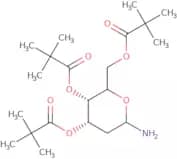

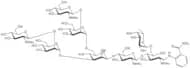

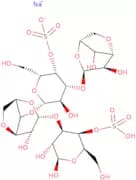

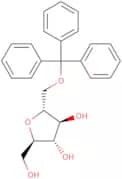
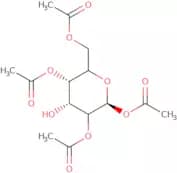
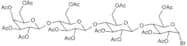
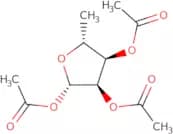
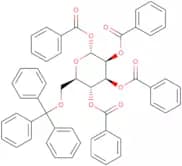
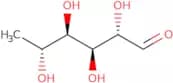
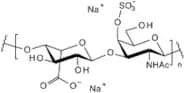
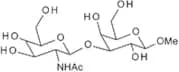
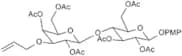
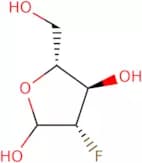

![[UL-2H7glc]Lactose monohydrate](/_next/image/?url=https%3A%2Fstatic.cymitquimica.com%2Fproducts%2F3D%2Fthumb-webp%2FOL16276.webp&w=3840&q=75)
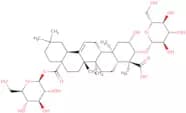

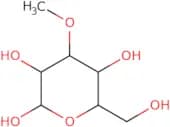
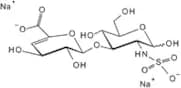
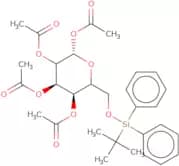


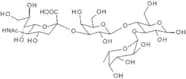
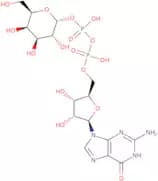
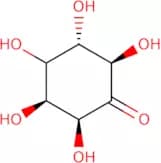


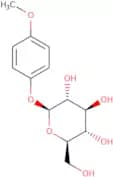
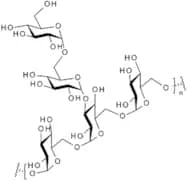

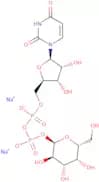
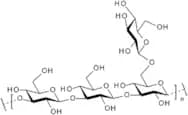
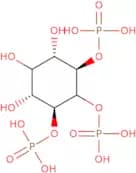

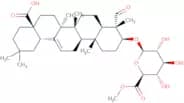
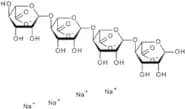
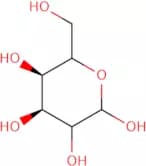
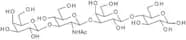
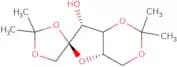


![N- [[(2S, 3S, 4R) - 4- [(Acetyloxy) methyl] - 3- (phenylmethoxy) - 1-acetamide](/_next/image/?url=https%3A%2Fstatic.cymitquimica.com%2Fproducts%2F3D%2Fthumb-webp%2FMA163434.webp&w=3840&q=75)
![(1R) -1- [(2S, 3R) - N-Benzyl-3- hydroxy- 1- azetidinyl] -1, 2- ethanediol](/_next/image/?url=https%3A%2Fstatic.cymitquimica.com%2Fproducts%2F3D%2Fthumb-webp%2FMB163413.webp&w=3840&q=75)
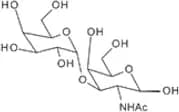
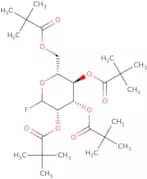
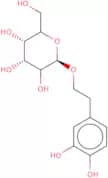
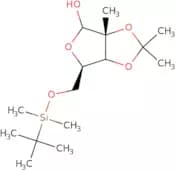

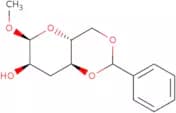


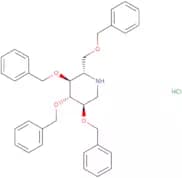
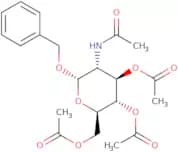

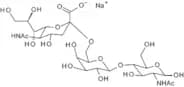
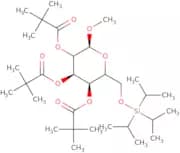
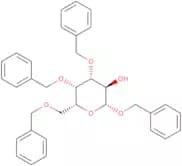
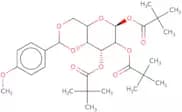
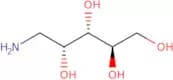
![(1R) -1- [(2R, 3S,4S) -4-Hydroxymethyl-3- hydroxy- 1- azetidinyl] -1, 2- ethanediol](/_next/image/?url=https%3A%2Fstatic.cymitquimica.com%2Fproducts%2F3D%2Fthumb-webp%2FMH163381.webp&w=3840&q=75)

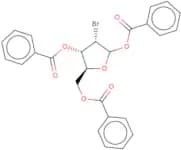


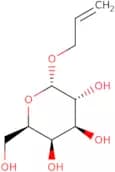
![6'-(D-[UL-13C6]Galactosyl)lactose](/_next/image/?url=https%3A%2Fstatic.cymitquimica.com%2Fproducts%2F3D%2Fthumb-webp%2FOG15067.webp&w=3840&q=75)
![3'-(D-[UL-13C6]Galactosyl)lactose](/_next/image/?url=https%3A%2Fstatic.cymitquimica.com%2Fproducts%2F3D%2Fthumb-webp%2FOG15068.webp&w=3840&q=75)
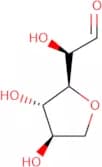

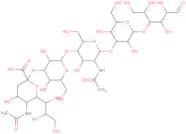


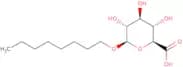
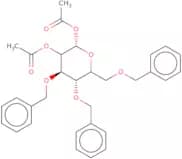
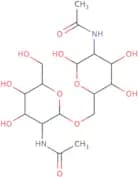
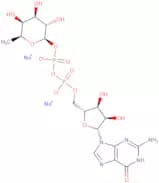
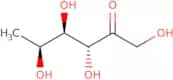
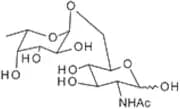
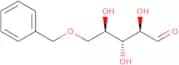
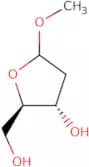


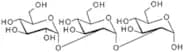
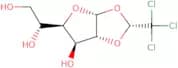
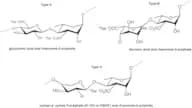
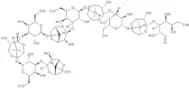
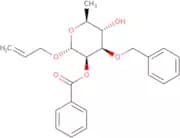

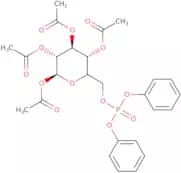
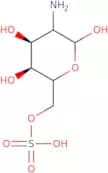
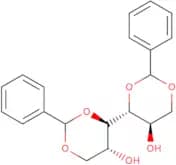

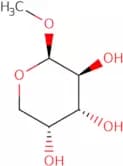




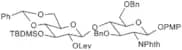
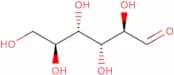
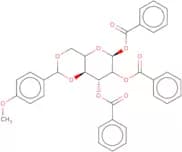
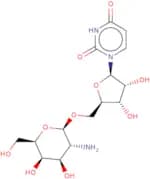
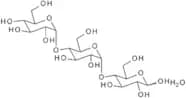

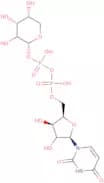

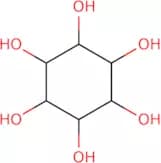




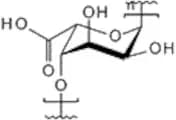

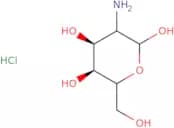
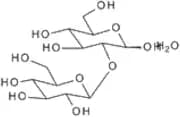
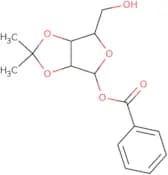

![(5R, 8S, 9S) -8- [(4S) - 2, 2- Dimethyl- 1, 3- dioxolan- 4- yl] - 9- hydroxy- 2, 2- dimethyl- 1, 3…](/_next/image/?url=https%3A%2Fstatic.cymitquimica.com%2Fproducts%2F3D%2Fthumb-webp%2FMD170669.webp&w=3840&q=75)

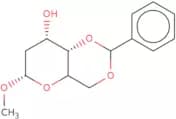


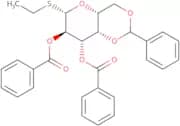

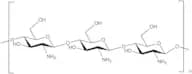
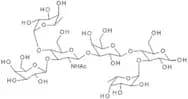
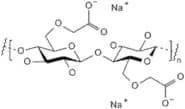

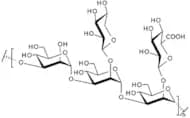

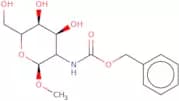
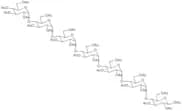




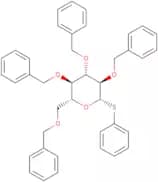
![N- [(3R, 4R, 5R) - 4- Hydroxy- 5- (hydroxymethyl) - 3- pyrrolidinyl] -acetamide](/_next/image/?url=https%3A%2Fstatic.cymitquimica.com%2Fproducts%2F3D%2Fthumb-webp%2FMH163543.webp&w=3840&q=75)
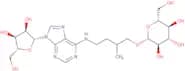
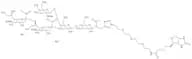
![L-[1-13C]Fucose](/_next/image/?url=https%3A%2Fstatic.cymitquimica.com%2Fproducts%2F3D%2Fthumb-webp%2FMF08310.webp&w=3840&q=75)


![(5R, 8S, 9R) -8- [(4R) - 2, 2-Dimethyl- 1, 3- dioxolan- 4- yl] - 9- hydroxy- 2, 2- dimethyl- 1, 3,…](/_next/image/?url=https%3A%2Fstatic.cymitquimica.com%2Fproducts%2F3D%2Fthumb-webp%2FMD170672.webp&w=3840&q=75)