Glycoscience
Glycoscience is the study of carbohydrates and their derivatives, as well as the interactions and biological functions they participate in. This field of research is crucial for understanding a wide variety of biological processes, including cell recognition, signaling, immune response, and disease development. Glycoscience has important applications in biotechnology, medicine, and the development of new drugs and therapies. At CymitQuimica, we offer a wide selection of high-quality, high-purity products for glycoscience research. Our catalog includes monosaccharides, oligosaccharides, polysaccharides, glycoconjugates, and specific reagents, designed to support researchers in their studies on the structure, function, and applications of carbohydrates in biological systems. These resources are intended to facilitate scientific discoveries and practical applications in various areas of bioscience and medicine.
Subcategories of "Glycoscience"
- Aminosugars(108 products)
- Glyco-Related Antibodies(282 products)
- Glycolipids(46 products)
- Glycosaminoglycans (GAGs)(55 products)
- Glycosides(419 products)
- Monosaccharides(6,621 products)
- Oligosaccharides(3,681 products)
- Polysaccharides(503 products)
Found 11041 products of "Glycoscience"
Sort by
Purity (%)
0
100
|
0
|
50
|
90
|
95
|
100
GQ1b-Ganglioside ammonium
CAS:<p>GQ1b ganglioside (ammonium salt) has a core tetrasaccharide structure (Galβ1,3GalNAcβ1,4Galβ1,4Glc) with two sialic acids (NeuAc) linked α2,3/α2,8 to the inner galactose residue, two sialic acids (NeuAc) linked α2,3/α2,8 to the terminal galactose residue, and ceramide linked β to position 1 on the reducing terminal glucose residue (Ledeen, 2009). Anti-GQ1b ganglioside antibody is associated with Miller Fisher syndrome and is also found in patients with related conditions that may share the same pathogenic mechanism, such as, Bickerstaff brainstem encephalitis. Thus, the measurement of anti-GQ1b antibody in suspected cases of Miller Fisher syndrome is a useful diagnostic marker (Paparounas, 2004). It has been found that GQ1b ganglioside contributes to synaptic transmissions and synapse formation. Low concentrations of GQ1b ganglioside, evoked dopamine (DA) release from laboratory tissues (Chen, 2018).</p>Formula:C106H182N6O56·xNH4Purity:Min. 95%6-O-Acetyl-2-azido-3,4-di-O-benzyl-2-deoxy-D-glucopyranose
CAS:<p>Glucosamine is a hexose sugar that is an amino sugar and a precursor in the biosynthesis of glycoproteins. It also acts as an intermediate for the synthesis of other non-carbohydrate natural products. 6-O-Acetyl-2-azido-3,4-di-O-benzyl-2-deoxyglucopyranose is a glucosamine derivative that has been synthesized from trifluoroacetic acid and piperidine. The acetyl group on this compound makes it soluble in water, which allows for its use in pharmaceuticals and other applications.</p>Purity:Min. 95%8-Methoxycarbonyloctyl 2-deoxy-4,6-O-(4-methoxybenzylidene)-2-phthalimido-b-D-glucopyranoside
CAS:<p>8-Methoxycarbonyloctyl 2-deoxy-4,6-O-(4-methoxybenzylidene)-2-phthalimido-b-D-glucopyranoside is a sugar that is found in plants. It can be used as a custom synthesis for pharmaceutical purposes. The CAS number of this product is 359436-88-7 and it has a purity of >99%.</p>Formula:C32H39NO10Purity:Min. 95%Molecular weight:597.65 g/molGemfibrozil b-D-glucuronide-D6
Controlled Product<p>Gemfibrozil b-D-glucuronide-D6 is a methylated, saccharide, Polysaccharide. It is a custom synthesis of the synthetic and fluorinated gemfibrozil b-D-glucuronide. The product is purified by HPLC to >98% purity and supplied as a white powder.</p>Formula:C21H24D6O9Purity:Min. 95%Color and Shape:White to off-white solid.Molecular weight:432.49 g/molCarboxymethyl-dextran sodium salt 10-20% COOH terminally reduced - Average molecular weight 70000
CAS:<p>Drug carrier for cancer therapy & imaging, biocompatible, soluble, biodegradable</p>Purity:Min. 95%Benzyl N,N'-di-acetyl-b-chitobioside
CAS:<p>Benzyl N,N'-di-acetyl-b-chitobioside is a fluorinated glycoside. It is a synthetic compound that has been modified by the addition of a benzyl group to the acetyl group at the C3 position and an N,N'-diacetyl group to the b-chitobioside. This modification has been carried out in order to improve its water solubility and bioavailability.</p>Formula:C23H34N2O11Purity:Min. 95%Color and Shape:PowderMolecular weight:514.52 g/mol2,3,5-Tri-O-p-chlorobenzyl-L-fucopyranoside
CAS:<p>2,3,5-Tri-O-p-chlorobenzyl-L-fucopyranoside is a modified sugar and an effective inhibitor of the glycosidase enzymes. It has been shown to inhibit the synthesis of glycogen in vitro. 2,3,5-Tri-O-p-chlorobenzyl-L-fucopyranoside is a major component of commercially available agarose gel electrophoresis buffers and is also used for modification of proteins by click chemistry. The compound can be custom synthesised with a high degree of purity and can be fluorinated for use in mass spectrometry.</p>Formula:C27H27Cl3O5Purity:Min. 95%Molecular weight:537.86 g/molMethyl 4-chloro-4-deoxy-a-D-galactopyranoside
<p>Methyl 4-chloro-4-deoxy-a-D-galactopyranoside is a synthetic monosaccharide that has been modified with fluorination and methylation. The modification of this sugar provides it with the ability to be used in glycosylation reactions, click chemistry, and other modification reactions. This product is offered as a custom synthesis and can be synthesized for any desired specification. It is also available in high purity form.</p>Formula:C7H13ClO5Purity:Min. 95%Molecular weight:212.63 g/mol2,4-O-Ethylidene-D-erythrose
CAS:<p>2,4-O-Ethylidene-D-erythrose is a trimerization product of glyoxal and acetaldehyde. It is an aldehyde that can be used as a precursor to other compounds. The hydrated form of 2,4-O-ethylidene-D-erythrose has been rationalized by the mesoxalic acid and water molecules to form the trimer. This compound can be produced from the glycolaldehyde and sulfoxide in an oxidation reaction with hydrogen peroxide. The acetylation of 2,4-O-ethylidene-D-erythrose produces isoxazolidines which are stereoselective.</p>Formula:C6H10O4Purity:Min. 95%Molecular weight:146.14 g/molD-Galactose-2-D
CAS:<p>D-Galactose-2-D is an anticancer agent that has been shown to inhibit the activity of kinases, which are enzymes involved in cell signaling pathways. It is a derivative of D-galactose and has been found in human urine. D-Galactose-2-D has demonstrated potent antitumor effects against various cancer cell lines, including Chinese hamster ovary cells and human colon carcinoma cells. This compound induces apoptosis, or programmed cell death, in cancer cells by inhibiting the activity of key proteins involved in cell survival. Additionally, D-Galactose-2-D has been found to be a potent inhibitor of capsaicin-induced activation of kinase, suggesting its potential as a therapeutic agent for inflammatory conditions.</p>Formula:C6H12O6Purity:Min. 95%Molecular weight:181.16 g/molHyaluronate octasaccharide
CAS:<p>Hyaluronate octasaccharide is a regulatory molecule that has been found to be useful for staining and as a chondrocyte culture supplement. Hyaluronate octasaccharide is composed of two sugar molecules: glucuronic acid and N-acetylglucosamine. The molecular weight of this compound is about 5000 Daltons, and it has been found to show high levels of proton hydrogen bonding interactions with other molecules in the extracellular matrix. It also contains oligosaccharides and disaccharides. Hyaluronate octasaccharide can be used in vitro to stimulate cell growth, which may be due to its ability to stabilize collagen and elastin fibers by binding with collagenase.</p>Formula:C56H86N4O45Purity:Min. 95%Molecular weight:1,535.3 g/molBenzyl 2,3,4-tri-O-acetyl-4-nitromethyl-b-D-arabinopyranose
CAS:<p>Benzyl 2,3,4-tri-O-acetyl-4-nitromethyl-b-D-arabinopyranose is a water soluble, white solid that is a glycosylation product of Benzyl 2,3,4-tri-O-acetyl b D arabinopyranose and 4 nitrobenzaldehyde. It can be used for the modification of polysaccharides and as an intermediate in the synthesis of oligosaccharides. This compound has been shown to be effective in inhibiting the growth of Mycobacterium tuberculosis and Mycobacterium avium complex.</p>Formula:C19H23NO10Purity:Min. 95%Molecular weight:425.39 g/molBenzyl-6-O-(2,3,4,6-tetra-O-acetyl-a-D-mannopyranosyl)-2,3,4-tri-O-benzyl-a-D-mannopyranoside
<p>A custom synthesis of benzyl-6-O-(2,3,4,6-tetra-O-acetyl-a-D-mannopyranosyl)-2,3,4-tri-O-benzyl-a-D-mannopyranoside was made with the following modifications: fluorination and methylation. The molecular weight is 636.81 g/mol. It is a white crystalline solid. CAS No.:</p>Formula:C48H54O15Purity:Min. 95%Molecular weight:870.93 g/molSucrose 4,6-methyl orthoester
CAS:<p>Sucrose 4,6-methyl orthoester is a sugar derivative that can be synthesized from sucrose. Sucrose 4,6-methyl orthoester is a white solid that is soluble in water, methanol, and acetone. It has been shown to have the same properties as sucrose but with higher stability in acidic conditions and at high temperatures. This compound has been custom synthesized by our laboratory to produce a high purity product.</p>Formula:C15H26O12Purity:Min. 95%Molecular weight:398.36 g/molMethyl 4-azido-3-O-benzyl-4,6-dideoxy-2-O-methyl-a-D-glucopyranoside
CAS:<p>Methyl 4-azido-3-O-benzyl-4,6-dideoxy-2-O-methyl-a-D-glucopyranoside is a synthetic sugar that has been modified with azide and fluoride. It may be used in the synthesis of saccharides as a monosaccharide or oligosaccharide. This compound can be used to prepare glycosylation derivatives, which are complex carbohydrates that are important for cell recognition and immune system function.</p>Formula:C15H21N3O4Purity:Min. 95%Molecular weight:307.35 g/mol1,2:5,6-Di-O-isopropylidene-L-chiro-inositol
CAS:<p>1,2:5,6-Di-O-isopropylidene-L-chiro-inositol is a custom synthesis that can be modified by fluorination, methylation and click modification. The product is a monosaccharide and an oligosaccharide. It is also a synthetic saccharide and a polysaccharide. The product can be glycosylated or sugar modified with carbohydrates such as complex carbohydrate to form 1,2:5,6-Di-O-isopropylidene-L-chiro-inositol.</p>Formula:C12H20O6Purity:Min. 95%Molecular weight:260.28 g/molEthyl 4-O-allyl-3,6-di-O-benzyl-2-O-levulinoyl-b-D-thioglucopyranoside
<p>Ethyl 4-O-allyl-3,6-di-O-benzyl-2-O-levulinoyl-b-D-thioglucopyranoside is a carbonylated sugar. It is used as an intermediate in the synthesis of glycosides and saccharides. This chemical can be custom synthesized to meet your requirements. Ethyl 4-O-allyl-3,6-di-O-benzyl 2,5,6 trideoxygalactoside can be methylated, glycosylated, or fluorinated to produce different derivatives.</p>Purity:Min. 95%4-Methoxyphenyl-2,3,5-tri-O-benzoyl-D-ribofuranoside
<p>Modification of glycosylation is a process that can be used to alter the properties or characteristics of a carbohydrate. This modification is done by adding a sugar molecule to the existing glycosidic linkage, modifying the chemical structure. Modification of glycosylation has been shown to increase the bioavailability and decrease the rate of clearance of drugs in animal models. This process can also be used to synthesize oligosaccharides, which are carbohydrates consisting of two to nine monosaccharide units. Monosaccharides are sugars composed only of one kind of sugar molecule, such as glucose or fructose. Methylation and fluorination are two types of chemical modifications that can be performed on saccharides (sugars). These modifications have been shown to increase the stability and solubility of saccharides while decreasing their immunogenicity.</p>Purity:Min. 95%2,3,4,5-Tetra-O-acetyl-D-xylononitrile
CAS:<p>2,3,4,5-Tetra-O-acetyl-D-xylononitrile is a carbohydrate with the chemical formula C10H14O8N2. It is a white crystalline solid that has been custom synthesized with high purity and methylation. This compound is an oligosaccharide with a sugar modification. The glycosylation of this compound is Click modification.</p>Formula:C13H17NO8Purity:Min. 95%Molecular weight:315.28 g/mol3,4,6-Tri-O-acetyl-2-azido-2-deoxy-a-D-glucopyranosyl fluoride
<p>3,4,6-Tri-O-acetyl-2-azido-2-deoxy-a-D-glucopyranosyl fluoride is a custom synthesis that can be synthesized with a range of modifications. It is an azide glycosylation product that has been modified with fluorination and methylation. This compound is high purity and can be used in the synthesis of oligosaccharides or saccharides.</p>Purity:Min. 95%D-Mannono-D-lactam
CAS:<p>D-Mannono-D-lactam is a synthetic, sugar-based molecule. The compound is an antibiotic that inhibits bacterial growth by binding to the 50S ribosomal subunit of bacteria. It is active against a wide range of Gram-positive and Gram-negative bacteria, including methicillin resistant Staphylococcus aureus (MRSA), as well as Mycobacterium tuberculosis and Mycobacterium avium complex. D-Mannono-D-lactam has shown antiinflammatory properties, which may be due to its inhibition of prostaglandin synthesis.</p>Formula:C6H11NO5Purity:Min. 95%Color and Shape:White SolidMolecular weight:177.16 g/molD-[1-13C]Galacturonic acid potassium salt
<p>D-[1-13C]Galacturonic acid potassium salt is a sugar that is synthesized by the reaction of galactose with carbon dioxide. This sugar has been custom synthesized and is used in glycosylation reactions. Other modifications to this sugar include methylation and click modification, which can be done to make the sugar more reactive. D-[1-13C]Galacturonic acid potassium salt is a high purity product with a CAS number.</p>Purity:Min. 95%Pseudoginsenoside Rh2
CAS:<p>Pseudoginsenoside Rh2 is a bioactive compound, which is a derivative of ginsenosides found in Panax ginseng. It is specifically extracted from the plant's root, known for its rich saponin content. Pseudoginsenoside Rh2 functions by interacting with various cellular pathways, influencing apoptosis, and cell cycle regulation. The mechanism of action involves modulation of signaling pathways, including PI3K/Akt and MAPK, which are crucial in controlling cell growth and survival.</p>Formula:C36H62O8Purity:Min. 95%Molecular weight:622.87 g/molN-Acetyl-4-O-[3,4,6-tri-O-acetyl-2-(acetylamino)-2-deoxy-β-D-glucopyranosyl]-α-muramic acid-1,6-diacetate
CAS:<p>2-Acetamido-4-O-(2-acetamido-2-deoxy-3,4,6-tri-O-acetyl-b-D-glucopyranosyl)-1,6-di-O-[N-(acetylamino)glycoloyl]-D--muramic acid is a synthetic sugar that is used in biotechnology and pharmaceuticals. It is synthesized by the glycosylation of 2,3,4,6 - triacetyl b - D - glucopyranoside with 1,6 di - O - N - acetyl - D - muramic acid. 2 Acetamido 4 O (2 acetamido 2 deoxy 3 4 6 tri O acetyl b D glucopyranoside) 1 6 di O N acetyl D muramic acid has been shown to inhibit bacterial growth through methylation and modification of bacterial enzymes.</p>Formula:C29H42N2O18Purity:Min. 95%Molecular weight:706.66 g/mol3,4-O-Carbonyl-D-galactal
CAS:<p>3,4-O-Carbonyl-D-galactal is a custom synthesis that can be used to modify oligosaccharides, carbohydrates or complex carbohydrates. It has a high purity and is non-toxic in humans. 3,4-O-Carbonyl-D-galactal has been fluorinated and saccharide modified. This product has CAS No. 149847-26-7 and can be synthesized with methylation and glycosylation.</p>Purity:Min. 95%1,3-o-Dibenzyl-N-acetyl-β-D-glucosamine 4,6-diacetate
CAS:<p>Please enquire for more information about 1,3-o-Dibenzyl-N-acetyl-β-D-glucosamine 4,6-diacetate including the price, delivery time and more detailed product information at the technical inquiry form on this page</p>Formula:C26H31NO8Purity:Min. 95%Molecular weight:485.5 g/mol2,3-Desisopropylidene topiramate
CAS:<p>2,3-Desisopropylidene topiramate is a modified sugar that is synthesized from 2-deoxy-D-ribose and 3,4,5-trihydroxybenzoic acid. This product is a white to off-white powder with a molecular weight of 238.17 g/mol. It has been shown to have excellent stability and high purity in synthesis.</p>Formula:C9H17NO8SPurity:Min. 95%Color and Shape:White to off-white solid.Molecular weight:299.3 g/molGalacturonan DP3/DP4 sodium salt
<p>A mixture of sodium trigalacturonate & tetragalacturonate (α-1,4 sodium galacturonotriose + α-1,4 sodium galacturonotetraose) is derived from pectin or pectic acid, by enzymatic or partial acid hydrolysis (Combo, 2012). It is used inâ¯galacturonic acidâ¯metabolism research as a substrate to identify, differentiate, and characterize endo- and exopolygalacturonase(s), and gluconase(s) (Jayani, 2005). The addition of very short fragments of homogalacturonan, tri-galacturonate, and tetra-galacturonate oligosaccharides, restore development in dark-grown, de-etiolated seedling mutants, suggesting that they are unable to generate de-methylesterified pectin fragments. A model of spatiotemporally separated photoreceptive and signal-responsive cell types has been proposed, that contains overlapping subsets of the regulatory network of light-dependent seedling development (Sinclair, 2017).</p>Purity:Min. 95%Color and Shape:Powder1,2,3-Tri-O-Acetyl-5-deoxy-D-ribose
CAS:<p>1,2,3-Tri-O-acetyl-5-deoxy-D-ribose is an efficient and environmentally benign method for the synthesis of acyclic acetals. The condensation process involves the use of a chloroformate to introduce the carbonyl group into a hydroxyl group on the sugar. This reaction can be carried out in an organic solvent or water as well. The reaction rate is fast due to a high nucleophilicity of the chloride ion. The product can then be converted into an amide by reacting it with ammonia in a basic medium. This reaction results in a high yield and is useful for recycling acetonitrile that would otherwise be released into the environment.</p>Formula:C11H16O7Purity:Min. 95%Molecular weight:260.24 g/molFulvestrant 3-b-D-glucuronide
CAS:<p>Fulvestrant 3-b-D-glucuronide is a synthetic hormone that has been modified with the Click chemistry. This modification allows for the attachment of saccharides, such as polysaccharides and oligosaccharides. The modification also provides protection against degradative enzymes, which may be useful in increasing drug stability in vivo. Fulvestrant 3-b-D-glucuronide can be custom synthesized to meet your requirements and specifications. It is a high purity product with a CAS number of 261506-27-8 and an appearance of white crystalline powder. Fulvestrant 3-b-D-glucuronide is a complex carbohydrate and sugar that can be used for methylation reactions or glycosylation reactions.</p>Formula:C38H55F5O9SPurity:Min. 95%Molecular weight:782.9 g/mol(S)-Propranolol b-D-glucuronide sodium salt
CAS:<p>Propranolol is a non-selective beta-blocker that blocks the action of epinephrine on beta-adrenergic receptors. It is used to treat high blood pressure, angina, and arrhythmia. Propranolol b-D-glucuronide sodium salt is a prodrug of propranolol that has been modified in order to improve its oral bioavailability.</p>Formula:C22H28NNaO8Purity:Min. 95%Molecular weight:457.45 g/molMethyl L-rhamnopyranoside
CAS:<p>Methyl L-rhamnopyranoside is a sugar that is the product of the reaction between l-rhamnose and acetone. This compound has been used as a chiral building block for the synthesis of other sugars, such as D-arabinose and D-lyxose. The yield of this reaction depends on the concentration of potassium thioacetate and temperature. This compound can be obtained in two forms: (1) anomeric form, which is an intermediate in the synthesis of carbohydrates and (2) crystalline form, which is a white solid with melting point at 157.3°C. The anomeric form has a stereogenic center at carbon atom 3, whereas the crystalline form does not have any stereogenic centers. Methyl L-rhamnopyranoside also reacts with chlorination reagents to produce chlorinated derivatives, such as 2-chloro-3-(3′,4′-dimeth</p>Formula:C7H14O5Purity:Min. 95%Color and Shape:PowderMolecular weight:178.18 g/mol2,3,4,6,3',4',6'-Hepta-O-benzoylsucrose
CAS:<p>2,3,4,6,3',4',6'-Hepta-O-benzoylsucrose (HBS) is a custom synthesis and modification of sucrose. The sugar is modified with 2,3,4,6-tetra-O-benzoyl groups at the 6′ position on the fructose unit and 3′ position on the glucose unit. HBS has been used in a click chemistry reaction as an acceptor for azide moieties.</p>Formula:C61H50O18Purity:Min. 95%Color and Shape:PowderMolecular weight:1,071.04 g/mol1,3,4,6-Tetra-O-acetyl-2-deoxy-2-iodo-a-D-glucopyranose
CAS:<p>1,3,4,6-Tetra-O-acetyl-2-deoxy-2-iodo-a-D-glucopyranose is a sugar molecule that is used to measure the efficiency of glycosidases. It has been shown to be an efficient site-specific inhibitor for glycosidases and analogues. This compound has been shown to inhibit the activity of glycoconjugates and glycan synthesis by interfering with the binding sites on enzymes such as endoglycosidase H. 1,3,4,6-Tetra-O-acetyl-2-deoxy-2-iodo-(1→4)-a-[alpha]-D-[beta]-D-[alpha]-glucopyranoside is an analog of this compound that can be used in place of it for specific purposes.</p>Formula:C14H19IO9Purity:Min. 95%Molecular weight:458.2 g/mol4-Bromophenyl 2-acetamido-2-deoxy-b-D-glucopyranoside
CAS:<p>4-Bromophenyl 2-acetamido-2-deoxy-b-D-glucopyranoside is a synthetic glycosylate that is used for the modification of saccharides and polysaccharides. It can be used for click chemistry to modify proteins, antibodies, and other biomolecules. The modification of saccharides with 4-Bromophenyl 2-acetamido-2-deoxy-b-D-glucopyranoside can be done using the "glycosylation" reaction. This reaction will result in the formation of a glycosidic linkage between the sugar and the brominated acetamide group. The modification of polysaccharides with 4Bromophenyl 2-acetamido2 deoxy bD glucopyranoside can be done using "Oligosaccharide". This reaction will result in the formation of a glycosidic linkage between the sugar and</p>Formula:C14H18BrNO6Purity:Min. 95%Molecular weight:376.2 g/molPhenyl 2-Deoxy-1-thio-2-(2,2,2-trichloroethoxyformamido)-b-D-galactopyranoside
CAS:<p>Phenyl 2-Deoxy-1-thio-2-(2,2,2-trichloroethoxyformamido)-b-D-galactopyranoside is a pyrimidine compound that has been shown to be active against chronic diarrhea and bowel disease. It has been shown to work in cells and animal models of cancer. The mechanism for this activity is unknown. Phenyl 2-Deoxy-1-thio-2-(2,2,2-trichloroethoxyformamido)-b-D-galactopyranoside can induce an immune response against the bacterial antigen by acting as a vaccine adjuvant. This drug also has been shown to have biochemical abnormalities in patients with inflammatory bowel disease.</p>Formula:C15H18Cl3NO6SPurity:Min. 95%Molecular weight:446.73 g/mol1,2,3,4,5,6-Hexa-O-acetyl-L-iditol
CAS:<p>1,2,3,4,5,6-Hexa-O-acetyl-L-iditol is a synthetic compound that is used as a reagent in the synthesis of oligosaccharides and polysaccharides. It is also used to modify the saccharide chains of complex carbohydrates. 1,2,3,4,5,6-Hexa-O-acetyl-L-iditol has been shown to react with both DNA and RNA. The methylation reaction can be achieved by treatment with formaldehyde or sodium cyanoborohydride. This compound has been modified by fluorination to create monosaccharides such as fluorohexitol and fluoroarabitol.</p>Formula:C18H26O12Purity:Min. 95%Molecular weight:434.4 g/mol5-Azido-5-deoxy-2,3-O-isopropylidene-D-lyxono-1,4-lactone
CAS:<p>5-Azido-5-deoxy-2,3-O-isopropylidene-D-lyxono-1,4-lactone is a synthetic monosaccharide. It is used in the synthesis of glycosylated saccharides and oligosaccharides. This product can be custom synthesized at high purity.</p>Formula:C8H11N3O4Purity:Min. 95%Color and Shape:PowderMolecular weight:213.19 g/molAllyl 4,6-O-benzylidene-b-D-glucopyranoside
CAS:<p>Allyl 4,6-O-benzylidene-b-D-glucopyranoside is a custom synthesis molecule that can be modified to suit your needs. It has been used in the synthesis of oligosaccharides and polysaccharides. Allyl 4,6-O-benzylidene-b-D-glucopyranoside is a high purity product that has been fluorinated with allyl bromide and benzoyl chloride. This product is a monosaccharide and sugar that can be synthesized from a variety of raw materials.</p>Formula:C16H20O6Purity:Min. 95%Molecular weight:308.33 g/molFucose 2-nitrophenylhydrazone
<p>Fucose 2-nitrophenylhydrazone is a custom synthesis that is a modification of fucose. It has been used in methylation, click modification, and fluorination. This compound has been shown to be effective in the synthesis of oligosaccharides and polysaccharides. Fucose 2-nitrophenylhydrazone has also been used as an intermediate for the synthesis of saccharides such as monosaccharide and sugar.</p>Formula:C12H17N3O6Purity:Min. 95%Molecular weight:299.111741,6-O-[(1R,2R)-1,2-Dimethoxy-1,2-dimethyl-1,2-ethanediyl]-3,4-O-[(1S,2S)-1,2-dimethoxy-1,2-dimethyl-1,2-ethanediyl]-5-benzoate-myo-i nositol
CAS:<p>1,6-O-[(1R,2R)-1,2-Dimethoxy-1,2-dimethyl-1,2-ethanediyl]-3,4-O-[(1S,2S)-1,2-dimethoxy-1,2-dimethyl-1,2-ethanediyl]-5-benzoate is an oligosaccharide with a complex structure. This chemical is fluorinated at the 1 and 6 positions of the glucose molecule. It has a total of 18 monosaccharides and two methyl groups. Its CAS number is 1068088-78-7. It has been shown to be synthesized by modifying the sugars with methylation or other chemical modifications. The molecular weight is 586.</p>Formula:C25H36O11Purity:Min. 95%Molecular weight:512.55 g/molMethyl 2,3,4,6-tetra-O-acetyl-α-D-thiomannopyranoside
CAS:<p>Methyl 2,3,4,6-tetra-O-acetyl-a-D-thiomannopyranoside is a linker that is used in the synthesis of oligodeoxyribonucleotides. This compound has been shown to inhibit the expression of factor receptor α subunit in plant cells. In human studies, methyl 2,3,4,6-tetra-O-acetyl-a-D-thiomannopyranoside has been found to be effective against infectious diseases such as HIV and malaria by suppressing the production of growth factors. It also inhibits protein synthesis and cell division. Methyl 2,3,4,6-tetra-O-acetyl-a -D -thiomannopyranoside is synthesized from D -mannose and acetaldehyde in plants. The biosynthesis of this compound occurs by means of a sequence that begins with phosphorylation of D -mannose</p>Formula:C15H22O9SPurity:Min. 95%Molecular weight:378.4 g/mol1,2:4,5-Di-O-isopropylidene-D-mannitol
CAS:<p>1,2:4,5-Di-O-isopropylidene-D-mannitol is a synthetic compound that is used as a non-ionic surfactant. It has been shown to have an enzymatic reaction with lipases and acetonitrile. The isomers of this compound are also synthesised from acetonitrile. 1,2:4,5-Di-O-isopropylidene-D-mannitol is found in human liver cells and can be used to synthesise polyols. This molecule forms orthoacids when it reacts with methoxyethylidene and the surfactant nonylphenoxypolyethoxyethanol (NPEE).</p>Formula:C12H22O6Purity:Min. 95%Color and Shape:PowderMolecular weight:262.3 g/molD-Raffinose undecaacetate
CAS:<p>D-Raffinose undecaacetate is a sweetener that is used in some chewing gum and other foods. It is a sucrose ester with the chemical formula C12H24O11. D-Raffinose undecaacetate has been shown to increase the release of insulin, which may be due to its effects on glucose uptake or modulation of taste receptors on the tongue. It has also been shown to have an anti-inflammatory effect, which may be due to its interactions with the bitter taste receptors present in tissues such as the small intestine and liver.</p>Formula:C40H54O27Purity:Min. 95%Molecular weight:966.84 g/molN'-Nitrosonornicotine-N-b-D-glucuronide - Mixture Of Diastereomers
CAS:<p>N'-Nitrosonornicotine-N-b-D-glucuronide is a complex carbohydrate that has been modified with fluorination. It is synthesized from N'-nitrosonornicotine, which is a natural product found in tobacco. This synthetic molecule can be used to modify glycosylations and methylations as well as other modifications. The carbonyl group at the C3 position of the glucuronic acid moiety has been modified with an N-nitrosamine functional group. This modification makes it possible for this molecule to be used as a substrate for glycosylation reactions, such as the addition of oligosaccharides or monosaccharides to the sugar moiety. This synthesis is custom and can be ordered in high purity.</p>Formula:C15H19N3O7Purity:Min. 95%Molecular weight:353.33 g/mol1-Methyl-2-propenylbeta-D-glucopyranoside
CAS:<p>1-Methyl-2-propenylbeta-D-glucopyranoside is a fluorinated carbohydrate that may be used for the modification of carbohydrates. It is a synthetic oligosaccharide that has been custom synthesized and modified with methylation, glycosylation, and click chemistry. This product is offered at high purity levels.</p>Formula:C10H18O6Purity:Min. 95%Molecular weight:234.25 g/molAcedoben-acyl-b-D-glucuronide
CAS:<p>Acedoben-acyl-b-D-glucuronide is a synthetic, fluorinated monosaccharide. It has been synthesized by glycosylation of the trichloroacetimidate with D-glucuronic acid and acetic anhydride. Acedoben-acyl-b-D-glucuronide is a glycoconjugate that has been modified by methylation, which stabilizes the carbohydrate moiety in the presence of metal ions. This product is also available in oligo and polysaccharide forms.</p>Formula:C15H17NO9Purity:Min. 95%Molecular weight:355.3 g/molLotaustralin
CAS:<p>Lotaustralin is a natural product that is derived from the plant Lotea usitatissima. It belongs to the class of isoflavonoids and has shown activity against infectious diseases. Lotaustralin has been shown to inhibit mycelial growth in vitro by targeting enzymes involved in the biosynthesis of isoflavonoid compounds in plants, such as lc-ms/ms methodology, preparative hplc, and enzymatic assays. It also has been shown to have an effect on locomotor activity in mice. The polymerase chain reaction (PCR) assay was used to detect the presence of lotaustralin in various samples, including blood serum and sputum samples. This product can be used for sample preparation for PCR assay.</p>Formula:C11H19NO6Purity:Min. 97%Molecular weight:261.27 g/mol2,3,4,6-Tetra-O-acetyl-b-D-thioglucopyranose sodium salt
CAS:<p>2,3,4,6-Tetra-O-acetyl-b-D-thioglucopyranose sodium salt is a synthetic monosaccharide that can be used for glycosylation. This product is synthesized by the addition of acetyl groups to the 2-, 3-, 4-, and 6-positions on the glucose moiety. The resulting product has been shown to have a high degree of purity as well as a low content of impurities.</p>Formula:C14H19O9SNaPurity:Min. 95%Molecular weight:386.35 g/molFenofibryl b-D-glucuronide
CAS:<p>Fenofibryl b-D-glucuronide is a potential anticancer drug that has been shown to inhibit growth and induce apoptosis in human liver cancer cells. Fenofibryl b-D-glucuronide is also known to have the ability to react with covalent adducts, which may be due to its reactive nature. It is not currently known how this compound interacts with other drugs or how it affects body mass index in humans.</p>Formula:C23H23ClO10Purity:Min. 95%Molecular weight:494.88 g/mol5-(Acetylamino)-4-amino-2,6-anhydro-3,4,5-trideoxy-7-O-methyl-D-glycero-D-galacto-non-2-enonic acid
CAS:<p>5-(Acetylamino)-4-amino-2,6-anhydro-3,4,5-trideoxy-7-O-methyl-D-glycero-D-galacto-non-2-enonic acid is a custom synthesis. It is synthesized by modification of the 7th carbon in the glycosidic bond and fluorination of the 4th carbon on the sugar ring. The chemical structure is based on an amino sugar composed of two acetic acid residues, one anhydro sugar residue and one methyl group. This product is a white to off white solid with a molecular weight of 597.07 g/mol that has a melting point of 154°C.</p>Formula:C12H20N2O7Purity:Min. 95%Molecular weight:304.3 g/mol2,3,4,6-Tetra-O-benzyl-1-O-(4-nitrobenzoyl)-b-D-glucopyranose
<p>2,3,4,6-Tetra-O-benzyl-1-O-(4-nitrobenzoyl)-b-D-glucopyranose is a synthetic sugar that is the building block for oligosaccharides and polysaccharides. It has been modified with fluorination and methylation to produce a high purity product. The CAS number for this compound is 248940-24-5.</p>Formula:C41H39NO9Purity:Min. 95%Molecular weight:689.77 g/mola-D-Glucosyl hesperidin
CAS:<p>a-D-Glucosyl hesperidin is a water-soluble drug that has been shown to have antioxidant properties. It inhibits the activity of certain enzymes, such as phospholipase A2 and lipoxygenase, which are involved in inflammation. The compound has also been shown to inhibit cancer cells in vitro by inducing apoptosis and inhibiting cell proliferation. Glibenclamide, the active form of a-D-glucosyl hesperidin, is an orally active hypoglycemic agent used to treat diabetes mellitus type 2 and gestational diabetes. It works by stimulating insulin release from beta cells in the pancreas and promoting insulin sensitivity in peripheral tissues. This compound also inhibits annexin V binding to phosphatidylserine, which leads to apoptosis.</p>Formula:C34H44O20Purity:75%Color and Shape:Off-White To Yellow SolidMolecular weight:772.7 g/molEltrombopag Acyl Glucuronide
CAS:<p>Eltrombopag aryl glucuronide is a modified form of the drug eltrombopag that contains a methyl group at the 2 position and an acetyl group at the 3 position. It has been synthesized using click chemistry to modify the oligosaccharide, which is then fluorinated and reacted with an oligosaccharide-forming reagent. Eltrombopag aryl glucuronide can be used as a monosaccharide or in combination with other saccharides to form complex carbohydrates. This product is fully synthetic and is available in high purity.</p>Formula:C31H30N4O10Purity:Min. 95%Molecular weight:618.196192,3:5,6-Di-O-isopropylidene-D-talonoic acid-1,4-lactone
CAS:<p>2,3:5,6-Di-O-isopropylidene-D-talonoic acid-1,4-lactone is a glycosylation product of D-talonic acid. It is a synthetic compound that is fluorinated and methylated. 2,3:5,6-Di-O-isopropylidene-D-talonoic acid-1,4-lactone is soluble in water and has low toxicity. The structure of this compound is complex carbohydrate consisting of saccharide units linked by glycosidic bonds. It can be used to modify proteins or other biomolecules by click chemistry. This compound has CAS number 23262-80-8 and should be stored at -20°C.</p>Formula:C12H18O6Purity:Min. 95%Color and Shape:PowderMolecular weight:258.27 g/mol1-Deoxy-D-glucitol
CAS:<p>1-Deoxy-D-glucitol is a sugar alcohol that is a reduction product of glucose. It can be produced by the reduction of glucose 6-phosphate in muscle cells. The enzyme dehydrogenase catalyzes this reaction, which is influenced by the presence of gemini surfactants such as DMSO. 1-Deoxy-D-glucitol has been shown to have anti-fungal properties against Aspergillus parasiticus and other organisms. This activity may be due to its ability to inhibit phosphofructokinase, hexokinases, or other enzymes that are involved in the metabolism of glucose by these organisms.</p>Formula:C6H14O5Purity:Min. 95%Molecular weight:166.17 g/molD3-Ethyl β-D-glucuronide
CAS:<p>D3-Ethyl β-D-glucuronide is a metabolite of ethanol. Detection of this compound may be used to diagnose alcohol consumption during pregnancy. The detection time is approximately 5 hours after a single drink. D3-Ethyl β-D-glucuronide can be reliably detected in maternal blood using solid phase microextraction and LC-MS/MS methods. The body mass index (BMI) can be used to determine the risk for alcohol consumption during pregnancy, with higher BMIs indicating an increased risk. Logistic regression models were created to estimate the probability of D3-Ethyl β-D glucuronide being present in maternal blood and the probability of alcohol consumption during pregnancy given a positive result. These models were then used to create diagnostic tools that are sensitive enough for clinical use.</p>Formula:C8H11D3O7Purity:Min. 95%Color and Shape:White Off-White PowderMolecular weight:225.21 g/molS-Hydroxy topiramate
CAS:<p>S-Hydroxy topiramate is a modification of topiramate, which is a sugar. The chemical name for this compound is carbamic acid, N-[(1R,2S)-2-[[(3S)-3-methyl-4-(2,2,2-trifluoroethoxy)piperidin-1-yl]carbonyl]cyclopentyl]-3-[(phenylmethoxy)methyl]-, monosodium salt. It has the following properties: CAS No. 198215-62-2; Carbohydrate; complex carbohydrate; Custom synthesis; Oligosaccharide; High purity; Synthetic; Monosaccharide; Methylation; Glycosylation; Polysaccharide. This product can be used in the following applications: Fluorination, saccharide.</p>Formula:C12H21NO9SPurity:Min. 95%Molecular weight:355.36 g/mol1,6-Anhydro-4-O-b-D-galactopyranosyl-b-D-glucopyranose
CAS:<p>N-acetyllactosamine is a monosaccharide that belongs to the group of n-acetyllactosamine. It can be found in the form of an agglutinin, lactose, and lectin. The conformation of this molecule is an equilibrium between its alpha and beta forms. The pyridine can act as an acid catalyst for the alpha conformation. There are two forms of this molecule: one synthesized from D-glucose and one synthesized from D-galactose. 1,6-Anhydro-4-O-b-D-galactopyranosyl-b-D-glucopyranose is synthesized from D-glucose. Oligosaccharides containing this molecule have been expressed in Saccharomyces cerevisiae cells and purified by affinity chromatography on columns that contain immobilized antibody to human serum albumin. This molecule has been shown</p>Formula:C12H20O10Purity:Min. 95%Molecular weight:324.28 g/mola1-3,a1-6-Mannotriose-BSA
<p>a1-3,a1-6-Mannotriose-BSA is a carbohydrate that is synthesized by the modification of maltotriose with a fluorinated alcohol. It is an oligosaccharide made up of three glucose units linked together in a 1,3 configuration and one glucose unit linked together in a 1,6 configuration. The molecular weight of this carbohydrate is 793 Daltons. This product has been shown to be high purity and custom synthesis for use in research.</p>Purity:Min. 95%Color and Shape:PowderBenzyl N-acetyl-6-O-benzyl-a-D-muramic acid methyl ester
CAS:<p>Benzyl N-acetyl-6-O-benzyl-a-D-muramic acid methyl ester is a synthetic glycosylation that is custom synthesized for the purpose of modifying glycoproteins. This compound can be used to add a fluorinated sugar to the glycan chain, which can help increase the drug's bioavailability. The synthesis of this compound is achieved through a click modification reaction.</p>Formula:C26H33NO8Purity:Min. 95%Molecular weight:487.54 g/molMethyl 2-acetamido-2-deoxy-6-O-(b-D-galactopyranosyl)-b-D-glucopyranoside
<p>Methyl 2-acetamido-2-deoxy-6-O-(b-D-galactopyranosyl)-b-D-glucopyranoside is a carbohydrate that is modified by the addition of a methyl group to the C3 position. The glycosylation of this carbohydrate can be achieved by using a variety of methods, including Click chemistry and Methylation. This product has been custom synthesized for high purity and can be used in various applications, such as Glycosylation and Polysaccharide synthesis.</p>Formula:C15H27NO11Purity:Min. 95%Molecular weight:397.38 g/mol1-Acetyl-2-deoxy-3,5-di-O-benzoylribofuranose
CAS:<p>1-Acetyl-2-deoxy-3,5-di-O-benzoylribofuranose is a fluorinated carbohydrate that is synthesized by click chemistry with acetic anhydride and 3,5-di-O-benzoylribofuranose. It is a complex carbohydrate with a high purity. This product can be custom synthesized to meet the specific requirements of customers.</p>Formula:C21H20O7Purity:Min. 95%Molecular weight:384.38 g/mol4-Amino-4-deoxy-fructose
<p>4-Amino-4-deoxy-fructose is a catalyzed product of ribulose. Its reaction with an aldehyde produces tagatose, which is a carbohydrate that has been shown to have therapeutic properties in mice. Tagatose can be used to produce dihydroxyacetone phosphate, an intermediate in the glycolytic pathway. 4-Amino-4-deoxy-fructose also accelerates the reaction between the ketoses and acceptors in the presence of an enzyme called enolase. This process is known as enantioselective reduction. The aminosugar 4-amino-4-deoxyglucose was synthesized using this methodology, and it has been shown to inhibit bacterial growth by binding to DNA gyrase, preventing DNA replication and transcription.</p>Purity:Min. 95%Cimifugin 4'-O-b-D-glucopyranoside
CAS:<p>Cimifugin 4'-O-b-D-glucopyranoside is a complex carbohydrate that has been modified with methylamine and fluorine. It is a custom synthesis of cimifugin, which is an oligosaccharide found in the roots of the Chinese medicinal plant Cimicifuga. Cimifugin 4'-O-b-D-glucopyranoside has been modified to increase its solubility and stability. The modification also increases its bioavailability, which may be due to the ability of methylamine to chelate heavy metals or the fluoroalkylation of cimifugin, making it more lipophilic. Cimifugin 4'-O-b-D-glucopyranoside has been shown to have antiinflammatory effects, as well as hepatoprotective properties.</p>Purity:Min. 95%Maltotriose hydrate
CAS:<p>Maltotriose hydrate is a Chinese-made inhibitor analog that has shown promising anticancer properties. It has been shown to inhibit kinases, which are proteins involved in cell signaling pathways that regulate cell growth and division. This inhibition leads to apoptosis, or programmed cell death, in cancer cells. Maltotriose hydrate has been found in human urine and may have potential as a medicinal agent for the treatment of various types of tumors and cancers. Its ability to target cancer cells specifically makes it a promising candidate for further research into cancer treatments.</p>Formula:C18H34O17Purity:Min. 95%Molecular weight:522.5 g/mol1,2,3,6-Tetra-O-galloylglucose
CAS:<p>1,2,3,6-Tetra-O-galloylglucose is a biologically active compound that has been shown to have inhibitory effects on influenza virus and human pathogenic bacteria. It has also been shown to have anticomplementary activity and anti-infective properties against human pathogens. This molecule also exhibits anion radical scavenging activities and can be utilized as a natural antioxidant in food products. The ellagitannins found in this molecule are responsible for its antioxidant properties. 1) 6-Fluoro-3-indoxyl-beta-D-galactopyranoside (Rifapentine) Rifapentine is an antituberculosis drug that belongs to the class of rifamycins. It is the most active of the rifamycins for the treatment of tuberculosis. Rifapentine inhibits bacterial growth by binding to DNA-dependent RNA polymerase, thereby preventing</p>Formula:C34H28O22Purity:Min. 95%Molecular weight:788.57 g/molImipramine N-b-D-glucuronide
CAS:<p>Imipramine N-b-D-glucuronide is a metabolite of imipramine. Imipramine N-b-D-glucuronide is soluble in water and ethanol, but not in ether or chloroform. It has a molecular weight of 592.9 g/mol, and the CAS number is 165602-94-8. Imipramine N-b-D-glucuronide is soluble in water and ethanol, but not in ether or chloroform. It has a molecular weight of 592.9 g/mol, and the CAS number is 165602-94-8. Imipramine N-b-D-glucuronide can be modified with a click reaction to introduce fluorines at any desired position on the sugar molecule. This modification can be used for glycosylation studies as well as for fluorescent labeling of glycoconjugates for use in imaging studies.</p>Formula:C25H32N2O6Purity:Min. 95%Molecular weight:456.53 g/mol4-Deoxy-4-fluoro-D-galactopyranose
CAS:<p>4-Deoxy-4-fluoro-D-galactopyranose is a custom synthesis that is an oligosaccharide, polysaccharide, saccharide, and carbohydrate. It is fluorinated with a methyl group on the 4th carbon atom and has been modified to include a fluoro group at the 4th position of the molecule. 4-Deoxy-4-fluoro-D-galactopyranose can be used in research as it is high purity and has been modified into a monosaccharide sugar.</p>Purity:Min. 95%Glycosaminoglycan related oligosaccharides
<p>Glycosaminoglycan related oligosaccharides are a family of complex carbohydrates that are found in the extracellular matrix. They consist of a monosaccharide, methylation, and glycosylation. Glycosaminoglycan related oligosaccharides have been shown to be effective in modifying cells, as well as in inhibiting bacterial growth. The fluorination of glycosaminoglycan related oligosaccharides has been shown to increase the stability and inhibit bacterial growth.</p>Purity:Min. 95%Ramipril acyl-b-D-glucuronide
CAS:<p>Ramipril acyl-b-D-glucuronide is a glycosylated prodrug that is the active form of ramipril, an ACE inhibitor. It is metabolized in the liver to ramipril and excreted in the urine. Ramipril acyl-b-D-glucuronide has been shown to have an increased bioavailability and a longer half-life than ramipril due to its glycosylation. The synthesis of this drug has been modified by methylation, fluorination, and saccharide modification. This compound is also available as a custom synthesis for research purposes with high purity.</p>Formula:C29H40N2O11Purity:Min. 95%Molecular weight:592.63 g/molRaloxifene-4'-D-glucuronide lithium salt
CAS:<p>Raloxifene-4'-D-glucuronide lithium salt is a metabolite of raloxifene, an estrogen receptor modulator. It has been used in the treatment of osteoporosis and breast cancer. Raloxifene-4'-D-glucuronide lithium salt inhibits protein synthesis by inhibiting the activity of ribosomes. Raloxifene-4'-D-glucuronide lithium salt binds to microsomal preparations, which are organelles found in liver cells that synthesize proteins. This binding slows down the rate at which proteins are synthesized, leading to its anti-cancer properties.</p>Formula:C34H34NO10S·LiPurity:Min. 95%Molecular weight:655.64 g/molTri-O-acetyl-b-D-GlcNAc-Fmoc Asn tert-Butyl Ester
<p>Tri-O-acetyl-b-D-GlcNAc-Fmoc Asn tert-Butyl Ester is a synthetic, high purity, custom synthesis, and glycosylation agent. It is a fluorinated, methylated, and modified monosaccharide. Tri-O-acetyl-b-D-GlcNAc-Fmoc Asn tert-Butyl Ester is used in the synthesis of oligosaccharides and complex carbohydrates. CAS number: 203883–42–7</p>Formula:C34H45N3O13Purity:Min. 95%Molecular weight:703.73 g/mol1-Benzyl-4,6-O-acetamidogalactose
<p>1-Benzyl-4,6-O-acetamidogalactose is an aminoglycoside antibiotic that inhibits the growth of bacteria by binding to the 50S ribosomal subunit. It enters the bacterial cell wall and blocks the synthesis of peptidoglycan, which is an essential component of the cell wall. 1-Benzyl-4,6-O-acetamidogalactose has been shown to have a potent bactericidal effect against Mycobacterium tuberculosis, with a half maximal inhibitory concentration (IC50) of 0.5 µg/mL. It also has a significant inhibitory effect on Mycobacterium avium complex (MIC=8 µg/mL).</p>Purity:Min. 95%Desmethyl ranolazine b-D-glucuronide
CAS:<p>Desmethyl ranolazine b-D-glucuronide is a complex carbohydrate that is a modification of the sugar, glycosylation and carbohydrate. It is a fluorinated synthetic compound that has been modified with methyl groups, click chemistry and glycosylation. Desmethyl ranolazine b-D-glucuronide is soluble in water and methanol, and insoluble in ethanol. The CAS number for this compound is 172300-93-5.</p>Formula:C29H39N3O10Purity:Min. 95%Molecular weight:589.65 g/mol1,2:5,6-Di-O-cyclohexylidene-D-mannitol
CAS:<p>1,2:5,6-Di-O-cyclohexylidene-D-mannitol is a ligand that binds to metal ions. It forms a complex with nitro groups, which has been shown to have synergistic effects in transfer reactions. The structure of 1,2:5,6-Di-O-cyclohexylidene-D-mannitol was determined by x-ray diffraction and the crystal structure was confirmed by single crystal x-ray diffraction. This ligand can be used for the synthesis of alkenes and it reacts with magnesium chloride to form a grignard reagent. As a ligand, this compound has anticancer activity and can be used as an antiangiogenic agent.</p>Formula:C18H30O6Purity:Min. 95%Molecular weight:342.43 g/mol5-Azido-5-deoxy-L-altrofuranose
<p>5-Azido-5-deoxy-L-altrofuranose is a synthetic, fluorinated monosaccharide. It is a modification of the sugar molecule with the addition of a methyl group at the 5th carbon in the furanose ring. The complex carbohydrate is synthesized by glycosylation and polysaccharide synthesis. It can be used for click chemistry modifications to other molecules.</p>Formula:C6H11N3O5Purity:Min. 95%Molecular weight:205.17 g/molHyaluronate decasaccharide
CAS:<p>Hyaluronate decasaccharide is a molecule that belongs to the group of glycosaminoglycans. It is a polysaccharide consisting of 10 disaccharides, which are linked by alternating β-1,4 and β-1,3 glycosidic bonds. The molecular weight of this molecule is about 20 kDa, and it has an average degree of polymerization of about 4. Hyaluronate decasaccharide has been found to be present in the extracellular matrix and plays an important role in cell proliferation and differentiation. This molecule is also involved in the regulation of inflammatory responses and tissue repair processes.</p>Formula:C70H107N5O56Purity:Min. 95%Molecular weight:1,914.6 g/molGala1-2Gal-BSA
<p>Gala1-2Gal-BSA is a modified oligosaccharide with the chemical formula of C(3)H(6)O(4)n. It is a carbohydrate that can be synthesized from galactose and alpha-galactosyltransferase. Gala1-2Gal-BSA has been shown to have anti-cancer properties in vitro, but its mechanism of action is not known.</p>Purity:Min. 95%D-Mannose-6-13C
CAS:<p>Please enquire for more information about D-Mannose-6-13C including the price, delivery time and more detailed product information at the technical inquiry form on this page</p>Formula:C6H12O6Purity:Min. 95%Molecular weight:180.16 g/mol4-Methoxyphenyl 2,3,6-tri-O-benzyl-4-O-(2,3-di-O-benzyl-b-D-galactopyranosyl)-b-D-glucopyranoside
<p>4-Methoxyphenyl 2,3,6-tri-O-benzyl-4-O-(2,3-di-O-benzyl-b-D-galactopyranosyl)-b-D-glucopyranoside is a synthetic carbohydrate. It is made up of a saccharide and a sugar. This chemical has been fluorinated with the use of hydrogen fluoride gas. The chemical also has methyl groups that have been added to it. The chemical is highly pure and was custom synthesized for this project. This chemical can be used in glycosylation or click chemistry.</p>Formula:C54H58O12Purity:Min. 95%Molecular weight:899.03 g/mol2-O-(b-D-Galactopyranosyl)-D-xylopyranose
CAS:<p>2-O-(b-D-Galactopyranosyl)-D-xylopyranose is a synthetic monosaccharide that is the product of glycosylation, fluorination, and methylation. This compound is a custom synthesis and has been modified by click chemistry to make it more stable. This product has high purity and can be used in the synthesis of complex carbohydrates. The CAS number for this compound is 91463-78-4.</p>Formula:C11H20O10Purity:Min. 95%Molecular weight:312.27 g/mol1,2,3,4-Tetra-O-pivaloyl-b-D-glucuronide methyl ester
CAS:<p>Protected glucuronide</p>Formula:C27H44O11Purity:Min. 95%Molecular weight:544.63 g/molMan6GlcNAc (I)
CAS:<p>Man6GlcNAc (I) is a synthetic, fluorinated, monosaccharide that can be modified to produce a wide range of products. This product has been shown to have high purity and can be customized for specific applications. It is used in the production of complex carbohydrates with click modification and methylation. Man6GlcNAc (I) is often used as an intermediate in the synthesis of oligosaccharides such as glycosylated proteins or glycans.</p>Formula:C44H75NO36Purity:Min. 95%Color and Shape:PowderMolecular weight:1,194.05 g/mol5-Deoxy-5-iodo-1,2-o-(1-methylethylidene)pentofuranose
CAS:<p>5-Deoxy-5-iodo-1,2-o-(1-methylethylidene)pentofuranose is a synthetic sugar. It is a complex carbohydrate that can be custom synthesized and has high purity. This compound is an oligosaccharide with methylation, glycosylation, and polysaccharides. 5-Deoxy-5-iodo-1,2-o-(1-methylethylidene)pentofuranose has been fluorinated to give it saccharide properties.</p>Formula:C8H13IO4Purity:Min. 95%Molecular weight:300.09 g/molEzetimibe hydroxy-b-D-glucuronide
CAS:<p>Ezetimibe hydroxy-b-D-glucuronide is an oligosaccharide that can be synthesized from the modified sugar, L-glucuronic acid. It has a molecular weight of 536 and is soluble in water and methanol. This compound has been used in the synthesis of glycosides, saccharides, and polysaccharides. The chemical name for this compound is 1-(2-hydroxyethyl)-3-(((4'-carboxybenzyl)oxy)carbonyl)-2,6-diazaoctane glucuronide. Ezetimibe hydroxy-b-D-glucuronide has been shown to increase the absorption of cholesterol and decrease low density lipoprotein (LDL) levels in the blood by inhibiting intestinal cholesterol absorption.</p>Formula:C30H29F2NO9Purity:Min. 95%Molecular weight:585.55 g/mol3-O-tert-Butyldiphenylsilyl-D-galactal
<p>3-O-tert-Butyldiphenylsilyl-D-galactal is a glycosylation agent that can be used in the synthesis of oligosaccharides, sugar derivatives, and polysaccharides. It is synthesized by reacting 3-bromoacetophenone with D-galactal. This product is a white powder that is soluble in methanol and DMF. The CAS number for this product is 53533-71-3.</p>Purity:Min. 95%Hyaluronate fluorescein - Molecular Weight - 250kDa
<p>Hyaluronate fluorescein is a large molecular weight, high-molecular weight, high-purity, highly modified carbohydrate. It is a synthetic oligosaccharide that has been chemically modified with methylation and saccharide. Hyaluronate fluorescein is synthesized using Click chemistry to add a fluorescent tag at the reducing end of the molecule. This product can be used for custom synthesis and glycosylation. Hyaluronate fluorescein is available in various sizes including 250kDa.</p>Purity:Min. 95%NA3 N-Glycan
CAS:<p>NA3 N-glycan is a base that forms glycosidic bonds with other molecules. It has been shown to be pharmacologically active in tissues and has a safety profile. NA3 N-glycan is metabolized by the serine protease, which cleaves it from its glycosylated protein. The resulting molecule lacks a reactive group, which prevents it from forming toxic reactions with other molecules. NA3 N-glycan has been used for pharmacokinetic modeling and for mass spectrometric measurements of proteins in human serum and plasma.</p>Formula:C76H127N5O56Purity:Min. 95%Color and Shape:Solid.Molecular weight:2,006.82 g/mol3,4,6-Tri-O-benzyl-2-deoxy-2-phthalimdo-b-D-glucopyranosyl azide
<p>3,4,6-Tri-O-benzyl-2-deoxy-2-phthalimdo-b-D-glucopyranosyl azide is a synthetic carbohydrate that has been modified with methyl groups, which are capable of being removed by treatment with base. This product is a white to off white powder that is soluble in water, but insoluble in ethanol. It can be used as a reagent for the synthesis of saccharides and oligosaccharides. The chemical name for this product is 2-[3,4,6 triO benzyl 2 deoxy 2 phthalimido b D glucopyranosyl] azide. The CAS number for this product is 1243903-97-5.</p>Formula:C35H32N4O6Purity:Min. 95%Molecular weight:604.65 g/mol2,3,4,6-Tetra-O-benzyl-D-galactopyranose - non-animal origin
CAS:<p>Intermediate for the anomeric modification of Gal, including galactosylation</p>Formula:C34H36O6Purity:Min. 95%Molecular weight:540.65 g/molL-[2-13C]Xylose
CAS:<p>Please enquire for more information about L-[2-13C]Xylose including the price, delivery time and more detailed product information at the technical inquiry form on this page</p>Formula:C5H10O5Purity:Min. 95%Molecular weight:151.12 g/mola-Cyclodextrin sulfate sodium salt
CAS:<p>Alpha-cyclodextrin (α-CD) derivative with a hydrophilic exterior and lipophilic cavity (smaller than β-CDs and γ-CDs) to allocate certain guest molecules. This structural characteristic enables applications in molecular encapsulation, solubility enhancement, and stabilization across multiple industries. In pharmaceuticals, it serves as a drug delivery vehicle, enhancing the bioavailability and stability of active ingredients. The food industry utilizes it as a stabilizer for flavors, colors, and nutrients, as well as a functional ingredient for its effects on lipid metabolism. In cosmetics, it acts as a complex agent for fragrances and active components. Its applications extend to analytical chemistry for chiral separation and to materials science for developing smart materials and nanosystems.</p>Purity:Min. 95%Color and Shape:White Powder1,2,3,4,6-Penta-O-acetyl-a-D-thiogalactopyranose
CAS:<p>1,2,3,4,6-Penta-O-acetyl-a-D-thiogalactopyranose is a fluorinated saccharide that can be used as a research tool. It has been modified with methylation and glycosylation. This product is purified and custom synthesized to meet customer specifications.</p>Formula:C16H22O10SPurity:Min. 95%Molecular weight:406.41 g/molGal[2346Ac]b(1-3)GlcNPhth[46Bzd]-b-MP
<p>Gal[2346Ac]b(1-3)GlcNPhth[46Bzd]-b-MP is a custom synthesis of an oligosaccharide. It has been modified to include fluorination and click chemistry. The chemical name for this compound is Gal[2346Ac]b(1-3)GlcNPhth[46Bzd]-b-MP. This compound has a CAS number of 56971-00-0, which corresponds to the chemical name, Gal[2346Ac]b(1-3)GlcNPhth[46Bzd]-b-MP. The molecular weight of this compound is unknown. The purity of this compound is greater than 99%. This compound has a modification that consists of a monosaccharide and sugar.</p>Formula:C42H43NO17Purity:Min. 95%Molecular weight:833.79 g/mol1,2,3,4-Tetra-O-benzoyl-6-O-tert-butyldimethylsilyl-b-D-galactopyranose
<p>Tetra-O-benzoyl-6-O-tert-butyldimethylsilyl-b-D-galactopyranose is a tetrasaccharide that has been modified with the fluoride ion. This compound is synthesized from 1,2,3,4-tetraacetyl bromoacetone and 2,3,4,6-tetraacetyl bromoethanol by an acetalization reaction followed by a silylation reaction. Tetra-O-benzoyl-6-O-tert butyldimethylsilyl b D galactopyranose may be used in glycosylation reactions. The product is soluble in water or ethanol and can be stored for up to 2 weeks at 4°C.</p>Formula:C40H42O10SiPurity:Min. 95%Molecular weight:710.86 g/mol2,3,4,6-Tetra-O-acetyl-D-galactopyranose
CAS:<p>2,3,4,6-Tetra-O-acetyl-D-galactopyranose is a glycoside that has been used as an antigen in immunological studies and to study the role of fatty acids in cancer. This compound is phosphorylated to form 2,3,4,6-tetra-O-phospho-D-galactopyranose and reacts with primary alcohols to form transglycosylation products. 2,3,4,6-Tetra-O-acetylgalactopyranose also reacts with chloride ions to form disaccharides. As a result of these reactions 2,3,4,6-tetraacetylgalactopyranose has shown anticancer activity.</p>Formula:C14H20O10Purity:Min. 95%Color and Shape:White PowderMolecular weight:348.3 g/mol1,2,3,4-Tetra-O-acetyl-L-lyxopyranose
CAS:<p>1,2,3,4-Tetra-O-acetyl-L-lyxopyranose is a sugar that is modified with a click reaction to create an acetal. The acetal can be used for glycosylation or methylation in order to produce complex carbohydrates. This carbohydrate has been shown to be useful for the synthesis of oligosaccharides and monosaccharides.</p>Formula:C13H18O9Purity:Min. 95%Molecular weight:318.28 g/molp-Topolin-9-glucoside
CAS:<p>p-Topolin-9-glucoside is a custom synthesis that has been modified with fluorination, methylation, and click modification. It is a monosaccharide that is synthetically made and has been shown to have antiviral activity against herpes simplex virus type 1 (HSV-1) in vitro. p-Topolin-9-glucoside is also an oligosaccharide that can be glycosylated and contains saccharides. It is a synthetic carbohydrate with CAS No. 1046433-04-8.</p>Formula:C18H21N5O6Purity:Min. 95%Molecular weight:403.39 g/mol2-Acetamido-3,4,6-tri-O-acetyl-2-deoxy-a-D-glucopyranosyl fluoride
<p>2-Acetamido-3,4,6-tri-O-acetyl-2-deoxy-a-D-glucopyranosyl fluoride (ATAG) is a modified oligosaccharide that belongs to the category of complex carbohydrates. ATAG is synthesized by custom synthesis and has a high purity. This compound has been shown to have antiinflammatory properties, which may be due to its inhibition of prostaglandin synthesis.</p>Purity:Min. 95%3-O-Toluoyl decitabine
CAS:<p>3-O-Toluoyl decitabine is a synthetic, high purity drug that is custom synthesized to order. The synthesis of 3-O-Toluoyl decitabine involves the modification of sugar molecules with fluorination, glycosylation, and methylation. This compound has CAS No. 183016-21-9 and is used in the treatment of cancer by inhibiting ribonucleic acid (RNA) synthesis. 3-O-Toluoyl decitabine inhibits RNA polymerase II and III, which are enzymes that catalyze the transcription of DNA into RNA. It also inhibits protein kinase C, which leads to cell death and tumor shrinkage.</p>Formula:C16H18N4O5Purity:Min. 95%Molecular weight:346.34 g/molR-Phenyleprine-3-D-glucuronide
<p>R-Phenyleprine-3-D-glucuronide is a synthetic compound that is used for the modification of saccharides. It has fluoro groups and has been shown to be active in glycosylation reactions. R-Phenyleprine-3-D-glucuronide can also be used as a methylating agent, or as an intermediate in the synthesis of oligosaccharides and monosaccharides. The molecular weight of this compound is 594.</p>Purity:Min. 95%Hyaluronate fluorescein - Molecular Weight - 2500kDa
<p>Hyaluronate fluorescein is a polymer of hyaluronic acid that has been modified with fluorescein. It is synthesized by the methylation and saccharide coupling of an oligosaccharide, followed by Click modification and the addition of a fluorescent dye. Hyaluronate fluorescein has a molecular weight of 2500kDa. It is highly purified and can be custom-synthesized to suit specific needs.</p>Purity:Min. 95%Color and Shape:Powder2,3,4,6-Tetra-O-acetyl-a-D-galactopyranosyl-Fmoc serine
CAS:<p>2,3,4,6-Tetra-O-acetyl-a-D-galactopyranosyl-Fmoc serine is a custom synthesis that has been modified by fluorination and methylation. It is a monosaccharide with CAS No. 1351605-34-8 and Polysaccharide with Glycosylation and sugar Carbohydrate. This molecule has a complex carbohydrate structure with many glycosylation sites.</p>Formula:C32H35NO14Purity:Min. 95%Molecular weight:657.62 g/mol4-Aminophenyl b-D-thiomannopyranoside HCl
CAS:<p>4-Aminophenyl b-D-thiomannopyranoside HCl is a synthetic glycosylation agent that has been modified with fluorination, saccharide modification, and methylation. It can be used in the synthesis of complex carbohydrates, such as oligosaccharides and polysaccharides. This compound also has applications in click chemistry and fluoroquinolone resistance. 4-Aminophenyl b-D-thiomannopyranoside HCl is soluble in organic solvents such as dichloromethane or chloroform. The purity level of this product is high and the CAS number is 1174234-26-4.</p>Formula:C12H17NO5S·HClPurity:Min. 95%Molecular weight:323.79 g/molMethyl N-trifluoroacetyldaunosaminide
CAS:<p>Methyl N-trifluoroacetyldaunosaminide is a naturally occurring amino sugar that has been shown to have biological relevance. It has been shown to inhibit the activity of bacterial enzymes, such as daunosamine reductase and daunosamine kinase, which are involved in the biosynthesis of anthracyclines in bacteria. The structural analogues of methyl N-trifluoroacetyldaunosaminide have been shown to be effective against a range of Gram-positive and Gram-negative bacteria including Staphylococcus aureus, Mycobacterium tuberculosis, Mycobacterium avium complex and Pseudomonas aeruginosa.</p>Formula:C9H14F3NO4Purity:Min. 95%Molecular weight:257.21 g/molL-Daunosamine-b-methylglycoside hydrochloride
<p>L-Daunosamine-b-methylglycoside hydrochloride is a high purity, custom synthesis of an oligosaccharide. This product is synthesized from D-mannose and L-daunosamine. The synthetic process begins with the click modification of the carbohydrate to introduce a methyl group onto the sugar. The resulting product is then glycosylated, fluorinated, and methylated to create the final product. L-Daunosamine-b-methylglycoside hydrochloride has been shown to act as a competitive inhibitor of bacterial dna gyrase, which helps maintain the integrity of bacterial DNA by preventing supercoiling. L-Daunosamine-b-methylglycoside hydrochloride has also been shown to inhibit protein synthesis in bacteria by binding to ribosomes, which are responsible for translating mRNA into proteins.</p>Formula:C7H15NO3·HClPurity:Min. 95%Molecular weight:197.66 g/mol1-O-Acetyl-2-deoxy-5-O-p-methoxybenzoyl-3-O-(N,N-diethylthiocarbamoyl)-D-ribofuranose
<p>1-O-Acetyl-2-deoxy-5-O-p-methoxybenzoyl-3-O-(N,N-diethylthiocarbamoyl)-Dribofuranose (1) is a fluorinated monosaccharide that is synthesized from 1,2:5,6:7,8:3',4'-hexamethyleneglucopyranosyl bromide and diethylthiocarbamic acid. This product has been shown to be an efficient glycosylation agent for complex carbohydrates and can be used in the synthesis of oligosaccharides and polysaccharides. It has also been modified by methylation and click chemistry.</p>Formula:C20H27NO7SPurity:Min. 95%Molecular weight:425.5 g/mol5-Deoxy-L-lyxose
CAS:<p>5-Deoxy-L-lyxose is a marine bioactive molecule that belongs to the group of 5-deoxy sugars. Its ring structure is similar to that of ribulose, and it has been found in marine sponges. This compound has a hydroxyl group in its structure and can be oxidized to produce orange pigments. The compound's nmr spectra show it to be an isomer of benzoate, with the sodium salt being more soluble in water than the sodium salts of other 5-deoxy sugars. 5-Deoxy-L-lyxose is also conjugated with amino acids or peptides.</p>Formula:C5H10O4Purity:Min. 95%Molecular weight:134.13 g/molNeosamine
<p>Neosamine is an antimicrobial agent that is activated by the addition of fatty acids. It has a low potency and is used to diagnose infections caused by bacteria. Neosamine has been shown to inhibit the growth of bacteria, fungi, and parasites on electron microscopy. Neosamine also inhibits protease activity and may be useful in detergent compositions for removing fats, oils, and greases from surfaces. This chemical is stable in acidic solutions and does not react with carbostyril or other diagnostic agents.</p>Formula:C6H14N2O4Purity:Min. 95%Molecular weight:178.19 g/mol5-Azido-1,2,3,6-tetra-O-pivaloyl-2-deoxy-D-galactofuranoside
<p>5-Azido-1,2,3,6-tetra-O-pivaloyl-2-deoxy-D-galactofuranoside is a custom synthesis of a fluorinated sugar. It is an oligosaccharide that is synthesized through a glycosylation reaction with the use of a click modification. 5-Azido-1,2,3,6-tetra-O-pivaloyl-2-deoxy-D -galactofuranoside has been modified with methyl groups to produce high purity.</p>Formula:C26H43N3O9Purity:Min. 95%Molecular weight:541.63 g/molD-Ribofuranose
CAS:<p>Please enquire for more information about D-Ribofuranose including the price, delivery time and more detailed product information at the technical inquiry form on this page</p>Formula:C5H10O5Purity:Min. 95%Molecular weight:150.13 g/molLS-tetrasaccharide c-GEL
<p>LS-tetrasaccharide c-GEL is a modified oligosaccharide carbohydrate that is synthesized to have a high degree of purity. It can be used in the synthesis of other saccharides and sugar derivatives, such as fluorinated saccharides. LS-tetrasaccharide c-GEL is an important raw material for the modification of glycans and glycolipids.</p>Purity:Min. 95%Acemetacin-acyl-β-D-glucuronide
CAS:<p>Acemetacin-acyl-b-D-glucuronide is a synthetic, fluorinated, glycosylated carbohydrate. It is a custom synthesis and has high purity. The CAS No. 1260603-31-3.</p>Formula:C27H26ClNO12Purity:Min. 95%Color and Shape:PowderMolecular weight:591.96 g/molEthyl a-L-thiorhamnopyranoside
<p>Ethyl a-L-thiorhamnopyranoside is a synthetic, fluorinated monosaccharide. It is an oligosaccharide with a complex carbohydrate structure and can be used as a building block for the synthesis of glycosides, polysaccharides, and other sugar derivatives. This product can also be modified by methylation, click reactions, or other chemical reactions to produce desired structures. The purity of this product is >98%.</p>Purity:Min. 95%Methyl 3,4-O-isopropylidene-b-L-erythro-pentopyranosid-2-ulose
CAS:<p>Methyl 3,4-O-isopropylidene-b-L-erythro-pentopyranosid-2-ulose is a monosaccharide that has been synthesized using the Click chemistry. This compound is a fluorinated sugar and has been custom synthesized for the purpose of glycosylation. The synthesis of this compound was accomplished by first protecting the hydroxyl group with an acetate ester, followed by methylation of the hydroxyl group with dimethylchloromethylphosphonate. The resulting product was then subjected to acidolysis in order to cleave off the acetate ester and liberate free 3,4-O-isopropylidene b-L-erythro pentopyranosid 2 (1) as shown below:</p>Formula:C9H14O5Purity:Min. 95%Molecular weight:202.2 g/mol3',4'-O-Carbonyl-6,6'-di-O-triisopropylsilyl lactal
CAS:<p>3',4'-O-Carbonyl-6,6'-di-O-triisopropylsilyl lactal is a custom synthesis used for the modification of complex carbohydrates with glycosylation and methylation. It can be used to synthesize oligosaccharides or polysaccharides with high purity and good yield. 3',4'-O-Carbonyl-6,6'-di-O-triisopropylsilyl lactal is also an effective fluorinating agent that can be used in the synthesis of monosaccharides by click chemistry.</p>Formula:C31H58O10Si2Purity:Min. 95%Molecular weight:646.96 g/molPhosphatidyl 1-(3-deoxy-2-O-methyl-D-myo-inositol)
CAS:<p>Phosphatidyl 1-(3-deoxy-2-O-methyl-D-myo-inositol), also known as phosphatidylinositol (PI) is a lipid molecule that is the main component of cell membranes. PI is synthesized from glucose in the cytosol and then transported to the Golgi where it is converted into its final form, phosphatidylcholine. PI has been shown to inhibit chitinase activity in human HL60 cells and leukemia cells and may be an effective treatment for cancer.</p>Formula:C29H59O10PPurity:Min. 95%Molecular weight:598.75 g/molXylaric acid disodium salt
CAS:<p>Xylaric acid disodium salt is a meso oxidised xylose analogue</p>Formula:C5H6Na2O7Purity:Min. 98 Area-%Color and Shape:PowderMolecular weight:224.08 g/molD-Glucose diethyl mercaptal
CAS:<p>D-Glucose diethyl mercaptal is a homogeneous catalyst that can be used to acetylate galactitol to produce D-arabinose. It acts as an efficient and selective catalyst for the reaction of nitrous acid with hydrochloric acid, which produces acetyl chloride. Acetyl chloride is a reactive compound that can be used in the synthesis of many other compounds. <br>D-Glucose diethyl mercaptal has been used in chromatographic methods to separate d-arabinose from L-arabinose. The ring-opening polymerization of D-glucopyranose by mercaptals leads to the formation of polyols, which are useful materials for the production of plastics and rubber products. Chloride ions are required for this reaction, while hydrogen chloride is produced as a byproduct.</p>Formula:C10H22O5S2Purity:Min. 95%Molecular weight:286.41 g/molHyaluronate fluorescein - Molecular Weight - 1500kDa
<p>Hyaluronate fluorescein is a synthetic, high purity complex carbohydrate with a molecular weight of 1500kDa. It is a modification of the naturally occurring polysaccharide hyaluronan. It is composed of repeating units of the monosaccharide D-glucuronic acid and the disaccharide N-acetyl-D-glucosamine. Hyaluronate fluorescein is synthesized by methylation and glycosylation of D-glucuronic acid, followed by fluorination to produce the fluorinated saccharide hexafluoro-D-glucuronic acid, which reacts with N-acetyl-D-glucosamine in an amidation reaction. The product can then be modified to produce hyaluronate fluorescein.</p>Purity:Min. 95%2,4-Dideoxy-2,4-difluoro-D-galactose
<p>2,4-Dideoxy-2,4-difluoro-D-galactose is a high purity custom synthetic monosaccharide that is modified with fluorine. It has been synthesized by the methylation of 2,4-dideoxy-2,4-difluoroglucose followed by the click modification of the methyl group. This compound is a complex carbohydrate and an oligosaccharide. It can be used as an intermediate in the synthesis of polysaccharides and saccharides. 2,4-Dideoxy-2,4-difluoro D galactose has CAS No.: 157099-27-1.</p>Purity:Min. 95%2-Acetamido-2-deoxy-b-D-glucopyranosyl serine
<p>2-Acetamido-2-deoxy-b-D-glucopyranosyl serine is a carbohydrate that can be modified in many ways. It can be synthesized from D-glucose and acetamide, which are its only starting materials. The synthesis of 2-acetamido-2-deoxy-b -D -glucopyranosyl serine involves the use of fluoride as a reagent to introduce fluorine atoms at specific positions on the sugar molecule. This modification is used to create oligosaccharides or complex carbohydrates with unique chemical and biological properties. Click chemistry allows for the modification of 2-acetamido-2-deoxy-b -D -glucopyranosyl serine with methyl groups at specific positions on the sugar molecule. With this process, glycosylation reactions can be carried out with ease. 2 acetamido 2 deoxy b D glucopyranosyl serine has</p>Purity:Min. 95%N’-Nitrosonornicotine N-β-D-glucuronide (mixture of diastereomers) hydrate
CAS:<p>Please enquire for more information about N’-Nitrosonornicotine N-β-D-glucuronide (mixture of diastereomers) hydrate including the price, delivery time and more detailed product information at the technical inquiry form on this page</p>Formula:C15H19N3O7•(H2O)xPurity:Min. 95%2-Acetamido-6-O-(a-2-N-acetylneuraminyl)-2-deoxy-a-D-galactopyranose-sp-biotin
<p>2-Acetamido-6-O-(a-2-N-acetylneuraminyl)-2-deoxy-a-D-galactopyranose (Neu5Ac) is a methylated saccharide that is synthesized by the enzyme glycosylase. The acetamido group on the sugar reacts with the amino group at position 6 of the sugar to form a Schiff base, which then undergoes an elimination reaction to generate 2,6-dideoxygalactose. This product can be modified using click chemistry or other modification techniques such as Glycosylation, High purity, Carbohydrate, sugar, Synthetic, Fluorination and more.</p>Purity:Min. 95%Color and Shape:SolidTetrasaccharide dp4
<p>Tetrasaccharide dp4 is a custom synthesis that is modified with fluorination, methylation, and click modification of the monosaccharides. It can be used for the synthesis of oligosaccharides and saccharides. Tetrasaccharide dp4 is a glycosylated carbohydrate that belongs to the group of polysaccharides. This product has CAS number 87392-00-6.</p>Formula:C24H62N10O38S6Purity:Min. 95%Molecular weight:1,291.19 g/molEthynyl estradiol 17-acetate-3-(2',3',4'-tri-O-acetyl-b-D-glucuronide) methyl ester
CAS:<p>Ethynyl estradiol 17-acetate-3-(2',3',4'-tri-O-acetyl-b-D-glucuronide) methyl ester is a glycosylated, fluorinated, Oligosaccharide, custom synthesized, high purity product. Ethynyl estradiol is a synthetic hormone used in oral contraceptives and estrogen replacement therapy. It is an estrogen that has been modified to have the chemical structure of a C17β unsaturated A ring. This modification prevents the breakdown of ethynyl estradiol by first pass metabolism and its subsequent transformation into estrone. Ethynyl estradiol 17-acetate 3-(2',3',4'-tri-O-acetyl-b-D-glucuronide) methyl ester is an acetate ester of ethinyl estradiol with a glucuronic acid conjugate at the C3 position.</p>Formula:C35H42O12Purity:Min. 95%Molecular weight:654.7 g/molb-D-Mannopyranosyl nitromethane
CAS:<p>b-D-Mannopyranosyl nitromethane is a fluorinated monosaccharide. It is used in the synthesis of oligosaccharides and polysaccharides. This compound is also used for glycosylation, methylation, and click modification of sugar molecules. b-D-Mannopyranosyl nitromethane has CAS No. 93302-92-2 and can be custom synthesized to meet your needs.</p>Formula:C7H13NO7Purity:Min. 95%Molecular weight:223.61 g/mol(2E)-4-[2-Nitro-3-[(2,3,4,6-tetra-O-acetyl-b-D-glucopyranosyl)oxy]phenyl]-4-oxo-2-butenoic acid methyl ester
CAS:<p>(2E)-4-[2-Nitro-3-[(2,3,4,6-tetra-O-acetyl-b-D-glucopyranosyl)oxy]phenyl]-4-oxo-2-butenoic acid methyl ester is a carbohydrate that can be custom synthesized. It is a synthetic glycoside of 2,3,4,6-tetraO acetyl b D glucopyranosyloxy nitrophenol and 4-(2E)-butene-2,4 diol. This compound has been fluorinated and methylated to produce a high purity product. In addition to its use as an intermediate in the synthesis of saccharides and oligosaccharides this compound can also be used as a sugar for click modification.</p>Formula:C25H27NO15Purity:Min. 95%Molecular weight:581.48 g/mol2,4-O-Benzylidene-1-O-tosyl-D-threitol
CAS:<p>2,4-O-Benzylidene-1-O-tosyl-D-threitol is a synthetic sugar that has been modified. It can be used in the synthesis of oligosaccharides and monosaccharides as well as complex carbohydrates. 2,4-O-Benzylidene-1-O-tosyl-D-threitol is a high purity product with a purity level of 99%. This product can be custom synthesized to meet your needs.</p>Formula:C18H20O6SPurity:Min. 95%Molecular weight:364.41 g/mol3-Deoxy-1,2:5,6-di-O-isopropylidene-a-L-gulofuranose
<p>3-Deoxy-1,2:5,6-di-O-isopropylidene-a-L-gulofuranose is a synthetic monosaccharide that is used in the synthesis of oligosaccharides and polysaccharides. The chemical has been modified with fluorination, methylation, and click chemistry to produce a range of products. This product can be custom synthesized to meet the needs of customers. It has a CAS No. and purity of >99%.</p>Formula:C12H20O5Purity:Min. 95%Molecular weight:244.28 g/molL-Glycero-D-gluco-heptose
CAS:<p>L-Glycero-D-gluco-heptose is a hexadecanoic acid that is used as a synthetic intermediate. L-Glycero-D-gluco-heptose can be synthesized from benzyl alcohol and galactose in a two step process. The first step involves the esterification of benzyl alcohol with galactose to form an acetal, while the second step involves hydrolysis of this acetal to form L-Glycero-D-gluco-heptose. The chemical data for L-Glycero-D-gluco-heptose has been determined by gas chromatography (GC) and mass spectrometry (MS). GC allows for the separation and identification of fatty acids, oligosaccharides, and other organic compounds, which are then identified by MS.</p>Formula:C7H14O7Purity:Min. 95%Color and Shape:PowderMolecular weight:210.18 g/mol2-Acetamido-1,4-imino-1,2,4-trideoxy-L-arabinitol
CAS:<p>2-Acetamido-1,4-imino-1,2,4-trideoxy-L-arabinitol is a competitive inhibitor of the enzyme arabinitol dehydrogenase. This compound has been shown to be an enantiomer of 1,4-imino-1,2,4-trideoxyglucitol and inhibits the growth of Mycobacterium tuberculosis in vitro assays. 2AITDG also has inhibitory properties against macrophage cells and noncompetitive inhibitors against glycoprotein glycoconjugates. 2AITDG binds to endoplasmic reticulum chaperones such as BiP/Grp78 to inhibit protein folding and cellular proliferation. It may also inhibit protein synthesis by binding to ribosomes or blocking the activity of factors involved in transcription and translation.</p>Formula:C7H14N2O3Purity:Min. 95%Molecular weight:174.2 g/molTrandolaprilat acyl-D-glucuronide
CAS:<p>Trandolaprilat acyl-D-glucuronide is a synthetic compound that has been designed for the treatment of hypertension. Trandolaprilat acyl-D-glucuronide is an active metabolite of trandolapril, which is a prodrug of trandolaprilat. Trandolaprilat acyl-D-glucuronide is glycosylated and has high purity with low impurities. It can be custom synthesized to meet your requirements. The CAS number for this compound is 1260610-97-6.</p>Formula:C28H38N2O11Purity:Min. 95%Molecular weight:578.61 g/molMethyl 6-deoxy-3,4-O-isopropylidene-a-D-galactopyranoside
CAS:<p>Methyl 6-deoxy-3,4-O-isopropylidene-a-D-galactopyranoside is a saccharide that has been modified by a click reaction. It is used in the synthesis of complex carbohydrates and in the modification of glycosylations. This product is manufactured using high purity reagents and can be purchased with custom synthesis options. Methyl 6-deoxy-3,4-O-isopropylidene-a-D-galactopyranoside has CAS number 71772-35-5.</p>Formula:C10H18O5Purity:Min. 95%Molecular weight:218.25 g/molMethyl 3-O-(2-acetamido-2-deoxy-a-D-galactopyranosyl)-a-D-galactopyranoside
CAS:<p>Methyl 3-O-(2-acetamido-2-deoxy-a-D-galactopyranosyl)-a-D-galactopyranoside is a synthetic carbohydrate. It is a biochemically active compound that can be used as an intermediate in the synthesis of oligosaccharides and monosaccharides, as well as other natural products. Methyl 3-O-(2-acetamido-2-deoxy-a-D-galactopyranosyl)-a-D-galactopyranoside has been studied for its potential use in cancer treatments, antiaging, and diabetes treatments.</p>Formula:C15H27NO11Purity:Min. 95%Color and Shape:PowderMolecular weight:397.38 g/molD-Arabino-5-hexulosonic acid
CAS:<p>D-Arabino-5-hexulosonic acid is an intermediate in the pentose phosphate pathway. It is a component of the hexuronate, which is an important precursor for galactitol, 6-phosphate, and acid dehydrogenase. D-Arabino-5-hexulosonic acid is also an important intermediate in the glycolytic pathway for ATP production. The gene product has been shown to be involved in aerobic glycolysis, which is utilized by Staphylococcus aureus to produce energy from glucose fermentation. D-Arabino-5-hexulosonic acid plays a role in ion exchange and mitochondrial metabolism as well.</p>Formula:C6H10O7Purity:Min. 95%Molecular weight:194.14 g/molN-Acetyl-D-glucosamine-d3
CAS:<p>N-acetyl-D-glucosamine is a regiospecific and stereoselective hydrochloride of D-glucosamine. It is used as a building block for the synthesis of peptides, proteins, and other biological molecules. N-Acetyl-D-glucosamine is synthesized by reacting ethylene diamine with trifluoroacetic acid in the presence of hydrochloric acid. The proton at C2 in the NMR spectrum was found to be diagnostic for the compound. Solid phase microextraction (SPME) was used to extract this compound from a mixture of many components, and it was then analyzed using magnetic resonance spectroscopy (NMR).</p>Formula:C8H12D3NO6Purity:Min. 95%Molecular weight:224.23 g/mol2-Acetamido-3-O-benzoyl-2-deoxy-a-D-galactopyranosyl Fmoc serine phenacyl ester
CAS:<p>2-Acetamido-3-O-benzoyl-2-deoxy-a-D-galactopyranosyl Fmoc serine phenacyl ester is a complex carbohydrate. It is an oligosaccharide with a molecular weight of 902 Da that is synthesized from 2,4,6,-trihydroxybenzoic acid and 2,3,4,6,-tetraacetylphenylserine. The carbohydrate has been modified by methylation, glycosylation and fluorination. The synthesis of this compound has been carried out using the click chemistry reaction. This product has a purity of 99+% and can be used in the modification of other carbohydrates.</p>Formula:C41H40N2O12Purity:Min. 95%Molecular weight:752.78 g/molIsopropyl-β-D-thioglucopyranoside
CAS:<p>Isopropyl-beta-D-thioglucopyranoside is a carbohydrate derivative that has the same chemical formula as glucose but with a different spatial arrangement. It is also known as beta-D-thioglucose or thioisopropylglucose, and it is an intermolecular hydrogen bond donor and acceptor. Isopropyl-beta-D-thioglucopyranoside absorbs light at wavelengths of 265 nm, 280 nm, and 320 nm. Carbohydrates are compounds containing carbon, hydrogen and oxygen atoms in a ratio of 1:2:1 by weight, with the general formula CHON. They consist of many isomers that differ from each other in the configurations of their carbonyl group and hydroxyl group. The molecular system for isopropyl-beta-D-thioglucopyranoside consists of one molecule with two hydrogen bonds to two other molecules.</p>Formula:C9H18O5SMolecular weight:238.3 g/molSialyllacto-N-fucopentaose V-APD-HSA
<p>Sialyllacto-N-fucopentaose V-APD-HSA is a methylated, fluorinated, click modified oligosaccharide. It is an Oligosaccharide and Polysaccharide. It also has a saccharide, Carbohydrate, and Monosaccharide. This product is Custom synthesized with High purity and Modification.</p>Purity:Min. 95%D-Glucitol-2-13C
CAS:<p>D-Glucitol-2-13C is a stable isotope-labeled analog of mannitol, which is a sugar alcohol used as an osmotic diuretic. It has been shown to have anticancer properties by inducing apoptosis in cancer cells. D-Glucitol-2-13C has been used as a metabolic tracer in studies investigating tumor metabolism and the effects of kinase inhibitors on cancer cell proliferation. This compound can be detected using luciferase-based assays and has potential as a diagnostic tool for cancer detection. Additionally, D-Glucitol-2-13C has been found in Chinese urine samples and may have a role in protein metabolism. Overall, this compound shows promise as an important tool in cancer research and diagnosis.</p>Formula:C6H14O6Purity:Min. 95%Molecular weight:182.17 g/mol2-Hydroxyimipramine b-D-glucuronide
CAS:<p>2-Hydroxyimipramine b-D-glucuronide is a custom synthesis, modification, and fluorination of the drug 2-hydroxyimipramine. The methyl group from the molecule is replaced with a fluoro group. This modification leads to a new compound with improved pharmacokinetic properties. The new compound also has glycosylation sites on the sugar ring that are not present in the parent drug. This modification may lead to an increase in the therapeutic efficacy of 2-hydroxyimipramine b-D-glucuronide as it interacts with other drugs and increases their bioavailability.</p>Formula:C25H32N2O7Purity:Min. 95%Color and Shape:SolidMolecular weight:472.54 g/mol2-Chloro-2-deoxy-1,3,4,6-tetra-acetyl-D-glucopyranose
<p>2-Chloro-2-deoxy-1,3,4,6-tetra-acetyl-D-glucopyranose is a custom synthesis of a monosaccharide that contains a fluorine atom. It is synthesized by modifying the 2 position with chlorination and then methylation. This monosaccharide can be used for glycosylation and saccharide synthesis.</p>Purity:Min. 95%2,3,4,6-Tetra-O-acetyl-b-D-glucopyranosyl ethylxanthate
CAS:<p>2,3,4,6-Tetra-O-acetyl-b-D-glucopyranosyl ethylxanthate is a synthetic carbohydrate that has been modified with acetyl groups. This modification is used to produce a carbohydrate that is more resistant to hydrolysis by enzymes. 2,3,4,6-Tetra-O-acetyl-b-D-glucopyranosyl ethylxanthate is one of many glycosides that have been modified with acetyl groups and fluorinated. This modification can be used for the synthesis of high purity carbohydrates.</p>Formula:C17H24O10S2Purity:Min. 95%Color and Shape:White To Off-White SolidMolecular weight:452.5 g/mol4'-Hydroxy atomoxetine b-D-glucuronide
CAS:<p>4'-Hydroxy atomoxetine b-D-glucuronide is a synthetic compound that has been modified for use in the synthesis of saccharides and oligosaccharides. The modification is a high-yielding, efficient, and economical method for the preparation of complex carbohydrates. This compound is an intermediate in the synthesis of glycosylations. It can be used for the click modification of proteins or polysaccharides.br>br><br>4'-Hydroxy atomoxetine b-D-glucuronide is an intermediate in the synthesis of glycosylations. It can be used for the click modification of proteins or polysaccharides. Click chemistry is a form of chemical reaction used to modify molecules by attaching them to other molecules with similar reactive groups, such as hydroxyl groups, through a process called "click" chemistry. The term was coined by K. Barry Sharpless at Stanford University in 2000 after he demonstrated that certain metal</p>Formula:C23H29NO8Purity:Min. 95%Molecular weight:447.49 g/mol2-Acetamido-4-O-(2,3,4,6-tetra-O-acetyl-b-D-galactopyranosyl)-1,6-di-O-benzyl-2-deoxy-a-D-glucopyranoside
CAS:<p>The glycoconjugate is a glycosylation of an oligosaccharide with a monosaccharide. It is synthesized by the reaction of an activated saccharide with an alcohol or amine, and is modified by methylation, click modification, fluorination or acetylation. The glycoconjugate has been shown to be used as a potential treatment for cancer.</p>Formula:C36H45NO15Purity:Min. 95%Molecular weight:731.74 g/molEthyl 2-amino-b-D-glucuronide
<p>Ethyl 2-amino-b-D-glucuronide is a Carbohydrate, Modification, saccharide, Oligosaccharide, sugar. The CAS number for this compound is 6058-91-9. This product can be synthesized in the lab using Custom synthesis and High purity. Ethyl 2-amino-b-D-glucuronide is a Synthetic and Monosaccharide. This product has Click modification and Methylation. Ethyl 2-amino-b-D-glucuronide is also Glycosylated.</p>Formula:C8H15NO6Purity:Min. 95%Molecular weight:221.21 g/mol4-O-Acetyl-3,6-di-O-triisopropylsilyl-D-galactal
CAS:<p>4-O-Acetyl-3,6-di-O-triisopropylsilyl-D-galactal is a modified sugar that can be used as a chiral building block in the synthesis of complex carbohydrates. This product is available for custom synthesis.</p>Purity:Min. 95%4-O-(b-D-Galactopyranosyl)-D-glucosamine HCl
CAS:<p>4-O-(b-D-Galactopyranosyl)-D-glucosamine HCl is a synthetic, water soluble, non-digestible oligosaccharide. It has regulatory effects on the utilisation of glucose and lacto-n-neotetraose by various cells in vitro. This compound also inhibits the development of intestinal pathogens in humans and elucidates their sequence specificity. 4-O-(b-D-Galactopyranosyl)-D-glucosamine HCl is used to study the role of this molecule in infant nutrition.</p>Formula:C12H23NO10·HClPurity:Min. 95%Color and Shape:PowderMolecular weight:377.77 g/molAllyl 4,6-O-benzylidene-b-L-glucopyranoside
<p>Allyl 4,6-O-benzylidene-b-L-glucopyranoside is a carbohydrate that is synthesized from allyl alcohol and glucose. It is a complex carbohydrate made up of two different saccharides. This product can be custom synthesized to meet your needs. Allyl 4,6-O-benzylidene-b-L-glucopyranoside has been modified by fluorination, methylation and glycosylation. It has the CAS number 133394-02-0 and can be synthesized at high purity levels.</p>Formula:C16H20O6Purity:Min. 95%Molecular weight:308.33 g/molSialylglycan
<p>Sialylglycan is a glycan that is found on the surface of cells and is important in cell-cell interactions. It is involved in the binding of influenza virus to its receptor, and sialylglycan has been shown to be bifunctional, meaning it can act as both an antigen and an antibody. Sialylglycan oligosaccharides are found in muscle tissue, which is where influenza viruses are most likely to attach. The molecule's fluorimetric properties have also been used to study outbreaks of avian influenza. <br>Sialylglycan has been used for gene analysis by attaching fluorescent tags to the molecule that can be detected using fluorescence microscopy techniques. In vivo assays have also been performed with sialylglycan as a model antigen.</p>Formula:C76H125N5O57Purity:Min. 95%Color and Shape:PowderMolecular weight:2,020.81 g/molα-D-Glucosamine 1-phosphate
CAS:<p>α-D-Glucosamine 1-phosphate is a methylated and glycosylated carbohydrate that is synthesized from glucose. It can be used as a building block for the synthesis of polysaccharides, such as chitin and cellulose. α-D-Glucosamine 1-phosphate can also be modified by fluorination to produce an active form with potent anticancer activity.</p>Formula:C6H14NO8PPurity:Min. 95%Molecular weight:259.15 g/molPropylthiouracil N-b-D-glucuronide
CAS:<p>Propylthiouracil N-b-D-glucuronide is a glycosylation product of propylthiouracil, which is the active form of this drug. It has been shown to inhibit thyroid hormone synthesis by binding to the enzyme thyroid peroxidase. Propylthiouracil N-b-D-glucuronide is used in the treatment of thyrotoxicosis, and can also be used as an antithyroid agent for hyperthyroidism. It is chemically synthesized from propylthiouracil with a glycosyl group added at the C3 position on the thiourea ring by glycosyltransferases. This compound has also been fluorinated and polysaccharided, modified and saccharided, oligosaccharided or sugar, synthetic or monosaccharide, custom synthesis or high purity.</p>Formula:C13H18N2O7SPurity:Min. 95%Molecular weight:346.36 g/molMethyl 5-acetamido-4,7,8,9-tetra-O-acetyl-3,5-dideoxy-2-thiophenyl-D-glycero-a-D-galacto-2-nonulopyranosylonate
CAS:<p>Methyl 5-acetamido-4,7,8,9-tetra-O-acetyl-3,5-dideoxy-2-thiophenyl-D-glycero-a-D-galacto-2--nonulopyranosylonate is a synthetic monosaccharide with a high purity. It is an oligosaccharide consisting of one methylated acetamido group and four acetyl groups on the nonulopyranosyl ring. Methyl 5 Acetamido 4,7,8,9 Tetra O Acetyl 3 Dideoxy 2 Thiophenyl D Glycero A D Galacto 2 Nonulopyranosylonate is used in glycosylation reactions in the synthesis of complex carbohydrates. The compound has been modified by fluorination to increase its stability in harsh conditions.</p>Formula:C26H33NO12SPurity:Min. 95%Molecular weight:583.61 g/molPyridoxal galactoside
CAS:<p>Pyridoxal galactoside is a synthetic carbohydrate that is glycosylated and methylated. It is soluble in water and sparingly soluble in ethanol and acetone. Pyridoxal galactoside has a CAS number of 644-88-2. The chemical formula for pyridoxal galactoside is C6H7NO3, with a molecular weight of 171.12 g/mol. This product can be custom synthesized to meet customer specifications.</p>Formula:C14H19O8NPurity:Min. 95%Color and Shape:Pale brown solid.Molecular weight:329.31 g/molNeocarrahexaose-24,41,3,5-tetra-O-sulfate sodium salt
<p>Neocarrahexaose-24,41,3,5-tetra-O-sulfate sodium salt is a glycosylation agent that is used in the synthesis of polysaccharides and oligosaccharides. It is a complex carbohydrate that contains 24% of galactose, 41% of mannose, 3% of glucose and 5% of fructose. This compound has been modified by methylation, click modification and fluorination. Neocarrahexaose-24,41,3,5-tetra-O-sulfate sodium salt has CAS No. 66894-00-2 and can be custom synthesized to meet customer specifications.</p>Formula:C36H52Na4O40S4Purity:Min. 95%Color and Shape:White/Off-White SolidMolecular weight:1,345 g/mol1,2,3,4,6-Penta-O-acetyl-a-D-talopyranose
CAS:<p>1,2,3,4,6-Penta-O-acetyl-a-D-talopyranose is a fluorinated monosaccharide that belongs to the class of synthetic oligosaccharides. It can be used in glycosylation and polysaccharide synthesis. The chemical structure of this compound has been modified by methylation and click chemistry. 1,2,3,4,6-Penta-O-acetyl-a-D-talopyranose is available in high purity and custom synthesis.</p>Purity:Min. 95%Glucobrassicin potassium
CAS:<p>Glucobrassicin potassium is a glucosinolate-derived compound, which is a naturally occurring metabolite found in cruciferous vegetables such as broccoli, Brussels sprouts, and cabbage. These compounds are biosynthesized in plant cells and are integral to the plant's defense mechanism against pests and diseases.</p>Formula:C16H20N2O9S2•KPurity:Min. 95%Molecular weight:487.57 g/molHexa-O-acetylmaltal
CAS:<p>Hexa-O-acetylmaltal is a non-reducing sugar that belongs to the class of anhydrous, monohydrate configurations. It is a synthetic substrate that is used in the synthesis of pyridine analogues. Hexa-O-acetylmaltal can be crystallized in chloroform and activated with heat or acid. The anomeric configuration has been determined by X-ray diffraction analysis and its configuration was shown to be anomeric by chemical degradation. Hexa-O-acetylmaltal can also form heptaacetate, which is a disaccharide.</p>Formula:C24H32O15Purity:Min. 95%Color and Shape:Off-White PowderMolecular weight:560.5 g/mol3,4-Di-O-acetyl-1,6-anhydro-2-deoxy-2-iodo-b-D-glucopyranose
CAS:<p>3,4-Di-O-acetyl-1,6-anhydro-2-deoxy-2-iodo-b-D-glucopyranose is a synthetic sugar that is used in the synthesis of polysaccharides. It can be methylated at C3 and C4 to yield 3,4,5'-triacetyl 1,6 anhydro 2 deoxy 2 iodo b D glucopyranose. This compound has been shown to have antiulcerogenic activity due to its ability to inhibit gastric acid secretion and reduce the incidence of gastric ulcers. 3,4 Di acetyl 1 6 anhydro 2 deoxy 2 iodo b D glucopyranose has also been shown to selectively inhibit the growth of cancer cells. The compound is fluorinated at C3 and C4 with a high purity which allows for modification of the molecular structure.</p>Formula:C10H13IO6Purity:Min. 95%Molecular weight:356.11 g/mol1,2,3,5,6-Penta-O-propanoyl-D-glucofuranose
CAS:<p>Penta-O-propanoyl-D-glucofuranose is a custom synthesis of penta-O-propanoic acid and D-glucose. It is an oligosaccharide that is synthesized by the reaction of penta-O-propanoic acid with D-glucose in the presence of an acid catalyst, such as hydrochloric acid, sulfuric acid, or phosphoric acid. Penta-O-propanoyl-D-glucofuranose has been used to modify saccharides by methylation, glycosylation, or carbamylation. This product has a CAS number of 307531–77–7 and can be found on ChemSpider.</p>Formula:C21H32O11Purity:Min. 95%Molecular weight:460.47 g/mol8-Methoxycarbonyloctyl-6-O-(a-L-fucopyranosyl)-N,N'-diacetyl-chitobioside
CAS:<p>8-Methoxycarbonyloctyl-6-O-(a-L-fucopyranosyl)-N,N'-diacetylchitobioside is a synthetic carbohydrate that has been fluorinated at the 8 position and acetylated at the 6 position. It is a custom synthesis that can be modified with methylation and other modifications. This compound is used in biochemical research as well as for medical purposes. It has a CAS number of 106445-35-6, and has been shown to have glycosylation, oligosaccharide, sugar, methylation, monosaccharide, polysaccharide, saccharide click modification properties.</p>Formula:C32H56N2O17Purity:Min. 95%Molecular weight:740.79 g/molrac cis-Moxifloxacin acyl-b-D-glucuronide
CAS:<p>Moxifloxacin is a fluoroquinolone antibiotic that inhibits bacterial DNA gyrase and topoisomerase IV, which are enzymes that maintain the integrity of bacterial DNA. Moxifloxacin forms an acyl-b-D-glucuronide metabolite (rac) which has a lower risk of drug resistance than moxifloxacin itself. Rac-moxifloxacin acyl-b-D-glucuronide also has a higher affinity for bacterial 16S ribosomal RNA, leading to better inhibition of protein synthesis and cell death. This drug is synthesized by modification of sugar moieties on the racemic compound with glycals to form oligosaccharides and polysaccharides. It is then methylated with a methyl group from S-adenosyl methionine (SAM). The resulting product is purified by crystallization or column chromatography to remove impurities. Rac cis</p>Formula:C27H32FN3O10Purity:Min. 95%Color and Shape:SolidMolecular weight:577.56 g/molL-Galacturonic acid
CAS:<p>L-Galacturonic acid is an acidic polysaccharide that is a constituent of many plants, especially in the cell walls of pectin. L-Galacturonic acid has biochemical properties, such as growth factor activity and anticoagulant properties. It also has nucleophilic properties, which means it can be used to extract other substances. The chemical structures of L-galacturonic acid are C6H8O7 with hydroxyl groups on both carbons 1 and 4. The hydroxyl group on carbon 1 makes it a good reactant for nucleophilic attack by sodium carbonate. This reaction increases the number of negative charges on the molecule, which make it a good carbohydrate chemistry reagent. L-Galacturonic acid is not soluble in water but can be dissolved in hydrochloric acid or sodium carbonate solution. It is not toxic when ingested orally and has been shown to have anti-coagulant properties in</p>Purity:Min. 95%2,3:5,6-Di-O-isopropylidene-L-gulofuranose
CAS:<p>2,3:5,6-Di-O-isopropylidene-L-gulofuranose is a stable sugar that has been shown to undergo interconversion with aluminium oxide. The reaction rate of this conversion is influenced by the presence of pyridine and other aldehydes or ketones. This transformation can be used in the preparation of 2,3:5,6-Di-O-isopropylidene-D-gulofuranose (2,3:5,6 DPG) from 2,3:5,6 DiO-(1'-methylpyrrolidinium)propane.</p>Purity:Min. 95%2,3,4,6-Tetra-O-benzoyl-D-glucopyranose
CAS:<p>2,3,4,6-Tetra-O-benzoyl-D-glucopyranose is an aldehyde that has been synthesized by the oxidation of D-glucofuranose with nitric acid. It has been shown to act as a competitive inhibitor of lipase and c-glycosidases. The acetal group in 2,3,4,6-tetra-O-benzoyl-D-glucopyranose is activated with acetyl chloride to form an acetal derivative. This compound can be used as a chemoenzymatic glycosidic bond formation method for the synthesis of various glycosides.</p>Formula:C34H28O10Purity:Min. 95%Molecular weight:596.6 g/molTri-Lewis x-APE, HSA conjugate
<p>Tri-Lewis x-APE, HSA conjugate is a high purity, custom synthesized tri-Lewis x oligosaccharide with a Click modification. This product is used in the synthesis of glycosylated proteins and polysaccharides. It has been shown to have high purity and can be used for complex carbohydrate synthesis.</p>Purity:Min. 95%6-O-Tosyl-D-mannose
CAS:<p>6-O-Tosyl-D-mannose is a Carbohydrate, Modification, saccharide, Oligosaccharide with CAS No. 105265-64-3. It is fluorinated on the 6th carbon atom and methylated on the 3rd carbon atom. It can be used in custom synthesis and also has high purity and a custom synthesis. It can be synthesized by glycosylation or click modification.</p>Formula:C13H18O8SPurity:Min. 95%Color and Shape:PowderMolecular weight:334.34 g/molMan-3-F N-Glycan
CAS:<p>Man-3-F N-Glycan is a custom synthesis of an oligosaccharide. It is a polysaccharide that is modified with methylation, glycosylation and click modification. Man-3-F N-Glycan is a high purity product that has been fluorinated for use in synthetic biology.</p>Formula:C40H68N2O30Purity:Min. 95%Molecular weight:1,056.96 g/molβ-D-Ribopyranosyl amine
CAS:<p>b-D-Ribopyranosyl amine is a type of indoline that is derived from d-lyxose. It can be used to synthesize a variety of functionalized amines and derivatives. The stereospecificity of acetylated b-D-ribopyranosyl amine has been studied by spectroscopic methods. It has also been shown to have the ability to inhibit tyramine synthesis, which can lead to the development of Parkinson's disease.</p>Formula:C5H11NO4Purity:Min. 95%Color and Shape:PowderMolecular weight:149.15 g/mol1,2,3,4,6-Penta-O-pivaloyl-β-D-mannopyranose
CAS:<p>1,2,3,4,6-Penta-O-pivaloyl-β-D-mannopyranose is an oligosaccharide which is a type of complex carbohydrate. It has the chemical formula C(13)H(22)O(12). 1,2,3,4,6-Penta-O-pivaloyl-β-D-mannopyranose can be synthesized by methylation and glycosylation of pentaerythritol. The molecular weight of 1,2,3,4,6-Penta-O-pivaloyl-β-D-mannopyranose is 391.5 g/mol. 1,2,3,4,6 -Penta -O -pivaloyl - β - D - mannopyranose has been shown to inhibit the growth of Staphylococcus aureus in vitro</p>Formula:C31H52O11Purity:Min. 95%Color and Shape:White PowderMolecular weight:600.74 g/mol2'-Fucosyllactose-APD-BSA
<p>2'-Fucosyllactose-APD-BSA is a high purity, custom synthesis, glycosylation, polysaccharide that is Click modified and methylated. 2'-Fucosyllactose-APD-BSA is a complex carbohydrate with a CAS number of 6440-85-3. This product is synthesized from the monosaccharide 2'-fucosyllactose and the oligosaccharide, APD. It has been shown to inhibit bacterial growth and supports the immune system by promoting antibody production after antigen stimulation. The fucose sugars on this product are linked to the phosphate backbone through an amide bond. This product can be used in glycoprotein research, molecular biology work, or as an adjuvant for vaccine formulation.</p>Purity:Min. 95%Color and Shape:White PowderVarenicline carbamoyl b-D-glucuronide
CAS:<p>Varenicline is a glycosylation product with a sugar, which is synthesized by the methylation and fluorination of carbamoyl b-D-glucuronide. This drug is used for the treatment of nicotine dependence in adults. It acts on nicotinic acetylcholine receptors in the brain to reduce cravings and withdrawal symptoms from smoking, as well as increasing the release of dopamine. Varenicline binds to alpha4beta2 nicotinic acetylcholine receptors, which are located in the brain and other organs, such as the stomach and pancreas. The drug has been shown to be effective for smoking cessation when used alone or in combination with nicotine replacement therapy.</p>Formula:C20H21N3O8Purity:Min. 95%Molecular weight:431.4 g/molDelphinidin 3-glucoside chloride
CAS:<p>Delphinidin 3-glucoside chloride is a natural, water-soluble compound that exhibits antimicrobial activity against Staphylococcus aureus. It has been shown to inhibit the growth of this bacteria by inhibiting detoxification enzymes and intracellular cGMP production. Delphinidin 3-glucoside chloride also inhibits uptake of this bacterium by human cells, which may be due to its synergistic interaction with other compounds such as cinnamic acid derivatives. This compound has been shown to have cardiac effects in animals and is being studied for its potential use in treating heart disease.</p>Formula:C21H21O12ClPurity:Min. 95%Color and Shape:PowderMolecular weight:500.84 g/molRaltegravir b-D-glucuronide methyl ester
<p>Raltegravir is an HIV protease inhibitor that belongs to the class of glycosylated polymers. This compound is synthesized by a click modification of d-glucose with a methyl group and then fluorinated. The sugar moiety is attached to the backbone through a glycosyl linkage, which results in the formation of a complex carbohydrate. Raltegravir b-D-glucuronide methyl ester is soluble in water, alcohols, and organic solvents. It has been shown to be active against HIV type 1 strains resistant to other drugs. The synthesis of this compound was custom designed for high purity and high yield.</p>Formula:C27H31FN6O11Purity:Min. 95%Molecular weight:634.57 g/molb-Cyclodextrin dihydrogen phosphate, sodium salt
CAS:<p>This beta-cyclodextrin (β-CD) derivative is a functionalized cyclic oligosaccharide composed of seven glucose units, characterized by a hydrophilic exterior and a lipophilic cavity (bigger than α-CD and smaller than γ-CDs), which allows it to encapsulate various guest molecules. This structural feature facilitates its use in multiple applications, including pharmaceuticals, food enhancement, and cosmetics. In the pharmaceutical industry, it enhances the solubility and stability of poorly water-soluble drugs, improving their bioavailability and efficacy while also masking unpleasant tastes. The food sector utilizes it as a stabilizer for flavors, colors, and nutrients, extending shelf life by protecting sensitive ingredients from degradation. In cosmetics, it serves as a complexing agent for fragrances and active components, ensuring their stability and controlled release. Its use expands to many other fields, including nanotechnology for drug delivery systems, environmental remediation for extracting organic pollutants, textiles for slow-release fragrances, and analytical chemistry for chiral separation.</p>Formula:C42H70O35Purity:Min. 95%Molecular weight:1,134.98 g/mol6-O-Feruloylsucrose
CAS:<p>6-O-Feruloylsucrose is a phenylpropanoid glycoside that has been shown to inhibit the growth of Gram-positive and Gram-negative bacteria. It is also hepatoprotective and has been shown to have antimicrobial activity against fungi, such as Candida albicans. The 6-O-feruloylsucrose inhibits microbial infections by binding to metal cations, which are essential for bacterial cell wall synthesis. This leads to a decrease in the production of microbial cell walls, inhibiting their growth. 6-O-Feruloylsucrose can be used as an additive in food products or as a preservative in cosmetics.</p>Formula:C22H30O14Purity:Min. 95%Color and Shape:White To Off-White SolidMolecular weight:518.47 g/moltert-Butyl 2-acetamido-2-deoxy-b-D-glucopyranoside
CAS:<p>Tert-Butyl 2-acetamido-2-deoxy-b-D-glucopyranoside is a synthetic glycoside with a molecular weight of 379.5 Da. It has been used as a raw material for the synthesis of complex carbohydrate, such as oligosaccharides and polysaccharides. Tert-Butyl 2-acetamido-2-deoxy-b-D-glucopyranoside is also used in the modification of sugars, such as methylation and click modification.</p>Formula:C12H23NO6Purity:Min. 95%Molecular weight:277.31 g/molBlood Group B type II linear trisaccharide-HSA
<p>Blood group antigen conjugated to human serum albumin</p>Purity:Min. 95%Color and Shape:White PowderFurosemide acyl-b-D-glucuronide
CAS:<p>Furosemide acyl-b-D-glucuronide is a derivative of Furosemide. It is a potent diuretic that has been used in the treatment of hypertension and congestive heart failure. The drug is excreted by the kidney, and its clearance is dependent on urine flow rate. Furosemide acyl-b-D-glucuronide can be detected in human serum and urine samples following oral administration, but its detection in urine may be delayed due to its low solubility. This active form of the drug may also cause drug reactions, such as nausea and vomiting, which are most likely due to the acidic nature of this form. Hydrochloric acid increases the absorption of Furosemide acyl-b-D-glucuronide, so it is recommended to take this medication with an acidic beverage containing hydrochloric acid or food high in pyridinium content. The elimination half life for this active</p>Formula:C18H19ClN2O11SPurity:Min. 95%Color and Shape:Yellow PowderMolecular weight:506.87 g/mol2-Acetamido-2,4-dideoxy-4-fluoro-D-galactopyranose
CAS:<p>2-Acetamido-2,4-dideoxy-4-fluoro-D-galactopyranose (2ADF) is a synthetic ligand that binds to selectins, which are receptors expressed on the surface of cells. 2ADF has been shown to have a pharmacological effect in inhibiting inflammatory diseases by binding to and blocking the function of selectins. This drug has also been shown to inhibit leukocyte trafficking and chemotaxis by preventing the binding of selectins with their ligands, galectin 1 or galectin 3. 2ADF does not bind to glycan structures found on the cell membrane, but instead binds to glycan structures found on the surfaces of cells.</p>Formula:C8H14FNO5Purity:Min. 95%Molecular weight:223.2 g/molrac etodolac acyl-b-D-glucuronide
CAS:<p>Rac etodolac acyl-b-D-glucuronide is a synthetic, high purity, complex carbohydrate. It is custom synthesized and modified with fluorination, glycosylation, and acetylation. Rac etodolac acyl-b-D-glucuronide has the following CAS number: 79541-43-8.</p>Formula:C23H29NO9Purity:Min. 95%Molecular weight:463.48 g/molMethylphenyl 2,3,4-tri-O-benzyl-b-L-thiorhamnopyranose
<p>Methylphenyl 2,3,4-tri-O-benzyl-b-L-thiorhamnopyranose is a modification of the natural sugar thiorhamnopyranose. It has been synthesized by methylation and glycosylation of the monosaccharide. This carbohydrate has been custom synthesized with high purity and CAS number. The chemical formula is C18H22O11. Methylphenyl 2,3,4-tri-O-benzyl-b-L-thiorhamnopyranose is a complex carbohydrate that can be used in biomedical applications.</p>Purity:Min. 95%Ethyl 2,3,6-tri-O-benzyl-1-thio-β-D-galactopyranoside
CAS:<p>Ethyl 2,3,6-tri-O-benzyl-1-thio-β-D-galactopyranoside is a synthetic monosaccharide that has been used in the synthesis of oligosaccharides and polysaccharides. It has also been used in glycosylation reactions to produce high purity sugar derivatives. It is a fluorinated sugar molecule that can be custom synthesized to order with a high degree of purity. The CAS number for this compound is 152964-77-7.</p>Formula:C29H34O5SPurity:Min. 95%Molecular weight:494.64 g/molMethyl 2,3,5-tri-O-benzyl-a-D-arabinofuranoside
<p>Methyl 2,3,5-tri-O-benzyl-a-D-arabinofuranoside is a methylated sugar that belongs to the group of saccharides. It is often used as a Click modification and in custom synthesis of oligosaccharides. This product is also used for glycosylation and high purity modifications. Methyl 2,3,5-tri-O-benzyl-a-D-arabinofuranoside can be synthesized from arabinose and benzaldehyde with fluorination. The CAS number for this product is 51469-61-1.</p>Formula:C27H30O5Purity:Min. 95%Molecular weight:434.52 g/mol1-O-Acetyl-3,5-di-O-benzoyl-2-deoxy-D-ribofuranose
CAS:<p>1-O-Acetyl-3,5-di-O-benzoyl-2-deoxy-D-ribofuranose is a custom synthesis product. When fully synthesized and modified, it is a complex carbohydrate with glycosylation, methylation, click modification, fluorination and saccharide modifications. It has CAS No. 2155800-38-5 and Mw of 486.8 g/mol. 1-O-Acetyl-3,5-di-O-benzoyl--2--deoxy--D--ribofuranose can be used as an intermediate for the synthesis of oligosaccharides or monosaccharides or custom synthesis products. This product is available in high purity with >99% purity by HPLC analysis.</p>Formula:C21H20O7Purity:Min. 95%Molecular weight:384.38 g/mol4-Methylumbelliferyl 2,3,4-tri-O-acetyl-a-L-idopyranosiduronic acid methyl ester
CAS:<p>4-Methylumbelliferyl 2,3,4-tri-O-acetyl-a-L-idopyranosiduronic acid methyl ester is a custom synthesis of a monosaccharide. It is fluorinated, methylated, and modified with the click reaction. This product has been used in the modification of oligosaccharides and polysaccharides.</p>Formula:C23H24O12Purity:Min. 95%Molecular weight:492.43 g/mol2,3,4,6-Tetra-O-acetyl-1-bromo-1-deoxy-b-D-galactopyranosyl cyanide
CAS:<p>2,3,4,6-Tetra-O-acetyl-1-bromo-1-deoxy-b-D-galactopyranosyl cyanide is a Carbohydrate with CAS No. 83497-42-1. It is a saccharide with the molecular formula C8H12O8 and molecular weight of 300.19 g/mol. The chemical structure of 2,3,4,6-Tetra-O-acetyl-1-bromo-, 1 -deoxy-. b-.D-.galactopyranosyl cyanide is shown in the figure below:<br>2,3,4,6,-Tetra--O--acetyl--1--bromo--1--deoxy-. b-.D-.galactopyranosyl cyanide has been shown to have fluoroquinolone resistance properties.</p>Formula:C15H18BrNO9Purity:Min. 95%Molecular weight:438.3 g/molHyaluronate rhodamine - Molecular Weight - 500kDa
<p>Hyaluronate is a naturally occurring glycosaminoglycan (GAG) found in the extracellular matrix of animal tissues. It is a linear polymer composed of alternating units of N-acetylglucosamine and glucuronic acid. The molecular weight of hyaluronate ranges from 10,000 Da to 1,000,000 Da. Hyaluronate has been modified by fluorination, methylation, and click modification reactions. These modifications affect the physical properties of hyaluronate, including its reactivity with other molecules. Click modification reactions are often used to link two different molecules together. This may include linking an oligosaccharide or saccharide to the hydroxyl groups on the glucuronic acid residues in hyaluronate.</p>Purity:Min. 95%1,2,3,4,5,6-Hexa-O-acetyl-D-mannitol
CAS:<p>1, 2, 3, 4, 5, 6-Hexa-O-acetyl-D-mannitol (1,2,3,4,5,6-HOM) is a glycoside that belongs to the group of pentose sugars. It is the only natural hexose sugar that contains an acetate residue in its structure. 1,2,3,4,5,6-HOM is found in plants and animals and has been shown to have anti-cancer properties. The reaction products of 1 with various enzymes are also studied for their cancer inhibitory effects. This molecule has also been shown to inhibit lipid peroxidation in mitochondria.<br>1,2,3,4,5,6-HOM binds to cell surface receptors on cancer cells and inhibits growth by inhibiting the synthesis of DNA and RNA.</p>Formula:C18H26O12Purity:Min. 95%Color and Shape:PowderMolecular weight:434.39 g/molScopolamine O-b-D-glucuronide
CAS:<p>Scopolamine O-b-D-glucuronide is a methylated derivative of scopolamine. It is an oligosaccharide that is synthesized through glycosylation and has a high purity. Scopolamine O-b-D-glucuronide is used in the synthesis of complex carbohydrates.</p>Formula:C23H29NO10Purity:Min. 95%Molecular weight:479.48 g/molClofibric acid acyl-b-D-glucuronide
CAS:<p>Clofibric acid acyl-b-D-glucuronide is a reactive chemical species that has been shown to have genotoxic effects. It binds to DNA and forms covalent adducts, leading to mutations in the DNA sequence. Clofibric acid acyl-b-D-glucuronide is a metabolite of clofibrate, which is used for the treatment of hyperlipidemia and atherosclerosis. This metabolite can be detected in human blood, serum, and liver samples by GC/MS, with a limit of detection of 0.1 ng/mL (0.0003 µg/L).</p>Formula:C16H19ClO9Purity:Min. 95%Molecular weight:390.77 g/molNaringenin-7-O-b-D-glucuronide
CAS:<p>Naringenin-7-O-b-D-glucuronide is a metabolite of naringenin. It has been shown to have hypoglycemic effects in mice and humans, as well as anti-oxidant properties. Naringenin 7-O-b-D-glucuronide is found in urine samples, which may be due to the ingestion of naringenin or from the metabolism of other drugs that contain it. Naringenin 7-O-b-D glucuronide is also found in the fruit fructus and has been associated with both diabetes and obesity. It was extracted from acetate extract and purified by LC/MS/MS. The method used for sample preparation included electrospray ionization quadrupole time of flight mass spectrometry (ESIQTOF). Clinical studies on this compound have shown that it can be used as a pharmacological treatment for metabolic disorders, such as diabetes</p>Formula:C21H20O11Purity:Min. 95%Color and Shape:PowderMolecular weight:448.38 g/molLow-Substituted hydroxypropylcellulose
CAS:<p>LH 21 is a low-substituted hydroxypropylcellulose. It is produced by the fluorination of cellulose, followed by substitution with a variety of monosaccharides and oligosaccharides to produce a complex carbohydrate. LH 21 is synthesized for custom needs, glycosylated, methylated, and modified at the sugar level with click chemistry. It has a CAS No. 9004-64-2 and is Carbohydrate in nature. LH 21 has high purity and can be used in many applications including as an excipient or additive in pharmaceutical formulations.</p>Purity:Min. 95%Color and Shape:Powder(2R,3R,4S,5R,6S)-3,4,5-Trihydroxy-2-hydroxymethyl-7,9-diaza-1-oxa-spiro[4,5]decane-10-one-8-thione
CAS:<p>(2R,3R,4S,5R,6S)-3,4,5-Trihydroxy-2-hydroxymethyl-7,9-diaza-1-oxa-spiro[4,5]decane-10-one-8-thione is a custom synthesis of a polysaccharide. It has been modified to include fluorination and methylation. The monosaccharides present are glucose and galactose. This polysaccharide also has a saccharide linkage to an oligosaccharide that contains glycosylation sites for sugar groups.</p>Formula:C8H12N2O6SPurity:Min. 95%Molecular weight:264.26 g/mol1,2,4,6-Tetra-O-benzyl-b-D-galactopyranoside
<p>1,2,4,6-Tetra-O-benzyl-b-D-galactopyranoside is a custom synthesis of a high purity methylated oligosaccharide. It is an Oligosaccharide that is made up of saccharides. Carbohydrate is the major component of this product and it can be used as a monosaccharide or sugar. This product has been modified to include fluorination at the 6 position of the glucose unit. The click modification was done by adding an acetyl group to the 4 position of the glucose unit.</p>Purity:Min. 95%Methyl 4-deoxy-a-D-glucopyranoside
CAS:<p>Methyl 4-deoxy-a-D-glucopyranoside is a high purity synthetic sugar with the molecular formula C5H10O5. It has been custom synthesized for Click modification, fluorination, glycosylation and methylation. Methyl 4-deoxy-a-D-glucopyranoside is used in glycosylation as a monosaccharide or saccharide to form complex carbohydrates. This product can be used in the synthesis of oligosaccharides and polysaccharides.</p>Formula:C7H14O5Purity:Min. 95%Molecular weight:178.19 g/mol4-Methoxyphenyl 3,4-O-isopropylidene-2,6-bis-O-(4-methylbenzoyl)-β-D-galactopyranoside
CAS:<p>4-Methoxyphenyl 3,4-O-Isopropylidene-2,6-bis-O-(4-methylbenzoyl)-b-D-galactopyranoside is a galactoside that acts as an inhibitor of calcium ion influx. It inhibits actin filament assembly and expression by binding to the N terminus of proteins in the actin filament regulatory complex. 4MPBIG has been shown to have anti-cancer effects through microstructural changes in cancer cells. This compound also inhibits cation channels and prevents the release of neurotransmitters from nerve cells. 4MPBIG has strong thermodynamic and kinetic profiles that can be used for profiling and identification purposes. The irreversible oxidation of the hydroxy group at C2 is a sequence specific process that can be used for identification purposes. The kinase domain contains carbides, which are useful for sequencing purposes due to their stability under acidic conditions.</p>Formula:C32H34O9Purity:Min. 95%Molecular weight:562.61 g/mol2-Bromoethyl 2,3,4,6-tetra-O-acetyl-b-D-glucopyranoside
CAS:<p>2-Bromoethyl 2,3,4,6-tetra-O-acetyl-b-D-glucopyranoside is a modified form of D-(+)-glucose. The modification has been accomplished through the use of a click chemistry reaction with an azide and alkyne. This product is offered for custom synthesis and can be used in glycosylation reactions.</p>Formula:C16H23BrO10Purity:Min. 95%Molecular weight:455.25 g/mol

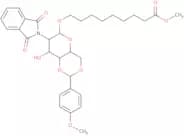
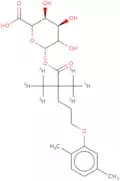
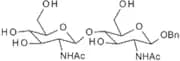
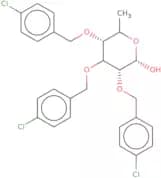
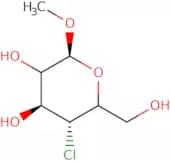
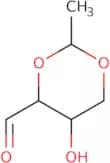
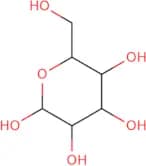
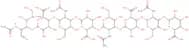


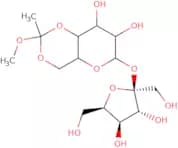


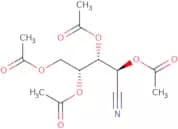
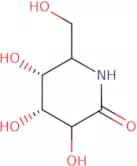
![D-[1-13C]Galacturonic acid potassium salt](/_next/image/?url=https%3A%2Fstatic.cymitquimica.com%2Fproducts%2F3D%2Fthumb-webp%2FMG28931.webp&w=3840&q=75)
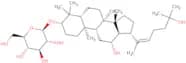
![N-Acetyl-4-O-[3,4,6-tri-O-acetyl-2-(acetylamino)-2-deoxy-β-D-glucopyranosyl]-α-muramic acid-1,6-di…](/_next/image/?url=https%3A%2Fstatic.cymitquimica.com%2Fproducts%2F3D%2Fthumb-webp%2FOA05067.webp&w=3840&q=75)
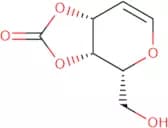
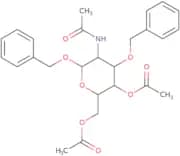
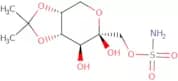
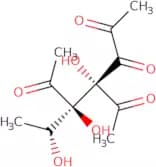

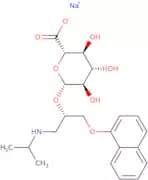

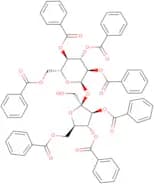
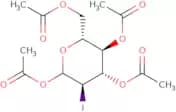
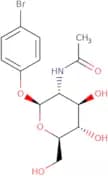
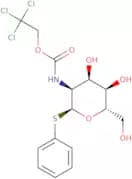

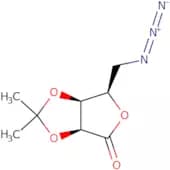
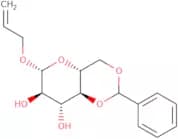
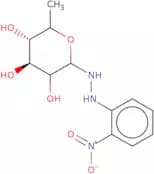
![1,6-O-[(1R,2R)-1,2-Dimethoxy-1,2-dimethyl-1,2-ethanediyl]-3,4-O-[(1S,2S)-1,2-dimethoxy-1,2-dimethy…](/_next/image/?url=https%3A%2Fstatic.cymitquimica.com%2Fproducts%2F3D%2Fthumb-webp%2FMD16693.webp&w=3840&q=75)


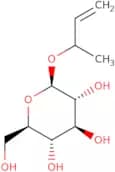
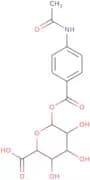
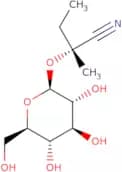
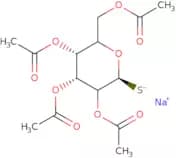
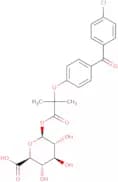
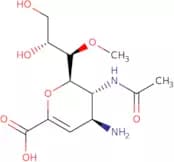
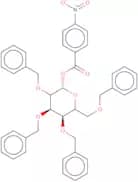

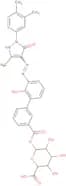
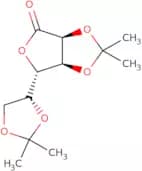

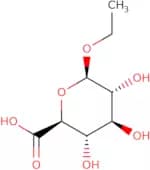
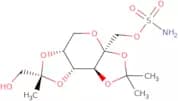



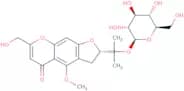
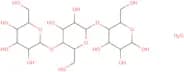
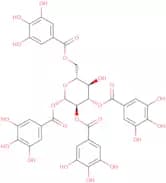
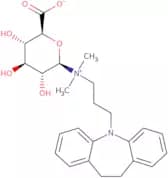


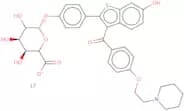

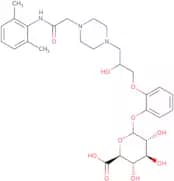
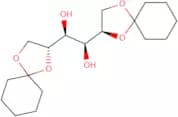

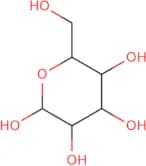


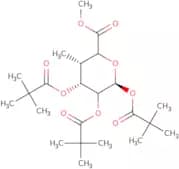

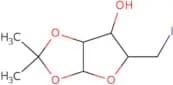
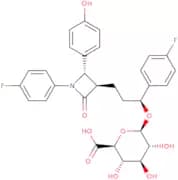
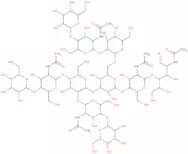
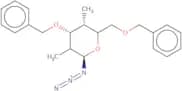
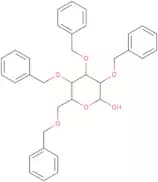
![L-[2-13C]Xylose](/_next/image/?url=https%3A%2Fstatic.cymitquimica.com%2Fproducts%2F3D%2Fthumb-webp%2FDUA50663.webp&w=3840&q=75)
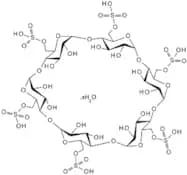
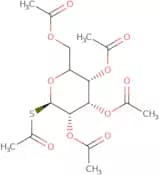
![Gal[2346Ac]b(1-3)GlcNPhth[46Bzd]-b-MP](/_next/image/?url=https%3A%2Fstatic.cymitquimica.com%2Fproducts%2F3D%2Fthumb-webp%2FOG60596.webp&w=3840&q=75)
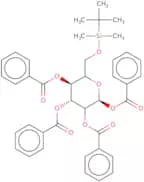
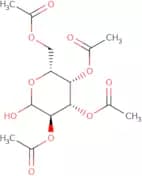


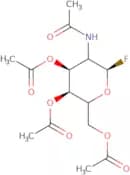

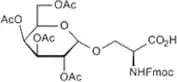
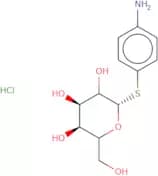
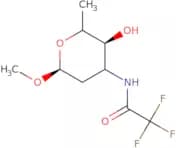
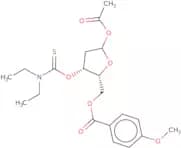
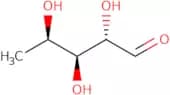
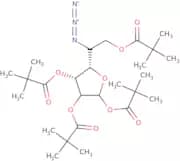
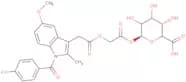
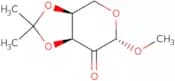
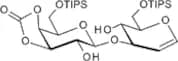

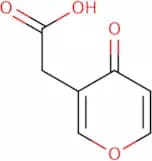
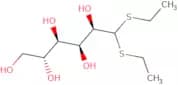
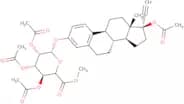
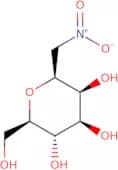
![(2E)-4-[2-Nitro-3-[(2,3,4,6-tetra-O-acetyl-b-D-glucopyranosyl)oxy]phenyl]-4-oxo-2-butenoic acid me…](/_next/image/?url=https%3A%2Fstatic.cymitquimica.com%2Fproducts%2F3D%2Fthumb-webp%2FMN16816.webp&w=3840&q=75)


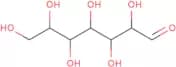
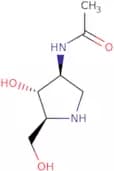
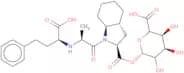

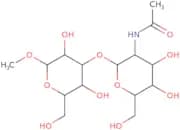
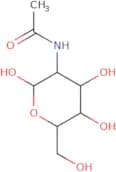
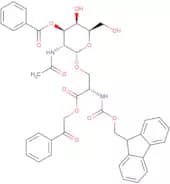
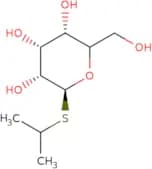
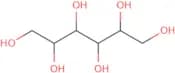


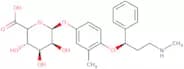
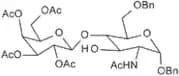
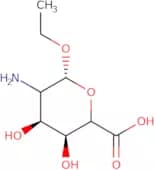
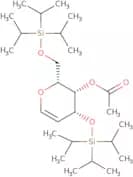
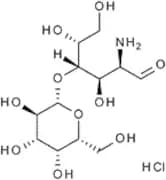


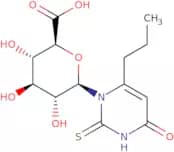
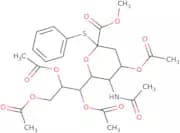
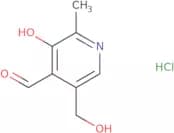
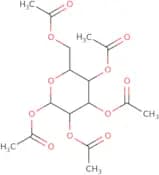
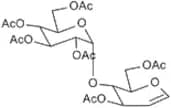

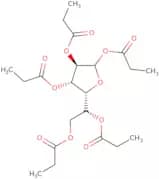
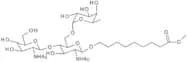
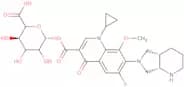
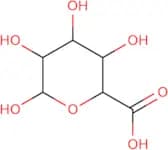
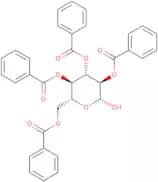

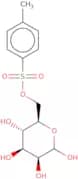
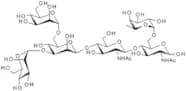
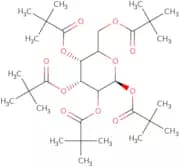

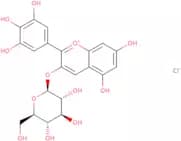
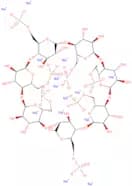
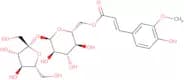
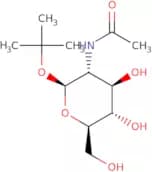
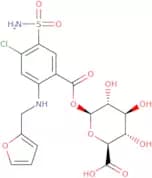
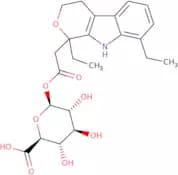
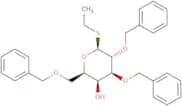
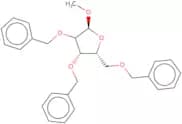
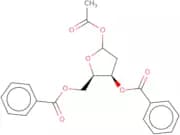
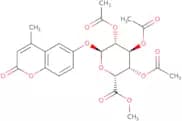
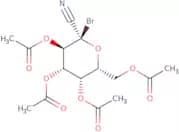

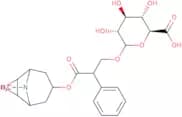

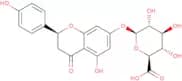
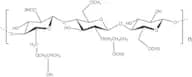
![(2R,3R,4S,5R,6S)-3,4,5-Trihydroxy-2-hydroxymethyl-7,9-diaza-1-oxa-spiro[4,5]decane-10-one-8-thione](/_next/image/?url=https%3A%2Fstatic.cymitquimica.com%2Fproducts%2F3D%2Fthumb-webp%2FMT01909.webp&w=3840&q=75)