Glycoscience
Glycoscience is the study of carbohydrates and their derivatives, as well as the interactions and biological functions they participate in. This field of research is crucial for understanding a wide variety of biological processes, including cell recognition, signaling, immune response, and disease development. Glycoscience has important applications in biotechnology, medicine, and the development of new drugs and therapies. At CymitQuimica, we offer a wide selection of high-quality, high-purity products for glycoscience research. Our catalog includes monosaccharides, oligosaccharides, polysaccharides, glycoconjugates, and specific reagents, designed to support researchers in their studies on the structure, function, and applications of carbohydrates in biological systems. These resources are intended to facilitate scientific discoveries and practical applications in various areas of bioscience and medicine.
Subcategories of "Glycoscience"
- Aminosugars(108 products)
- Glyco-Related Antibodies(282 products)
- Glycolipids(46 products)
- Glycosaminoglycans (GAGs)(55 products)
- Glycosides(419 products)
- Monosaccharides(6,621 products)
- Oligosaccharides(3,681 products)
- Polysaccharides(503 products)
Found 11041 products of "Glycoscience"
Sort by
Purity (%)
0
100
|
0
|
50
|
90
|
95
|
100
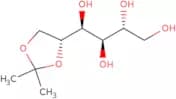
1,2-O-Isopropylidene-D-mannitol
CAS:<p>1,2-O-Isopropylidene-D-mannitol is an alditol that is synthesized by the reaction of 1,2-O-isopropylidene glycerol with sodium sulfide. This product can be further reacted with allylamine to form a thiepane derivative. Thiepane derivatives are polyhydroxylated and have been shown to have antibacterial activity against Staphylococcus aureus, Mycobacterium tuberculosis, and Streptococcus pneumoniae.</p>Formula:C9H18O6Purity:Min. 95%Color and Shape:PowderMolecular weight:222.24 g/mol6'-a-Sialyl-N-acetyllactosamine-PAA-biotin
<p>6'-a-Sialyl-N-acetyllactosamine-PAA-biotin is a biotin labelled sialyllactose. PAA - poly-N-(2-hydroxyethyl)acrylamide. The MW of PAA is ca 20,000DaSugar content: ca 10 mol%</p>Purity:Min. 95 Area-%Color and Shape:Off-White Powder4'-Hydroxypropanolol D-glucuronide D5
Controlled Product<p>4'-Hydroxypropanolol D-glucuronide D5 is a custom synthesis.</p>Formula:C22H24NO9D5Purity:Min. 95%Molecular weight:456.51 g/mol3-Deoxy-D-manno-2-octulosonic acid ammonium
CAS:<p>3-Deoxy-D-manno-2-octulosonic acid ammonium is a bioreactor that is used in the delipidation of fatty acids. It is one of the most effective natural compounds for removing lipids, and it has been shown to be effective in reducing the levels of galactose and cholesterol. 3-Deoxy-D-manno-2-octulosonic acid ammonium has also been shown to be an effective antigen that can be used as a marker for various microorganisms, such as typhimurium, enterobacter, and lettuce.</p>Formula:C8H17NO8Purity:Min. 95 Area-%Color and Shape:White PowderMolecular weight:255.22 g/molMethyl-β-cyclodextrin - 7 to 14 degree of substitution
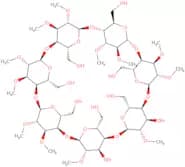
CAS:<p>This beta-cyclodextrin (β-CD) derivative is a functionalized cyclic oligosaccharide composed of seven glucose units, characterized by a hydrophilic exterior and a lipophilic cavity (bigger than α-CD and smaller than γ-CDs), which allows it to encapsulate various guest molecules. This structural feature facilitates its use in multiple applications, including pharmaceuticals, food enhancement, and cosmetics. In the pharmaceutical industry, it enhances the solubility and stability of poorly water-soluble drugs, improving their bioavailability and efficacy while also masking unpleasant tastes. The food sector utilizes it as a stabilizer for flavors, colors, and nutrients, extending shelf life by protecting sensitive ingredients from degradation. In cosmetics, it serves as a complexing agent for fragrances and active components, ensuring their stability and controlled release. Its use expands to many other fields, including nanotechnology for drug delivery systems, environmental remediation for extracting organic pollutants, textiles for slow-release fragrances, and analytical chemistry for chiral separation.</p>Formula:C56H98O35Color and Shape:PowderMolecular weight:1,331.36 g/mol4-Methoxyphenyl 2-acetamido-3,6-di-O-benzyl-4-O-{2,4-di-O-acetyl-3-O-[3,6-di-O-benzyl-2,4-di-O-(3,4,6-tri-O-acetyl-2-acetamido-2-deo xy-b-D-glucopyranosyl)-a-D-mannopyranosyl]-6-O-[3,4-di-O-acetyl-2,6-di-O-(3,4,6-tri-O-acetyl-2-acetamido-2-deoxy-b-D-g
<p>4-Methoxyphenyl 2-acetamido-3,6-di-O-benzyl-4-O-[2,4-di-O-(3,6-di-O-(3,4,6-tri-O-(2,4,6,-triacetyl)-bDglucopyranosyl)-aDmannopyranosyl]-6-[2,4,-diO-(3,6,-diO-(3,4,-triacetyl)-bDgluco pyranosyl)aDmannopyranosyl]-aDmannopyranoside is a complex carbohydrate that belongs to the polysaccharides. The CAS number for this compound is 5243968. This compound has been modified by methylation and glycosylation. It is a sugar with high purity and fluorination. This compound has been synthesized by the click modification of a carbohydrate.</p>Formula:C125H159N5O58Purity:Min. 95%Molecular weight:2,659.6 g/molMycophenolic acid b-D-glucuronide
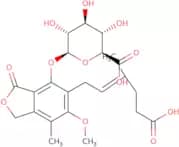
CAS:<p>Mycophenolic acid b-D-glucuronide is a metabolite of mycophenolic acid, which is an immunosuppressant drug. The glucuronide form of mycophenolic acid is the main form found in human serum. Mycophenolic acid b-D-glucuronide has been shown to have a concentration–time curve that has a higher peak at about 3 hours and lower troughs than those for mycophenolic acid. It has also been shown to have similar effects on autoimmune diseases as its parent compound, but with fewer side effects. Mycophenolic acid b-D-glucuronide can be detected by high performance liquid chromatography (HPLC). The analytical method for this compound was developed using HPLC methods with detection by fluorescence at 254 nm and has been validated for use in human serum samples.END></p>Formula:C23H28O12Purity:Min. 96 Area-%Color and Shape:PowderMolecular weight:496.46 g/mol9-(b-D-Galactopyranose)-nonanoic acid
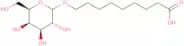
CAS:<p>9-(b-D-Galactopyranose)-nonanoic acid is a custom synthesis, modification and fluorination of a methylated monosaccharide in the form of an oligosaccharide. This synthetic compound is polysaccharide with a carbohydrate group at one end, which can be modified to be glycosylated or saccharified. It has been shown to have anti-inflammatory properties, which may be due to its ability to inhibit prostaglandin synthesis.</p>Formula:C15H28O8Purity:Min. 95%Color and Shape:SolidMolecular weight:336.38 g/molD-Cellopentose heptadecaacetate
CAS:<p>D-Cellopentose heptadecaacetate is a fluorinated, monosaccharide that is synthesized from the sugar cellobiose. It is an oligosaccharide and a complex carbohydrate with one of its glycosidic bonds modified by methylation. D-Cellopentose heptadecaacetate has been shown to be effective in inhibiting glycosylation reactions and can be used as a sugar substitute or for custom synthesis. This product has been shown to have high purity and is available at CAS No. 83058-38-2.</p>Formula:C64H86O43Purity:Min. 95%Color and Shape:White to off-white solid.Molecular weight:1,543.34 g/molmuco-Inositol
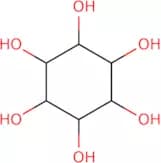
CAS:<p>Muco-Inositol is a compound that is involved in the metabolism of glucose, lipid and protein. It can be synthesized from myo-inositol and plays an important role in the synthesis of phosphatidylinositols. Muco-Inositol has been shown to inhibit enzyme activities in a wild type strain of E. coli. This inhibition may be due to its ability to bind to the active site of these enzymes, thereby inhibiting their activity. Muco-Inositol also inhibits the growth of ovarian cancer cells, as well as myo-inositol levels in maternal blood.</p>Formula:C6H12O6Purity:Min. 95%Color and Shape:PowderMolecular weight:180.16 g/mol1,3:2,4-Bis(O-benzylidene)-D-sorbitol
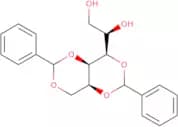
CAS:<p>1,3:2,4-Bis(O-benzylidene)-D-sorbitol is a hydrogenated derivative of sorbitol. It is used in fatty acid devices and as a surfactant in hydrogenation reactions. 1,3:2,4-Bis(O-benzylidene)-D-sorbitol is an acidic compound that has a low molecular mass and is soluble in water. It reacts with magnesium oxide to form the corresponding magnesium salt. This derivative is also used in silicone residue removal and as an activated organic base.</p>Formula:C20H22O6Color and Shape:White PowderMolecular weight:358.39 g/mol3-Deoxy-1,2-O-isopropylidene-5-p-toluoyl-b-L-threo pentofuranose
<p>3-Deoxy-1,2-O-isopropylidene-5-p-toluoyl-b-L-threo pentofuranose is an Oligosaccharide with a molecular weight of 1094.00 Da. It is a synthetic sugar that is fluorinated at the 1' position and methylated at the 5' position. 3DOTF can be used as a substrate for glycosylation to produce glycans with desired terminal functionality. This product can also be modified using click chemistry to generate saccharides with novel functional groups.</p>Purity:Min. 95%2-Acetamido-2-deoxy-b-D-thioglucopyranose
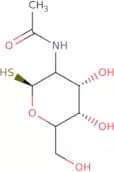
CAS:<p>2-Acetamido-2-deoxy-b-D-thioglucopyranose is a sugar with the chemical formula C6H14O7. It has been synthesized by Click chemistry to have an acetamido group on one of the carbon atoms and a 2,3,5-triiodo substituent on the other. The methylene protons at the 3 and 5 positions of the glycosidic linkage are fluorinated to give this modified sugar. It is also glycosylated with glucose to form a complex carbohydrate. 2-Acetamido-2-deoxy-b-D-thioglucopyranose has CAS number 781581-10-0 and a molecular weight of 318.19 g/mol.</p>Formula:C8H15NO5SPurity:Min. 95%Color and Shape:PowderMolecular weight:237.27 g/mol3-Aminopropyl-3-O-(α-D-galactopyranosyl)-β-D-galactopyranoside
CAS:<p>Please enquire for more information about 3-Aminopropyl-3-O-(α-D-galactopyranosyl)-β-D-galactopyranoside including the price, delivery time and more detailed product information at the technical inquiry form on this page</p>Formula:C15H29NO11Purity:Min. 80%Molecular weight:399.39 g/molMaltulose monohydrate
CAS:<p>Occurs by epimerisation of maltose and transglucosylation</p>Formula:C12H22O11·H2OPurity:Min. 95%Color and Shape:White PowderMolecular weight:360.32 g/molPeonidin-3-O-galactoside chloride
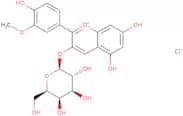
CAS:<p>Peonidin-3-O-galactoside chloride is a natural product that can be found in many plants, such as the genus Peonia, and is also commonly found in wine. It has been shown to inhibit pancreatic lipase in vitro and may have potential as a dietary supplement. The surface methodology used to study the interaction of protocatechuic acid with caco-2 cells was efficient and showed the ability of this compound to interact with fatty acids. This interaction could be related to its health effects, which have been studied using cell culture methods. The dietary intake of protocatechuic acid has been shown to reduce blood pressure in rats, but it is unclear if this effect would occur in humans because of the lack of a suitable animal model for human studies.</p>Formula:C22H23O11·ClPurity:Min. 95%Color and Shape:PowderMolecular weight:498.86 g/molOctyl α-D-thioglucopyranoside
CAS:<p>Octyl α-D-thioglucopyranoside is a custom synthesis that belongs to the group of saccharides. It is a synthetic compound that can be modified with methylation, fluorination, and monosaccharide or oligosaccharide additions. Octyl α-D-thioglucopyranoside has been shown to have complex carbohydrate properties due to its glycosylation and sugar additions.</p>Formula:C14H28O5SPurity:Min. 98 Area-%Color and Shape:PowderMolecular weight:308.43 g/mol1,5,6,7-Tetra-O-benzylvoglibose
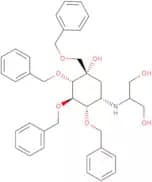
CAS:<p>1,5,6,7-Tetra-O-benzylvoglibose is a naturally occurring pentose that is classified as an inhibitor of protein synthesis. It has been shown to inhibit the growth of tumor cells and may be useful in the treatment of cancer. 1,5,6,7-Tetra-O-benzylvoglibose binds to cation channels and blocks their activity. This prevents the influx of calcium ions into the cell which is required for cell division. 1,5,6,7-Tetra-O-benzylvoglibose also inhibits tumor metastases by inhibiting proliferation of myeloid derived suppressor cells (MDSCs). 1,5,6,7 Tetra-O-benzylvoglibose has been shown to inhibit growth factor signaling pathways in cardiac tissue and reduce the risk of cardiac disease development.</p>Formula:C38H45NO7Purity:Min. 95%Molecular weight:627.77 g/mol5-O-tert-Butyldimethylsilyl-2,3-O-isopropylidene-2-C-methyl-D-ribono-1,4-lactone
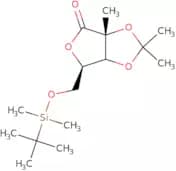
CAS:<p>5-O-tert-Butyldimethylsilyl-2,3-O-isopropylidene-2-C-methyl-D-ribono-1,4-lactone is a synthetic glycoside with a fluorinated methyl group. The compound is used for the modification of complex carbohydrates. This product is characterized by its high purity, custom synthesis and click modification.</p>Formula:C15H28O5SiPurity:Min. 95%Molecular weight:316.47 g/molD-Altrose
CAS:<p>D-Altrose is an alpha-hydroxy acid that is synthesized from D-arabinose and trifluoroacetic acid. It has been shown to be a substrate for the synthesis of oligosaccharides, which are important in carbohydrate chemistry. This molecule can also be used as a reagent in the preparation of carbohydrates with a specific configuration at C2. One use of this product is in generating analytical methods that can distinguish between D-altrose and D-arabinose by monitoring the ratio of hydrogen fluoride to carbonyl group signals. D-Altrose may also be used in asymmetric synthesis, where it is a useful chiral building block for the construction of galacturonic acid derivatives.</p>Formula:C6H12O6Purity:Min. 98 Area-%Color and Shape:White PowderMolecular weight:180.16 g/molChloramphenicol glucuronide
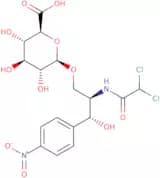
CAS:<p>Chloramphenicol glucuronide is an active metabolite of chloramphenicol. It can be detected in human serum and urine, as well as rat liver microsomes. Chloramphenicol glucuronide binds to the cytosolic protein, cytochrome b5 reductase, which inhibits protein synthesis and cell growth. This compound has been shown to be effective for treating infectious diseases such as typhoid fever, pelvic inflammatory disease, and pneumonia. The chloramphenicol glucuronide group also includes a number of other metabolites that are formed from chloramphenicol by conjugation with glucuronic acid.</p>Formula:C17H20Cl2N2O11Purity:Min. 95 Area-%Color and Shape:PowderMolecular weight:499.26 g/molD-Fructose 1-phosphate disodium salt
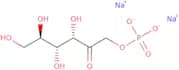
CAS:<p>D-Fructose 1-phosphate disodium salt is a high purity, custom synthesis sugar compound. It has CAS No. 71662-09-4 and Click modification. Fluorination and glycosylation are the two modifications that can be done on this product. This product is an oligosaccharide and it is a monosaccharide with saccharide as its complex carbohydrate.</p>Formula:C6H11Na2O9PPurity:Min. 90 Area-%Color and Shape:White PowderMolecular weight:304.1 g/molEthyl 2-acetamido-2-deoxy-b-D-galactopyranoside
<p>Ethyl 2-acetamido-2-deoxy-b-D-galactopyranoside is a custom synthesis, fluorinated, modified with methyl and acetamido groups, monosaccharide with a CAS number. It is synthesized by the modification of galactose with an acetamido group and then reacting it with ethyl bromoacetate. It is a saccharide that can be used to modify glycoproteins. This compound has been used in the synthesis of oligosaccharides and polysaccharides. Ethyl 2-acetamido-2-deoxy-b-D-galactopyranoside is also known as a sugar or carbohydrate.</p>Formula:C10H19NO6Purity:Min. 95%Color and Shape:SolidMolecular weight:249.26 g/molCiclopirox D-glucuronide sodium salt
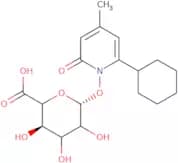
CAS:<p>Ciclopirox D-glucuronide sodium salt is a synthetic chemical that belongs to the group of glycosylated and fluorinated ciclopirox. It has been modified to improve its activity and stability. Ciclopirox D-glucuronide sodium salt is a high purity product with a custom synthesis and modification process. This chemical is useful for the synthesis of carbohydrate-based drugs, polysaccharides, saccharides, and complex carbohydrates.</p>Formula:C18H24NO8·NaPurity:Min. 95 Area-%Color and Shape:PowderMolecular weight:405.37 g/mol3-Amino-3-deoxy-1,2:5,6-di-O-isopropylidene-α-D-glucofuranose
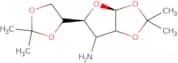
CAS:<p>3-Amino-3-deoxy-1,2:5,6-di-O-isopropylidene-a-D-glucofuranose is a synthetic, custom carbohydrate with a saccharide backbone. The modification of this molecule includes methylation and fluorination. 3-Amino-3-deoxy-1,2:5,6-di-O-isopropylidene is a modification on the saccharide backbone. This molecule is also synthesized with click chemistry to produce an amine functionality at the reducing end of the sugar. This product has high purity and can be used in research or as an intermediate for other compounds.</p>Formula:C12H21NO5Purity:Min. 95%Color and Shape:Pale yellow solid.Molecular weight:259.3 g/mol2,3,4,6-Tetra-O-acetyl-b-D-galactopyranosyl bromide
CAS:<p>2,3,4,6-Tetra-O-acetyl-b-D-galactopyranosyl bromide is a chemical reagent with the chemical formula C6H8Br4O7. It is an argon fluorochlorohydrohalide that has been used as a reagent in organic synthesis. This compound has been shown to have antibacterial activity against faecalis and other bacteria. 2,3,4,6-Tetra-O-acetyl-b-D-galactopyranosyl bromide reacts with oxygen or halides to form reactive species such as tribromide or chloride. These reactive species may be responsible for the antibacterial properties of this compound.</p>Formula:C14H19BrO9Purity:Min. 95%Molecular weight:411.2 g/molNigeran
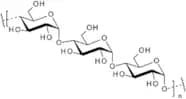
CAS:<p>Nigeran is a polysaccharide found in the cell wall of lower fungi. In certain Aspergillus and Penicillium spp., nigeran was first isolated from Penicillium expansum and Aspergillus niger (illustrated). The polysaccharide contains unbranched α-D- glucopyranose residues linked 1,3 and 1,4. Nigeran is part of the hyphal cell wall, where it can contribute up to 40 % of the cell dry weight. The polysaccharide occupies several domains or location on the hyphal wall and is highly crystalline in vivo. Deposition of nigeran is primarily at the outer surface of the hyphal wall.</p>Purity:Min. 95%Color and Shape:PowderAllyl 2-acetamido-2,6-dideoxy-6-fluoro-a-D-galactopyranoside
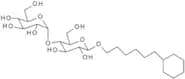
<p>Allyl 2-acetamido-2,6-dideoxy-6-fluoro-a-D-galactopyranoside is a synthetic carbohydrate that has been modified with fluorination. It is a saccharide, which is a type of sugar. Allyl 2-acetamido-2,6-dideoxy-6-fluoro-a-D-galactopyranoside is an oligosaccharide and it belongs to the group of complex carbohydrates. This product can be custom synthesized and has high purity. It has been methylated and glycosylated. Click modification has also been performed on this product.</p>Formula:C11H19FNO5Purity:Min. 95%Color and Shape:PowderMolecular weight:264.27 g/mol6-Cyclohexylhexyl β-D-maltoside
CAS:<p>6-Cyclohexylhexyl b-D-maltoside (6CHBM) is a monoclonal antibody that inhibits the acetylcholine receptor. It binds to the hydroxyl group on the acetylcholine receptor and blocks nicotinic acetylcholine binding, preventing activation of the receptor. 6CHBM is a hydrophobic molecule with a hydroxyl group that can interact with other hydrophobic molecules in the membrane bilayer, such as fatty acids. 6CHBM has been shown to be an allosteric inhibitor of acetylcholine receptors by binding to a site outside of the active site and altering conformational changes required for channel opening. 6CHBM has also been shown to inhibit cation channels.<br>6CHBM was developed from mouse antibodies and has shown no adverse effects in mice or rabbits.</p>Formula:C24H44O11Purity:Min. 95%Color and Shape:PowderMolecular weight:508.6 g/molHyaluronic acid from Bacteria
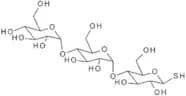
CAS:<p>Hyaluronic acid is a polysaccharide composed of repeating units of the disaccharide N-acetylglucosamine and D-glucuronic acid. It is found in many connective tissues, including the skin, where it binds water and maintains elasticity. This product is custom synthesized by modifying the structure to include fluorine atoms, methyl groups, and monosaccharides. It is synthesized from synthetic building blocks that are modified with click chemistry to form oligosaccharides. The saccharide units are then glycosylated with sugar molecules, creating a complex carbohydrate with an average molecular weight between 50,000 and 100,000 Daltons.</p>Purity:(%) Min. 90%4-O-(4-O-(α-D-Glucopyranosyl)-α-D-glucopyranosyl)-β-D-thioglucopyranose
<p>4-O-(4-O-(a-D-Glucopyranosyl)-a-D-glucopyranosyl)-b-D-thioglucopyranose is a glycosylation product of the sugar 4-O-(4-O-(a-D-glucopyranosyl)-a-D-glucopyranosyl) b -D -thioglucopyranose. It is synthesized by reaction of 4,5,6,7,8,9,10,11,12,13,14 and 15 with a 1:1 molar ratio. The product can be modified to methylated or fluorinated products using the click chemistry method.</p>Formula:C18H32O15SPurity:Min. 95%Molecular weight:520.5 g/mol4'-O-(a-D-Galactopyranosyl)-D-lactose
<p>4'-O-(a-D-Galactopyranosyl)-D-lactose is a synthetic and fluorinated glycoside that belongs to the class of oligosaccharides. It has a molecular weight of 474.07 Da and a chemical formula of C12H23NO8. This product is available in custom synthesis in order to meet the needs of customers. It also has been modified with methylation, monosaccharide, polysaccharide, saccharide, click modification, and complex carbohydrate modifications. This product is available at high purity with CAS No. 834-02-4 and can be ordered from our website.</p>Purity:Min. 95%Lacto-N-neooctaose
<p>Neutral octasaccharide naturally present in human breast milk</p>Formula:C54H91N3O41Purity:Min. 90%Color and Shape:PowderMolecular weight:1,438.3 g/mol5-O-β-D-Glucopyranosyl-D-xylitol
CAS:<p>5-O-β-D-Glucopyranosyl-D-xylitol is a disaccharide that is synthesized for use in research.</p>Formula:C11H22O10Purity:Min. 95%Color and Shape:PowderMolecular weight:314.29 g/mol5-Thio-a-D-mannose
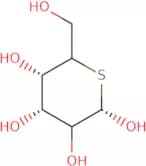
CAS:<p>5-Thio-a-D-mannose is a disaccharide that contains a sulfhydryl group. It has been shown to be a cellular and trackable molecule, which can be acetylated by mercuric chloride. The glycosidases of this molecule are mannosidases, which cleave the 5th carbon from the glycosidic linkage of the sugar. This is an important process for a variety of biological functions, such as the synthesis of DNA and proteins. In addition, this disaccharide is involved in various metabolic pathways, including glycolysis and gluconeogenesis.</p>Formula:C6H12O5SPurity:Min. 95%Molecular weight:196.22 g/molHyacinthacine B3
CAS:<p>Hyacinthacine B3 is a compound that was synthesized by the Sharpless asymmetric dihydroxylation of polyhydroxylated aldehyde. It has inhibitory activities against nitrogen atoms and amines, which are important for the synthesis of proteins. The compounds with petasis amines have been shown to be effective in the treatment of influenza A virus.</p>Formula:C9H17NO4Purity:Min. 95%Molecular weight:203.24 g/molGlcA[3S]b(1-3)Galb(1-4)GlcNAcb(1-2)Mana-Ethylazide
<p>GlcA[3S]b(1-3)Galb(1-4)GlcNAcb(1-2)Mana-Ethylazide is an oligosaccharide used in glycosylation and esterification reactions. It is a complex carbohydrate that consists of a methylated mannosamine backbone, with alpha-D-glucose and alpha-D-galactose units attached to the mannosamine. GlcA[3S]b(1-3)Galb(1-4)GlcNAcb(1-2)Mana-Ethylazide has a fluorinated ethyl group at the 3 position of the mannosamine, which can be modified with other reactive groups. The CAS number for this compound is 84726-43-7.</p>Formula:C28H44N4Na20O25SPurity:Min. 95%Molecular weight:1,328.52 g/molAmidated Pectin
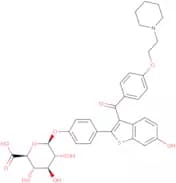
CAS:<p>Pectins are derived from citrus fruits such as lemons and limes. Amidated pectin is a modified form of pectin in which some of the galacturonic acid residues are converted with ammonia to amides. These pectins are more tolerant to varying calcium concentrations that occur in use and behave like low-ester pectins, need less of and are more tolerant to excess calcium. In addition, these gels are thermoreversible.</p>Formula:C5H10O5Purity:Min. 95%Color and Shape:PowderMolecular weight:150.13 g/molRaloxifene 4'-D-glucuronide
CAS:<p>Raloxifene 4'-D-glucuronide is a drug that is a prodrug of raloxifene, and it can be used to treat osteoporosis. The compound is metabolized by glucuronidation in the liver, and it has been found to have bioequivalence with the parent drug. Raloxifene 4'-D-glucuronide is marketed under the trade name Evista.</p>Formula:C34H35NO10SPurity:Min. 95%Color and Shape:PowderMolecular weight:649.71 g/molγ-Cyclodextrin
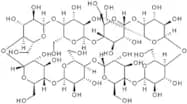
CAS:<p>Gamma-cyclodextrin (and its hydrated form) is a cyclic oligosaccharide with 8 D-glucose residues which are α-1,4-linked. Gamma-cyclodextrin is used in the food industry to encapsulate flavors and fragrances. Gamma-cyclodextrin can improve the bioavailability of compounds with low water solubility, such as Coenzyme Q10, which has been used in nutraceuticals. Its cavity size, larger than α- and β-cyclodextrins, allows γ-CDs to form inclusion complexes with a wider range of guest molecules, making it particularly versatile in various industries. In the food sector, it is used as a carrier and stabilizer for flavors, fat-soluble vitamins, and polyunsaturated fatty acids, protecting volatile compounds from evaporation. In pharmaceuticals, it enhances the solubility and bioavailability of poorly water-soluble drugs and, thanks to its larger ring size, allows for the encapsulation of larger molecules or even entire drug molecules. γ-CDs and derivatives are also used for environmental remediation and, in analytical chemistry, for the extraction and concentration of target substances.</p>Formula:C48H80O40Purity:Min. 98 Area-%Color and Shape:White PowderMolecular weight:1,297.12 g/mol1,2:3,4-Di-O-isopropylidene-a-D-galacturonide
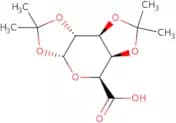
CAS:<p>1,2:3,4-Di-O-isopropylidene-a-D-galacturonide is an intermediate in the synthesis of D-galactosamine. It is a white crystalline solid with a melting point of 217°C. The compound has been shown to have biological properties including antiviral and immuno-stimulatory activities. This chemical is synthesized by the stepwise addition of chlorides to the hydroxyls of 1,2:3,4-di-O-isopropylideneacetone.</p>Formula:C12H18O7Purity:Min. 95%Color and Shape:PowderMolecular weight:274.27 g/mol2-Acetamido-2-deoxy-4-O-(b-D-galactopyranosyl)-6-sulfo-D-glucopyranose sodium salt
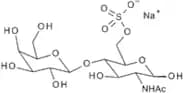
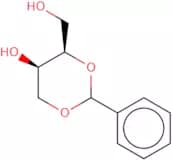
CAS:<p>2-Acetamido-2-deoxy-4-O-(b-D-galactopyranosyl)-6-sulfo-D-glucopyranose sodium salt is a synthetic compound that is used in glycosylation reactions. It can be used for the production of oligosaccharides and complex carbohydrates, as well as for the modification of natural products. 2 Acetamido -2 deoxy -4 O-(b-D galactopyranosyl) -6 sulfo D glucopyranose sodium salt has a purity of 98% and was synthesized by fluorination. The CAS number is 145447 78 5.</p>Formula:C14H24NO14S·NaPurity:90%Color and Shape:White PowderMolecular weight:485.39 g/mol1,3-O-Benzylidene-4-O-trityl-D-threitol
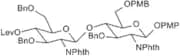
CAS:<p>1,3-O-Benzylidene-4-O-trityl-D-threitol is a carbohydrate that is modified with fluorine and contains a trityl group. It is used as a reagent in oligosaccharide synthesis, sugar modification, and glycosylation reactions. The compound can be custom synthesized to meet the desired specifications, such as high purity and low cost. The compound can also be methylated or glycosylated for custom synthesis.</p>Formula:C30H28O4Purity:Min. 95%Molecular weight:452.54 g/mol4-Methoxyphenyl 4-O-(3,6-di-O-benzyl-2-deoxy-4-O-levulinoyl-2-phthalimido-b-D-glucopyranosyl)-3-O-benzyl-2-deoxy-6-O-(4-methoxybenzy l)-2-phthalimido-b-D-glucopyranoside
<p>4-Methoxyphenyl 4-O-(3,6-di-O-benzyl-2-deoxy-4-O-levulinoyl-2-phthalimido-b-D-glucopyranosyl)-3-O-(4 methoxybenzyl)-2 deoxy 6 - O-(4 methoxybenzyl) - 2 phthalimido b D glucopyranoside is a complex carbohydrate that can be custom synthesized. It has been fluorinated. The modification of methyl groups on the saccharide moiety and its glycosylation make it a highly purified carbohydrate. This product has CAS No. 71181, Click modification, and Modification.</p>Formula:C69H66N2O17Purity:Min. 95%Molecular weight:1,195.27 g/molMethyl β-xylobioside penta-O-acetate
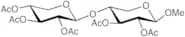
CAS:<p>Methyl β-xylobioside penta-O-acetate is a methyl glycoside of xylobiose</p>Formula:C21H30O14Purity:Min. 95%Color and Shape:PowderMolecular weight:506.45 g/molFlurbiprofen sorbitol ester
<p>Flurbiprofen is an anti-inflammatory drug that belongs to the group of non-steroidal anti-inflammatory drugs. It is a prodrug that is converted to the active form, flurbiprofen acid, in the liver. Flurbiprofen is used to reduce inflammation and relieve pain. The synthesis of this compound starts with the fluorination of 2,3-dihydroxybenzoic acid using N-fluorobenzenesulfonimide as a reagent. This reaction produces an alkylating agent, which reacts with sucrose in the presence of sodium methoxide to produce methylated sucrose ester. This is then oxidized with potassium permanganate to produce methylated sucrose ester oxide, which undergoes a click modification reaction with tetramethyl orthosilicate and triethylamine to produce flurbiprofen sorbitol ester (FSE).</p>Formula:C21H25FO7Purity:Min. 95%Color and Shape:PowderMolecular weight:408.42 g/molL-Arabinaric acid dipotassium salt
CAS:<p>L-Arabinaric acid dipotassium salt is a custom synthesis of an L-arabinaric acid, which is a monosaccharide that is found in the cell wall of bacteria. This compound has been modified to be resistant to fluorination, methylation, and click chemistry. The modification process includes the use of Oligosaccharides, saccharides, and polysaccharides as well as glycosylation and sugar. L-Arabinaric acid dipotassium salt can also be used for the synthesis of complex carbohydrates.</p>Formula:C5H6K2O7Purity:Min. 98 Area-%Color and Shape:PowderMolecular weight:256.29 g/molGM2-Oligosaccharide-sp-biotin
<p>Biotin-labelled oligosaccharide domain of the monosialylated glycosphingolipid GM2 of a-series. The compound is present on neuronal cells and plays a key role in the regulation of dendritogenesis in cortical pyramidal neurons. In lysosomal storage disorders Tay-Sachs and Sandhoff disease, where hexosaminases A and B are deficient, GM2 ganglioside accumulates in the nervous system. GM2 is also overexpressed in melanomas and other tumours of neuro-ecto origin. Moreover, the sugar moiety of this ganglioside is a receptor allowing viral infection of cells with reovirus and rotavirus.</p>Formula:C54H88N9O29S•NaPurity:Min. 95%Color and Shape:PowderMolecular weight:1,382.38 g/molCyclohexyl b-D-glucopyranoside
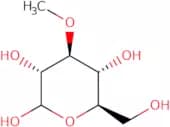
<p>Cyclohexyl b-D-glucopyranoside is a synthetic sugar that is modified with fluorine. Cyclohexyl b-D-glucopyranoside can be custom synthesized to meet your specific needs. This product has a high purity and is methylated and glycosylated. Cyclohexyl b-D-glucopyranoside's CAS number is 113488-25-8.</p>Purity:Min. 95%3-O-Methyl-D-glucopyranoside
CAS:<p>Resource for synthesis of natural products with a 3-O-Me-glucosyl element</p>Formula:C7H14O6Purity:Min. 98 Area-%Color and Shape:White Off-White PowderMolecular weight:194.18 g/mol










![GlcA[3S]b(1-3)Galb(1-4)GlcNAcb(1-2)Mana-Ethylazide](/_next/image/?url=https%3A%2Fstatic.cymitquimica.com%2Fproducts%2F3D%2Fthumb-webp%2FOG44930.webp&w=3840&q=75)