Glycoscience
Glycoscience is the study of carbohydrates and their derivatives, as well as the interactions and biological functions they participate in. This field of research is crucial for understanding a wide variety of biological processes, including cell recognition, signaling, immune response, and disease development. Glycoscience has important applications in biotechnology, medicine, and the development of new drugs and therapies. At CymitQuimica, we offer a wide selection of high-quality, high-purity products for glycoscience research. Our catalog includes monosaccharides, oligosaccharides, polysaccharides, glycoconjugates, and specific reagents, designed to support researchers in their studies on the structure, function, and applications of carbohydrates in biological systems. These resources are intended to facilitate scientific discoveries and practical applications in various areas of bioscience and medicine.
Subcategories of "Glycoscience"
- Aminosugars(108 products)
- Glyco-Related Antibodies(282 products)
- Glycolipids(46 products)
- Glycosaminoglycans (GAGs)(55 products)
- Glycosides(419 products)
- Monosaccharides(6,624 products)
- Oligosaccharides(3,682 products)
- Polysaccharides(503 products)
Found 11046 products of "Glycoscience"
Sort by
Purity (%)
0
100
|
0
|
50
|
90
|
95
|
100
UDP-D-galactosamine disodium salt
CAS:<p>UDP-D-galactosamine disodium salt is a type of sugar that is a substrate for UDP-glucuronosyltransferase (UGT), which catalyzes the transfer of galactose from UDP-D-galactose to other molecules. The product of this reaction is UDP-D-galacturonic acid. It is produced in the liver, where it participates in the synthesis of glycoproteins, glycolipids, and glycosaminoglycans. In addition, it can be found in the distal tubule of the kidney and in leukemia cells. The histological analysis of rat liver tissue showed that UDP-D-galactosamine disodium salt is present in hepatocytes. This sugar also helps with protein synthesis and activates uridine, which can be used as a carbon source. Histological analysis also revealed that UDP-D-galactosamine disodium salt plays an important role in glucose metabolism, as well as</p>Formula:C15H23N3O16P2Na2Purity:Min. 95%Color and Shape:PowderMolecular weight:609.28 g/mol2,3,4,6-Tetra-O-acetyl-N-(b-D-galactopyranosyl)-N'-[(2-methanethiosulfonyl)ethyl]urea
CAS:<p>2,3,4,6-Tetra-O-acetyl-N-(b-D-galactopyranosyl)-N'-[(2-methanethiosulfonyl)ethyl]urea is a glycoside that has been custom synthesized for a sugar. This product is fluorinated and has a purity of 99%. It can be used as an intermediate in the Click modification reaction. It is available in bulk quantities and can be customized to meet customer needs.</p>Formula:C17H26N2O12S2Purity:Min. 95%Molecular weight:514.53 g/mol3,4-Di-O-benzyl-L-rhamnal
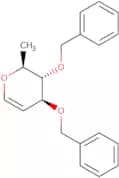
CAS:<p>3,4-Di-O-benzyl-L-rhamnal is a high purity Glycosylation Oligosaccharide with a CAS No. 117249-17-9 that is synthesized by Click modification and methylation. It can be used as a raw material in the synthesis of complex carbohydrate. 3,4-Di-O-benzyl-L-rhamnal is water soluble and has an excellent stability in acidic conditions.</p>Purity:Min. 95%6-(4-Azido-2-hydroxybenzamido)-6-deoxy-D-glucopyranose
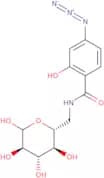
CAS:<p>6-(4-Azido-2-hydroxybenzamido)-6-deoxy-D-glucopyranose (AGB) is a potential photoaffinity label that can be used to identify and characterize the transporter. The photoaffinity label is synthesized by reacting 2,4-dinitrophenylhydrazine with 6-(4-azido-2-hydroxybenzamido)-6-deoxy-D-glucopyranose in the presence of sodium bicarbonate or potassium carbonate. The photolysis of AGB produces an azide radical cation that reacts with amino acid residues on the protein surface, forming a covalent bond. This labeling process is irreversible.</p>Formula:C13H16N4O7Purity:Min. 95%Molecular weight:340.29 g/molParomamine trihydrochloride
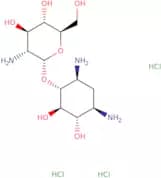
CAS:<p>Paromamine trihydrochloride is a Custom synthesis, Modification, Fluorination, Methylation, Monosaccharide, Synthetic, Click modification of the chemical compound. Paromamine trihydrochloride is an Oligosaccharide and saccharide that has been Glycosylated. The Carbohydrate complex is made up of a number of sugar units that are linked together to form a polysaccharide. This Polysaccharide can be found in many plants and animals.</p>Formula:C12H25N3O7•(HCl)3Purity:Min. 95%Color and Shape:PowderMolecular weight:432.72 g/mol2-Cyclohexylethyl-4-O-(a-D-glucopyranosyl)-b-D-glucopyranoside
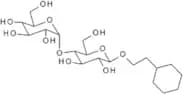
CAS:<p>Oroxylum indicum is a plant that belongs to the family Bignoniaceae. It has been used in traditional medicine for the treatment of cancer and has been shown to possess anti-inflammatory properties. The sequenced genome of Oroxylum indicum has provided a model system for understanding the molecular mechanisms underlying tumorigenesis. This plant contains a number of monoclonal antibodies, including one that is active against mouse monoclonal antibodies and inhibits tumor xenografts. The extract of this plant also inhibits influenza virus and polymerase chain reactions, which are important steps in protein synthesis. Oroxylum indicum may have therapeutic potential as an anti-cancer drug because it can inhibit solid tumours by interfering with protein synthesis.</p>Formula:C20H36O11Purity:Min. 95%Color and Shape:PowderMolecular weight:452.49 g/mol4-O-(2-O-Methyl-b-D-galactopyranosyl)-D-glucopyranose
CAS:4-O-(2-O-Methyl-b-D-galactopyranosyl)-D-glucopyranose is a disaccharide. The lacto-n-biose unit is a nonreducing sugar that contains an alpha, beta unsaturated 1,6 glycosidic bond and a lactose molecule. 4-O-(2-O-Methyl-b-D-galactopyranosyl)-D-glucopyranose has been found to stimulate the synthesis of galectin in vitro, which may be due to its ability to bind to lectins. This disaccharide can also cause denaturation at high temperatures.Formula:C13H24O11Purity:Min. 95%Molecular weight:356.32 g/molAnthrose
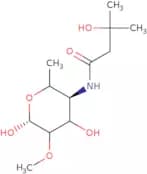
CAS:<p>Anthrose is a natural product that has been isolated from the larvae of Galleria mellonella, an insect. It has been shown to have antiviral activity against anthracis, a bacterium that causes anthrax. Anthrose treatment leads to cell lysis and DNA degradation in both prokaryotic and eukaryotic cells. The mechanism of action of this compound is not yet known, but it may be due to its ability to act as a competitive inhibitor for the enzyme aminotransferase activity. It also has antimicrobial properties and has been shown to inhibit Mycobacterium tuberculosis growth.</p>Formula:C12H23NO6Purity:Min. 95%Color and Shape:PowderMolecular weight:277.31 g/molLewis A trisaccharide methyl glycoside tetrabenzylether
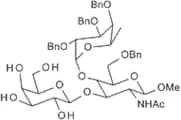
CAS:<p>Lewis A trisaccharide methyl glycoside tetrabenzylether is a synthetic glycosylated oligosaccharide. It is a custom synthesis product that can be modified to the customer's specifications. The modification reaction yields a high-purity, complex carbohydrate with a saccharide content of 95%. This product is soluble in DMSO and DMF and is stable at pH 3-11.</p>Formula:C49H61NO15Purity:Min. 95%Molecular weight:904.01 g/mol(2-Hydroxypropyl)-a-cyclodextrin
CAS:<p>Alpha-cyclodextrin (α-CD) derivative with a hydrophilic exterior and lipophilic cavity (smaller than β-CDs and γ-CDs) to allocate certain guest molecules. This structural characteristic enables applications in molecular encapsulation, solubility enhancement, and stabilization across multiple industries. In pharmaceuticals, it serves as a drug delivery vehicle, enhancing the bioavailability and stability of active ingredients. The food industry utilizes it as a stabilizer for flavors, colors, and nutrients, as well as a functional ingredient for its effects on lipid metabolism. In cosmetics, it acts as a complex agent for fragrances and active components. Its applications extend to analytical chemistry for chiral separation and to materials science for developing smart materials and nanosystems.2-hydroxypropyl-alpha-cyclodextrin (HPCD) forms a stable inclusion complex with iodine. It also serves as a co-polymer for gene delivery vectors.</p>Color and Shape:PowderMolecular weight:1.0(4R)-Benzyl-4-deoxy-4-C-nitromethyl-b-D-arabinopyranoside
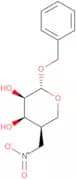
CAS:(4R)-Benzyl-4-deoxy-4-C-nitromethyl-b-D-arabinopyranoside is a custom synthesis of an oligosaccharide. It is a polysaccharide, which are complex carbohydrates that consist of many sugar molecules linked together. The saccharide in this compound has been modified with methylation and glycosylation, which are important modifications for the structure and function of saccharides. This compound also contains a carbohydrate modification called click chemistry, where two molecules are connected by a copper ion. There is high purity in this compound and it has been fluorinated to increase its biological stability. Molecular Formula: C11H14O6N2O3 Molecular Weight: 282.25 CAS Number: 383173-71-5 Purity: >99%Formula:C13H17NO6Purity:Min. 95%Molecular weight:283.28 g/molGalacto-N-biose-PAA-biotin
<p>Galacto-N-biose-PAA-biotin is a carbohydrate that is synthesized by the addition of PAA (polyallylamine) to galactose. This compound can be used in fluorescence labeling and detection of carbohydrates, glycosylation, and polysaccharide synthesis. Galacto-N-biose-PAA-biotin has a CAS number (CAS: 146988-01-4).</p>Purity:Min. 95%Color and Shape:White/Off-White SolidHyaluronate biotin - Molecular Weight - 500kDa
<p>Hyaluronate biotin is a high purity and complex carbohydrate. It is synthesized by methylation, saccharide, polysaccharide, and glycosylation of natural hyaluronic acid. Hyaluronate biotin is a modified form of hyaluronic acid that contains an additional biotin molecule per every 500 kDa of molecular weight. This modification can be used in the development of new drugs or as a supplement to improve joint health.</p>Purity:Min. 95%2-Amino-2-deoxy-D-ribose hydrochloride
CAS:<p>2-Amino-2-deoxy-D-ribose hydrochloride is a synthetic sugar that can be used to produce oligosaccharides and polysaccharides. It has been shown to have high purity and to be custom synthesized as per requirements. This sugar can also be modified with fluorination, methylation, or click modification.</p>Formula:C5H11NO4•HClPurity:Min. 95%Color and Shape:PowderMolecular weight:185.61 g/molMaltoheptaose
CAS:<p>α 1,4-glucoheptasaccharide derived from starch by hydrolysis and chromatography</p>Formula:C42H72O36Purity:Min. 90.0 Area-%Molecular weight:1,153 g/molMethyl b-D-xylofuranoside
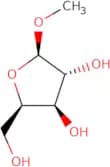
CAS:<p>Methyl b-D-xylofuranoside is a fluorinated monosaccharide that is synthesized by the replacement of hydroxyl groups with fluorine. Methyl b-D-xylofuranoside is used for the synthesis of oligosaccharides and polysaccharides, as well as for glycosylation and methylation reactions. The product has a CAS number of 1824-97-1 and can be custom synthesized to meet specific customer specifications.</p>Purity:Min. 95%3'-O-(b-D-Glucopyranosyl)-L-DOPA
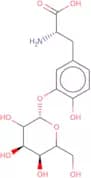
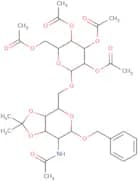
Controlled Product3'-O-(b-D-Glucopyranosyl)-L-DOPA is a modification of L-DOPA. It is an oligosaccharide that is a complex carbohydrate. 3'-O-(b-D-Glucopyranosyl)-L-DOPA has been synthesized and purified to high purity, with CAS No. 85825-69-7. This compound can be methylated and glycosylated, and it can form polysaccharides (sugar). 3'-O-(b-D-Glucopyranosyl)-L-DOPA can also be fluorinated, which may inhibit the enzyme bromelain that breaks down this compound in the gastrointestinal tract.Formula:C15H21NO9Purity:Min. 95%Molecular weight:359.33 g/mol2-(Acetylamino)-1-O-benzyl-2-deoxy-3,4-O-isopropylidene-6-O-(2,3,4,6-tetra-O-acetyl-b-D-galactopyranosyl)-D-galactopyranoside
CAS:<p>The chemical name of this compound is 2-(Acetylamino)-1-O-benzyl-2-deoxy-3,4-O-isopropylidene-6-O-(2,3,4,6-tetra-O-acetylbDgalactopyranosyl)-Dgalactopyranoside. It is a synthetic compound and its molecular formula is C17H22N2O8. The molecular weight of this compound is 412.46 g/mol. CAS No. 352273-66-6</p>Formula:C32H43NO15Purity:Min. 95%Molecular weight:681.68 g/molForssman antigen triaose
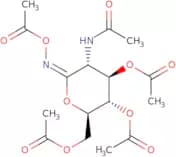
<p>Tumor associated antigen and target for the development of anti-cancer vaccines.</p>Formula:C22H38N2O16Purity:(Hplc-Ms) Min. 90 Area-%Color and Shape:PowderMolecular weight:586.54 g/mol2-Acetamido-1,3,4,6-tetra-O-acetyl-2-deoxy-D-gluconhydroximo-1,5-lactone
CAS:<p>2-Acetamido-1,3,4,6-tetra-O-acetyl-2-deoxy-D-gluconhydroximo-1,5-lactone is a custom synthesis. It is a modification of natural sugars. It has fluorination and methylation to make the product more stable. The product is an oligosaccharide that is a saccharide with two monosaccharides attached together. It is made up of complex carbohydrates.</p>Formula:C16H22N2O10Purity:Min. 95%Molecular weight:402.35 g/molChitotetraose tetradecaacetate
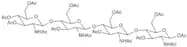
CAS:<p>Chitotetraose tetradecaacetate is a condensation product of chitin and sephadex, which is synthesized from chitin and sodium chloride. It is an acetolysis substrate that has a sensitivity of 3.2 ug/ml in the fluorometric assay. Chitotetraose tetradecaacetate also exhibits high sensitivity to micrococcus, with a minimum inhibitory concentration (MIC) of 0.3 ug/ml.</p>Formula:C52H74N4O31Purity:Min. 95%Molecular weight:1,251.18 g/mol2-Acetamido-2-deoxy-D-galactopyranose diphospho undecapyrenyl
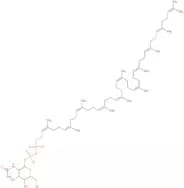
This is a gene product that belongs to the family of histone proteins. It is a bacterial enzyme that participates in the biosynthesis of glycan, which plays an important role in bacterial pathogenicity and antigen expression. The 2-acetamido-2-deoxy-D-galactopyranose diphospho undecaprenyl (AGDP) has been shown to inhibit cancer cells by inhibiting histone protein acetylation. This inhibits DNA methylation, which may lead to tumorigenesis. Structural studies have also shown that AGDP binds to bacterial enzyme with high affinity and specificity, suggesting that it could be used as a potential antibacterial agent.Formula:C63H103NO12P2Purity:Min. 95%Molecular weight:1,128.44 g/mola-L-Fucose-1-phosphate
<p>a-L-Fucose-1-phosphate is a Glycosylation, complex carbohydrate, Methylation, Click modification, Polysaccharide, Fluorination, saccharide, Modification, sugar, Oligosaccharide and Synthetic product. a-L-Fucose-1-phosphate is available for custom synthesis and can be ordered with high purity.</p>Purity:Min. 95%D-Arabinose-2-D
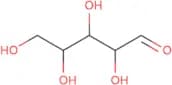
CAS:<p>Please enquire for more information about D-Arabinose-2-D including the price, delivery time and more detailed product information at the technical inquiry form on this page</p>Formula:C5H10O5Purity:Min. 95%Molecular weight:151.14 g/mol4-Aminophenyl 1-thio-b-D-xylopyranoside
CAS:<p>4-Aminophenyl 1-thio-b-D-xylopyranoside is a custom synthesis of an oligosaccharide that is used as a model compound for the study of glycosylation. The saccharide is modified with methyl groups and fluorinated at the C4 position. This product has CAS No. 62205-43-0 and has high purity, making it ideal for research purposes.</p>Formula:C11H15NO4SPurity:Min. 95%Molecular weight:257.31 g/mol2,3,4,6-Tetra-O-benzoyl-a-D-galactopyranosyl trichloroacetimidate
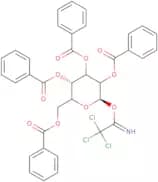
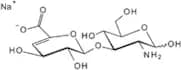
CAS:<p>This is a custom synthesized compound. The chemical structure is a modification of 2,3,4-tri-O-benzoyl-a-D-galactopyranosyl trichloroacetimidate. The synthesis of this compound involves the fluorination of the 2,3,4-tri-O-benzoyl-a-D-galactopyranosyl trichloroacetimidate followed by methylation to yield the 2,3,4,6-tetra-O-benzoyl a D galactopyranosyl trichloroacetimidate. This compound can be used to modify sugars in order to create oligosaccharides and polysaccharides for research purposes.</p>Formula:C36H28Cl3NO10Purity:Min. 95%Molecular weight:740.97 g/molHeparin disaccharide IV-H
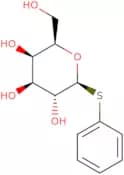
CAS:<p>A modified heparin disaccharide</p>Formula:C12H19NO10Purity:Min. 95%Molecular weight:337.28 g/molPhenyl b-D-thiogalactopyranoside - non-animal origin
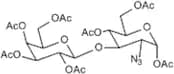
CAS:<p>Phenyl b-D-thiogalactopyranoside is a carbohydrate binding agent that has been shown to have anti-cancer properties. It binds to galectin, a carbohydrate receptor on the surface of tumour cells, thereby interfering with cell proliferation and tumor growth. Phenyl b-D-thiogalactopyranoside also blocks the activity of glycolytic enzymes and can be used as an adjuvant in cancer therapy. This molecule is synthesized by nature or chemically by means of alkylation of phenol. The chemical synthesis is more efficient and economical than the natural process.</p>Formula:C12H16O5SPurity:Min. 95%Molecular weight:272.32 g/mol1,3,6-Tri-O-acetyl-3-O-(2,3,4,6-tetra-O-acetyl-b-D-galactopyranosyl)-2-azido-2-deoxy-a-D-glucopyranose
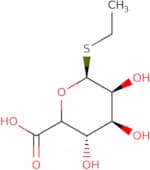
<p>This is a custom synthesis of 1,3,6-tri-O-acetyl-3-O-(2,3,4,6-tetra-O-acetyl-b-D-galactopyranosyl)-2-azido-2-deoxy--aDglucopyranose. This product is a synthetic oligosaccharide that has been modified to contain fluorine atoms at the C1 and C6 positions. It has a CAS number of 5243787 and is available in high purity. It is also an Oligosaccharide and Polysaccharide.</p>Formula:C26H35N3O17Purity:Min. 95%Molecular weight:661.57 g/molEthyl D-thioglucuronide
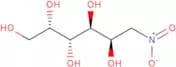
CAS:<p>Ethyl D-thioglucuronide is a modification of an oligosaccharide, carbohydrate, complex carbohydrate or sugar. It can be synthesized by custom synthesis or by synthetic methods. The product is highly pure and monosaccharide methylated. The product can be glycosylated, polysaccharide, sugar fluorinated and saccharides click modified.</p>Formula:C8H14O6SPurity:Min. 95%Color and Shape:Off-White PowderMolecular weight:238.26 g/mol1-Deoxy-1-nitro-L-galactitol
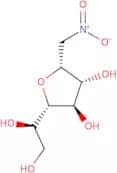
CAS:<p>1-Deoxy-1-nitro-L-galactitol is a compound that has been shown to inhibit serine protease and glutaminyl cyclase activity. It is commonly used in laboratory settings as a potassium substitute in media formulations. This compound belongs to the class of monosaccharides known as glutaminyl derivatives. It has been studied for its potential as an inhibitor of nafamostat, a serine protease inhibitor used in the treatment of pancreatitis and disseminated intravascular coagulation (DIC). Additionally, 1-Deoxy-1-nitro-L-galactitol has been investigated for its potential as a disinfectant and as an adrenergic receptor agonist. Preliminary studies have also suggested antiviral properties against certain viruses. Further research is needed to fully understand the potential applications of this compound.</p>Formula:C6H13NO7Purity:Min. 95%Molecular weight:211.17 g/mola-D-Galactofuranosyl nitromethane
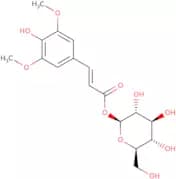
CAS:<p>a-D-Galactofuranosyl nitromethane is a sugar with a galactose (galactosyl) and a nitro group. It is used as a starting material for the synthesis of other glycosides, such as the synthesis of 3-indoxyl-6-fluoro β-D-galactopyranoside. This compound is also used for the synthesis of saccharides with fluorinated or methylated groups.<br>a-D-Galactofuranosyl nitromethane has CAS number 81812-46-6 and can be synthesized from 2,4,5,7 trichloroacetophenone and 1,2,3,4 benzene tetracarboxylic acid in the presence of sodium ethoxide.</p>Formula:C7H14NO7Purity:Min. 95%Molecular weight:224.19 g/molSinapic acid acyl-beta-D-glucoside
CAS:<p>a functionalised glucoside</p>Formula:C17H22O10Purity:Min. 95%Molecular weight:386.35 g/mol1,6:3,4-Bis-[O-(2,3-dimethoxybutane-2,3-diyl)]-2-O-trifluoromethanesulphonyl-5-O-benzolyl-myo-inositol
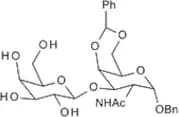
CAS:<p>1,6:3,4-Bis-[O-(2,3-dimethoxybutane-2,3-diyl)]-2-O-trifluoromethanesulphonyl-5-O-benzolyl-myo-inositol is a Glycosylation product with CAS No. 1068089-34-8. It is a synthetic oligosaccharide that contains an Oligosaccharide sugar and a Polysaccharide saccharide. The product has been Fluorinated and Custom synthesized for Methylation. Click modification has been performed on the complex carbohydrate to produce the desired Modification in High purity.</p>Formula:C26H35F3O13SPurity:Min. 95%Molecular weight:644.61 g/molBenzyl 2-acetamido-4,6-O-benzylidene-2-deoxy-3-O-(b-D-galactopyranosyl)-a-D-galactopyranoside
<p>Benzyl 2-acetamido-4,6-O-benzylidene-2-deoxy-3-O-(b-D-galactopyranosyl)-a-D-galactopyranoside is a methylated and fluorinated monosaccharide. It is used in the synthesis of complex carbohydrates and oligosaccharides. The modification of this compound can be done with click chemistry, which is a process that allows for the rapid assembly of molecules on surfaces. This product has been shown to have high purity, making it suitable for use in research or production.</p>Formula:C28H35NO11Purity:Min. 95%Molecular weight:561.58 g/mol1,4-β-D-Glucosyl-D-mannobiose
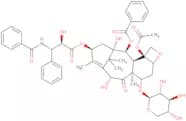
CAS:<p>1,4-β-D-Glucosyl-D-mannobiose is a specialized carbohydrate substrate, which is derived from complex polysaccharides typically found in plant cell walls. It acts as a substrate for endo-1,4-β-mannanase, an enzyme that cleaves specific glycosidic bonds within mannans. This substrate facilitates the investigation of enzymatic activity by allowing the measurement of endo-1,4-β-mannanase efficiency and specificity under controlled conditions.In biochemical enzyme assays, 1,4-β-D-Glucosyl-D-mannobiose serves as a critical component for quantifying mannanase activity. It enables researchers to study the enzyme's role in various biological processes, including polysaccharide degradation. Additionally, this product is invaluable in in vitro diagnostic analyses where precise enzyme activity assessment is crucial for understanding pathological states or the functionality of industrial enzyme preparations. Its applications extend to biotechnology research, where it aids in the formulation of enzyme-based solutions and optimization of enzymatic reactions in diverse biological and industrial contexts.</p>Formula:C18H32O16Purity:Min. 95%Molecular weight:504.4 g/mol7-Xylosyl-10-deacetyltaxol
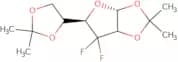
CAS:<p>7-Xylosyl-10-deacetyltaxol is a plant chemical that is found in the needles of the Taxus cuspidata tree. This compound has been shown to inhibit prostate cancer cells and has been clinically used as an adjuvant agent for cancer treatment. 7-Xylosyl-10-deacetyltaxol binds to prostate cancer cells and inhibits their growth, which may be due to its ability to inhibit cell cycle progression at the G2/M phase transition. It also has a strong inhibitory effect on test samples from human prostate cancer cells. In addition, it inhibits enzyme activities that are involved in the biosynthesis of membrane lipids, such as phospholipase A2, arachidonate 12-lipoxygenase, and cyclooxygenase 2. 7-Xylosyl-10-deacetyltaxol also inhibits enzyme activities in cell culture that are involved in the synthesis of carbon</p>Formula:C50H57NO17Purity:Min. 95%Molecular weight:943.98 g/mol3-Deoxy-3,3-difluoro-1,2:5,6-di-O-isopropylidene-a-D-glucofuranose
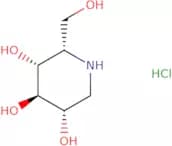
<p>3-Deoxy-3,3-difluoro-1,2:5,6-di-O-isopropylidene-a-D-glucofuranose is a sugar. It is a glycosylation product of the natural amino acid lysine with glucose. This modification increases the solubility and stability of lysine in biological systems. 3DG can be methylated to form 3DG monomethyl ether and 3DG dimethyl ether. Both these derivatives are also used as a fluorescent probe for detecting saccharides at low concentrations. 3DG can be fluorinated to form 3DG difluoromethyl ether, which has been shown to have anti-inflammatory properties. These properties may be due to its ability to inhibit prostaglandin synthesis by inhibiting prostaglandin synthase activity.</p>Formula:C12H18F2O5Purity:Min. 95%Molecular weight:280.27 g/mol1-Deoxy-L-idonojirimycin hydrochloride
CAS:<p>1-Deoxy-L-idonojirimycin hydrochloride is a chaperone that is structurally related to the natural substrate, L-idonojirimycin. It has been found to interact with recombinant human Hsp70 and Hsp90. 1-Deoxy-L-idonojirimycin hydrochloride enhances the kinetic and thermodynamic parameters of these chaperones in vitro. The structural analysis of this compound revealed that it binds to both Hsp70 and Hsp90, which may be due to its ability to mimic the natural substrate's binding site on these chaperones.</p>Formula:C6H14ClNO4Purity:Min. 95%Molecular weight:199.63 g/mol1,3-a-1,6-a-D-Mannotriosyl trichloroacetimidate
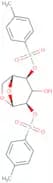
<p>1,3-α-D-mannopyranosyl trichloroacetimidate (1,3-α-DMTCA) is a fluorinated monosaccharide that is used as a building block for the synthesis of oligosaccharides and polysaccharides. The synthesis of 1,3-α-DMTCA involves the reaction of α,β-unsaturated chloral hydrate with mannose in aqueous solution. This produces an intermediate product that undergoes glycosylation with glycosylation reagents like glycosyl chloride to yield 1,3-α-DMTCA. The chemical structure of 1,3-α-DMTCA can be modified by various reactions including methylation or click modification. 1,3 DMTCA is also available as a high purity material.<br>1,3 α - D - mannosyltetrahydrochlorofonuimidoksyl</p>Purity:Min. 95%1,6-Anhydro-2,4-di-O-p-toluenesulfonyl-β-D-glucopyranose
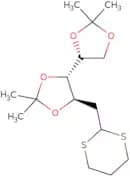
CAS:<p>1,6-Anhydro-2,4-di-O-p-toluenesulfonyl-b-D-glucopyranose is a fluorinated sugar that is synthesized by the reaction of 1,6 anhydro-2,4 di O p toluenesulfonyl b D glucopyranose and osmium tetroxide. The synthesis of this compound involves the use of high purity reagents and solvents. This product can be custom synthesized to order with a minimum quantity of 500 grams.</p>Formula:C20H22O9S2Purity:Min. 95%Molecular weight:470.52 g/mol2-Deoxy-3,4:5,6-di-O-isopropylidene-D-arabino-hexose propane-1,3-diyl dithioacetal
CAS:<p>The antibiotic 2-deoxy-3,4:5,6-di-O-isopropylidene-D-arabino-hexose propane-1,3-diyl dithioacetal is a shikimate analog that inhibits the shikimate pathway. It prevents the synthesis of aromatic compounds and other nitrogenous substances by inhibiting the enzyme chorismate synthase. Chorismate synthase catalyzes the conversion of 3,4:5,6-di-O-isopropylidene D-arabino hexose to chorismic acid which is then converted to shikimic acid. The antibiotic binds covalently to an active site cysteine residue on the enzyme and inhibits its activity. This inhibition blocks the production of aromatic amino acids and other nitrogenous substances required for protein synthesis in bacteria.</p>Formula:C15H26O4S2Purity:Min. 95%Molecular weight:334.5 g/mola1,2-Mannobiose-BSA
<p>a1,2-Mannobiose-BSA is a glycosylation that can be used for the synthesis of complex carbohydrate. It is methylated and click modified with fluorine, which renders it resistant to proteolytic degradation. This product is also available in various purities and modifications.</p>Purity:Min. 95%2,3,6-Trimethyl-gamma-cyclodextrin
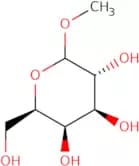
CAS:<p>This gamma-cyclodextrin (γ-CD) derivative is a modified cyclic oligosaccharide composed of eight glucose units, featuring a larger cavity size than α- and β-cyclodextrins. This structural characteristic allows γ-CDs to form inclusion complexes with a wider range of guest molecules, making it particularly versatile in various industries. In the food sector, it is used as a carrier and stabilizer for flavors, fat-soluble vitamins, and polyunsaturated fatty acids, protecting volatile compounds from evaporation. In pharmaceuticals, it enhances the solubility and bioavailability of poorly water-soluble drugs and, thanks to its larger ring size, allows for the encapsulation of larger molecules or even entire drug molecules. γ-CDs and derivatives are also used for environmental remediation and, in analytical chemistry, for the extraction and concentration of target substances.</p>Formula:C72H128O40Purity:Min. 95%Color and Shape:PowderMolecular weight:1,633.8 g/molMethyl D-galactopyranoside
CAS:<p>Methyl D-galactopyranoside is a lectin that binds to galactose residues in the glycosidic linkage of oligosaccharides. Methyl D-galactopyranoside is used in functional theory to determine the number of lysine residues on the dodecyl chain. This lectin has been shown to bind to anomeric linkages, which are different types of sugar molecules that have a carbon atom at the same position. The binding of this lectin to oligosaccharides can be detected by matrix-assisted laser desorption ionization mass spectrometry (MALDI MS). Methyl D-galactopyranoside has also been shown to have high salt and carbohydrate binding properties, as well as binding with galactose, trimethyl, and hydroxymethyl groups.</p>Formula:C7H14O6Purity:Min. 95%Color and Shape:PowderMolecular weight:194.18 g/molEthynyl estradiol 3-b-D-glucuronide
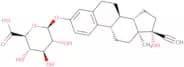
CAS:<p>Ethynyl estradiol 3-b-D-glucuronide is a synthetic derivative of the endogenous estrogen, 17β-estradiol. It is a glycosylated, complex carbohydrate with a methylation and fluorination modification. Ethynyl estradiol 3-b-D-glucuronide is synthesized by reacting ethynyl estradiol with β-D-glucuronic acid to form an ester linkage between the sugar and steroid molecules. This process also produces an Oligosaccharide as well as Monosaccharides. The synthesis of this compound can be customized for specific needs and is available in high purity.</p>Formula:C26H32O8Purity:Min. 95%Color and Shape:PowderMolecular weight:472.53 g/mol6-O-(a-D-Maltotriosyl)-D-glucopyranose tetradecaacetate
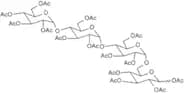
6-O-(a-D-Maltotriosyl)-D-glucopyranose tetradecaacetate is a carbohydrate that belongs to the class of saccharides. It is synthesized from D-glucose by glycosylation and methylation. 6-O-(a-D-Maltotriosyl)-D-glucopyranose tetradecaacetate is a complex carbohydrate with a high purity and custom synthesis. It can be used in click chemistry, due to its reactive group on the C6 position.Formula:C52H70O35Purity:Min. 95%Molecular weight:1,255.09 g/molMethyl a-D-mannofuranoside
CAS:<p>Methyl a-D-mannofuranoside is a synthetic sugar that has been modified by the addition of fluorine at C-1 and methylation at C-2. This modification provides the compound with desired physical properties, such as increased stability and solubility. Methyl a-D-mannofuranoside can be used in the synthesis of oligosaccharides, which are complex carbohydrates consisting of three to ten monosaccharides linked together by glycosidic bonds. It is also used for click chemistry modifications.</p>Formula:C7H14O6Purity:Min. 95%Molecular weight:194.18 g/molChitosan - non-animal origin
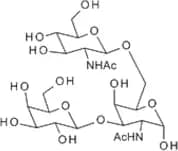
CAS:<p>Chitosan is the deacetylated form of chitin. The polysaccharide is deacetylated in order to render it soluble, which is then possible at pH values of less than 7 (normally in dilute acid). This then allows the material to be used in a number of industrial applications as a binder and film former.</p>Formula:(C6H11NO4)n2-Acetamido-6-O-(2-acetamido-2-deoxy-b-D-glucopyranosyl)-3-O-(b-D-galactopyranosyl)-2-deoxy-a-D-galactopyranose
CAS:<p>2-Acetamido-6-O-(2-acetamido-2-deoxy-β-D-glucopyranosyl)-3-O-(β-D-galactopyranosyl)-2,6-dideoxy--a,D--galactopyranose is a trisaccharide that is anomeric with n acetylglucosamine and a residue.</p>Formula:C22H38N2O16Purity:Min. 95%Molecular weight:586.54 g/mol


![2,3,4,6-Tetra-O-acetyl-N-(b-D-galactopyranosyl)-N'-[(2-methanethiosulfonyl)ethyl]urea](/_next/image/?url=https%3A%2Fstatic.cymitquimica.com%2Fproducts%2F3D%2Fthumb-webp%2FMT01191.webp&w=3840&q=75)





![1,6:3,4-Bis-[O-(2,3-dimethoxybutane-2,3-diyl)]-2-O-trifluoromethanesulphonyl-5-O-benzolyl-myo-inos…](/_next/image/?url=https%3A%2Fstatic.cymitquimica.com%2Fproducts%2F3D%2Fthumb-webp%2FMB16636.webp&w=3840&q=75)