Glycoscience
Glycoscience is the study of carbohydrates and their derivatives, as well as the interactions and biological functions they participate in. This field of research is crucial for understanding a wide variety of biological processes, including cell recognition, signaling, immune response, and disease development. Glycoscience has important applications in biotechnology, medicine, and the development of new drugs and therapies. At CymitQuimica, we offer a wide selection of high-quality, high-purity products for glycoscience research. Our catalog includes monosaccharides, oligosaccharides, polysaccharides, glycoconjugates, and specific reagents, designed to support researchers in their studies on the structure, function, and applications of carbohydrates in biological systems. These resources are intended to facilitate scientific discoveries and practical applications in various areas of bioscience and medicine.
Subcategories of "Glycoscience"
- Aminosugars(108 products)
- Glyco-Related Antibodies(282 products)
- Glycolipids(46 products)
- Glycosaminoglycans (GAGs)(55 products)
- Glycosides(419 products)
- Monosaccharides(6,622 products)
- Oligosaccharides(3,682 products)
- Polysaccharides(503 products)
Found 11042 products of "Glycoscience"
Sort by
Purity (%)
0
100
|
0
|
50
|
90
|
95
|
100
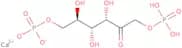
D-Fructose-1,6-diphosphate monocalcium salt
CAS:<p>D-Fructose-1,6-diphosphate monocalcium salt is a complex carbohydrate that is produced by methylation of D-fructose 1,6-diphosphate. This compound belongs to the class of saccharides and has been modified using fluorination. It is also an important glycosylation site for many proteins. In addition, it can be used as a synthetic substrate in click chemistry and as a building block for oligosaccharides or polysaccharides.</p>Formula:C6H12O12P2·CaPurity:Min. 95%Molecular weight:378.18 g/mol2,6-Anhydro-3-deoxy-D-glycero-D-galacto-non-2-enoic-acid
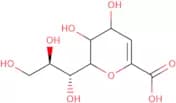
CAS:<p>2,6-Anhydro-3-deoxy-D-glycero-D-galacto-non-2-enoic acid is a carbohydrate that has been used to study the effect of immunocompromised patients on invasive aspergillosis. It has been shown to be an efficient substrate for sialidases and homologous sialidases. This carbohydrate has also been shown to have a reactive bond cleavage in the presence of catalytic enzymes, such as sialidases and glycosyltransferases. The kinetic data suggest that this carbohydrate is more accessible than other carbohydrates. The conformational change may be due to a barrier that is overcome by the catalytic enzyme.</p>Formula:C9H14O8Purity:Min. 95%Color and Shape:White Off-White PowderMolecular weight:250.21 g/molGangliotriose
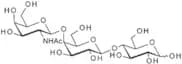
CAS:<p>Gangliotriose is the core trisaccharide structure in gangliosides, such as, GD2 (GalNAcβ1,4Galβ1,4Glc) (Ledeen, 2009). GD2 ganglioside is expressed at a low concentration in the central nervous system, nerves, skin melanocytes and stem cells in healthy adults. On the other hand, GD2 ganglioside is overexpressed in a number of tumors including: neuroblastoma, melanoma, small cell lung carcinoma and brain tumors. Recently, GD2 ganglioside has been found in low concentrations on breast cancer stem cells (CSC) that posess: self-renewal properties (division without disrupting the undifferentiated state), and tumor-initiating capabilities. It has been suggested that GD2 ganglioside may be developed as an effective target antigen for CSC immunotherapy (Fleurence, 2017).</p>Formula:C20H35NO16Purity:90%MinColor and Shape:PowderMolecular weight:545.49 g/mol1,3,4,6-Tetra-O-acetyl-2-(6-deoxy-a-L-galactopyranosyl)-a-D-galactopyranose
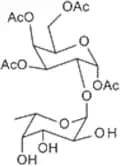
CAS:<p>1,3,4,6-Tetra-O-acetyl-2-(6-deoxy-a-L-galactopyranosyl)-a-D-galactopyranose is a glycoside, which is a type of carbohydrate that contains both an alcohol and a sugar. It is synthesized by the reaction of 1,3,4,6-tetra-O-acetyl mannitol with 6 deoxyglucuronic acid. This product can be used as a custom synthesis for pharmaceuticals or in other fields. The purity of this product is greater than 98%.</p>Formula:C20H30O14Purity:Min. 95%Molecular weight:494.44 g/mola-D-Fucose-1-phosphate
<p>a-D-Fucose-1-phosphate is a complex carbohydrate. It is an Oligosaccharide with CAS No. that can be modified by methylation, glycosylation, or click modification. Carbohydrates are saccharides that can be modified by fluorination or synthesis. a-D-Fucose-1-phosphate has high purity and a custom synthesis can be ordered from the company.</p>Purity:Min. 95%Ramipril acyl-b-D-glucuronide
CAS:<p>Ramipril acyl-b-D-glucuronide is a glycosylated prodrug that is the active form of ramipril, an ACE inhibitor. It is metabolized in the liver to ramipril and excreted in the urine. Ramipril acyl-b-D-glucuronide has been shown to have an increased bioavailability and a longer half-life than ramipril due to its glycosylation. The synthesis of this drug has been modified by methylation, fluorination, and saccharide modification. This compound is also available as a custom synthesis for research purposes with high purity.</p>Formula:C29H40N2O11Purity:Min. 95%Molecular weight:592.63 g/mol3,4,6-Tri-O-(tert-butyldimethylsilyl)-D-glucal
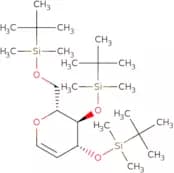
CAS:<p>3,4,6-Tri-O-(tert-butyldimethylsilyl)-D-glucal is a spiroketal that has been synthesized for the first time. It is an antifungal agent that inhibits the growth of fungi by inhibiting the synthesis of glucose in the cell wall. 3,4,6-Tri-O-(tert-butyldimethylsilyl)-D-glucal binds to carbanions and alcohols in the cell membrane by π–π interactions and prevents them from forming new cross links between polysaccharides and proteins. This compound also prevents glucose from being transported into the cell wall. The antifungal properties of 3,4,6-tri-O-(tert-butyldimethylsilyl)-D-glucal are due to its ability to inhibit carbohydrate metabolism in fungi.</p>Formula:C24H52O4Si3Purity:Min. 95%Molecular weight:488.92 g/mol5-Azido-5-deoxy-L-altrofuranose
<p>5-Azido-5-deoxy-L-altrofuranose is a synthetic, fluorinated monosaccharide. It is a modification of the sugar molecule with the addition of a methyl group at the 5th carbon in the furanose ring. The complex carbohydrate is synthesized by glycosylation and polysaccharide synthesis. It can be used for click chemistry modifications to other molecules.</p>Formula:C6H11N3O5Purity:Min. 95%Molecular weight:205.17 g/molIkshusterol 3-O-glucoside
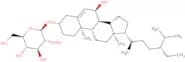
CAS:<p>Ikshusterol 3-O-glucoside is a glycosylation of the monosaccharide ikeshinolin. It is a synthetic, fluorinated, methylated, and modified oligosaccharide with a high purity. Ikshusterol 3-O-glucoside is used in various fields including as an additive to food products, pharmaceuticals, cosmetics and other chemical manufacturing. It has been used as a sugar substitute in low calorie foods and beverages. The modification of ikeshinolin to ikeshusterol 3-O-glucoside can be achieved by click chemistry.</p>Purity:Min. 95%Benzyl 5-amino-5-deoxy-2,3-O-isopropylidene-6-O-trityl-a-D-mannofuranoside
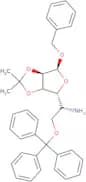
CAS:<p>Benzyl 5-amino-5-deoxy-2,3-O-isopropylidene-6-O-trityl-a-D-mannofuranoside is a complex carbohydrate that is synthesized by the glycosylation of benzyl 5-amino-5,6,7,8,9,10,11,12,13,14-, 2,3,4-, or 6-(N","N"-dimethylamino)ethyl 5-[(2","N"-dimethylamino)-ethoxycarbonyl]-5-[(2","N"-dimethylamino)ethoxycarbonyl]-4H-[1]benzopyranose with 6-(N","N"-dimethylaminomethylene)-a-"D"mannofuranose. The chemical modification includes fluorination and methylation. This product has a CAS number of 9136415 and purity of more than</p>Formula:C35H37NO5Purity:Min. 95%Molecular weight:551.67 g/molDeferasirox acyl-b-D-glucuronide
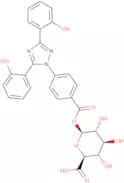
CAS:<p>This compound is a high purity, synthetic, complex carbohydrate. It is made of saccharides and polysaccharides. This product can be used as a methylation reagent for oligosaccharide synthesis or click modification. The molecular weight is about 1140 g/mol. This product has been shown to have an inhibitory effect on bacterial growth and may be effective against Mycobacterium tuberculosis or Mycobacterium avium.</p>Formula:C27H23N3O10Purity:Min. 95%Molecular weight:549.49 g/molPalatinose monohydrate
CAS:<p>Palatinose monohydrate is a hydrogenated form of the natural disaccharide palatinose. It is often used as a solid catalyst in pharmaceutical preparations and has been shown to have a lower molecular weight than sucrose. Palatinose monohydrate may have beneficial effects on postprandial plasma glucose, protein data, and lipid metabolism. The hydrogenation process also produces fatty acids that are less reactive than those found in other sugars. Amine groups are also reduced in palatinose monohydrate, which may improve its taste. Palatinose monohydrate is not toxic at high doses and has been shown to be safe for use in toxicity studies. Surface methodology has been used to characterize the surface properties of palatinose monohydrate crystals, which can be used as a model for other sugar crystals.</p>Formula:C12H24O12Purity:Min. 95%Molecular weight:360.31 g/mol5-(β-D-Galactopyranosyloxy)-DL-lysine
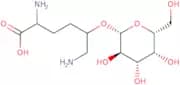
CAS:<p>5-(β-D-Galactopyranosyloxy)-DL-lysine is a custom synthesized compound that has been modified with 5-(β-D-galactopyranosyloxy) groups. It is an oligosaccharide, polysaccharide, and saccharide that belongs to the category of carbohydrates. This product is available for purchase in high purity and has been fluorinated. The CAS number for this product is 35910-05-5.</p>Formula:C12H24N2O8Purity:Min. 95%Color and Shape:PowderMolecular weight:324.33 g/molEzetimibe hydroxy-b-D-glucuronide
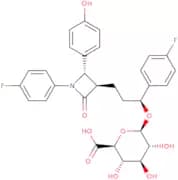
CAS:<p>Ezetimibe hydroxy-b-D-glucuronide is an oligosaccharide that can be synthesized from the modified sugar, L-glucuronic acid. It has a molecular weight of 536 and is soluble in water and methanol. This compound has been used in the synthesis of glycosides, saccharides, and polysaccharides. The chemical name for this compound is 1-(2-hydroxyethyl)-3-(((4'-carboxybenzyl)oxy)carbonyl)-2,6-diazaoctane glucuronide. Ezetimibe hydroxy-b-D-glucuronide has been shown to increase the absorption of cholesterol and decrease low density lipoprotein (LDL) levels in the blood by inhibiting intestinal cholesterol absorption.</p>Formula:C30H29F2NO9Purity:Min. 95%Molecular weight:585.55 g/mol4-O-b-D-Galactosyl maltose
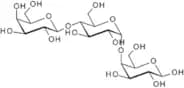
CAS:<p>4-O-b-D-Galactosyl maltose is a Glycosylation, Oligosaccharide, sugar, Synthetic, CAS No. 143444-32-0 that is custom synthesized and fluorinated. It is a complex carbohydrate with high purity and modification. The 4-O-b-D-Galactosyl maltose has the following properties: Methylation, Monosaccharide, Polysaccharide, saccharide, Click modification.</p>Formula:C18H32O16Purity:Min. 95%Molecular weight:504.44 g/mol2, 3, 6, 2', 3', 4', 6'-Hepta- O- acetyl- D- maltose
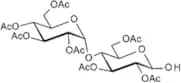
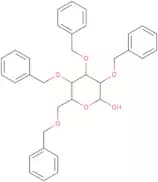
CAS:<p>2, 3, 6, 2', 3', 4', 6'-Hepta-O-acetyl-D-maltose is a fluorinated monosaccharide that is used in the synthesis of glycosides. It has a CAS number of 56285-96-2 and can be custom synthesized. This product is an oligosaccharide that can be modified by glycosylation, methylation, or click modification. It is a complex carbohydrate with a high purity and can be used in the modification of sugars.</p>Formula:C26H36O18Purity:Min. 95%Color and Shape:White to off-white solid.Molecular weight:636.55 g/mol2,3,4,6-Tetra-O-benzyl-D-galactopyranose - non-animal origin
CAS:<p>Intermediate for the anomeric modification of Gal, including galactosylation</p>Formula:C34H36O6Purity:Min. 95%Molecular weight:540.65 g/mol2-Deoxy-N-phenylglucosylamine
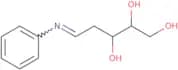
CAS:<p>2-Deoxy-N-phenylglucosylamine is a custom synthesis that can be modified to suit the needs of your project. It is a fluorinated compound with a methyl group on the phenyl ring and an amine at C2. This chemical has been shown to have anti-tumor activity against sarcoma 180 and leukemia L1210 in mice. 2-Deoxy-N-phenylglucosylamine is also known to inhibit the production of monosaccharides, oligosaccharides, and polysaccharides by inhibiting glycosylation. If you are looking for carbohydrate compounds for your next project, this chemical may be just what you need!</p>Formula:C12H17NO4Purity:Min. 95%Molecular weight:239.27 g/molD-Xylose-2-C-D
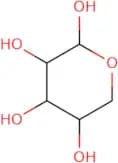
CAS:<p>Please enquire for more information about D-Xylose-2-C-D including the price, delivery time and more detailed product information at the technical inquiry form on this page</p>Formula:C5H10O5Purity:Min. 95%Molecular weight:151.14 g/mol1-O-Tosyl-2,3:4,5-di-O-isopropylidene-L-arabinitol
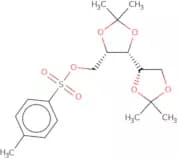
CAS:<p>1-O-Tosyl-2,3:4,5-di-O-isopropylidene-L-arabinitol is a sugar that is used in the synthesis of oligosaccharides and complex carbohydrates. This product can be custom synthesized to meet your needs. It has been shown to react with fluorine at high temperatures and with CH3OH/NaOH at low temperatures. 1-O-Tosyl-2,3:4,5-di-O-isopropylidene arabinitol can also be glycosylated or methylated. The CAS number for this product is 1241674-36-1.</p>Formula:C18H26O7SPurity:Min. 95%Color and Shape:SolidMolecular weight:386.46 g/mol4-Acetylphenyl 2,3,4,6-tetra-O-acetyl-b-D-glucopyranoside
CAS:<p>4-Acetylphenyl 2,3,4,6-tetra-O-acetyl-b-D-glucopyranoside is a diagnostic marker for cancer. It is an exosome biomarker that can be used to diagnose and measure the progression of cancer. The measurement of this substance provides a new way to detect and diagnose cancers. This compound has been found in diagnostics samples from patients with lung cancer, colorectal cancer, prostate cancer and breast cancer. 4-Acetylphenyl 2,3,4,6-tetra-O-acetyl-b-D-glucopyranoside is an example of a type of molecule called mirnas that regulate gene expression by binding to messenger RNA (mRNA). Mirnas are used as biomarkers in the diagnosis of cancers because they are over expressed or under expressed in cancers compared to normal cells.</p>Formula:C22H26O11Purity:Min. 95%Molecular weight:466.45 g/mol2,3,4-Tri-O-benzoyl-L-fucopyranosyl bromide
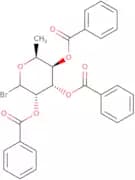
CAS:<p>2,3,4-Tri-O-benzoyl-L-fucopyranosyl bromide is a synthetic compound that is used as a reagent in the synthesis of complex carbohydrates. It is also an intermediate in the synthesis of oligosaccharides and polysaccharides. This product can be modified by methylation, glycosylation and fluorination to generate desired products. The CAS number for this product is 855662-12-3.</p>Formula:C27H23BrO7Purity:Min. 95%Molecular weight:539.37 g/mol2,5-Anhydro-D-glucitol-1,6-bis-(dibenzylphosphate)
CAS:<p>2,5-Anhydro-D-glucitol-1,6-bis-(dibenzylphosphate) is a synthetic carbohydrate with a complex structure. It can be used in the synthesis of glycosides and saccharides. This product has a molecular weight of 486.83 g/mol, a melting point of 169 oC, and an octanol/water partition coefficient of 3.00.</p>Formula:C34H38O11P2Purity:Min. 95%Molecular weight:684.61 g/molBenzyl 2-O-(2,3,4,6-tetra-O-benzyl-a-D-galactopyranosyl)-4,6-O-benzylidene-D-galactopyranose
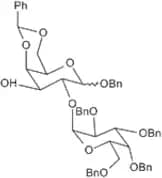
<p>Benzyl 2-O-(2,3,4,6-tetra-O-benzyl-a-D-galactopyranosyl)-4,6-O-benzylidene-D-galactopyranose is a custom synthesis that belongs to the class of carbohydrates. It is an oligosaccharide with a molecular weight of 536.8 and a CAS number of 48737-65-1. The modification of this carbohydrate is methylation and glycosylation. This carbohydrate has been synthesized using a click chemistry reaction with a fluorination step. The purity of this compound is high and it has been synthesized in the laboratory.</p>Formula:C54H56O11Purity:Min. 95%Molecular weight:881.04 g/molEthyl 2-O-benzoyl-4,6-O-benzylidene-D-thiomannopyranoside
CAS:<p>Ethyl 2-O-benzoyl-4,6-O-benzylidene-D-thiomannopyranoside is a glycosylation reagent that is used in the synthesis of oligosaccharides. This product has been fluorinated and methylated to provide high purity. The chemical name for this product is ethyl 2-O-benzoyl-4,6-O-(1,1'-biphenyl)-2,3,4,5,6 tetrahydroxy thiomannopyranoside. The CAS number for this compound is 153062-23-8.</p>Formula:C22H24O6SPurity:Min. 95%Color and Shape:PowderMolecular weight:416.49 g/mol1,2,3,5-Tetra-O-acetyl-L-arabinofuranose
CAS:<p>1,2,3,5-Tetra-O-acetyl-L-arabinofuranose is an organic compound that belongs to the group of sugars. It is a component of many polysaccharides and glycoproteins. 1,2,3,5-Tetra-O-acetyl-L-arabinofuranose is a useful intermediate in the synthesis of lysine and theophylline. The most common method for deacetylation involves using triphenylphosphine and chlorine in dichloromethane or chloroform as solvent. This reaction yields 1,2,3,5-tetra-O-(chloroacetoxy)-L-arabinofuranose which can be purified by chromatography. The bioassay for 1,2,3,5-tetra-O-[chloroacetoxy]-L arabinofuranose was found to be similar to that for</p>Formula:C13H18O9Purity:Min. 95%Color and Shape:Colorless PowderMolecular weight:318.28 g/molD-Ribofuranose
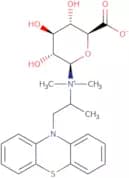
CAS:Please enquire for more information about D-Ribofuranose including the price, delivery time and more detailed product information at the technical inquiry form on this pageFormula:C5H10O5Purity:Min. 95%Molecular weight:150.13 g/molPromethazine N-b-D-glucuronide
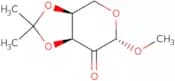
CAS:<p>Promethazine is a phenothiazine derivative that has antihistaminic, anticholinergic, and sedative properties. It is used as an antiemetic and to relieve allergy symptoms. Promethazine N-b-D-glucuronide is a custom synthesis of promethazine with methylation at the nitrogen atom on the side chain, click modification of the methyl group on the side chain, oligosaccharides attached to the nitrogen atom on the side chain, polysaccharide attached to the nitrogen atom on the side chain, saccharide attached to the nitrogen atom on the side chain, carbonyl group attached to the nitrogen atom on the side chain, fluorination at C5 position of sugar ring in promethazine N-b-D-glucuronide molecule, complex carbohydrate (sugar) in promethazine N-b-D-glucuronide molecule. Promethazine N-b-D-glucuron</p>Formula:C23H28N2O6SPurity:Min. 95%Molecular weight:460.54 g/molMethyl 3,4-O-isopropylidene-b-L-erythro-pentopyranosid-2-ulose
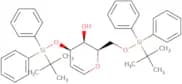
CAS:<p>Methyl 3,4-O-isopropylidene-b-L-erythro-pentopyranosid-2-ulose is a monosaccharide that has been synthesized using the Click chemistry. This compound is a fluorinated sugar and has been custom synthesized for the purpose of glycosylation. The synthesis of this compound was accomplished by first protecting the hydroxyl group with an acetate ester, followed by methylation of the hydroxyl group with dimethylchloromethylphosphonate. The resulting product was then subjected to acidolysis in order to cleave off the acetate ester and liberate free 3,4-O-isopropylidene b-L-erythro pentopyranosid 2 (1) as shown below:</p>Formula:C9H14O5Purity:Min. 95%Molecular weight:202.2 g/mol3,6-Di-O-tert-butyldiphenylsilyl-D-galactal
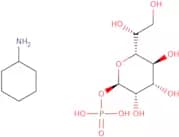
CAS:<p>3,6-Di-O-tert-butyldiphenylsilyl-D-galactal is an oligosaccharide that is a methylated and fluorinated derivative of the natural product D-galactal. The chemical structure of 3,6-di-O-tert-butyldiphenylsilyl-D-galactal is based on a beta-(1->4) linkage of two glucose residues with a terminal alpha-(1->3) linkage to form an alpha-(1->6) linkage. The compound is readily available in high purity, and can be custom synthesized to meet specific customer requirements for glycosylation, modification, or other special requests. 3,6-Di-O-tert-butyldiphenylsilyl--D--galactal has been shown in vitro to inhibit the growth of Mycobacterium tuberculosis and Mycobacterium av</p>Purity:Min. 95%(D-Glycero-a-D-manno-heptopyranosyl)-dihydrogenphosphate cyclohexylammonium salt
CAS:<p>The D-Glycero-a-D-manno-heptopyranosyl)-dihydrogenphosphate cyclohexylammonium salt, also known as Glyceroheptaose, is a complex carbohydrate. It is a white powder that can be used in the modification of polysaccharides, oligosaccharides, and saccharides. The CAS number for this substance is 359435-45-3.</p>Formula:C7H15O10P·C6H13NPurity:Min. 95%Molecular weight:389.34 g/molMizoribine 5'-monophosphate
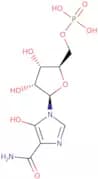
CAS:<p>Mizoribine 5'-monophosphate is a novel molecule that has been shown to have anti-inflammatory and immunosuppressive properties. It has been observed that Mizoribine 5'-monophosphate inhibits the activity of a number of enzymes, including neutral endopeptidases, aminopeptidases, and esterases, which may be involved in the pathogenesis of inflammatory bowel disease. Mizoribine 5'-monophosphate also blocks the production of autoantibodies and suppresses the immune response by inhibiting T cells. The therapeutic potential for Mizoribine 5'-monophosphate is currently being investigated in clinical trials for treatment of inflammatory bowel disease.</p>Formula:C9H14N3O9PPurity:Min. 95%Molecular weight:339.2 g/molDeoxymannojirimycin
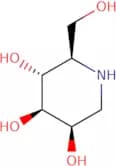
CAS:<p>Deoxymannojirimycin is a natural product that belongs to the group of mannojirimycins. It has been shown to have an inhibitory effect on the activity of matrix metalloproteinase-9 (MMP-9) in vitro, which is involved in the degradation of extracellular matrix. Deoxymannojirimycin also has hypoglycemic effects and can be used as a potential oral antidiabetic drug. The inhibition of MMP-9 may also be due to its binding to integrin receptors. In addition, deoxymannojirimycin has been shown to have anti-inflammatory properties in vitro and can inhibit the growth of oral pathogens, including Streptococcus mutans, Streptococcus sobrinus, and Porphyromonas gingivalis. Furthermore, deoxymannojirimycin has been found to have thermodynamic data and analytical methods that</p>Purity:Min. 95%Phenyl 2,3-di-O-benzyl-4,6-O-benzylidene-a-D-thiomannopyranoside
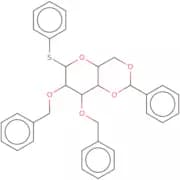
CAS:<p>Phenyl 2,3-di-O-benzyl-4,6-O-benzylidene-a-D-thiomannopyranoside is a complex carbohydrate that is synthesized by methylation and glycosylation of thiomannose. This product has been modified to contain a fluorinated substituent on the phenyl ring. Phenyl 2,3-di-O-benzyl-4,6-O-benzylidenea D thiomannopyranoside is soluble in water and has an HPLC purity of >99%.</p>Formula:C33H32O5SPurity:Min. 95%Molecular weight:540.67 g/mol1,2,3,4-Tetra-O-benzyl-6-O-trityl-b-D-galactopyranose
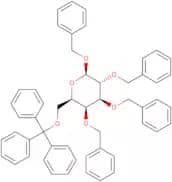
CAS:<p>1,2,3,4-Tetra-O-benzyl-6-O-trityl-β-D-galactopyranose is a synthetic sugar that has been modified with methylation and glycosylation. It is an oligosaccharide that is composed of glucose units linked by β(1→4) glycosidic bonds. 1,2,3,4-Tetra-O-benzyl-6-O-trityl-β-D-galactopyranose is soluble in water and can be used as a fluorescence probe for the detection of sugars in solution.</p>Formula:C53H50O6Purity:Min. 95%Molecular weight:782.96 g/mol2-Methoxycarbonylphenyl 2-acetamido-3,4,6-tri-O-acetyl-2-deoxy-b-D-glucopyranoside
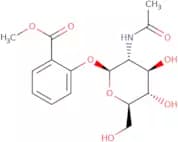
CAS:<p>2-Methoxycarbonylphenyl 2-acetamido-3,4,6-tri-O-acetyl-2-deoxy-b-D-glucopyranoside is a synthetic sugar with a fluorinated anomeric carbon. It is a saccharide with the molecular formula C14H13F3NO8. This compound can be used for the synthesis of oligosaccharides and polysaccharides. It is also useful in click chemistry and as a reagent for glycosylation reactions.</p>Formula:C16H21NO8Purity:Min. 95%Molecular weight:355.34 g/molGT1c-Oligosaccharide
<p>GT1c oligosaccharide (free acid) has a core tetrasaccharide structure (Galβ1,3GalNAcβ1,4Galβ1,4Glc) with three sialic acid residues (NeuAc) linked α2,8/α2,8/α2,3 to the inner galactose residue (Ledeen, 2009). A monoclonal antibody, established against the chick neural tube, was shown to recognize the trisialosyl residue, NeuAca2-8NeuAca2-8NeuAca2-3-R GT1c ganglioside in the cerebral cortex of fetal rats (Hirabayashi, 1989). This unusual multisialo ganglioside was recognised in chicken optic lobes and cerebrum, during embryonic development (Rosner, 1980) and in fish brains (Yu, 1980).</p>Formula:C59H93N4O45Na3Purity:Min. 95%Molecular weight:1,647.34 g/molBenzyl 2-(acetylamino)-2-deoxy-3-o-[3,4,6-tri-o-acetyl-2-(acetylamino)-2-deoxy-β-D-glucopyranosyl]-α-D-galactopyranoside 4,6-diaceta te
CAS:<p>Please enquire for more information about Benzyl 2-(acetylamino)-2-deoxy-3-o-[3,4,6-tri-o-acetyl-2-(acetylamino)-2-deoxy-β-D-glucopyranosyl]-α-D-galactopyranoside 4,6-diaceta te including the price, delivery time and more detailed product information at the technical inquiry form on this page</p>Formula:C33H44N2O16Purity:Min. 95%Molecular weight:724.7 g/molN,N'-Diacetylchitobiosyl allosamizoline
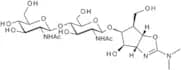
CAS:<p>N,N'-Diacetylchitobiosyl allosamizoline is an analog of the insect-inhibiting allosamidin. It has been shown to have inhibitory activity against chitinases and it is a stereoselective inhibitor of chitin synthase. N,N'-Diacetylchitobiosyl allosamizoline is used as a substrate in coupling reactions to produce disaccharides that contain the chitobiose unit. This type of enzyme inhibition may be useful in combating insects that feed on plants or other organisms with exoskeletons made up of chitin.</p>Formula:C25H42N4O14Purity:Min. 95%Molecular weight:622.62 g/mol2,3,4,6-Tetra-O-acetyl-b-D-glucopyranosyl ethylxanthate
CAS:<p>2,3,4,6-Tetra-O-acetyl-b-D-glucopyranosyl ethylxanthate is a synthetic carbohydrate that has been modified with acetyl groups. This modification is used to produce a carbohydrate that is more resistant to hydrolysis by enzymes. 2,3,4,6-Tetra-O-acetyl-b-D-glucopyranosyl ethylxanthate is one of many glycosides that have been modified with acetyl groups and fluorinated. This modification can be used for the synthesis of high purity carbohydrates.</p>Formula:C17H24O10S2Purity:Min. 95%Color and Shape:White To Off-White SolidMolecular weight:452.5 g/molBlood Group B pentasaccharide type I
CAS:<p>Gala1-3(Fuca1-2)Galb1-3GlcNAcb1-3Gal (B antigen pentasaccharide Type I)</p>Formula:C32H55NO25Purity:Min. 95%Color and Shape:PowderMolecular weight:853.77 g/molD-muco-Inositol
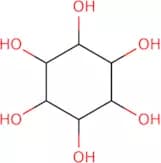
CAS:<p>D-Mucinol is an inositol that is structurally similar to scyllo-inositol. It has been shown to inhibit the growth of cancer cells and also inhibits the release of calcium ions from the mitochondria, which may be due to its ability to inhibit polymerase chain reaction. D-Mucinol is a potential treatment for ovarian cancer and other cancers.<br>D-Mucinol is a dinucleotide phosphate that binds with guanine nucleotides on DNA, inhibiting transcriptional elongation by binding to the RNA polymerase II enzyme. This prevents the production of mRNA, inhibiting protein synthesis and leading to cell death.<br>D-Mucinol has been shown to have cytostatic effects against HL60 cells in vitro, which are thought to be related to its ability to inhibit mononucleotide phosphates, including p-nitrophenyl phosphate (PNPP), at high concentrations. D-Mucin</p>Formula:C6H12O6Purity:Min. 95%Molecular weight:180.16 g/molCarboxymethyl-dextran sodium salt 10-20% COOH terminally reduced - Average molecular weight 40000
CAS:<p>Drug carrier for cancer therapy & imaging, biocompatible, soluble, biodegradable</p>Purity:Min. 95%D-Mannitol - EP
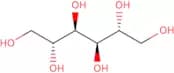
CAS:<p>Mannitol is a sugar alcohol occurring widely in plants and they are exudates, for example, in olive and plane trees (Collins, 2006). It is produced commercially by the catalytic hydrogenation of fructose (Zelin, 2019). Mannitol is used extensively in food and pharmaceutical industries because of its unique functional properties. It is about 50% as sweet as sucrose and has a desirable cooling effect often used to mask bitter tastes. Mannitol is non-cariogenic and has a low caloric content. Mannitol is an osmotic diuretic that is metabolically inert in humans and is used for: the promotion of diuresis before irreversible renal failure becomes established, the promotion of urinary excretion of toxic substances, as an Antiglaucoma agent, and as a renal function diagnostic aid (OâNeil, 2013). Additonally, in 2020, mannitol was approved by the FDA as add-on maintenance therapy for the control of pulmonary symptoms associated with cystic fibrosis in adult patients (McKenna, 2020).</p>Formula:C6H14O6Purity:Min. 97 Area-%Color and Shape:White PowderMolecular weight:182.17 g/molNGA2FB N-Glycan
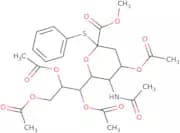
CAS:<p>NGA2FB N-Glycan is a monosaccharide that is synthetically fluorinated on the 2-position of the sugar. It is an oligosaccharide that contains a complex carbohydrate, which is a glycosylation of a polysaccharide with a click modification at the methyl group on the sugar. This product can be custom synthesized to order and offers high purity.</p>Formula:C64H107N5O45Purity:Min. 95%Molecular weight:1,666.54 g/molMethyl 5-acetamido-4,7,8,9-tetra-O-acetyl-3,5-dideoxy-2-thiophenyl-D-glycero-a-D-galacto-2-nonulopyranosylonate
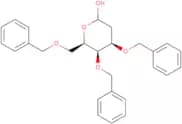
CAS:Methyl 5-acetamido-4,7,8,9-tetra-O-acetyl-3,5-dideoxy-2-thiophenyl-D-glycero-a-D-galacto-2--nonulopyranosylonate is a synthetic monosaccharide with a high purity. It is an oligosaccharide consisting of one methylated acetamido group and four acetyl groups on the nonulopyranosyl ring. Methyl 5 Acetamido 4,7,8,9 Tetra O Acetyl 3 Dideoxy 2 Thiophenyl D Glycero A D Galacto 2 Nonulopyranosylonate is used in glycosylation reactions in the synthesis of complex carbohydrates. The compound has been modified by fluorination to increase its stability in harsh conditions.Formula:C26H33NO12SPurity:Min. 95%Molecular weight:583.61 g/mol3,4,6-Tri-O-benzyl-2-deoxy-D-galactopyranose
CAS:<p>3,4,6-Tri-O-benzyl-2-deoxy-D-galactopyranose is a synthetic monosaccharide. It is custom synthesized with the desired modifications and can be used in glycosylation, polysaccharide modification, or click chemistry to modify other molecules. 3,4,6-Tri-O-benzyl-2-deoxy-D-galactopyranose is an amber glassy solid that is soluble in water and ethanol. This product has a CAS No. of 94189-64-7 and a molecular weight of 438.23 g/mol.</p>Formula:C27H30O5Purity:Min. 95%Molecular weight:434.52 g/mol4-Methylphenyl 2,3,4-tri-O-acetyl-b-D-thioglucuronide methyl ester
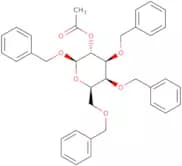
CAS:<p>4-Methylphenyl 2,3,4-tri-O-acetyl-b-D-thioglucuronide methyl ester is a synthetic, fluorinated monosaccharide. It is a custom synthesis for use in glycosylation reactions. The product can be used as a carbohydrate building block in the synthesis of oligosaccharides and polysaccharides. This compound is also suitable for click modification and methylation reactions. 4-Methylphenyl 2,3,4-tri-O-acetyl-b-D-thioglucuronide methyl ester has CAS number 61025-09-0 and purity of >99%.</p>Formula:C20H24O9SPurity:Min. 95%Molecular weight:440.47 g/mol2-O-Acetyl-1,3,4,6-tetra-O-benzyl-b-D-galactopyranoside
CAS:<p>2-O-Acetyl-1,3,4,6-tetra-O-benzyl-b-D-galactopyranoside is a custom synthesis that belongs to the class of complex carbohydrates. This compound contains a saccharide with a sugar group and is fluorinated at the 2 position. It has been modified by methylation on the C2 position and has an acetyl group on the C3 position.</p>Formula:C36H38O7Purity:Min. 95%Molecular weight:582.68 g/mol3-O-(2-Acetamido-2-deoxy-D-glucopyranosyl)-1,2-di-O-benzyl-4,6-O-benzylidene-D-mannopyranoside
<p>3-O-(2-Acetamido-2-deoxy-D-glucopyranosyl)-1,2-di-O-benzyl-4,6-O-benzylidene-D-mannopyranoside is a synthetic sugar that is used in the synthesis of glycosylations. It has been fluorinated and methylated to increase its stability and reactivity. It is also synthetically derived from a saccharide and modified for use in Click chemistry. 3-O-(2-Acetamido-2-deoxy--D--glucopyranosyl)-1,2--di--O--benzyl--4,6--O--benzylidene--D--mannopyranoside is soluble in water and ethanol. This product has CAS No. 5118876–78–3 and can be custom synthesized by us.</p>Formula:C35H41NO11Purity:Min. 95%Molecular weight:651.72 g/mol








![Benzyl 2-(acetylamino)-2-deoxy-3-o-[3,4,6-tri-o-acetyl-2-(acetylamino)-2-deoxy-β-D-glucopyranosyl]…](/_next/image/?url=https%3A%2Fstatic.cymitquimica.com%2Fproducts%2F3D%2Fthumb-webp%2FKDA05428.webp&w=3840&q=75)