Glycoscience
Glycoscience is the study of carbohydrates and their derivatives, as well as the interactions and biological functions they participate in. This field of research is crucial for understanding a wide variety of biological processes, including cell recognition, signaling, immune response, and disease development. Glycoscience has important applications in biotechnology, medicine, and the development of new drugs and therapies. At CymitQuimica, we offer a wide selection of high-quality, high-purity products for glycoscience research. Our catalog includes monosaccharides, oligosaccharides, polysaccharides, glycoconjugates, and specific reagents, designed to support researchers in their studies on the structure, function, and applications of carbohydrates in biological systems. These resources are intended to facilitate scientific discoveries and practical applications in various areas of bioscience and medicine.
Subcategories of "Glycoscience"
- Aminosugars(108 products)
- Glyco-Related Antibodies(282 products)
- Glycolipids(46 products)
- Glycosaminoglycans (GAGs)(55 products)
- Glycosides(419 products)
- Monosaccharides(6,622 products)
- Oligosaccharides(3,682 products)
- Polysaccharides(503 products)
Found 11041 products of "Glycoscience"
Sort by
Purity (%)
0
100
|
0
|
50
|
90
|
95
|
100
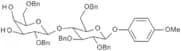
4-Methoxyphenyl 2,3,6-tri-O-benzyl-4-O-(2,6-di-O-benzyl-b-D-galactopyranosyl)-b-D-glucopyranoside
CAS:<p>4-Methoxyphenyl 2,3,6-tri-O-benzyl-4-O-(2,6-di-O-benzyl-b-D-galactopyranosyl)-b-D-glucopyranoside is a custom synthesis that belongs to the class of complex carbohydrate. It has been modified by methylation and glycosylation. This product is a fluorinated saccharide and has been synthesized using click chemistry. The purity of this product is high.</p>Formula:C54H58O12Purity:Min. 95%Molecular weight:899.03 g/mol8-Methoxycarbonyloctyl 2-deoxy-2-phthalimido-b-D-glucopyranoside
CAS:<p>8-Methoxycarbonyloctyl 2-deoxy-2-phthalimido-b-D-glucopyranoside is a glycoconjugate that is used as an anti-tumor agent. It is a synthetic glycosaminoglycan with a polysaccharide backbone and fluorinated saccharide branches. The monosaccharides are linked by methylene bridges, and the oligosaccharides are modified with methoxycarbonyl groups. This compound has been shown to have activity against tumor cells in vitro and in vivo, and it may be useful for the treatment of cancer. 8-Methoxycarbonyloctyl 2-deoxy-2-phthalimido-b-D-glucopyranoside can be synthesized on request.</p>Formula:C24H33NO9Purity:Min. 95%Molecular weight:479.52 g/molPomolic acid 28-O-b-D-glucopyranosyl ester
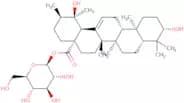
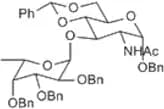
CAS:<p>Pomolic acid is a saponin isolated from the ethanol extract of Astragalus membranaceus. Pomolic acid has a nitrite reductase inhibitory effect and inhibits cell proliferation in certain cells, such as those found in the pancreas. The chemical structure of pomolic acid and its derivatives are similar to those of steroid glycosides and steroid alkaloids. It also has the ability to disrupt DNA replication and reduce insulin resistance. The use of pomolic acid in Chinese medicine formulas is reported to be effective for treating diabetes mellitus type 2, hyperlipidemia, and obesity.</p>Purity:Min. 95%Benzyl 2-acetamido-3-O-(2,3,4-tri-O-benzyl-a-L-fucopyranosyl)-4,6-O-benzylidene-2-deoxy-a-D-glucopyranoside
CAS:<p>Benzyl 2-acetamido-3-O-(2,3,4-tri-O-benzyl-a-L-fucopyranosyl)-4,6-O-benzylidene-2-deoxy-a-D-glucopyranoside is a high purity custom synthesis sugar. This compound has been synthesized by Click modification of the amino acid glycoside and fluorination of the sugar. It is an Oligosaccharide with a saccharide chain composed of Monosaccharides and Carbohydrates. The CAS number for this compound is 196941 – 73 – 8.</p>Formula:C49H53NO10Purity:Min. 95%Molecular weight:815.95 g/molN-(1-Deoxy-D-fructos-1-yl)-L-serine
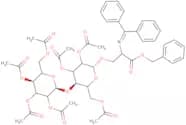
CAS:<p>The N-glycation of proteins is a process that occurs when protein reacts with glucose, which is called glycation. This process can lead to the formation of reactive oxygen species and subsequent oxidative stress. The oxidation of proteins can also lead to the formation of advanced glycation end products (AGEs), which are associated with complications such as diabetes, atherosclerosis, and cataracts. This product is an example of a protein that has undergone glycation. It has been shown to react with glucose in an enzymatic reaction and form glucose-derivatives called fructosamines, which are used for monitoring the level of glycation in humans. Fructosamines have been correlated with basic treatments such as medications or insulin therapy.</p>Formula:C9H17NO8Purity:Min. 95%Molecular weight:267.23 g/molN-Diphenylmethylene-O-(2,3,6,2',3',4',6'-hepta-O-acetyl-b-D-lactosyl)-L-serine, benzyl ester
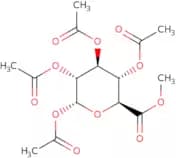
CAS:<p>N-Diphenylmethylene-O-(2,3,6,2',3',4',6'-hepta-O-acetyl-b-D-lactosyl)-L-serine, benzyl ester is a complex carbohydrate that is used for the modification of saccharides. This compound has been synthesized using Click chemistry and NMR spectroscopy. It has a CAS number of 337903-59-0 and is an off white solid with a melting point of 155°C to 158°C.</p>Formula:C49H55NO20Purity:Min. 95%Molecular weight:977.96 g/mol1,2,3,4-Tetra-O-acetyl-a-D-glucuronide methyl ester
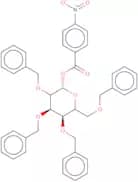
CAS:<p>1,2,3,4-Tetra-O-acetyl-a-D-glucuronide methyl ester is a synthetic molecule that has been modified with the click chemistry technique. This product is a white solid that can be used to modify saccharides and polysaccharides. It can also be used in the synthesis of oligosaccharides or glycosylation reactions. This product is useful for modifying sugars with custom modifications and fluorination. 1,2,3,4-Tetra-O-acetyl-a-D-glucuronide methyl ester has CAS number 5432-32-6 and can be synthesized from glyceraldehyde and acetone.</p>Formula:C15H20O11Purity:Min. 95%Molecular weight:376.31 g/mol2,3,4,6-Tetra-O-benzyl-1-O-(4-nitrobenzoyl)-b-D-glucopyranose
<p>2,3,4,6-Tetra-O-benzyl-1-O-(4-nitrobenzoyl)-b-D-glucopyranose is a synthetic sugar that is the building block for oligosaccharides and polysaccharides. It has been modified with fluorination and methylation to produce a high purity product. The CAS number for this compound is 248940-24-5.</p>Formula:C41H39NO9Purity:Min. 95%Molecular weight:689.77 g/molClofibric acid acyl-b-D-glucuronide
CAS:<p>Clofibric acid acyl-b-D-glucuronide is a reactive chemical species that has been shown to have genotoxic effects. It binds to DNA and forms covalent adducts, leading to mutations in the DNA sequence. Clofibric acid acyl-b-D-glucuronide is a metabolite of clofibrate, which is used for the treatment of hyperlipidemia and atherosclerosis. This metabolite can be detected in human blood, serum, and liver samples by GC/MS, with a limit of detection of 0.1 ng/mL (0.0003 µg/L).</p>Formula:C16H19ClO9Purity:Min. 95%Molecular weight:390.77 g/mol(2R,3R,4S,5R,6S)-3,4,5-Trihydroxy-2-hydroxymethyl-7,9-diaza-1-oxa-spiro[4,5]decane-10-one-8-thione
CAS:<p>(2R,3R,4S,5R,6S)-3,4,5-Trihydroxy-2-hydroxymethyl-7,9-diaza-1-oxa-spiro[4,5]decane-10-one-8-thione is a custom synthesis of a polysaccharide. It has been modified to include fluorination and methylation. The monosaccharides present are glucose and galactose. This polysaccharide also has a saccharide linkage to an oligosaccharide that contains glycosylation sites for sugar groups.</p>Formula:C8H12N2O6SPurity:Min. 95%Molecular weight:264.26 g/molMethyl 3-amino-3,6-dideoxy-a-L-taloside
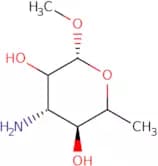
<p>Methyl 3-amino-3,6-dideoxy-a-L-taloside is a custom synthesis of a monosaccharide. It is modified with fluorine and methyl groups and may be used in click chemistry. The CAS number for this compound is 103614-34-8. Methyl 3-amino-3,6-dideoxy-a-L-taloside is an oligosaccharide that can be glycosylated or complexed with sugar. This compound has properties of a carbohydrate and can be classified as a saccharide or polysaccharide.</p>Formula:C7H15NO4Purity:Min. 95%Molecular weight:177.2 g/molCladinose
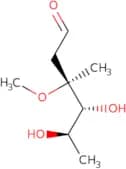
CAS:<p>Cladinose is a natural compound that has been shown to have potent inhibitory properties against microorganisms, such as bacteria and fungi. Cladinose has been shown to inhibit the growth of bacteria by reacting with the ribosomes of cells in the bacterial cytoplasm. It inhibits bacterial protein synthesis by binding to the ribosomal RNA and blocking access to the mRNA template. Cladinose also inhibits fungal growth by inhibiting ergosterol biosynthesis, which prevents fungal cell membrane formation. Cladinose has been shown to have antiinflammatory activity in mice with induced inflammation. This is due to its ability to bind to cyclooxygenase-2 (COX-2) and prevent its activation, thereby preventing prostaglandin synthesis.</p>Formula:C8H16O4Purity:Min. 95%Molecular weight:176.21 g/molHyaluronate biotin - Molecular Weight - 20kDa
<p>Hyaluronate biotin is a high purity, complex carbohydrate that has been modified with methylation and glycosylation. It has a molecular weight of 20kDa and is supplied as a powder. It is a white to off-white solid that can be dissolved in water or buffer solutions. This product can be used as an excipient in the manufacture of biologics such as vaccines, antibodies, enzymes, or other therapeutic proteins.</p>Purity:Min. 95%Hyaluronate fluorescein - Molecular Weight - 50kDa
<p>Hyaluronate fluorescein is a synthetic, high purity, custom-synthesized molecular weight of 50kDa. It is a complex carbohydrate with a sugar backbone and many attached monosaccharides. Hyaluronate fluorescein has been modified by methylation and glycosylation. This product can be used for fluorescent labeling of oligosaccharides and carbohydrates.</p>Purity:Min. 95%1,2,3,4-Tetra-O-isobutyryl-b-D-glucuronide methyl ester
CAS:<p>1,2,3,4-Tetra-O-isobutyryl-b-D-glucuronide methyl ester is a custom synthesis that is used to modify oligosaccharides and polysaccharides. It is a high purity product with a purity of >99%. This product has been fluorinated and modified to create a complex carbohydrate. 1,2,3,4-Tetra-O-isobutyryl-b-D-glucuronide methyl ester is an example of a sugar that has been synthesized in the lab.</p>Formula:C23H36O11Purity:Min. 95%Color and Shape:White PowderMolecular weight:488.53 g/mol(-)-Lyoniresinol 9'-O-glucoside
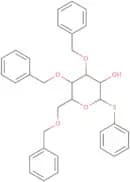
CAS:<p>This chemical is a custom synthesis of (-)-Lyoniresinol 9'-O-glucoside. The chemical is a modification of (-)-Lyoniresinol 9'-O-glucoside and fluorinated at the C2 position. It is also methylated on the C3 position. The chemical is synthesized by click chemistry, which involves the use of copper(II) ions as catalysts to generate covalent bonds between two molecules. This chemical has been shown to be an oligosaccharide with saccharide chains that are linked together by glycosylation. There are six sugar residues in this compound: glucose, galactose, rhamnose, xylose, glucuronic acid, and mannitol. This compound has CAS number 143236-02-6 and molecular weight of 881.5 g/mol (CAS No.).</p>Formula:C28H38O13Purity:Min. 95%Molecular weight:582.59 g/molPhenyl 3,4,6-tris-o-(phenylmethyl)-1-thio-B-D-glucopyranoside
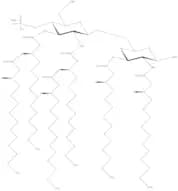
CAS:<p>Please enquire for more information about Phenyl 3,4,6-tris-o-(phenylmethyl)-1-thio-B-D-glucopyranoside including the price, delivery time and more detailed product information at the technical inquiry form on this page</p>Formula:C33H34O5SPurity:Min. 95%Molecular weight:542.7 g/molLipid A (E. Coli) triethylammonium salt
CAS:<p>The Lipid A moiety of lipopolysaccharide forms the outer monolayer of the outer membrane in most Gram-negative bacteria. Escherichia coli lipid A is synthesized on the cytoplasmic side of the inner membrane by a conserved pathway of nine constitutive enzymes. Following attachment of the core oligosaccharide, nascent core-lipid A is flipped to the outer surface of the inner membrane by the ABC transporter MsbA, where the O-antigen polymer is attached. These complex glycoforms protect bacteria from antibiotics and complement-mediated lysis. The core and O-antigen domains are required for virulence and consequently are present in most clinical and environmental isolates (Raetz, 2007).</p>Formula:C94H178N2O25P2Purity:Min. 95%Molecular weight:1,798.37 g/molMethyl 3,5-di-O-(p-chlorobenzoyl)-2-deoxy-D-ribofuranoside
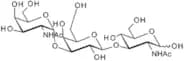
CAS:<p>Methyl 3,5-di-O-(p-chlorobenzoyl)-2-deoxy-D-ribofuranoside is a custom synthesis. It is a complex carbohydrate that is an oligosaccharide or polysaccharide. It has been modified by methylation and glycosylation with saccharides. This product has high purity and can be used in the preparation of other compounds that require glycosylation or carbonylation reactions. The CAS number for this product is 99886-53-0.</p>Formula:C20H18Cl2O6Purity:Min. 95%Molecular weight:425.26 g/molBlood Group A type I linear trisaccharide
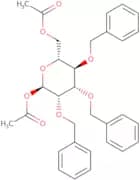
CAS:<p>GalNAca1-3Galb1-3GlcNAc</p>Formula:C22H38N2O16Purity:Min. 95%Molecular weight:586.54 g/mol1,6-Di-O-acetyl-2,3,4-tri-O-benzyl-α-D-mannopyranose
CAS:<p>1,6-Di-O-acetyl-2,3,4-tri-O-benzyl-a-D-mannopyranose is a carbohydrate that has been synthetically prepared. The sugar was synthesized by the solid phase synthesis of an acetate derivative of 2,3,4-tri-O-benzylglucal and 1,6 diacetate benzil. The conformation of the sugar was determined from X-ray crystallography to be anomeric. The structure consists of a six membered ring with two oxygen atoms on opposite sides. This hexagonal ring is composed of four methylene groups and two oxygens. One oxygen atom is bonded to one carbon atom in the adjacent six membered ring with a single bond and the other oxygens are bonded to carbons in the adjacent six membered rings with double bonds. This results in three rings that are not fully interlocked as they have different degrees of freedom</p>Formula:C31H34O8Purity:Min. 95%Molecular weight:534.6 g/mol1-a-Methylaminotrityl-2-deoxy-3,5-di-O-toluoyl-D-ribose
<p>1-a-Methylaminotrityl-2-deoxy-3,5-di-O-toluoyl-D-ribose is a custom synthesis of an oligosaccharide. The compound has a CAS number and is a polysaccharide with glycosylation and methylation. It is fluorinated at the 1 position on the ribose ring and modified with a click chemistry reaction to link two sugars together. This modification allows for high purity of this compound.</p>Purity:Min. 95%Methyl a-N-acetyllactosamine
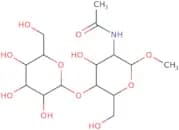
CAS:<p>Methyl a-N-acetyllactosamine is a custom synthesis of Methyl a-N-acetylgalactosamine. This compound has been modified by fluorination, methylation, and click modification to yield the desired product. The monosaccharide structure was synthesized from the corresponding glycosyl halide and protected amino acid. The glycosylation reaction between this monosaccharide and the oligosaccharide containing an unprotected hydroxyl group yields the desired product. The purity of this compound is greater than 99%.</p>Formula:C15H27NO11Purity:Min. 95%Molecular weight:397.38 g/mol2-Acetamido-6-O-(2-acetamido-2-deoxy-b-D-glucopyranosyl)-3-O-(b-D-galactopyranosyl)-2-deoxy-a-D-galactopyranose
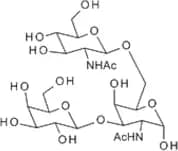
CAS:<p>2-Acetamido-6-O-(2-acetamido-2-deoxy-β-D-glucopyranosyl)-3-O-(β-D-galactopyranosyl)-2,6-dideoxy--a,D--galactopyranose is a trisaccharide that is anomeric with n acetylglucosamine and a residue.</p>Formula:C22H38N2O16Purity:Min. 95%Molecular weight:586.54 g/molMethyl 4-deoxy-a-D-glucopyranoside
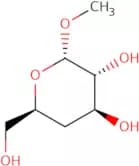
CAS:<p>Methyl 4-deoxy-a-D-glucopyranoside is a high purity synthetic sugar with the molecular formula C5H10O5. It has been custom synthesized for Click modification, fluorination, glycosylation and methylation. Methyl 4-deoxy-a-D-glucopyranoside is used in glycosylation as a monosaccharide or saccharide to form complex carbohydrates. This product can be used in the synthesis of oligosaccharides and polysaccharides.</p>Formula:C7H14O5Purity:Min. 95%Molecular weight:178.19 g/mol5-Deoxy-5-iodo-1,2-o-(1-methylethylidene)pentofuranose
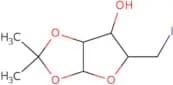
CAS:<p>5-Deoxy-5-iodo-1,2-o-(1-methylethylidene)pentofuranose is a synthetic sugar. It is a complex carbohydrate that can be custom synthesized and has high purity. This compound is an oligosaccharide with methylation, glycosylation, and polysaccharides. 5-Deoxy-5-iodo-1,2-o-(1-methylethylidene)pentofuranose has been fluorinated to give it saccharide properties.</p>Formula:C8H13IO4Purity:Min. 95%Molecular weight:300.09 g/molHeparin derived dp22 saccharide ammonium salt
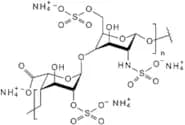
<p>Heparin derived dp22 saccharide ammonium salt is a complex carbohydrate that is synthesized with the click chemistry. It is a high purity, fluorinated compound. This modified heparin has an average molecular weight of approximately 5,400 Da and contains an average of 15 saccharide units. Heparin derived dp22 saccharide ammonium salt has been modified by methylation and glycosylation to produce a heparin-like compound that can be used as a drug delivery system for anticancer drugs.</p>Purity:Min. 95%Color and Shape:White to off-white solid.Molecular weight:~6300 (Average)3,6-Di-O-tert-butyldimethylsilyl-D-galactal
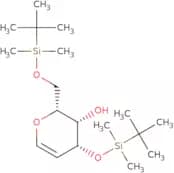
CAS:<p>3,6-Di-O-tert-butyldimethylsilyl-D-galactal is a sugar that has been modified with fluorination. This sugar can be used as an intermediate for the synthesis of complex carbohydrate or glycosylation. 3,6-Di-O-tert-butyldimethylsilyl-D-galactal can also be used in Click chemistry to modify proteins and polysaccharides. This product is offered at high purity and custom synthesis.</p>Purity:Min. 95%2-Acetamido-1,6-di-O-benzyl-3-O-(2,3,4-tri-O-benzyl-a-L-fucopyranosyl)-4-O-[2-O-(2,3,4-tri-O-benzyl-a-L-fucopyranosyl)-3,4,6-tri-O-b enzyl-b-D-galactopyranosyl]-2-deoxy-D-glucopyranoside
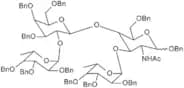
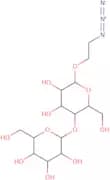
CAS:<p>The chemical compound 2-Acetamido-1,6-di-O-benzyl-3-O-(2,3,4-tri-O-benzyl-aL-fucopyranosyl)-4-O-[2-O-(2,3,4 -tri-O benzyl aL fucopyranosyl) 3,4,6 tri O benzyl bD galactopyranosyl]-2 deoxy D glucopyranoside has the CAS number 6092097. This is a synthetic monosaccharide that is not found in nature. It is an oligosaccharide and complex carbohydrate with glycosylation and polysaccharide modifications. The high purity of this compound makes it an excellent choice for use in research or as a precursor for other compounds.</p>Formula:C103H111NO19Purity:Min. 95%Molecular weight:1,667.03 g/mol2-Azidoethyl β-lactopyranoside
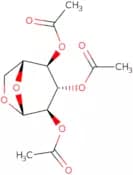
CAS:<p>2-Azidoethyl β-lactopyranoside is a modification of a carbohydrate that can be used for the synthesis of oligosaccharides, glycoconjugates and polysaccharides. The 2-azidoethyl group can be used to introduce fluorine atoms into complex carbohydrates, which can improve their physical properties. It can also be used as a protecting group for glycosylation reactions in the synthesis of saccharides. This product has been shown to have high purity, monosaccharide content, and methylated sugar moieties. It is also readily available in large quantities due to its custom synthesis.<br>2-Azidoethyl β-lactopyranoside has been shown to have high purity and monosaccharide content, making it an ideal product for use in glycosylation reactions in the synthesis of saccharides.</p>Formula:C14H25N3O11Purity:Min. 95%Molecular weight:411.36 g/mol2,3,4-Tri-O-acetyl-1,6-anhydro-b-D-glucopyranose
CAS:<p>2,3,4-Tri-O-acetyl-1,6-anhydro-b-D-glucopyranose is a high purity monosaccharide that is custom synthesized to meet your needs. This product is a sugar with a click modification, fluorination, glycosylation and methylation. It can be used as a synthetic oligosaccharide or monosaccharide in the synthesis of complex carbohydrates. It has CAS No. 13242-55-2 and can be used in saccharides.</p>Formula:C12H16O8Purity:Min. 95%Color and Shape:White PowderMolecular weight:288.25 g/molHybrid N-Glycan
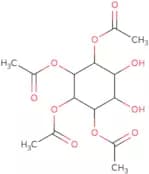
CAS:<p>Hybrid N-glycans are glycan structures that contain both a high mannose and complex type oligosaccharide. Hybrid N-glycans are expressed on the surface of mammalian cells, and they can be found in human serum. Hybrid N-glycans have been shown to activate caspase 3 and induce apoptosis in some mouse models. They also have biological functions such as growth factor binding or antibody binding. Hybrid N-glycans may be involved in the activation of the immune system or in the development of cancerous tumors.</p>Formula:C62H104N4O46Purity:Min. 95%Color and Shape:PowderMolecular weight:1,641.49 g/mol3,4,5,6-Tetra-O-acetyl myo-inositol
CAS:<p>3,4,5,6-Tetra-O-acetyl myo-inositol is a synthetic compound that functions as a methyl donor for the modification of saccharides and polysaccharides. It is used in click chemistry reactions to modify oligosaccharides with fluorinated alkyne moieties. 3,4,5,6-Tetra-O-acetyl myo-inositol is also used in glycosylation reactions to produce complex carbohydrates. This chemical has CAS number 90366-30-6.</p>Formula:C14H20O10Purity:Min. 95%Molecular weight:348.3 g/molBlood Group A tetrasaccharide type II
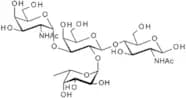
CAS:<p>A antigen tetrasaccharide Type I I, possible use in antiviral development</p>Formula:C28H48N2O20Purity:Min. 95%Color and Shape:PowderMolecular weight:732.68 g/mol2-Deoxy-D-ribose-anilide
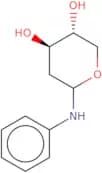
CAS:<p>2-Deoxy-D-ribose-anilide is a fluorinated monosaccharide that is used as a synthetic building block for the synthesis of oligosaccharides, polysaccharides, and other complex carbohydrates. This compound has been modified with methyl groups and click chemistry to form new types of sugars. 2-Deoxy-D-ribose-anilide is also available in high purity and can be used for glycosylation reactions.</p>Formula:C11H15NO3Purity:Min. 95%Color and Shape:Off-White To Light (Or Pale) Yellow SolidMolecular weight:209.24 g/mol2,3,6-Trimethyl-γ-cyclodextrin
CAS:<p>This gamma-cyclodextrin (γ-CD) derivative is a modified cyclic oligosaccharide composed of eight glucose units, featuring a larger cavity size than α- and β-cyclodextrins. This structural characteristic allows γ-CDs to form inclusion complexes with a wider range of guest molecules, making it particularly versatile in various industries. In the food sector, it is used as a carrier and stabilizer for flavors, fat-soluble vitamins, and polyunsaturated fatty acids, protecting volatile compounds from evaporation. In pharmaceuticals, it enhances the solubility and bioavailability of poorly water-soluble drugs and, thanks to its larger ring size, allows for the encapsulation of larger molecules or even entire drug molecules. γ-CDs and derivatives are also used for environmental remediation and, in analytical chemistry, for the extraction and concentration of target substances.</p>Formula:C72H128O40Purity:Min. 95%Color and Shape:PowderMolecular weight:1,633.8 g/molForosamine
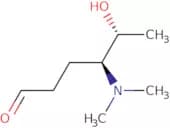
CAS:<p>Forosamine is a spinosyn analog that has been shown to be an effective control agent against bacterial strains. It is a β-amino acid and has a chemical structure similar to the natural spinosyns. Forosamine has been shown to have a broad spectrum of activity against animal health-related bacteria, including those resistant to other antibiotics. Forosamine’s mode of action is not well understood, but it may involve the inhibition of protein synthesis. Forosamine's molecular modeling suggests that the molecule contains a hydroxyl group, which may be responsible for its antibacterial activity.</p>Purity:Min. 95%a1,2-Mannobiose-BSA
<p>a1,2-Mannobiose-BSA is a glycosylation that can be used for the synthesis of complex carbohydrate. It is methylated and click modified with fluorine, which renders it resistant to proteolytic degradation. This product is also available in various purities and modifications.</p>Purity:Min. 95%1,6-Anhydro-2,4-di-O-p-toluenesulfonyl-β-D-glucopyranose
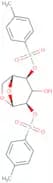
CAS:<p>1,6-Anhydro-2,4-di-O-p-toluenesulfonyl-b-D-glucopyranose is a fluorinated sugar that is synthesized by the reaction of 1,6 anhydro-2,4 di O p toluenesulfonyl b D glucopyranose and osmium tetroxide. The synthesis of this compound involves the use of high purity reagents and solvents. This product can be custom synthesized to order with a minimum quantity of 500 grams.</p>Formula:C20H22O9S2Purity:Min. 95%Molecular weight:470.52 g/mol1,3-a-1,6-a-D-Mannotriosyl trichloroacetimidate
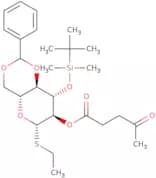
<p>1,3-α-D-mannopyranosyl trichloroacetimidate (1,3-α-DMTCA) is a fluorinated monosaccharide that is used as a building block for the synthesis of oligosaccharides and polysaccharides. The synthesis of 1,3-α-DMTCA involves the reaction of α,β-unsaturated chloral hydrate with mannose in aqueous solution. This produces an intermediate product that undergoes glycosylation with glycosylation reagents like glycosyl chloride to yield 1,3-α-DMTCA. The chemical structure of 1,3-α-DMTCA can be modified by various reactions including methylation or click modification. 1,3 DMTCA is also available as a high purity material.<br>1,3 α - D - mannosyltetrahydrochlorofonuimidoksyl</p>Purity:Min. 95%Ethyl 4,6-O-benzylidene-3-O-tert-butyldimethylsilyl-2-O-levulinoyl-b-D-thioglucopyranoside
CAS:<p>Ethyl 4,6-O-benzylidene-3-O-tert-butyldimethylsilyl-2-O-levulinoyl-b-D-thioglucopyranoside is a synthetic oligosaccharide that can be used for methylation. It is a fluorinated, complex carbohydrate that has been modified to have a high purity and low toxicity. This product has been custom synthesized for Click modification and oligosaccharides.</p>Formula:C26H40O7SSiPurity:Min. 95%Molecular weight:524.74 g/mol4-Methoxyphenyl 6-O-(methyl 5-acetamido-4,7,8,9-tetra-O-acetyl-3,5-dideoxy-D-glycero-a-D-galacto-2-nonulopyranosylonate)-2,3-di-O-be nzyl-b-D-galactopyranoside
<p>4-Methoxyphenyl 6-O-(methyl 5-acetamido-4,7,8,9-tetra-O-acetyl-3,5-dideoxy-D-glycero-a-D-galacto-2-nonulopyranosylonate)-2,3 -di O benzyl b D galactopyranoside is a modified oligosaccharide that is synthesized from the sugar galactose. The methyl group on the 4 position of the phenol end of the molecule is substituted with an acetamide group to form 4 methoxyphenyl 6 O (methyl 5 acetamido 4 7 8 9 tetra O acetyl 3 5 dideoxy D glycero a D galacto 2 nonulopyranosylonate)-2 3 di O benzyl b D galactopyranoside. This molecule has been fluorinated at the 2 and 3 positions</p>Formula:C47H57NO19Purity:Min. 95%Molecular weight:939.95 g/molMaltose solution
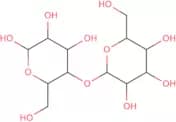
CAS:<p>The maltose solution we offer is a 20% solution in water and of high purity and can be customized to meet your needs.</p>Formula:C12H22O11Purity:Min. 95%Molecular weight:342.3 g/molD-Talose-1-13C
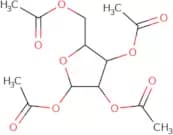
CAS:<p>D-Talose-1-13C is a high purity, custom synthesis sugar that has been modified with fluorination and glycosylation. This product is a synthetic, methylated oligosaccharide with an average molecular weight of 635. It is a complex carbohydrate that contains 1 13C isotope and has the CAS number 70849-29-5.</p>Formula:C6H12O6Purity:Min. 95%Molecular weight:181.15 g/mol1,2,3,5-Tetra-o-acetyl-D-xylofuranose
CAS:<p>1,2,3,5-Tetra-o-acetyl-D-xylofuranose is a fatty acid that is found in human red blood cells. It is used as a biochemical marker to diagnose the activity index of fatty acids in the red cell membrane. The activity index can be used to determine whether an individual has metabolic disorders such as hepatic steatosis or lc-ms/ms method. 1,2,3,5-Tetra-o-acetyl-D-xylofuranose also has antimicrobial effects against bacteria and fungi and can be used for the treatment of infectious diseases.</p>Formula:C13H18O9Purity:Min. 95%Molecular weight:318.28 g/mol1-Deoxy-L-idonojirimycin hydrochloride
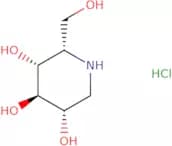
CAS:<p>1-Deoxy-L-idonojirimycin hydrochloride is a chaperone that is structurally related to the natural substrate, L-idonojirimycin. It has been found to interact with recombinant human Hsp70 and Hsp90. 1-Deoxy-L-idonojirimycin hydrochloride enhances the kinetic and thermodynamic parameters of these chaperones in vitro. The structural analysis of this compound revealed that it binds to both Hsp70 and Hsp90, which may be due to its ability to mimic the natural substrate's binding site on these chaperones.</p>Formula:C6H14ClNO4Purity:Min. 95%Molecular weight:199.63 g/mol3-Deoxy-3,3-difluoro-1,2:5,6-di-O-isopropylidene-a-D-glucofuranose
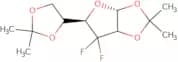
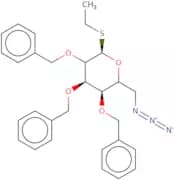
<p>3-Deoxy-3,3-difluoro-1,2:5,6-di-O-isopropylidene-a-D-glucofuranose is a sugar. It is a glycosylation product of the natural amino acid lysine with glucose. This modification increases the solubility and stability of lysine in biological systems. 3DG can be methylated to form 3DG monomethyl ether and 3DG dimethyl ether. Both these derivatives are also used as a fluorescent probe for detecting saccharides at low concentrations. 3DG can be fluorinated to form 3DG difluoromethyl ether, which has been shown to have anti-inflammatory properties. These properties may be due to its ability to inhibit prostaglandin synthesis by inhibiting prostaglandin synthase activity.</p>Formula:C12H18F2O5Purity:Min. 95%Molecular weight:280.27 g/molEthyl 6-azido-2,3,4-tri-O-benzyl-6-deoxy-a-D-thiomannopyranoside
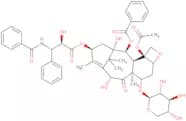
<p>Ethyl 6-azido-2,3,4-tri-O-benzyl-6-deoxy-.D.thiomannopyranoside is a custom synthesis that can be modified to meet your specific needs. It is an oligosaccharide and polysaccharide with a saccharide content of more than 60%. The molecular weight of this compound is about 760 Daltons. Ethyl 6-azido-2,3,4-tri-O-benzyl-.D.thiomannopyranoside is in high purity and has been synthesized using fluorination, complex carbohydrate, and monosaccharides.</p>Formula:C29H33N3O4SPurity:Min. 95%Molecular weight:519.66 g/mol7-Xylosyl-10-deacetyltaxol
CAS:<p>7-Xylosyl-10-deacetyltaxol is a plant chemical that is found in the needles of the Taxus cuspidata tree. This compound has been shown to inhibit prostate cancer cells and has been clinically used as an adjuvant agent for cancer treatment. 7-Xylosyl-10-deacetyltaxol binds to prostate cancer cells and inhibits their growth, which may be due to its ability to inhibit cell cycle progression at the G2/M phase transition. It also has a strong inhibitory effect on test samples from human prostate cancer cells. In addition, it inhibits enzyme activities that are involved in the biosynthesis of membrane lipids, such as phospholipase A2, arachidonate 12-lipoxygenase, and cyclooxygenase 2. 7-Xylosyl-10-deacetyltaxol also inhibits enzyme activities in cell culture that are involved in the synthesis of carbon</p>Formula:C50H57NO17Purity:Min. 95%Molecular weight:943.98 g/mol



![(2R,3R,4S,5R,6S)-3,4,5-Trihydroxy-2-hydroxymethyl-7,9-diaza-1-oxa-spiro[4,5]decane-10-one-8-thione](/_next/image/?url=https%3A%2Fstatic.cymitquimica.com%2Fproducts%2F3D%2Fthumb-webp%2FMT01909.webp&w=3840&q=75)