Glycoscience
Subcategories of "Glycoscience"
- Aminosugars(108 products)
- Glyco-Related Antibodies(283 products)
- Glycolipids(46 products)
- Glycosaminoglycans (GAGs)(55 products)
- Glycosides(419 products)
- Monosaccharides(6,619 products)
- Oligosaccharides(3,712 products)
- Polysaccharides(505 products)
Found 11026 products of "Glycoscience"
D-Lyxose-1-C-D
CAS:Please enquire for more information about D-Lyxose-1-C-D including the price, delivery time and more detailed product information at the technical inquiry form on this page
Formula:C5H10O5Purity:Min. 95%Molecular weight:151.14 g/molRef: 3D-NLA84688
Discontinued productD-[1-13C]Xylose
CAS:D-[1-13C]Xylose is a carbon source that is used to study the metabolism of glycolytic carbon in cells. It has been labeled with 13C and can be used as a tracer for the study of the distribution of metabolites, including glucuronic acid, mannose, and xylose. This can be done by nuclear magnetic resonance (NMR) spectroscopy or by using a magnetic resonance spectroscopy technique. The use of D-[1-13C]xylose has been shown to be an effective way to label cryptococcus neoformans cells in order to understand their metabolism.
Formula:C5H10O5Purity:Min. 95%Molecular weight:151.12 g/molRef: 3D-VCA84921
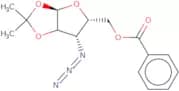
Discontinued product3-Azido-5-O-benzoyl-3-deoxy-1,2-O-isopropylidene-a-D-ribofuranose
3-Azido-5-O-benzoyl-3-deoxy-1,2-O-isopropylidene a D-ribofuranose (3ABI) is a synthetic monosaccharide that can be synthesized via a custom synthesis. 3ABI is an oligosaccharide that has the ability to modify glycosylation and polysaccharide synthesis. The fluorination of this sugar provides it with high purity and stability. 3ABI has been shown to have a CAS number of 44793-23-2.
Formula:C15H17N3O5Purity:Min. 95%Molecular weight:319.31 g/molRef: 3D-MA08750
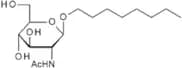
Discontinued productOctyl 2-acetamido-2-deoxy-b-D-glucopyranoside
CAS:Octyl 2-acetamido-2-deoxy-b-D-glucopyranoside is a lyotropic liquid that is flammable. It can be used to prepare potassium hydride, which is an organometallic. Potassium hydride reacts with organic acids and atorvastatin to produce argon gas. This reaction can be done in the presence of chlorine gas instead of air. Preparative methods for octyl 2-acetamido-2-deoxy-b-D-glucopyranoside include heating it in a vacuum or under argon gas and then reacting it with potassium tetrachlorocobaltate in water or ethanol solution.
Formula:C16H31NO6Purity:Min. 95%Molecular weight:333.42 g/molDaunorubicin
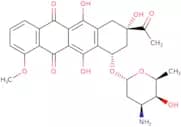
CAS:Anthracycline antibiotic with potent anti-tumoral activity. The compound interferes with DNA replication and RNA transcription since it intercalates between the base pairs of nucleic acids. It also inhibits the topoisomerase II, proteasome and generates free radicals, which leads to cell death of treated cells. Moreover, daunorubicin triggers apoptosis trough the stimulation of ceramide synthesis. It has been used as chemotherapy agent for the treatment of myeloid leukaemia (AML) and acute lymphocytic leukaemia (ALL).
Formula:C27H29NO10Purity:Min. 95%Molecular weight:527.52 g/molHeparin derived dp16 saccharide ammonium salt
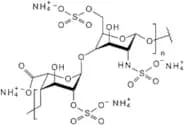
Heparin derived dp16 saccharide ammonium salt is a synthetic oligosaccharide with a molecular weight of approximately 16,000 Da. The compound is an amine-modified heparin sulfate fragment containing 16 saccharides linked in a linear fashion. It has been used for the click modification of proteins, and as a carbohydrate receptor in glycosylation studies. Heparin derived dp16 saccharide ammonium salt can also be custom synthesized to meet specific needs. Click modification and fluorination are two modifications that have been applied to the compound for various purposes.
Purity:Min. 95%Color and Shape:PowderAcarbose tridecaacetate
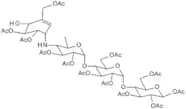
CAS:Acarbose tridecaacetate is a bacterial extract that has been shown to inhibit the growth of various strains of bacteria. This extract was extracted from the fields and contains aluminum oxide impurities. Acarbose tridecaacetate has shown efficacy in seed culture and actinomyces, which are two types of bacteria. The sequence of this extract has been determined using aluminum oxide. Acarbose tridecaacetate is soluble in a variety of solvents, including organic solvents and solvents. It can be purified by chromatography to remove any bulk drug or organic solvent that may be present.
Formula:C51H69NO31Purity:Min. 95%Color and Shape:White PowderMolecular weight:1,192.08 g/molRef: 3D-OA16497
Discontinued productAzo-Xyloglucan
Dyed and soluble azo-xyloglucan (tamarind) is used for the measurement of enzyme activity, research, biochemical enzyme assays and in vitro diagnostic analysis. It is a soluble chromogenic substrate for the assaying of endo-cellulase.
Purity:Min. 95%1-Deoxy-L-ribose
CAS:1-Deoxy-L-ribose is a metabolite of acetone. It is a monosaccharide that contains one less oxygen atom than its parent compound. 1-Deoxy-L-ribose is found in the urine and blood of humans and animals. In animals, it can be synthesized from glucose by the enzyme ribose 1-phosphate reductase. This reaction requires an energy source such as ATP or NADH to reduce ribose 1,5-bisphosphate to 1,4-dihydroxyacetone phosphate, which then undergoes spontaneous dehydration to form 1-deoxy-D-ribose.
Formula:C5H10O4Purity:Min. 95%Molecular weight:134.13 g/molMirabegron N-glucuronide
CAS:Mirabegron is a drug that is used to treat overactive bladder. Mirabegron N-glucuronide is the major metabolite of mirabegron, which has been shown to be excreted in urine. This metabolite can be detected using a validated assay and can be measured using a mass spectrometer. The concentration of mirabegron N-glucuronide in the blood sample was measured at various timepoints after administration of mirabegron. Pharmacokinetic studies were performed in humans and human liver tissue, giving information on how long it takes for the drug to reach its maximum concentration in the body and how long it stays there before being eliminated.
Purity:Min. 95%Ref: 3D-MM59497
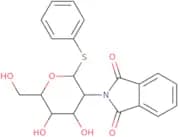
Discontinued productPhenyl 2-deoxy-2-phthalimido-b-D-thioglucopyranoside
CAS:Phenyl 2-deoxy-2-phthalimido-b-D-thioglucopyranoside is a glycosylation agent that has a glycone with a pyranoside at the 3′ position and an amide bond at the 2′ position. It is used in the synthesis of oligosaccharides and polysaccharides, as well as for Click modification. The compound is also used to modify proteins and saccharides. Phenyl 2-deoxy-2-phthalimido-b-D-thioglucopyranoside has been shown to be stable when heated, making it useful for complex carbohydrate synthesis.Formula:C20H19NO6SPurity:Min. 98 Area-%Color and Shape:PowderMolecular weight:401.43 g/mol1,3-a-1,6-a-D-Mannotriosyl trichloroacetimidate
1,3-α-D-mannopyranosyl trichloroacetimidate (1,3-α-DMTCA) is a fluorinated monosaccharide that is used as a building block for the synthesis of oligosaccharides and polysaccharides. The synthesis of 1,3-α-DMTCA involves the reaction of α,β-unsaturated chloral hydrate with mannose in aqueous solution. This produces an intermediate product that undergoes glycosylation with glycosylation reagents like glycosyl chloride to yield 1,3-α-DMTCA. The chemical structure of 1,3-α-DMTCA can be modified by various reactions including methylation or click modification. 1,3 DMTCA is also available as a high purity material.
1,3 α - D - mannosyltetrahydrochlorofonuimidoksylPurity:Min. 95%Cellobiuronic acid
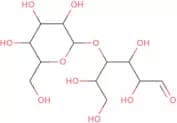
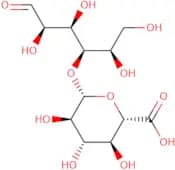
CAS:Cellobiuronic acid is a polysaccharide that contains glucose and uronic acids. It is found in the cell walls of gram-positive bacteria, where it may play an important role in maintaining the structural integrity of the cell wall. Cellobiuronic acid has been shown to be a potent antigen for pneumococcus. Cellobiuronic acid has also been shown to be conjugated with proteins and used as a vaccine adjuvant for inducing antibody responses against pneumococcal antigens. Cellobiuronic acid is synthesized from glucose by bacterial cells, which use it as a carbon source. The biosynthesis of cellobiuronic acid is poorly understood because it does not occur in mammalian cells.
Formula:C12H20O12Purity:Min. 95%Molecular weight:356.28 g/molPalatinose monohydrate
CAS:Palatinose monohydrate is a hydrogenated form of the natural disaccharide palatinose. It is often used as a solid catalyst in pharmaceutical preparations and has been shown to have a lower molecular weight than sucrose. Palatinose monohydrate may have beneficial effects on postprandial plasma glucose, protein data, and lipid metabolism. The hydrogenation process also produces fatty acids that are less reactive than those found in other sugars. Amine groups are also reduced in palatinose monohydrate, which may improve its taste. Palatinose monohydrate is not toxic at high doses and has been shown to be safe for use in toxicity studies. Surface methodology has been used to characterize the surface properties of palatinose monohydrate crystals, which can be used as a model for other sugar crystals.
Formula:C12H24O12Purity:Min. 95%Molecular weight:360.31 g/molRef: 3D-ICA02413
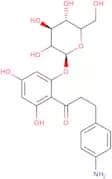
Discontinued product4-Aminophlorizin
CAS:4-Aminophlorizin is a chemical compound that inhibits the uptake of azide by red blood cells. It has been shown to be effective against intestinal parasites and trophozoites. 4-Aminophlorizin is a potent inhibitor of the membrane system, which may be due to its interaction with the semenza, or membrane protein.
Formula:C21H25NO9Purity:Min. 95%Molecular weight:435.42 g/molRef: 3D-MA17827
Discontinued product(2R,4R)-2-[D-Xylo-tetrahydroxybut-1-yl]-1,3-thiazolidine-4-carboxylic acid
CAS:(2R,4R)-2-[D-Xylo-tetrahydroxybut-1-yl]-1,3-thiazolidine-4-carboxylic acid is a methylated saccharide that has been modified by the click chemistry method. It is a synthetic product with high purity and good quality. This compound can be used for glycosylation and oligosaccharide synthesis. (2R,4R)-2-[D-Xylo-tetrahydroxybut-1-yl]-1,3-thiazolidine-4-carboxylic acid has CAS No. 110270-19-4 and can be found in complex carbohydrates in nature.
Formula:C8H15NO6SPurity:Min. 95%Molecular weight:253.27 g/molRef: 3D-MX01042
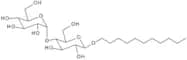
Discontinued productUndecyl b-D-maltopyranoside
CAS:Undecyl b-D-maltopyranoside is a cell culture reagent that belongs to the group of monomers. It is used in the synthesis of dodecyl maltoside and is also used as a substrate for bacterial enzymes. Undecyl b-D-maltopyranoside has been shown to inhibit the activity of leukotriene A4 hydrolase, an enzyme involved in the metabolism of leukotrienes. This product has been shown to be effective in chromatographic separation of metal ions from other components. Undecyl b-D-maltopyranoside can also be used for solubilizing peptides and proteins, including those that are neutral or have a low pH. This product is also used as a substrate for recombinant monoclonal antibodies and viral coat proteins.
Formula:C23H44O11Purity:Min. 95%Color and Shape:PowderMolecular weight:496.59 g/molRef: 3D-DU05738
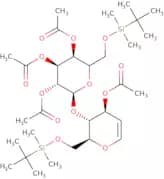
Discontinued product3,2',3',4'-Tetra-O-acetyl-6,6'-di-O-tert-butyldimethylsilyl-lactal
CAS:3,2',3',4'-Tetra-O-acetyl-6,6'-di-O-tert-butyldimethylsilyl-lactal is a glycosylation agent that can be used in the synthesis of oligosaccharides and polysaccharides. It can be fluorinated to create a reactive site for methylation and click modification. 3,2',3',4'-Tetra-O-acetyl-6,6'-di-O-tert-butyldimethylsilyl-lactal is an acetylated lactal with a silyl ether protecting group. This product has been custom synthesized and is available in high purity.
Purity:Min. 95%2-Deoxy-2-fluoro-D-lactose
Used for studies of the D-lactose pathway by non-invasive techniques, using ¹â¹F-NMR spectroscopy or positron emission from the ¹âžF-labeled compound.
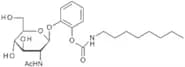
Formula:C12H21O10FPurity:Min. 95%Color and Shape:White PowderMolecular weight:344.29 g/mol2-(N-Octylcarboamido)phenyl-2-acetamido-2-deoxy-b-D-glucopyranoside
2-(N-Octylcarboamido)phenyl-2-acetamido-2-deoxy-b-D-glucopyranoside is a modified carbohydrate which is used as a synthetic monosaccharide. It is also used in the preparation of Oligosaccharides, Carbohydrates, and Complex Carbohydrates. 2-(N-Octylcarboamido)phenyl-2-acetamido-2-deoxy-b-D--glucopyranoside has been fluorinated to 2-(N-[3,5-(diiodo)phenyl]carboamido)phenyl)-2-[3,5-(diiodo)phenyl]-acetamide.
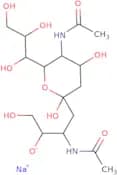
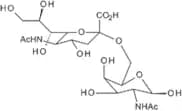
Formula:C23H36N2O8Purity:Min. 95%Molecular weight:468.54 g/mol3'-a-Sialyl-N-acetyllactosamine sodium salt
CAS:3'-a-Sialyl-N-acetyllactosamine sodium salt is a high purity, custom synthesis sugar. It has been modified with fluorination, glycosylation, and methylation to provide the desired properties. This product is also available in other forms such as monosaccharide and saccharide. 3'-a-Sialyl-N-acetyllactosamine sodium salt can be used in various applications including Click modification, fluoroamination, glycosylation, carbonylation and methylation. CAS No. 350697-53-9
Formula:C25H42N2O19NaPurity:Min. 95%Molecular weight:697.59 g/molRef: 3D-MS182937
Discontinued productRaltegravir b-D-glucuronide
CAS:Raltegravir b-D-glucuronide is a synthetic, fluorinated analog of raltegravir. It is a potent HIV-1 integrase inhibitor that has been shown to be active against the majority of HIV-1 strains. Raltegravir b-D-glucuronide is less potent than the parent compound and exhibits reduced antiviral activity in vitro. Raltegravir b-D-glucuronide is metabolized to raltegravir and eliminated in urine as the glucuronide conjugate.
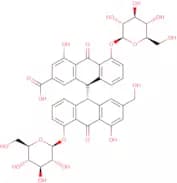
Formula:C26H29FN6O11Purity:Min. 95%Color and Shape:White PowderMolecular weight:620.54 g/molSennoside D
CAS:Sennoside D is a fatty acid that can be isolated from the sennosides found in the leaves of the plant Senna alata. It has been shown to have anti-tumor properties and may play a role in treating colon cancer, breast cancer, and skin cancer. Sennoside D has also been shown to be effective against autoimmune diseases such as arthritis, ulcerative colitis, and Crohn's disease. The low energy of this compound may be due to its formation rate. The hydroxide solution (NaOH) is used in the synthesis of this molecule because it binds with carbon dioxide molecules to form sodium bicarbonate and carbon dioxide gas which can then be captured by water. This process produces a high yield of sennoside D. In addition, the bound form of this molecule is soluble in organic solvents and insoluble in water, which makes it suitable for skin conditions as well as colon cancer treatments.
Purity:Min. 95%Color and Shape:SolidRef: 3D-MS74108
Discontinued productSucrose - USP
CAS:Consumed in large amounts around the world as a food ingredient. Other applications of sucrose include its use in surfactants (esters), polyurethanes (polyols), plastics (alkyds) to produce dextrans (Leuconostoc mesenteroides fermentation) and ethanol (Saccharomyces cerevisiae fermentation).
Formula:C12H22O11Purity:Min. 95%Color and Shape:White/Off-White SolidMolecular weight:342.3 g/molRef: 3D-OS59592
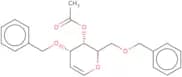
Discontinued product4-O-Acetyl-3,6-di-O-benzyl-D-glucal
CAS:4-O-Acetyl-3,6-di-O-benzyl-D-glucal is a custom synthesized compound with high purity. This product is a complex carbohydrate that can be used as a monosaccharide or sugar. It has been modified with fluorination and methylation to produce a compound that is resistant to degradation by enzymes and oxidation. The CAS number for this product is 165524-87-8.
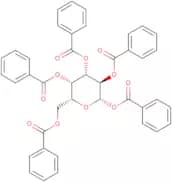
Formula:C22H24O5Purity:Min. 95%Molecular weight:368.43 g/mol1,2,3,4,6-Penta-O-benzoyl-D-galactopyranoside
CAS:1,2,3,4,6-Penta-O-benzoyl-D-galactopyranoside is a custom synthesis of an oligosaccharide. It is a polysaccharide that is modified by methylation and glycosylation. This product has been fluorinated and has been modified with a click reaction. The final product is highly pure with a CAS number of 3006-48-2.Formula:C41H32O11Purity:Min. 95%Molecular weight:700.69 g/molRef: 3D-MP16831
Discontinued product2-Acetamido-2-deoxy-6-a-O-sialyl-D-galactopyranose
CAS:2-Acetamido-2-deoxy-6-a-O-sialyl-D-galactopyranose is a monosaccharide that is synthesized from D-galactose and acetamide. It has a molecular weight of 388.13 and an empirical formula of C8H14N2O4. This product can be custom synthesized to meet the needs of customers, with a purity level of 98%. 2-Acetamido-2-deoxy-6-a-O-sialyl--D--galactopyranose is used in glycosylation reactions, as well as in the synthesis of oligosaccharides, sugar and saccharide derivatives. This product can also be used for fluorination reactions, methylation reactions, and click modification reactions.
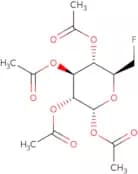
Formula:C19H32N2O14Purity:Min. 95%Molecular weight:512.46 g/mol1,2,3,4-Tetra-O-acetyl-6-deoxy-6-fluoro-a-D-glucopyranose
CAS:1,2,3,4-Tetra-O-acetyl-6-deoxy-6-fluoro-a-D-glucopyranose is a synthetic sugar that contains four acetyl groups and one fluorine atom. It can be used for the synthesis of oligosaccharides and glycosylations. This product is custom synthesized according to customers' requirements, with high purity and good quality.
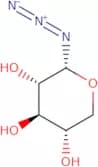
Formula:C14H19FO9Purity:Min. 95%Molecular weight:350.29 g/mola-D-Xylopyranosyl azide
CAS:a-D-Xylopyranosyl azide is a sugar that can be synthesized from the reaction of 1,2-dichloroethane with 2,3,4,6-tetra-O-acetyl-a-D-xylopyranose. This compound has a high purity and can be custom synthesized to order. It is used in glycosylation reactions to modify saccharides and oligosaccharides. It has been shown to be useful for click modification and fluorination reactions.
Purity:Min. 95%Ref: 3D-MX44941
Discontinued product2-Deoxy-2-fluoro-L-[UL-13C]fucose
CAS:2-Deoxy-2-fluoro-L-[UL-13C]fucose is a modified sugar molecule used in various scientific applications, particularly in glycobiology and drug development. It's used to study fucose-containing glycans, enzyme interactions, metabolic pathways, and glycoengineering. For instance, it can be incorporated into proteins to investigate the effects of fucose modifications on their function or used to develop drugs targeting fucose-metabolizing enzymes
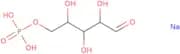
Formula:C6H12O5Purity:Min. 95%Molecular weight:164.16 g/molD-Ribulose-5-phosphate sodium
CAS:D-ribulose-5-phosphate sodium is a nucleotide sugar that is one of the ribonucleotides, which are fundamental components of RNA. D-ribulose 5-phosphate sodium has been shown to be an intermediate in the metabolism of ribulose and catalyzes the oxidation of d-arabinose. This enzyme also catalyses the synthesis of fatty acids and participates in reactions involving glycerolipids and phospholipids. The reaction mechanism involves a double displacement with simultaneous attack by a water molecule on C2' and C3'. When deuterium is present, it affects the rate of these reactions in a way that depends on the orientation of the substrate to the enzyme.
Formula:C5H11NaO8PPurity:Min. 95%Molecular weight:253.1 g/molRef: 3D-BDA05475
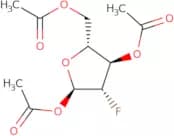
Discontinued product1,3,5-Tri-O-acetyl-2-deoxy-2-fluoro-a-D-arabinofuranose
CAS:1,3,5-Tri-O-acetyl-2-deoxy-2-fluoro-a-D-arabinofuranose is a sugar that is modified with fluorine. It has been synthesized using the "click" reaction methodology and is available for custom synthesis. This synthetic sugar can be used in glycosylation reactions or as a monosaccharide or polysaccharide in complex carbohydrate click chemistry. This product is of high purity and can be modified with methyl groups or other functional groups to suit your needs.Formula:C11H15FO7Purity:Min. 95%Molecular weight:278.23 g/molRef: 3D-MT04737
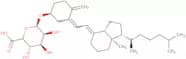
Discontinued productVitamin D3 b-D-glucuronide
CAS:Vitamin D3 b-D-glucuronide is a modified version of vitamin D3. It is a high purity chemical with a purity level of at least 99%. This product can be used in the synthesis of complex carbohydrates and saccharides.
Formula:C33H52O7Purity:Min. 95%Molecular weight:560.76 g/molRef: 3D-MV16894
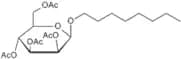
Discontinued productOctyl 2,3,4,6-tetra-O-acetyl-b-D-mannopyranoside
CAS:Octyl 2,3,4,6-tetra-O-acetyl-b-D-mannopyranoside is a glycosylated monosaccharide. This sugar is synthesized by the enzymatic action of acetyl CoA:mannose 3-O-acetyltransferase and bromoacetamidomalonic acid in the presence of ATP. The product of this reaction is an acetamidomalonic acid derivative with a beta (1,2)-linked mannose at C2 and an acetylated alpha (1,3)-linked mannose at C4. The compound has been shown to inhibit the growth of bacteria that are resistant to penicillin, ampicillin, and erythromycin.
Formula:C22H36O10Purity:Min. 95%Molecular weight:460.52 g/molCYMAL-5 neopentyl glycol
CAS:CyMAL-5 neopentyl glycol is a membrane protein that is n-glycosylated. Its deglycosylation has been shown to be inhibited by light exposure, which may lead to an increase in the population of this protein. CyMAL-5 neopentyl glycol is a ligand for the G protein coupled receptor and can be used as a fluorescent probe for labeling and staining. It has been shown that the binding of this ligand to the receptor alters its conformation, causing it to activate downstream signaling pathways. The crystal structure of CyMAL-5 neopentyl glycol has also been determined, revealing its large size and shape.
Formula:C45H80O22Purity:Min. 95%Molecular weight:973.1 g/molTrimethylsilyl-2,3,4,6-tetra-O-benzyl-b-D-glucopyranoside
CAS:Trimethylsilyl-2,3,4,6-tetra-O-benzyl-b-D-glucopyranoside is a modified carbohydrate that has been fluorinated and silylated. It is used as an intermediate in the synthesis of glycosylated compounds. Trimethylsilyl-2,3,4,6-tetra-O-benzyl-b-D-glucopyranoside can be custom synthesized to meet your needs. It is a white powder that is soluble in water and alcohols. The CAS number for this compound is 89825-08-1.
Formula:C37H42O8Purity:Min. 95%Molecular weight:614.72 g/molN-Methyl acarbose
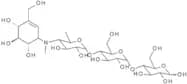
N-Methyl acarbose is a synthetic, high purity, fluorinated carbohydrate with a variety of applications. It has been modified to contain methyl groups on the carbons adjacent to the anomeric carbon, which are used for click chemistry and other bioconjugation reactions. N-Methyl acarbose can be used in glycosylation reactions and offers a wide range of custom synthesis options. This compound is a complex sugar that contains both glucose and fructose monomers.
Formula:C26H45NO18Purity:Min. 95%Molecular weight:659.63 g/molGal[2346Ac]b(1-3)GlcN3[46Bzd]-b-MP
Gal[2346Ac]b(1-3)GlcN3[46Bzd]-b-MP is a custom synthesis that has been modified with fluorination, methylation, and modification. The product contains a monosaccharide, oligosaccharide, saccharides, and complex carbohydrates.
Formula:C34H39N3O15Purity:Min. 95%Molecular weight:729.68 g/molRef: 3D-OG60595
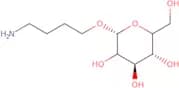
Discontinued product4-Aminobutyl β-D-galactopyranoside
CAS:4-Aminobutyl b-D-galactopyranoside is a methylated saccharide that is also a glycosylation reaction product of 4-aminobutyl b-D-galactopyranoside. It has been modified with Click chemistry and fluorinated for use in carbohydrate research, including glycoprotein synthesis, carbohydrate modification, and oligosaccharide synthesis. 4-Aminobutyl b-D-galactopyranoside has been shown to be a potent inhibitor of the enzyme aminoglycoside adenyltransferase 1 (AGT1), which is involved in the synthesis of bacterial cell wall peptidoglycan. This compound has been used as a model for glycosylation reactions as it contains both an amino and sugar moiety.
Formula:C10H21NO6Purity:Min. 95%Molecular weight:251.28 g/molRef: 3D-MA44856
Discontinued productEthyl 2,3-di-O-(4-methoxybenzyl)-4,6-O-(4-methoxybenzylidene)-b-D-thiogalactopyranoside
Ethyl 2,3-di-O-(4-methoxybenzyl)-4,6-O-(4-methoxybenzylidene)-b-D-thiogalactopyranoside is a high purity, custom synthesis sugar that can be modified with fluorination, glycosylation, and methylation. This product has CAS number 401071-27-8. Ethyl 2,3-di-O-(4-methoxybenzyl)-4,6-O-(4-methoxybenzylidene)-b-D-thiogalactopyranoside is an oligosaccharide and monosaccharide of the carbohydrate complex.
Formula:C32H38O8SPurity:Min. 95%Molecular weight:582.7 g/molMethyl b-D-thioxylopyranoside
CAS:Methyl b-D-thioxylopyranoside is a synthetic sugar that is used in the synthesis of saccharides and oligosaccharides. It is also used to modify saccharides, such as glucosamine, by adding methyl groups to the sugar's hydroxyl group. Methyl b-D-thioxylopyranoside can be used for glycans with high purity and high yield. This product does not contain any other substances except for water and ethanol. The chemical formula for this product is C6H8O6.
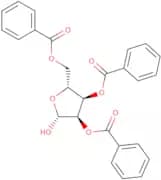
Purity:Min. 95%2,3,5-Tri-O-benzoyl-b-D-ribofuranose
CAS:2,3,5-Tri-O-benzoyl-b-D-ribofuranose is a custom synthesis of an oligosaccharide. It has been modified with fluorination and methylation. This is a synthetic carbohydrate that belongs to the class of saccharides. It has been synthesized from a monosaccharide and has glycosylation. The chemical formula for 2,3,5-Tri-O-benzoyl-b-D-ribofuranose is C10H14O7.
Formula:C26H22O8Purity:Min. 95%Molecular weight:462.45 g/molRef: 3D-MT63375
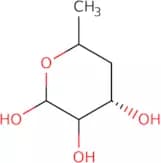
Discontinued product4-Deoxy-L-fucose
CAS:4-Deoxy-l-fucose is a molecule that has been found to inhibit the synthesis of gangliosides. It is an acetylated derivative of l-fucose and can be synthesized from ethyl 4-deoxy-D-glucuronate with the help of a multivorans enzyme. This molecule is metabolically unstable and reacts with oxygen to form a divalent alcohol that can be identified by magnetic resonance spectroscopy. 4-Deoxy-l-fucose inhibits the biosynthesis of gangliosides, which are important molecules in cell signaling, through its ability to inhibit enzymes such as acetyltransferase.
Formula:C6H12O4Purity:Min. 95%Color and Shape:White To Off-White SolidMolecular weight:148.16 g/molRef: 3D-MD03942
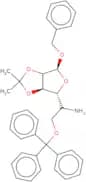
Discontinued productBenzyl 5-amino-5-deoxy-2,3-O-isopropylidene-6-O-trityl-a-L-gulofuranoside
Benzyl 5-amino-5-deoxy-2,3-O-isopropylidene-6-O-trityl-a-L-gulofuranoside is a custom synthesis of an Oligosaccharide. It is a complex carbohydrate that has been modified by methylation and glycosylation. The saccharide in this compound is a sugar and it has been fluorinated. This product is of high purity and has been synthesized using click chemistry.
Formula:C35H37NO5Purity:Min. 95%Color and Shape:SolidMolecular weight:551.67 g/mol2-Acetonyl-1,3,4,6-tetra-O-acetyl-2-deoxy-b-D-galactopyranoside
2-Acetonyl-1,3,4,6-tetra-O-acetyl-2-deoxy-b-D-galactopyranoside is a synthetic sugar that has been modified to contain an acetyl group at the C2 position. The synthesis of this compound is based on the modification of galactose with acetic anhydride. This product has been shown to be resistant to hydrolysis by esterases or glucuronidases and can also inhibit bacterial growth in culture. It is a monosaccharide with a CAS number of 85583-40-7. It is also used as a precursor for the synthesis of complex carbohydrates.
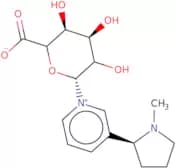
Purity:Min. 95%Nicotine-N-b-D-glucuronide hydrate
CAS:Nicotine-N-b-D-glucuronide hydrate is a metabolite of nicotine that is excreted in the urine as an organic anion. It has been shown to have anticancer activity against a variety of human cancer cell lines, including lung, stomach, colon, and prostate. Nicotine-N-b-D-glucuronide hydrate has also been shown to inhibit protein synthesis in vitro by interfering with the ability of cells to import amino acids such as tryptophan and phenylalanine. The same study also showed that this metabolite can cause symptoms similar to those caused by nicotine withdrawal.
Formula:C16H22N2O6·xH2OPurity:Min. 95%Molecular weight:338.36 g/molRef: 3D-MN09846
Discontinued product1,2,3,4,6-Penta-O-benzoyl-b-D-galactopyranose
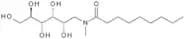
CAS:Penta-O-benzoyl-b-D-galactopyranose is a pentasaccharide that has been shown to have an inhibitory effect on the growth of corynebacterium, which may be due to its ability to modulate fatty acid synthesis. Penta-O-benzoyl-b-D-galactopyranose is a disaccharide that is used as a diagnostic agent for corynebacteria. It is also used as a growth factor in the production of Corynebacterium glutamicum. The safety profile of this drug has not been evaluated in humans.Formula:C41H32O11Purity:Min. 95%Molecular weight:700.71 g/molN-Nonanoyl-N-methylglucamine
CAS:N-Nonanoyl-N-methylglucamine is a nonionic surfactant that has been shown to be effective in the treatment of some inherited blood disorders. N-Nonanoyl-N-methylglucamine is used as a red cell membrane stabilizer and has been shown to increase the proton concentration in human serum. It also increases the transfer rate of p-nitrophenyl phosphate from erythrocytes to plasma. This drug has been found to have enzyme activity on soybean trypsin, model system, and epoxidase activity. N-Nonanoyl-N-methylglucamine has shown to be an effective protective agent against sodium citrate induced hemolysis and monoclonal antibody mediated cytotoxicity. It also shows kinetic data for protein synthesis and gene expression at different concentrations.
Formula:C16H33NO6Purity:Min. 95%Color and Shape:PowderMolecular weight:335.44 g/molRef: 3D-DN12019
Discontinued product5-Thio-D-lactose
5-Thio-D-lactose is a monosaccharide that has been synthesized and modified to contain fluorine atoms. This synthetic sugar is used in the glycosylation of polysaccharides in the synthesis of complex carbohydrates. 5-Thio-D-lactose is also used for click modification and methylation reactions. 5-Thio-D-lactose can be used as a reference standard for carbohydrate analysis by gas chromatography, mass spectrometry, nuclear magnetic resonance, or infrared spectroscopy.
5-Thio-D-lactose is available at high purity (99%+) and with custom synthesis upon request.Purity:Min. 95%4-Glucopyranosylmannose
CAS:4-Glucopyranosylmannose is a disaccharide compound, which is a synthetic carbohydrate derived from the enzymatic or chemical glycosylation processes. It consists of glucose and mannose units linked through a glycosidic bond. The compound is sourced through advanced synthetic methodologies involving specific glycosyltransferases or chemical catalysts that facilitate the precise attachment of these sugar moieties.
Formula:C12H22O11Purity:Min. 95%Molecular weight:342.3 g/molRef: 3D-QAA76161
Discontinued product


![D-[1-13C]Xylose](/_next/image/?url=https%3A%2Fstatic.cymitquimica.com%2Fproducts%2F3D%2Fthumb-webp%2FVCA84921.webp&w=3840&q=75)


![(2R,4R)-2-[D-Xylo-tetrahydroxybut-1-yl]-1,3-thiazolidine-4-carboxylic acid](/_next/image/?url=https%3A%2Fstatic.cymitquimica.com%2Fproducts%2F3D%2Fthumb-webp%2FMX01042.webp&w=3840&q=75)



![2-Deoxy-2-fluoro-L-[UL-13C]fucose](/_next/image/?url=https%3A%2Fstatic.cymitquimica.com%2Fproducts%2F3D%2Fthumb-webp%2FMD45885.webp&w=3840&q=75)

![Gal[2346Ac]b(1-3)GlcN3[46Bzd]-b-MP](/_next/image/?url=https%3A%2Fstatic.cymitquimica.com%2Fproducts%2F3D%2Fthumb-webp%2FOG60595.webp&w=3840&q=75)