Glycoscience
Glycoscience is the study of carbohydrates and their derivatives, as well as the interactions and biological functions they participate in. This field of research is crucial for understanding a wide variety of biological processes, including cell recognition, signaling, immune response, and disease development. Glycoscience has important applications in biotechnology, medicine, and the development of new drugs and therapies. At CymitQuimica, we offer a wide selection of high-quality, high-purity products for glycoscience research. Our catalog includes monosaccharides, oligosaccharides, polysaccharides, glycoconjugates, and specific reagents, designed to support researchers in their studies on the structure, function, and applications of carbohydrates in biological systems. These resources are intended to facilitate scientific discoveries and practical applications in various areas of bioscience and medicine.
Subcategories of "Glycoscience"
- Aminosugars(108 products)
- Glyco-Related Antibodies(282 products)
- Glycolipids(46 products)
- Glycosaminoglycans (GAGs)(55 products)
- Glycosides(419 products)
- Monosaccharides(6,624 products)
- Oligosaccharides(3,682 products)
- Polysaccharides(503 products)
Found 11046 products of "Glycoscience"
Sort by
Purity (%)
0
100
|
0
|
50
|
90
|
95
|
100
L-Glycero-D-manno heptose peracetate
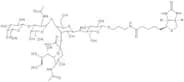
<p>L-Glycero-D-manno heptose peracetate is a custom make to order saccharide.</p>Purity:Min. 95%GM1-Pentasaccharide labelled by biotin
<p>GM1 pentasaccharide biotin (sodium salt) has a core tetrasaccharide structure (Galβ1,3GalNAcβ1,4Galβ1,4Glc) with sialic acid linked α2,3 to the inner galactose residue and biotin linked β to position 1 on the reducing glucose moiety (Ledeen, 2009). The parent ganglioside GM1 is abundant in all mammalian brains, where it covers 10%-20% of the total ganglioside mixture. It is found in epithelial membranes and is a key element for bacterial toxicity and viral infection as it is the intestinal receptor for cholera toxin the B-subunits of heat-labile toxin, rotavirus, and simian virus 40. GM1 ganglioside functions as a neurotrophic and neuroprotective compound and has been used therapeutically for diabetic and peripheral neuropathies. GM1 ganglioside also has the ability to bind amyloid-β proteins and is involved in Alzheimerâs pathogenesis (Chiricozzi, 2020).</p>Formula:C50H83N5O31SPurity:Min. 95%Color and Shape:White PowderMolecular weight:1,282.28 g/molD-[5-2H]Glucose
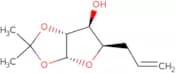
CAS:Controlled Product<p>D-[5-2H]Glucose is a deuterated form of glucose that is used in the study of lipid synthesis. This isotopically labeled compound can be incorporated into cellular lipids and their derivatives, such as glycerides and phospholipids. D-[5-2H]Glucose can be used to investigate the biosynthesis of lipids by measuring the incorporation rate and the number of 2H atoms found in each molecule. D-[5-2H]Glucose may also be used to study membrane lipid synthesis, which includes anomeric effects on lipid synthesis. The theory behind this is that when a molecule is incorporated into a lipid, it will have at least one hydrogen atom from deuterium instead of hydrogen. This isotopically labeled compound can be used to measure how anomeric effects influence lipid synthesis.</p>Formula:C6H11DO6Purity:Min. 95%Color and Shape:White PowderMolecular weight:181.16 g/mol5,6,7-Trideoxy-1,2-O-isopropylidene-a-D-xylo-hept-6-enofuranose
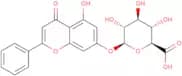
CAS:<p>5,6,7-Trideoxy-1,2-O-isopropylidene-a-D-xylohept-6enofuranose is a natural homologue of guanine. It is an analog that has been shown to be a mitogen activated protein (MAP) kinase activator in the presence of pyridine. This compound also activates guanosine triphosphatase and has repolarizing effects on cardiac muscle cells. 5,6,7-Trideoxy-1,2-O-isopropylidenea-[D]-xylohept-[6]enofuranose binds to the catalytic site of guanosine triphosphatase and causes a conformational change that results in increased enzyme activity. 5,6,7-Trideoxy-[1]2--isopropylidene--[A]-D--xylohept-[6</p>Formula:C10H16O4Purity:Min. 95%Molecular weight:200.23 g/molChrysin-7-glucuronide
CAS:<p>Chrysin-7-glucuronide is a metabolite of chrysin, which is found in the roots of Oroxylum indicum. This compound has been shown to inhibit the enzyme activity for multidrug resistance (MDR) and cancer resistance (CDR). It has been found that chrysin-7-glucuronide inhibits MDR and CDR in vitro by binding to the ATP binding site on these enzymes. Chrysin-7-glucuronide also inhibits the production of acid in vivo and in vitro, which may be due to its ability to inhibit cellular proliferation. Chrysin-7-glucuronide may be an effective anti-cancer agent when used as a dietary supplement.</p>Formula:C21H18O10Purity:Min. 95%Color and Shape:Off-White PowderMolecular weight:430.36 g/molLacto-N-biose
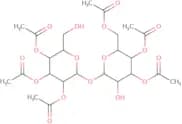
CAS:<p>Neutral disaccharide naturally present in human breast milk and possible bifidus factor, acceptor for the Helicobacter pylori enzyme α1,2-fucosyltransferase and disaccharide involved in the expression of Lewis blood group antigens.</p>Formula:C14H25NO11Purity:Min. 90%Color and Shape:White PowderMolecular weight:383.35 g/molTrehalose hexaacetate
CAS:<p>Trehalose hexaacetate is a polysaccharide that is used as a food additive. It has been shown to be a potent inhibitor of methylation and fluorination, which are post-translational modifications that are important for the function of proteins. Trehalose hexaacetate also has a high degree of glycosylation, which makes it an excellent candidate for complex carbohydrate synthesis. The compound can be custom synthesized with high purity and at low cost.</p>Formula:C24H34O17Purity:Min. 95 Area-%Color and Shape:PowderMolecular weight:594.52 g/mol1-Deoxy-L-fructose
<p>Deoxy-L-fructose is a sugar that is synthesized by the cleavage of sucrose, which is a disaccharide composed of glucose and fructose. Deoxy-L-fructose can be obtained from the hydrolysis of sucrose or it can be synthesized by the hydrogenation of d-talitol. This compound is used in various industrial processes as an intermediate in the production of other sugars and alcohols. 1-Deoxy-L-fructose has been found to have antimicrobial properties against Enterobacter aerogenes, Lactobacillus plantarum, and Lactobacillus acidophilus. It also inhibits the growth of Escherichia coli (E. coli) bacteria when tested in vitro at concentrations between 0.2 and 2mM. The antibiotic activity against E. coli may be due to its ability to inhibit ribosome synthesis and protein synthesis in these cells</p>Purity:Min. 95%3,6-Anhydro-D-glucose
CAS:<p>3,6-Anhydro-D-glucose is a compound that is produced by the dehydration of D-glucose. It has been synthesized in an acidic hydrolysis reaction involving mercaptoacetic acid and sodium carbonate. The synthesis of 3,6-Anhydro-D-glucose involves the use of chloride as a reactive agent and metal ion catalysis. This compound can be used to create isomers with other sugars. It also has supramolecular chemistry properties due to its ability to form complexes with other molecules.</p>Formula:C6H10O5Purity:Min. 97 Area-%Color and Shape:White Off-White PowderMolecular weight:162.14 g/mol2-Acetamido-2,6-dideoxy-3,5-((R)-benzylidene-L-mannofuranose
<p>2-Acetamido-2,6-dideoxy-3,5-((R)-benzylidene-L-mannofuranose) is a custom synthetic glycosylation product that has been fluorinated. This product has been synthesized with methylation and click modification. The CAS number for this compound is 66572-01-0. It is a high purity custom synthesis that is an oligosaccharide sugar with a saccharide type of polysaccharide and monosaccharide type of saccharide.</p>Purity:Min. 95%1-Deoxygalactonojirimycin
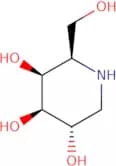
CAS:<p>Specific and potent inhibitor of lysosomal α-galactosidase with IC50 in nanomolar range. It acts as pharmacological chaperone and assists folding of the wild type and mutant versions of the enzyme. It places itself in the instable active site and prevents the damage to the enzyme during the passage through Golgi apparatus, endoplasmatic reticulum and lysosome axis. The exposure to this compound leads to increased levels of functional α-galactosidase in models for lysosomal storage disorders and brings therapeutic benefits to patients with Fabry disease.</p>Formula:C6H13NO4Purity:Min. 95%Molecular weight:163.17 g/mol1,4-Anhydro-6-chloro-6-deoxy-D-glucitol
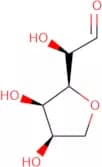
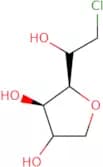
<p>1,4-Anhydro-6-chloro-6-deoxy-D-glucitol is a complex carbohydrate that has been fluorinated and modified with methyl groups. It can be custom synthesized to produce high purity compounds. 1,4-Anhydro-6-chloro-6-deoxy-D-glucitol is used in synthesis of saccharides and oligosaccharides. The compound has been modified with Click chemistry to produce glycosylation products. It can also be used as an intermediate for the synthesis of sugar derivatives.<br>1,4-Anhydro-6-chloro-6-deoxy--D--glucitol has the following chemical structure:</p>Formula:C6H11ClO4Purity:Min. 95%Molecular weight:182.61 g/mol3-Amino-3-deoxy-D-mannose HCl
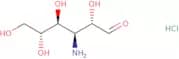
CAS:<p>3-Amino-3-deoxy-D-mannose HCl is a synthetic, fluorinated monosaccharide. It is a complex carbohydrate that can be found in glycosylations and polysaccharides. 3-Amino-3-deoxy-D-mannose HCl is synthesized through the use of Click chemistry and methylation methods. 3-Amino-3-deoxy-D-mannose HCl is used as a sugar modification for glycoconjugates and proteins, which are natural substances made up of sugars. This product has been purified to high purity standards and can be used in a variety of applications, including pharmaceuticals, biotechnology, diagnostics, and cell biology.</p>Formula:C6H13NO5·HClPurity:Min. 95%Color and Shape:PowderMolecular weight:215.63 g/molSalicylic acid-acyl-b-D-glucuronide
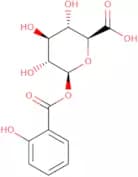
CAS:<p>Salicylic acid-acyl-b-D-glucuronide is an anti-inflammatory compound that is found in the urine of diabetic patients. It has been shown to inhibit the production of a number of proinflammatory compounds, including prostaglandin E2 (PGE2), in human serum. Salicylic acid-acyl-b-D-glucuronide is formed by the reaction of salicylic acid with acetylsalicylic acid. The rate of formation is dependent on the concentration of salicylic acid and pH. The reactive product can form covalent adducts with tyrosinase and other proteins, leading to inhibition of tyrosinase activity and melanin synthesis.</p>Formula:C13H14O9Purity:Min. 95%Color and Shape:White PowderMolecular weight:314.24 g/molMethyl 3-O-(a-D-mannopyranosyl)-a-D-mannopyranoside
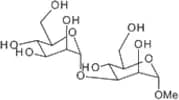
CAS:Used for structural and conformational studies and as enzyme substratesFormula:C13H24O11Purity:Min. 95%Color and Shape:PowderMolecular weight:356.32 g/molNGA4 Glycan, 2-AB labelled
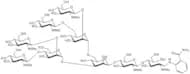
<p>NGA4 Glycan, 2-AB labelled is a synthetic oligosaccharide that has been modified with Click chemistry. This modification has been shown to be useful for the detection of methylation. The NGA4 Glycan, 2-AB labelled has a purity of >99% and is available in quantities of 1 mg or more.</p>Purity:Min. 95%2-Deoxy-2-fluoro-D-glucose 6-phosphate barium salt
CAS:<p>2-Deoxy-2-fluoro-D-glucose 6-phosphate barium salt is a glucose analogue used in positron emission tomography (PET) imaging of cancer. It is an inhibitor of glycolysis and phosphofructokinase, which are enzymes that catalyze the conversion of glucose to pyruvate. 2-Deoxy-2-fluoro-D-glucose 6-phosphate barium salt is taken up by the cell by active transport, then metabolized into 2 deoxy 2 fluoro D mannose phosphate and finally converted to glucosylceramide. The PET scan detects the accumulation of this molecule in cells with high glycolytic activity, such as cancer cells. This compound has been shown to inhibit hepatocellular carcinoma (HCC) cell growth in vitro and in vivo.</p>Formula:C6H10FO8P·BaPurity:Min. 95%Color and Shape:PowderMolecular weight:397.44 g/mol1-Deoxy- 3- O- tert.butyldimethylsilyl - 4, 5- O- isopropylidene -D- fructose
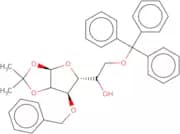
<p>1-Deoxy-3-O-tert.butyldimethylsilyl -4,5-O-isopropylidene -D-fructose is a glycosylation reagent used to modify the carbohydrate moieties of proteins and other molecules. It reacts with a protein to produce an alpha O-linked glycosylation at the N terminus of the protein. 1DOTBSDF can be prepared by reacting 1,3,5,7-tetraacetylbenzene with methyl methanolate in the presence of butyllithium. The product is purified by crystallization from hexane and diethylether and has a melting point range of 114°C – 117°C. This compound has been reported in the literature as being used for Click modification reactions that have been reported to have improved yields in comparison to other methods.</p>Purity:Min. 95%3-O-Benzyl-1,2-O-isopropylidene-6-O-trityl-a-D-glucofuranose
CAS:<p>3-O-Benzyl-1,2-O-isopropylidene-6-O-trityl-a-D-glucofuranose is a synthetic oligosaccharide. It is a glycosylation product of the 6′ position of β-(3,4-)dihydroxybenzoyl α-(1,6)-Dglucopyranosyl bromide with 3,5,-O-(tetraisopropyldisiloxanyl) benzyl alcohol. The molecular weight is 588.8 g/mol and it has the molecular formula C28H31NO14. 3BBIG is soluble in water and methanol, but insoluble in ethanol or ether. This compound can be used for methylation reactions or click chemistry modifications.</p>Formula:C35H36O6Purity:Min. 95%Molecular weight:552.66 g/mol3-Deoxy- 3- fluoro- 1, 2- O- isopropylidene - D- allofuranose
<p>3-Deoxy-3-fluoro-1,2-O-isopropylidene-D-allofuranose is an oligosaccharide that has been fluorinated at the 3 position and 3' position of the allofuranose moiety. It is a synthetic monosaccharide that belongs to a family of complex carbohydrates. The modification of this sugar with fluorine atoms is done by click chemistry, which entails the use of copper (II) ions. This sugar can be used for glycosylation and polysaccharide synthesis. Its high purity makes it ideal for use in laboratory settings.</p>Formula:C9H15FO5Purity:Min. 95%Molecular weight:222.21 g/mol3,6-Dideoxy-3,6-imino-1,2-O-isopropylidene-a-D-glucofuranose
<p>3,6-Dideoxy-3,6-imino-1,2-O-isopropylidene-a-D-glucofuranose is an oligosaccharide that has been modified to contain fluorine. This sugar is a complex carbohydrate that can be custom synthesized for use in glycosylation reactions. It can be used to modify polysaccharides and has been shown to have a high purity.</p>Purity:Min. 95%4-Acetamidophenyl b-D-glucuronide sodium salt
CAS:<p>4-Acetamidophenyl b-D-glucuronide sodium salt is a pharmaceutical drug that is a metabolite of acetaminophen. It can be detected in the urine by biochips, which are microarrays that contain immobilized binding sites for specific analytes. The analysis of 4-acetamidophenyl b-D-glucuronide sodium salt in urine is used to screen for the use of acetaminophen and to identify cytochrome P450 2C19 (CYP2C19) activity. This drug can also be detected by spectrometric methods using biochemical assays on plates or hepatocytes and mass spectrometric detection methods using liquid chromatography/mass spectrometry (LC/MS). Acetaminophen has been shown to have toxic effects on the liver, kidneys, and lungs in humans, as well as on diode photoluminescence.</p>Formula:C14H16NNaO8Purity:Min. 95%Color and Shape:PowderMolecular weight:349.27 g/mol(3R, 4S, 5R, 6R, 7S) -1- Azabicyclo[4.2.0] octane- 3, 4, 5, 7- tetrol
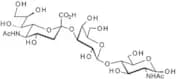
CAS:<p>Fluorination, Monosaccharide, Synthetic, Oligosaccharide, complex carbohydrate, Custom synthesis, Glycosylation, Polysaccharide, Click modification, Methylation<br>Fluorination is a chemical reaction that introduces fluorine into organic compounds. The reactant is typically an alcohol or phenol and the product is a fluoroalcohol or fluoroether.<br>Monosaccharides are simple sugars that cannot be hydrolyzed to smaller carbohydrates. <br>Oligosaccharides are saccharides composed of two to ten monosaccharides. Complex carbohydrates are polymers of saccharides. <br>Click chemistry is a type of chemical reaction used in organic chemistry to create new molecules and modify existing ones with high selectivity and efficiency. <br>Methylation is the process by which methyl groups are introduced into organic compounds such as fats and oils. It can also refer to the addition of a methyl group at one specific</p>Purity:Min. 95%3'-Sialyl-N-acetyllactosamine sodium salt
CAS:<p>Component of glycoproteins and glycolipids expressed in antigens and receptors of proteins, bacteria and viruses. Found in the free form in human biofluids, including urine and milk - preventing adhesion of bacteria to urinary epithelium and inhibiting enteric pathogens respectively. An efficient inhibitor of neutrophil-activating protein of H.pylori (HPNAP)-mediated neutrophil activation.</p>Formula:C25H42N2O19·NaPurity:Min. 95%Color and Shape:White Off-White PowderMolecular weight:697.59 g/molN-(Phenyl-2-methyl-1-propenyl)imino-2,3,4,6-tetra-O-pivaloyl-D-glucopyranoside
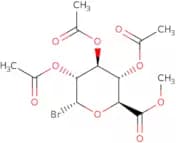
<p>N-(Phenyl-2-methyl-1-propenyl)imino-2,3,4,6-tetra-O-pivaloyl-D-glucopyranoside is an Oligosaccharide that contains a sugar. It has been custom synthesized for the purpose of fluorination and methylation reactions. The purity of this product is high and it has been assigned the CAS number: 3642.</p>Formula:C36H53NO9Purity:Min. 95%Molecular weight:643.81 g/mol1-Bromo-2,3,4-tri-O-acetyl-a-D-glucuronide methyl ester
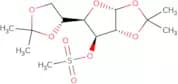
CAS:<p>1-Bromo-2,3,4-tri-O-acetyl-a-D-glucuronide methyl ester is a protected D-glucoronic acid with an alpha bromide at the anomeric position ready to undergo glycosylation reactions with suitable glycoside acceptors. Pharmaceutically active compounds have been used as acceptors to form β-linked D-glucuronide prodrugs which can be used to modify pharmacokinetics, improve solubility and lower the toxicity of the drug.</p>Formula:C13H17BrO9Purity:Min. 80%Molecular weight:397.17 g/mol1,2:5,6-Di-O-isopropylidene-3-O-methanesulfonyl-α-D-glucofuranose
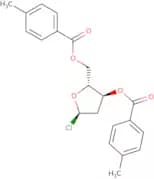
CAS:<p>A protected glucofuranose.</p>Formula:C13H22O8SPurity:Min. 95%Color and Shape:White To Off-White SolidMolecular weight:338.37 g/mol1-Chloro-2-deoxy-3,5-di-O-toluoyl-a-D-ribofuranose
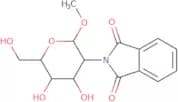
CAS:<p>1-Chloro-2-deoxy-3,5-di-O-toluoyl-a-D-ribofuranose (also known as Hoffer’s chlorosugar) is a synthetic building block used in nucleic acid research to afford an array of both alpha and beta linked 2’-deoxyribose derivatives. Naturally occurring nucleosides are typically beta linked and the efficient synthesis of alpha linked analogues, which are often more stable, offers access to interesting variations in 3D structure and biochemical reactivity.</p>Formula:C21H21ClO5Purity:Min. 90 Area-%Color and Shape:PowderMolecular weight:388.84 g/molMethyl 2-deoxy-2-phthalimido-β-D-glucopyranoside
CAS:<p>Methyl 2-deoxy-2-phthalimido-b-D-glucopyranoside is a synthetic sugar that has been modified with fluorine. It is an important building block for the synthesis of complex carbohydrates.<br>Methyl 2-deoxy-2-phthalimido-b-D-glucopyranoside can be used to modify saccharides and oligosaccharides, as well as to add fluorine atoms to glycosyl units. This modification can be done using a click chemistry reaction with azide functionalized molecules. The chemical structure of Methyl 2-deoxy-2-phthalimido-b-D-glucopyranoside is shown below:</p>Formula:C15H17NO7Purity:Min. 95%Color and Shape:White to off-white solid.Molecular weight:323.3 g/mol3,4-Di-O-acetyl-D-fucal
CAS:<p>3,4-Di-O-acetyl-D-fucal is a synthetic carbohydrate with two orientations. It is a synthon for the synthesis of carbohydrates and can be used as a ligand in biomolecular design. The synthetic carbohydrate has been shown to have chemotherapeutic effects, which may be due to its ability to inhibit glycan synthesis. This synthetic carbohydrate also has conformational parameters that are similar to those of natural fucose, which makes it an attractive candidate as a potential drug target.</p>Formula:C10H14O5Purity:Min. 95%Color and Shape:PowderMolecular weight:214.22 g/mol(4αS,6S,7R,8S,8αR)-8-(Benzyloxy)-2-phenyl-6-(phenylthio)hexahydropyrano[3,2-d][1,3]dioxin-7-yl benzoate
CAS:<p>Please enquire for more information about (4αS,6S,7R,8S,8αR)-8-(Benzyloxy)-2-phenyl-6-(phenylthio)hexahydropyrano[3,2-d][1,3]dioxin-7-yl benzoate including the price, delivery time and more detailed product information at the technical inquiry form on this page</p>Formula:C33H30O6SMolecular weight:554.66 g/molEthyl 2,3,4-tri-O-benzyl-β-L-thiofucopyranoside
CAS:<p>Ethyl 2,3,4-tri-O-benzyl-beta-L-thiofucopyranoside is a sugar that is used in the synthesis of complex carbohydrates. It can be custom synthesized to meet your specifications. Ethyl 2,3,4-tri-O-benzyl-beta-L-thiofucopyranoside is a monosaccharide that has been fluorinated and methylated. The CAS number for this compound is 99409-34-4.</p>Formula:C29H34O4SPurity:Min. 98 Area-%Molecular weight:478.64 g/mol6-Deoxy-γ-cyclodextrin
<p>This gamma-cyclodextrin (γ-CD) derivative is a modified cyclic oligosaccharide composed of eight glucose units, featuring a larger cavity size than α- and β-cyclodextrins. This structural characteristic allows γ-CDs to form inclusion complexes with a wider range of guest molecules, making it particularly versatile in various industries. In the food sector, it is used as a carrier and stabilizer for flavors, fat-soluble vitamins, and polyunsaturated fatty acids, protecting volatile compounds from evaporation. In pharmaceuticals, it enhances the solubility and bioavailability of poorly water-soluble drugs and, thanks to its larger ring size, allows for the encapsulation of larger molecules or even entire drug molecules. γ-CDs and derivatives are also used for environmental remediation and, in analytical chemistry, for the extraction and concentration of target substances.</p>Formula:C48H80O32Purity:Min. 95%Molecular weight:1,169.13 g/mol2,3-O-Isopropylidene-2-C-methyl-D-ribono-1,4-lactone
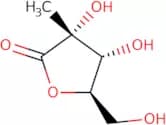
CAS:<p>2,3-O-Isopropylidene-2-C-methyl-D-ribono-1,4-lactone is a crystalline compound that is obtained by the reaction of dimethylamine with epichlorohydrin. The compound has an asymmetric carbon atom and exists in two enantiomeric forms. It can be used as an acceptor in crystallographic analysis. The chemical structure of 2,3-O-Isopropylidene-2-C-methyl-D-ribono-1,4 -lactone is a lactone form of episulfide. Episulfides are lactones with episulfide groups attached to the C2 and C3 positions on the D ring. The episulfide group is formed by the reaction between the alcohol and sulfhydryl group from cysteamine with sulfur trioxide. The chemical formula for this compound is C13H20N2O8S</p>Formula:C9H14O5Purity:Min. 95%Color and Shape:PowderMolecular weight:202.2 g/molD-Glucaric acid-1,4-lactone
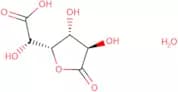
CAS:<p>Inhibitor of β-glucuronidase enzyme; prevents cleavage of glucuronides.</p>Formula:C6H8O7·H2OPurity:(%) Min. 96%Color and Shape:White PowderMolecular weight:210.14 g/mol6-O-Tert.butyldimethylsilyl - 2, 3- O- isopropylidene-L- gulonic acid γ-lactone
6-O-Tert.butyldimethylsilyl - 2, 3- O- isopropylidene-L- gulonic acid gamma-lactone is a glycosylate of 6-O-tert.butyl dimesitylglycolic acid. It is a monosaccharide with an α--glycosidic linkage that may be used in the synthesis of complex carbohydrates or as a sugar surrogate for saccharide chemistry applications. This product can be custom synthesized to your specifications and has high purity.Purity:Min. 95%4-Methoxyphenyl 4-O-(4-O-acetyl-3,6-di-O-benzyl-2-deoxy-2-phthalimido-b-D-glucopyranosyl)-3,6-di-O-benzyl-2-deoxy-2-phthalimido-b-D- glucopyranoside
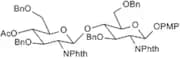
CAS:<p>4-Methoxyphenyl 4-O-(4-O-acetyl-3,6-di-O-benzyl-2-deoxy-2-phthalimido-b-D-glucopyranosyl)-3,6-di-O-benzyl -2,4,6-(1',4'-dioxan)-tris(2,3,5',6'-tetraethoxy)phenol</p>Formula:C65H60N2O15Purity:Min. 95%Molecular weight:1,109.17 g/molPhenyl 3,6,2',3',4',6'-hexa-O-acetyl-2-deoxy-2-trichloroacetamido-b-D-thiolactoside
<p>Phenyl 3,6,2',3',4',6'-hexa-O-acetyl-2-deoxy-2-trichloroacetamido-b-D-thiolactoside is a custom synthesis. It is an oligosaccharide and polysaccharide with a high purity and modification. This compound has a CAS No., and is an Oligosaccharide and Polysaccharide. Phenyl 3,6,2',3',4',6'-hexa-O-acetyl-2-deoxy-2-trichloroacetamido-b-D-thiolactoside is a sugar which is synthesized by Monosaccharides.</p>Formula:C32H38Cl3NO16SPurity:Min. 95%Color and Shape:White to off-white solid.Molecular weight:831.07 g/mol2,3,4,6-Tetra-O-benzoyl-α-D-glucopyranosyl bromide
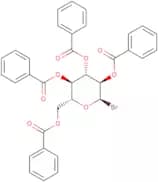
CAS:2,3,4,6-Tetra-O-benzoyl-α-D-glucopyranosyl bromide is a derivative of vitamin A. It has been used as a carbonate for the synthesis of retinol, tetrabenzoate and other related compounds. The compound is soluble in water and has shown growth promoting activity in studies with Salmonella typhimurium. 2,3,4,6-Tetra-O-benzoyl-α-D-glucopyranosyl bromide is metabolized to retinol by hydrolysis or oxidation. It can also be converted into tetrabenzoate by oxidation followed by reduction of the 4′ position hydroxyl group.Formula:C34H27BrO9Purity:Min. 95%Color and Shape:PowderMolecular weight:659.48 g/molBenzyl 2-acetamido-2-deoxy-6-O-(b-D-galactopyranosyl)-a-D-galactopyranoside
CAS:<p>This compound is a custom synthesis. It is an oligosaccharide, polysaccharide and modification of saccharides. The compound has been modified with methylation, glycosylation, and fluorination. This compound is a high purity product with the CAS number 93496-44-7.</p>Formula:C21H31NO11Purity:Min. 95%Color and Shape:PowderMolecular weight:473.47 g/mol4-(4-(2-hydroxyphenyl)-3-(E)-buten-2-one-1-yl)piperidine-2,6-dione
<p>4-(4-(2-hydroxyphenyl)-3-(E)-buten-2-one-1-yl)piperidine-2,6-dione is a custom synthesis that is prepared by reacting the 4-(4-(2-hydroxyphenyl)-3-(E)-buten-2-one with 1,4 piperidine dione. It has a CAS number of 302595. This product is an Oligosaccharide, Modification, saccharide and sugar. It's Methylation and Glycosylation can be modified to order. The purity of this product is high and it has been Fluorinated.</p>Purity:Min. 95%4-Aminobutyl 2-O-(a-D-mannopyranosyl)-a-D-mannopyranoside
<p>4-Aminobutyl 2-O-(a-D-mannopyranosyl)-a-D-mannopyranoside is a custom synthesis that has been fluorinated, methylated, and modified with a click modification. The product is a glycosylation that is an oligosaccharide sugar. It is an Oligosaccharide saccharide CAS No. Carbohydrate complex carbohydrate.</p>Purity:Min. 95%1-Deoxy- 3- O- tert.butyldimethylsilyl - 4, 5- O- isopropylidene -L- fructopyranose
<p>1-Deoxy- 3- O- tert.butyldimethylsilyl - 4, 5- O- isopropylidene -L- fructopyranose is a synthetic compound that has the ability to modify oligosaccharides and polysaccharides. The synthesis of this compound can be used to introduce fluorine at any position on the sugar molecule. This modification allows for the fluorination of sugars and saccharides, which in turn provides different properties such as increased resistance to enzymatic digestion and increased water solubility. 1-Deoxy- 3- O- tert.butyldimethylsilyl - 4, 5- O- isopropylidene -L- fructopyranose has been shown to have click modification capabilities. It can be used for glycosylation reactions with proteins or carbohydrates by reacting with the amino acid side chains of proteins or carbohydrates respectively in aqueous solution</p>Purity:Min. 95%Methyl 3-O-benzyl-b-D-xylopyranoside
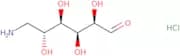
<p>Methyl 3-O-benzyl-b-D-xylopyranoside is a modified oligosaccharide that is used in the synthesis of complex carbohydrate structures. It has been shown to be a good substrate for glycosylation. Methyl 3-O-benzyl-b-D-xylopyranoside is also a monosaccharide, and can be fluorinated to produce a saccharide with potential antiholistic properties.</p>Purity:Min. 95%6-Amino-6-deoxy-D-glucose hydrochloride
CAS:6-Amino-6-deoxy-D-glucose hydrochloride is a chromatographic agent that is used to detect and identify viruses. It is also used to study antiviral drugs and the virus life cycle. 6-Amino-6-deoxy-D-glucose hydrochloride has been shown to inhibit protein synthesis in animal cells infected with paramyxoviruses, which may be due to its ability to inhibit acetylation of proteins. This drug has also been shown to inhibit influenza virus replication in cell culture. 6-Amino-6-deoxy--D--glucose hydrochloride binds to the viral ribonucleic acid (RNA) and inhibits the replication of the virus by binding competitively to the RNA polymerase enzyme.Formula:C6H13NO5·(HCl)Purity:Min. 95%Color and Shape:White PowderMolecular weight:215.63 g/mol7, 8, 9, 10- Tetradeoxy- 1, 2- O- isopropylidene-D- glycero- a- D- gluco- decofuranose
<p>7, 8, 9, 10-Tetradeoxy-1, 2-O-isopropylidene-D-glycero-a-D-gluco-decofuranose is a carbohydrate that has been modified to include fluorine atoms. This compound is a complex carbohydrate with a CAS number and is available for custom synthesis. It can be used as an oligosaccharide or sugar and has high purity and methylation. The compound can also be glycosylated and click modified.</p>Purity:Min. 95%2'-Fucosyllactose peracetate
<p>2'-Fucosyllactose peracetate is a synthetic, oligosaccharide-type complex carbohydrate. It is custom synthesized and modified with fluorination, methylation, and click chemistry. 2'-Fucosyllactose peracetate is used as a glycosylation reagent in the synthesis of polysaccharides. The CAS number for this product is 6569-81-8. This product has been shown to be highly purified (> 99%) and have an excellent shelf life (up to two years).</p>Formula:C38H52O25Purity:Min. 95%Molecular weight:908.8 g/mol2,3,4,5-Tetra-O-acetyl-D-ribononitrile
CAS:<p>2,3,4,5-Tetra-O-acetyl-D-ribononitrile is a custom synthesis chemical. It is an Oligosaccharide, Polysaccharide, Modification and has the CAS No. 25546-50-3. It can be used as a Fluorination reagent in Synthetic Chemistry and Click modification. The purity of this chemical is high and it has a Custom synthesis. 2,3,4,5-Tetra-O-acetyl-D-ribononitrile is synthesized by Methylation and Glycosylation of sugar molecule with acetyl group. This chemical can be used to modify saccharide and carbohydrate molecules.</p>Formula:C13H17NO8Purity:Min. 95%Color and Shape:PowderMolecular weight:315.28 g/molEthyl 6-O-benzyl-2-deoxy-4-O-Fmoc-3-O-levulinoyl-2-trichloroacetamido-b-D-thioglucopyranoside
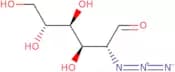
CAS:<p>Ethyl 6-O-benzyl-2-deoxy-4-O-Fmoc-3-O-levulinoyl-2-trichloroacetamido-b-D-thioglucopyranoside is a synthetic, custom synthesis of an oligosaccharide. It is composed of a saccharide and a fluorinated methyl group. The glycosylation pattern is not disclosed due to the proprietary nature of the product. The purity level is high, with minimal impurities.</p>Purity:Min. 95%2-Azido-2-deoxy-D-glucose
CAS:<p>2-Azido-2-deoxy-D-glucose is the azido analogue of D-glucosamine and may be used as a metabolic chemical reporter by direct labelling of glycans. The azide group is used to link to a fluorescent marker, enabling secondary visualisation and identification of glycoproteins. The azide moiety of 2-azido-2-deoxy-D-glucose has been used to form triazoles via a 1,3-dipolar cycloaddition reaction in the synthesis of molecules with improved solubility used to inhibit p38a MAPK for anti-inflammation.</p>Formula:C6H11N3O5Purity:Min. 97 Area-%Color and Shape:White PowderMolecular weight:205.17 g/mol

![D-[5-2H]Glucose](/_next/image/?url=https%3A%2Fstatic.cymitquimica.com%2Fproducts%2F3D%2Fthumb-webp%2FMG75100.webp&w=3840&q=75)





![(3R, 4S, 5R, 6R, 7S) -1- Azabicyclo[4.2.0] octane- 3, 4, 5, 7- tetrol](/_next/image/?url=https%3A%2Fstatic.cymitquimica.com%2Fproducts%2F3D%2Fthumb-webp%2FMA163391.webp&w=3840&q=75)

![(4αS,6S,7R,8S,8αR)-8-(Benzyloxy)-2-phenyl-6-(phenylthio)hexahydropyrano[3,2-d][1,3]dioxin-7-yl ben…](/_next/image/?url=https%3A%2Fstatic.cymitquimica.com%2Fproducts%2F3D%2Fthumb-webp%2FMB184552.webp&w=3840&q=75)