Glycoscience
Glycoscience is the study of carbohydrates and their derivatives, as well as the interactions and biological functions they participate in. This field of research is crucial for understanding a wide variety of biological processes, including cell recognition, signaling, immune response, and disease development. Glycoscience has important applications in biotechnology, medicine, and the development of new drugs and therapies. At CymitQuimica, we offer a wide selection of high-quality, high-purity products for glycoscience research. Our catalog includes monosaccharides, oligosaccharides, polysaccharides, glycoconjugates, and specific reagents, designed to support researchers in their studies on the structure, function, and applications of carbohydrates in biological systems. These resources are intended to facilitate scientific discoveries and practical applications in various areas of bioscience and medicine.
Subcategories of "Glycoscience"
- Aminosugars(108 products)
- Glyco-Related Antibodies(282 products)
- Glycolipids(46 products)
- Glycosaminoglycans (GAGs)(55 products)
- Glycosides(419 products)
- Monosaccharides(6,622 products)
- Oligosaccharides(3,682 products)
- Polysaccharides(503 products)
Found 11041 products of "Glycoscience"
Sort by
Purity (%)
0
100
|
0
|
50
|
90
|
95
|
100
3-Azido-3-deoxy-1,2:5,6-di-O-isopropylidene-α-D-galactofuranose
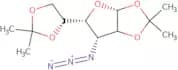
CAS:<p>3-Azido-3-deoxy-1,2:5,6-di-O-isopropylidene-a-D-galactofuranose is a synthetic sugar that can be used as a monosaccharide or oligosaccharide. It is a complex carbohydrate that can be modified with methylation, fluorination, and click chemistry. 3-Azido-3-deoxy-1,2:5,6-di-O-isopropylidene-a-D galactofuranose is an important compound in carbohydrate chemistry due to its ability to undergo glycosylation reactions. The chemical properties of 3ADGFP are comparable to those of other monosaccharides and carbohydrates.</p>Formula:C12H19N3O5Purity:Min. 95%Color and Shape:Solidifying oil.Molecular weight:285.3 g/molD-Glucarate monopotassium
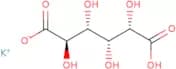
CAS:<p>D-Glucarate monopotassium is a pharmaceutical preparation that is used to inhibit the growth of bacteria. It inhibits the proliferation of cells by inhibiting fatty acid synthesis, which leads to decreased levels of cholesterol, and reduces the uptake of glucose. D-Glucarate monopotassium is also an oxidizing agent that converts uridine into uric acid and has been shown to have inhibitory properties against human cancer cells. D-Glucarate monopotassium can be used as an antioxidant for the prevention or treatment of chronic diseases such as atherosclerosis, diabetes, and cancer. This compound acts as an inhibitor for trypsin treatment on carbohydrates, preventing hydrolysis by this enzyme.</p>Formula:C6H9O8·KPurity:Min. 95%Color and Shape:PowderMolecular weight:248.23 g/mol4-O-(b-D-Ribofuranosyl)-L-rhamnopyranose
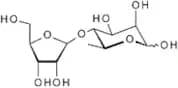
<p>4-O-(b-D-Ribofuranosyl)-L-rhamnopyranose is a custom synthesized monosaccharide that can be modified with fluorination and methylation. This sugar can be used for glycosylation reactions to form oligosaccharides or polysaccharides. The number of sugar molecules that are attached to the sugar determines the complexity of the carbohydrate. 4-O-(b-D-Ribofuranosyl)-L-rhamnopyranose is an example of a complex carbohydrate because it has four sugars attached to it.</p>Formula:C11H20O9Purity:Min. 95%Molecular weight:296.27 g/molChitosan oligomer (Dp 12-20)
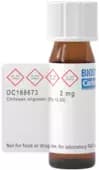
<p>Chitosan oligomer (Dp 12-20) is a modification of chitin, a polysaccharide. It can be synthesized by treating chitin with sodium hydroxide in an alkaline environment. Chitosan oligomer (Dp 12-20) has a high degree of saccharide modification and exhibits a variety of functions, including complex carbohydrate, custom synthesis, synthetic, high purity, CAS No., and monosaccharide methylation. This compound has been shown to inhibit the growth of bacteria such as Staphylococcus aureus and Clostridium perfringens.</p>Formula:(C6H11NO4)nColor and Shape:Beige PowderGlycyl-sialyllacto-N-tetraose c
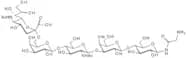
<p>Glycyl-sialyllacto-N-tetraose c is a custom synthesis of the carbohydrate polysaccharide glycyl-sialyllacto-N-tetraose. It is a complex carbohydrate that has been modified for use in biochemical research. Glycyl-sialyllacto-N-tetraose c contains four sugars, including erythrose and threose, and has been fluorinated at the C5 position. The modification of this carbohydrate was achieved through a click reaction. This product has been purified to be greater than 95% pure and is ready for use as an organic solvent or chemical reagent in laboratory experiments.</p>Formula:C39H66N4O29Purity:Min. 95%Molecular weight:1,054.95 g/mol3,5-Di-O-benzoyl-2-deoxy-2,2-difluoro-D-ribonic acid-1,4-lactone
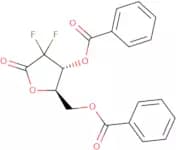
CAS:<p>3,5-Di-O-benzoyl-2-deoxy-2,2-difluoro-D-ribonic acid-1,4-lactone (3DBR) is a nucleoside that has been shown to have antiaging properties. It has been found to be an effective scavenger of peroxyl radicals and reactive oxygen species (ROS). 3DBR also inhibits the formation of aluminum oxide and styrene by catalyzing the salt formation reaction. This compound also has anti-tumour activity and can be used as a chemotherapeutic agent for the treatment of cancer. It is heat resistant and can be combined with gemcitabine hydrochloride in chemotherapy.</p>Formula:C19H14F2O6Purity:Min. 95%Color and Shape:White PowderMolecular weight:376.31 g/molD-Galactose - anhydrous
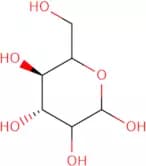
CAS:<p>Galactose (Gal) is the C4 epimer of glucose with one hydroxyl group axial which by Hudsons rules makes it slightly less stable than glucose (Hudson, 1948). However, galactose is very common in plants and animals, and occurs in many polysaccharides, such as, galactomannans (e.g. Guar, Locust Bean Gum), Carrageenans , Agar (L-Galactose), Hemicellulose, Gum Arabic [link] and galactans (e.g. from Lupin) (Whistler, 1993). Galactose is one of the key mammalian monosaccharides (glucose, galactose, mannose, fucose, N-acetyl glucosamine, N-acetyl galactosamine and sialic acid) and it occurs in blood, milk, gangliosides, N- and O-linked glycans (Gabius, 2009). Like glucose, galactose exhibits mutarotation (Acree, 1968) and is optically active (dextrorotary) with L-galactose as its enantiomer (levorotary).</p>Formula:C6H12O6Purity:Min. 98 Area-%Color and Shape:White PowderMolecular weight:180.16 g/molMethyl 2-azido-2-deoxy-3-O-benzyl-6-O-benzoyl-a-D-glucopyranoside
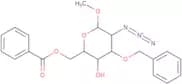
CAS:<p>Methyl 2-azido-2-deoxy-3-O-benzyl-6-O-benzoyl-a-D-glucopyranoside is a synthetic carbohydrate that can be used as a fluorescent probe. It has been used to study the glycosylation of proteins and saccharides, and also as an intermediate in the synthesis of oligosaccharides. The chemical structure of Methyl 2-azido-2-deoxy-3 -O -benzyl -6 -O -benzoyl -a -D -glucopyranoside is shown below:</p>Formula:C21H22N3O6Purity:Min. 95%Molecular weight:412.42 g/molneo-Inositol
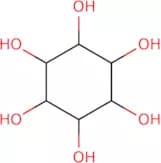
CAS:<p>Neo-inositol is a type of inositol that is not found naturally in the body, but can be synthesized. It has been shown to inhibit the growth of cancer cells and have a physiological effect on ovarian cells. Neo-inositol has also been shown to inhibit certain types of cancer cells by interfering with their ability to produce energy. Neo-inositol was also shown to increase levels of cytosolic Ca2+ in a model system, which may contribute to its cytotoxic effects.</p>Formula:C6H12O6Purity:Min. 95 Area-%Color and Shape:White PowderMolecular weight:180.16 g/molN-[2-(4'-Nitrophenylacetonitrile)]-2,3,4,6-tetra-O-pivaloyl-D-glucopyranoside
<p>The chemical name for N-[2-(4'-Nitrophenylacetonitrile)]-2,3,4,6-tetra-O-pivaloyl-D-glucopyranoside is 4'-nitrophenyl 2,3,4,6-tetra-O-pivaloylmethyl glucopyranoside. It is a monosaccharide that has been custom synthesized and modified to contain a methyl group at the C2 position. This compound is also fluorinated at the C1 position and glycosylated at the C4 position. It is soluble in DMSO and methanol. The CAS number for this compound is 1263096-04-8.</p>Formula:C34H49N3O11Purity:Min. 95%Molecular weight:675.77 g/molBenzyl D-glucuronate
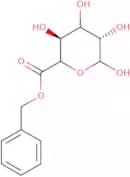
CAS:<p>Used for the synthesis of 1β-O-acyl glucuronides</p>Formula:C13H16O7Purity:Min. 95%Color and Shape:White PowderMolecular weight:284.26 g/molPerseitol
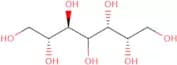
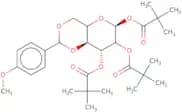
CAS:<p>Perseitol is a nutrient solution that contains fatty acids and is used in tissue culture to supplement the growth of cells. It can be used as a substitute for animal serum, which is usually derived from bovine or porcine sources. Perseitol provides all essential components required for cell growth, including amino acids, vitamins, minerals, and lipids. Perseitol is also used in vitro assay systems to determine the redox potential of substances. This solution has been shown to have anti-inflammatory properties due to its ability to inhibit prostaglandin synthesis.</p>Formula:C7H16O7Purity:Min. 95%Color and Shape:White Off-White PowderMolecular weight:212.2 g/mol4,6-O-(4-Methoxybenzylidene)-1,2,3-tri-O-pivaloyl-b-D-galactopyranose
<p>4,6-O-(4-Methoxybenzylidene)-1,2,3-tri-O-pivaloyl-b-D-galactopyranose is a custom synthesis of a complex carbohydrate. It is an oligosaccharide that has been modified with methylation and glycosylation. The CAS number for this compound is 123097-29-2. This compound has a high purity and has been fluorinated with the click reaction. It is a synthetic sugar that is also a polysaccharide.</p>Formula:C29H42O10Purity:Min. 95%Molecular weight:550.65 g/mol5-Deoxy-5-dimethylamino-1,2-O-isopropylidene-a-D-xylofuranose
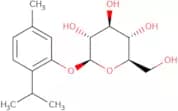
CAS:<p>5-Deoxy-5-dimethylamino-1,2-O-isopropylidene-a-D-xylofuranose is a fluorinated monosaccharide that is used as a synthetic building block for the synthesis of oligosaccharides and polysaccharides. It is used in glycosylation reactions to introduce fluoride at the anomeric carbon. 5-Deoxy-5-dimethylamino-1,2-O-isopropylidene is also used in click modification reactions to modify methyl groups. The CAS number for 5DDAIWF is 14514743. 9. This product has high purity with a purity of greater than 99%.</p>Formula:C10H19NO4Purity:Min. 95%Color and Shape:Colourless to pale yellow oil.Molecular weight:217.27 g/molThymol-β-D-glucopyranoside
CAS:<p>Thymol-b-D-glucopyranoside is a bactericidal agent that is resistant to encapsulation. It has been shown to be effective against animals and typhimurium in an incubated population and endogenous deaminase inhibitor strategy. The porcine activated food chemistry and abattoir experiments show that thymol-b-D-glucopyranoside has the potential to reduce populations of bacteria in the gastrointestinal tract by inhibiting protein synthesis.</p>Formula:C16H24O6Purity:Min. 95%Color and Shape:PowderMolecular weight:312.36 g/molSucrose octasulfate triethylammonium salt
CAS:<p>This compound is generally known as sucralfate and is a medication for the treatment of active duodenal ulcers. It is also used for the treatment of gastroesophageal reflux disease (GERD) and stress ulcers. Sucralfate is a sucrose sulfate-aluminium complex that binds to the ulcer, creating a physical barrier that protects the gastrointestinal tract from stomach acid and prevents the degradation of mucus. It also promotes bicarbonate production and acts like an acid buffer with cytoprotective properties.</p>Formula:C12H22O35S8•(C6H15N)xPurity:Min. 95%Color and Shape:White Off-White PowderMolecular weight:982.81 g/molmeso-Erythritol
CAS:<p>Natural sweetener; vasodilator</p>Formula:C4H10O4Purity:Min. 98 Area-%Color and Shape:White PowderMolecular weight:122.12 g/molIsomalto oligomers (Dp 4-8)
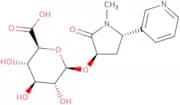
<p>Isomalto oligomers are a custom synthesis of polysaccharide oligosaccharides. These compounds are modified with methylation, glycosylation, and fluorination to create a high purity product that is free of undesirable contaminants. Isomalto oligomers (DP 4-8) are synthesized from sugars and can be used in the modification of saccharide chains during glycosylation reactions. This product also has the ability to produce click chemistry modifications.</p>Purity:ReportedColor and Shape:Powder1-O-(trans-3-Hydroxycotinine)-b-D-glucuronide ammonium salt
CAS:<p>The glucuronidation of 1-O-(trans-3-hydroxycotinine)-b-D-glucuronide ammonium salt is mediated by the enzyme UDP-glucuronosyltransferase. This reaction is catalyzed by the transfer of a glucuronic acid residue from UDP-glucuronic acid to a hydroxyl group on the side chain of 1-O-(trans-3-hydroxycotinine)-b-D-glucuronide ammonium salt. The kinetic analysis of human urine samples has shown that this reaction is significant. This metabolite can be detected in urine samples using next generation sequencing and its concentration can be used as an indicator for the consumption of tobacco or nicotine containing products. Epidemiological studies have shown that this metabolite has significant effects on cancer risk. Genotyping and genotype studies have shown that this metabolite is responsible for genetic polymorphisms that are associated with increased cancer risk.</p>Formula:C16H20N2O8•(NH3)xPurity:Min. 97%Color and Shape:White PowderMolecular weight:368.34 g/molGal-b-1-3-GalNAc-b-1-4-Gal-b-1-4-Glc-b-ethylazide
<p>Gal-b-1-3-GalNAc-b-1-4-Gal-b-1-4-Glc is a polysaccharide that is an important component of the outer membrane of Gram negative bacteria. It has been synthesized and modified with methylation, saccharide, Click modification, and glycosylation. The oligosaccharide has a high purity and is synthesized by custom synthesis. GalNAc is purified by HPLC and fluorinated to achieve complex carbohydrate.</p>Purity:Min. 95%2-C-Methyl-L-ribono-1,4-lactone
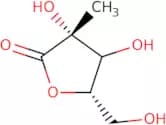
CAS:<p>2-C-Methyl-L-ribono-1,4-lactone is a crystallized carbohydrate that contains the enantiomers L and D. It is a chiral molecule with two asymmetric carbon atoms. The L form has a higher yield than the D form and can be synthesized from l-arabinose, dimethylamine, and isomerisation. This compound is also present in ketoses such as d-xylose and 1-deoxy-d-ribulose. 2CMLR1L4L acts as an inhibitor of the enzyme d-galactose dehydrogenase, which catalyzes the conversion of d-galactose to d-glucose. Cyanide can bind to this compound to form cyanohydrin adducts, which are toxic to cells.</p>Formula:C5H10O5Purity:Min. 95%Molecular weight:150.13 g/molUlvan -from Ulva rigida
CAS:<p>Ulvan is a complex carbohydrate that has been modified with methylation, fluorination, and click chemistry. Ulvan can be used in the synthesis of oligosaccharides and saccharides. It is also an important glycosylation product. Ulvan has been shown to have anti-inflammatory properties, which may be due to its inhibition of prostaglandin synthesis.</p>Purity:(%) Min. 70%Color and Shape:Powder2-Acetamido-4,6-O-benzylidene-2-deoxy-D-galactopyranose
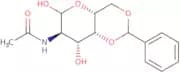
CAS:<p>2-Acetamido-4,6-O-benzylidene-2-deoxy-D-galactopyranose is a fluorescent dye that binds to the hydroxyl group of nucleic acids. It can be used for microscopy of cells and bacteria in culture. This dye is also used for the measurement of cavitation activity. The dye is added at a concentration of 0.1% to the cell culture media. After 24 hours, it can then be observed with a microscope under UV light. 2-Acetamido-4,6-O-benzylidene-2-deoxy-D-galactopyranose has been shown to have lysis effects on cells such as agarose gels and mammalian cells, leading to cell death by apoptosis or necrosis. It's also used as an indicator in gel electrophoresis experiments because it can bind to DNA and RNA molecules, which makes</p>Formula:C15H19NO6Purity:Min. 95%Color and Shape:White PowderMolecular weight:309.31 g/mol2,3-Dimethyl-6-amino-6-deoxy-γ-cyclodextrin
<p>This gamma-cyclodextrin (γ-CD) derivative is a modified cyclic oligosaccharide composed of eight glucose units, featuring a larger cavity size than α- and β-cyclodextrins. This structural characteristic allows γ-CDs to form inclusion complexes with a wider range of guest molecules, making it particularly versatile in various industries. In the food sector, it is used as a carrier and stabilizer for flavors, fat-soluble vitamins, and polyunsaturated fatty acids, protecting volatile compounds from evaporation. In pharmaceuticals, it enhances the solubility and bioavailability of poorly water-soluble drugs and, thanks to its larger ring size, allows for the encapsulation of larger molecules or even entire drug molecules. γ-CDs and derivatives are also used for environmental remediation and, in analytical chemistry, for the extraction and concentration of target substances.</p>Formula:C64H120N8O32Purity:Min. 95%Molecular weight:1,513.67 g/mol3,4,6-Tri-O-acetyl-L-glucal
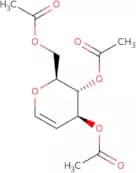
CAS:<p>Resource for the synthesis of 2-azido- and 2-deoxy-L-glucoses and 1,2-epoxides</p>Formula:C12H16O7Purity:Min. 95%Color and Shape:White PowderMolecular weight:272.25 g/molL-Glucose
CAS:<p>L-glucose is a monosaccharide that is an important source of energy for the human body. The glucose molecule consists of 6 carbon atoms, 12 hydrogen atoms and 6 oxygen atoms. Glucose enters cells with the help of insulin and ATP-sensitive potassium channels. It has been shown that L-glucose can inhibit viral replication in vitro, such as HIV and herpes simplex virus type 1 (HSV-1). L-Glucose may be used to treat squamous carcinoma by reducing the redox potential in cancer cells. L-Glucose inhibits the growth of c. glabrata by inhibiting transcription activators and enzymes involved in glycolysis. L-Glucose also has hypoglycemic effects on humans by reducing cortisol concentrations in human serum.</p>Formula:C6H12O6Purity:Min. 98 Area-%Color and Shape:White Clear LiquidMolecular weight:180.16 g/molEugenol-β-D-glucuronide
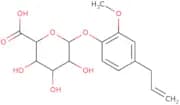
CAS:<p>Eugenol-glucuronide is an indirubin analog that has been found to have potent anticancer properties. It acts as a kinase inhibitor, blocking the activity of proteins that are involved in cancer cell growth and proliferation. Eugenol-glucuronide induces apoptosis, a process by which damaged or abnormal cells are eliminated from the body. It has been shown to be effective against human and Chinese hamster ovary tumor cells in vitro. This medicinal compound is excreted in urine and has potential for use in cancer treatment as an inhibitor of tumor growth.</p>Formula:C16H20O8Purity:Min. 95%Molecular weight:340.32 g/molScleroglucan
CAS:<p>Scleroglucan is produced by the fermentation of the fungus Sclerotium rolfsii. It is a glucan with a main chain of 1,3-linked β-D-glucopyranosyl units with every third unit having a single β-D-glucopyranosyl unit linked 1,6. Scleroglucan powders disperse in water and give very viscous shear thinning solutions. Applications are in the oil industry in enhanced oil recovery, in agriculture in sprays and in the food and pharmaceutical industries.<br>The image was kindly provided by Dr. Chris Lawson.</p>Purity:Min. 90%Color and Shape:Slightly Yellow Powder(1R) -1- [(2S, 3R,4S) -4-(Acetylamino)methyl-N-butyl-3- hydroxy- 1- azetidinyl] -1, 2- ethanediol
<p>(1R) -1- [(2S, 3R,4S) -4-(Acetylamino)methyl-N-butyl-3- hydroxy- 1- azetidinyl] -1, 2- ethanediol is a synthetic glycoside that has been modified with fluorine. It has a number of applications in the synthesis of saccharides and polysaccharides for use as pharmaceuticals or food additives.</p>Purity:Min. 95%6-Deoxy-D-lactose
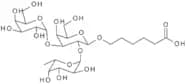
CAS:<p>6-Deoxy-D-lactose is a custom synthesized, complex carbohydrate that is an Oligosaccharide. It is a polysaccharide with a CAS number of 52689-62-0. 6-Deoxy-D-lactose has been modified by methylation and glycosylation and can be used as a Modification of saccharides. 6-Deoxy-D-lactose has been fluorinated and it can be synthesized by Click modification of sugar or high purity. 6-Deoxy-D-lactose is a white, crystalline powder that is soluble in water, ethanol, and acetone.br><br>6 Deoxy Lactose (6DL) is an oligosaccharide that consists of one glucose molecule linked to one galactose molecule via alpha 1-->4 glycosidic linkage. The chemical formula for 6DL is C 12 H 22 O 11 . 6DL</p>Formula:C12H22O10Purity:Min. 95%Color and Shape:Off-White PowderMolecular weight:326.3 g/molBlood Group B trisaccharide-(CH2)5COOH derivative
<p>Blood group antigen with spacer arm</p>Formula:C24H42O17Purity:Min. 95%Color and Shape:Brown LiquidMolecular weight:602.58 g/molSalicylic acid 2-O-β-D-glucoside
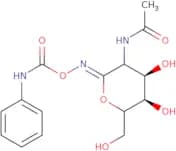
CAS:<p>Predominant glycosylated metabolite of Salicylic Acid</p>Formula:C13H16O8Purity:Min. 95%Color and Shape:PowderMolecular weight:300.26 g/molGalacto-PUGNAc
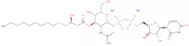
CAS:<p>Galacto-PUGNAc is an oligosaccharide with a complex carbohydrate structure. It is synthesized from galactose and pyranose, which are sugars that belong to the group of carbohydrates. Galacto-PUGNAc is modified by methylation, glycosylation, and fluorination. The chemical modification of this compound provides it with high purity and fluorescence properties. Click chemistry is also used in its synthesis, which involves the use of reactive species that contain azides or alkyne groups. This modification increases the stability of the compound, making it a useful tool for molecular biology and biochemistry research.</p>Formula:C15H19N3O7Purity:Min. 75 Area-%Color and Shape:PowderMolecular weight:353.33 g/molUDP-3-O-(R-3-hydroxymyristoyl)-GlcNAc disodium
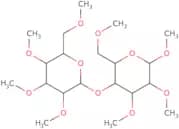
<p>Substrate for UDP-3-O-acyl-N-acetylglucosamine deacetylase (LpxC)</p>Formula:C31H53N3O19P2•Na2Purity:Min. 95%Color and Shape:White PowderMolecular weight:879.67 g/molMethyl cellulose - USP (viscosity ca 1500cP)
CAS:<p>Cellulose derivative, food thickener and emulsifier, bulk forming laxative</p>Color and Shape:PowderBenzyl-2,3,3,6-tetra-O-acetyl-tio-D-glucopyranoside
<p>This compound is a custom synthesis, modification and fluorination of an acetylated glycoside. It is a methylated monosaccharide with a saccharide at the reducing end. This product can be used in the synthesis of oligosaccharides, glycosylation and sugar modifications. The CAS number for this compound is 58907-27-3.</p>Purity:Min. 95%D-Glucosamine-2-N, 3-O, 6-O-trisulfate sodium salt
<p>D-Glucosamine-2-N, 3-O, 6-O-trisulfate sodium salt is a high purity oligosaccharide that can be custom synthesized. This product is composed of sugar, Click modification, fluorination, glycosylation, and methylation. It has CAS No. and Oligosaccharide. This product is used in the production of complex carbohydrates due to its saccharide composition.</p>Formula:C6H10NNa3O14S3Purity:Min. 95%Color and Shape:White/Off-White SolidMolecular weight:485.31 g/mol6-Methyldiosgenin Acetate
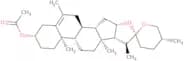
CAS:<p>6-Methyldiosgenin acetate is a saponin that is found in the plant Balanites aegyptiaca. It has been shown to have anti-inflammatory and anti-tumor effects, as well as antioxidant properties. 6-Methyldiosgenin acetate also has been shown to stimulate the production of nitric oxide (NO) in endothelial cells, which may contribute to its anti-inflammatory effects. The chemical structure of 6-methyldiosgenin acetate is similar to that of furostanol and spirostanol, which are both saponins found in plants that can be used for the treatment of cancer. In addition, sapogenols are known to have a variety of therapeutic activities including antidiabetic, antiviral and anticancer activity.</p>Formula:C30H46O4Purity:Min. 95%Molecular weight:470.68 g/molPregnanediol 3α-O-β-D-glucuronide
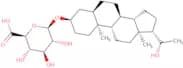
CAS:<p>Pregnanediol 3α-O-β-D-glucuronide is a glucuronide metabolite of progesterone, which is a key steroid hormone in the reproductive system. This compound is derived from the metabolic conversion of progesterone, primarily within the liver, where it undergoes glucuronidation. This process involves the addition of glucuronic acid, mediated by the enzyme UDP-glucuronosyltransferase, enhancing the compound’s solubility for renal excretion.</p>Formula:C27H44O8Purity:Min. 95%Color and Shape:PowderMolecular weight:496.63 g/mol2,3,5-Tri-O-benzyl-D-ribofuranose
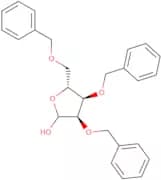
CAS:<p>2,3,5-Tri-O-benzyl-D-ribofuranose is a carbohydrate that can be synthesized through an efficient method. It is a glycoside with an oxotitanium (oxo) group. The synthesis of this compound requires magnesium as the activating agent and o-glycosylation. The glycoconjugates of this compound are found in organisms such as fungi, yeast, and bacteria. In addition to its carbohydrate function, 2,3,5-Tri-O-benzyl-D-ribofuranose has been shown to have antimicrobial properties. This sugar has also been shown to have antiviral properties due to its ability to inhibit the enzyme ribonucleotide reductase (RNR).</p>Formula:C26H28O5Purity:Min. 95%Color and Shape:White PowderMolecular weight:420.5 g/molKojipentaose
CAS:<p>Kojipentaose is a glycosidic oligosaccharide that is synthesized by the enzyme phosphorylase. It is an important nutrient for many organisms, including bacteria and fungi. Kojipentaose has been found to be synthesized from the terminal sugars of teichoic acids in both Gram-positive and Gram-negative bacteria. The stereoselectivity of the synthesis may be due to enzymatic activity or the availability of chiral substrates.</p>Formula:C30H52O26Purity:Min. 95%Molecular weight:828.72 g/mol2,6-Dimethyl-a-cyclodextrin >70%
CAS:<p>Alpha-cyclodextrin (α-CD) derivative with a hydrophilic exterior and lipophilic cavity (smaller than β-CDs and γ-CDs) to allocate certain guest molecules. This structural characteristic enables applications in molecular encapsulation, solubility enhancement, and stabilization across multiple industries. In pharmaceuticals, it serves as a drug delivery vehicle, enhancing the bioavailability and stability of active ingredients. The food industry utilizes it as a stabilizer for flavors, colors, and nutrients, as well as a functional ingredient for its effects on lipid metabolism. In cosmetics, it acts as a complex agent for fragrances and active components. Its applications extend to analytical chemistry for chiral separation and to materials science for developing smart materials and nanosystems.</p>Formula:C48H84O30Purity:Min. 95%Color and Shape:PowderMolecular weight:1,141.16 g/mol4-Methoxyphenyl 2,4,6-tri-O-benzoyl-a-D-mannopyranoside
<p>4-Methoxyphenyl 2,4,6-tri-O-benzoyl-a-D-mannopyranoside is a glycosylation product of mannose with 4-methoxybenzoic acid. It is a complex carbohydrate that has been modified by methylation and click modification. The fluorination increases the reactivity of the hydroxyl groups on the sugar ring. This product can be synthesized in high purity and custom synthesis.</p>Formula:C34H30O10Purity:Min. 95%Molecular weight:598.6 g/mol3,6-Di-O-acetyl-γ-cyclodextrin
<p>This gamma-cyclodextrin (γ-CD) derivative is a modified cyclic oligosaccharide composed of eight glucose units, featuring a larger cavity size than α- and β-cyclodextrins. This structural characteristic allows γ-CDs to form inclusion complexes with a wider range of guest molecules, making it particularly versatile in various industries. In the food sector, it is used as a carrier and stabilizer for flavors, fat-soluble vitamins, and polyunsaturated fatty acids, protecting volatile compounds from evaporation. In pharmaceuticals, it enhances the solubility and bioavailability of poorly water-soluble drugs and, thanks to its larger ring size, allows for the encapsulation of larger molecules or even entire drug molecules. γ-CDs and derivatives are also used for environmental remediation and, in analytical chemistry, for the extraction and concentration of target substances.</p>Formula:C80H112O56Purity:Min. 95%Molecular weight:1,969.71 g/molAdenosine-5'-b-D-galactopyranoside
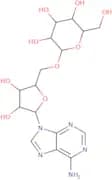
CAS:<p>Adenosine-5'-b-D-galactopyranoside is a complex carbohydrate, which is a glycoconjugate consisting of an adenosine molecule linked to the sugar galactose by an alpha (1→4) glycosidic linkage. It is a methylated, fluorinated, and saccharide-modified analogue of adenosine monophosphate. Adenosine-5'-b-D-galactopyranoside is also known as 5'-Deoxyadenosine 5'-b-D-galactopyranoside or 3',5'-Diadenylic acid 5'-b-D-galactopyranoside. The compound can be custom synthesized in high purity with the desired modifications.</p>Purity:Min. 95%Decyl β-D-maltopyranoside
CAS:<p>Non-ionic detergent; solubilises proteins for SDS-PAGE analysis</p>Formula:C22H42O11Purity:Min. 97 Area-%Color and Shape:White PowderMolecular weight:482.56 g/mol4-O-(β-D-Mannopyranosyl)-D-mannose
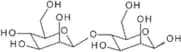
CAS:<p>One of the disaccharides produced during the acid reversion of D-mannose. This mannobiose is the major repeating unit in the mannose chains of plant mannans, galacto- and gluco-mannans. It has been isolated from partial acid hydrolysates of ivory-nut (Phytelephas, macrocarpa) mannan, guaran (Cyamopsis sp.), palmyra palm (Borassus flabelliferer), fenugreek (Trigonella foenum-graecum) and lucerne (Medicago saliva) galactomannans.</p>Formula:C12H22O11Purity:Min. 95%Color and Shape:White PowderMolecular weight:342.3 g/mol1-Deoxytagatose
<p>1-Deoxytagatose is a fluorescent ketone that can be used as a chemical probe for the detection of protein synthesis. The fluorescence properties of 1-deoxytagatose are well suited for use as a marker in fluorometric assays and it has been used to measure ketone bodies in urine. The mechanism of 1-deoxytagatose is not fully understood, but it has been found to react with phosphate groups and form a phosphoric acid derivative.</p>Purity:Min. 95%4-O-(a-D-Galactopyranosyl)-D-glucopyranose
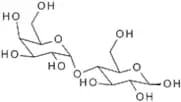
CAS:<p>Disaccharide is a carbohydrate with two simple sugars. It is soluble in water and has a density of 1.621 g/ml. Disaccharides are found in the tissues of many plants and animals, where they can be hydrolyzed by various enzymes to release monosaccharides. Disaccharides are also found in certain types of lichen and algae, where they are produced through photosynthesis. The most common disaccharides are sucrose, lactose, maltose, trehalose, and cellobiose. The simplest type of disaccharide is called a monosaccharide or sugar molecule. Monosaccarides have the same chemical formula but different physical forms that depend on their molecular mass (i.e., they may be a solid or liquid). Disaccharides can be classified as either sulfuric or organic solvent-soluble depending on whether they dissolve in sulfuric acid or an organic solvent such as ethanol or</p>Formula:C12H22O11Purity:Min. 95%Color and Shape:PowderMolecular weight:342.3 g/mol6'-O-Sulfated Lewis X
<p>6'-O-Sulfated Lewis X is a synthetic, sulfated, monosaccharide that is modified with fluorine and methyl groups. It is used in the synthesis of oligosaccharides and polysaccharides. 6'-O-Sulfated Lewis X has been found to be effective in the prevention of glycosylation and sugar formation. This compound can also be used for click modification, as well as for modifying proteins or DNA. The CAS number is 59037-07-4.</p>Formula:C20H35NO18SPurity:Min. 95%Color and Shape:PowderMolecular weight:609.55 g/mol

![N-[2-(4'-Nitrophenylacetonitrile)]-2,3,4,6-tetra-O-pivaloyl-D-glucopyranoside](/_next/image/?url=https%3A%2Fstatic.cymitquimica.com%2Fproducts%2F3D%2Fthumb-webp%2FMN08450.webp&w=3840&q=75)






![(1R) -1- [(2S, 3R,4S) -4-(Acetylamino)methyl-N-butyl-3- hydroxy- 1- azetidinyl] -1, 2- ethanediol](/_next/image/?url=https%3A%2Fstatic.cymitquimica.com%2Fproducts%2F3D%2Fthumb-webp%2FMA163406.webp&w=3840&q=75)